

E918135 PLC Module: Advanced Industrial Automation Solution for Modern Manufacturing
On this page
What is the Elo E918135 touch glass?
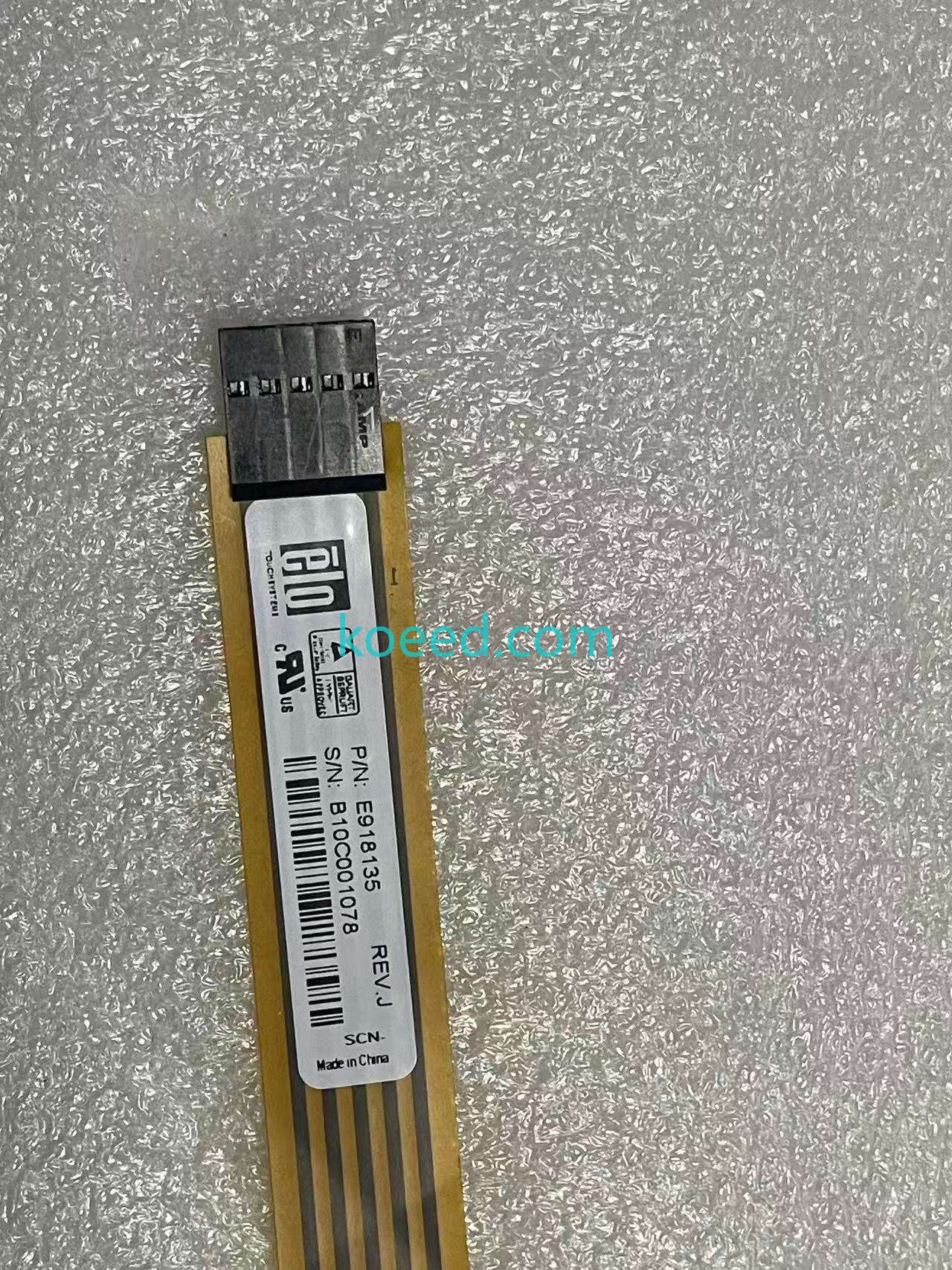
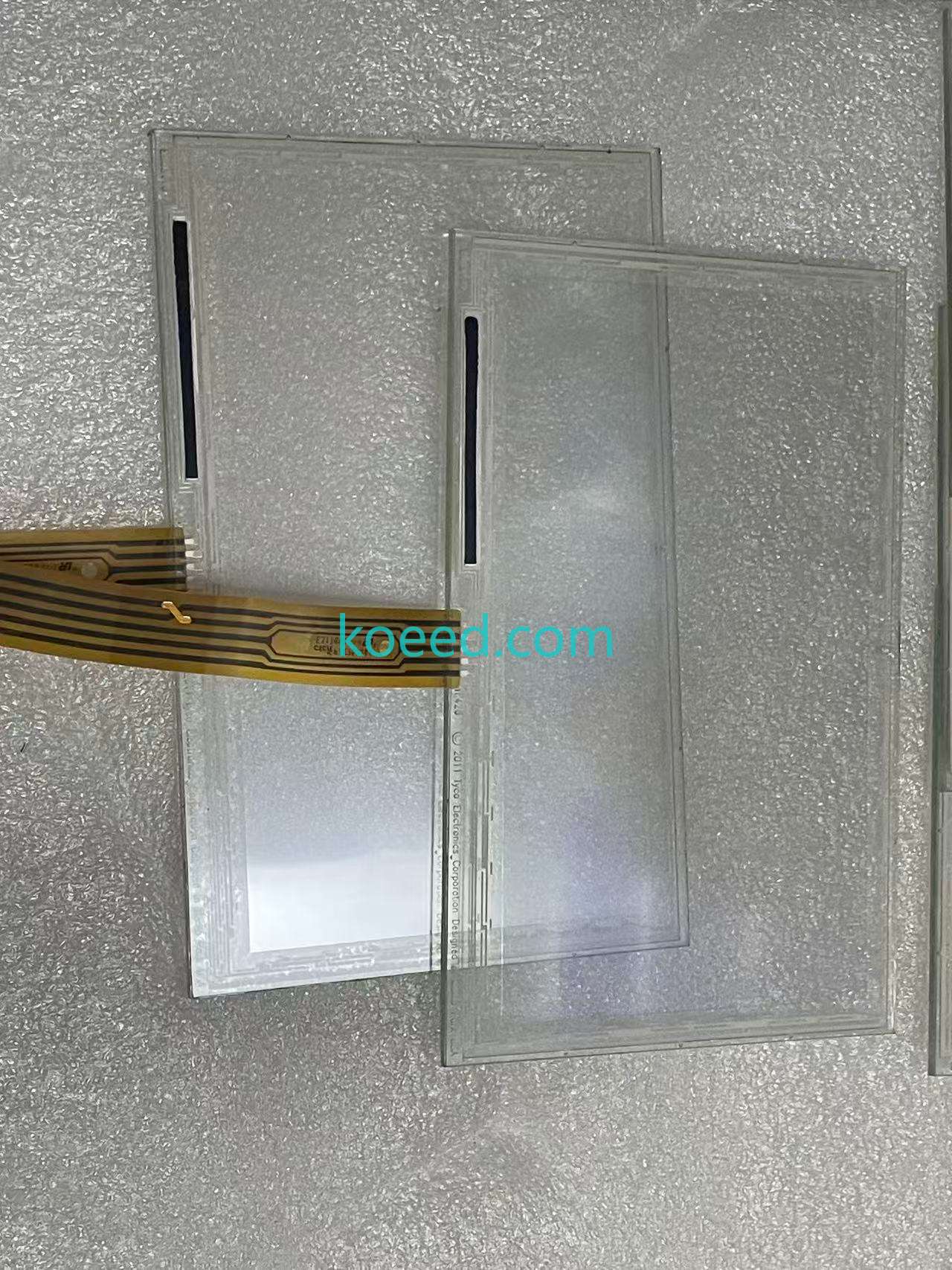
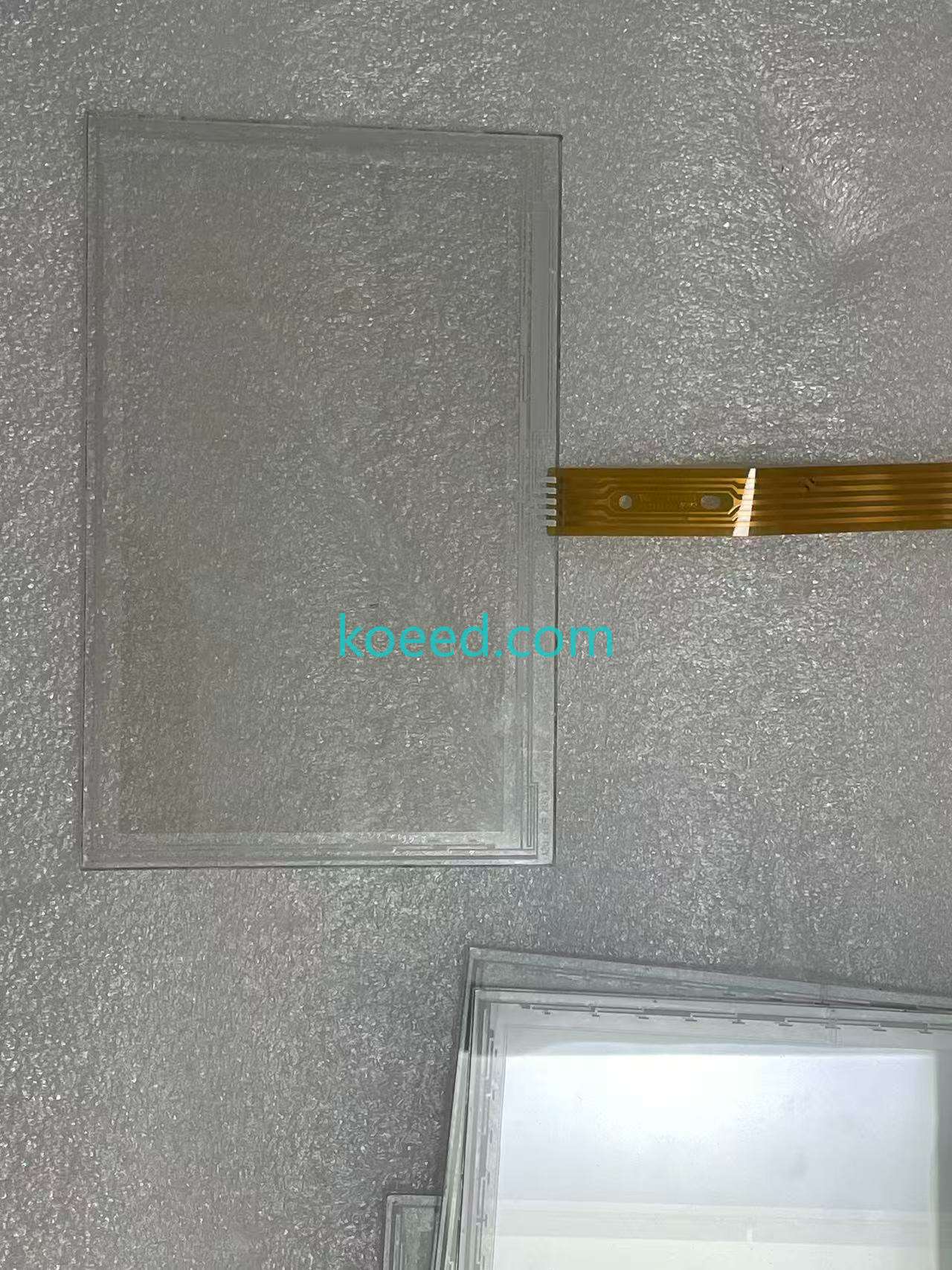
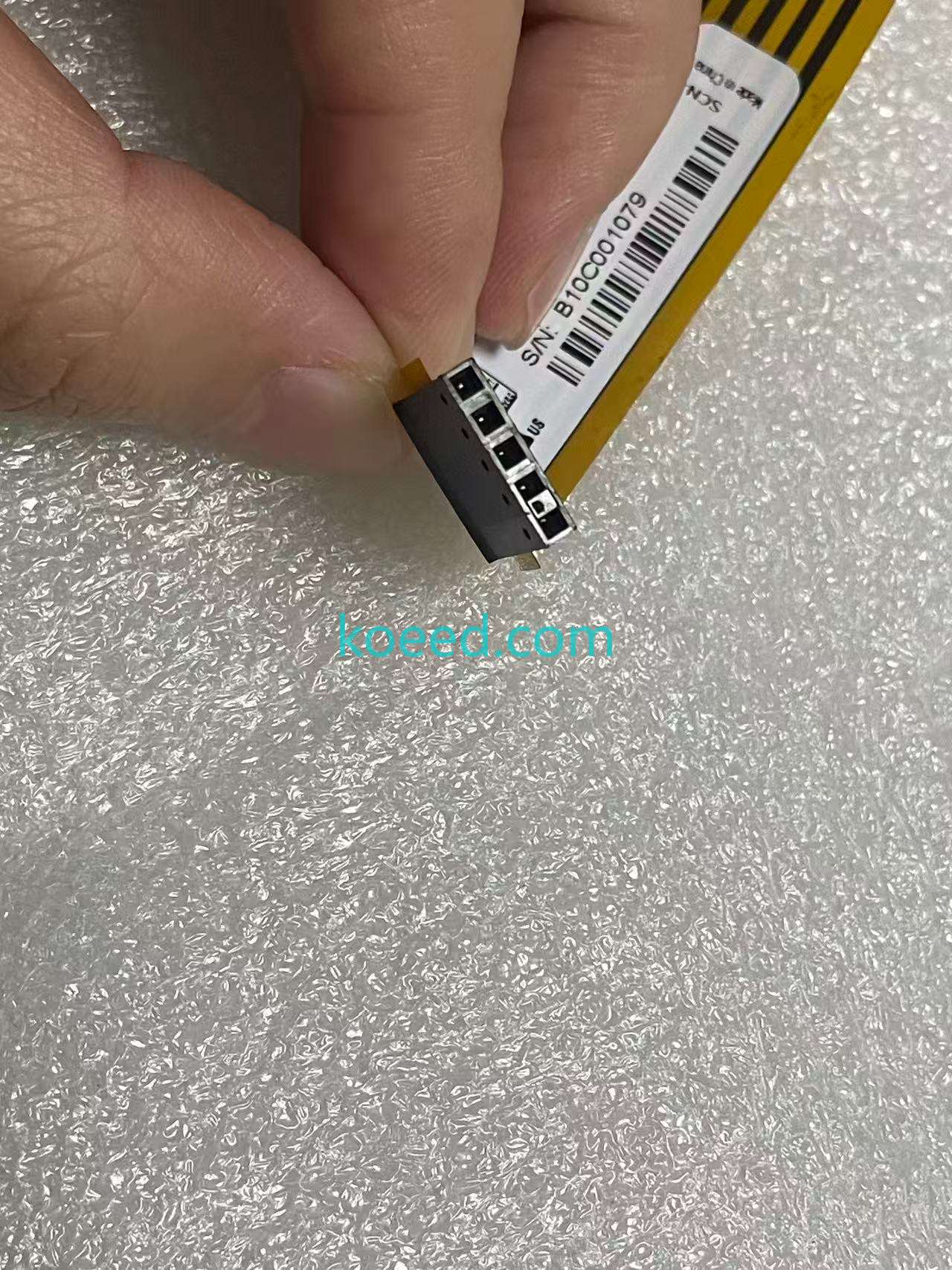
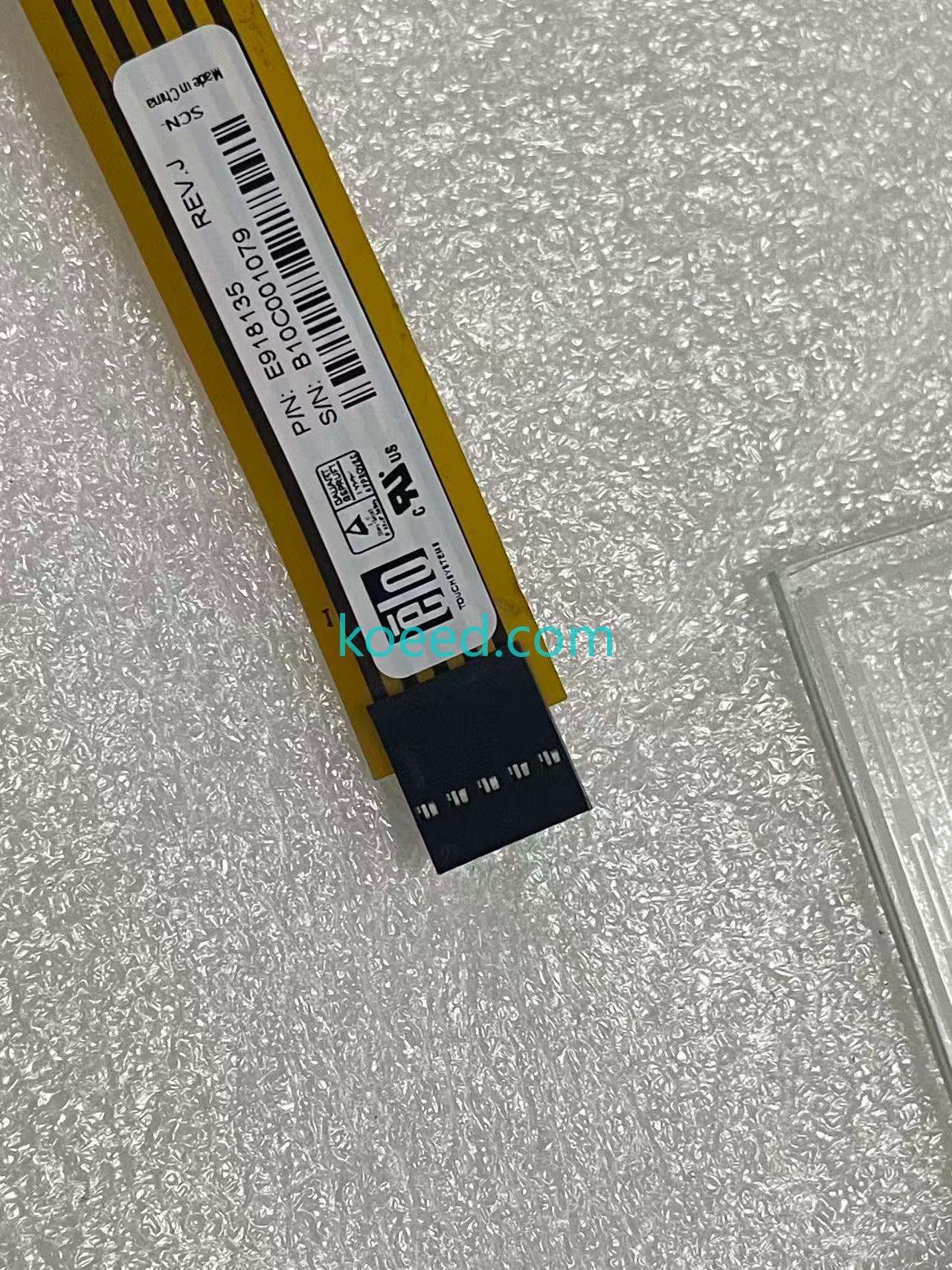
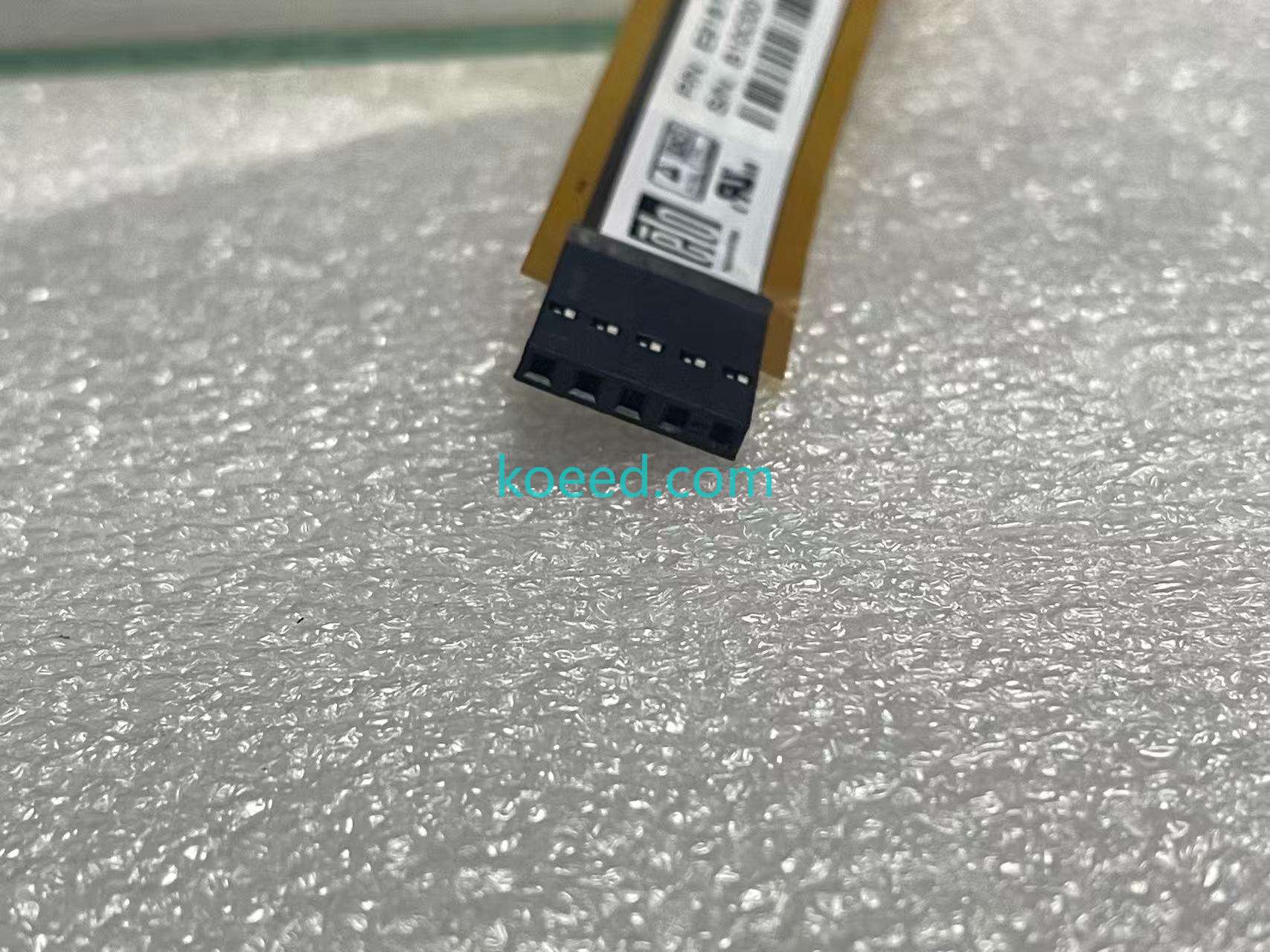
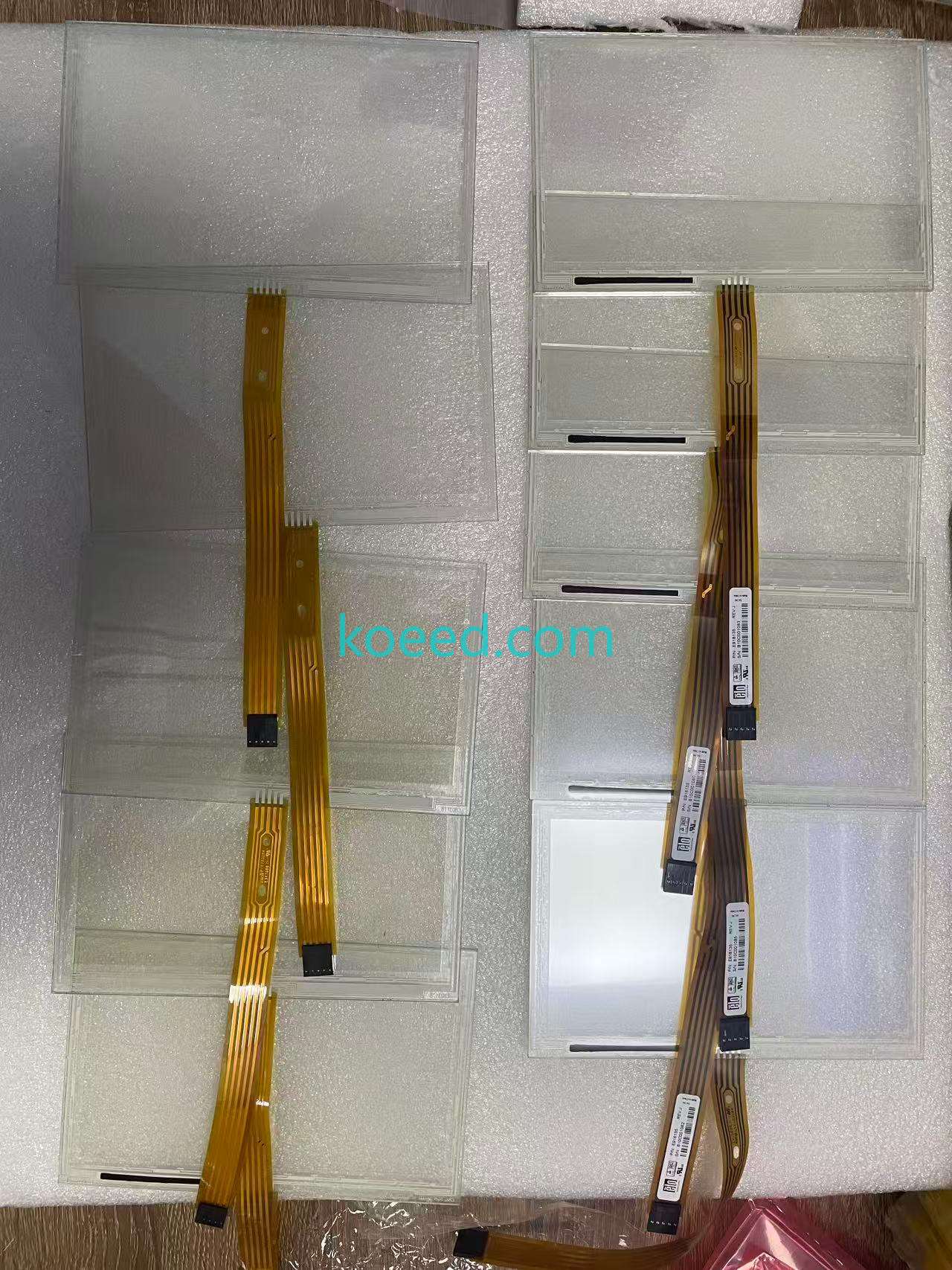
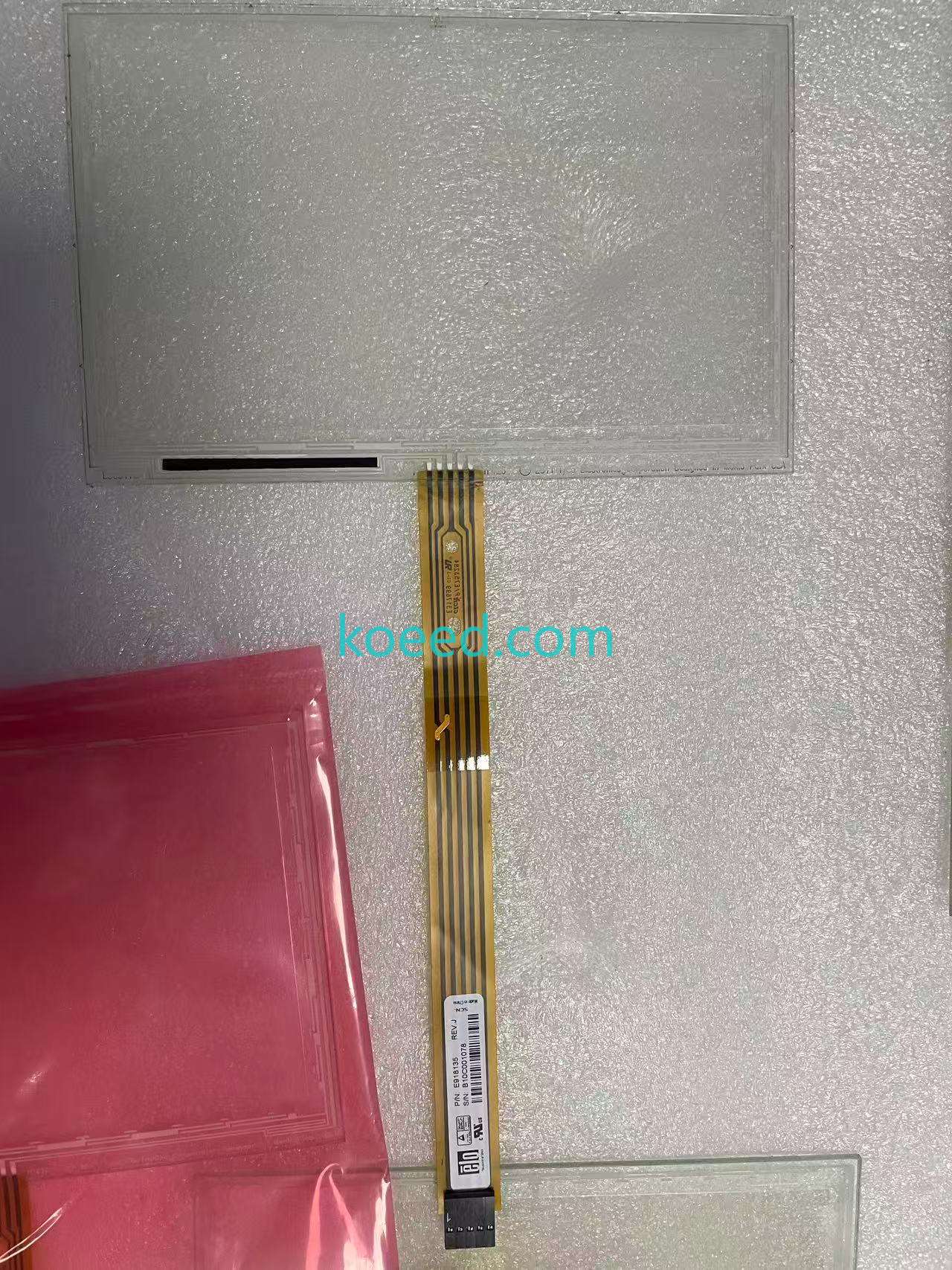
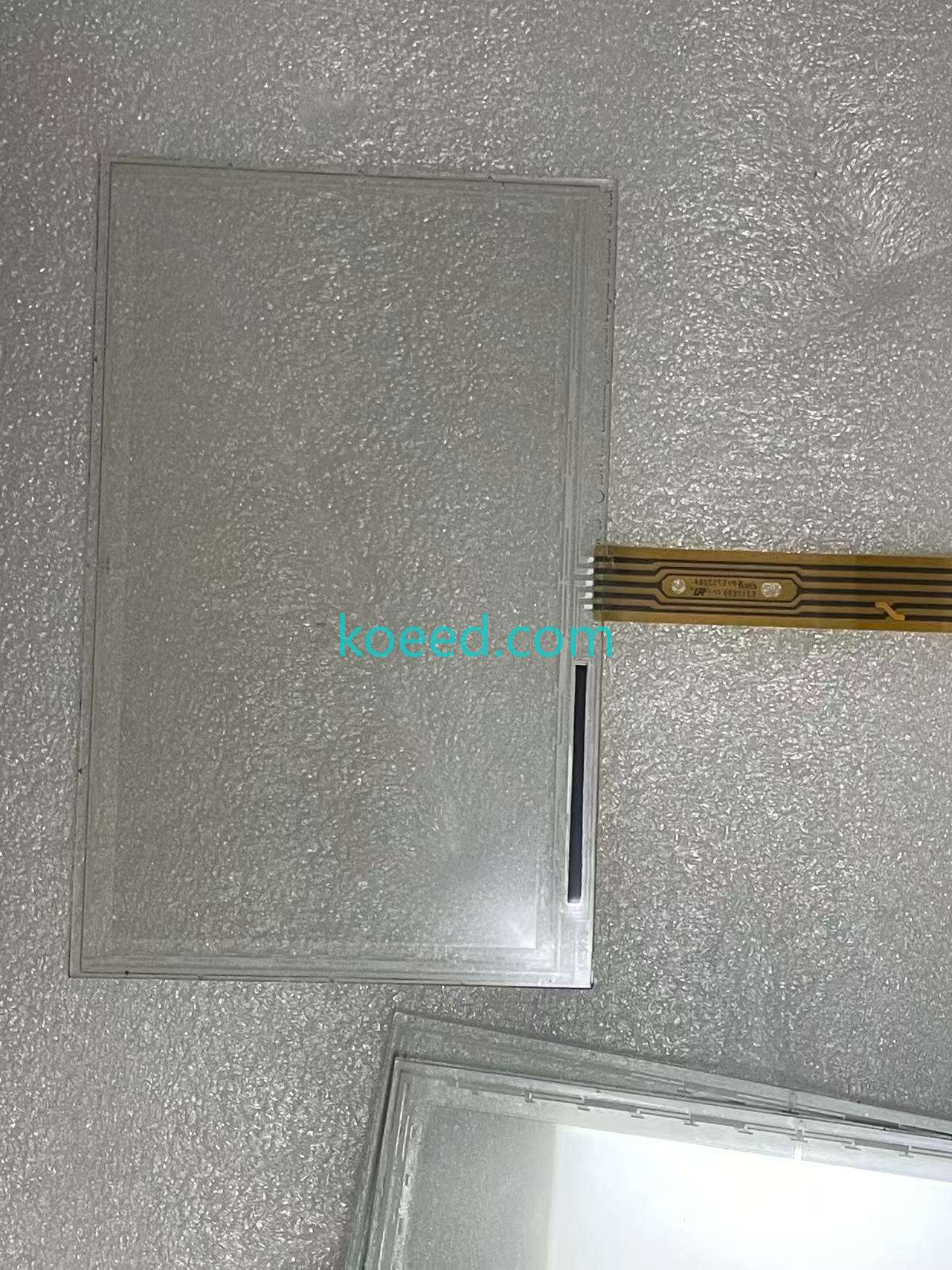
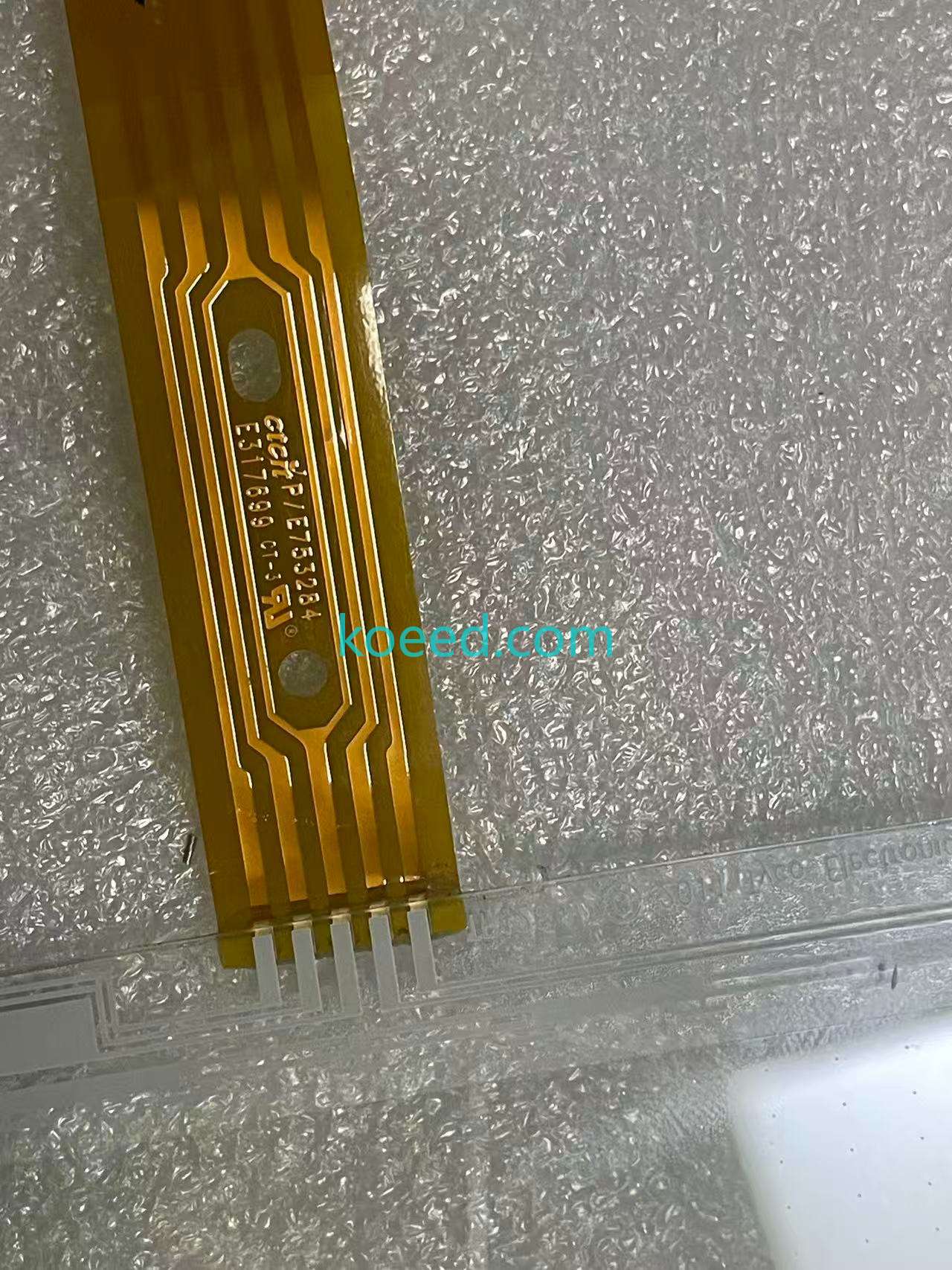
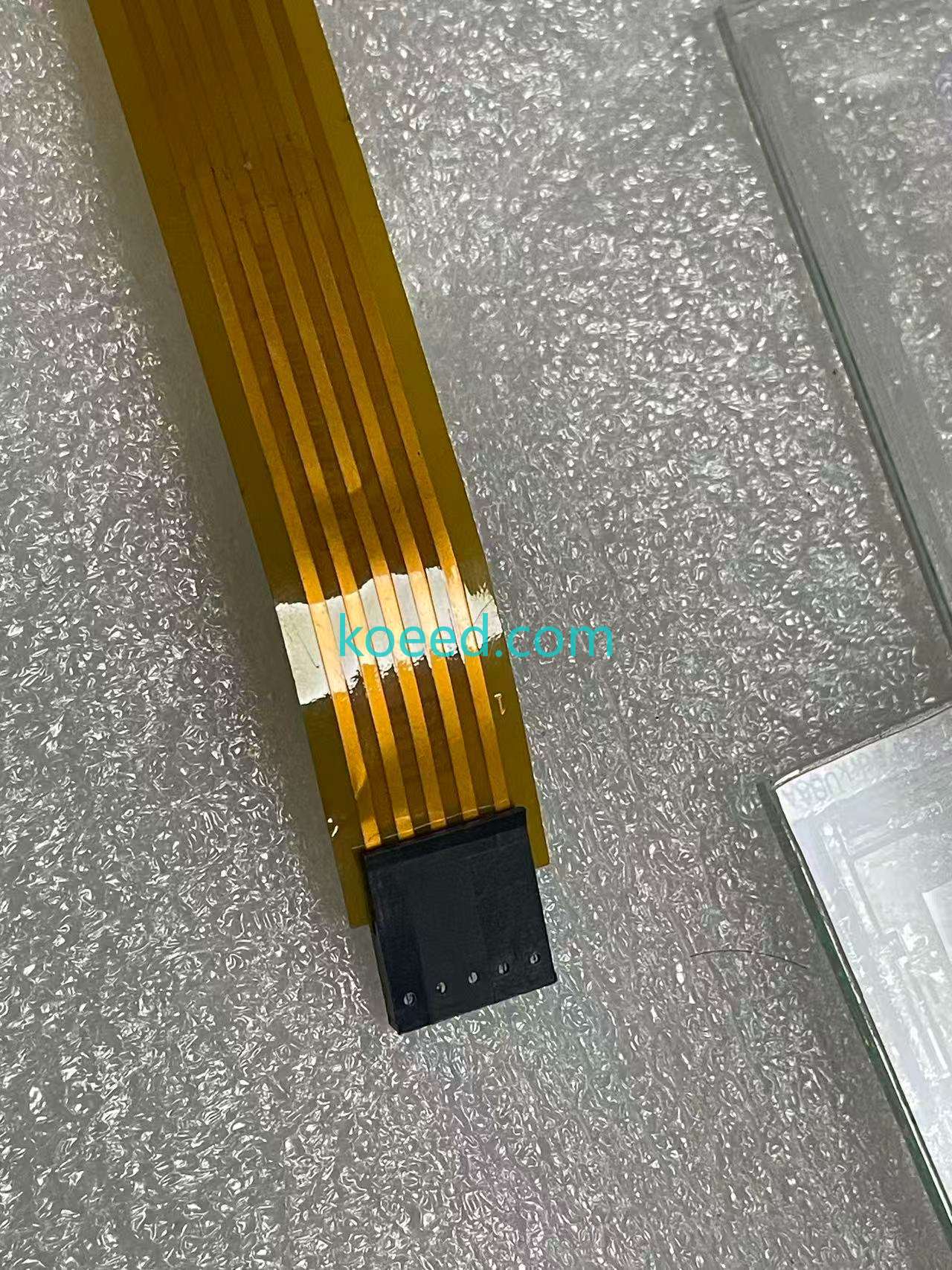
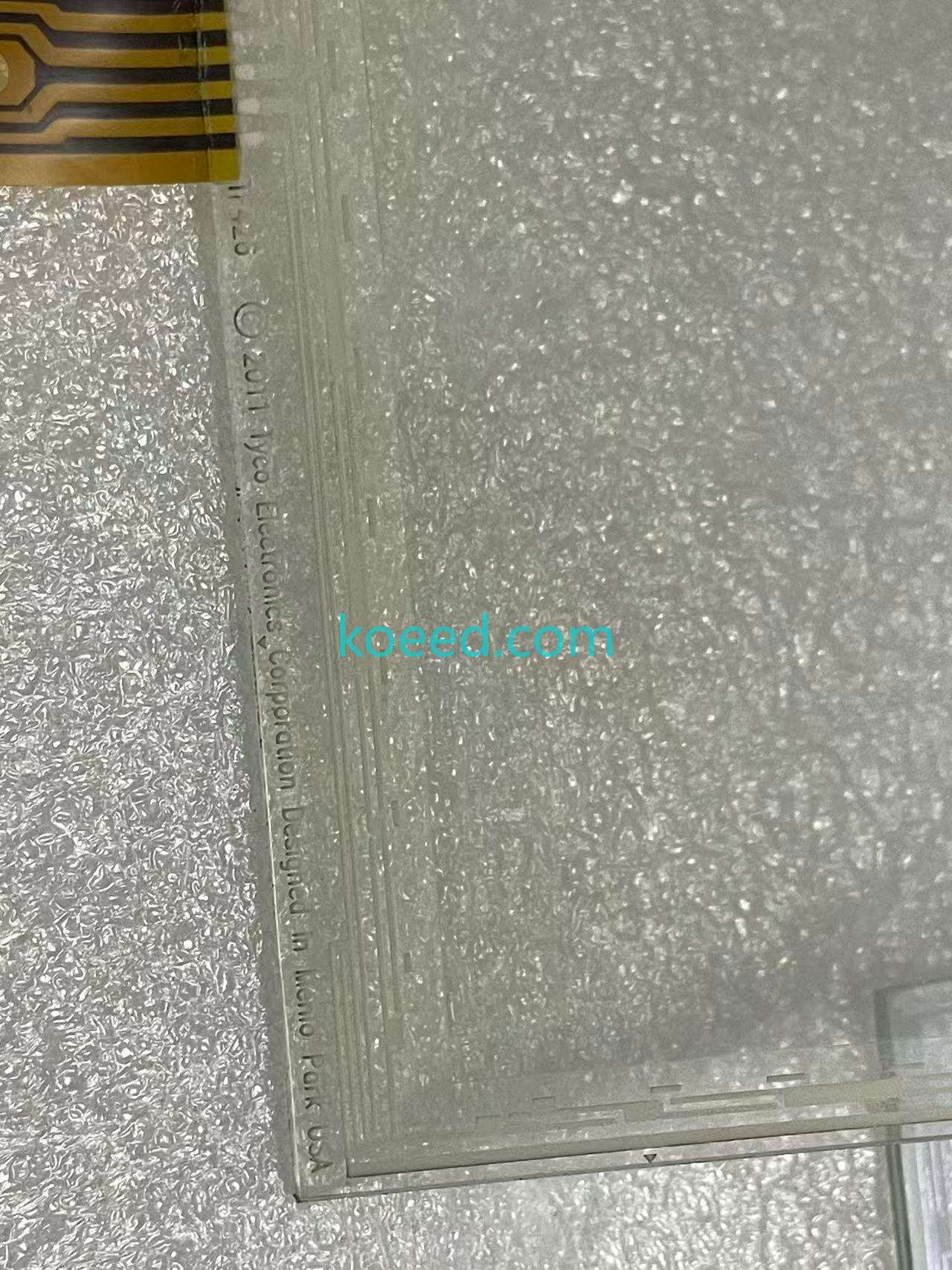
Note on the listing title: the queue titles this article a "PLC Module" — the part is a touch screen. The E918135 is an Elo (Tyco Electronics-era) five-wire resistive touch glass — the transparent digitizer layer that laminates over a display and turns touches into coordinates: tempered glass carrying the resistive sensing pattern, with the gold FPC tail and its 5-pin connector landing on the touch controller. The FPC label states the identity — ēlo TOUCHSYSTEMS, P/N: E918135, REV.J, S/N: B10C001078 / B10C001079, SCN-, Made in China, cULus — and the glass edge carries the design line: © 2011 Tyco Electronics Corporation, Designed in Menlo Park USA. It is the SCN-series service glass, the layer that wears out on a kiosk or terminal while the electronics behind it keep running. Ten glasses, new in static bags, as recorded at intake. All 12 photos and 1 video below show these exact parts.
Part details
| Field | Value |
|---|---|
| Part number | Elo P/N E918135, REV.J — SCN series |
| Serials | B10C001078, B10C001079 (across the set) |
| Type | Five-wire resistive touch glass (digitizer layer), tempered glass with gold FPC tail |
| Connection | FPC tail to a 5-pin connector |
| FPC marking | ater P/E753284, E317699 CT-3, UL |
| Design line (glass edge) | © 2011 Tyco Electronics Corporation, Designed in Menlo Park USA |
| Maker | Elo TouchSystems (Tyco Electronics era) — Made in China |
| Approvals | cULus (FPC label) |
| Quantity | 10 glasses, new in static bags, as recorded at intake |
| Shipping weight | 2 kg per lot as recorded |
Values are read from the FPC label, the glass edge engraving and the photographed construction in the photo set.
The wear layer of a touch terminal
Five-wire resistive is the touch technology that industrial terminals settled on for a reason: the glass carries one stable resistive plane while the flexible layer above carries the other, and a touch is read wherever the two meet — so the active layer can be scratched, dented even, and the touch still registers accurately, because only the top layer flexes. That is why the technology dominated kiosks, POS terminals and medical panels through the 2000s and 2010s, and why the glass itself is the service part: it takes the stylus strikes, the keys, the cleaners, and eventually it cracks or delaminates while the display, controller and computer behind it carry on. The Elo lineage here is worth reading from the glass itself: the edge print — © 2011 Tyco Electronics, Designed in Menlo Park USA — dates the design to the era when Elo sat inside Tyco, with manufacture in China and the cULus file riding on the FPC label. Replacement is a lamination job on the bench: peel the failed glass from its mount, mate the new FPC to the controller socket, and the terminal returns with a factory-new touch layer. Ten glasses in static bags are photographed here — a service depot's stock for a fleet of SCN-series terminals.
Photos and video
All images below are original KOEED warehouse photos. Click any photo to view it full size.
Sourcing help
KOEED supplies this product, in active and EOL stock. Send the part number for a quote.
Need a quote for this part?
Send us the part number or article link — we will confirm price, availability and lead time.


