

MT-400 Magnetic Tensioner: The 2026 Standard for Precision Coil Winding (0.08–0.25mm Wire)
As coil winding enters the smart-manufacturing era in 2026, tension control has emerged as the single most critical variable determining winding quality, throughput, and scrap rate. The Koeed MT-400 Magnetic Tensioner delivers a permanent-magnet-based, maintenance-free tensioning solution purpose-built for 0.08–0.25 mm wire diameters — a range that dominates precision transformer, relay, solenoid, and sensor coil production worldwide.
1. Strategic Overview: Why the MT-400 Matters in the 2026 Factory
The global coil winding machine market crossed USD 4.8 billion in early 2026 and is accelerating toward USD 9.2 billion by 2035 at a 7.5% CAGR. This growth is fueled by the electrification of transport, renewable energy infrastructure, and the explosion of IoT edge devices — all of which depend on precisely wound coils. In this landscape, tension inconsistency is the hidden cost driver: over-tension snaps fine wire, under-tension produces loose, high-resistance windings, and fluctuating tension across spools creates batch-level quality variation that downstream testing struggles to catch.
The MT-400 addresses this at the root. Unlike mechanical friction-based tensioners that wear, drift, and require constant recalibration, the MT-400 employs a permanent-magnet hysteresis principle — generating smooth, consistent braking torque on the damp wheel without physical contact wear. This means the same tension setting on Day 1 is delivered on Day 1,000, with zero mechanical degradation.
IT/OT Convergence: The Tensioner as a Data Node
In 2026's connected factory, every component either feeds data into the MES/ERP layer — or becomes a blind spot. While the MT-400 is inherently an analog-precision device (its magnetic consistency is its superpower), forward-thinking integrators are pairing it with inline tension sensors and IoT edge gateways to create a closed-loop tension monitoring system. The MT-400's rock-steady baseline makes anomaly detection trivial: any deviation from the expected tension curve signals a wire supply issue, guide wear, or spool degradation — enabling true predictive maintenance workflows that prevent scrap before it happens.
2. Technical Benchmarking: MT-400 Specifications
| Parameter | MT-400 Specification | Industry Baseline (Mechanical Tensioner) |
|---|---|---|
| Tensioning Principle | Permanent-magnet hysteresis (non-contact) | Friction pad / spring-loaded mechanical |
| Wire Diameter Range | 0.08 mm – 0.25 mm | Typically 0.10–0.30 mm with narrower sweet spot |
| Tension Range | Approx. 50 g – 400 g (stepless adjustable) | Often stepped, coarser granularity |
| Speed Compatibility | Excellent for both high-speed and normal-speed winding | Friction drift at high speeds; heat buildup |
| Wear Mechanism | None (magnetic coupling) | Pad/spring wear — requires replacement cycles |
| Recalibration Interval | Effectively zero (magnetic stability) | Weekly to monthly, depending on duty cycle |
| Mounting | Standard bracket; compatible with most coil winders | Varies by brand |
| Maintenance | Clean damp wheel periodically; inspect guides | Replace friction pads, springs, recalibrate |
| Typical Service Life | 10+ years (magnet stability) | 2–5 years before major overhaul |
The MT-400's magnetic architecture eliminates the single largest failure mode in conventional tensioners: friction-induced inconsistency. For production engineers overseeing lines running 24/7 in EV motor coil or medical device coil manufacturing, this translates directly into higher OEE (Overall Equipment Effectiveness) scores.
3. Visual Gallery: MT-400 in Detail
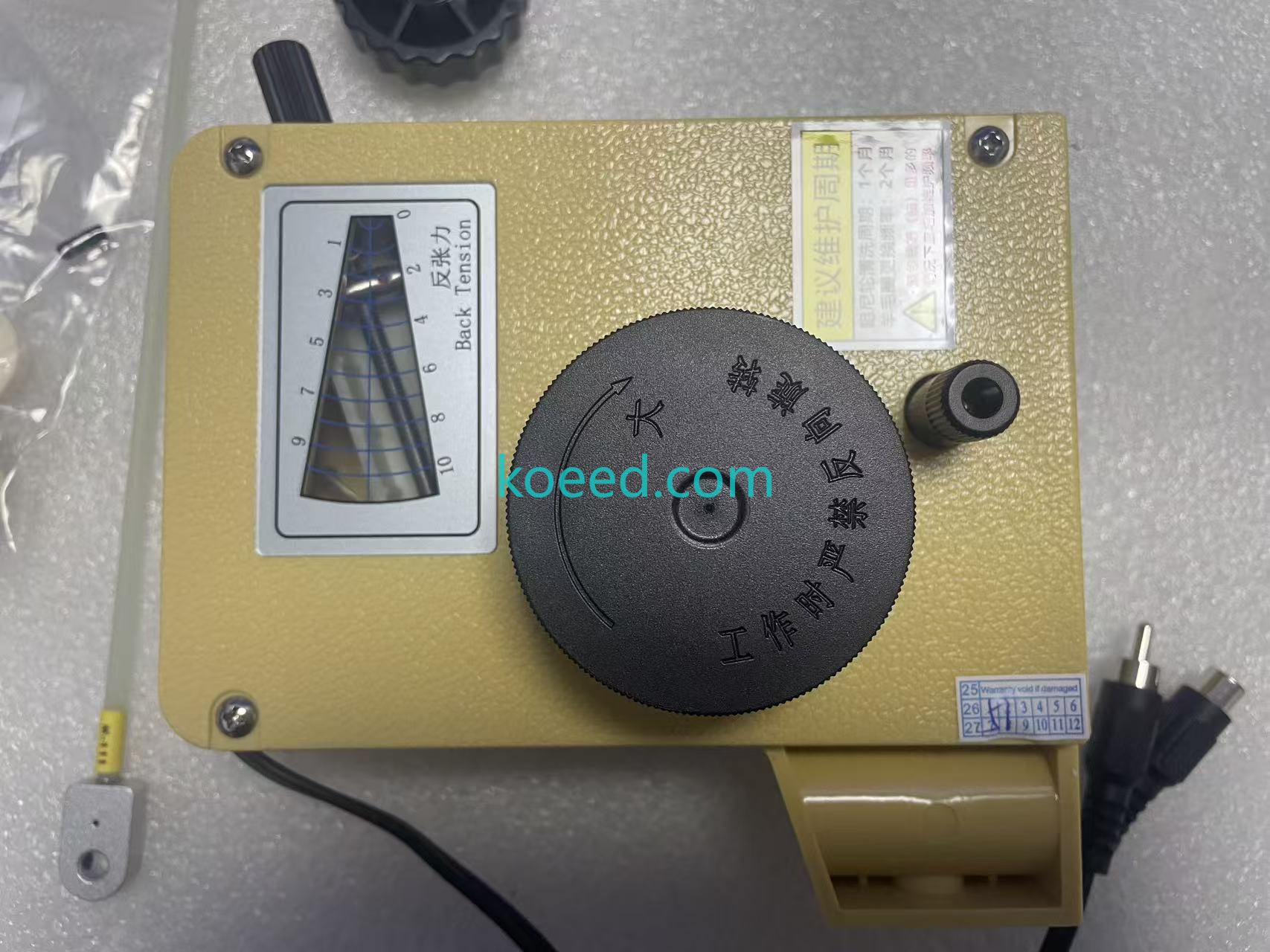
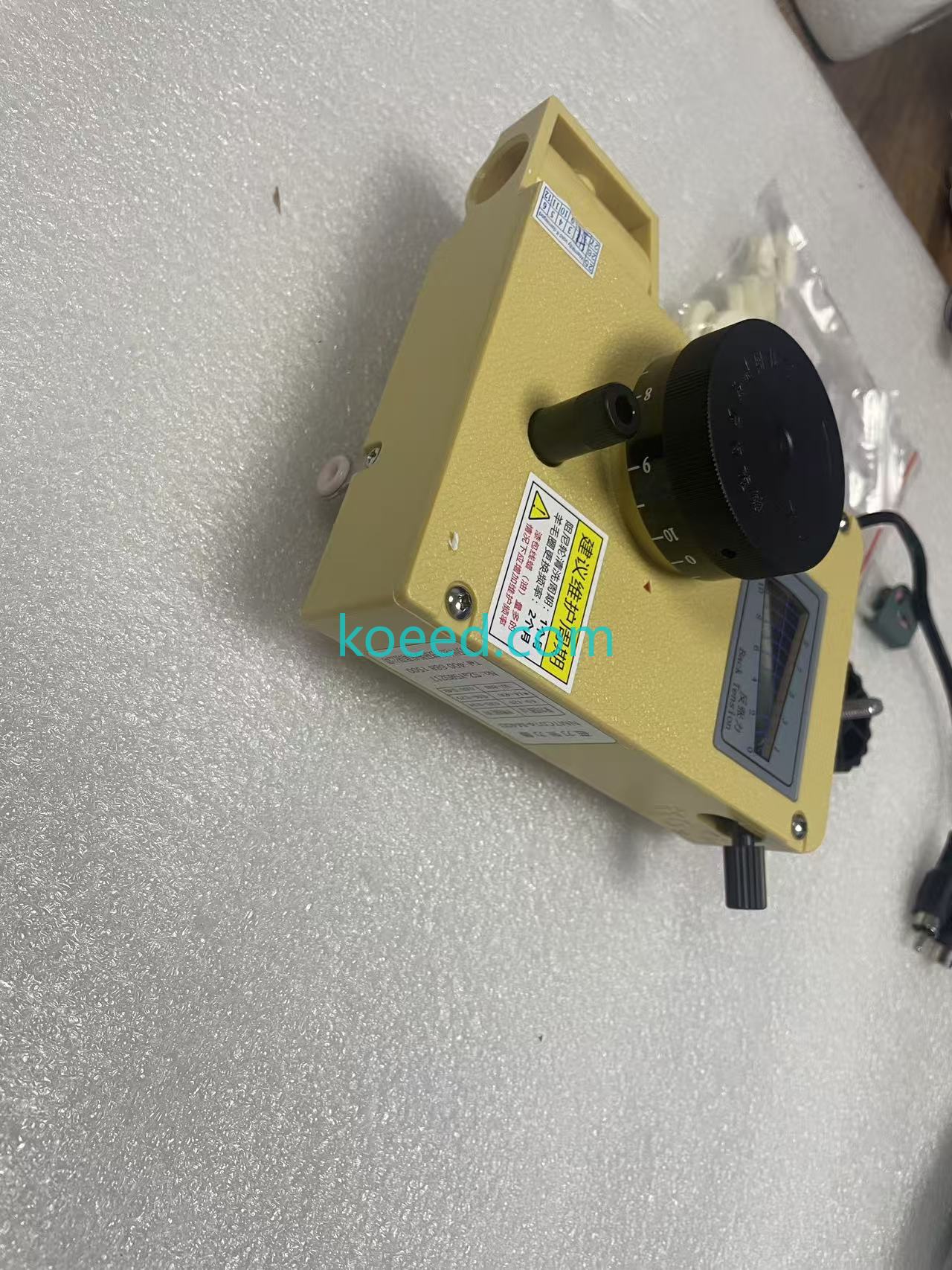
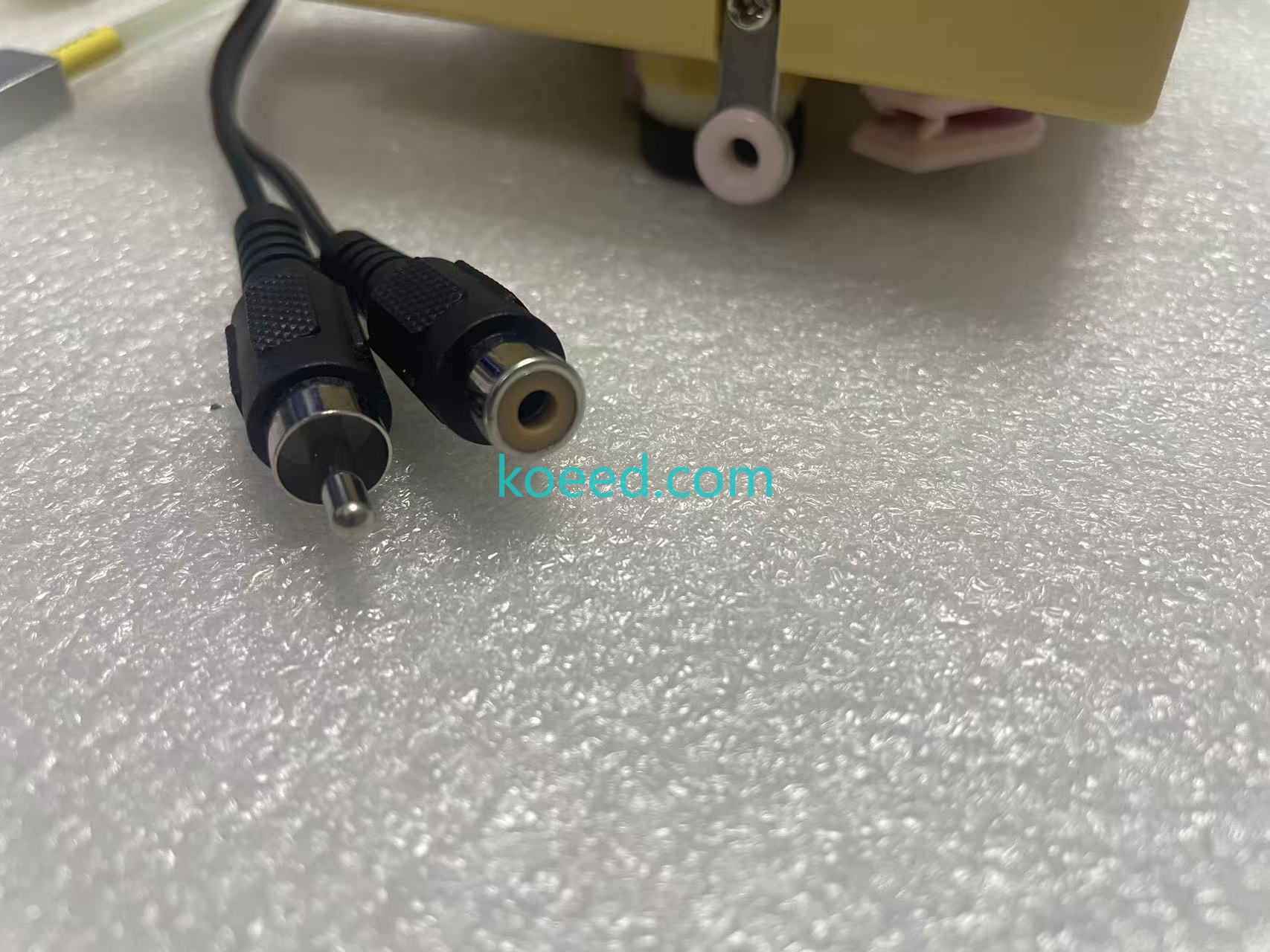
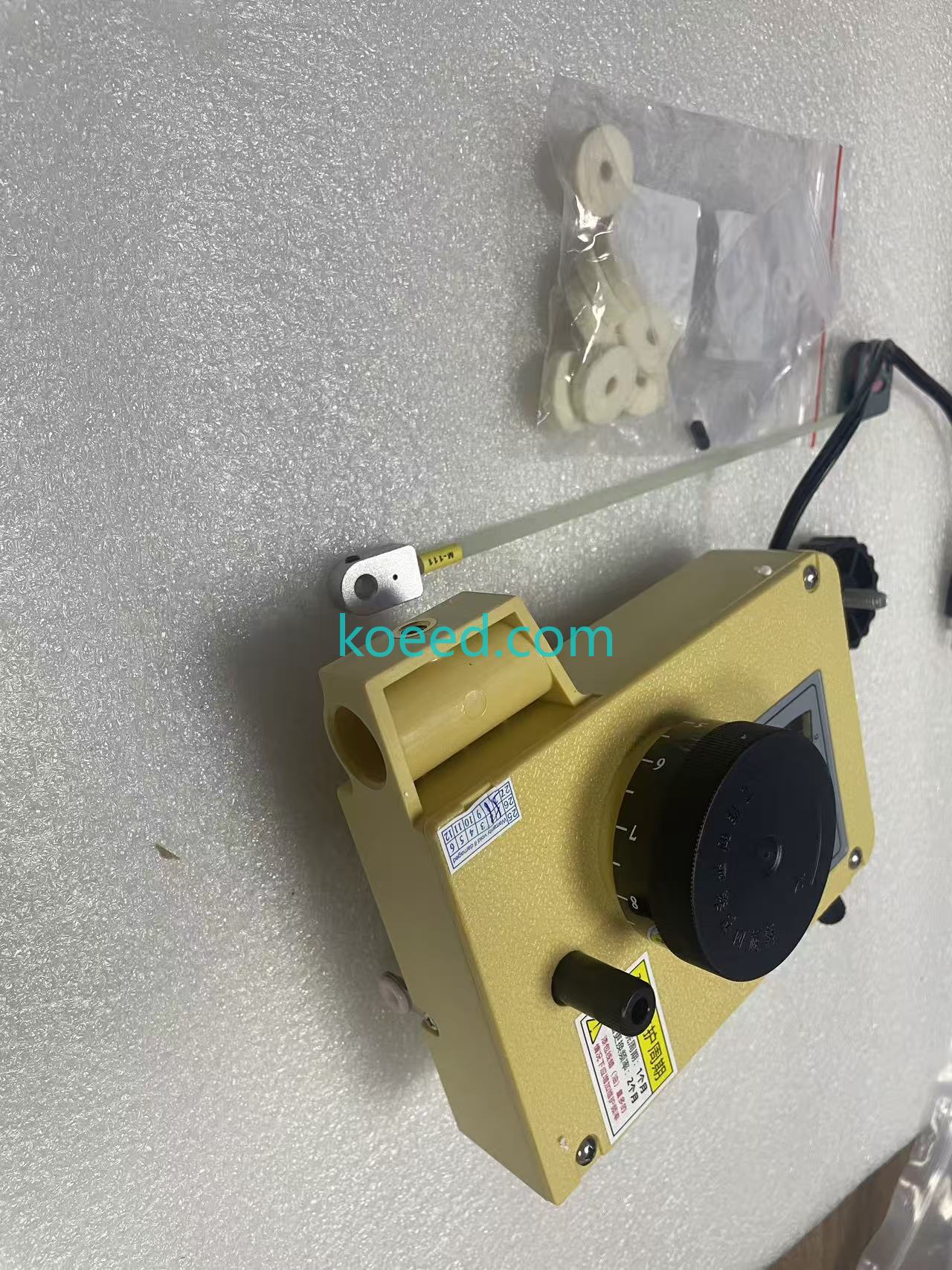
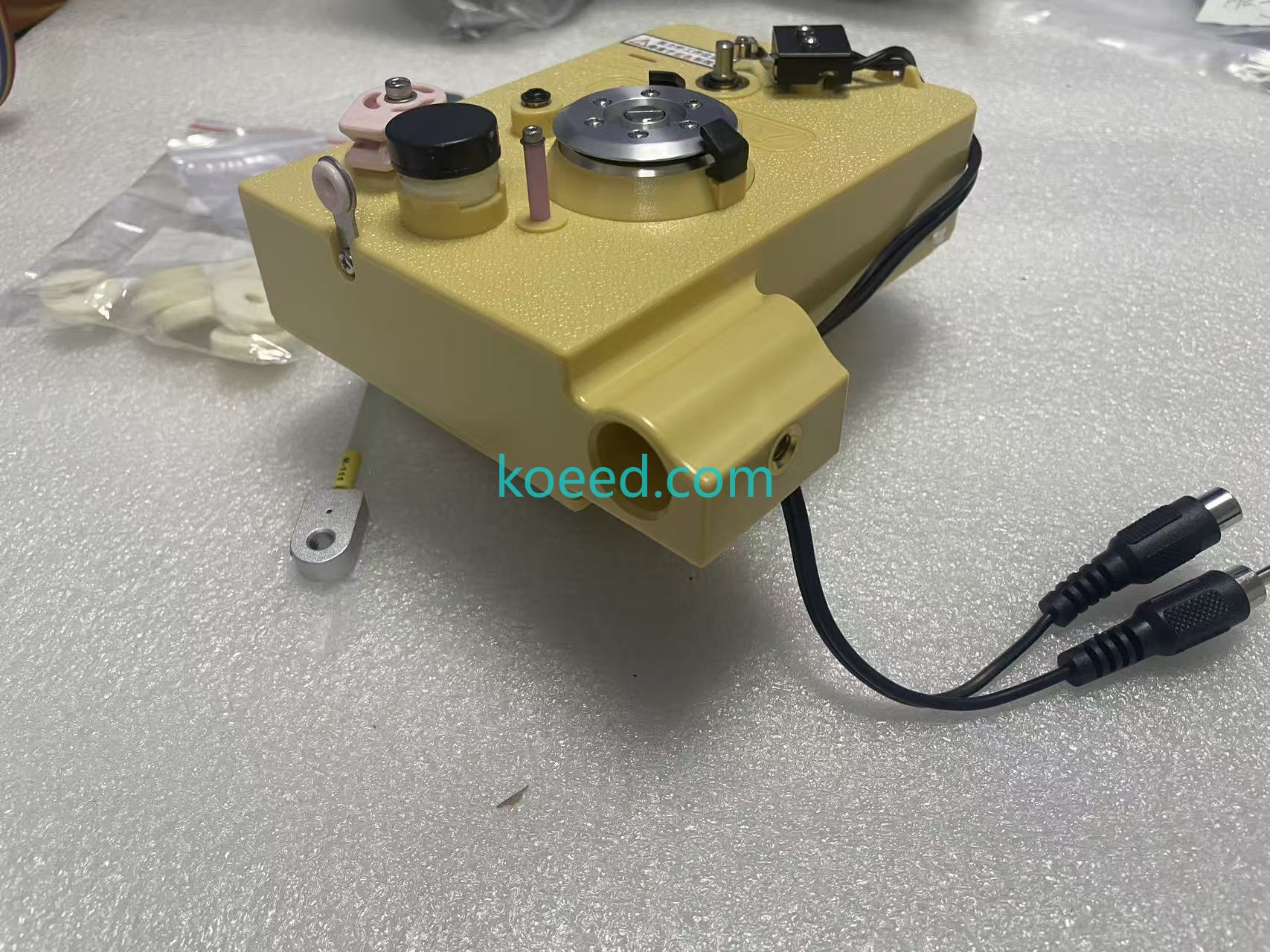
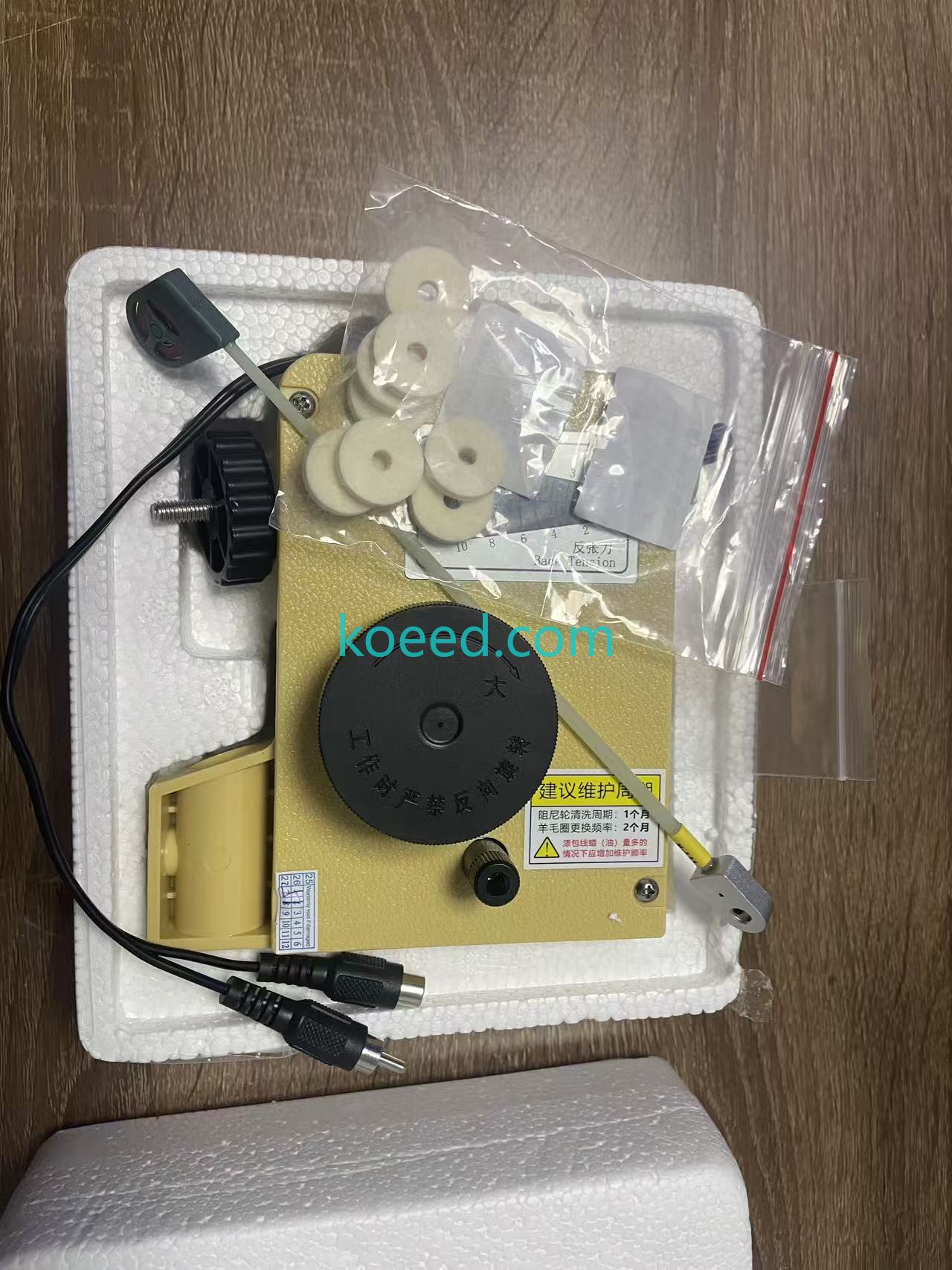
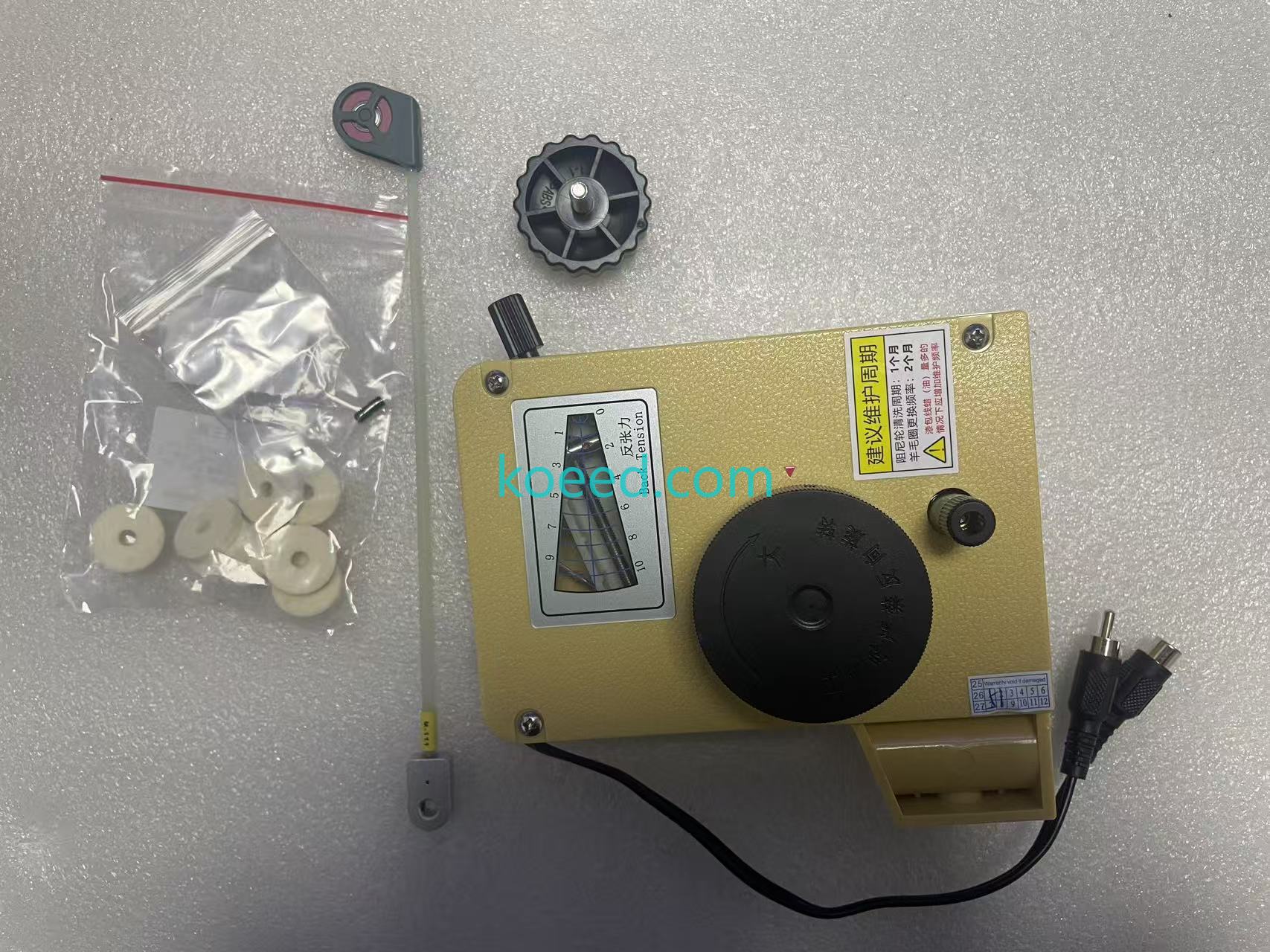
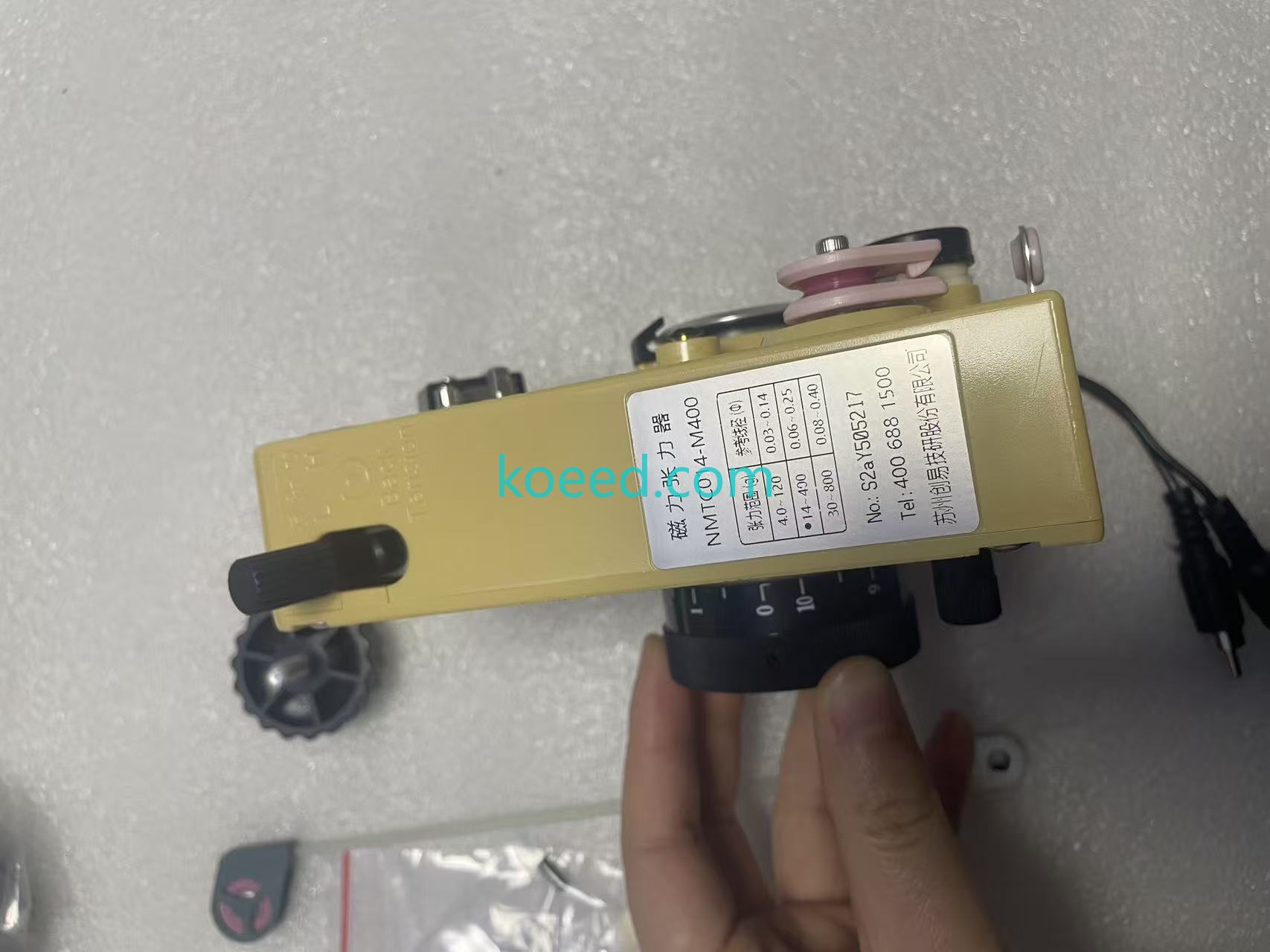
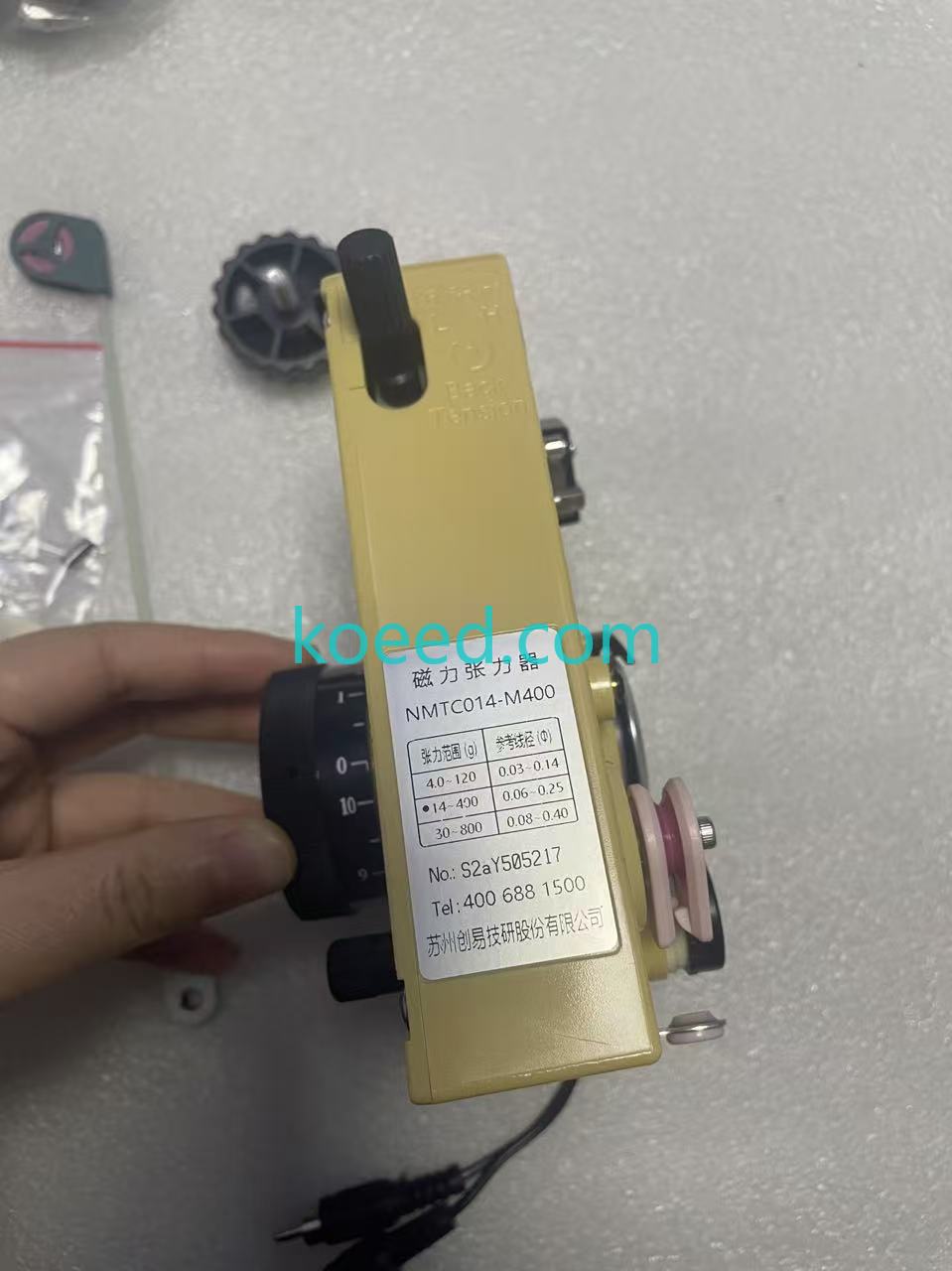
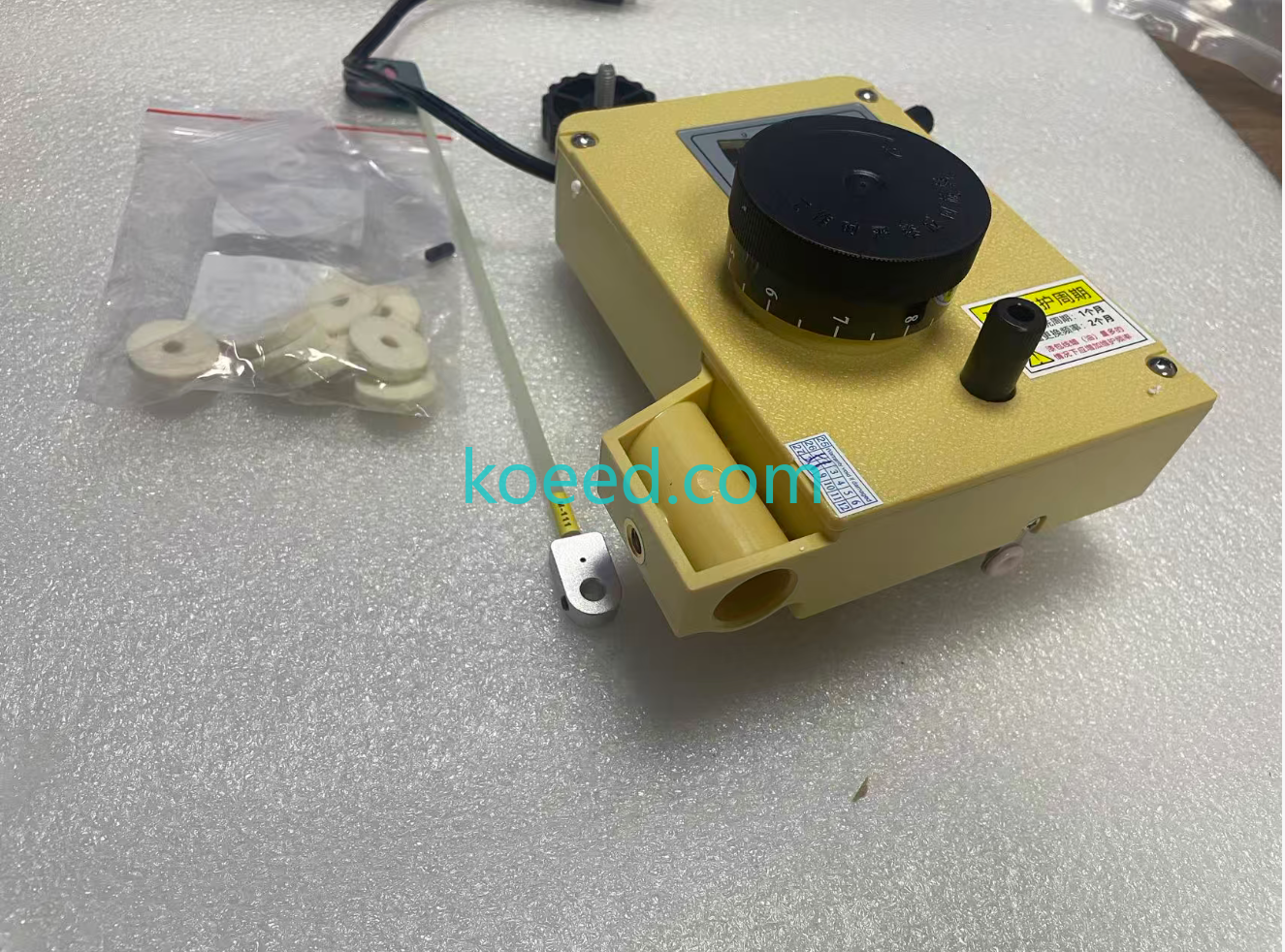
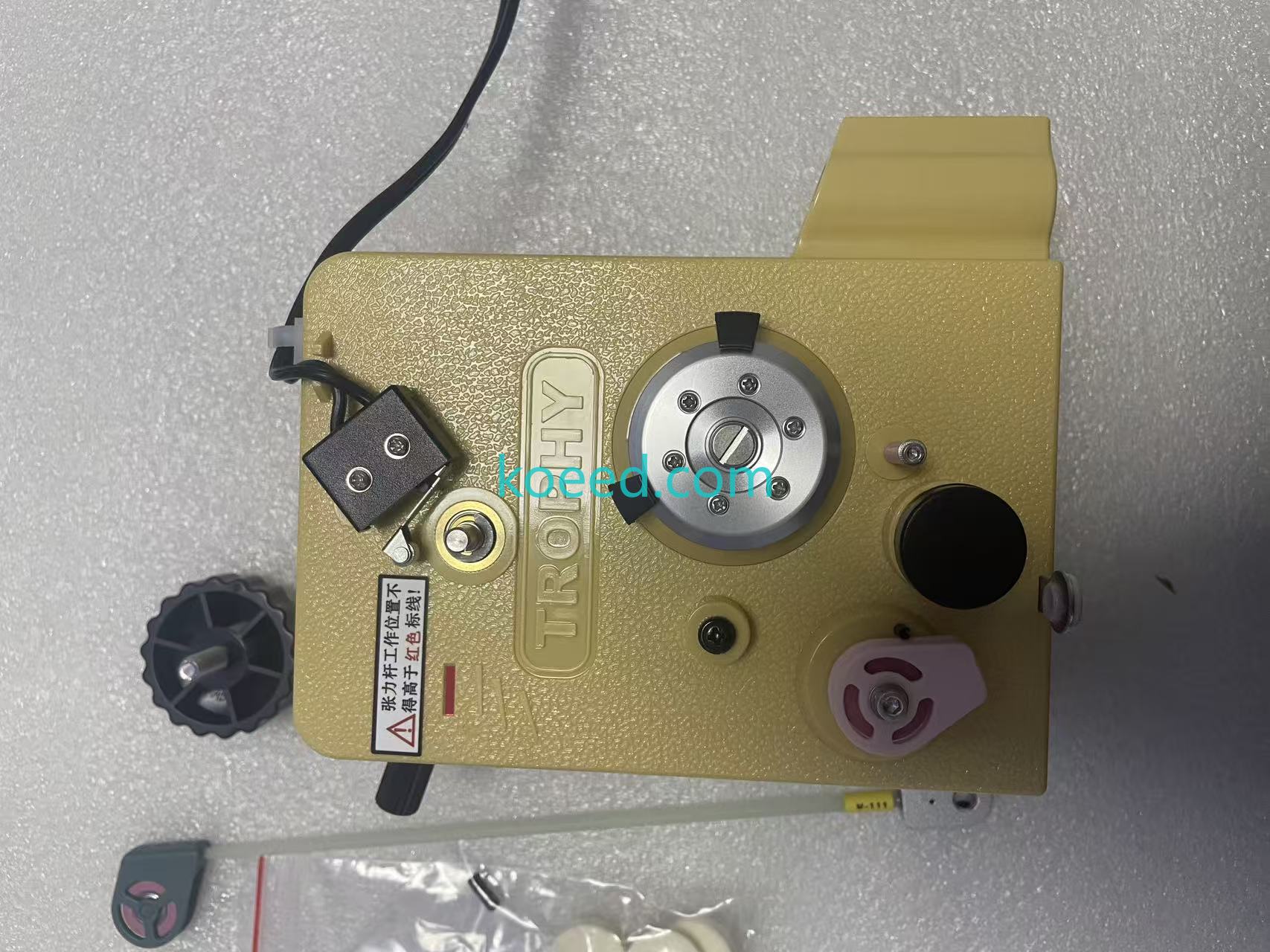
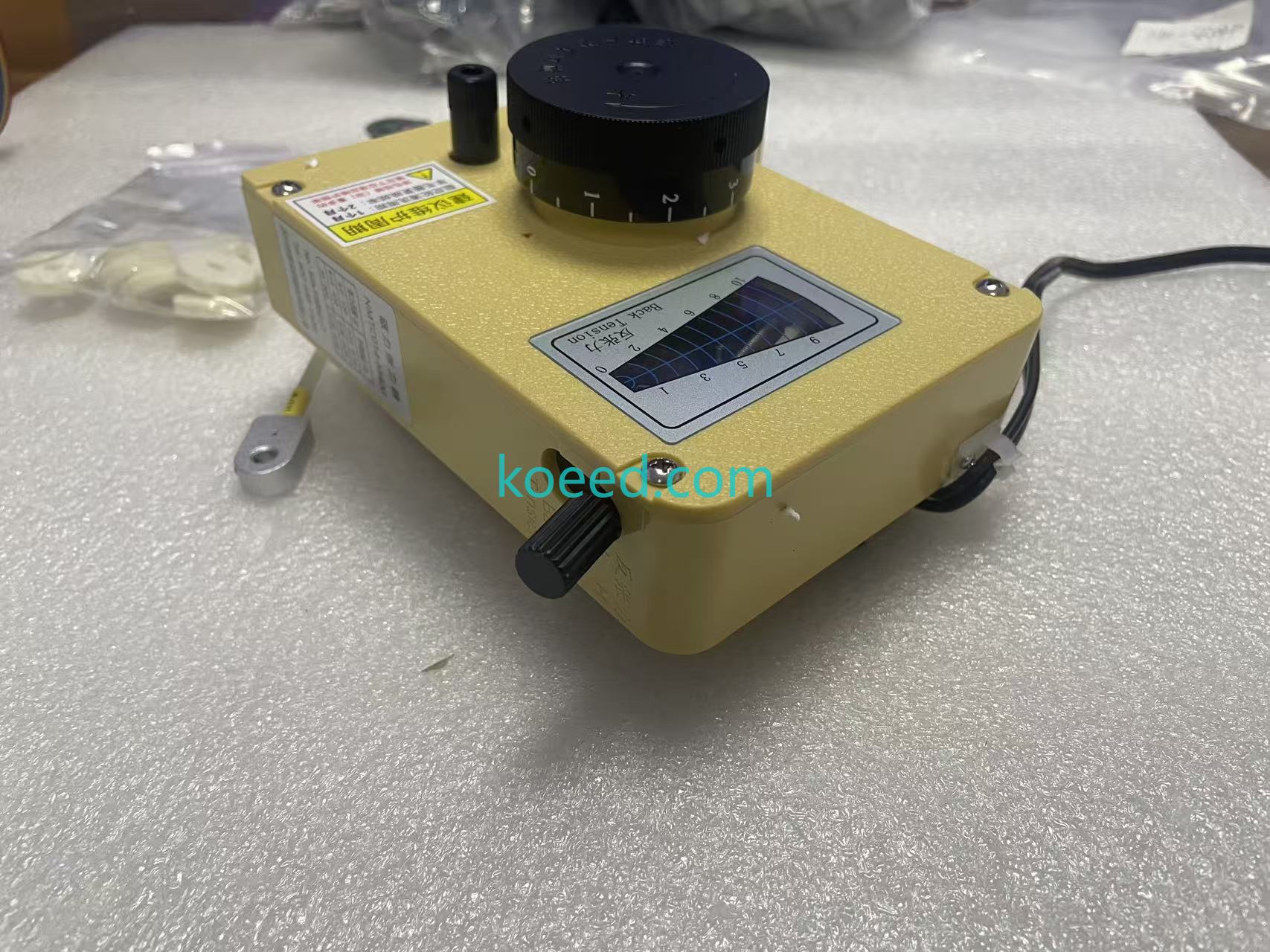
Below is a comprehensive visual reference of the Koeed MT-400 Magnetic Tensioner. Click any image to enlarge. These images showcase the unit's compact industrial design, precision-machined damp wheel, magnetic adjustment mechanism, and standard mounting configuration.
4. ROI & Total Cost of Ownership: The Magnetic Advantage
When procurement teams evaluate tensioners on unit price alone, the MT-400 may appear premium. But a Total Cost of Ownership (TCO) analysis — the standard procurement framework in 2026 — tells a very different story.
📊 Three-Year TCO Comparison: MT-400 vs. Mechanical Tensioner (Single Shift)
| Cost Factor | MT-400 (Magnetic) | Mechanical Tensioner |
| Initial Purchase | Moderate | Lower |
| Replacement Pads/Springs (3 yr) | $0 | $180–$320 |
| Labor: Recalibration (3 yr) | ~0 hrs | 18–36 hrs |
| Scrap Reduction (est.) | 3%–7% yield gain | Baseline |
| 3-Year TCO Advantage | ROI typically within 6–10 months | — |
The scrap reduction alone — driven by the MT-400's unwavering tension consistency — often pays for the unit within the first year. For high-value winding applications (medical, aerospace, precision instrumentation), the payback period is even shorter. Visit the MT-400 product page for full specifications and integration guidance.
Sustainability Impact
The MT-400 contributes to your factory's ESG scorecard in three measurable ways: (1) Zero consumable waste — no friction pads or springs to dispose of; (2) Energy-passive operation — permanent magnets require no electrical power, unlike electromagnetic tensioners; (3) Scrap reduction — fewer rejected coils mean less copper waste entering the recycling stream. For manufacturers pursuing ISO 14001 or net-zero targets, the MT-400 is a small but cumulatively significant contributor.
5. Predictive Maintenance & Troubleshooting Guide
While the MT-400's magnetic core is virtually maintenance-free, surrounding system elements still demand attention. Here is Koeed's recommended 2026 predictive maintenance protocol:
Scheduled Inspection Checklist
| Interval | Inspection Point | Action |
|---|---|---|
| Daily | Damp wheel surface | Visual check for wire debris or copper dust accumulation |
| Weekly | Wire guide and ceramic eyelets | Inspect for grooving or wear; clean with isopropyl alcohol |
| Monthly | Tension consistency verification | Use a digital tension meter to confirm output matches setting across full spool |
| Quarterly | Magnetic gap inspection | Ensure no ferrous debris has accumulated in the magnetic gap |
| Annually | Full system calibration check | Validate against NIST-traceable tension reference |
Symptom: Tension feels lower than setting despite unchanged dial position.
Likely Cause: Copper dust or wire enamel residue has accumulated on the damp wheel, reducing the effective friction coefficient.
Fix: Clean the damp wheel thoroughly with a lint-free cloth and isopropyl alcohol. Do NOT use abrasive cleaners — they will alter the wheel surface and compromise tension linearity.
Symptom: Intermittent tension spikes during winding.
Likely Cause: Supply spool binding or inconsistent unwinding — not a tensioner fault. Check spool holder bearings and ensure the wire path is free of snag points.
Fix: Inspect and lubricate spool holder bearings. Verify that the wire guide path is aligned and free of burrs.
6. Integration with Smart Factory Ecosystems
For factories that have adopted Industry 4.0 or are transitioning toward it in 2026, the MT-400 fits cleanly into a layered automation stack:
Layer 1: Physical (MT-400)
Provides the stable, repeatable tension baseline that all digital monitoring depends on.
Layer 2: Sensing (Add-on)
Pair with an inline tension transducer (e.g., strain-gauge-based, 0–500 g range) positioned after the MT-400's damp wheel. This sensor captures real-time tension data without interfering with the winding process.
Layer 3: Edge Computing
Feed sensor data into an edge gateway running lightweight anomaly detection algorithms. Tension drift beyond ±5% of setpoint triggers an alert on the operator HMI and logs the event to the MES.
Layer 4: ERP/MES Integration
Tension data correlated with batch/lot numbers enables traceability for regulated industries (medical, aerospace). Historical tension profiles can inform predictive maintenance schedules and supplier quality scorecards.
This architecture turns the MT-400 from a standalone component into a data-generating asset within your digital twin — exactly the paradigm shift that defines competitive manufacturing in 2026.
7. Frequently Asked Questions
What wire diameter range does the MT-400 support?
The MT-400 is optimized for 0.08 mm to 0.25 mm copper and aluminum winding wire. This covers the vast majority of precision coil applications — relays, small transformers, solenoid valves, sensors, and micro-motors. For wire outside this range, Koeed offers complementary models in the MT series; contact our engineering team for a recommendation.
How does magnetic tensioning differ from mechanical friction tensioning?
Mechanical tensioners use friction pads or spring-loaded arms that press against the wire or a pulley — these wear down, generate heat, and require frequent recalibration. The MT-400 uses permanent-magnet hysteresis: a magnetic field creates smooth, non-contact braking torque on the damp wheel. There is no physical wear interface, so tension remains stable indefinitely. This is the same principle used in high-end dynamometers and precision torque control applications.
Can the MT-400 be retrofitted onto existing coil winding machines?
Yes. The MT-400 features a standard mounting bracket compatible with most commercially available coil winding machines and custom winding rigs. The installation typically requires only basic mechanical mounting and wire-path alignment. No electrical connection is needed. For specific machine compatibility questions, the MT-400 product page includes a detailed dimensional drawing, or you can contact Koeed support with your machine model.
How does the MT-400 contribute to sustainability goals?
The MT-400 supports sustainability in three concrete ways: (1) Zero consumables — no friction pads, springs, or wear components to replace and dispose of; (2) Zero energy consumption — permanent magnets require no electrical power; (3) Scrap reduction — consistent tension reduces rejected coils, saving copper and insulation materials. For manufacturers tracking Scope 3 waste metrics, the MT-400 eliminates a recurring consumables stream.
What is the expected service life of the MT-400?
The permanent magnets used in the MT-400 have a demagnetization rate of less than 0.1% per decade under normal operating conditions. The primary service-life consideration is the damp wheel surface — with proper cleaning and handling, the wheel lasts 5–8 years in continuous production before resurfacing or replacement may be advisable. Many MT-400 units installed in 2018–2020 are still operating at original specifications as of 2026.
8. Get Started with the MT-400
Ready to Upgrade Your Tension Control?
Join the growing number of smart factories that have standardized on the Koeed MT-400 for precision coil winding. Whether you are retrofitting a single machine or outfitting an entire production line, our engineering team is ready to support your integration.
Or visit the full product page: MT-400 Magnetic Tensioner — Complete Specifications


