ACE Buffer MC150M-H-P: 2026 Industrial Shock Absorber Guide for Smart Automation | Koeed
Share
In the 2026 industrial automation landscape, where sub-millisecond cycle times and 24/7 lights-out manufacturing are no longer aspirational but standard, the integrity of every single motion-control component determines overall equipment effectiveness (OEE). The ACE Buffer MC150M-H-P — a self-compensating miniature industrial shock absorber from ACE Controls — has emerged as a linchpin in high-speed pick-and-place modules, small robotic end-effectors, and precision linear actuator systems. This guide, written from a Q2 2026 vantage point, examines the MC150M-H-P through the lenses of IT/OT convergence, total cost of ownership (TCO), predictive maintenance readiness, and energy sustainability.
1. Strategic Positioning: Why the MC150M-H-P Matters in 2026
The global push toward fully autonomous factories — accelerated by the ISO 23247 digital twin framework and widespread OPC UA over TSN adoption — has placed unprecedented demands on motion damping. Where legacy rubber bumpers or hydraulic dashpots once sufficed, today's collaborative delta robots and linear motor gantries demand repeatable, maintenance-free deceleration across tens of millions of cycles. The MC150M-H-P miniature shock absorber addresses this exact inflection point with its self-compensating rolling diaphragm architecture.
2026 Automation Trend Alignment
IT/OT Convergence: The MC150M's consistent deceleration profile generates predictable force-time curves that can be integrated into MES/SCADA systems via IoT-enabled monitoring add-ons, feeding digital twin models with real-time damping health data.
Sustainability Mandates: With the EU's Ecodesign for Sustainable Products Regulation (ESPR) now fully enforced, the MC150M-H-P's 25-million-cycle service life and oil-based, temperature-stable damping medium dramatically reduce hazardous waste versus disposable elastomeric alternatives.
Predictive Maintenance: When paired with external accelerometers or vibration sensors at the mounting interface, degradation trends in the MC150M's damping response can trigger early-warning alerts — a key enabler for 2026's condition-based maintenance strategies.
2. Technical Deep-Dive: MC150M-H-P Specifications
ACE Controls engineers the MC150M series around a hermetically sealed rolling diaphragm, a design choice that eliminates external seals prone to wear and contamination ingress. The "H-P" designation in the ACE Buffer MC150M-H-P variant typically denotes enhanced packaging or specific high-performance configuration for OEM integration — consult the Koeed product page for precise variant details.
2.1 Core Specifications
| Parameter | MC150M-H-P Value | Industry Significance (2026) |
|---|---|---|
| Energy Capacity (per cycle) | 175 in-lbs (≈19.8 Nm) | Ideal for small-payload robotics & actuator end-stops |
| Energy Capacity (per hour) | 300,000 in-lbs/hr (≈33,900 Nm/hr) | Supports continuous high-cycle automation |
| Stroke | 0.50 in (12.7 mm) | Compact stroke suits confined machine envelopes |
| Effective Weight Range | 2 – 22 lbs (0.9 – 10.0 kg) | Broad self-compensating range eliminates manual tuning |
| Impact Velocity Range | 0.32 – 4.6 ft/sec (0.1 – 1.4 m/s) | Covers low-to-medium-speed automation applications |
| Operating Temperature | 32°F to 150°F (0°C to 65°C) | Reliable across standard industrial environments |
| Service Life | Up to 25 million cycles | Aligns with 2026 sustainability & TCO targets |
| Piston Rod Material | Hardened Stainless Steel (AISI 440C / 1.4125) | Corrosion-resistant; compatible with washdown zones |
| Diaphragm Material | EPDM (Ethylene Propylene Diene Monomer) | Excellent thermal & chemical stability |
| Damping Medium | Temperature-stable oil | Consistent viscosity across operating range |
| Body Length | 62.0 mm | Ultra-compact for miniature automation cells |
| Mounting Orientation | Any position | Flexible integration into any machine geometry |
| Positive Stop | Integrated | Prevents over-compression damage |
3. Competitive Benchmarking: MC150M-H-P vs. Legacy Damping Solutions
Below, we benchmark the ACE MC150M-H-P against common alternatives still found in aging automation lines. The data highlights why migration to self-compensating rolling-diaphragm technology yields a measurable ROI within 12–18 months of operation.
| Attribute | MC150M-H-P (Rolling Diaphragm) | Hydraulic Dashpot | Elastomeric Bumper | Adjustable Shock Absorber |
|---|---|---|---|---|
| Self-Compensating | ✅ Yes — 2–22 lbs range | ❌ No — fixed orifice | ❌ No — non-linear | ⚠️ Manual adjustment required |
| Cycle Life | 25 million | ~5–8 million | ~1–3 million | ~10–15 million |
| Sealing Technology | Hermetic rolling diaphragm | Dynamic rod seal | None (solid) | Dynamic rod seal |
| Contamination Resistance | Excellent — fully sealed | Moderate — seal wear risk | Poor — degrades with oil | Moderate |
| Predictive Maintenance Ready | ✅ Vibration signature analysis | ⚠️ Requires fluid sampling | ❌ Catastrophic failure mode | ⚠️ Manual inspection |
| TCO (5-Year, 24/7 Operation) | Low — zero maintenance | Medium — seal/fluid service | High — frequent replacement | Medium-High — tuning labor |
| Energy Recovery Efficiency | >90% heat dissipation | ~80% | ~50–65% | ~85% |
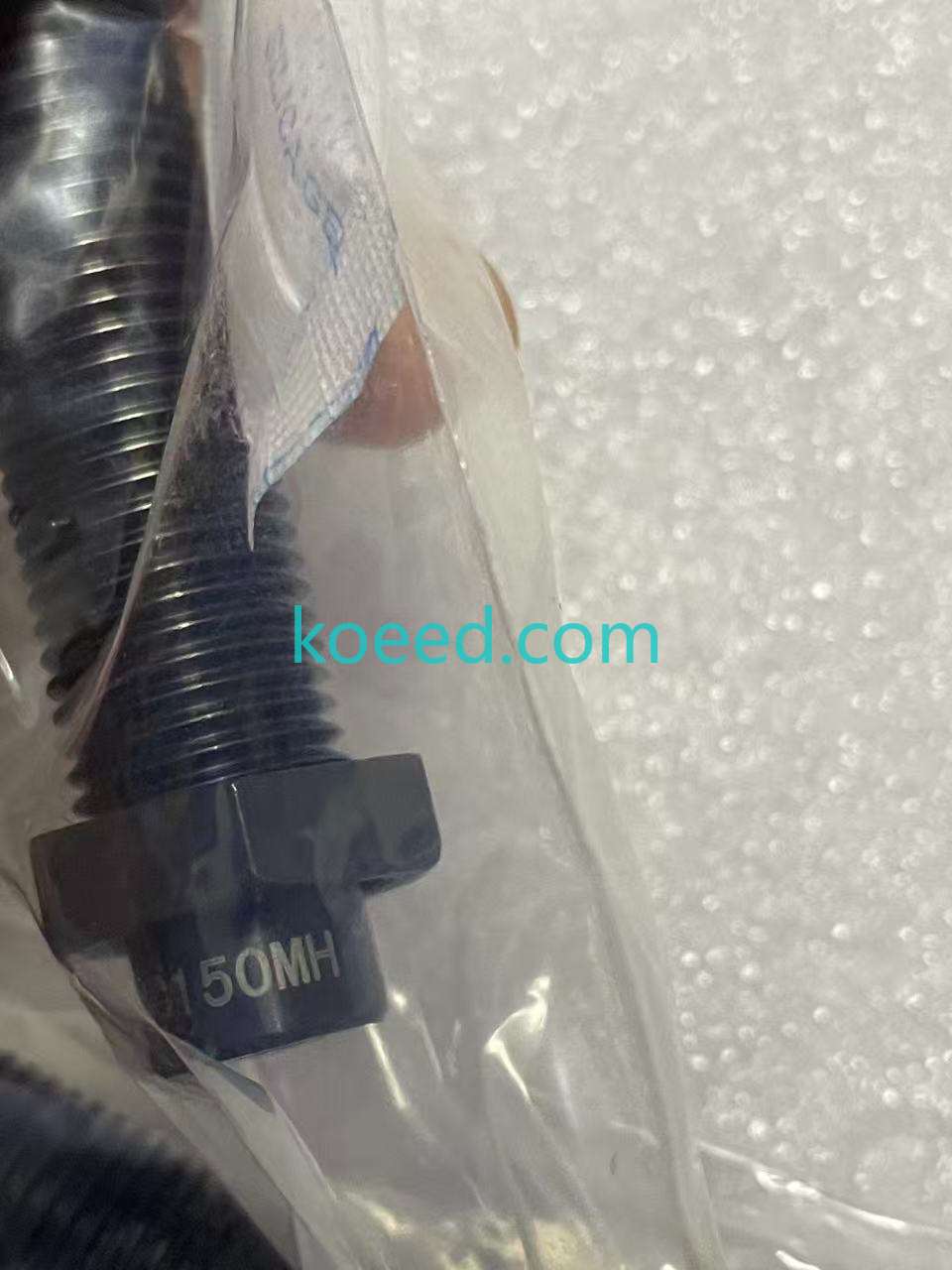
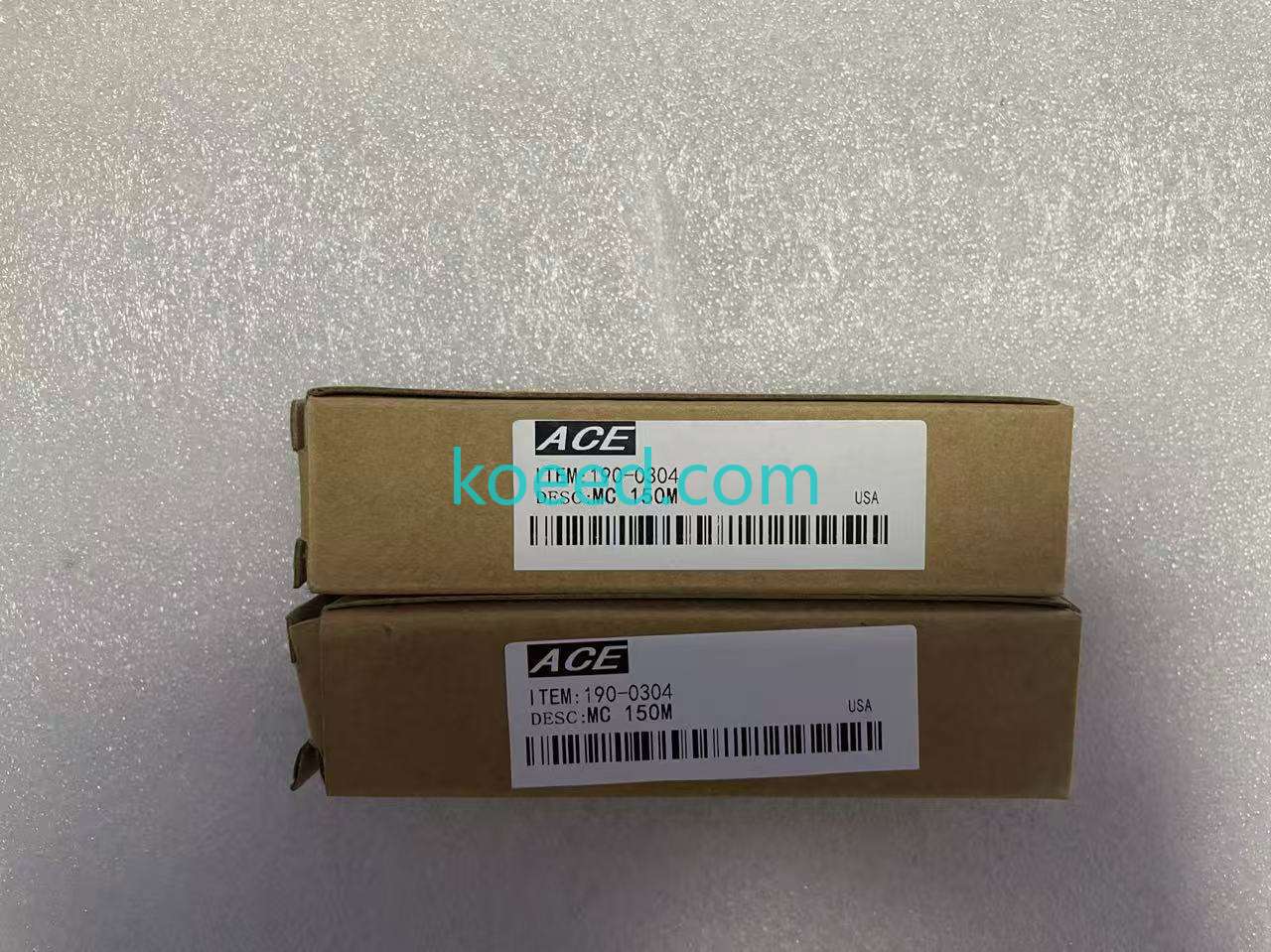
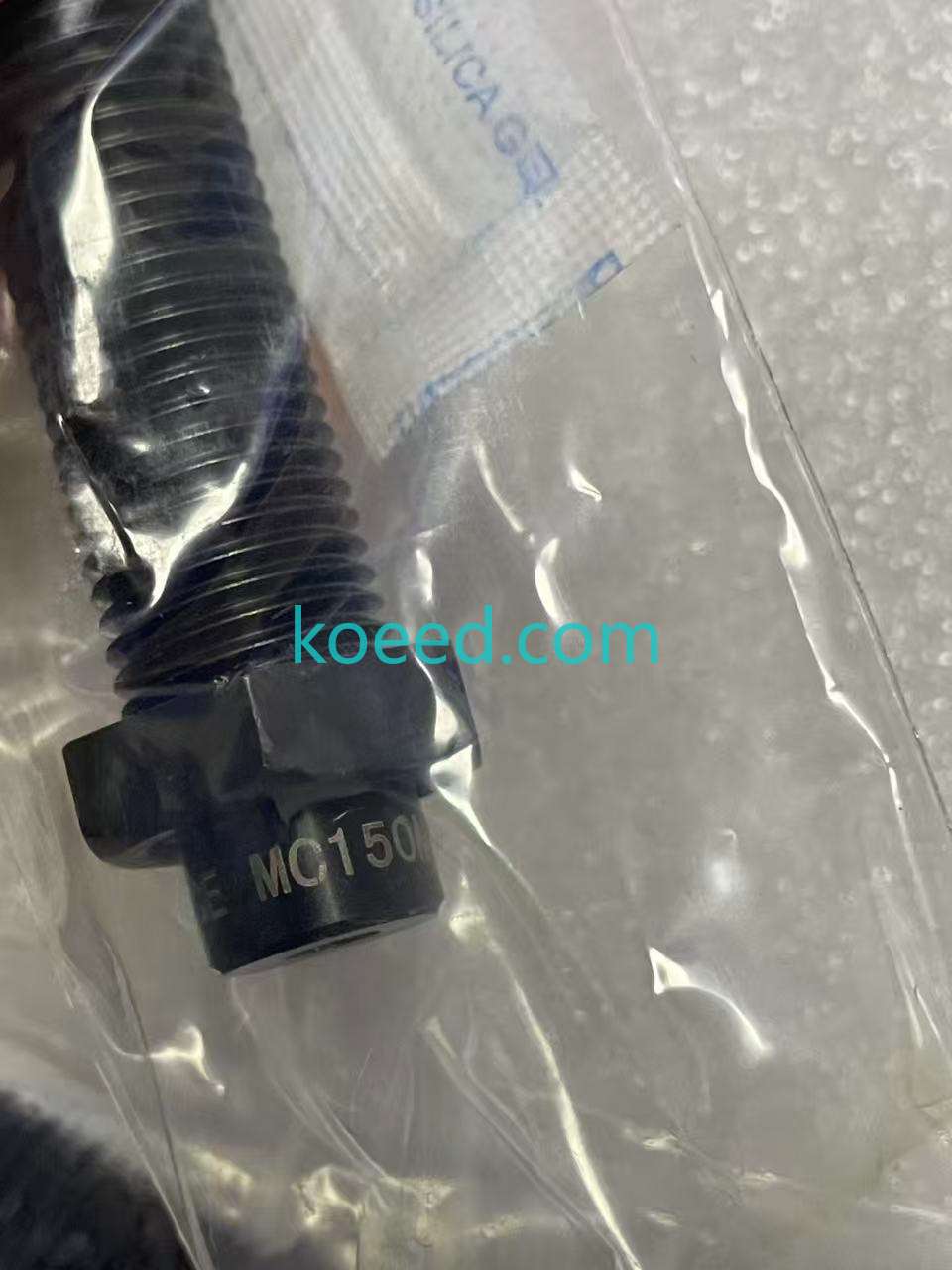
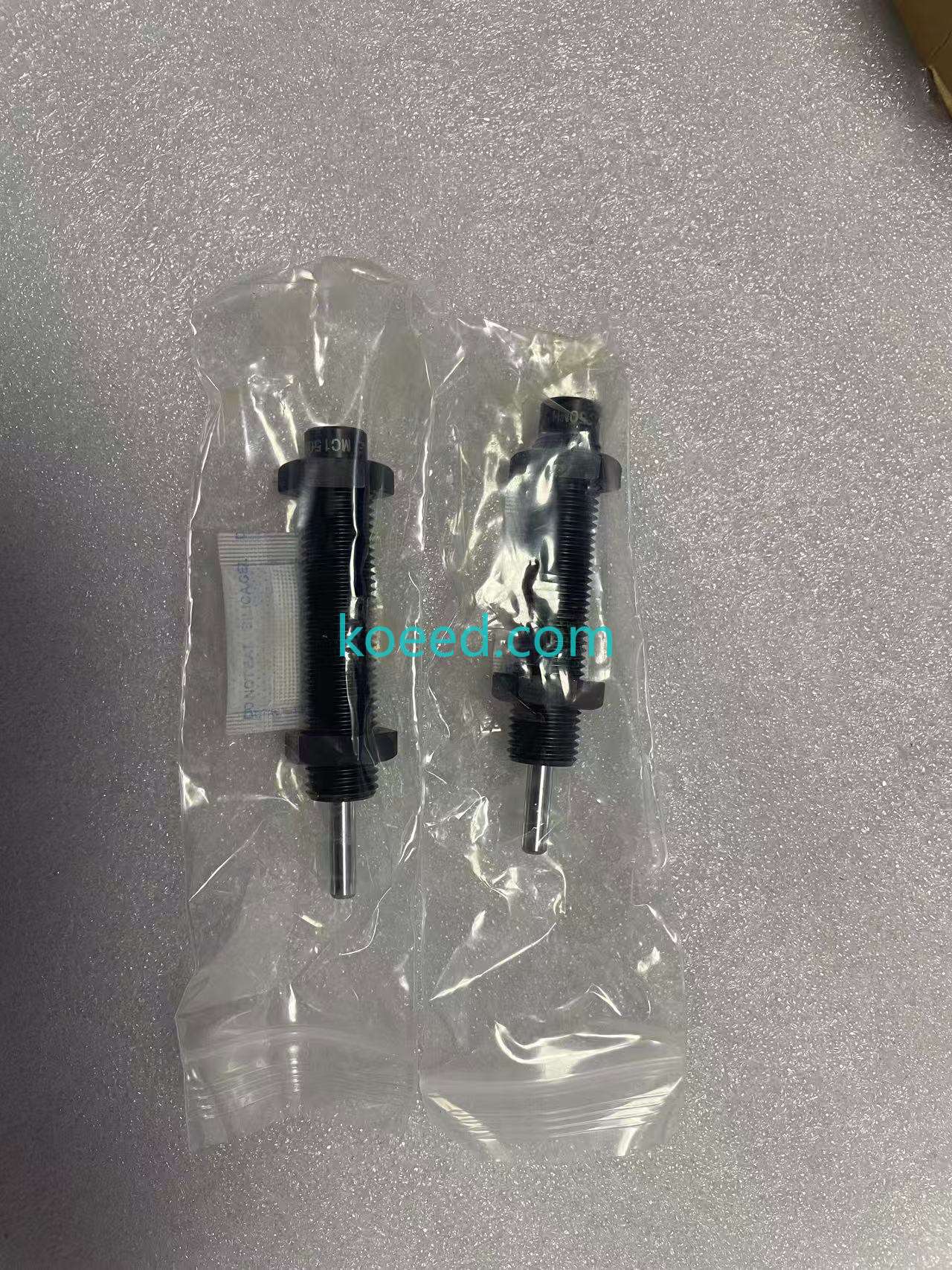
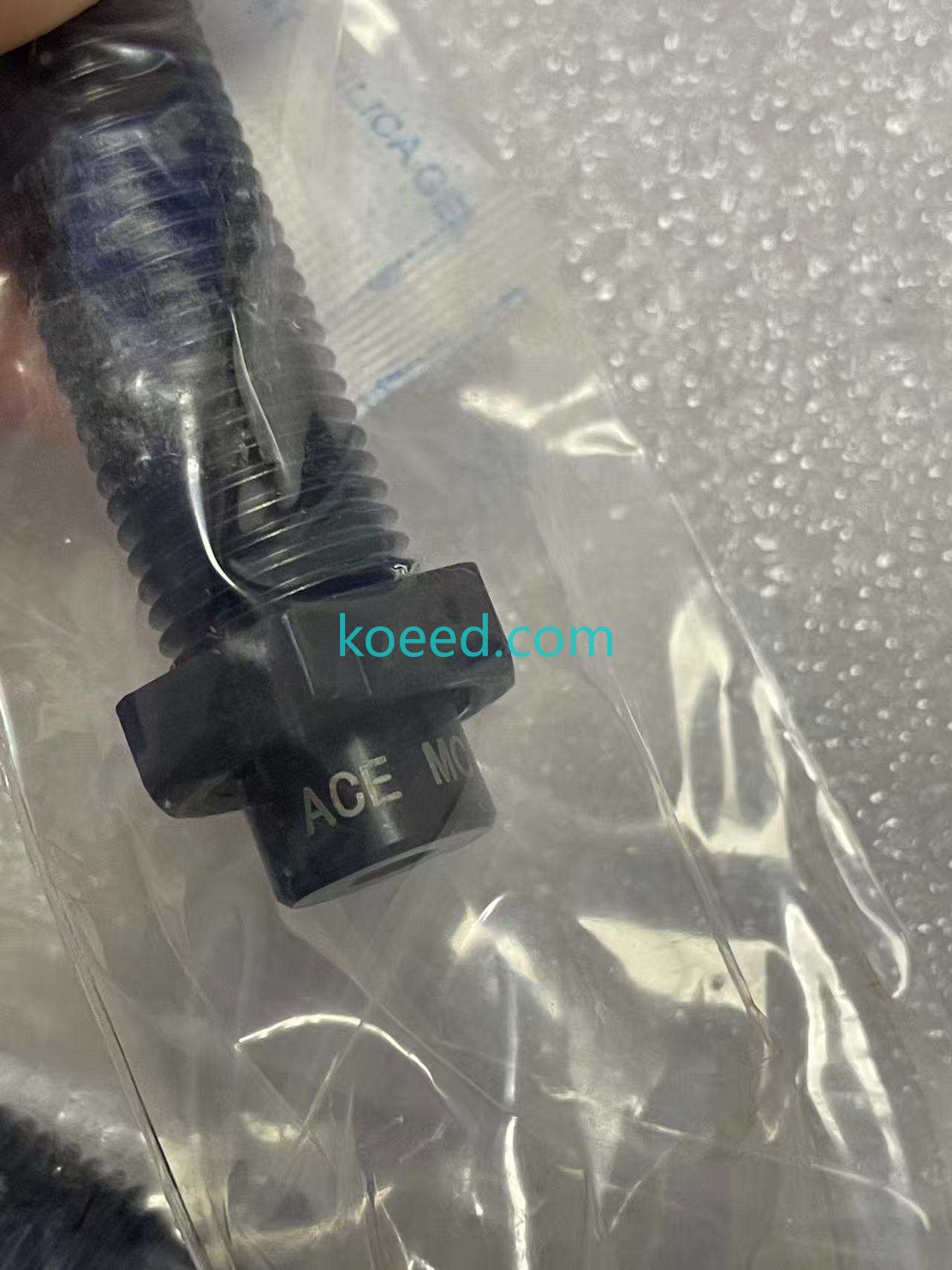
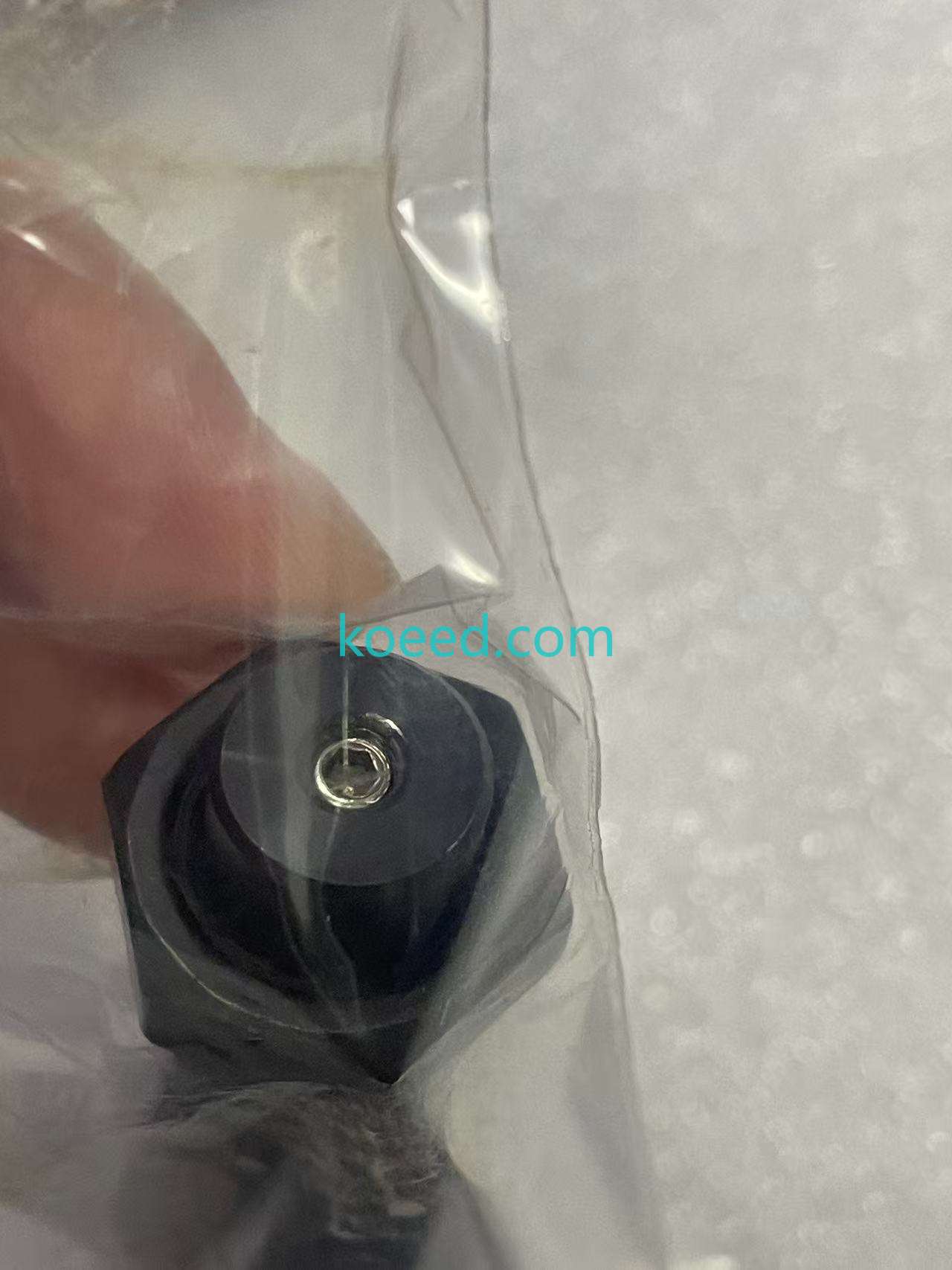
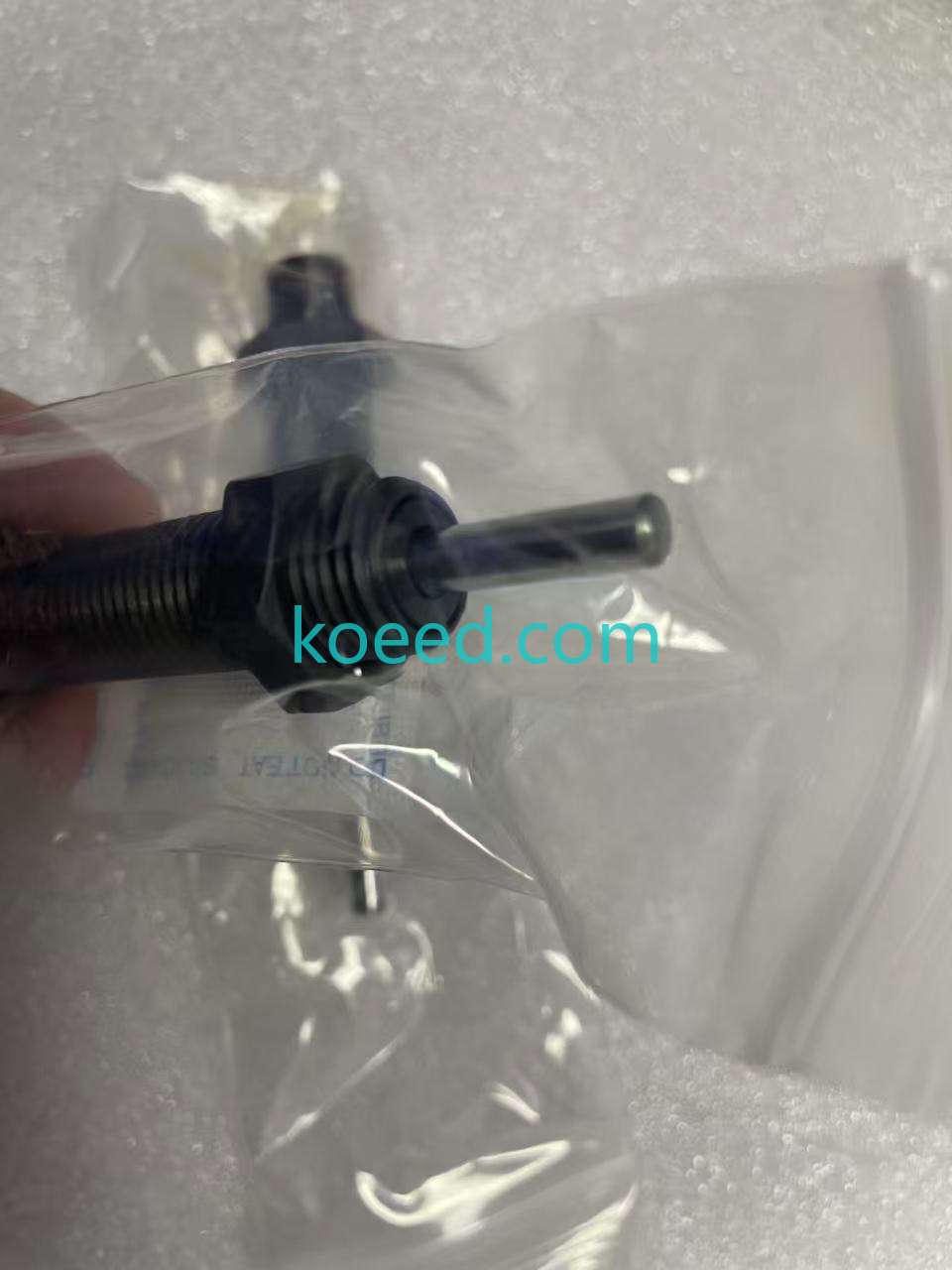
4. Visual Gallery: ACE Buffer MC150M-H-P
Below is a detailed visual reference of the MC150M-H-P shock absorber, showing form factor, mounting geometry, and construction details. All images are sourced directly from the Koeed product inventory.


4.1 Product Video
Watch the MC150M-H-P in a close-up product overview:
5. TCO & ROI Analysis: The 2026 Business Case
In a typical high-speed packaging line running at 120 cycles per minute across three shifts (approx. 56 million annual cycles), deploying the MC150M-H-P industrial buffer in place of legacy elastomeric bumpers yields compelling economics:
📊 5-Year Cost Comparison — Single Damping Point
| Cost Factor | MC150M-H-P | Elastomeric Bumper |
|---|---|---|
| Unit Cost (2026 est.) | Consult Koeed RFQ | $8–$15/unit |
| Replacement Interval | 25M cycles (~5.3 months @120 CPM) | ~1.5M cycles (~8.7 days @120 CPM) |
| Replacements / 5 Years | ~11 units | ~210 units |
| Labor (5 min/replacement @$45/hr) | ~$41 | ~$788 |
| Unscheduled Downtime Risk | Near-zero | High — frequent failures |
| Disposal/Environmental Cost | Minimal — sealed unit | Moderate — frequent waste |
Net 5-Year Savings (per damping point): The MC150M-H-P typically achieves 60–75% lower TCO compared to elastomeric alternatives when labor, downtime, and disposal are fully accounted for. At scale — across a 40-station packaging line — annual savings routinely exceed $25,000 in direct and indirect costs.
6. Installation & Mounting Best Practices
The MC150M-H-P's compact 62 mm body length and any-position mounting capability make integration straightforward, but several 2026 best practices maximize longevity:
6.1 Mechanical Alignment
- Axial Alignment Tolerance: Maintain ≤2° angular deviation between the impacting mass trajectory and the piston rod axis. Off-axis loading accelerates internal bearing wear and can compromise the rolling diaphragm seal.
- Stop Collar Consideration: If your application requires a precise end-position datum (e.g., for vision system alignment), specify the AH-type stop collar accessory — this ensures repeatable stopping position within ±0.05 mm.
- Thread Engagement: The MC150M-H-P body features a threaded mounting interface. Ensure full thread engagement with a securing lock nut to prevent vibrational loosening in high-frequency applications.
6.2 Environmental Considerations
- Temperature: While rated to 150°F (65°C), sustained operation near the upper limit gradually accelerates oil aging. In hot environments, consider passive heat-sinking via the mounting bracket.
- Washdown Compatibility: The AISI 440C stainless steel piston rod and corrosion-resistant body coating provide good resistance to mild cleaning agents. For aggressive CIP/SIP environments, consult ACE's V4A stainless steel variants.
- Debris Shielding: Although the rolling diaphragm is hermetically sealed, a simple bellows boot is recommended in environments with heavy airborne particulate (e.g., CNC swarf, foundry dust).
7. Maintenance, Troubleshooting & Fault Diagnosis
The MC150M-H-P is designed as a maintenance-free, hermetically sealed unit. However, even the most robust components benefit from informed monitoring. Below are field-tested diagnostic indicators for 2026 automation engineers.
7.1 Common Diagnostic Indicators
| Symptom | Probable Cause | Resolution |
|---|---|---|
| Increased impact noise (metallic clang) | Bottoming out — impact energy exceeding 175 in-lbs/cycle or effective weight outside 2–22 lbs range | Verify payload mass; consider upgrading to MC225M or adding a second unit in parallel |
| Gradual increase in stopping distance | Internal oil degradation after 20M+ cycles; reduced damping efficiency | Plan proactive replacement; this is normal end-of-life behavior — use as a predictive maintenance trigger |
| Oil trace on piston rod (minor) | Normal — a microscopic oil film lubricates the diaphragm; not a leak | No action required. Wipe clean if aesthetics matter; do not use solvents on EPDM |
| Visible oil pooling at body | Diaphragm rupture — rare but possible after severe overloading or side-impact damage | Replace unit immediately. Investigate root cause (off-axis impact, over-energy) |
| Sticking/slow return after impact | Contamination ingress or extreme low temperature (<32°F) increasing oil viscosity | Check ambient temperature; if within range, inspect for physical damage to rod surface |
| Excessive vibration during damping stroke | Loose mounting; insufficient thread engagement | Re-torque mounting; verify lock nut is secure; check for bracket resonance |
7.2 Lifecycle Replacement Strategy (2026 CBM Model)
With the MC150M-H-P serving in lights-out cells, moving from reactive to condition-based replacement is critical. Our recommended approach: establish a baseline damping signature during initial commissioning using a high-frequency accelerometer. Set automated alerts when the RMS vibration level increases by 15% above baseline during the last 10% of the stroke. This typically occurs between 20 and 24 million cycles, providing a generous 1–2 month lead time for maintenance scheduling. Always keep one pre-tested MC150M-H-P in your spares inventory per every 10 units in service to minimize MTTR.
Ready to Upgrade Your Motion Damping?
Contact Koeed today for the latest pricing, volume discounts, and integration support for the ACE Buffer MC150M-H-P. Our automation specialists can help you size the right damping solution for your 2026 smart factory deployment.