

EPSON M-150II Micro Printer Head: The 2026 Industrial Automation Guide to Precision Dot-Matrix Printing
In 2026's rapidly converging IT/OT landscape, the EPSON M-150II Micro Printer Head remains an unsung hero of industrial automation. This battle-tested dot-matrix printhead, available at KOEED's dedicated M-150II product page, delivers the precision, reliability, and minimal Total Cost of Ownership (TCO) that embedded systems engineers demand. From smart kiosks and POS terminals to industrial measurement loggers and ticketing machines, the M-150II bridges legacy reliability with 2026's IoT-enabled predictive maintenance ecosystems.
1. Strategic Overview: The M-150II in the 2026 Industrial Landscape
As factories, retail environments, and logistics hubs accelerate their digital transformation journeys, the humble dot-matrix printhead has evolved from a simple output device to a critical data-physical interface node. The EPSON M-150II represents a category of ultra-compact, impact-based printing mechanisms that excel where thermal or inkjet alternatives fail—particularly in environments with extreme temperatures, vibration, or dusty conditions.
Unlike the consumer-grade components flooding grey markets, KOEED supplies genuine, factory-grade M-150II units that meet the rigorous Mean Time Between Failures (MTBF) expectations of 2026's industrial automation standards. Explore the full specifications on KOEED to understand why procurement managers consistently choose this printhead for long-lifecycle industrial deployments.
🔗 IT/OT Convergence Ready
The M-150II's simple TTL/CMOS-compatible interface makes it effortlessly integrable with modern edge gateways and PLCs. In 2026, pairing the M-150II with an ESP32-S3 or Raspberry Pi CM5 edge node enables real-time print quality telemetry streaming directly into cloud ERP platforms like SAP S/4HANA or Siemens MindSphere. This transforms every receipt, ticket, or log print into a monitored data point for predictive maintenance algorithms.
The global market for micro printer heads in 2026 is projected to sustain steady demand, with the EPSON M-150II holding a benchmark price point hovering around $30–$37 USD for genuine original units. Counterfeit and refurbished alternatives flood secondary markets, making KOEED's verified supply chain a strategic procurement advantage.
2. Technical Benchmarking: M-150II vs. Legacy & Competing Models
The EPSON M-150II is the refined successor to the venerable M-150 series, bringing improved dot alignment, reduced power draw, and enhanced ribbon compatibility. Below is a structured comparison that procurement teams and systems integrators can use for 2026-era qualification:
| Specification Parameter | EPSON M-150II | Legacy M-150 (Gen 1) | Generic Clone Printhead |
|---|---|---|---|
| Print Method | Impact Dot Matrix (Shuttle) | Impact Dot Matrix (Shuttle) | Impact Dot Matrix (Unlicensed) |
| Dot Pitch | 0.353 mm (72 DPI Effective) | 0.353 mm | 0.38–0.42 mm (Inconsistent) |
| Character Columns | 24 / 32 / 40 (Selectable) | 24 / 32 | Typically 24 Fixed |
| Operating Voltage | 5V DC ± 5% (Motor), 4.2–8.5V (Head Drive) | 5V DC ± 10% | Unregulated / Unstable |
| Peak Current Draw | ~1.5A (Motor Surge) | ~2.0A (Motor Surge) | Varies Widely (1.5–3.0A) |
| Print Speed | ~1.5 lines/sec (Typical) | ~1.2 lines/sec | 0.8–1.4 lines/sec |
| Ribbon Life (Standard Cassette) | ~750,000 Characters (Black) | ~600,000 Characters | ~300,000–500,000 (Variable) |
| MTBF (Rated) | 1,500,000 Lines (Minimum) | 1,000,000 Lines | Unrated / Unverified |
| Operational Temp Range | 0°C to +50°C | 0°C to +45°C | Narrower, untested |
| Weight | ~38g (Head Only) | ~42g | ~35–45g |
| Interface Protocol | CMOS/TTL Parallel (8-bit compatible) | TTL Parallel | Variable / Noisy Signal |
| 2026 Supply Chain Status | ✓ Active Production / KOEED Verified | ⚠ Limited NOS Stock | ✗ Unverified / Counterfeit Risk |
Procurement Insight: Always source the M-150II from authorized distributors like KOEED. Generic clones often ship with poorly calibrated dot-wires that cause uneven ribbon wear, premature paper jamming, and erratic character formation. A single counterfeit-induced failure in a field-deployed kiosk can cost over $1,200 in service dispatch fees—far exceeding the price difference versus a genuine KOEED-supplied M-150II.
3. Visual Gallery: EPSON M-150II Micro Printer Head
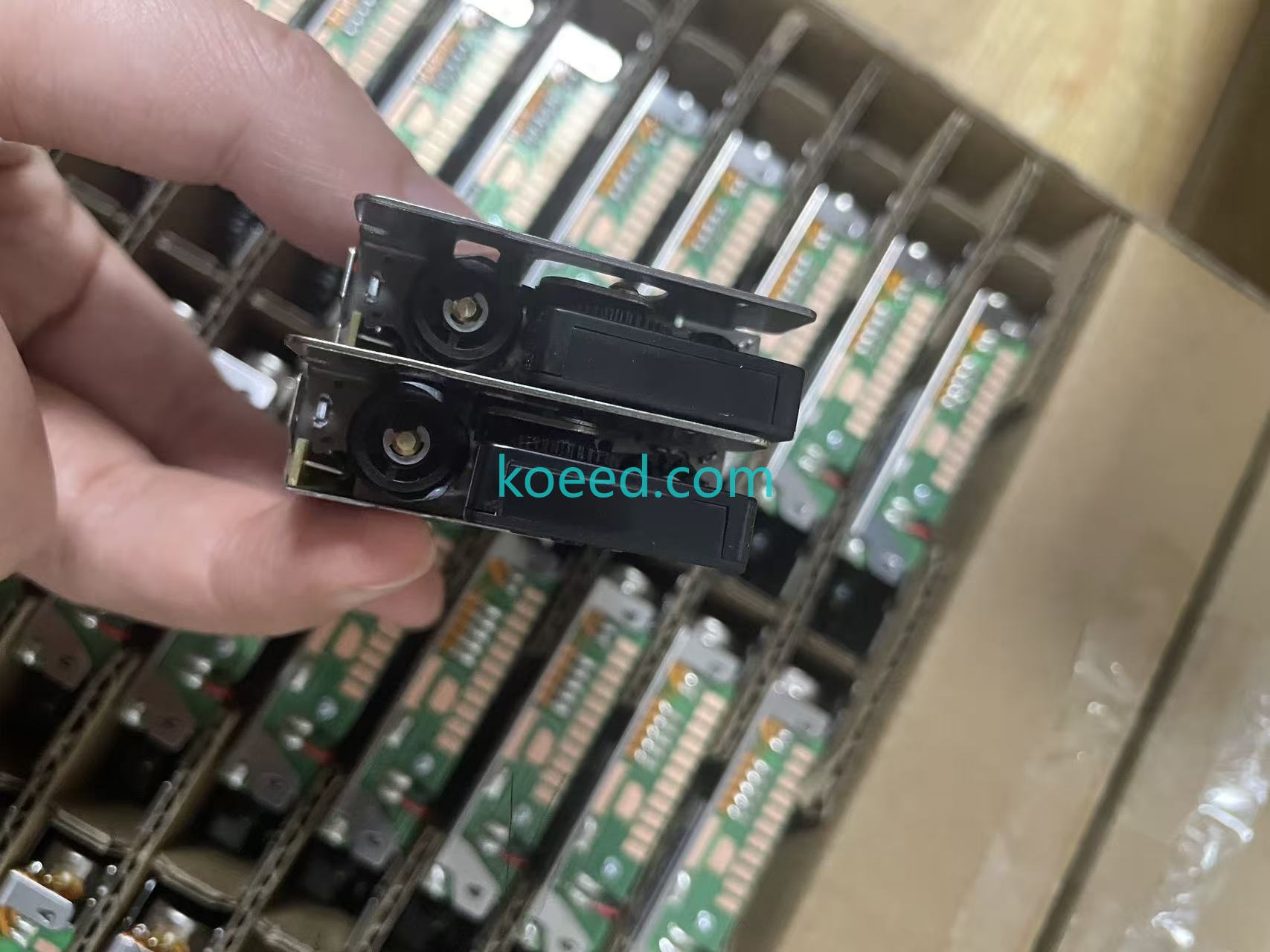
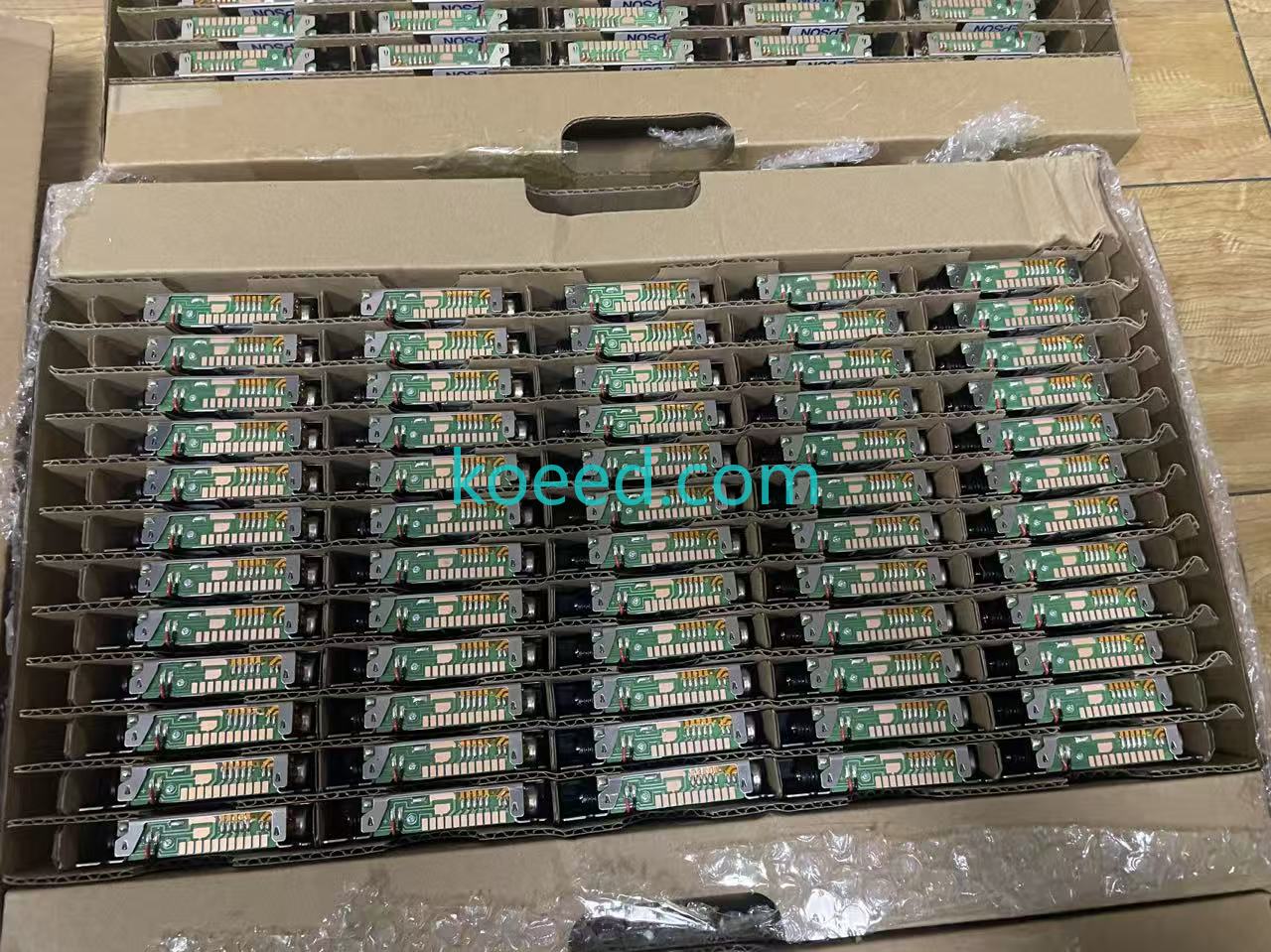
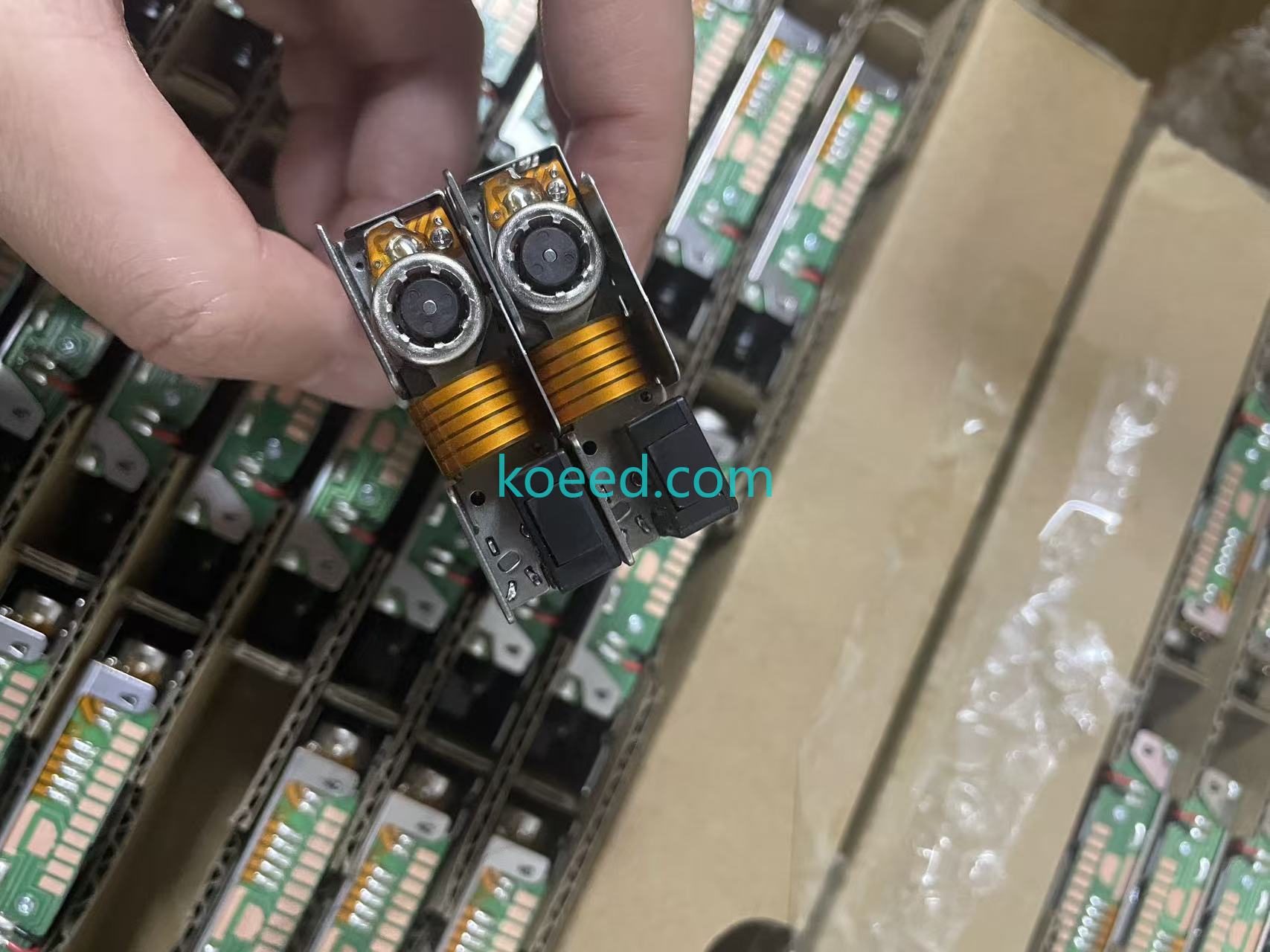
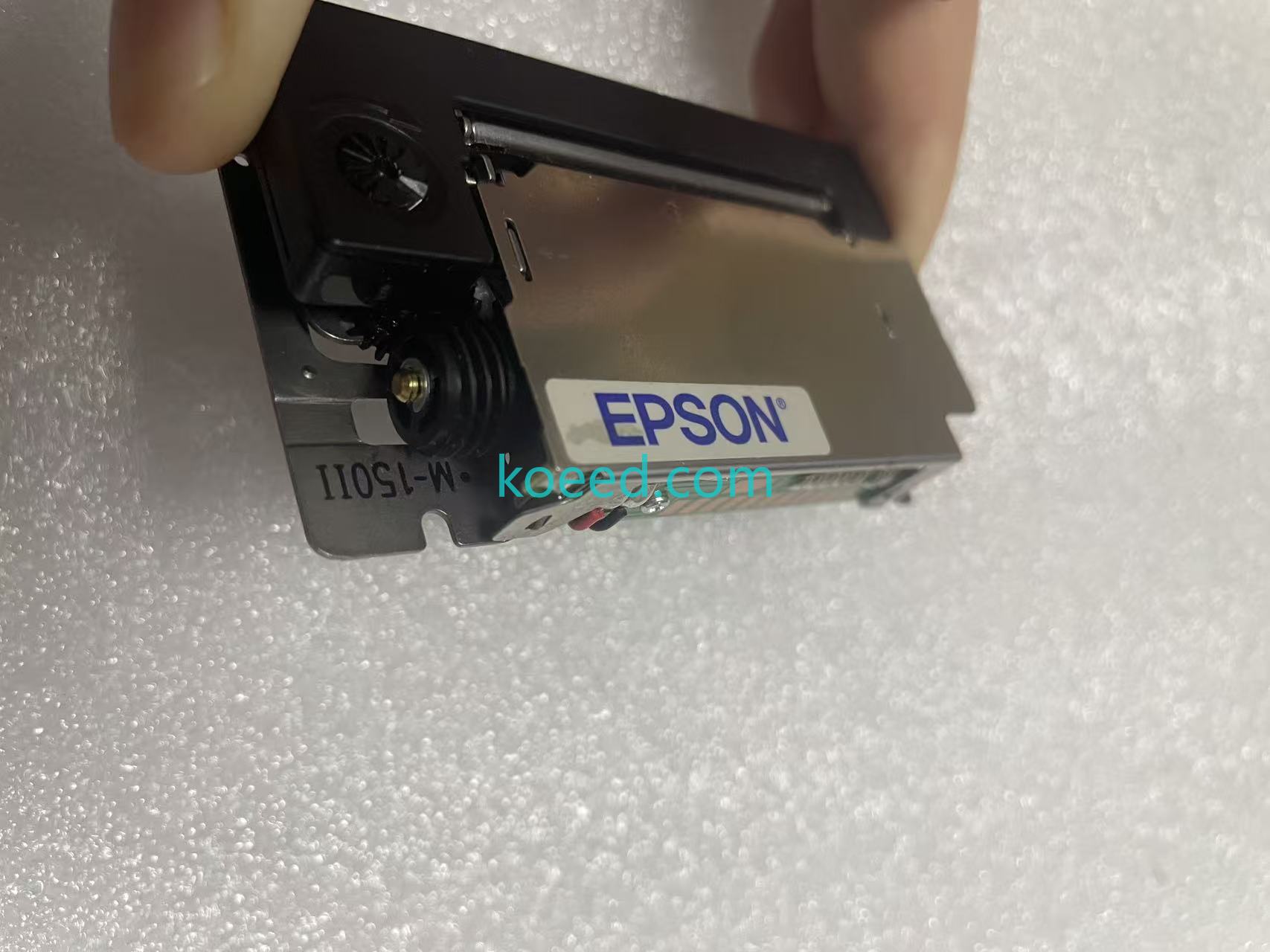
Below is a comprehensive visual reference library of the M-150II from multiple angles, detailing its compact form factor, connector pin layout, ribbon cassette interface, and mounting bracket geometry. These images are essential for integration planning and quality verification before bulk procurement.
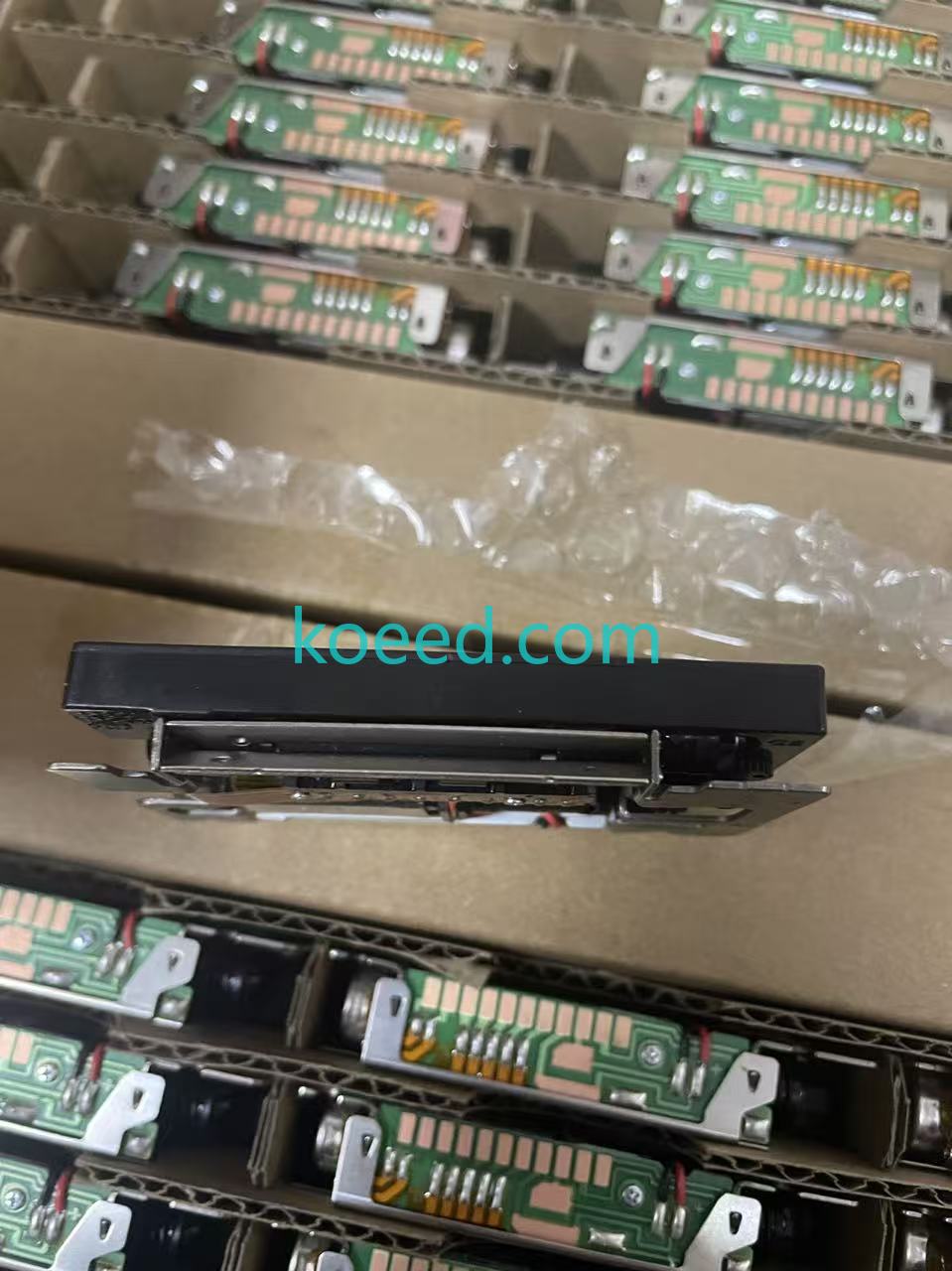
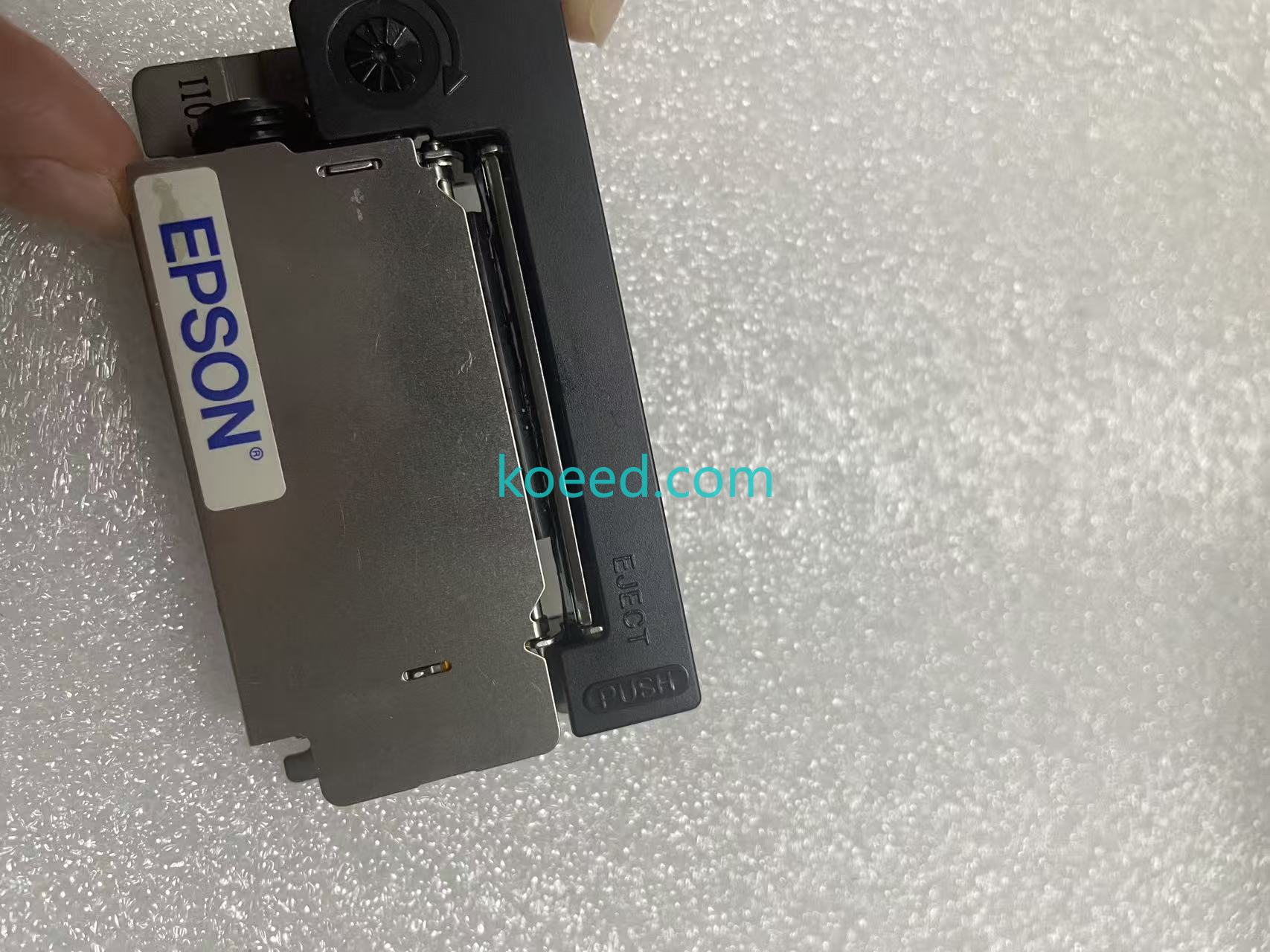
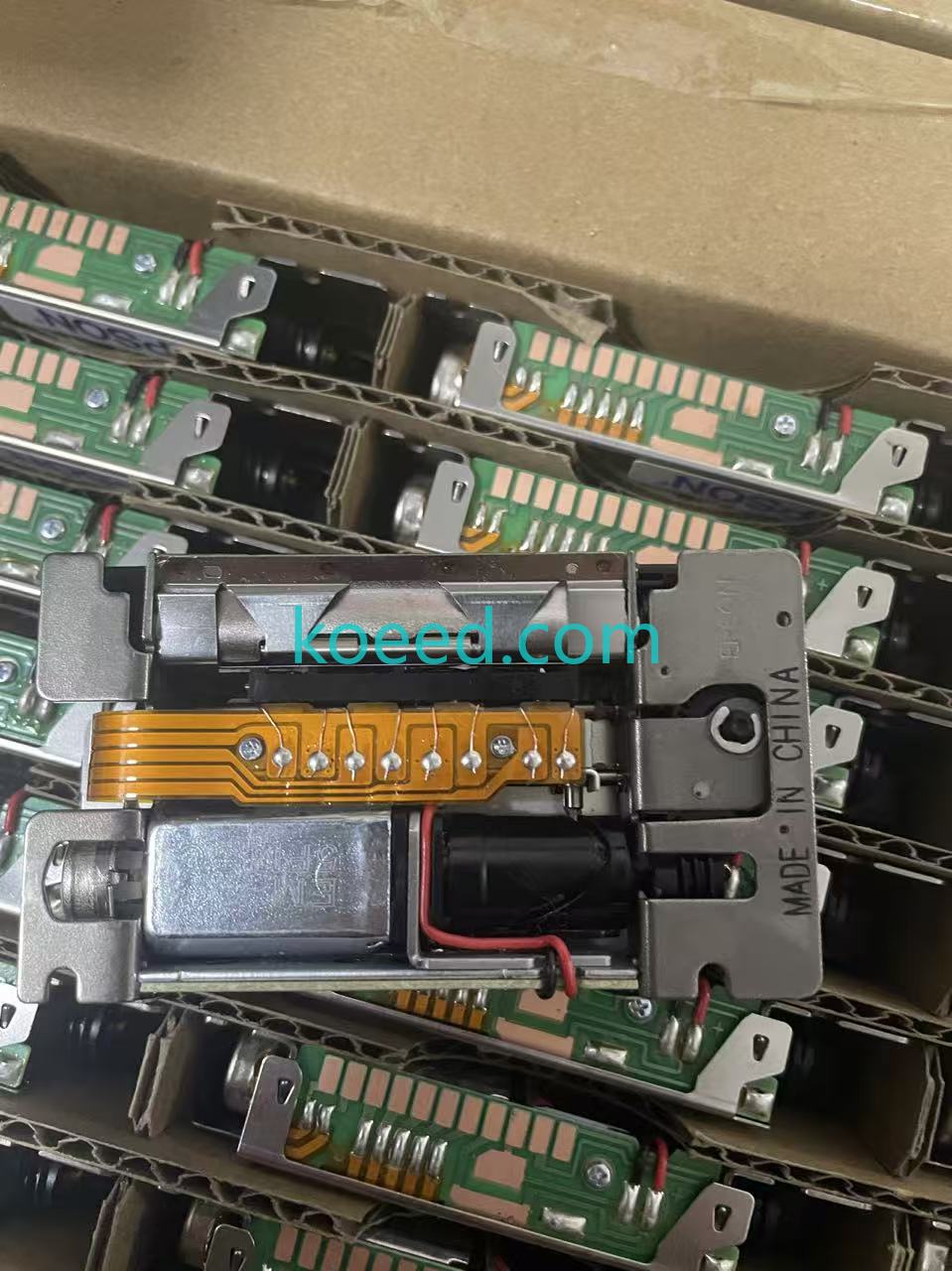
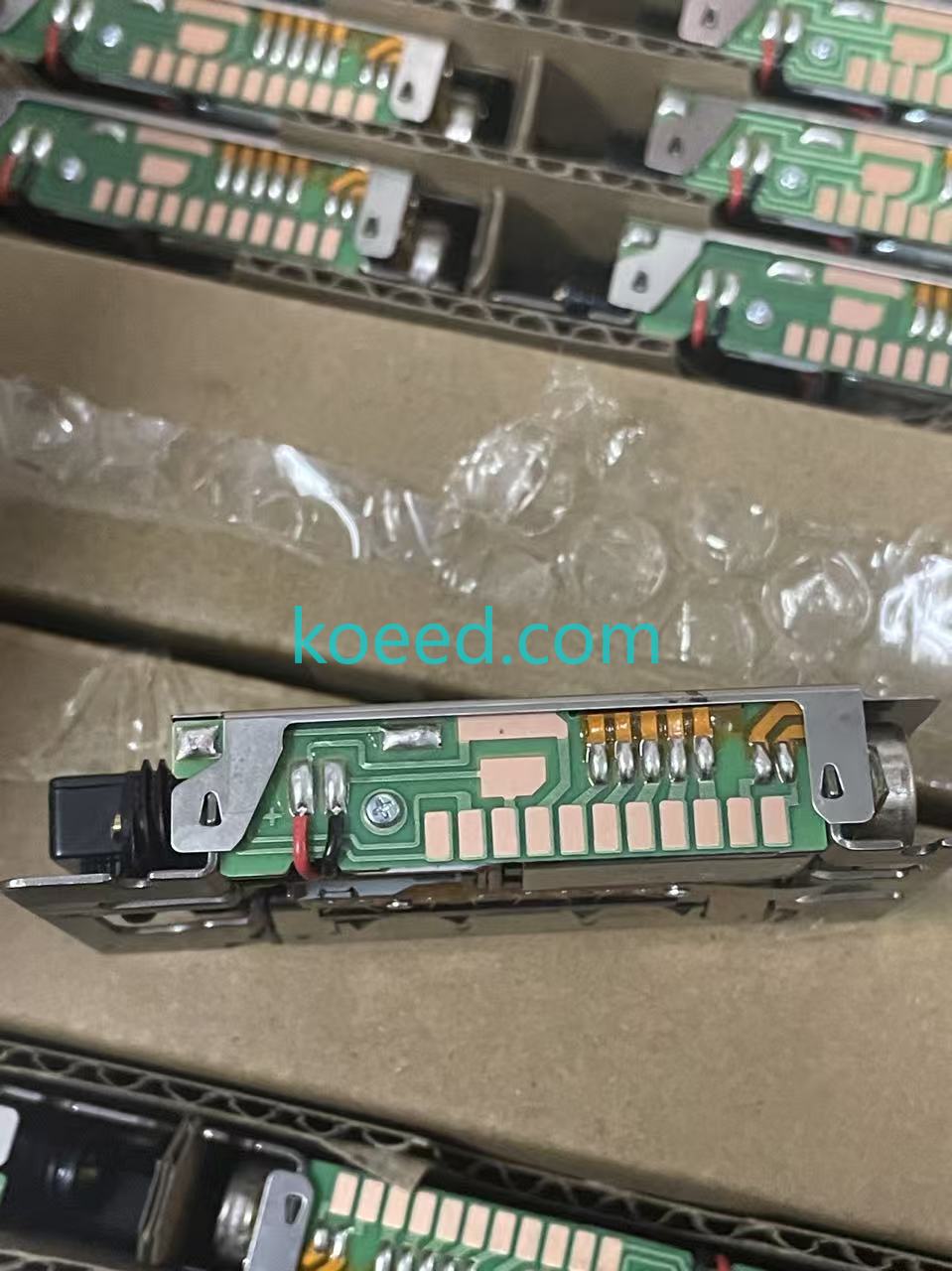
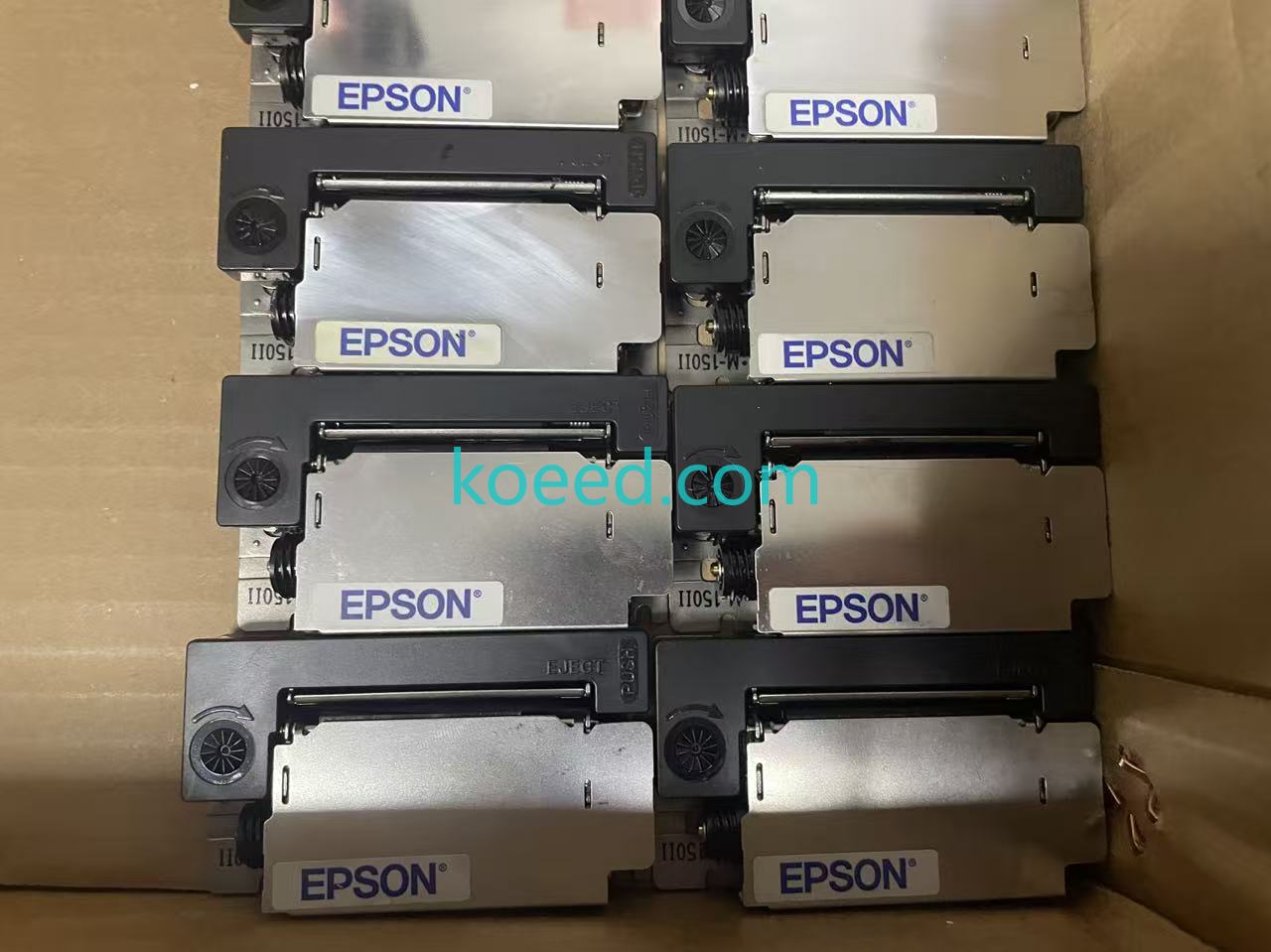
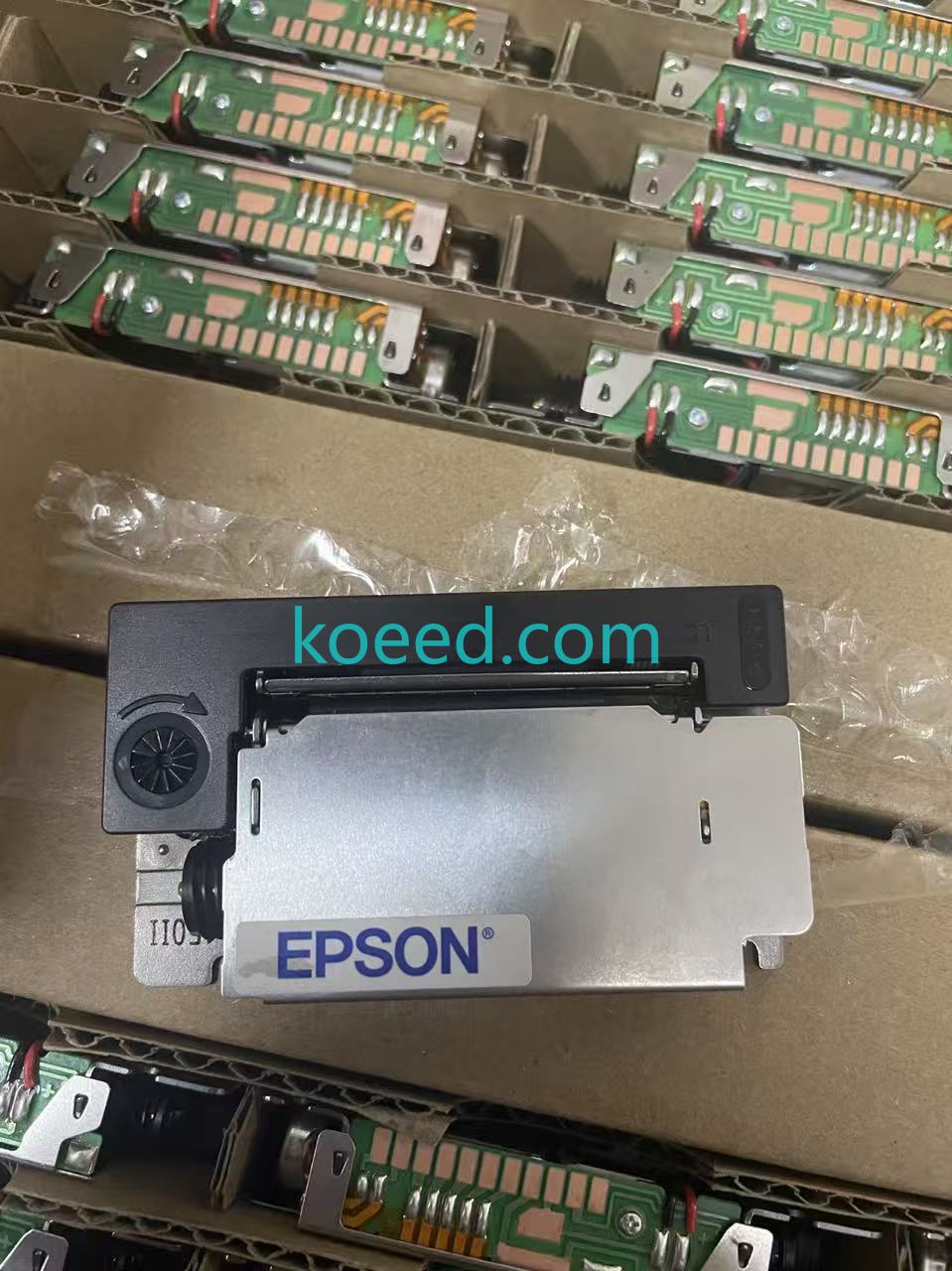
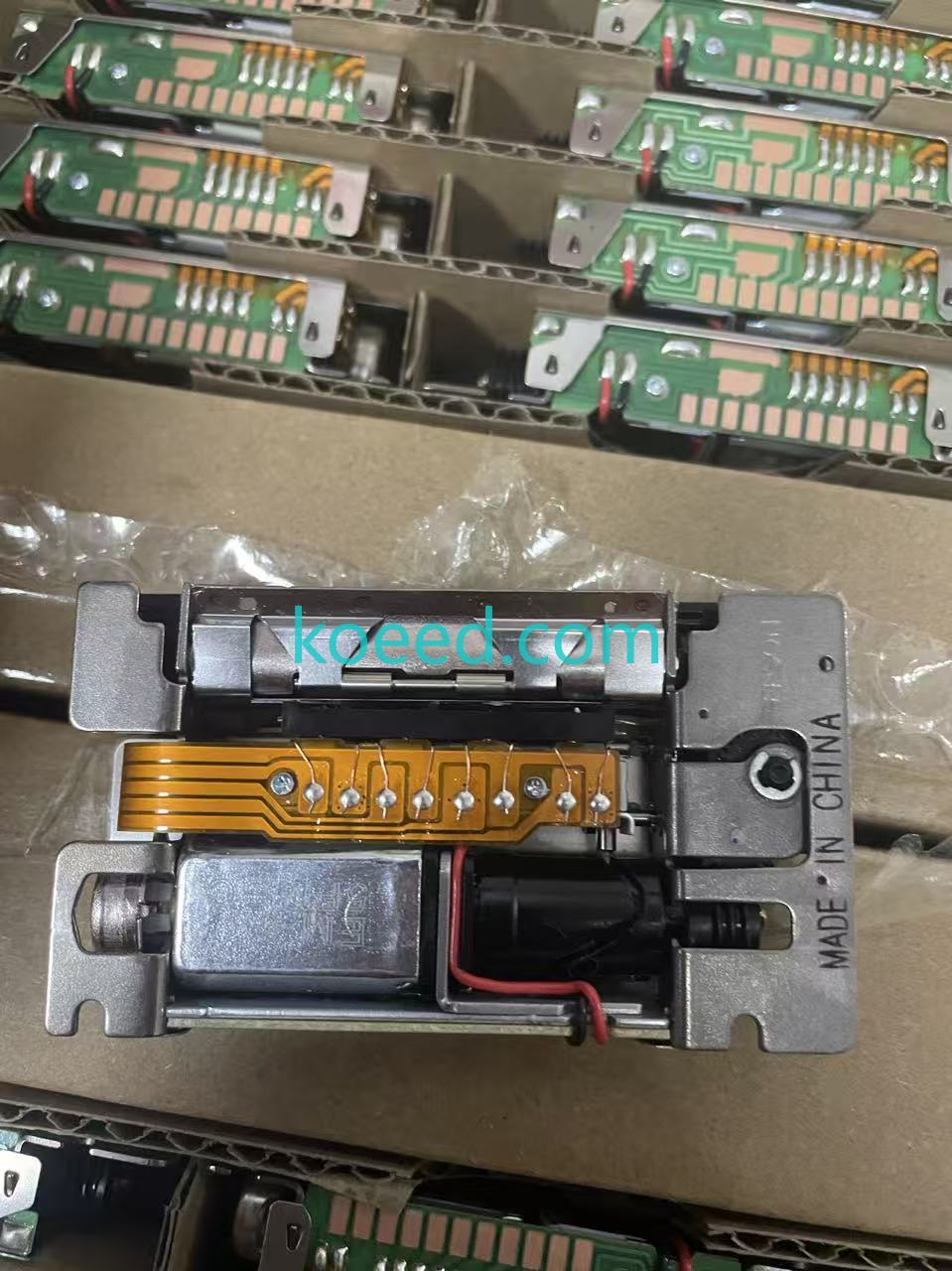
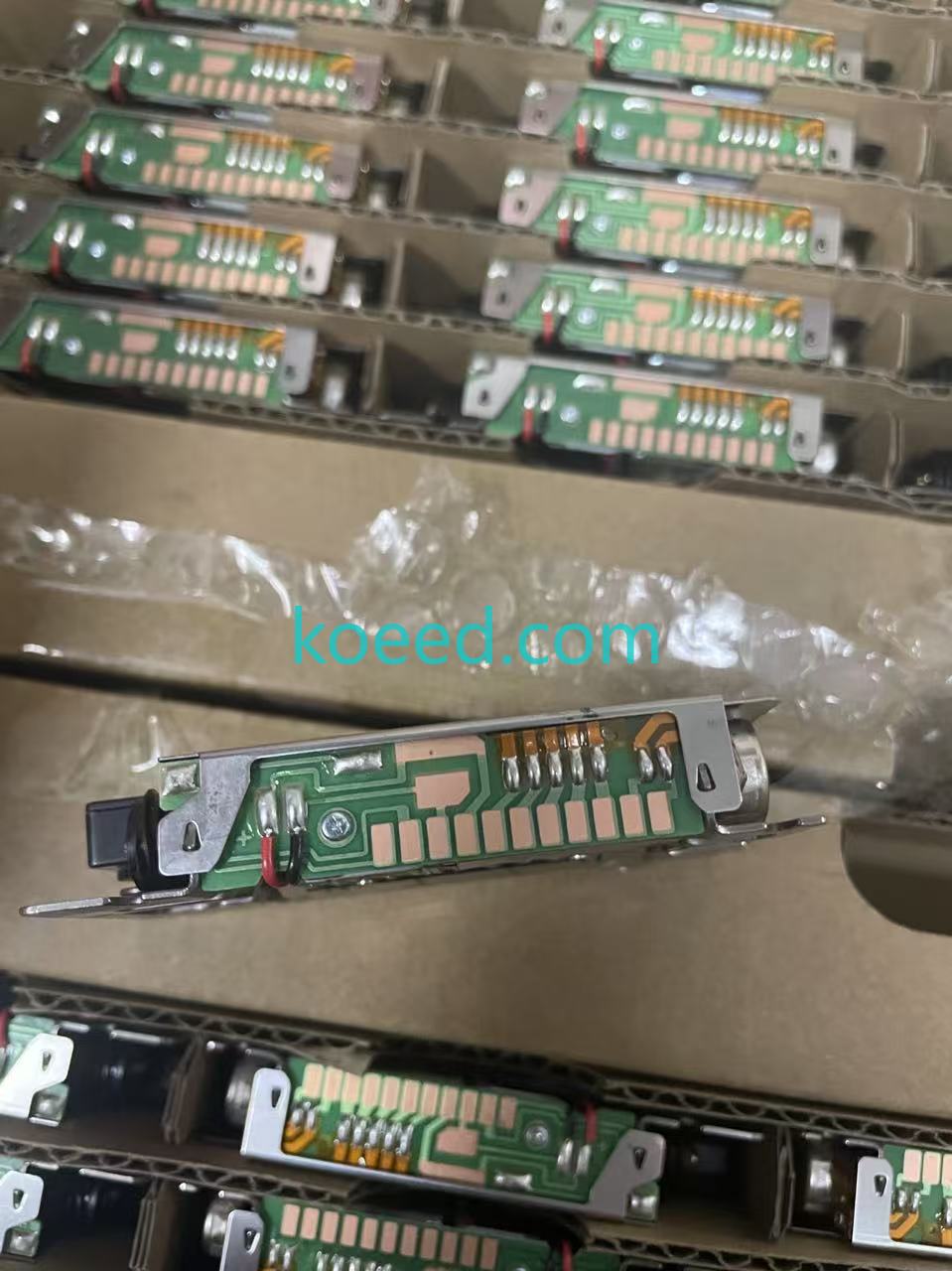
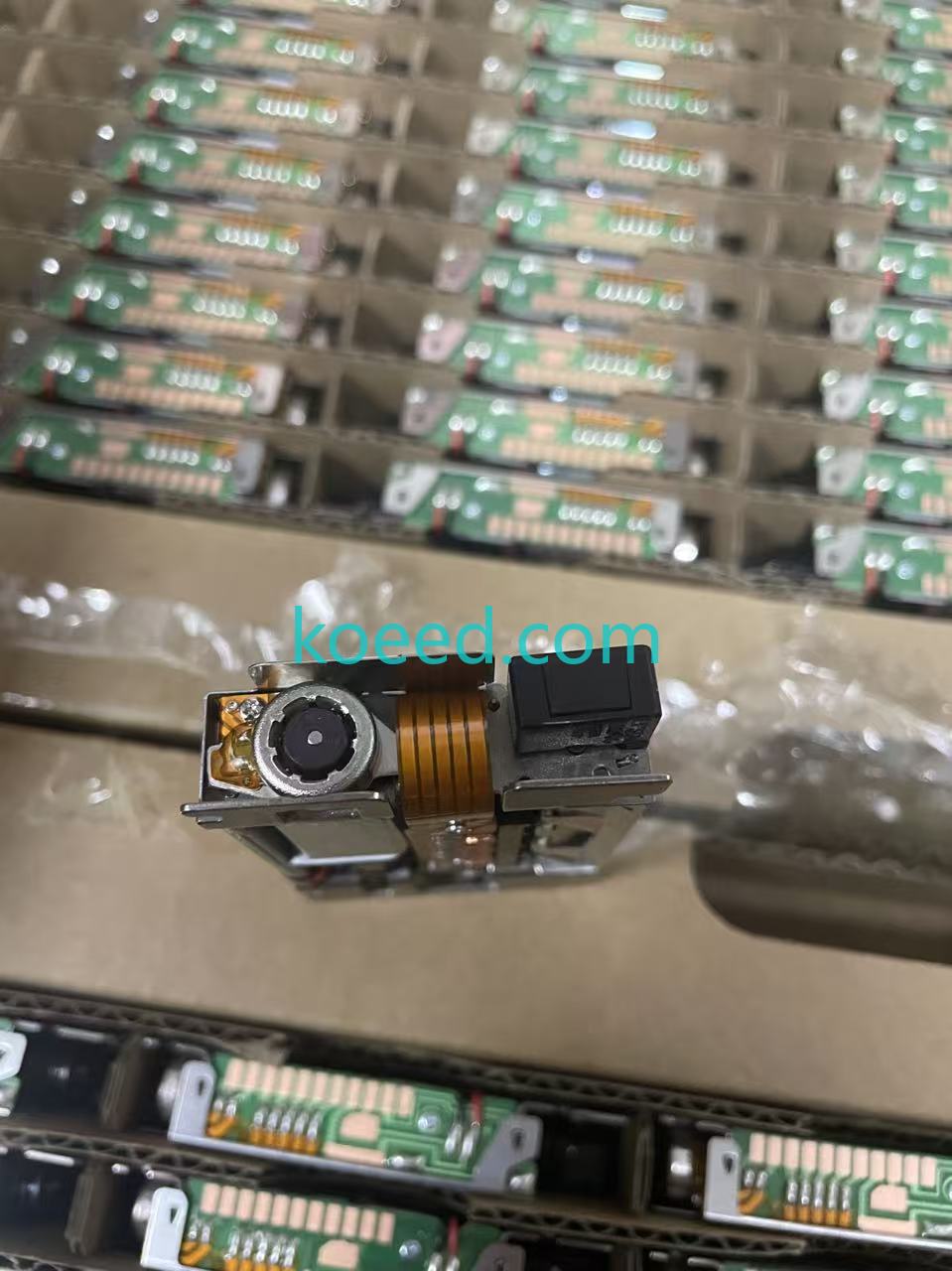
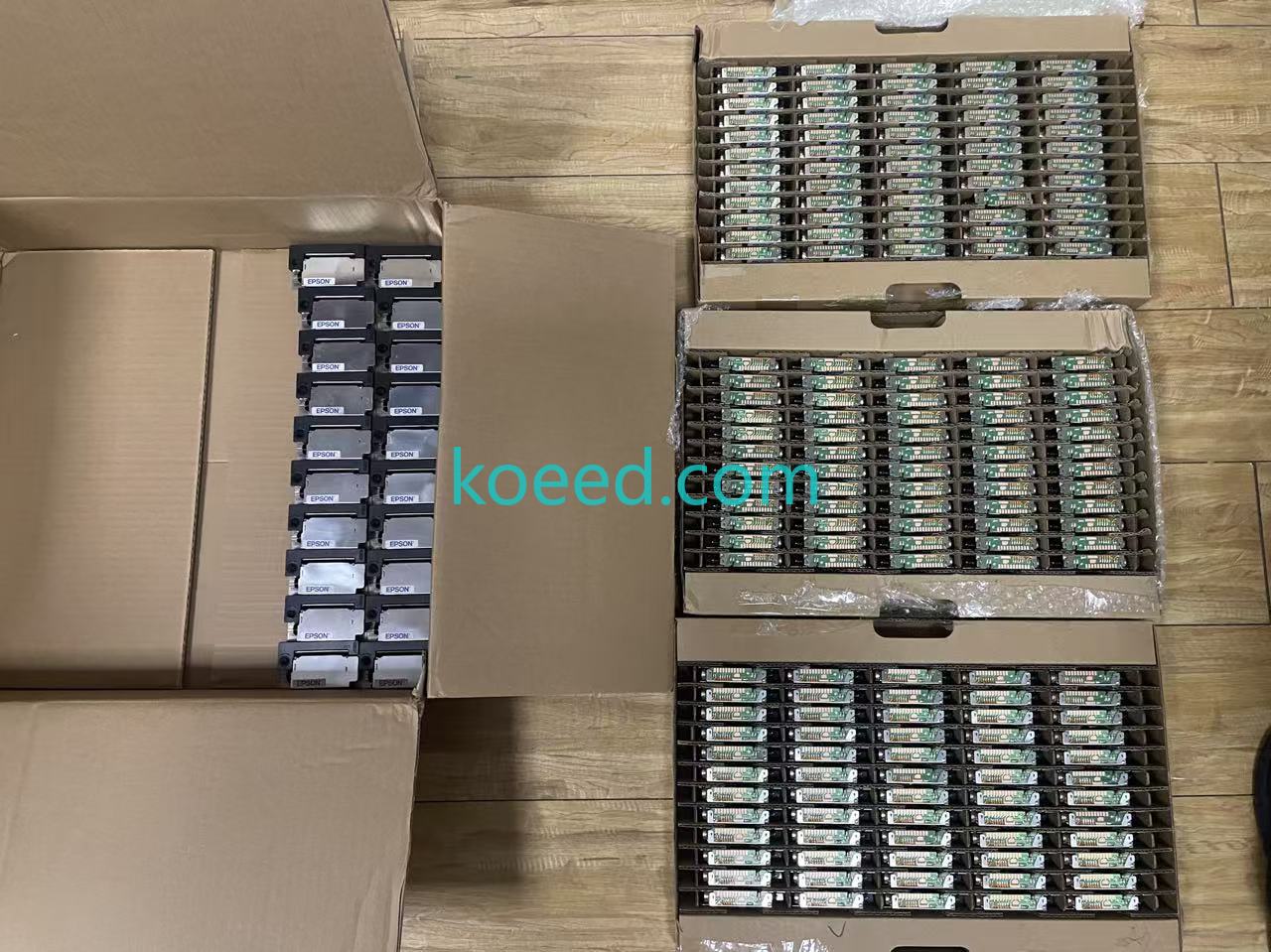
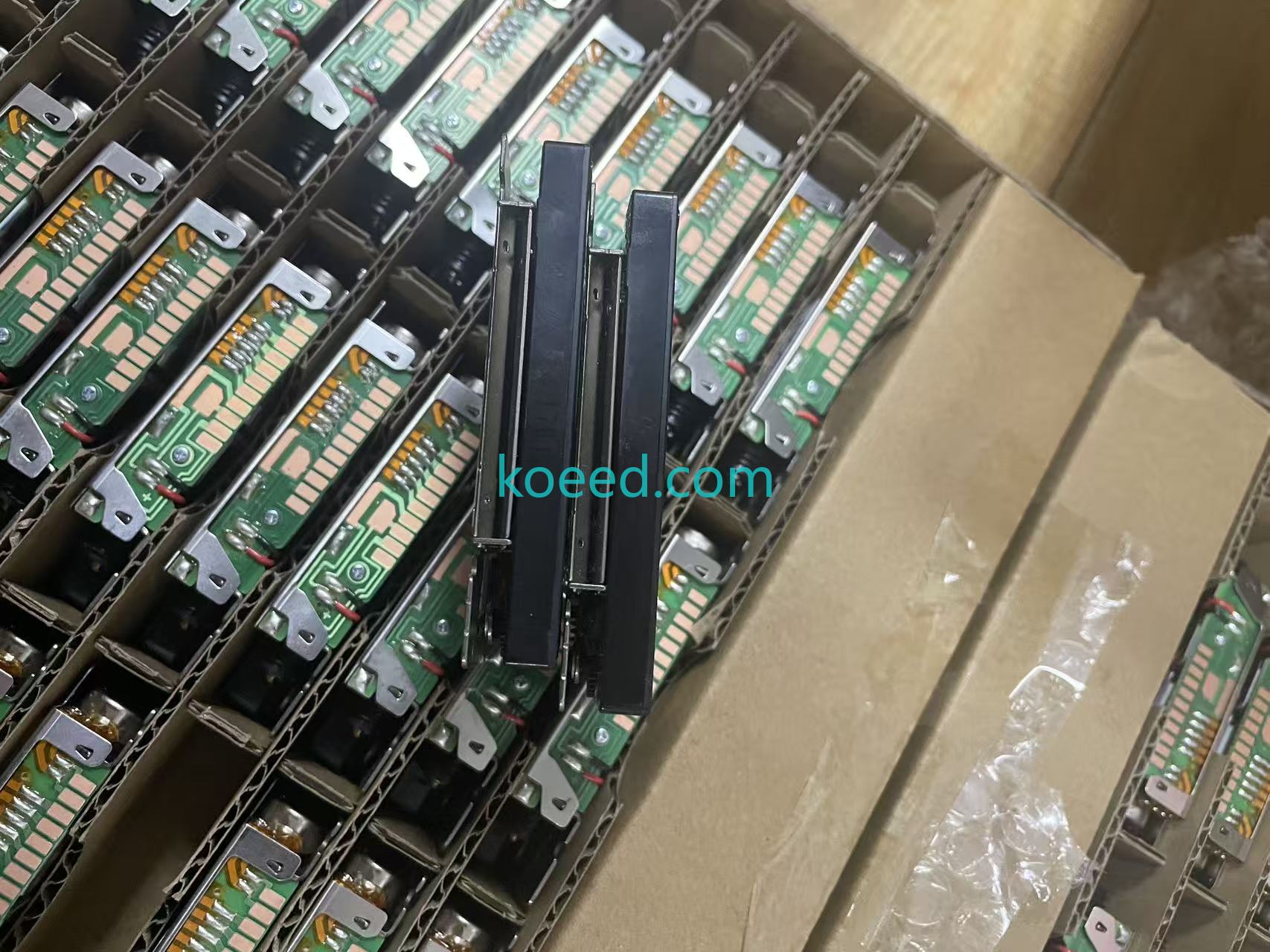
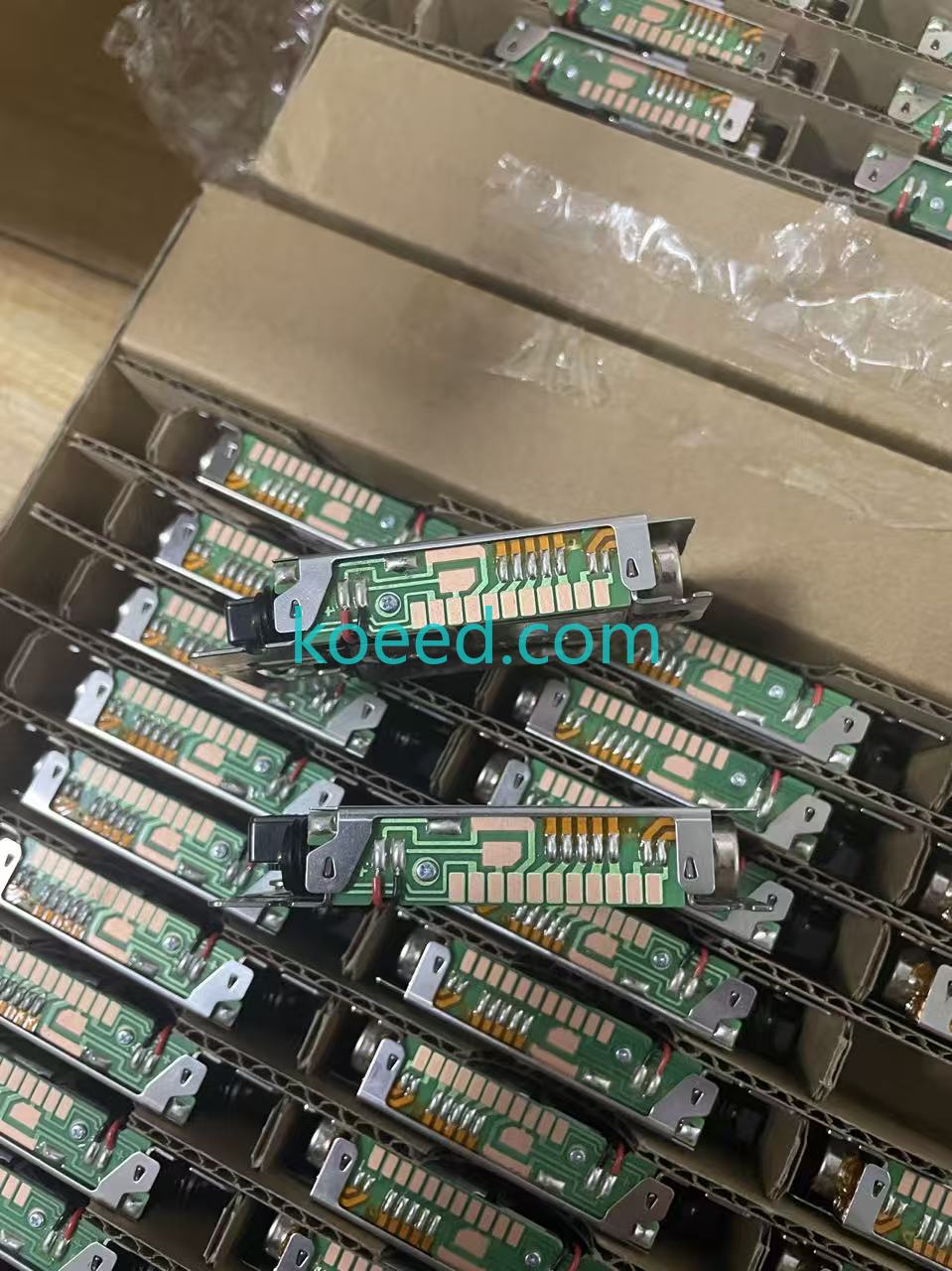
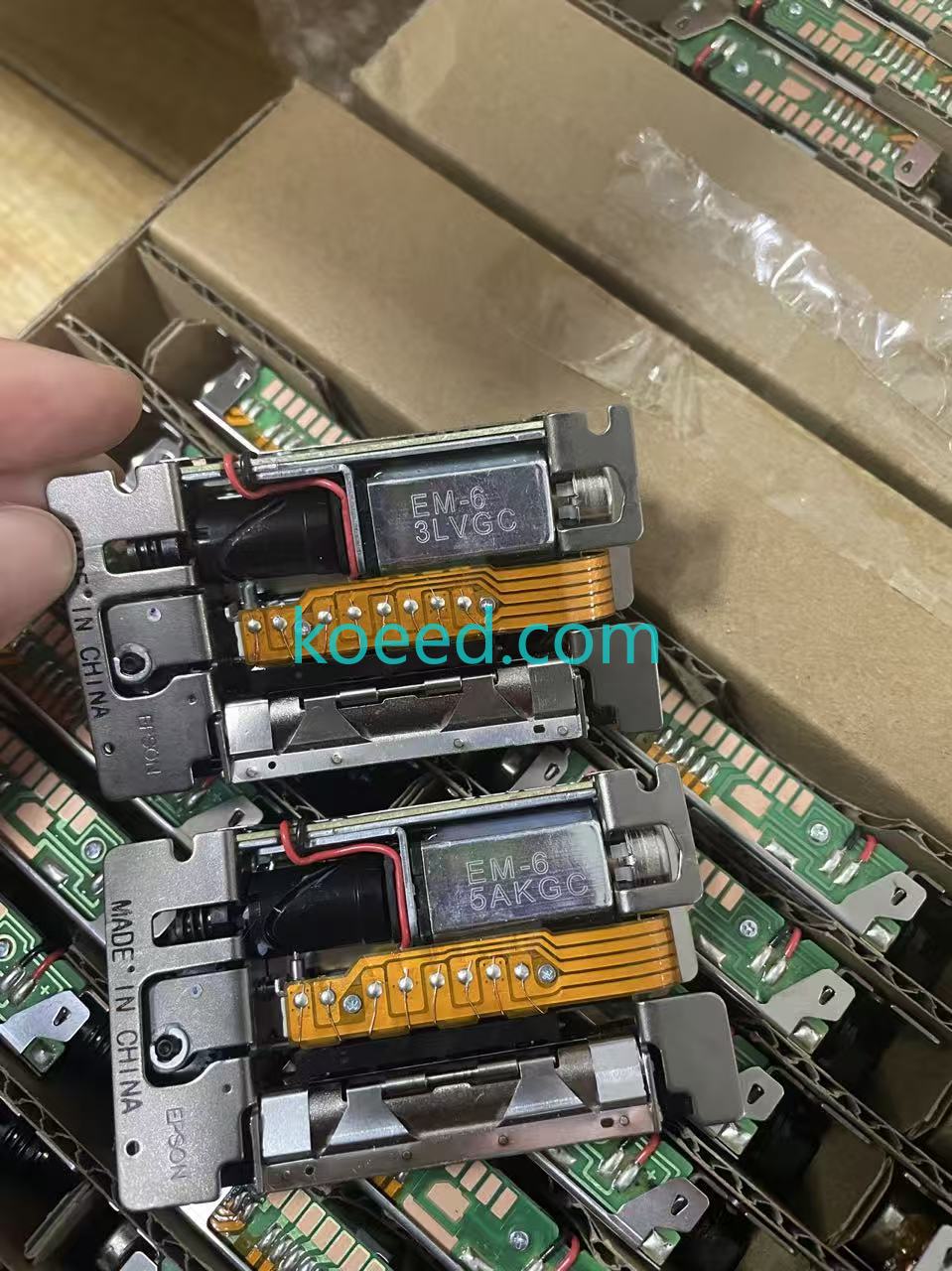
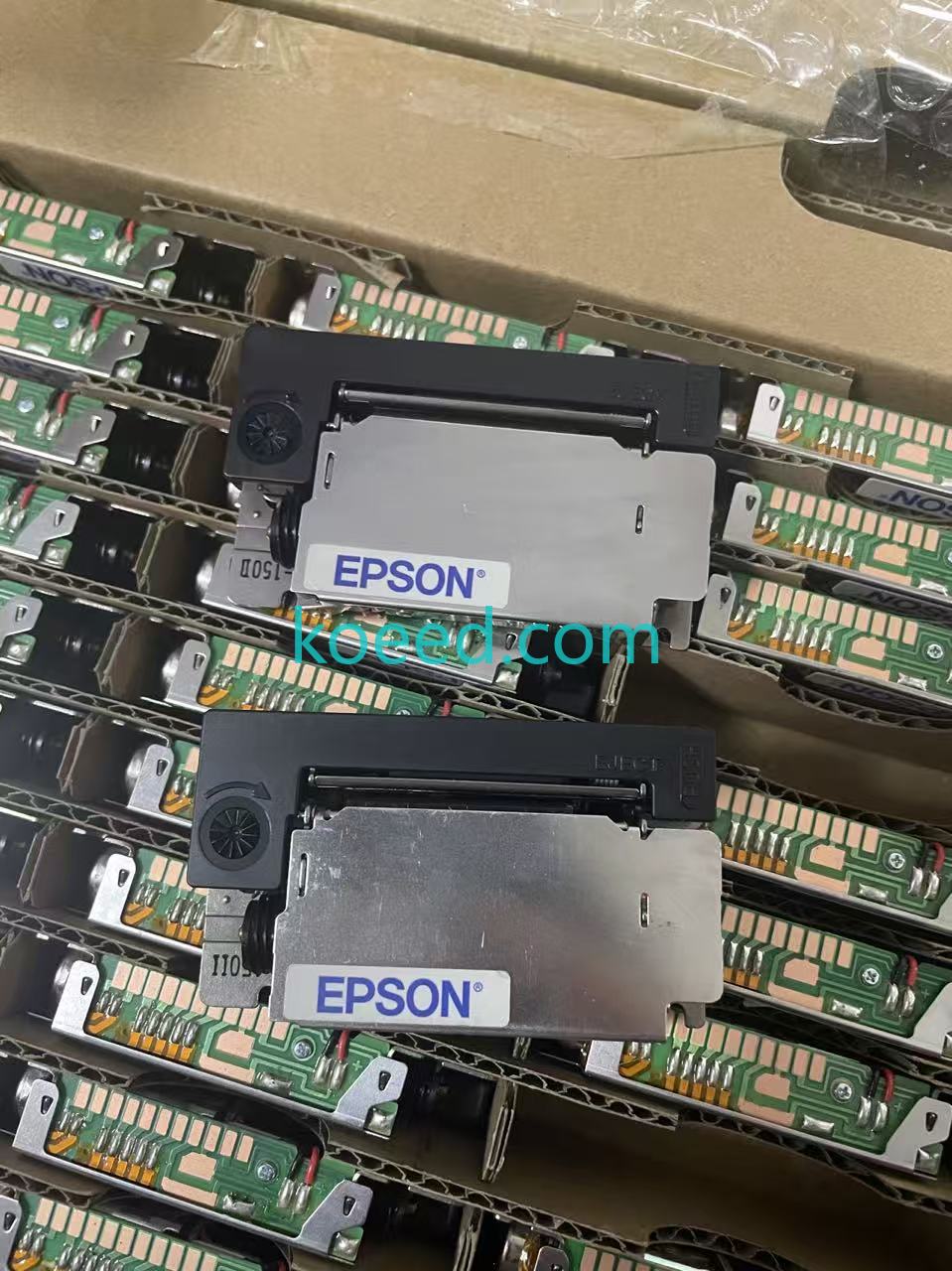
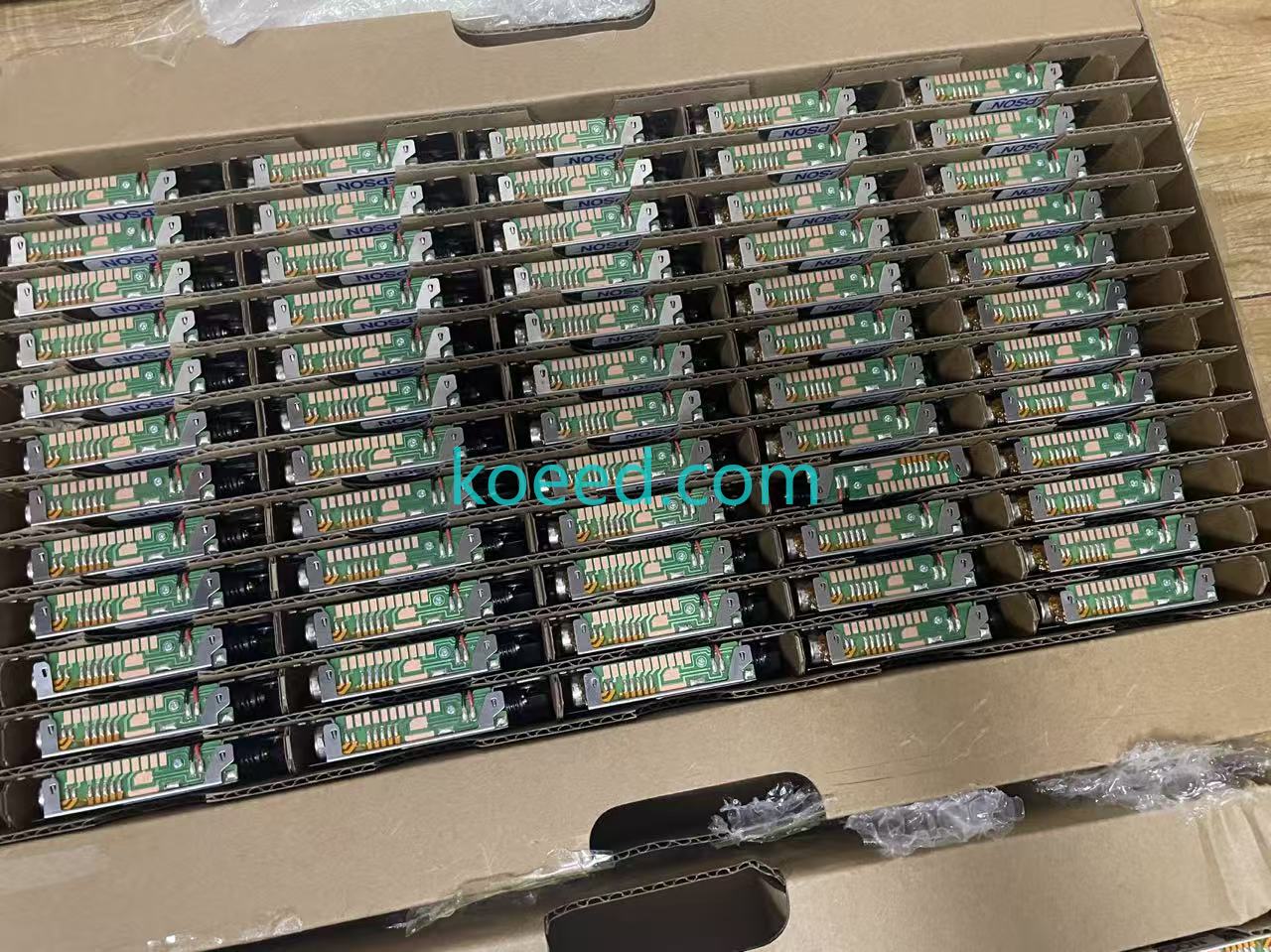
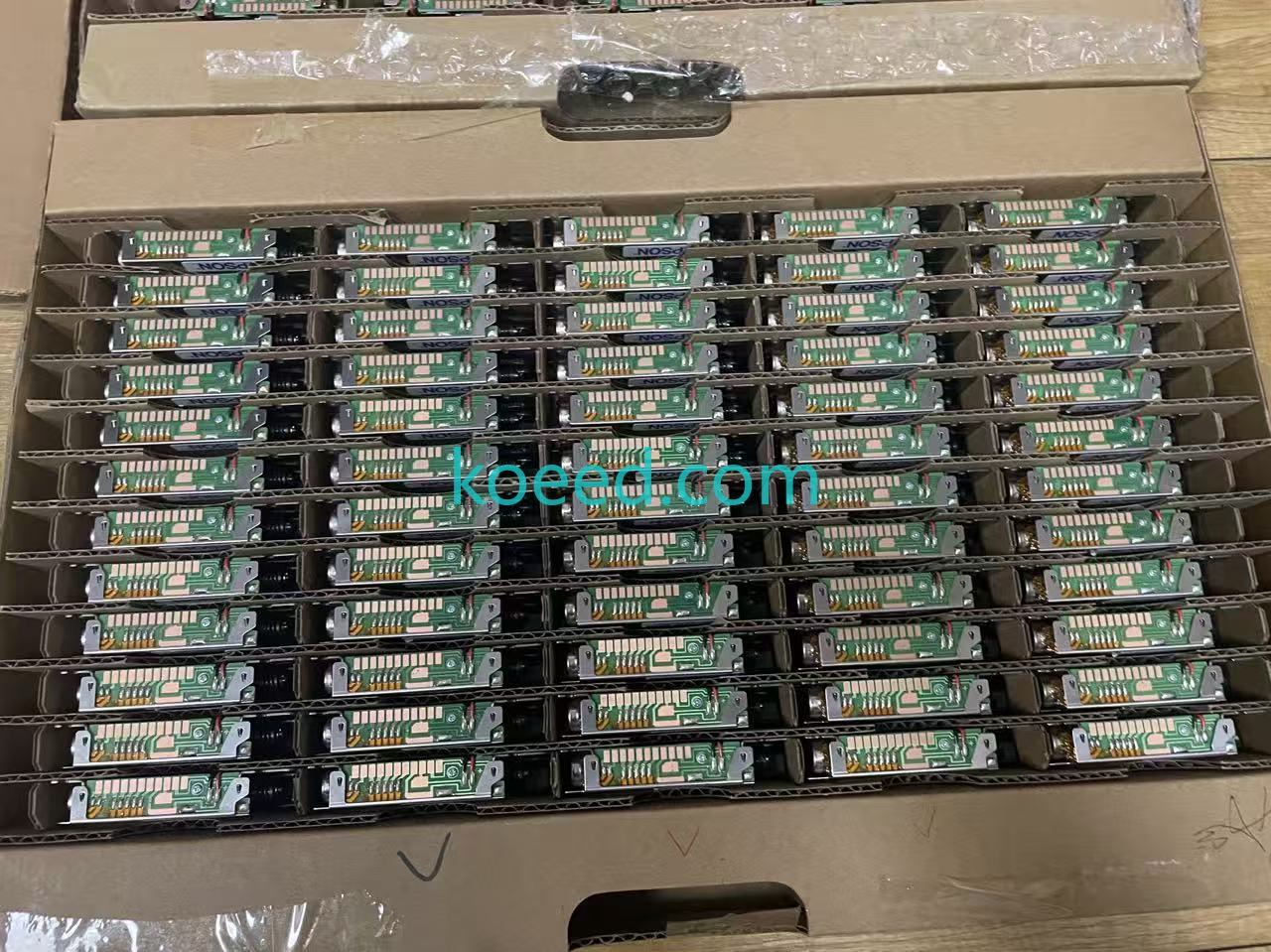
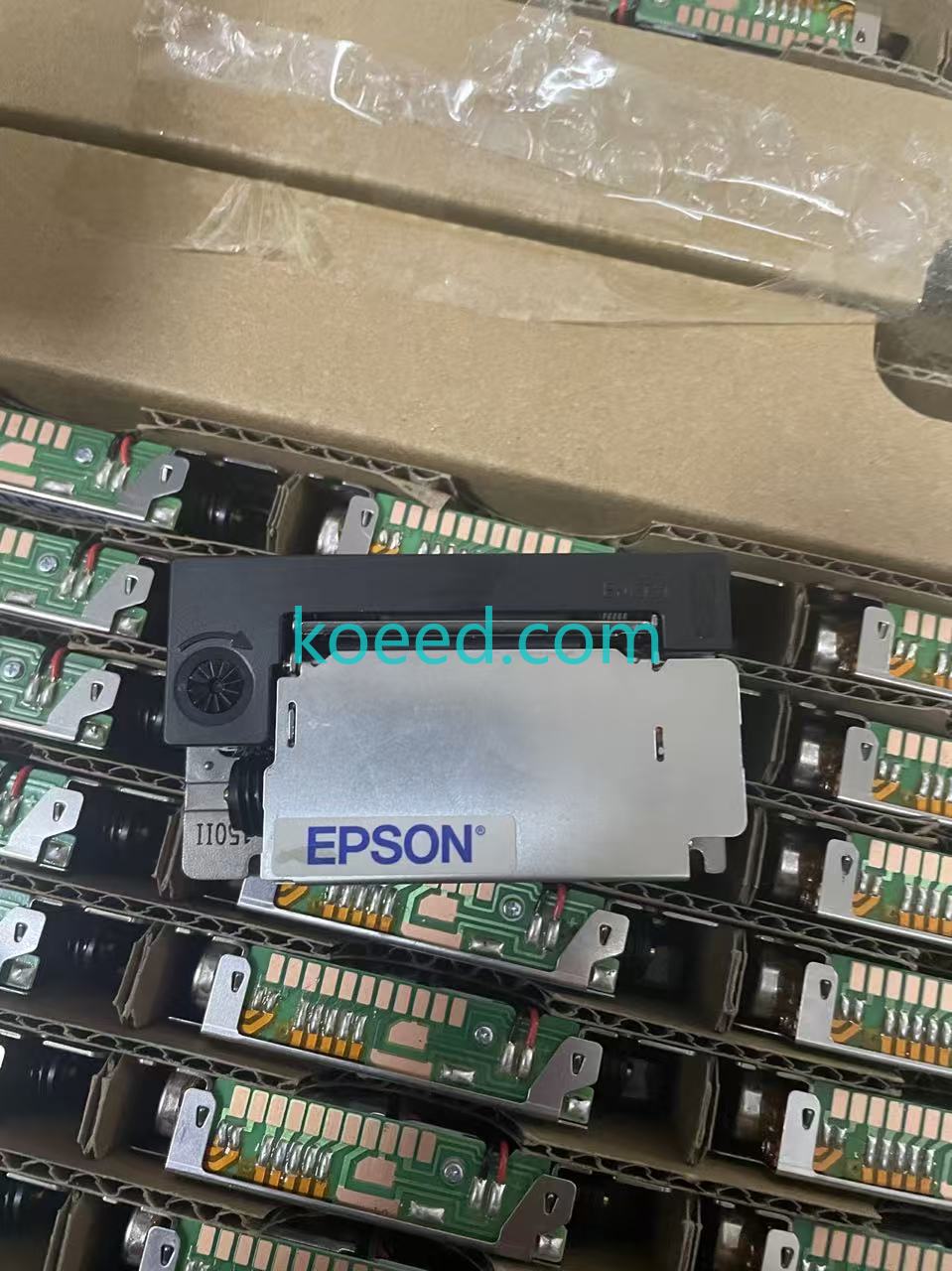
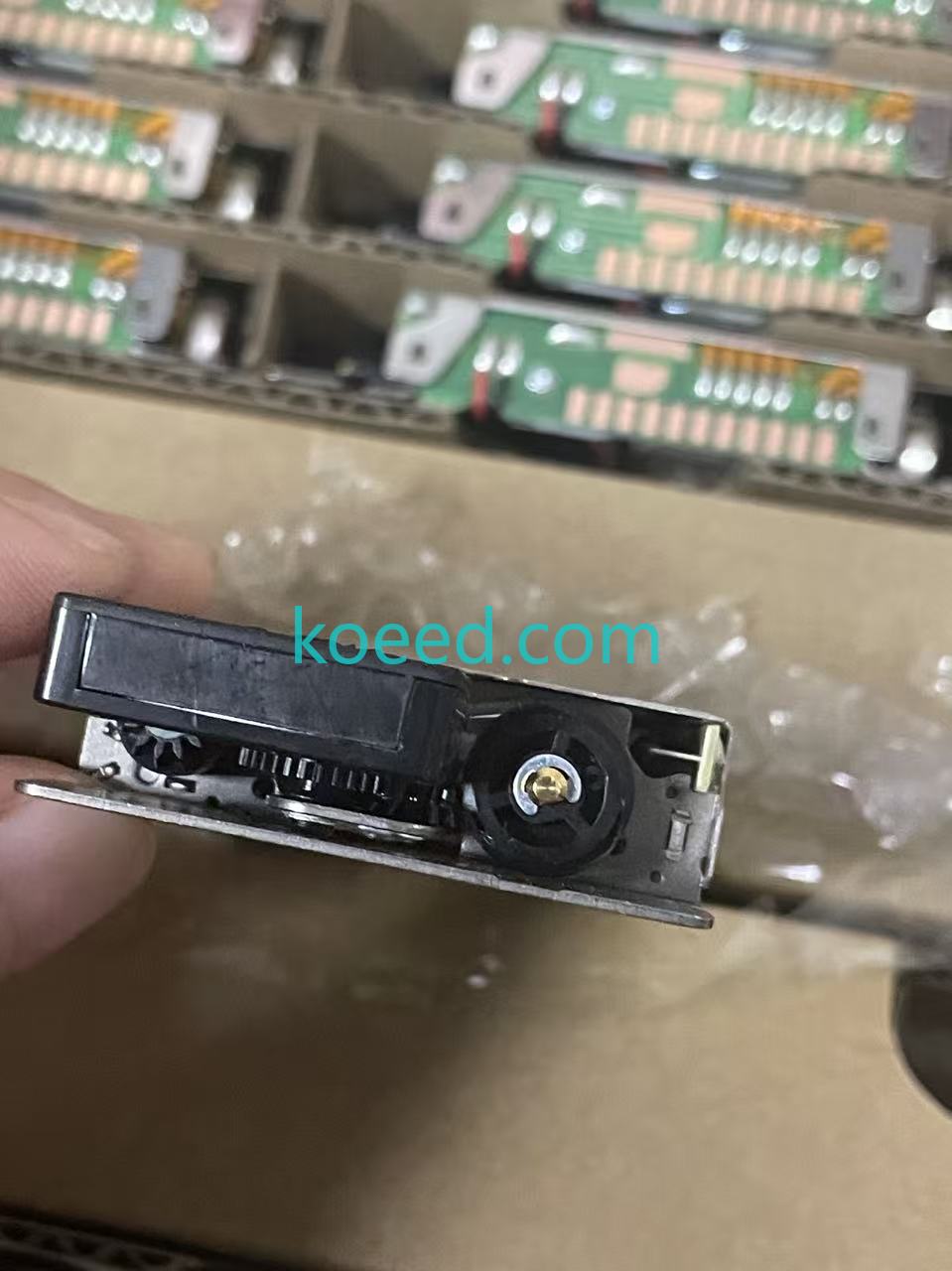
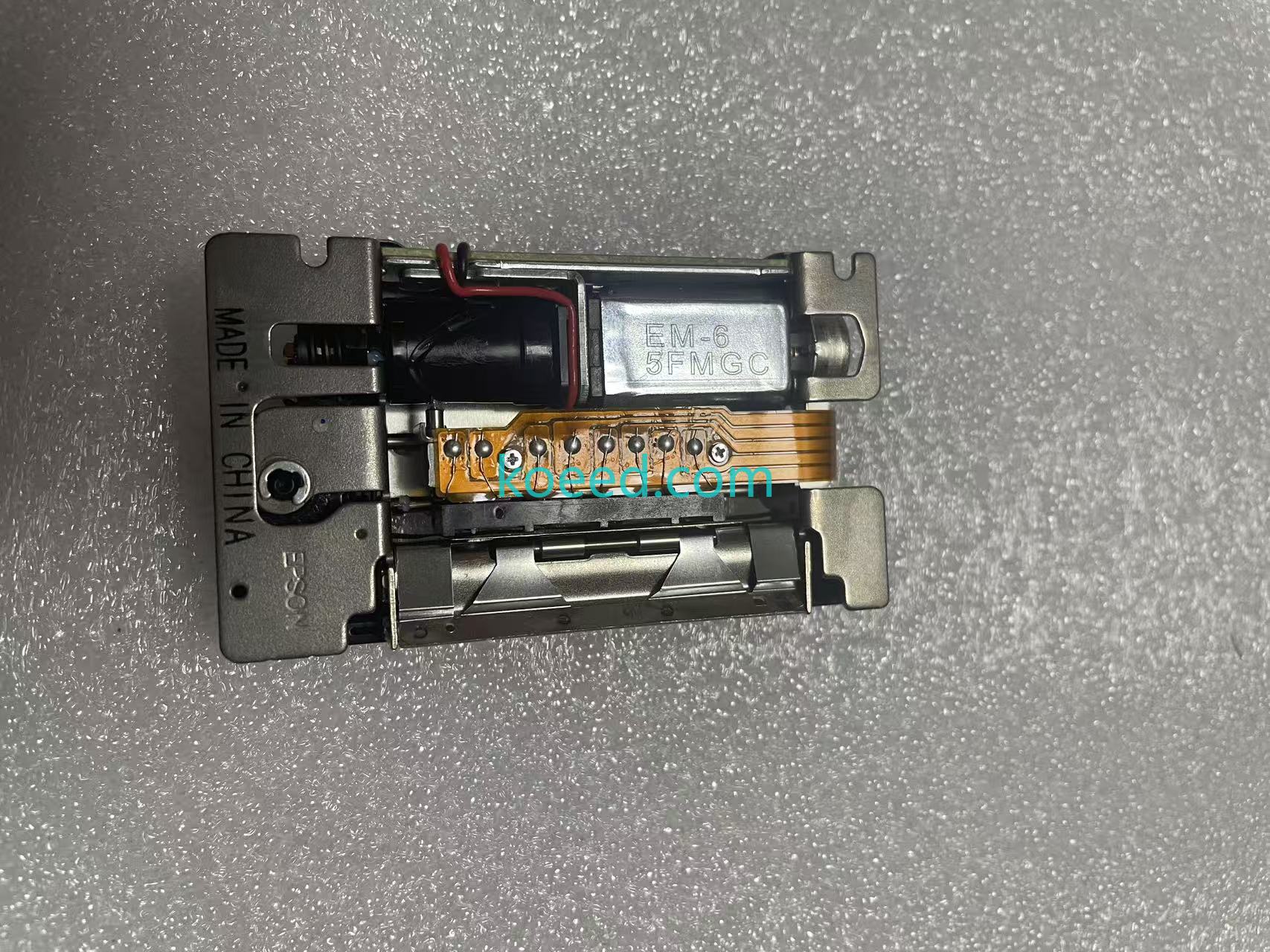
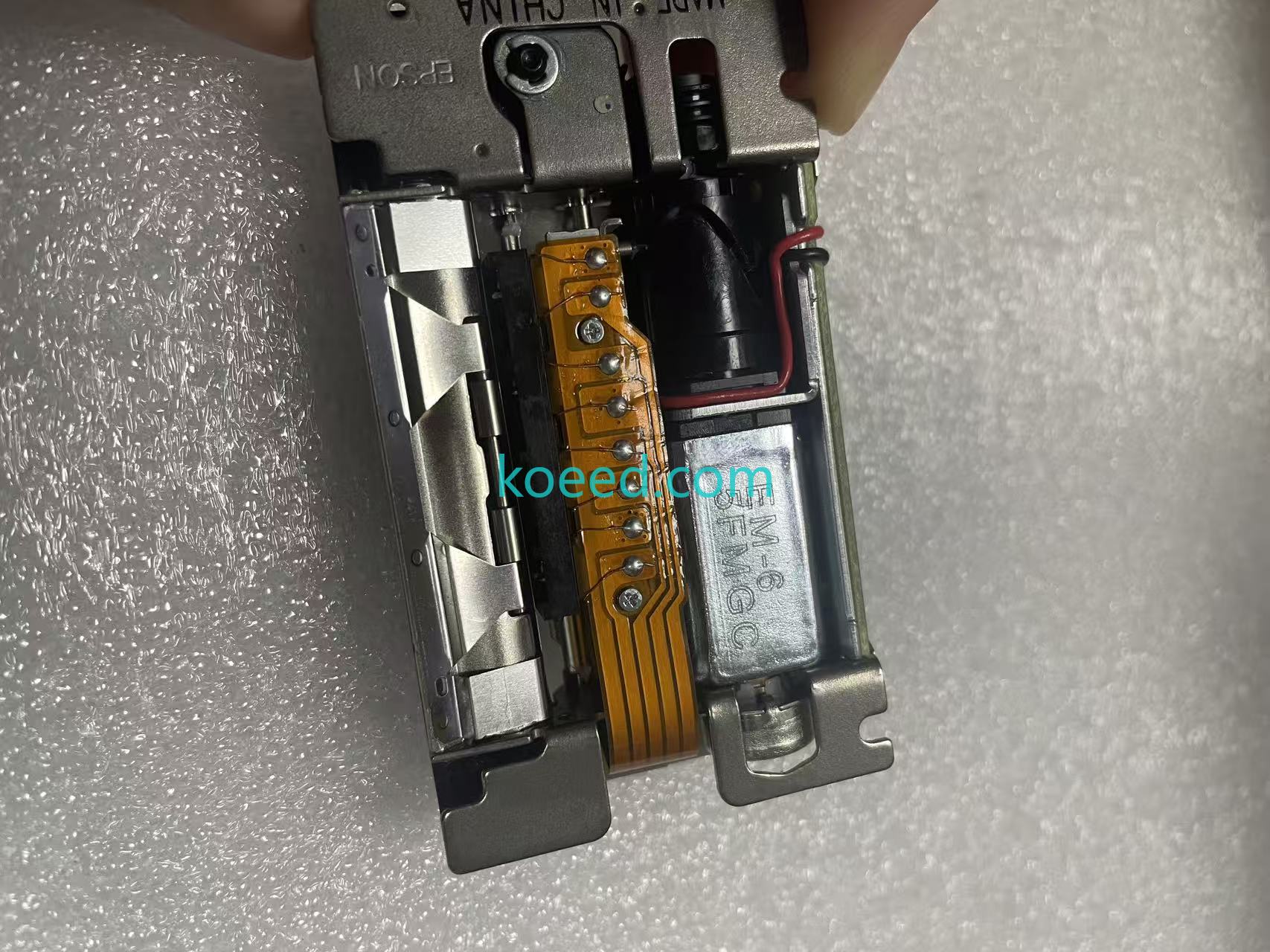
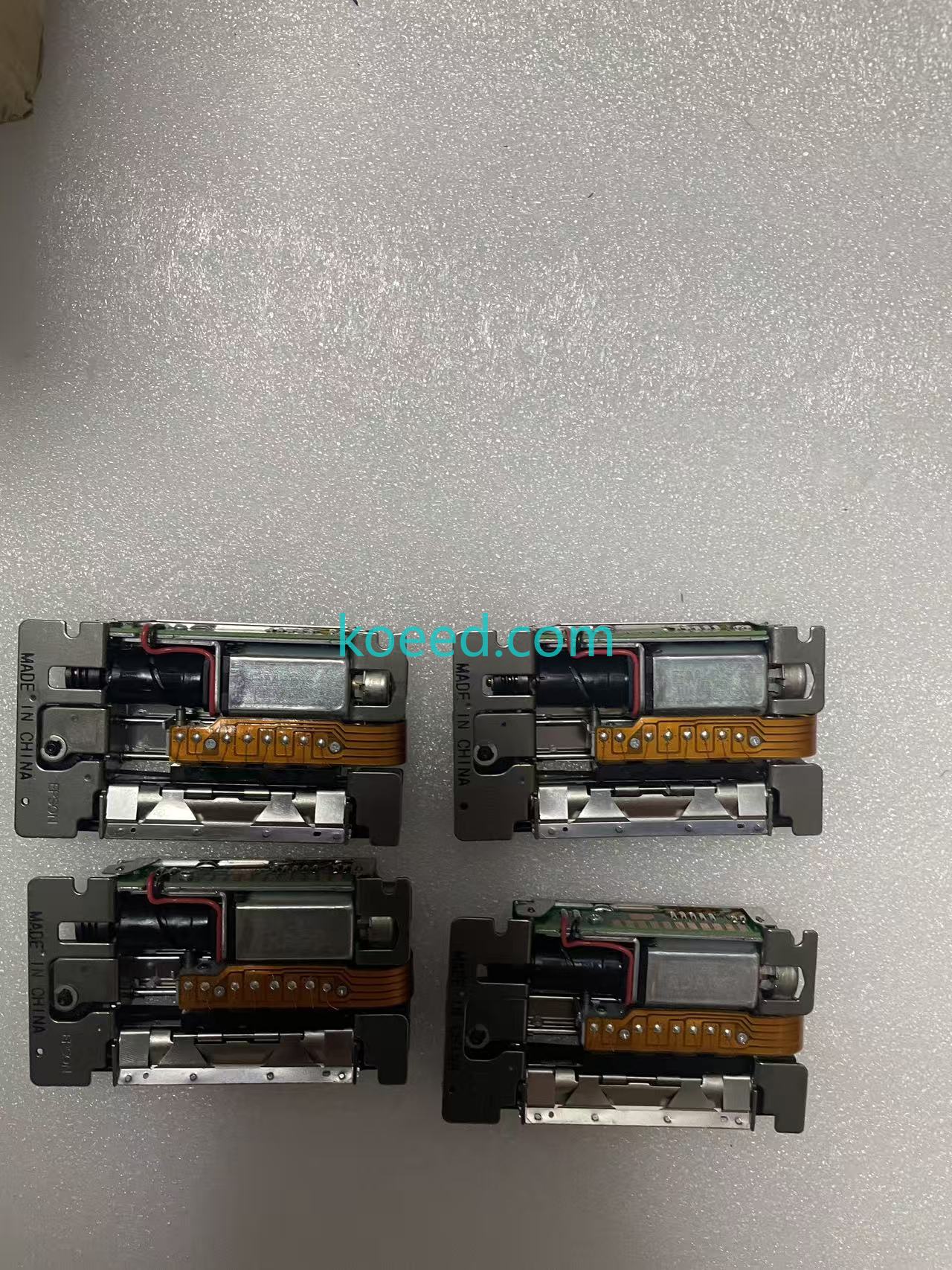
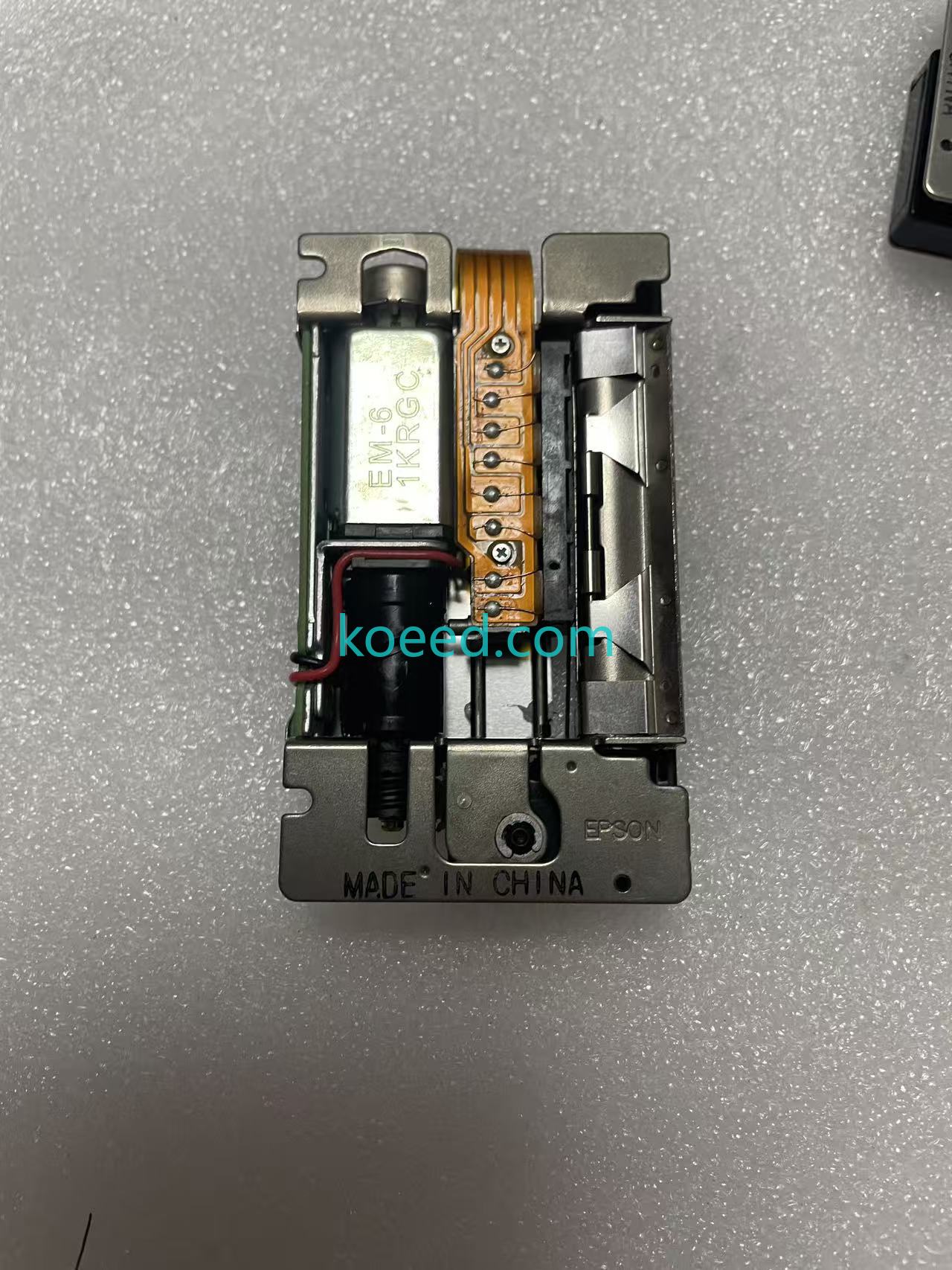
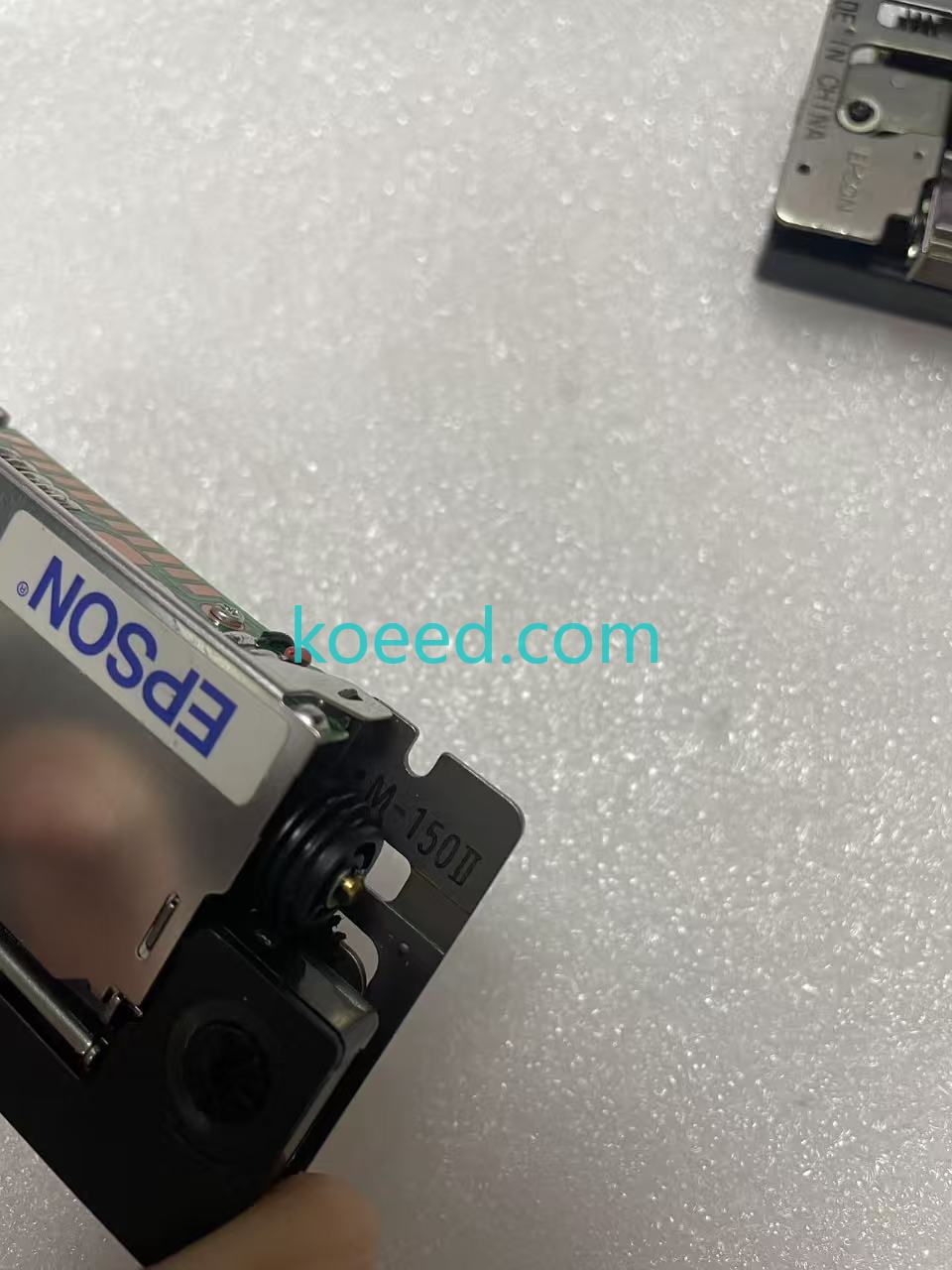
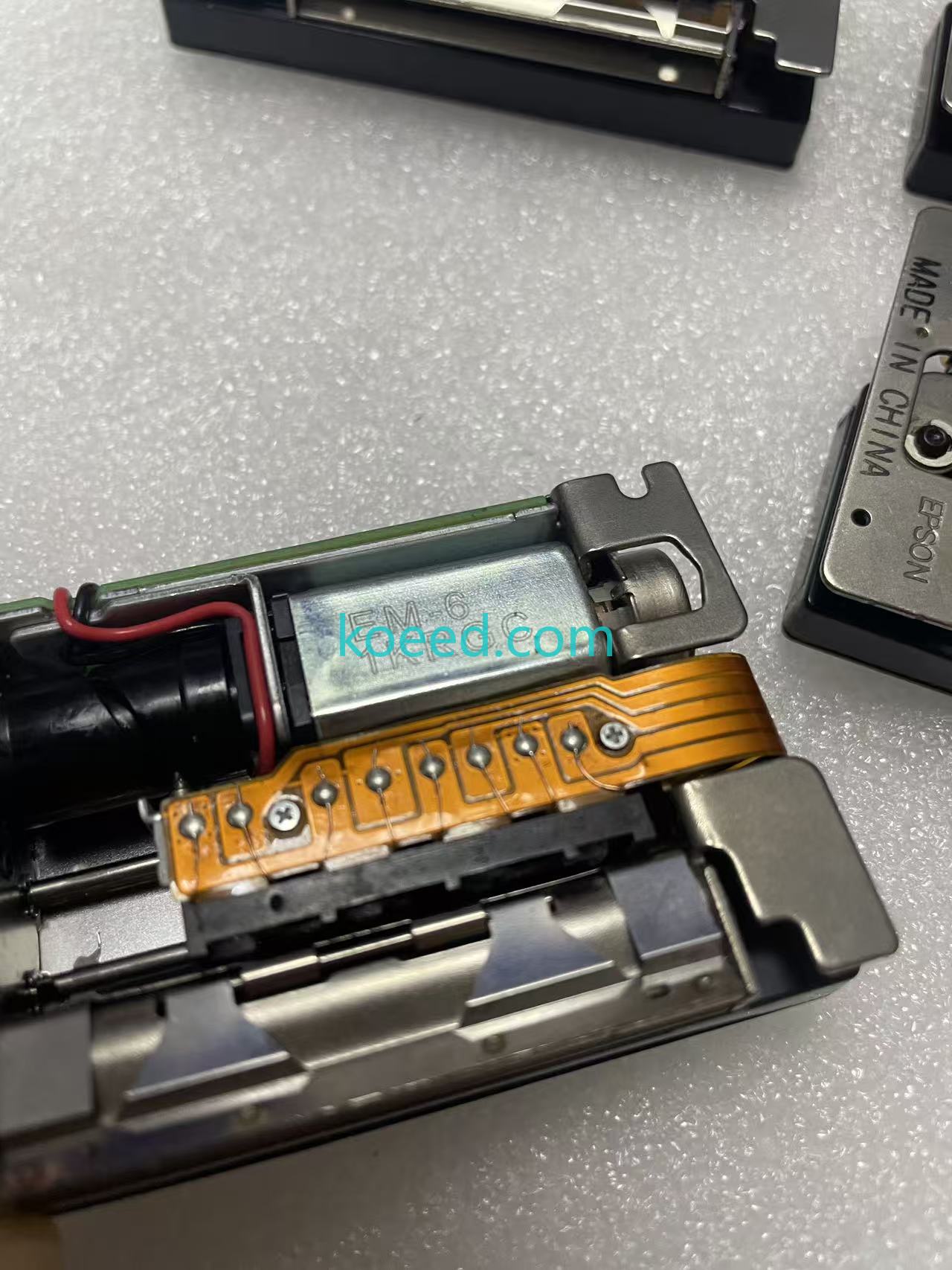
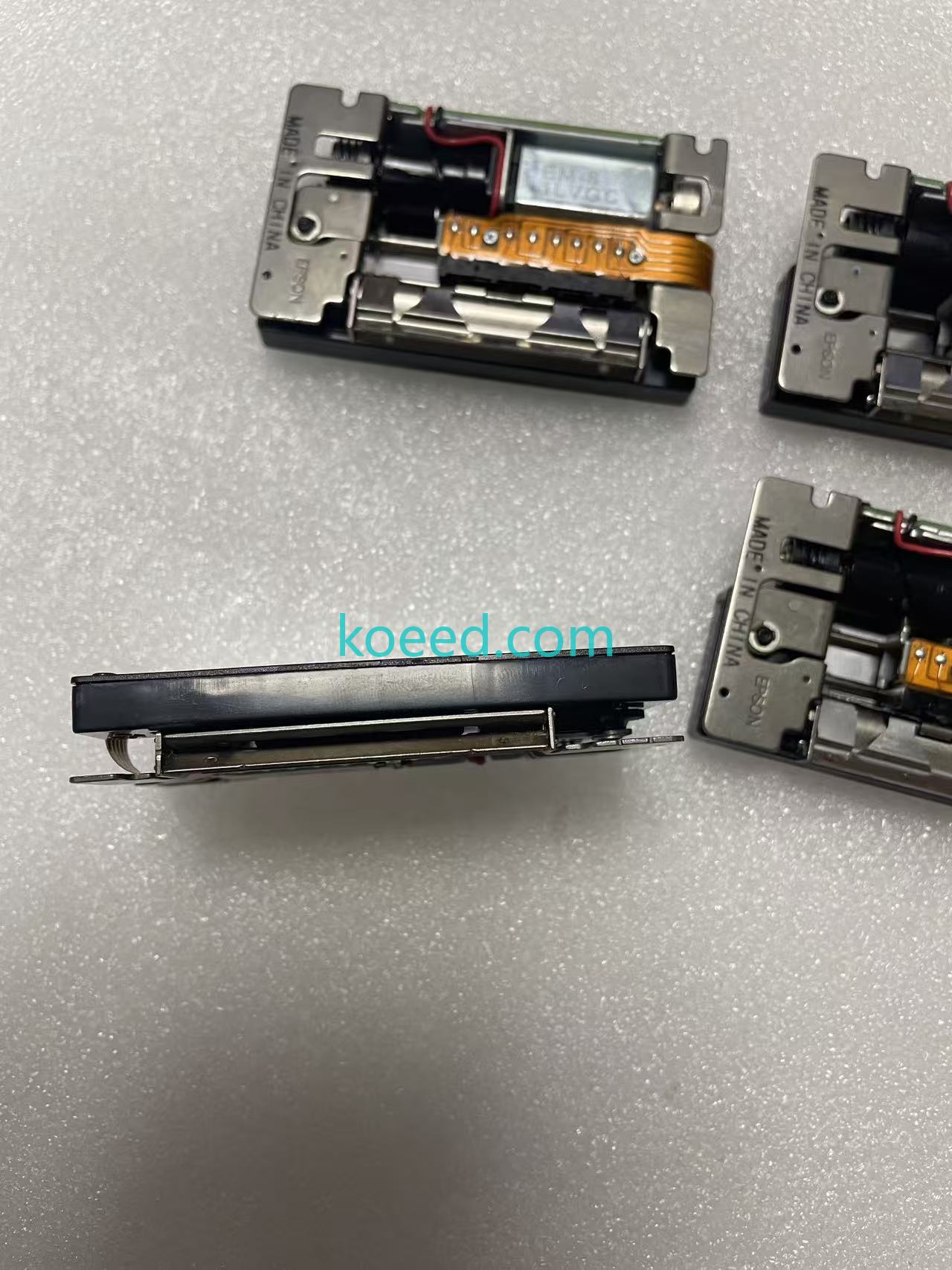
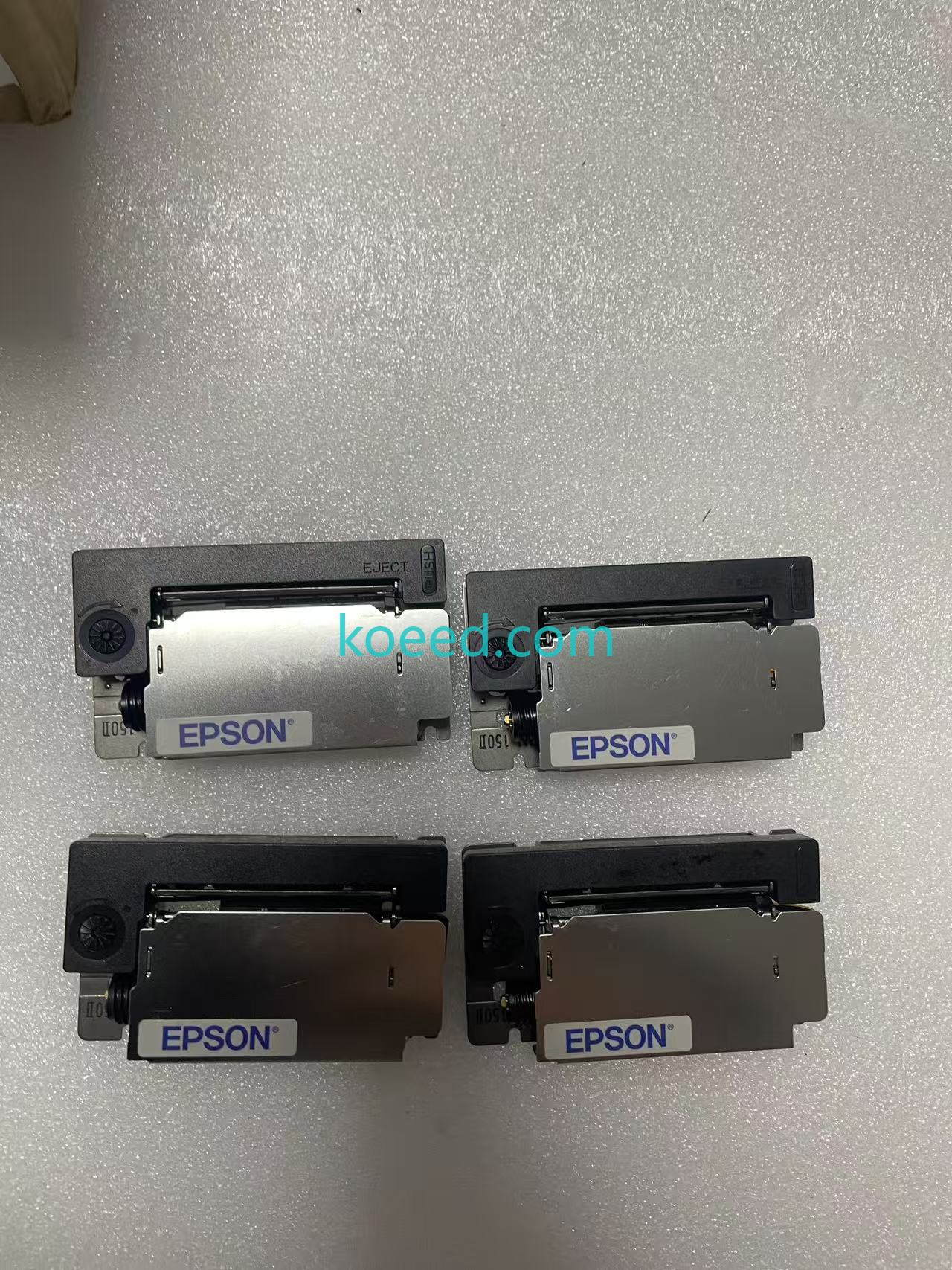
Full-resolution images and video demonstrations are available on the KOEED M-150II product listing.
4. ROI & TCO Analysis: Why the M-150II Wins in 2026
Total Cost of Ownership (TCO) remains the decisive factor for B2B procurement in 2026. The EPSON M-150II's enduring architecture translates directly into measurable financial advantages:
4.1 Upfront vs. Lifecycle Cost Comparison
| TCO Factor | EPSON M-150II (Genuine) | Generic Clone | 3-Year Delta |
|---|---|---|---|
| Unit Cost (Qty 100+) | $28–$34 / unit | $12–$18 / unit | - |
| Expected Service Life | 1.5M+ lines (3–5 years typical) | 300K–700K lines (6–18 months) | - |
| Field Failure Rate | < 0.8% annually | 4–12% annually | - |
| Service Call Cost (per incident) | $180 (rare) | $180 (frequent) | - |
| Ribbon Compatibility Issues | Zero — OEM spec matched | Frequent misalignment | - |
| Estimated 3-Year TCO (per unit) | ~$42 | ~$95–$210 | 2.2x–5x savings |
TCO Reality Check: The above analysis assumes conservative failure rates. In harsh industrial environments (high vibration, temperature swings, dust exposure), the genuine M-150II's TCO advantage widens dramatically. KOEED's bulk pricing on the M-150II product page makes the ROI case even stronger for fleet deployments exceeding 500 units.
5. Predictive Maintenance & IoT Integration in 2026
The M-150II's consistent impact signature can be monitored by edge AI accelerators to detect early signs of dot-wire degradation or ribbon slack. Key telemetry streams that 2026 integrators are routing to cloud analytics include:
- Motor current draw during each line print (abnormal spikes indicate friction buildup).
- Optical character consistency scores via integrated line-scan cameras.
- Printhead temperature rise rate relative to duty cycle.
6. Frequently Asked Questions
Is the EPSON M-150II compatible with 3.3V logic?
Can I use aftermarket ribbon cassettes without risk?
What is the typical lead time for bulk orders through KOEED?
How does the M-150II handle high vibration environments?
Secure Your Genuine EPSON M-150II Stock for 2026
Avoid supply chain counterfeits and lock in OEM-grade reliability. KOEED is your trusted partner for industrial micro printer heads, backed by full traceability and competitive volume pricing.


