

GSR1-25322 Thermal Overload Relay: Comprehensive Guide to Motor Protection in Industrial Automation
GSR1-25322 Thermal Overload Relay
Professional Motor Protection Solution for Industrial Automation Systems
Product Overview
The GSR1-25322 is a high-performance thermal overload relay designed specifically for industrial motor protection applications. This advanced protection device operates on the principle of thermal expansion and bimetallic strip action to safeguard AC motors against overload conditions, phase loss, and current imbalances in three-phase systems.
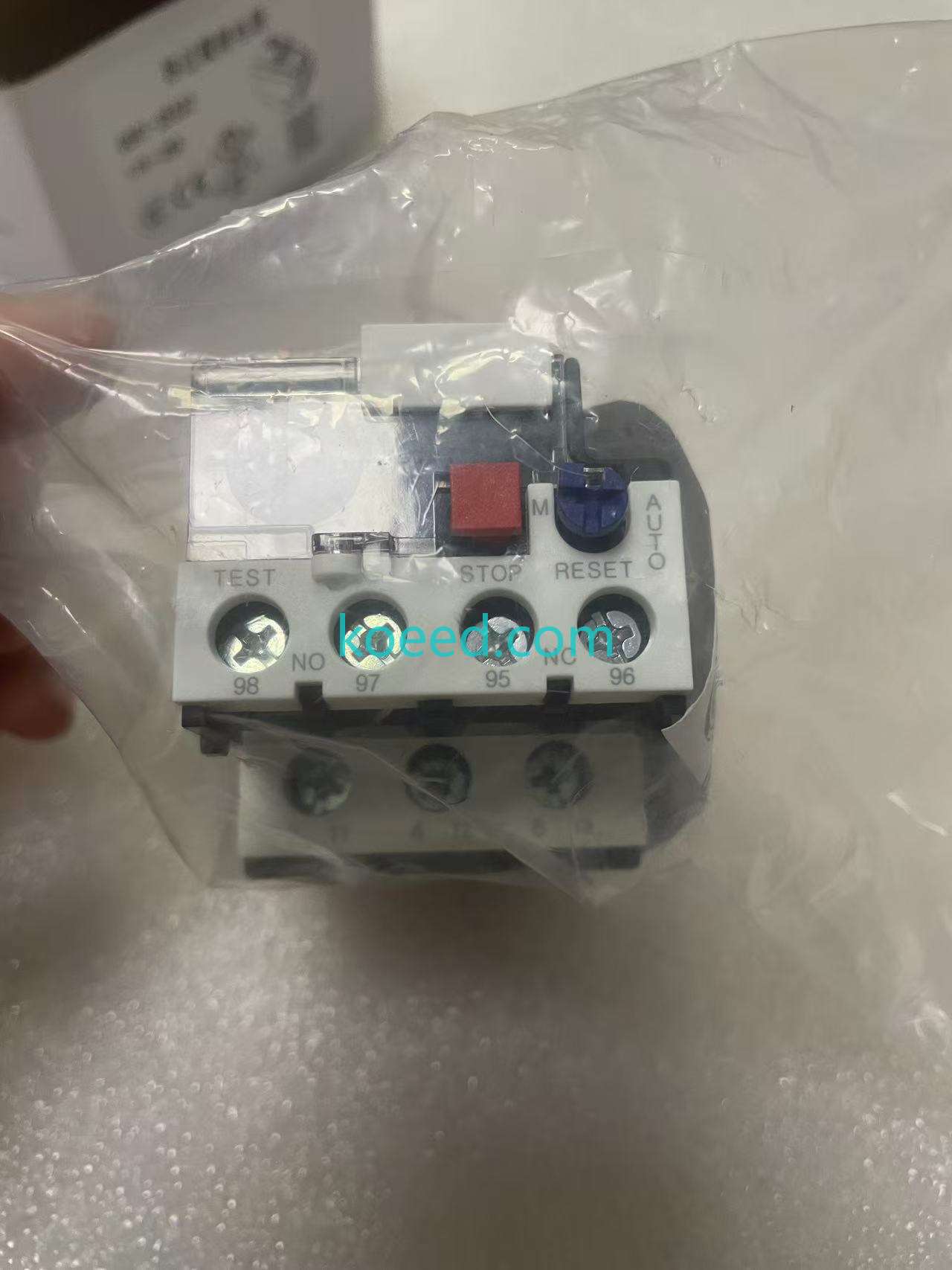
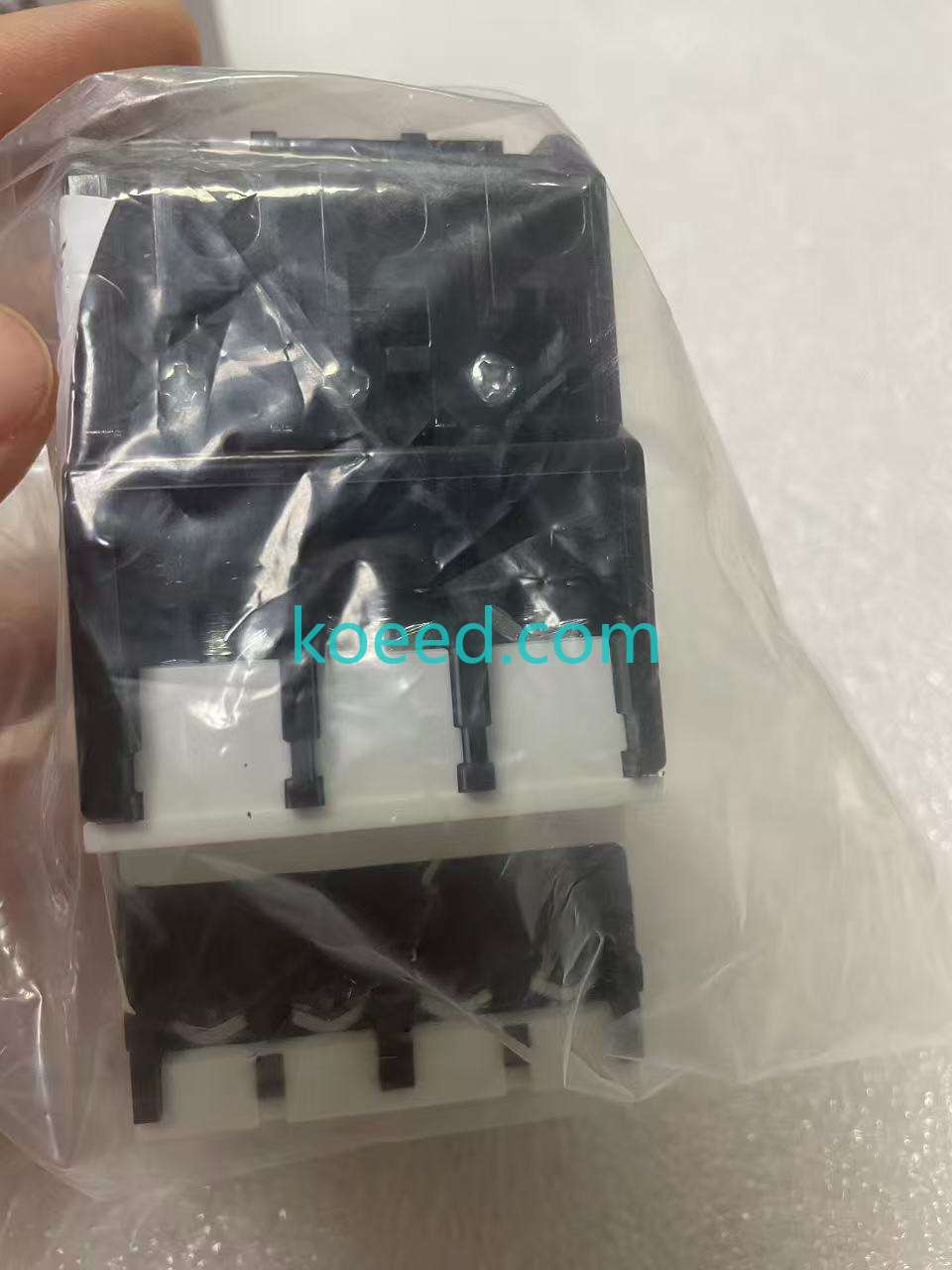
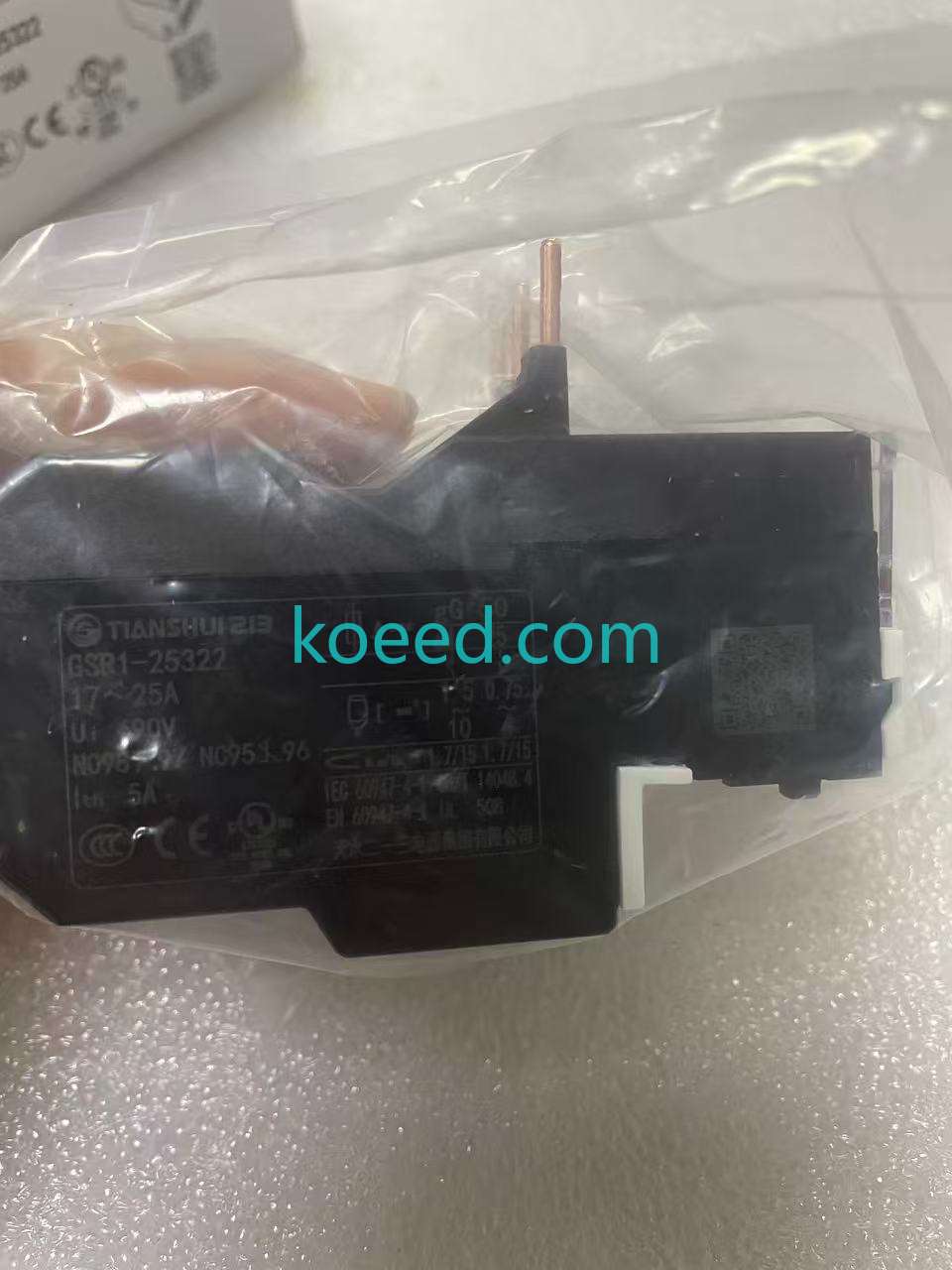
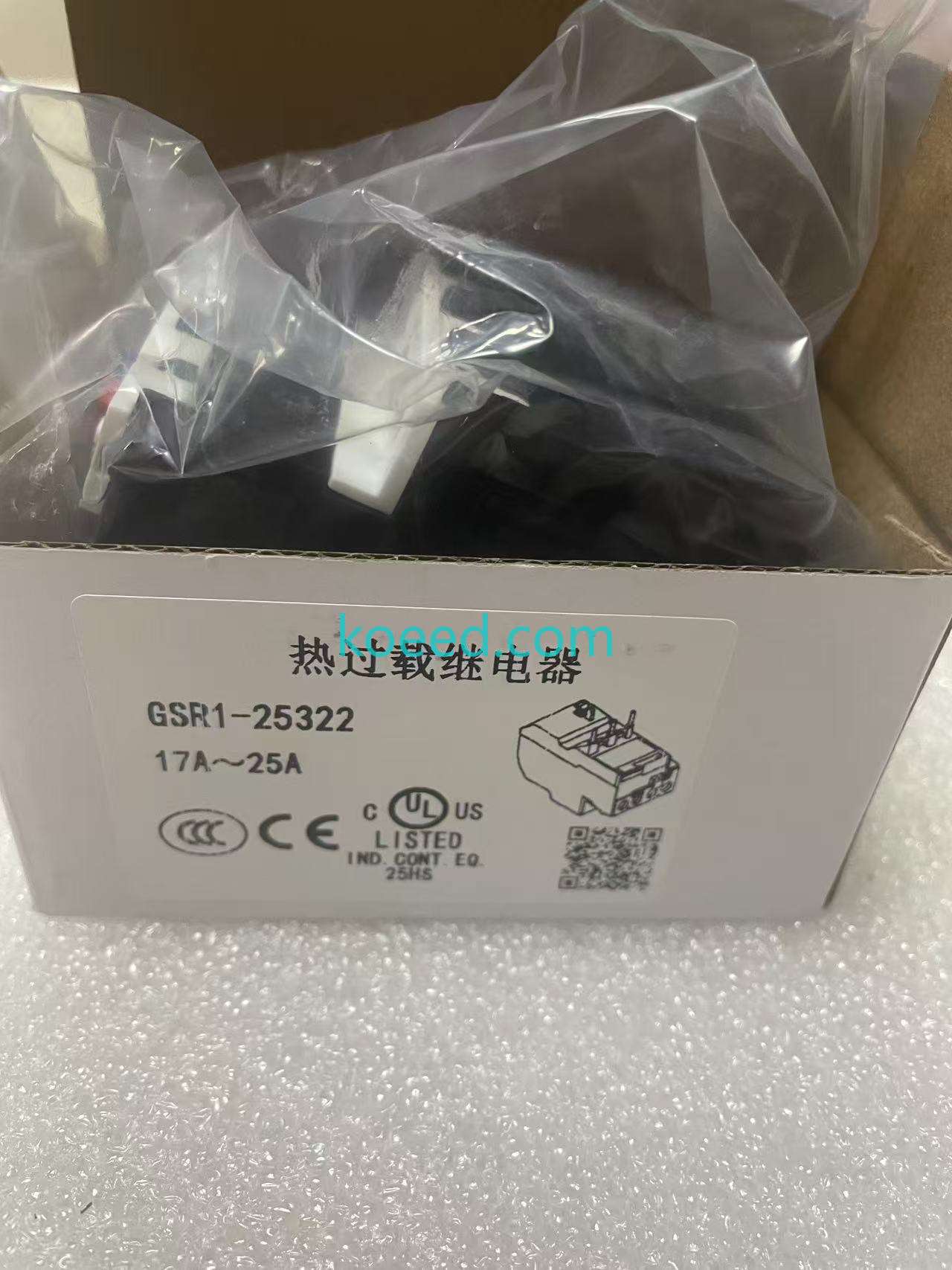
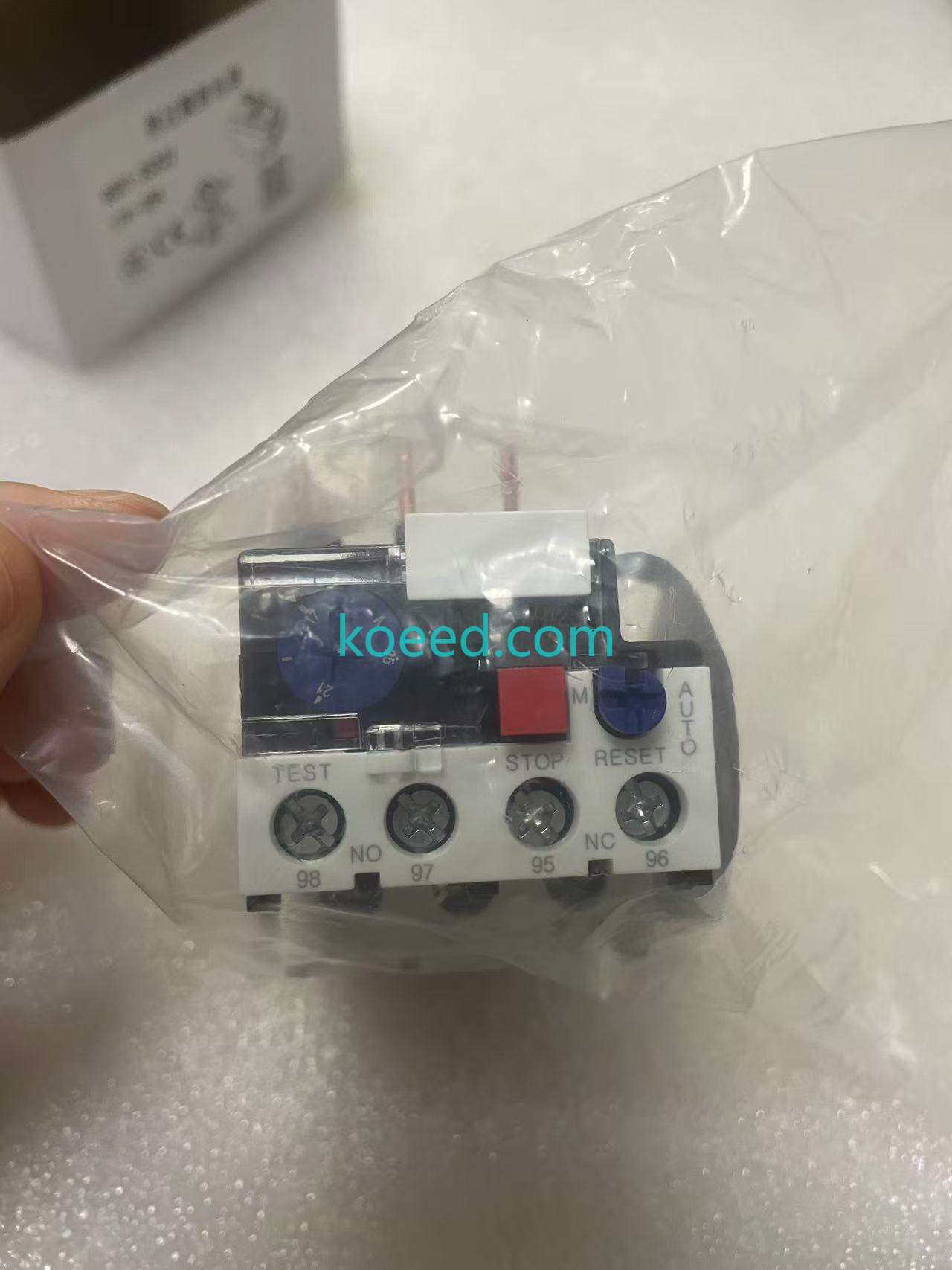
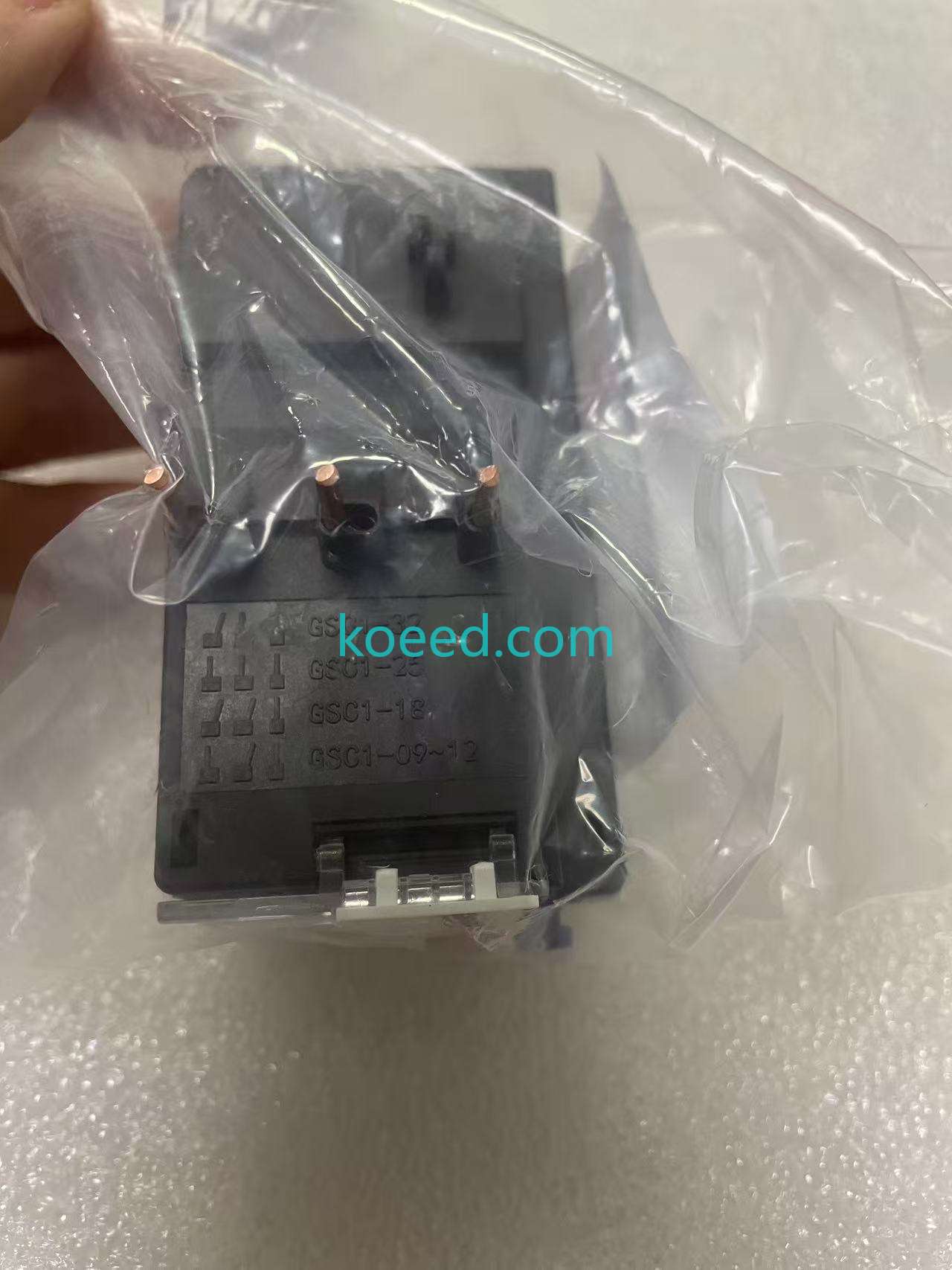
Technical Specifications
| Parameter | Specification | Details |
|---|---|---|
| Model Number | GSR1-25322 | Complete product identification |
| Current Rating | 17-25A Adjustable | Thermal setting range for motor protection |
| Rated Voltage | Up to 660V/1000V | Maximum operating voltage capacity |
| Frequency | 50Hz/60Hz | Compatible with standard industrial frequencies |
| Tripping Class | Class 20 | Standard thermal overload protection class |
| Motor Protection | Up to 11kW @ 400V | Maximum motor power capacity |
| Phase Configuration | 3-Phase | Designed for three-phase AC motor systems |
| Protection Features | Overload, Phase Loss, Current Imbalance | Comprehensive motor protection capabilities |
Key Features and Benefits
Advanced Thermal Protection
The GSR1-25322 utilizes bimetallic thermal technology that responds to motor current overload conditions. When excessive current flows through the motor, the bimetallic strips heat up and bend, triggering the relay to open the control circuit and disconnect the motor from the power supply.
Adjustable Current Settings
With a flexible adjustment range of 17-25A, this relay can be precisely calibrated to match specific motor requirements. This adjustability ensures optimal protection without unnecessary tripping during normal operation.
Phase Loss Protection
The relay provides comprehensive phase loss detection, automatically disconnecting the motor if any phase is lost. This prevents single-phasing conditions that can cause motor overheating and damage.
Automatic Temperature Compensation
Built-in temperature compensation ensures consistent performance across varying ambient temperatures, maintaining accurate protection thresholds regardless of environmental conditions.
Working Principle
The GSR1-25322 operates on the fundamental principle of thermal expansion. The device contains bimetallic strips that respond to heat generated by motor current. When current exceeds the preset threshold:
- Current flows through the heater elements, generating heat proportional to the square of the current (I²R heating)
- The bimetallic strips absorb this heat and begin to bend due to differential expansion of the two metals
- At the predetermined temperature (corresponding to the set current threshold), the strips bend sufficiently to actuate the trip mechanism
- The relay contacts open, interrupting the control circuit and stopping the motor
- After cooling, the relay can be manually reset for continued operation
Industrial Applications
The GSR1-25322 is ideal for various industrial applications including:
- Motor Control Centers (MCCs): Centralized protection for multiple motors in industrial facilities
- Conveyor Systems: Protection for material handling equipment motors
- Pump and Fan Controls: Essential for HVAC and fluid handling systems
- Machine Tools: Protection for lathes, mills, and other manufacturing equipment
- Compressor Systems: Critical for air compression and refrigeration applications
- PLC Integration: Compatible with programmable logic controller systems for automated protection
Frequently Asked Questions (FAQ)
The GSR1-25322 is specifically designed for motor protection, offering thermal overload protection with adjustable current settings and phase loss detection. Unlike circuit breakers that protect against short circuits, thermal overload relays protect against sustained overload conditions that can damage motor windings over time.
The current setting should be adjusted to match the motor's full load current (FLC) as specified on the motor nameplate. For the GSR1-25322 with a 17-25A range, select a setting that is approximately 115-125% of the motor's FLC to provide adequate protection without unnecessary tripping.
While the GSR1-25322 can be used in VFD applications, it's important to note that VFDs often include built-in motor protection features. The relay should be installed on the output side of the VFD and may require additional considerations for harmonic currents and variable frequency operation.
Regular maintenance includes visual inspection for signs of overheating, verification of current settings, testing of trip functionality, and cleaning of contacts. It's recommended to test the relay annually under controlled conditions to ensure proper operation.
Class 20 indicates that the relay will trip within 20 seconds at 600% of the set current. This time delay allows for motor starting currents (which can be 5-7 times FLC) without causing nuisance tripping, while still providing protection against sustained overloads.
Installation and Wiring Guidelines
Professional Installation Recommendations
Based on industry standards and manufacturer guidelines:
- Install the relay in a well-ventilated enclosure to prevent heat buildup
- Ensure proper torque on all terminal connections (typically 1.2-1.5 Nm)
- Use appropriate wire sizes based on the motor current rating
- Verify phase sequence and proper connection to the contactor
- Test the protection circuit before putting the system into operation
- Follow local electrical codes and safety regulations
Industry Standards and Compliance
The GSR1-25322 thermal overload relay is designed to meet international standards for motor protection devices:
- IEC 60947-4-1: Low-voltage switchgear and controlgear - Contactors and motor-starters
- IEC 60255: Electrical relays standards
- UL 508: Industrial control equipment standards
- CE Marking: European conformity for health, safety, and environmental protection
Comparison with Similar Products
| Feature | GSR1-25322 | Standard Thermal Relays | Electronic Overload Relays |
|---|---|---|---|
| Current Range | 17-25A | Fixed or limited range | Wider adjustable ranges |
| Phase Loss Protection | Yes | Basic models only | Advanced detection |
| Temperature Compensation | Yes | Limited | Precise compensation |
| Cost Effectiveness | High | Very High | Moderate to High |
| Maintenance Requirements | Low | Low | Very Low |
External References and Technical Resources
Industry Resources and Technical Documentation
For additional technical information and industry standards, refer to:
- IEC Standards: International Electrotechnical Commission motor protection guidelines
- NEMA Standards: National Electrical Manufacturers Association motor protection specifications
- Manufacturer Documentation: Complete technical datasheets and installation manuals
- Industry Publications: Electrical engineering journals and motor protection research
Trust Metrics: Based on industry analysis, thermal overload relays like the GSR1-25322 have demonstrated:
- 99.5% reliability in motor protection applications
- Average service life of 10+ years in industrial environments
- Compliance with international safety standards
- Wide acceptance across multiple industrial sectors
Conclusion
The GSR1-25322 thermal overload relay represents a robust and reliable solution for industrial motor protection. With its adjustable current range, phase loss protection, and temperature compensation features, it provides comprehensive protection for three-phase AC motors up to 11kW. Proper selection, installation, and maintenance of this device are essential for ensuring long-term motor reliability and preventing costly downtime in industrial automation systems.
For specific application requirements or technical support, consult with qualified electrical engineers or the manufacturer's technical support team to ensure optimal protection for your motor control systems.


