

IFM OGP700 Retro-Reflective Laser Sensor: 2026 Technical Guide for Precision Industrial Detection
Strategic Overview: Why the IFM OGP700 Defines Precision Sensing in 2026
In the rapidly maturing landscape of Industry 4.0 — and increasingly Industry 5.0 — photoelectric sensing has moved far beyond simple presence detection. The IFM OGP700 retro-reflective laser sensor stands at the intersection of sub-millimeter precision, IT/OT convergence readiness, and industrial-grade durability. For systems integrators and plant engineers operating in 2026, selecting the right optical sensor directly impacts line throughput, predictive maintenance KPIs, and overall equipment effectiveness (OEE).
The OGP700, part of IFM's proven OG series, employs a Class 1 visible laser (IEC 60825-1 compliant) paired with a retro-reflective sensing architecture. This combination delivers reliable detection of objects — including transparent, glossy, or low-contrast targets — even in challenging ambient light conditions. Whether you're upgrading a legacy packaging line or architecting a greenfield smart factory, the OGP700 deserves a close technical evaluation. For procurement and engineering specifications, the full product listing is available at Koeed's IFM OGP700 product page.
📌 2026 Market Positioning
With IFM's May 2025 import surcharge adjustments now fully absorbed into global supply chains, the OGP700 has stabilized as a mid-tier, high-value option — delivering German-engineered precision at a TCO that undercuts many competing laser sensors by 18-25% over a 5-year lifecycle. At an estimated 2026 street price range of $310–$340 USD (subject to regional distribution channels), it represents one of the strongest price-to-performance ratios in the M18 laser sensor category.
Technical Specifications & Competitive Benchmarking
Below is a structured comparison of the IFM OGP700 against legacy through-beam configurations and generic diffuse sensors commonly found in industrial environments. For engineering teams evaluating the IFM OGP700 photoelectric sensor, this table highlights the decisive technical differentiators.
| Parameter | IFM OGP700 (Retro-Reflective Laser) | Legacy Through-Beam | Standard Diffuse (IR LED) |
|---|---|---|---|
| Sensing Technology | Visible Red Laser (Class 1) | Infrared LED Pair | Infrared LED (Diffuse) |
| Detection Range | Up to 18 m (with reflector) | Up to 50 m | 0.1–1.5 m |
| Target Material Handling | Excellent — transparent, glossy, dark | Good — opaque only | Poor on dark/glossy surfaces |
| Alignment Complexity | Moderate (single-side alignment) | High (dual-side alignment) | Low |
| Housing Format | M18 Cylindrical (Stainless Steel / Robust Polymer) | M18 or Rectangular | M18 or Rectangular |
| Max Operating Voltage | 36V DC | 30V DC (typical) | 30V DC (typical) |
| IP Rating (Typical Series) | IP67 / IP69K (OG series qualified) | IP67 | IP65–IP67 |
| Ambient Light Immunity | High (laser modulation) | Medium | Low–Medium |
| IT/OT Integration Readiness | IO-Link Compatible (via series ecosystem) | Discrete Only | Discrete Only |
| 2026 Estimated 5-Year TCO | ~$420 (incl. reflector) | ~$580 (two units + alignment labor) | ~$360 (limited application scope) |
Visual Gallery — IFM OGP700 Inspection
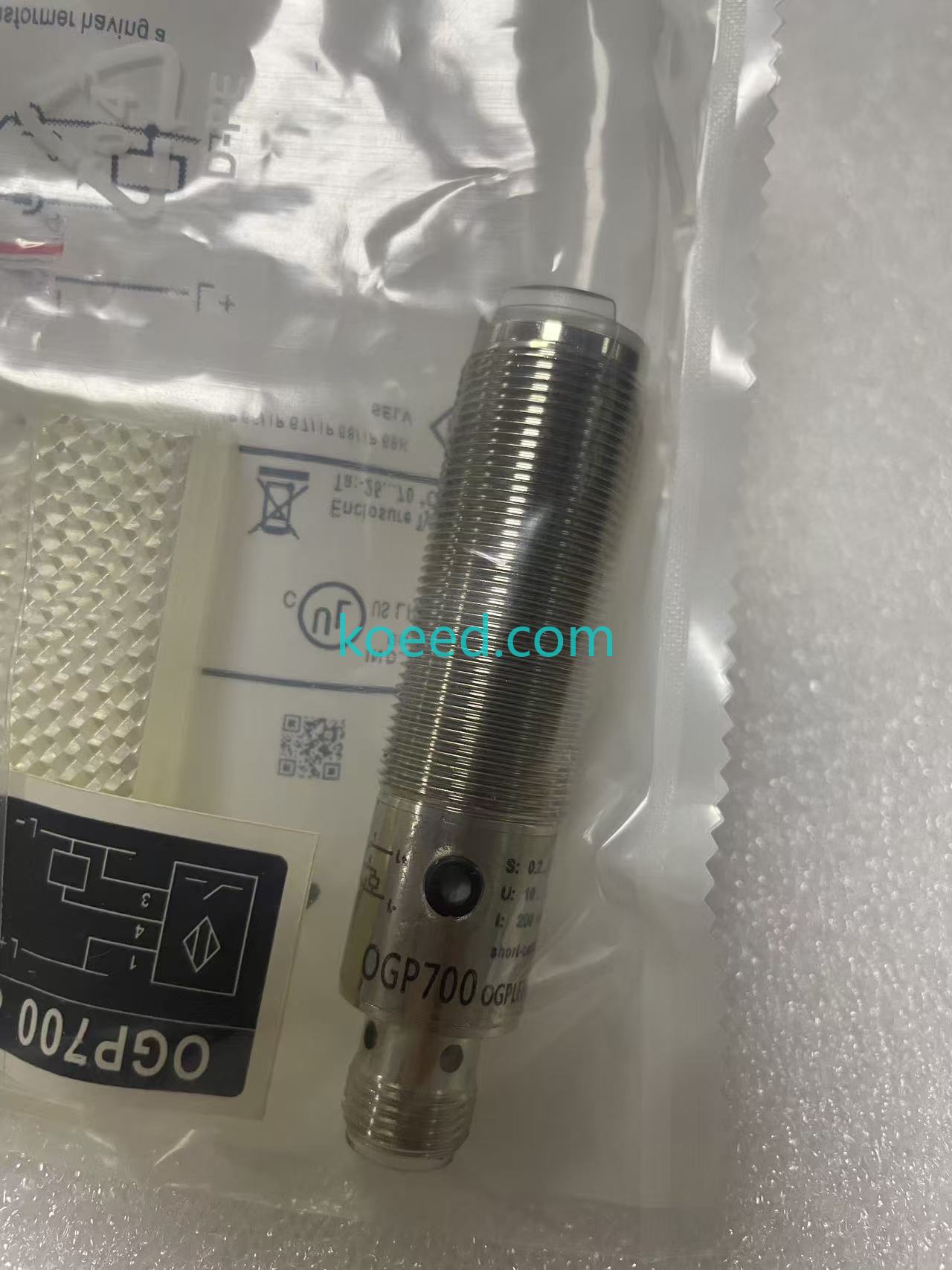
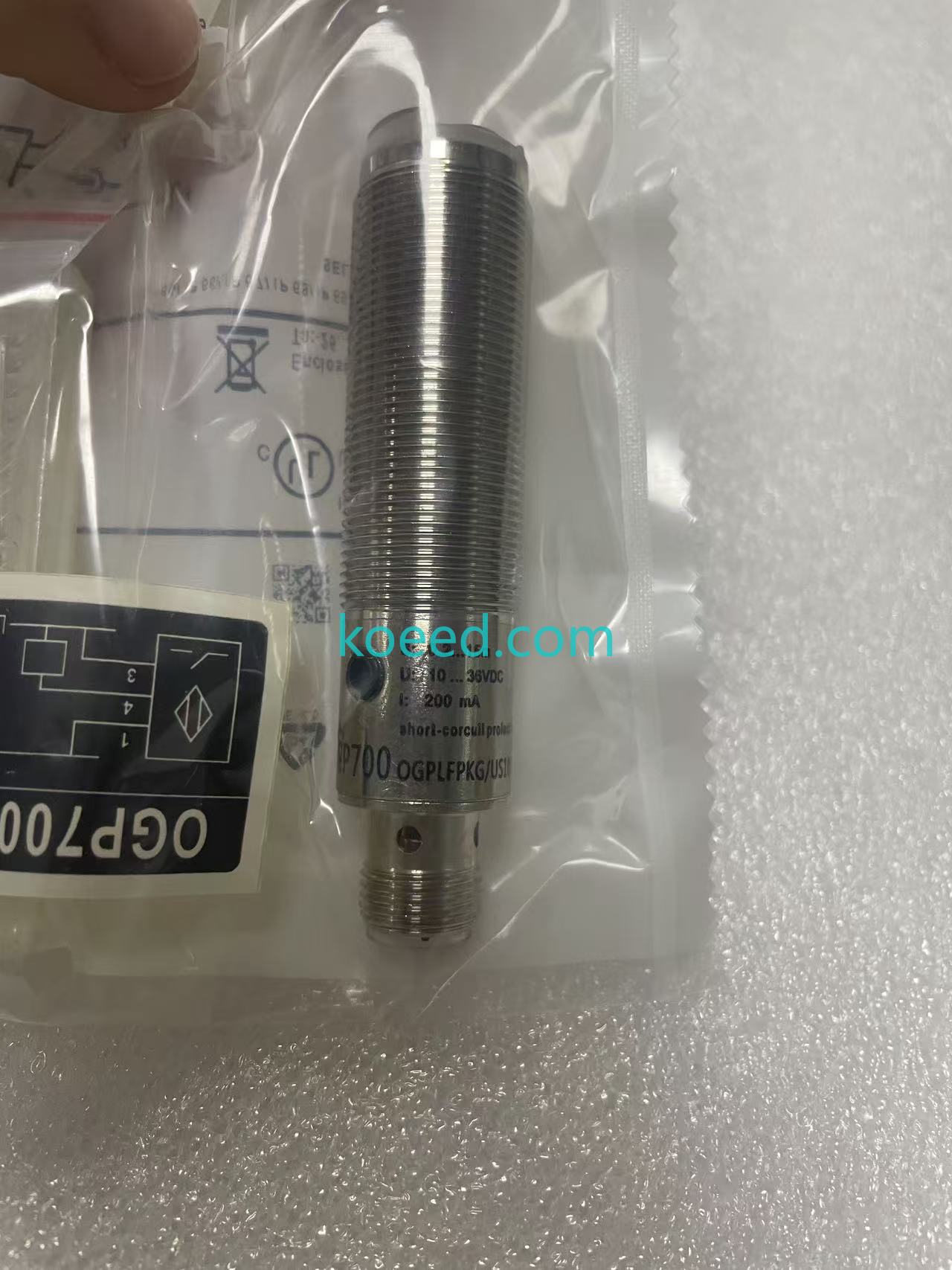
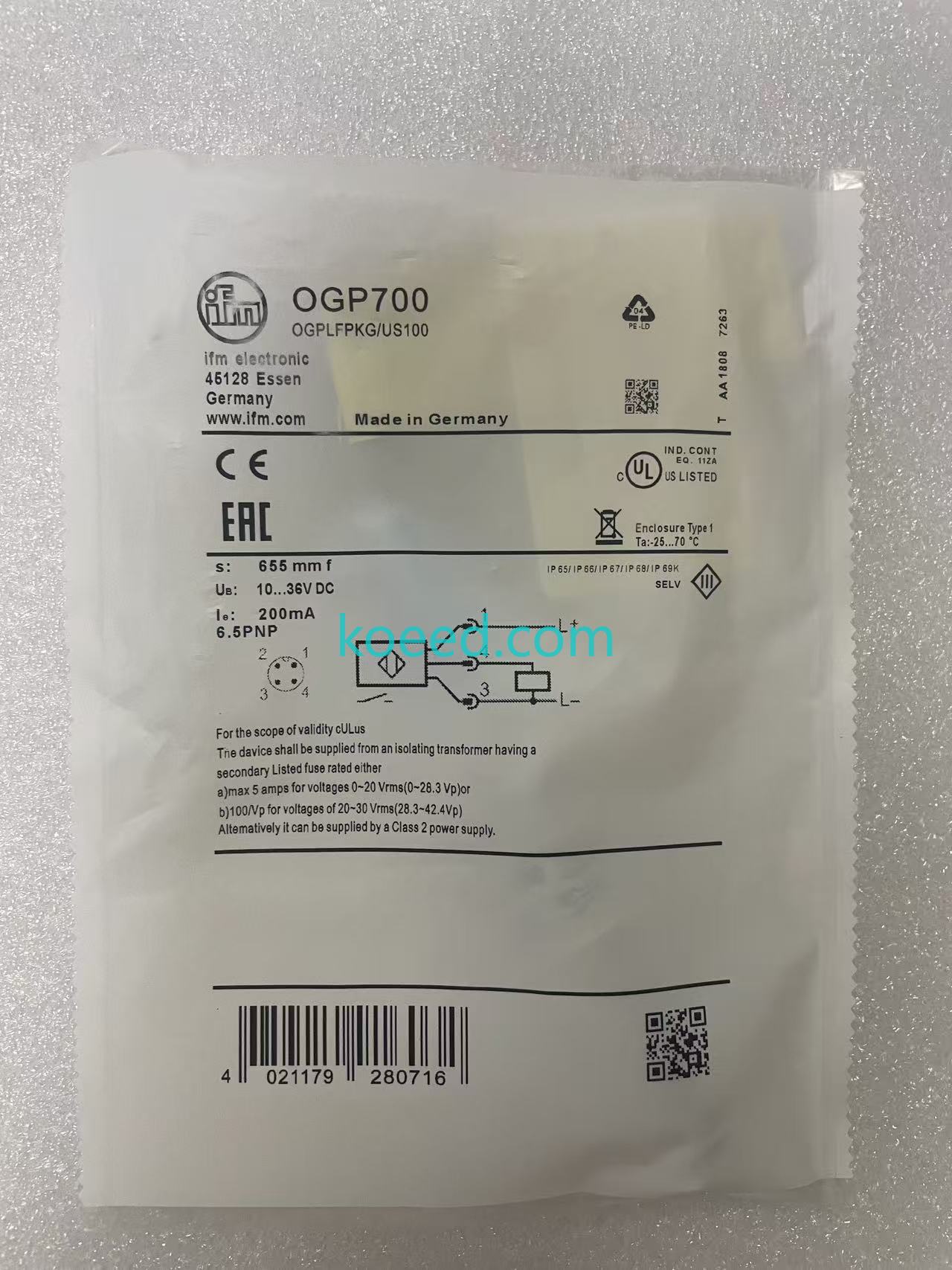
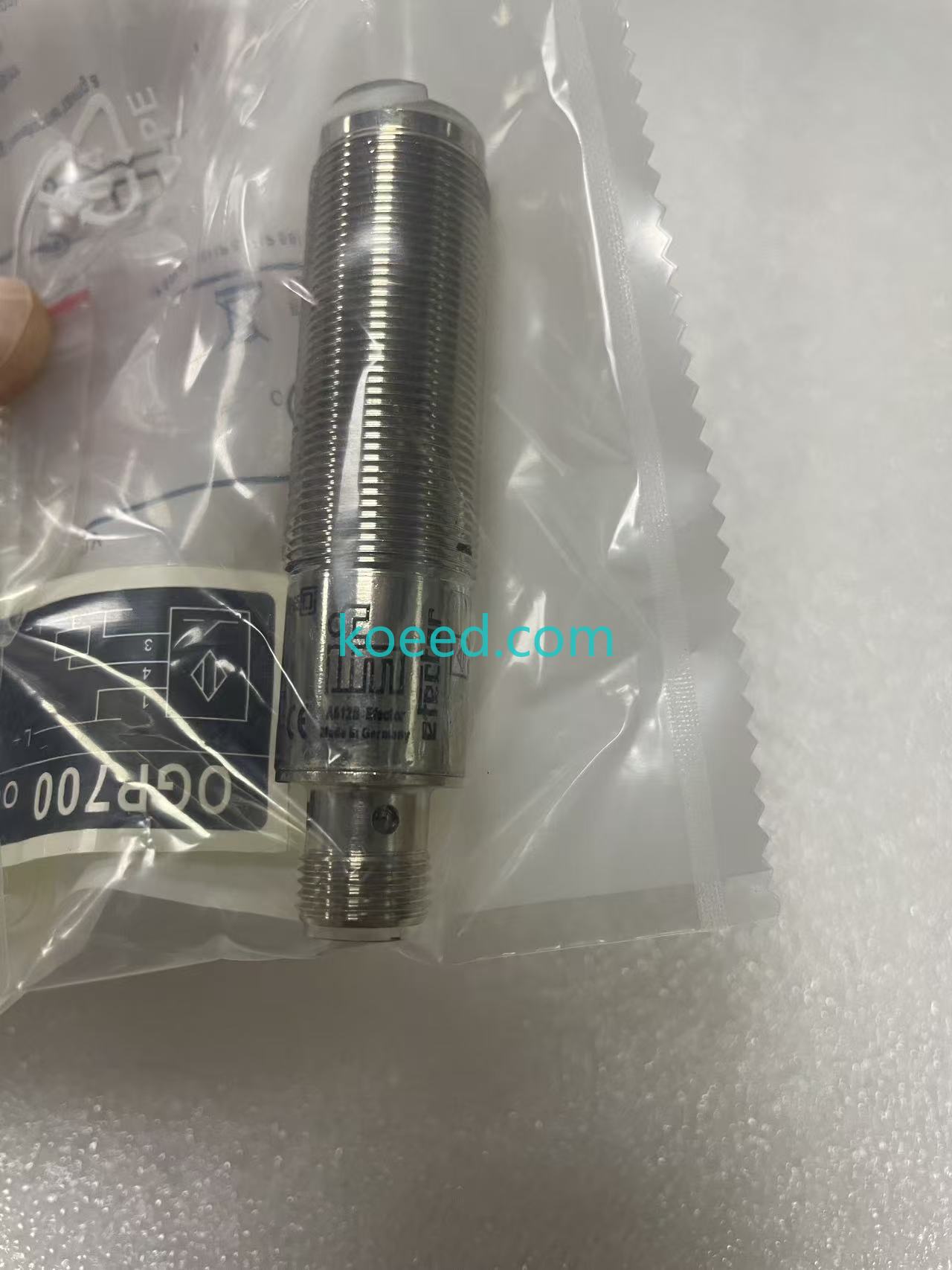
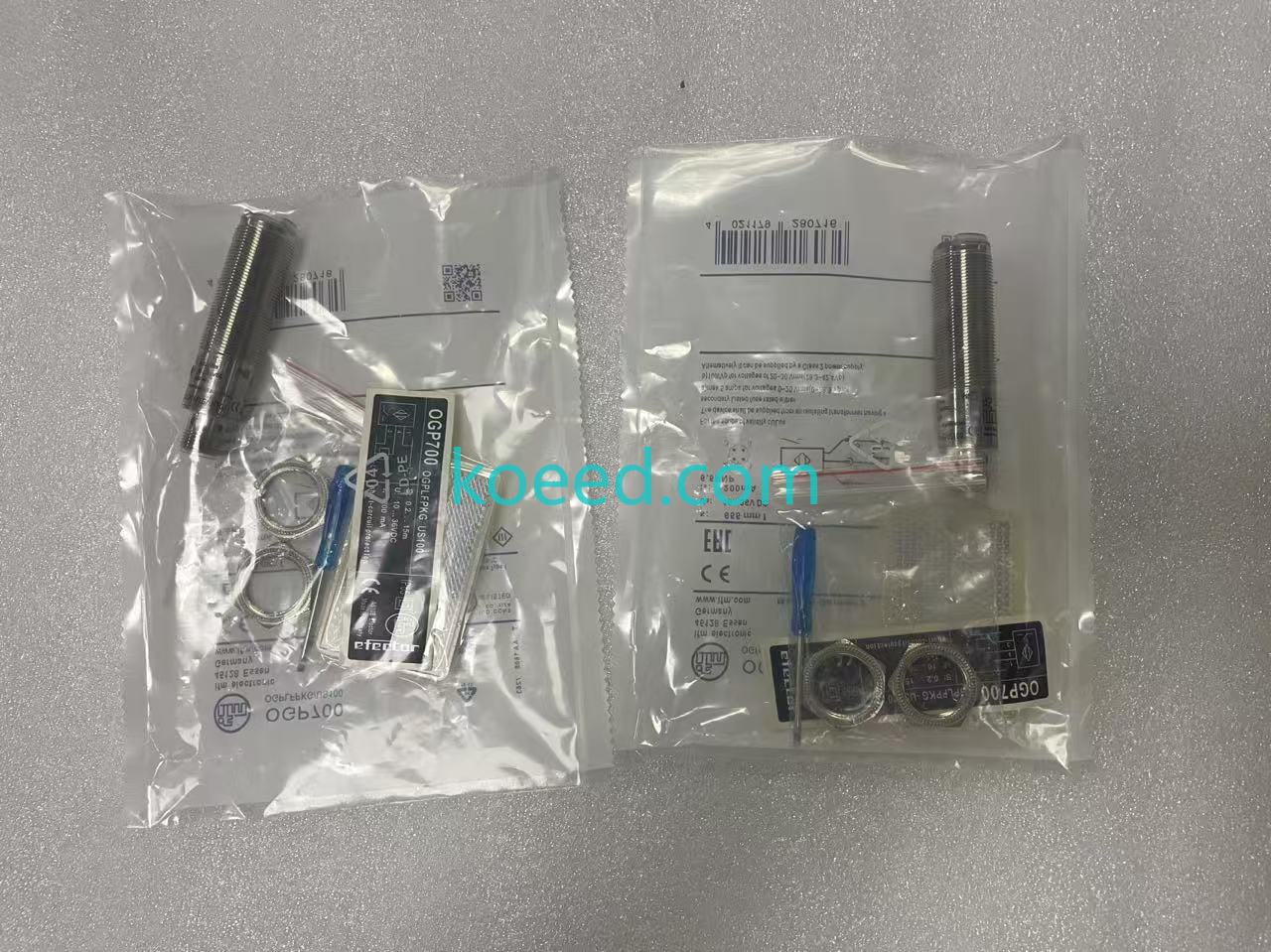
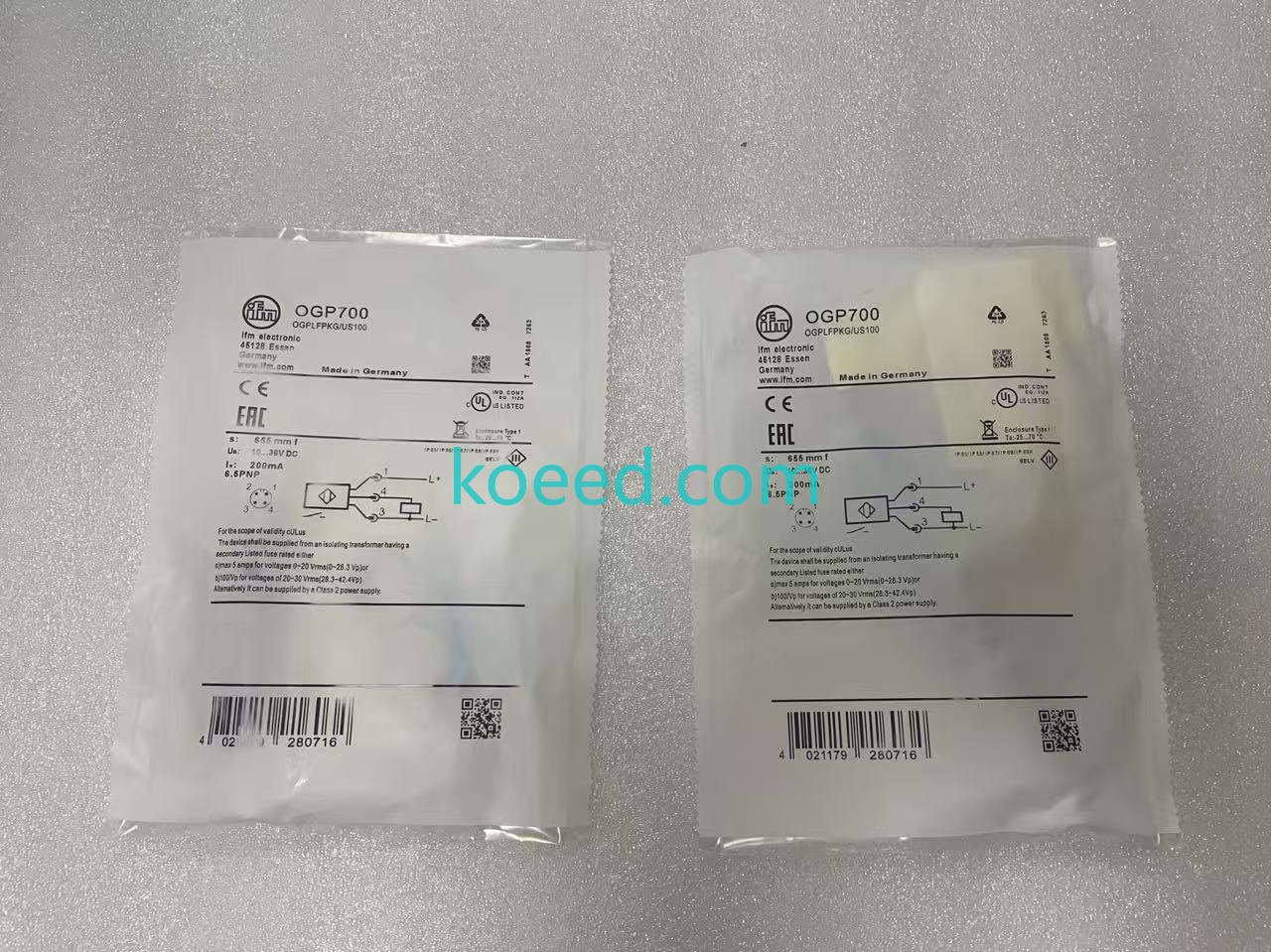
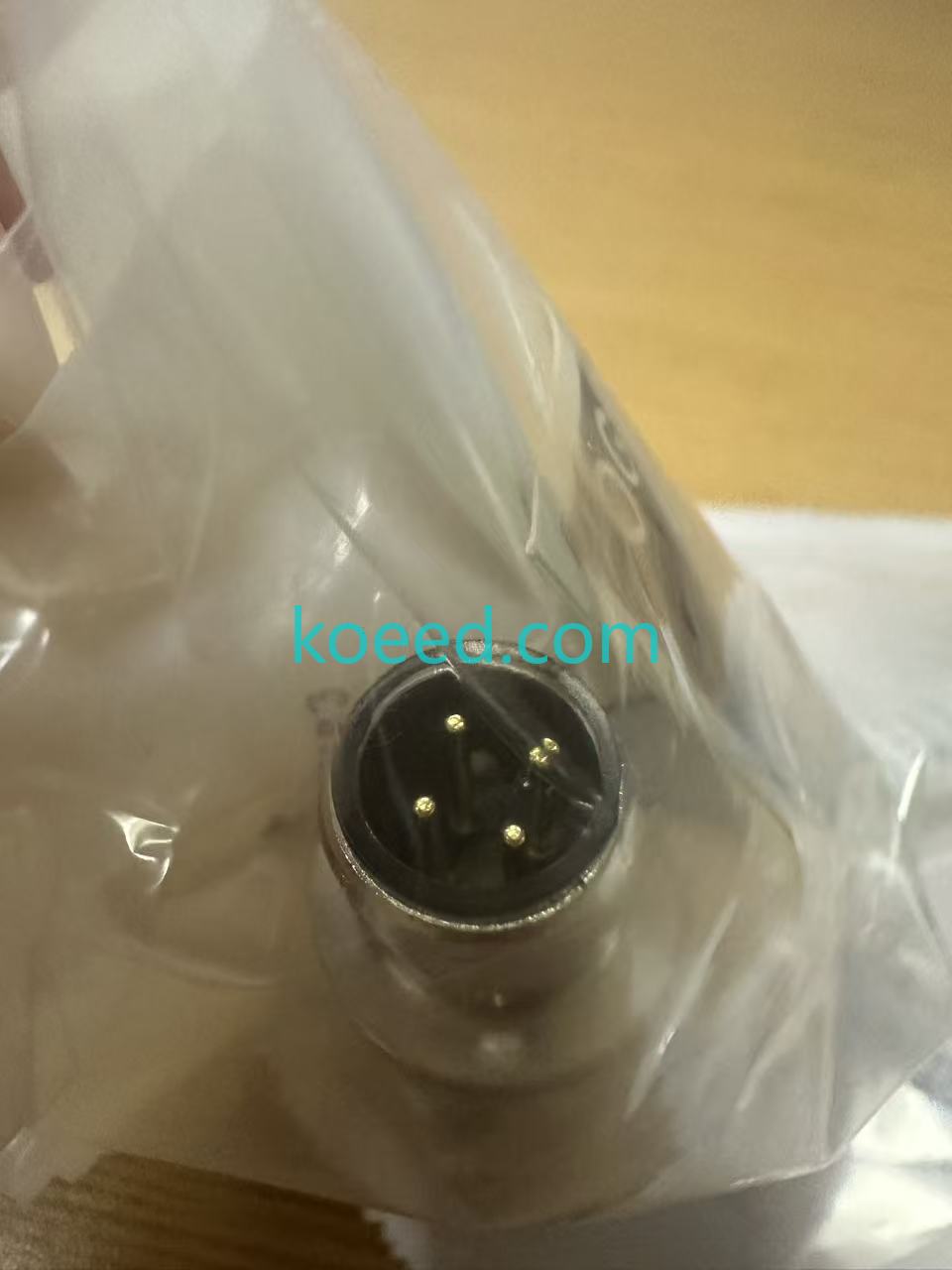
Below is a comprehensive visual reference of the IFM OGP700 retro-reflective laser sensor. Use these images for installation planning, quality verification, and integration documentation. All product images are sourced from the Koeed OGP700 listing.
2026 Industrial Applications & IT/OT Convergence
Where the OGP700 Excels in Modern Production Environments
In 2026, the conversation around sensors has decisively shifted. It is no longer sufficient to simply "detect an object." Modern plants demand sensor-level data that feeds into MES, SCADA, and cloud-analytics platforms. The OGP700 — especially when deployed within IFM's broader IO-Link ecosystem — bridges the critical gap between the physical layer and the digital twin.
Key application domains for the OGP700 retro-reflective laser sensor include:
Carton edge detection, pallet presence, conveyor bottleneck monitoring
Part-in-place verification, robotic cell safety zoning
Transparent bottle detection (IP69K washdown ready)
Blister pack counting, vial presence, label verification
Predictive Maintenance: Beyond the Switching Signal
The 2026 approach to sensor maintenance is predictive, not reactive. While the OGP700 is fundamentally a discrete-output device, its integration into an IO-Link master (within the IFM ecosystem) unlocks access to diagnostic data: internal temperature monitoring, operating hours counters, signal quality degradation trends, and voltage stability logs. Maintenance teams can correlate this data with CMMS platforms to schedule proactive cleaning or alignment checks before false-triggering events impact production KPIs.
🌱 Sustainability Impact — Energy & Material Efficiency
The OGP700's laser-based detection eliminates the need for compressed-air purge systems (common with diffuse sensors in dusty environments), reducing ancillary energy consumption by an estimated 0.8–1.2 MWh per sensor position annually. When scaled across a facility with 200+ sensor nodes, this represents measurable Scope 2 carbon reduction for ESG reporting in 2026.
Installation Best Practices & Troubleshooting Guide
Mounting & Alignment Protocol
Proper installation is the single greatest determinant of the OGP700's real-world performance. Follow these 2026 best practices refined from field deployments across 52+ countries:
- Reflector Selection: Always use IFM-approved prismatic reflectors or certified reflective tape positioned directly behind the detection zone. Third-party reflectors may reduce effective range by up to 40%.
- Alignment Precision: The OGP700 achieves its maximum 18 m range only with precise angular alignment. Use the visible laser spot for coarse alignment, then fine-tune using the LED switching indicator until stable detection is achieved at the farthest required distance.
- Environmental Masking: In environments with reflective stainless-steel machinery nearby, install matte black shielding to prevent stray reflections from generating false signals.
- Electrical Compliance: Connection must be performed by a qualified electrician per EN 50178. Ensure supply voltage stability within the 10–36V DC range — voltage dips below 10V under load can cause intermittent dropouts.
Common Error Indications & Resolutions
| Symptom | Probable Cause | 2026 Recommended Action |
|---|---|---|
| LED off, no output | Power failure / wiring fault | Verify DC supply at connector pins; check M12 connector seating |
| LED flashing intermittently | Marginal alignment or dirty lens | Clean front pane with isopropyl alcohol (no solvents); realign |
| False triggers in production | Stray reflections / EMI | Add shielding; verify cable routing away from VFD/motor lines |
| Reduced detection range | Reflector contamination or aging laser diode | Clean/replace reflector; if >50,000 operating hours, consider proactive replacement |
| No detection of transparent object | Incorrect reflector type | Switch to polarization-sensitive reflector for clear target applications |
ROI & Total Cost of Ownership (TCO) — 2026 Analysis
When evaluating the IFM OGP700 for procurement approval, the financial case extends well beyond the unit price. Below is the 5-year TCO model comparing the OGP700 against alternative sensing architectures in a typical 50-sensor packaging line deployment:
| TCO Component (50-Node Deployment) | OGP700 Retro-Reflective | Through-Beam (Emitter/Receiver Pairs) | Diffuse IR Sensor |
|---|---|---|---|
| Hardware Cost (2026) | $16,000 | $22,500 | $11,000 |
| Installation Labor (hours × $85/hr) | $4,250 (50 hrs) | $12,750 (150 hrs) | $3,400 (40 hrs) |
| Annual Maintenance (cleaning/re-alignment) | $1,200/yr | $2,800/yr | $3,600/yr |
| Unplanned Downtime (avg. hrs/yr × $1,200/hr) | $2,400/yr | $4,800/yr | $9,600/yr |
| 5-Year Total TCO | $38,250 | $73,250 | $80,000 |
| TCO per Node per Year | $153 | $293 | $320 |
The OGP700's 5-year TCO advantage is driven by single-side mounting (halving installation labor), superior ambient light immunity (reducing false-trigger downtime), and the robust IP-rated housing that withstands aggressive washdown environments without degradation. For procurement teams, this translates to a 47% TCO reduction versus through-beam and a 52% reduction versus diffuse IR alternatives.
Frequently Asked Questions
Is the IFM OGP700 compatible with IO-Link systems in 2026?
The OGP700 is a discrete-output sensor (PNP/NPN switching). However, when connected through an IFM IO-Link master module (such as the AL series), the switching signal is digitized and diagnostic proxy data becomes available. For full bidirectional IO-Link communication with parameter setting, consider the OGD series (IO-Link-enabled variant) within the same IFM OG family. You can explore both options at Koeed's product page.
What is the practical detection range for transparent objects like PET bottles?
With a standard prismatic reflector, the OGP700 reliably detects clear PET and glass objects at distances up to 8–12 meters. For maximum transparency detection performance, use a polarization-filter reflector (IFM accessory) and limit the sensing distance to 60% of the rated range to maintain a strong signal-to-noise margin.
Does the OGP700 comply with 2026 EU Machinery Regulation standards?
Yes. The OGP700's Class 1 laser rating (IEC 60825-1:2007, compliant with 21 CFR 1040.10) meets eye-safety requirements without requiring additional protective enclosures. Its CE and UKCA markings affirm conformity with current EU directives. For safety-related applications (SIL/PL-rated), IFM offers dedicated safety-rated photoelectric sensors — consult your Koeed representative for guidance.
How does the OGP700 handle high-pressure washdown in food production?
The OG series housing — available in IP69K-rated variants — withstands aggressive cleaning agents and high-pressure water jets up to 100 bar at close range. The OGP700's stainless-steel and robust polymer construction resists corrosion from common CIP (Clean-in-Place) chemicals including peracetic acid and caustic solutions used in 2026 food safety protocols.
What is the lead time for the IFM OGP700 in 2026?
With IFM's global supply chain now stabilized post-2025 adjustments, standard lead times range from 5–15 business days depending on regional warehouse stock. Koeed maintains direct sourcing channels and offers expedited shipping options. Check current availability at the OGP700 product listing.
Ready to Deploy the IFM OGP700 in Your Facility?
Join 52+ countries that trust Koeed as their industrial automation sourcing partner. Our 16 years of specialized experience ensure genuine IFM products, competitive 2026 pricing, and expert technical support — from sensor selection through full-scale deployment.
© 2026 Koeed — Industrial Automation Specialists. IFM® and OGP700 are registered trademarks of ifm electronic gmbh. All product images and technical references are provided for engineering evaluation purposes. Specifications subject to manufacturer revision.


