

LD320DUE-FHB1 | LG 32" FHD Commercial LCD Panel – 2026 Technical Guide & B2B Sourcing
Strategic Overview: The LD320DUE-FHB1 in the 2026 Industrial Display Ecosystem
The LG Display LD320DUE-FHB1 is a 32.0-inch (31.5" viewable) Full HD commercial-grade LCD panel that has solidified its position as a cornerstone component across digital signage, industrial HMI terminals, kiosk infrastructure, and building automation dashboards. As of mid-2026, this panel remains one of the most widely specified 32-inch FHD modules for OEM integrators and aftermarket replacement — thanks to its exceptional 89°/89°/89°/89° IPS-level symmetrical viewing angles, robust LVDS interface compatibility, and proven longevity in 24/7 commercial environments.
For procurement managers and system integrators, the LD320DUE-FHB1 offers an optimal balance of acquisition cost, field serviceability, and energy performance. At 400 cd/m² typical brightness with a 1100:1 contrast ratio, it delivers crisp readability in indoor commercial settings while maintaining a competitive power envelope that aligns with tightening global energy-efficiency directives.
Technical Benchmarking: LD320DUE-FHB1 vs. Legacy 32" Commercial Panels
Below is a structured comparison that positions the LD320DUE-FHB1 against typical previous-generation 32-inch commercial LCD panels deployed in the 2018–2021 cycle. This benchmarking highlights the generational improvements in optical performance, interface standardization, and thermal tolerance — all factors that directly impact Total Cost of Ownership (TCO).
| Parameter | LD320DUE-FHB1 (LG Display) | Legacy 32" Commercial Panel (2018–2021) |
|---|---|---|
| Diagonal Size | 32.0" (31.5" viewable) | 31.5" – 32.0" |
| Resolution | 1920 × 1080 (FHD, 69 PPI) | 1920 × 1080 or 1366 × 768 |
| Panel Technology | a-Si TFT-LCD, IPS-Level | a-Si TFT-LCD (VA or TN variants) |
| Brightness (Typ.) | 400 cd/m² | 250–350 cd/m² |
| Contrast Ratio (Typ.) | 1100:1 | 800:1 – 1000:1 |
| Viewing Angle (CR≥10) | 89°/89°/89°/89° (Super Wide) | Typically 178°/178° or narrower |
| Color Depth | 16.7M (8-bit) | 16.7M or 16.2M (6-bit+FRC) |
| Interface | LVDS 2-ch, 8-bit, 51-pin | LVDS 1-ch or proprietary |
| Supply Voltage | 12.0V DC (Typ.) | 12V or 24V (varies) |
| Operating Temperature | 0°C ~ 50°C | 0°C ~ 40°C (typical) |
| Active Area | 698.4 × 392.85 mm | Varies (±2 mm tolerance) |
| Backlight Type | WLED (Long-life) | CCFL or early WLED |
| Application Fit | Digital Signage, Kiosk, Industrial HMI | Basic Digital Signage, Monitor |
Visual Gallery: LD320DUE-FHB1 Product Inspection
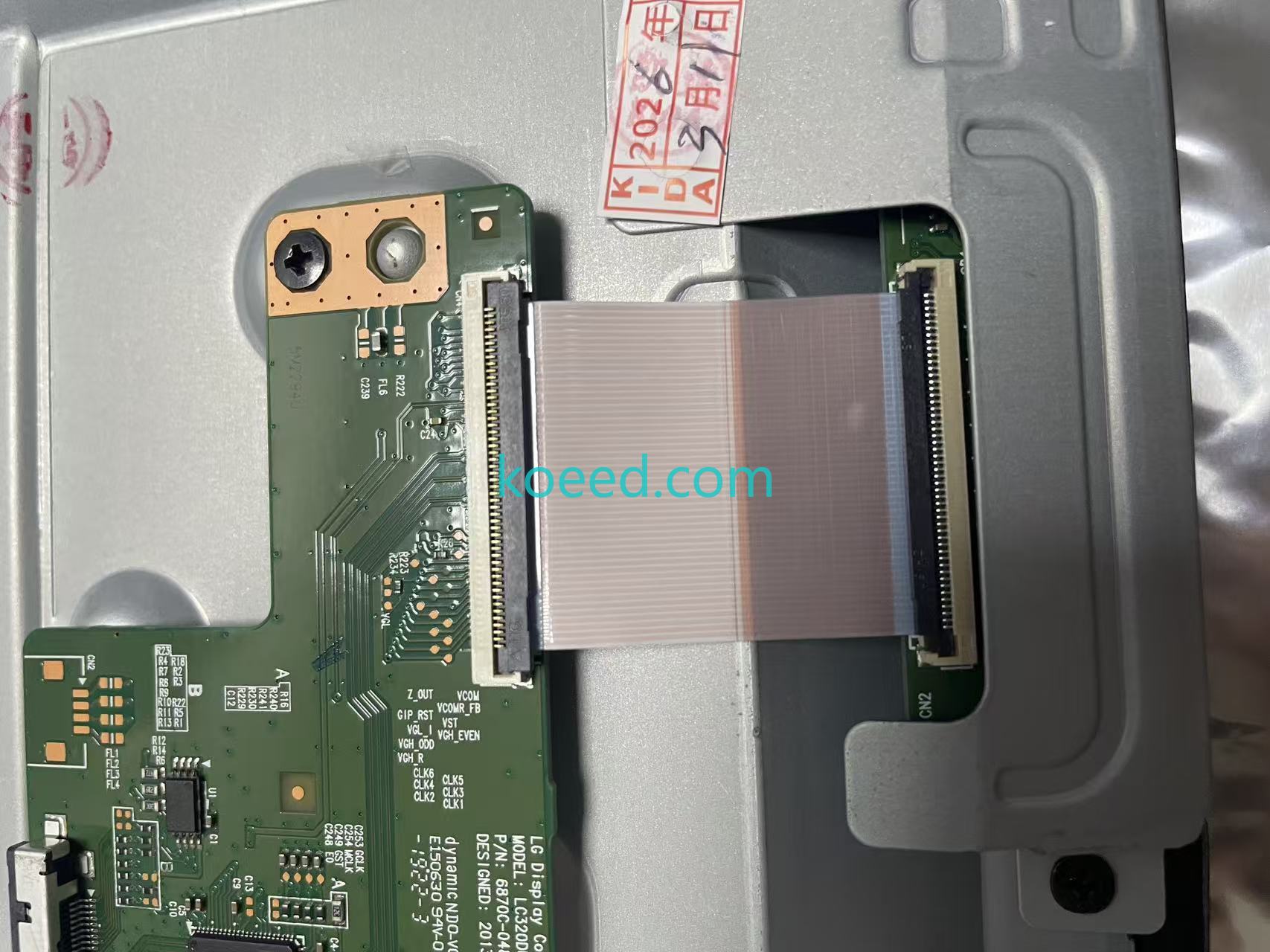
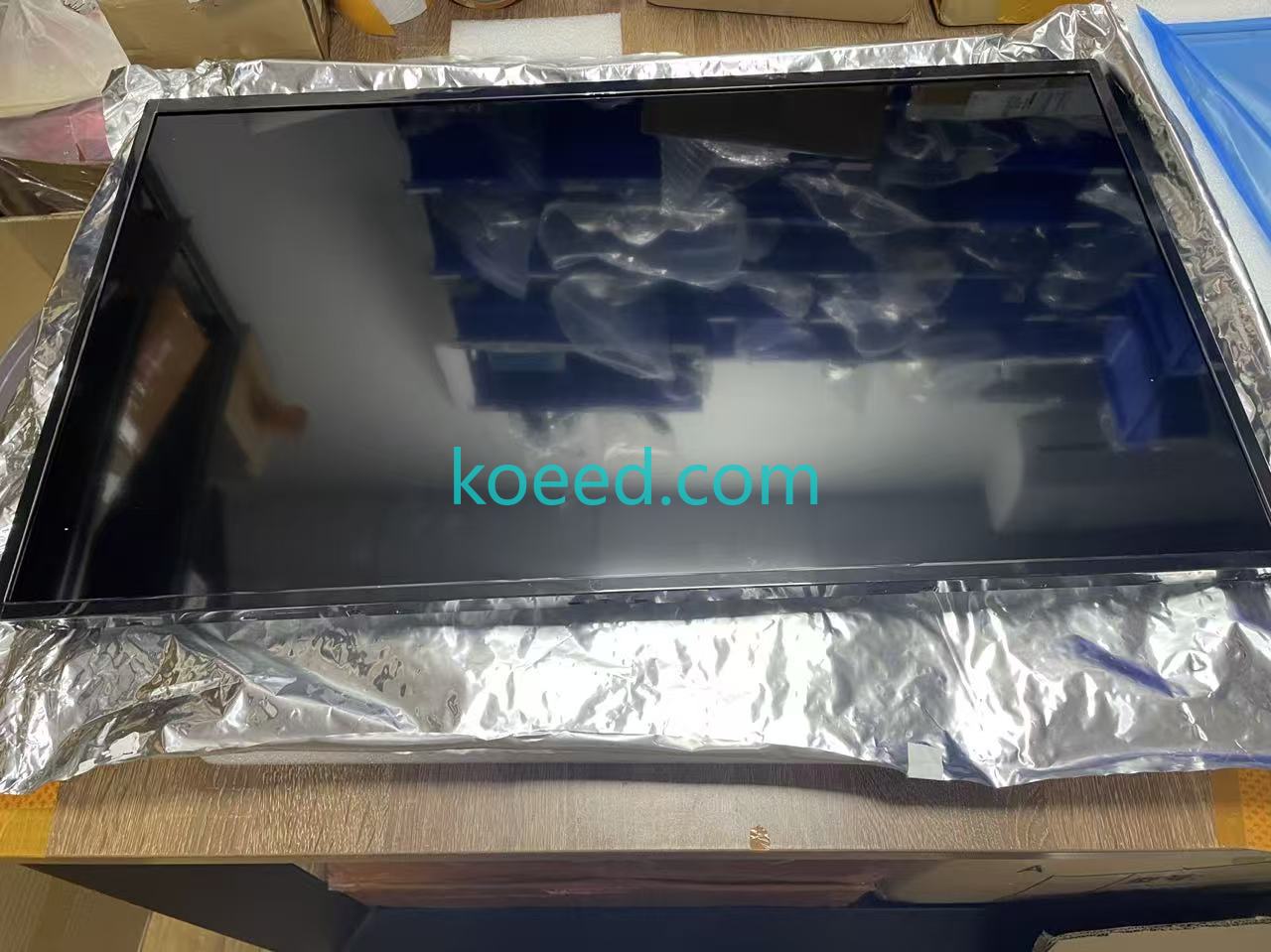
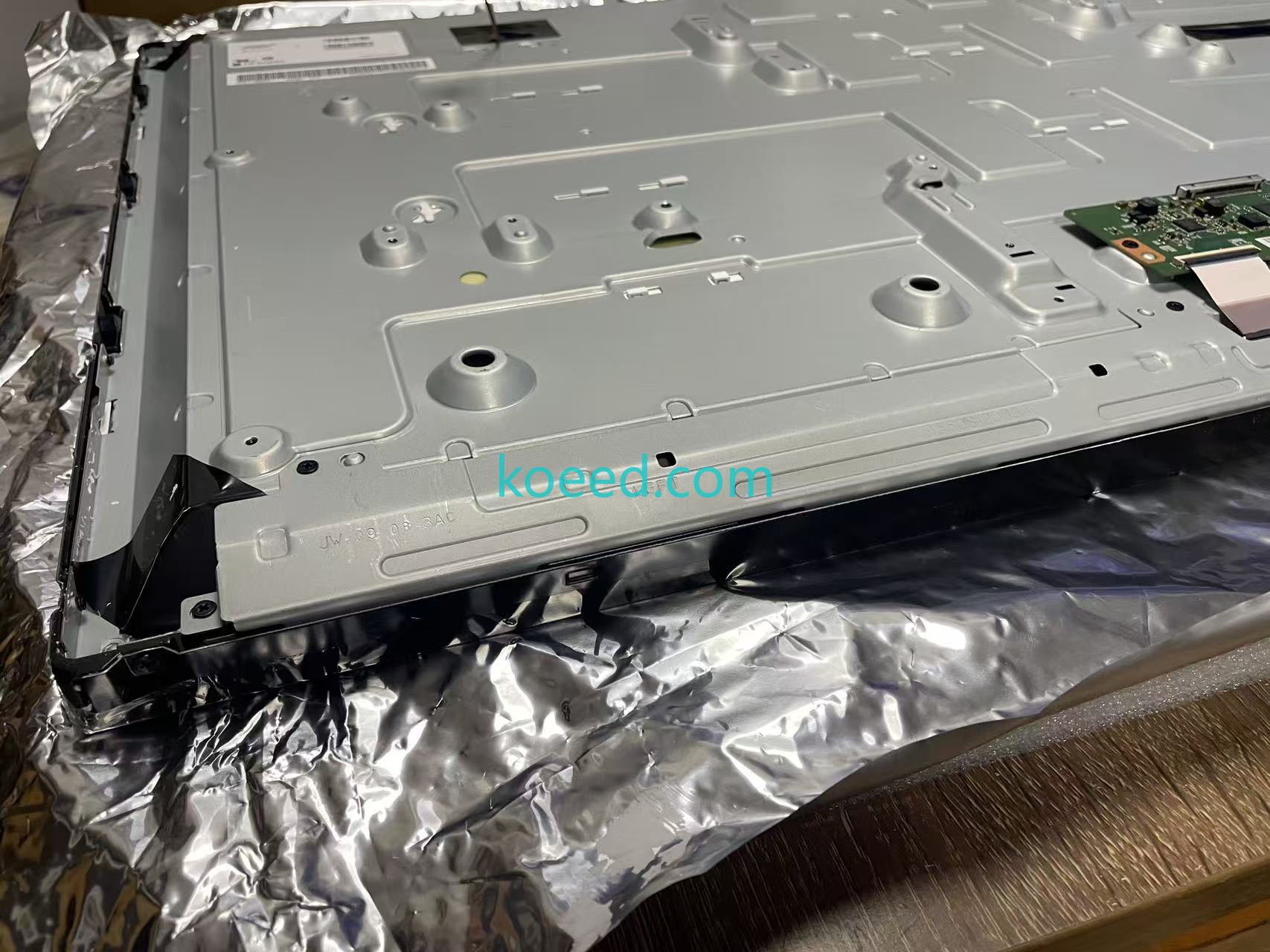
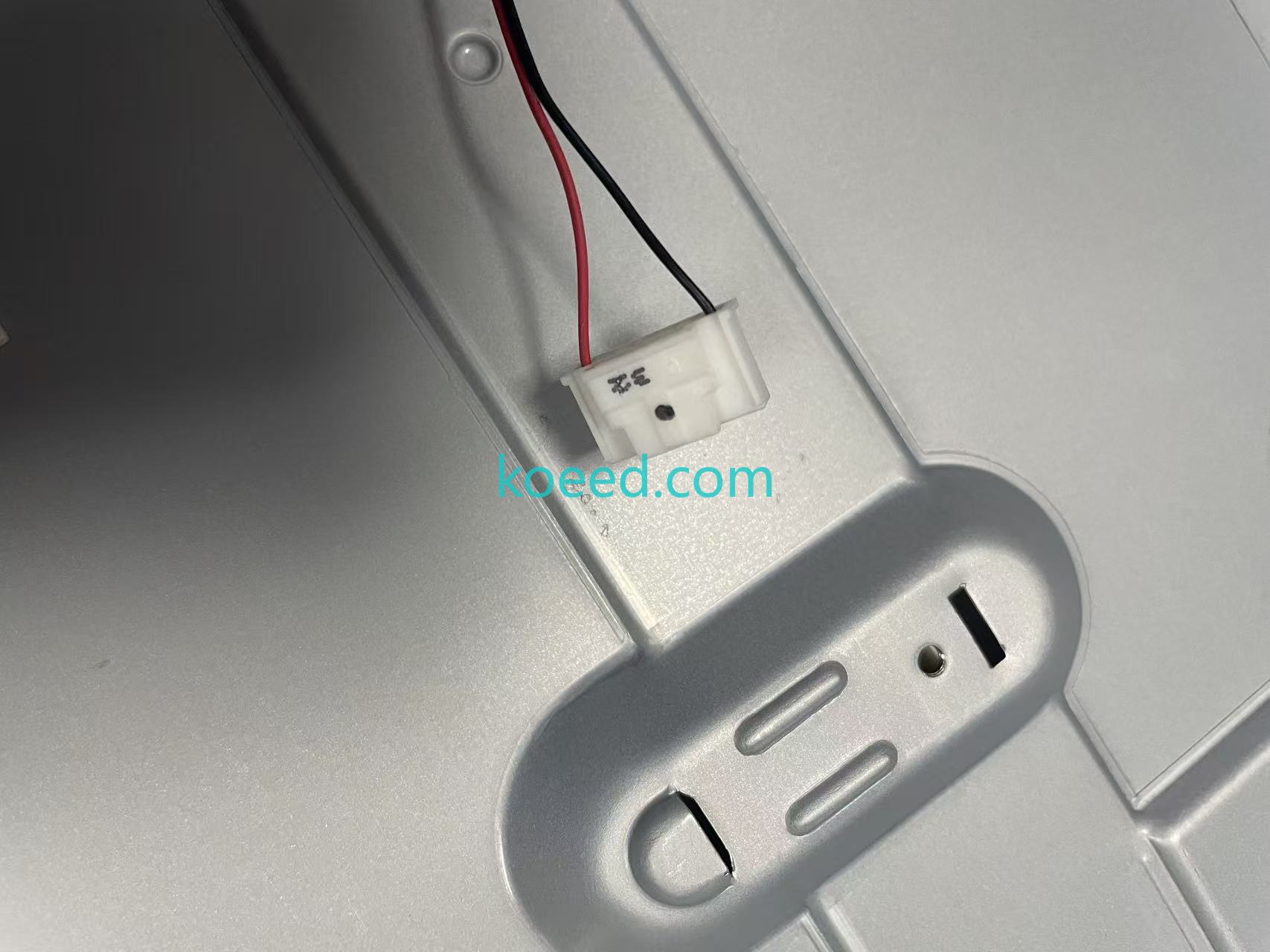
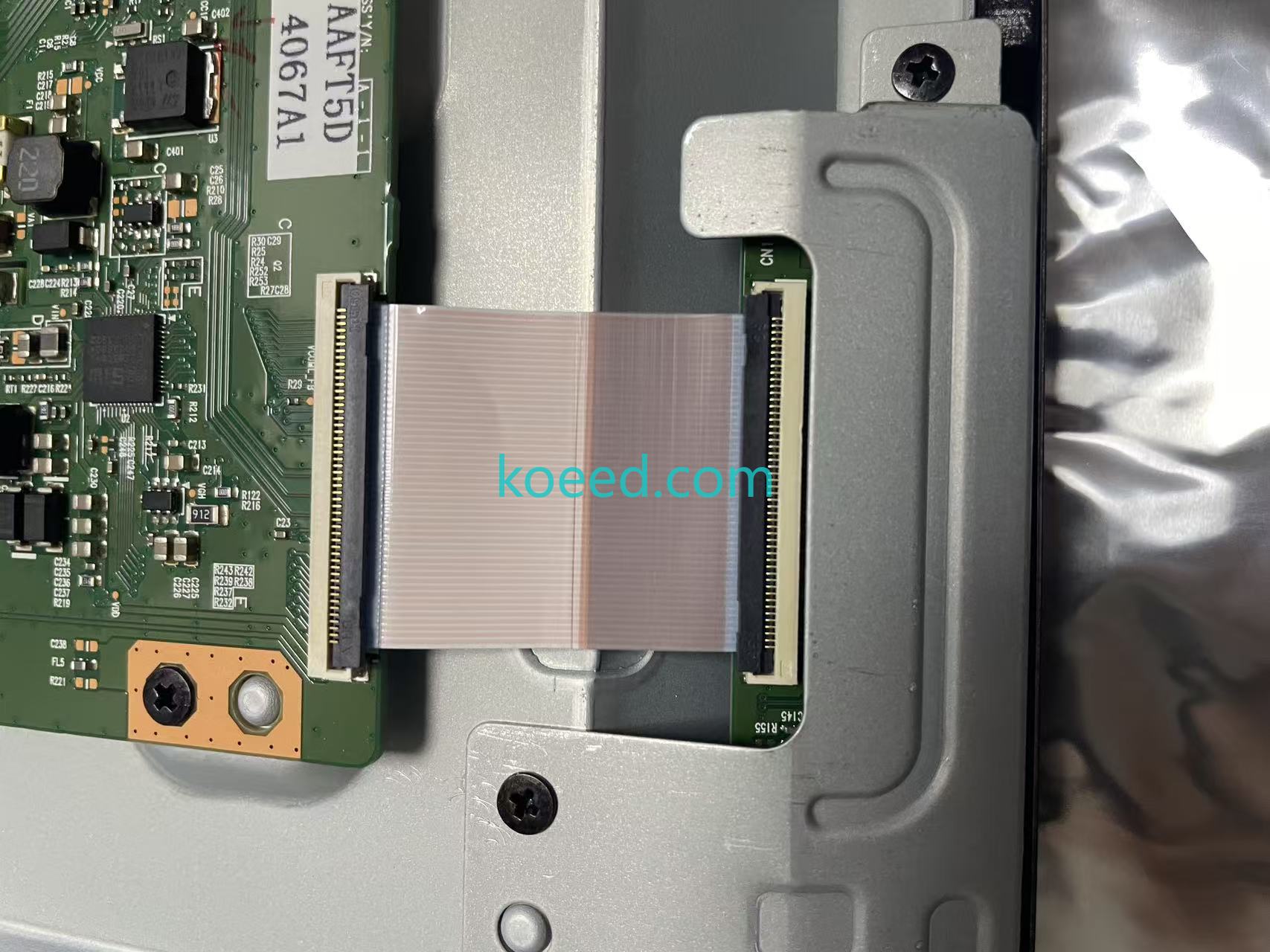
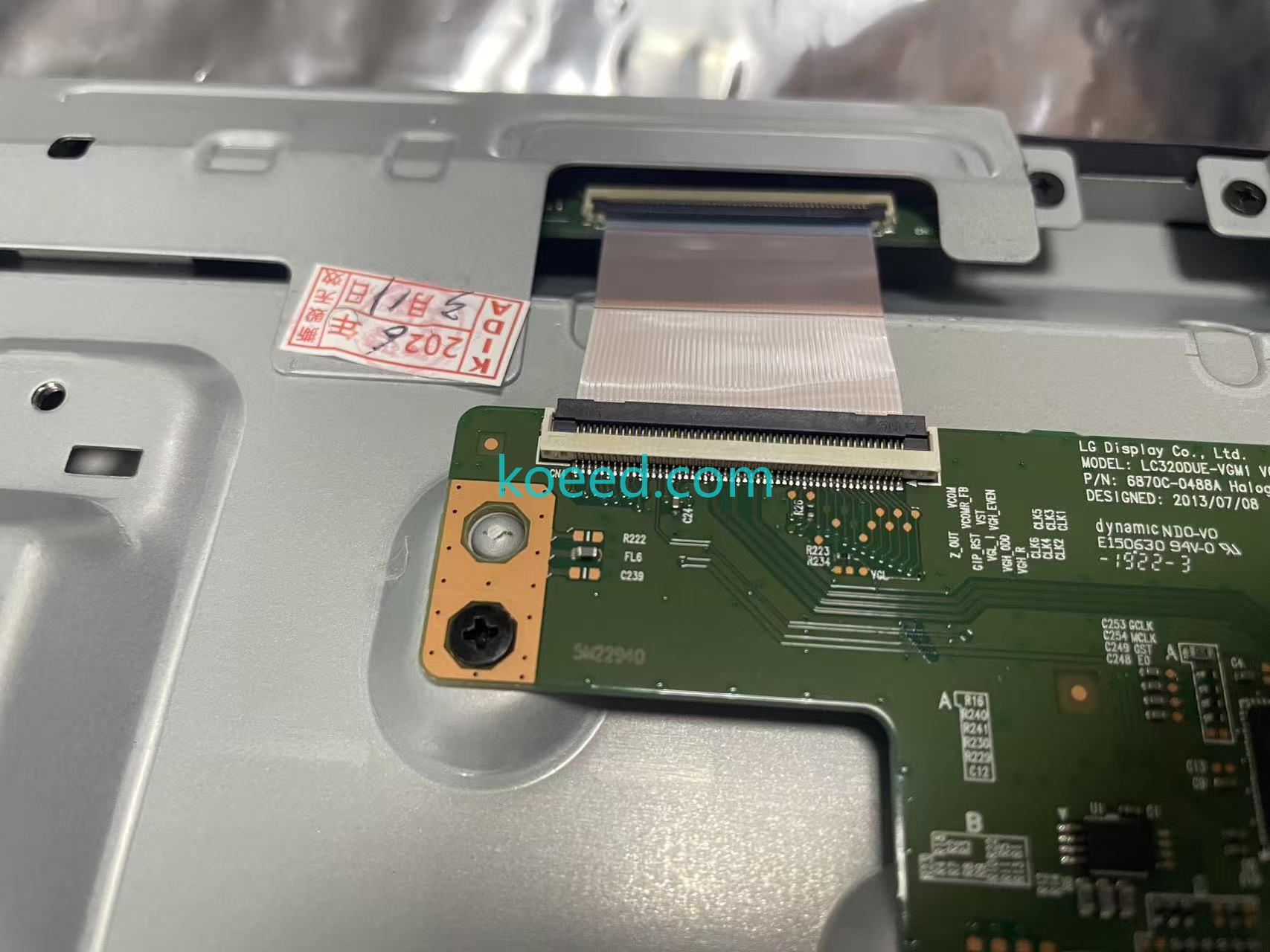
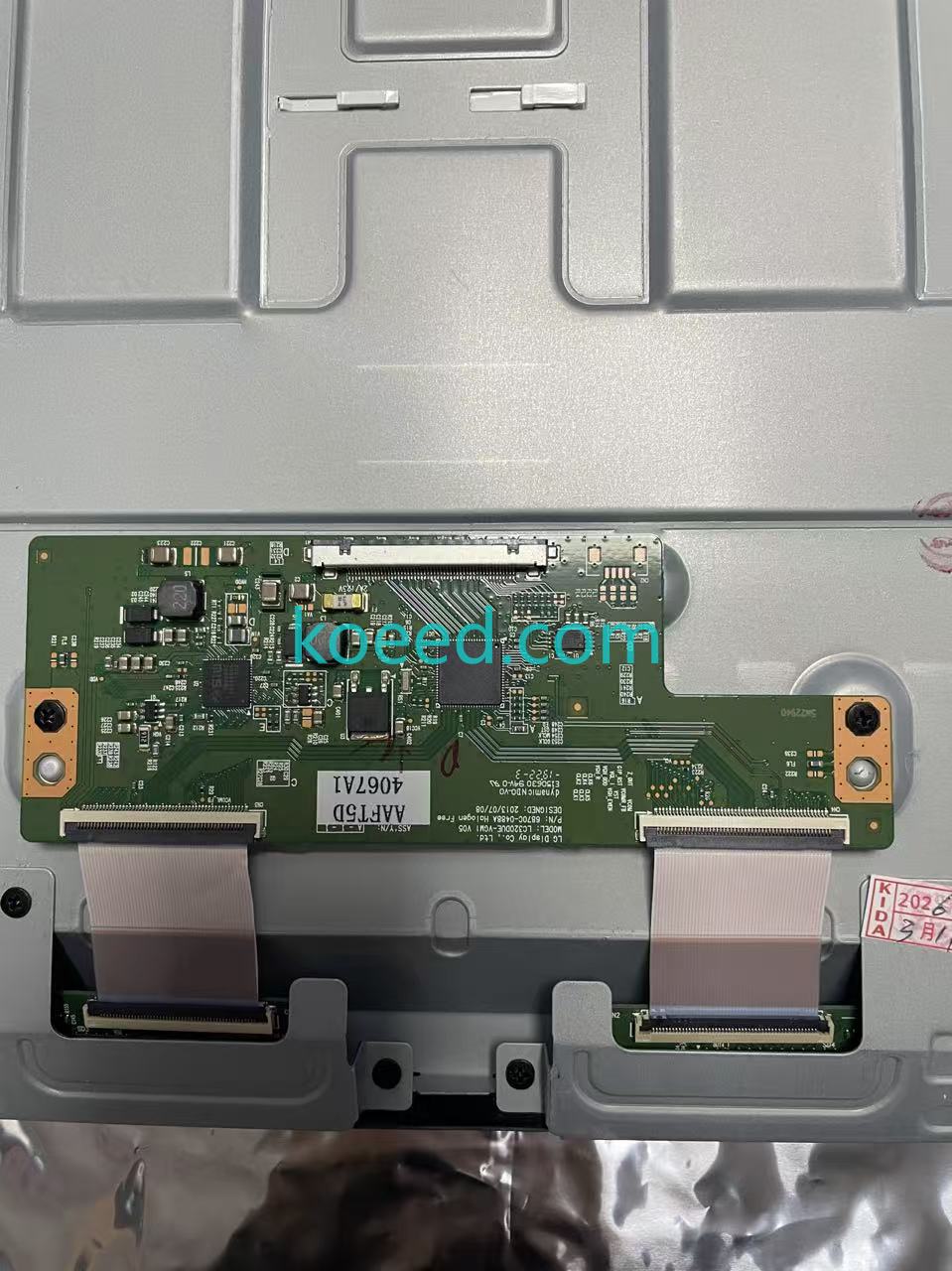
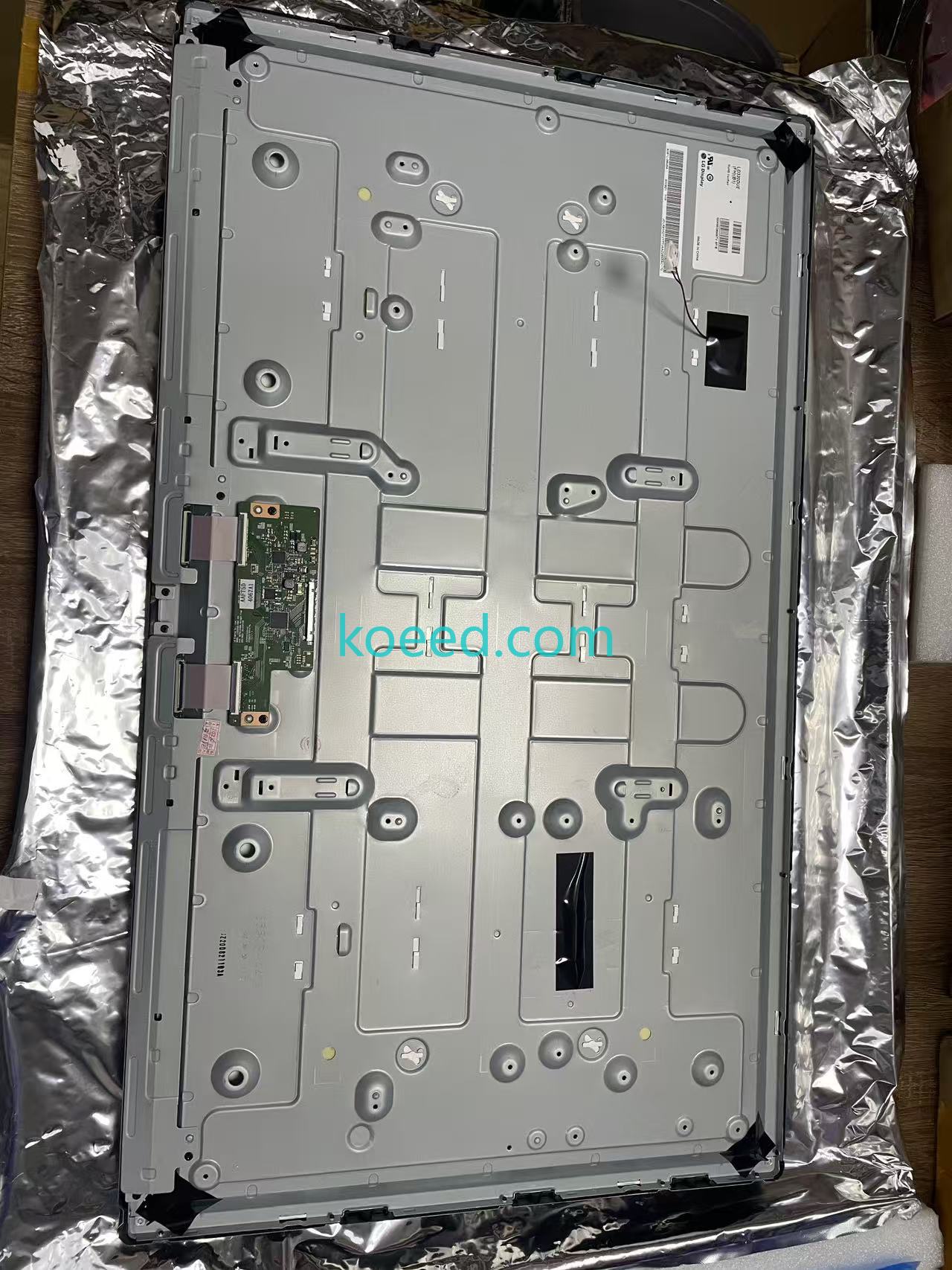
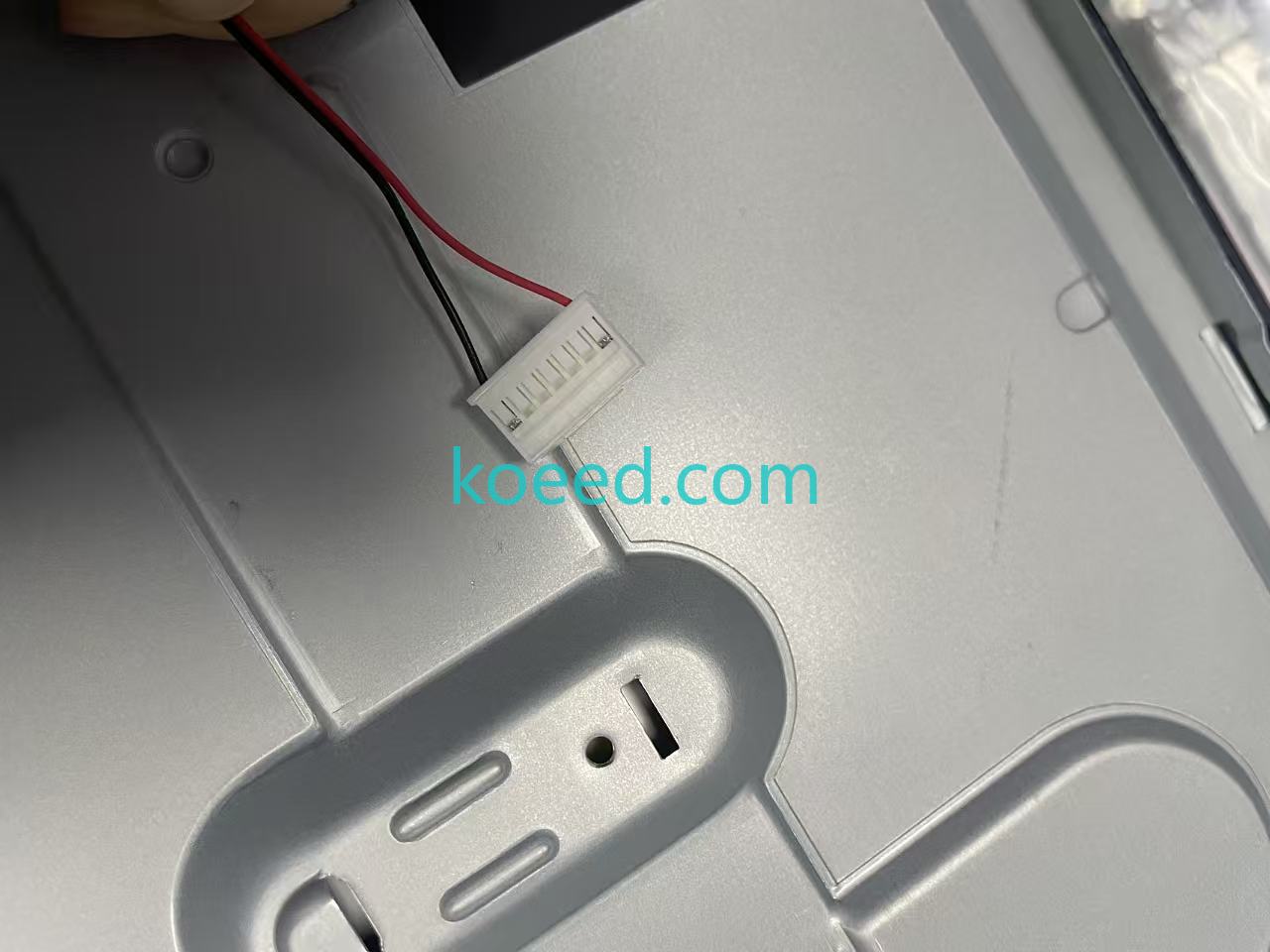
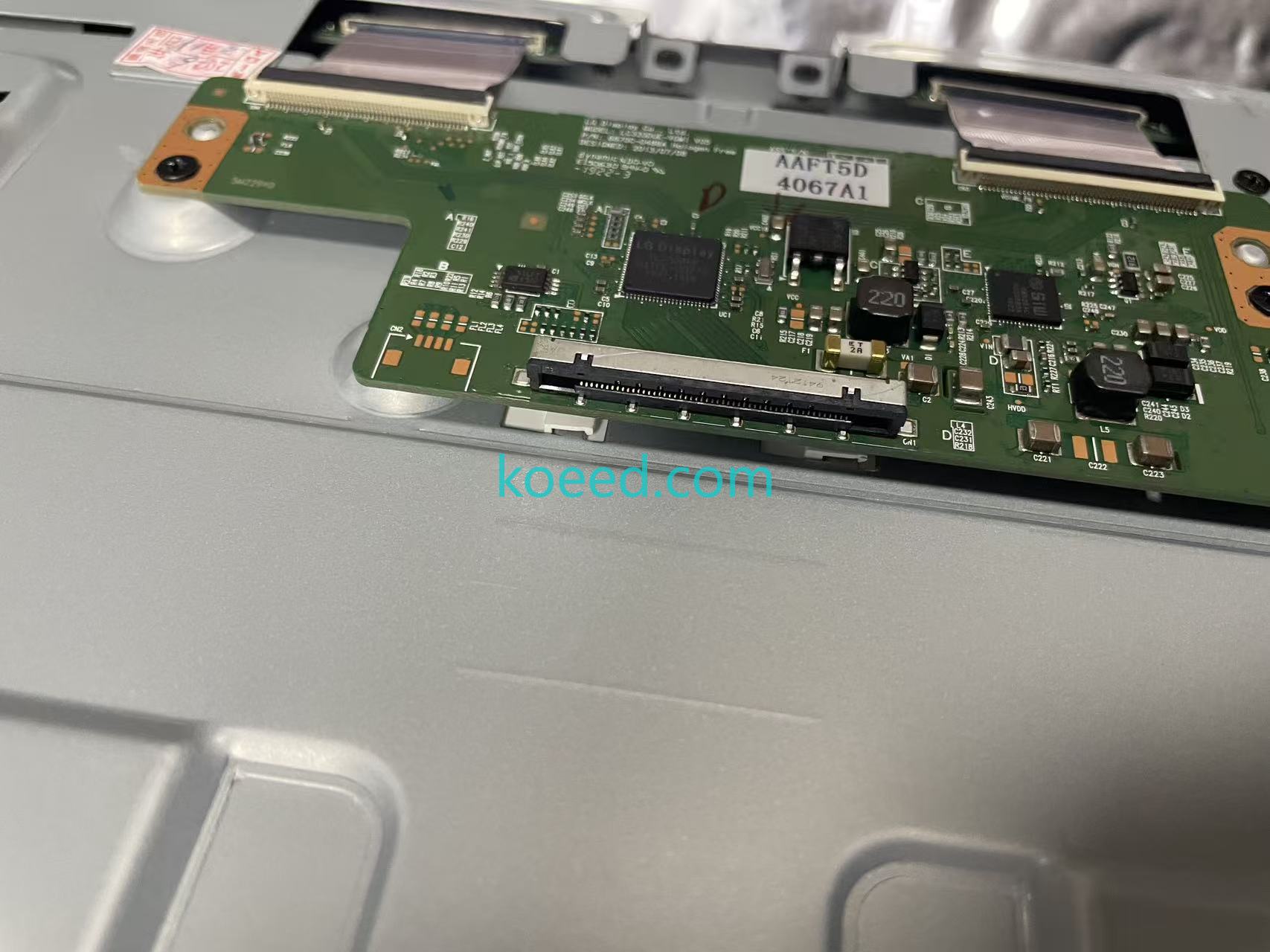
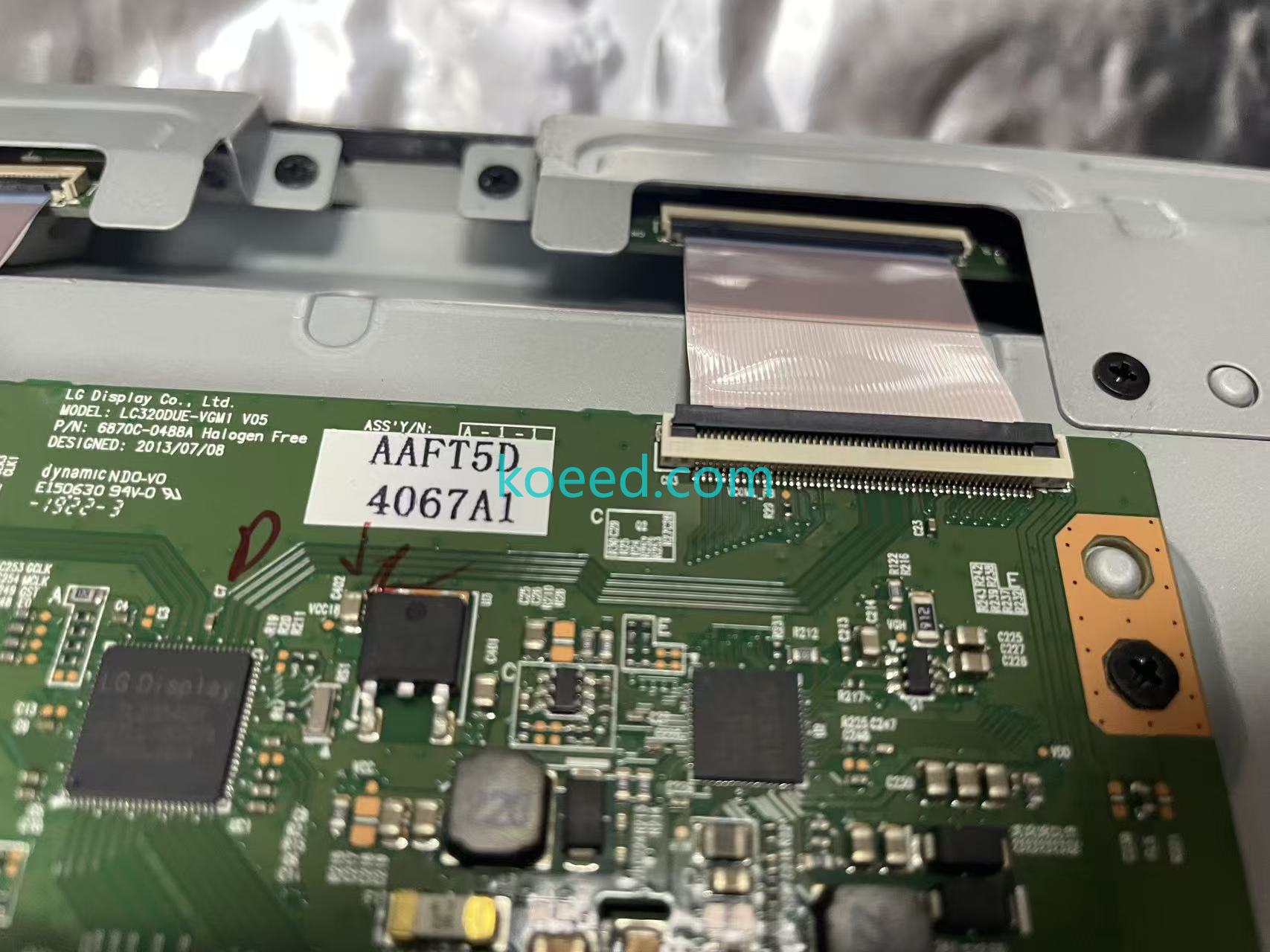
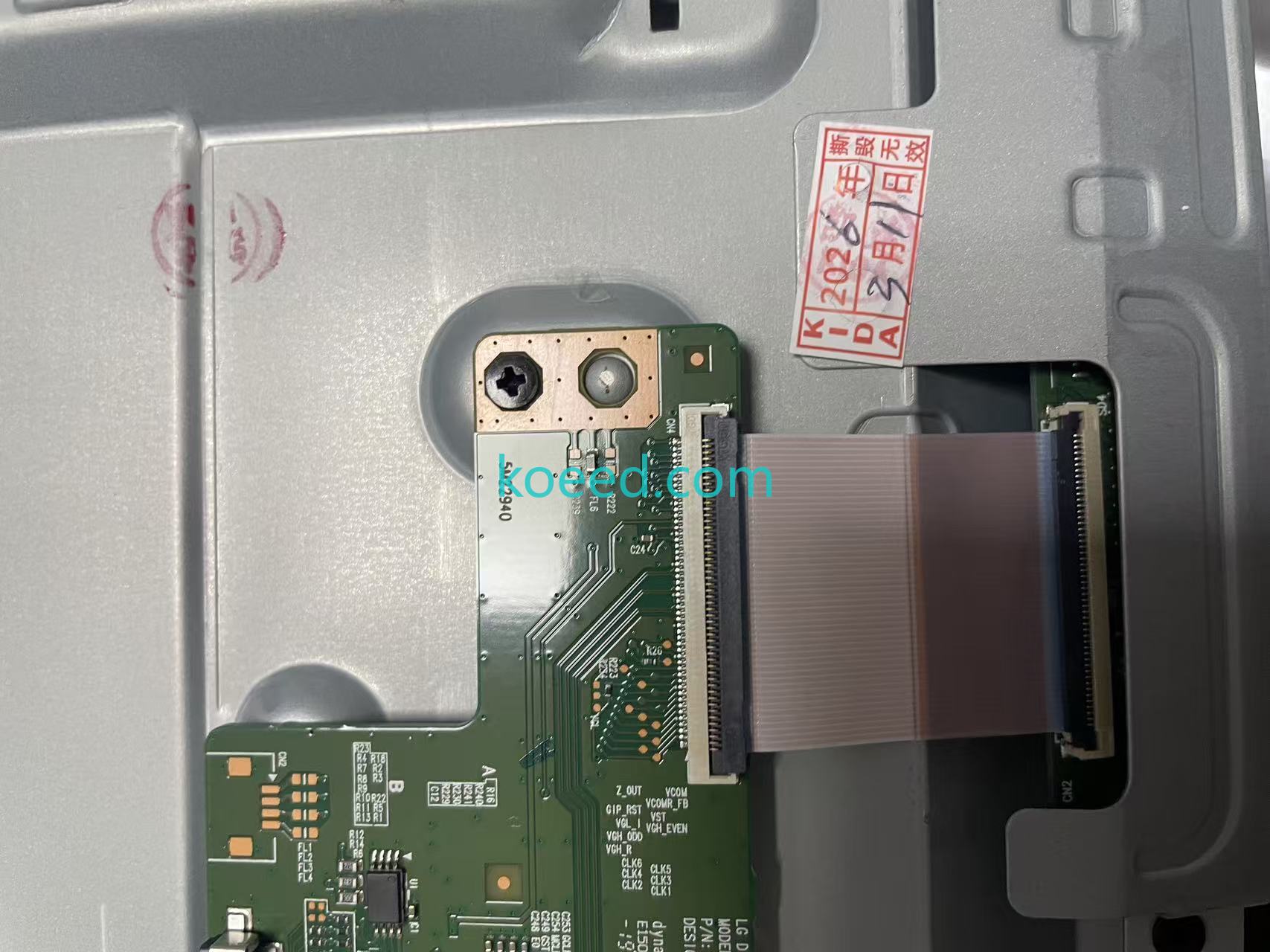
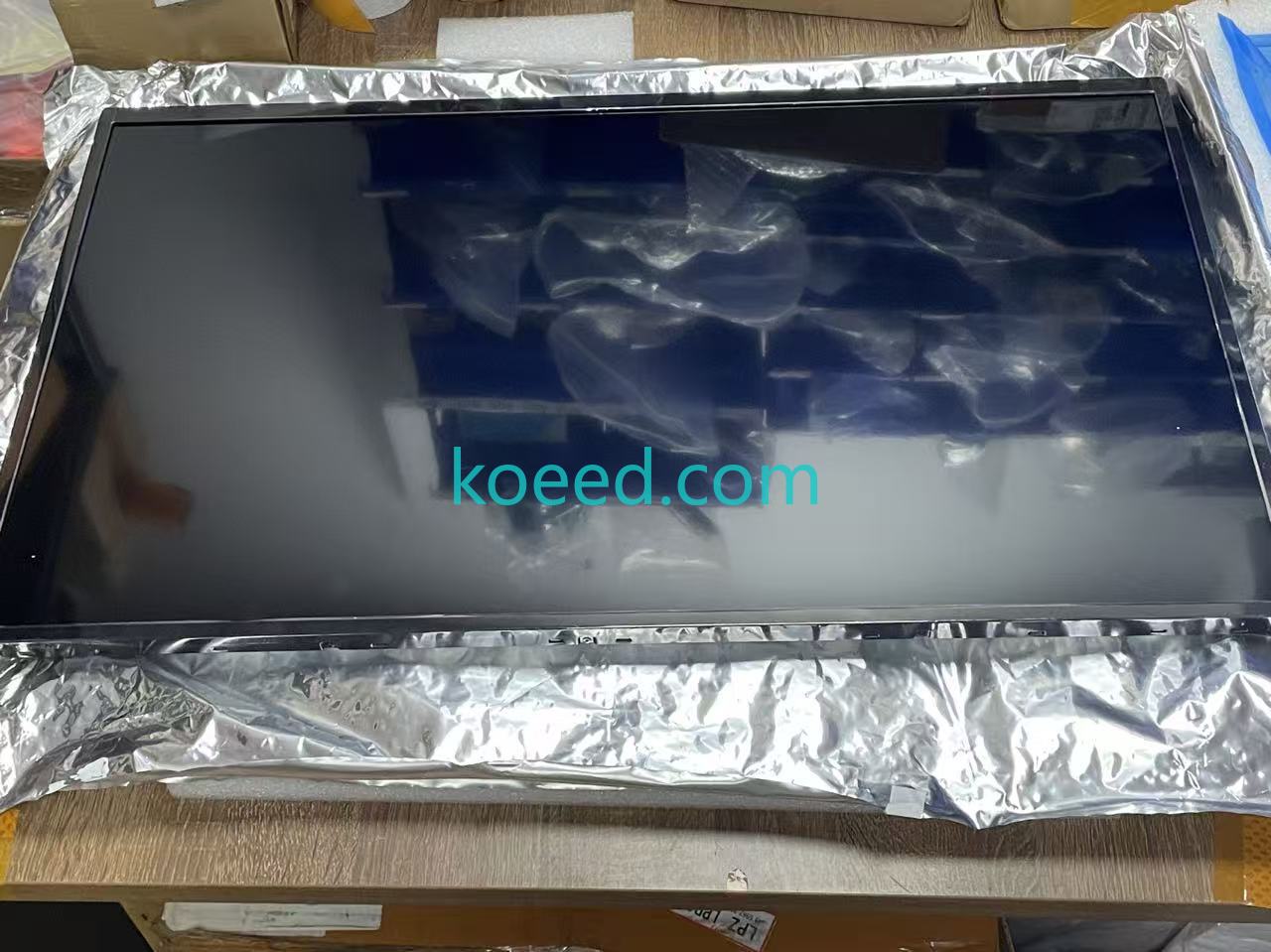
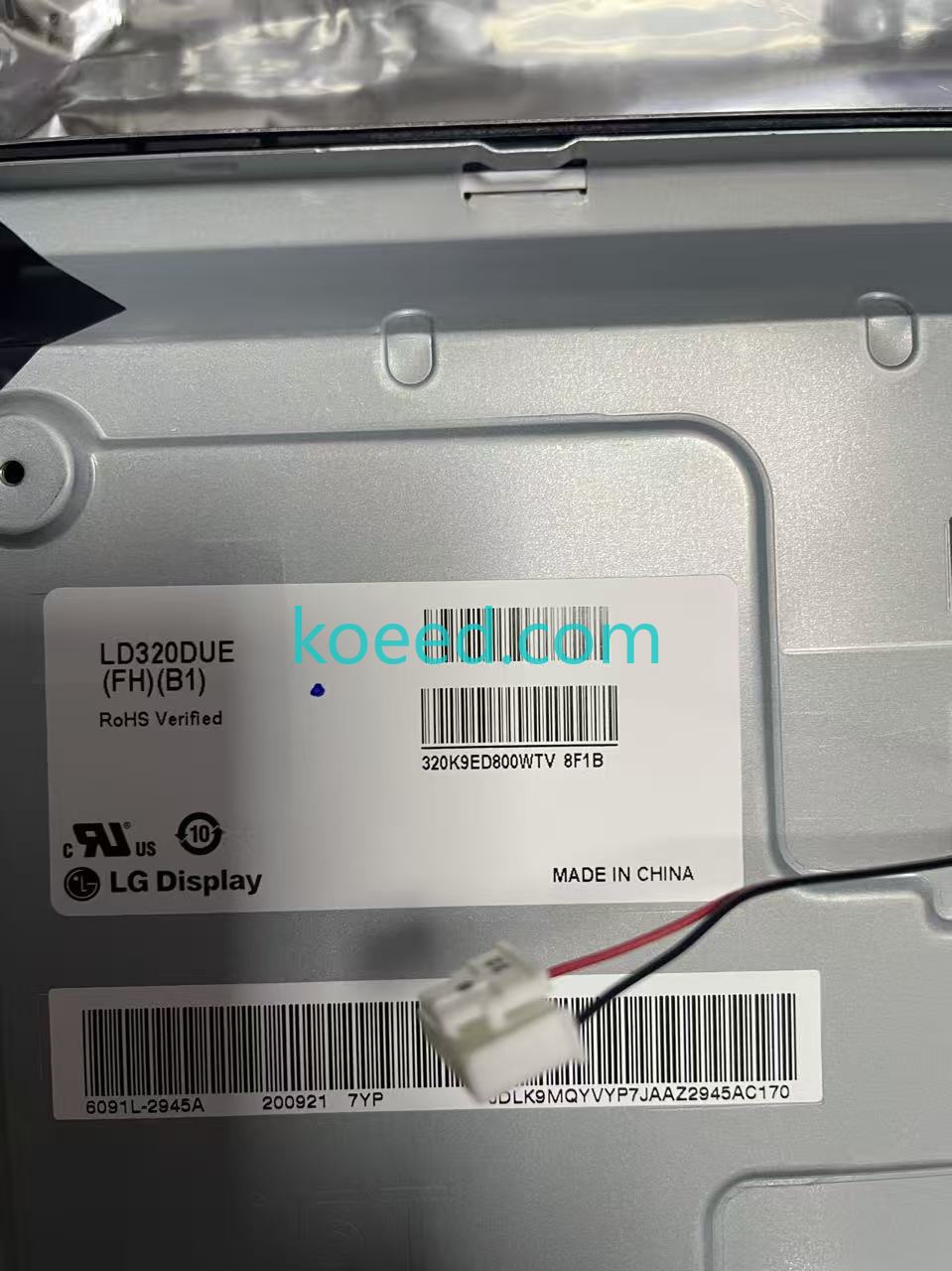
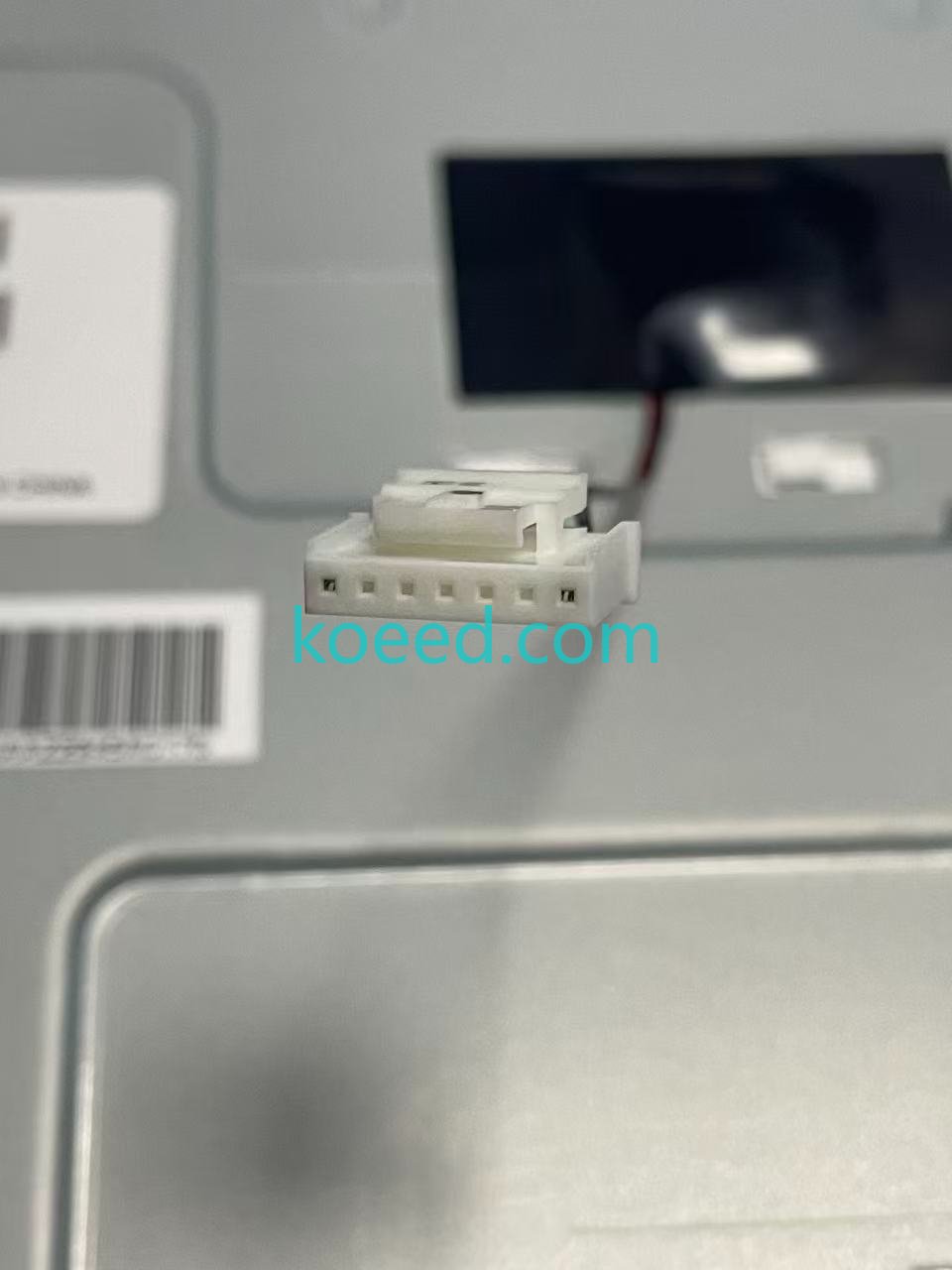
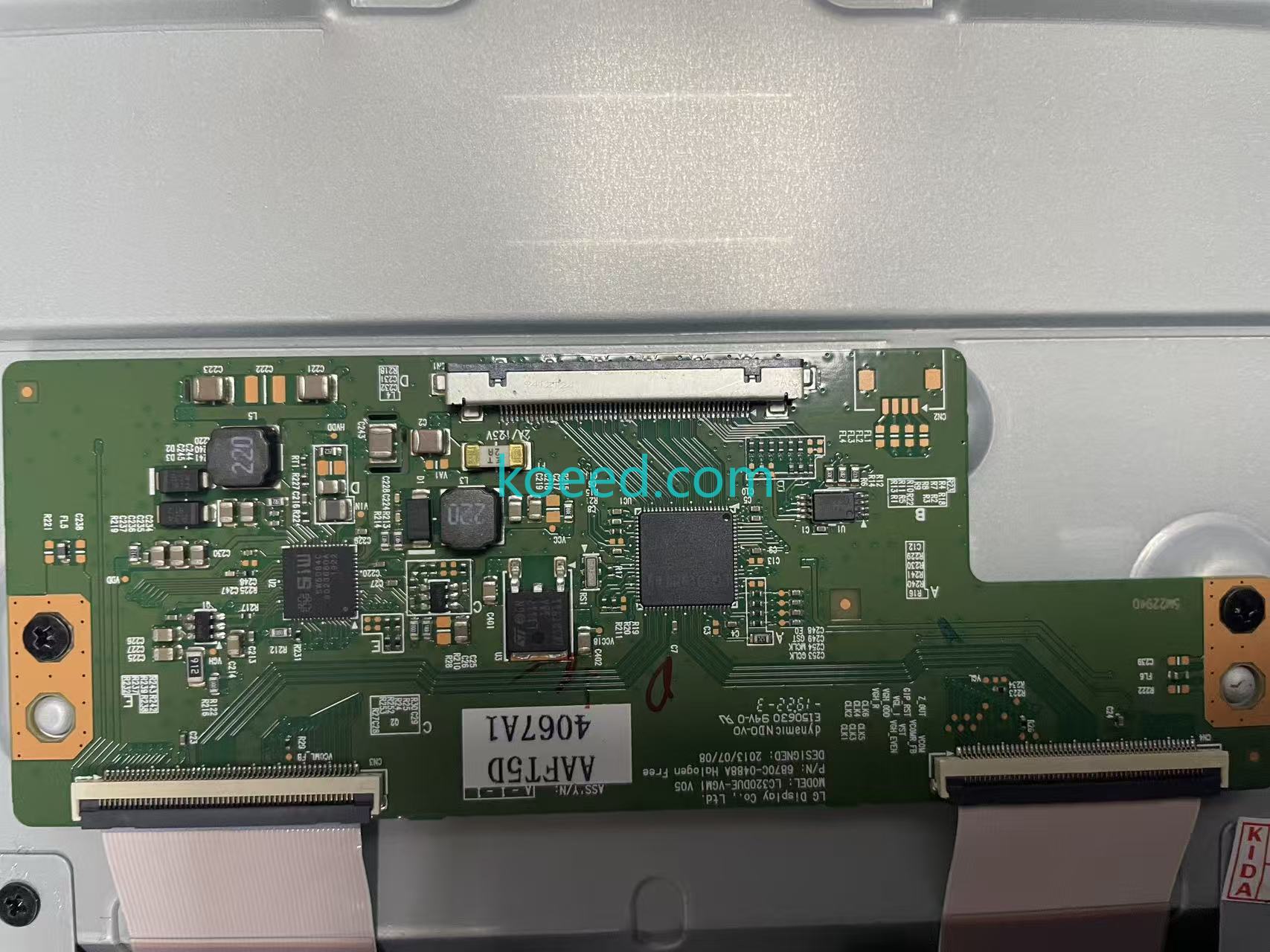
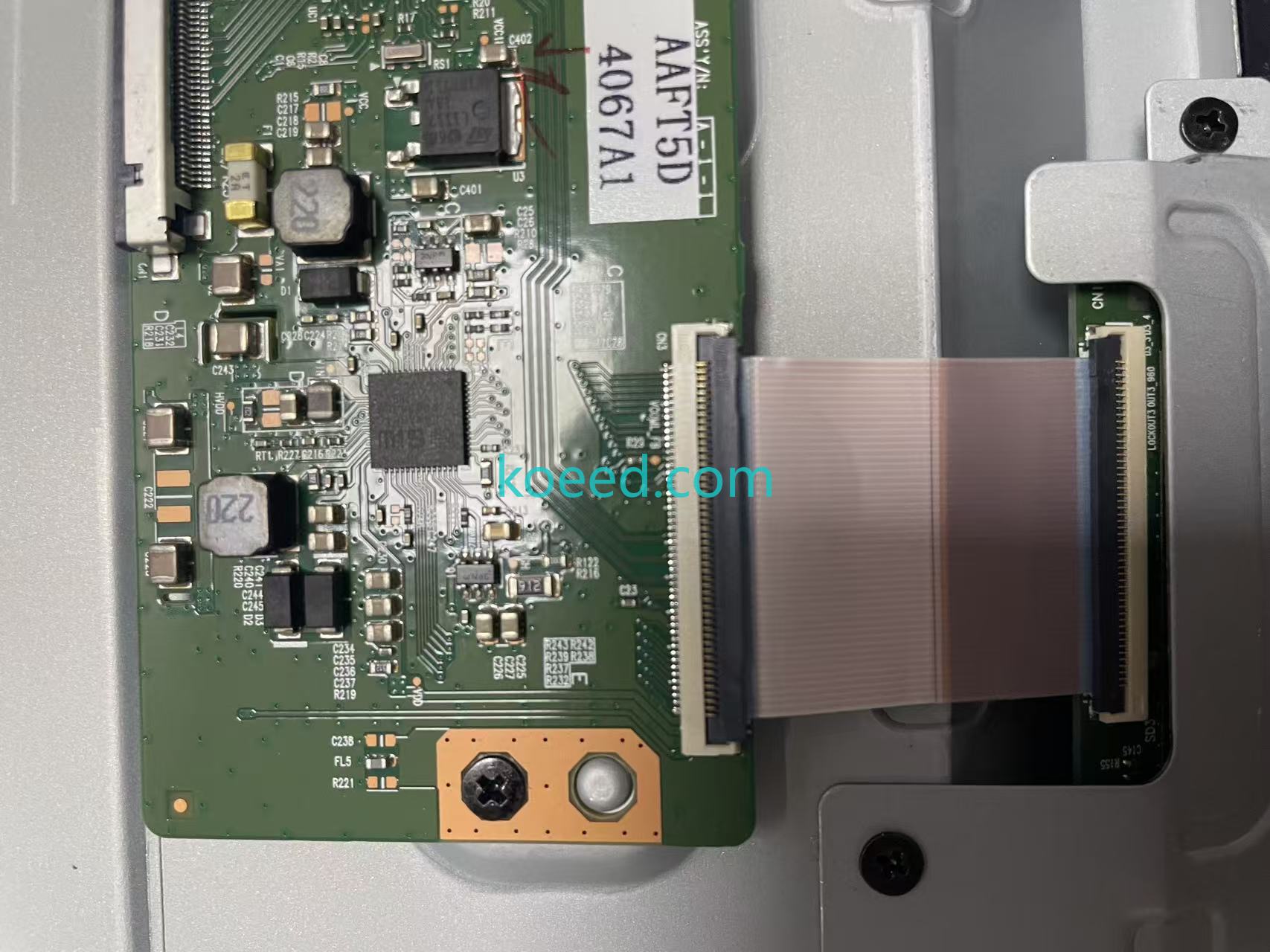
Below is the complete product photography set for the LD320DUE-FHB1 panel module. All images are captured from physical inventory at Koeed's quality inspection center — demonstrating the panel's front bezel, rear chassis, LVDS connector detail, label verification, and packaging condition.
IT/OT Convergence: Integrating LD320DUE-FHB1 into 2026 Smart Infrastructure
One of the most compelling reasons the LD320DUE-FHB1 persists in 2026 procurement cycles is its straightforward LVDS interface architecture. While many newer panels have migrated exclusively to eDP (Embedded DisplayPort), the 2-channel 8-bit LVDS interface on this panel allows seamless integration with a massive installed base of ARM-based and x86 single-board computers (SBCs) commonly found in industrial IoT gateways.
Edge Computing Compatibility
In 2026, edge-AI modules from NVIDIA (Jetson Orin series), Rockchip (RK3588), and MediaTek (Genio) now drive the majority of new digital signage deployments. The LD320DUE-FHB1 connects readily via LVDS-to-HDMI/LVDS bridge boards that are widely available and cost under $15 in volume. This makes the panel ideal for:
- Predictive Maintenance Dashboards: Real-time OEE (Overall Equipment Effectiveness) displays on factory floors, pulling data from MQTT brokers and OPC-UA servers.
- Smart Building Kiosks: Room booking panels integrated with Microsoft Teams Rooms and Zoom Workspace Reservation systems.
- Retail Analytics Displays: AI-powered customer engagement screens with anonymous footfall counting and dwell-time analytics.
Cloud/ERP Integration Pathway
For integrators building solutions that require centralized content management, the LD320DUE-FHB1 — when paired with a networked media player — can be managed via leading CMS platforms including BrightSignOS, LG SuperSign Cloud, ScreenCloud, and OptiSigns. This enables seamless ERP-triggered content updates (e.g., pricing changes pushed from SAP or Microsoft Dynamics 365).
ROI & Total Cost of Ownership (TCO) Analysis
When evaluating display panel procurement in 2026, smart buyers look beyond unit price. Below is a structured TCO comparison framework for the LD320DUE-FHB1 versus purchasing entirely new integrated display units.
| TCO Factor | LD320DUE-FHB1 (Panel-Only Replacement) | New 32" Integrated Display Unit |
|---|---|---|
| Unit Acquisition Cost | $85–$135 (2026 Q2 wholesale) | $280–$450 |
| Installation Labor | 15–25 minutes (swap-in) | 45–90 minutes (full mount & config) |
| Controller Reuse | ✅ Existing LVDS controller retained | ❌ New controller bundled (may not match CMS) |
| E-Waste Generated | ~2.5 kg (panel only) | ~8 kg (full unit including housing) |
| Typical Service Life | 50,000–60,000 hrs (WLED backlight) | 50,000 hrs (typical) |
| 3-Year TCO (per unit) | ~$110–$165 | ~$350–$540 |
| Energy Consumption | ~35–45W (panel + LVDS driver) | ~40–55W (integrated unit) |
Sustainability & Energy Efficiency: Meeting 2026 Standards
The LD320DUE-FHB1 aligns with multiple 2026 energy-efficiency frameworks. Its WLED backlight technology delivers 400 cd/m² brightness with substantially lower power draw than CCFL-backlit predecessors — and compares favorably even against some early-generation edge-lit LED panels.
Key Sustainability Metrics
- Backlight Technology: Long-life WLED — mercury-free, RoHS-compliant, with a typical half-brightness life exceeding 50,000 operational hours.
- Power Profile: 12.0V DC supply at typical operating current — compatible with low-voltage DC infrastructure increasingly deployed in green buildings and solar-assisted installations.
- Idle/Standby Compatibility: When paired with modern LVDS controllers that support panel power-down signaling, the LD320DUE-FHB1 can achieve near-zero standby states for overnight retail environments.
- Recyclability: The a-Si TFT glass substrate and aluminum chassis components are recoverable through established LCD recycling streams certified under the WEEE Directive and similar international frameworks.
Predictive Maintenance Framework for LD320DUE-FHB1 Deployments
In 2026, reactive maintenance is no longer acceptable for commercial display fleets. The LD320DUE-FHB1, while not natively "smart," can be incorporated into a predictive maintenance ecosystem through the controller/player layer.
Failure Mode Monitoring Strategy
1. Backlight Degradation Detection
Modern LVDS controller boards equipped with ambient light sensors and current-sense resistors can log backlight current draw trends. A gradual increase in current to maintain target brightness is an early indicator of LED string degradation. Set thresholds at +15% current deviation to trigger a proactive panel replacement before visible dimming occurs.
2. Pixel Anomaly Surveillance
Deploy a lightweight edge-AI routine (e.g., TensorFlow Lite model running on the media player's NPU) that periodically displays and analyzes test patterns — detecting stuck pixels, line defects, or Mura effects. This can be scheduled during off-hours (e.g., 3:00 AM daily) without disrupting commercial operation.
3. Thermal Health Monitoring
The LD320DUE-FHB1's specified operating range of 0°C–50°C is sufficient for most indoor environments, but enclosed kiosk installations in direct sunlight can push temperatures beyond safe limits. Integrating a low-cost I²C temperature sensor (e.g., TMP117) near the panel's driver PCB and feeding data into the building management system (BMS) via BACnet/IP enables automated alerts and HVAC coordination.
4. LVDS Signal Integrity Checks
Intermittent flickering, horizontal lines, or color shifts often trace back to LVDS cabling degradation rather than panel failure. Implementing CRC error counting at the LVDS receiver and logging anomalies via SNMP traps to the network monitoring system (Zabbix, PRTG, or Datadog) can differentiate cabling issues from genuine panel failure — avoiding unnecessary replacements.
Installation & Integration Quick Reference
LVDS Pinout & Compatibility Notes
The LD320DUE-FHB1 utilizes a standard 51-pin LVDS connector with 2-channel 8-bit mapping. Before integrating, confirm the following:
- Pin 1 Orientation: Verify against your controller board's silkscreen — reversed connection can damage the panel's input stage.
- VDD Compliance: Ensure the controller supplies a clean 12.0V DC rail with ≤100mV ripple. Inrush current at power-on can peak briefly; budget a 2A-capable rail for reliable startup.
- Backlight Driver: The panel requires an external WLED driver. Confirm current rating matches the panel's LED string configuration (typically 120–180mA per string in 2026-compatible driver ICs).
- Grounding: Connect all ground pins. Floating grounds are the single most common cause of visible noise artifacts in LVDS panels.
Common Troubleshooting Scenarios
| Symptom | Likely Cause | Resolution |
|---|---|---|
| No backlight, image visible under flashlight | WLED driver failure or disconnected backlight cable | Check LED driver output; measure voltage at backlight connector |
| Flickering horizontal bands | LVDS clock instability or ground loop | Reseat LVDS cable; verify all ground pins connected; check PSU ripple |
| Single-color vertical line | Source driver IC failure (panel defect) | Replace panel — this is a non-repairable column driver fault |
| Dim but uniform image | Aging backlight or incorrect PWM duty cycle | Measure backlight current; increase PWM duty within safe range; replace if below 70% of rated brightness |
| No image, backlight ON | LVDS signal missing or incorrect timing parameters | Verify H-sync/V-sync/PCLK match panel EDID; check LVDS cable continuity |
| Image retention / ghosting | Static content displayed for extended periods | Enable pixel-shift or screensaver routine in content player; run panel refresh cycle |
Frequently Asked Questions
Is the LD320DUE-FHB1 compatible with my existing 32" digital signage enclosure?
The LD320DUE-FHB1 has an outline dimension that follows LG Display's standard 32-inch commercial panel mechanical specification. The active area of 698.4 × 392.85 mm is the critical dimension for bezel alignment. However, mounting-hole positions can vary between panel revisions. We recommend comparing your enclosure's VESA/mount pattern against the panel's mechanical drawing. Contact Koeed's engineering support team with your enclosure model number for a definitive compatibility check.
What is the expected lifespan of the LD320DUE-FHB1 in 24/7 operation?
The WLED backlight is rated for 50,000–60,000 hours to half-brightness under nominal conditions (25°C ambient, rated drive current). At 24/7 operation, this translates to approximately 5.7–6.8 years before brightness falls to 50% of the original 400 cd/m². In practice, many deployments operating at 70–80% brightness achieve 7+ years. For mission-critical 24/7 applications, we recommend proactive replacement at the 5-year mark to maintain visual quality standards.
Does Koeed provide an LVDS controller board compatible with this panel?
Yes. Koeed stocks and supplies compatible LVDS controller/driver boards configured specifically for the LD320DUE-FHB1's 2-channel 8-bit LVDS interface. These boards support HDMI, DVI, and VGA input and include the matched WLED backlight driver. Please mention controller board requirements when submitting your RFQ so we can bundle the appropriate kit.
What warranty does Koeed offer on the LD320DUE-FHB1?
Koeed provides a standard 12-month warranty on all new and Grade A+ panels, covering manufacturing defects and backlight failure under normal commercial operating conditions. Extended warranty plans up to 36 months are available for volume procurement contracts. Please discuss your warranty requirements with your account manager.
Can this panel be used in portrait orientation?
Yes, the LD320DUE-FHB1 features symmetrical IPS viewing angles (89° all directions) and does not suffer from gamma shift in portrait mode. Many integrators deploy this panel in portrait orientation for menu boards, wayfinding, and elevator signage. Ensure the enclosure provides adequate ventilation when rotated, as thermal dissipation paths may differ.
Ready to Source the LD320DUE-FHB1 for Your 2026 Deployment?
Contact Koeed's B2B procurement team today for volume pricing, technical datasheets, and lead-time information. We ship globally from our ISO-certified warehouse with full traceability.


