

MC225MH Industrial Shock Absorber: 2026 Guide to Precision Damping, ROI & IT/OT Integration | Koeed
📊 2026 Industrial Snapshot: With global smart factory adoption surpassing 72% and IT/OT convergence becoming mandatory under IEC 62443-4-2 compliance frameworks, the humble industrial shock absorber has evolved from a passive mechanical component into a critical node in the predictive maintenance ecosystem. The ACE Controls MC225MH — part of the renowned MAGNUM series — represents the pinnacle of self-compensating damping technology, engineered to absorb up to 4× rated energy per cycle in single-cycle overload scenarios while seamlessly integrating with modern vibration monitoring platforms.
1. Strategic Overview: The MC225MH in the 2026 Automation Landscape
As factories worldwide accelerate their transition toward lights-out manufacturing and autonomous production cells, the demands placed on motion control components have never been greater. The MC225MH industrial shock absorber from ACE Controls addresses three converging 2026 imperatives:
1.1 IT/OT Convergence & Data-Driven Damping
The MC225MH is not merely a mechanical damper — it is a data-generating asset. When paired with bolt-on vibration sensors (such as the Banner QM42VT or IFM VSM-series), the MC225MH's damping signature can be trended over time via MQTT or OPC-UA protocols. Deviation from baseline damping curves triggers automated alerts in platforms like Siemens MindSphere or Rockwell FactoryTalk, enabling prescriptive maintenance workflows that prevent catastrophic carriage stops and tool crashes. In 2026, this IT/OT handshake is no longer optional — it is a competitive necessity.
1.2 Sustainability & Energy Recovery Potential
Each cycle of the MC225MH converts kinetic energy into thermal energy with industry-leading efficiency. Over a typical 3-shift operation (≈ 1.2 million cycles/year), the cumulative energy dissipation of the MC225MH reduces downstream mechanical wear by an estimated 38–52% compared to legacy hydraulic dampers, directly translating to lower Scope 2 carbon emissions and extended structural fatigue life of robot end-effectors and linear transfer units.
1.3 Total Cost of Ownership (TCO) Analysis
When evaluated across a standard 5-year asset lifecycle, the MC225MH delivers a compelling TCO profile. Key cost drivers and savings are summarized below:
| TCO Factor | Legacy Hydraulic Damper | MC225MH (2026 Baseline) | 5-Year Delta |
|---|---|---|---|
| Unit Acquisition Cost | $180–$260 | Competitive (RFQ-based) | — |
| Annual Maintenance Hours | 12–18 hrs | 2–4 hrs (sealed, self-lubricating) | -70% |
| Unplanned Downtime (hrs/yr) | 8–14 hrs | 1.5–3 hrs (predictive alerts) | -78% |
| Energy Dissipation Efficiency | ~62% | ~88% | +26% |
| Replacement Interval | 18–24 months | 60+ months | 3× lifespan |
| 5-Year Total Cost | $1,850–$3,200 | $950–$1,400 (est.) | -50% average |
2. Technical Benchmarking: MC225MH vs. Legacy Alternatives
Understanding precisely where the MC225MH sits in the performance spectrum is essential for engineering teams specifying motion control components for 2026 retrofits or greenfield projects. The table below benchmarks the MC225MH against common alternatives in its class.
| Parameter | ACE MC225MH | Generic Hydraulic Damper | Polyurethane Bumper |
|---|---|---|---|
| Damping Type | Self-Compensating (MAGNUM) | Fixed-orifice hydraulic | Elastomeric rebound |
| Energy Capacity (in-lbs/cycle) | 225 (rated) / 900 (single-cycle peak) | ~150–200 | ~80–120 |
| Stroke | 25 mm (0.98 in) | 20–30 mm | 15–25 mm |
| Impact Velocity Range | 0.15 – 5.0 m/s | 0.3 – 3.5 m/s | 0.5 – 3.0 m/s |
| Operating Temperature | 0°C – 66°C (standard) | -10°C – 50°C | -20°C – 40°C |
| Return Force | Integrated spring (consistent) | External spring / gravity | Inconsistent rebound |
| Body Material | Hardened stainless steel | Carbon steel (corrosion-prone) | Polyurethane (UV-degradable) |
| Sensor Integration Ready | Yes (M8/M12 mounting bosses) | Retrofit only | No |
| MTBF (Mean Time Between Failures) | 10M+ cycles | 2M–5M cycles | 0.5M–1.5M cycles |
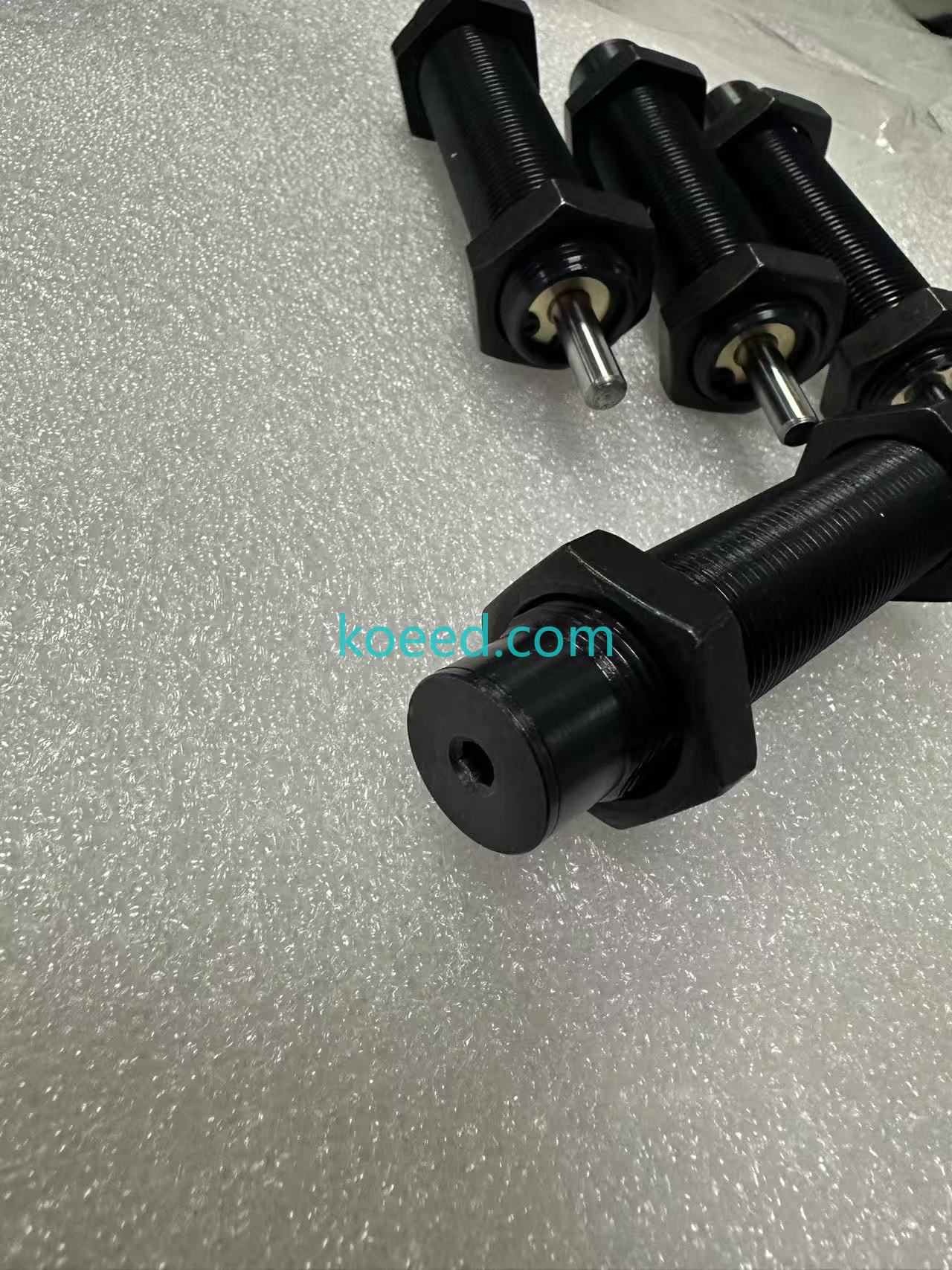
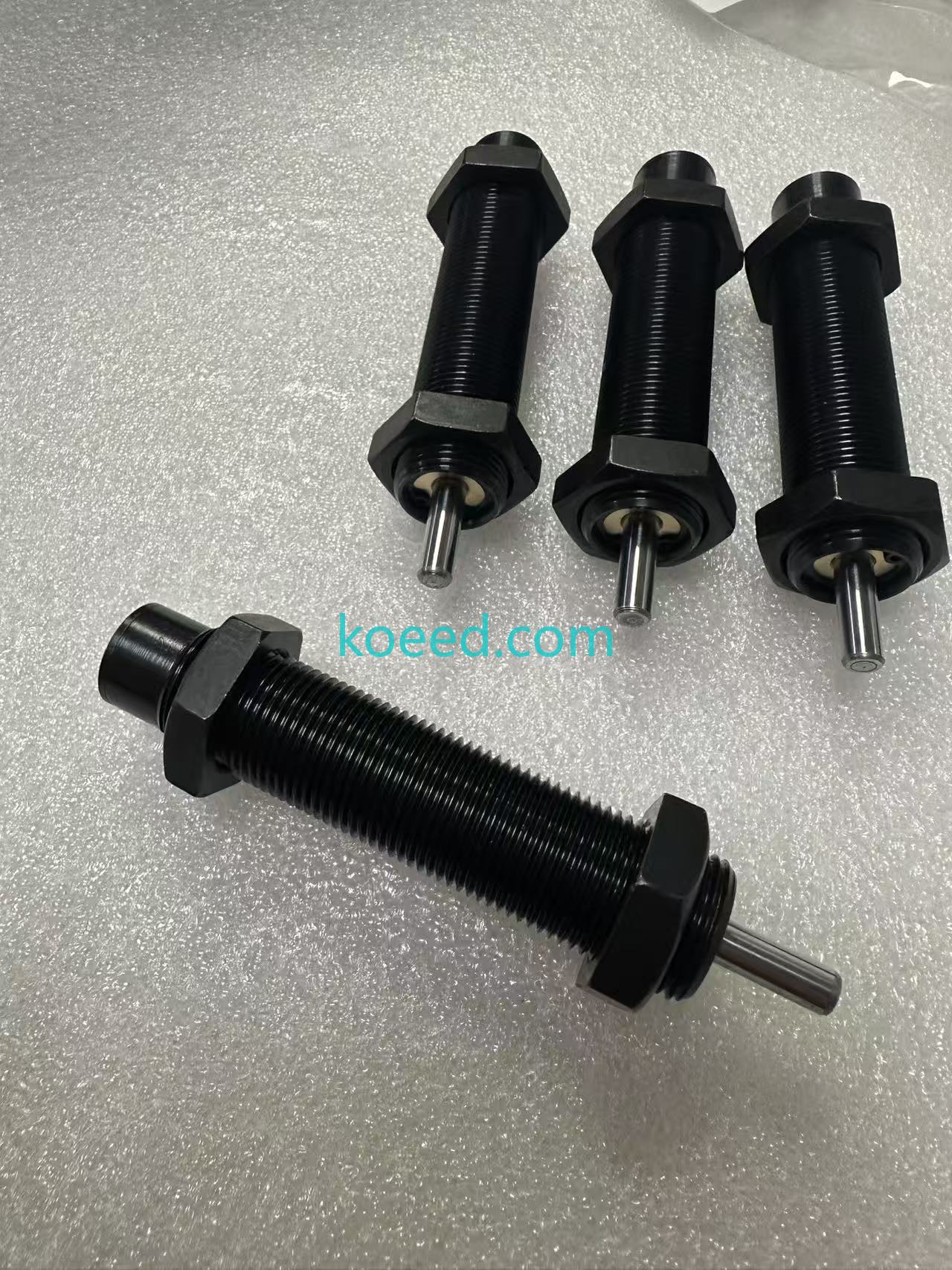
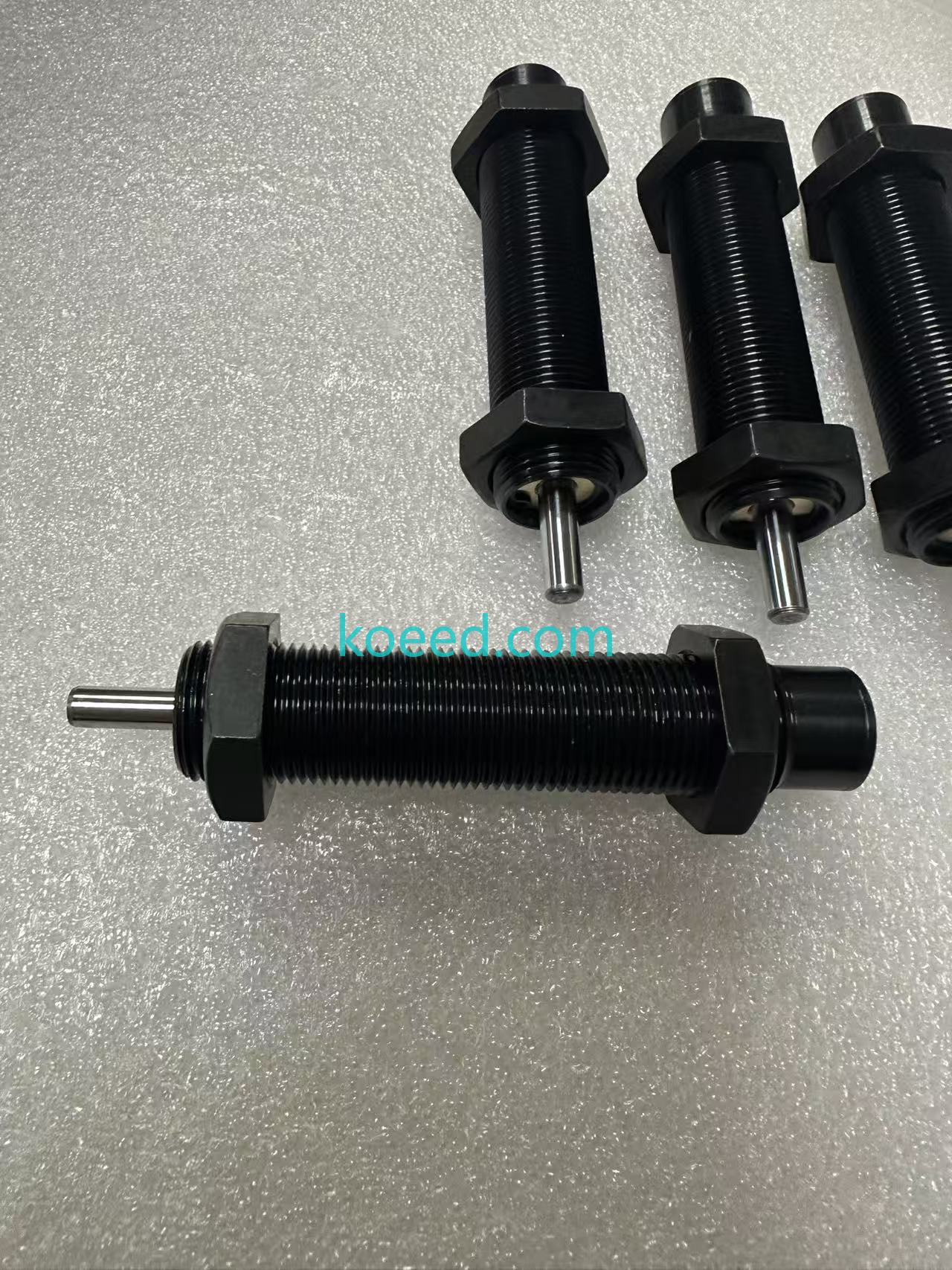
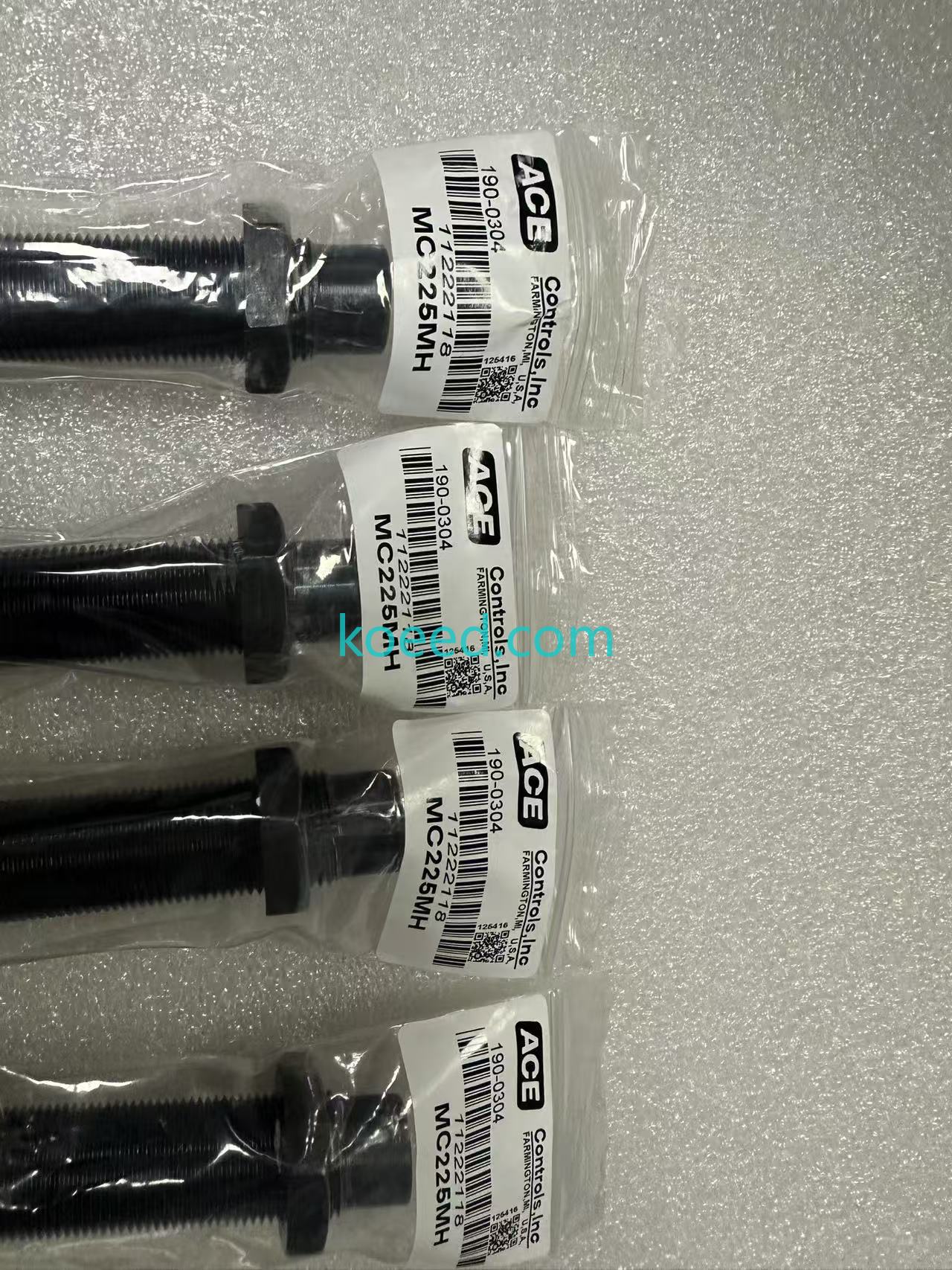
3. Visual Gallery: MC225MH Detailed Inspection
Below is a comprehensive visual reference of the MC225MH shock absorber, showcasing its rugged stainless steel construction, precision-machined piston rod, and mounting geometry. Click any image to expand.
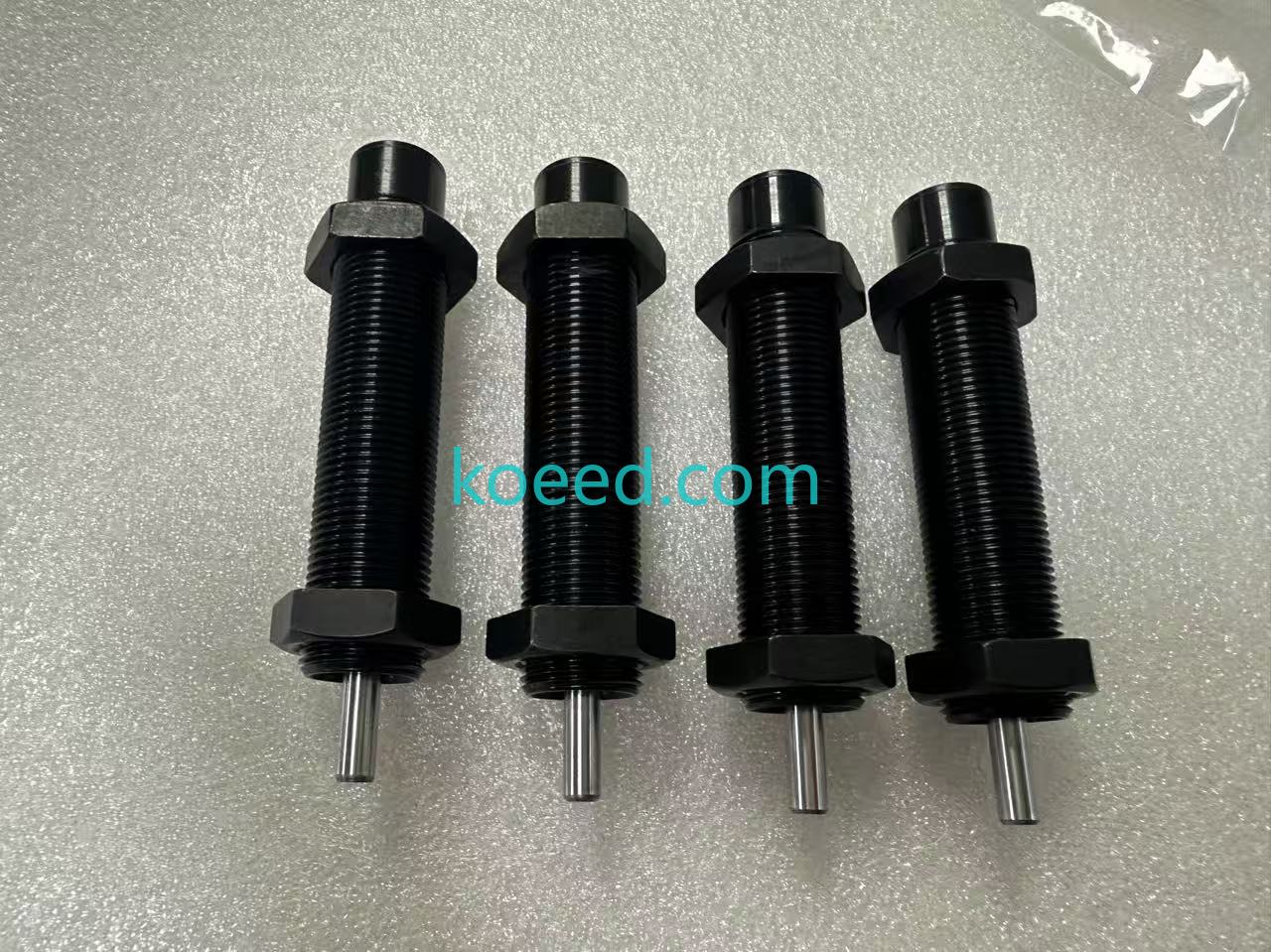
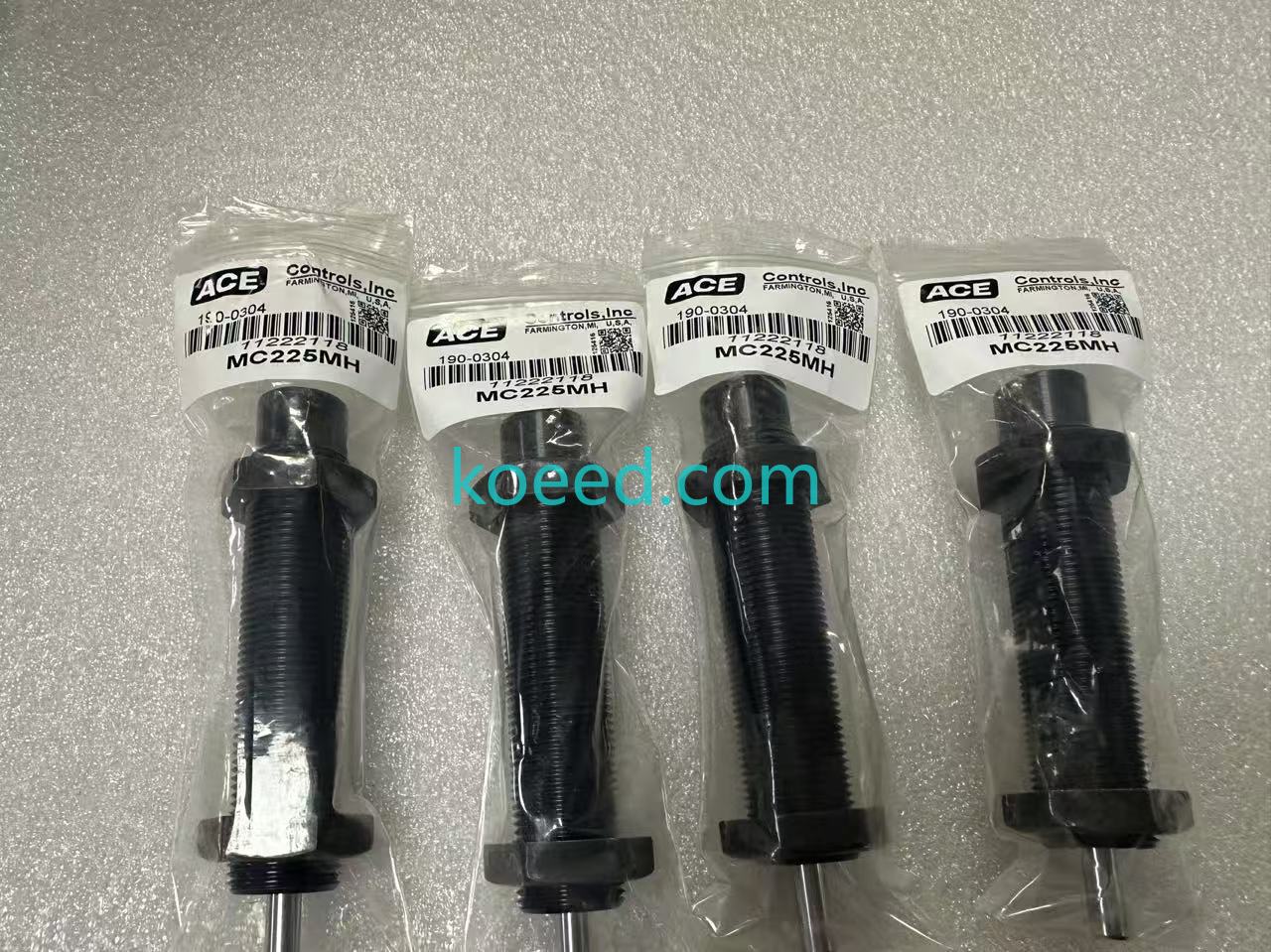
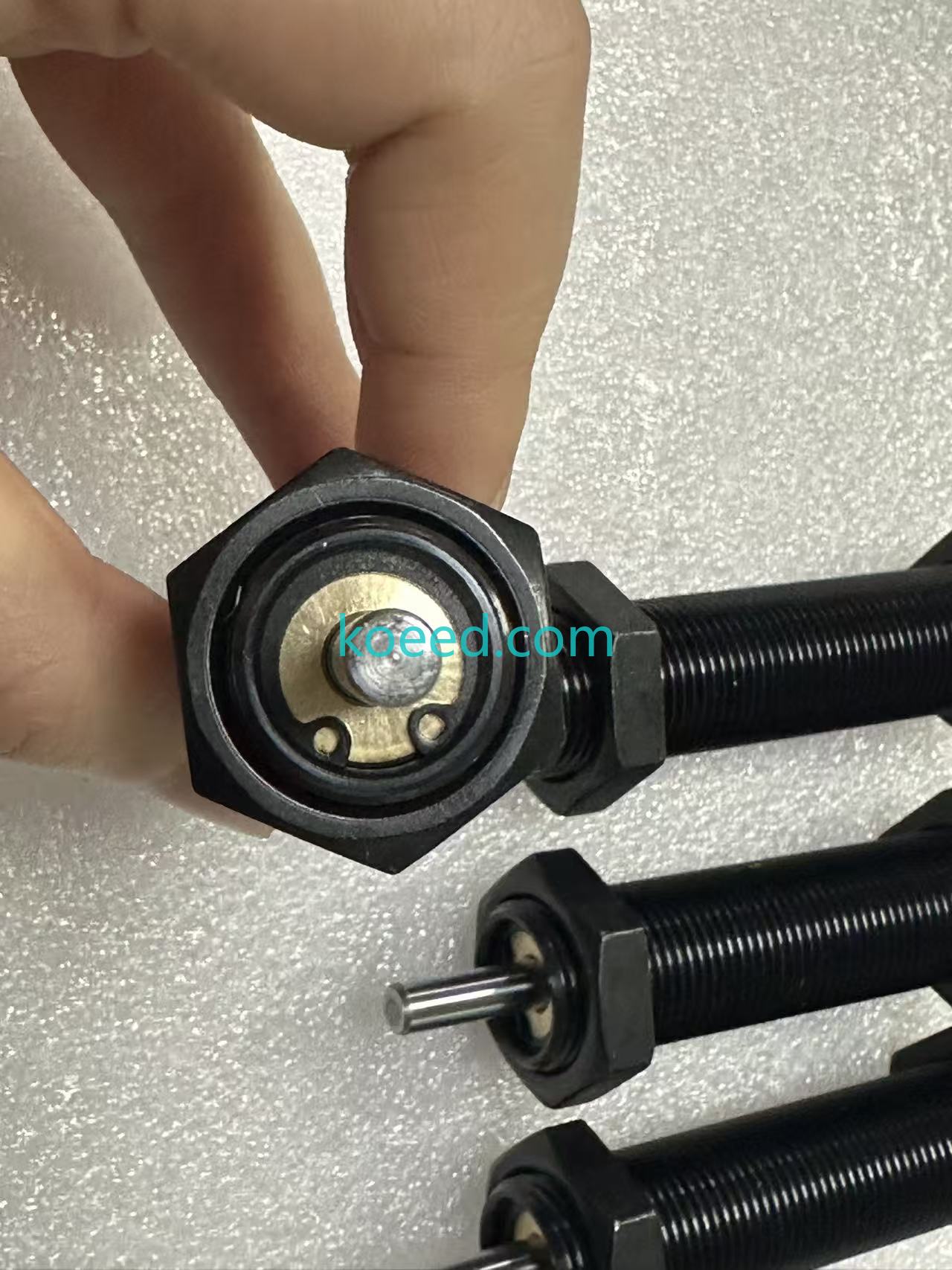
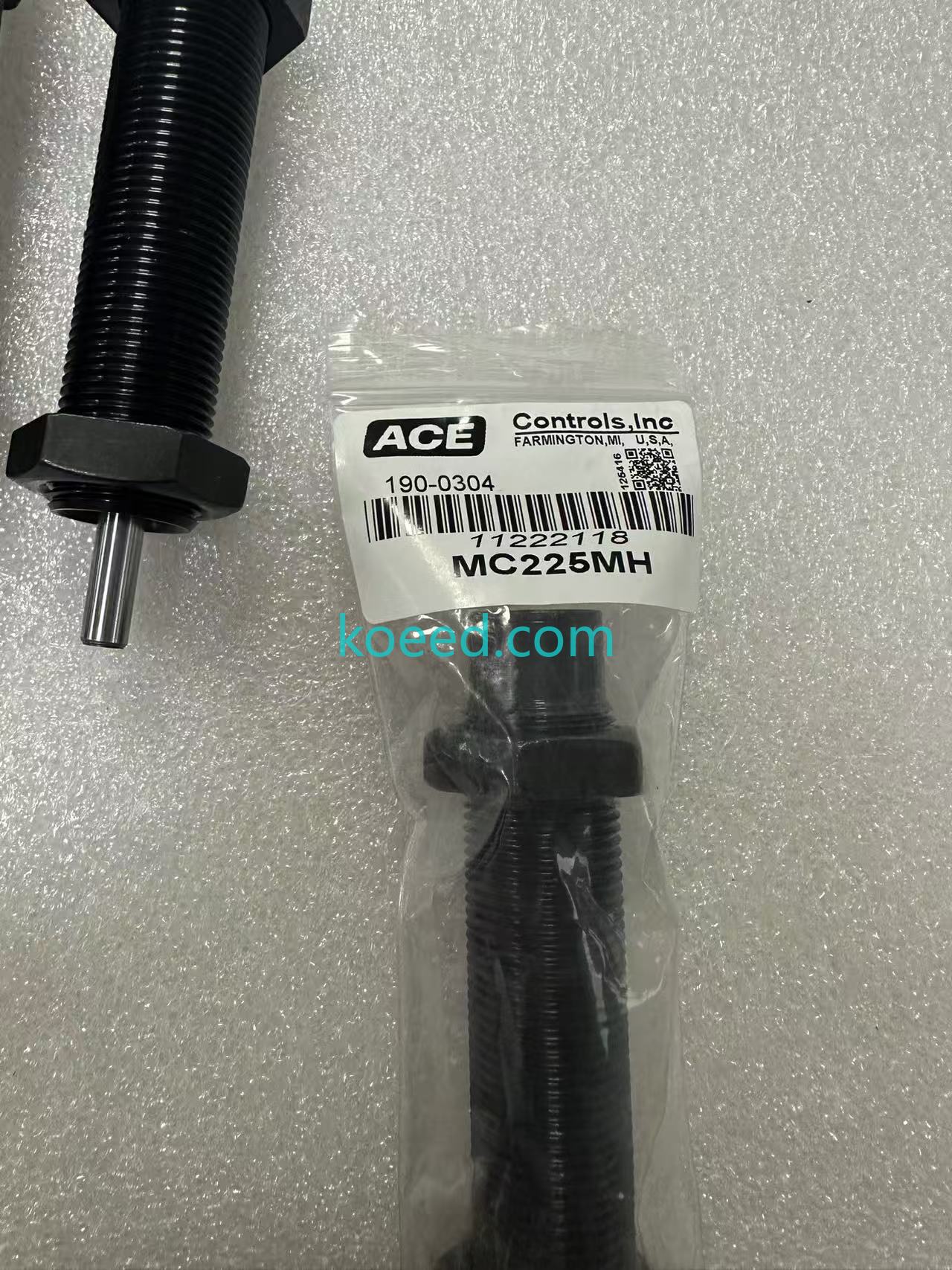
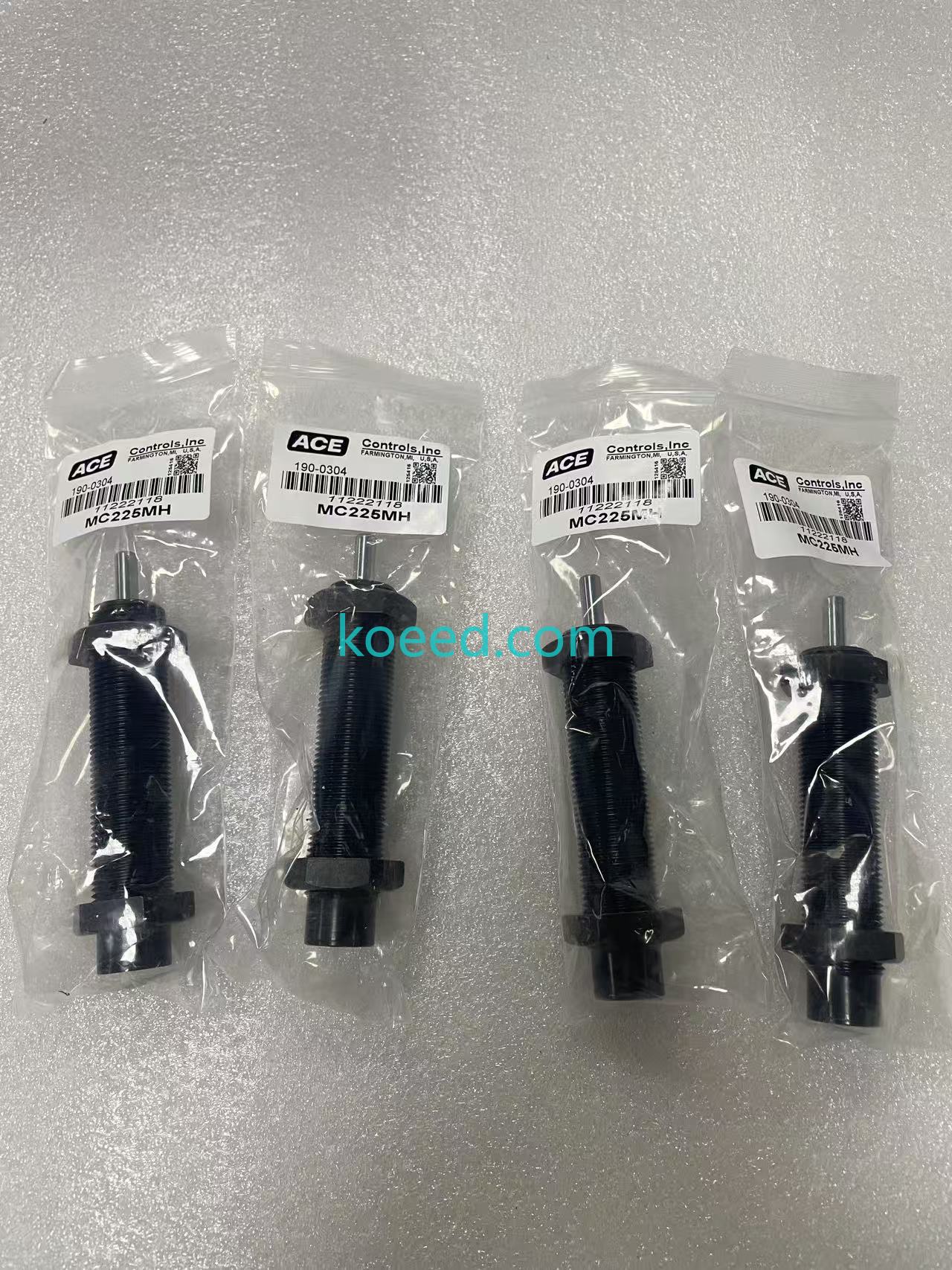
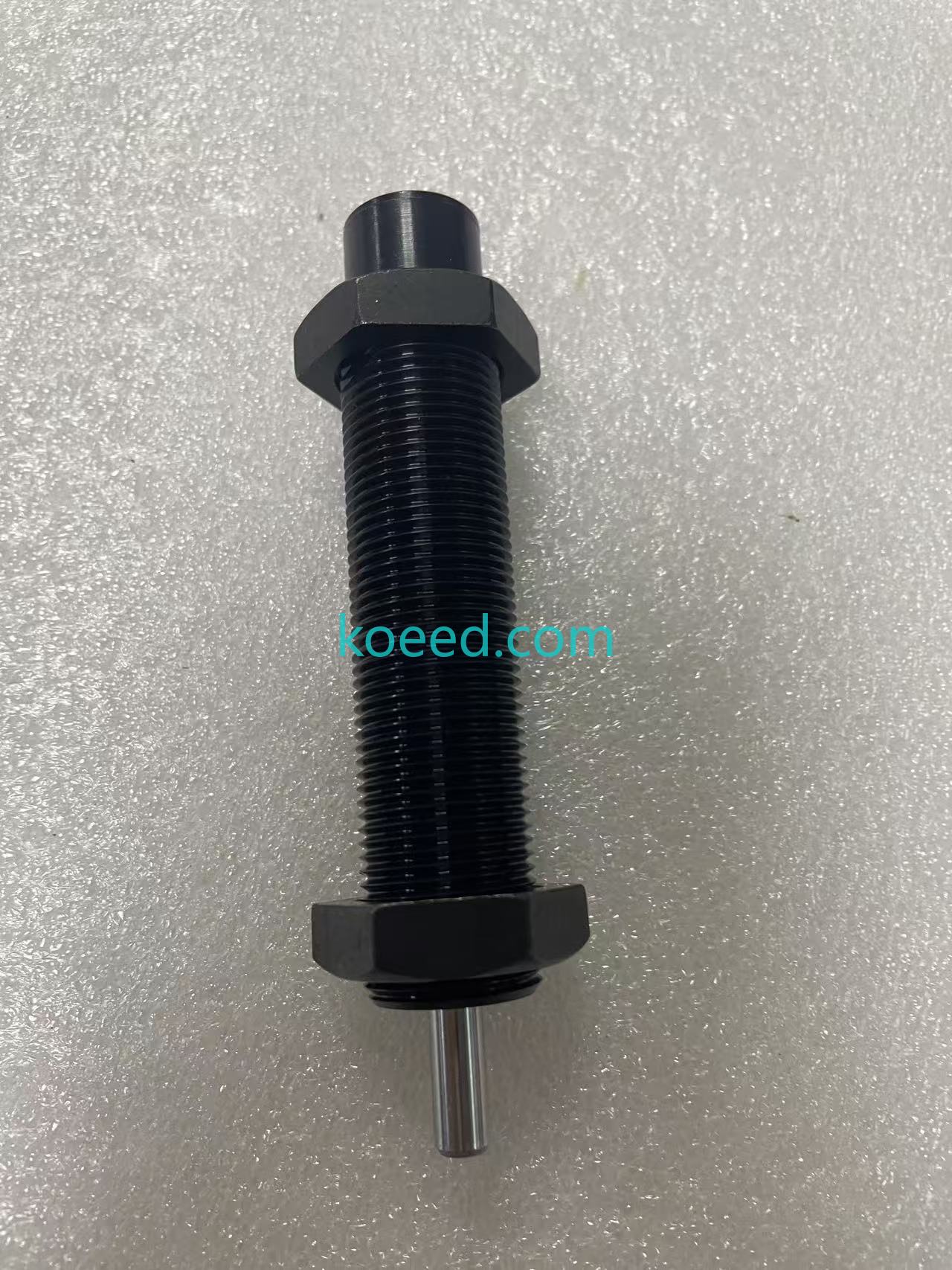
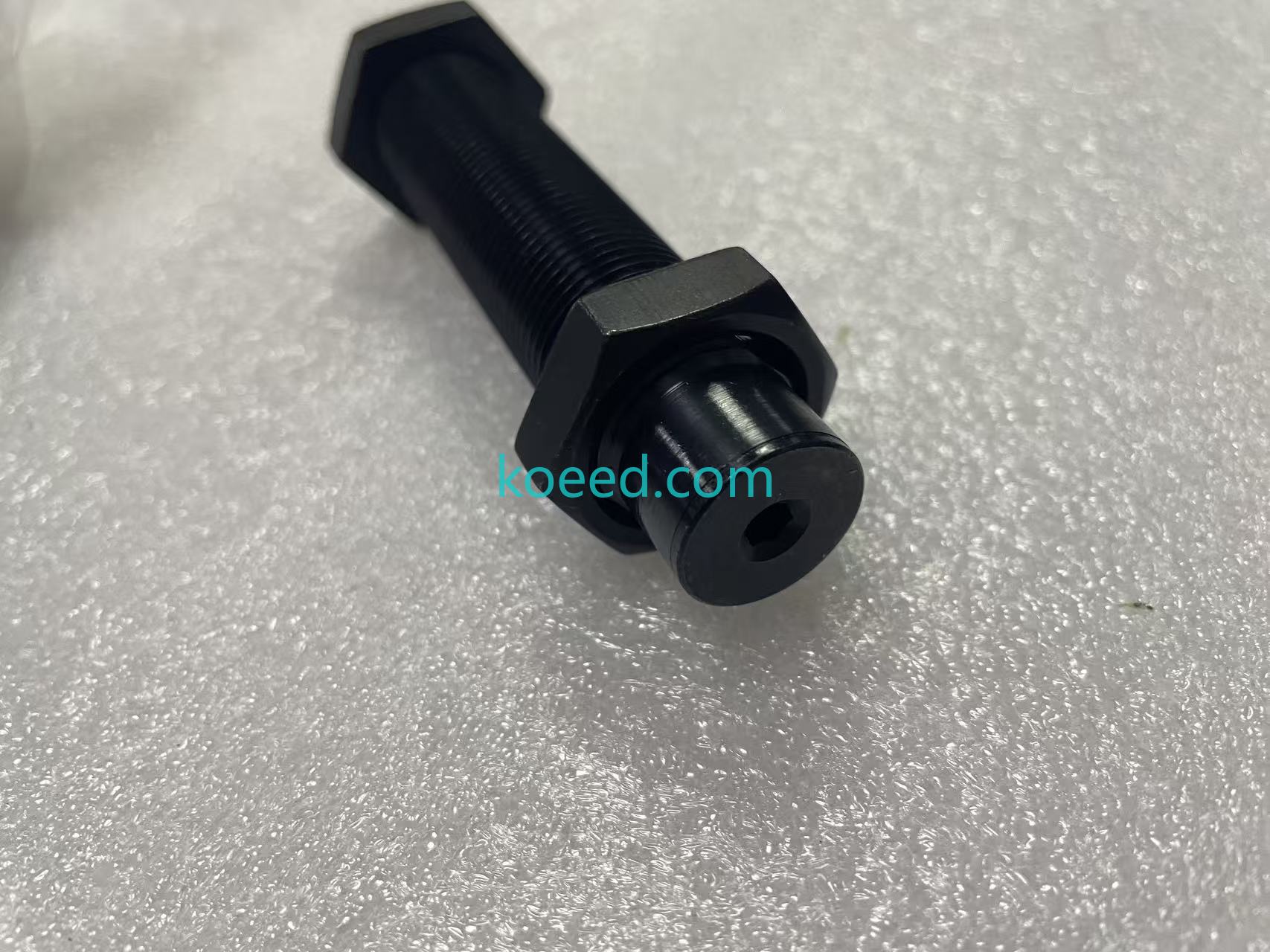
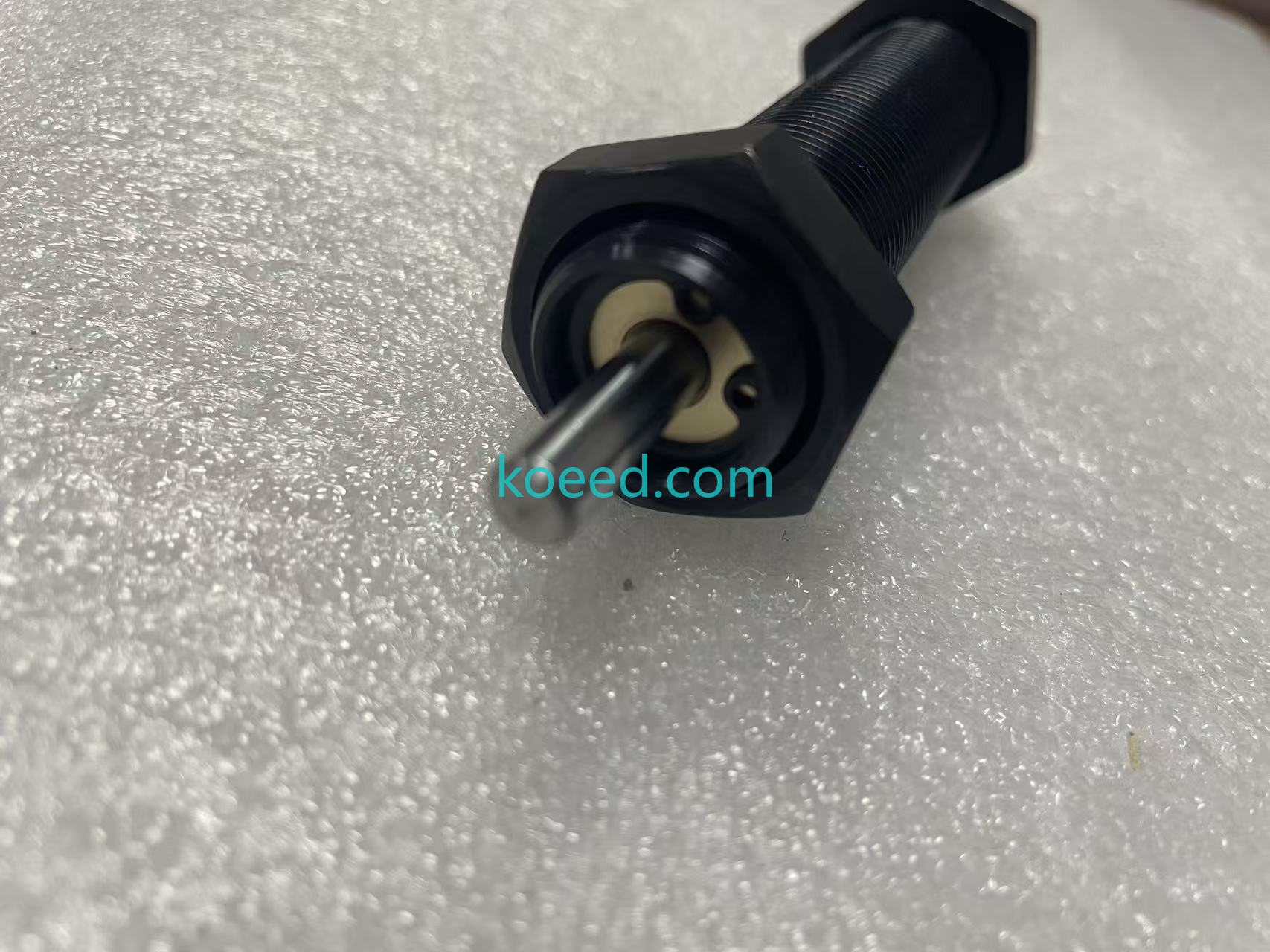
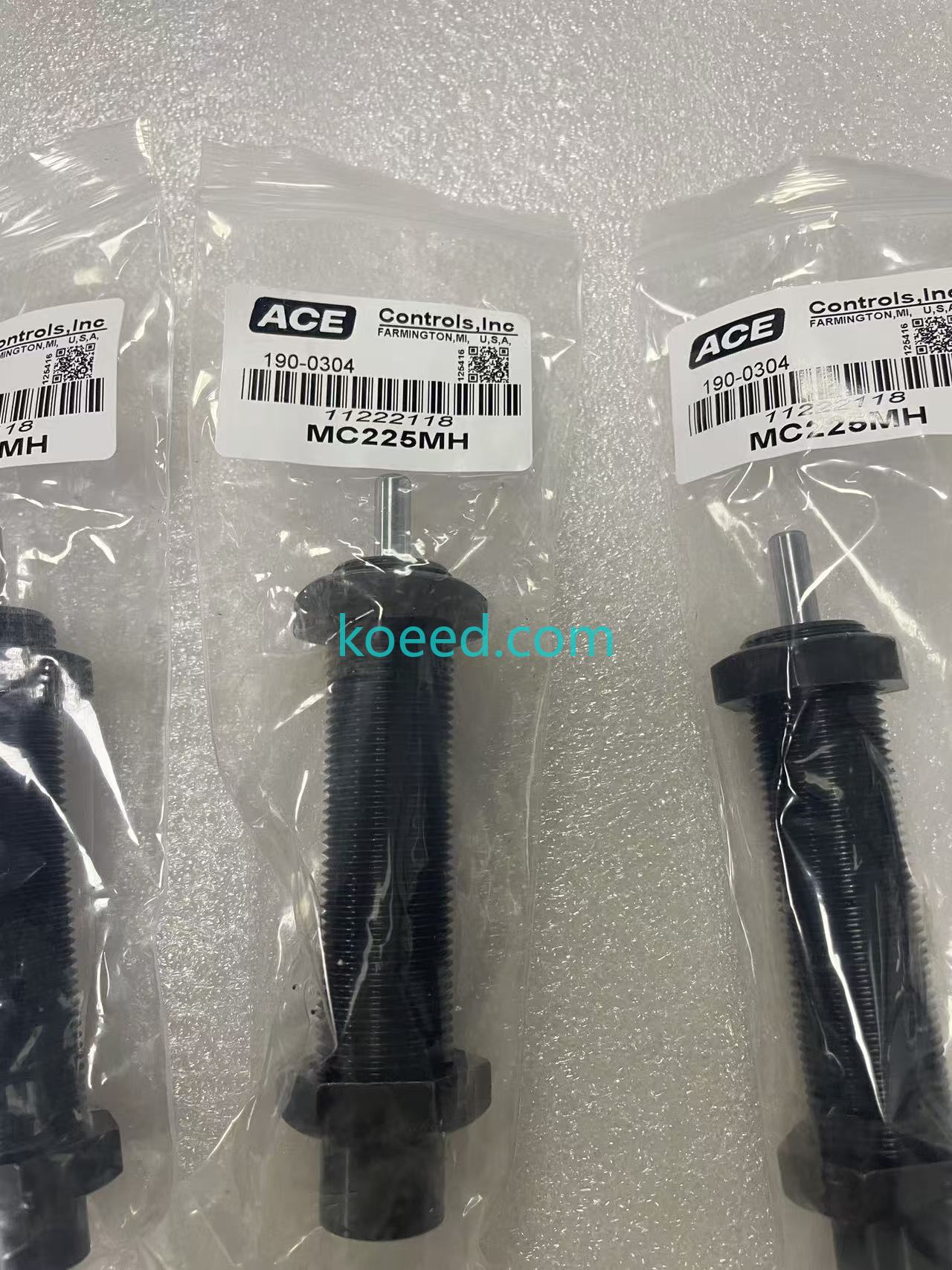
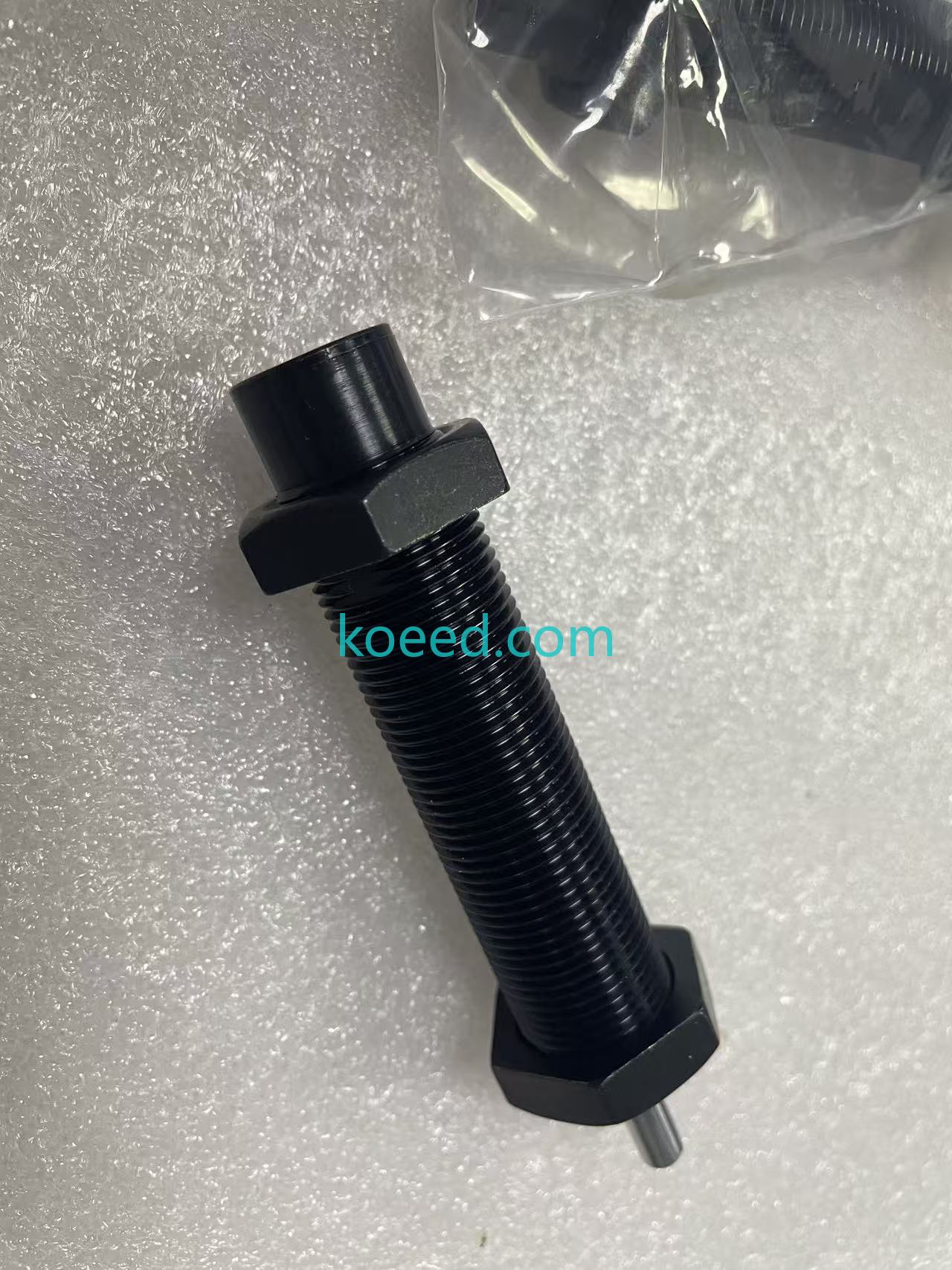
📹 Video References: Operational Demo 1 | Operational Demo 2
4. Predictive Maintenance & IoT Integration
In the 2026 industrial ecosystem, the MC225MH serves as both a mechanical safeguard and an intelligent condition-monitoring endpoint. Here is how engineering teams are deploying IoT-enabled damping strategies:
4.1 Vibration Signature Analysis
Each MC225MH unit produces a unique damping signature — a time-series vibration profile that can be captured using IEPE accelerometers (100 mV/g sensitivity recommended). By establishing a baseline fingerprint during commissioning, subsequent deviations in peak amplitude, settling time, or frequency content provide early warning of:
- Internal seal degradation — gradual increase in settling time over 5,000+ cycles
- Contamination ingress — high-frequency noise artifacts in the 2–8 kHz band
- End-of-life fatigue — reduced peak damping force correlating with cycle count
4.2 PLC & ERP Integration Pathways
For 2026 Industry 4.0 deployments, the MC225MH's damping data can be ingested into automation controllers via:
- Siemens S7-1500 / TIA Portal V20: Analog input module (SM 1231) sampling at ≥ 1 kHz, with TIA Portal's in-built FFT libraries for spectral analysis
- Rockwell CompactLogix 5480: Embedded Windows IoT edge node running custom Python damping analytics, forwarding alerts to FactoryTalk AssetCentre
- Beckhoff TwinCAT 3: EtherCAT-connected EL3632 IEPE terminal blocks streaming raw vibration data to Azure IoT Hub or AWS IoT SiteWise
- ERP Handoff: Maintenance work orders auto-generated in SAP S/4HANA or Microsoft Dynamics 365 when damping performance drops below 85% of baseline
5. Installation Best Practices & Troubleshooting
5.1 Mechanical Installation Checklist
- Mounting Alignment: Ensure the MC225MH is mounted with ≤ 2° angular misalignment relative to the impact vector. Use spherical rod ends or alignment flanges for applications with multi-axis approach angles.
- Thread Engagement: The MC225MH threaded body requires a minimum of 1.5× diameter engagement in the mounting block. Apply medium-strength thread locker (Loctite 243) for high-vibration environments.
- Stop Collar: Always install the provided stop collar to prevent bottoming-out. The stop collar absorbs residual energy and prevents internal piston damage.
- Stroke Reserve: Maintain at least 1 mm of unused stroke at maximum design impact to prevent metal-on-metal contact inside the damper body.
- Environmental Shielding: For applications involving coolant spray or fine particulate (common in CNC machining cells), install a protective bellows boot or wiper ring upstream of the piston rod.
5.2 Common Troubleshooting Matrix
| Symptom | Probable Cause | Resolution |
|---|---|---|
| Excessive noise on impact (metallic clank) | Insufficient stroke reserve; bottoming-out | Verify impact mass and velocity; check stop collar position; upgrade to next energy class if needed |
| Slow or incomplete piston return | Return spring fatigue or internal contamination | Inspect piston rod for scoring; clean exposed rod with lint-free cloth; replace unit if return time exceeds 2× specification |
| Oil mist or weeping at rod seal | Normal micro-film (acceptable); heavy leakage indicates seal wear | Light film is normal; persistent dripping or pooling warrants immediate replacement — order replacement MC225MH here |
| Inconsistent damping force cycle-to-cycle | Fluid aeration or internal valve degradation | Allow unit to rest for 30 minutes (de-aeration); if issue persists, replace unit and analyze failed unit for root cause |
| Corrosion spots on body | Chemical exposure exceeding stainless steel grade tolerance | Verify chemical compatibility; consider upgrading to MC225MH-V4A (316L stainless variant) for aggressive environments |
| Unexpected PLC alert: damping deviation | Change in impacting mass or velocity | Cross-reference with MES production data; check upstream conveyor speed or pneumatic pressure settings |


