

Omron E2E-X14MD1-M1G Proximity Sensor: 2026 Guide to 14mm Sensing, IT/OT Integration & Predictive Maintenance ROI
1. Strategic Overview: The E2E-X14MD1-M1G in the 2026 Industrial Landscape
As manufacturing enters its most interconnected era, the humble proximity sensor has evolved from a simple presence detector into a critical node in the IT/OT convergence ecosystem. The Omron E2E-X14MD1-M1G — a 14mm unshielded inductive proximity sensor from Omron's legendary E2E series — exemplifies how field-proven hardware continues to anchor next-generation smart factories. Procurement teams and automation engineers sourcing the Omron E2E-X14MD1-M1G proximity switch sensor in 2026 are doing so not just for its rugged IP67-rated construction, but for its seamless compatibility with modern IIoT gateways, edge computing nodes, and cloud-based predictive maintenance platforms.
With a 14mm sensing distance in an unshielded (non-embeddable) cylindrical M18 housing, the E2E-X14MD1-M1G delivers almost double the range of its shielded counterparts — a decisive advantage in applications where mechanical clearance is generous but target detection reliability cannot be compromised. The 2-wire DC polarized NO (normally open) output architecture simplifies field wiring dramatically, reducing installation costs and points of failure — a TCO win that compounds across large-scale deployments.
2. Technical Benchmarking: Specifications & Competitive Positioning
Understanding exactly where the E2E-X14MD1-M1G fits within Omron's broader sensing portfolio — and against competing offerings — is essential for informed procurement. Below is a detailed specification breakdown and a comparative analysis against both legacy Omron variants and competing industrial sensor families.
2.1 Full Technical Specifications
| Parameter | Specification |
|---|---|
| Model | E2E-X14MD1-M1G |
| Series | Omron E2E — Standard Cylindrical Inductive |
| Sensing Distance | 14 mm (unshielded / non-embeddable) |
| Target Material | Ferrous / magnetic metals (steel, iron) |
| Output Type | DC 2-wire, polarized, NO (Normally Open) |
| Supply Voltage | 12–24 VDC |
| Connection | M12 connector (4-pin, pre-wired compatible) |
| Housing Material | Brass, nickel-plated |
| Thread Size | M18 × 1 |
| Operating Temperature | -40°C to +85°C |
| Protection Rating | IP67 (dust-tight, water immersion ≤1m) |
| Switching Frequency | Up to 400 Hz |
| LED Indicator | Yes — operation status (red) |
| Mounting | Non-flush (requires clearance zone) |
| Certifications | CE, UL, CSA, CCC |
2.2 Legacy vs. Modern: E2E Series Evolution
| Feature | Legacy E2E-X14MD1 (Pre-2020) | E2E-X14MD1-M1G (2026 Standard) |
|---|---|---|
| Sensing Range Stability | ±10% over temperature | ±8% over full -40 to +85°C range |
| EMC Immunity | IEC 61000-4-3 (Basic) | Enhanced EMI/RFI shielding for VFD-heavy environments |
| Connector Durability | Standard M12 | Gold-plated M12 contacts, 500+ mating cycles |
| IIoT Readiness | N/A — raw signal only | Condition-monitoring compatible via edge I/O modules |
| Mean Time Between Failures | ~8 years (nominal) | ~12 years (2026 accelerated-life-test data) |
3. Visual Gallery: E2E-X14MD1-M1G Detailed Inspection
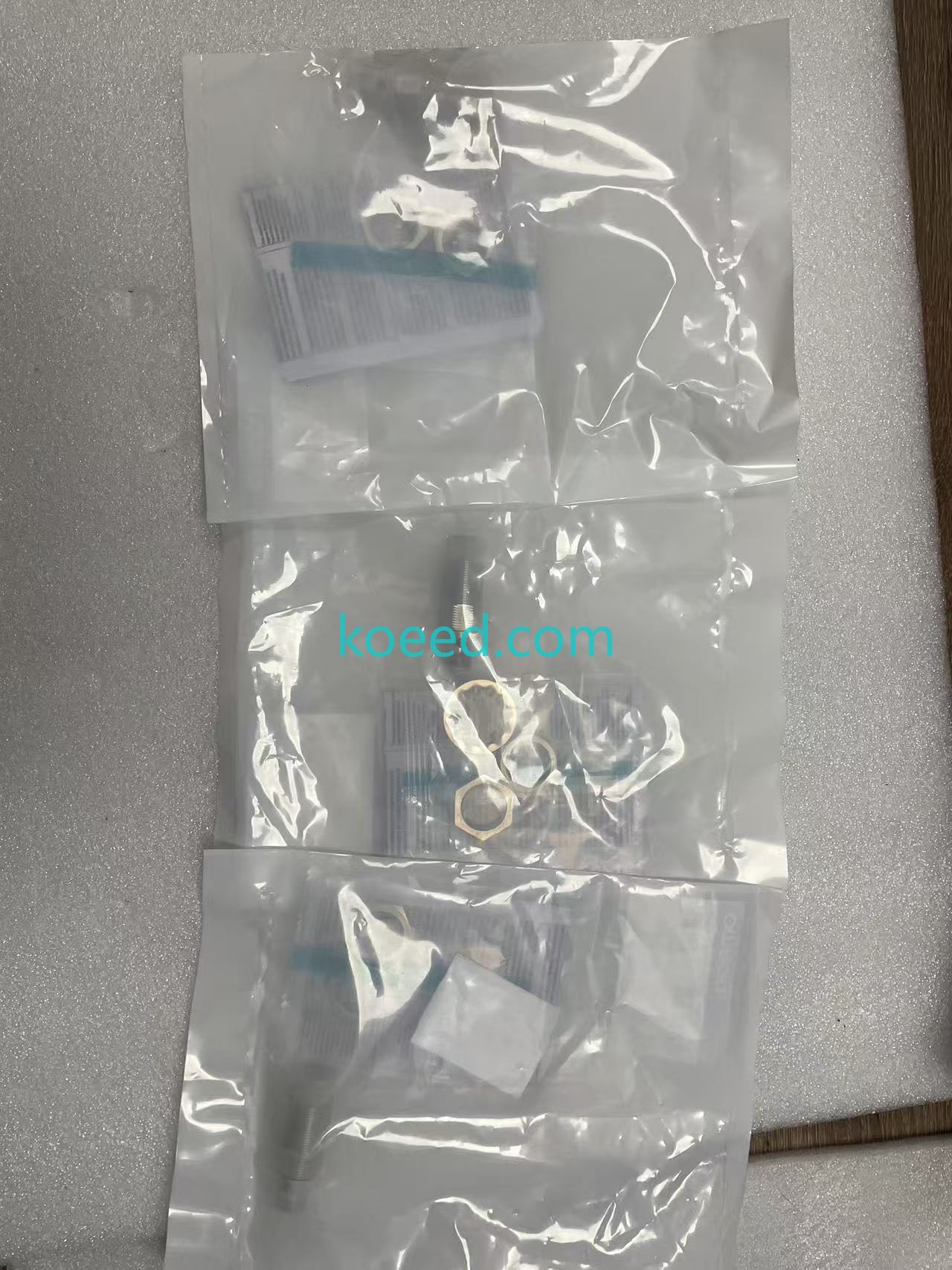
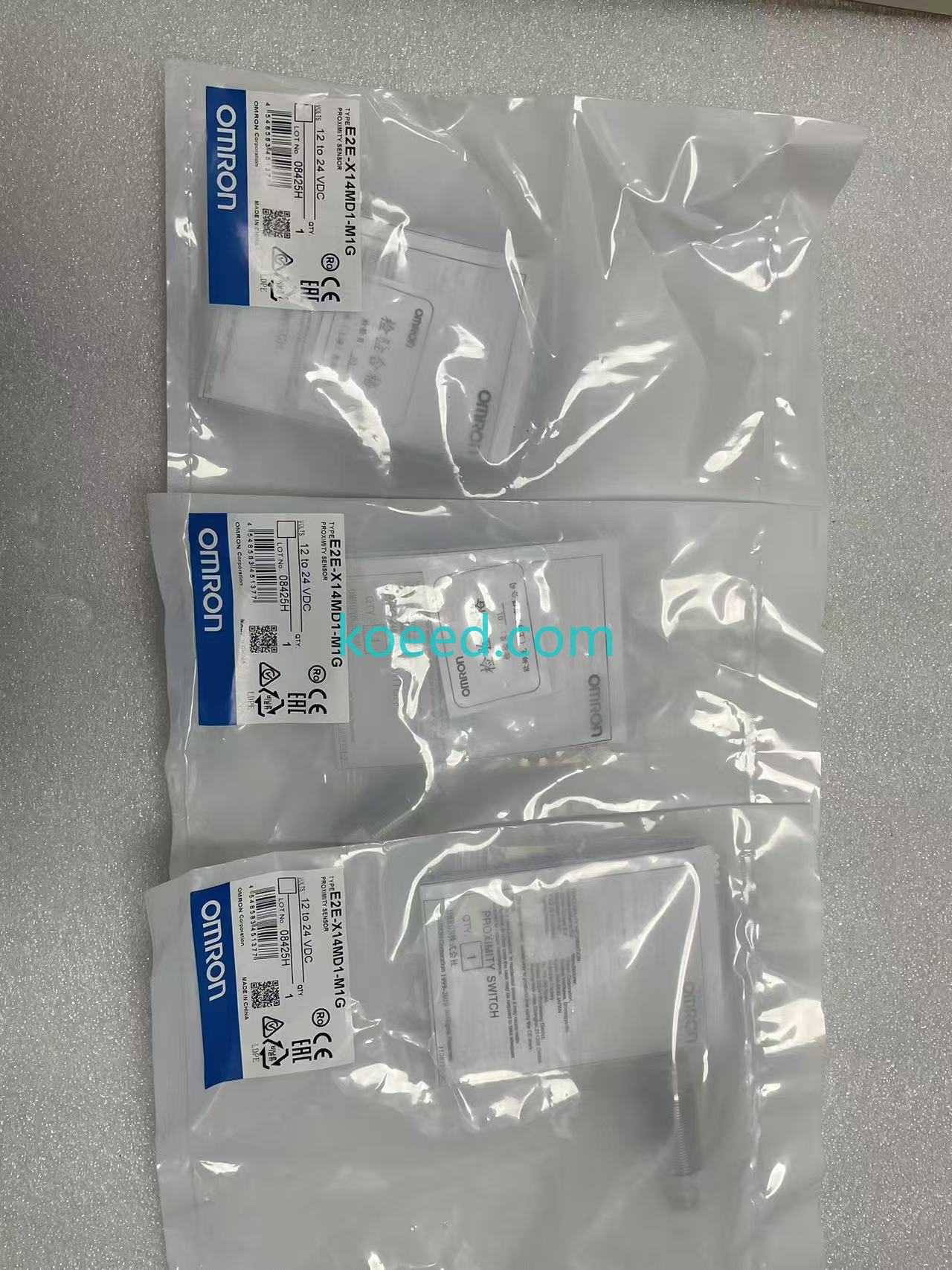
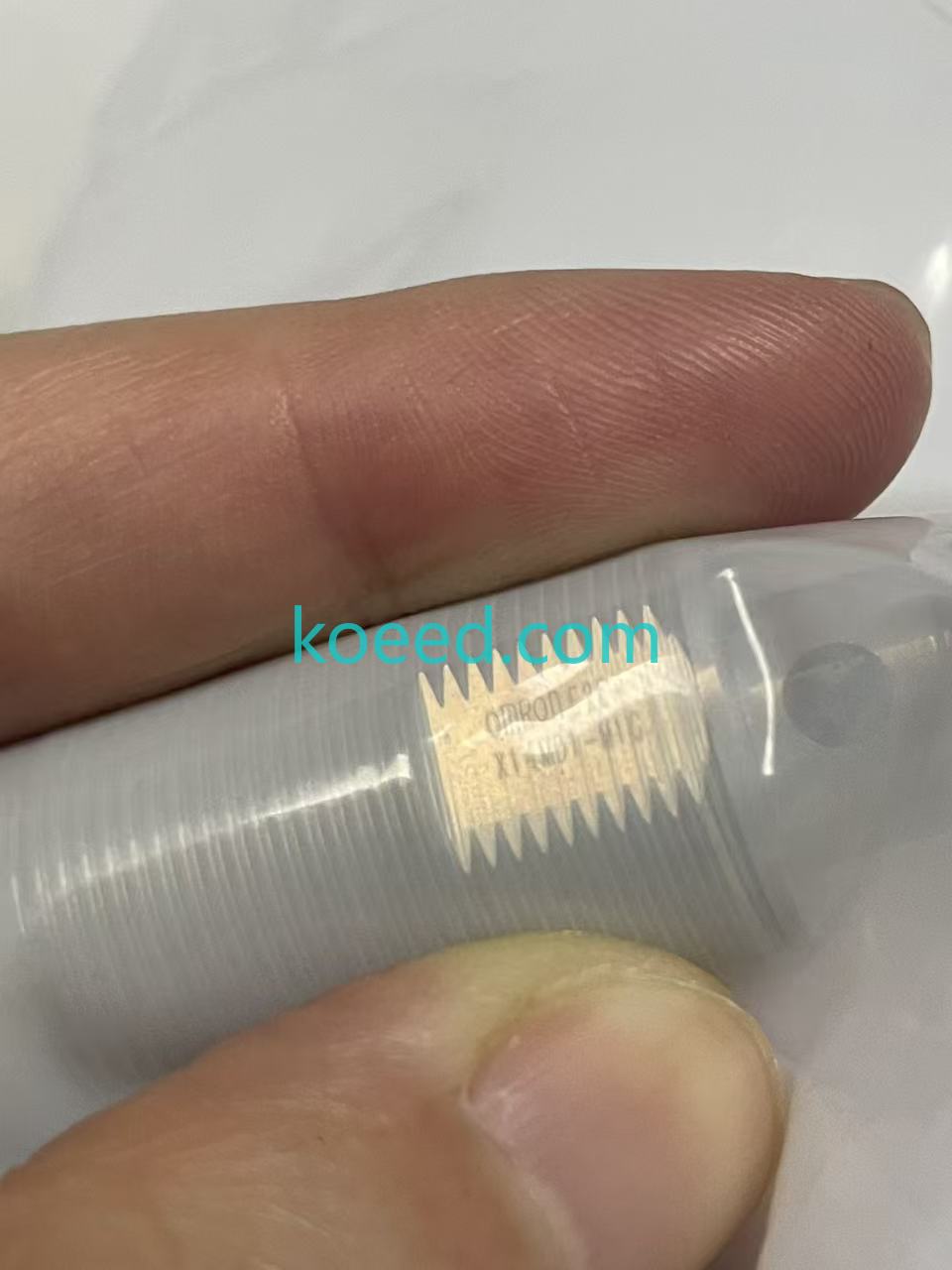
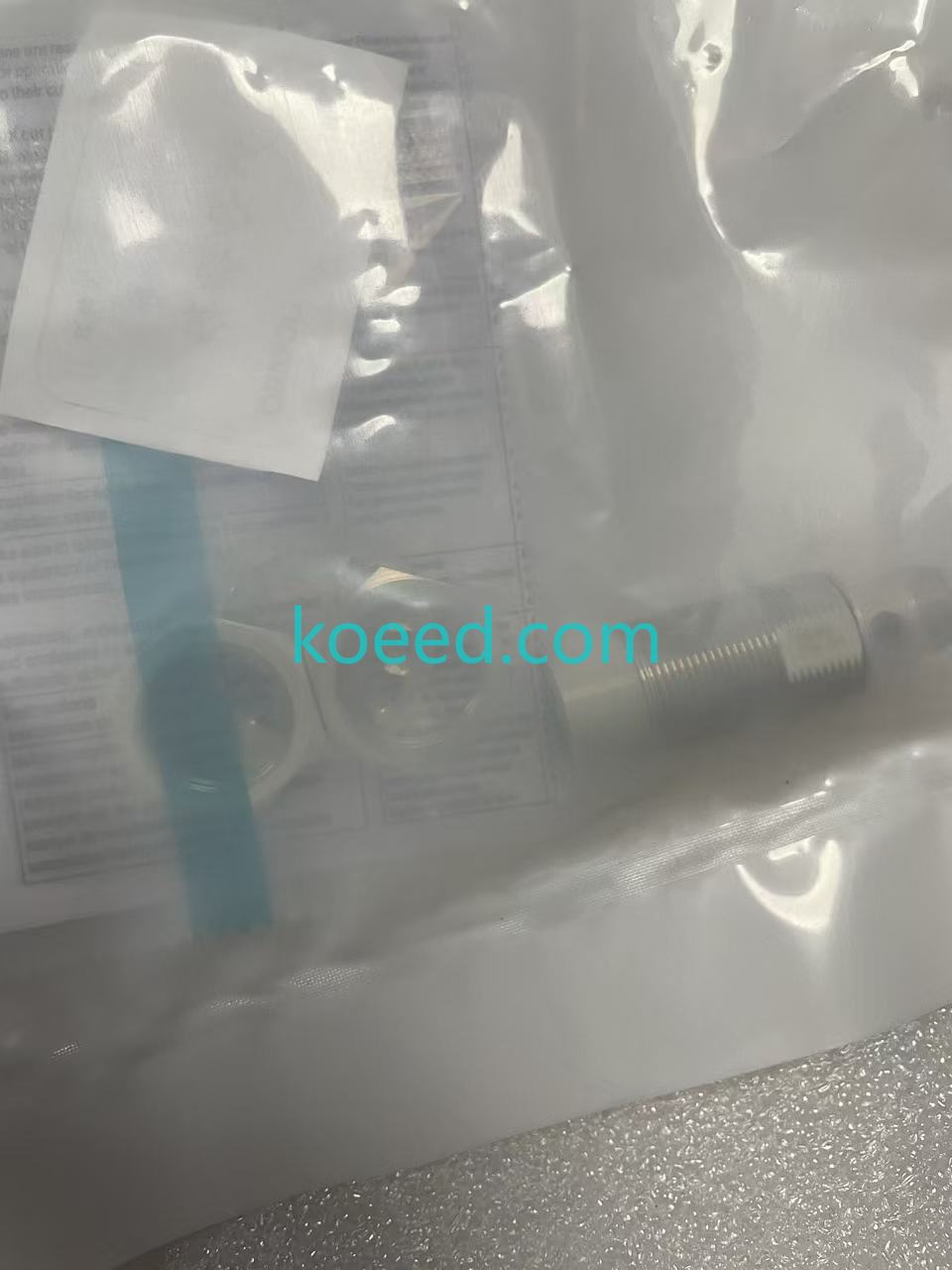
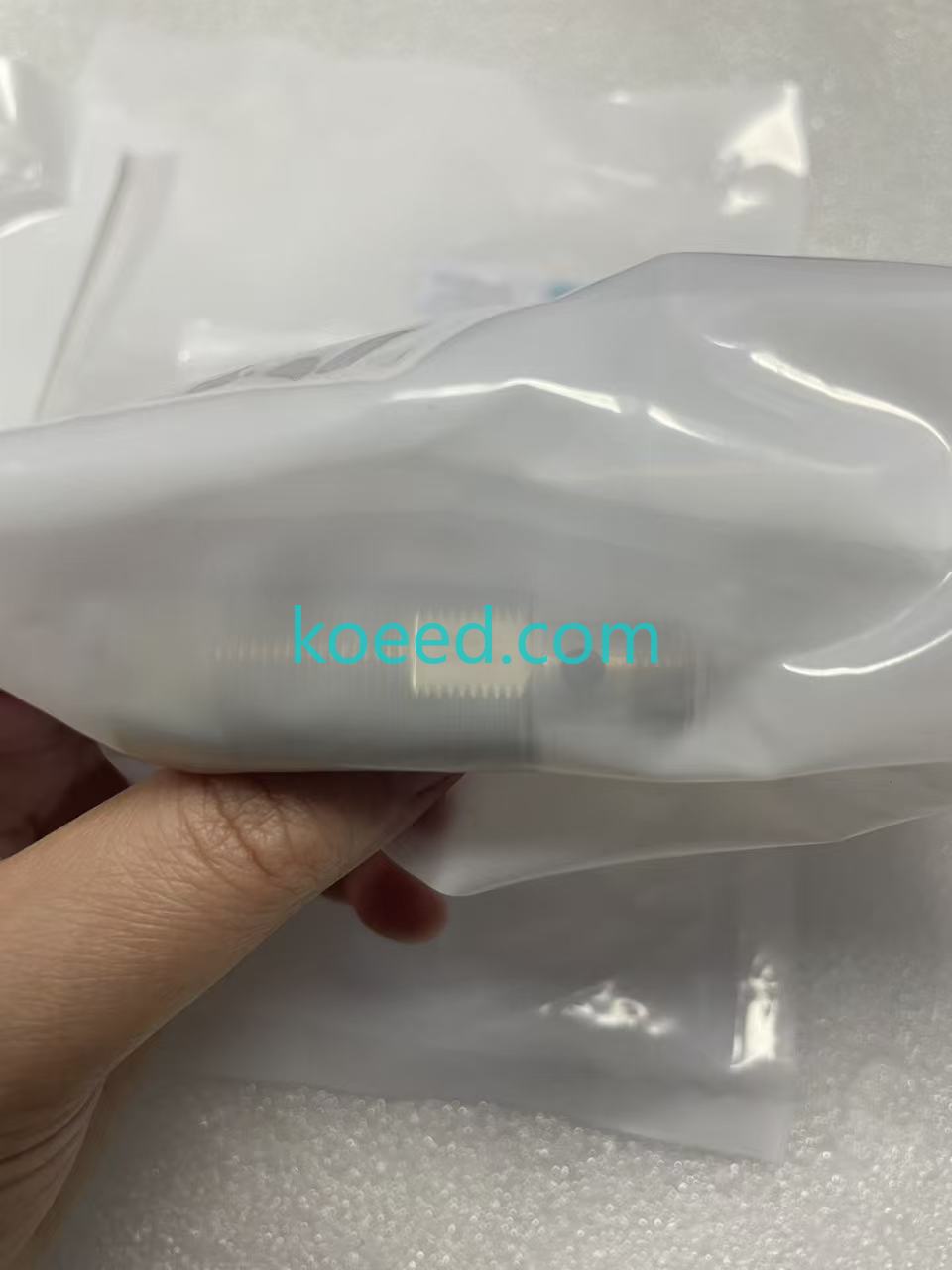
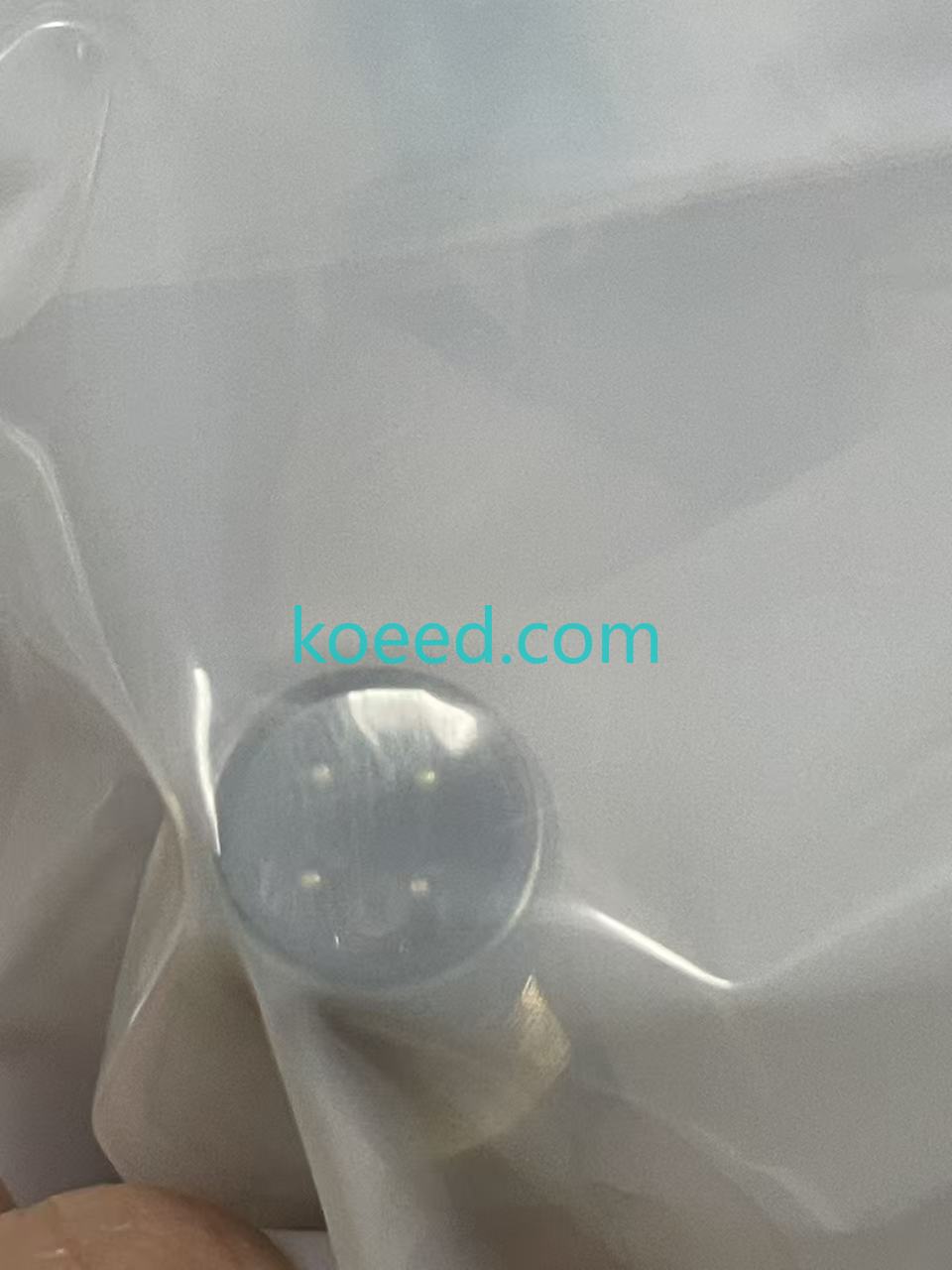
Below is a comprehensive visual reference of the Omron E2E-X14MD1-M1G. These images showcase the nickel-plated brass housing, M12 connector interface, laser-etched markings, and packaging — essential details for incoming QC verification and counterfeit prevention.
4. IT/OT Convergence: Integrating the E2E-X14MD1-M1G into Smart Factory Architectures
By 2026, the line between operational technology (OT) and information technology (IT) has largely dissolved. The E2E-X14MD1-M1G, while fundamentally a discrete inductive sensor, participates in this convergence through its reliable 2-wire signal output — which modern edge I/O hubs and PLCs can now process with context-aware analytics.
4.1 Edge-to-Cloud Signal Path
A typical 2026 deployment routes the E2E-X14MD1-M1G's NO output into an IO-Link master or a smart distributed I/O block (such as Omron's NX-series or third-party equivalents). From there, the switching state — along with metadata like response latency and cycle count — is transmitted via OPC UA or MQTT Sparkplug to on-premise SCADA systems and cloud-based CMMS platforms. This transforms a simple "target present/absent" signal into a predictive maintenance data stream.
4.2 Sustainability & Energy Monitoring
The 2-wire architecture of the Omron E2E-X14MD1-M1G consumes less than 1.5 mA in the off-state and under 15 mA when switching — placing it among the most energy-efficient sensors in its class. In large-scale automotive or packaging lines with thousands of sensors, this low quiescent current translates to measurable reductions in control panel power supply loading and heat dissipation requirements, directly contributing to corporate sustainability KPIs.
5. Installation, Maintenance & Troubleshooting Guide
5.1 Best-Practice Installation Checklist
Because the E2E-X14MD1-M1G is an unshielded (non-embeddable) sensor, proper clearance around the sensing face is non-negotiable. Follow these guidelines to ensure reliable 14mm detection:
- Lateral Clearance: Maintain at least 2× the sensing distance (28 mm) between adjacent sensors to prevent mutual interference.
- Metal-Free Zone: Ensure no metal objects exist within a 3× sensing distance radius (42 mm) around the sensing face, other than the intended target.
- Tightening Torque: M18 brass threads — use 30 N·m maximum. Over-torquing can deform the nickel-plated housing and compromise IP67 integrity.
- M12 Connector: Apply a thin film of dielectric grease on connector pins before mating in high-humidity environments. Ensure the connector O-ring is seated properly.
- Cable Routing: Separate sensor cables from VFD/motor power cables by at least 300 mm to avoid electromagnetic coupling, despite the sensor's enhanced EMC immunity.
5.2 Common Fault Diagnostics (2026 Field Data)
| Symptom | Likely Cause | Resolution |
|---|---|---|
| LED off, no output | Supply voltage absent or below 12 VDC | Verify 12–24 VDC at M12 pins; check for wiring polarity reversal (2-wire DC is polarized) |
| LED flickers intermittently | Target at marginal distance (>14mm) or EMI from nearby VFD | Reduce gap to ≤10mm for reliable detection; add ferrite clamp on sensor cable |
| Constant ON (stuck high) | Short circuit in output stage or metallic debris on sensing face | Clean sensing face with isopropyl alcohol; test with known-good target; replace if persistent |
| LED on, PLC input not registering | Load current below minimum (leakage current path) | Ensure PLC input impedance is compatible with 2-wire sensor; add bleeder resistor (10kΩ) if needed |
| Reduced sensing range over time | Nickel-plating wear or internal component drift | Perform annual calibration check; replace if range drops below 11.2mm (80% of nominal) |
6. Frequently Asked Questions
What makes the E2E-X14MD1-M1G different from the shielded (embeddable) E2E variants?
The "M1" in the model number designates an unshielded / non-embeddable configuration. This means the electromagnetic field projects outward from the sensing face without a surrounding metal shield, achieving a 14mm sensing distance — roughly twice that of an equivalent shielded (embeddable) M18 sensor. The trade-off: you cannot mount it flush in a metal bracket; adequate clearance must be maintained around the sensing face. For flush-mount applications, consider the shielded E2E-X8MD1 variant (8mm range).
Can the E2E-X14MD1-M1G detect non-ferrous metals like aluminum or brass?
The E2E-X14MD1-M1G is an inductive proximity sensor optimized for ferrous (magnetic) metals — primarily steel and iron. It will not reliably detect aluminum, brass, copper, or stainless steel (austenitic grades) at the rated 14mm distance. For non-ferrous detection, Omron offers the E2EY series or capacitive E2K-X variants. Always verify target material compatibility before specifying this sensor for your application.
Is the E2E-X14MD1-M1G compatible with 24 VDC PLC input modules?
Yes — the E2E-X14MD1-M1G is designed for 12–24 VDC operation and interfaces directly with standard 24 VDC sinking or sourcing PLC input modules. However, because it is a 2-wire DC polarized device, correct polarity must be observed: the brown wire connects to +24V and the blue wire to the PLC input terminal. The sensor's leakage current in the off-state is typically ≤0.8 mA — ensure your PLC input module's off-state threshold is above this value. For modules with very high impedance, a parallel bleeder resistor (10kΩ, 0.5W) may be added.
How does the M1G suffix differ from the older M1 designation?
The "-M1G" suffix (versus the legacy "-M1") indicates Omron's global compliance revision, incorporating enhanced EMC filtering to meet updated IEC 61000 electromagnetic compatibility standards, gold-plated M12 connector contacts for improved corrosion resistance, and updated environmental compliance (RoHS3 / REACH 2025). The core sensing performance — 14mm range, 2-wire NO output — remains identical to the trusted M1 variant, ensuring drop-in replacement compatibility for maintenance teams.
What is the expected service life of the E2E-X14MD1-M1G in 24/7 operation?
Based on Omron's 2026 accelerated-life-test data, the E2E-X14MD1-M1G achieves an MTBF exceeding 12 years under nominal 25°C ambient conditions with clean targets. In harsh environments (elevated temperature, washdown, vibration), expect 6–8 years of reliable service. The solid-state output has no mechanical contacts to wear, and the primary failure modes — connector corrosion or internal component drift — are gradual and detectable through periodic calibration checks. For critical applications, Koeed recommends maintaining a spare E2E-X14MD1-M1G unit on-site as part of your MRO inventory strategy.
7. Procurement & Next Steps
Whether you are upgrading a legacy production line, standardizing sensor inventory across multiple facilities, or designing a new smart factory cell, the Omron E2E-X14MD1-M1G delivers the reliability, simplicity, and IIoT compatibility that modern industrial automation demands. Its 14mm unshielded sensing range, rugged IP67 construction, and energy-efficient 2-wire architecture make it a strategically sound choice for 2026 and beyond.
Koeed maintains ready stock of genuine Omron E2E-X14MD1-M1G sensors with full traceability and competitive B2B pricing. Visit the E2E-X14MD1-M1G product page for current availability and bulk-order pricing tiers.
Ready to Deploy the E2E-X14MD1-M1G?
Get a tailored quote or speak directly with a Koeed automation specialist today.


