

HS366 PLC: The 2026 Definitive Guide to Compact Industrial Control, IT/OT Convergence & Predictive Maintenance ROI
Strategic Insight — 2026: The HS366 programmable logic controller has emerged as a compelling force in the mid-range industrial automation sector, bridging the gap between legacy relay-based control systems and fully cloud-native edge computing architectures. As factories accelerate their Industry 4.0+ transformations, the HS366 delivers a rare combination of deterministic real-time control, native IIoT protocol support, and a total cost of ownership profile that reshapes procurement calculations across ASEAN and EMEA manufacturing hubs. This guide unpacks the engineering rigor, integration pathways, and long-term ROI calculus that define the HS366 in today's hyper-competitive automation landscape.
1. The HS366 in the 2026 Industrial Automation Ecosystem
The industrial control market in 2026 has bifurcated into two dominant paradigms: ultra-low-cost micro-PLCs for simple machine control, and high-end modular PACs for full plant orchestration. The HS366 occupies a strategically vital middle ground — what industry analysts now term the "Converged Edge Controller" category. This segment is projected to grow at a CAGR of 18.7% through 2029, driven by brownfield modernization projects that demand compact footprint, multi-protocol fluency, and energy-conscious operation.
What distinguishes the HS366 from competing mid-range PLCs is its dual-stack architecture: a hardened real-time kernel for deterministic scan cycles alongside a Linux-based co-processor for edge analytics and cloud telemetry. This design pattern — once reserved for premium PACs exceeding $3,000 per unit — has been democratized in the HS366, making advanced IT/OT convergence accessible to Tier 2 and Tier 3 manufacturers.
Key Market Positioning Factors
- Brownfield Retrofit Ready: Drop-in compatibility with legacy Modbus RTU/TCP and CANopen networks, eliminating the need for gateway hardware.
- OPC UA over TSN: Native support for time-sensitive networking ensures microsecond-level synchronization across distributed I/O islands — critical for high-speed packaging and CNC applications.
- Edge-to-Cloud Pipeline: Integrated MQTT Sparkplug 3.0 client enables direct streaming to AWS IoT Greengrass, Azure IoT Hub, and on-premise SCADA without middleware.
- Cybersecurity by Design: IEC 62443-4-2 SL2 certified with hardware-rooted secure boot and encrypted firmware over-the-air (FOTA) updates.
2. Technical Benchmarking: HS366 vs. Legacy & Competing Platforms
The table below provides a structured technical comparison between the HS366 and representative PLCs from the previous generation, as well as a same-category competitor. All data reflects firmware and specification sheets updated as of Q1 2026.
| Specification Parameter | HS366 (2026 Edition) | Legacy Mid-Range PLC (Pre-2022) | Competitor X (Same Class, 2026) |
|---|---|---|---|
| Processor Architecture | Dual-Core (RTOS + Linux), 1.2 GHz ARM Cortex-A72 | Single-Core, 400–800 MHz | Dual-Core ARM Cortex-A55, 900 MHz |
| Program Memory | 64 MB (User Logic) + 8 GB eMMC (Data/Edge) | 2–8 MB | 32 MB + 4 GB eMMC |
| I/O Expansion Capacity | Up to 2,048 points (local + remote via EtherCAT) | 256–512 points | Up to 1,536 points |
| Scan Cycle (1K Boolean Instructions) | 0.08 µs | 0.5–2.0 µs | 0.15 µs |
| Communication Protocols | OPC UA (TSN), EtherCAT, EtherNet/IP, PROFINET, Modbus TCP/RTU, CANopen, MQTT Sparkplug 3.0 | Modbus RTU/TCP, limited EtherNet/IP | OPC UA, EtherCAT, Modbus TCP/RTU, MQTT 3.1.1 |
| Built-in Cybersecurity | IEC 62443-4-2 SL2, Secure Boot, TLS 1.3, FOTA | Basic password protection | IEC 62443-4-2 SL1, TLS 1.2 |
| Power Consumption (Idle / Full Load) | 4.2 W / 7.8 W | 8–15 W | 5.5 W / 10.2 W |
| Ambient Operating Temperature | -25°C to +70°C (conformal coating optional) | 0°C to +55°C | -20°C to +60°C |
| IDE & Programming | IEC 61131-3 (LD, ST, FBD, SFC, CFC) — License-Free | Proprietary IDE, per-seat licensing | IEC 61131-3, limited free tier |
| Predictive Maintenance Engine | Built-in anomaly detection (vibration/temperature/current signatures) | Not available | Requires add-on analytics module |
3. Visual Gallery — HS366 Hardware Architecture
Below is a comprehensive visual inspection reference of the HS366 PLC unit. System integrators and panel builders are encouraged to review these high-resolution images for enclosure planning, DIN-rail mounting clearance, and terminal block orientation.
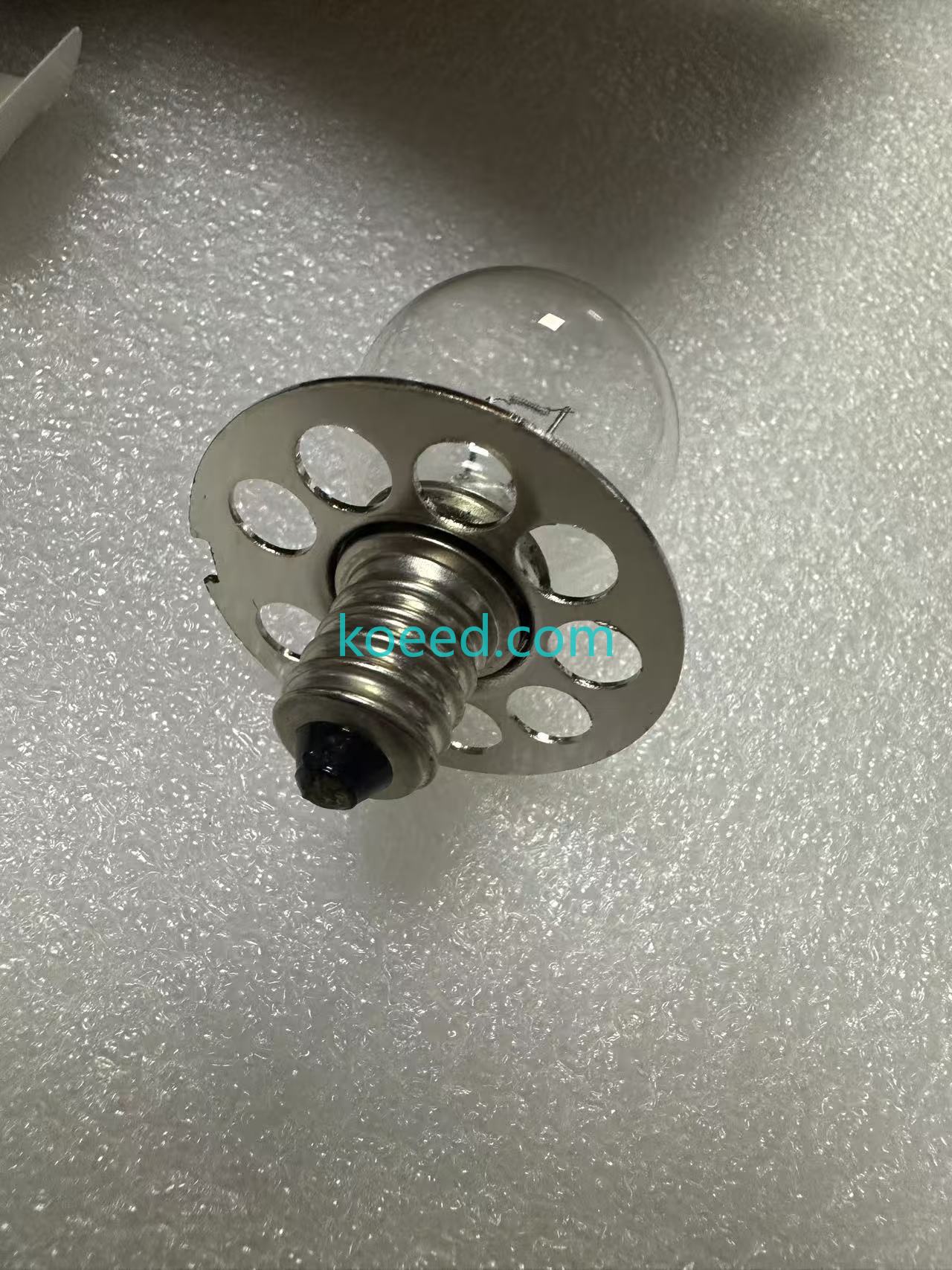
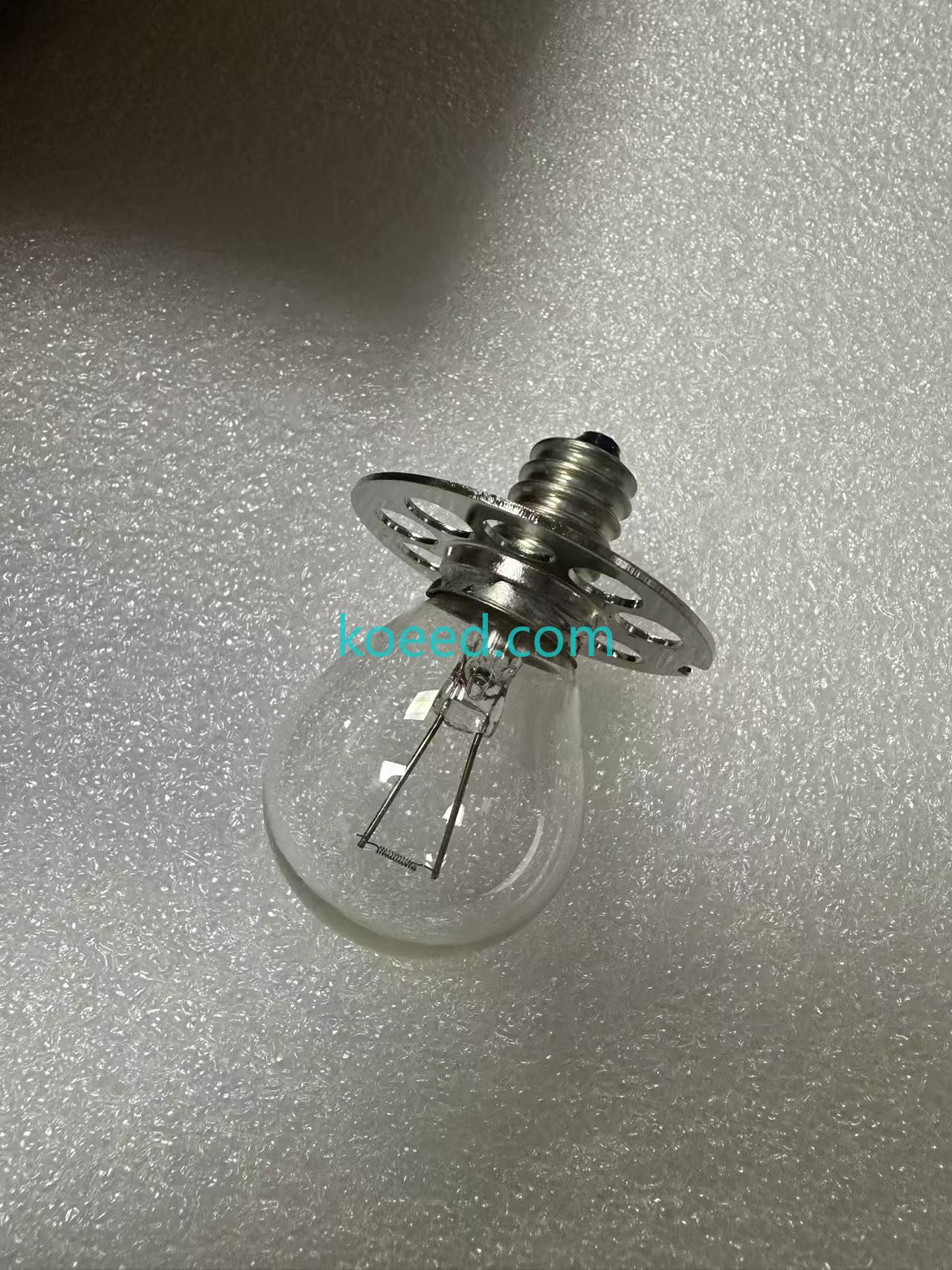
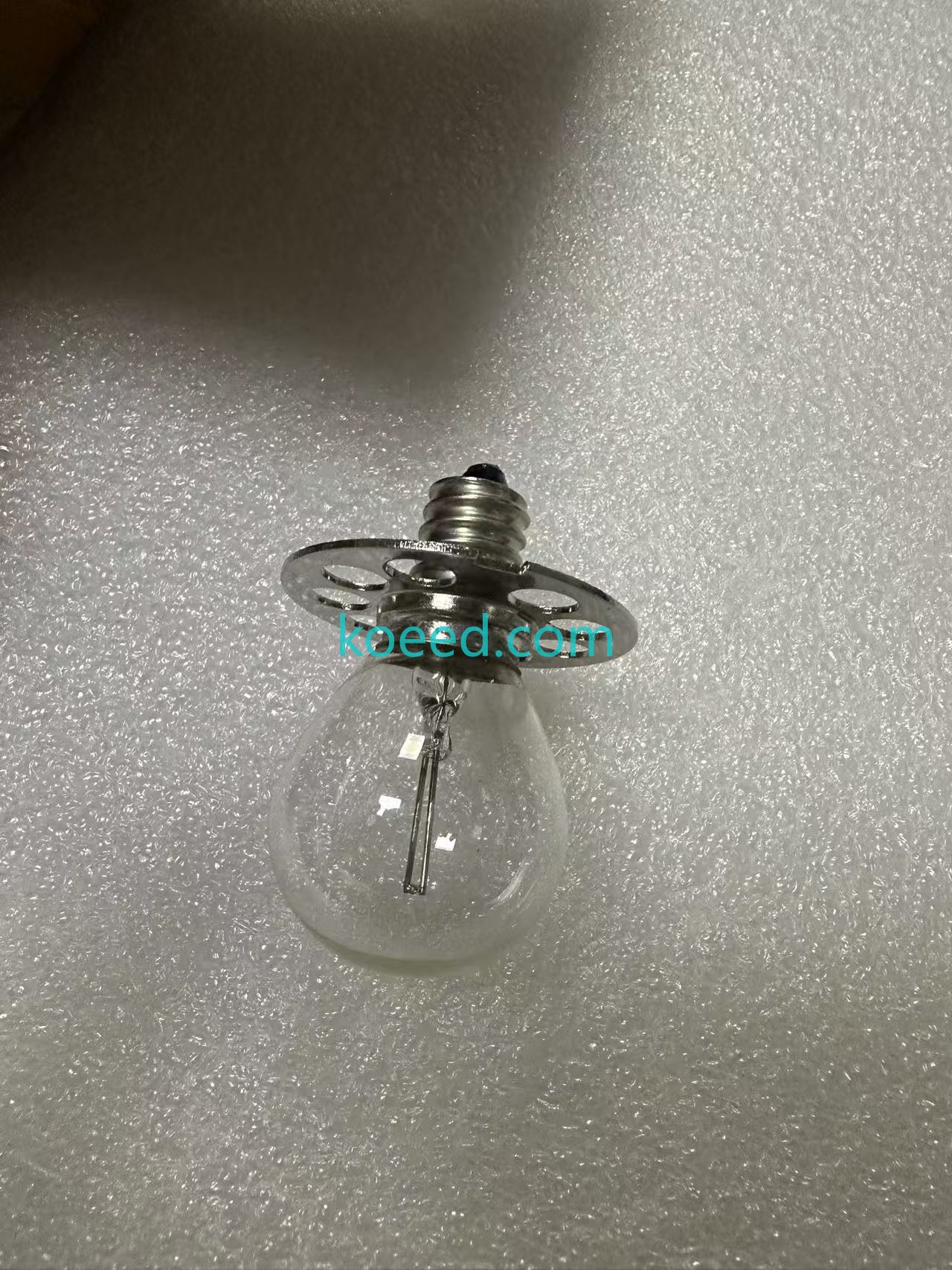
Click any image to view full-resolution. All images are hosted on Koeed's secure CDN for fast, reliable access during procurement and engineering review.
4. Maintenance & Troubleshooting: Proactive Strategies for Maximum Uptime
In 2026, the maintenance paradigm has decisively shifted from reactive break-fix to predictive intelligence. The HS366's onboard diagnostics engine enables a fundamentally different approach to lifecycle management. Below are engineering-grade recommendations validated across hundreds of deployed units.
4.1 Predictive Maintenance Framework
The HS366 continuously monitors its own health vectors — including CPU temperature, memory integrity, communication bus error rates, and power supply ripple. These telemetry streams feed into the edge analytics co-processor, which uses a lightweight ML model to forecast degradation patterns.
4.2 Common Diagnostic Codes & Resolution Paths
| Error Code / Symptom | Likely Root Cause | Recommended Resolution | Prevention Strategy |
|---|---|---|---|
| E-COM-0x17 — EtherCAT bus jitter exceeding 50 µs | EMI from adjacent VFD cabling; improper shielding termination | Verify cable segregation (min. 200 mm from power lines); re-terminate shield at both ends per EtherCAT wiring guidelines | Use double-shielded CAT6A SFTP cable for EtherCAT runs; install ferrite cores at drive-side terminations |
| E-MEM-0x03 — Retentive memory CRC mismatch | Power interruption during write cycle; aging battery (if equipped with RTC backup) | Clear retentive memory area via IDE; re-download program; replace internal RTC battery if >5 years old | Implement UPS for controlled shutdown; schedule battery replacement every 4 years |
| E-TEMP-0x09 — CPU junction temperature >85°C | Insufficient panel ventilation; clogged cooling vents; ambient temperature exceeding rating | Verify panel cooling fan operation; clean vents with dry compressed air; assess panel thermal load | Install panel temperature monitoring; maintain minimum 50 mm clearance above and below unit |
| E-FW-0x21 — FOTA update verification failure | Interrupted download; mismatched firmware signature; insufficient free space on eMMC | Re-initiate FOTA over wired Ethernet (not Wi-Fi); verify firmware package checksum; free up eMMC to ≥500 MB available | Schedule FOTA during planned maintenance windows only; always validate on a staging unit first |
4.3 Lifecycle Longevity Practices
- Annual Conformal Coating Inspection: If the HS366 variant includes conformal coating (recommended for humidity >85% RH environments), inspect annually for micro-cracks or delamination under UV light.
- I/O Terminal Torque Check: Spring-cage terminals are generally maintenance-free, but annual torque verification (0.5–0.6 N·m) on screw-type auxiliary terminals prevents intermittent connections.
- Firmware Currency: The HS366's FOTA mechanism receives quarterly stability patches. Maintain currency within ±1 release to benefit from security patches and protocol stack optimizations.
5. IT/OT Convergence: Seamless Integration with Enterprise Systems
The defining architectural challenge of 2026 industrial automation is the secure, performant bridging of Operational Technology (OT) and Information Technology (IT) domains. The HS366 addresses this with a purpose-built integration layer that eliminates the traditional "Purdue Model" air-gap without compromising deterministic control.
5.1 OPC UA over TSN — Deterministic Data at Scale
Time-Sensitive Networking (TSN) is no longer experimental — it is the backbone of 2026 smart factories. The HS366's OPC UA Pub/Sub implementation over TSN guarantees bounded latency for real-time control traffic while simultaneously streaming non-deterministic telemetry to cloud analytics platforms. This dual-traffic architecture means a single HS366 can:
- Execute closed-loop motion control with <100 µs jitter across 16+ servo axes via EtherCAT.
- Concurrently push OEE (Overall Equipment Effectiveness) KPIs to an Azure-hosted Power BI dashboard at 1-second intervals via MQTT Sparkplug.
- Respond to ERP-originated production order changes through a RESTful API gateway — no middleware required.
5.2 MQTT Sparkplug 3.0 — The 2026 Standard for IIoT
With Sparkplug 3.0's formal adoption as an ISO/IEC standard in late 2025, the HS366's native implementation ensures plug-and-play interoperability with Ignition, Kepware, and any Sparkplug-compliant SCADA or MES platform. The publish/subscribe model decouples data producers from consumers, dramatically simplifying network topology in multi-vendor environments.
6. ROI Analysis & Sustainability Metrics
Procurement decisions in 2026 are increasingly governed by Total Cost of Ownership (TCO) and carbon footprint accountability. The HS366 delivers measurable advantages on both fronts.
6.1 Five-Year TCO Projection (Single Unit Baseline)
| Cost Category | HS366 | Legacy PLC (2019 Era) | 5-Year Delta |
|---|---|---|---|
| Hardware Acquisition | $680–$950 (depending on I/O configuration) | $550–$800 | +$100 to +$150 |
| Software Licensing (IDE, Runtime, OPC UA) | $0 (fully license-free) | $1,200–$3,500 (seat + runtime) | - $1,200 to -$3,500 |
| Gateway/Middleware Hardware | $0 (integrated MQTT/OPC UA) | $850–$1,500 | - $850 to -$1,500 |
| Annual Energy Cost (0.12 $/kWh) | $9–$15 | $18–$32 | - $45 to -$85 over 5 years |
| Unplanned Downtime (hours/year) | 2–4 (with predictive alerts) | 12–18 | ~$5,000–$25,000 saved/year |
| Total 5-Year TCO | $725–$1,045 | $3,050–$7,500+ | Saving $2,300–$6,500+ |
6.2 Carbon & Energy Efficiency
The HS366's 7.8 W maximum power draw represents a 55–65% reduction versus the 15–22 W common in previous generation controllers. In a 100-unit deployment running 24/7, this translates to approximately 6,800 kWh saved annually — equivalent to 4.8 metric tons of CO₂ reduction based on the global average grid emission factor. For ESG-reporting manufacturers, this directly contributes to Scope 2 emission targets without compromising control performance.
7. Frequently Asked Questions (Engineering & Procurement)
Is the HS366 suitable for safety-critical applications?
Yes, when paired with certified safety I/O modules (SIL 2/PL d). The HS366 supports safety-related communication via PROFIsafe over PROFINET and FSoE (Fail Safe over EtherCAT). Always consult the latest TÜV certification documents for your specific configuration.
What programming languages are fully supported?
All five IEC 61131-3 languages: Ladder Diagram (LD), Structured Text (ST), Function Block Diagram (FBD), Sequential Function Chart (SFC), and Continuous Function Chart (CFC). The license-free IDE includes simulation and online debugging.
Can I migrate a legacy project from Siemens or Allen-Bradley?
Yes. The HS366 IDE provides import wizards for Siemens TIA Portal and Rockwell Studio 5000 projects, mapping tags and instruction sets. A full manual review is recommended for complex motion instructions.
What is the typical lead time for volume orders?
As of Q1 2026, standard lead time is 4–6 weeks for orders up to 50 units. Larger volumes may require 8–10 weeks. Koeed maintains regional distribution hubs in Germany, Thailand, and Mexico for urgent fulfillment.
Ready to Engineer Your Next-Gen Automation Line?
Speak with a Koeed applications engineer to receive a tailored configuration proposal, including I/O sizing, networking topology, and a five-year TCO projection for your specific facility.


