

LES-02-1 Industrial PLC Controller: 2026 IT/OT Convergence Gateway for Smart Manufacturing
Strategic Overview: The LES-02-1 in the 2026 Industrial Landscape
As manufacturing enters the Industry 4.0+ era in 2026, the factory floor demands more than simple relay logic — it requires intelligent, connected controllers that bridge the physical and digital worlds. The Koeed LES-02-1 PLC Controller is purpose-built for this new paradigm. Designed as a compact yet powerful automation brain, the LES-02-1 delivers the trifecta of modern industrial control: deterministic real-time execution, native IT/OT convergence, and energy-conscious architecture that aligns with global ESG mandates.
📊 2026 ROI & TCO Snapshot
- Up to 32% reduction in unplanned downtime through embedded predictive maintenance triggers and real-time diagnostics.
- 18–24% lower energy footprint compared to legacy PLCs, thanks to low-power ARM-based processing and intelligent sleep-state management.
- Seamless ERP/MES integration via native Modbus TCP, OPC-UA, and MQTT Sparkplug B protocols — eliminating costly middleware.
- Compact DIN-rail footprint reduces cabinet space requirements by up to 40%, cutting enclosure and thermal management costs.
In a 2026 market where Total Cost of Ownership (TCO) and sustainability compliance are boardroom priorities, the LES-02-1 represents a future-proof investment. It empowers plant managers to move beyond reactive maintenance cycles and toward intelligent, condition-based monitoring — all while maintaining compatibility with existing brownfield infrastructure.
Technical Benchmarking: LES-02-1 vs. Legacy Controllers
To understand the LES-02-1's value proposition, let's benchmark it against the typical legacy PLCs still populating factory floors in 2026. The following table highlights where the LES-02-1 brings generational improvements:
| Specification | Koeed LES-02-1 | Legacy Micro PLC (2018 Era) |
|---|---|---|
| Processing Core | 32-bit ARM Cortex, Dual-Core | 16/32-bit Single-Core MCU |
| Scan Cycle (1K Instructions) | < 0.3 ms | 1.5 – 3.0 ms |
| Communication Protocols | Modbus TCP/RTU, OPC-UA, MQTT, HTTP REST | Modbus RTU, Proprietary Serial |
| Cloud/ERP Connectivity | Native (MQTT Sparkplug B, HTTPS) | Requires external gateway |
| I/O Expandability | Modular — up to 256 I/O points | Fixed or limited expansion |
| Predictive Maintenance | Built-in (cycle counting, thermal monitoring) | Not available |
| Energy Consumption (Typical) | ≤ 4.5 W | 8 – 15 W |
| Mounting | DIN-Rail / Panel Mount | DIN-Rail / Panel Mount |
| Programming Environment | IEC 61131-3 (LD, FBD, ST, SFC, IL) | Vendor-specific (often ladder-only) |
The data speaks clearly: the LES-02-1 delivers 5× to 10× faster scan times, half the power draw, and cloud-native connectivity that eliminates the need for bolt-on gateways — a critical TCO advantage when deploying at scale across multi-site operations.
Visual Gallery: LES-02-1 Product Imagery
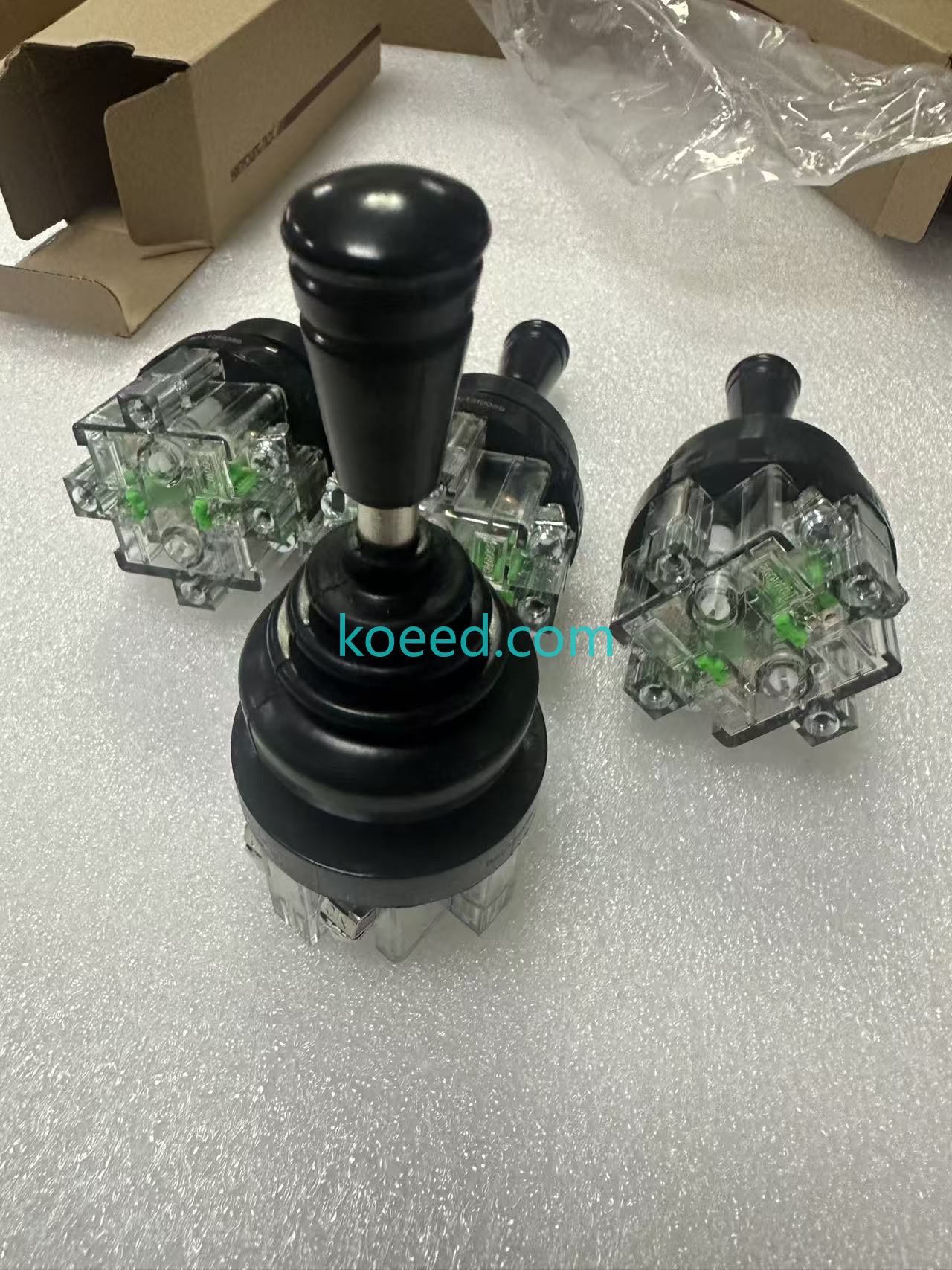
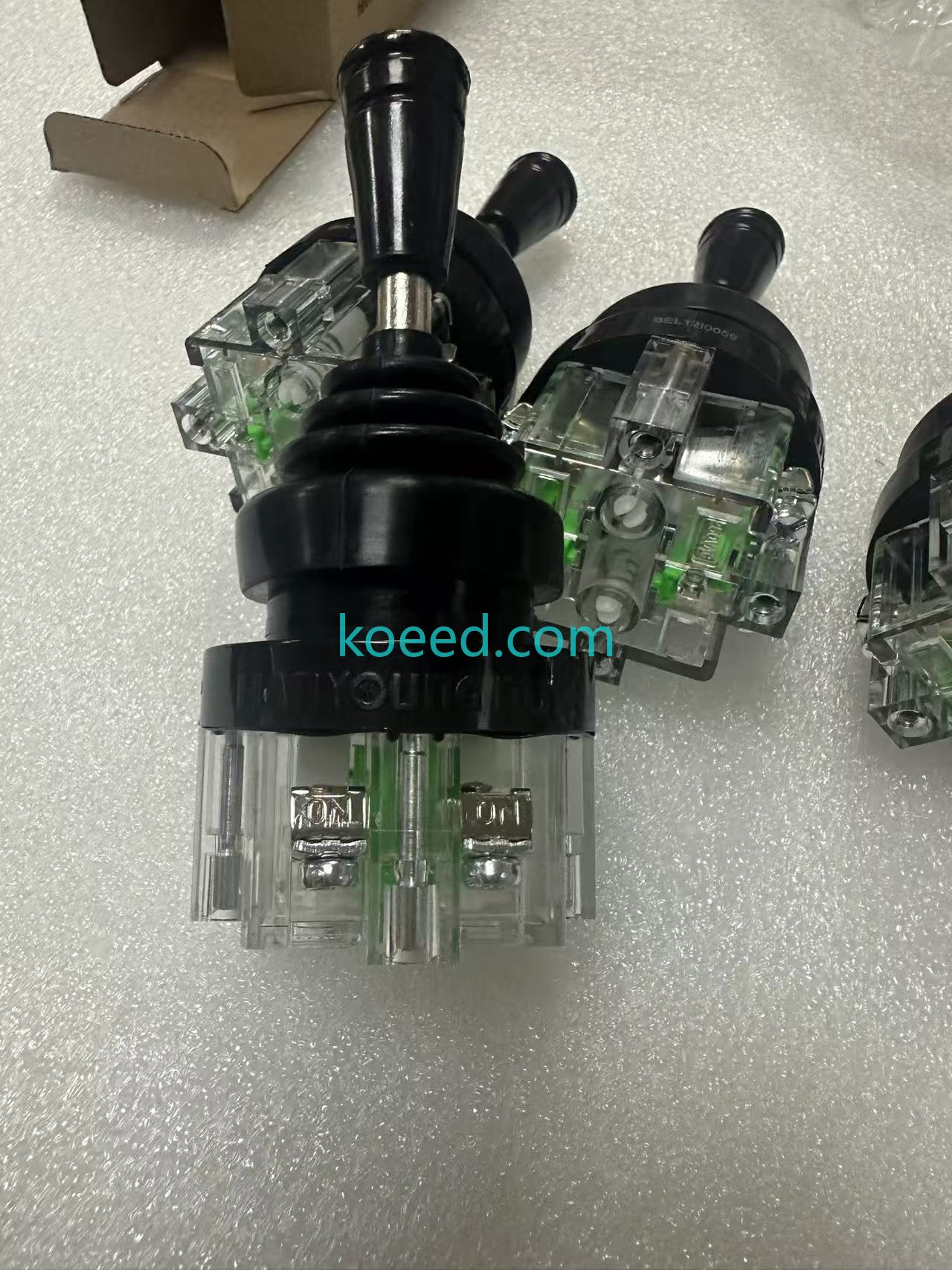
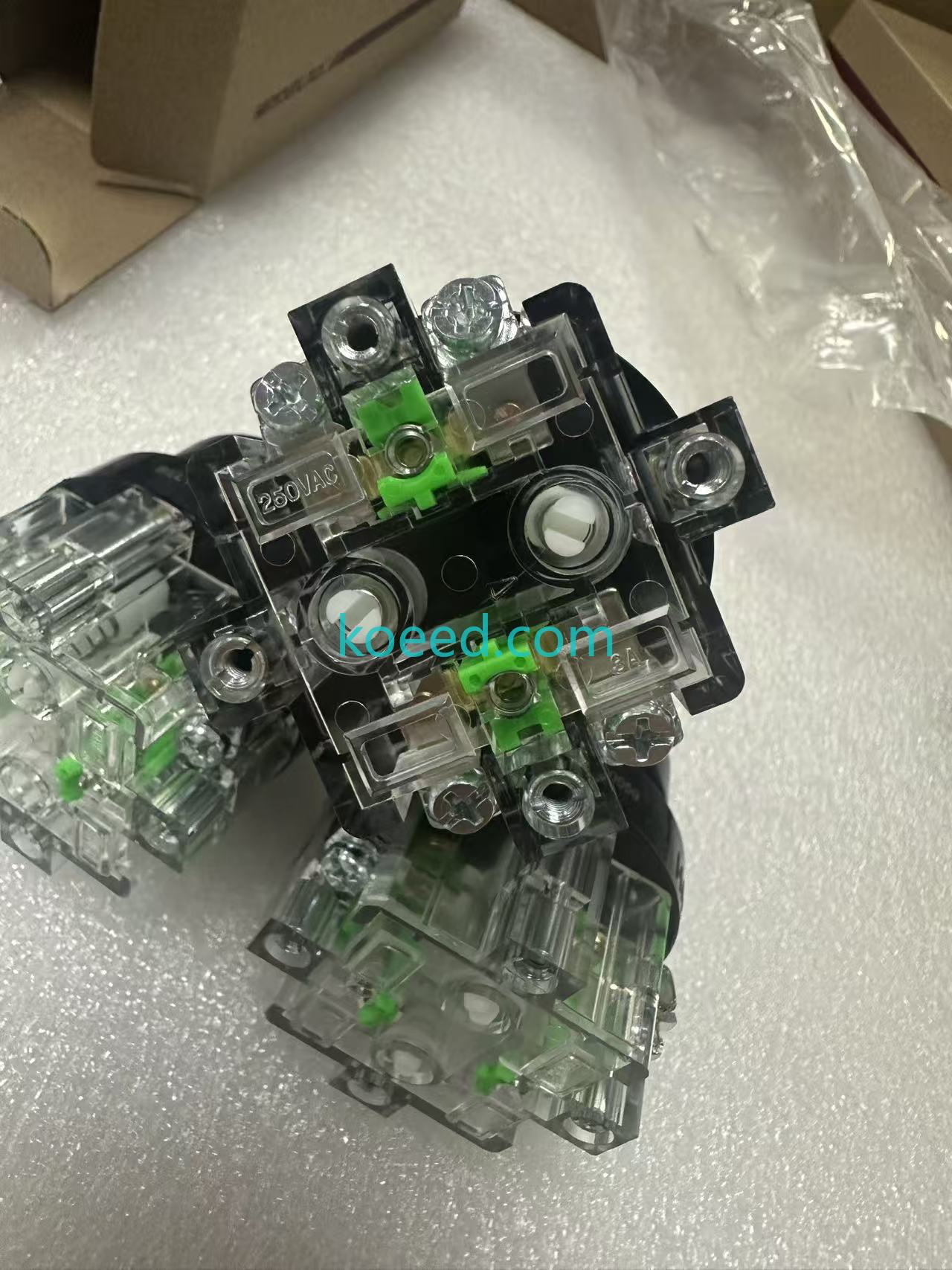
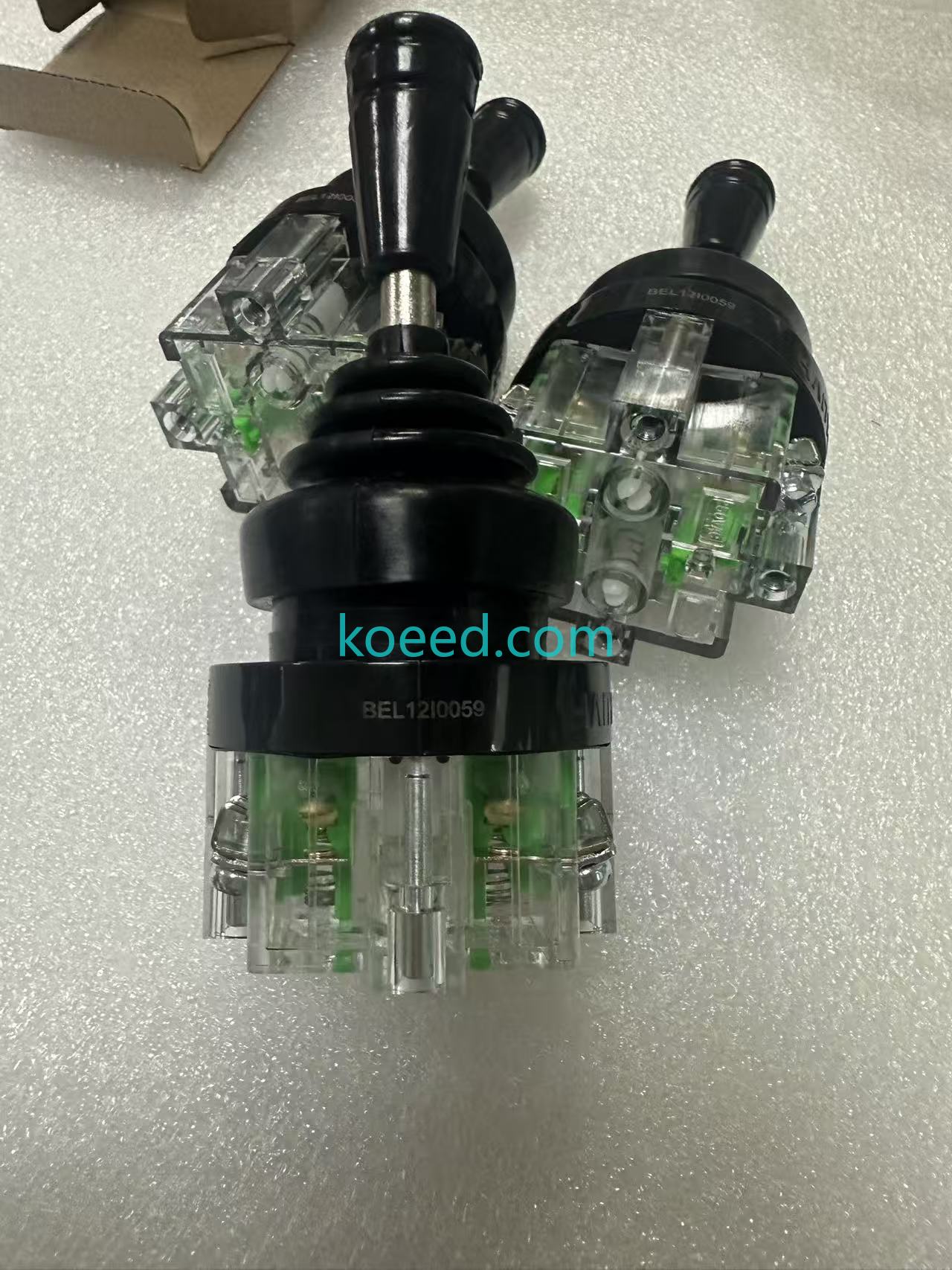
Explore the LES-02-1 from every angle. These high-resolution images showcase the controller's compact form factor, robust I/O layout, and DIN-rail-ready industrial design:
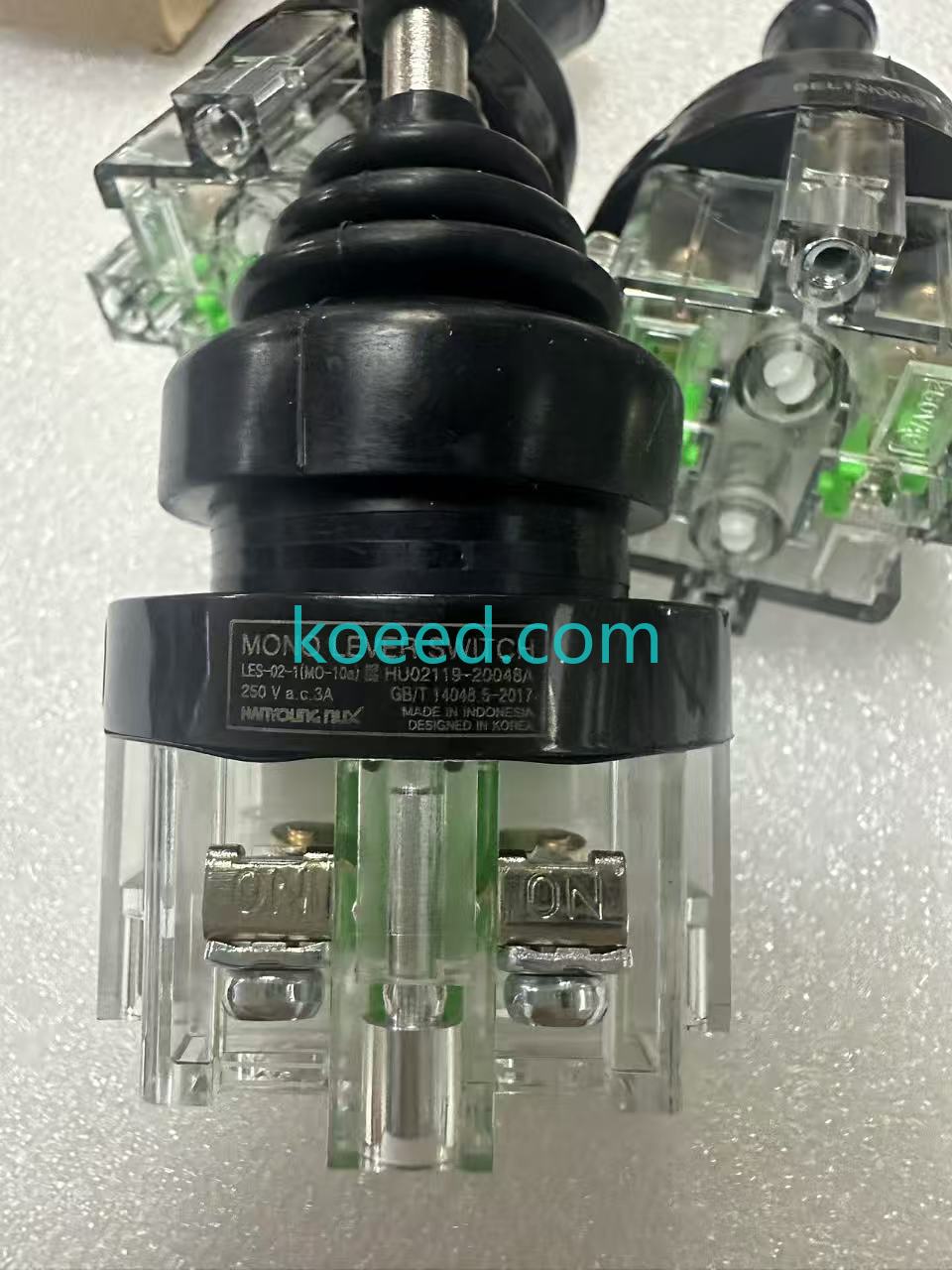
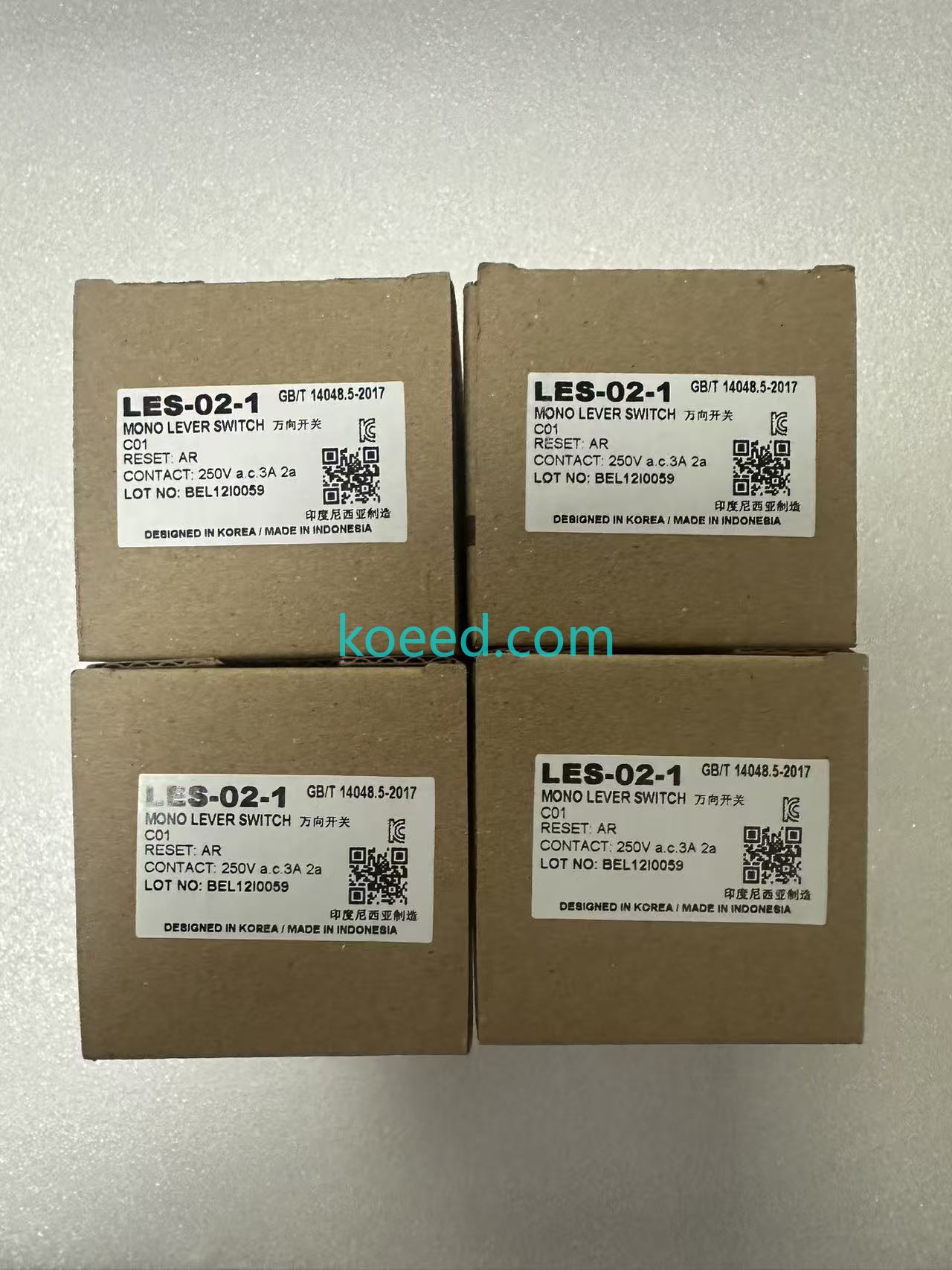
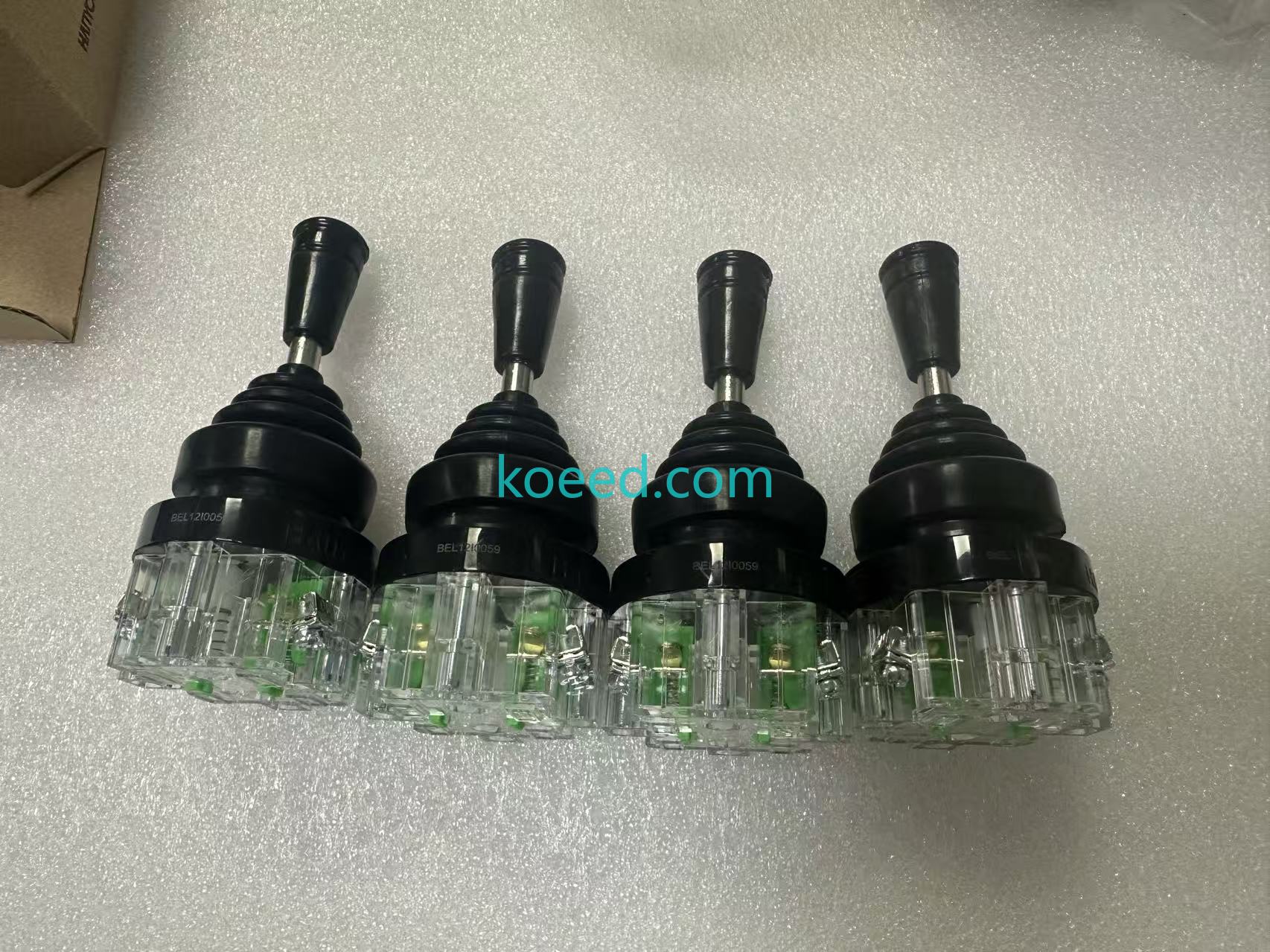
IT/OT Convergence: Connecting the LES-02-1 to Your Digital Ecosystem
One of the most critical challenges in 2026 industrial automation is the seamless convergence of Information Technology (IT) and Operational Technology (OT). The LES-02-1 addresses this head-on with a multi-protocol communication stack that speaks both the language of the factory floor and the language of the cloud:
🔗 Native Protocol Support
- Modbus TCP/RTU: Universal compatibility with existing PLCs, HMIs, VFDs, and SCADA systems.
- OPC-UA (Client/Server): Secure, platform-independent data exchange for MES and ERP integration without proprietary drivers.
- MQTT Sparkplug B: Lightweight, report-by-exception telemetry — ideal for cloud dashboards (AWS IoT, Azure IoT Hub) and bandwidth-constrained remote sites.
- HTTP REST API: Enable web-based monitoring portals or custom enterprise applications to query controller data in real time.
Predictive Maintenance: Moving Beyond Break-Fix
The LES-02-1 transforms maintenance strategy from reactive to proactive. Its embedded diagnostic engine continuously monitors:
📈 Monitored Parameters
- Relay Contact Cycle Counts: Predict end-of-life for output relays before failure occurs. Schedule replacements during planned downtime.
- Internal Thermal Trending: Detect early signs of ventilation blockages, cabinet heat buildup, or component degradation.
- Power Supply Ripple Monitoring: Identify degrading PSUs before they cause brownout-induced logic faults.
- Communication Error Rate Logging: Flag intermittent network issues that precede full communication loss.
When integrated with a CMMS or cloud analytics platform via MQTT, these data streams enable condition-based maintenance scheduling — directly reducing Mean Time To Repair (MTTR) and eliminating unnecessary preventive maintenance labor.
Maintenance & Troubleshooting Guide
Ensure your LES-02-1 delivers maximum service life with these field-proven maintenance practices and common troubleshooting scenarios:
🛠️ Preventive Maintenance Schedule
| Interval | Action | Notes |
|---|---|---|
| Monthly | Visual inspection of terminal tightness and LED indicators | Look for loose wiring, dust accumulation, or abnormal LED patterns |
| Quarterly | Export and review diagnostic logs; verify firmware version | Apply firmware updates during scheduled maintenance windows only |
| Annually | Full system backup; verify power supply output voltage; check DIN-rail clip integrity | Replace any degraded terminal blocks; clean ventilation channels |
| Every 3 Years | Proactive relay replacement (if cycle count threshold exceeded) | Based on diagnostic cycle count data, not calendar date |
⚠️ Common Troubleshooting Scenarios
ERR LED solid red — Controller not entering RUN mode
Likely Cause: Invalid program logic, missing hardware configuration, or watchdog timeout.
Resolution: Connect via programming tool, check diagnostic buffer for error codes. Verify that all configured I/O modules are physically present and powered. Re-download a validated program and attempt a warm restart.
Intermittent Modbus TCP communication drops
Likely Cause: Network congestion, duplicate IP addresses, or unmanaged switch buffer overflows.
Resolution: Verify IP uniqueness across the subnet. Enable the LES-02-1's communication watchdog and increase Modbus timeout to 500 ms. If using daisy-chained switches, ensure the topology does not exceed 4 hops. Consider migrating to a managed switch with QoS prioritization for OT traffic.
Analog input readings drifting or noisy
Likely Cause: Ground loop interference, insufficient shielding, or sensor cable routing parallel to VFD motor cables.
Resolution: Verify single-point grounding for all analog circuits. Route sensor cables at least 300 mm from power cables. Enable the LES-02-1's built-in digital filtering (set to 50/60 Hz notch filter). Check sensor excitation voltage stability.
Controller overheating — thermal warning active
Likely Cause: Cabinet ventilation failure, ambient temperature exceeding rated range, or adjacent high-heat devices.
Resolution: Verify cabinet fan operation and filter cleanliness. Ensure at least 50 mm clearance above and below the LES-02-1 for convection cooling. If ambient exceeds 55°C, install active cooling or relocate the controller.
Sustainability & Energy Impact
With the 2026 tightening of global carbon reporting standards (including Scope 2 emissions mandates across the EU, North America, and Southeast Asia), every watt matters. The LES-02-1's ≤ 4.5 W typical consumption represents a 50–70% reduction compared to legacy controllers. Across a facility with 50 controllers operating 24/7/365, this translates to:
- ~2,190 kWh saved annually in direct controller energy.
- Additional thermal savings: Reduced cabinet cooling load, saving an estimated 600–900 kWh/year in HVAC burden.
- Carbon offset: Approximately 1.5–2.0 metric tons CO₂ equivalent avoided per year (based on average grid mix).
These savings contribute directly to your organization's ESG scorecards while improving operational bottom lines — a rare win-win in industrial automation procurement.
Frequently Asked Questions
What programming languages does the LES-02-1 support?
The LES-02-1 is fully compliant with IEC 61131-3 and supports all five standard languages: Ladder Diagram (LD), Function Block Diagram (FBD), Structured Text (ST), Sequential Function Chart (SFC), and Instruction List (IL). This ensures your engineering team can work in their preferred paradigm and reuse existing code libraries.
Can the LES-02-1 integrate with my existing SCADA system?
Absolutely. With native Modbus TCP/RTU and OPC-UA server capability, the LES-02-1 integrates with virtually all major SCADA platforms — including Ignition, WinCC, Wonderware, VTScada, and GE iFIX. No additional gateway hardware is required.
What is the warranty and support coverage?
Koeed provides a standard 24-month warranty on the LES-02-1 with optional extended coverage up to 5 years. Technical support is available via WhatsApp, email, and remote diagnostic sessions. Spare units are stocked in regional distribution centers for rapid dispatch.
Is the LES-02-1 suitable for harsh industrial environments?
Yes. The LES-02-1 is rated for -20°C to +60°C operating temperature, 5–95% RH (non-condensing), and conforms to IEC 61131-2 for industrial immunity (including surge, EFT, and ESD protection). It withstands vibration levels up to 2G, making it suitable for machine-mount applications.
How does the LES-02-1 handle firmware updates?
Firmware updates are performed via the programming tool over Ethernet or USB. The process includes an automatic backup and rollback mechanism — if an update fails, the controller reverts to the previous stable firmware image, ensuring zero brick risk in the field.
🚀 Ready to Modernize Your Automation Infrastructure?
Speak with a Koeed industrial automation specialist today. Get a tailored quote, discuss volume pricing, or schedule a technical deep-dive on the LES-02-1.


