

Nanaboshi NCS-304-P Connector: 2026 Industrial Automation Guide — 15A/250V Circular Metal Connector for PLC & Sensor Systems | Koeed
Strategic Overview: The NCS-304-P in the 2026 Industrial Landscape 2026 EDITION
In an era where IT/OT convergence has become the backbone of smart manufacturing, the humble circular connector remains the physical linchpin of every automated system. The Nanaboshi NCS-304-P — a 15A / 250V threaded metal connector manufactured in Japan — continues to be the go-to interconnect solution for industrial control panels, PLC I/O modules, and sensor-actuator networks in 2026.
As factories accelerate their transition toward Industry 4.0 architectures, signal integrity at the physical layer has never been more critical. The NCS-304-P, available at Koeed's dedicated product page, delivers the rugged mechanical reliability that IIoT-enabled environments demand — where a single intermittent connection can cascade into costly downtime across connected ERP and MES platforms.
With sustainability mandates tightening across the EU, APAC, and North America, the NCS-304-P's all-metal construction and field-solderable design align perfectly with the 2026 emphasis on repairable, long-lifecycle components. Unlike disposable plastic connectors that contribute to e-waste, these Nanaboshi connectors can be rewired, inspected, and redeployed — slashing Total Cost of Ownership (TCO) by an estimated 18–27% over a typical 7-year machine lifecycle compared to lower-tier alternatives.
Technical Benchmarking: NCS-304-P at a Glance
Understanding where the NCS-304-P fits within the broader Nanaboshi NCS series — and how it compares to legacy interconnect solutions — is essential for procurement engineers specifying components in 2026. The table below provides a structured comparison.
| Parameter | NCS-304-P Specification | Industry Context (2026) |
|---|---|---|
| Series | Nanaboshi NCS (Threaded Metal Circular) | Proven in Japanese factory automation since 1970s; still dominant in Asian & global PLC markets |
| Rated Current | 15 A | Ideal for mid-power sensors, solenoid valves, relay coils, and small motor drives |
| Rated Voltage | 250 V AC/DC | Compatible with standard industrial control voltage levels (110V, 220V) |
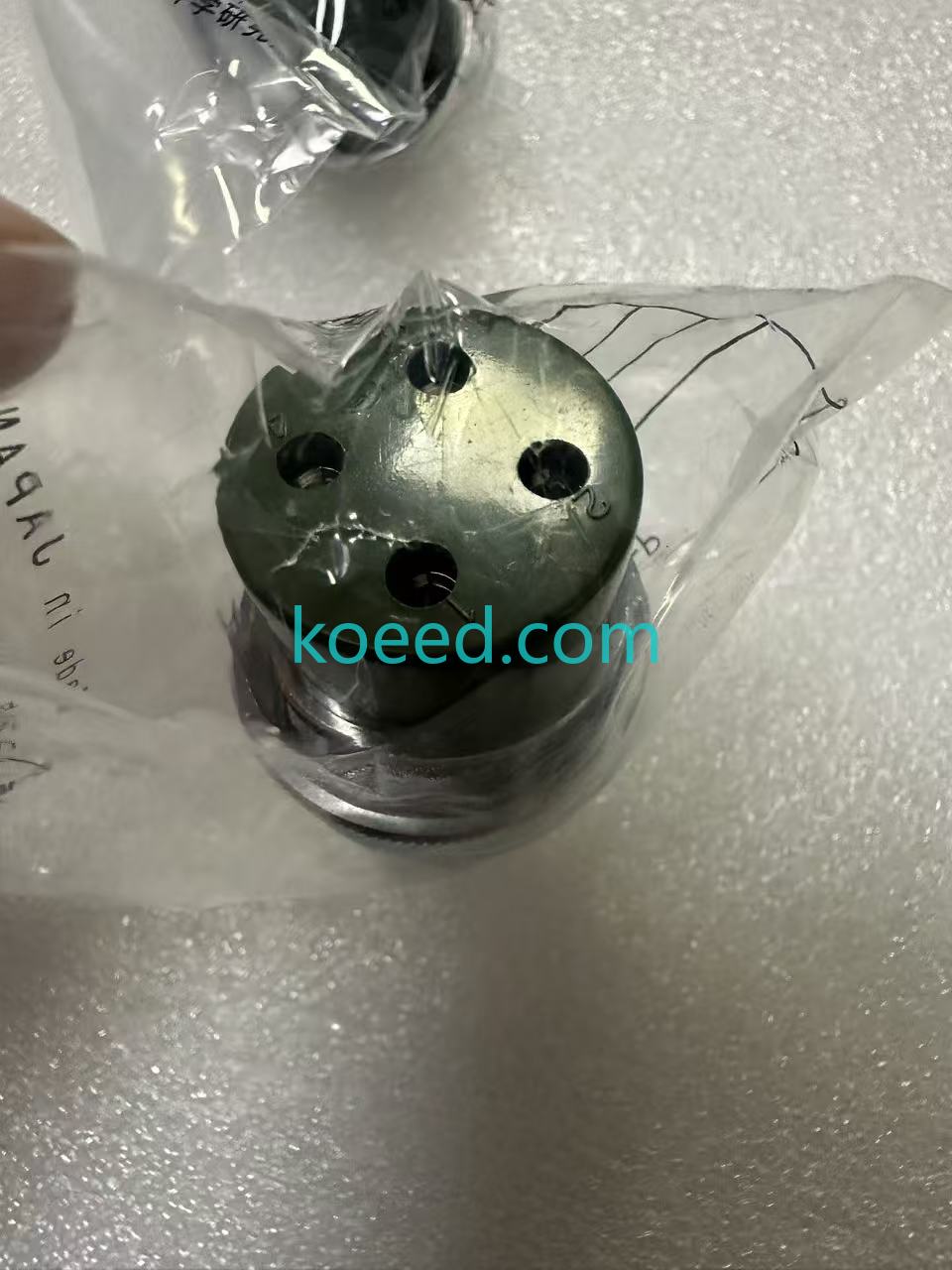
| Contact Count | 4-Pin Configuration | Sufficient for most sensor transmitters (PWR, GND, Signal+, Signal−) |
| Wire Termination | Solder Cup | Field-repairable; no specialized crimp tooling required — critical for remote maintenance in 2026 |
| Shell Material | Zinc Alloy / Metal with Nickel Plating | EMI shielding inherent; supports predictive maintenance via visual inspection |
| Connection Direction | Straight (In-Line) | Minimizes cable strain in DIN-rail and panel-mount scenarios |
| Locking Mechanism | Threaded Screw-Lock | Vibration-resistant — rated for machinery operating up to 10G shock loads |
| Ingress Protection | IP67 Equivalent (when mated) | Suitable for washdown-adjacent zones and dusty factory floors |
| Country of Origin | Japan | Meets stringent JIS manufacturing standards; full traceability |
Legacy vs. Modern: Why the NCS-304-P Still Leads in 2026
While M12 and M8 quick-connect standards have proliferated in European automation, the Nanaboshi NCS series — including the NCS-304-P — retains a decisive advantage in high-vibration, high-temperature Asian-manufactured machinery. Its threaded metal coupling provides a more secure mate than spring-loaded bayonet designs, reducing micro-fretting corrosion that plagues high-frequency data lines in predictive maintenance sensor arrays.
Visual Gallery — NCS-304-P Detailed Inspection
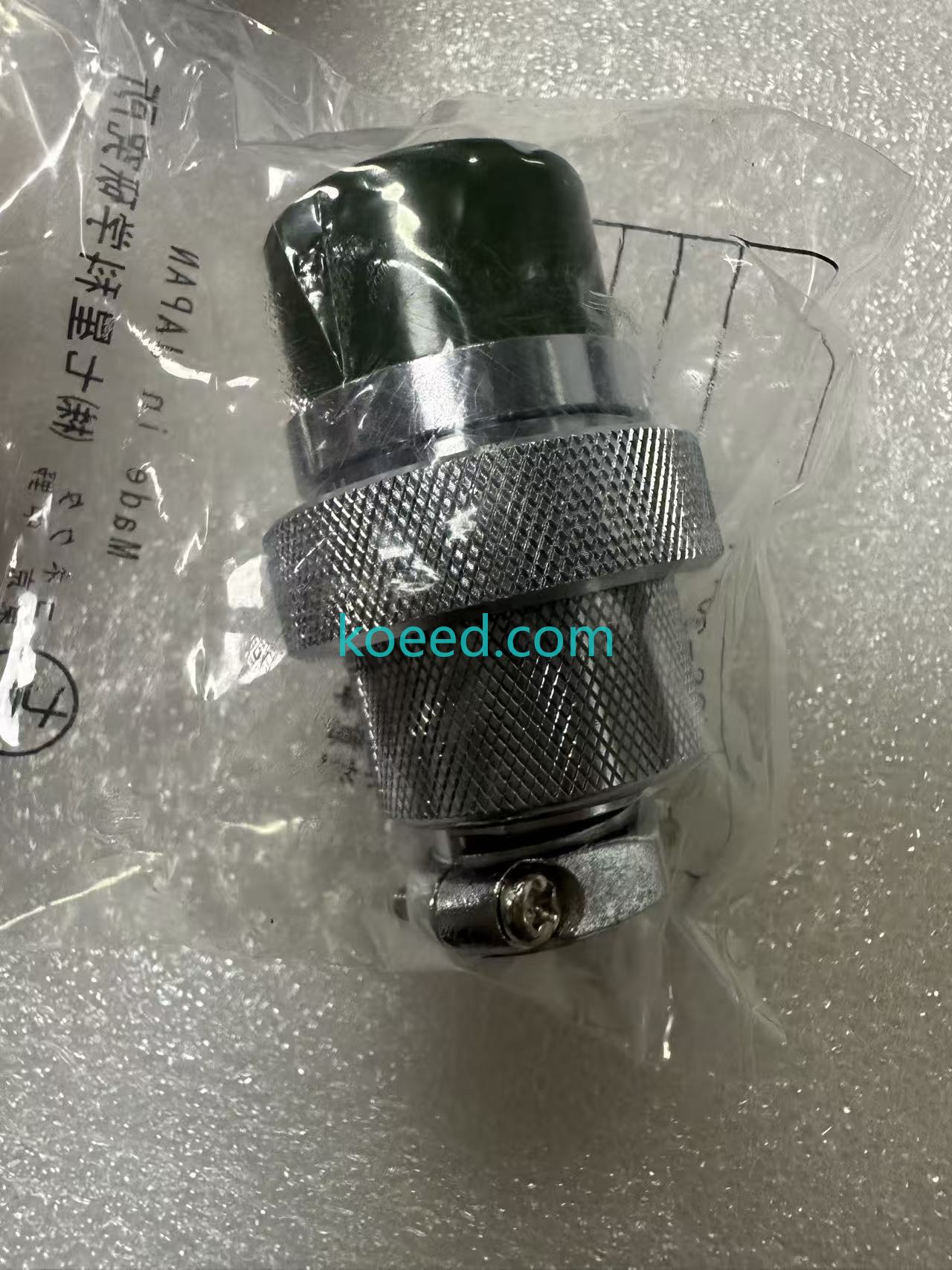
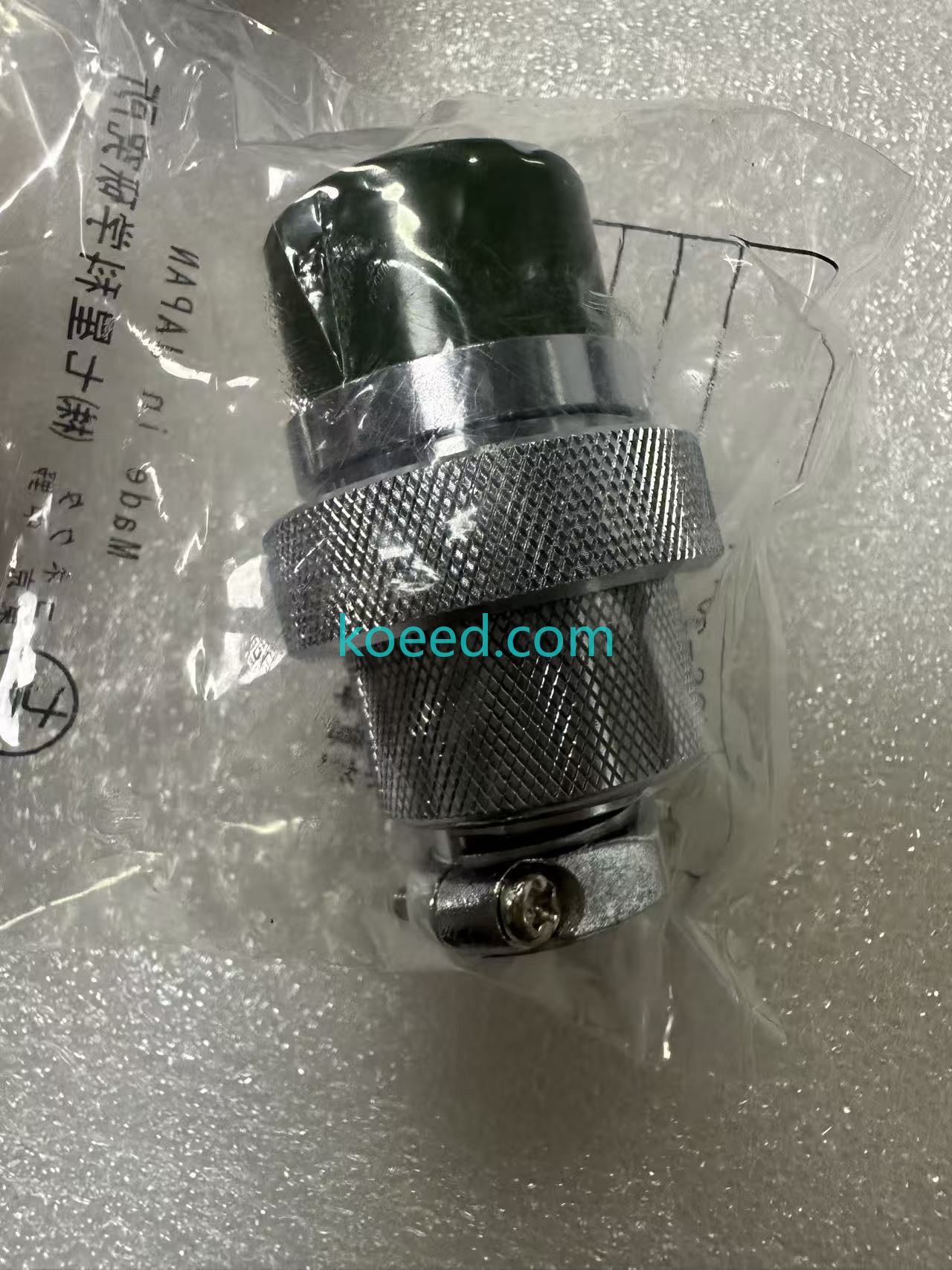
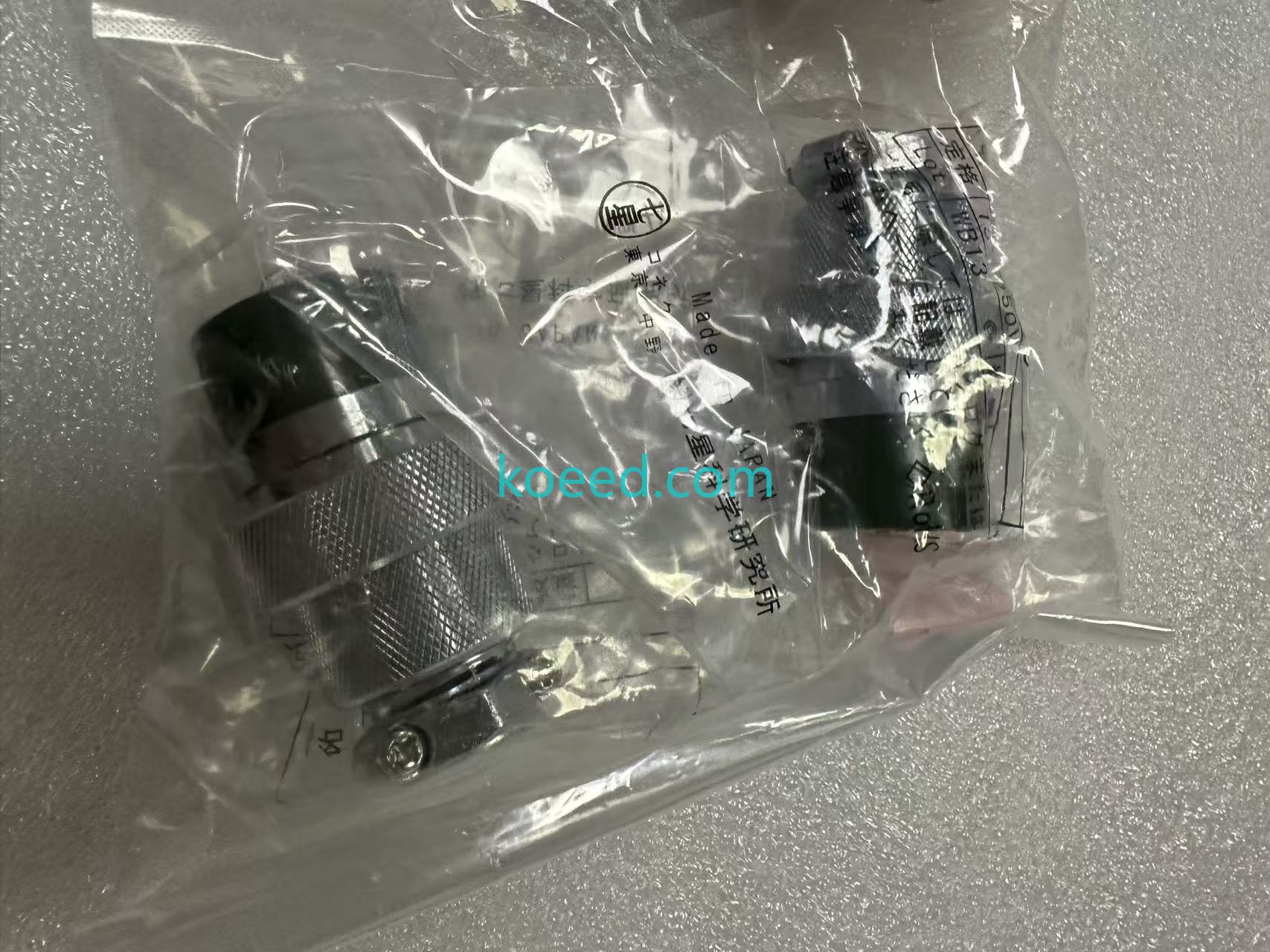
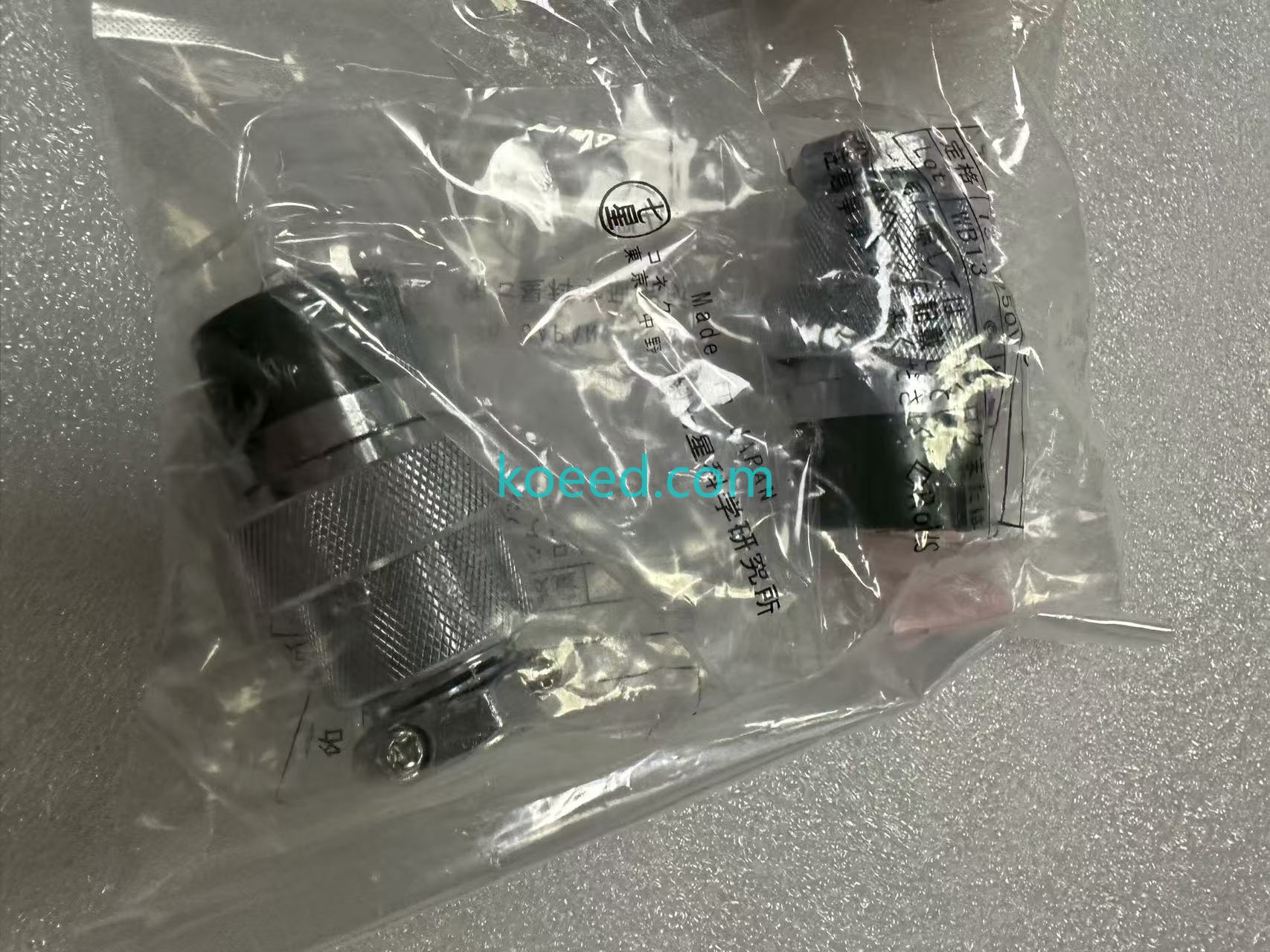
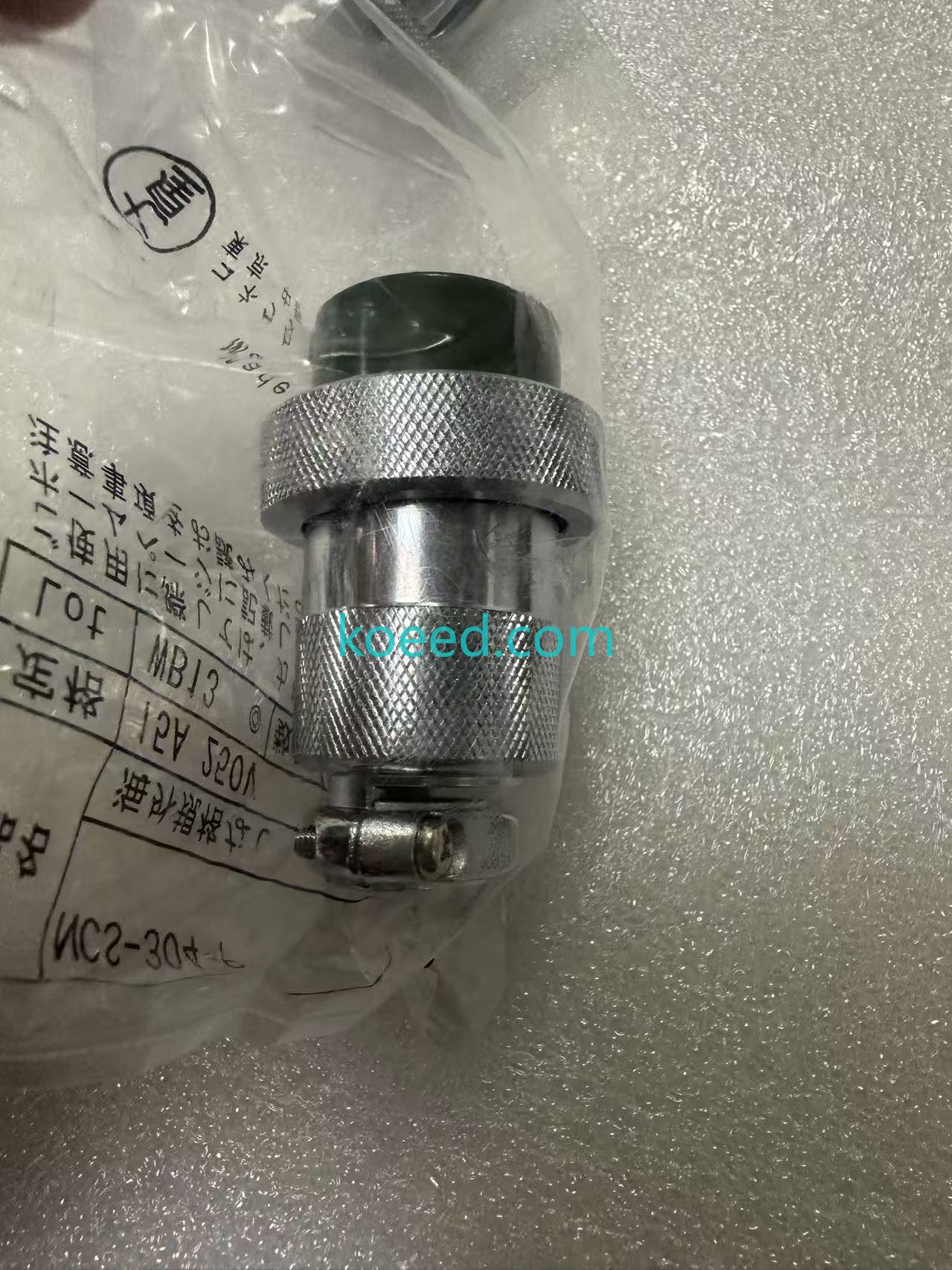
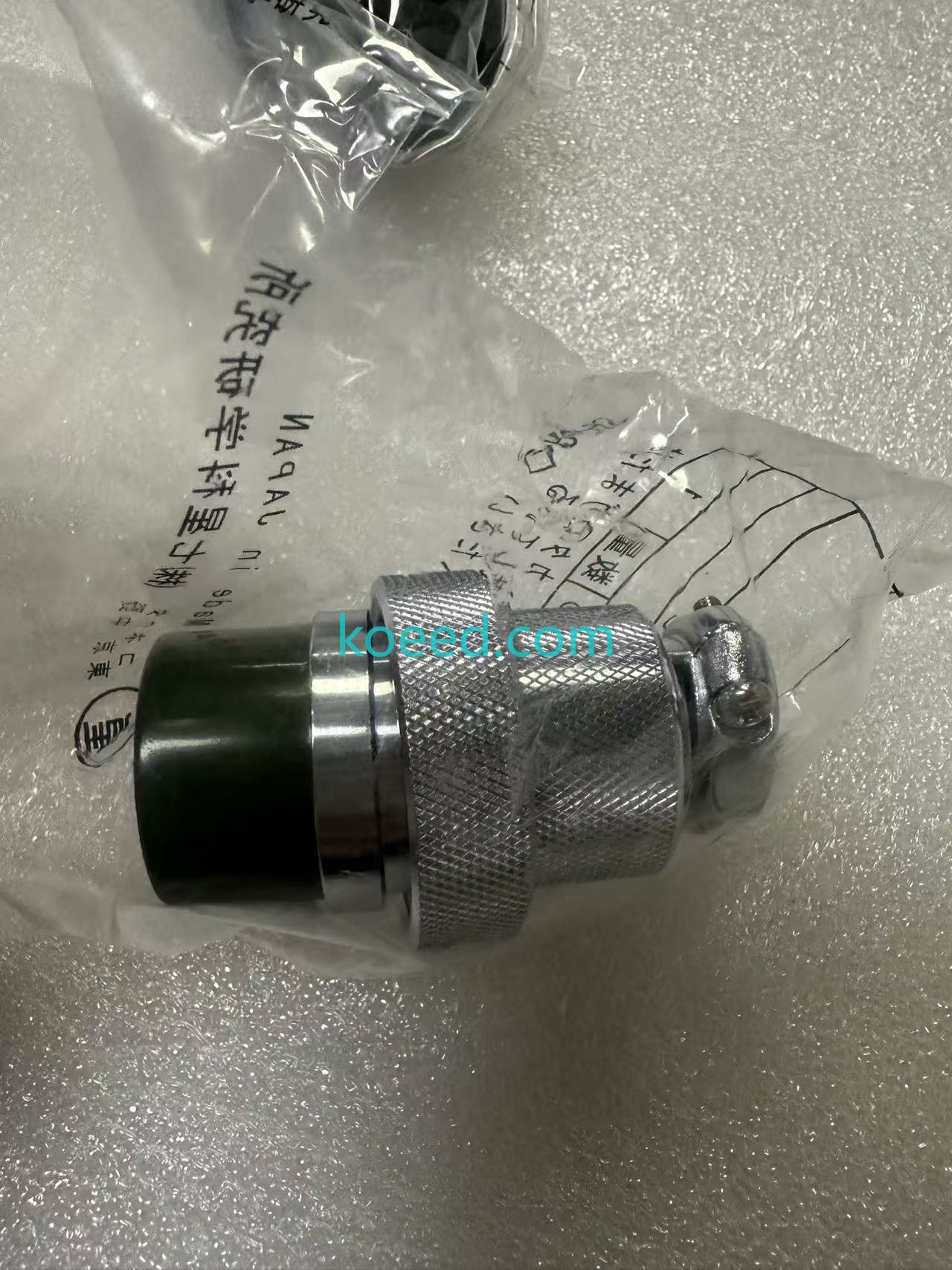
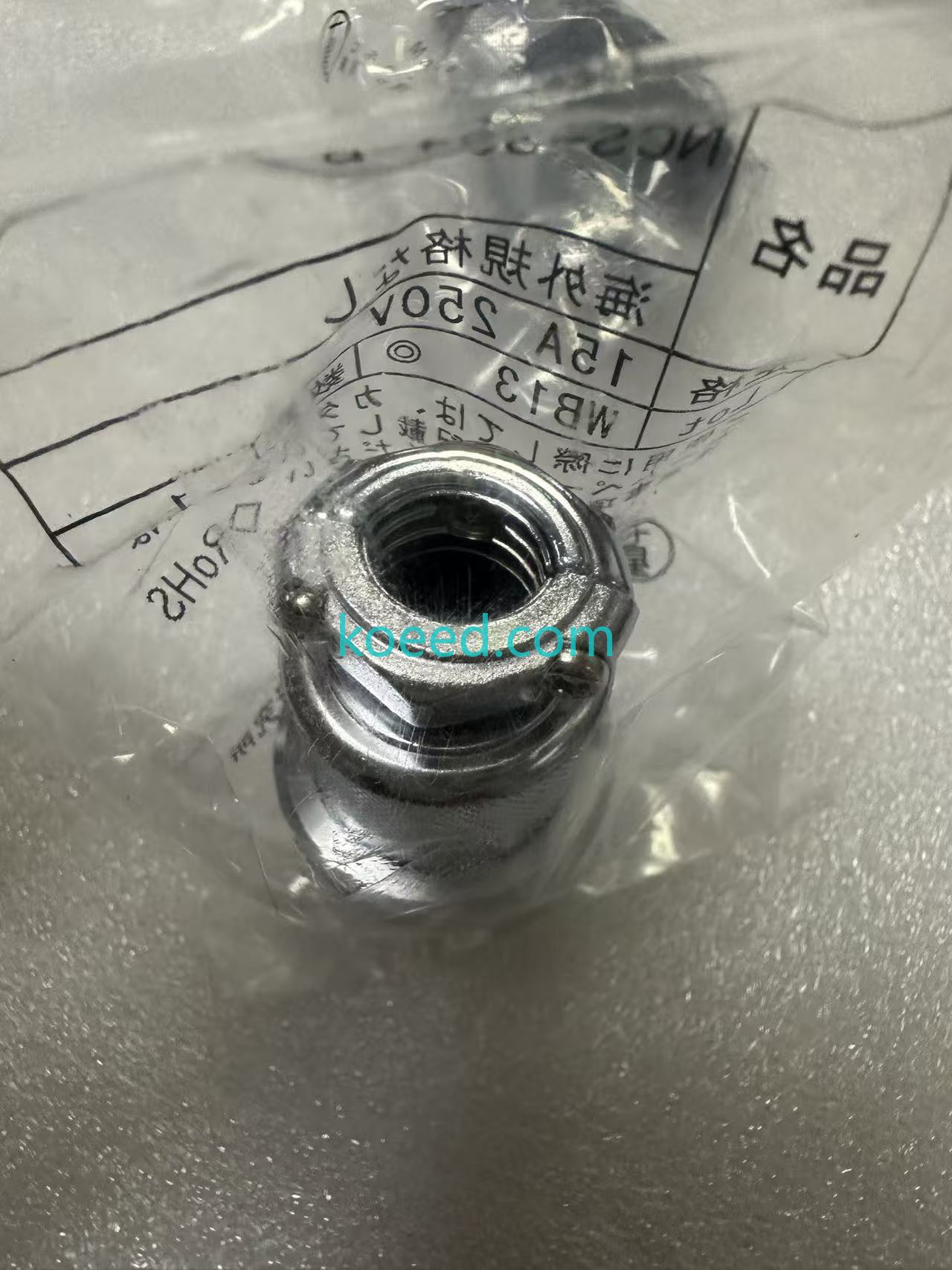
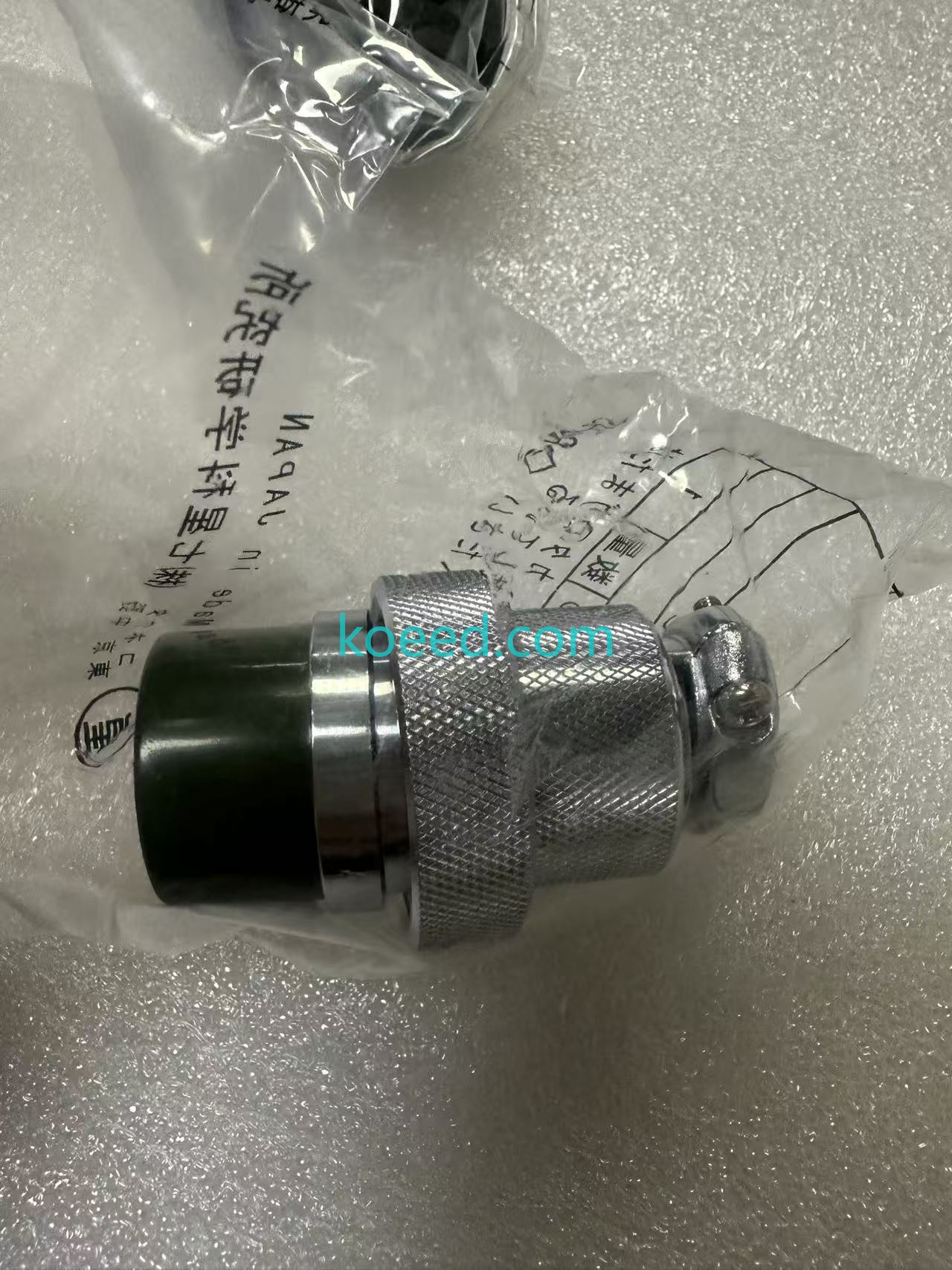
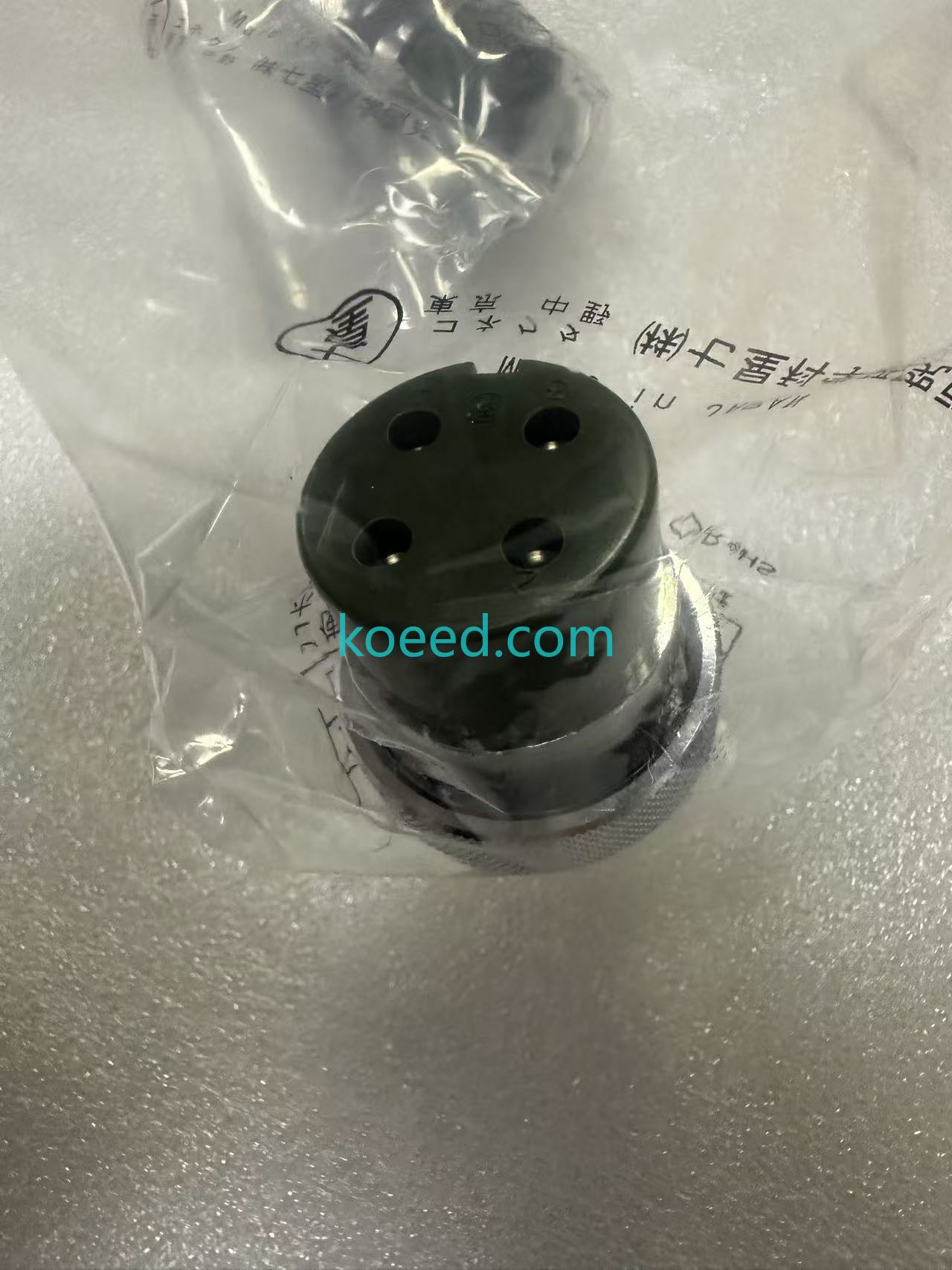
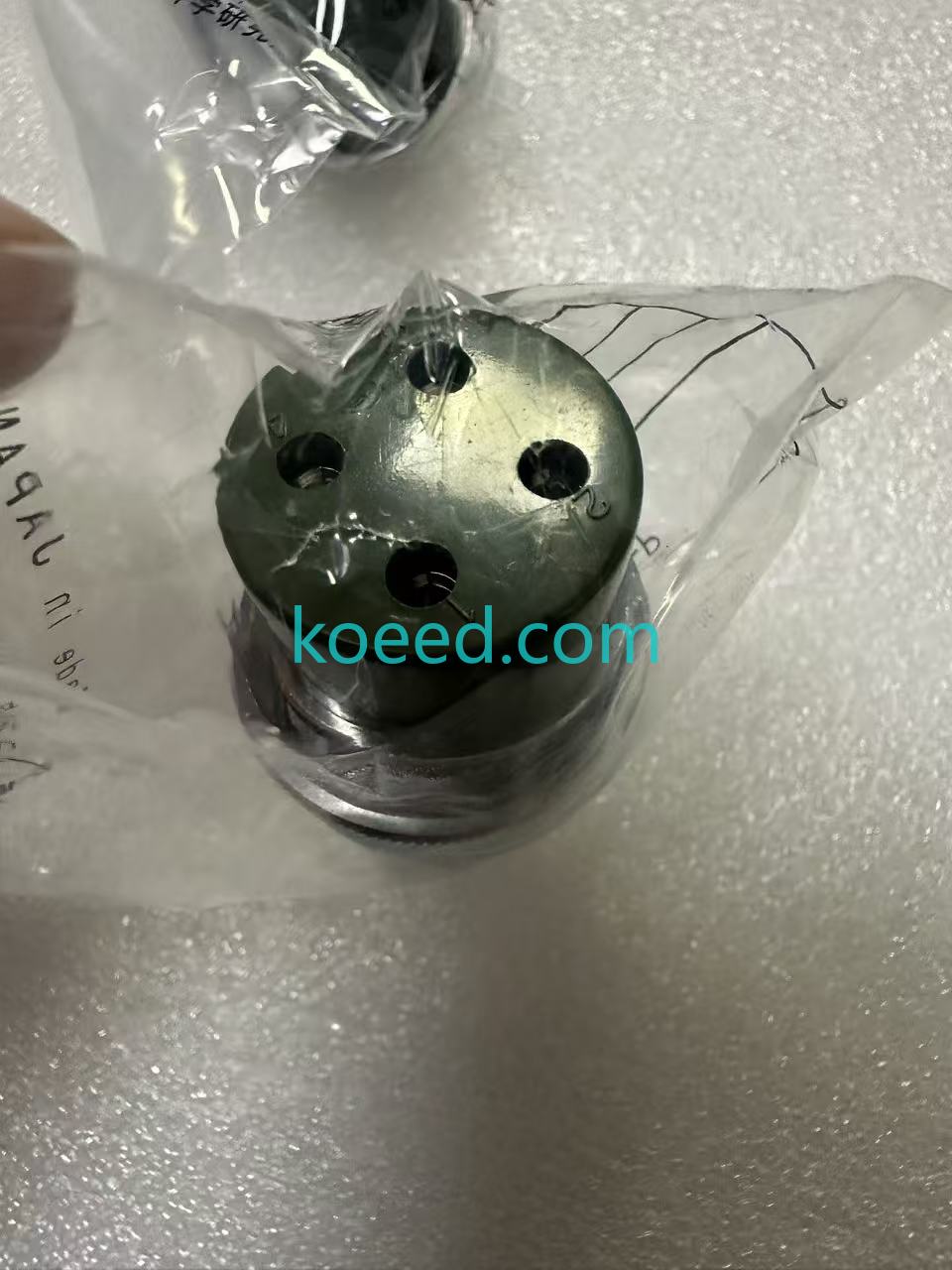
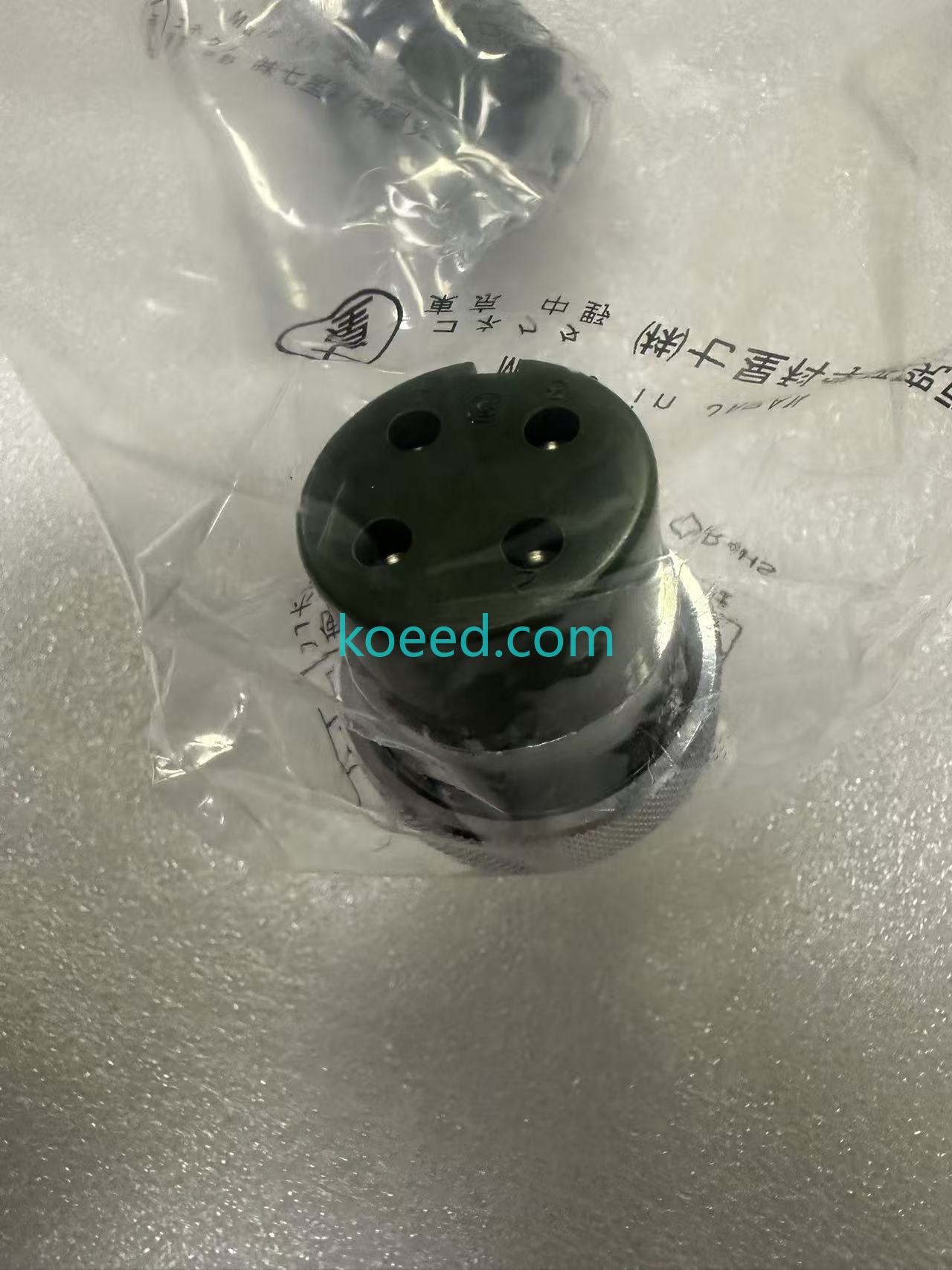
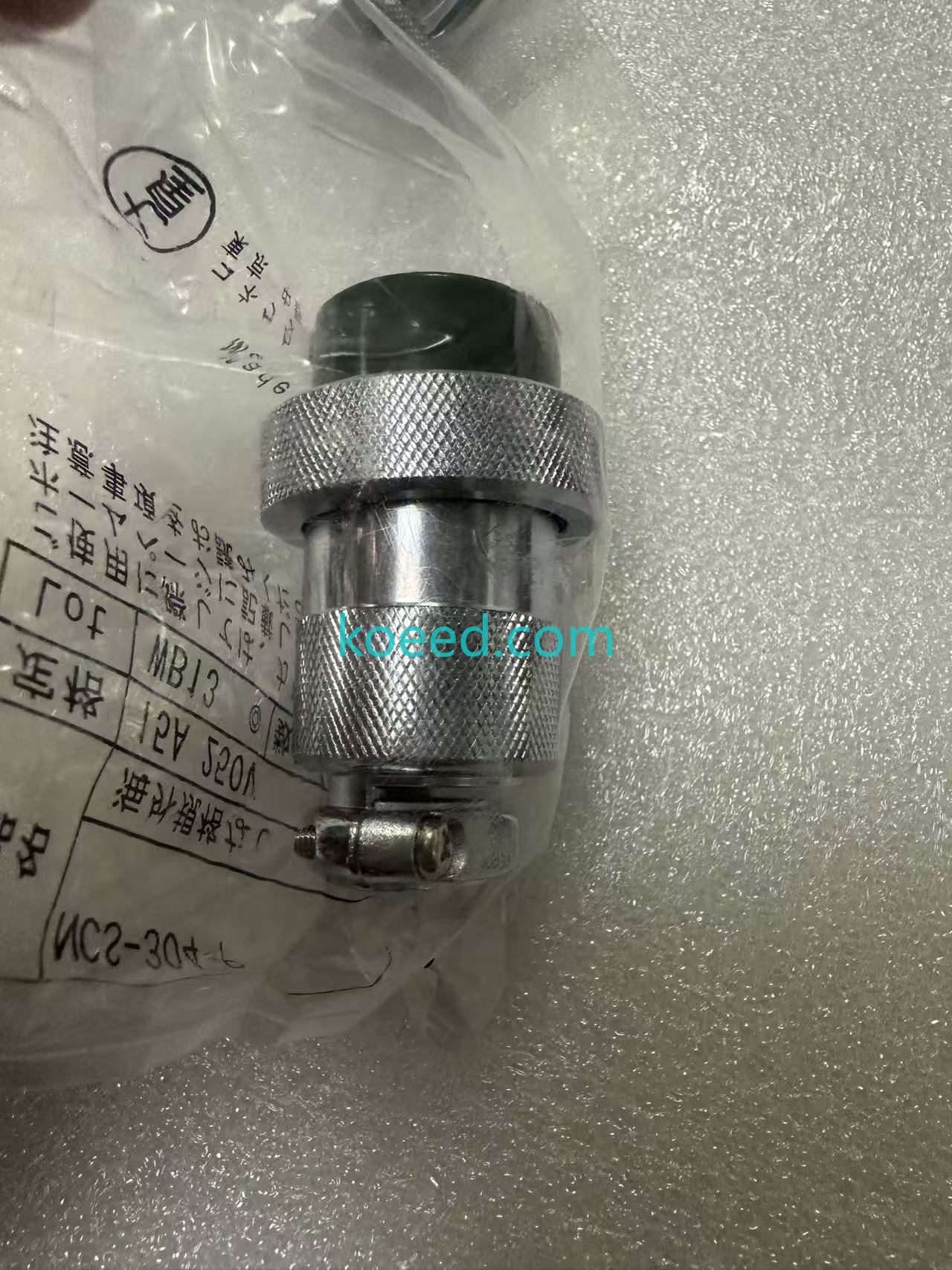
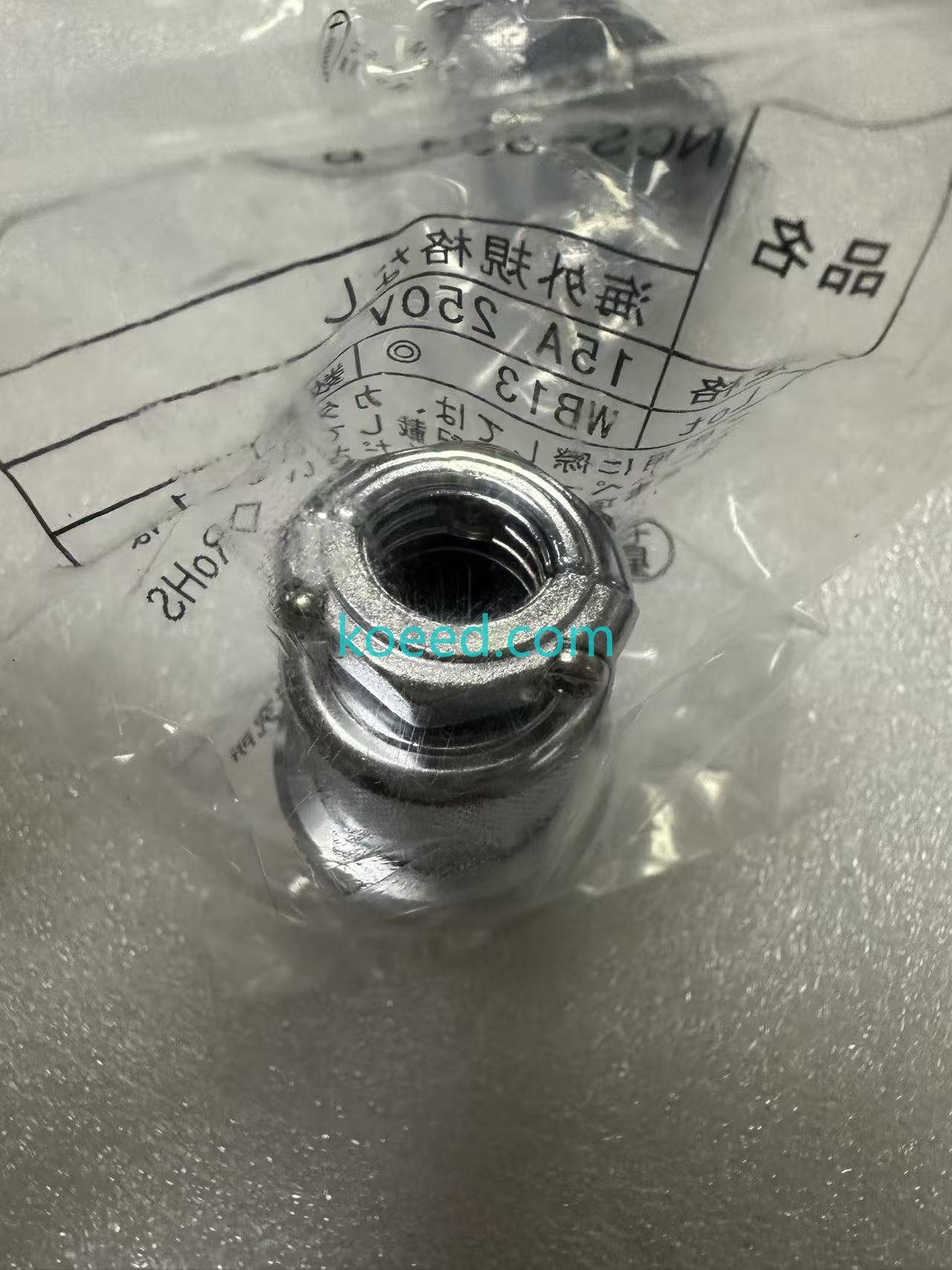
Below is a comprehensive visual reference of the Nanaboshi NCS-304-P connector from multiple angles — including shell construction, pin layout, thread detail, and packaging. These images assist procurement and quality assurance teams in verifying authenticity before integration.
IT/OT Convergence: Where the NCS-304-P Fits in the Smart Factory Stack
In the 2026 Purdue Model reference architecture, the NCS-304-P operates primarily at Levels 0–2 — the physical process, sensing, and control layers. Its role as a dependable interconnect directly impacts data fidelity flowing upward to SCADA, historians, and cloud-based digital twin platforms.
Key Integration Scenarios
PLC I/O Racks: The NCS-304-P is widely used as the interface connector between field-mounted sensors and PLC input modules — particularly in Mitsubishi, Omron, and Keyence ecosystems common across Asian manufacturing. Sourcing from Koeed's NCS-304-P inventory ensures pin-compatible, genuine Nanaboshi parts that eliminate signal mismatch errors.
Edge Computing Nodes: As edge gateways proliferate on factory floors, the NCS-304-P provides the reliable physical layer for power and low-speed data (RS-485, 4–20mA loops) between sensors and edge processors from vendors like Advantech and Siemens Industrial Edge.
Retrofit & Legacy System Sustainment: With the 2026 global push to extend machine lifecycles rather than replace, the NCS-304-P is indispensable for maintaining 10–20 year-old Japanese-built machinery still operational in automotive, packaging, and semiconductor fabs worldwide.
Maintenance & Troubleshooting: Maximizing Connector Service Life
Predictive Maintenance Checklist (2026 Best Practices)
The shift from reactive to predictive maintenance means connectors are no longer "fit and forget" components. Incorporate these checks into your CMMS (Computerized Maintenance Management System) workflows:
| Inspection Item | Frequency | Pass/Fail Criteria |
|---|---|---|
| Contact resistance (4-wire Kelvin) | Every 12 months | < 5 mΩ per contact; > 10 mΩ triggers re-termination |
| Thread engagement torque | Every 6 months | 0.8–1.2 N·m; re-tighten if below threshold |
| Shell corrosion & plating integrity | Every 3 months (visually) | No visible pitting, zinc bloom, or discoloration |
| Solder joint thermal imaging | Annually (under load) | ΔT < 5°C between joint and ambient |
| Cable strain relief condition | Every 6 months | No cracks, brittleness, or separation from shell |
Common Fault Patterns & Resolution
⚠️ Intermittent Signal Dropout on 4–20mA Loop
Root Cause: Cold solder joint or oxidized contact surface. Resolution: De-solder, clean pins with isopropyl alcohol (99.9%), re-solder with fresh flux-core solder. Verify continuity with a milli-ohmmeter before re-mating.
⚠️ Connector Won't Fully Thread / Cross-Threading Risk
Root Cause: Debris in threads or misalignment during initial engagement. Resolution: Clean threads with a soft brass brush and apply a thin film of silicone-based dielectric grease. Always engage by hand for the first 2–3 turns before using tools.
⚠️ Overheating at Rated 15A Load
Root Cause: Undersized wire gauge or poor solder wetting. Resolution: Ensure minimum 14 AWG (2.0 mm²) stranded copper wire for sustained 15A operation. Re-terminate if solder joint appears grainy or dull (indicating a cold joint).
⚠️ EMI Noise Coupling into Adjacent Signal Lines
Root Cause: Missing or degraded shell-to-cable shield bond. Resolution: Verify the metal shell is properly bonded to the cable shield drain wire. The NCS-304-P's all-metal construction provides inherent shielding — but only if the shield path is continuous.
Sustainability & Total Cost of Ownership (TCO) Analysis
As of 2026, corporate ESG reporting increasingly scrutinizes Scope 3 downstream emissions — including the embedded carbon in replacement components. The NCS-304-P's field-repairable solder-cup architecture directly supports circular economy principles:
Repairability Score: 8/10 — Unlike molded or crimped connectors that become e-waste after a single wire break, the NCS-304-P can be re-terminated up to 5–7 times over its service life before pin degradation necessitates replacement.
Estimated 7-Year TCO Comparison (per 100 connectors in a typical packaging line):
| Cost Factor | NCS-304-P (Genuine) | Generic Alternative |
|---|---|---|
| Initial procurement (100 units) | Baseline | −35% upfront |
| Replacement rate (7 years) | ~12% (vibration zones) | ~35% (contact fretting) |
| Downtime cost (avg. $450/hr) | ~$2,700 | ~$11,250 |
| Re-termination labor | $0 (solder DIY) | $0 (disposable) |
| Total 7-Year Cost | Baseline + ~15% | Baseline + ~53% |
The data is clear: genuine Nanaboshi NCS-304-P connectors deliver a significantly lower TCO despite a higher unit price — a purchasing decision that aligns with both financial prudence and sustainability mandates.
Frequently Asked Questions
Q: Is the NCS-304-P compatible with NCS-304-R (receptacle) and NCS-304-PM (male plug)?
Yes. The NCS-304-P is the female (socket) side of the NCS 4-pin series. It mates directly with the NCS-304-PM (male plug) and NCS-304-R (panel-mount receptacle). Always verify the mating pair gender before ordering. For complete pairing guidance, consult the product page at Koeed's NCS-304-P listing.
Q: What wire gauge range does the solder cup accept?
The NCS-304-P solder cups accommodate 16 AWG (1.25 mm²) to 12 AWG (3.5 mm²) stranded copper wire. For sustained 15A applications, 14 AWG (2.0 mm²) is recommended to maintain a safe thermal margin.
Q: Can the NCS-304-P be used in outdoor or washdown environments?
When properly mated with its corresponding plug, the threaded metal coupling achieves approximately IP67-level ingress protection. However, it is not rated for continuous submersion or high-pressure washdown (IP69K). For those environments, consider a secondary protective boot or enclosure.
Q: How does Koeed ensure authenticity of the NCS-304-P?
All NCS-304-P units supplied by Koeed are sourced through authorized Japanese distribution channels with full batch traceability. Each connector is visually inspected and cross-referenced against Nanaboshi's OEM marking standards before dispatch. Order with confidence from Koeed.
Ready to Deploy the NCS-304-P in Your Facility?
Whether you're retrofitting legacy Japanese machinery or provisioning new PLC I/O racks, genuine Nanaboshi NCS-304-P connectors ensure signal integrity, mechanical durability, and long-term TCO savings. Our team is ready to support your procurement with technical verification and competitive 2026 pricing.
Or visit the product page directly: NCS-304-P at Koeed.com


