

Panasonic NC4D-DC24V (AW8242) Relay: 2026 Industrial Automation Guide for 4PDT 5A Control Systems
1. Strategic Overview: The NC4D-DC24V in the 2026 Industrial Landscape
As industrial automation accelerates toward fully converged IT/OT architectures in 2026, the Panasonic NC4D-DC24V AW8242 relay stands as a critical control-layer component — bridging the physical I/O world with intelligent monitoring systems. This slim-profile, 4-pole double-throw (4PDT) power relay delivers 5A switching at 250VAC / 30VDC with a 24VDC coil, making it indispensable in PLC output modules, safety interlock circuits, motor control contactor driving, and HVAC automation across smart factories.
Part of Panasonic's long-established NC Series, the NC4D variant (internal designation AW8242) has proven longevity exceeding 500,000 mechanical operations at rated load. In the 2026 context — where every millisecond of downtime translates to quantified revenue loss — this relay's 20ms operate time and -40°C to +55°C operating envelope ensure reliability in extreme industrial environments, from freezer warehouses to unventilated control cabinets in Southeast Asian plants.
2026 Sustainability Angle: At just 720mW coil consumption, the NC4D-DC24V contributes to increasingly stringent Scope 2 energy reporting. When deployed across a 200-relay control panel, total coil burden is only 144W — a fraction of legacy contactor-based logic. Pair with DC-DC converters running at >92% efficiency for maximum TCO gains over a 10-year asset lifecycle.
2. Technical Specifications & Benchmarking
The NC4D-DC24V AW8242 belongs to Panasonic's NC Series — a line engineered for space-constrained control panels without compromising switching capacity. Below is a detailed technical benchmark comparing this model against the broader NC family and legacy relay solutions commonly replaced in 2024–2026 retrofit projects.
| Parameter | NC4D-DC24V (AW8242) | NC2D-DC24V (2PDT Sibling) | Legacy MY4-DC24V |
|---|---|---|---|
| Contact Form | 4PDT (4 Form C) | 2PDT (2 Form C) | 4PDT (4 Form C) |
| Contact Rating | 5A @ 250VAC / 5A @ 30VDC | 5A @ 250VAC / 5A @ 30VDC | 5A @ 250VAC / 5A @ 30VDC |
| Coil Voltage | 24 VDC | 24 VDC | 24 VDC |
| Coil Resistance | 800 Ω (±10%) | 1,600 Ω (±10%) | 650 Ω (±10%) |
| Coil Power | 720 mW | 360 mW | ~900 mW |
| Operate Time | ≤ 20 ms | ≤ 20 ms | ≤ 25 ms |
| Release Time | ≤ 10 ms | ≤ 10 ms | ≤ 25 ms |
| Operating Temp. | -40°C to +55°C | -40°C to +55°C | -55°C to +70°C |
| Mechanical Life | ≥ 20×10⁶ ops | ≥ 20×10⁶ ops | ≥ 50×10⁶ ops |
| Electrical Life (5A) | ≥ 500×10³ ops | ≥ 500×10³ ops | ≥ 500×10³ ops |
| Package Style | Slim / PCB or Socket | Slim / PCB or Socket | Plug-in / Socket |
| 2026 Avg. Unit Price | Approx. $8–$14 USD | Approx. $6–$10 USD | Approx. $7–$12 USD |
Key Differentiators (2026 Perspective)
The NC4D-DC24V's 800Ω coil impedance at 24VDC yields approximately 30mA nominal coil current — easily driven by standard transistor-output PLC modules without external amplification. Compared to the MY4 legacy series, the NC4D's slimmer profile saves approximately 15–20% DIN rail real estate per relay, a critical factor in 2026's high-density control panels where space is at a premium for IoT gateway integration.
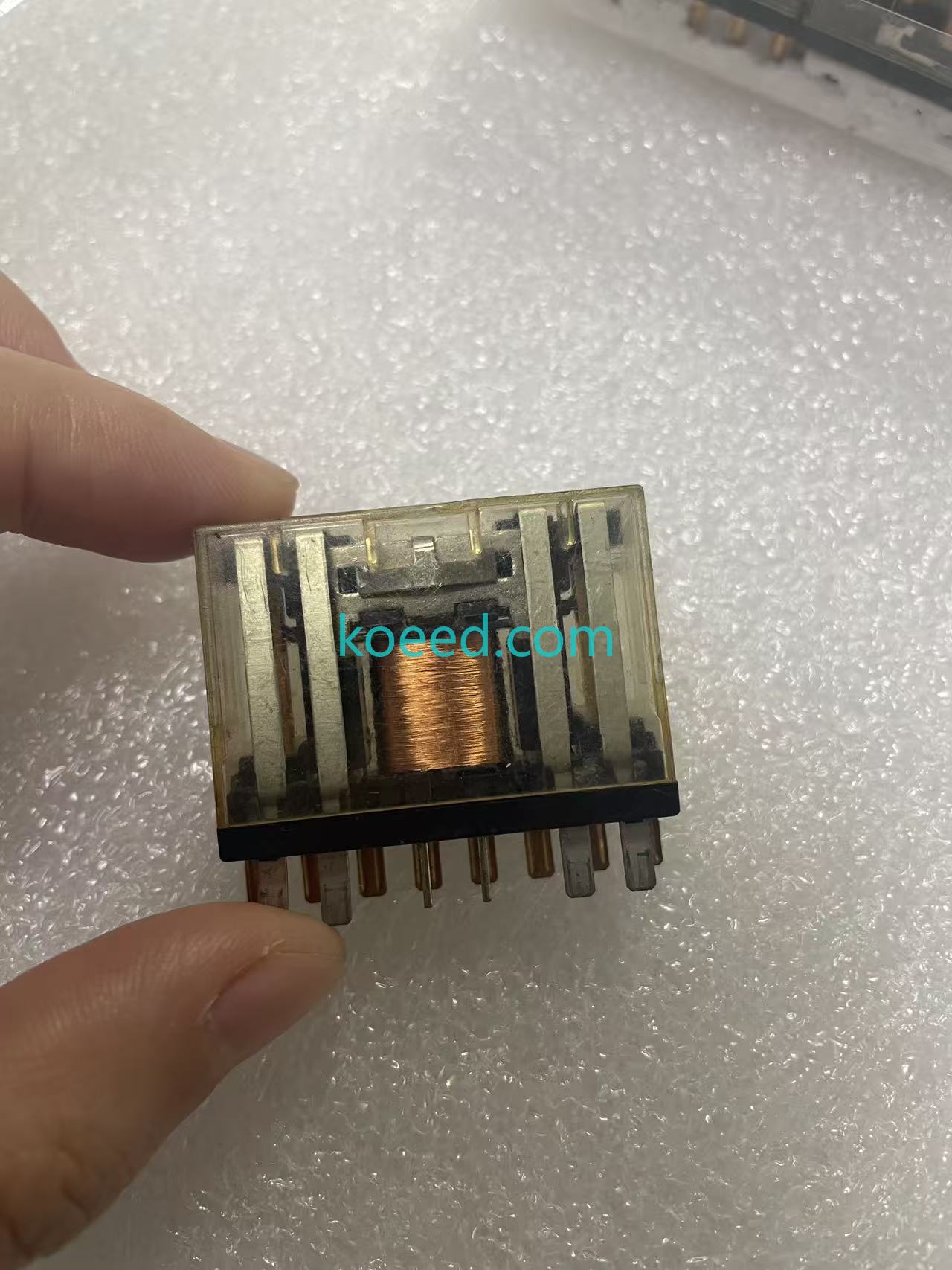
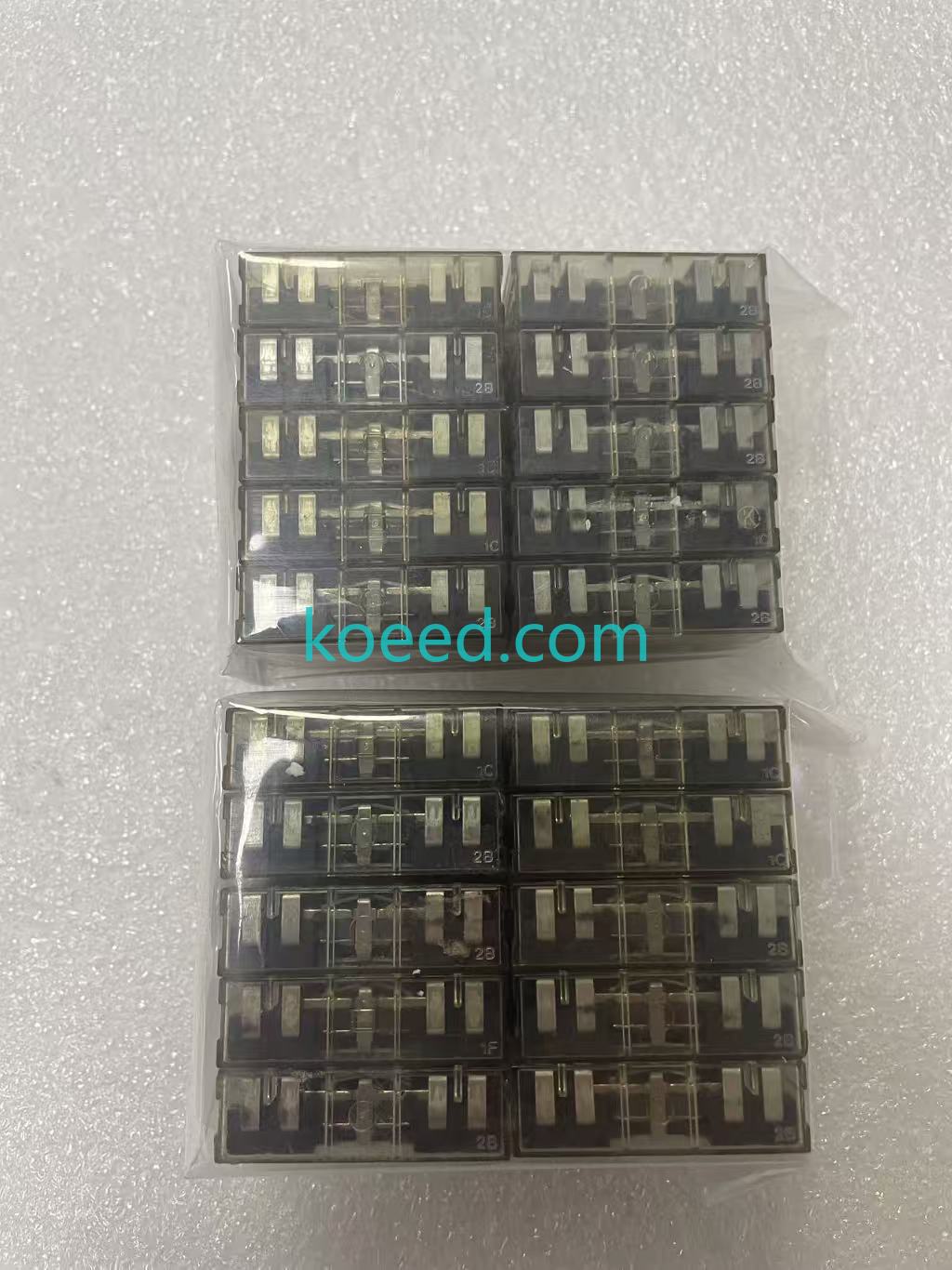
3. Visual Gallery — NC4D-DC24V AW8242
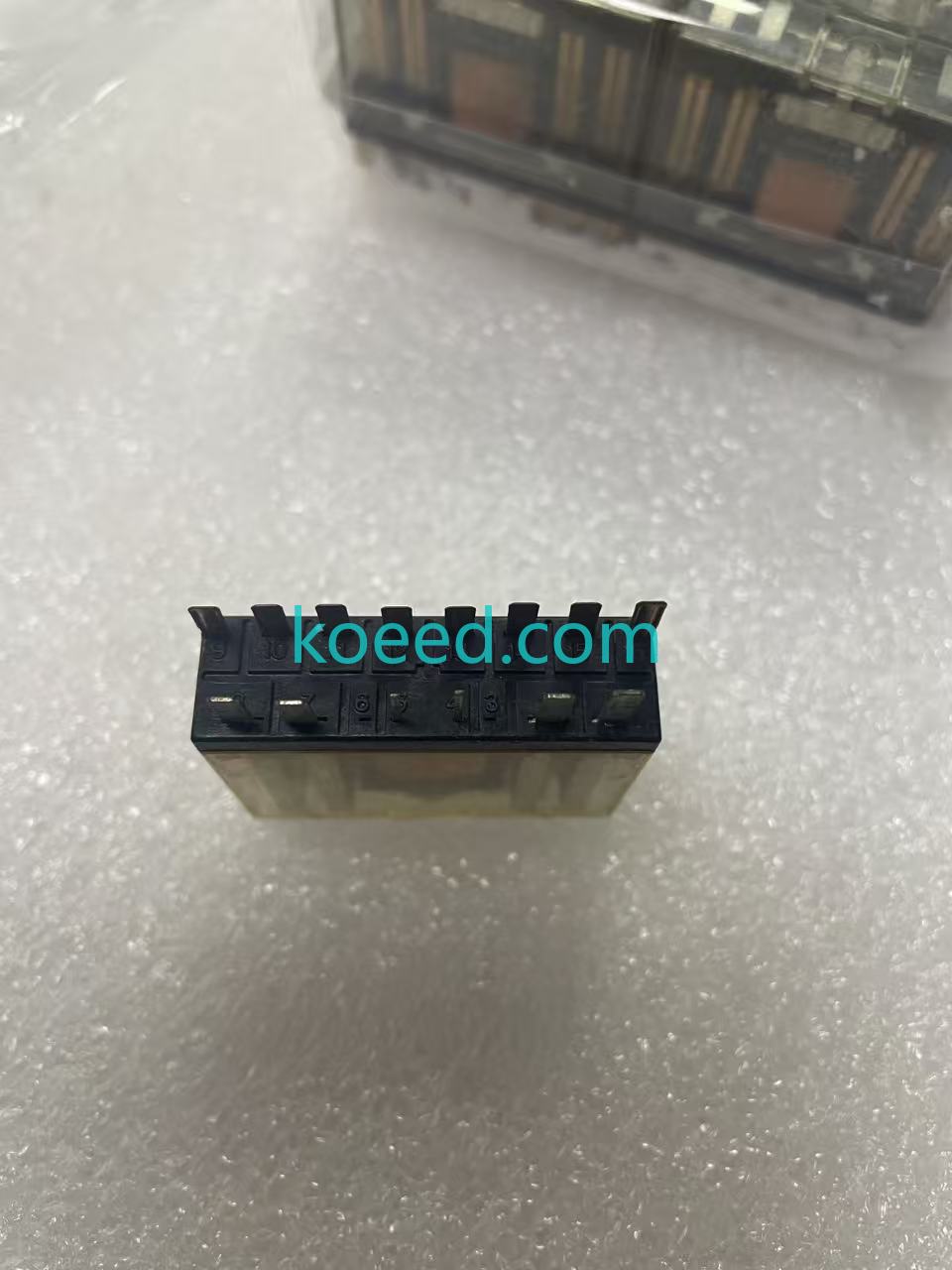
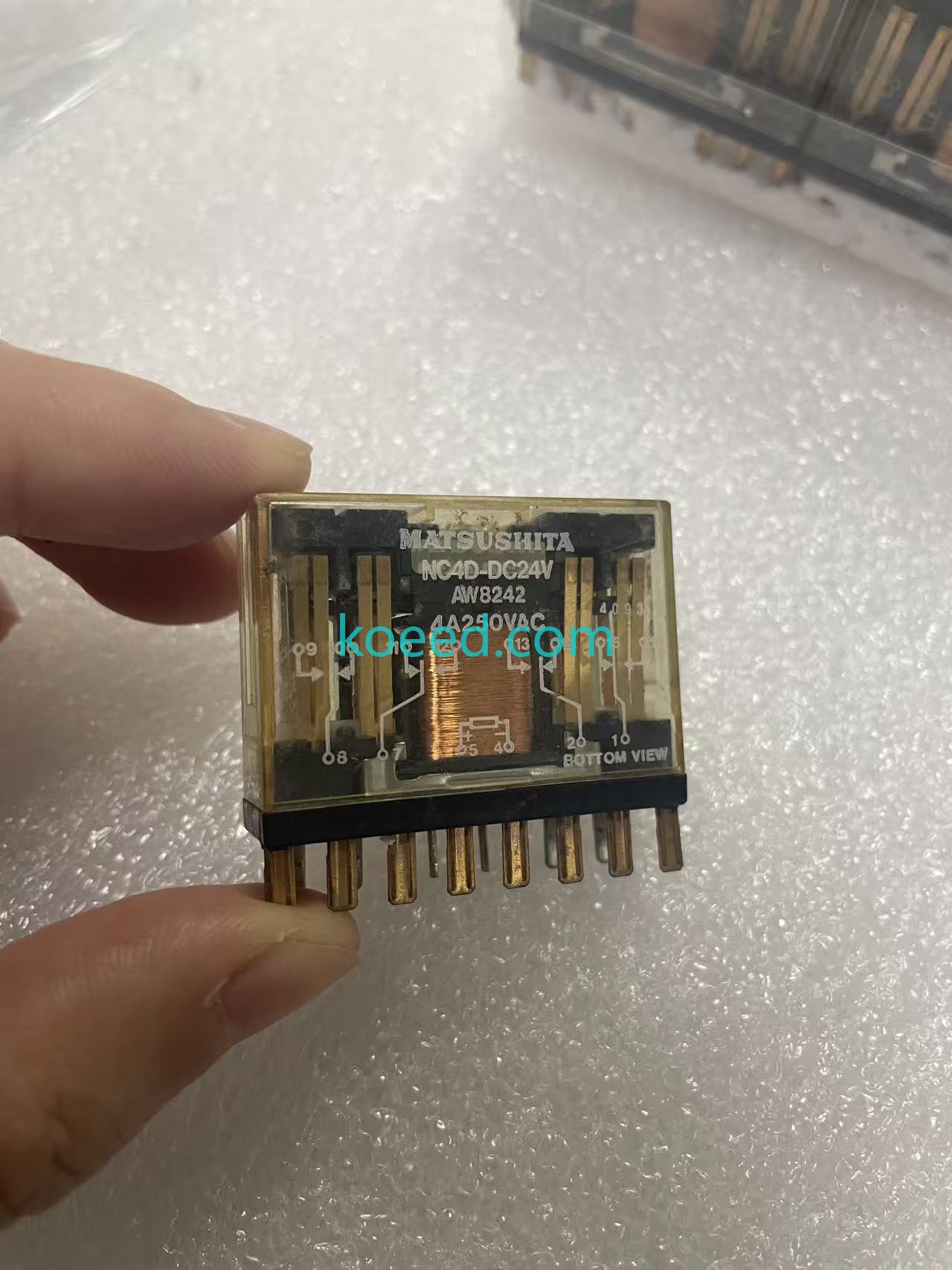
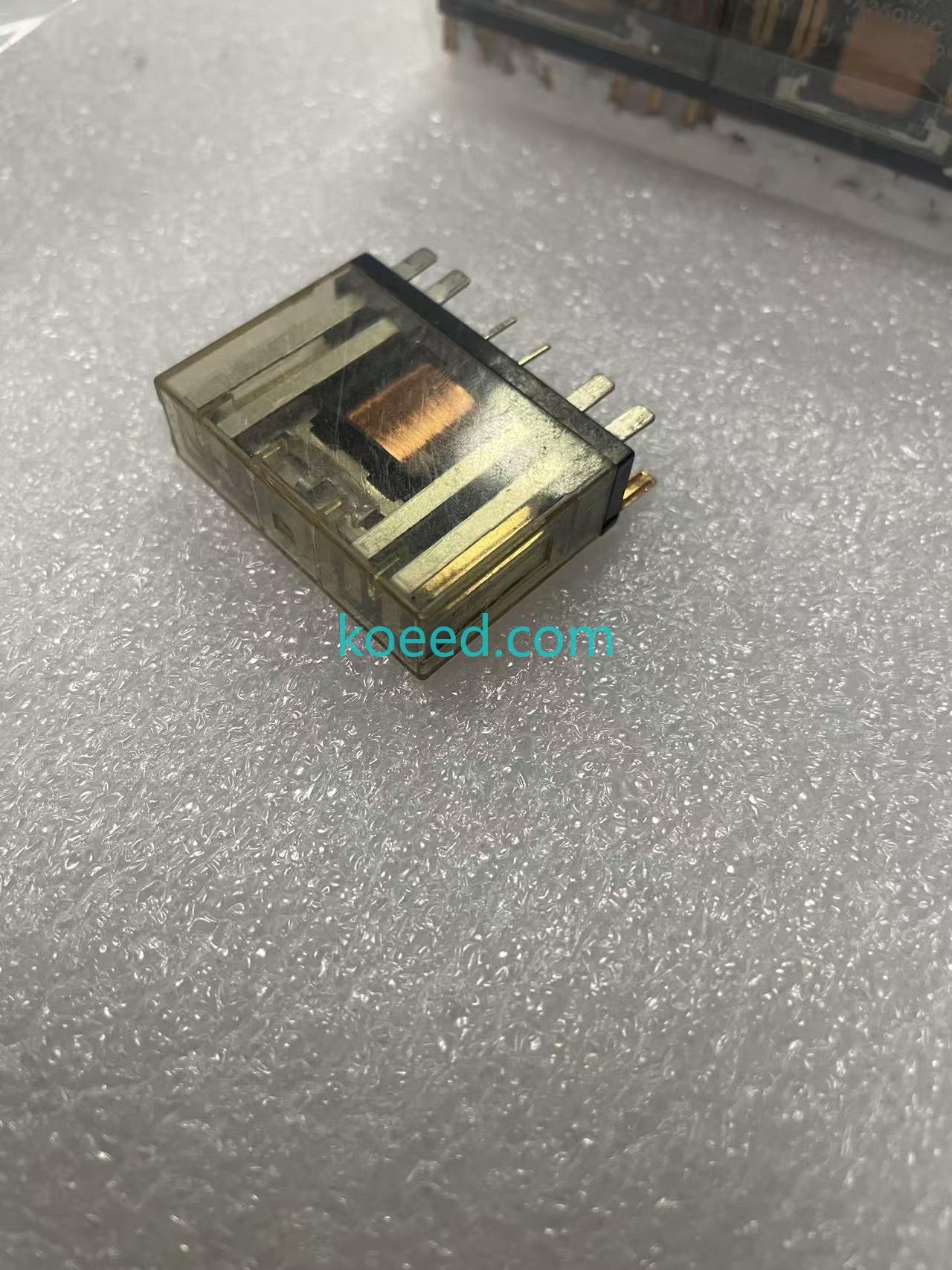
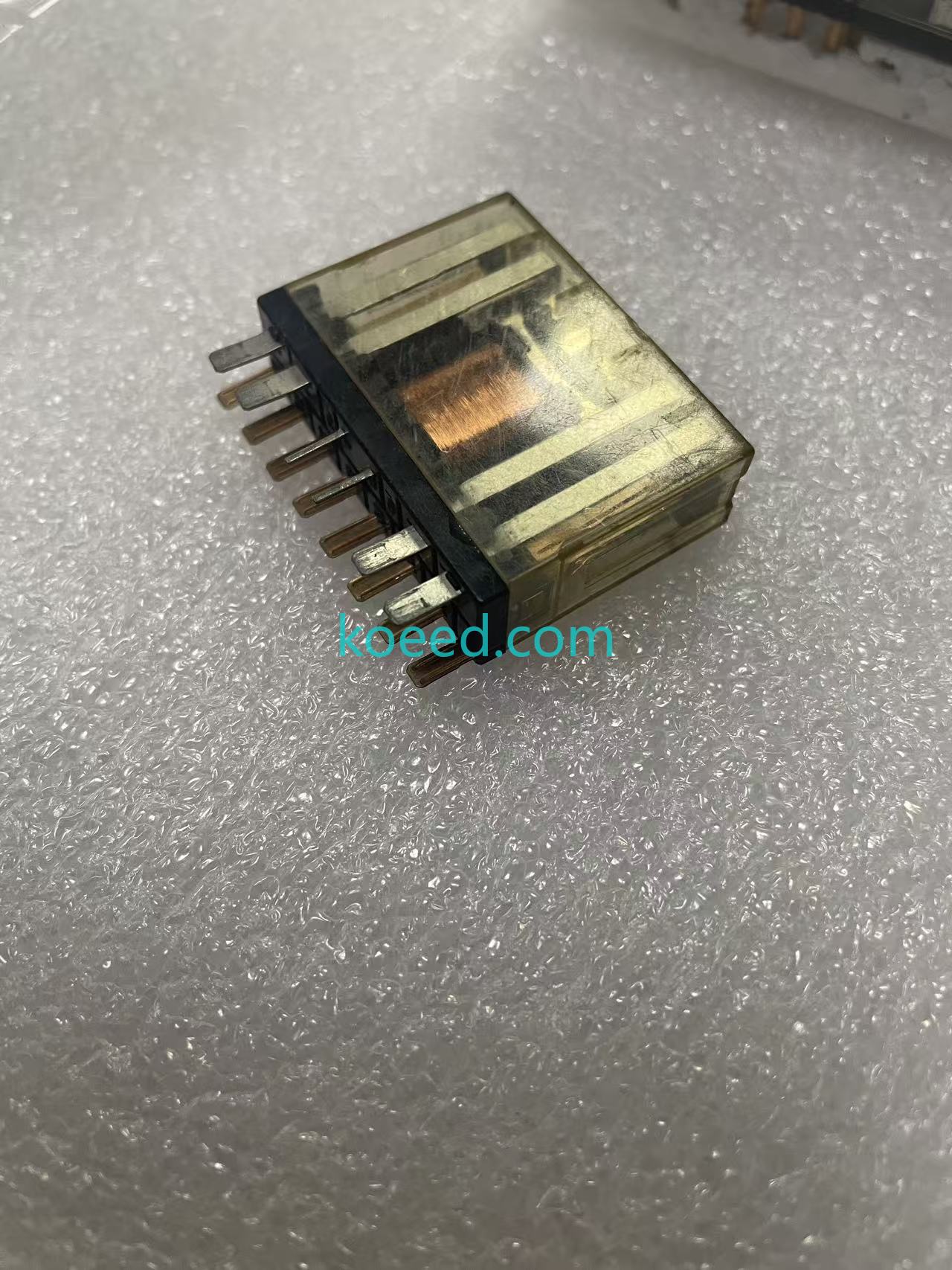
Product Demonstration Video
4. IT/OT Convergence & 2026 Application Architecture
In the 2026 smart-factory paradigm, the NC4D-DC24V is not merely an electromechanical switch — it is a data-generating edge node. When integrated with current-sensing PLC input modules, coil current draw can be trended over time to detect contact degradation before failure. This enables true predictive maintenance workflows natively within platforms like Siemens MindSphere, Rockwell FactoryTalk, or Ignition SCADA.
Primary 2026 Deployment Scenarios
- PLC Interposing Relay: Buffering solid-state PLC outputs to drive higher-power contactors, solenoid valves, and motor starters. The 4PDT configuration allows simultaneous control and status feedback loops.
- Safety Relay Logic: Redundant channel switching in Category 3/4 safety circuits when paired with approved safety controllers.
- HVAC & Building Automation: 5A rating comfortably handles compressor contactor coils, damper actuators, and heating element control across BAS (Building Automation System) deployments.
- Edge Gateway Power Sequencing: Coordinated power-up/down of IIoT gateways, edge computers, and network switches in remote cabinet installations.
Digital Twin Integration
By 2026, leading E-CAD platforms (EPLAN, AutoCAD Electrical, SolidWorks Electrical) include pre-validated digital twins of the NC Series. Panel designers can simulate thermal behavior and MTBF across the relay population before physical build, reducing commissioning rework by an estimated 18–25% based on 2025 field studies.
5. Maintenance, Troubleshooting & Lifecycle Optimization
Predictive Maintenance (2026 Best Practice): Implement a coil-current monitoring routine via your PLC's analog input module. A deviation of more than ±12% from the nominal 30mA baseline (at stable 24VDC supply) indicates either coil insulation degradation or contact welding risk. Schedule replacement at the next planned outage — do not wait for failure.
Common Fault Modes & Resolution
| Symptom | Likely Cause | Resolution |
|---|---|---|
| Relay fails to energize | Coil open-circuit or supply voltage sag below 2.4VDC dropout | Measure coil resistance (expect ~800Ω ±10%); verify 24VDC rail stability under load |
| Intermittent contact chatter | Contact oxidation or mechanical shock exceeding 100m/s² | Inspect contacts for pitting; verify mounting orientation and anti-vibration measures |
| Premature contact welding | Inrush current exceeding 5A rating or inductive load without snubber | Install RC snubber (100Ω + 0.1μF) across contacts for inductive loads; verify inrush profile |
| Coil overheating (>55°C ambient) | Ambient temperature breach or continuous energization beyond rated duty | Improve cabinet ventilation; consider NC4D sealed variant for harsh environments |
Preventive Maintenance Schedule (2026 Guidelines)
- Monthly: Visual inspection for discoloration, dust accumulation, terminal tightness.
- Quarterly: Coil resistance measurement and contact resistance trending via automated test sequence.
- Annually: Full functional test under load; replace any relay exceeding 80% of rated electrical life (400,000 operations).
- Every 5 Years: Proactive fleet replacement in mission-critical circuits, irrespective of apparent condition — TCO analysis confirms this is cheaper than single-point failure remediation.
6. Frequently Asked Questions
What is the difference between NC4D-DC24V and NC4D-P-DC24V?
The NC4D-DC24V is the standard plug-in/solder terminal version, while the NC4D-P-DC24V features PCB-mount terminals. Both share identical electrical specifications (4PDT, 5A, 24VDC coil, 800Ω). The AW8242 designation on the standard NC4D-DC24V identifies a specific production batch or internal variant code used by Panasonic for traceability. Always verify your socket or PCB footprint before ordering.
Can the NC4D-DC24V be driven directly from a PLC transistor output?
Yes — the 30mA nominal coil current at 24VDC is well within the capabilities of most modern PLC transistor outputs (typically rated 0.5A to 2A per channel). However, always install a flyback diode (1N4007 or equivalent) across the coil terminals to suppress back-EMF and protect the PLC output transistor. This is mandatory practice in 2026 industrial wiring standards.
What socket is compatible with the NC4D-DC24V?
The NC4D-DC24V uses Panasonic's standard NC series socket. Compatible sockets include the Panasonic NC4-SS (screw terminal) series designed for 4PDT NC relays. Always confirm pin assignment matches the 14-pin 4PDT layout: coil at pins 13–14, with four independent C/NO/NC contact sets distributed across the remaining terminals.
Is the NC4D-DC24V suitable for capacitive or high-inrush loads?
The NC4D-DC24V is rated for 5A steady-state, but capacitive inrush can momentarily exceed this. For loads with inrush above 15A, use an external contactor or solid-state relay as the primary switching element, with the NC4D-DC24V driving the contactor coil. This staged switching architecture preserves relay life and is standard practice in 2026 panel design for LED driver banks, VFD input circuits, and switch-mode power supply arrays.
What is the expected lead time for NC4D-DC24V AW8242 in 2026?
As of mid-2026, Panasonic has normalized production of the NC Series following the 2023–2025 semiconductor supply chain recalibration. Standard lead times range from 2–6 weeks depending on order volume. Koeed maintains strategic buffer stock of the NC4D-DC24V AW8242 to support urgent replacement and project acceleration needs. Request a live stock check for current availability.
7. Procurement & Technical Support
Ready to Deploy the NC4D-DC24V AW8242?
Koeed supports your 2026 automation projects with genuine Panasonic NC Series relays, competitive OEM pricing, and global express logistics. Whether you need a single replacement unit or a bulk panel-build order, our B2B specialists are ready.


