

Siemens 6ES7 315-2AF02-0AB0 CPU 315-2 DP: 2026 Brownfield Modernization & TCO Optimization Guide
Strategic Overview: The CPU 315-2 DP in the 2026 Industrial Landscape
The Siemens SIMATIC S7-300 CPU 315-2 DP — part number 6ES7 315-2AF02-0AB0 — remains one of the most deployed mid-range PLC processors across global manufacturing floors. In 2026, as industries accelerate IT/OT convergence and predictive maintenance initiatives, this PROFIBUS DP-enabled CPU occupies a critical position: the bridge between legacy reliability and digital transformation.
While Siemens has strategically shifted its portfolio emphasis toward the S7-1200 and S7-1500 platforms, the CPU 315-2 DP continues to serve as the operational backbone for thousands of brownfield installations — from automotive assembly lines and food & beverage packaging to water treatment plants and chemical processing. With a mature firmware ecosystem, extensive I/O expandability via ET 200M/ET 200S, and proven MTBF exceeding 100,000 hours in controlled environments, this processor module delivers exceptionally low TCO when coupled with a well-planned lifecycle extension strategy.
2026 Key Positioning Factors
- IT/OT Convergence: Integrates via PROFIBUS DP to SCADA/HMI gateways (WinCC, Ignition) and edge-computing nodes for cloud analytics pipelines on AWS IoT Greengrass or Siemens Industrial Edge.
- Sustainability Edge: Lower power consumption (~3.5 W typical) compared to over-specified replacements; extending service life reduces e-waste and aligns with ISO 14001 ESG targets.
- Predictive Maintenance Ready: CPU diagnostic buffers and OB86/OB82 fault-handling blocks feed real-time condition-monitoring data to AI/ML predictive platforms.
Technical Benchmarking: CPU 315-2 DP vs. Modern Migration Candidates
For engineering teams evaluating whether to extend an existing S7-300 rack or migrate to newer silicon, the following benchmark comparison provides a data-driven decision framework:
| Parameter | 6ES7 315-2AF02-0AB0 (CPU 315-2 DP) | S7-1500 CPU 1513-1 PN | S7-1200 CPU 1215C |
|---|---|---|---|
| Work Memory (Program/Data) | 128 KB / 128 KB | 300 KB / 1.5 MB | 125 KB / 4 MB |
| Bit Performance | ~0.3 μs/instruction | ~0.04 μs/instruction | ~0.08 μs/instruction |
| Communication Interface | 1× MPI/DP, 1× DP (Master/Slave) | 2× PROFINET (IRT), 1× PROFIBUS optional | 1× PROFINET, optional RS485 |
| Max. Distributed I/O | 1,024 bytes (inputs/outputs each) | 32 KB per station | 1,024 bytes (inputs/outputs each) |
| Integrated Web Server | ❌ Not available | ✅ Full OPC UA + web visualization | ✅ Basic web server |
| OPC UA | ❌ Requires external gateway | ✅ Native (Client + Server) | ✅ Native (Server only) |
| Firmware Maturity | V2.6.x (Stable, Long-Term) | V3.x (Actively evolving) | V4.x (Actively evolving) |
| Typical Replacement Cost (2026, New) | N/A (Discontinued — Refurbished Market: $450–$900) | $2,200–$3,500 | $550–$850 |
| Estimated Migration Engineering Hours | — (Baseline) | 40–120 hrs (dependent on I/O topology) | 30–90 hrs (limited by I/O count) |
Visual Gallery: 6ES7 315-2AF02-0AB0 Condition Reference
Below is a comprehensive visual reference of the CPU 315-2 DP module — useful for physical inspection, counterfeit verification, and pre-installation visual checks:
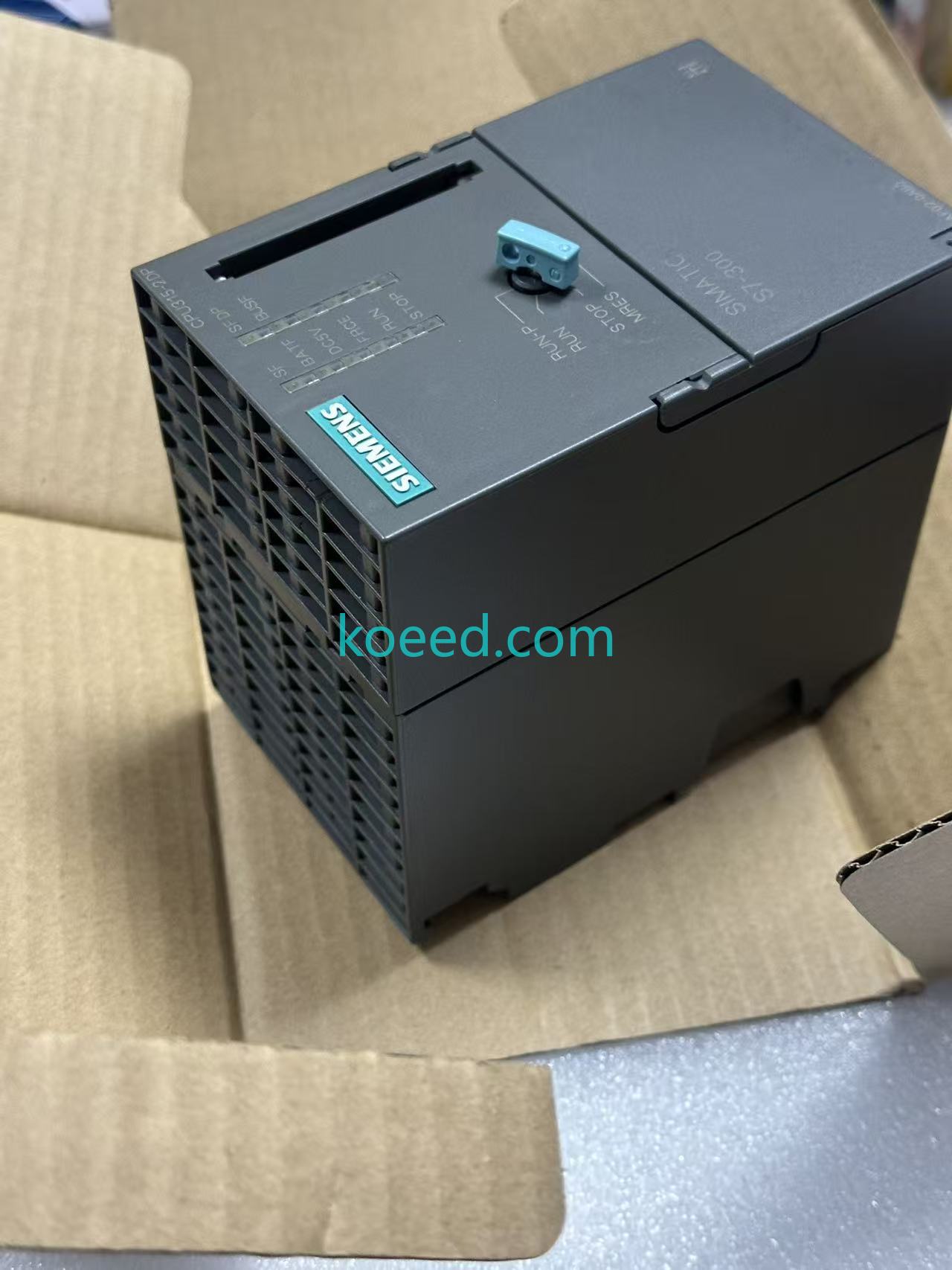
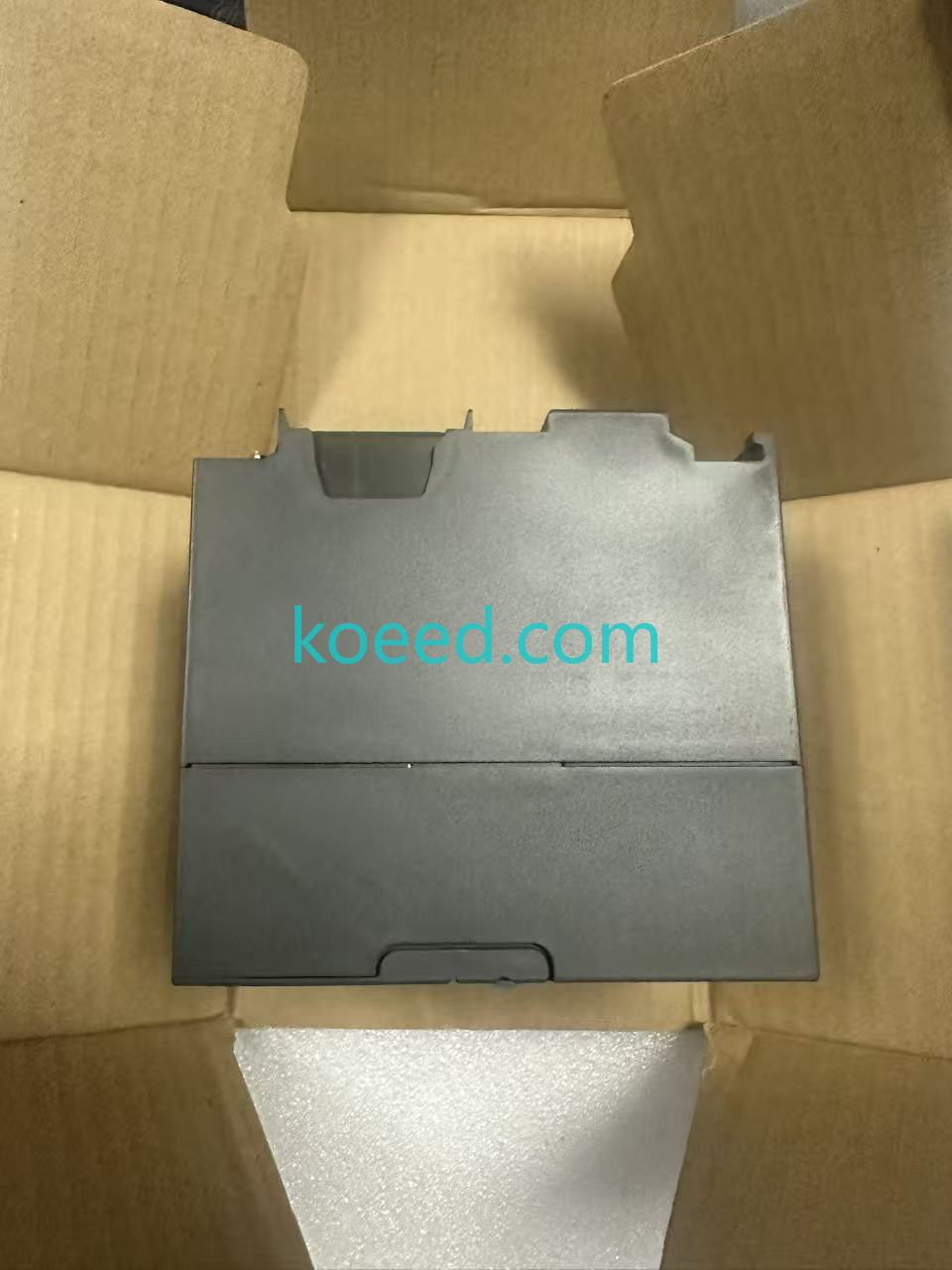
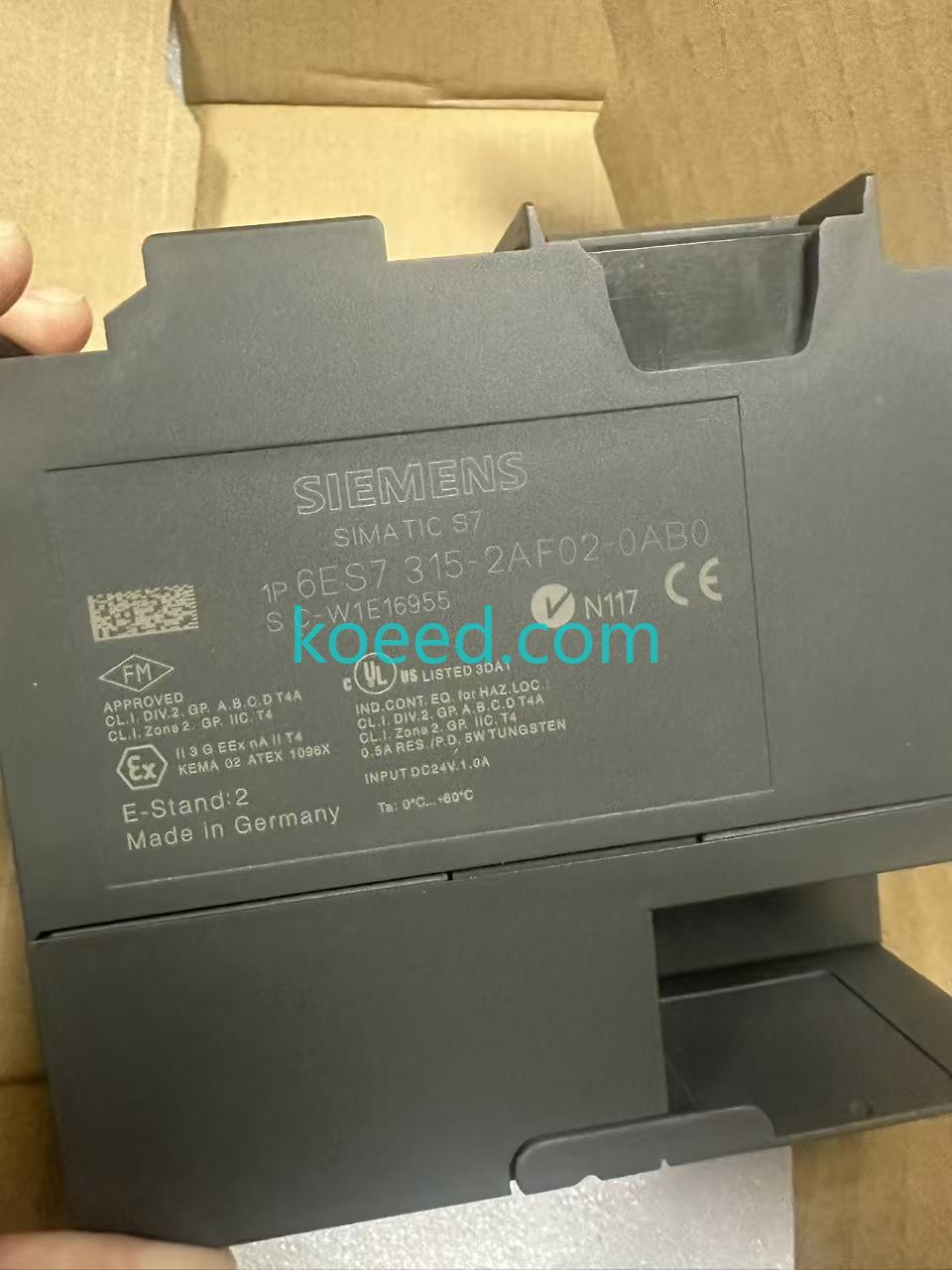
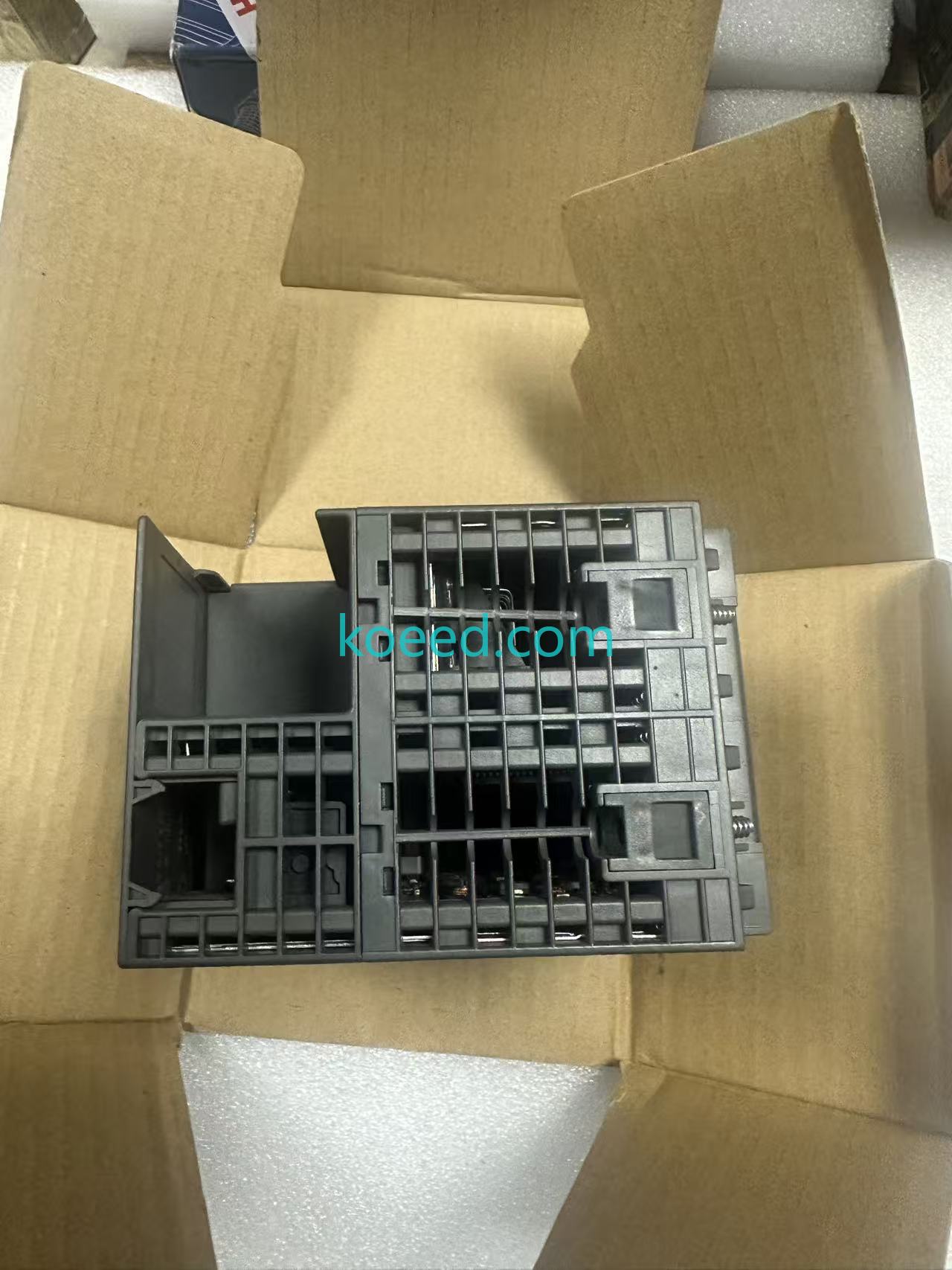
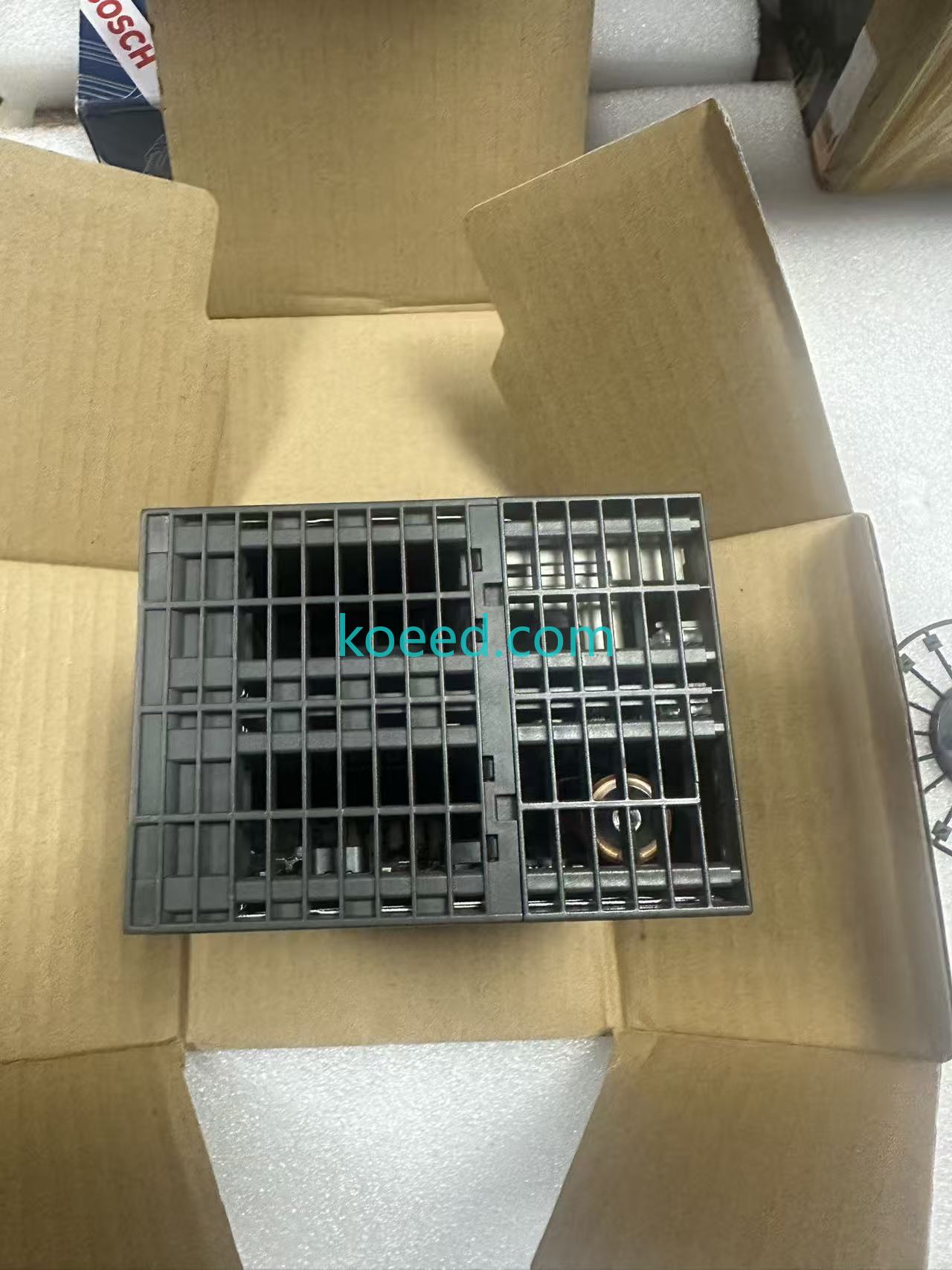
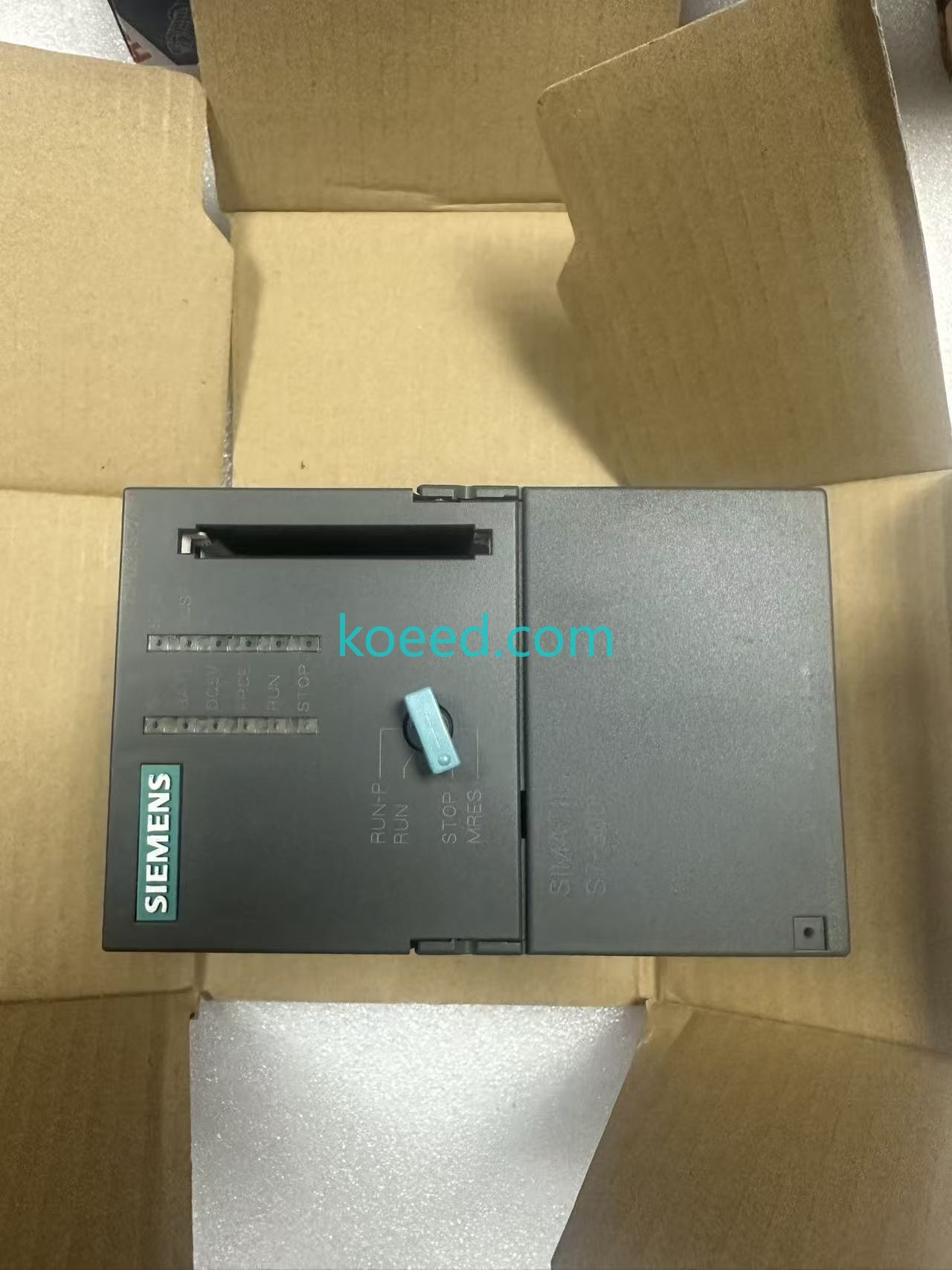
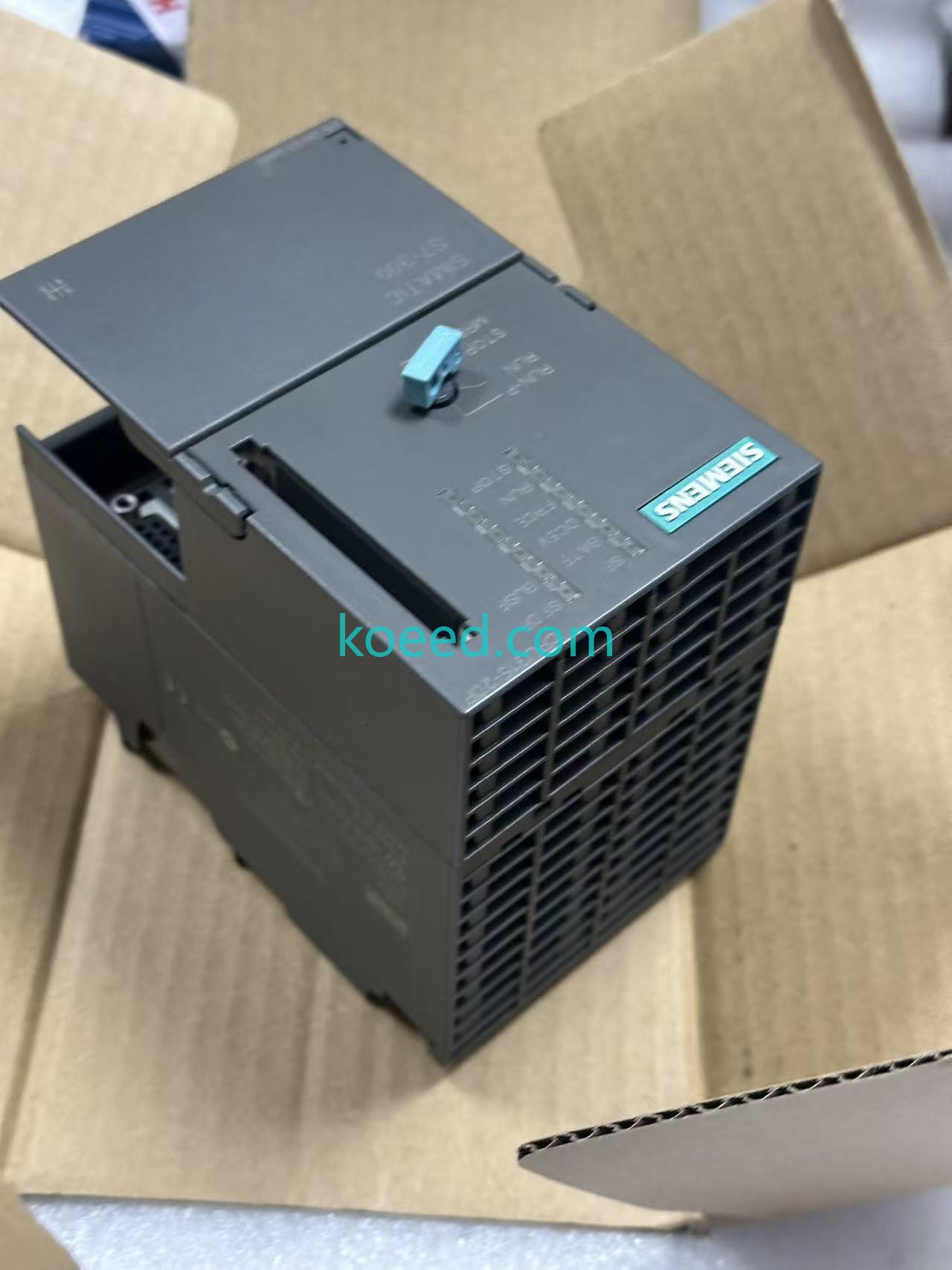
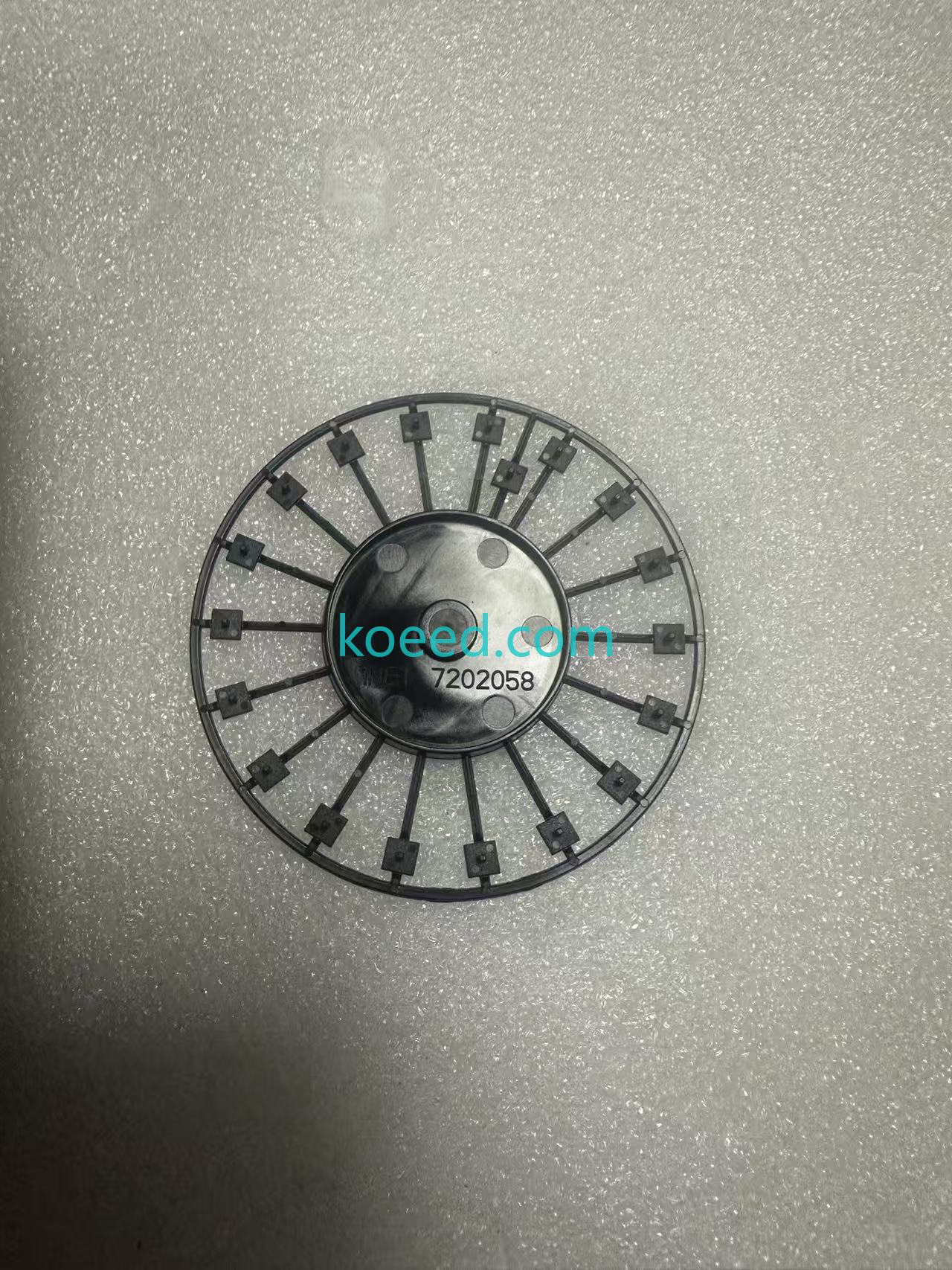
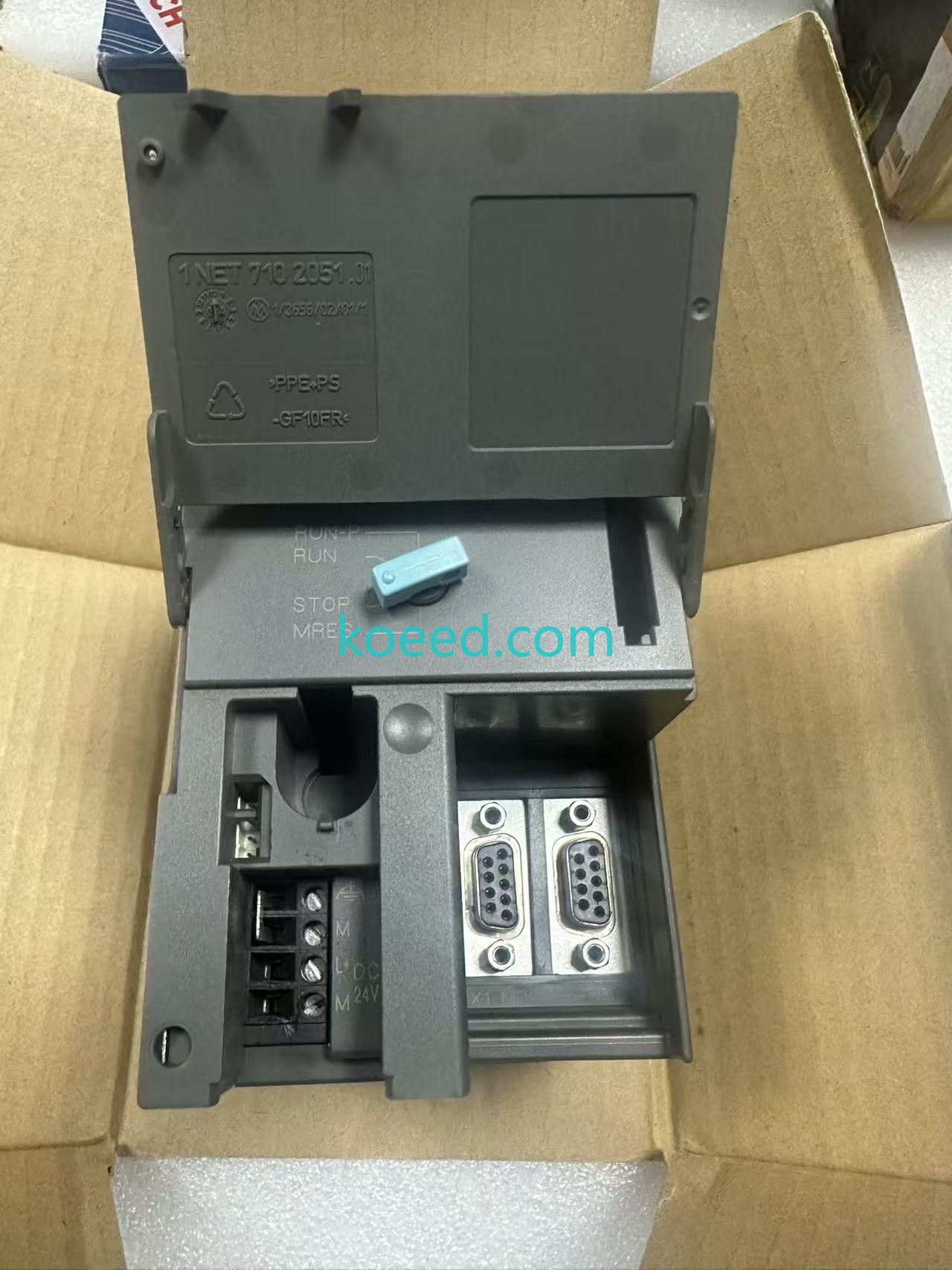
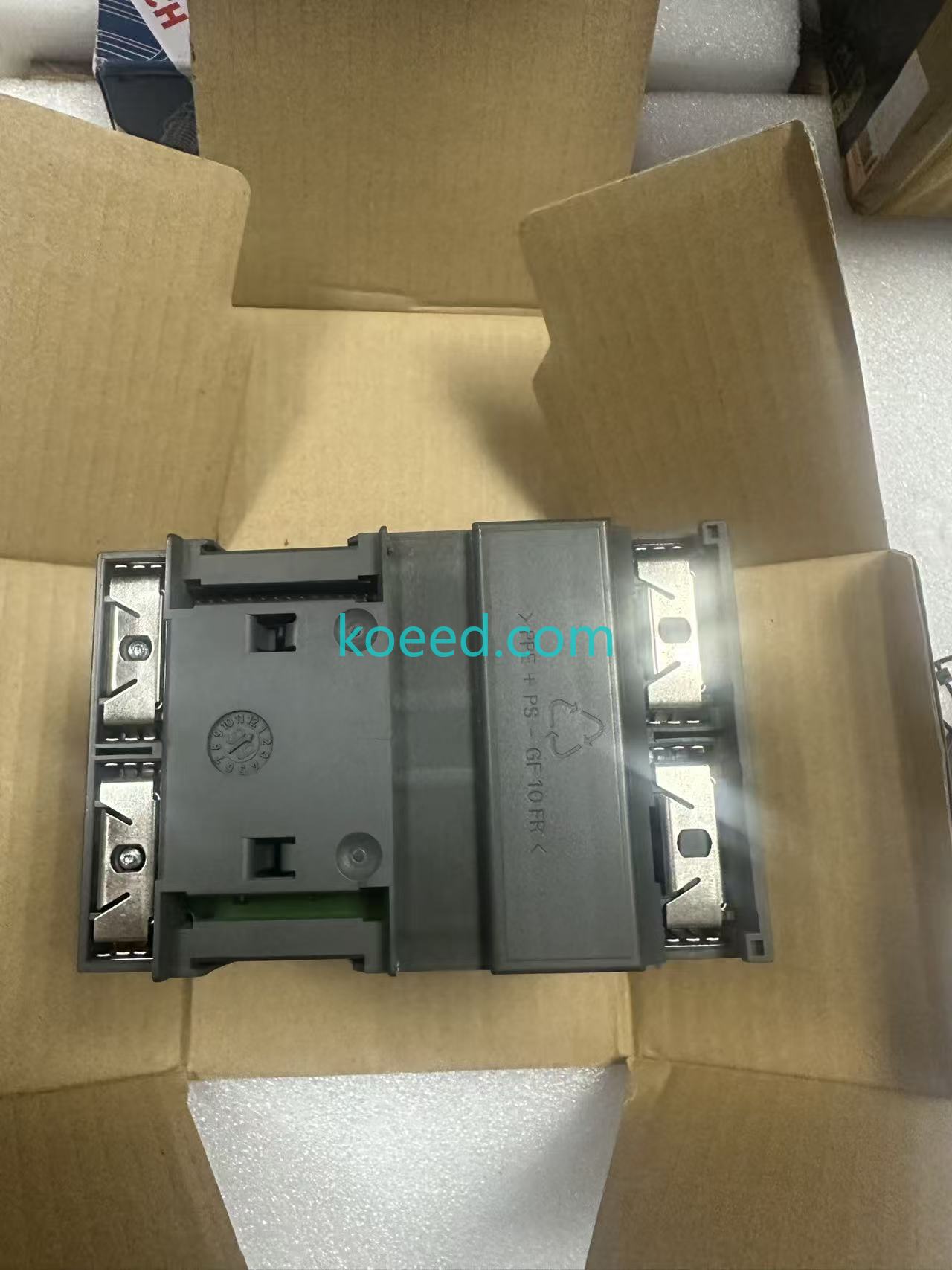
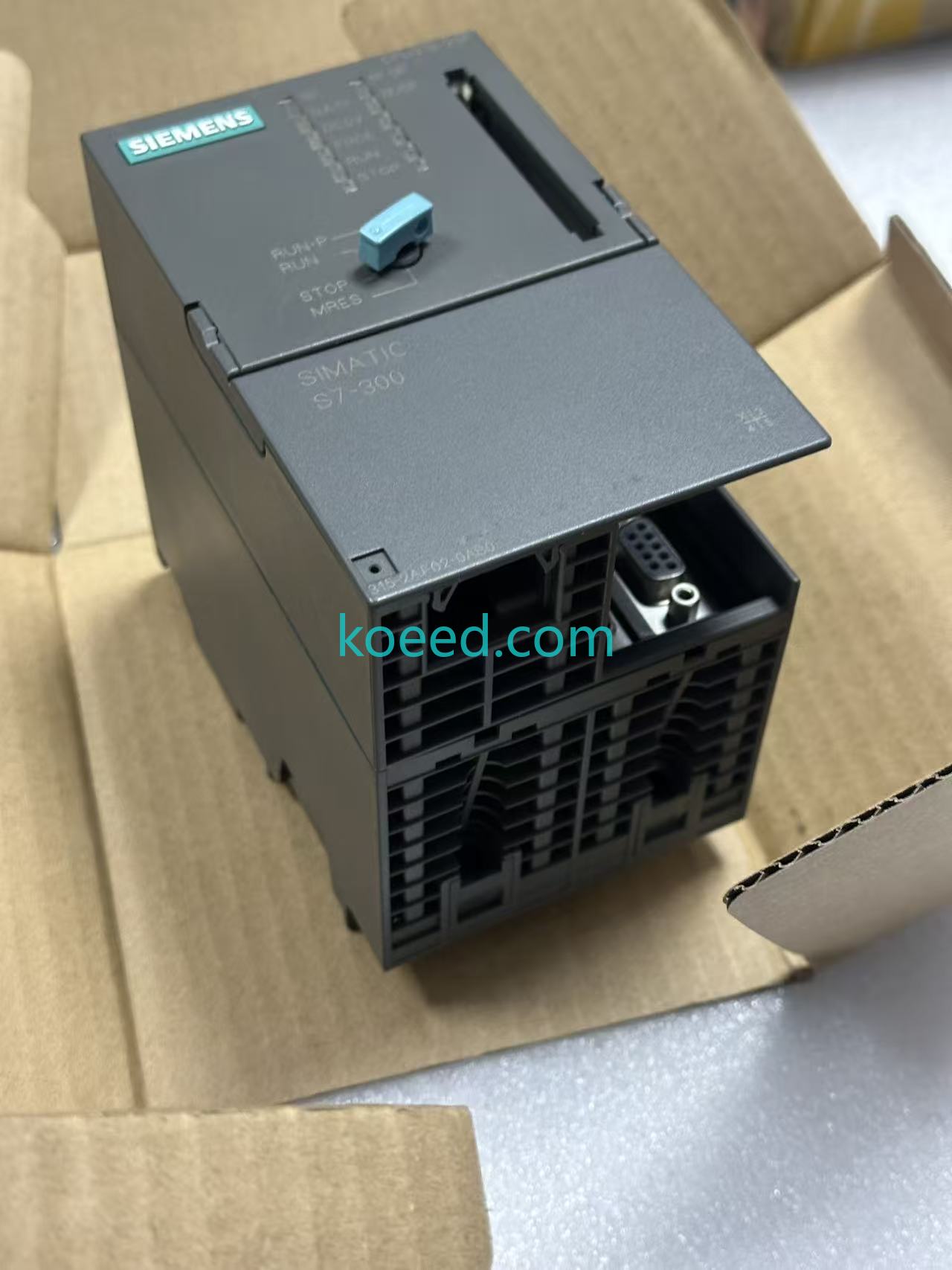
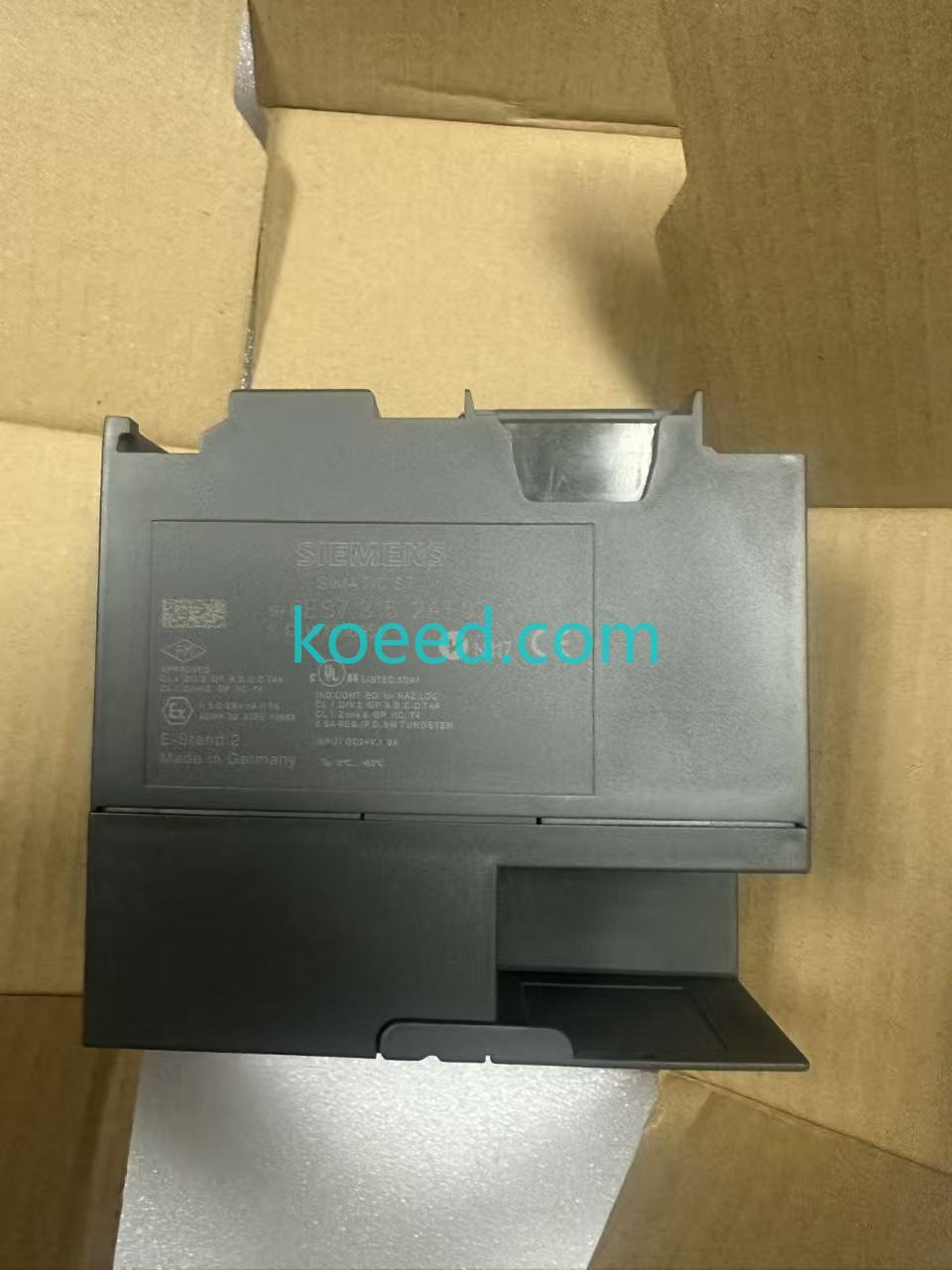
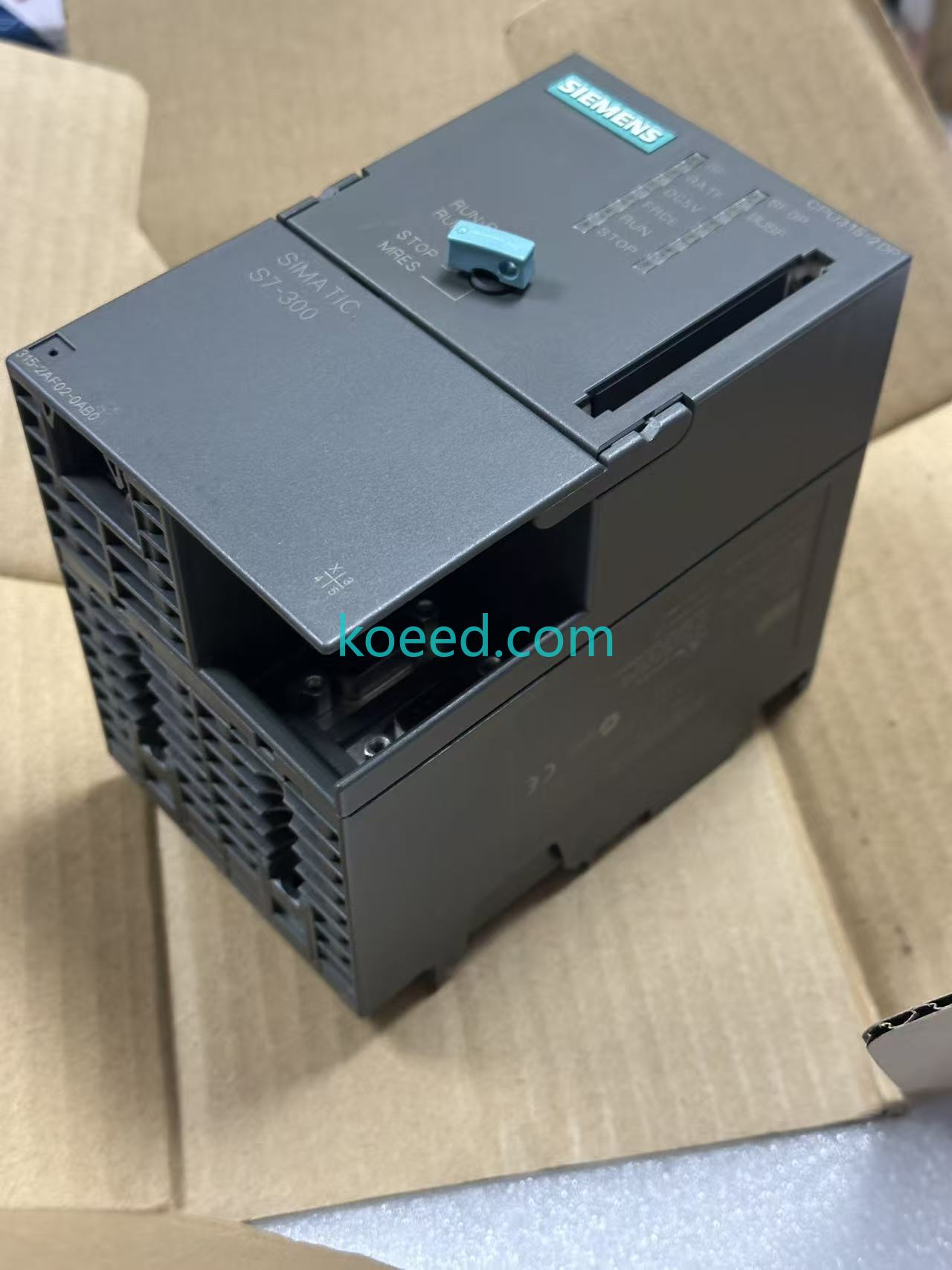
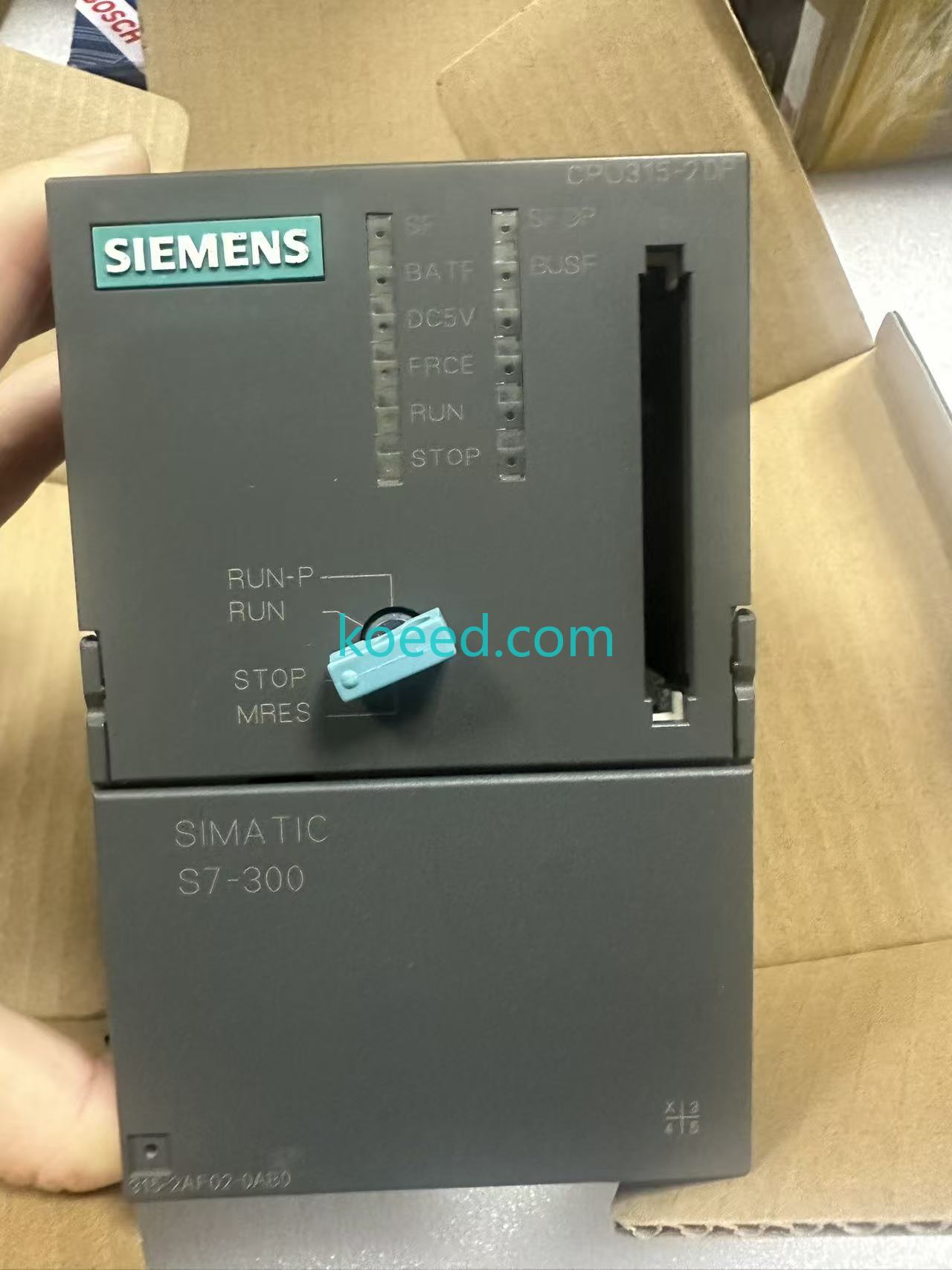
All images depict the actual 6ES7 315-2AF02-0AB0 module. Inspect the Siemens holographic label, serial number consistency, and PCB soldering quality to verify authenticity. Counterfeit S7-300 CPUs remain a significant concern in the 2026 secondary market.
IT/OT Convergence: Connecting Your CPU 315-2 DP to the 2026 Digital Ecosystem
One of the most frequently asked questions by plant engineers in 2026 is: "Can I get real-time data from my legacy S7-300 into our cloud analytics platform?" The answer is a definitive yes — with the right architectural approach:
Recommended Integration Architectures
Option A — PROFIBUS-to-PROFINET Gateway + Edge Node: Deploy a Siemens IE/PB Link PN IO (6GK1 411-5AB10) or a Softing echolink S7-compact between your PROFIBUS DP backbone and a PROFINET network. From there, connect to a Siemens Industrial Edge Device or a third-party edge gateway running Node-RED or KepServerEX for OPC UA / MQTT bridging into Azure IoT Hub or AWS IoT Core.
Option B — Direct HMI/SCADA Passthrough: If your facility already runs WinCC (TIA Portal) or Ignition SCADA connected to the CPU 315-2 DP via PROFIBUS, leverage the SCADA's built-in REST API or MQTT Sparkplug module to publish tag data to upstream IT systems without touching the PLC program.
Option C — S7 Protocol via Ethernet CP Module: Install a CP 343-1 Lean (6GK7 343-1CX10-0XE0) Ethernet communication processor in the rack. This exposes the CPU via ISO-on-TCP / RFC 1006, enabling direct S7-protocol polling from Python (snap7 / python-snap7), Ignition, or any OPC server with S7 drivers — ideal for low-latency data acquisition at sub-100 ms intervals.
Predictive Maintenance & Diagnostic Intelligence
In 2026, the CPU 315-2 DP's integrated diagnostic buffer is being leveraged far beyond its original design intent. Forward-thinking maintenance teams are extracting structured diagnostic events via SZL (System Status List) reads and feeding them into ML anomaly-detection models:
Key Diagnostic Blocks to Monitor
- OB82 (Diagnostic Interrupt): Captures module-level faults on distributed I/O — trending these events predicts ET 200M/ET 200S module degradation 2–6 weeks before hard failure.
- OB86 (Rack Failure): Monitors PROFIBUS DP slave dropouts; a rising dropout frequency correlates with cable aging, connector oxidation, or EMI issues.
- OB122 (I/O Access Error): Detects intermittent peripheral access faults — often the first sign of backplane bus or power supply instability.
- SFC 51 (RDSYSST): Programmatic readout of system status lists for custom diagnostic dashboards in WinCC or web-based OEE portals.
2026 Predictive Maintenance ROI Snapshot
A mid-sized automotive supplier in Baden-Württemberg operating 22× CPU 315-2 DP processors implemented automated SZL polling via an edge gateway. Over 18 months, the system predicted 14 module failures with a mean advance warning of 19 days, reducing unplanned downtime by 73% and saving an estimated €340,000 in avoided production losses — all without replacing a single CPU.
Maintenance & Troubleshooting: Expert Protocols
LED Status Interpretation (SF/BF/DC5V/FRCE/RUN/STOP)
| LED Pattern | Diagnosis | 2026 Recommended Action |
|---|---|---|
| SF (Red) Steady + RUN (Green) On | System fault — check diagnostic buffer (CPU → Module Information → Diagnostic Buffer) | Read SZL via SFC 51; 90% of cases traced to OB not loaded for occurring error class |
| BF (Red) Flashing | PROFIBUS DP bus fault — slave dropout or cable break | Check termination resistors; use BT200 or PROFIBUS Tester for waveform analysis; verify baud rate consistency across all nodes |
| BF (Red) Steady | DP interface not configured or bus short-circuit | Verify HW Config download; measure voltage between DP-A and DP-B (should be 0.8–1.2 V differential in idle) |
| DC5V (Green) Off | Internal power supply failure or backplane bus short | Remove all modules from rack; test CPU alone. If DC5V returns, re-add modules one by one to isolate faulty unit |
| FRCE (Yellow) On | Force variables active — potential safety risk | Open force table in STEP 7; clear all force jobs; verify no unintended actuator actuation before restoring AUTO mode |
| All LEDs Flashing (0.5 Hz) | CPU in defective/firmware-corrupt state | Execute memory reset (MRES) sequence: STOP → MRES (hold 3s) → STOP → MRES (hold 3s). If unresolved, re-flash firmware via MMC |
Preventive Maintenance Schedule (2026 Best Practice)
| Interval | Action | Tooling Required |
|---|---|---|
| Monthly | Visual inspection of LED indicators; log any SF/BF occurrences in CMMS | None — walk-down checklist |
| Quarterly | Export diagnostic buffer to CSV; review for rising error trends; check CPU scan cycle time against baseline | STEP 7 / TIA Portal (PG/PC interface) |
| Bi-Annually | PROFIBUS physical layer audit: measure signal quality, check connector tightness, inspect cable shielding integrity | PROFIBUS Tester (Siemens BT200 or Softing PB-T3) |
| Annually | Full system backup (HW Config + program + data blocks); replace MMC if write-cycle count exceeds 80% of rated endurance | SIMATIC MMC (≥ 2 MB); PG with STEP 7 |
| Every 5 Years | Replace power supply (PS 307); inspect/replace rack backplane bus connectors if corrosion observed | Replacement PS 307 module; contact cleaner (isolating) |
Frequently Asked Questions (FAQ)
Is the 6ES7 315-2AF02-0AB0 still supported by Siemens in 2026?
Yes — Siemens classifies the CPU 315-2 DP as a "Phase-Out / Spare Part" product. This means: (a) Siemens no longer manufactures new units, (b) firmware updates are frozen at V2.6.x (final), (c) technical support via Siemens Industry Online Support remains active for troubleshooting and compatibility guidance, and (d) the product is fully supported in TIA Portal up to V18 (with STEP 7 V5.6) for configuration and programming. Additionally, spare parts and refurbished units are available through approved distributors like Koeed.


