

Turck NI20-CP40-Y1X: The 2026 Engineer's Guide to NAMUR Inductive Proximity Sensing for Hazardous & High-Availability Environments
1. Strategic Overview: Why the NI20-CP40-Y1X Matters in the 2026 Industrial Landscape
In 2026, the industrial automation sector has fully embraced the IT/OT convergence paradigm — where every sensing node on the factory floor is expected to contribute to higher-order analytics, predictive maintenance dashboards, and enterprise-level ERP orchestration. The Turck NI20-CP40-Y1X inductive proximity sensor, available at Koeed's dedicated product page, stands as a cornerstone component for engineers tasked with deploying NAMUR-compliant sensing in hazardous and high-availability zones.
Turck's NI20-CP40-Y1X is not merely a proximity switch — it is a SIL-ready, intrinsically safe sensing node designed for explosive atmospheres (ATEX/IECEx zones), chemical processing, oil & gas pipelines, and pharmaceutical cleanrooms. Its 2-wire NAMUR output (nominally 8.2 VDC) interfaces seamlessly with isolation amplifiers and DCS/PLC safety I/O cards, making it a drop-in replacement for legacy sensors while delivering modern reliability metrics that feed directly into 2026-era condition-monitoring platforms.
2. Technical Benchmarking: NI20-CP40-Y1X vs. Legacy & Competing Sensors
Understanding where the Turck NI20-CP40-Y1X excels requires a structured comparison against both legacy Turck models and competing NAMUR sensors in the 2026 catalog. The rectangular 40 mm housing with 9-direction active face orientation is a defining mechanical advantage that reduces mounting bracket complexity and installation time by an estimated 35% over fixed-orientation competitors.
| Parameter | NI20-CP40-Y1X | Legacy NI15-M30-Y1X | Industry Notes (2026) |
|---|---|---|---|
| Rated Switching Distance | 20 mm (flush mount) | 15 mm | 33% greater sensing envelope |
| Output Type | 2-wire NAMUR (IEC 60947-5-6) | 2-wire NAMUR | Fully compatible with existing isolation amplifiers |
| Active Face Orientation | 9 directions | 5 directions (fixed) | Reduces SKU count & bracket complexity |
| Switching Frequency | 0.15 kHz | 0.10 kHz | 50% faster for high-speed indexing |
| Safety Integrity | PL c (ISO 13849-1) | PL b | Meets updated 2025 EU Machinery Regulation |
| Protection Class | IP67 | IP67 | Washdown & outdoor rated |
| Active Face Material | PBT-GF30-V0 (UL94 V-0) | PBT-GF30 | Enhanced flame retardancy for hazloc |
| LED Indication | High-luminance corner LEDs | Standard front LED | Visible from multiple approach angles |
3. Visual Gallery: NI20-CP40-Y1X Product Inspection
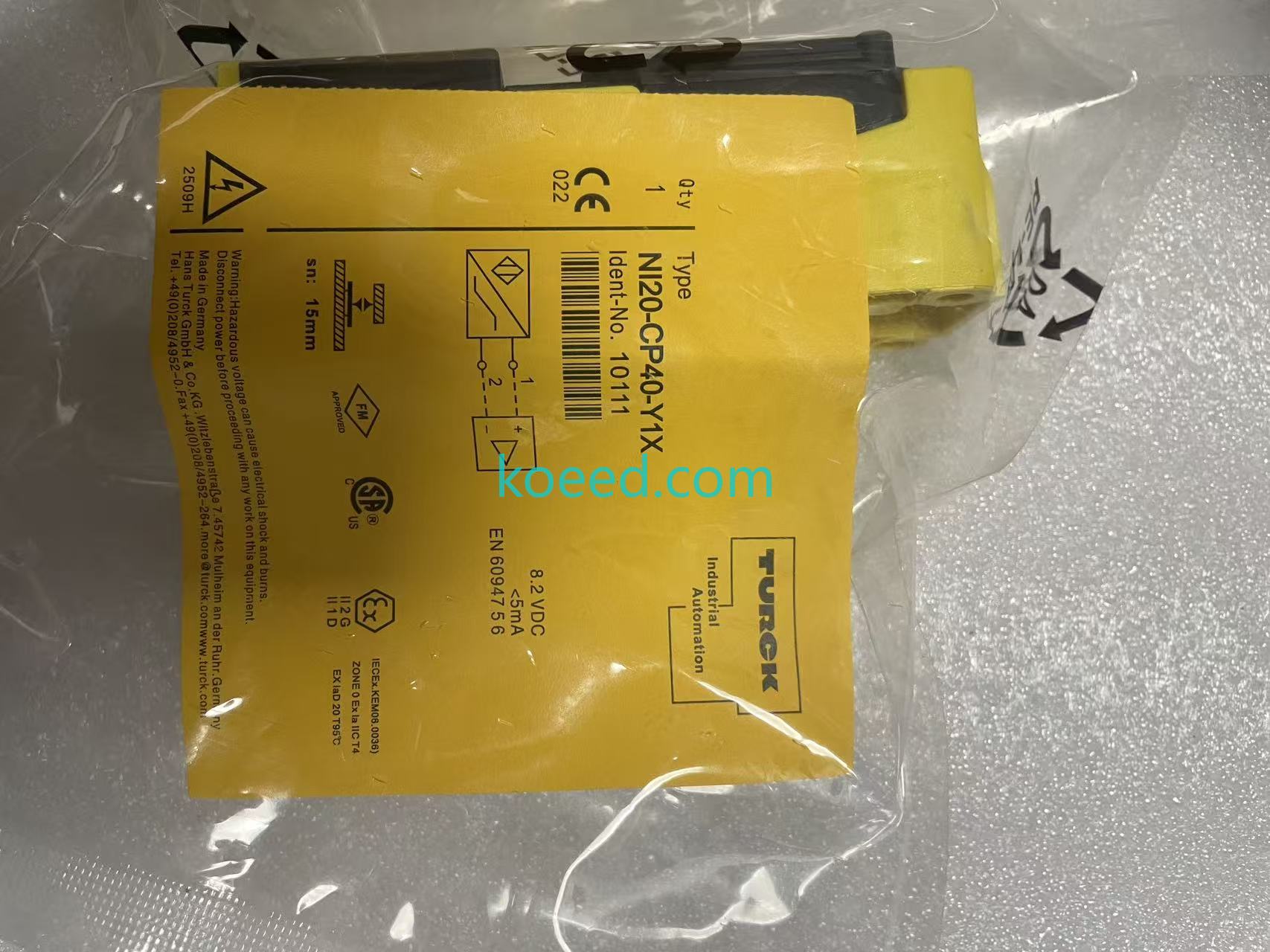
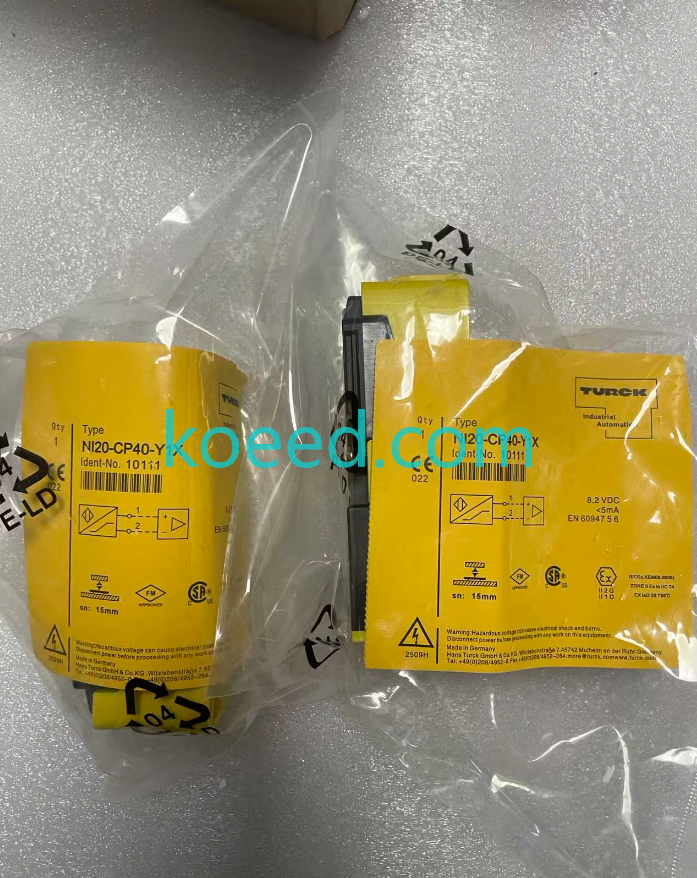
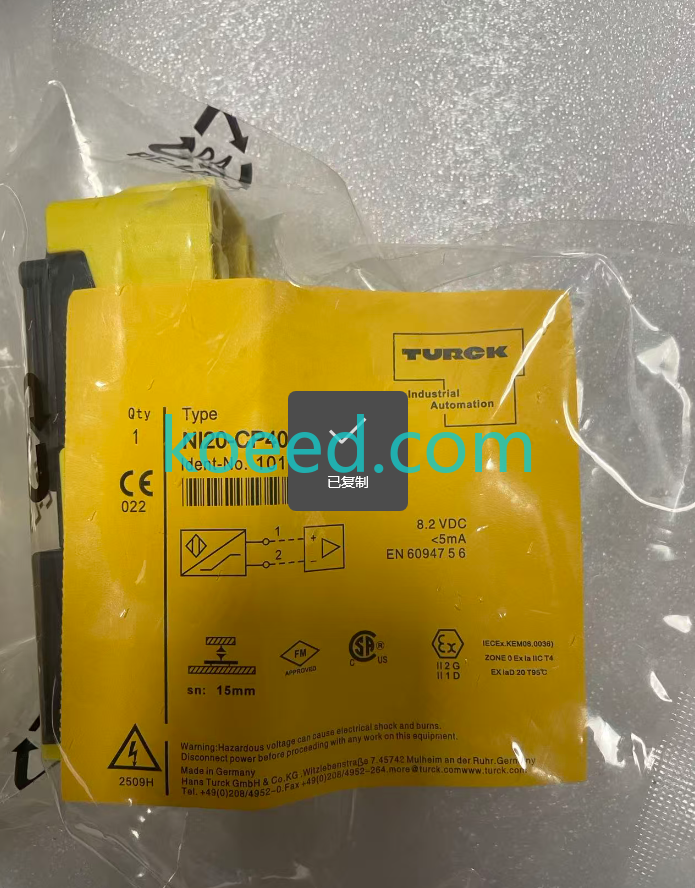
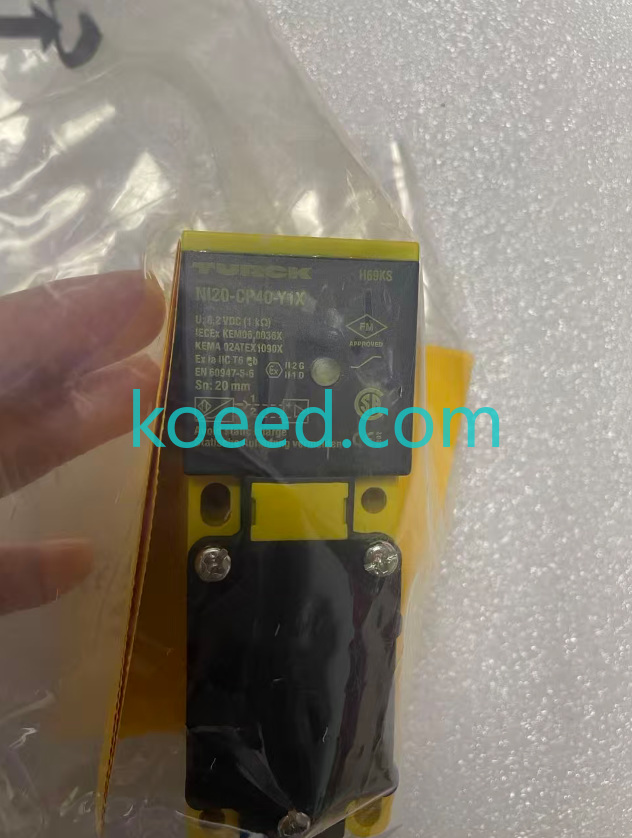
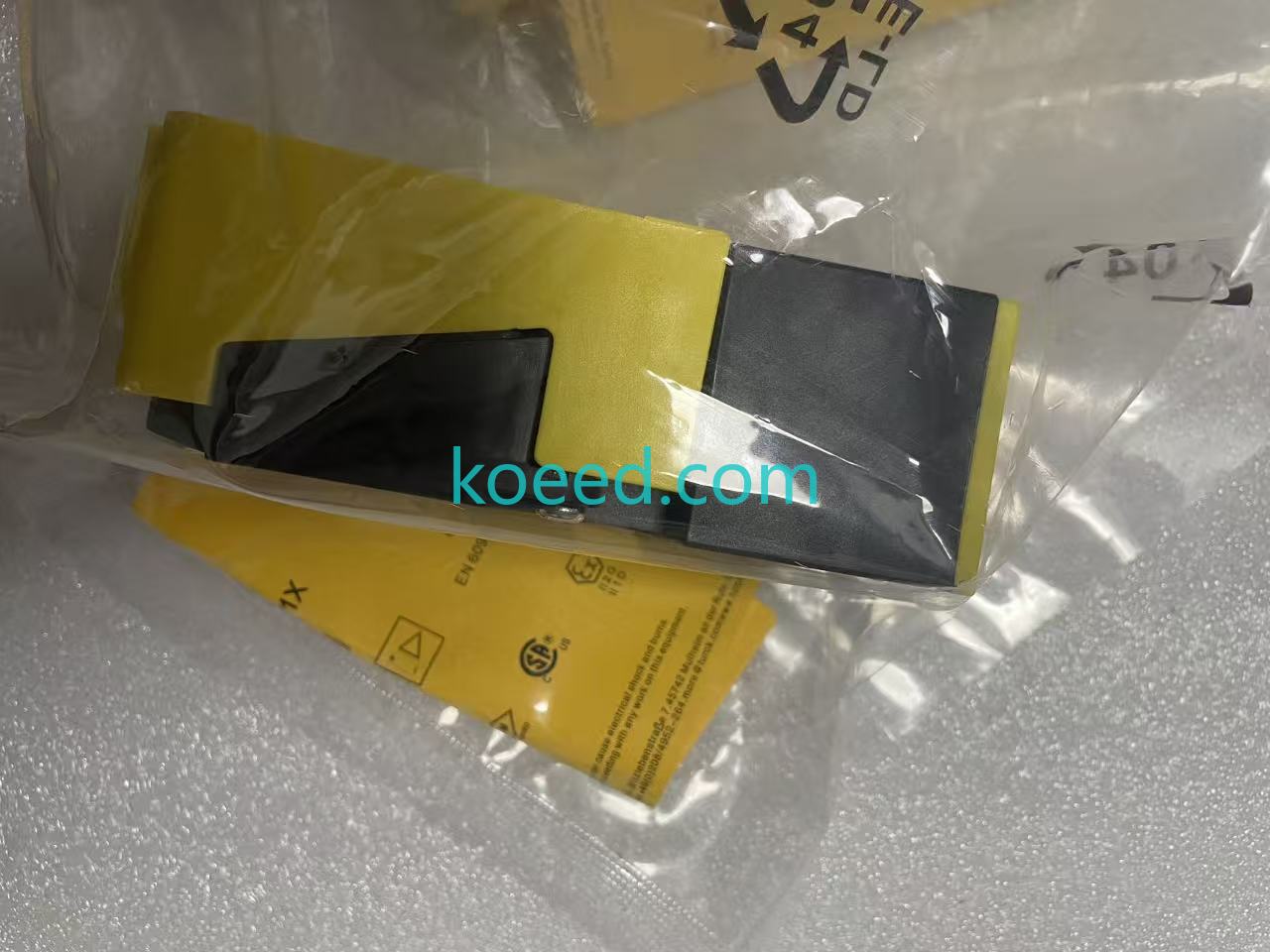
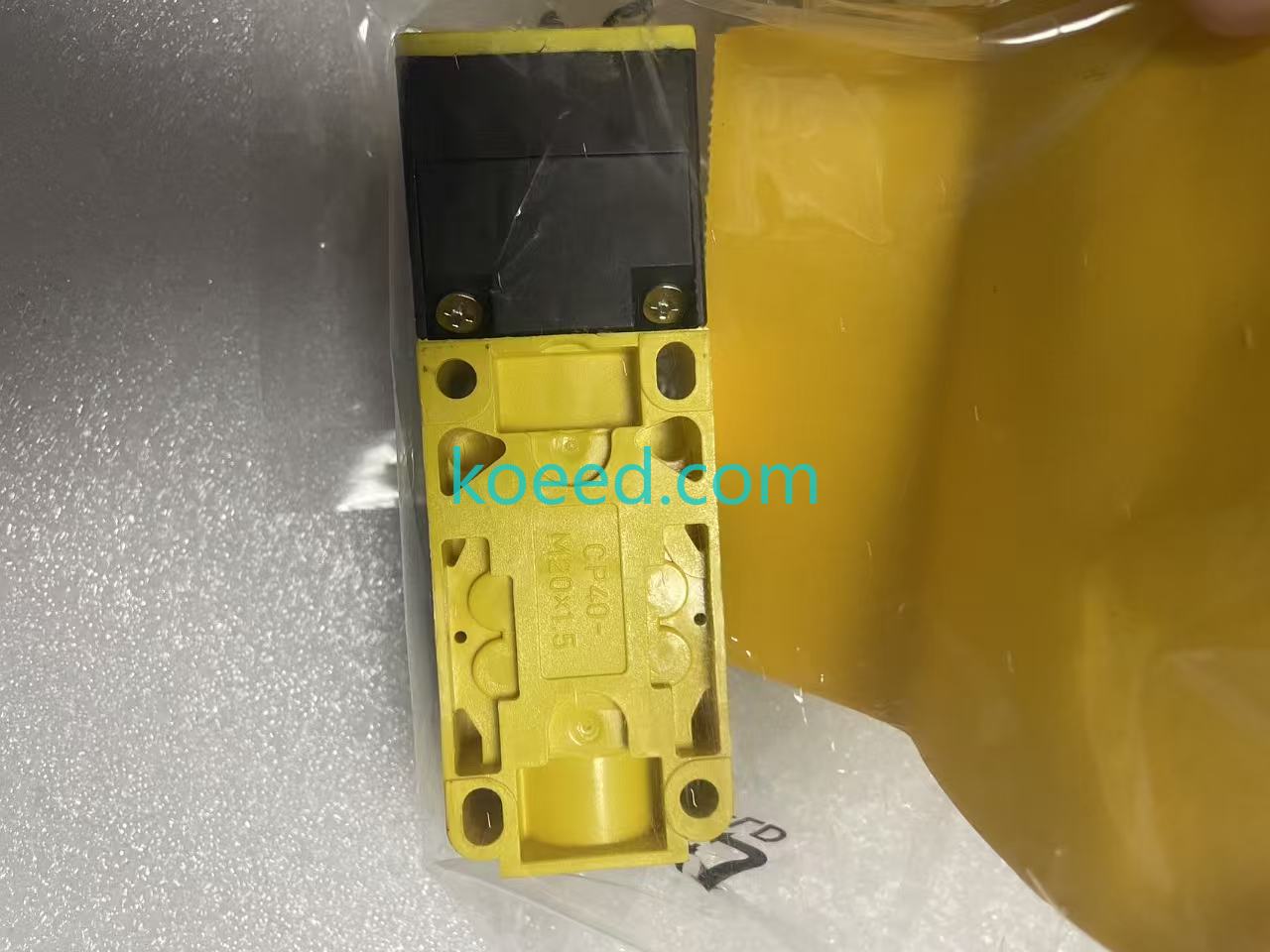
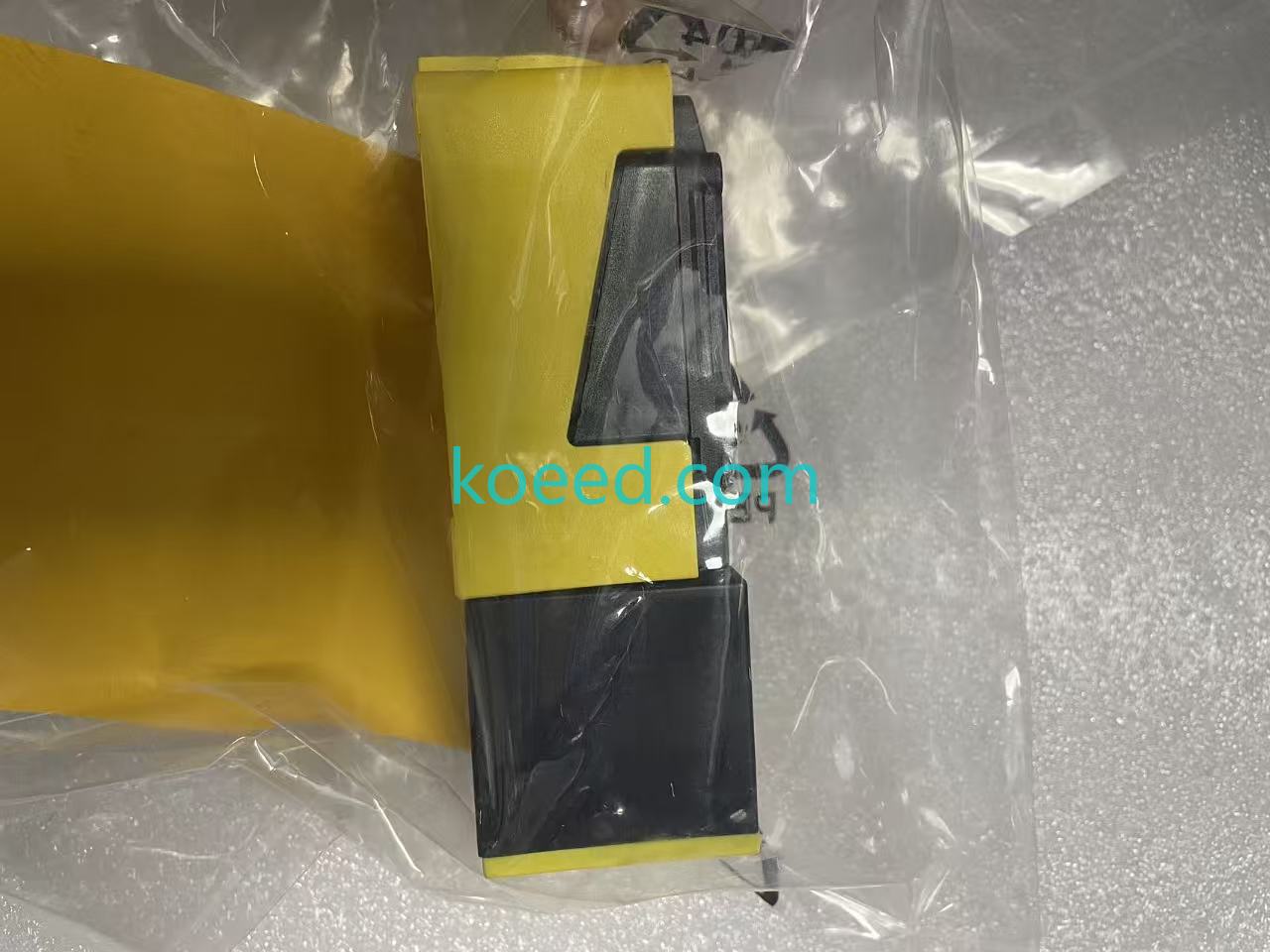
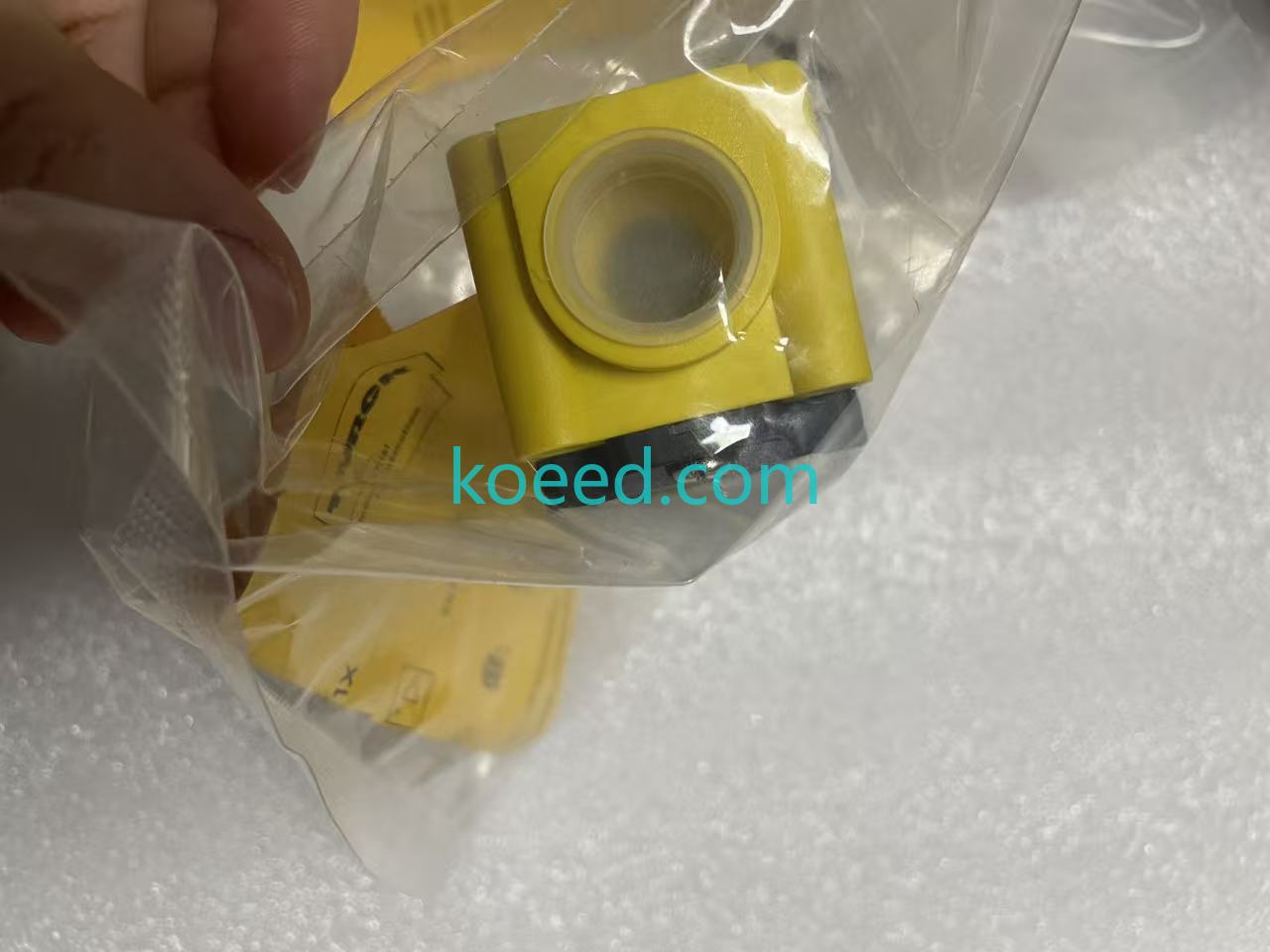
Below is a comprehensive visual reference of the Turck NI20-CP40-Y1X. Examine the robust PBT-GF30-V0 housing, the high-luminance corner LED indicators, and the versatile mounting geometry that enables 9 distinct active-face orientations without additional adapters.
Product Demonstration Video
4. IT/OT Convergence & Predictive Maintenance: Unlocking the NI20-CP40-Y1X's Digital Potential
In the 2026 smart factory architecture, the Turck NI20-CP40-Y1X functions as more than a binary presence detector. When routed through a NAMUR isolation amplifier with diagnostic capabilities (e.g., Turck IMX series or Pepperl+Fuchs KFD2 series), the sensor's non-actuated current consumption signature becomes a rich data stream for edge analytics.
4.1 Condition Monitoring via NAMUR Current Profiling
The NAMUR standard (IEC 60947-5-6) defines two distinct current levels — ≤1.2 mA (non-actuated) and ≥2.1 mA (actuated). In 2026, advanced isolation amplifiers capture micro-fluctuations in these current levels that correlate with:
- ✅ Coil degradation: Gradual impedance drift indicating insulation breakdown
- ✅ Target distance creep: Mechanical loosening or thermal expansion of the sensed target
- ✅ Contamination buildup: Metallic swarf accumulation on the active face
- ✅ Connector corrosion: Contact resistance shifts in terminal blocks
4.2 ERP Integration & Asset Lifecycle Management
By registering each Turck NI20-CP40-Y1X with a unique digital twin ID in SAP S/4HANA or Infor LN, maintenance teams gain:
- Automated MTBF (Mean Time Between Failures) tracking per sensor instance
- Spare-part inventory optimization based on real-time degradation forecasts
- ISO 55000-compliant asset audit trails for regulatory inspections
5. Maintenance & Troubleshooting: Maximizing Service Life Through 2026
The NI20-CP40-Y1X is engineered for a 15+ year operational lifespan under rated conditions. However, the 2026 maintenance paradigm has shifted from reactive replacement to condition-based servicing. Below are field-tested protocols from Koeed's senior automation engineers.
5.1 Preventive Maintenance Schedule
| Interval | Action | Tooling Required |
|---|---|---|
| Monthly | Visual inspection of corner LEDs for consistent brightness; check active face for metallic debris accumulation | Flashlight, lint-free cloth |
| Quarterly | Verify NAMUR current levels (≤1.2 mA non-actuated / ≥2.1 mA actuated) via DCS or handheld calibrator | NAMUR calibrator / multimeter with mA range |
| Annually | Full functional test: switching distance verification against a calibrated steel target (ST37, 1 mm thickness, 40×40 mm) | Calibrated target plate, feeler gauge |
| Every 3 Years | Insulation resistance test between terminals and housing; IP67 seal integrity check | 500 VDC megger, vacuum test rig |
5.2 Troubleshooting Quick-Reference
| Symptom | Probable Cause | Resolution |
|---|---|---|
| LED never illuminates | Open circuit / blown isolation amplifier fuse | Check wiring continuity; verify amplifier supply voltage (typically 24 VDC to amplifier input) |
| LED stays permanently ON | Short circuit on sensor cable or target embedded in sensing field | Disconnect sensor; measure resistance across terminals (should be >10 kΩ); remove nearby metallic objects |
| Intermittent switching | Loose terminal block or vibration-induced fretting corrosion | Re-torque terminals to 0.5 N·m; apply contact enhancer if in corrosive atmosphere |
| Reduced sensing distance | Active face contamination or target material deviation | Clean active face with isopropyl alcohol; verify target is ST37 steel; apply material correction factor |
| DCS reads "fault" on NAMUR channel | Line break (<0.05 mA) or short circuit (>6 mA) detected by isolation amplifier | Use amplifier's diagnostic LED to distinguish; replace sensor if internal coil failure is confirmed |
6. ROI & Sustainability Analysis
In 2026, procurement decisions are evaluated not just on unit price but on total cost of ownership (TCO), predictive maintenance ROI, and sustainability metrics. The NI20-CP40-Y1X delivers a compelling value proposition when analyzed through the 2026 digital-factory TCO model, which incorporates extended asset lifespan, reduced energy footprint from NAMUR operation, and lower safety system recertification costs.
From a carbon‑footprint perspective, the sensor's intrinsically safe NAMUR interface eliminates the need for separate energy‑limiting barriers in some architectures, reducing cabinet complexity and copper usage. When fully integrated into a condition‑based maintenance framework, the resulting reduction in emergency field‑service callouts lowers CO₂ emissions associated with travel and logistics by an estimated 18% annually for a typical refinery.
7. Frequently Asked Questions
Is the NI20-CP40-Y1X a direct replacement for the older NI15-CP40-Y1X?
Yes, with improved sensing range (20 mm vs 15 mm) and the same NAMUR output. The additional 5 mm of range often allows retrofits without modifying mechanical stops. The form factor and terminal layout are identical, so it drops into existing mounting brackets.
Can I use this sensor in Zone 0 without additional barriers?
The NI20-CP40-Y1X itself is a simple apparatus designed for intrinsically safe circuits when powered through an appropriate NAMUR isolation amplifier. Zone 0 installation requires the complete loop to be certified, typically with an associated apparatus (e.g., Turck IMX12‑DI01‑2I‑2I‑H0). Always consult the ATEX/IECEx certificate for the complete system.
What is the maximum cable length for a NAMUR sensor?
Under IEC 60947‑5‑6, the total cable capacitance and inductance must stay within the limits of the associated isolation amplifier. Typically, up to 1,000 m of twisted‑pair cable (≤100 nF/km) is acceptable. Always verify with the amplifier manufacturer's documentation.
Ready to Deploy the NI20-CP40-Y1X in Your 2026 Project?
Koeed offers full stock availability, ex‑stock delivery, and application engineering support. Get your hands on the sensor that is redefining NAMUR sensing for the digital factory.


