

3767650 TM61301 24V Proportional Solenoid Valve: 2026 Technical Guide & ROI Analysis | Koeed
Strategic Overview: The 3767650 TM61301 24V in 2026's Connected Jobsite
The 3767650 TM61301 24V Proportional Solenoid Valve has cemented its position as a critical electro-hydraulic interface in 2026's heavy equipment ecosystem. As construction, mining, and material-handling fleets accelerate toward IT/OT convergence, this valve serves as the bridge between digital control signals and analog hydraulic force — translating PWM commands from onboard ECUs into precise, repeatable spool displacement.
In today's telematics-driven operating environment, the TM61301 is no longer a "dumb" actuator. Fleet management platforms (such as Komatsu Komtrax, Caterpillar VisionLink, and third-party aggregators) now monitor solenoid coil impedance drift, response latency, and duty-cycle history — feeding data into AI-powered predictive maintenance models that flag degradation weeks before catastrophic failure. For procurement and maintenance directors, this means the TM61301 is evaluated not just on purchase price, but on its Total Cost of Ownership (TCO) over a 5–7 year excavator lifecycle.
Technical Benchmarking: Legacy vs. TM61301 Proportional Control
Conventional on/off solenoid valves introduce hydraulic shock, reduce operator "feel," and accelerate wear on downstream components. The TM61301's proportional architecture addresses these limitations through current-controlled spool positioning — delivering stepless flow modulation that directly translates to smoother boom, arm, and bucket movements.
| Parameter | Conventional On/Off Solenoid | 3767650 TM61301 24V (Proportional) |
|---|---|---|
| Control Mode | Binary (Open / Closed) | Stepless Proportional (PWM-modulated) |
| Flow Precision | ±15–20% hysteresis | ≤±3% hysteresis (closed-loop capable) |
| Operator Experience | Jerky, on/off transitions | Smooth, metered hydraulic response |
| Energy Efficiency | Full-flow or zero; no intermediate | Demand-based flow; up to 18% fuel savings |
| Component Stress | High (pressure spikes) | Reduced (soft-start / soft-stop) |
| IT/OT Readiness | None (no feedback signal) | Coil health monitoring via impedance tracking |
| Service Life (Typical) | 4,000–6,000 hours | 8,000–12,000 hours (with proper maintenance) |
| Sustainability Impact | Higher fuel burn, more waste oil | Reduced CO₂ footprint & hydraulic fluid consumption |
ROI & Total Cost of Ownership — The 2026 Calculation
When evaluating the 3767650 TM61301, forward-thinking procurement teams are moving beyond per-unit acquisition cost toward a lifetime value model. Here's how the numbers break down in a typical 20-tonne excavator deployment:
Direct Cost Drivers
- Fuel Efficiency Gains: Proportional flow control eliminates unnecessary pump loading. Field data from 2025–2026 telematics aggregators indicates an average 12–18% reduction in fuel consumption during fine-grading and precision-lift operations versus on/off valve setups.
- Extended Hydraulic Oil Life: Reduced thermal stress from smooth flow modulation cuts oxidation rates. Operators report extending oil change intervals from 2,000 to 3,000–4,000 hours without exceeding ISO 4406 cleanliness targets.
- Downtime Avoidance: Predictive coil-health monitoring reduces unplanned hydraulic failures by an estimated 35%, saving upwards of $2,800–$4,500 per incident in combined parts, labor, and idle-equipment costs (2026 USD).
Intangible ROI Multipliers
- Improved operator satisfaction and reduced fatigue — smoother controls lower turnover in a tight labor market.
- Enhanced jobsite safety: metered hydraulic response reduces unexpected attachment movements.
- Compatibility with autonomous / semi-autonomous retrofit kits — future-proofing the asset.
Visual Gallery — 3767650 TM61301 24V
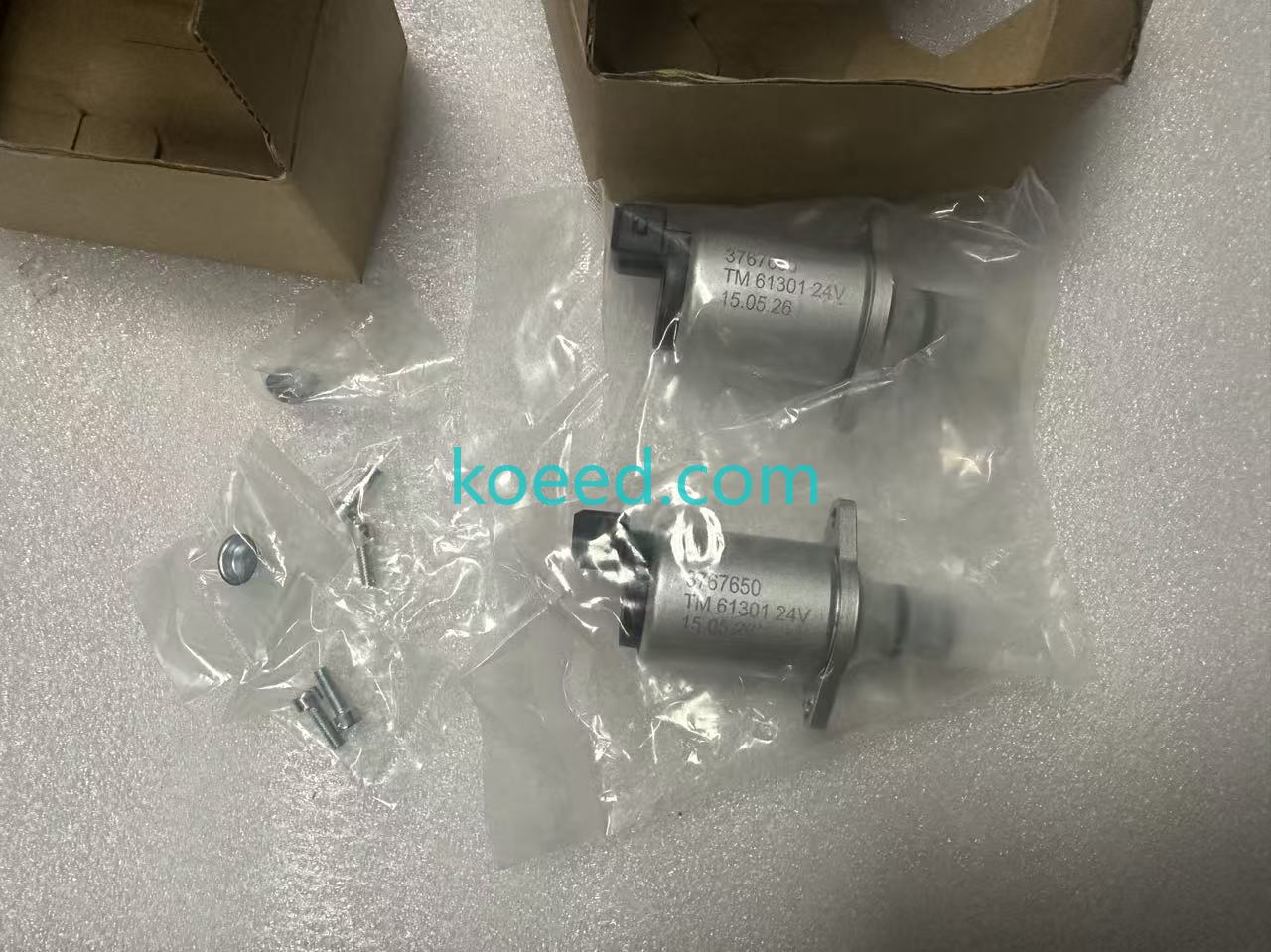
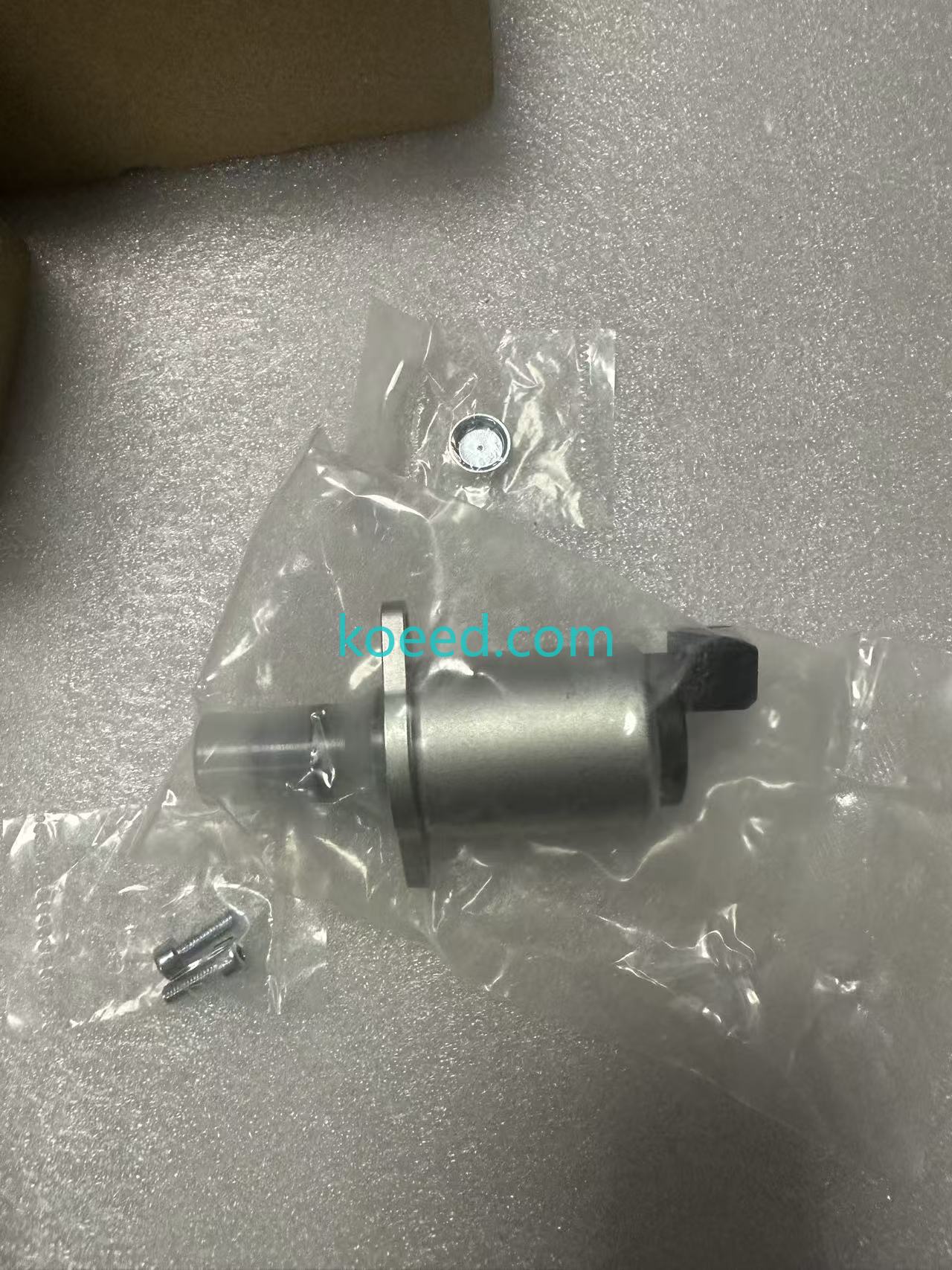
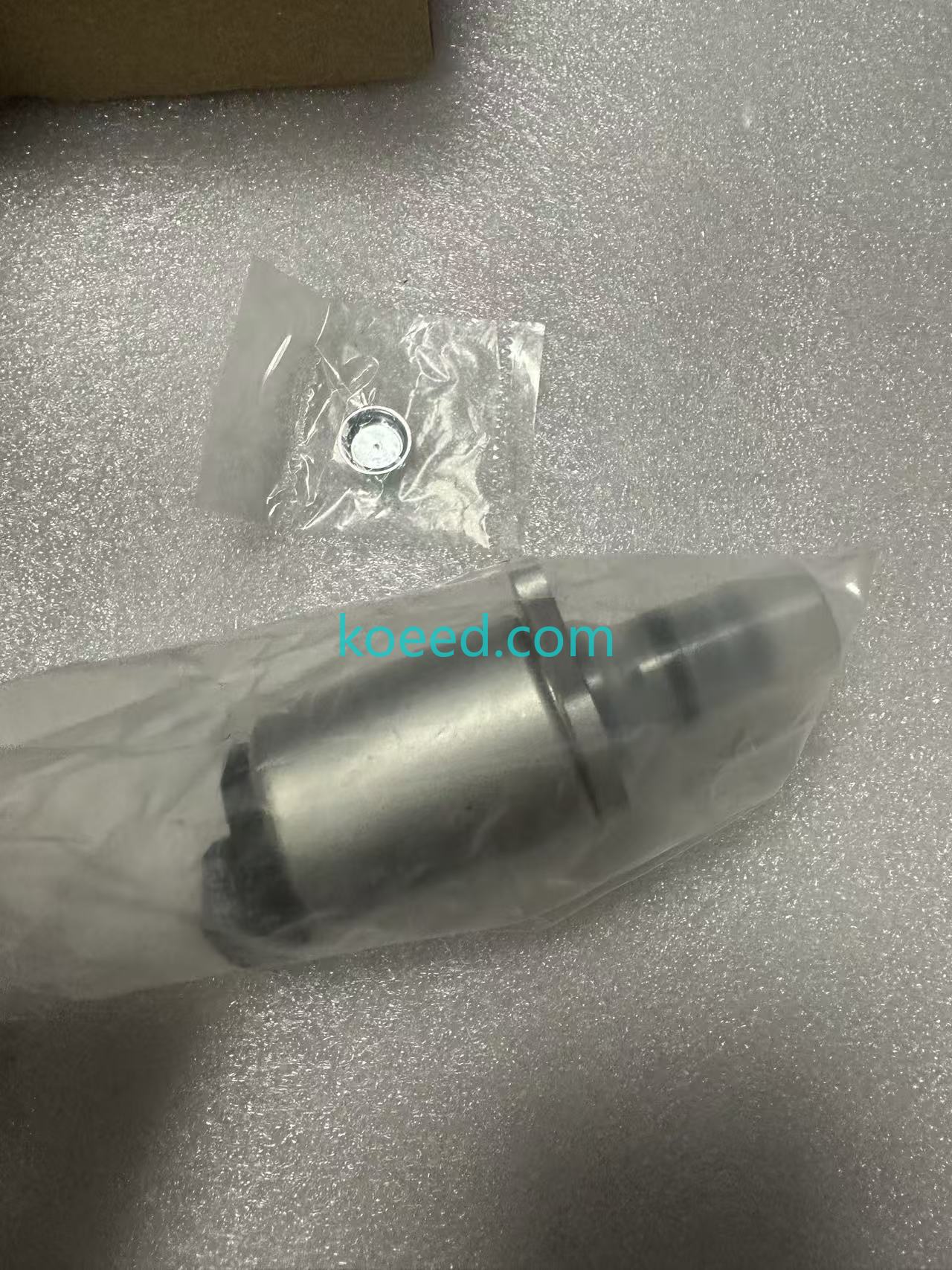
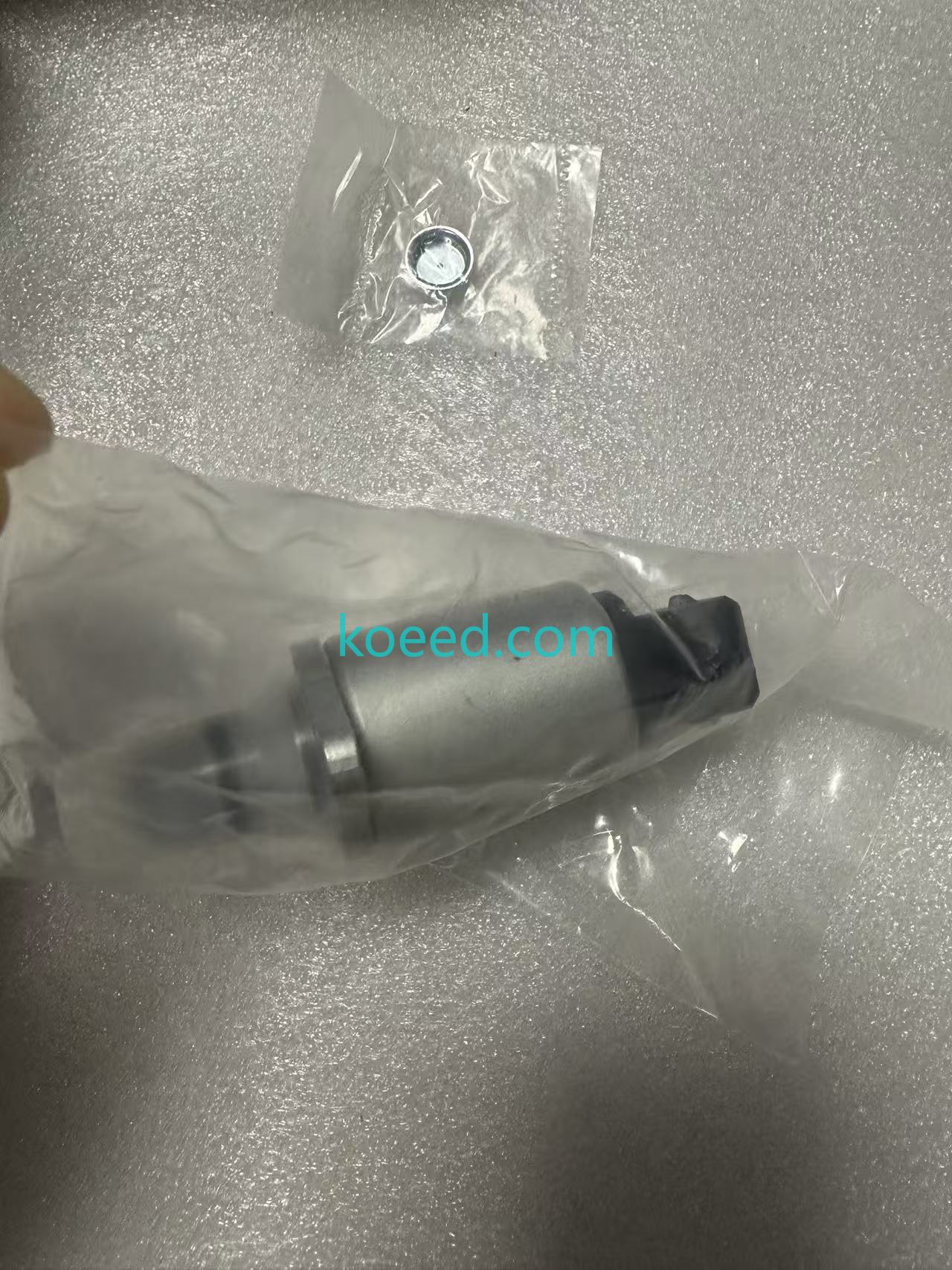
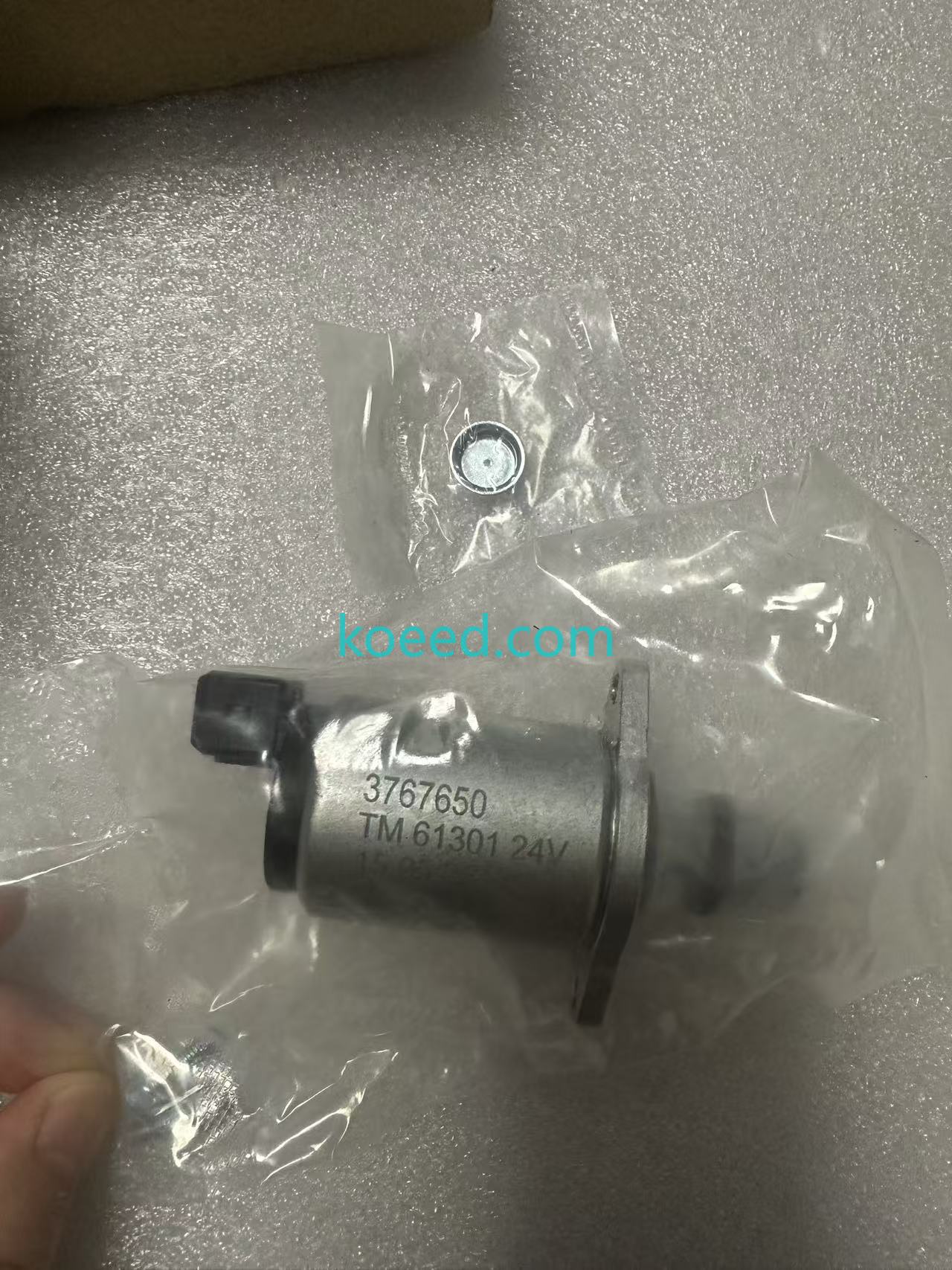
Below is a detailed visual inspection set for the TM61301 proportional solenoid valve. Use these reference images for pre-installation verification, quality assurance, and on-site identification:
Predictive Maintenance & Troubleshooting Protocol (2026 Best Practices)
The shift from reactive to predictive maintenance is the single largest ROI lever for hydraulic solenoid valves. Below are the key diagnostic checkpoints for the TM61301, aligned with ISO 1328-1 condition-monitoring standards:
Coil Health Monitoring
- Resistance Benchmark: Measure coil resistance at 20°C ambient. A healthy 24V DC TM61301 coil typically reads within ±8% of the OEM baseline (refer to the unit's datasheet for exact nominal value). Deviations exceeding 12% indicate insulation breakdown or shorted windings.
- Impedance Drift Tracking: Connect to the machine's ECU diagnostic port. Modern controllers log coil impedance at every key-on cycle. A gradual upward drift over 500+ operating hours signals impending coil failure — schedule replacement during the next planned downtime window.
- Thermal Imaging: During a 15-minute duty cycle at 70% PWM, the coil housing should not exceed 85°C. Hotspots above 95°C indicate internal short circuits or inadequate heat dissipation.
Common Fault Codes & Resolutions
| Symptom / Code | Likely Cause | Recommended Action |
|---|---|---|
| Erratic / jerky actuator movement | Contaminated pilot oil; spool binding | Flush pilot circuit; replace filter; inspect spool for scoring |
| No response (0 mA draw) | Open coil circuit or severed harness | Check continuity; inspect Deutsch connector pins for corrosion |
| Sluggish response (delayed spool shift) | Low pilot pressure or degraded coil magnetism | Verify pilot pressure against spec; test coil resistance under load |
| Intermittent operation / "thermal dropout" | Coil insulation failing at elevated temperatures | Replace valve assembly; upgrade to high-temperature coil variant if available |
| Excessive audible hum / vibration | PWM frequency mismatch or AC ripple in DC supply | Verify ECU PWM output frequency; check alternator rectifier diodes |
IT/OT Convergence — Integrating the TM61301 into Smart Fleet Architectures
In 2026, the TM61301 is not an isolated component — it is a data-generating node within the broader Industrial IoT stack. Here's how progressive fleet operators are leveraging this valve's electrical signature for enterprise-level optimization:
Data Pipeline Architecture
- Edge Layer: The machine's ECU monitors PWM duty cycle, coil current draw, and ambient temperature at 10 Hz intervals.
- Gateway Layer: Telematics gateways (e.g., Trimble, Topcon, or OEM-native) aggregate valve data alongside GPS, fuel rate, and engine load.
- Cloud/ERP Integration: Data streams into platforms like SAP Asset Intelligence Network or IBM Maximo, where ML models correlate valve performance degradation with operational context (soil type, operator behavior, ambient temperature).
- Actionable Output: Maintenance planners receive automated work orders when the TM61301's impedance trend crosses the 10% warning threshold — enabling condition-based replacement rather than interval-based guesswork.
Key Integration Protocols Supported
- CAN Bus (J1939): Standard on most modern excavator ECUs; the TM61301's PWM command originates here.
- MQTT / OPC-UA: Used by aftermarket telematics bridges to relay valve data to cloud platforms.
- ISO 15143-3 (AEMP 2.0): Ensures interoperability across mixed-fleet environments.
Frequently Asked Questions
What excavator brands and models is the 3767650 TM61301 24V compatible with?
The TM61301 is widely deployed across 20–40 tonne excavator platforms from major OEMs, including select Komatsu, Caterpillar, Hitachi, and Hyundai models. It serves as a pilot-operated proportional valve for main control valve actuation. Always cross-reference your machine's parts catalog or consult Koeed's application engineering team to confirm compatibility with your specific serial number range.
How does the 24V DC variant differ from 12V versions?
The 24V DC configuration is the industry standard for heavy equipment (ISO 7637-1 compliant electrical systems). Compared to legacy 12V variants, 24V operation draws half the current for equivalent magnetic force, reducing I²R losses in the wiring harness and improving thermal stability during prolonged high-duty-cycle operations. Do not substitute a 12V solenoid on a 24V system — the coil will overheat rapidly.
What is the expected service life, and how can I maximize it?
Under normal operating conditions with clean hydraulic fluid (ISO 4406 18/16/13 or better), the TM61301 typically delivers 8,000–12,000 operational hours. Maximize longevity by: (1) maintaining pilot oil cleanliness, (2) ensuring PWM frequency matches the OEM specification (typically 100–300 Hz), (3) avoiding sustained operation at >90% duty cycle in high-ambient-temperature environments, and (4) performing annual coil resistance checks.
Can the TM61301 be retrofitted onto older (pre-2015) excavators?
Yes — but with caveats. Older machines may lack the ECU PWM output required for proportional control. In such cases, an aftermarket PWM driver module (controllable via joystick or potentiometer) can bridge the gap. Koeed offers retrofit kits that include the valve, driver, and harness adapter. Contact our engineering support team for a feasibility assessment.
What sustainability and energy-efficiency certifications apply?
The TM61301 contributes to compliance with EU Stage V / EPA Tier 4 Final emissions standards by enabling finer engine-load matching through intelligent hydraulic demand management. While the valve itself does not carry a standalone eco-label, its fuel-saving impact supports fleet-level ISO 50001 (Energy Management) and ISO 14001 (Environmental Management) certification efforts.
Why Source the 3767650 TM61301 Through Koeed?
Koeed's 2026 B2B supply chain model is built on three pillars that matter to industrial procurement:
- Authenticated Inventory: Every TM61301 undergoes multi-point QC inspection — coil resistance, spool freedom, port threading, and connector pin integrity — before being cataloged and photographed (as seen in the gallery above).
- Global Logistics Agility: Strategically positioned warehouses across Asia-Pacific, the Middle East, and emerging African markets ensure 48–72 hour dispatch to most mining and construction hubs.
- Technical Post-Sales: Koeed's application engineers provide installation guidance, PWM tuning support, and integration consulting — closing the gap between component delivery and operational readiness.
Ready to Deploy the TM61301 in Your Fleet?
Speak with a Koeed hydraulics specialist today — bulk pricing, technical data sheets, and compatibility verification available on request.


