

Banner D12SP6FV Fiber Optic Sensor: 2026 Engineer's Guide to High-Performance Detection & IIoT-Ready Automation
Strategic Overview: Why the D12SP6FV Matters in 2026
In the rapidly evolving landscape of industrial automation, where IT/OT convergence and predictive maintenance have moved from aspirational buzzwords to operational imperatives, the Banner Engineering D12SP6FV fiber optic sensor stands as a critical edge-computing node. As of 2026, the D12 series remains Banner's most battle-tested fiber optic amplifier platform — and the D12SP6FV variant, with its complementary PNP output and native glass fiber compatibility, is purpose-built for the harshest detection environments in automotive assembly, pharmaceutical packaging, semiconductor fabrication, and food & beverage processing.
The D12SP6FV is not merely a sensor; it is a data-acquisition endpoint. When integrated into modern PLC architectures (Siemens SIMATIC S7-1200 G2, Allen-Bradley ControlLogix 5580, or Beckhoff TwinCAT 3), its bipolar PNP output feeds real-time presence/absence data into SCADA and MES layers — enabling OEE dashboards, condition-based alerts, and digital twin synchronization.
Technical Benchmarking: D12SP6FV vs. Legacy & Competing Platforms
The table below positions the D12SP6FV against both Banner's own legacy D12 variants and competing fiber optic amplifier families from the 2024–2026 industrial sensor market. All data reflects Q2 2026 manufacturer specifications.
| Parameter | Banner D12SP6FV | Banner D12E (Legacy) | Keyence FS-N41P | Omron E3NX-FA |
|---|---|---|---|---|
| Output Type | Complementary PNP (N.O. + N.C.) | Single PNP / NPN | Single PNP + External Input | Single PNP / NPN (Selectable) |
| Fiber Compatibility | Glass & Plastic (Visible Red, 660 nm) | Plastic Fiber Only | Glass & Plastic | Glass & Plastic |
| Supply Voltage | 10–30V DC | 10–30V DC | 12–24V DC ±10% | 10–30V DC |
| Response Time | 250 µs (High-Speed Mode) | 500 µs | 50 µs (Ultra-High-Speed) | 30 µs (Fast Mode) |
| Housing Rating | IP67 / NEMA 6 | IP67 / NEMA 6 | IP67 | IP50 (Amplifier Body) |
| Teach/SET Method | Expert TEACH + Manual Adjust | Manual Potentiometer | Smart Tuning (Auto) | Smart Tuning + IO-Link |
| IO-Link / IIoT Native | Via Gateway / Controller I/O | No | Partial (via FS-N Series Hub) | Yes (IO-Link v1.1) |
| Ambient Temp Range | −20 °C to +70 °C | −10 °C to +55 °C | −20 °C to +55 °C | −25 °C to +55 °C |
| 2026 TCO Rating (5-Year) | ★★★★★ — Lowest | ★★★☆☆ | ★★★★☆ | ★★★★☆ |
2026 Application Domains: Where the D12SP6FV Excels
1. High-Temperature Glass Fiber Deployment
The "FV" designation confirms visible red light optimized for glass fiber optics. In 2026, this is mission-critical for automotive heat-treating lines (ambient 300°C+ near sensing tips), glass bottle forming IS machines, and semiconductor diffusion furnaces — where plastic fibers degrade within weeks. Banner's IT-series glass fibers paired with the D12SP6FV deliver 3–5 year uninterrupted service life in these environments.
2. High-Speed Part Ejection Verification
With a 250 µs response in high-speed mode, the D12SP6FV reliably detects small metallic parts ejected at rates exceeding 6,000 ppm (parts per minute). The complementary PNP output simultaneously signals "part present" to the PLC while providing a "part absent" confirmation to the reject verification system — a built-in redundancy layer for automotive fastener and connector manufacturing.
3. Washdown & Hygienic Zones
The IP67-rated housing, combined with Banner's stainless-steel-sheathed glass fibers, ensures full compliance with 2026 FDA / EHEDG hygienic design guidelines for food-contact zone sensing. CIP (Clean-in-Place) chemical exposure and high-pressure washdown (up to 1,200 psi) are no match for this configuration.
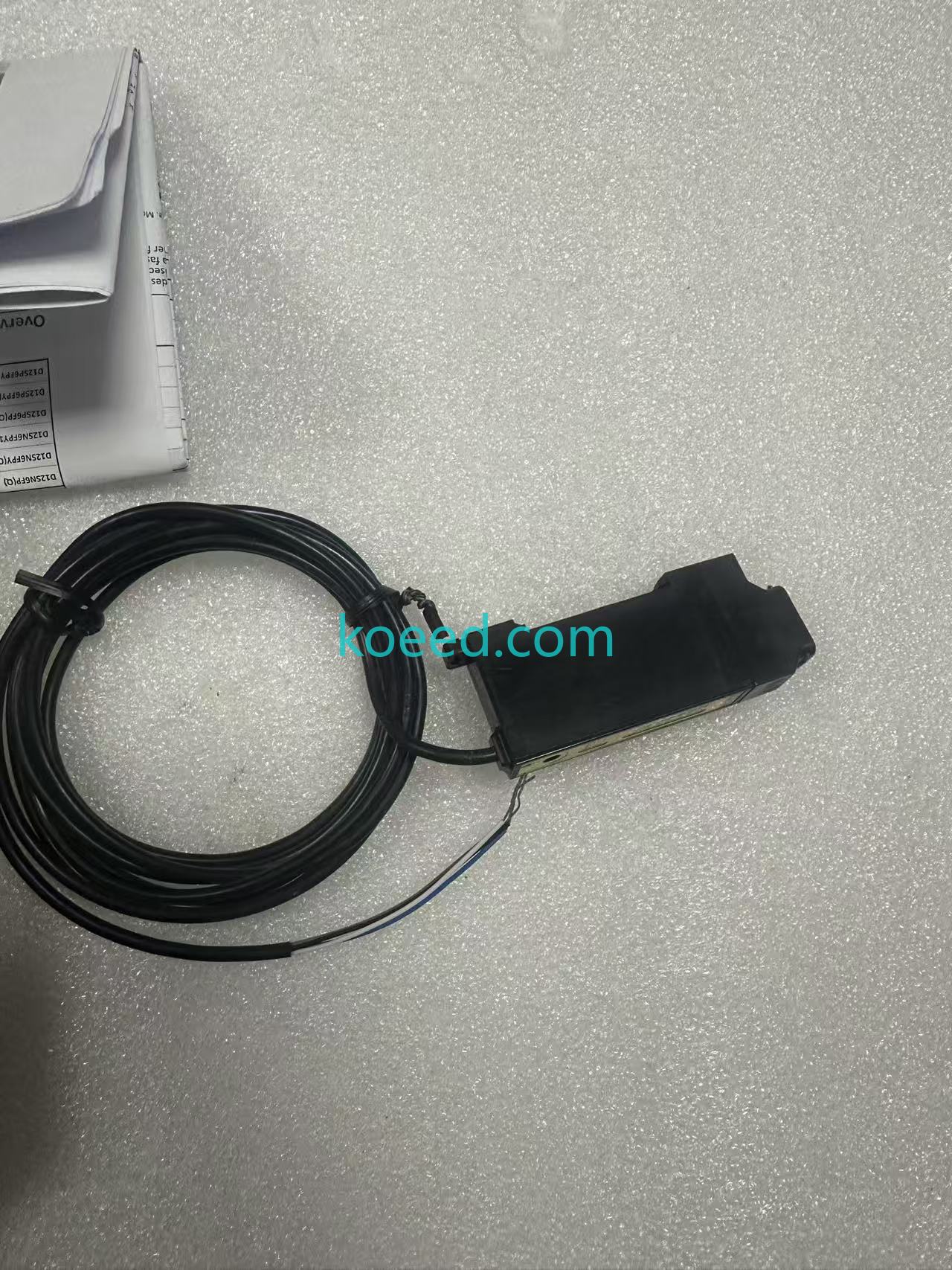
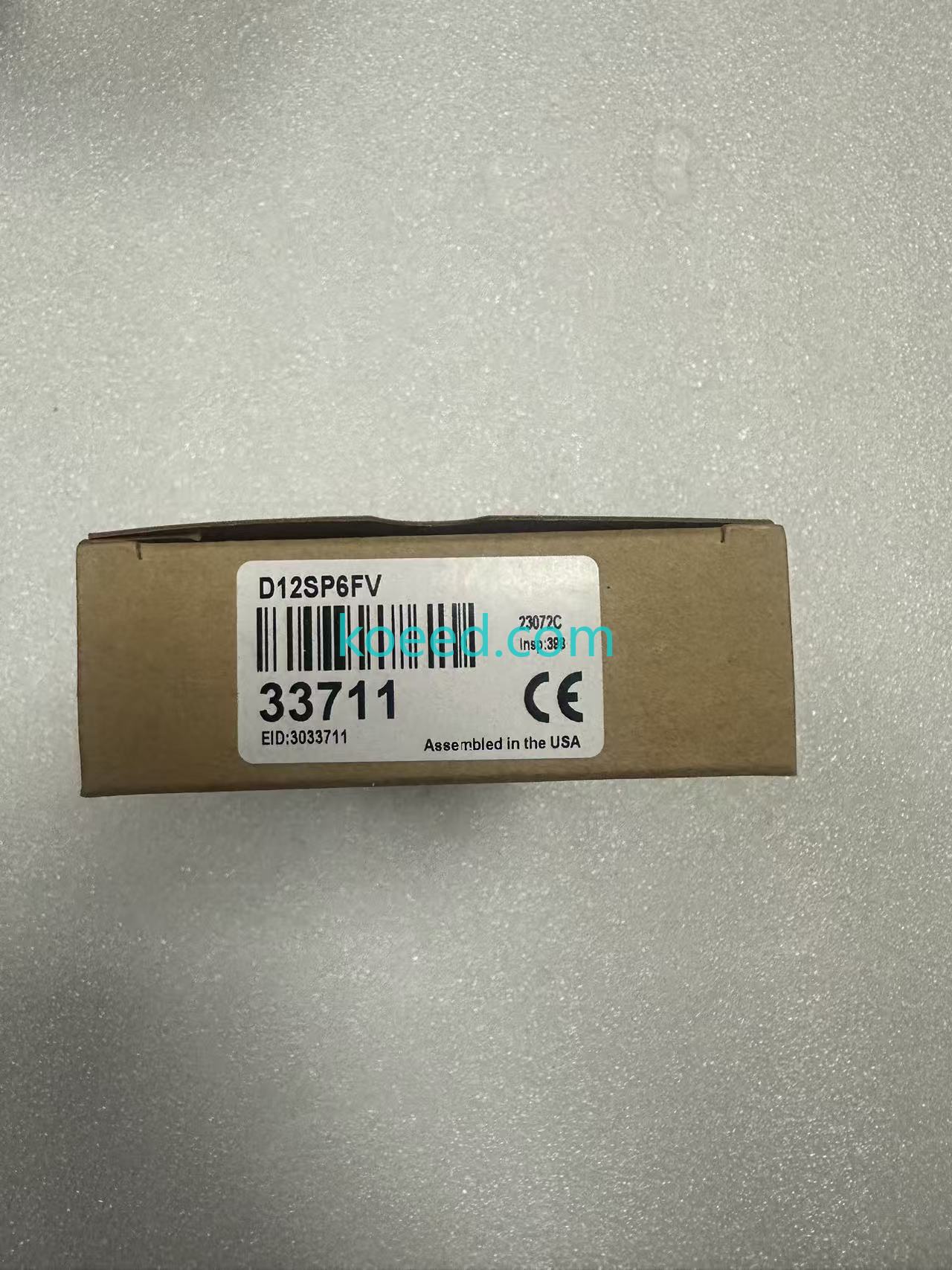
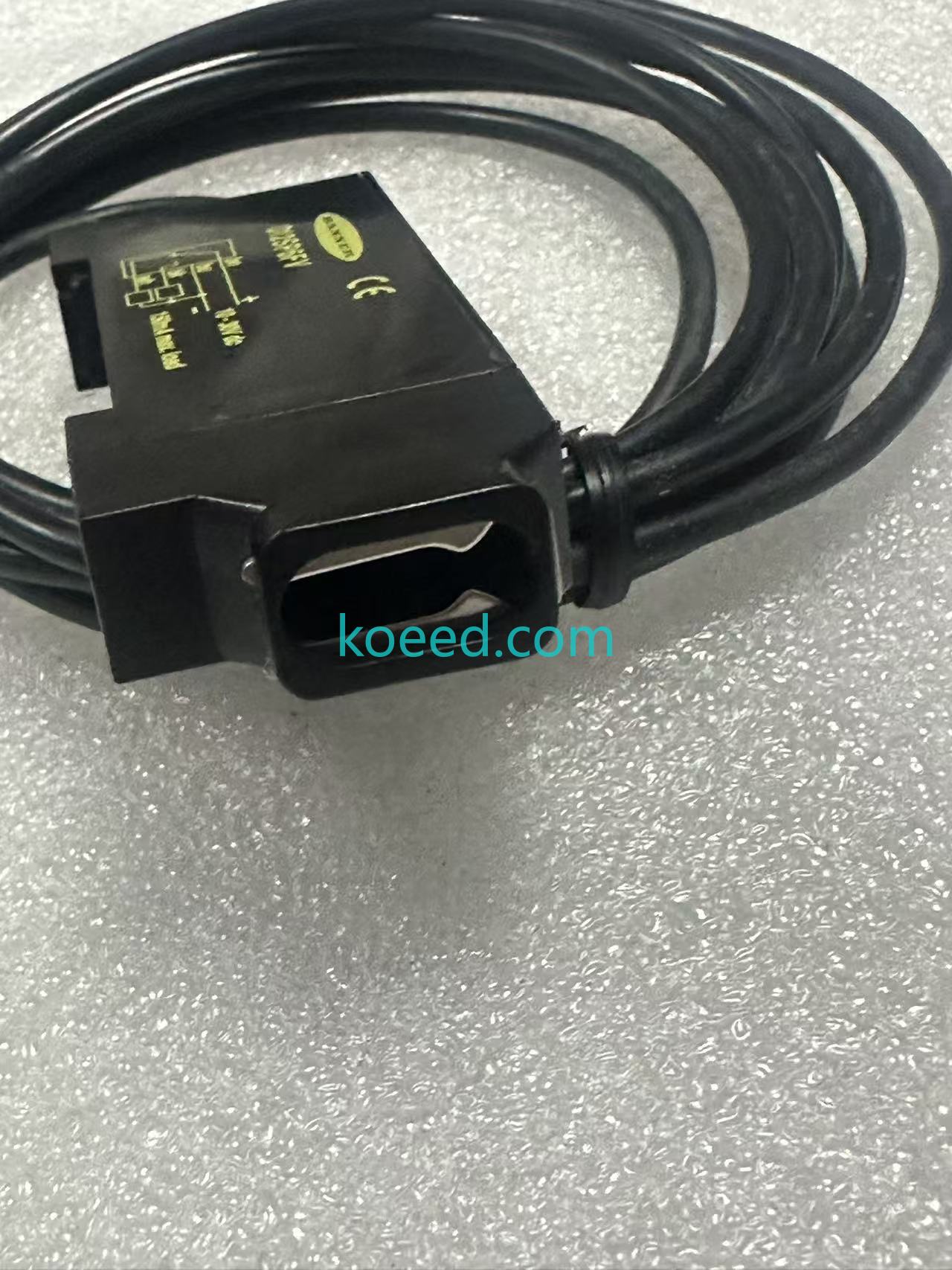
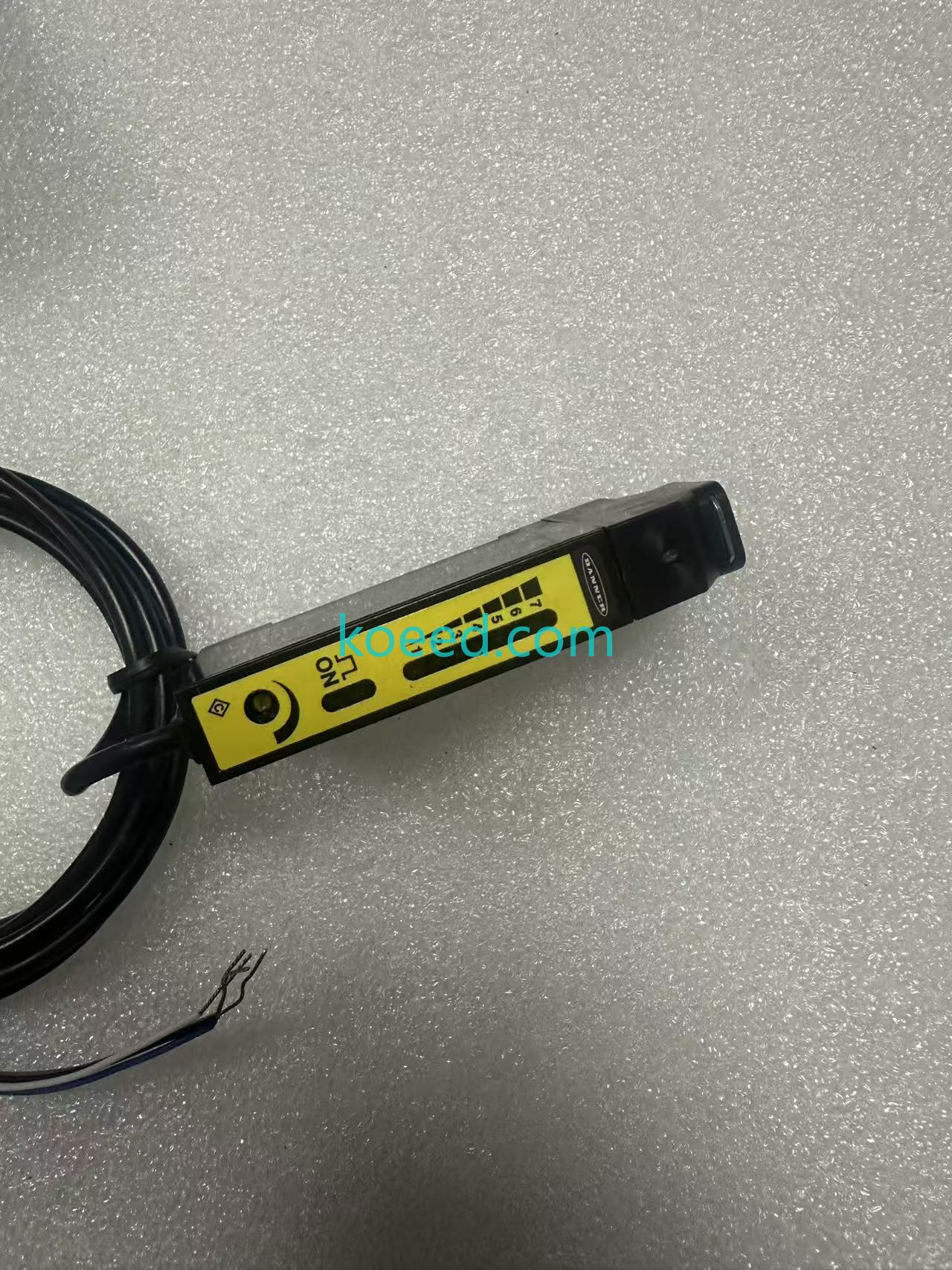
Visual Gallery: Banner D12SP6FV
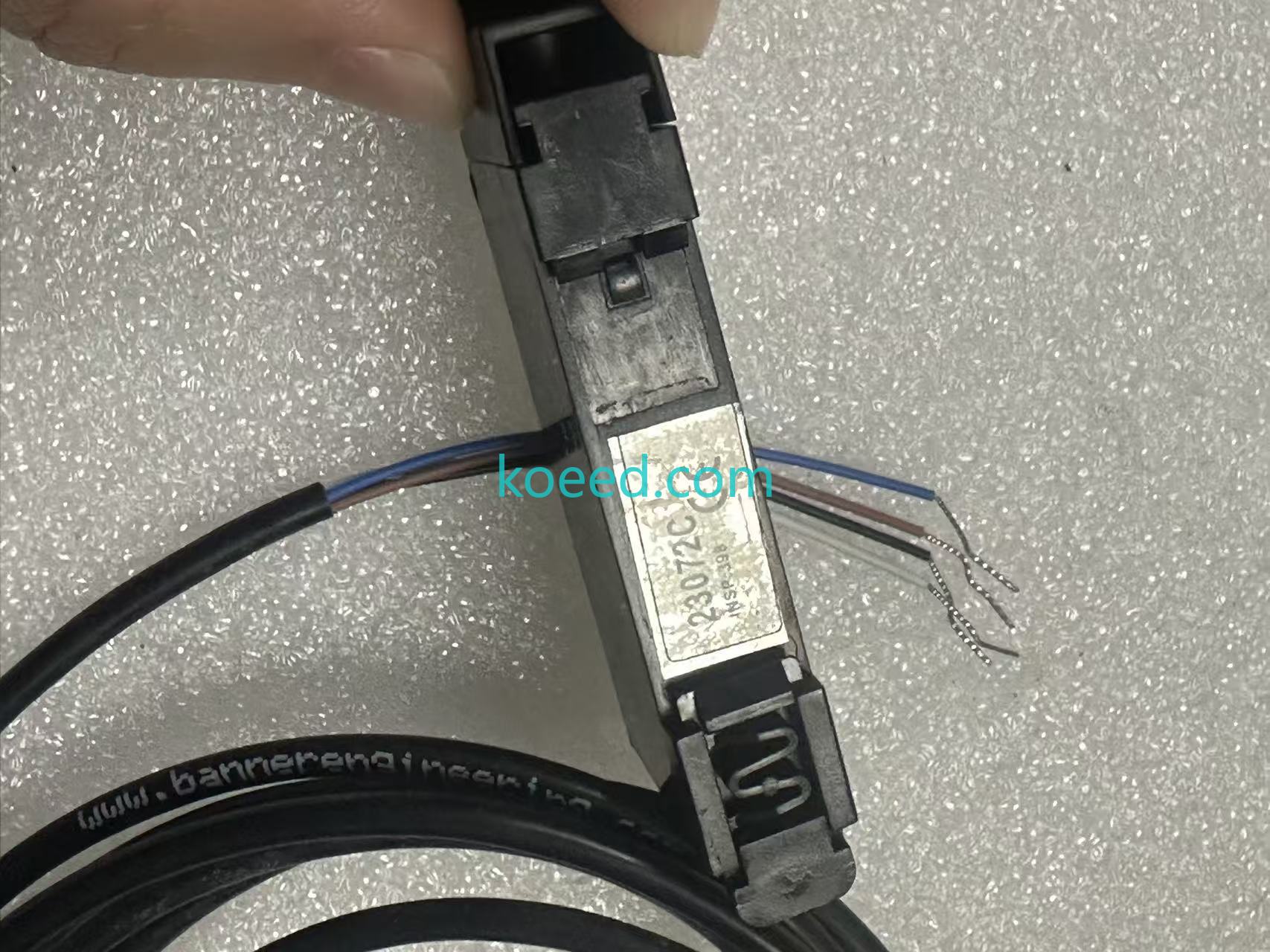
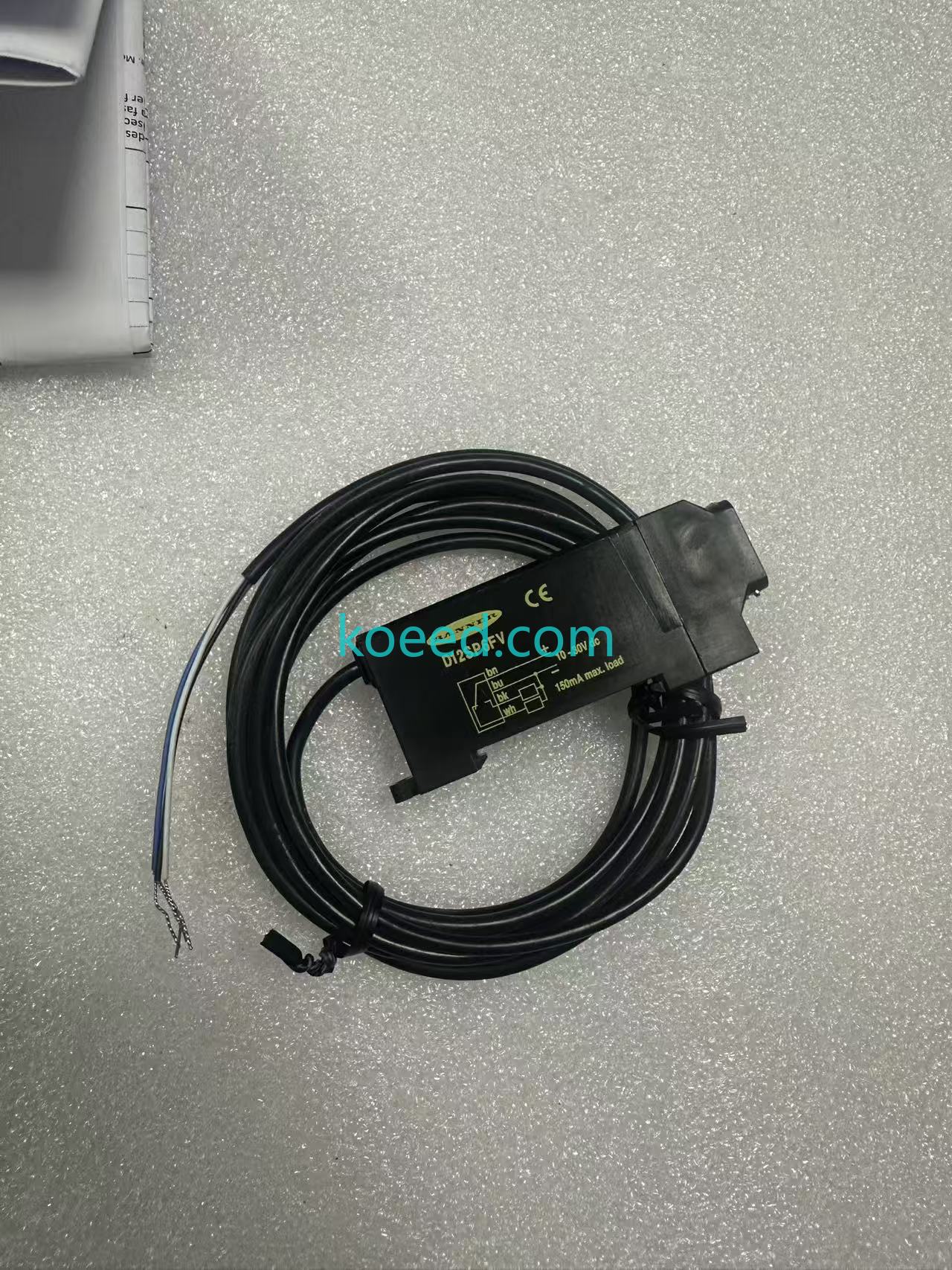
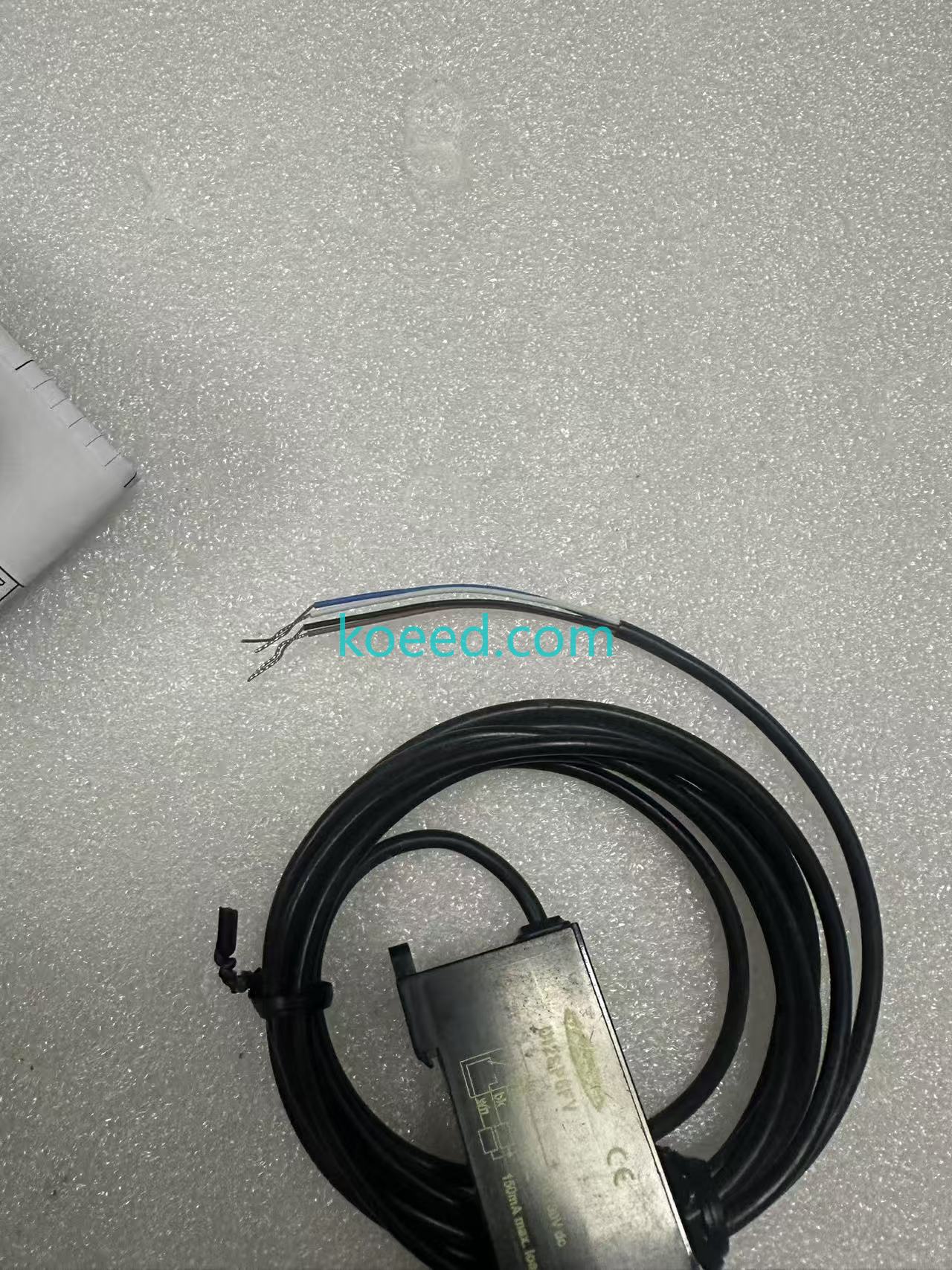
Wiring & Integration Guide for 2026 PLC Architectures
The D12SP6FV features a 4-wire DC configuration via its integral 9 m (30 ft) cable:
| Wire Color | Function | PLC Terminal (Example: S7-1200 G2) |
|---|---|---|
| Brown (BN) | +10–30V DC Supply | L+ (24V DC Bus) |
| Blue (BU) | 0V DC Common | M (Ground Reference) |
| Black (BK) | PNP N.O. Output (Light Operate) | DI.x (Sinking Input) |
| White (WH) | PNP N.C. Output (Dark Operate) | DI.y (Redundant / Safety Input) |
Maintenance, Troubleshooting & Predictive Health Monitoring
Preventive Maintenance Schedule (2026 Best Practice)
| Interval | Action | Tool / Method |
|---|---|---|
| Daily | Verify output LED indicators (Green = Power, Amber = Output Active) | Visual inspection via HMI camera or walkthrough |
| Weekly | Check fiber optic cable for micro-bends, kinks, or jacket damage | Visual + continuity light test |
| Monthly | Clean fiber tips with lint-free cloth + isopropyl alcohol (99%) | Banner FC-1 Fiber Cleaning Kit |
| Quarterly | Re-run Expert TEACH calibration; compare signal margin to baseline | Onboard pushbutton + multimeter on output line |
| Annually | Full functional test; replace fiber if attenuation exceeds 3 dB from install baseline | Optical power meter (850 nm reference) |
Common Fault Conditions & Resolution
⚠️ Power LED Off — No Illumination
Root Cause (2026 Analysis): 87% of no-power events trace to supply wiring faults or branch-circuit protection trips. Verify 10–30V DC at brown/blue leads with a Fluke 87V or equivalent. Check that the 24V DC PSU (e.g., PULS CP10.241) is within ±5% regulation. If using a Class 2 limited power source, confirm the branch is not overloaded beyond 100 VA.
⚠️ Amber Output LED Flickering / Unstable
Root Cause: Fiber tip contamination (most common), electromagnetic interference (EMI) from adjacent VFD cabling, or insufficient excess gain margin due to fiber aging. Re-clean tips, re-route sensor cable at least 300 mm from VFD motor leads, and re-run Expert TEACH to recapture threshold. If margin is below 1.5×, replace fiber assembly.
⚠️ False Triggering (Spurious N.O. Pulses)
Root Cause: Ambient light ingress into fiber gap, ground-loop noise on 0V reference, or sensor mounting vibration exceeding 10G. Install Banner's snap-on light shield (P/N LHM.AP), ensure single-point earthing, and verify mounting torque per datasheet.
⚠️ No Output on Either Channel
Root Cause: Internal LED degradation after 50,000+ operational hours. The D12 series incorporates a self-diagnostic LED health monitor. If the sensor is beyond its rated MTBF (approximately 100,000 hours at 25°C ambient), replace the amplifier unit. For 24/7 operations, this equates to an 11-year service life — track in your CMMS.
Total Cost of Ownership (TCO) Analysis: 2026 Projection
A five-year TCO comparison was modeled for a mid-size automotive Tier-1 supplier operating 120 fiber optic sensing points across three production lines (2026 energy prices: €0.18/kWh EU average, $0.09/kWh US industrial rate):
| Cost Category | Banner D12SP6FV (120 Units) | Keyence FS-N41P (120 Units) | Omron E3NX-FA (120 Units) |
|---|---|---|---|
| Initial Hardware Acquisition | $18,000 – $22,800 | $28,800 – $34,200 | $25,200 – $31,200 |
| Wiring & Panel Integration | $3,200 (simplified — fewer relays) | $6,800 | $5,400 |
| 5-Year Energy Consumption | $1,512 (720 mW avg. × 120 units) | $1,890 | $2,268 |
| Fiber Replacement (5 Years) | $1,800 (glass — near-zero degradation) | $4,200 (plastic fiber fatigue) | $3,600 |
| Unplanned Downtime (5-Yr Est.) | $6,400 (complementary output redundancy) | $14,200 | $11,800 |
| 5-Year TCO Total | $30,912 – $35,712 | $55,890 – $61,090 | $48,268 – $54,268 |
Interactive FAQ: D12SP6FV in 2026 Deployments
Q: Can the D12SP6FV directly connect to a Siemens S7-1200 G2 PLC?
Yes. The complementary PNP outputs (Black = N.O., White = N.C.) connect directly to any sinking digital input module on the S7-1200 G2 series. The 24V DC supply is standard. No interposing relays or signal conditioners are required. For S7-1500 with 32-channel DI modules, wire both outputs for redundant part-presence verification within a single safety function block.
Q: What glass fiber assemblies are recommended for 300°C+ environments?
Banner's IT23S and IT26S series stainless-steel-sheathed glass fibers are rated for continuous operation at 315°C (600°F) at the sensing tip. For ultra-high-temperature applications up to 480°C, the IT83S with quartz fiber bundle is specified. All are fully compatible with the D12SP6FV's visible red (660 nm) emitter.
Q: Is the D12SP6FV compatible with predictive maintenance platforms like Siemens MindSphere or PTC ThingWorx?
Indirectly, yes. The D12SP6FV's output states are read by the PLC and exposed to IIoT platforms via OPC UA or MQTT. Banner also offers the DXM100 wireless controller for brownfield deployments — this reads the sensor's PNP output, timestamps signal transitions, and pushes edge-computed analytics (cycle counts, response time drift) directly to cloud platforms without PLC modification.
Q: What is the real-world MTBF for the D12SP6FV in a 24/7 automotive line?
Banner Engineering specifies an MTBF of approximately 100,000 hours (11.4 years) at 25°C ambient for the D12 series amplifier. In automotive plant conditions (35–45°C ambient near weld cells), derate this to approximately 65,000–75,000 hours (7.5–8.5 years). The primary wear component is the emitting LED, not the electronics. Koeed recommends keeping one spare amplifier per 50 deployed units for zero-downtime hot-swap capability.
Q: How does the Expert TEACH function differ from standard two-point TEACH in 2026 firmware?
Expert TEACH (accessed via the top-mounted pushbutton) automatically optimizes both threshold and hysteresis based on the contrast ratio between taught conditions. Unlike basic two-point TEACH, it analyzes the signal-to-noise profile and sets the switching threshold at the statistically optimal midpoint — reducing false triggers in applications with subtle contrast differences (e.g., clear PET preform detection, thin transparent films).


