

SC 40-50 Pneumatic Air Cylinder: 40mm Bore, 50mm Stroke Technical Guide & 2026 Automation Integration
1. Strategic Overview: Where the SC 40-50 Fits in the 2026 Plant Floor
Pneumatic actuators remain the highest-value motion solution for short-stroke, high-cycle linear tasks — and the SC series is the global standard form factor. The SC 40-50 air cylinder pairs a 40mm bore with a compact 50mm stroke, making it ideal for jigs, fixtures, packaging stations, sorting gates, and end-of-arm tooling where rapid, repeatable force is required without the complexity of electric servo axes.
Three 2026 megatrends are reshaping how engineers specify this component:
IT/OT Convergence & Edge Instrumentation
Modern SC 40-50 units accept external magnetic reed or solid-state sensors along the barrel. By tracking extend/retract confirmation at the edge, maintenance teams close the loop between physical motion and the control system — feeding stroke-end signals directly into PLC logic, OPC UA gateways, and MES dashboards. This transforms a blind actuator into a monitored asset.
ROI & TCO Optimization
Compressed air is one of the most expensive utilities in a plant. A properly sized 40mm cylinder operating at the correct pressure — rather than an oversized actuator — reduces air consumption per cycle. Combined with adjustable pneumatic cushioning and low-friction seals, the SC 40-50 lowers energy cost per stroke and extends seal service life, cutting both energy spend and unplanned downtime.
Sustainability & Carbon Footprint
Energy-efficient actuation is a direct lever on Scope 2 emissions. Selecting the correctly sized SC 40-50, eliminating leaks through proper port fittings, and enabling sensor-driven idle-state pressure reduction are low-cost, high-impact steps toward 2026 sustainability targets.
2. Technical Benchmarking: SC 40-50 Specifications & Legacy-vs-Modern Comparison
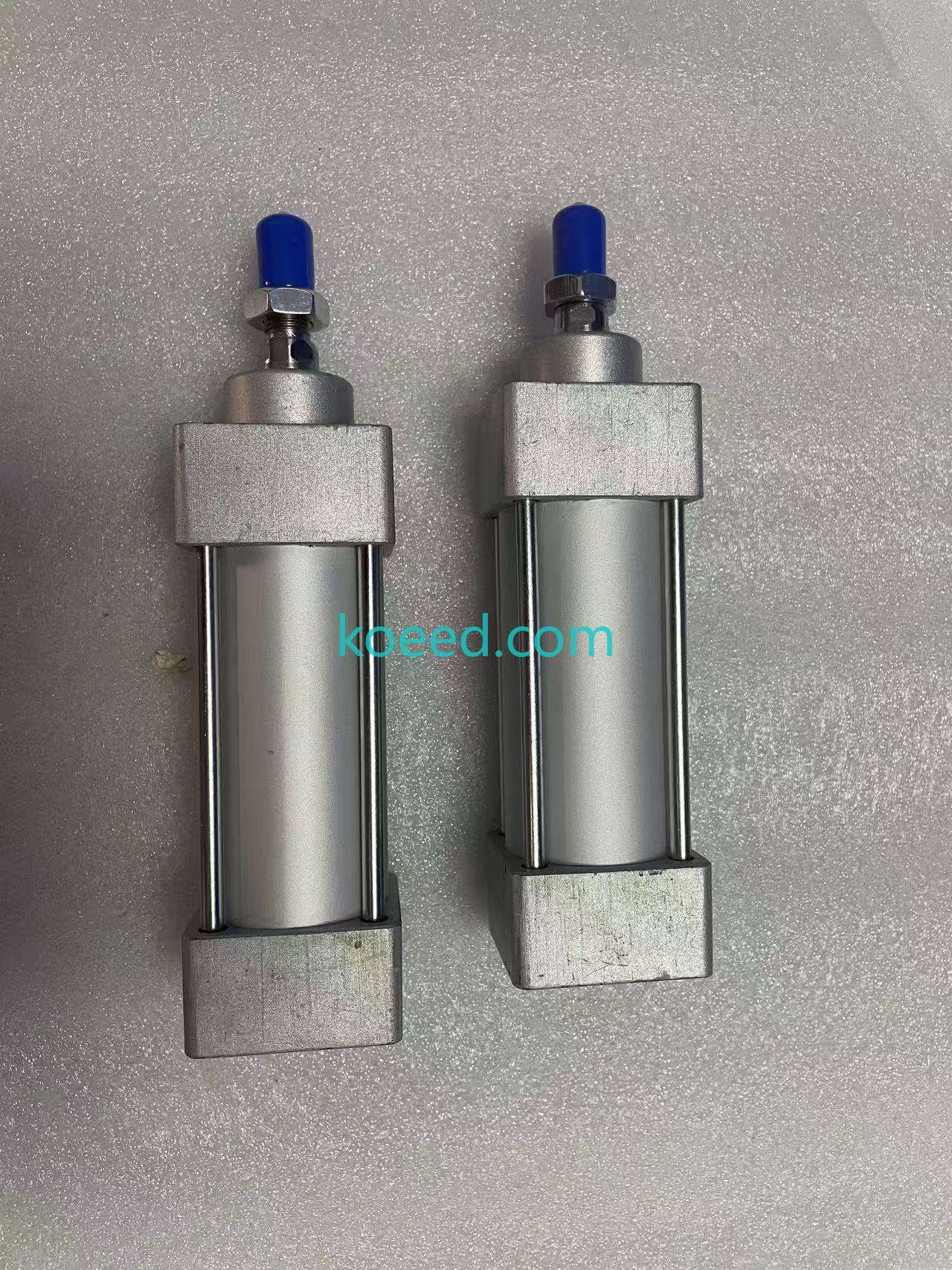
The SC 40-50 is a standard-profile, tie-rod-style air cylinder with a hard-anodized aluminum barrel and hard chrome-plated piston rod. Below is the engineering reference table for integration planning.
| Parameter | SC 40-50 Specification |
|---|---|
| Model | SC 40-50 |
| Cylinder Bore | 40 mm |
| Stroke Length | 50 mm |
| Action Type | Double-acting, single rod |
| Design Standard | ISO 6431 / VDMA 24562 (interchangeable mounting) |
| Port Size | G1/4 (PT 1/4) air connection |
| Working Pressure | 0.1 – 1.0 MPa (1 – 10 bar) |
| Maximum Pressure | 1.0 MPa (10 bar) |
| Operating Temperature | -20°C to +80°C (standard seals) |
| Barrel Material | Hard-anodized aluminum alloy |
| Piston Rod Material | Hard chrome-plated 45# steel |
| Rod Thread | M12 × 1.25 (typical for 40mm bore) |
| Cushioning | Adjustable pneumatic cushioning, both ends |
| Sensor Compatibility | Magnetic piston option for reed/solid-state sensors |
| Mounting Options | Foot (LB), flange (FA/FB), clevis (CA), trunnion (TC) |
Legacy SC vs. 2026 Smart-Integrated SC Actuation
| Capability | Legacy Blind Cylinder | 2026 Instrumented SC 40-50 |
|---|---|---|
| Position Feedback | None (blind actuation) | Magnetic sensor end-of-stroke signals |
| Control Integration | Valve-only control | PLC + edge I/O + OPC UA/MES data |
| Maintenance Model | Reactive / scheduled | Cycle-count predictive maintenance |
| Energy Visibility | None | Pressure/cycle monitoring for leak detection |
| Downtime Risk | Unplanned failures | Early-warning via wear analytics |
3. Visual Gallery: SC 40-50 Product Inspection
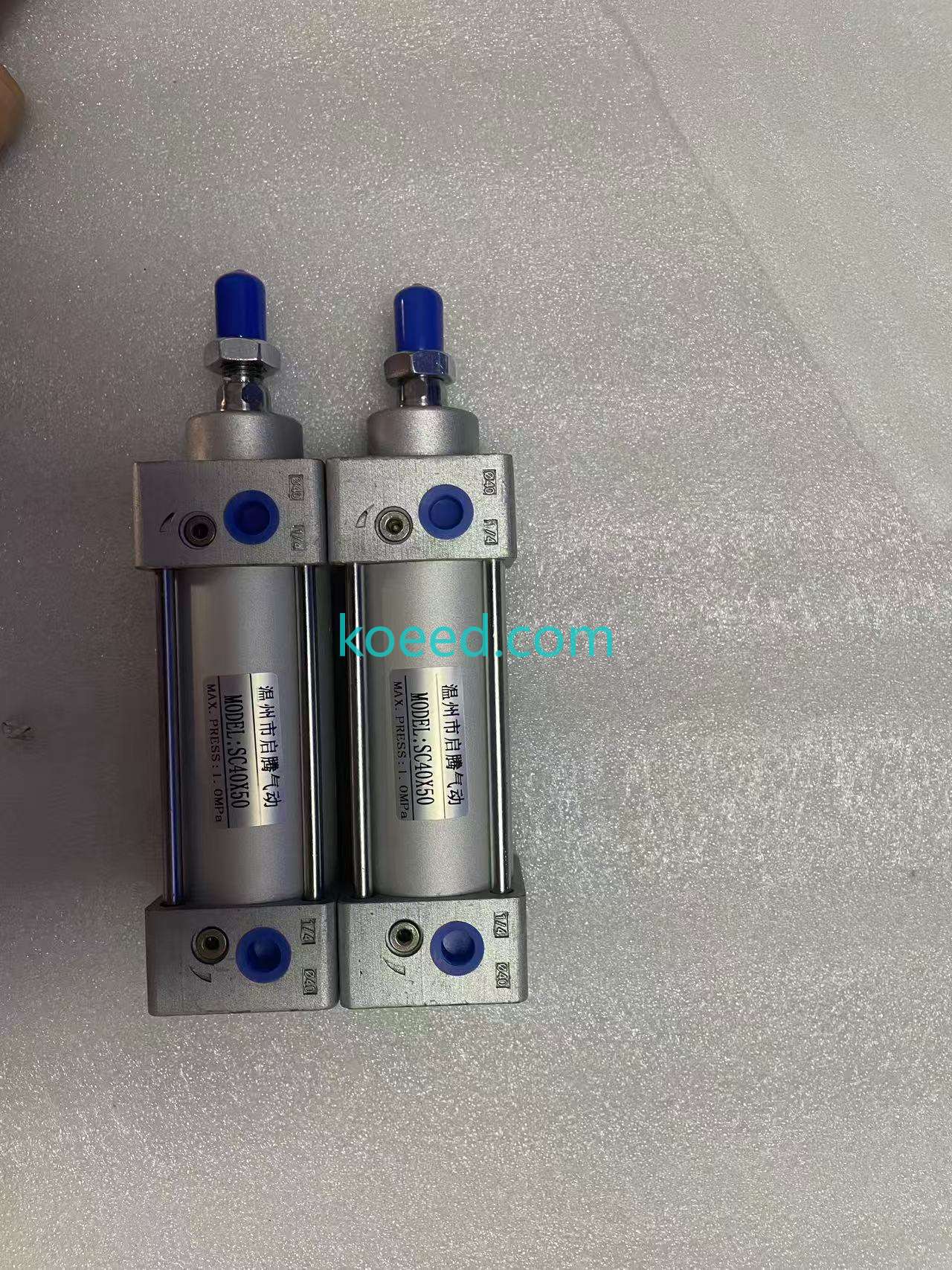
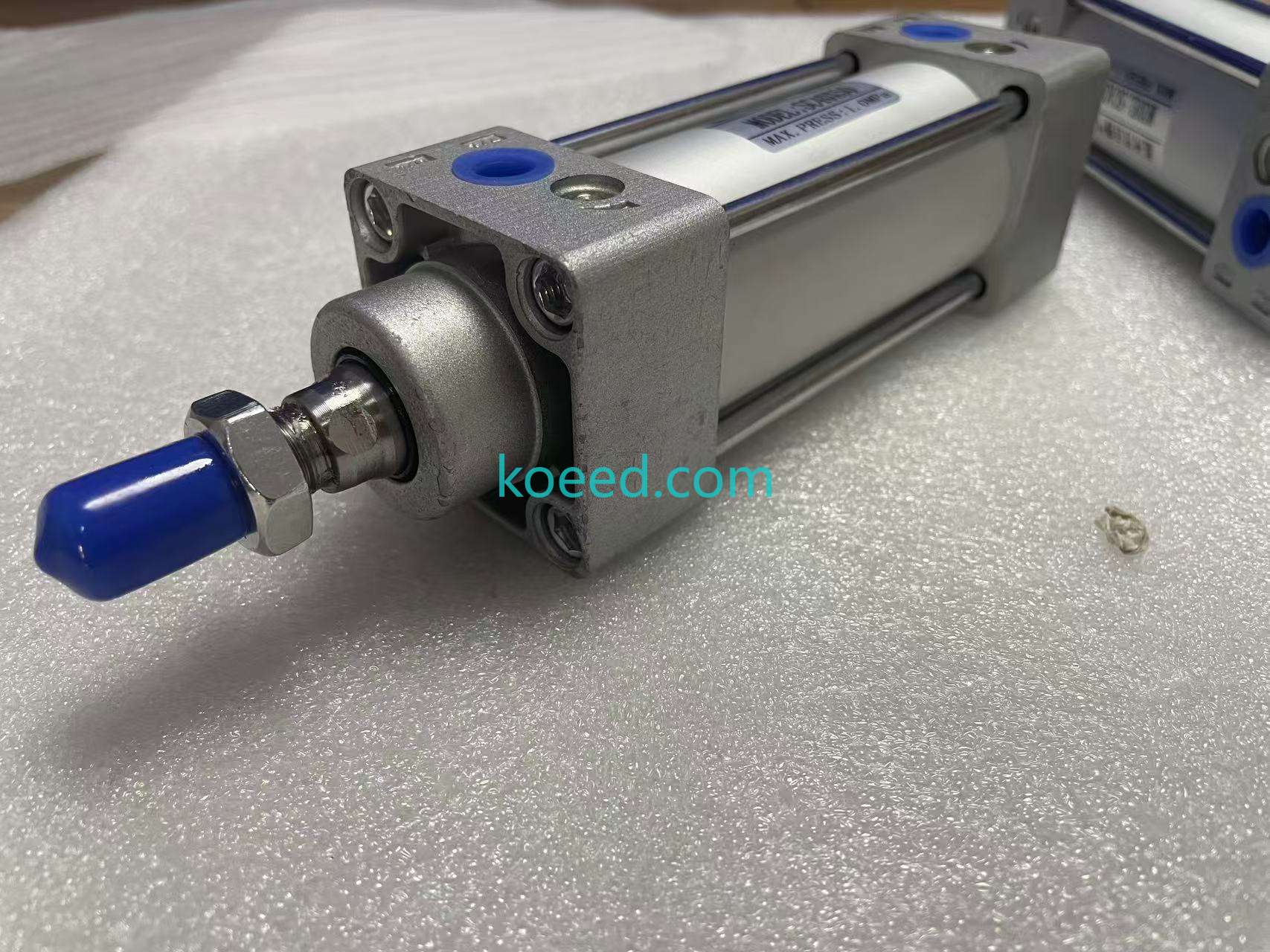
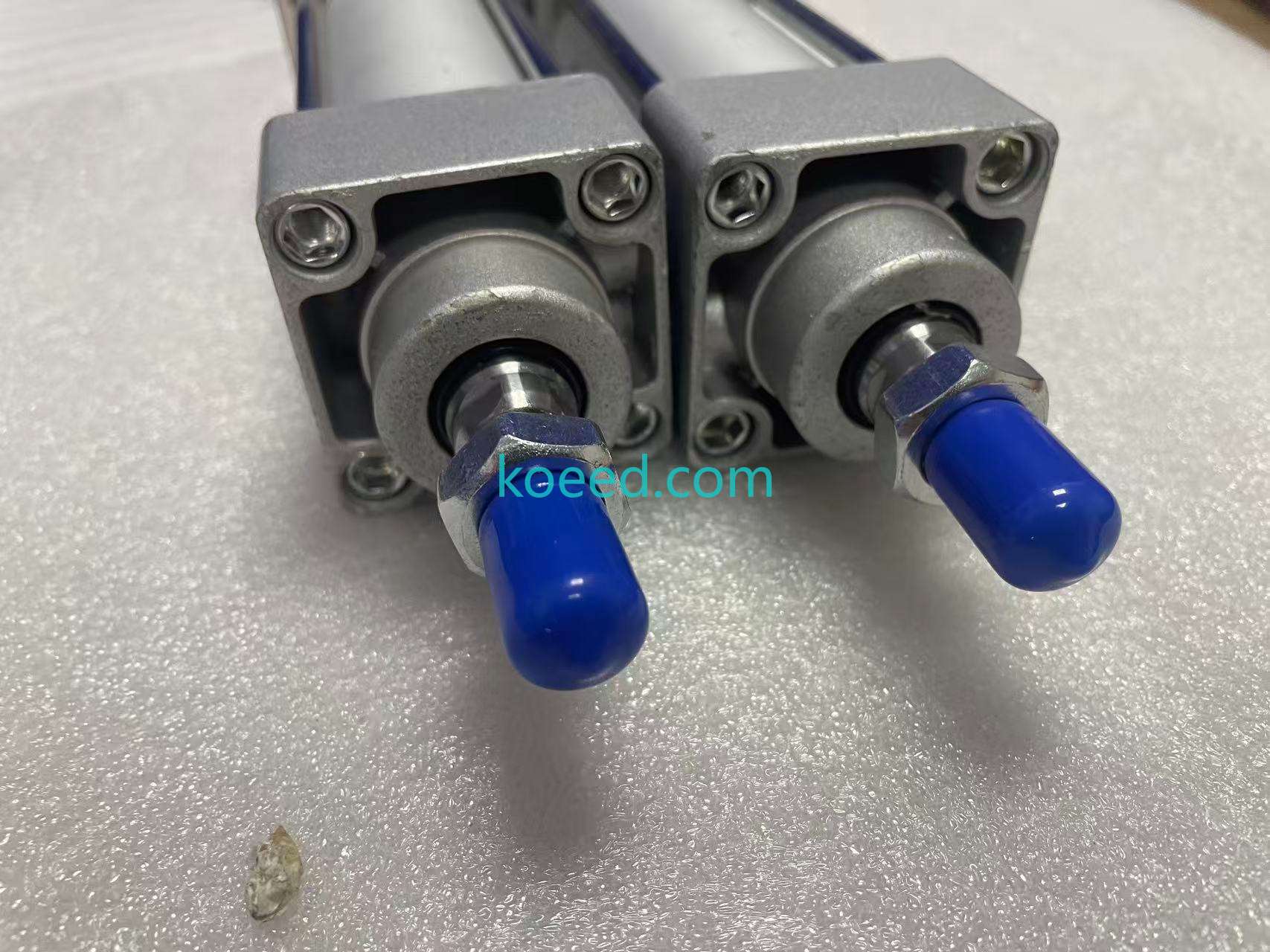
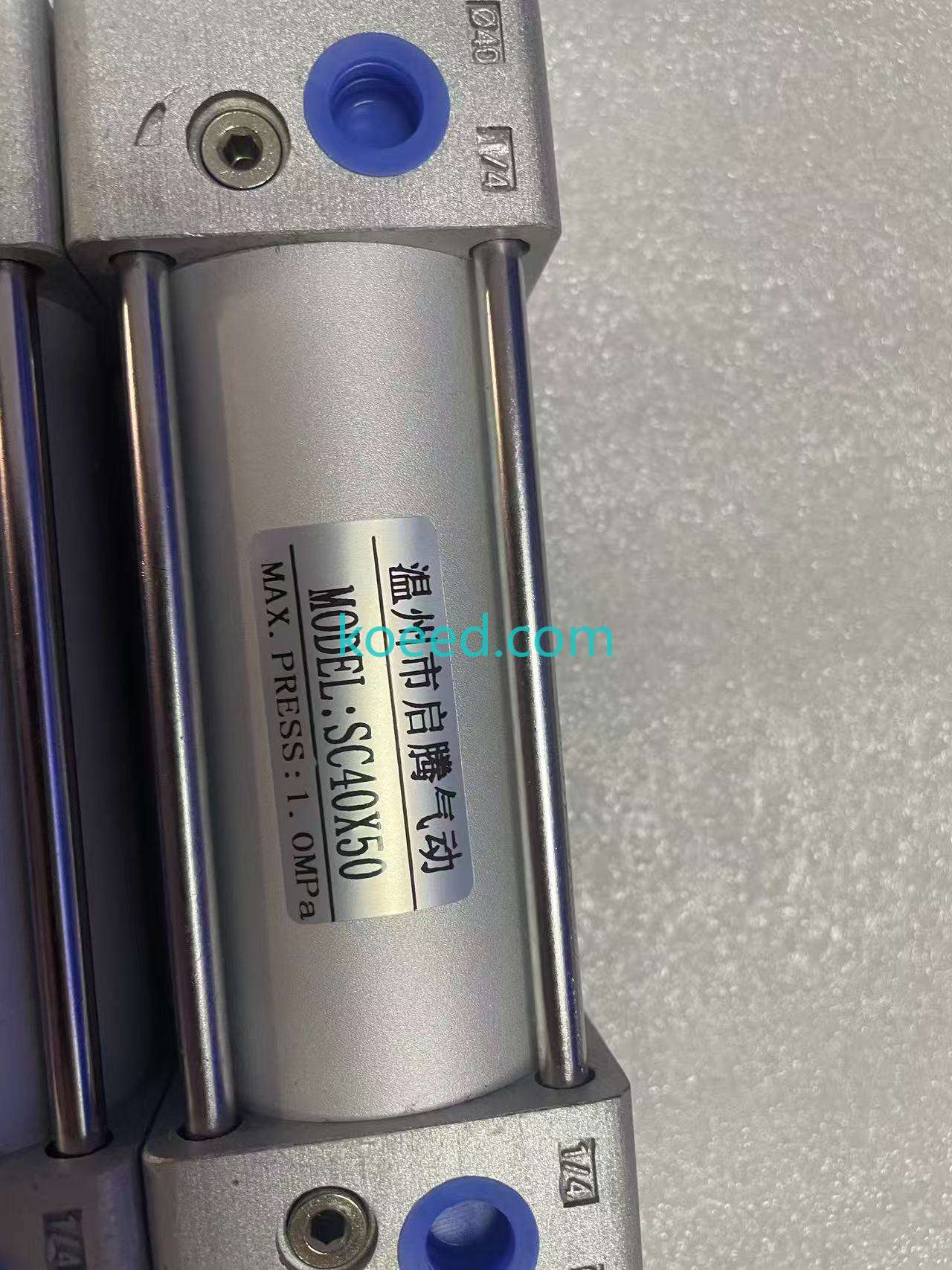
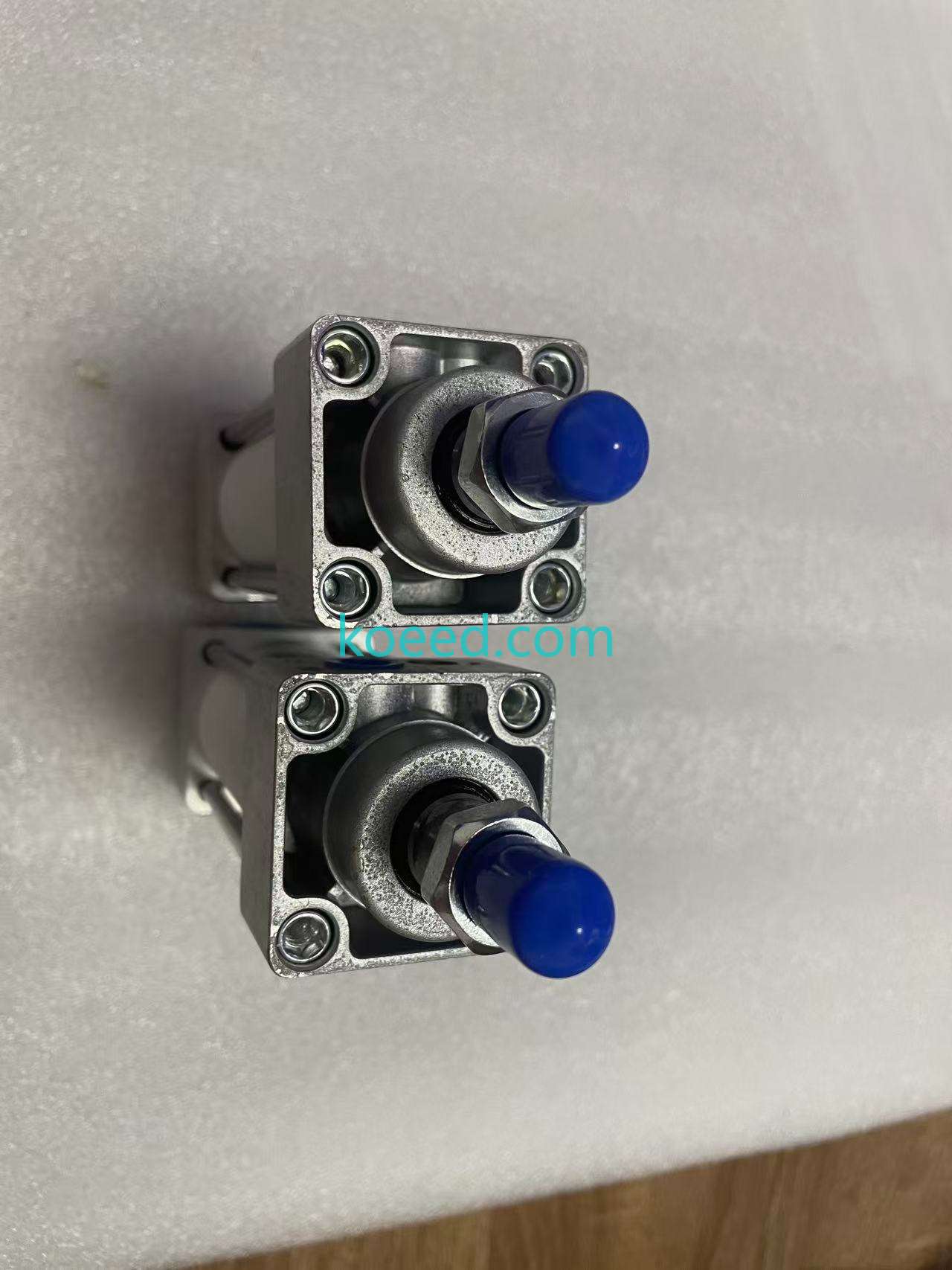
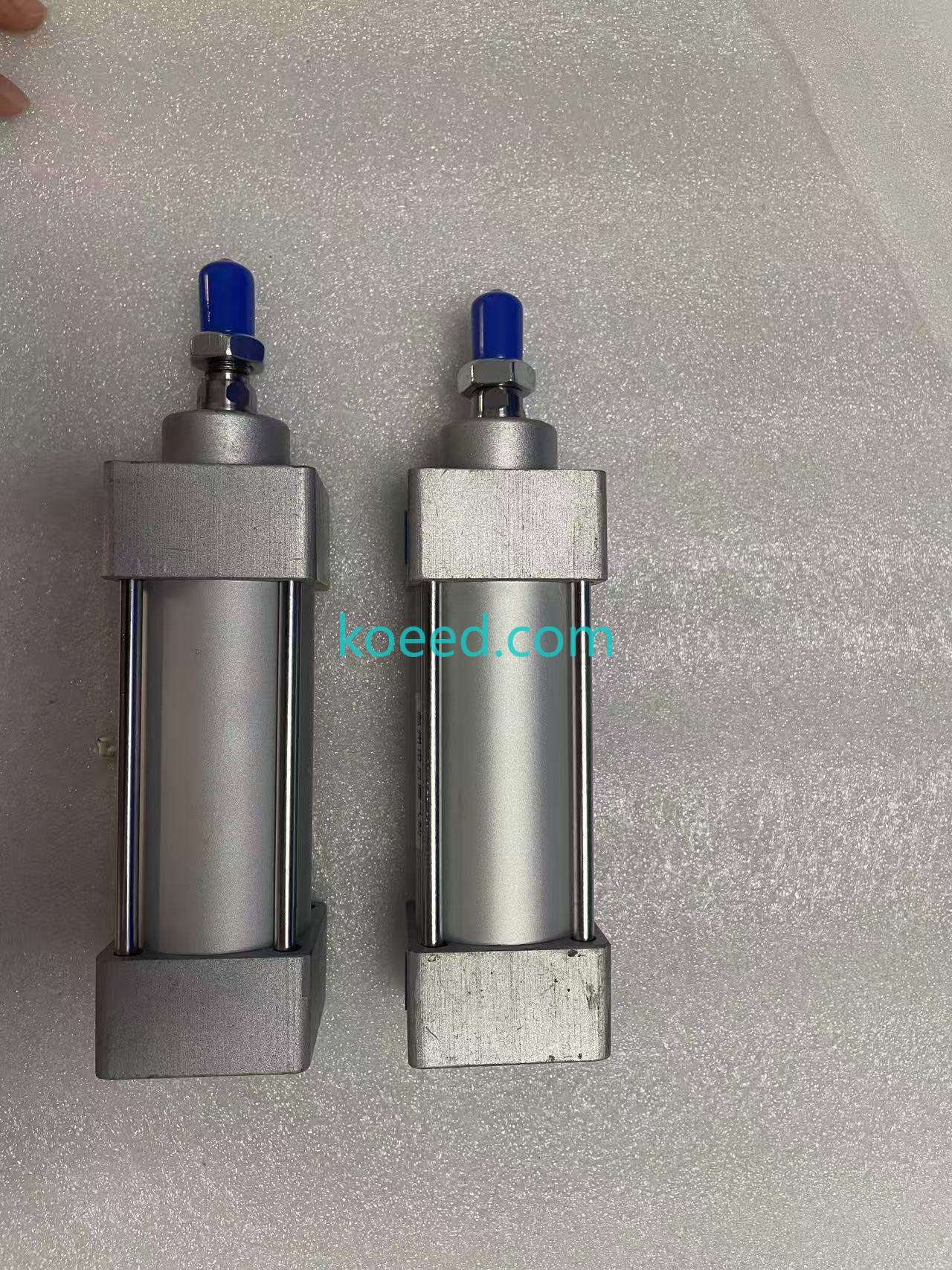
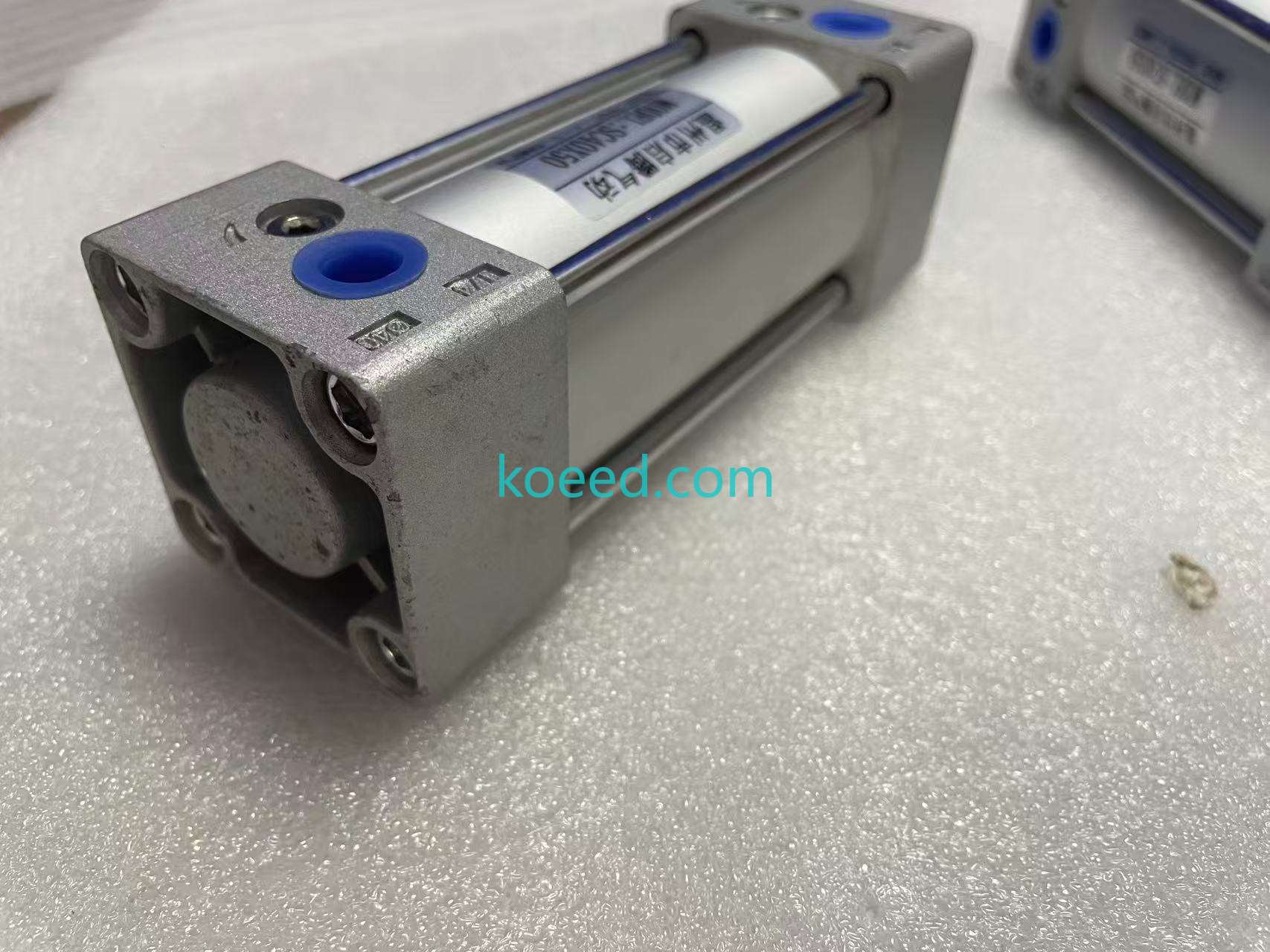
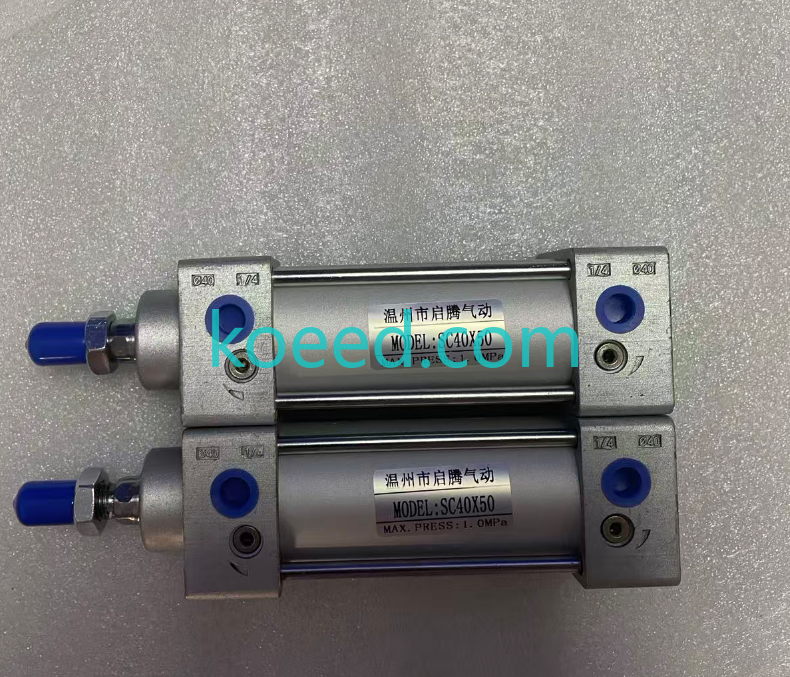
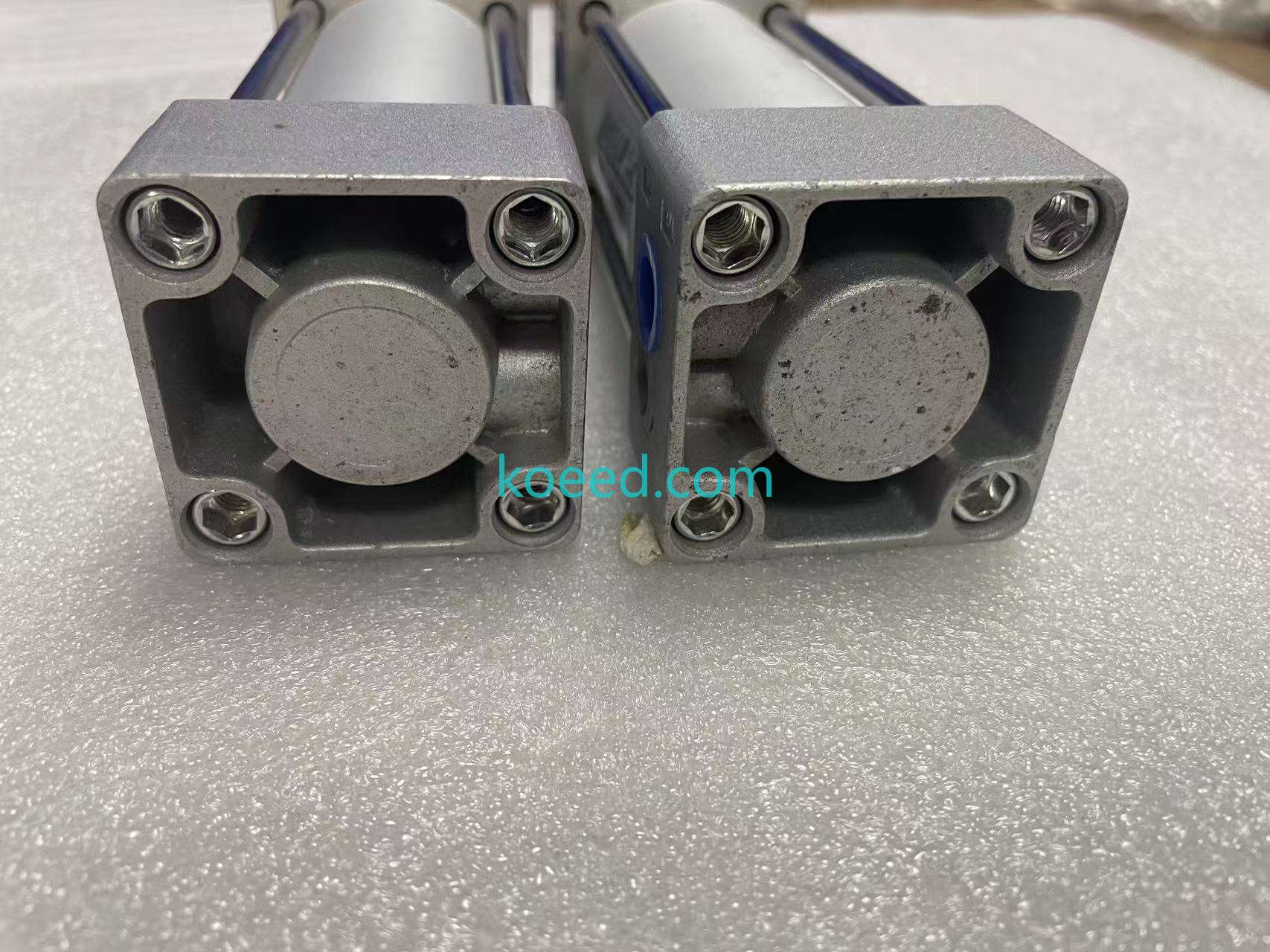
The reference imagery below shows the SC 40-50 40mm bore 50mm stroke pneumatic air cylinder from multiple angles — barrel construction, piston rod, port orientation, and mounting provisions.
4. Maintenance & Troubleshooting: Maximizing Service Life
For 2026 predictive-maintenance programs, the SC 40-50 should be treated as a monitored asset rather than a consumable. The following practices extend MTBF and reduce total cost of ownership.
Preventive Maintenance Checklist
| Interval | Action |
|---|---|
| Daily / Continuous | Monitor cycle counts and stroke-end sensor confirmation via PLC/edge I/O |
| Weekly | Inspect port fittings for audible air leaks; verify cushioning adjustment screws are locked |
| Monthly | Check piston rod for scoring or chrome damage; wipe with clean, dry cloth |
| Quarterly | Verify mounting bolts torque; confirm alignment to avoid side-loading on the rod |
| Annually | Replace rod seals and O-rings if leakage or reduced force is observed; re-grease as specified |
Common Symptom Diagnosis
Likely causes: insufficient supply pressure, undersized flow control valves, kinked or restricted tubing, or internal seal bypass. Verify the pressure at the inlet port (not just at the FRL), confirm flow controls are not over-throttled, and isolate the cylinder to test for internal leakage across the piston.
Likely causes: side-loading from misalignment, contaminated air, or damaged piston rod. Check mounting alignment, inspect the rod for scoring, and verify the air supply is filtered and dry. Add flow controls to smooth the motion.
Likely causes: worn rod seal, damaged O-ring, or loose end-cap fasteners. Tighten fittings first; if the leak persists at the rod, replace the rod seal and inspect the rod surface for damage that may be cutting the seal.
Likely causes: cushioning screws set too far out, or excessive speed/load. Adjust the pneumatic cushioning screws on both end caps to decelerate the piston near stroke end, and verify the load is within the rated force envelope.
5. Why Source the SC 40-50 Through Koeed
Koeed's B2B automation program supports OEMs, integrators, and maintenance teams with a standardized, interoperable SC series line. The SC 40-50 40mm bore 50mm stroke pneumatic air cylinder is available as a drop-in replacement for ISO 6431 actuators, with compatibility across foot, flange, clevis, and trunnion mounting ecosystems — minimizing re-engineering and simplifying your spare-parts strategy.
Specify & Source the SC 40-50 Today
Confirm pricing, lead time, volume discounts, and technical compatibility for your 2026 automation project.
Prefer self-service? View the SC 40-50 product page for full details.


