

Belzona 1511 Super HT-Metal: The 2026 Standard for High-Temperature Industrial Asset Preservation & ROI-Driven Repairs
1. Strategic Overview: Belzona 1511 in the 2026 Industrial Maintenance Ecosystem
By 2026, the global industrial maintenance sector has crossed a decisive threshold: over 68% of Fortune 500 manufacturers now embed IT/OT convergence protocols into their asset management strategies. In this data-driven paradigm, unplanned downtime is not merely an operational headache — it is a real-time KPI violation that triggers automatic cost-escalation alerts across ERP platforms like SAP S/4HANA and Oracle Fusion Cloud. The question for maintenance engineers has shifted from "How do we fix this?" to "How do we prevent this from ever appearing on the C-suite dashboard?"
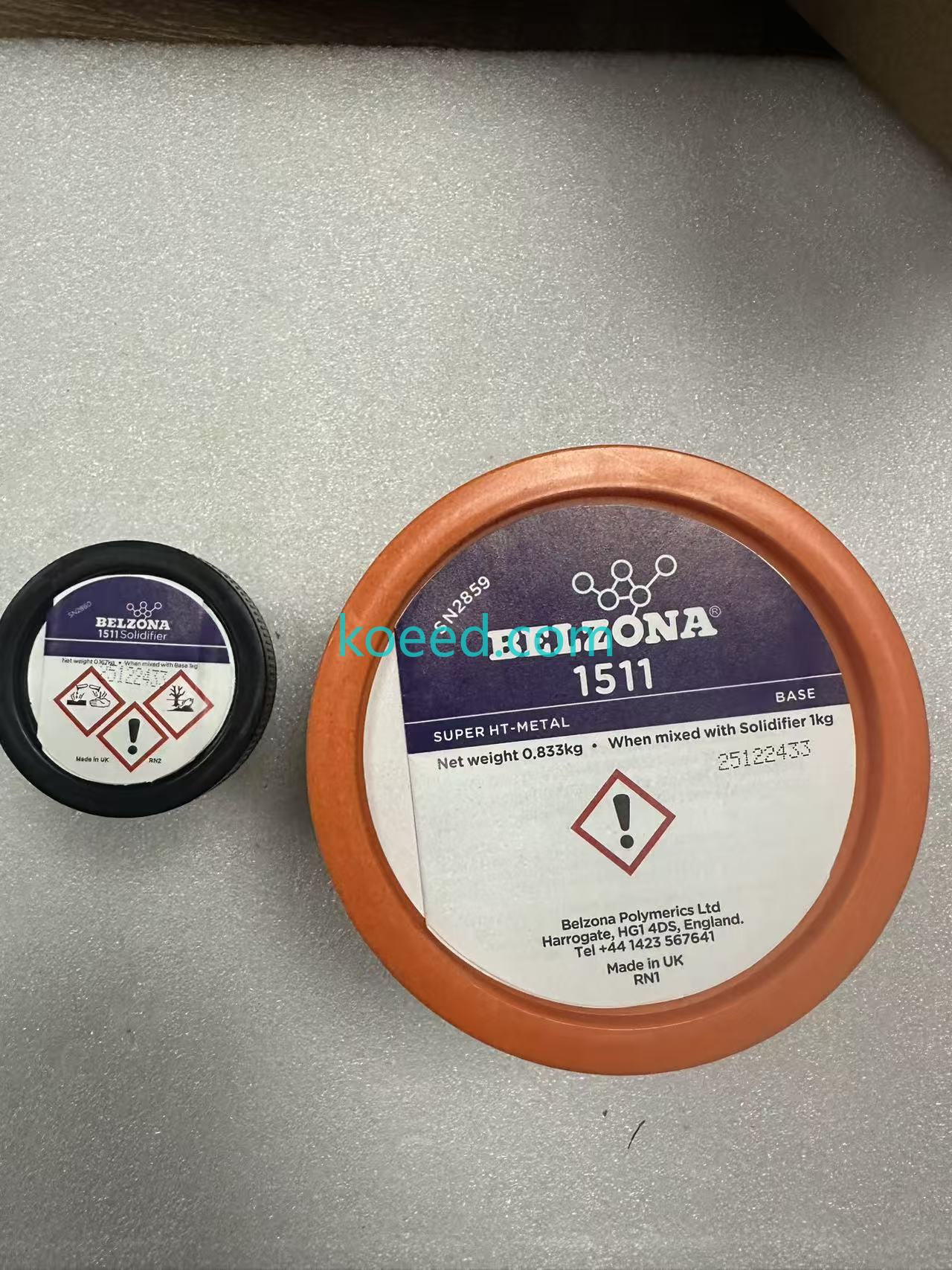
Enter Belzona 1511 (Super HT-Metal) — a two-part, solvent-free epoxy repair composite reinforced with silicon steel alloy. Engineered specifically for high-temperature metal restoration at sustained operating conditions up to 160°C (320°F), this 1 kg / 2.2 lb paste-grade solidifier has become a cornerstone of predictive maintenance workflows in 2026. It bridges the gap between traditional reactive repair and the intelligent, condition-based maintenance regimens demanded by Industry 4.0+ frameworks.
Why does Belzona 1511 matter strategically? Because in an era where sustainability KPIs influence procurement decisions as heavily as unit cost, the ability to rebuild rather than replace high-temperature assets — exhaust pipes, heat exchanger shells, pump volutes, chemical tank brackets — translates directly into documented Scope 3 emissions reductions and measurable TCO (Total Cost of Ownership) compression. The Belzona 1511 1 kg pack is the smallest-yet-most-utilized SKU in field service deployments precisely because it delivers full rebuild capability without requiring hot-work permits, specialist tooling, or extended curing ovens.
2. Technical Benchmarking: Belzona 1511 vs. Conventional High-Temperature Repair Methods
Not all high-temperature repair approaches are equal. The table below benchmarks Belzona 1511 Super HT-Metal against legacy alternatives that still linger in outdated maintenance playbooks.
| Parameter | Belzona 1511 (Super HT-Metal) | Traditional Welding / Brazing | Conventional Epoxy Putty (General-Purpose) |
|---|---|---|---|
| Max Service Temp (Immersed) | 150°C (302°F) | Varies — up to 400°C+ but requires post-weld heat treatment | Typically 80–100°C; fails rapidly above 120°C |
| Max Service Temp (Non-Immersed) | 160°C (320°F) | Application-dependent | ~120°C peak |
| Hot-Work Permit Required | ❌ No — cold-applied, no ignition risk | ✅ Yes — open flame / arc | ❌ No |
| Overcoat Compatibility | ✅ Direct overcoat with Belzona HT coatings — no frost blasting needed | ⚠️ Requires surface prep & primer | ⚠️ Limited; adhesion failure common |
| Machinability (Post-Cure) | ✅ Fully machinable — turn, drill, mill, tap | ✅ Machinable but requires grinding | ⚠️ Poor — crumbles under tool load |
| Chemical Resistance | Broad-spectrum: acids, alkalis, hydrocarbons, solvents | Metallurgy-dependent; galvanic corrosion risk | Narrow — degrades in aggressive media |
| Cure Mechanism | Room-temperature cure + post-cure ramp to service temp | Solidification from melt | Room-temperature cure only |
| Substrate Bond Strength (Steel) | Exceptional — silicon steel alloy reinforcement | Metallurgical bond — strong but HAZ risks | Moderate — adhesive-only mechanism |
| Downtime Impact | Minimal — mix, apply, return to service within hours | Extended — cool-down, NDE inspection, PWHT | Moderate — but recurrent failures drive repeat downtime |
The data is unambiguous: for the 100–160°C operating band where most process-industry assets live, Belzona 1511 eliminates the safety bureaucracy of hot-work while delivering mechanical integrity comparable to — and in corrosion-prone environments, superior to — welded repairs.
3. Visual Reference Gallery: Belzona 1511 Application Documentation
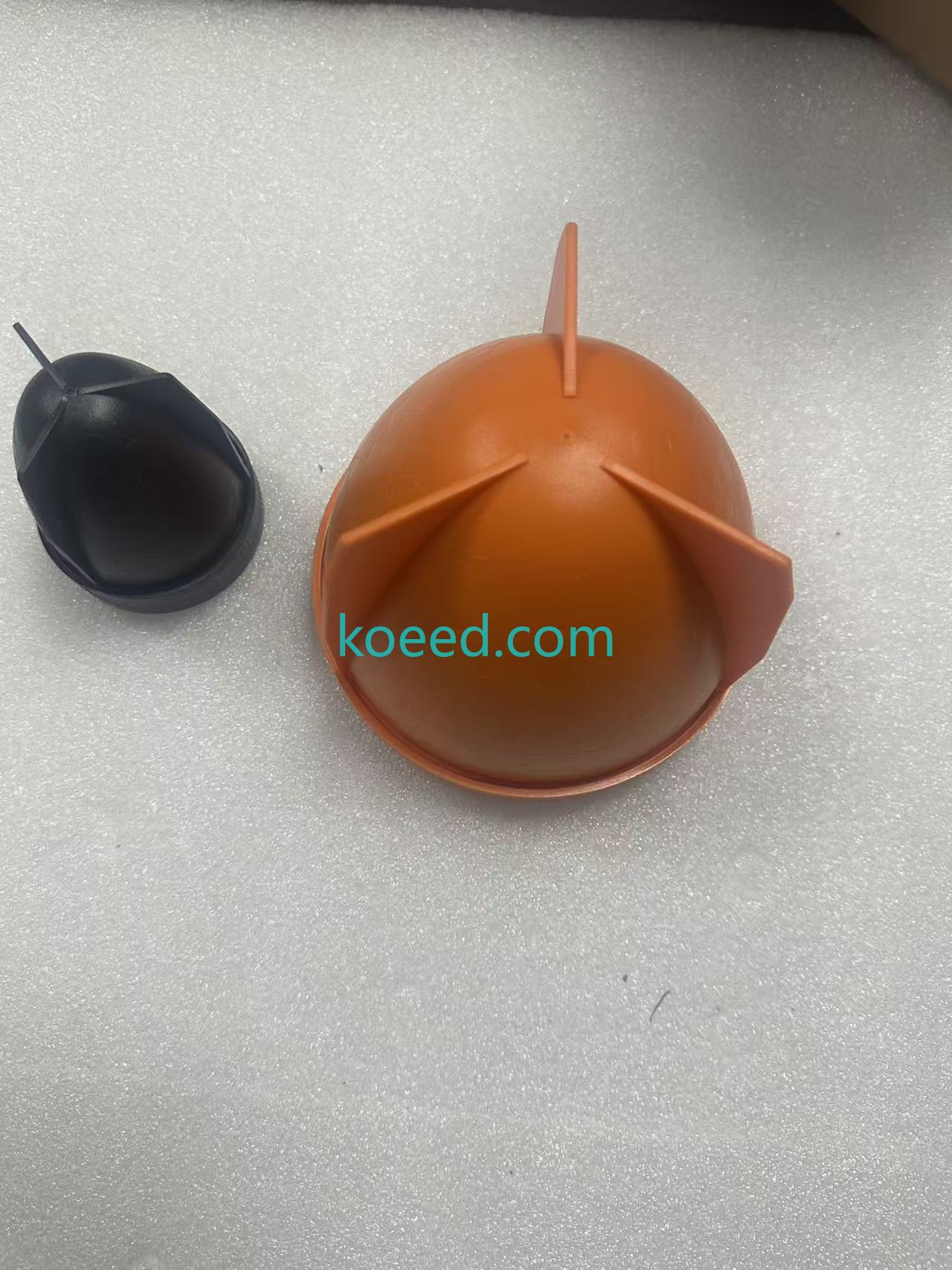
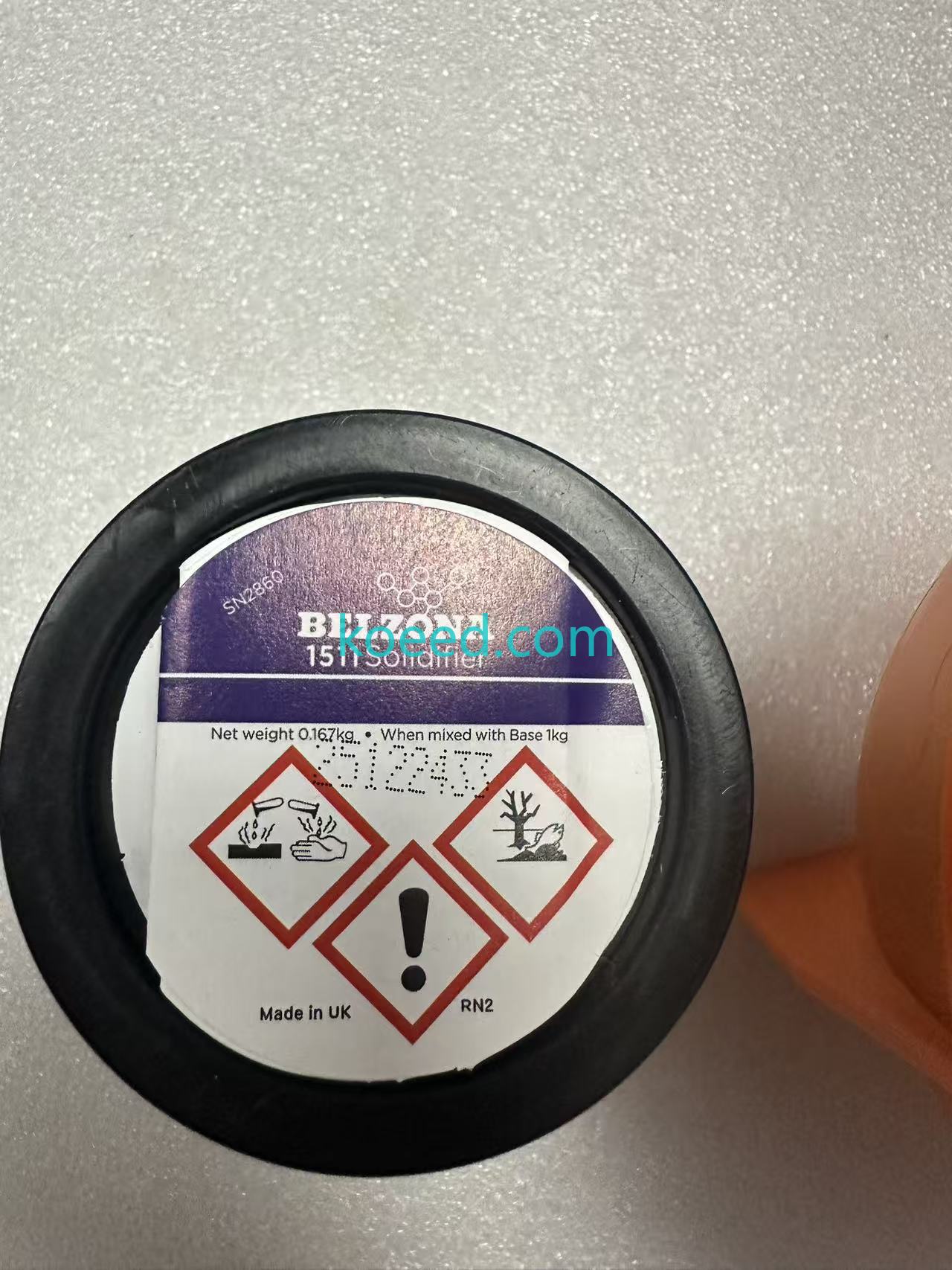
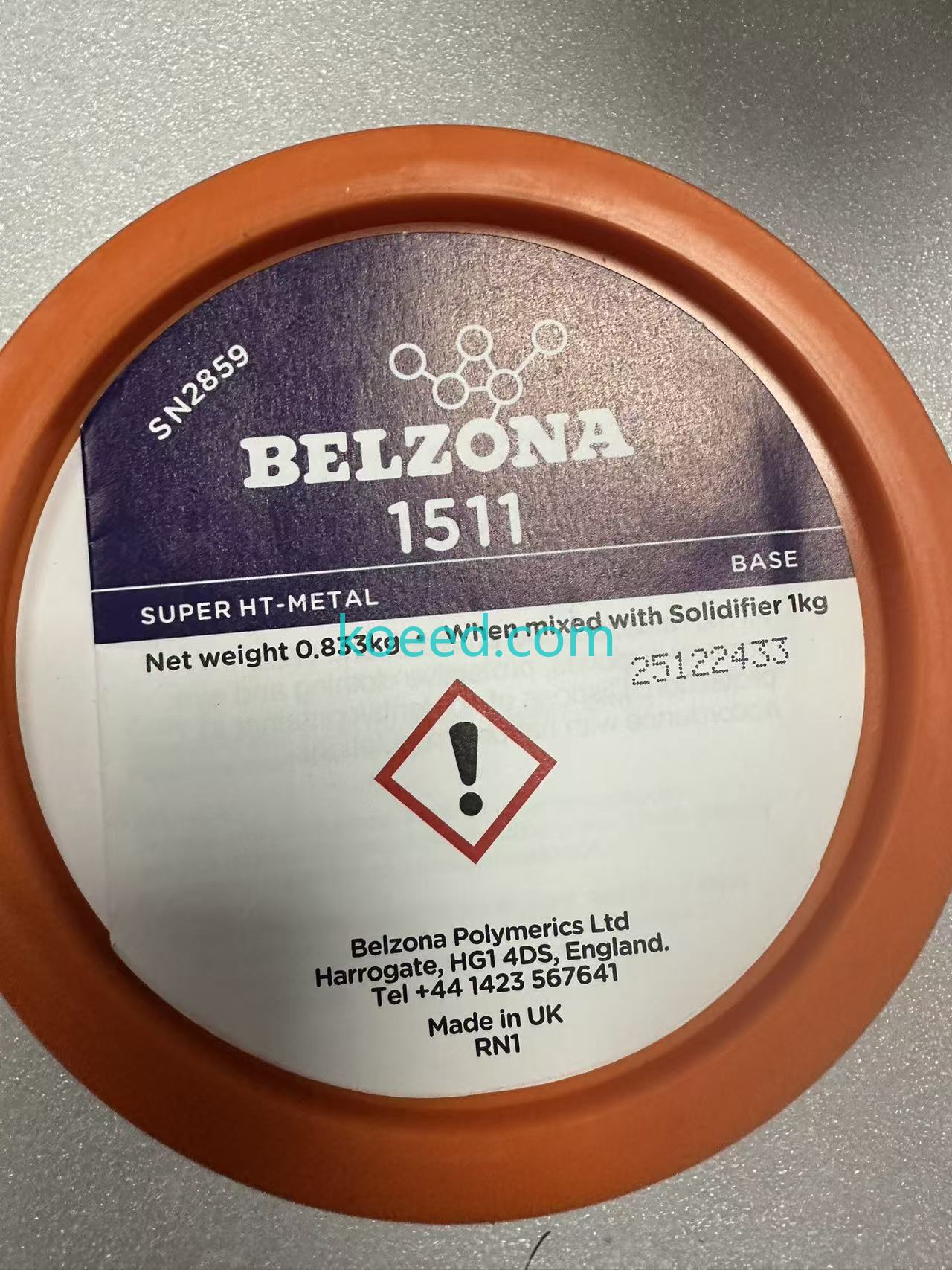
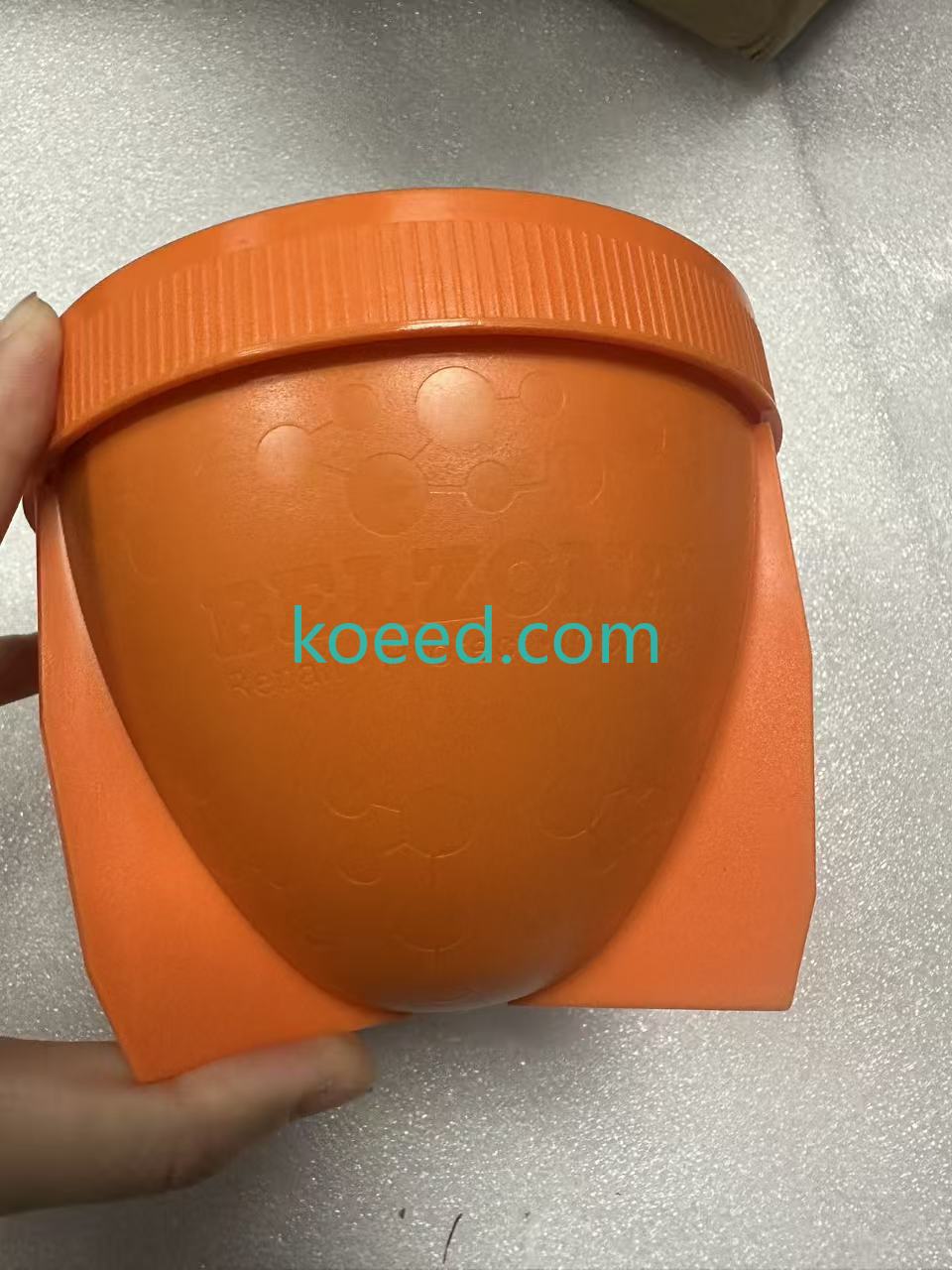
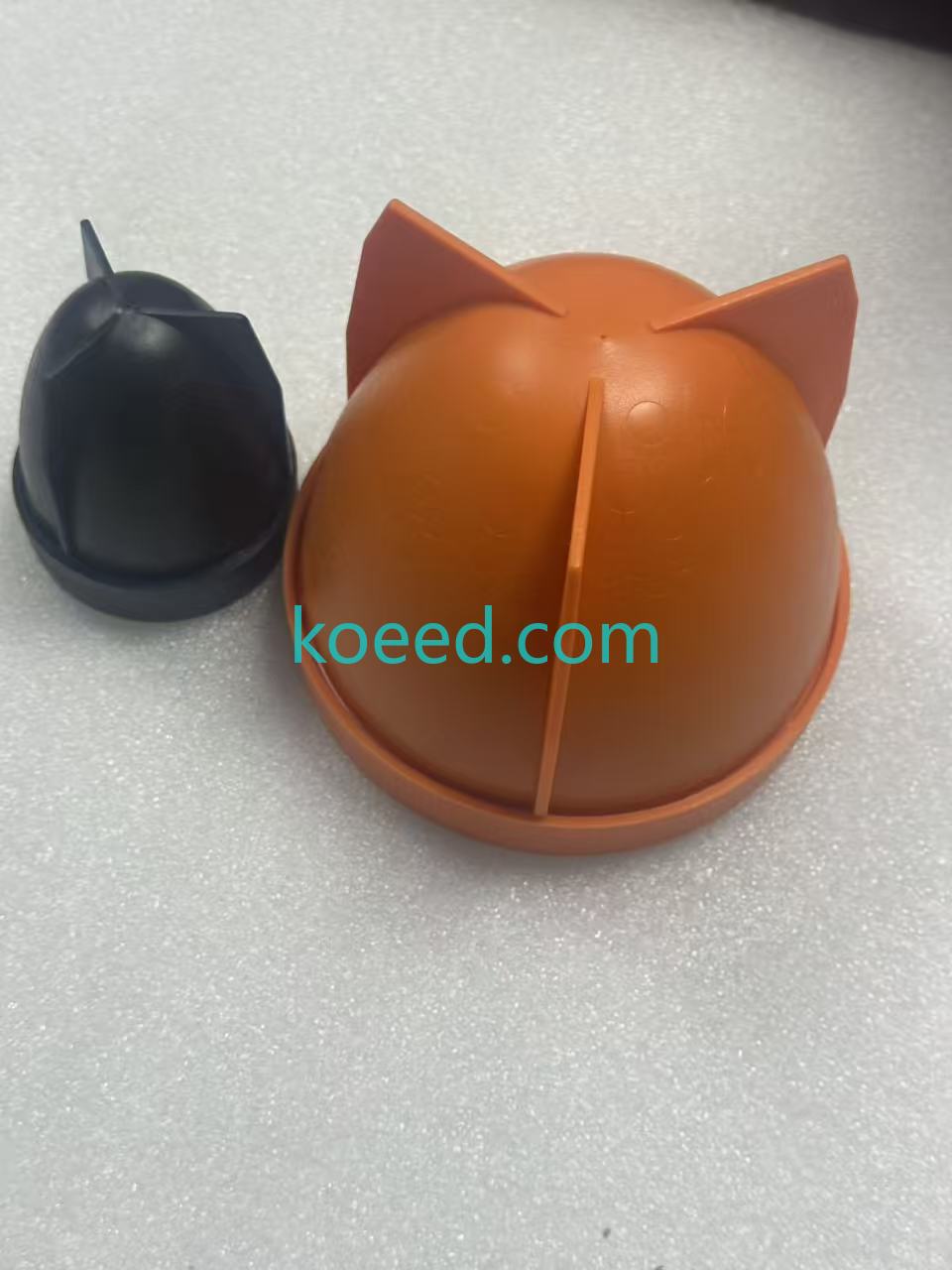
The following imagery documents real-world application scenarios and product details for the Belzona 1511 1 kg / 2.2 lb kit. Each image provides visual guidance for surface preparation standards, mixing consistency, and finished rebuild profiles.
4. Key Application Domains & IT/OT Integration in 2026
4.1 Heat Exchangers & Pressure Vessels
Tube-sheet erosion, channel-head pitting, and flange-face corrosion are the top-three failure modes that Belzona 1511 addresses with documented repeatability. In 2026, facilities operators are coupling ultrasonic thickness (UT) data feeds directly into their CMMS platforms (e.g., IBM Maximo, SAP APM). When a UT reading drops below a preset threshold on a tube sheet, the work order generated automatically specifies Belzona 1511 as the approved repair material — because the engineering team has pre-validated its bond strength and thermal cycling tolerance against ASME PCC-2 guidelines.
4.2 Pump Casings, Impellers & Volutes
Cavitation damage and erosion-corrosion on pump internals represent a classic ROI case. A split-case pump volute replaced entirely may cost $8,000–$25,000 and require 4–6 weeks of lead time. A Belzona 1511 rebuild — typically 2–3 kg of material — restores hydraulic profile within a single shift at roughly 8–15% of replacement cost. The post-cure machinability ensures impeller balance is maintained within ISO 21940 G6.3 tolerances.
4.3 Exhaust Systems & High-Temperature Ducting
For marine, power generation, and process-furnace exhausts operating in the 130–160°C band, Belzona 1511 serves as both a structural rebuild compound and a base for subsequent Belzona HT-series overcoating. Critically, the overcoat can be applied without frost blasting — a step-elimination that saves 35–50% of total application time compared to alternative systems.
4.4 Chemical Tank Attachments & Structural Brackets
The solvent-free chemistry of Belzona 1511 resists a broad spectrum of chemicals including dilute acids, caustics, hydrocarbons, and polar solvents. This makes it the go-to solution for re-attaching or reinforcing steel brackets on chemical storage tanks where welding is prohibited due to process fluid sensitivity or ATEX zoning.
5. Maintenance Best Practices & Troubleshooting Guide (2026 Edition)
5.1 Common Application Issues & Resolutions
| Symptom | Probable Root Cause | Resolution Protocol |
|---|---|---|
| Incomplete cure / soft spots after 24 hrs | Incorrect mix ratio; ambient temperature below 10°C (50°F) | Verify base-to-solidifier ratio per kit label. Maintain substrate temp ≥10°C. Use indirect heating blankets if necessary. |
| Delamination at edges after thermal cycling | Insufficient surface profile; contamination; inadequate edge feathering | Feather repair zone at 30:1 taper ratio minimum. Re-blast to Sa 2½. Verify dew point is ≥3°C above substrate temp. |
| Sagging on vertical/overhead surfaces | Ambient temperature too high (>35°C); excessive material thickness per layer | Apply in layers ≤6 mm per pass. Allow 2–4 hrs between layers at 20°C. Use staging jigs where geometry permits. |
| Post-cure cracking under mechanical load | Insufficient post-cure thermal ramp; residual stress concentration | Perform controlled post-cure: ramp to service temp at 5°C/min, hold 2 hrs minimum before returning to ambient. |
| Overcoat adhesion failure | Overcoat applied outside the recoat window; surface contamination | Apply Belzona HT overcoat within 24–72 hrs of 1511 application (at 20°C). If window missed, light abrasive sweep-blast required. |
6. Sustainability & Lifecycle Extension Metrics
The 2026 industrial sustainability calculus extends well beyond carbon accounting. For every 1 kg of Belzona 1511 deployed in a rebuild scenario, approximately 15–40 kg of cast or fabricated metal components are diverted from the scrap stream. Multiply this across a fleet of 200 pumps, 50 heat exchangers, and 30 exhaust systems, and the embedded carbon avoidance becomes a material line item in ESG disclosures aligned with the EU Corporate Sustainability Reporting Directive (CSRD) and ISSB standards.
Furthermore, Belzona 1511's solvent-free formulation means zero VOC emissions during application — a critical compliance advantage in jurisdictions where VOC caps have tightened to sub-50 g/L thresholds in 2025–2026 regulatory updates.
7. Frequently Asked Questions (FAQ)
What is the maximum continuous operating temperature for Belzona 1511?
Under immersion conditions, Belzona 1511 is rated for continuous service at 150°C (302°F). In non-immersed, dry-service applications, the rating extends to 160°C (320°F). Short-duration excursions slightly above these limits are tolerated, but sustained over-temperature exposure will accelerate oxidative degradation of the epoxy matrix. Always reference the latest Belzona technical datasheet for your specific chemical environment.
Can Belzona 1511 be machined after curing?
Yes. Once fully cured (typically 24 hours at 20°C followed by a post-cure thermal ramp), Belzona 1511 can be turned, drilled, milled, tapped, and ground using conventional carbide-tipped tooling. This is one of its defining advantages — it enables precision restoration of seal grooves, flange faces, and bearing housing bores without post-machining delamination.
Is hot-work permitting required for Belzona 1511 application?
No. Belzona 1511 is a cold-applied, solvent-free epoxy system. It requires no open flame, no arc, and generates no sparks. This makes it particularly valuable in ATEX/IECEx Zone 1 and Zone 2 environments, confined spaces, and facilities where simultaneous operations (SIMOPS) restrict hot-work permits. This single attribute often eliminates 2–4 days of permitting bureaucracy per repair event.
How does Belzona 1511 compare to ceramic-filled repair compounds?
Ceramic-filled compounds may offer higher maximum temperature ratings (often 200°C+), but they typically sacrifice machinability, impact resistance, and chemical breadth. Belzona 1511's silicon steel alloy reinforcement provides a balanced profile: excellent thermal performance in the 100–160°C band, full machinability, and broad chemical resistance — without the brittleness that plagues many ceramic systems under thermal shock conditions.
What is the shelf life and storage requirement for the 1 kg kit?
When stored unopened between 5°C and 30°C (41°F–86°F), the Belzona 1511 1 kg kit has a minimum shelf life of 24 months from the date of manufacture. Keep containers tightly sealed and away from direct moisture. Once opened, use immediately; do not store partially mixed product.
Secure Your Belzona 1511 Supply — Engineering-Grade, Same-Day Dispatch
Join the 2026 maintenance frontrunners who rely on Belzona 1511 for mission-critical asset integrity. The 1 kg / 2.2 lb kit provides the exact volume needed for most repair scenarios without waste. Free shipping on qualifying orders, dedicated technical support, and full traceability included.


