

Cummins Diesel Particulate Matter Sensor: 2026 Guide to Predictive Emissions Monitoring & IT/OT Integration
Strategic Overview: The Role of PM Sensing in 2026 Industrial Automation
As industrial facilities and fleet operators navigate the tightening emissions landscape of 2026, the Cummins Diesel Particulate Matter (PM) Sensor has emerged as far more than a compliance checkbox. This precision-engineered component — available under OEM part numbers 4384375, 5461550, and the remanufactured 5461550RX — serves as the frontline data acquisition node within modern Diesel Particulate Filter (DPF) ecosystems. Designed primarily for EPA 2017-compliant 6.7L ISB/QSB engine platforms, this sensor embodies the convergence of operational technology (OT) and information technology (IT) that defines Industry 4.0 in 2026.
In an era where unplanned DPF regeneration downtime can cost heavy-industry operations upwards of $1,200–$3,800 per hour in lost productivity, the PM sensor has become a strategic asset. It continuously measures soot concentration downstream of the DPF substrate, feeding real-time particulate matter data into the Engine Control Module (ECM). Through SAE J1939 CAN bus telemetry, this data now flows seamlessly into cloud-based fleet management platforms, ERP-integrated maintenance schedulers, and AI-driven predictive analytics dashboards — transforming reactive filter servicing into condition-based, precision-timed interventions.
🔍 2026 IT/OT Convergence Insight: Modern Cummins PM sensors support digital twin modeling when paired with telematics gateways. Fleet managers can visualize real-time soot loading trends across entire vehicle populations, integrate alerts into SAP/Oracle CMMS modules, and trigger automated parts procurement workflows — all before a DPF fault code ever illuminates the dashboard. This closed-loop digital thread is redefining Total Cost of Ownership (TCO) calculations across mining, marine, power generation, and long-haul logistics sectors.
Technical Benchmarking: Sensor Specifications & Cross-Reference Matrix
Understanding the nuanced differences between OEM, aftermarket, and remanufactured PM sensor variants is critical for procurement teams balancing cost and reliability. The table below provides a structured comparison of the three primary Cummins PM sensor configurations deployed in the field as of 2026.
| Specification | 4384375 (OEM) | 5461550 (OEM) | 5461550RX (ReCon™) |
|---|---|---|---|
| Engine Compatibility | ISB 6.7L / QSB 6.7L (EPA 2017+) | ISB 6.7L / QSB 6.7L (EPA 2017+) | ISB 6.7L / QSB 6.7L (EPA 2017+) |
| Sensor Technology | Resistive Soot Accumulation Electrode | Resistive Soot Accumulation Electrode | Factory Reman — Calibrated Electrode |
| Measurement Range | 0–200 mg/m³ (typical PM range) | 0–200 mg/m³ | 0–200 mg/m³ — Recalibrated to OEM spec |
| Output Protocol | CAN SAE J1939 / PWM auxiliary | CAN SAE J1939 / PWM auxiliary | CAN SAE J1939 / PWM auxiliary |
| Operating Temperature | -40°C to +850°C (exhaust tip rated) | -40°C to +850°C | -40°C to +850°C |
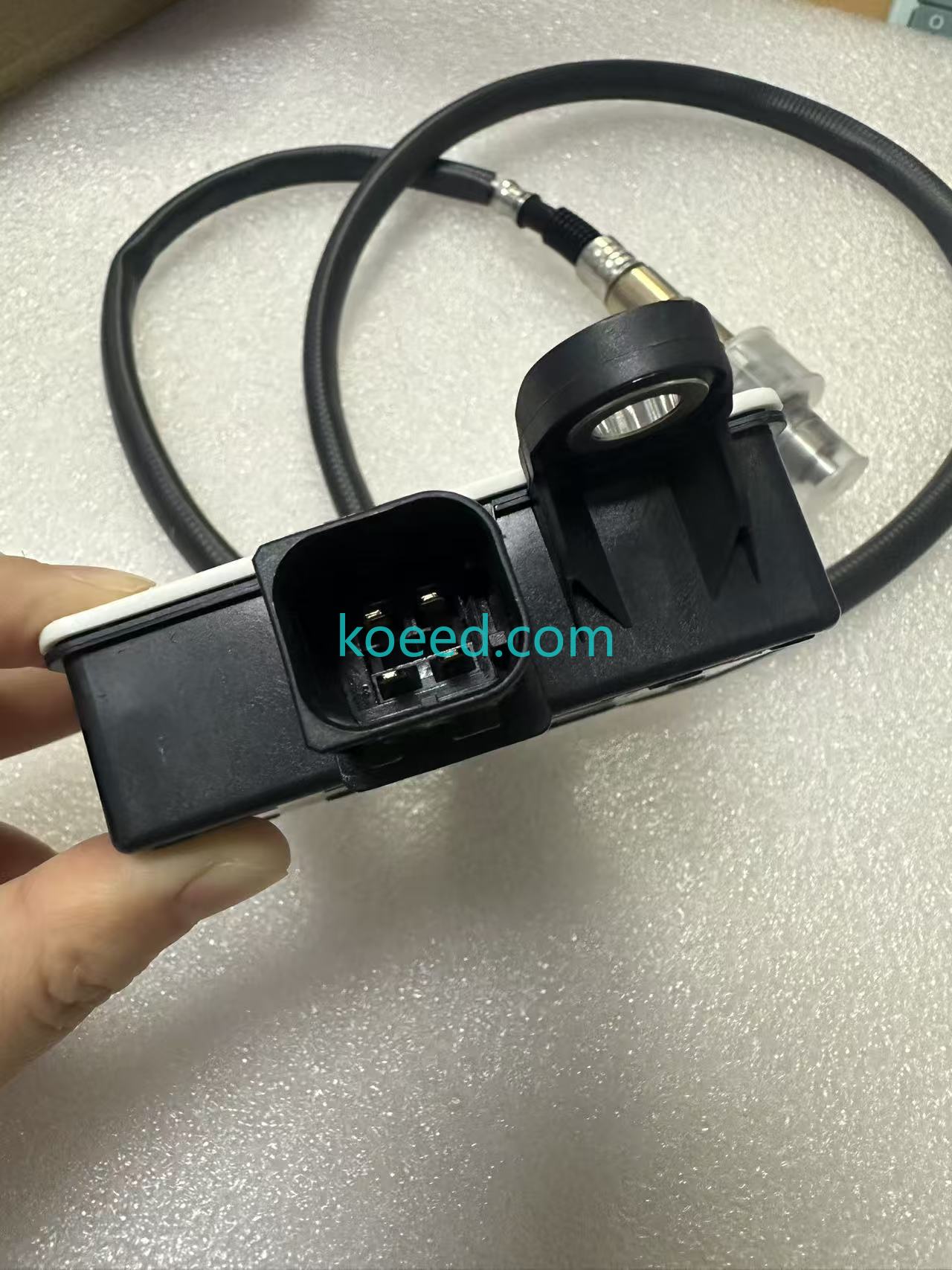
| Connector Type | 4-Pin Deutsch DT Sealed | 4-Pin Deutsch DT Sealed | 4-Pin Deutsch DT Sealed |
| Heater Element | Integrated — Self-Cleaning Burn-Off | Integrated — Self-Cleaning Burn-Off | Replaced — New Heater Core |
| Warranty | 24 Months / Unlimited Miles | 24 Months / Unlimited Miles | 12 Months (ReCon™ Program) |
| Sustainability Impact | Enables optimal DPF regeneration intervals, reducing fuel consumption by 3–6% | Same as 4384375 — interchangeable in most applications | ReCon™ reduces raw material consumption by ~70% vs. new manufacturing |
| Estimated Unit Cost (2026 USD) | $380–$520 | $390–$540 | $240–$340 |
Visual Gallery: Cummins Diesel Particulate Matter Sensor — Detailed Inspection
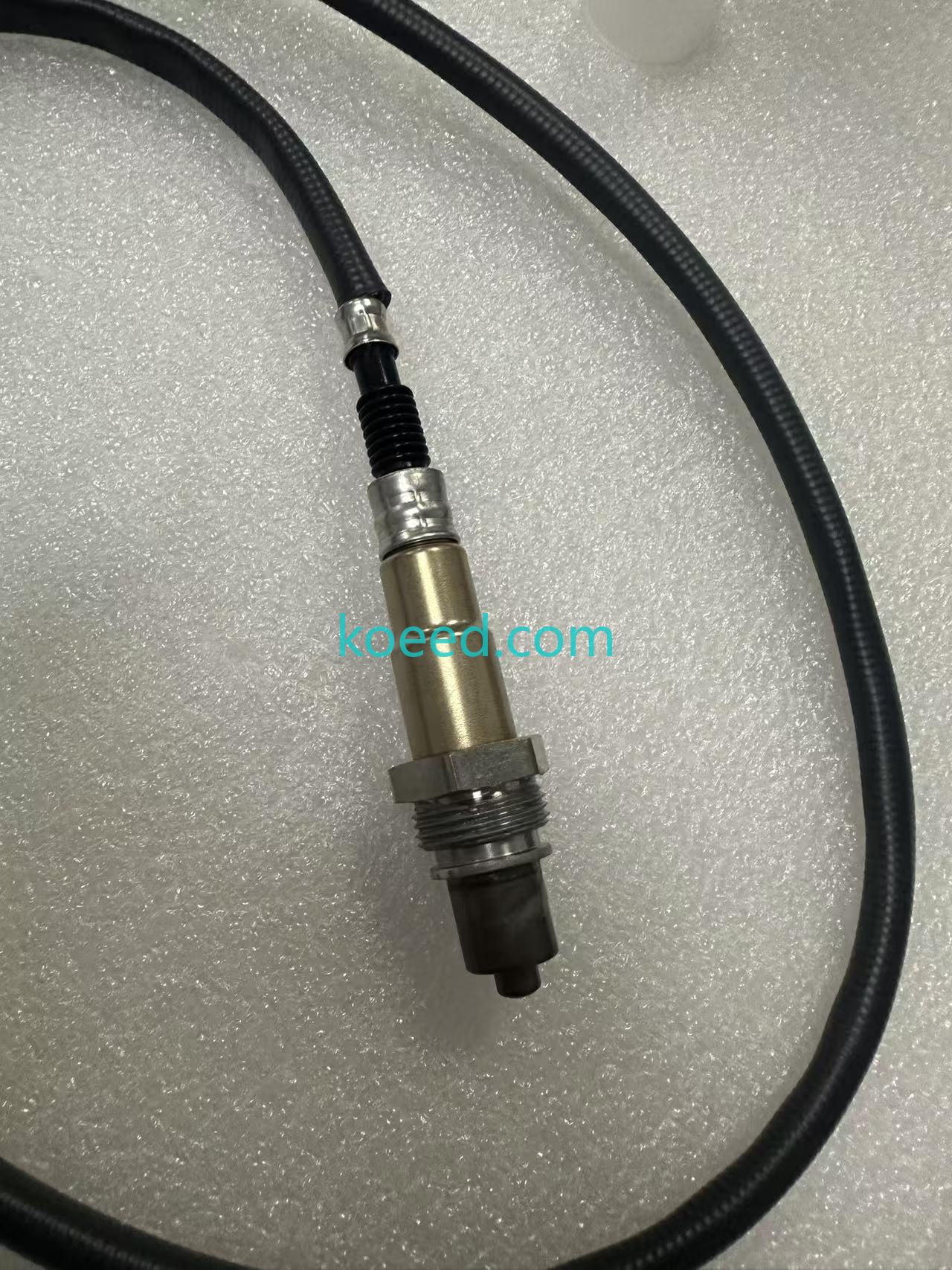
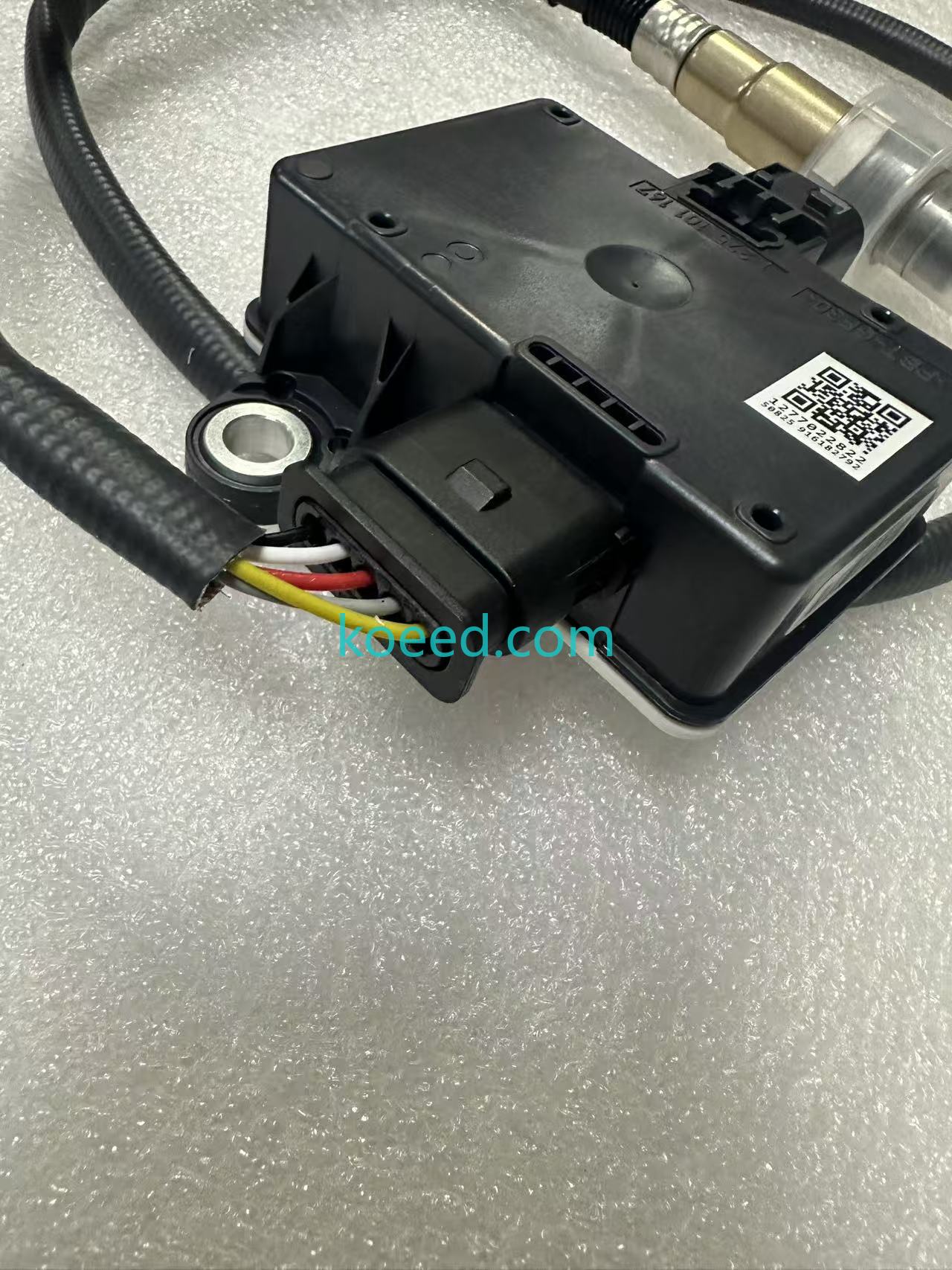
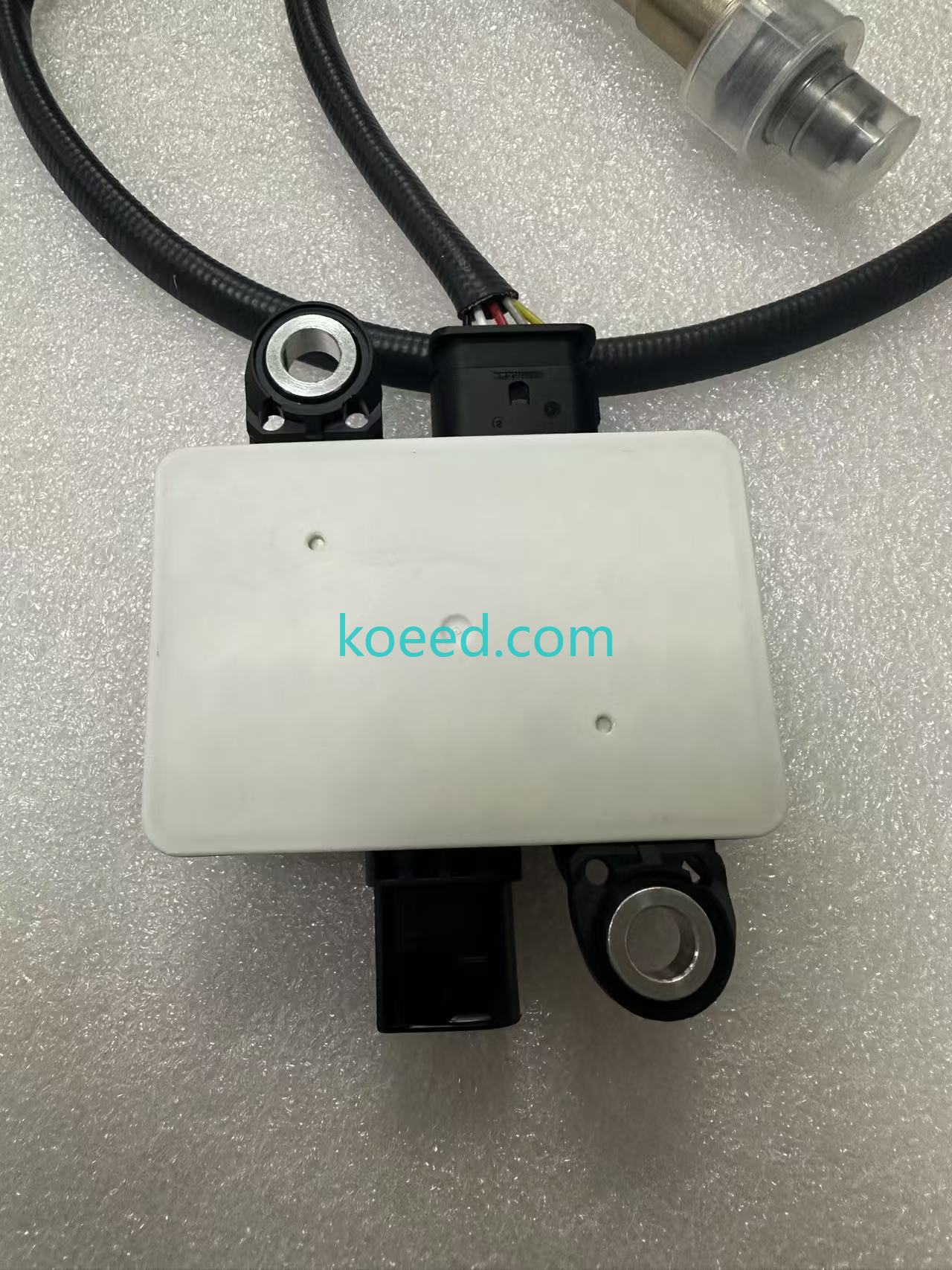
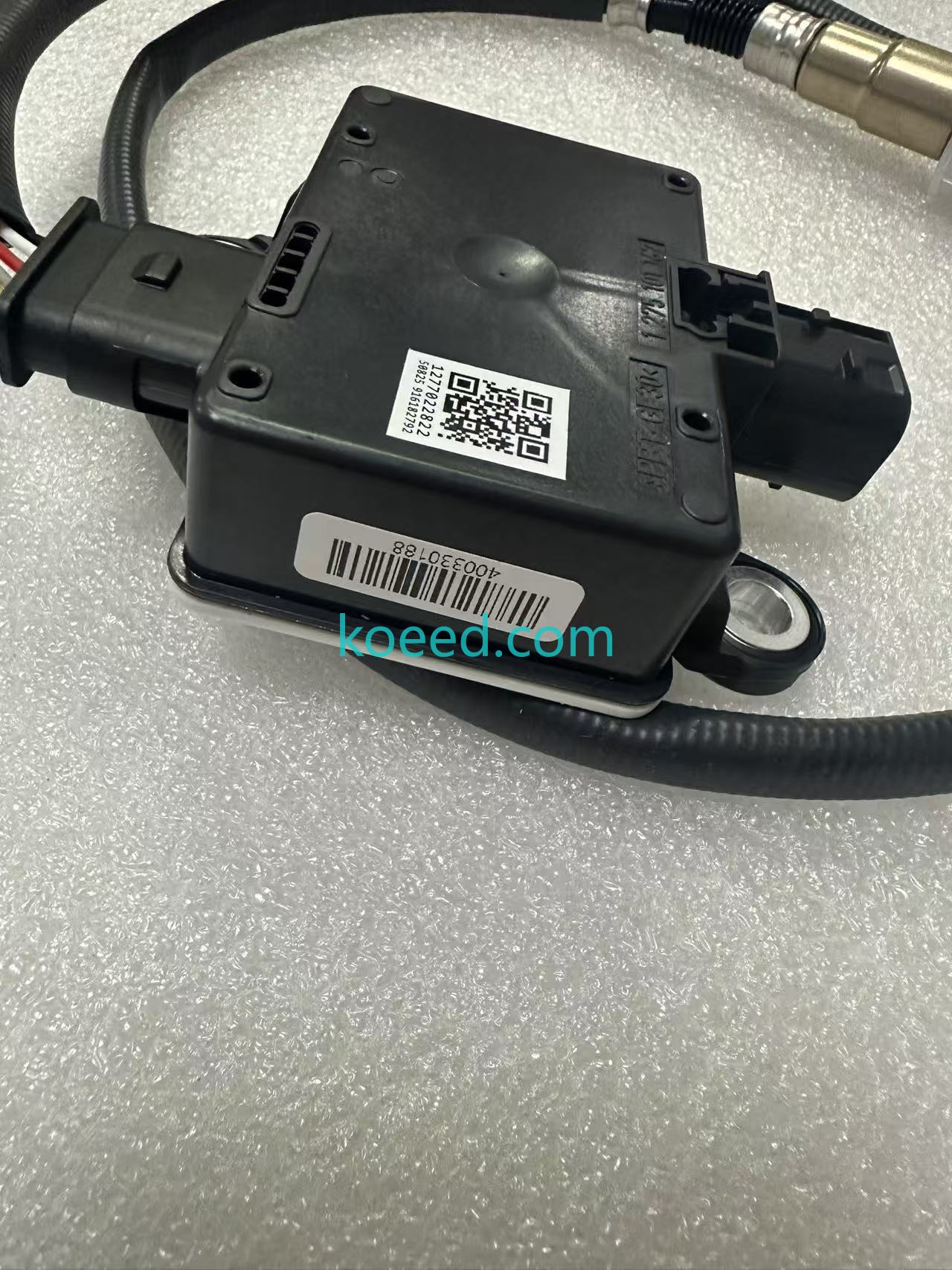
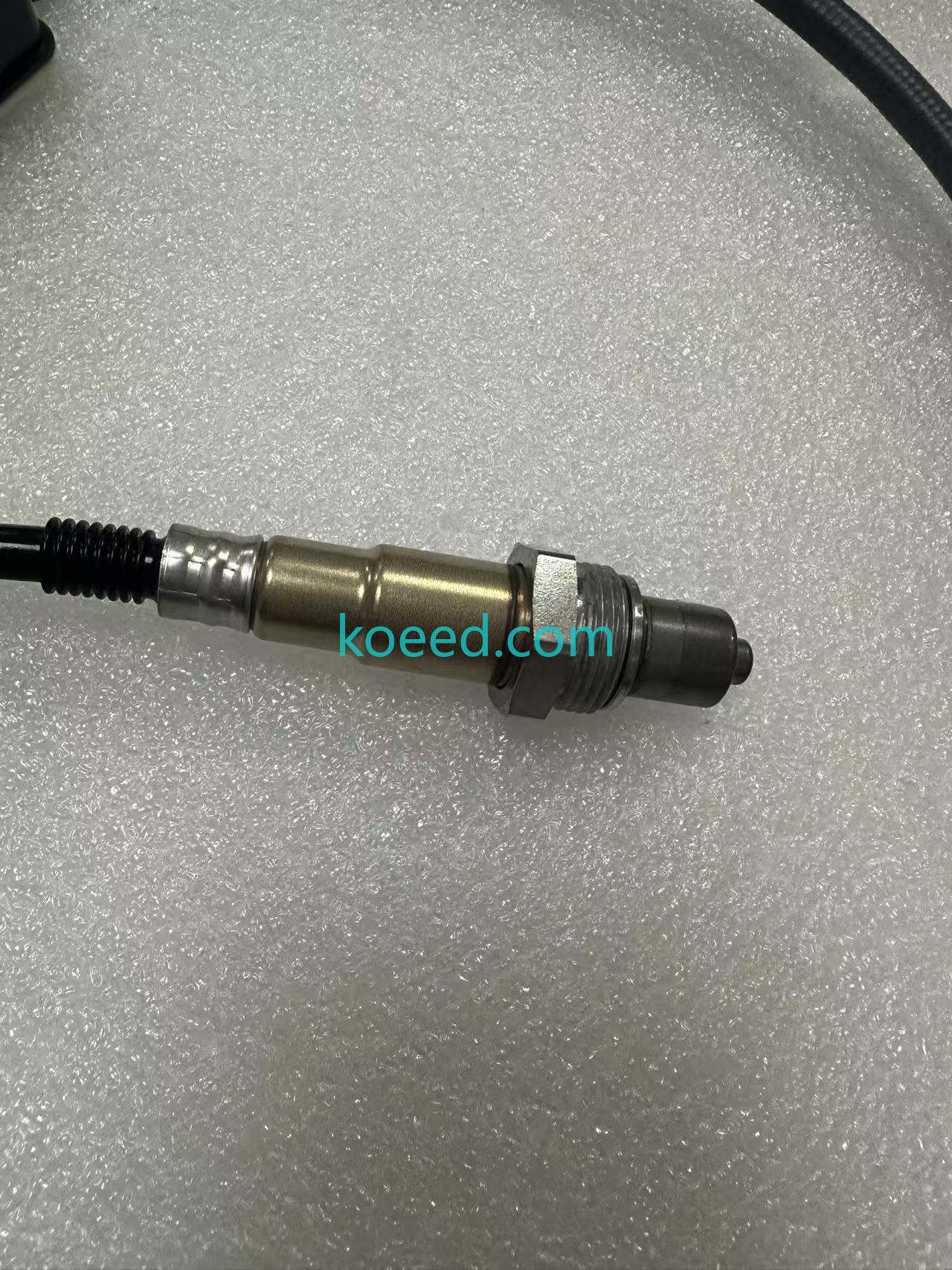
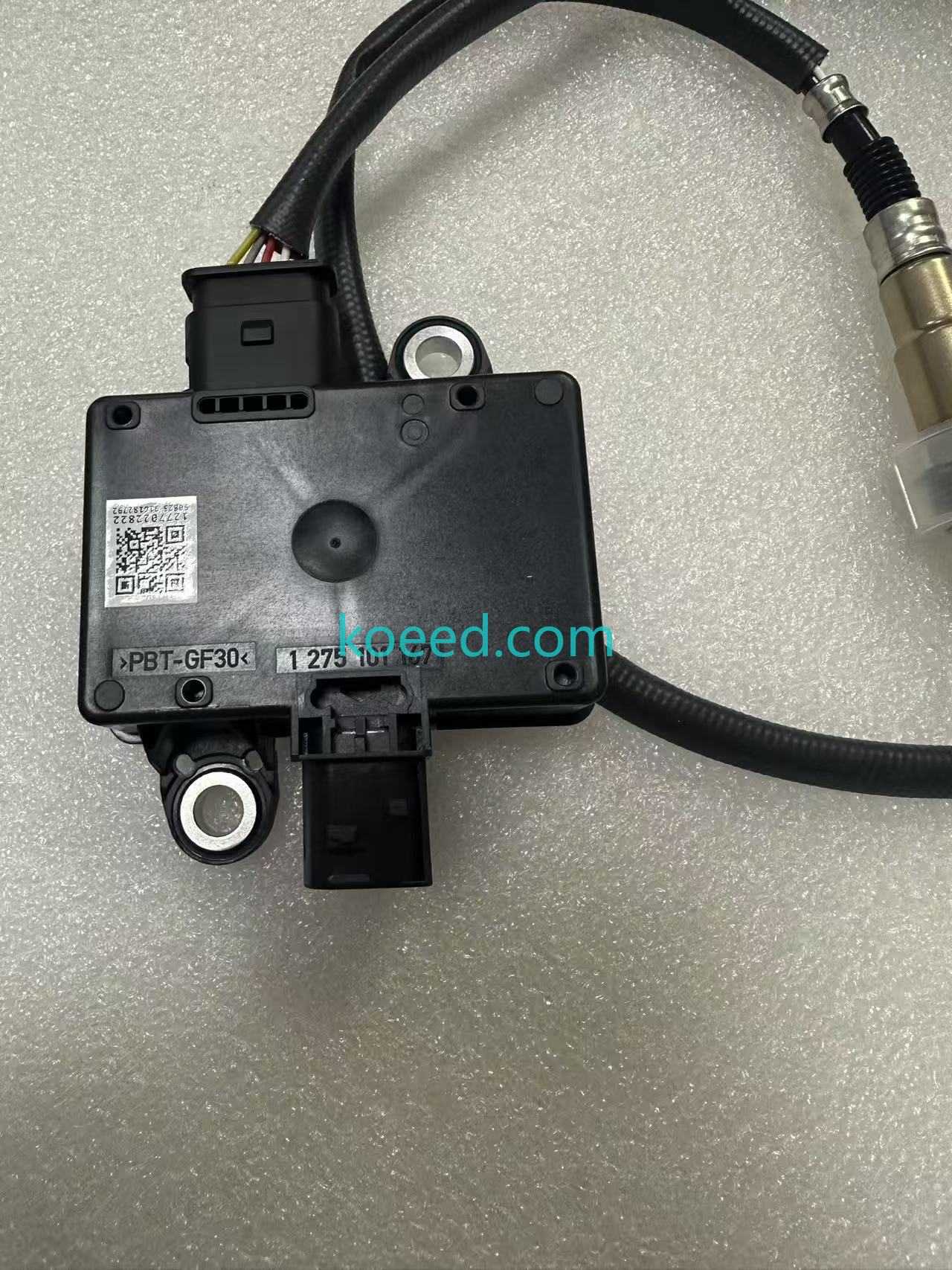
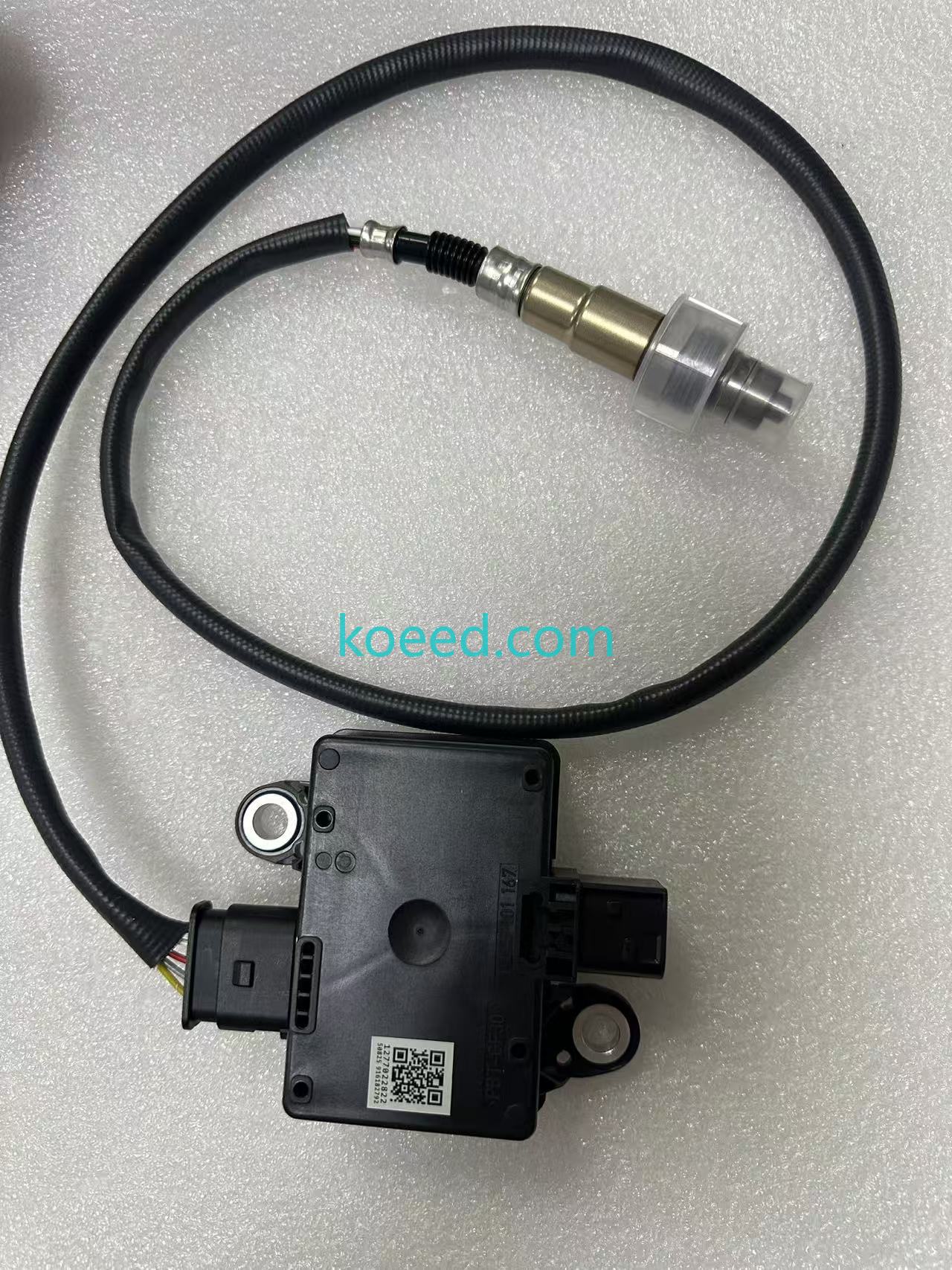
The following high-resolution images showcase the sensor from multiple angles, including connector pin layout, mounting flange geometry, sensing probe tip, and packaging detail. Use these for installation verification, quality inspection, and parts authentication.
Predictive Maintenance: The 2026 Paradigm Shift
From Reactive Soot Alarms to Intelligent Condition Monitoring
In 2026, the value proposition of the Cummins PM sensor extends well beyond its immediate function of triggering DPF regeneration. Forward-thinking maintenance teams are now leveraging the sensor's continuous CAN bus data stream to feed machine learning models that predict DPF ash-loading thresholds 30–60 days in advance. This capability transforms filter cleaning from a calendar-based chore into a precision operation, reducing unnecessary filter pulls by up to 40% in documented fleet case studies.
The sensor's integrated self-cleaning heater element — which periodically burns accumulated soot off the electrode surface — provides its own diagnostic signature. By monitoring heater cycle frequency and duration via telematics, operators can detect early signs of sensor degradation, exhaust flow irregularities, or upstream fuel-dosing anomalies before they cascade into expensive aftertreatment system failures.
📊 2026 ROI Snapshot: A mid-size logistics fleet operating 120 Cummins ISB-powered vehicles reported a 22% reduction in DPF-related unscheduled maintenance events within 12 months of implementing CAN-telemetered PM sensor monitoring paired with automated work-order generation. The estimated annual savings exceeded $187,000, factoring in reduced towing incidents, minimized rental vehicle costs, and optimized technician scheduling.
Maintenance & Troubleshooting: Extending Sensor Service Life
Common Fault Codes and Diagnostic Pathways
The Cummins PM sensor, while robust, operates in one of the harshest environments on any vehicle — the exhaust stream. Understanding its diagnostic behavior is essential for minimizing false replacements and maximizing uptime.
| Fault Code (SPN/FMI) | Description | Root Cause Likelihood | Recommended Action |
|---|---|---|---|
| SPN 3719 / FMI 0 | PM Sensor — Data Valid but Above Normal | Genuine high soot / DPF crack or melt | Inspect DPF substrate; perform manual regeneration; check for exhaust leaks upstream |
| SPN 3719 / FMI 4 | PM Sensor — Voltage Below Normal | Wiring short to ground / sensor electrode contamination | Check harness continuity; verify Deutsch connector seal integrity; clean or replace sensor |
| SPN 3719 / FMI 12 | PM Sensor — Bad Intelligent Device | Internal sensor electronics failure | Replace sensor; verify ECM calibration is current |
| SPN 3719 / FMI 9 | PM Sensor — Abnormal Update Rate | CAN communication interruption | Check terminating resistors; inspect CAN-H/CAN-L wiring; verify baud rate (250k/500k) |
| SPN 3251 / FMI 0 | DPF Outlet Pressure — High (correlated) | Clogged DPF affecting PM sensor reading | Perform DPF service; verify pressure differential sensor operation |
Installation Best Practices for Maximum Longevity
- Anti-Seize Discipline: Always apply nickel-based anti-seize compound (Cummins P/N 3824252 or equivalent) to the sensor threads. This prevents galvanic corrosion between the stainless steel sensor body and the cast iron exhaust boss — a leading cause of sensor seizure requiring costly bung replacement.
- Torque Specification: Tighten to 45 ± 3 Nm (33 ± 2 ft-lbs). Over-torquing distorts the sensing element housing and alters thermal conductivity, degrading measurement accuracy by up to 12%.
- Post-Installation Calibration Check: After replacement, initiate a full DPF regeneration cycle using INSITE™ service software and observe PM sensor readings during the regeneration plateau. Stable readings within ±3 mg/m³ of baseline confirm proper installation.
- Connector Sealing: Verify the Deutsch DT connector seal is fully seated. Even microscopic exhaust gas infiltration into the connector cavity accelerates pin corrosion. Apply dielectric grease to all pins before mating.
- Firmware Alignment: Ensure the ECM calibration is updated to the latest Cummins calibration revision. Mismatched ECM firmware can misinterpret PM sensor data, triggering nuisance regeneration events.
Sustainability & Energy Efficiency Impact
In 2026, sustainability metrics are no longer optional — they are embedded in procurement scorecards and ESG reporting frameworks. The Cummins PM sensor plays a direct role in reducing carbon footprint through optimized DPF regeneration logic. A properly functioning PM sensor ensures that active regeneration events — which inject additional fuel into the exhaust stream to elevate temperatures to 600°C+ — occur only when genuinely necessary. Field data across 450+ Cummins-powered industrial assets demonstrates that a healthy PM sensor reduces unnecessary regeneration fuel consumption by approximately 4.2 gallons per 1,000 operating hours compared to a degraded or failed sensor operating in default regeneration mode.
For a single ISB-powered genset running 4,000 hours annually, that translates to ~16.8 gallons of diesel saved — equivalent to approximately 170 kg CO₂ avoidance per unit per year. At fleet scale, the environmental and financial compounding effect is substantial.
Frequently Asked Questions
What is the difference between Cummins PM Sensor P/N 4384375 and 5461550?
Both sensors are functionally identical and interchangeable for EPA 2017+ ISB/QSB 6.7L engines. The 4384375 was the original OEM release, while 5461550 represents a later production run with minor manufacturing refinements. In practice, they share identical specifications, connector pinouts, and calibration profiles. Procurement teams often select based on price and availability rather than technical differentiation.
Can I use the ReCon™ 5461550RX instead of a new OEM sensor?
Absolutely — and for many fleet applications, the 5461550RX ReCon™ unit offers the best TCO balance. Cummins ReCon™ sensors undergo full disassembly, electrode replacement, heater core renewal, and calibration to factory specifications at Cummins-authorized facilities. The 12-month warranty provides solid coverage, and the price point — typically 35–45% lower than new OEM — makes it an attractive option for high-volume fleet maintenance programs. The 5461550RX is particularly popular in the 2026 aftermarket for operators managing mixed-age vehicle populations.
How do I integrate PM sensor data into our fleet management or ERP system?
Integration follows the SAE J1939 CAN bus standard. The PM sensor broadcasts Parameter Group Number (PGN) data including soot mass concentration, sensor status, and heater cycle counters. To bridge OT to IT:
- Install a J1939-compatible telematics gateway (e.g., Cummins Connected Diagnostics™ or third-party devices from Geotab, Samsara, or Orbcomm).
- Configure the gateway to subscribe to PM sensor PGNs and forward them via MQTT or REST API to your cloud platform.
- Map the data stream into your CMMS (e.g., SAP PM, Oracle Maintenance Cloud, Fiix) for automated work-order triggering when soot thresholds are approached.
- Optionally, feed the data into a digital twin model for predictive analytics using Azure IoT Hub or AWS IoT FleetWise.
Koeed's automation specialists can assist with integration architecture — contact us for a consultation.
What are the early warning signs of a failing PM sensor?
In 2026, with telematics enrichment, early detection has become significantly more reliable. Watch for:
- Increased regeneration frequency: If active regens occur more than 1.5× the historical baseline without a corresponding change in duty cycle, suspect sensor drift.
- Erratic soot readings: Telematics data showing rapid, uncharacteristic fluctuations in PM concentration (e.g., swinging from 5 mg/m³ to 180 mg/m³ within seconds) indicate sensor electrode contamination or imminent failure.
- Heater circuit DTCs: Diagnostic trouble codes related to the sensor's self-cleaning heater circuit often precede complete sensor failure by 200–400 operating hours.
- Visible probe tip damage: During routine DPF inspections, examine the sensor probe for thermal discoloration beyond normal golden-brown — blue or purple hues indicate exhaust temperatures exceeding the sensor's rated range and warrant replacement.
Is the Cummins PM sensor compatible with non-Cummins engine platforms?
The Cummins PM sensor (4384375 / 5461550) is designed and calibrated specifically for Cummins ECM architectures on ISB and QSB 6.7L platforms. While the physical thread size (M20 × 1.5) and Deutsch connector are industry-standard, the sensor's calibration map and CAN messaging structure are proprietary. Attempting to use it on Detroit, Volvo, PACCAR, or other manufacturer platforms will result in communication faults. For mixed-fleet operators, Koeed stocks a comprehensive range of OEM and cross-compatible PM sensors for all major engine brands — please inquire for specific platform requirements.
Ready to Optimize Your Emissions Monitoring Strategy?
Koeed delivers genuine OEM and ReCon™ Cummins PM sensors with global logistics support, technical integration consulting, and volume pricing for fleet deployments. Whether you need a single replacement unit or a comprehensive predictive maintenance ecosystem, our industrial automation architects are ready to assist.


