

INA217 Low-Noise Instrumentation Amplifier for PLC Industrial Automation Applications
INA217 Low-Noise Instrumentation Amplifier
Professional-Grade Signal Conditioning Solution for PLC Industrial Automation Systems
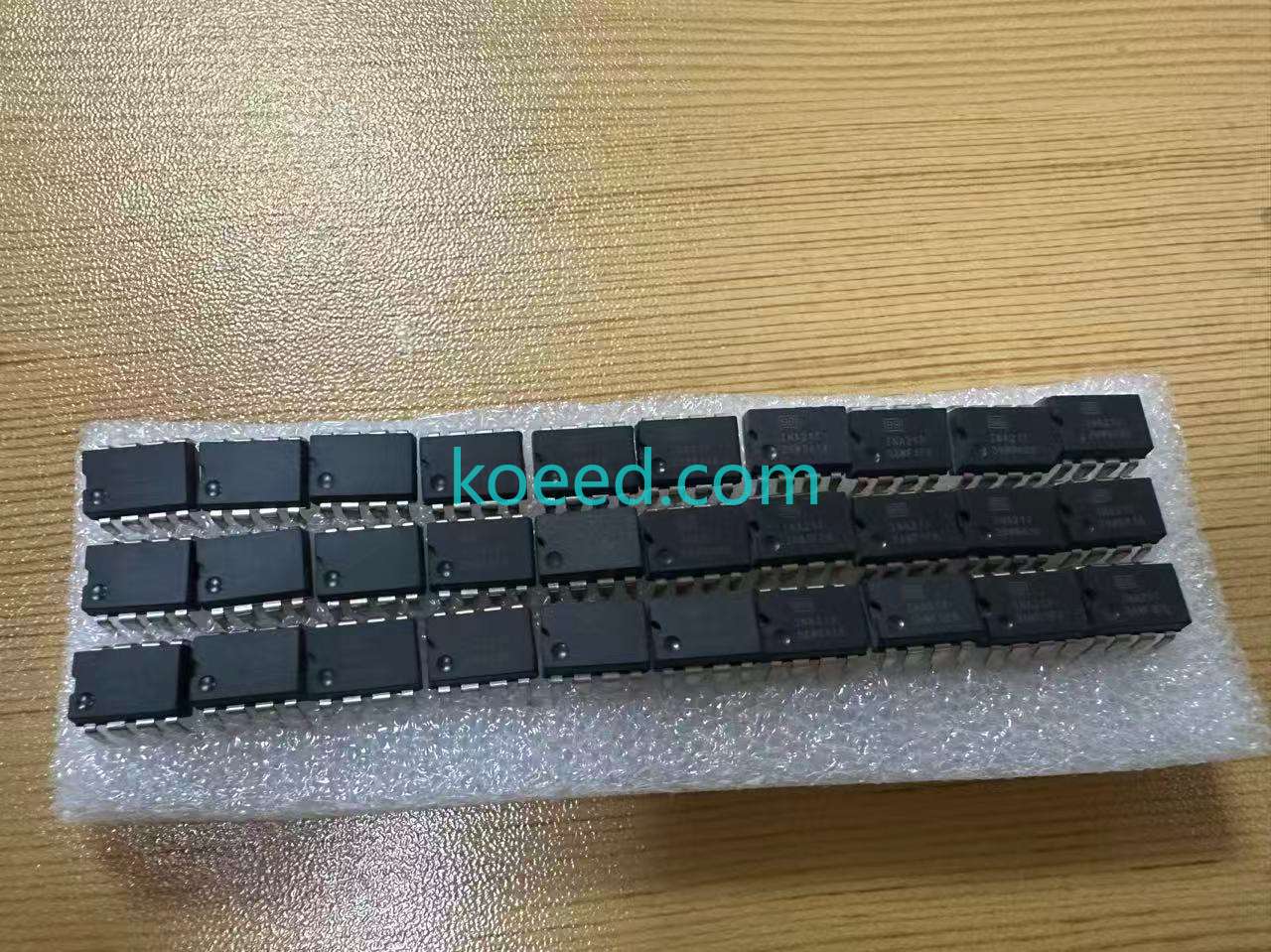
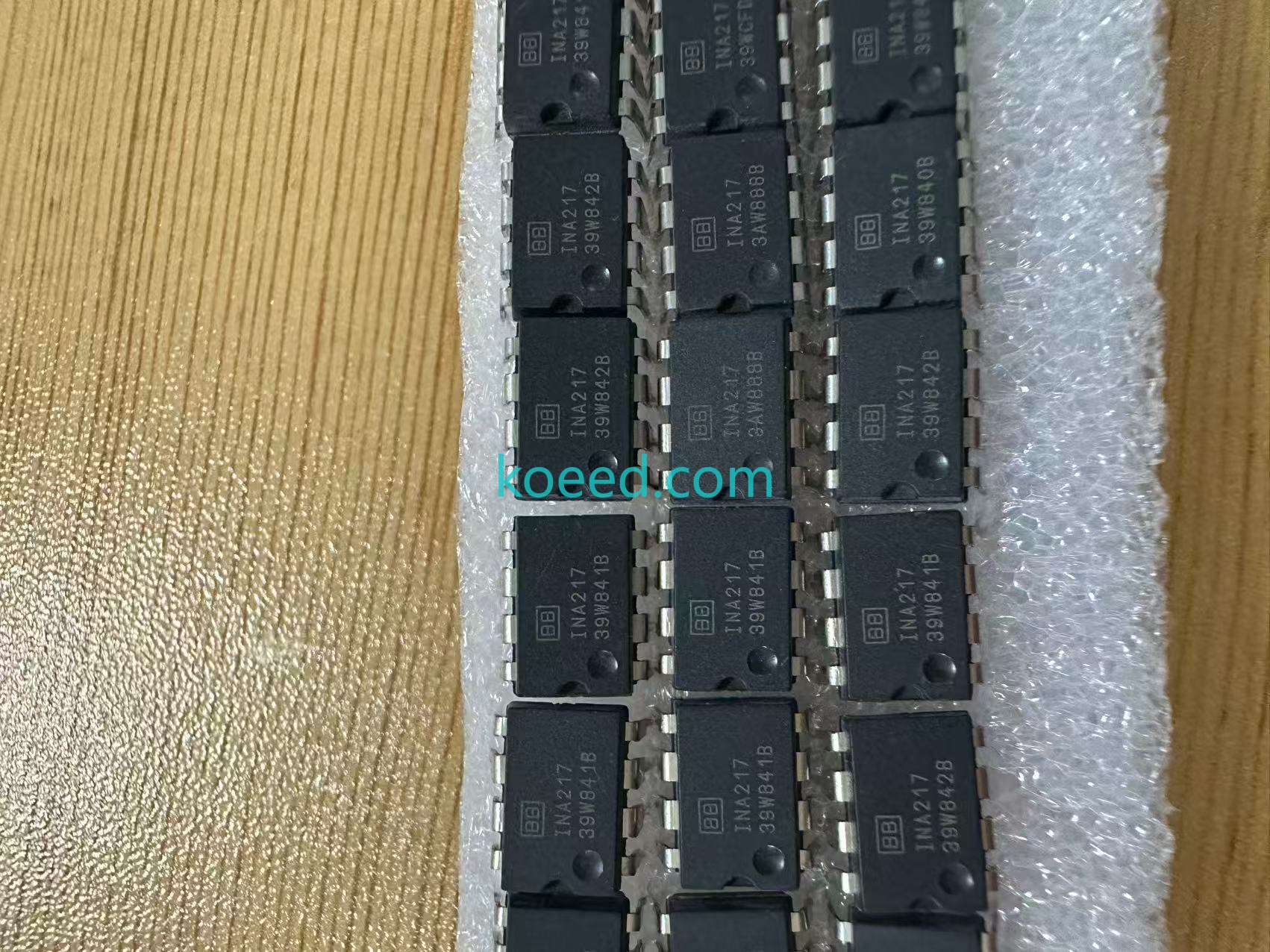
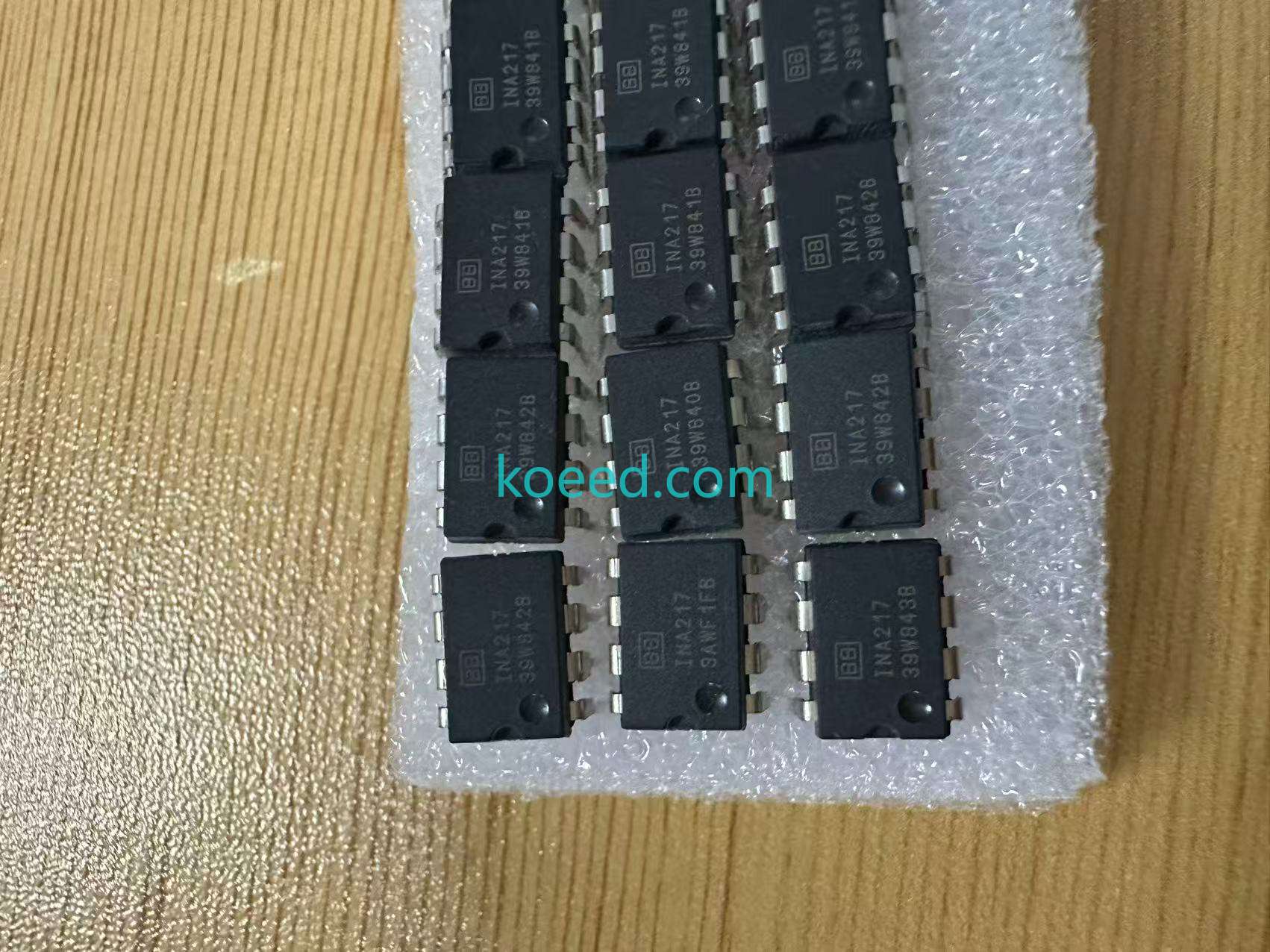
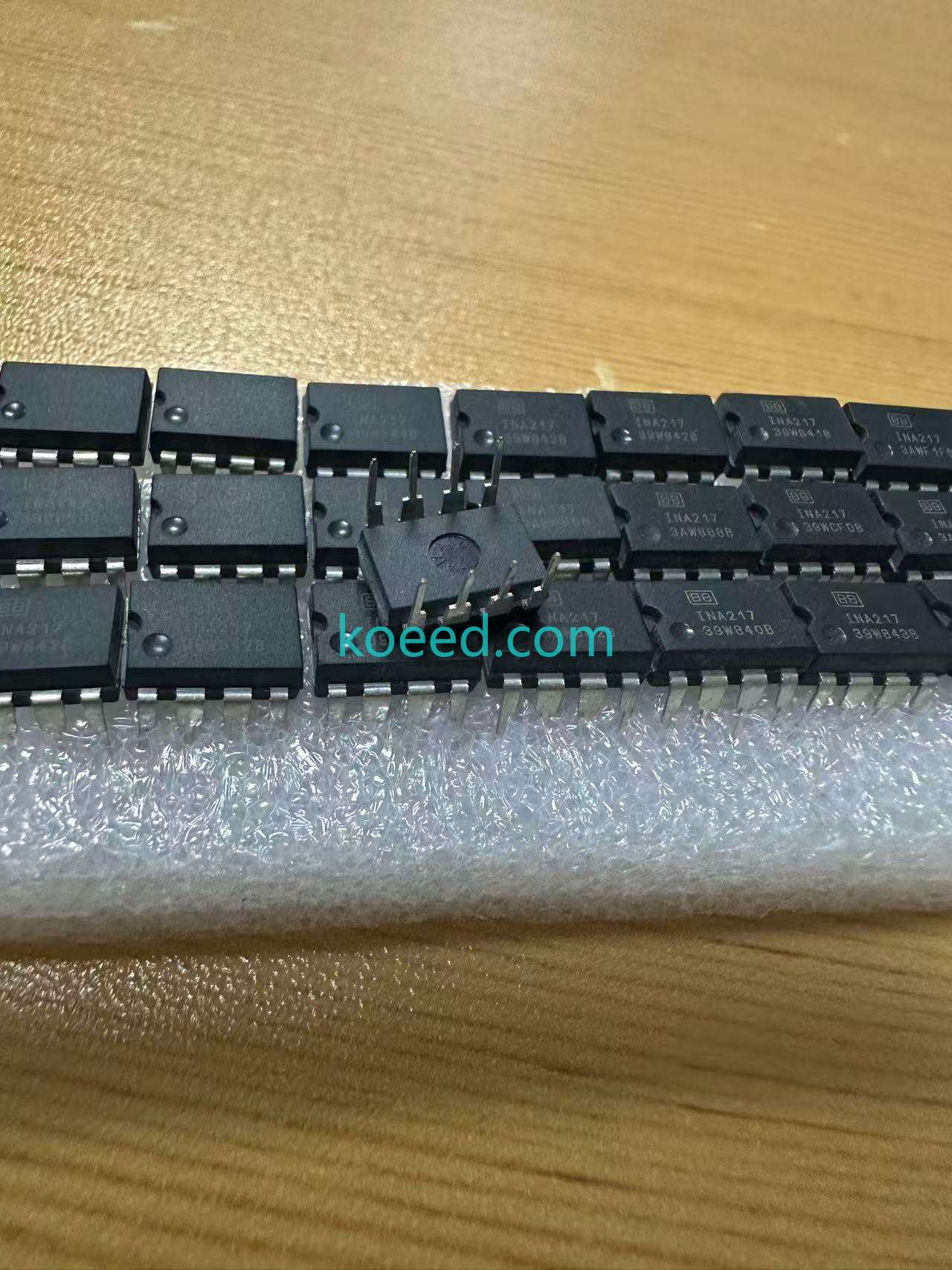
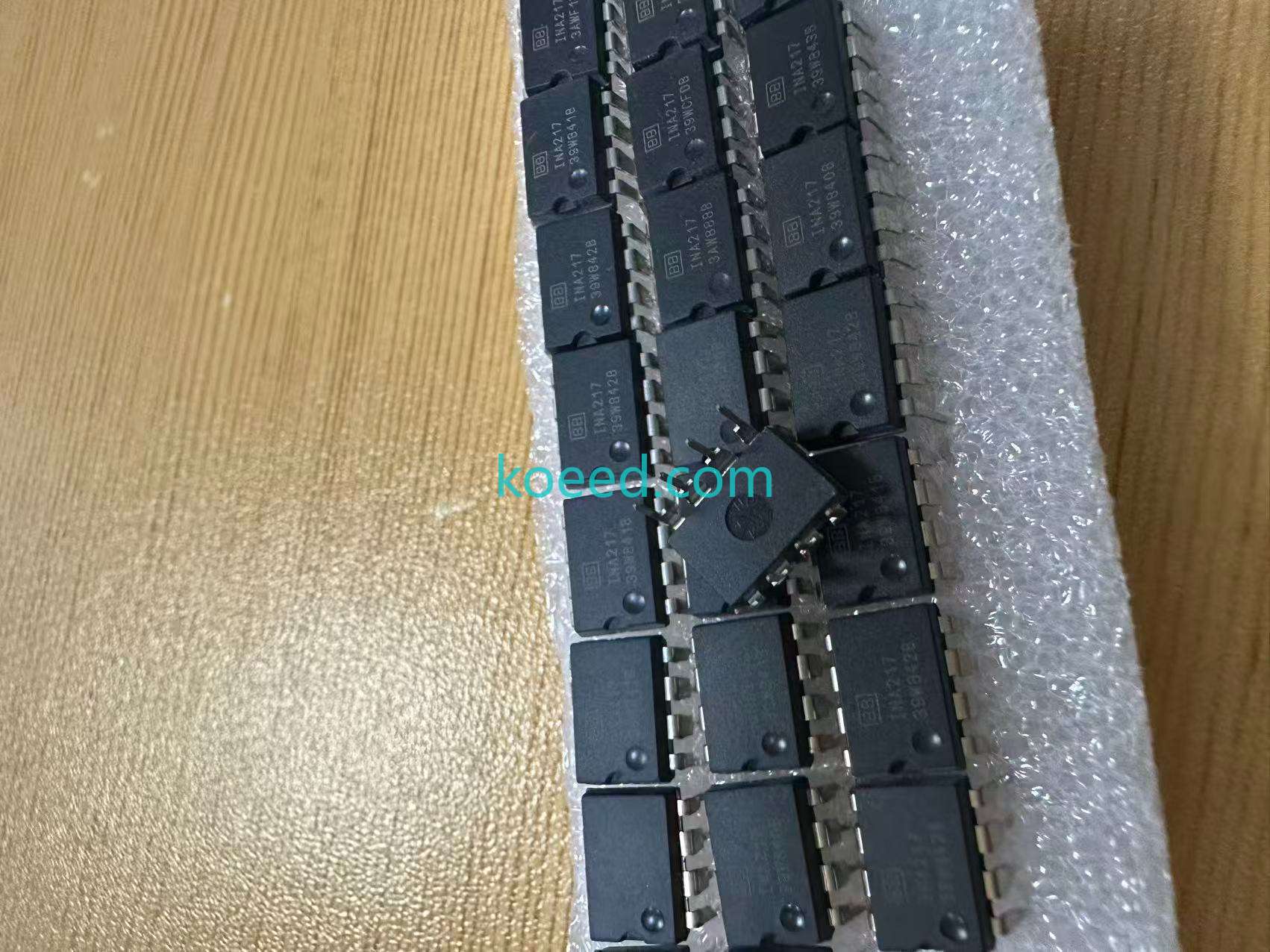
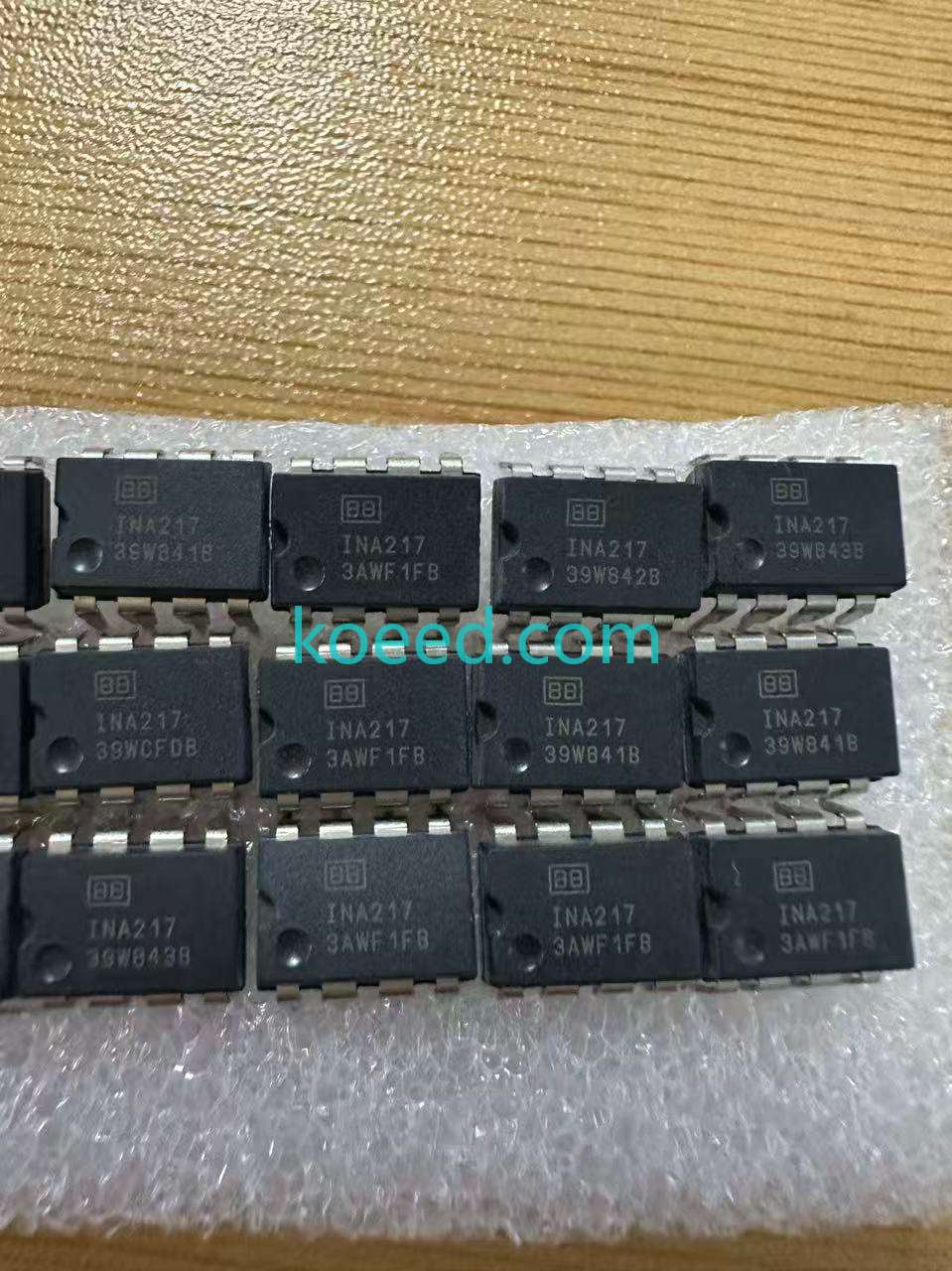
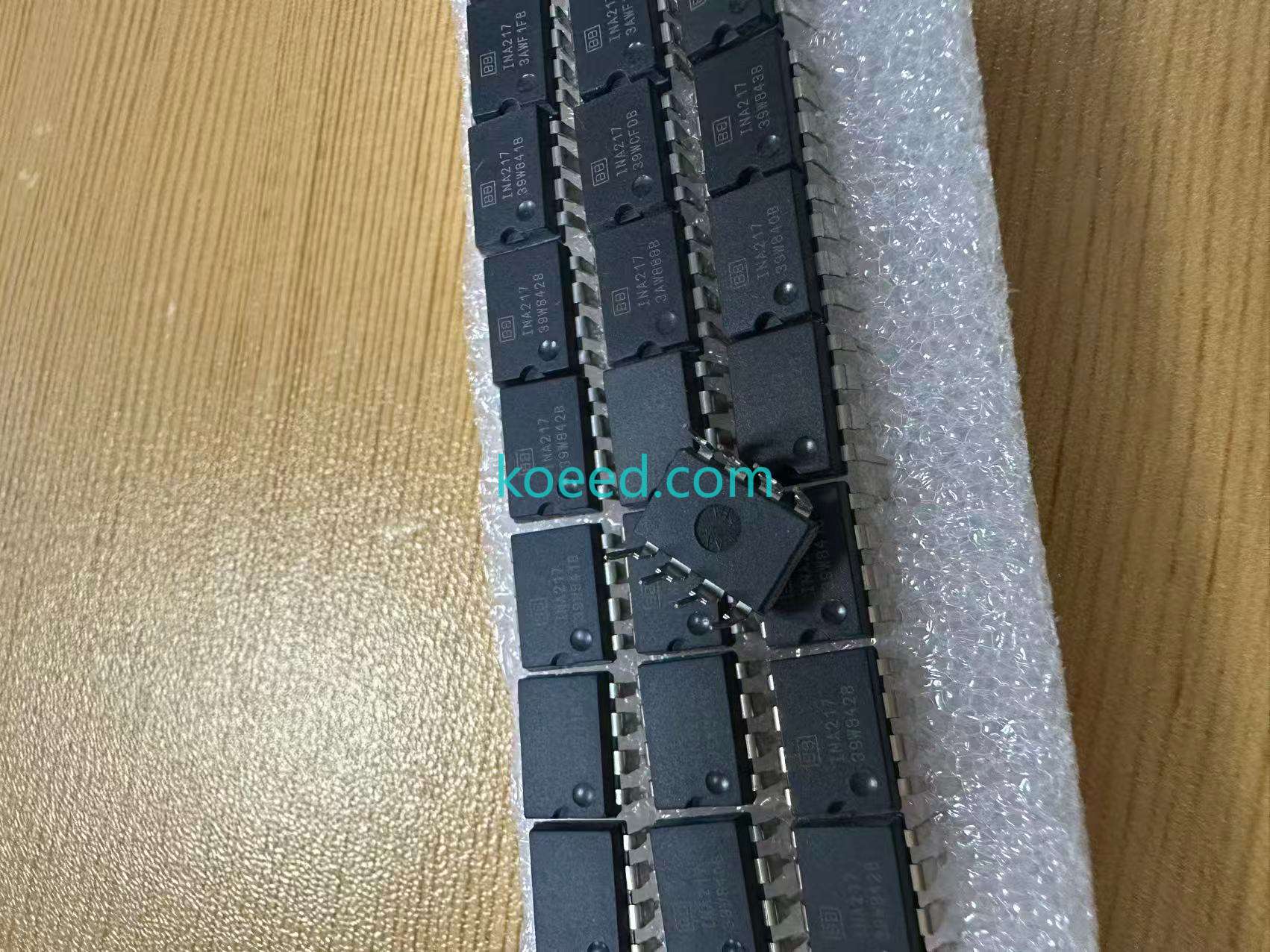
Product Overview
The INA217 is a high-performance, low-noise instrumentation amplifier specifically designed for precision signal conditioning in industrial automation and PLC systems. This device features differential input, exceptionally low noise, and minimal distortion characteristics that make it ideal for professional-grade applications where signal integrity is paramount.
In PLC industrial automation environments, the INA217 serves as a critical component for amplifying weak sensor signals from temperature sensors, pressure transducers, strain gauges, and other measurement devices. Its superior performance ensures accurate data acquisition and reliable system operation in harsh industrial conditions.
Key Features and Benefits
- Low Noise Performance: Exceptional signal-to-noise ratio for precise measurements
- Differential Input: Excellent common-mode rejection ratio (CMRR) for noise immunity
- Wide Supply Voltage Range: Flexible power supply options from ±4.5V to ±18V
- High Output Current Drive: Capable of driving heavy loads in industrial applications
- Excellent Output Voltage Swing: Maximizes dynamic range for signal processing
- Low Distortion: Maintains signal integrity in critical measurement applications
- Professional-Grade Performance: Designed for demanding industrial environments
Technical Specifications
| Parameter | Specification | Typical Value |
|---|---|---|
| Supply Voltage Range | ±4.5V to ±18V | ±15V |
| Input Noise Voltage | Low noise design | 1.3nV/√Hz |
| Common-Mode Rejection Ratio | High CMRR | 100dB (min) |
| Gain Bandwidth Product | Wide bandwidth | 800kHz |
| Output Current | High drive capability | ±20mA |
| Operating Temperature | Industrial range | -40°C to +85°C |
| Package Type | Standard industrial | 8-pin DIP/SOIC |
PLC Industrial Automation Applications
The INA217 finds extensive applications in PLC-based industrial automation systems:
Sensor Signal Conditioning
Amplifying weak signals from various industrial sensors including:
- Temperature sensors (RTDs, thermocouples)
- Pressure transducers and load cells
- Strain gauges for force measurement
- Flow meters and level sensors
- Vibration and acceleration sensors
Process Control Systems
Critical component in:
- PID controller signal conditioning
- Analog input modules for PLCs
- Data acquisition systems
- Motor control feedback loops
- Quality control measurement systems
Performance Comparison
| Feature | INA217 | Standard Instrumentation Amplifiers | Benefit |
|---|---|---|---|
| Noise Performance | Ultra-low noise | Moderate noise | Better signal integrity |
| Distortion | Minimal distortion | Higher distortion | Accurate measurements |
| Supply Range | ±4.5V to ±18V | Limited range | Flexible system design |
| Output Drive | High current capability | Limited drive | Direct load driving |
| Industrial Temp Range | -40°C to +85°C | Commercial range | Reliable in harsh environments |
Frequently Asked Questions (FAQ)
The INA217's combination of low noise, high common-mode rejection, wide supply voltage range, and industrial temperature rating makes it ideal for PLC systems. It can accurately amplify weak sensor signals in noisy industrial environments while maintaining signal integrity.
Yes, the INA217 is excellent for conditioning signals from 4-20mA current loop sensors. Its differential input and high CMRR help reject common-mode noise, while its wide supply range accommodates various signal conditioning requirements.
The INA217 typically operates with gains from 1 to 1000, configured using external resistors. This flexibility allows it to be optimized for specific sensor types and measurement ranges in industrial applications.
The INA217's differential input architecture provides excellent rejection of common-mode noise, including EMI. Its low-noise design and proper PCB layout techniques further enhance EMI immunity in industrial environments.
For optimal performance, use 0.1μF ceramic capacitors close to the power supply pins, along with larger bulk capacitors (10μF) on the supply rails. This ensures stable operation and minimizes noise in industrial power systems.
Design Considerations for PLC Integration
When integrating the INA217 into PLC systems, consider the following:
PCB Layout Guidelines
- Keep input traces short and symmetrical
- Use ground planes for noise reduction
- Place decoupling capacitors close to power pins
- Separate analog and digital grounds appropriately
Thermal Management
The INA217's industrial temperature rating ensures reliable operation, but proper heat sinking may be required in high-density PLC modules or elevated ambient temperatures.
Signal Chain Integration
The INA217 works well with ADCs, filters, and other signal conditioning components in PLC analog input modules. Consider the entire signal chain when designing for optimal performance.
References and Technical Documentation
Primary Source: Texas Instruments INA217 Data Sheet - https://www.ti.com/lit/gpn/INA217
Product Information: Texas Instruments Product Page - https://www.ti.com/product/INA217
Technical Specifications: Farnell Datasheet - https://www.farnell.com/datasheets/1828406.pdf
Industry Applications: Professional audio and industrial measurement systems documentation
Note: The INA217 has been a trusted component in industrial automation for over two decades, with proven reliability in thousands of PLC installations worldwide.


