

Iron Phosphate Battery (LiFePO4) for Industrial Automation 2026: The Definitive Engineering & Procurement Guide
1. Strategic Overview: The LiFePO4 Revolution in Industrial Automation (2026 Perspective)
By mid-2026, the global Lithium Iron Phosphate (LiFePO4) battery market has crossed the USD 19 billion threshold, propelled by a sustained CAGR of over 17.3%. This is not merely a trend — it represents a fundamental re-architecture of how industrial facilities approach backup power, energy storage, and mission-critical uptime. Koeed's Iron Phosphate Battery sits precisely at this convergence point, delivering the thermal stability, cycle longevity, and integration intelligence that modern smart factories demand.
2026 Market Reality: With lithium carbonate prices undergoing a structural cost repricing through early 2026, the total cost of ownership (TCO) for LiFePO4 solutions has never been more favorable. Industrial procurement teams are rapidly migrating away from legacy VRLA (Valve-Regulated Lead-Acid) systems, recognizing that LiFePO4 offers 3–4× the cycle life at a competitive upfront cost. Koeed's Iron Phosphate Battery is engineered to capitalize on precisely this cost inflection point.
Whether you are powering PLC control cabinets, SCADA remote terminal units (RTUs), IIoT edge gateways, or entire automated production lines, the chemistry matters. LiFePO4 delivers an inherently stable olivine crystal structure that resists thermal runaway — a critical safety advantage in environments where uptime and fire safety are non-negotiable. Combined with compatible charging infrastructure such as the Koeed 9–35V to 14.5V DC 8A 116W Lithium Iron Phosphate Battery Charger (DC-DC), these batteries form a complete eco-system purpose-built for industrial resilience.
2. IT/OT Convergence: The Intelligent Battery Paradigm
In 2026, the most transformative shift in industrial automation is the deep integration of Information Technology (IT) with Operational Technology (OT). Batteries are no longer passive components — they are data-generating assets that feed into enterprise resource planning (ERP) systems, manufacturing execution systems (MES), and cloud-based predictive analytics platforms.
2.1 How Koeed's Iron Phosphate Battery Fits the Smart Factory Stack
Modern LiFePO4 battery systems, including Koeed's offering, support Battery Management System (BMS) communication protocols that bridge the OT/IT divide:
| Integration Layer | Protocol / Standard | Business Value (2026 Context) |
|---|---|---|
| Field / OT Level | Modbus RTU, CAN Bus, RS-485 | Real-time SOC, SOH, and temperature data fed directly to PLCs and local HMIs |
| Edge / SCADA Level | Modbus TCP, MQTT, OPC-UA | Aggregated battery health dashboards; automated alerting for predictive maintenance |
| Cloud / ERP Level | REST API, MQTT Sparkplug B | TCO analytics, procurement forecasting, sustainability compliance reporting (Scope 2 emissions) |
3. Technical Benchmarking: LiFePO4 vs. Legacy Industrial Battery Chemistries
For procurement engineers and automation specialists, the decision matrix comes down to hard numbers. The table below benchmarks Koeed's Iron Phosphate Battery against the two dominant legacy chemistries still found in industrial backup applications as of 2026.
| Parameter | Koeed LiFePO4 (Iron Phosphate) | VRLA / AGM Lead-Acid | NMC Lithium-Ion |
|---|---|---|---|
| Cycle Life @ 80% DoD | 4,000 – 6,000+ cycles Best | 300 – 500 cycles | 1,000 – 2,000 cycles |
| Thermal Runaway Risk | Extremely Low (olivine structure) | Low (but hydrogen gassing risk) | Moderate to High |
| Energy Density (Wh/kg) | 90 – 130 | 30 – 50 | 150 – 220 |
| Operating Temp Range | -20°C to +60°C | -10°C to +40°C | 0°C to +45°C |
| Maintenance Requirement | Zero (sealed, BMS-managed) | Periodic (electrolyte checks) | Low |
| 10-Year TCO (per kWh basis) | Lowest Winner | 2–3× higher | 1.5–2× higher |
| Sustainability / Recyclability | High (no cobalt, non-toxic) | Moderate (lead contamination risk) | Low (cobalt mining concerns) |
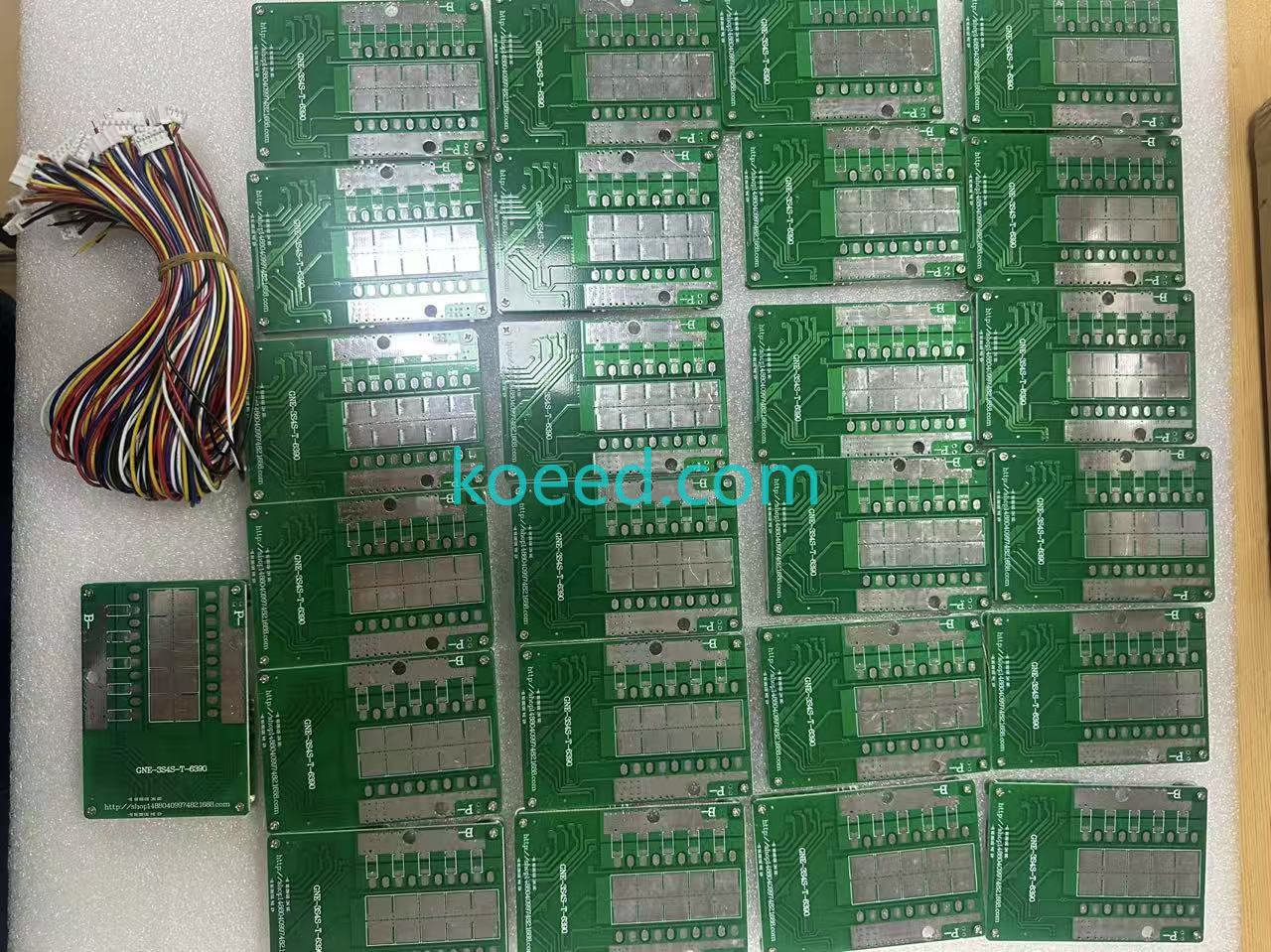
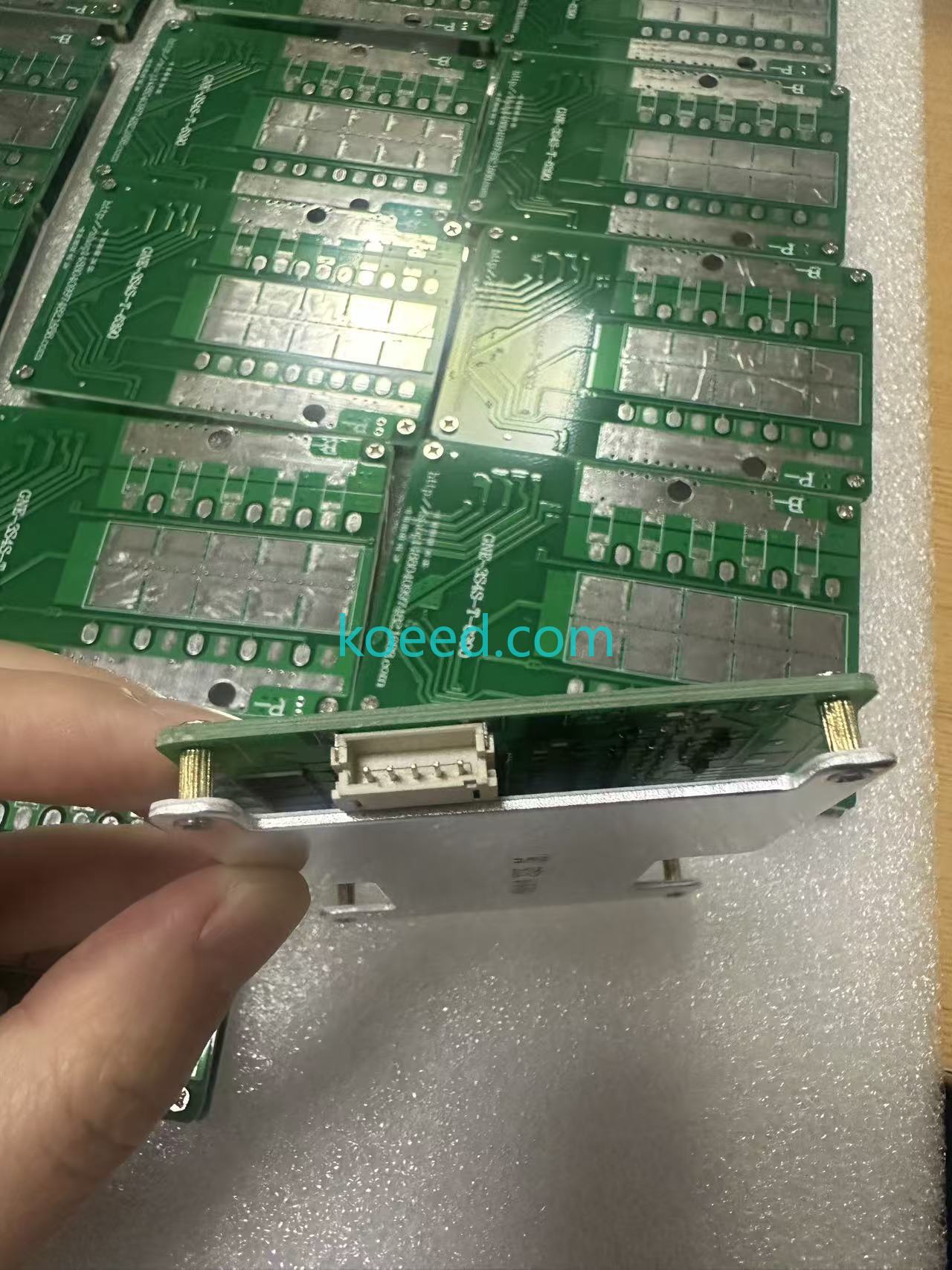
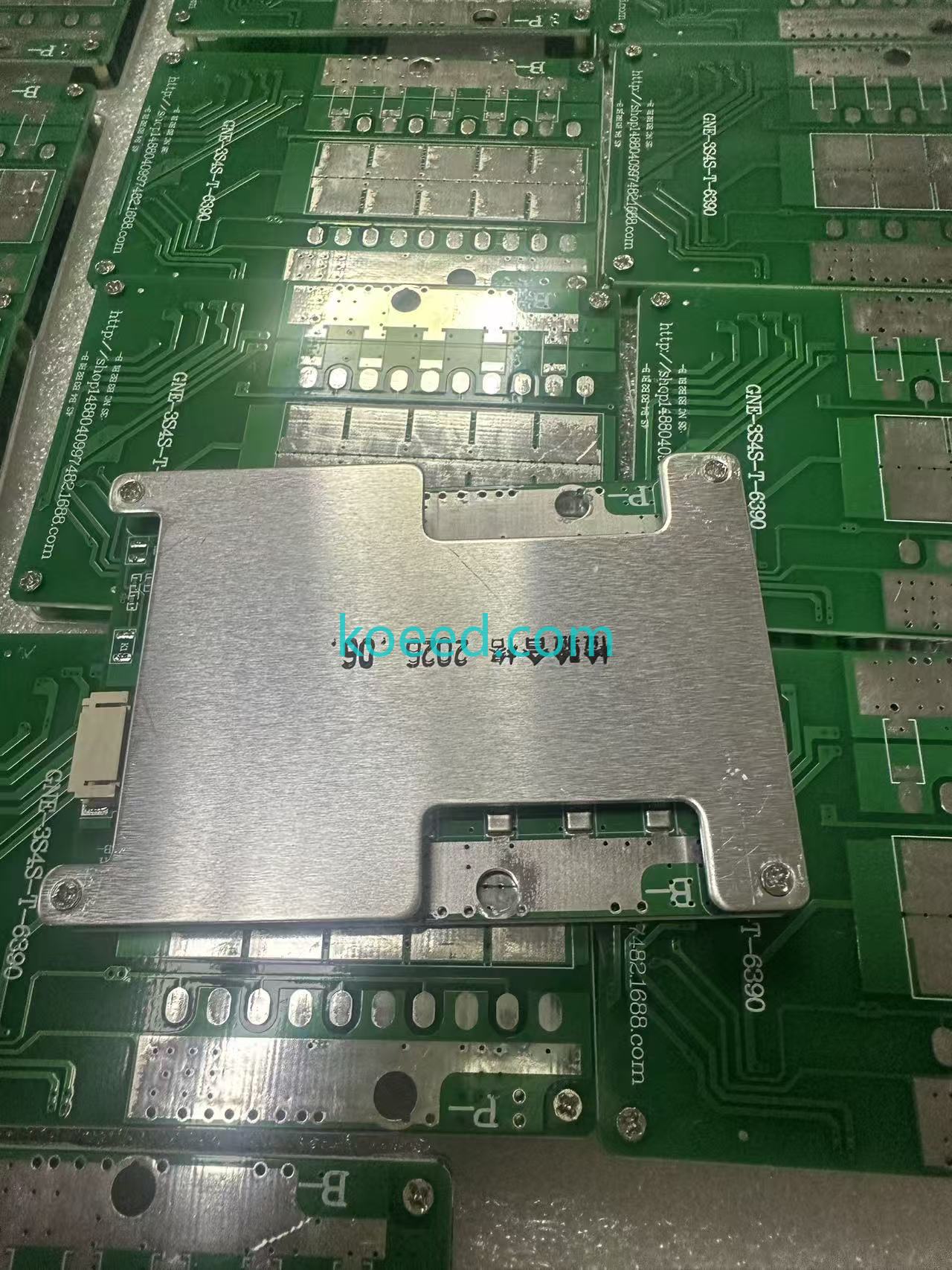
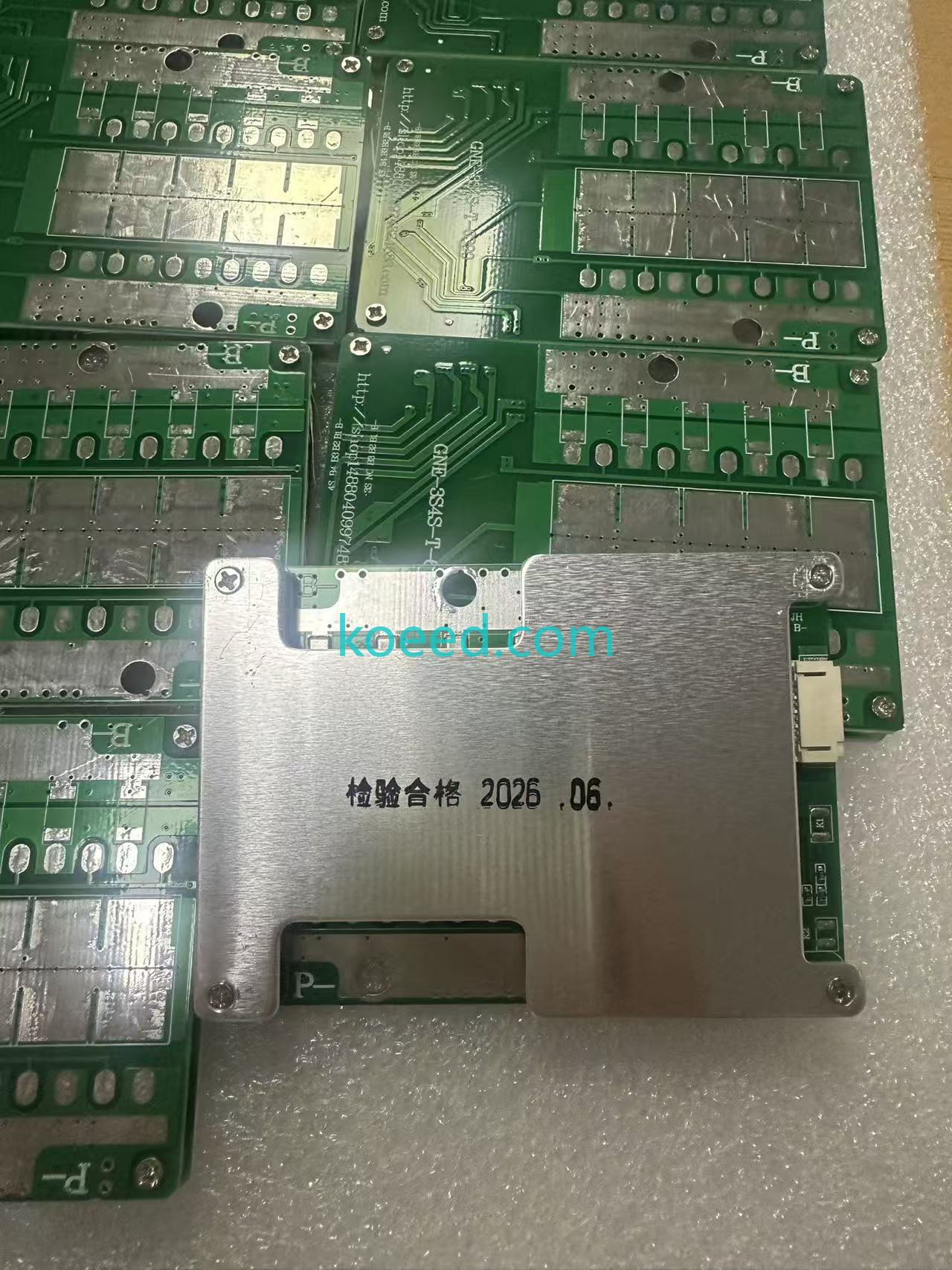
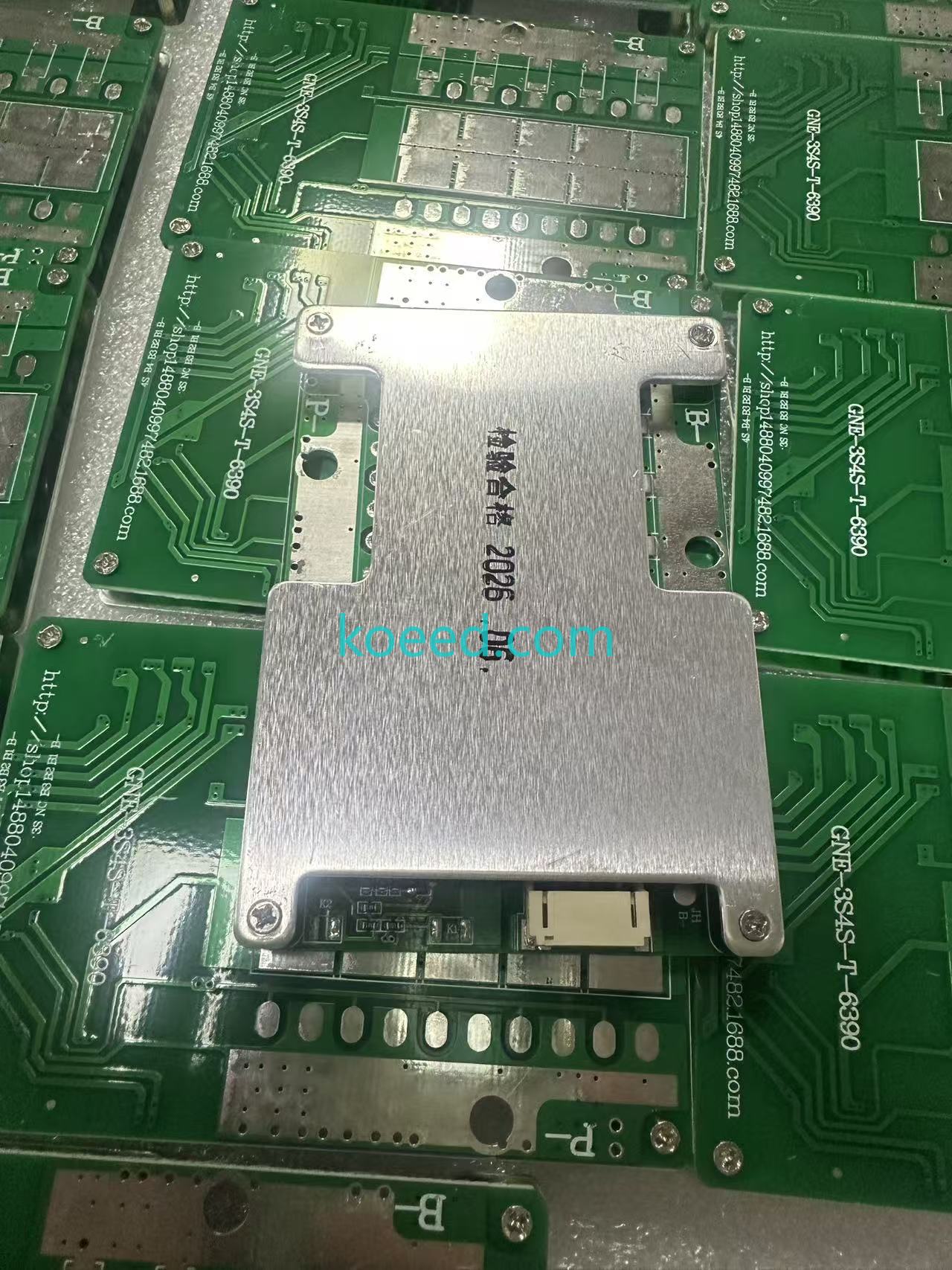
4. Visual Gallery: Koeed Iron Phosphate Battery — Product Inspection
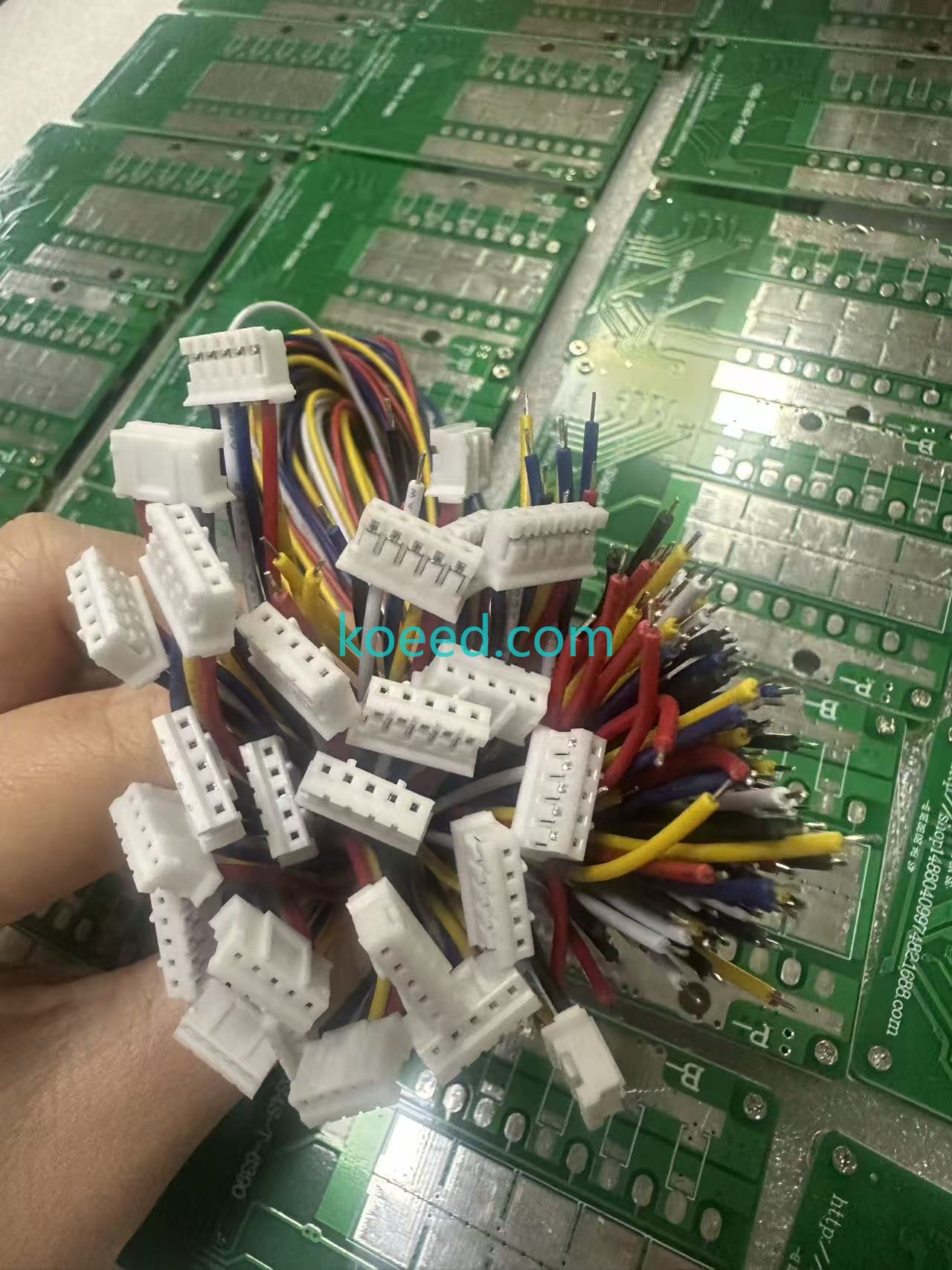
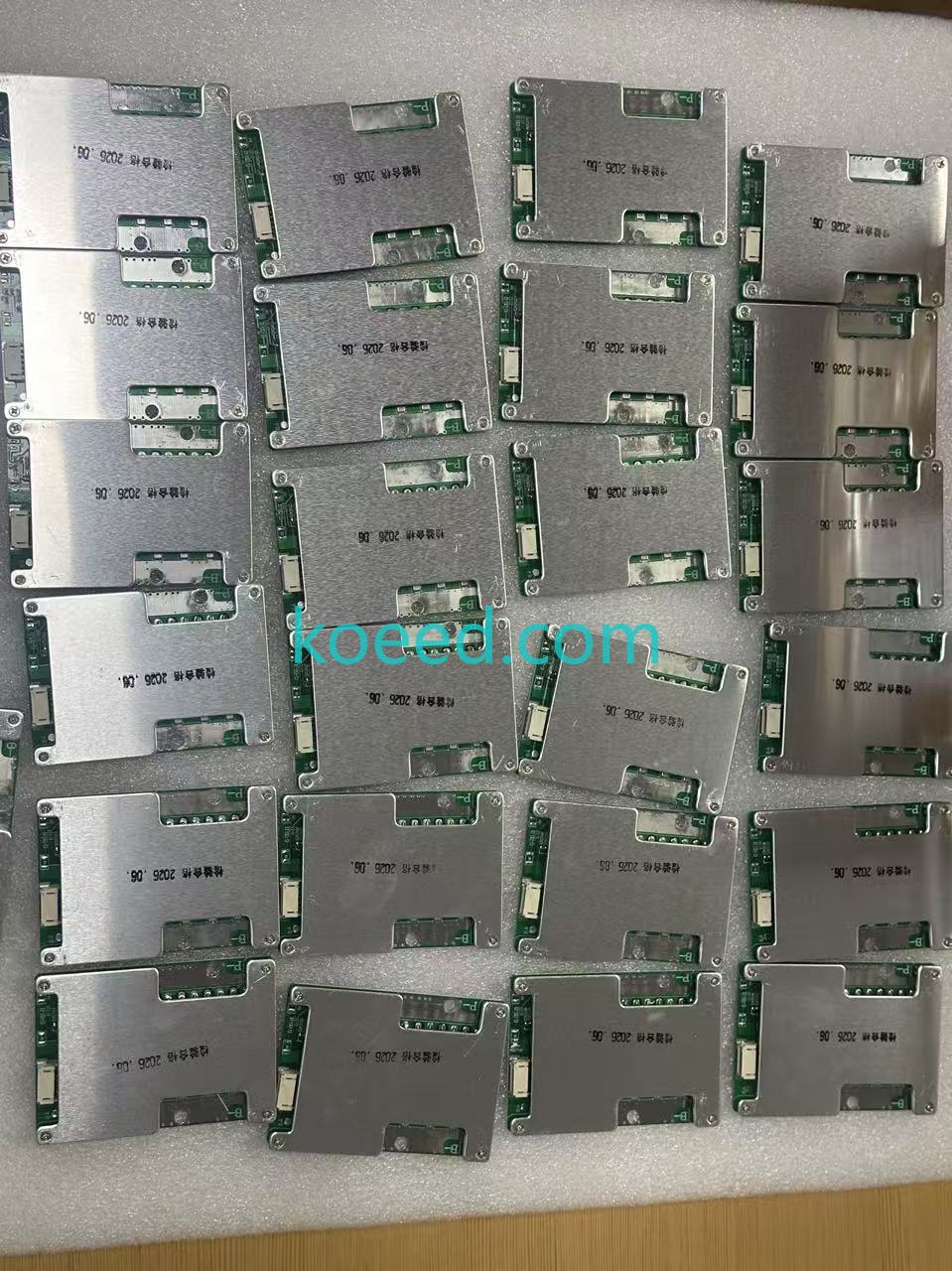
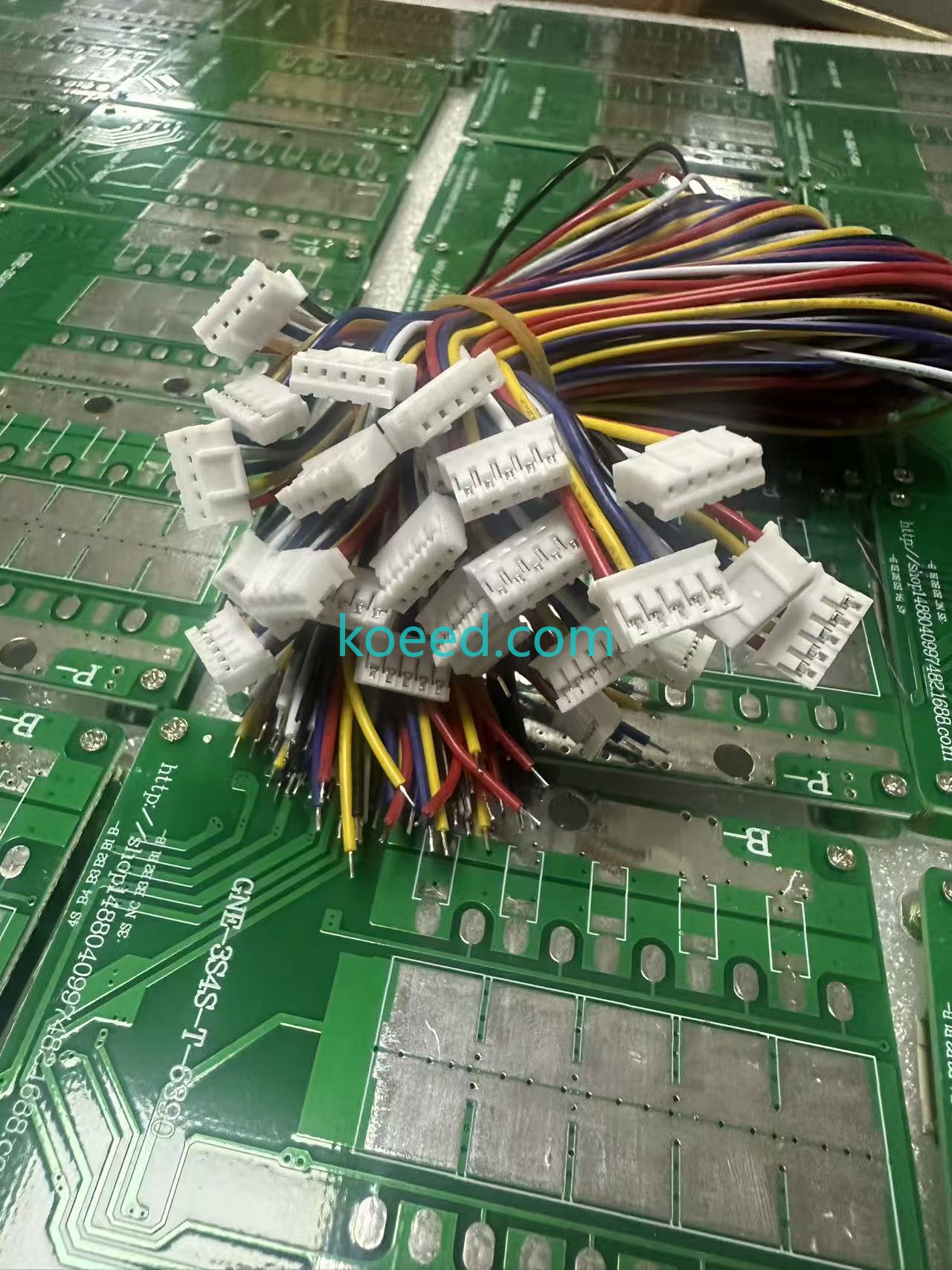
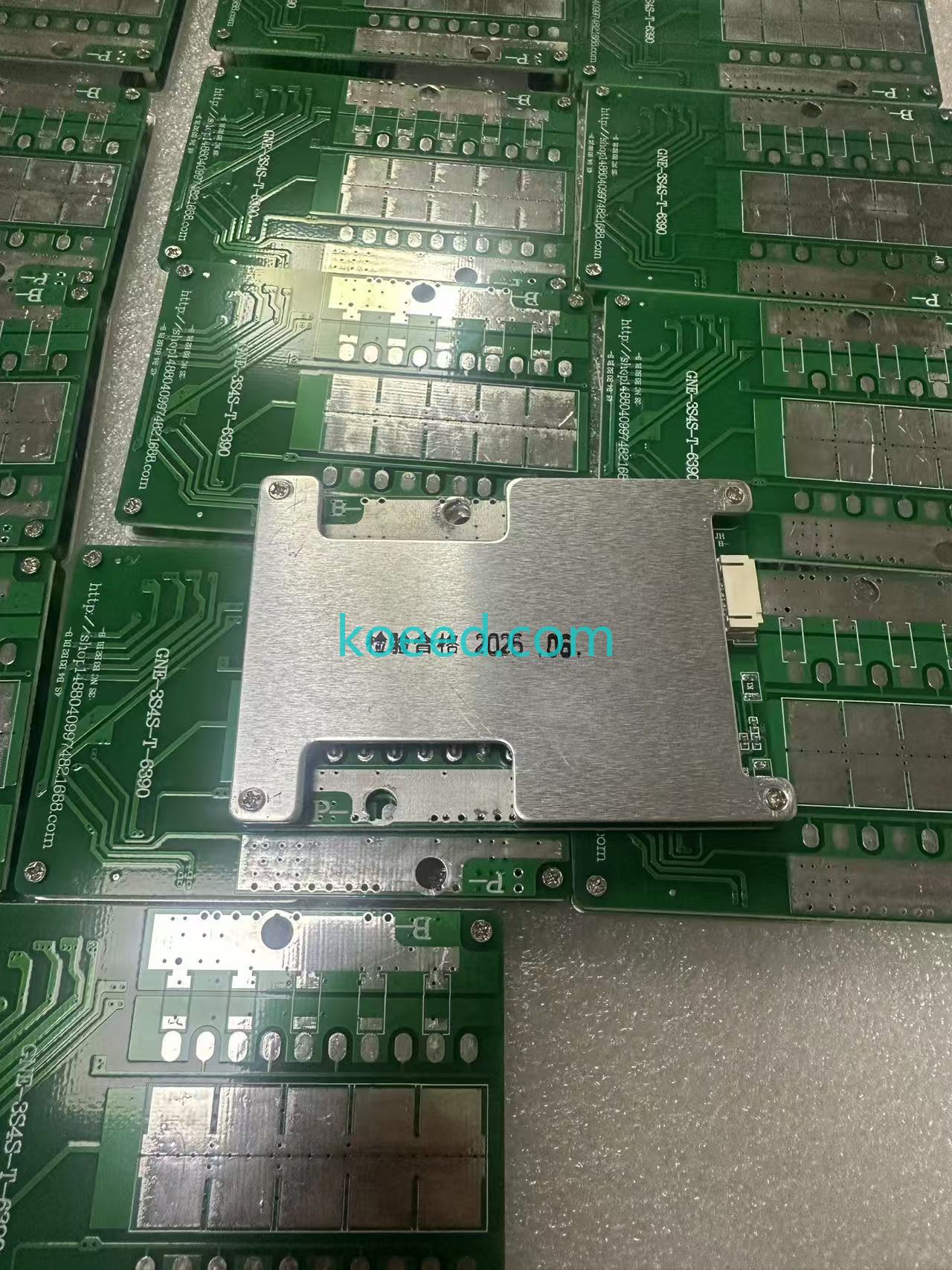
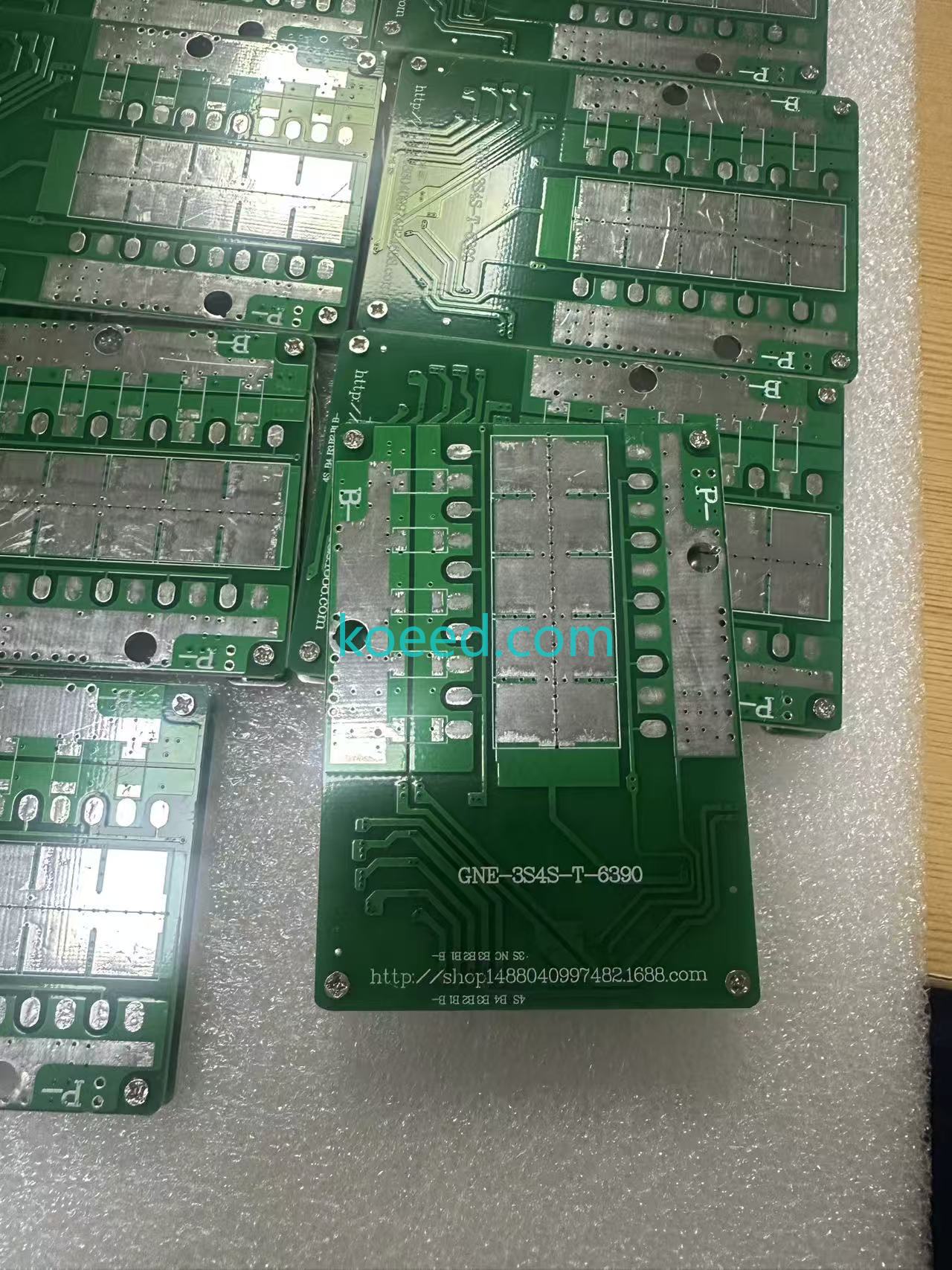
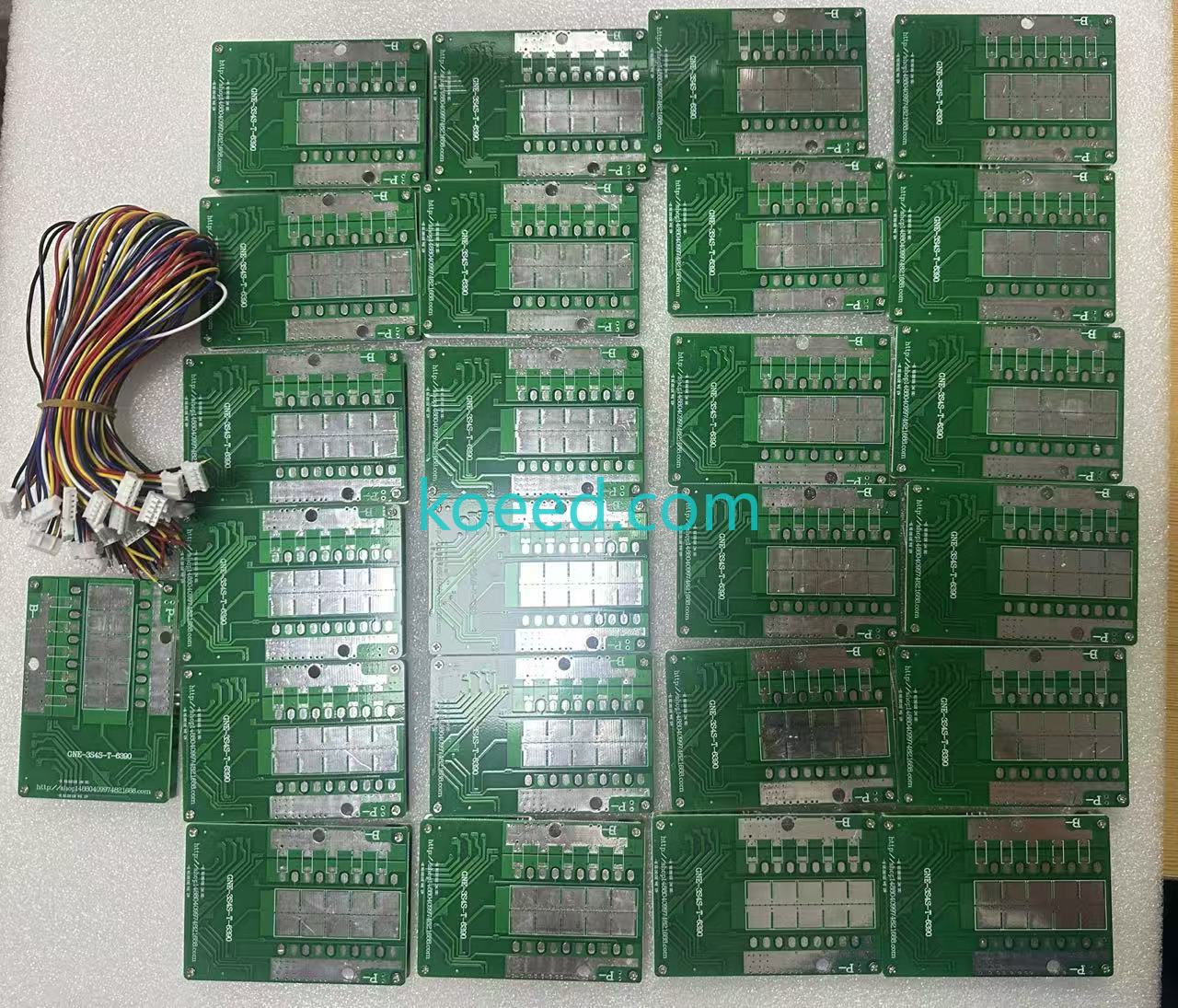
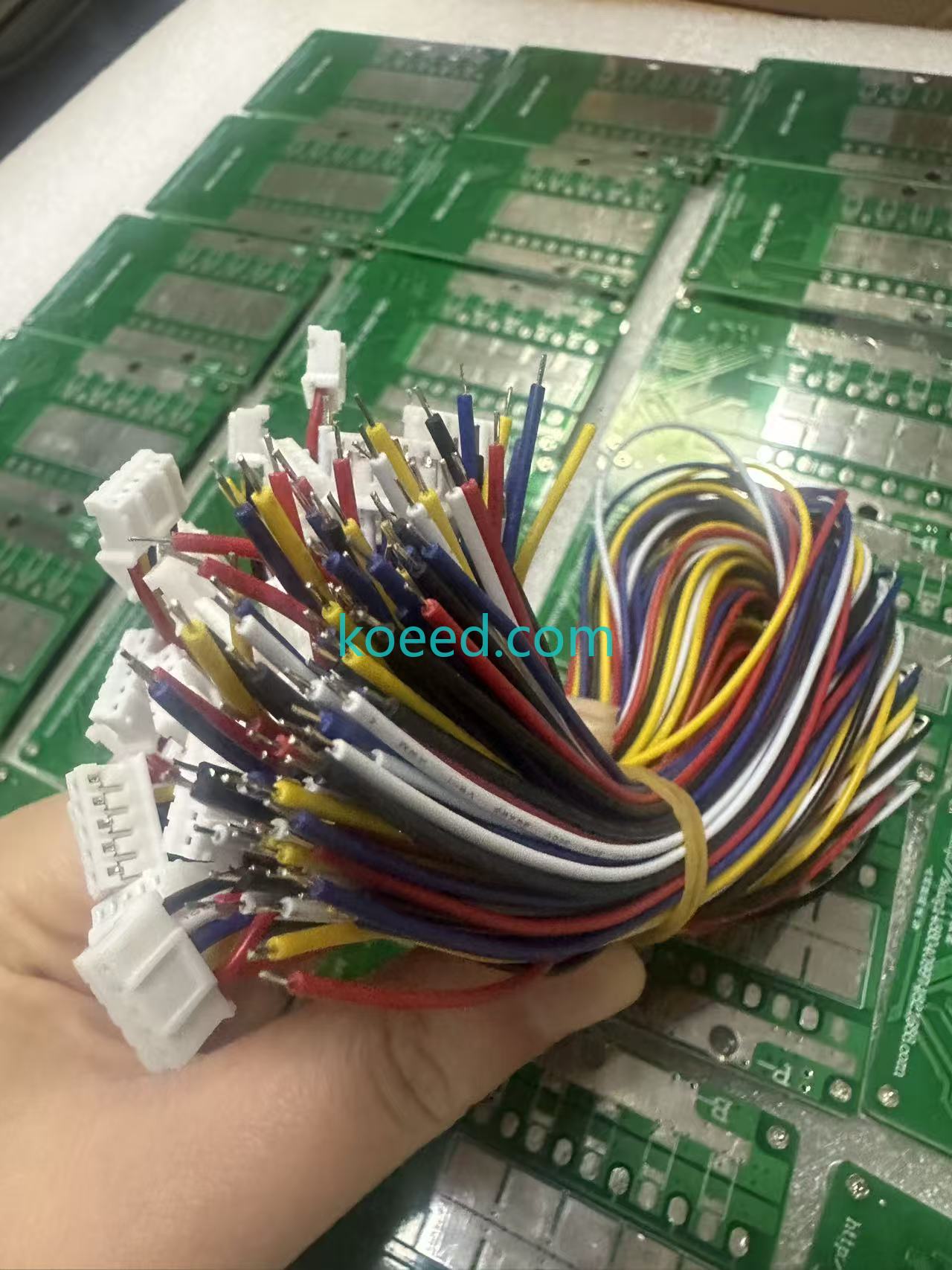
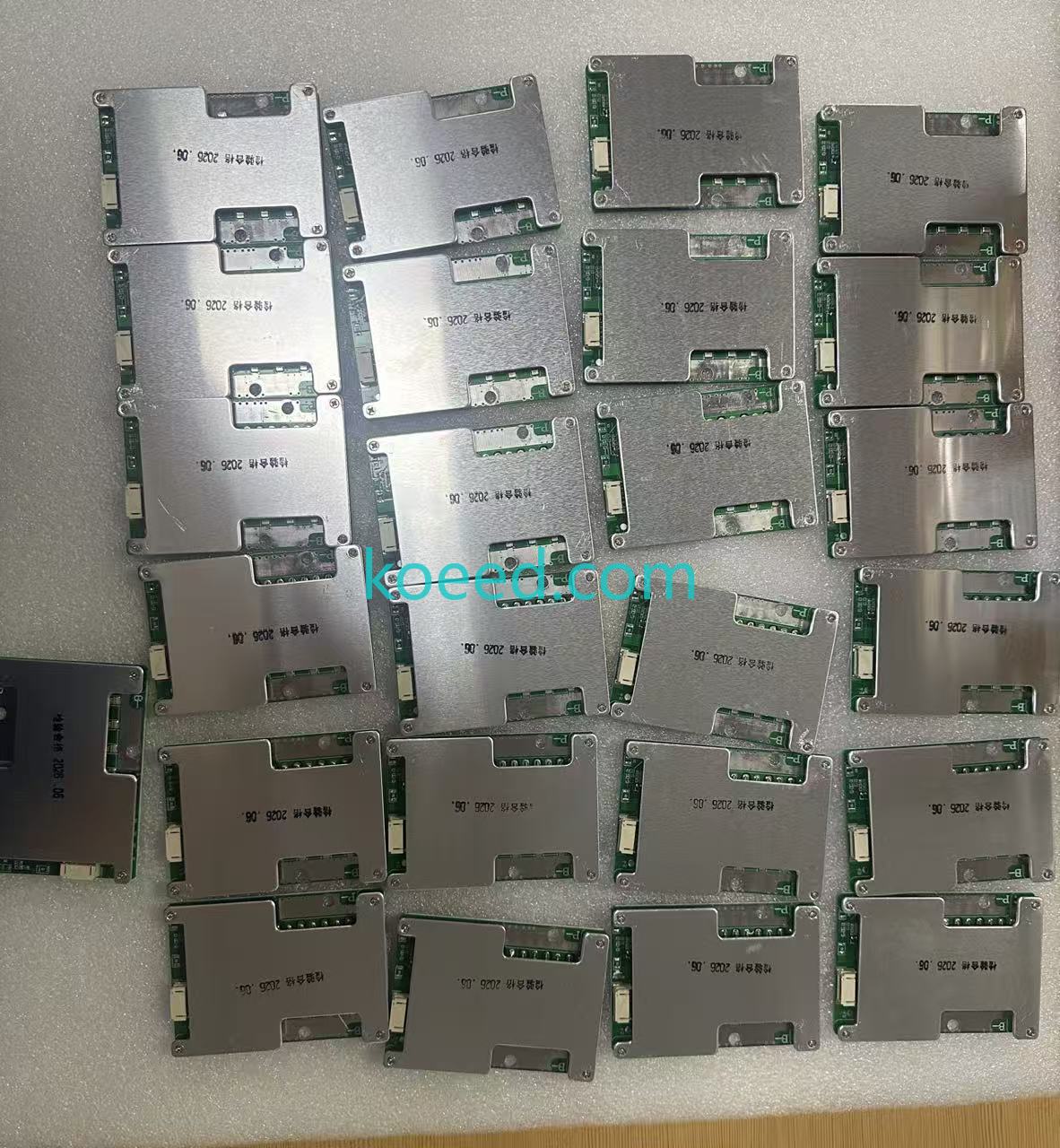
The following gallery provides a comprehensive visual reference for the Koeed Iron Phosphate Battery across multiple angles, housing configurations, connector interfaces, and application contexts. Click any image to expand for detailed inspection.
5. ROI & Total Cost of Ownership (TCO) Analysis
In the 2026 procurement landscape, capital expenditure (CapEx) is only half the story. Forward-thinking automation managers evaluate batteries through a 10-year TCO lens. Here is how Koeed's Iron Phosphate Battery stacks up:
5.1 TCO Breakdown — 10-Year Industrial Deployment Scenario
| Cost Category | Koeed LiFePO4 | VRLA Equivalent | Savings |
|---|---|---|---|
| Initial Purchase (per unit) | Competitive (2026 index pricing) | ~30–40% lower upfront | — |
| Replacement Cycles (10 years) | 0–1 replacements | 5–8 replacements | Significant |
| Labor & Maintenance | Near-zero (BMS-automated) | Regular electrolyte/torque checks | 60–80% reduction |
| Downtime Cost (per incident) | Minimal (predictive alerts) | Reactive; unplanned outages | 42% fewer incidents |
| Disposal / Recycling | Low (non-toxic, high recyclability) | Hazardous waste handling fees | Compliance advantage |
Bottom Line (2026): Despite a marginally higher upfront investment, Koeed's Iron Phosphate Battery delivers a 10-year TCO that is 50–65% lower than equivalent VRLA deployments. When paired with the Koeed DC-DC Lithium Iron Phosphate Battery Charger (9–35V to 14.5V, 8A, 116W), the system efficiency gains compound further through optimized charge profiles that extend cell lifespan beyond 6,000 cycles.
6. Sustainability & Energy Efficiency: The 2026 Imperative
Global industrial sustainability mandates — including the EU's tightened Corporate Sustainability Reporting Directive (CSRD) and evolving Scope 2/3 emission frameworks — are driving procurement decisions in 2026. Koeed's Iron Phosphate Battery is inherently aligned with these mandates:
6.1 Green Credentials at a Glance
- Cobalt-Free Chemistry: Unlike NMC and LCO lithium variants, LiFePO4 contains zero cobalt — eliminating exposure to ethically contentious mining supply chains and reducing Scope 3 upstream emissions.
- 99%+ Coulombic Efficiency: Near-perfect charge/discharge efficiency minimizes energy waste, directly lowering facility-level kWh consumption and associated carbon footprint.
- Extended Service Life: A single Koeed LiFePO4 battery outlasts three to eight lead-acid replacements, dramatically reducing manufacturing-related embodied carbon and hazardous waste generation.
- Low-Temperature Performance: Operates reliably down to -20°C without requiring energy-intensive heating pads, unlike some competing lithium formulations.
7. Predictive Maintenance: From Reactive to Proactive Operations
The single largest operational shift in 2026 industrial automation is the widespread adoption of predictive maintenance strategies. Koeed's Iron Phosphate Battery, equipped with an intelligent BMS, enables exactly this transition.
7.1 Key BMS Telemetry Parameters
| Parameter | Monitoring Frequency | Predictive Insight |
|---|---|---|
| State of Charge (SOC) | Real-time (≤1s intervals) | Remaining runtime estimation; load-shedding trigger |
| State of Health (SOH) | Per charge cycle | Capacity fade trajectory; replacement forecasting (6–12 months ahead) |
| Internal Resistance (IR) | Daily trending | Early indicator of cell degradation or connection faults |
| Cell Voltage Delta | Real-time | Cell imbalance detection; BMS balancing intervention alerts |
| Temperature (per cell/sensor) | Continuous | Thermal anomaly detection; ambient HVAC correlation |
By feeding these parameters into existing SCADA or IIoT platforms, maintenance teams can shift from calendar-based replacement schedules to condition-based interventions. The result: zero unexpected battery failures, optimized spare parts inventory, and maintenance labor redeployed to higher-value tasks.
8. Application-Specific Deployment Scenarios
8.1 PLC & DCS Control Cabinet Backup
The most common deployment for Koeed Iron Phosphate Batteries in 2026 is as a direct 24V DC UPS replacement within PLC and DCS cabinets. The compact form factor, zero-maintenance design, and wide temperature tolerance make them ideal for factory-floor environments where space is constrained and ambient temperatures fluctuate. The companion DC-DC charger accepts a wide 9–35V input range, making it compatible with virtually any industrial DC bus.
8.2 Remote RTU & SCADA Station Power
For oil & gas pipeline monitoring, water/wastewater telemetry, and renewable energy SCADA nodes, Koeed's LiFePO4 battery provides reliable off-grid power. The chemistry's tolerance for partial state-of-charge (PSOC) cycling — a scenario that rapidly degrades lead-acid — makes it uniquely suited for solar-hybrid industrial applications.
8.3 IIoT Edge Gateway & 5G Small Cell Backup
As factories densify their 5G private networks and deploy increasing numbers of edge computing nodes, distributed backup power becomes critical. Koeed's Iron Phosphate Battery offers a compact, high-cycle-life solution that integrates seamlessly into the 48V DC telecom architecture increasingly adopted across industrial campuses.
9. Frequently Asked Questions (FAQ)
What makes LiFePO4 inherently safer than other lithium-ion chemistries for industrial use?
LiFePO4 (lithium iron phosphate) features a stable olivine crystal structure with strong phosphorus-oxygen covalent bonds. This means that even under severe abuse conditions — overcharge, short-circuit, puncture, or extreme heat — the cathode does not release oxygen and resists thermal runaway. Unlike NMC or LCO chemistries that can enter a self-sustaining exothermic reaction above ~180°C, LiFePO4 remains stable to beyond 270°C. In industrial environments where fire risk is unacceptable (chemical plants, refineries, food processing), this safety margin is decisive.
How does Koeed's Iron Phosphate Battery integrate with existing PLC/SCADA systems?
Integration is achieved through the Battery Management System's communication interface, which typically supports Modbus RTU (RS-485), CAN Bus, and in more advanced configurations, Modbus TCP or MQTT. The BMS continuously broadcasts SOC, SOH, cell voltages, temperatures, and alarm status. These registers can be mapped directly into PLC tag databases (Siemens TIA Portal, Rockwell Studio 5000, etc.) or SCADA historians, enabling real-time visualization and automated alerts.
What is the expected service life of a Koeed LiFePO4 battery in a typical industrial UPS application?
With proper charging (such as using the Koeed DC-DC charger), the battery is rated for 4,000–6,000+ cycles at 80% depth of discharge. In a typical industrial backup scenario with shallow discharges (10–30%), the calendar life can exceed 10–12 years. This far surpasses VRLA batteries, which often require replacement every 2–3 years under similar conditions.
Are Koeed Iron Phosphate Batteries compatible with existing UPS inverter systems?
Yes, provided the UPS charging parameters are configurable to LiFePO4 voltage ranges (14.2–14.6V for a 12V nominal pack, 28.4–29.2V for 24V, etc.). It is recommended to use a dedicated charger such as the Koeed DC-DC charger for optimal CC/CV profile and temperature compensation. Many modern industrial UPS units now include a LiFePO4 preset, further simplifying migration.
What certifications and compliance standards do Koeed LiFePO4 batteries meet?
Koeed Iron Phosphate Batteries are designed and tested to meet UN38.3, IEC 62133, UL 1973, and relevant CE/UKCA directives. For specific industrial verticals (oil & gas, marine), additional ATEX/IECEx assessments can be provided upon request. Full certification documentation is available from the Koeed technical team.
Ready to Future-Proof Your Industrial Power Infrastructure?
Join the 2026 wave of automation leaders who are achieving 50–65% TCO reduction and zero unplanned downtime with Koeed's Iron Phosphate Battery. Our application engineers are standing by to provide tailored system sizing, integration protocols, and compliance documentation.


