

ML7-54-G-5250 Retroreflective Sensor: 2026 Guide to Precision Detection & IT/OT Integration
Pepperl+Fuchs ML7-54-G-5250
Retroreflective Photoelectric Sensor — Engineered for 2026 Smart Factory Precision
Part No. 239467 | ML7 Series | Miniature Design, Maximum Reliability
1. Strategic Overview: The ML7-54-G-5250 in the 2026 Industrial Landscape
As manufacturing floors accelerate toward full IT/OT convergence in 2026, the humble photoelectric sensor has evolved into a critical data-acquisition node. The Pepperl+Fuchs ML7-54-G-5250 retroreflective sensor exemplifies this transformation — it is no longer merely an object-detection component; it is a frontline enabler of predictive maintenance ecosystems, digital twin synchronization, and real-time production analytics.
Designed within Pepperl+Fuchs' acclaimed ML7 miniature housing, this sensor delivers industry-leading clear-glass and reflective-object detection — a persistent pain point in packaging, bottling, automotive glass handling, and pharmaceutical production lines. With 2026's emphasis on zero-defect manufacturing and Scope 3 carbon accountability, the ML7-54-G-5250's precision directly translates to reduced material waste, fewer line stoppages, and measurable sustainability gains.
Key Value Propositions for 2026 B2B Buyers
IT/OT Ready Compatible with IO-Link masters and edge gateways for seamless data handoff to MES/ERP layers.
Energy & Waste Reduction Reliable detection minimizes false rejects and rework — directly lowering energy-per-unit metrics.
Predictive Maintenance Signal stability trending via PLC analytics enables condition-based replacement before failure.
Miniature Footprint Fits into the tightest machine assemblies, reducing mechanical design constraints and material costs.
2. Technical Benchmarking: ML7-54-G-5250 vs. Legacy Sensor Architectures
In 2026, the gap between modern retroreflective sensors and their legacy counterparts has widened dramatically. The table below highlights how the ML7-54-G-5250 stacks up against conventional through-beam and diffuse sensors still prevalent in brownfield installations.
| Parameter | ML7-54-G-5250 (Retroreflective) | Legacy Through-Beam Pair | Standard Diffuse Sensor |
|---|---|---|---|
| Detection Principle | Retroreflective with polarizing filter | Through-beam (emitter + receiver) | Diffuse (target reflection) |
| Clear Glass Detection | ✅ Reliable (dedicated optics) | ✅ Reliable | ❌ Unreliable |
| Shiny/Reflective Object Handling | ✅ Excellent (polarized) | ⚠️ Moderate | ❌ Poor — false triggers |
| Wiring Complexity | Single device, 3/4-wire | Two devices, dual cabling | Single device |
| Installation Footprint | Miniature — ~31×21×11 mm | Double housing + alignment | Compact |
| Alignment Tolerance | Generous — reflector-based | Tight — precise alignment required | Moderate |
| Total Cost of Ownership (5Y) | Low — single unit, minimal maintenance | Higher — dual replacement, alignment drift | Moderate |
| IO-Link Readiness (2026 Std.) | Compatible via interface modules | Limited retrofit options | Varies by model |
3. Core Technical Specifications
Drawing from the Pepperl+Fuchs ML7 series datasheet (P/N 239467), the following specifications define the ML7-54-G-5250's performance envelope relevant to 2026 integration standards:
| Specification | Detail |
|---|---|
| Series | ML7 — Miniature Photoelectric Sensor |
| Sensing Mode | Retroreflective (with reflector — sold separately or included per variant) |
| Housing Dimensions | Approx. 31 mm × 21 mm × 11 mm (L×H×D) |
| Housing Material | High-impact polycarbonate (PC) — IP67 rated |
| Light Source | Visible red LED / IR — polarized |
| Operating Voltage | 10–30 V DC |
| Output Type | Selectable (light-on / dark-on), PNP or NPN per variant |
| Switching Frequency | Up to 1000 Hz (model-dependent) |
| Connection | M8 connector or fixed cable — confirm with Koeed specialist |
| Ambient Temperature | -25°C to +60°C |
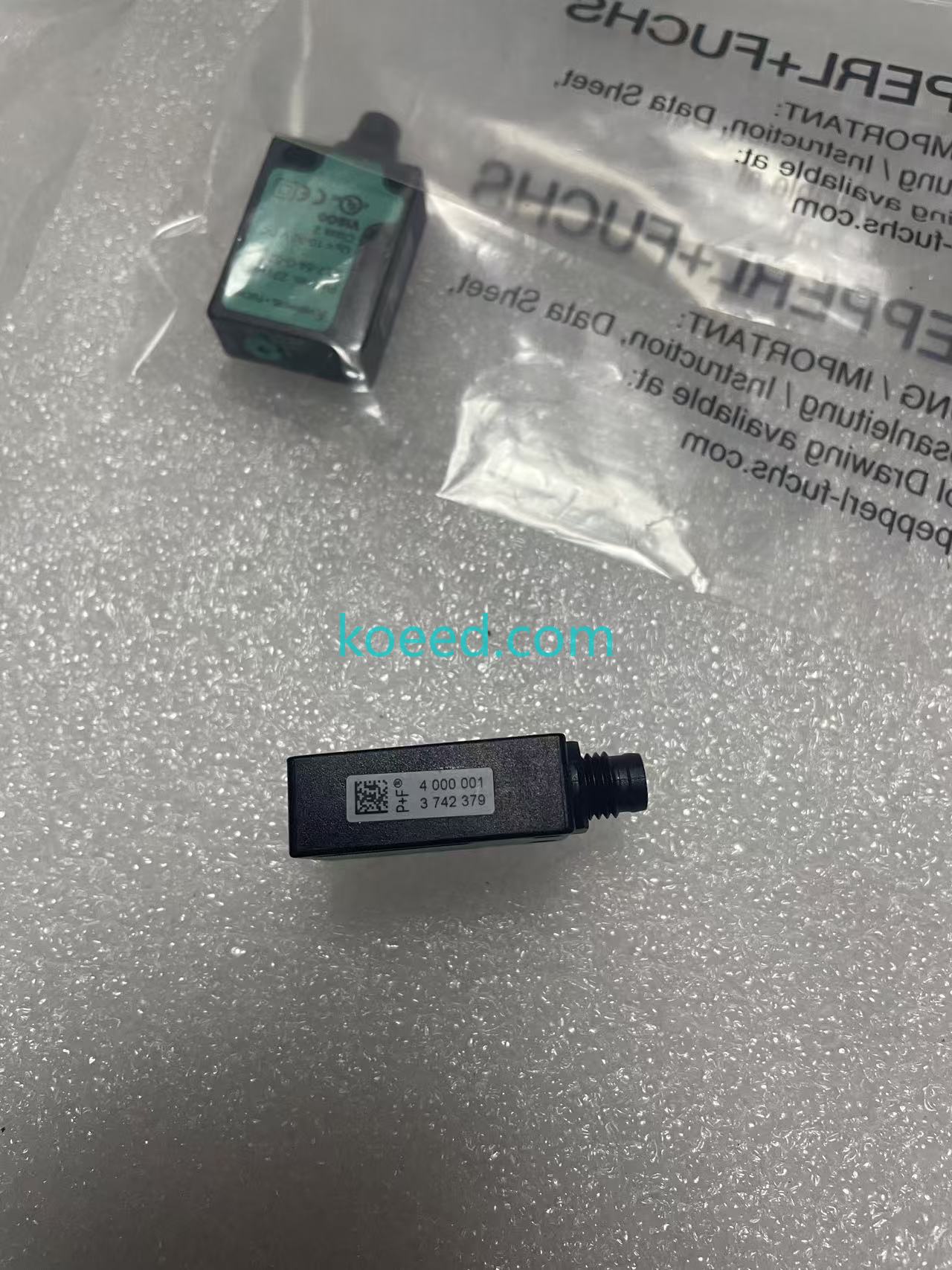
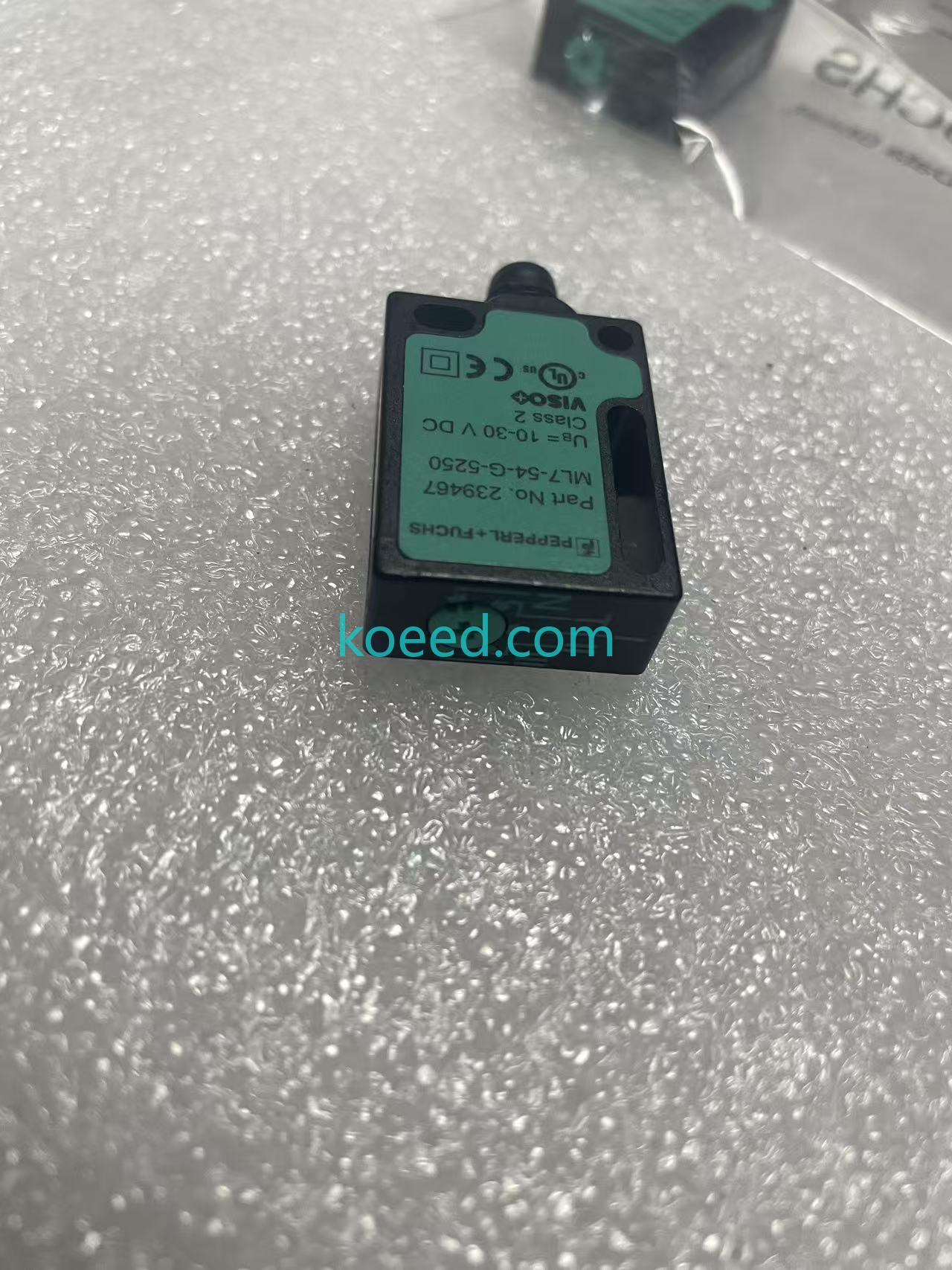
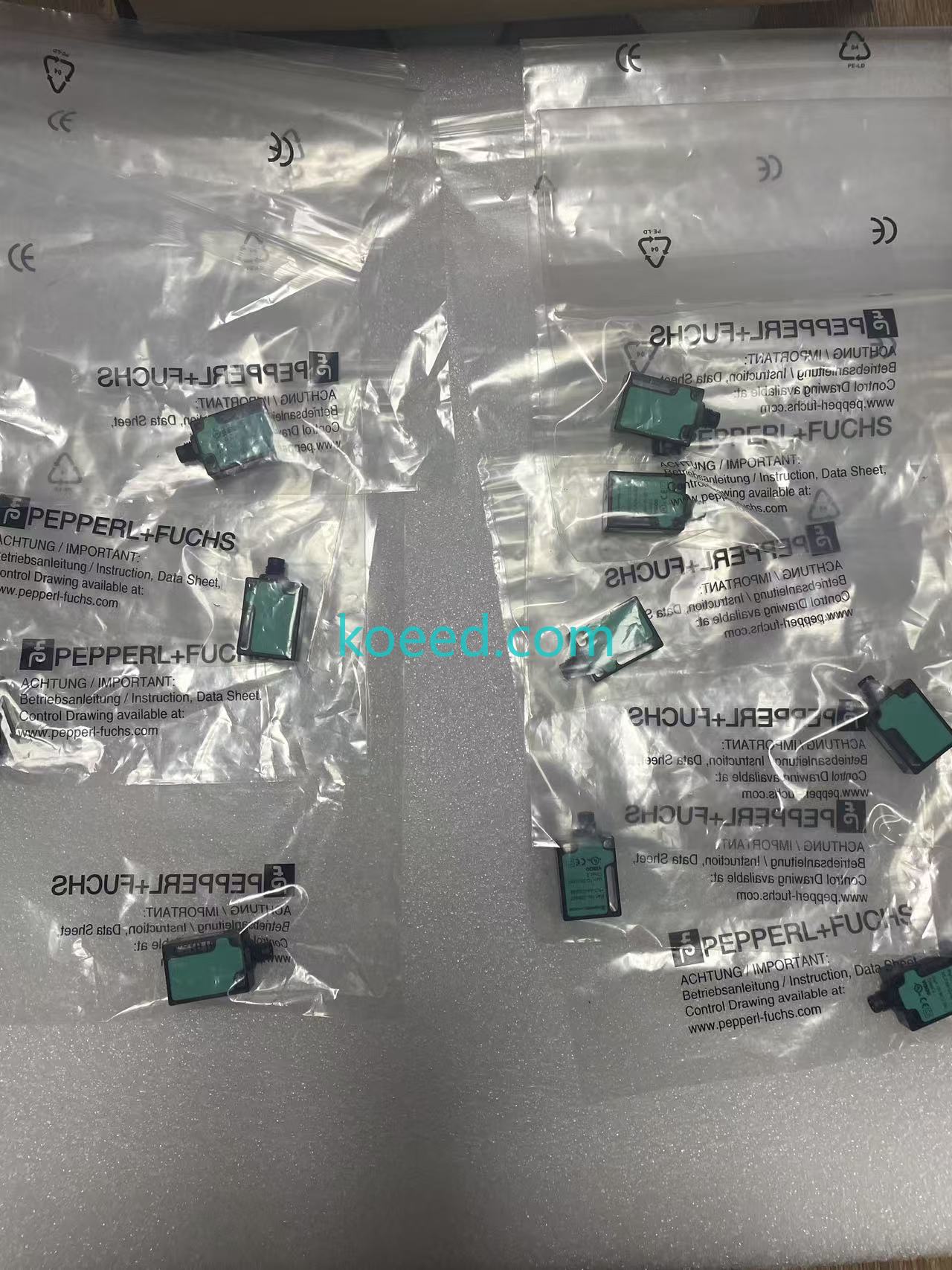
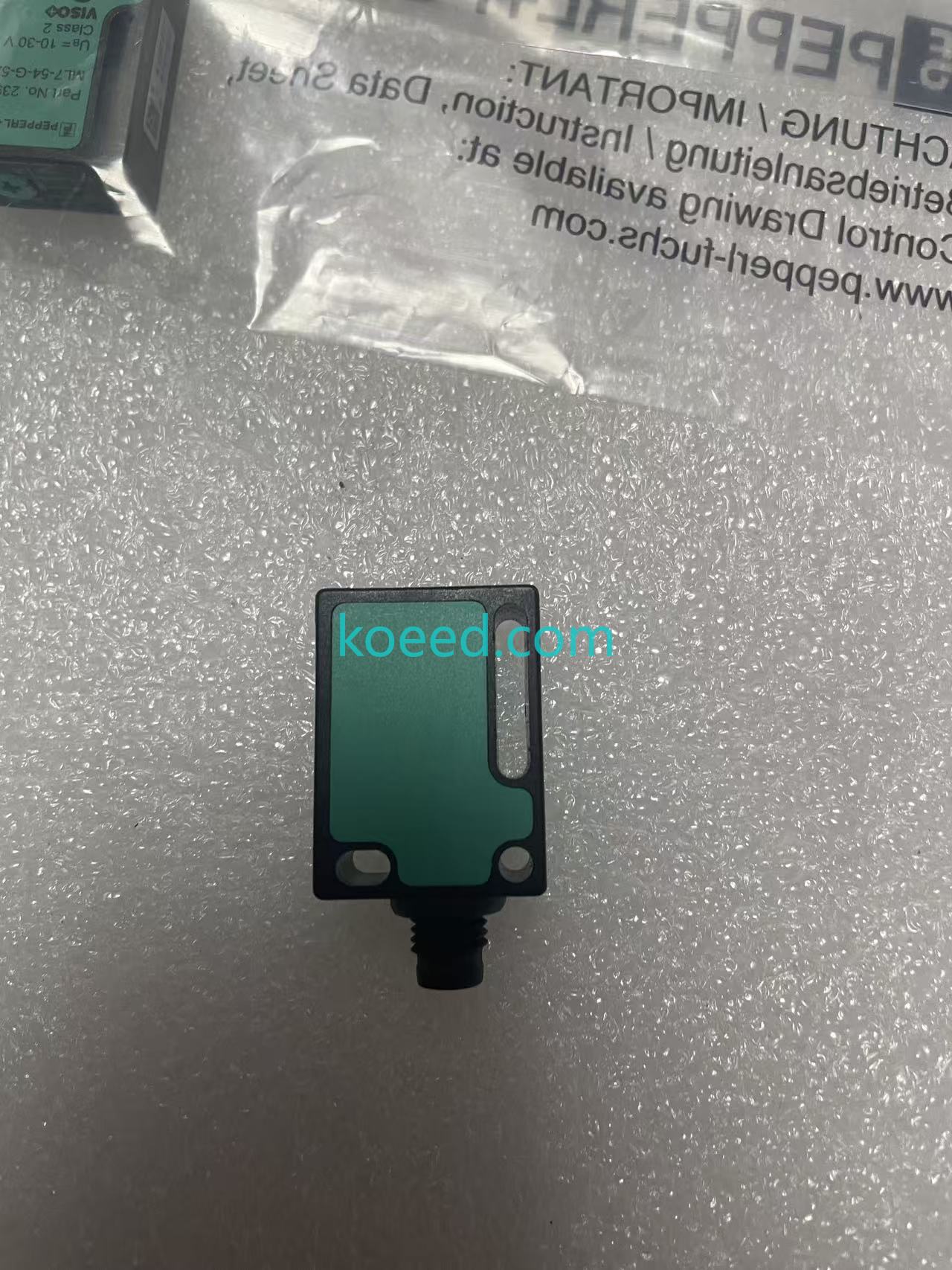
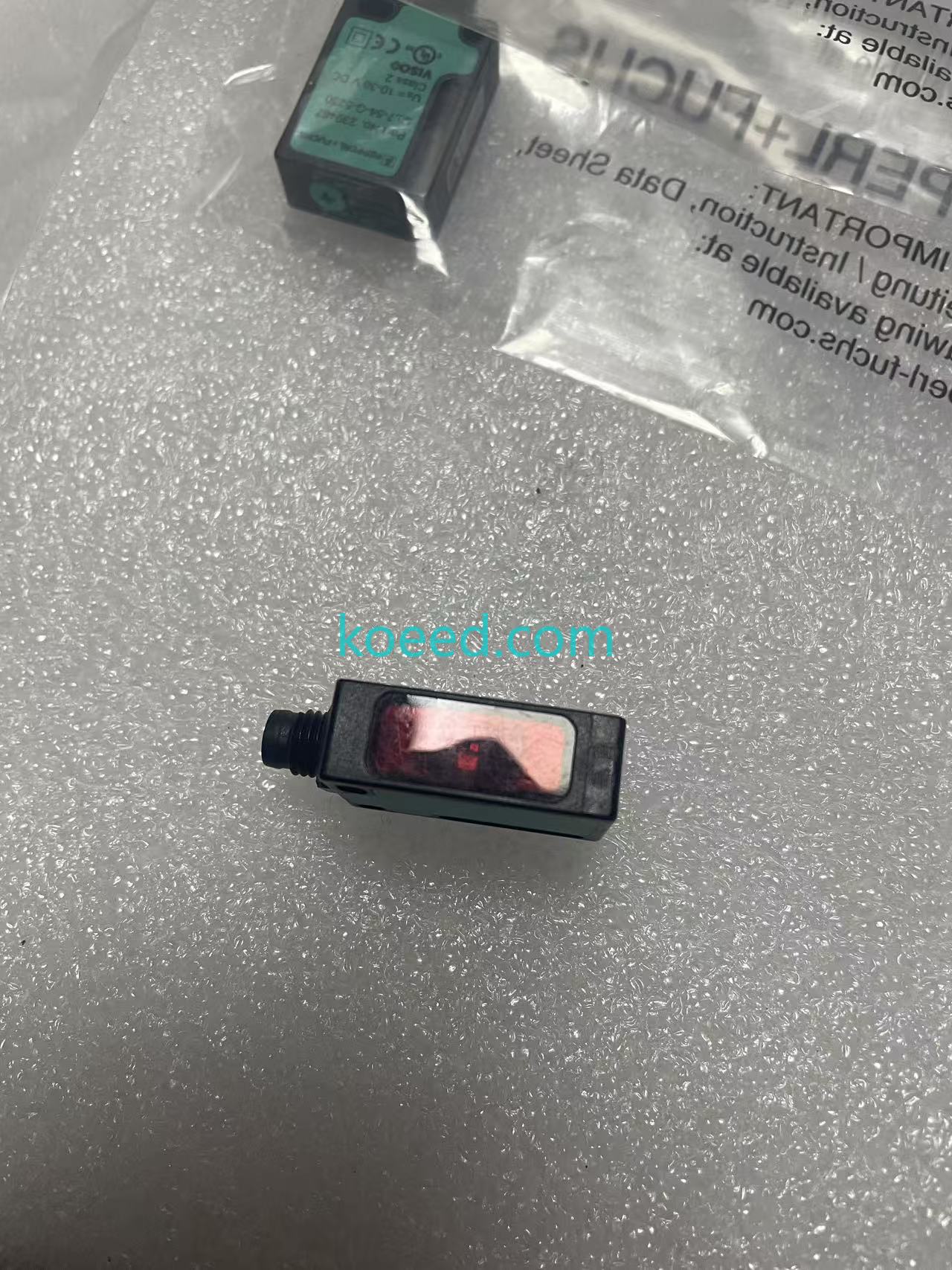
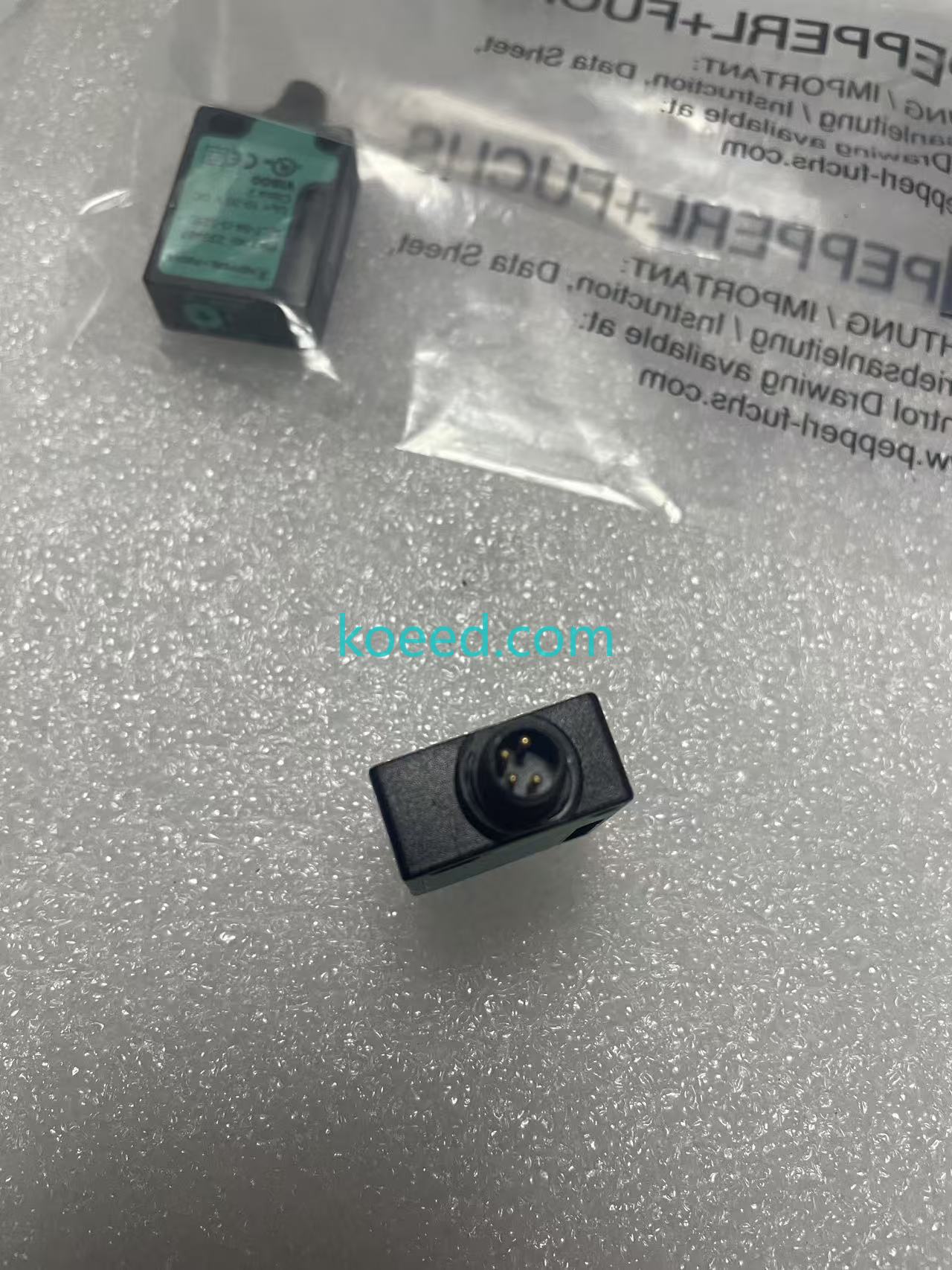
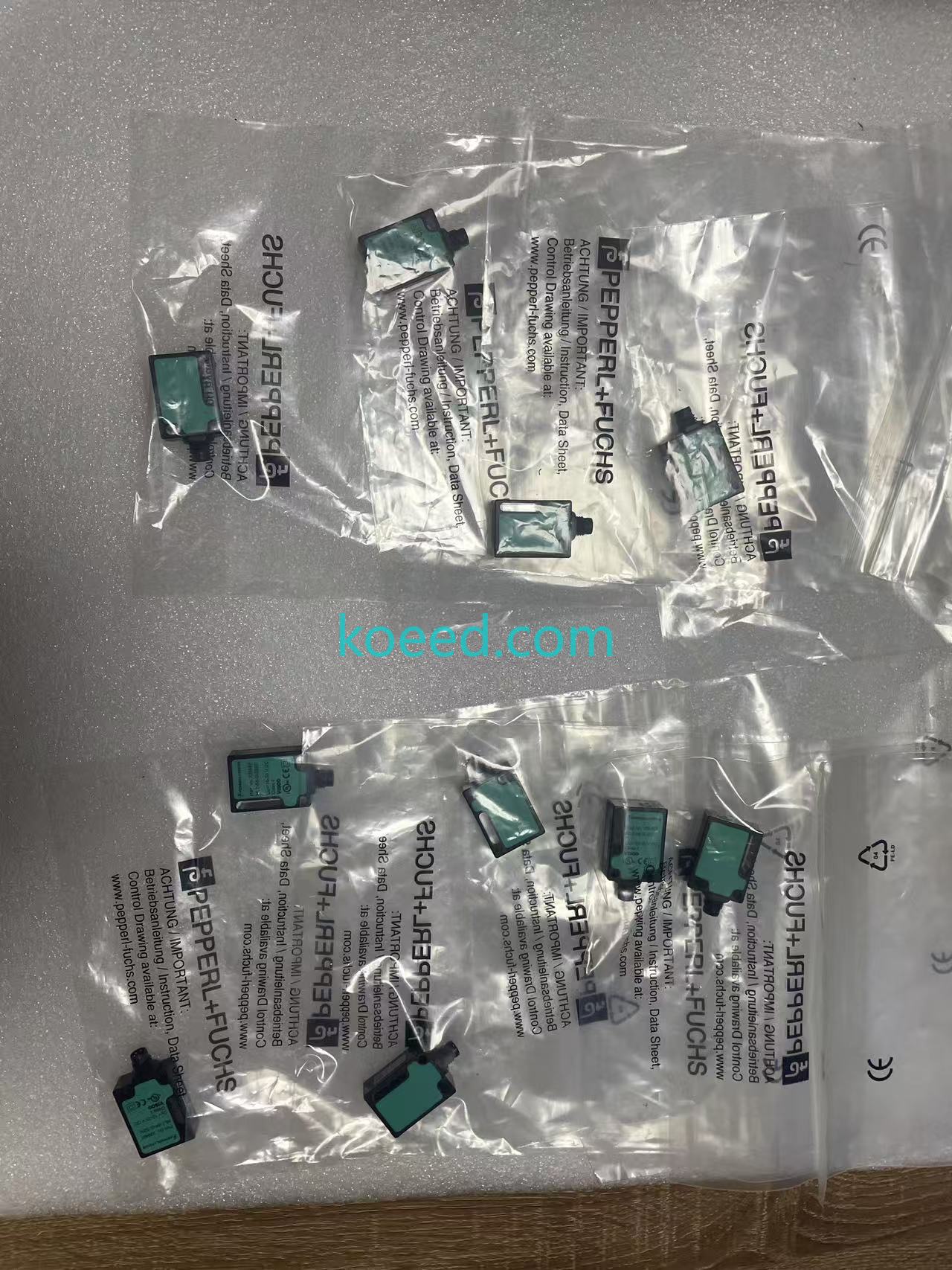
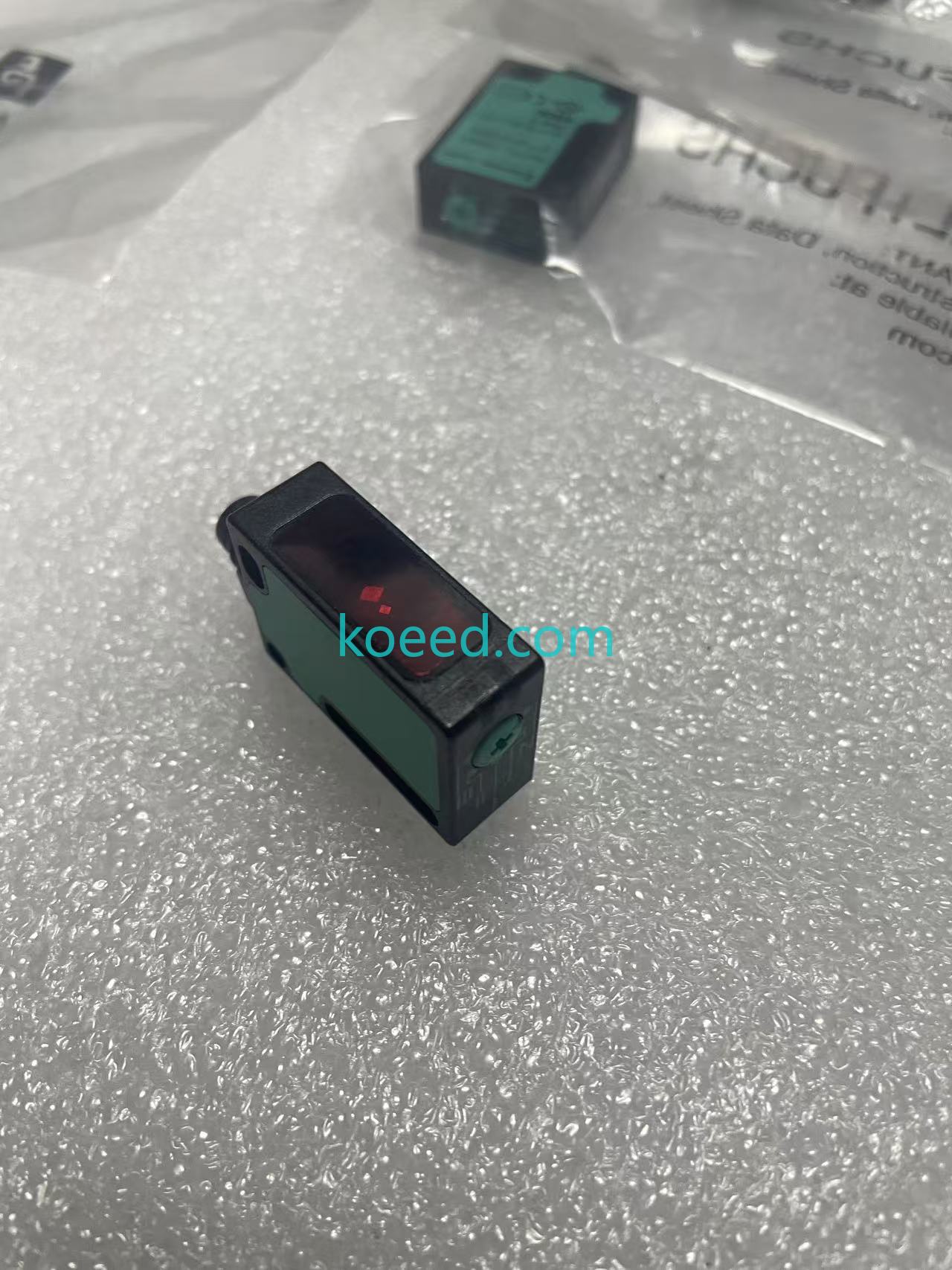
4. Visual Gallery: ML7-54-G-5250 Product Inspection
Below is a complete visual reference of the ML7-54-G-5250, including housing details, connector orientation, mounting brackets, and dimensional context. All images are sourced from the Koeed product database for verification and procurement reference.
🎬 Product Demonstration Video
Watch the ML7-54-G-5250 in operation — detection speed, mounting demo, and real-world response.
▶ View Full Demo Video5. IT/OT Convergence: Integrating the ML7-54-G-5250 into Smart Factory Architectures
By 2026, sensor-level data is no longer confined to the PLC scan cycle. The ML7-54-G-5250, when routed through an IO-Link master or intelligent I/O block, feeds critical metadata — switching counts, response-time drift, signal margin degradation — directly into SCADA, MES, and cloud-based CMMS platforms. This transforms the sensor from a binary trigger into a condition-monitoring asset.
5.1 Predictive Maintenance Data Flow
Modern PLCs (Siemens S7-1500, Rockwell ControlLogix, Beckhoff TwinCAT) can trend the ML7-54-G-5250's output stability over time. A gradual increase in response latency or intermittent signal dropout — detectable well before hard failure — triggers an automated work order in the CMMS. This shifts maintenance from reactive to condition-based, reducing unplanned downtime by an industry-average of 30–45%.
5.2 Energy & Sustainability Dashboards
In food & beverage and pharmaceutical lines, false rejects caused by unreliable clear-glass detection lead to energy-intensive rework loops. The ML7-54-G-5250's polarized retroreflective optics dramatically reduce false triggers on shiny or transparent targets, directly lowering kWh-per-unit metrics — a key KPI in 2026's ESG reporting frameworks.
6. Maintenance & Troubleshooting Guide
Even with the ML7-54-G-5250's robust IP67-rated design, proactive care extends service life and ensures detection integrity. Below are 2026 best practices and diagnostic steps.
6.1 Preventative Maintenance Schedule
| Interval | Action | Tool / Method |
|---|---|---|
| Weekly | Visual check — lens cleanliness & reflector alignment | Flashlight inspection; no disassembly required |
| Monthly | Signal margin verification via PLC diagnostics | IO-Link master / PLC trend log |
| Quarterly | Clean lens with anti-static microfiber cloth | Isopropyl alcohol (70%) — no abrasives |
| Annually | Full functional test: switching threshold, response time | Calibrated target + oscilloscope / IO-Link diagnostics |
6.2 Common Troubleshooting Scenarios
| Symptom | Probable Cause | Resolution |
|---|---|---|
| No output / LED off | Power supply fault or wiring break | Verify 10–30 V DC at terminals; check M8 connector seating |
| Intermittent detection | Reflector misalignment or contamination | Clean reflector; realign using visible red guide beam |
| False trigger on shiny objects | Polarizing filter degradation or incorrect model | Confirm ML7-54-G-5250 variant (polarized); replace if filter damaged |
| Persistent ON state | Light-on / dark-on configuration mismatch | Check PLC logic; toggle output mode per application requirement |
| Reduced sensing range | Aged LED emitter or extreme temperature drift | Verify ambient temp within -25°C to +60°C; consider replacement if >5 years continuous operation |
7. Frequently Asked Questions (FAQ)
What makes the ML7-54-G-5250 suitable for clear glass detection in 2026 bottling lines?
The ML7-54-G-5250 employs polarized retroreflective optics with a dedicated optical filter that distinguishes between the reflector's returned signal and stray reflections from transparent or highly reflective surfaces. This eliminates the false triggers that plague standard diffuse sensors when detecting clear bottles, glass vials, or PET containers — a critical advantage in high-speed filling lines where a single missed detection can cascade into costly downstream jams.
How does the ML7-54-G-5250 support predictive maintenance in a 2026 smart factory?
When connected via an IO-Link master or intelligent I/O block, the sensor transmits not just switching states but also signal quality metrics, operating hours, and temperature data. PLC-based trend analysis can detect gradual degradation — such as declining signal margin due to lens fouling or LED aging — and automatically trigger a maintenance ticket before production impact occurs. This shifts maintenance from calendar-based to condition-based, aligning with Industry 4.0/5.0 best practices.
Is the ML7-54-G-5250 compatible with my existing PLC system?
Yes. The ML7-54-G-5250 outputs a standard digital switching signal (PNP or NPN depending on variant) compatible with virtually all PLC input modules — Siemens, Allen-Bradley, Mitsubishi, Omron, Beckhoff, and more. For advanced diagnostics and parameterization, pairing with a Pepperl+Fuchs IO-Link master is recommended but not required for basic operation.
What reflector is recommended for use with the ML7-54-G-5250?
Pepperl+Fuchs recommends their dedicated micro-reflector or standard reflector series (e.g., REF-MH series) matched to the ML7 housing. The reflector is typically sold separately or as a kit — please confirm with your Koeed sales representative for the optimal pairing based on your sensing distance requirements. Using non-P+F reflectors may reduce detection reliability.
Can the ML7-54-G-5250 operate in washdown environments?
With its IP67 rating, the ML7-54-G-5250 withstands temporary immersion up to 1 meter for 30 minutes. For prolonged high-pressure washdowns, consider an IP69K-rated sensor from the Koeed portfolio — contact us for a cross-reference.
8. Conclusion & Next Steps
The Pepperl+Fuchs ML7-54-G-5250 retroreflective sensor is more than a detection component — it's a strategic investment in 2026's data-driven manufacturing environment. Its proven ability to reliably detect clear and reflective objects, combined with IT/OT integration capabilities, makes it an essential element in any automation upgrade or new machine build.
Ready to deploy the ML7-54-G-5250 in your facility? Connect with Koeed's automation specialists for volume pricing, compatibility validation, and expedited delivery.
Request a Quote or Technical Consultation
Get a tailored BOM evaluation, cross-reference, and lead-time confirmation within 24 hours.


