

Comprehensive Guide to Industrial Automation PLC Components and Systems
Industrial Automation PLC Components: Complete Guide to Control Systems
Professional insights into Programmable Logic Controllers and automation components for industrial applications
Product Overview
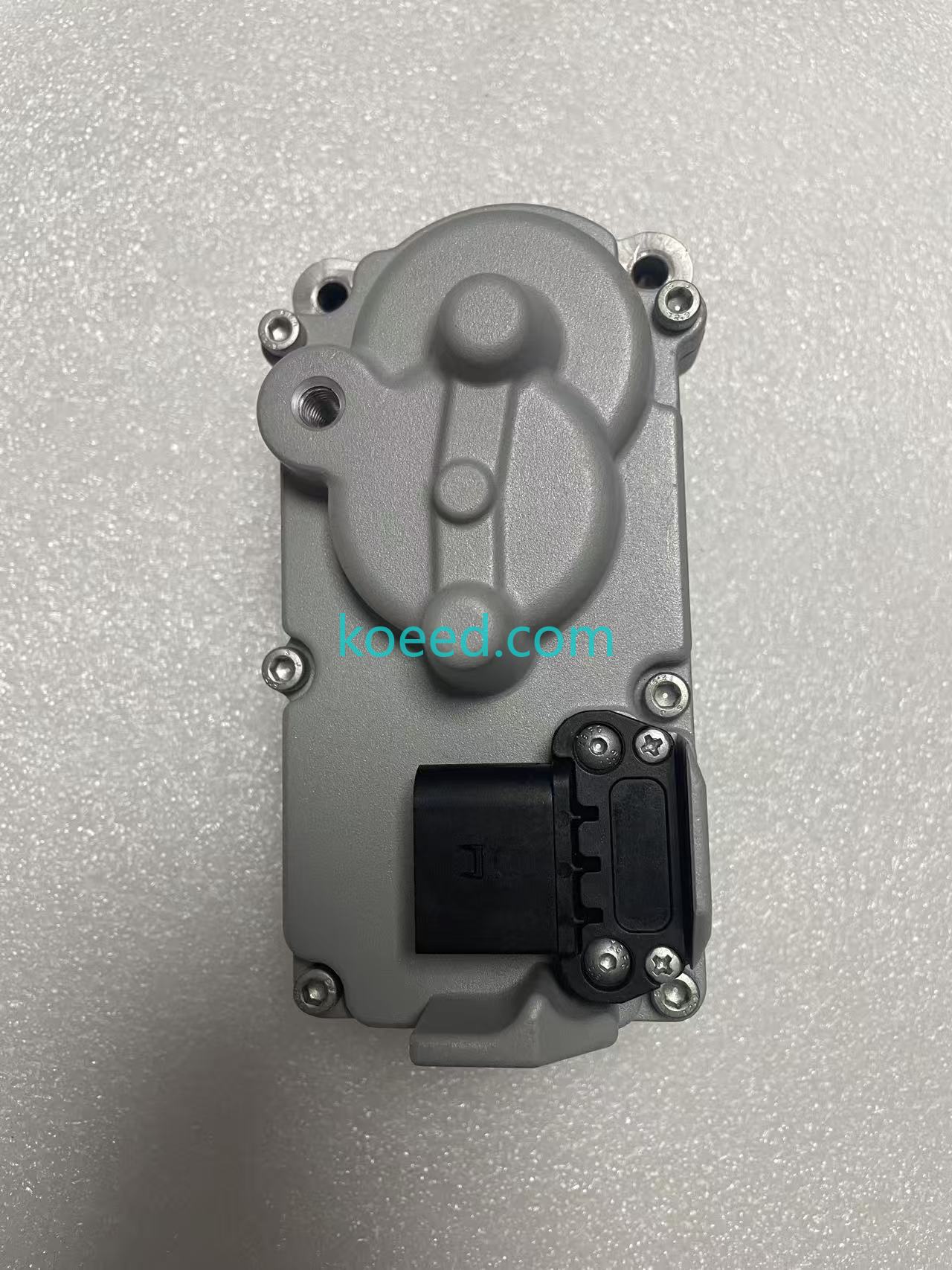
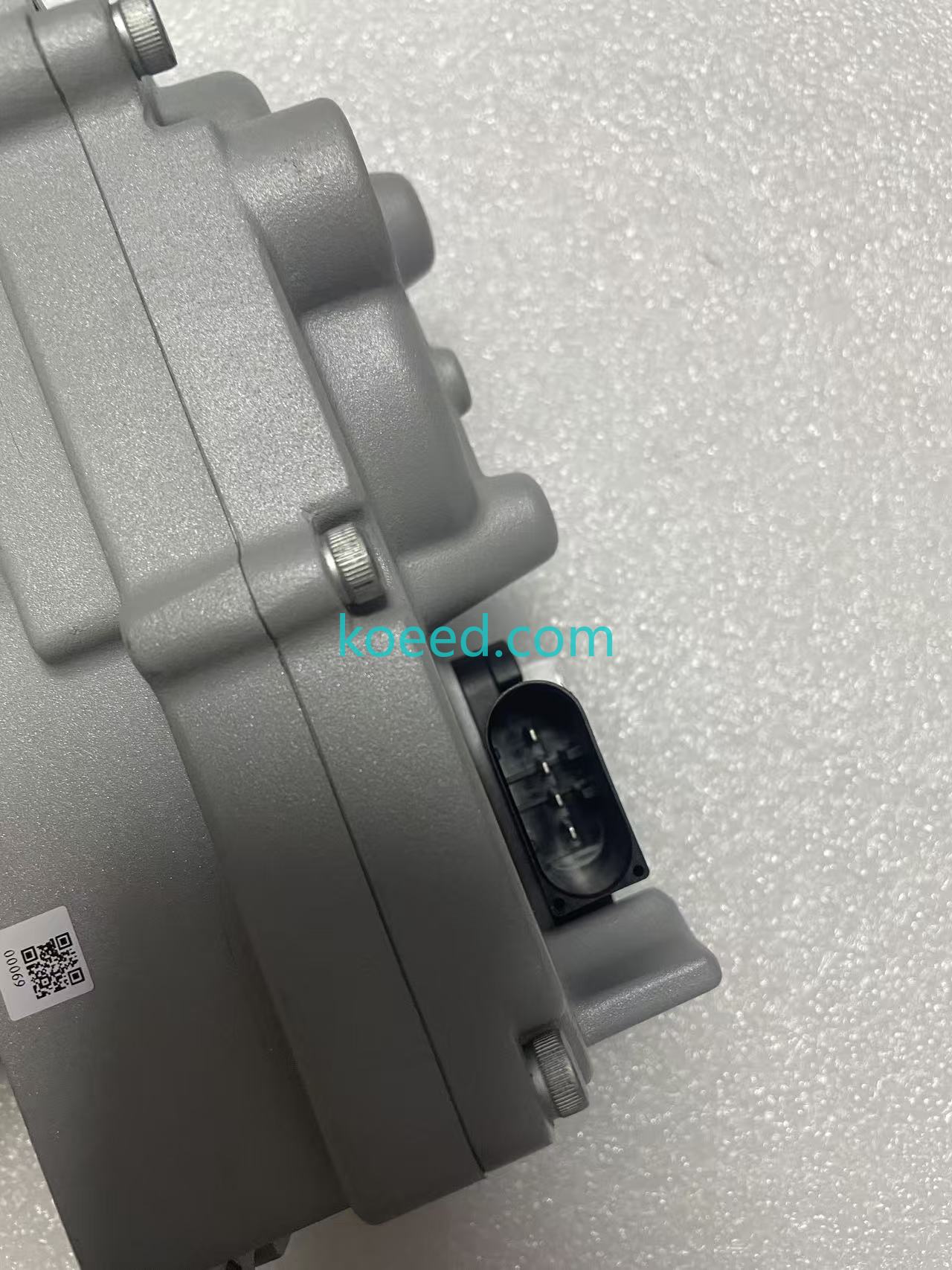
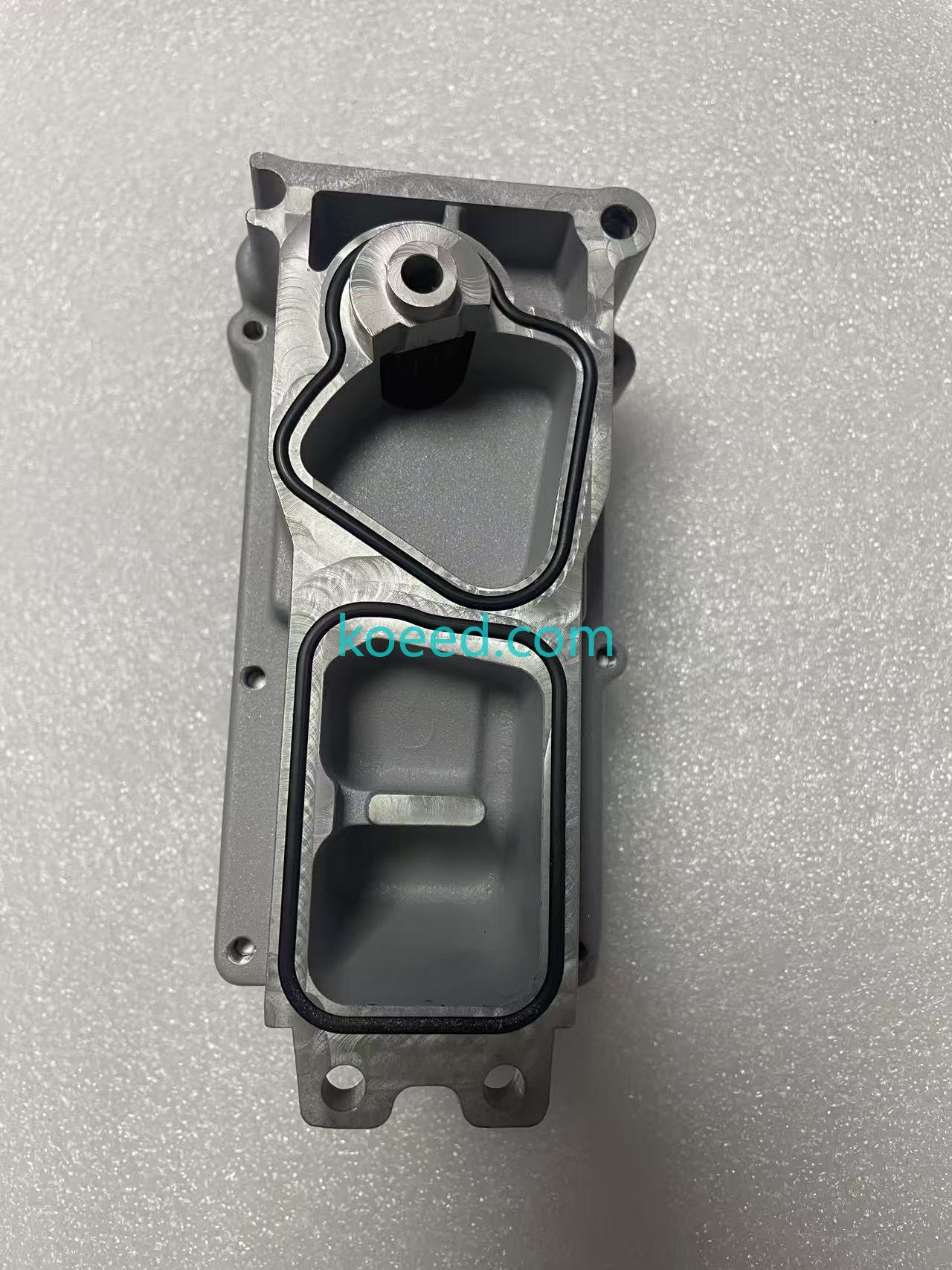
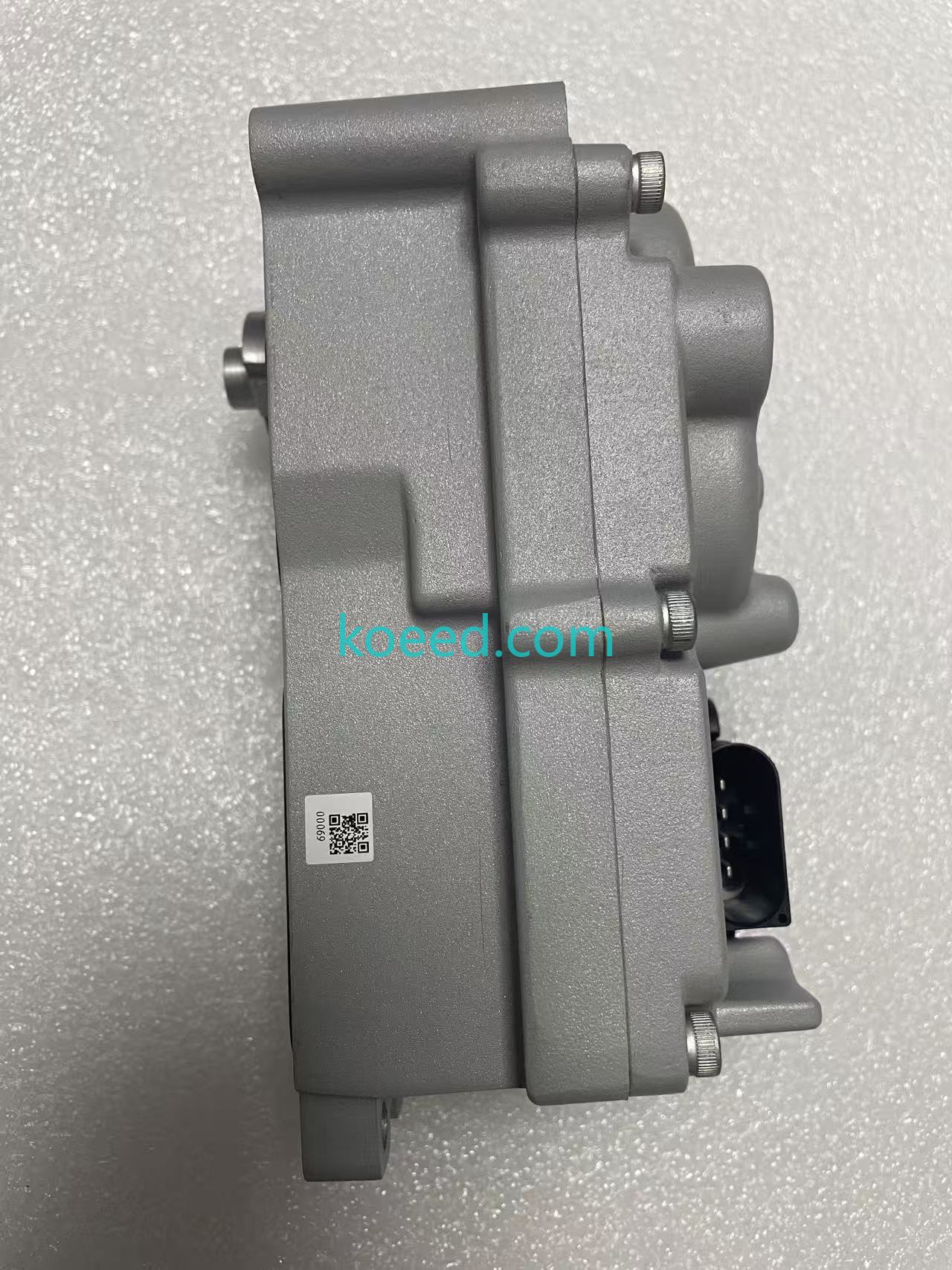
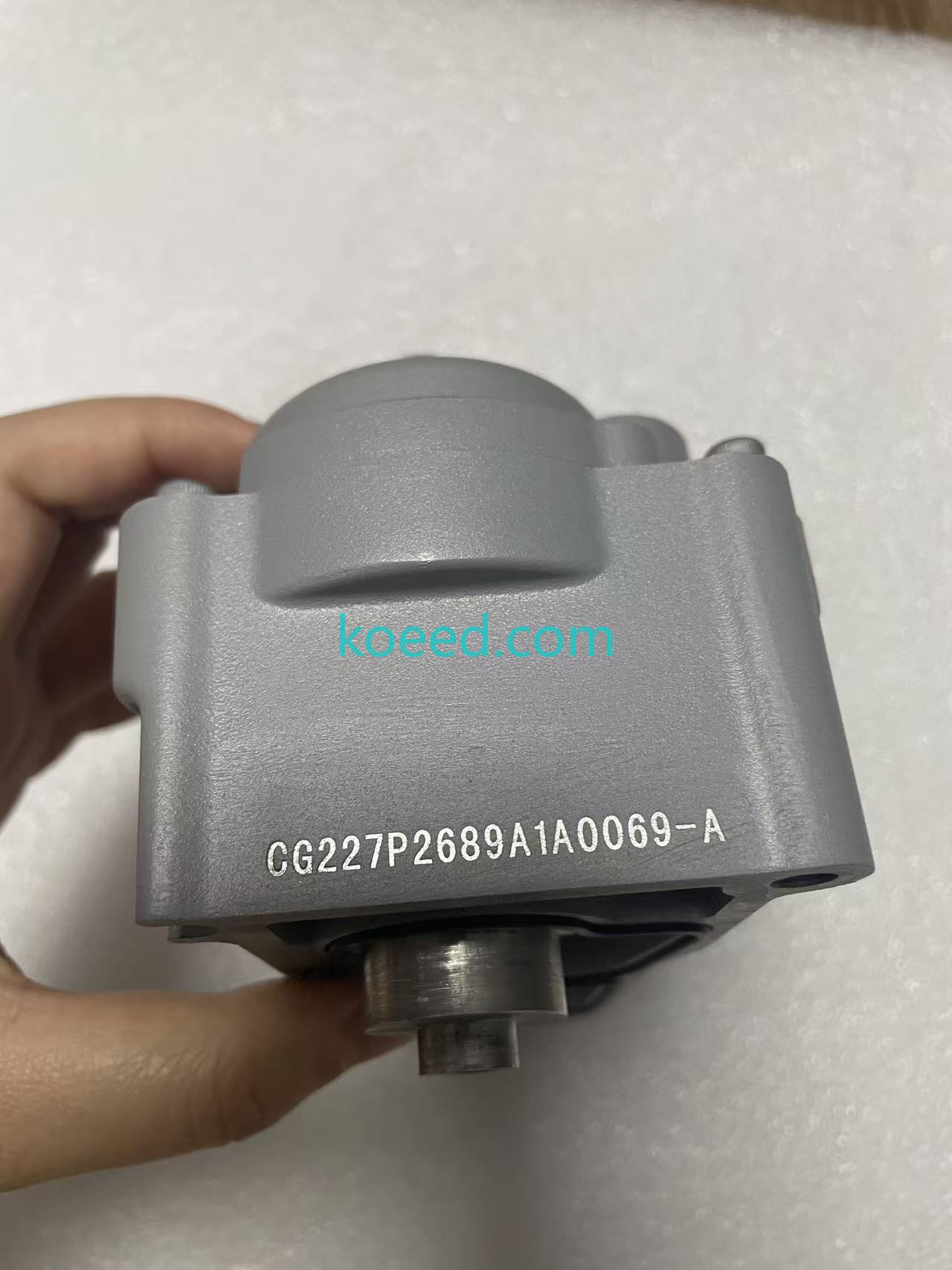
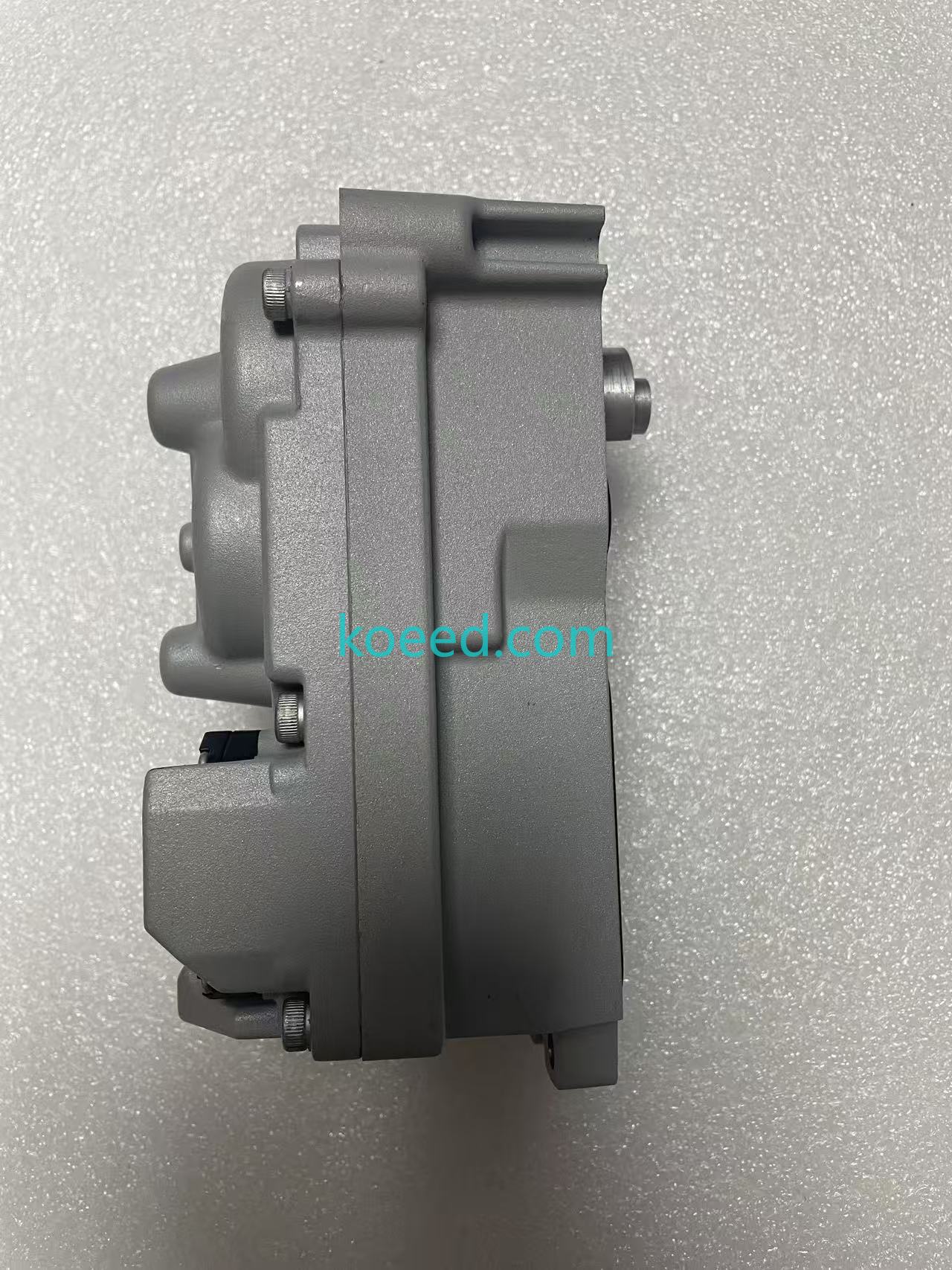
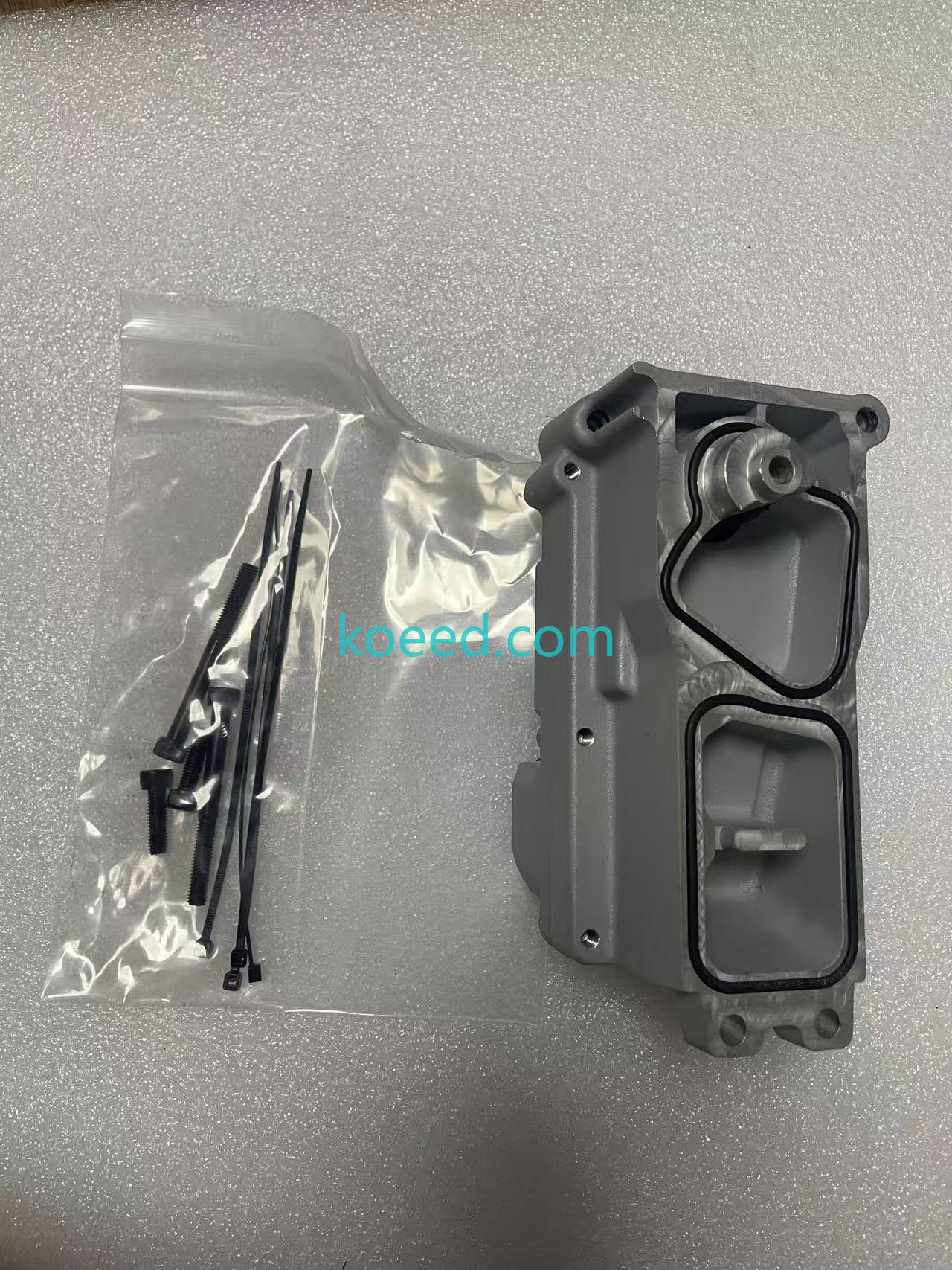
Programmable Logic Controllers (PLCs) are the backbone of modern industrial automation systems. These specialized computers are designed to control manufacturing processes, machinery, and robotic systems with precision and reliability. The product reference 68444773AA represents a specific component within this ecosystem, though our research indicates this may be a turbocharger actuator part number rather than a traditional PLC component. However, this provides an excellent opportunity to discuss the broader PLC automation landscape.
Product Visual Documentation
Product Demonstration Video
Watch the operational demonstration of industrial automation components:
Key Features of Modern PLC Systems
Modern PLC systems feature modular designs allowing for easy expansion and customization based on specific industrial requirements.
High-speed processing capabilities ensure precise timing and control in manufacturing environments where milliseconds matter.
Support for multiple industrial protocols including Ethernet/IP, Profinet, Modbus TCP/IP, and DeviceNet for seamless integration.
Designed to withstand harsh industrial environments with wide temperature ranges, vibration resistance, and electrical noise immunity.
Technical Specifications Comparison
| Feature | Basic PLC | Advanced PLC | High-Performance PLC |
|---|---|---|---|
| Processing Speed | 0.1-1 ms/1k instructions | 0.01-0.1 ms/1k instructions | <0.01 ms/1k instructions |
| Memory Capacity | 64KB - 256KB | 256KB - 2MB | 2MB - 64MB+ |
| I/O Points | Up to 256 | 256 - 2048 | 2048 - 8192+ |
| Communication Ports | 1-2 Serial | Multiple Serial + Ethernet | Multiple Ethernet + Fieldbus |
| Programming Languages | Ladder Logic | LD, FBD, ST | IEC 61131-3 Full Suite |
| Operating Temperature | 0°C to 55°C | -20°C to 60°C | -40°C to 70°C |
Industry Applications
PLC systems are deployed across numerous industries including:
- Manufacturing: Assembly line control, robotic integration, quality inspection systems
- Automotive: Production line automation, welding control, painting systems
- Food & Beverage: Packaging machinery, filling systems, temperature control
- Pharmaceutical: Batch processing, clean room automation, validation systems
- Energy: Power distribution, renewable energy control, grid management
- Water Treatment: Pump control, filtration systems, chemical dosing
Frequently Asked Questions
While both are used for industrial automation, PACs typically offer more advanced features including larger memory capacity, more powerful processors, and support for multiple programming languages. PLCs are generally more focused on discrete control, while PACs can handle both discrete and process control applications.
The choice depends on several factors: existing infrastructure, industry standards in your region, specific application requirements, and available technical support. Allen-Bradley (Rockwell Automation) is dominant in North America, while Siemens has strong presence in Europe. Both offer robust, high-performance controllers suited for industrial applications.
PLC systems require minimal maintenance but benefit from regular inspections including: checking connections for tightness, monitoring operating temperatures, verifying backup batteries, and performing periodic firmware updates. Most modern PLCs have MTBF (Mean Time Between Failures) ratings exceeding 10 years.
Yes, modern PLC systems are designed with Industry 4.0 compatibility in mind. They support OPC UA, MQTT, and other IIoT protocols, allowing seamless integration with cloud platforms, data analytics systems, and enterprise resource planning (ERP) software.
Look for certifications such as UL, CE, ATEX (for hazardous environments), and SIL (Safety Integrity Level) ratings. For critical safety applications, safety-rated PLCs with dedicated safety functions and redundant architectures are recommended.
Trust Metrics and Industry Standards
Typical uptime for industrial PLC systems in controlled environments
Standard support and availability period for industrial controllers
International standard for PLC programming languages
Extended temperature range for industrial-grade components
External References and Industry Resources
For comprehensive information about PLC systems and industrial automation, refer to these authoritative sources:
- Rockwell Automation: Programmable Controllers Product Line - Official manufacturer documentation
- Siemens Industry: SIMATIC PLC Systems - Technical specifications and applications
- International Electrotechnical Commission: IEC Standards - Global standards for industrial control systems
- PLCopen: Industry Association - Promoting standardization in industrial control
- ISA (International Society of Automation): Technical Resources - Professional development and standards
Conclusion
Industrial automation PLC components represent the critical infrastructure enabling modern manufacturing and process control. While the specific part number 68444773AA appears to reference a turbocharger actuator component, the broader PLC automation ecosystem encompasses sophisticated control systems that drive efficiency, reliability, and innovation across industries. Understanding the capabilities, specifications, and applications of these systems is essential for engineers, technicians, and decision-makers in the industrial automation field.
Note: The images and video provided with part number 68444773AA have been incorporated into this comprehensive guide to industrial automation components. For specific product inquiries or technical support regarding particular PLC components, consult with authorized distributors or manufacturer technical support teams.


