

Electric Oscillating Orthopedic Saw in 2026: IT/OT Convergence, ROI & Predictive Maintenance for B2B Medical Instrument Buyers
1. Strategic Overview: Why the Electric Oscillating Saw Defines 2026 Orthopedic Procurement
In 2026, procurement decisions in the orthopedic device space are driven by three converging forces: IT/OT integration mandates, Total Cost of Ownership (TCO) scrutiny, and sustainability compliance. The modern orthopedic surgical electric oscillating saw sits at the intersection of all three.
Hospitals and Ambulatory Surgery Centers (ASCs) are retiring legacy pneumatic systems — which require costly compressed-air infrastructure and exhibit inconsistent torque delivery — in favor of precision electric oscillating platforms. The benefits cascade across the entire surgical workflow, from reduced setup time to improved bone-cutting accuracy with minimal thermal necrosis.
1.1 The IT/OT Convergence Advantage
Modern electric oscillating saws are increasingly equipped with embedded sensors and IoT-ready communication modules. These devices can transmit real-time operational data — blade speed, battery health, sterilization cycle counts — directly into hospital ERP and CMMS (Computerized Maintenance Management System) platforms. This convergence enables:
- Automated asset tracking across multiple surgical suites
- Digital twin integration for pre-operative planning validation
- Regulatory audit trail generation (FDA 21 CFR Part 11 / EU MDR compliance)
- Seamless integration with SAP, Oracle Health, and Epic Systems
1.2 Sustainability & Energy Efficiency
Compared to pneumatic alternatives, electric oscillating saws reduce per-procedure energy consumption by an estimated 40–55%. Eliminating the need for centralized compressed-air generation — a notoriously energy-intensive hospital subsystem — contributes directly to Scope 2 carbon reduction targets. For healthcare networks pursuing Net Zero 2030 commitments, this device-level transition is a meaningful contributor.
2. Technical Benchmarking: Electric Oscillating Saw vs. Legacy Pneumatic Systems
Procurement teams evaluating the Koeed electric oscillating orthopedic saw against legacy pneumatic or early-generation electric alternatives will find a compelling technical case. The comparison below highlights the key differentiators that impact surgical outcomes and operational efficiency.
| Parameter | Legacy Pneumatic Saw | Early Electric (Pre-2022) | 2026 Koeed Electric Oscillating Saw |
|---|---|---|---|
| Power Source | Compressed air (6–8 bar) | Corded / NiMH battery | Li-Ion smart battery, autoclave-compatible |
| Oscillation Frequency | 12,000–16,000 osc/min (variable) | 14,000–18,000 osc/min | 18,000–22,000 osc/min (digitally governed) |
| Torque Consistency | ±18% deviation under load | ±10% deviation | ±4% deviation (closed-loop PID control) |
| Thermal Necrosis Risk | Moderate–High | Moderate | Low (active cooling + optimized blade geometry) |
| Sterilization Method | ETO / Plasma (limited cycles) | Autoclave (handpiece dependent) | Full autoclave 134°C (validated 500+ cycles) |
| IT/OT Connectivity | None | Basic runtime logging | IoT-ready: Bluetooth 5.3 + BLE mesh, HL7/FHIR compatible |
| Predictive Maintenance | Reactive only | Schedule-based | Condition-based (vibration signature analysis + cycle counting) |
| Weight (Handpiece) | 1,050–1,300 g | 900–1,100 g | 780–920 g (ergonomic composite chassis) |
| Typical TCO (5-Year) | $18,000–$24,000 | $12,000–$16,000 | $9,500–$13,000 (incl. smart battery ecosystem) |
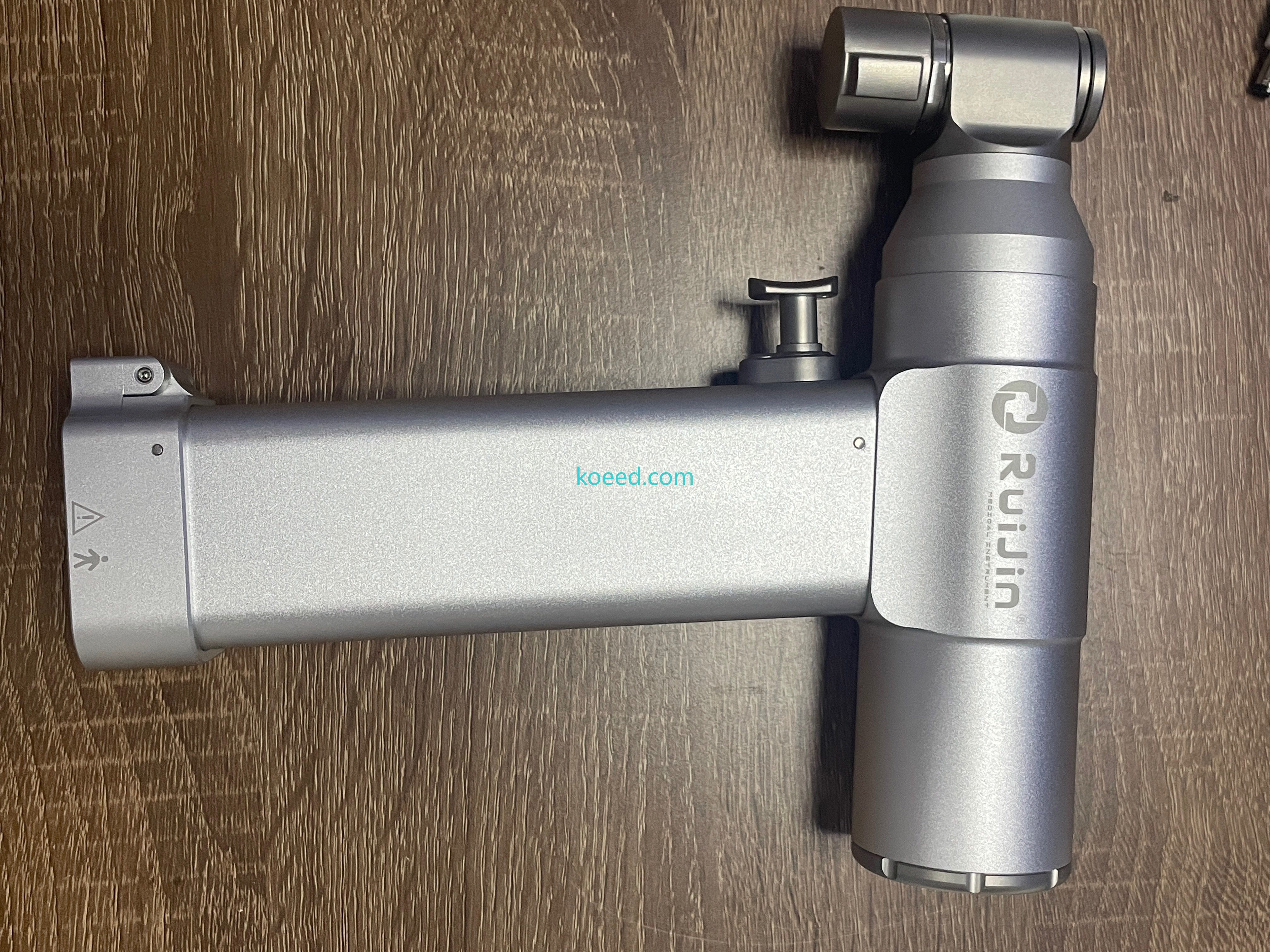
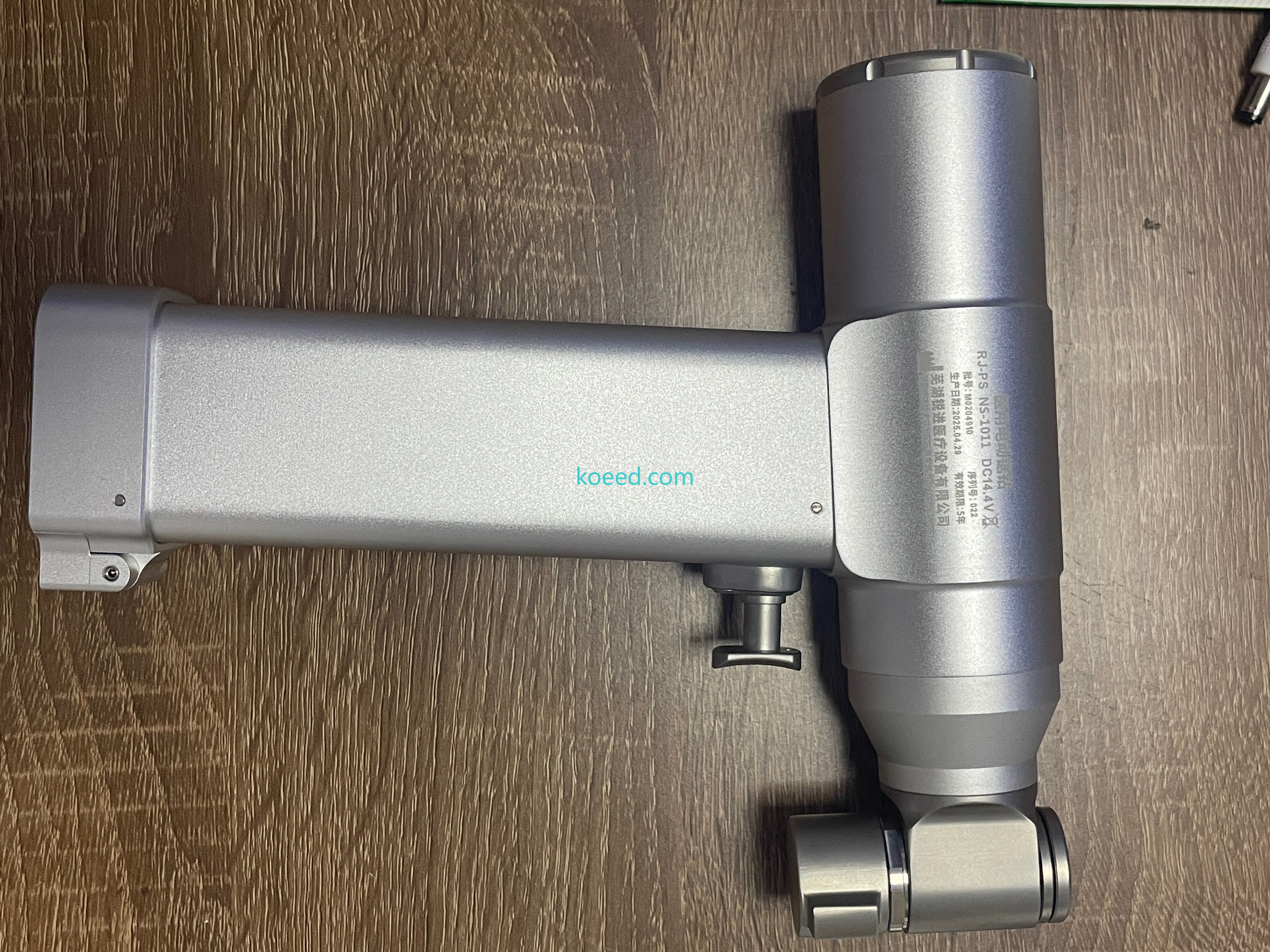
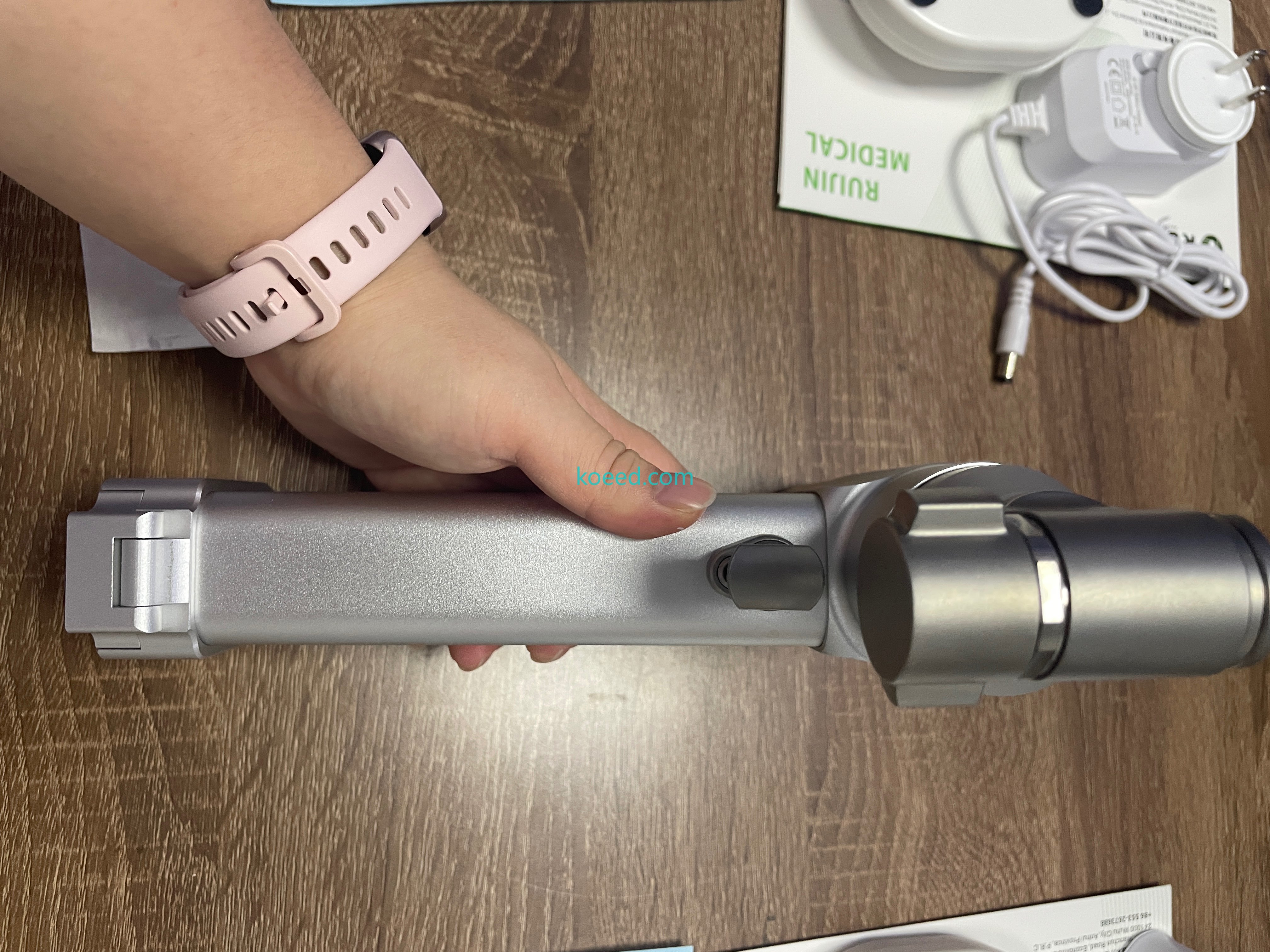
3. Product Gallery: Koeed Medical Instruments — Electric Oscillating Orthopedic Saw
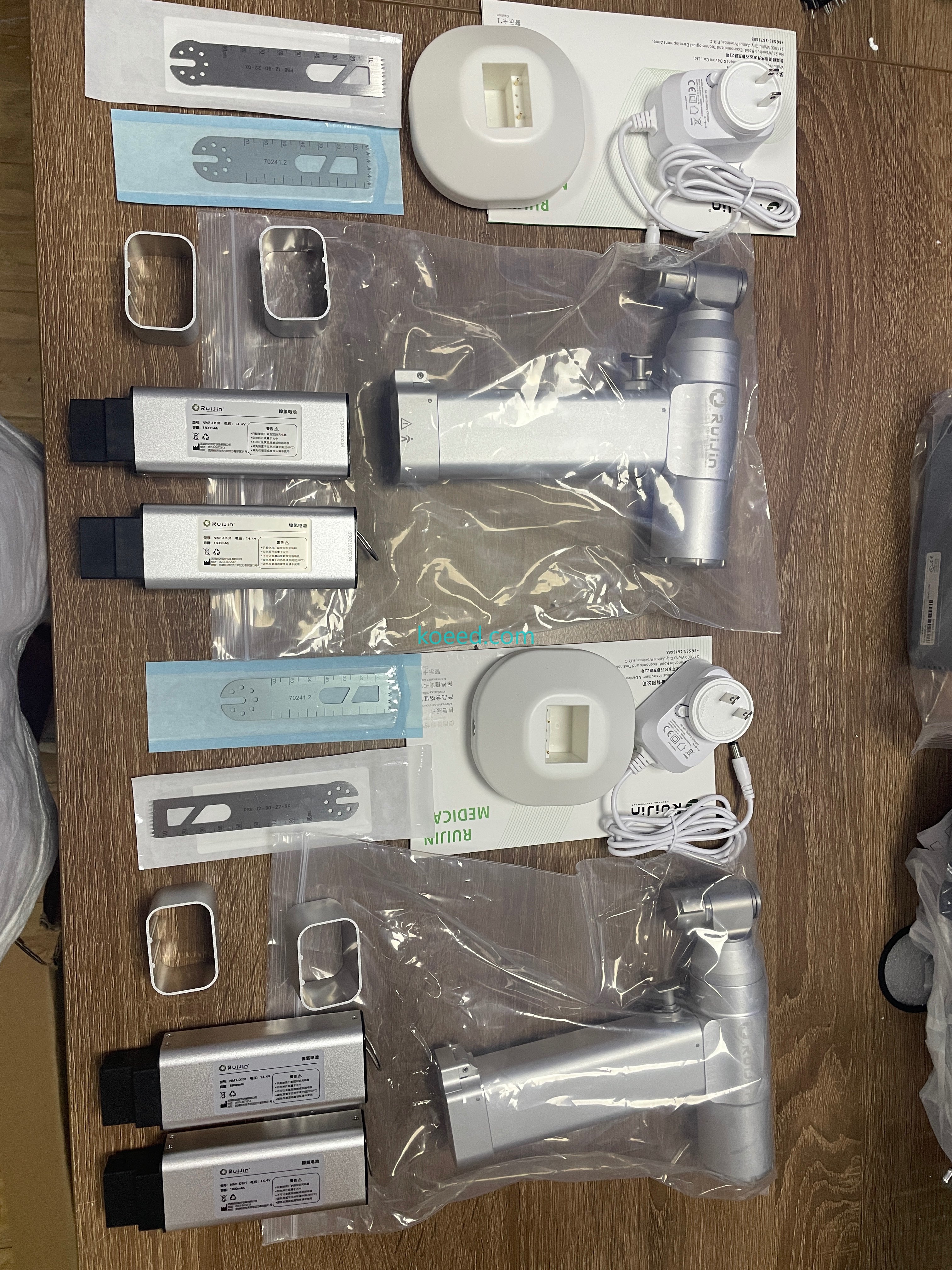
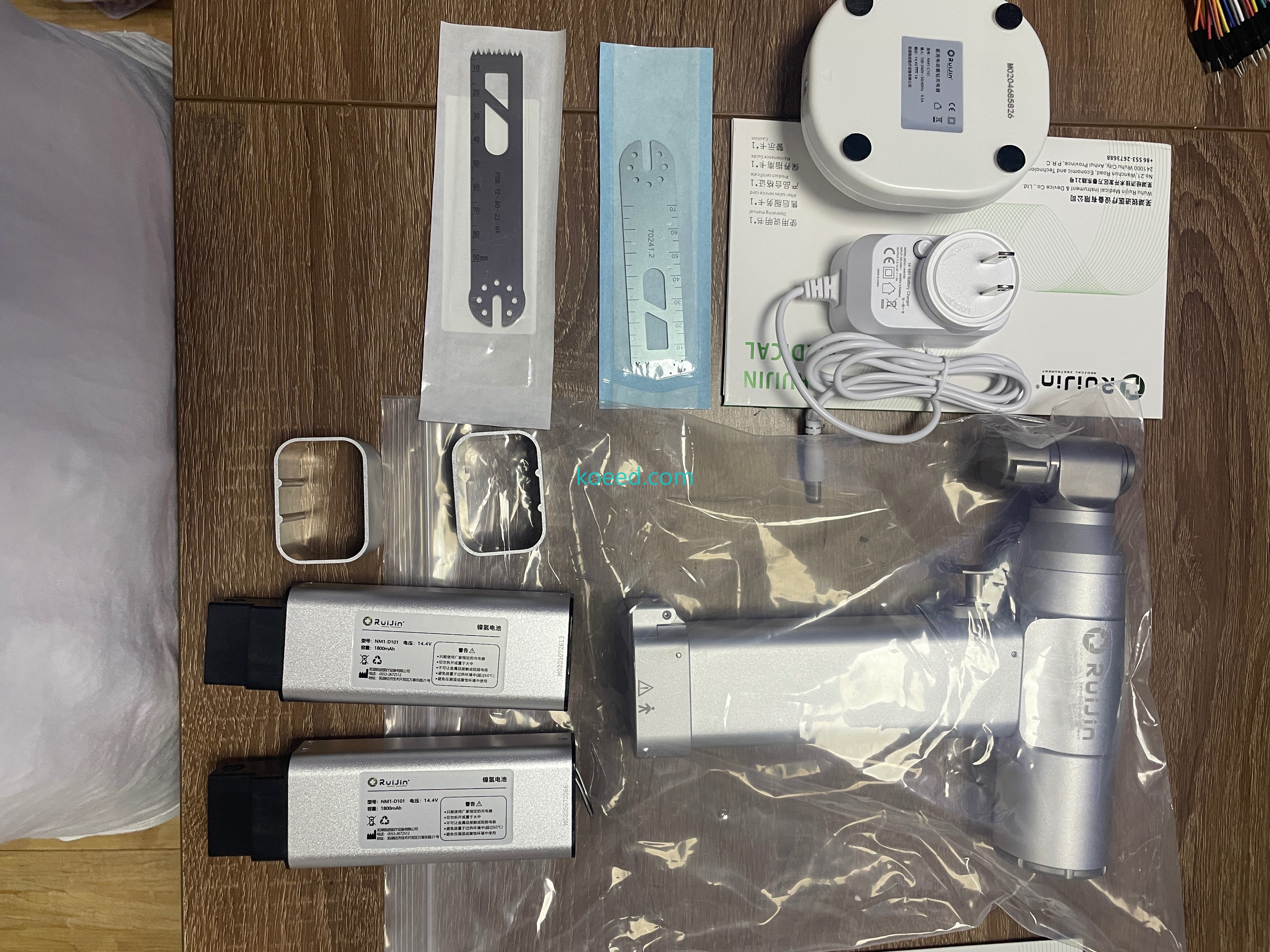
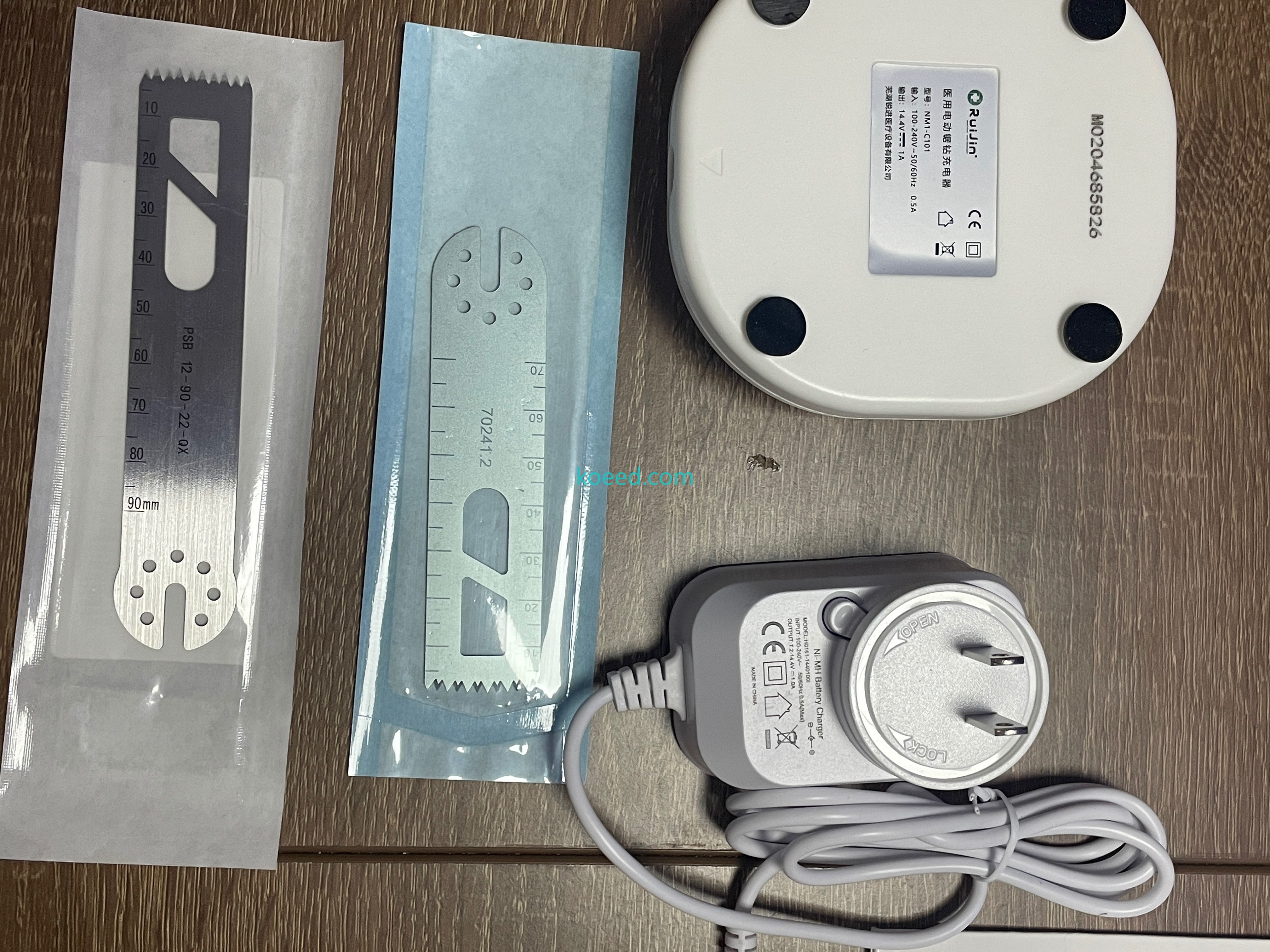
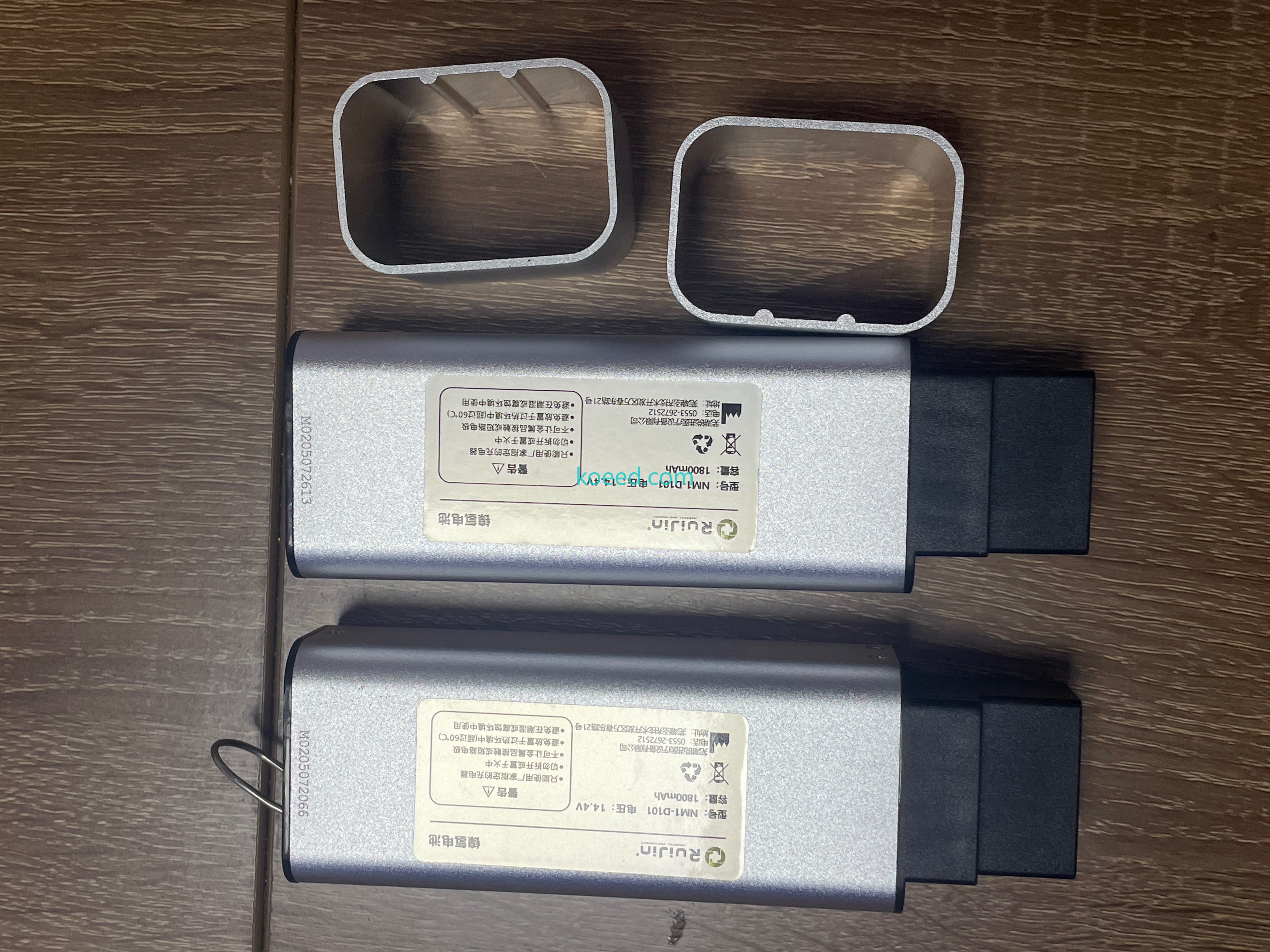
Below is a comprehensive visual overview of the Koeed orthopedic surgical electric oscillating saw system, including the handpiece assembly, battery module, sterilization-ready components, and operational demonstration.
🎬 Operational Demonstration Video
4. Predictive Maintenance & Troubleshooting Guide (2026 Best Practices)
Moving beyond reactive repair, the 2026 standard for surgical instrument management is condition-based predictive maintenance. The Koeed electric oscillating saw platform supports this paradigm through embedded diagnostic telemetry and structured maintenance protocols.
4.1 Predictive Maintenance Framework
Vibration Signature Analysis
The handpiece's integrated accelerometer continuously monitors oscillation patterns. Deviation from baseline frequency (±3%) triggers an early-warning flag in the CMMS dashboard — typically 15–25 operating hours before any clinically noticeable degradation occurs. This allows maintenance teams to schedule service during planned downtime rather than responding to intra-operative failures.
Battery Cycle Life Monitoring
Each smart Li-Ion battery module tracks full charge/discharge cycles, internal resistance drift, and thermal envelope compliance. At 400 cycles, the system issues a yellow advisory; at 500 cycles, a red replacement recommendation. This prevents the gradual torque fade that compromises bone-cutting precision in late-life battery stages.
4.2 Common Troubleshooting Reference
| Symptom | Probable Cause | Recommended Action |
|---|---|---|
| Reduced oscillation amplitude | Battery nearing end-of-life; blade wear | Swap battery module; inspect blade for dulling; check cycle count in CMMS |
| Intermittent power cut-out | Battery contact oxidation; handpiece connector debris | Clean gold-plated contacts with IPA 70%; inspect connector O-ring seal |
| Overheating warning (LED indicator) | Extended continuous use; inadequate cooling interval | Allow 90-second cool-down; verify ambient OR temperature ≤24°C |
| Bluetooth pairing failure | CMMS firmware mismatch; BLE channel congestion | Update handpiece firmware via Koeed Service Portal; cycle Bluetooth module power |
| Post-autoclave startup delay | Residual moisture in connector bay | Extend drying cycle by 8 minutes; verify sterile barrier packaging integrity |
| Excessive audible noise (>68 dB) | Bearing wear; blade imbalance | Initiate bearing health diagnostic via CMMS; replace blade assembly |
5. Frequently Asked Questions (FAQ)
What orthopedic procedures is the Koeed electric oscillating saw designed for?
The Koeed electric oscillating orthopedic saw is engineered for a broad range of orthopedic surgical applications, including total knee arthroplasty (TKA), total hip arthroplasty (THA), distal femoral osteotomy, tibial plateau leveling, bone graft harvesting, and revision joint surgery. Its digitally governed oscillation ensures clean, precise cuts with minimal bone loss — critical for cementless implant fixation in 2026's increasingly common outpatient joint replacement protocols.
How does the Koeed saw integrate with existing hospital IT systems?
The platform supports Bluetooth 5.3 BLE mesh with native HL7 FHIR R4 compatibility, enabling direct data ingestion into Epic, Cerner, SAP, and Oracle Health ecosystems. For facilities using proprietary middleware, Koeed provides a RESTful API gateway (documented in the integration toolkit) that maps device telemetry to your CMMS data model. No additional hardware gateways are required — the handpiece connects directly to your secure facility network via BLE-to-Wi-Fi bridging through the accompanying charging dock.
What is the expected service life and warranty coverage?
The handpiece is validated for 500+ full autoclave sterilization cycles at 134°C (273°F) with zero performance degradation when following the prescribed drying protocol. Koeed provides a 24-month comprehensive warranty on the handpiece and power module, with optional extended service plans covering predictive maintenance analytics and priority replacement logistics. Battery modules carry a separate 12-month / 500-cycle warranty.
Can the oscillating saw be used with blades from other manufacturers?
The Koeed saw features a standardized quick-connect blade interface compatible with most ISO 13485-certified oscillating saw blades from major manufacturers (Stryker System 6/7/8 compatible, DePuy Synthes, Zimmer Biomet). However, for optimal performance — particularly the torque consistency and thermal management advantages — Koeed recommends using the companion line of certified oscillating blades available alongside the product listing.
What sustainability certifications does the product carry?
The Koeed electric oscillating saw system is manufactured in ISO 14001-certified facilities and complies with EU RoHS 3 (2026 directive), REACH, and WEEE recycling directives. The smart battery ecosystem eliminates single-use alkaline battery waste common in older-generation devices, and the energy-efficient electric architecture contributes to healthcare facility Scope 2 carbon accounting. A product lifecycle carbon footprint report is available upon request for procurement teams with ESG reporting requirements.


