

NFN-GW-PC-HNSF Optical Card: The 2026 Architect's Guide to High-Speed NFN Fiber Gateways for IT/OT Converged Fire Safety
Strategic Overview: The NFN-GW-PC-HNSF in the 2026 Industrial Landscape
In 2026, the convergence of IT and OT networks has redefined how industrial facilities approach life safety. The Notifier NFN-GW-PC-HNSF — a high-speed, single-mode fiber optic NFN gateway card — sits at the critical intersection of fire alarm infrastructure and enterprise-grade digital monitoring. As facilities accelerate their migration to centralized, cloud-connected safety dashboards, the demand for low-latency, high-reliability fiber gateways has never been stronger.
The NFN-GW-PC-HNSF optical card is purpose-built for the ONYXWorks® workstation ecosystem, enabling real-time monitoring of NOTI-FIRE-NET (NFN) networks over single-mode fiber. With a maximum attenuation budget of 30 dB between nodes, this card supports campus-scale and multi-building deployments that legacy copper-based or multimode solutions simply cannot match.
For system integrators and facility managers, the NFN-GW-PC-HNSF represents more than a communication card — it is the backbone of a resilient, future-proof fire safety architecture that aligns with NFPA 72 (2025 Edition) and the 2026 push toward predictive, AI-assisted incident management.
IT/OT Convergence: Bridging Fire Panels and the Cloud
The modern industrial plant in 2026 does not treat fire alarm systems as isolated life safety silos. Instead, the NFN-GW-PC-HNSF enables seamless integration of NOTI-FIRE-NET data into building management systems (BMS), SCADA platforms, and even ERP-driven maintenance schedulers. By converting NFN high-speed protocol traffic into PC-readable data via the ONYXWorks gateway, facility operators gain:
- ▸Unified Dashboard Visibility: Fire alarm events, sensor health, and network topology displayed alongside HVAC and access control data.
- ▸API-Driven Alerting: RESTful integration with enterprise notification systems (Slack, Teams, PagerDuty) for instant incident escalation.
- ▸Compliance Audit Trails: Automatic logging of all NFN events into immutable cloud storage for insurance and regulatory reporting.
- ▸Predictive Maintenance Feeds: Fiber link health metrics fed into ML models that forecast degradation before it triggers a fault.
⚡ 2026 Architect's Pro-Tip
When deploying the NFN-GW-PC-HNSF in a converged IT/OT environment, always provision a dedicated VLAN for the ONYXWorks workstation. This ensures that fire alarm traffic is never queued behind general enterprise data, preserving the sub-100ms event latency required for life safety compliance.
Technical Benchmarking: NFN-GW-PC-HNSF vs. Alternative Gateway Configurations
Notifier's high-speed NFN gateway family offers three physical media variants. The table below provides a clear comparison to help system architects select the correct card for their specific fiber or copper topology:
| Specification | NFN-GW-PC-HNSF Featured | NFN-GW-PC-HNMF | NFN-GW-PC-HNW / HNW-2 |
|---|---|---|---|
| Media Type | Single-Mode Fiber (SMF) | Multi-Mode Fiber (MMF) | Twisted-Pair Copper (Wire) |
| Max Distance (per segment) | Up to 30 km (18.6 mi) | Up to 2 km (1.2 mi) | Up to 1,200 m (3,937 ft) |
| Max Attenuation Budget | 30 dB | ~8 dB (typical) | N/A (electrical) |
| EMI/RFI Immunity | Excellent (inherent) | Excellent (inherent) | Moderate (requires shielding) |
| Network Protocol | High-Speed NFN | High-Speed NFN | High-Speed NFN |
| Connector Type | SC or ST (single-mode) | SC or ST (multi-mode) | Terminal Block / RJ-style |
| Host Interface | PCI / PC Card Slot | PCI / PC Card Slot | PCI / PC Card Slot |
| Recommended Use Case | Campus-wide, multi-building, outdoor conduit | Single-building, intra-floor backbone | Retrofit, short-haul, indoor only |
| 2026 TCO Rating | ⭐⭐⭐⭐⭐ (Lowest long-term) | ⭐⭐⭐⭐ (Good value) | ⭐⭐⭐ (Highest maintenance) |
Data sourced from Notifier/Honeywell ONYXWorks Gateway datasheet (DN-7060) and field deployment benchmarks updated Q2 2026. Actual performance may vary based on installation quality and environmental conditions.
ROI & Total Cost of Ownership Analysis (2026)
When evaluating the NFN-GW-PC-HNSF single-mode fiber gateway, the upfront hardware cost tells only a fraction of the story. In 2026, facility CAPEX decisions are increasingly driven by 10-year TCO models that factor in energy efficiency, maintenance labor, and downtime risk.
Cost Drivers Eliminated by Single-Mode Fiber
| Cost Category | Copper-Based Gateway (HNW) | NFN-GW-PC-HNSF (Single-Mode Fiber) |
|---|---|---|
| Annual Ground-Fault Troubleshooting | $1,200 – $2,500 (avg. 3 callouts) | $0 (no electrical ground reference) |
| Lightning/Surge Damage Risk | High (conducted transients) | Near-Zero (dielectric isolation) |
| Repeater / Signal Booster Hardware | Required beyond 1,200 m | Not required within 30 km |
| Conduit Upgrade for EMI Separation | Required per NEC/NFPA 70 | Not required |
| Estimated 10-Year Savings | — | $18,000 – $35,000 |
Sustainability & Energy Impact
Single-mode fiber transceivers in the NFN-GW-PC-HNSF consume approximately 40-60% less power per port compared to copper-based Ethernet media converters historically used in retrofit scenarios. Across a 50-node NFN deployment, this translates to an estimated 1,200 – 1,800 kWh annual reduction, directly contributing to corporate ESG and Scope 2 carbon reduction targets in 2026.
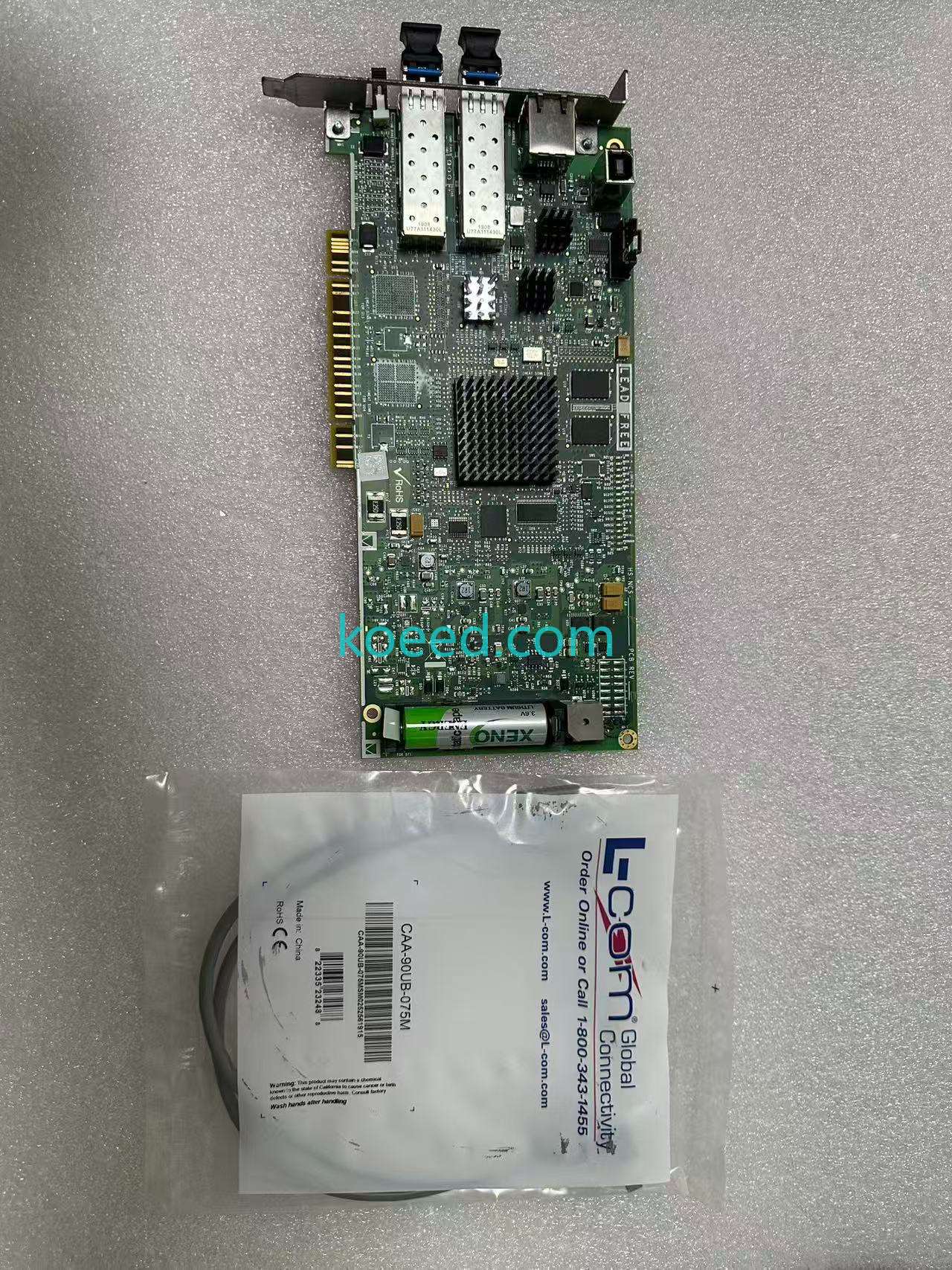
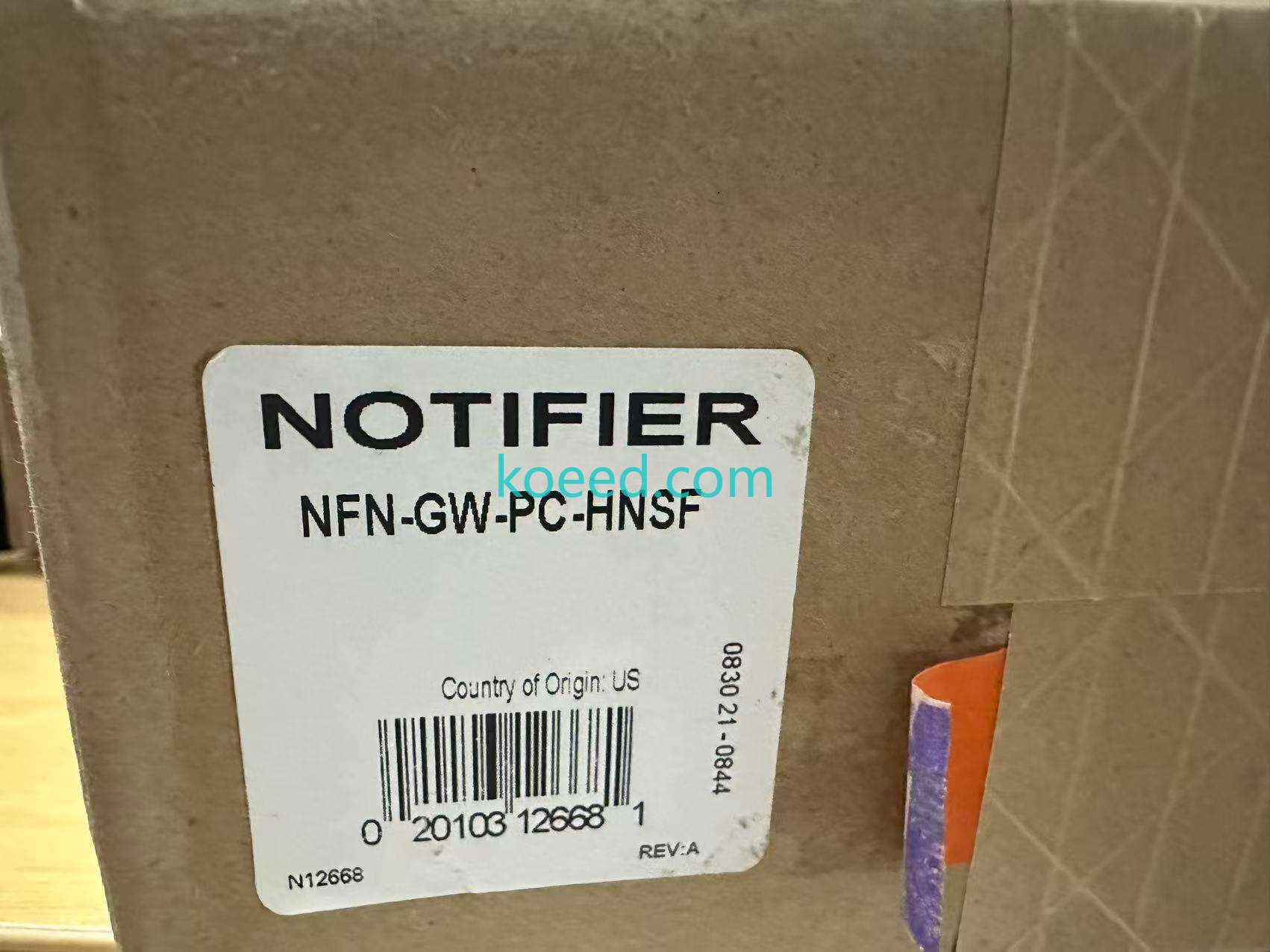
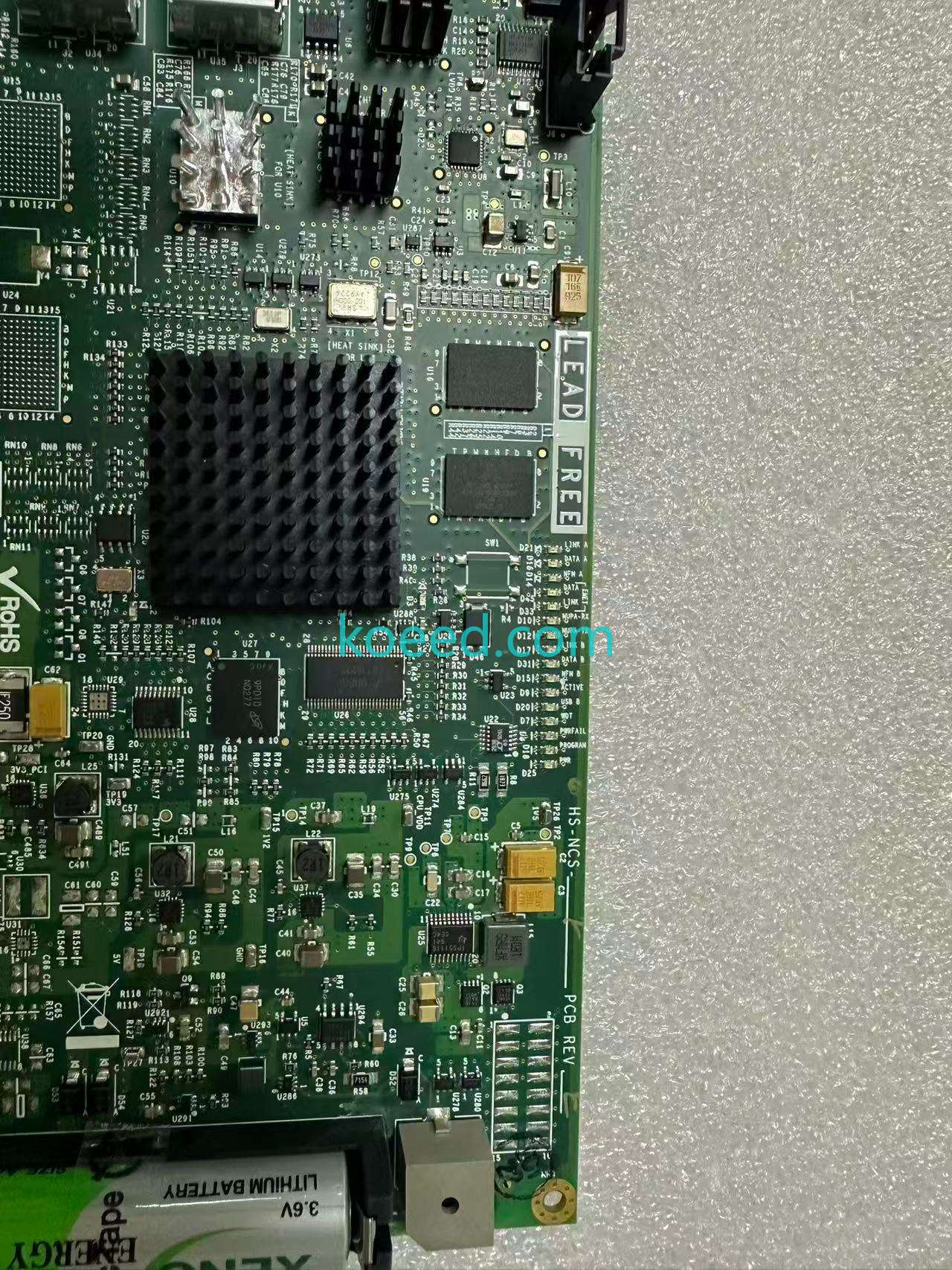
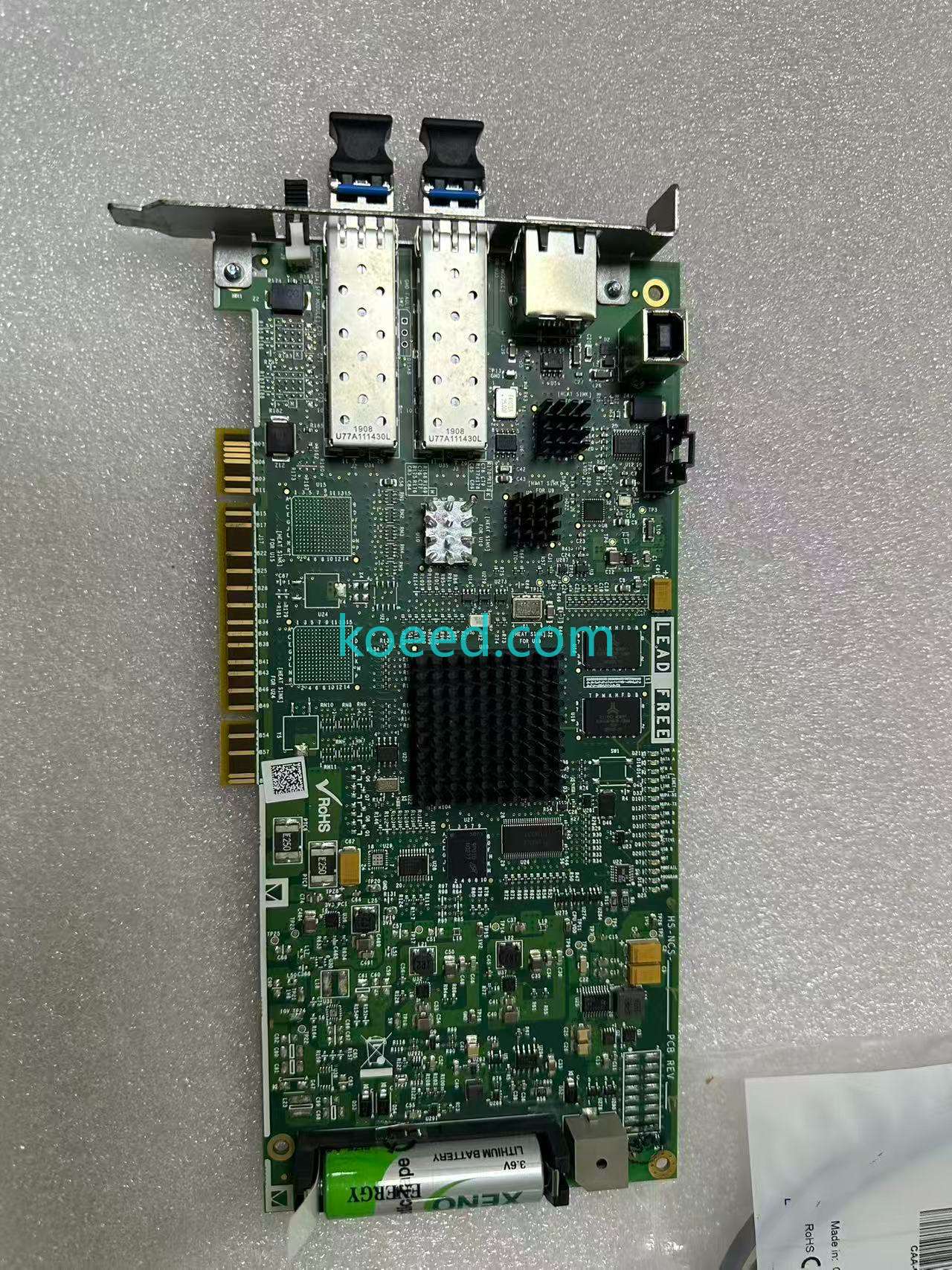
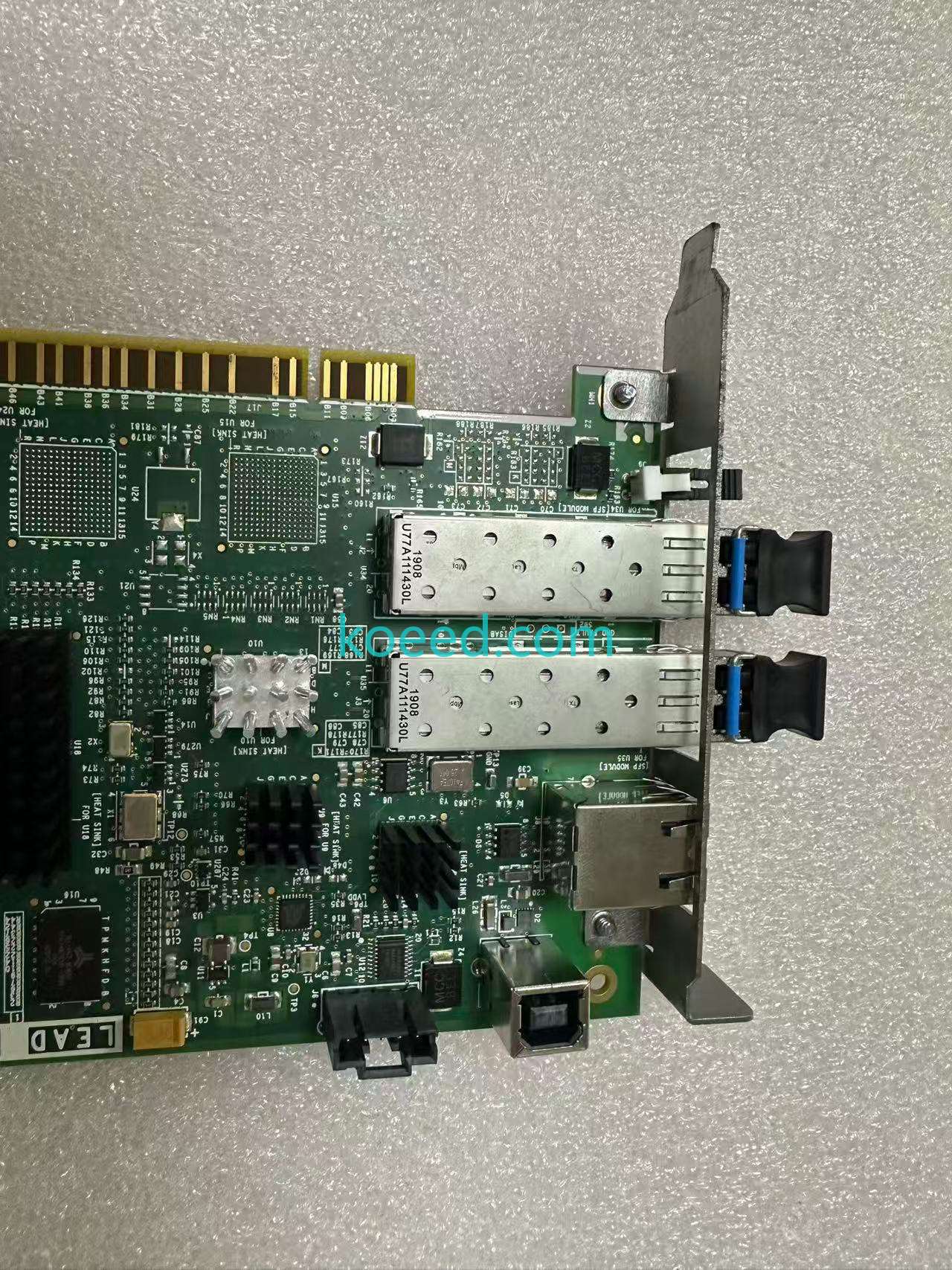
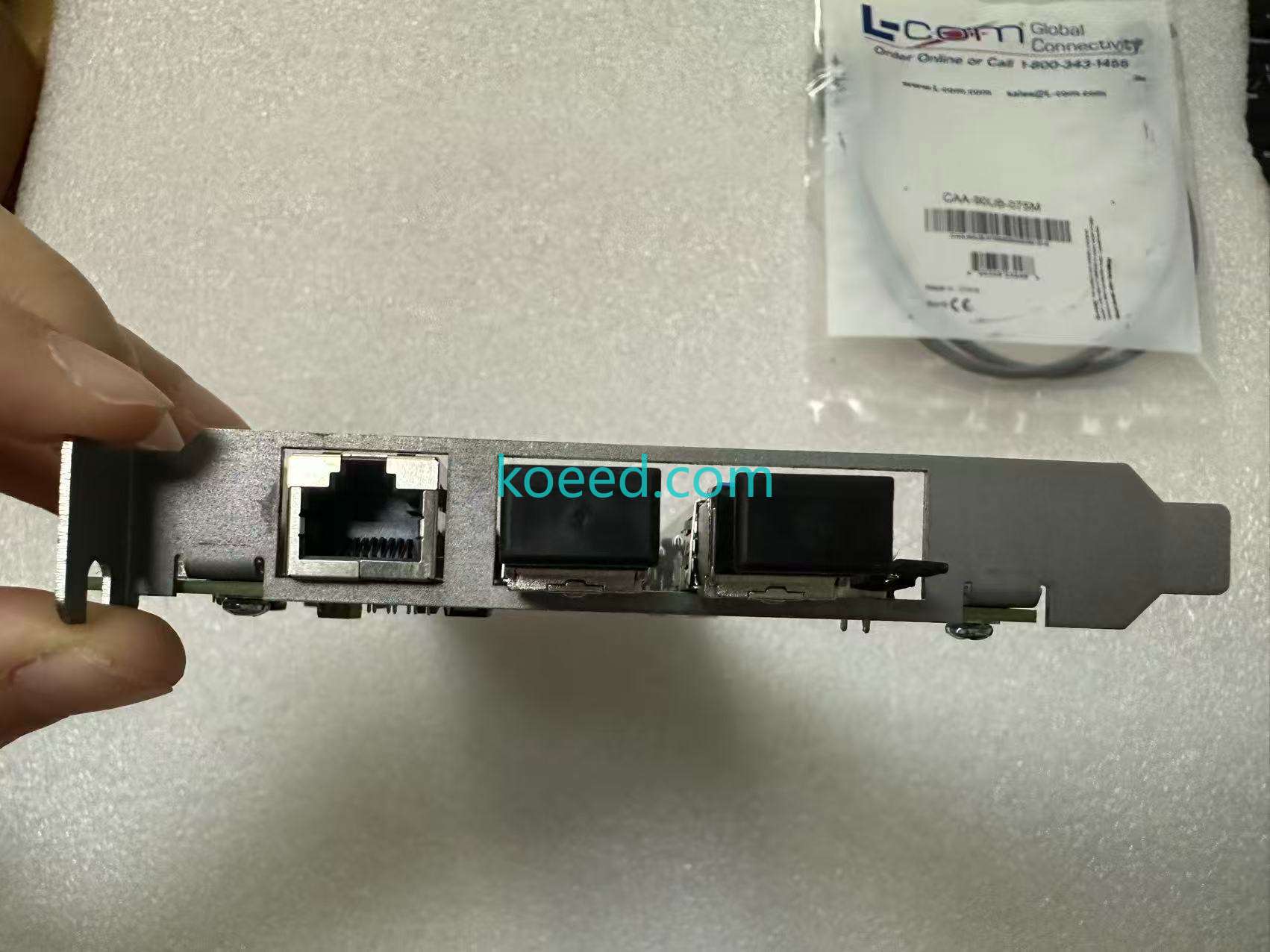
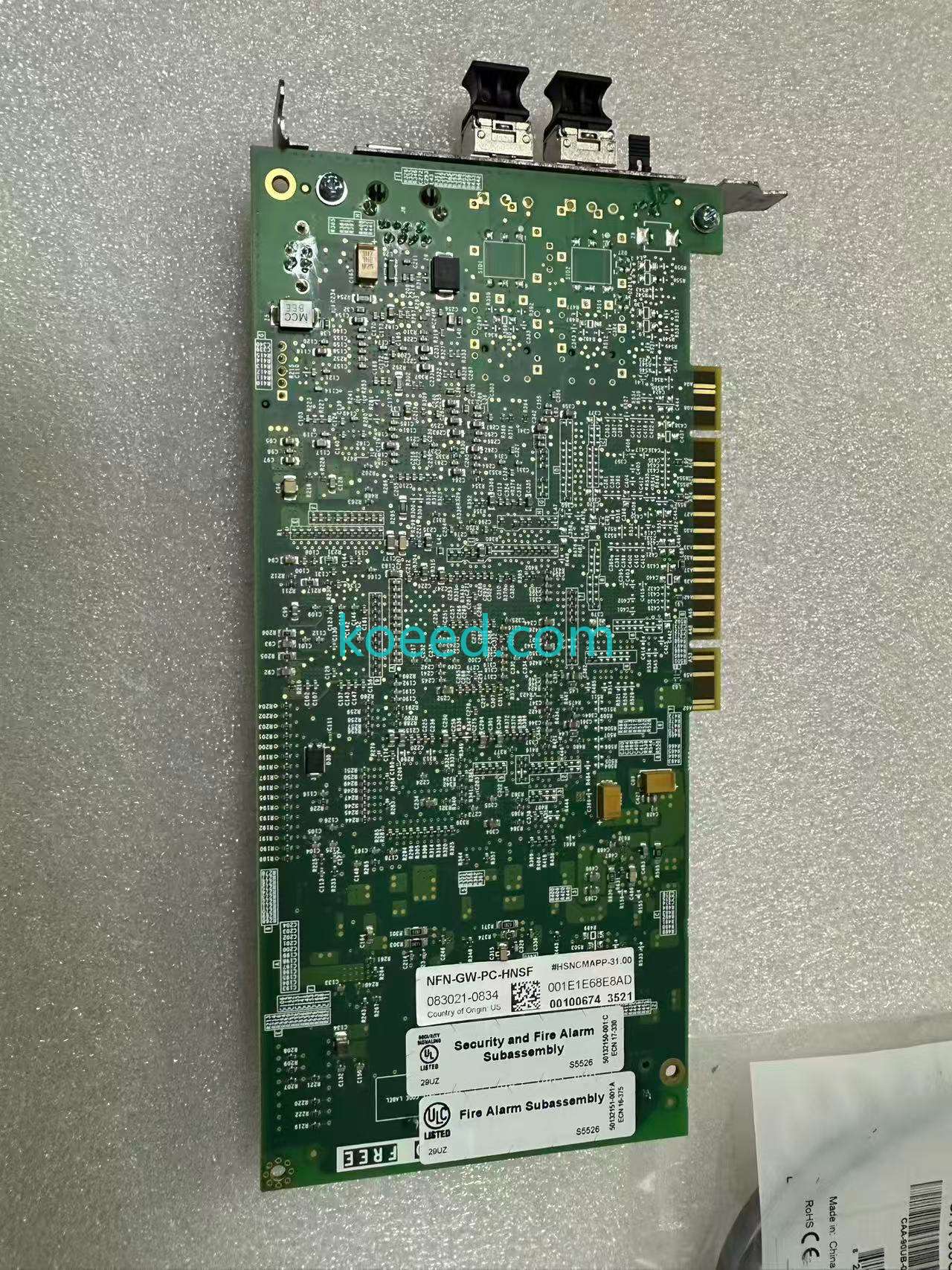
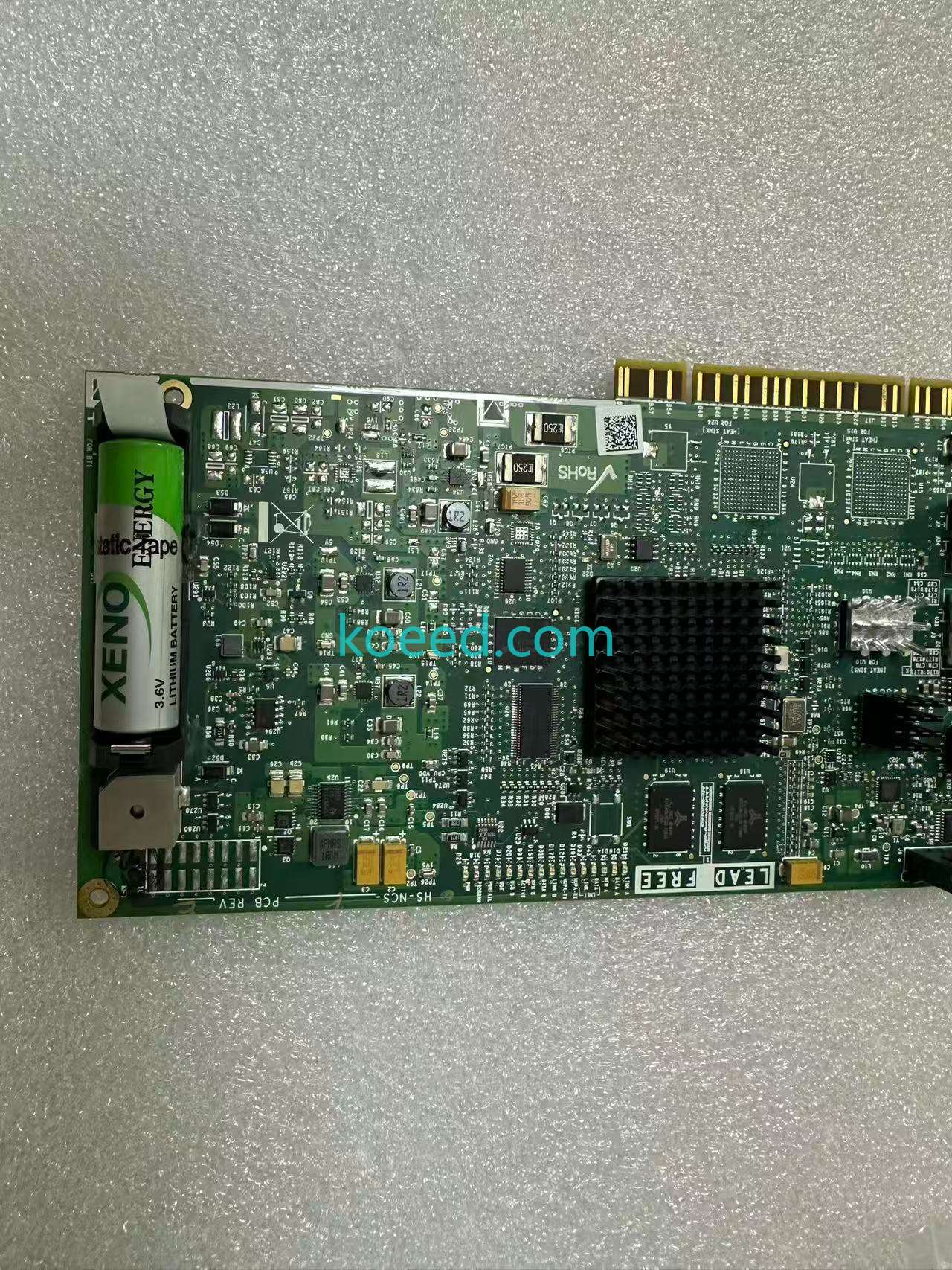
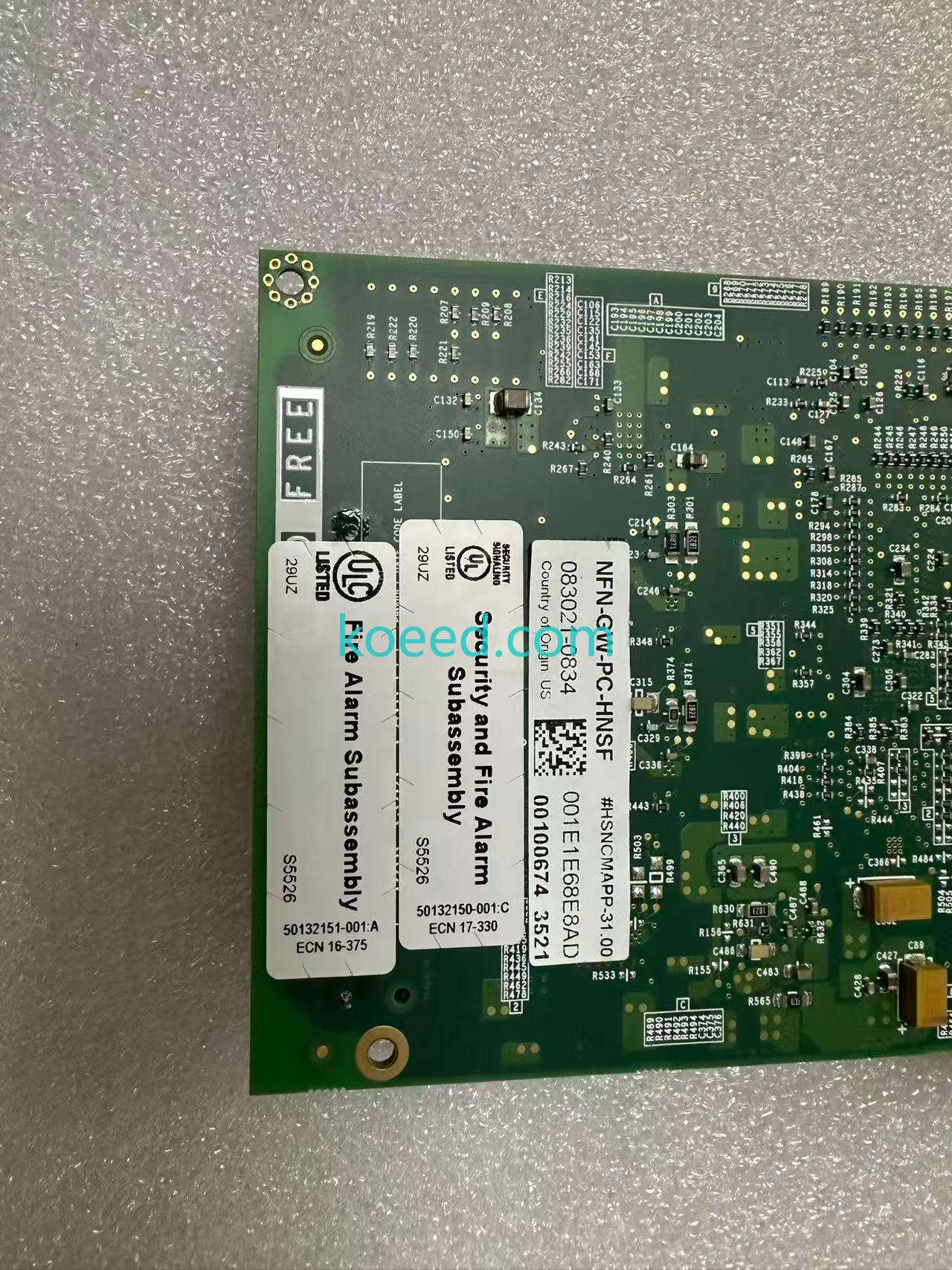
Visual Gallery: NFN-GW-PC-HNSF Optical Card
Below is a complete visual reference library for the NFN-GW-PC-HNSF high-speed gateway card. System integrators can use these images for site planning, rack layout design, and procurement specification — all sourced directly from the Koeed product inventory:
Frequently Asked Questions
What is the maximum node distance supported by the NFN-GW-PC-HNSF?
With single-mode fiber and a 30 dB attenuation budget, the card reliably supports distances up to 30 km between NFN nodes, making it ideal for campus-wide and remote building integration.
Can the NFN-GW-PC-HNSF work with existing ONYXWorks 4.x installations?
Yes. The card is fully compatible with ONYXWorks 4.5 and later, and backward-compatible with many 4.x deployments. Ensure your workstation firmware meets the minimum revision per Notifier bulletin INF-25-03.
Is the card hot-swappable in a live ONYXWorks PC?
The NFN-GW-PC-HNSF is a PCI card and requires system power-down before insertion or removal. Always follow Notifier’s installation manual (DN-7060) to avoid damage.
What fiber connectors are supported?
The card ships with SC single-mode connectors. ST adapters are available upon request for legacy installations. Contact Koeed for mating connector kits.
Secure Your NFN-GW-PC-HNSF for 2026 Installations
Contact Koeed today for volume pricing, bulk inventory availability, and technical specification support for your next fire safety integration project.


