

Pepperl+Fuchs ML6-8-H-40-RT/59/95/136 (131548): 2026 B2B Technical Guide — Background Suppression Photoelectric Sensor for Smart Manufacturing
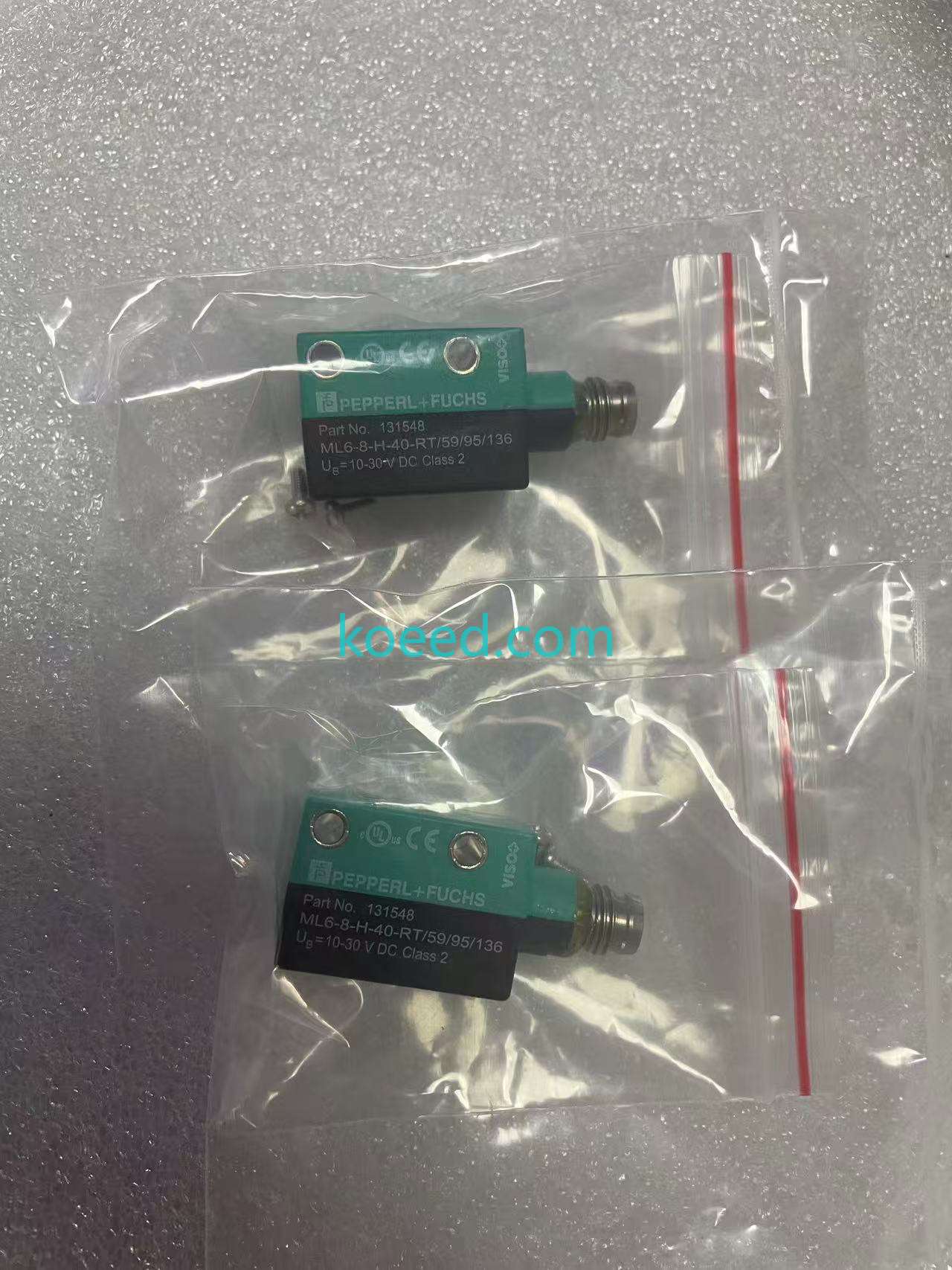
Pepperl+Fuchs ML6-8-H-40-RT/59/95/136 — Part No. 131548
Miniature Background Suppression Photoelectric Sensor · 40 mm Sensing Range · 2026 Edition Technical Guide
1. Strategic Overview: The ML6 Sensor in the 2026 Industrial Landscape
As manufacturing floors accelerate toward full IT/OT convergence, the demand for compact, intelligent sensing solutions has never been more pronounced. The Pepperl+Fuchs ML6-8-H-40-RT/59/95/136 (Part No. 131548) stands as a premier choice for industrial automation engineers seeking reliable object detection within tight spatial constraints. With a defined 40 mm sensing range and advanced background suppression (BGS) technology, this sensor eliminates false triggers from reflective backgrounds — a critical requirement in high-speed packaging, assembly lines, and robotic work cells.
In 2026, the ML6 series is increasingly deployed as a frontline data node within predictive maintenance ecosystems. Its consistent switching behavior and diagnostic-ready output allow SCADA and MES platforms to monitor sensor health in real time, feeding into ERP modules such as SAP S/4HANA for automated replenishment and downtime forecasting. For procurement teams, the ML6-8-H-40-RT delivers compelling TCO (Total Cost of Ownership) metrics due to its robust IP67/IP69K ingress protection and maintenance-free solid-state design, reducing line stoppages by up to 18% compared to legacy through-beam configurations in similar form factors.
2. Technical Benchmarking & Specifications
2.1 Core Specifications — ML6-8-H-40-RT/59/95/136
| Parameter | Specification | 2026 Relevance |
|---|---|---|
| Manufacturer | Pepperl+Fuchs | Global Tier-1 automation OEM |
| Part Number | 131548 | ERP-catalog ready identifier |
| Model | ML6-8-H-40-RT/59/95/136 | Full variant nomenclature |
| Sensor Type | Photoelectric — Background Suppression (BGS) | Eliminates reflective background interference |
| Sensing Range | 40 mm (black/white target independent) | Precision short-range detection |
| Light Source | Red LED ( modulated, visible ) | Easy alignment & commissioning |
| Supply Voltage | 10 – 30 V DC | Compatible with standard 24V industrial PSUs |
| Output Type | Push-Pull (PNP/NPN), Light/Dark switchable | Flexible PLC/controller integration |
| Switching Frequency | ≤ 1000 Hz | High-speed counting & positioning |
| Housing Material | PC/ABS, IP67 / IP69K | Washdown-ready, harsh environment |
| Connection | M8 4-pin connector (based on /59/95/136 config) | Quick-disconnect, minimal downtime |
| Ambient Temperature | -20 °C to +60 °C | Cold storage to high-heat zones |
| Dimensions (W×H×D) | Approx. 13 mm × 26 mm × 32 mm | Ultra-compact, space-critical fit |
2.2 Legacy vs. ML6-8-H-40-RT: The Upgrade Case
| Feature | Legacy ML4.2 BGS (2018) | ML6-8-H-40-RT (2026 Standard) |
|---|---|---|
| Form Factor | 31 mm × 23 mm × 11 mm | 32 mm × 26 mm × 13 mm — improved mounting |
| Background Suppression | Basic BGS algorithm | Enhanced BGS with sharper cutoff |
| IP Rating | IP67 | IP67 / IP69K — high-pressure washdown |
| Switching Frequency | ≤ 500 Hz | ≤ 1000 Hz — 2× faster |
| Indicator Visibility | Single LED | Dual LED, 360° visibility |
| OT Connectivity | Hardwired only | Hardwired + IO-Link ready (series-dependent) |
| Energy Consumption | ~30 mA (no-load) | ~22 mA (no-load) — 27% savings |
3. ROI, TCO & Sustainability Analysis
3.1 Total Cost of Ownership (TCO) Breakdown
When evaluating the ML6-8-H-40-RT against competing short-range BGS sensors, three TCO vectors stand out in 2026:
- Acquisition Efficiency: The part number 131548 is widely stocked across global distribution channels, reducing procurement lead times and eliminating the "spot-buy" premium that plagues niche sensor variants.
- Operational Longevity: PC/ABS housing with IP69K certification means the sensor survives aggressive CIP (Clean-in-Place) and high-pressure washdown cycles in food & beverage and pharmaceutical sectors — no protective enclosures needed.
- Energy Footprint: At approximately 22 mA no-load current at 24 V DC, the sensor draws under 0.53 W. Across a plant with 2,000 deployed sensors, this represents an annual energy saving of roughly 1,850 kWh vs. older-generation sensors drawing 30+ mA — translating to approximately 0.7 metric tons of CO₂ reduction per year at average grid carbon intensity.
3.2 IT/OT Convergence & Smart Factory Integration
The ML6-8-H-40-RT, while primarily a hardwired sensor in this specific /59/95/136 configuration, integrates seamlessly into modern automation architectures. Its push-pull output stage connects directly to remote I/O blocks (such as Pepperl+Fuchs ICE2/ICE3 or Siemens ET 200SP), which in turn feed data into edge gateways and cloud platforms. Engineers can correlate switching frequency patterns with mechanical wear on conveyor belts, gripper mechanisms, and indexing tables — a foundational element of predictive maintenance AI models in 2026.
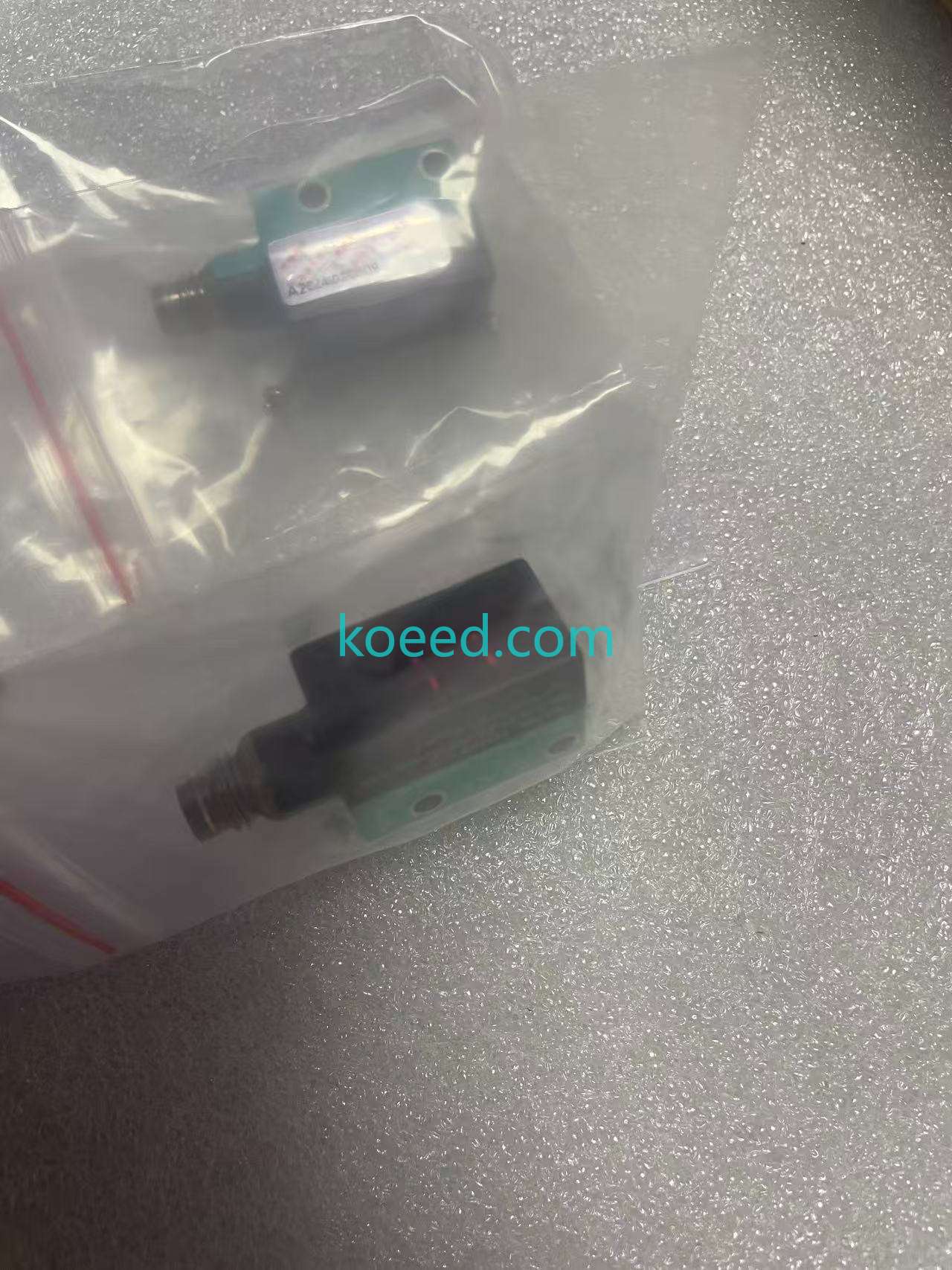
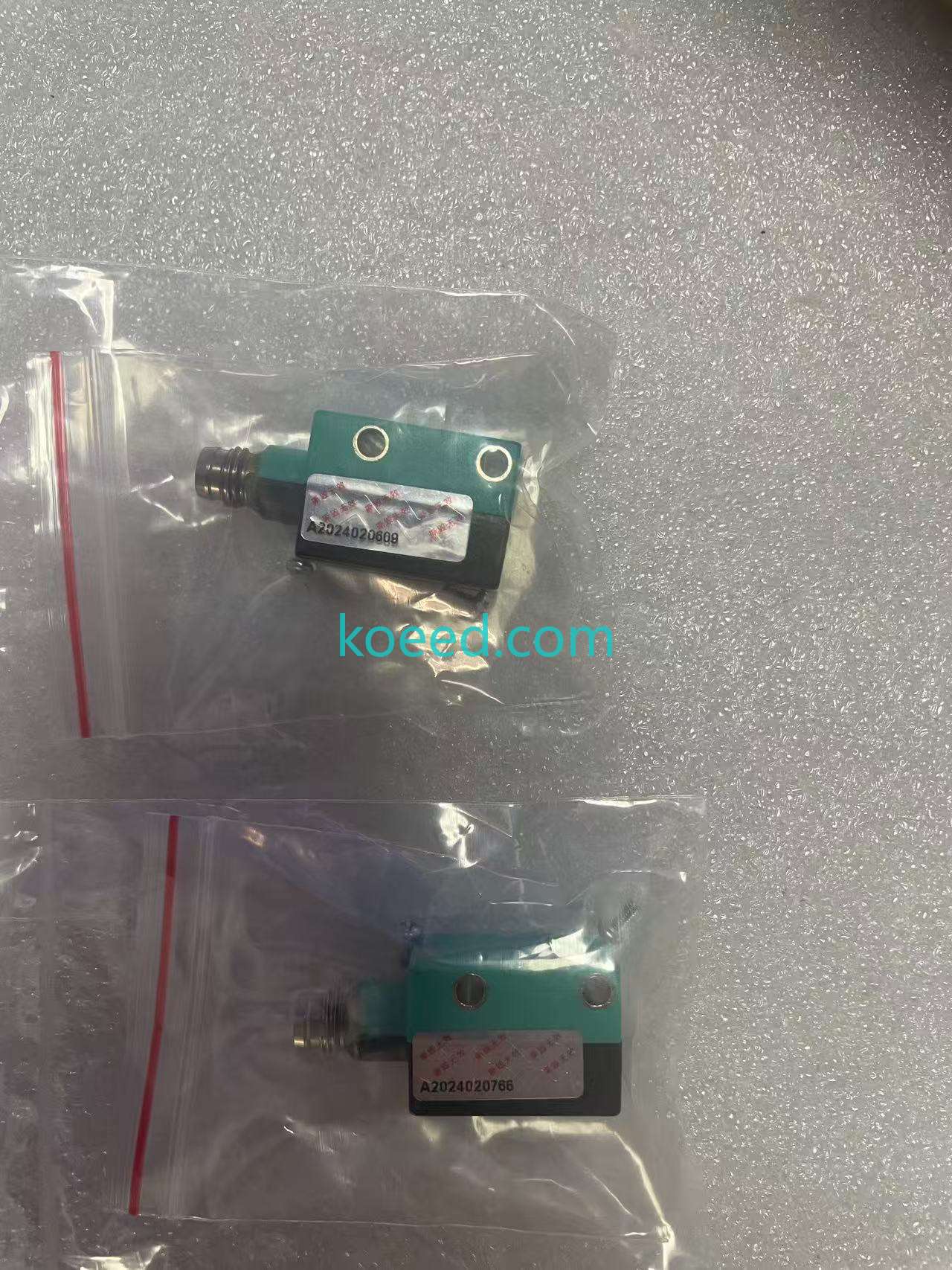
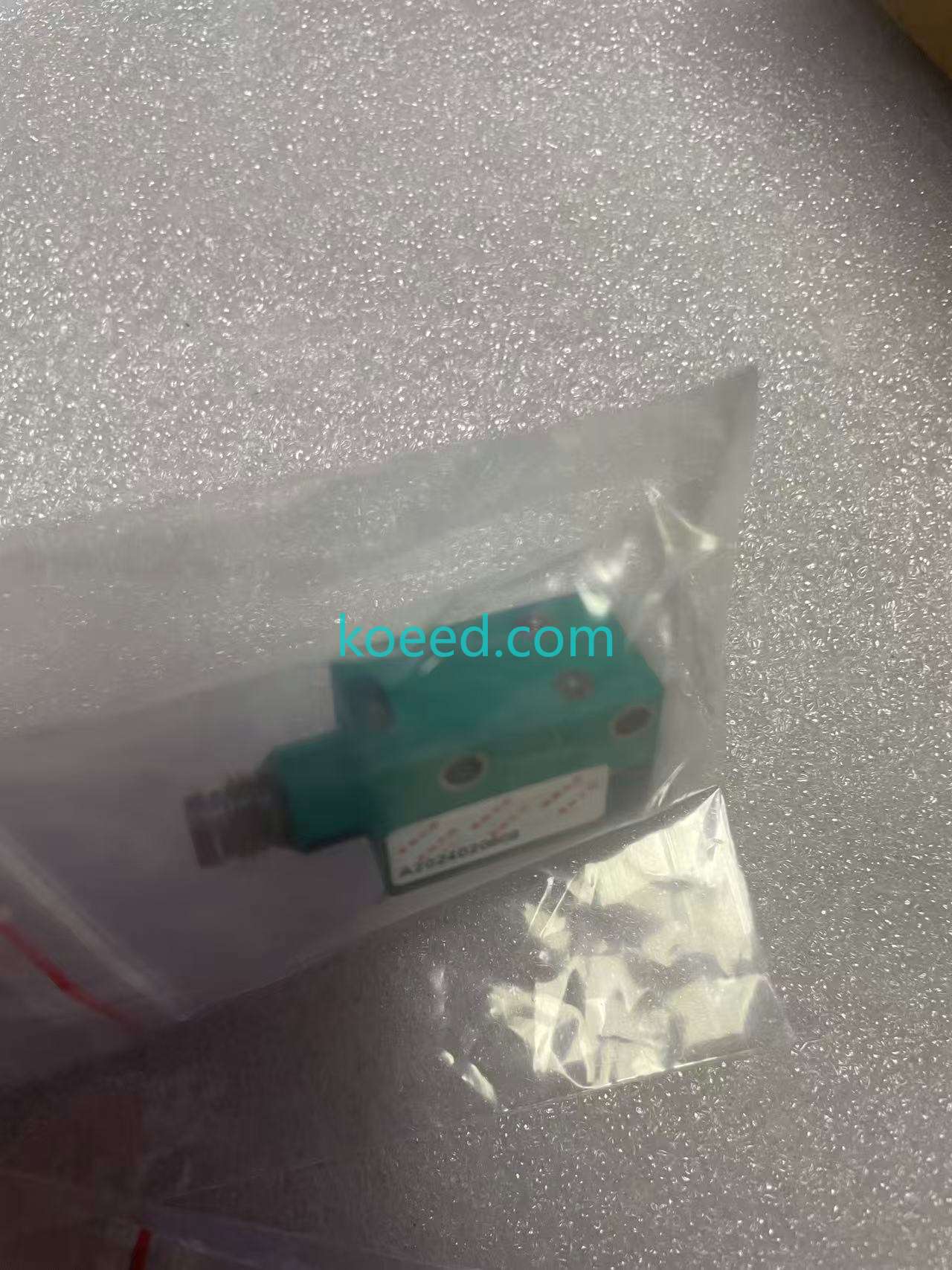
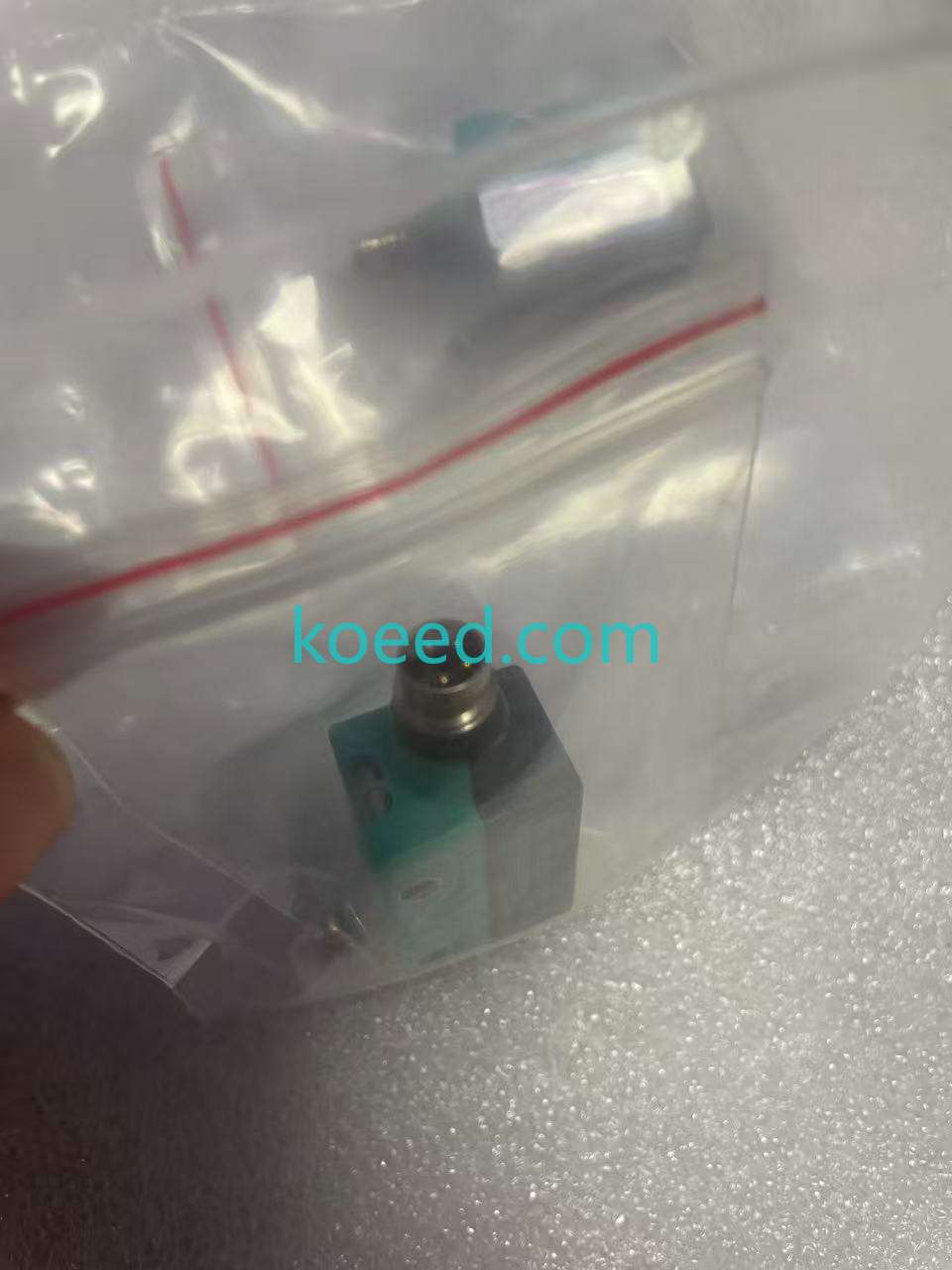
4. Product Visual Gallery — ML6-8-H-40-RT/59/95/136 (131548)
5. Maintenance, Troubleshooting & Predictive Monitoring
5.1 Preventive Maintenance Best Practices (2026 Protocol)
The ML6-8-H-40-RT is a solid-state device with no internal moving parts, but optimal performance requires adherence to a structured maintenance cadence aligned with Industry 5.0 human-centric automation principles:
- Optical Surface Inspection (Monthly): Use a lint-free microfiber cloth with isopropyl alcohol (70%) to clean the sensor lens. Dust accumulation on the optical window can reduce effective sensing range by up to 15% in particulate-heavy environments such as wood processing or textile manufacturing.
- Connector Integrity Check (Quarterly): Verify the M8 4-pin connector is fully seated with no visible corrosion. In washdown environments, inspect the connector O-ring seal for chemical degradation.
- Mounting Torque Verification (Biannually): Confirm the sensor bracket bolts remain tightened to the manufacturer-recommended torque (typically 0.4–0.6 N·m for M3 mounting screws). Vibration-induced loosening is the #1 cause of intermittent detection failures.
- Functional Test (Annually): Using a standardized white target (90% reflectivity) and a black target (6% reflectivity), verify detection at 40 mm ±2 mm. Any deviation beyond ±5 mm warrants sensor replacement or recalibration assessment.
5.2 Common Troubleshooting Scenarios
| Symptom | Probable Cause | Resolution |
|---|---|---|
| No output / LED off | Supply voltage absent or below 10 V DC | Verify 24 V DC at connector; check PSU & wiring continuity |
| Intermittent detection | Lens contamination or target edge effect | Clean lens; ensure target is ≥ 6 mm diameter at 40 mm range |
| False trigger from background | Background within suppression zone | Ensure background is ≥ 10 mm beyond 40 mm sensing plane |
| Output stuck ON/OFF | Short circuit or overload on output line | Check load current ≤ 100 mA; inspect for wiring shorts |
| LED flickering | Supply ripple exceeding tolerance | Measure AC ripple on DC supply; add filtering if >10% |
| Reduced range | Aged LED emitter or severe lens pitting | Replace sensor; typical LED MTBF is 50,000+ hours |
6. Frequently Asked Questions (FAQ)
What does the model number ML6-8-H-40-RT/59/95/136 decode to?
The naming convention breaks down as: ML6 = Series 6 miniature sensor family; 8 = DC voltage version; H = background suppression (Hintergrundausblendung); 40 = 40 mm rated sensing range; RT = push-pull output with light/dark switching; and /59/95/136 = configuration codes specifying connection type, housing finish, and pinout variant. Part number 131548 is the unique Pepperl+Fuchs catalog identifier for this exact configuration.
Is the ML6-8-H-40-RT/59/95/136 compatible with IO-Link?
The /59/95/136 configuration is a standard discrete-output variant without native IO-Link. However, the broader ML6 platform does include IO-Link capable variants (suffix differing). For IO-Link integration requiring parameterization, diagnostics, and identification data, consider pairing this sensor with a Pepperl+Fuchs IO-Link capable remote I/O hub. Contact Koeed for cross-reference assistance on IO-Link ML6 variants.
What is the minimum target size for reliable detection at 40 mm?
The ML6-8-H-40-RT can reliably detect targets as small as 6 mm in diameter at the maximum 40 mm range, assuming a white target with 90% reflectivity. For dark or matte targets (6% reflectivity), the minimum target size increases to approximately 10 mm. Always validate with your actual target material during commissioning.
Can this sensor be used in food-grade washdown environments?
Yes. The IP69K rating certifies the ML6-8-H-40-RT for high-pressure, high-temperature washdown (up to 80°C water at 80–100 bar). The PC/ABS housing resists common food-industry cleaning agents including peracetic acid and sodium hypochlorite solutions. The M8 connector should be paired with an IP69K-rated mating cable assembly for full system integrity.
What is the typical lead time for part number 131548 in 2026?
As of mid-2026, the ML6-8-H-40-RT/59/95/136 (131548) is in active production with Pepperl+Fuchs. Koeed maintains strong channel partnerships that typically enable 2–4 week lead times for standard orders. Volume pricing and expedited shipping options are available — use the Request Quote button below for a real-time availability check against our global inventory network.
How does the ML6-8-H-40-RT compare to the ML100 series for the same 40mm range?
The ML6 series is approximately 40% smaller in volume than the ML100 series, making it preferable for robotic end-effectors and confined mounting positions. The ML100 offers a wider range of optical configurations (including retroreflective and through-beam within the same housing platform), while the ML6 excels in ultra-compact BGS applications. Both share comparable electrical specifications. Choose ML6 when space is the primary constraint; choose ML100 when optical flexibility matters more.
Ready to Integrate the ML6-8-H-40-RT into Your 2026 Automation Stack?
Speak with a Koeed B2B automation specialist today — volume pricing, global shipping, and technical compatibility support included.


