

Sanyo Denki M818T-031 DC Servo Motor: 2026 Technical Guide, Specs & Industrial ROI Analysis
Strategic Overview: The M818T-031 in the 2026 Industrial Landscape
As manufacturing enters the peak of Industry 4.0 maturity in 2026, the demand for reliable, precision-grade servo motors that bridge legacy machinery with modern digital infrastructure has never been greater. The Sanyo Denki M818T-031 DC Servo Motor — part of the renowned Super DC Servo Motors series — remains a cornerstone component for CNC machining centers, EDM spark machines, and precision automation cells. Available through Koeed's expedited industrial supply chain, this motor exemplifies the enduring value of Sanyo Denki's engineering in an era where IT/OT convergence demands both reliability and connectivity.
With a 48V DC rating and 0.6 N·m maximum torque, the M818T-031 delivers the consistent, low-inertia performance that high-precision applications demand. In 2026, forward-thinking plant managers are not simply replacing motors — they are integrating them into predictive maintenance ecosystems via IIoT gateways, retrofitting legacy Sanyo Spark Machine controllers with edge-computing modules that monitor real-time armature current signatures, thermal profiles, and vibration spectra.
Technical Specifications & Competitive Benchmarking
Understanding the M818T-031's position in the 2026 servo motor landscape requires a detailed look at its specifications. Below, we benchmark the M818T-031 against comparable DC servo alternatives and highlight where it excels in Sanyo Spark Machine and CNC retrofitting applications.
Core Specifications
| Parameter | M818T-031 (Sanyo Denki) | Industry Benchmark (DC Servo, 2026) |
|---|---|---|
| Motor Type | DC Brushed Servo (Super DC Series) | Brushless DC / AC Servo (dominant) |
| Rated Voltage | 48 VDC | 24–80 VDC (varies) |
| Maximum Torque | 0.6 N·m | 0.4–0.8 N·m (comparable frame) |
| Feedback Type | DC Tachometer + Encoder (configurable) | Absolute/Incremental Encoder |
| Compatibility | Sanyo T818T / M818T Series Spark Machine Controllers | Vendor-specific ecosystems |
| Typical Application | EDM Spark Machines, CNC Lathes, Precision Feed Axes | General Automation |
| Serviceability (2026) | Field-repairable; brush replacement kits available | Sealed units; often replace-only |
| Retrofit Cost (vs Full Swap) | ~30–40% of a full AC servo migration | 100% (baseline) |
| IIoT Readiness | Retrofit-capable via external gateway modules | Native (varies) |
Compatibility Matrix
| Controller / System | Compatibility Status | Notes |
|---|---|---|
| Sanyo T818T Series | ✅ Full Native Compatibility | Drop-in replacement; no firmware changes required |
| Sanyo M818T Series | ✅ Full Native Compatibility | Shared mounting flange and electrical interface |
| Sanyo Spark Machine (Legacy) | ✅ Compatible | Original equipment; verified across all revisions |
| Third-Party CNC Controllers | ⚠️ Requires Signal Conditioning | Consult Koeed support for interface adapter recommendations |
Visual Gallery: M818T-031 Product Inspection
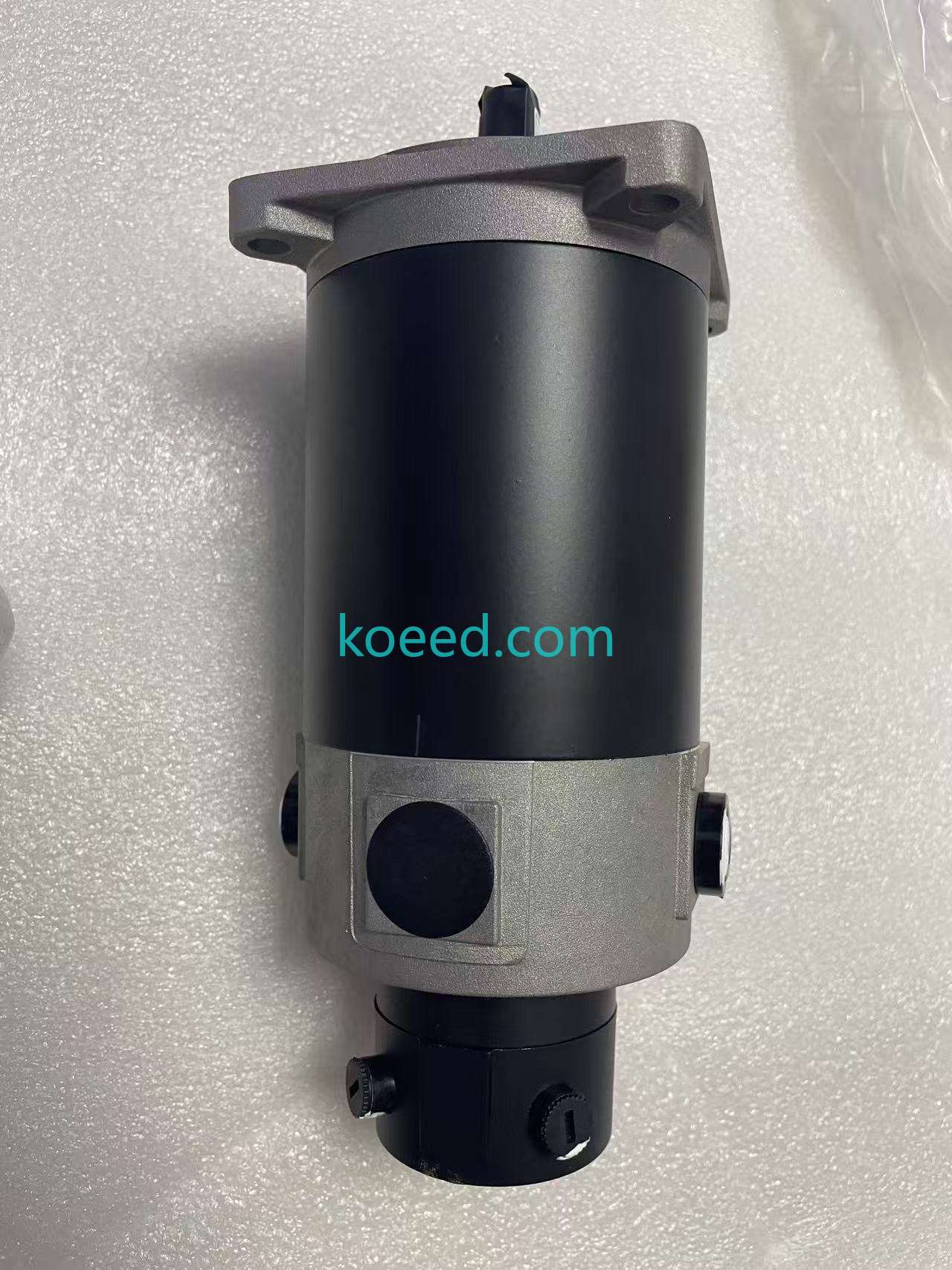
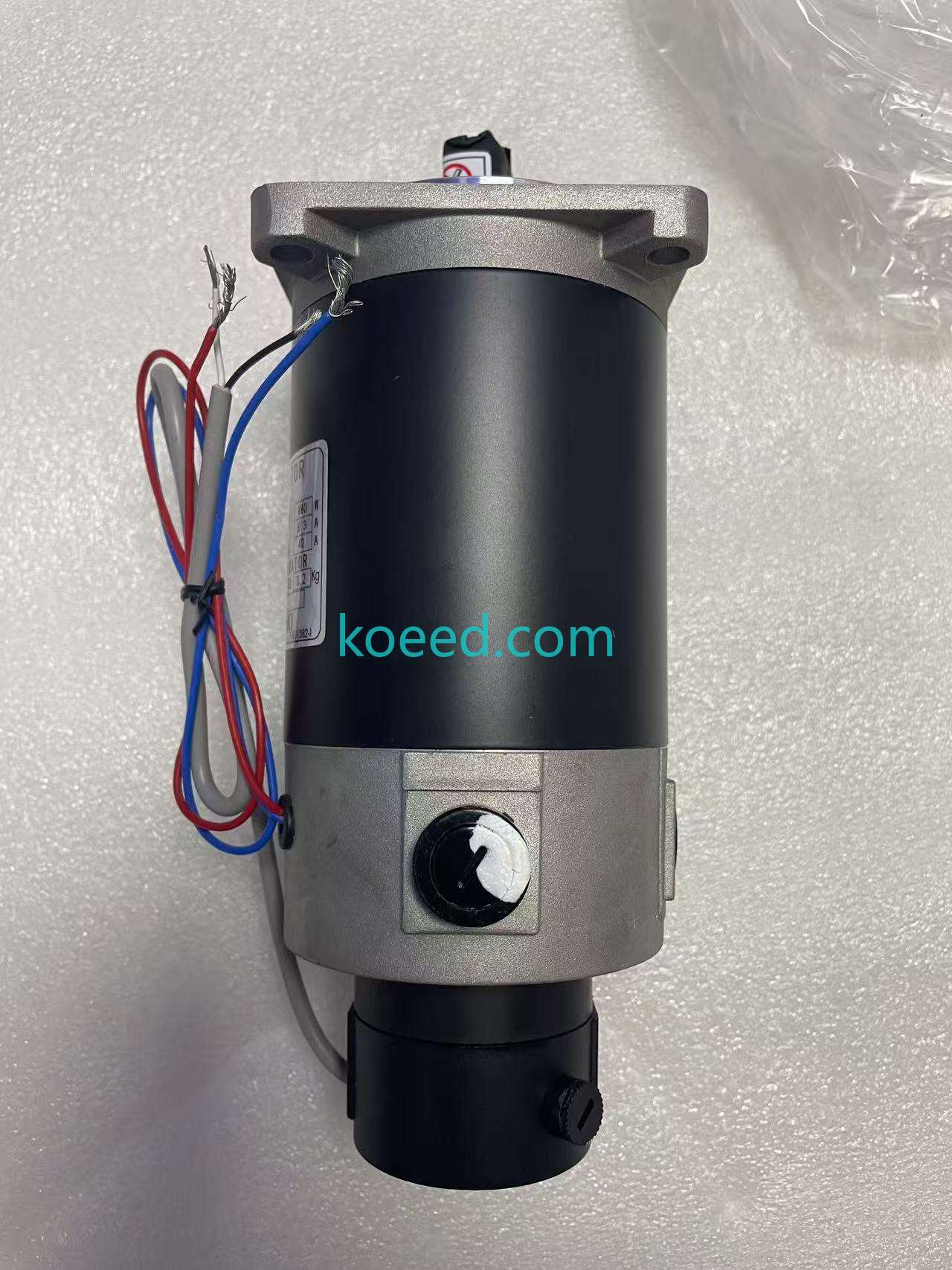
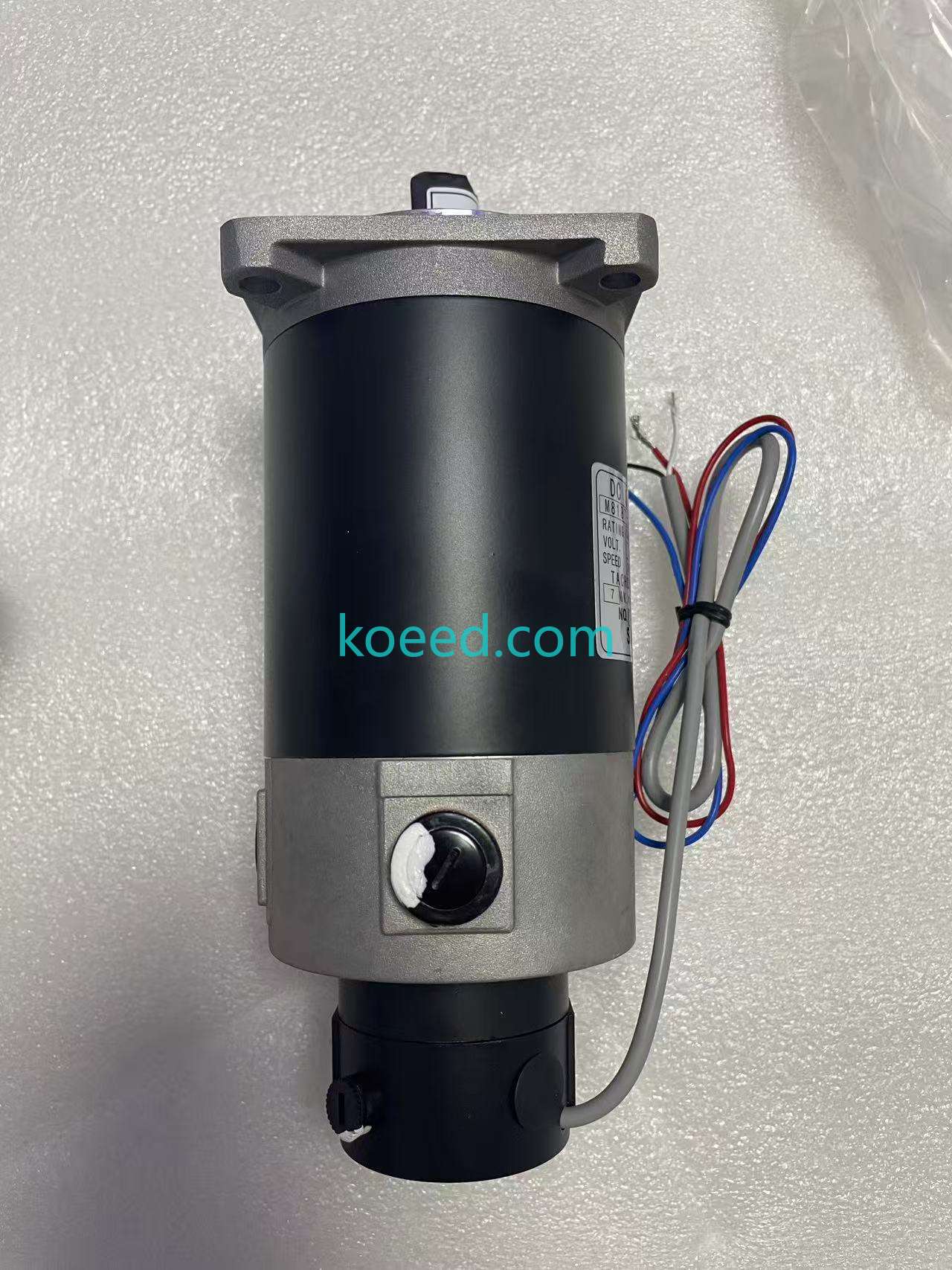
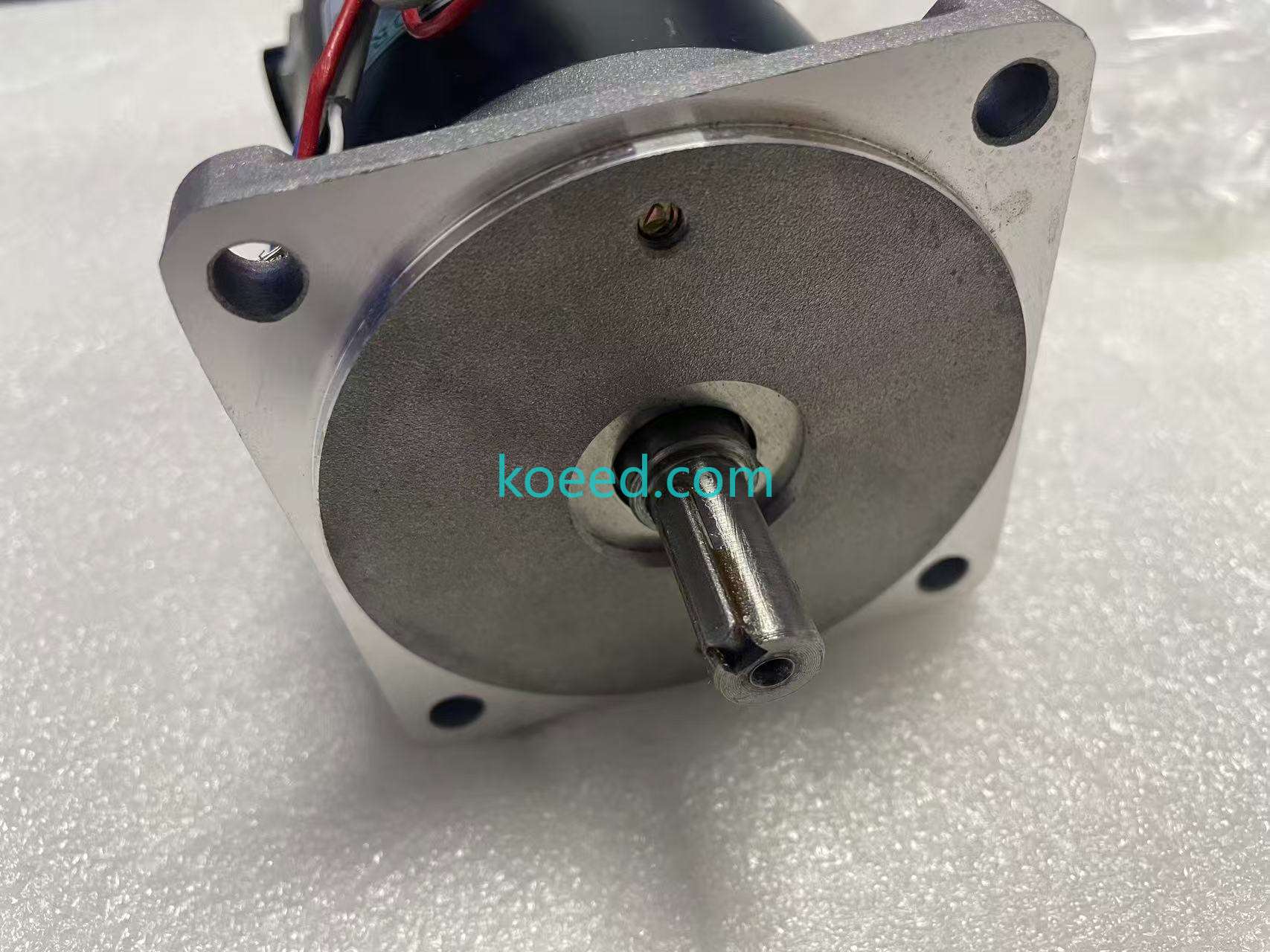
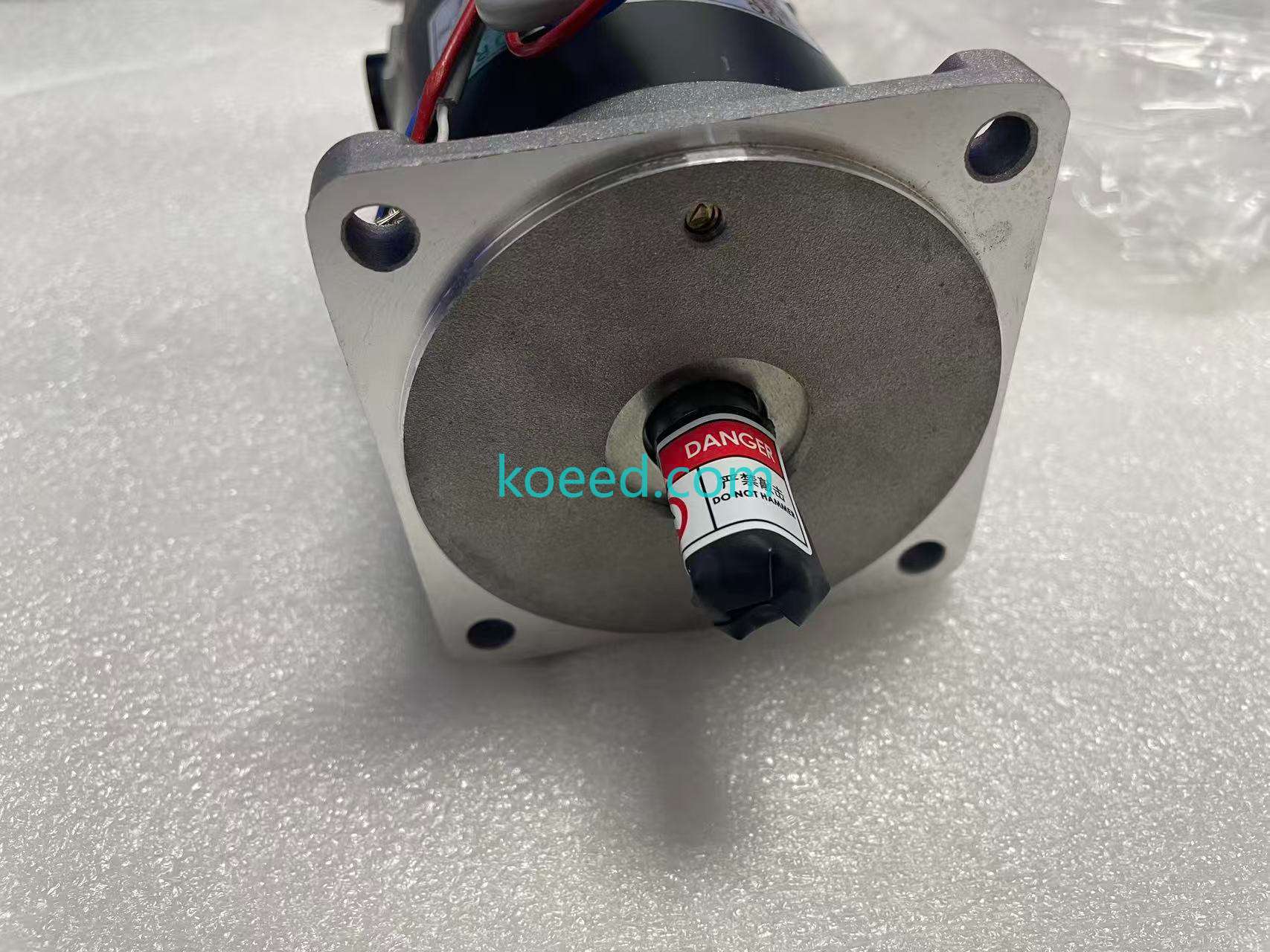
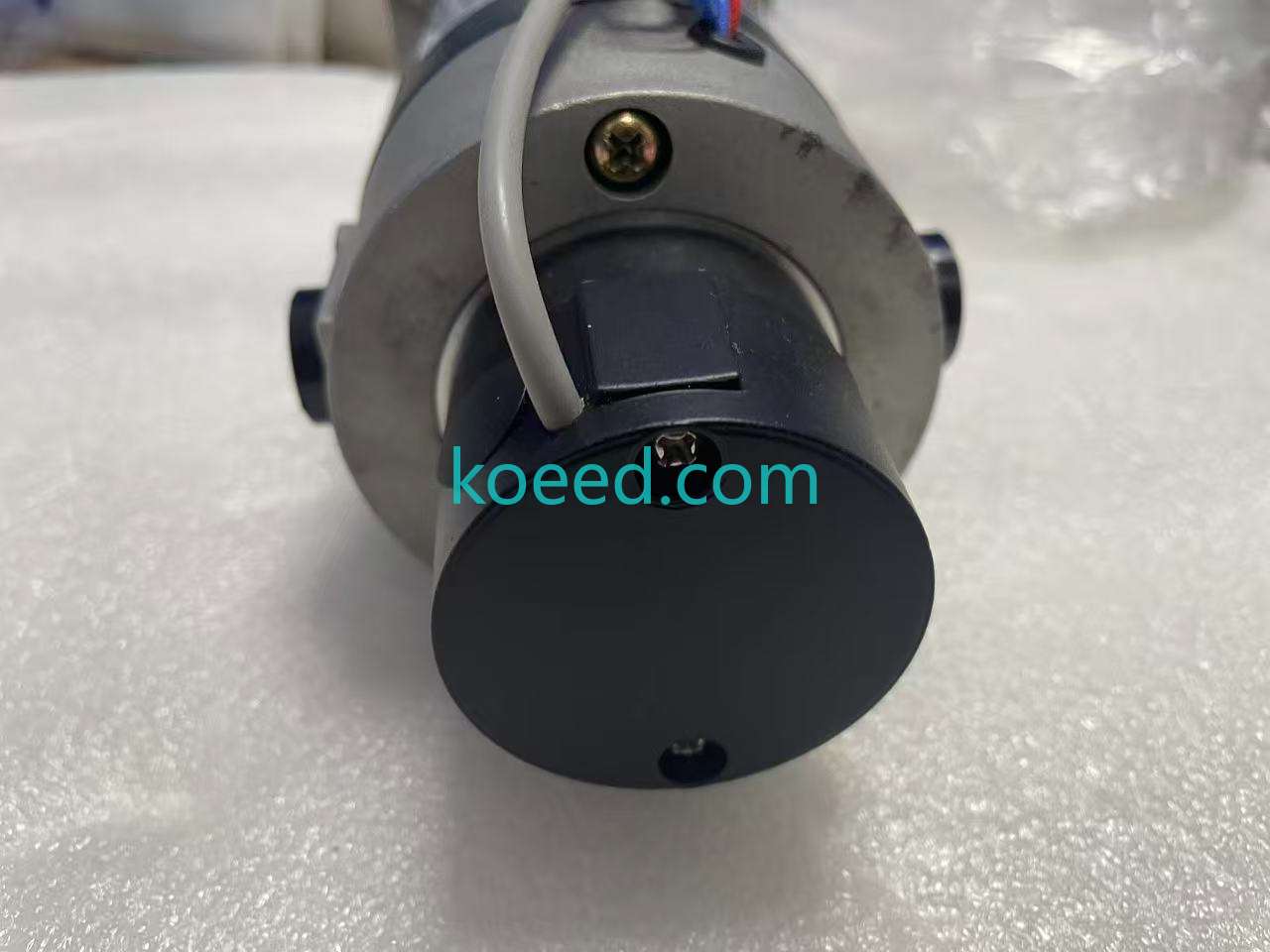
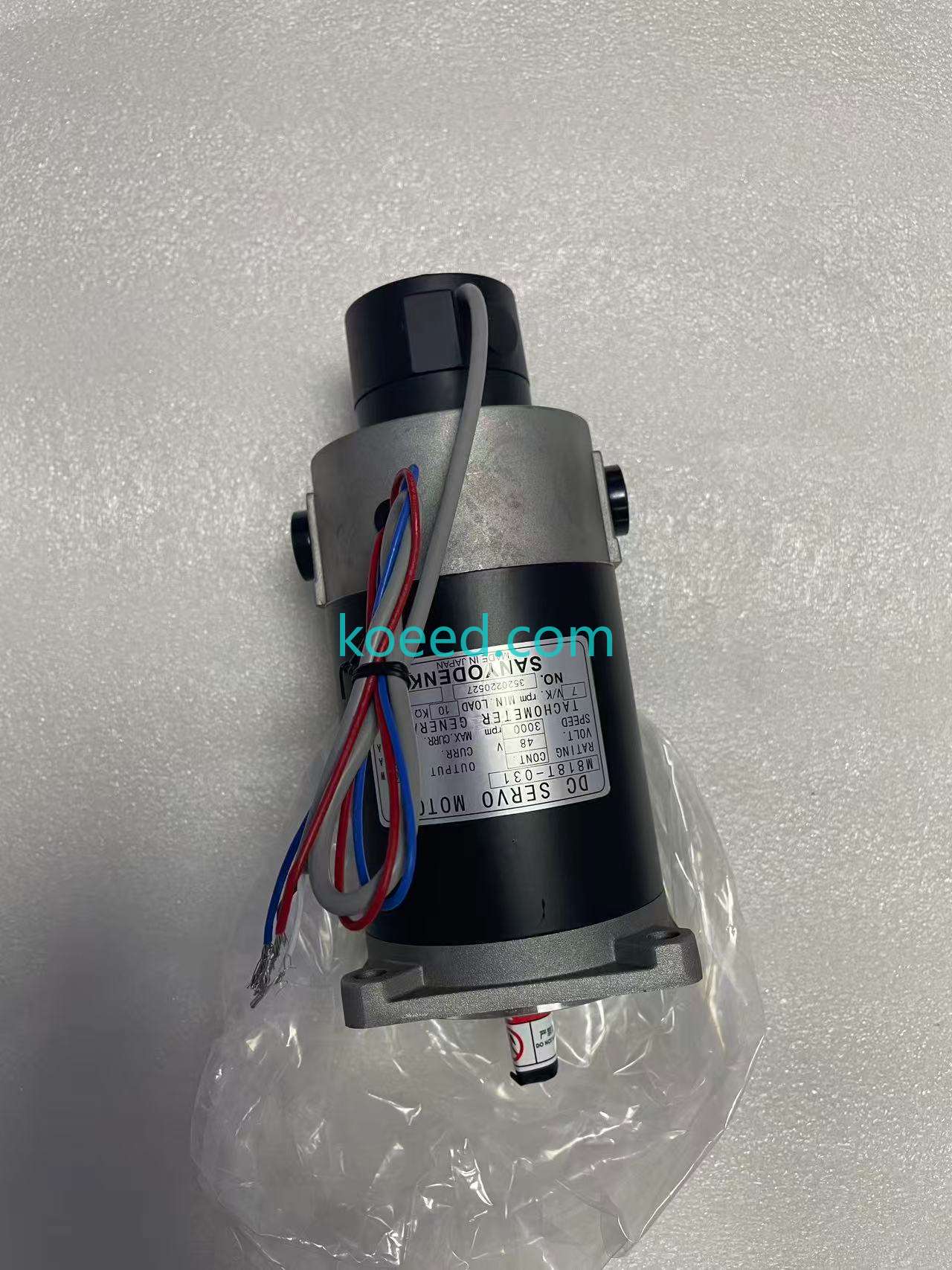
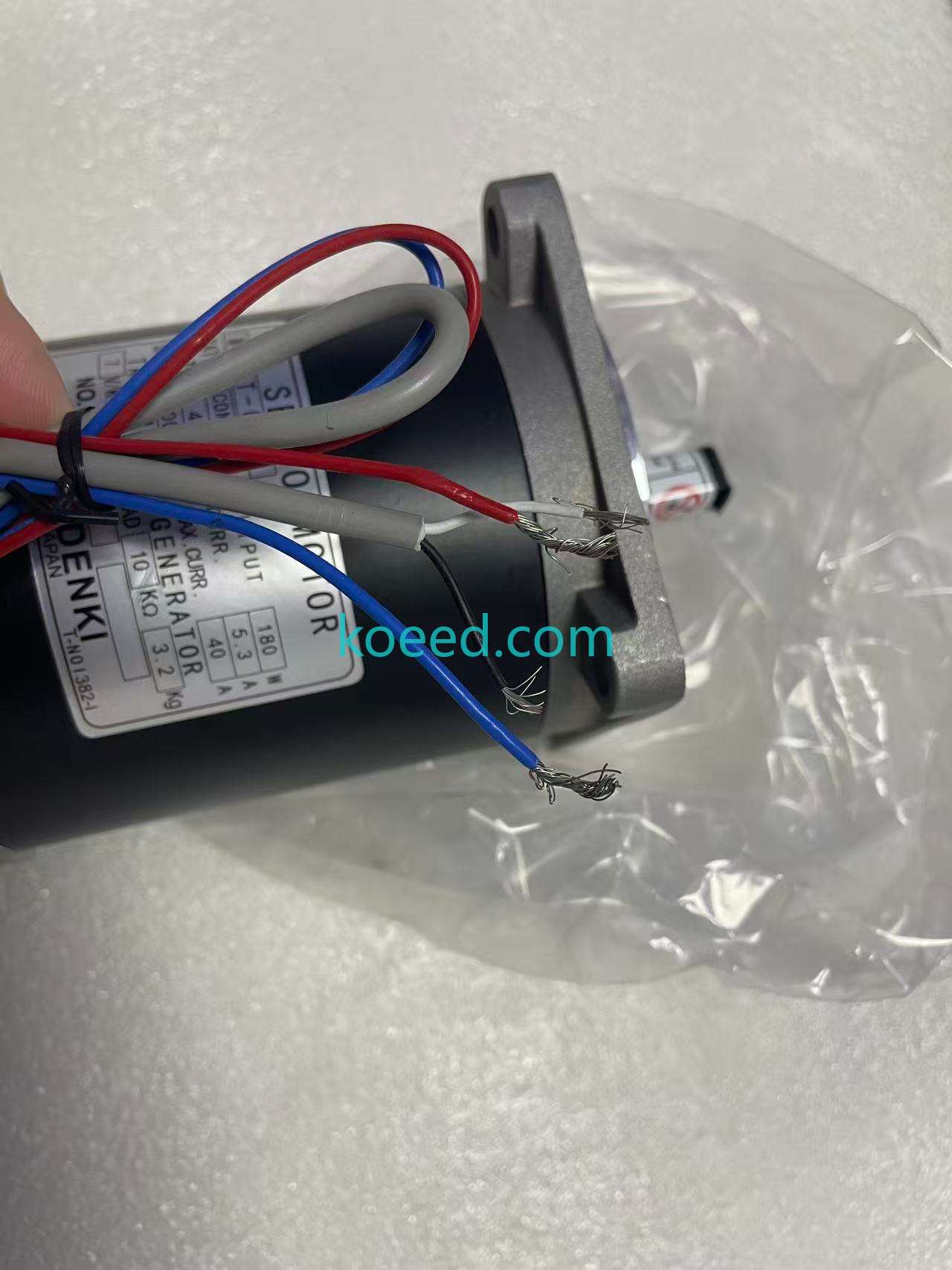
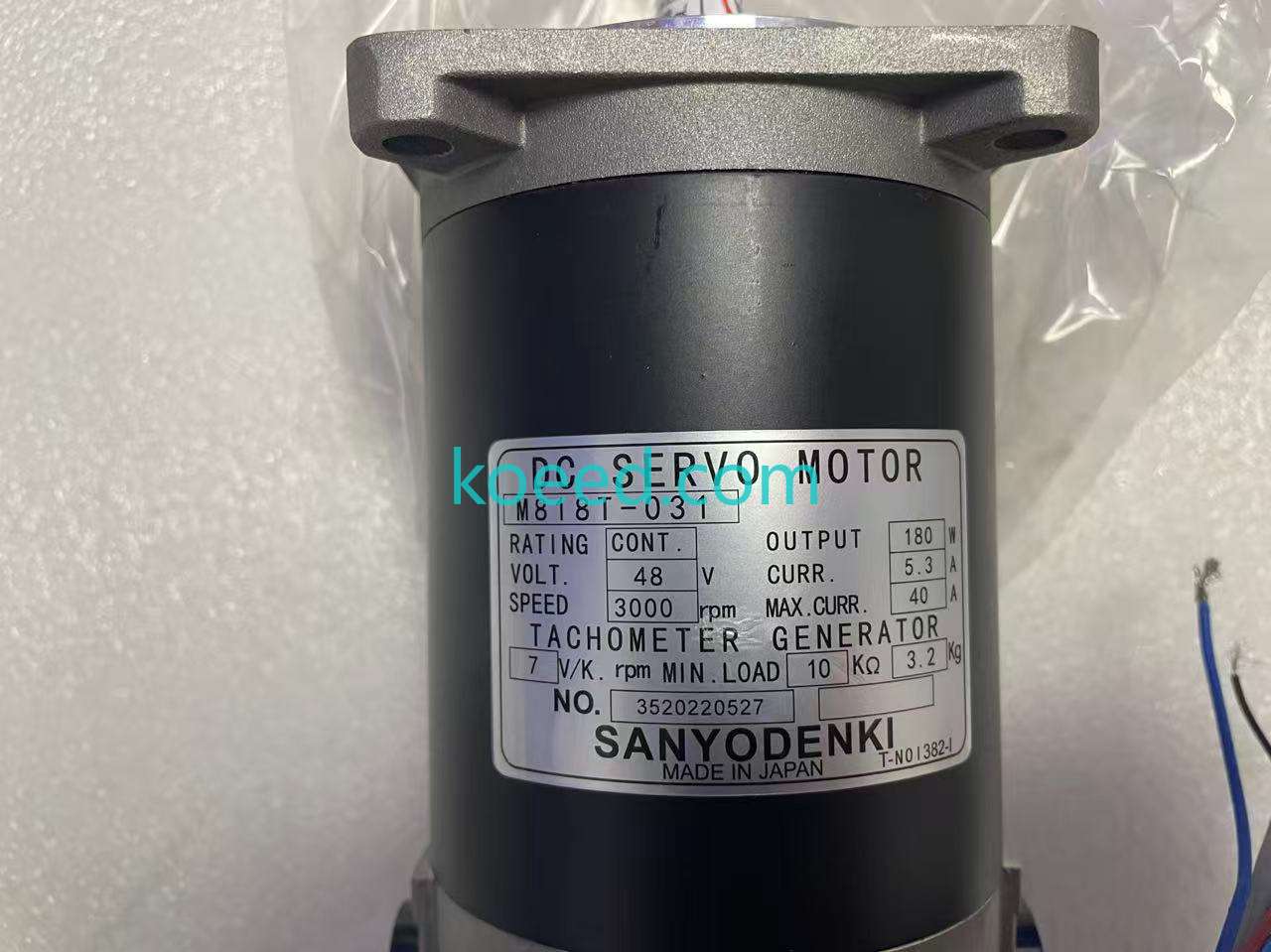
Every Sanyo Denki M818T-031 unit available through Koeed's verified supply chain undergoes rigorous visual and electrical inspection before shipping. Below is the complete product gallery showing the motor from all angles, including housing, connectors, shaft, and label verification.
IT/OT Convergence: Integrating the M818T-031 into Smart Factories
The 2026 industrial automation paradigm demands that even conventional DC servo motors participate in the unified data fabric of the smart factory. While the M818T-031 is a traditional brushed DC design, its integration into a modern IT/OT architecture is both feasible and cost-effective. This is precisely why procurement teams continue sourcing the M818T-031 through Koeed for brownfield modernization projects.
Edge-to-Cloud Monitoring Architecture
Plant engineers in 2026 typically deploy a three-layer stack to bring legacy Sanyo motors into the IIoT fold:
Layer 1 — Sensor Augmentation
Retrofit the motor housing with a compact MEMS vibration/temperature sensor module (e.g., ADXL357-based). These modules clamp externally and stream data via BLE or RS-485 to a local edge node — no motor disassembly required.
Layer 2 — Edge Gateway
Deploy an industrial edge gateway (such as an Advantech UNO series or Siemens IOT2050) running Node-RED or KepServerEX. This gateway ingests sensor data alongside tachometer feedback signals, normalizes them, and publishes to MQTT brokers.
Layer 3 — Cloud/ERP Integration
Push aggregated motor health metrics to AWS IoT Core, Azure IoT Hub, or an on-premise SCADA historian. Integrate with SAP OEE modules or custom dashboards (Grafana / Power BI) for real-time visibility into motor utilization, energy consumption, and anomaly detection.
Maintenance, Troubleshooting & Predictive Care
The M818T-031's brushed DC architecture — while requiring more periodic attention than brushless alternatives — offers a significant advantage in 2026: field-serviceability. Unlike sealed brushless units that demand full replacement upon failure, the M818T-031 can be economically rehabilitated by a competent maintenance team. For units sourced through Koeed's new-in-box inventory, starting from a known-good baseline dramatically simplifies lifecycle management.
Preventive Maintenance Schedule (2026 Best Practice)
| Interval | Task | Tooling Required |
|---|---|---|
| Monthly | Visual inspection of commutator surface through brush access ports; check for abnormal sparking | Borescope / inspection mirror |
| Quarterly | Measure brush length; replace if below 8 mm (or manufacturer spec) | Calipers, OEM brush kit |
| Bi-Annually | Clean commutator with electrical contact cleaner; verify tachometer output voltage linearity | Contact cleaner, multimeter |
| Annually | Full bearing inspection; replace if radial play exceeds 0.02 mm; verify encoder alignment | Dial indicator, bearing puller |
| Condition-Based | Vibration analysis trending; thermal imaging under load; armature current signature analysis | IIoT sensor suite, thermal camera |
Common Fault Diagnosis
Likely Cause: Worn brushes or commutator contamination. Inspect brush length and commutator surface. If brushes are adequate, clean the commutator slots with a non-conductive pick and compressed air. 2026 Note: If your IIoT vibration sensor shows elevated RMS velocity in the 50–200 Hz band, this confirms brush-commutator degradation before visual symptoms appear.
Likely Cause: Tachometer brush wear or contamination. The M818T-031's DC tachometer uses small carbon brushes that wear faster than the main motor brushes. Inspect and clean the tachometer commutator; replace brushes if necessary. Verify output voltage is smooth and proportional to speed across the full range.
ROI & Total Cost of Ownership Analysis
For procurement engineers and plant managers evaluating the Sanyo M818T-031 from Koeed, the TCO calculation in 2026 strongly favors this motor for legacy Sanyo-controlled machinery. Below is a structured ROI comparison:
| Cost Factor | M818T-031 Direct Replacement | Full AC Servo Migration |
|---|---|---|
| Hardware Acquisition | $280–$450 (Koeed new-in-box) | $1,800–$3,500 (motor + drive + cables) |
| Installation Labor | 2–4 hours (drop-in) | 16–40 hours (re-wiring, tuning, PLC reprogramming) |
| Downtime | ½ shift | 2–5 shifts |
| Annual Maintenance | $60–$120 (brush kits, cleaner) | $20–$50 (sealed; minimal) |
| Energy Efficiency | ~75–82% (typical DC servo) | ~88–94% (modern AC servo) |
| 5-Year TCO Estimate | $1,100–$1,800 | $2,800–$5,500 |
| Payback on Retrofit Sensors | 3–7 months | N/A (native capabilities) |
Bottom Line: For machines running Sanyo T818T or M818T series controllers, the direct replacement path via Koeed delivers a 50–65% lower 5-year TCO compared to a full AC servo migration — and that's before factoring in the avoided risk of controller incompatibility.
Frequently Asked Questions
Is the M818T-031 compatible with all Sanyo Spark Machine models?
The M818T-031 is fully compatible with Sanyo Spark Machine control systems designed for the T818T and M818T series motor families. No firmware updates or controller modifications are required — it is a true drop-in replacement. For machines outside this family, consult Koeed's technical support team for compatibility verification.
Can the M818T-031 be used with third-party servo drives in 2026?
While the M818T-031 is optimized for Sanyo Denki's own drive ecosystem, it can be driven by third-party DC servo drives that support 48V armature voltage and tachometer-based velocity feedback. Signal conditioning may be required for the tachometer output. Koeed recommends consulting with an automation integration engineer to specify the correct interface module.
How does Koeed ensure the M818T-031 is genuine and in new condition?
Every M818T-031 unit in Koeed's inventory is sourced through authorized channels and undergoes multi-point inspection including: visual housing integrity check, label/nameplate verification against Sanyo Denki serialization records, shaft runout measurement, insulation resistance testing, and tachometer output verification. Units are shipped in factory-grade protective packaging. View the full product listing for current stock and expedited shipping options.
What is the expected service life of the M818T-031 brushes?
Under normal operating conditions (rated load, clean environment, proper alignment), the main motor brushes typically last 2,000–4,000 operating hours. The tachometer brushes may require replacement at 1,500–2,500 hours. In 2026, predictive maintenance algorithms using armature current ripple analysis can forecast brush replacement within ±100 hours of actual end-of-life.
Does the M818T-031 support absolute positioning feedback?
In its standard configuration, the M818T-031 uses a DC tachometer for velocity feedback and may be paired with an incremental encoder for position feedback. For absolute positioning, an external absolute encoder module can be retrofitted to the rear shaft — a common 2026 upgrade path for precision EDM applications requiring sub-micron positioning accuracy.


