

B3 NO.2 PLC: Advanced Industrial Automation Controller for Modern Manufacturing
B3 NO.2 Programmable Logic Controller
Advanced Industrial Automation Solution for Modern Manufacturing Environments
Product Overview
The B3 NO.2 Programmable Logic Controller represents the next generation of industrial automation control systems, designed to meet the demanding requirements of modern manufacturing facilities. This advanced PLC combines robust hardware architecture with sophisticated software capabilities to deliver reliable, efficient, and flexible automation solutions.
Engineered for industrial environments, the B3 NO.2 PLC excels in applications ranging from simple machine control to complex process automation systems. Its modular design and scalable architecture make it suitable for diverse industrial sectors including automotive manufacturing, food processing, packaging, material handling, and energy management.
Product Visual Documentation
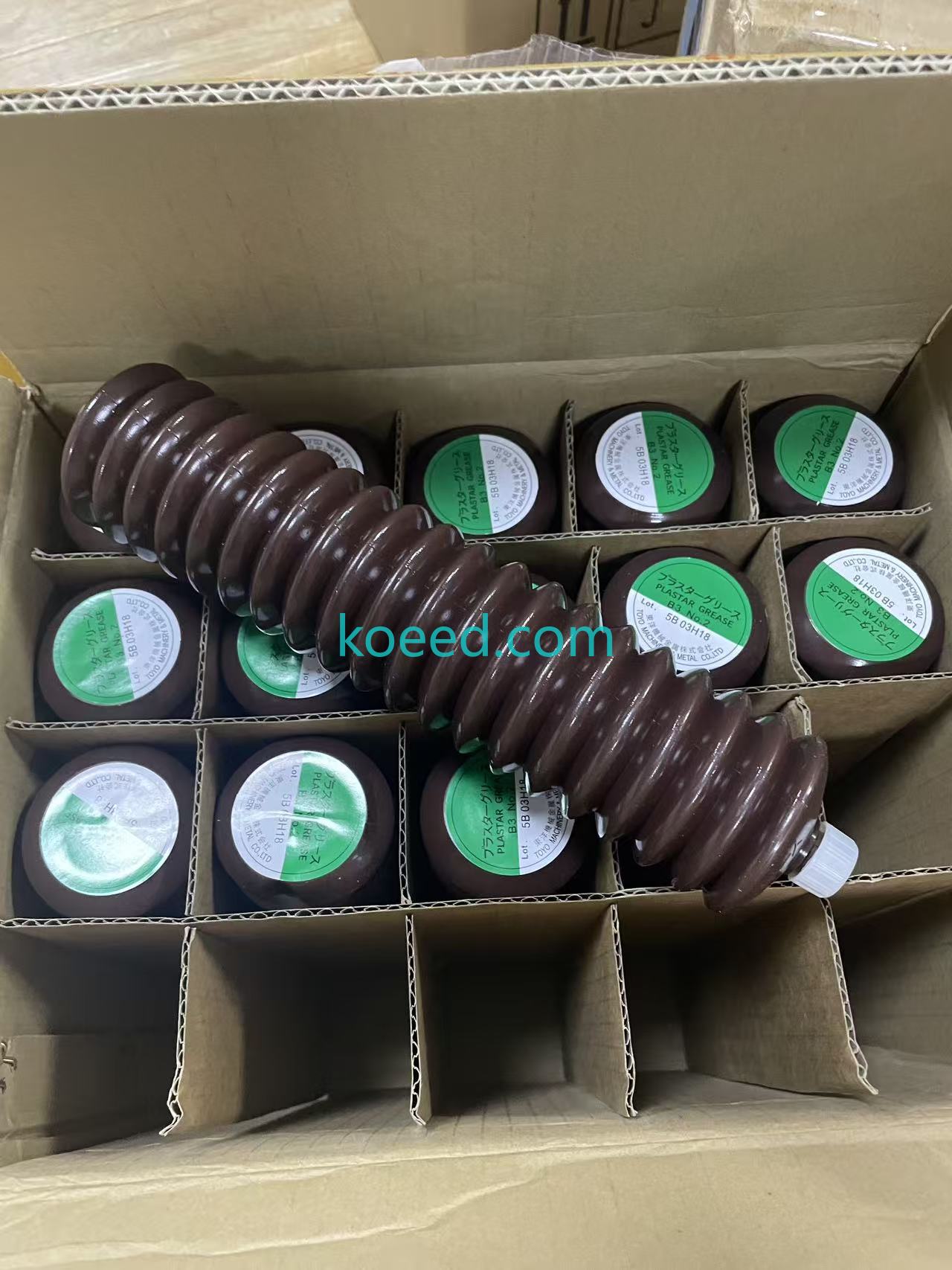
Front Panel Interface and Display

Side View Showing I/O Modules
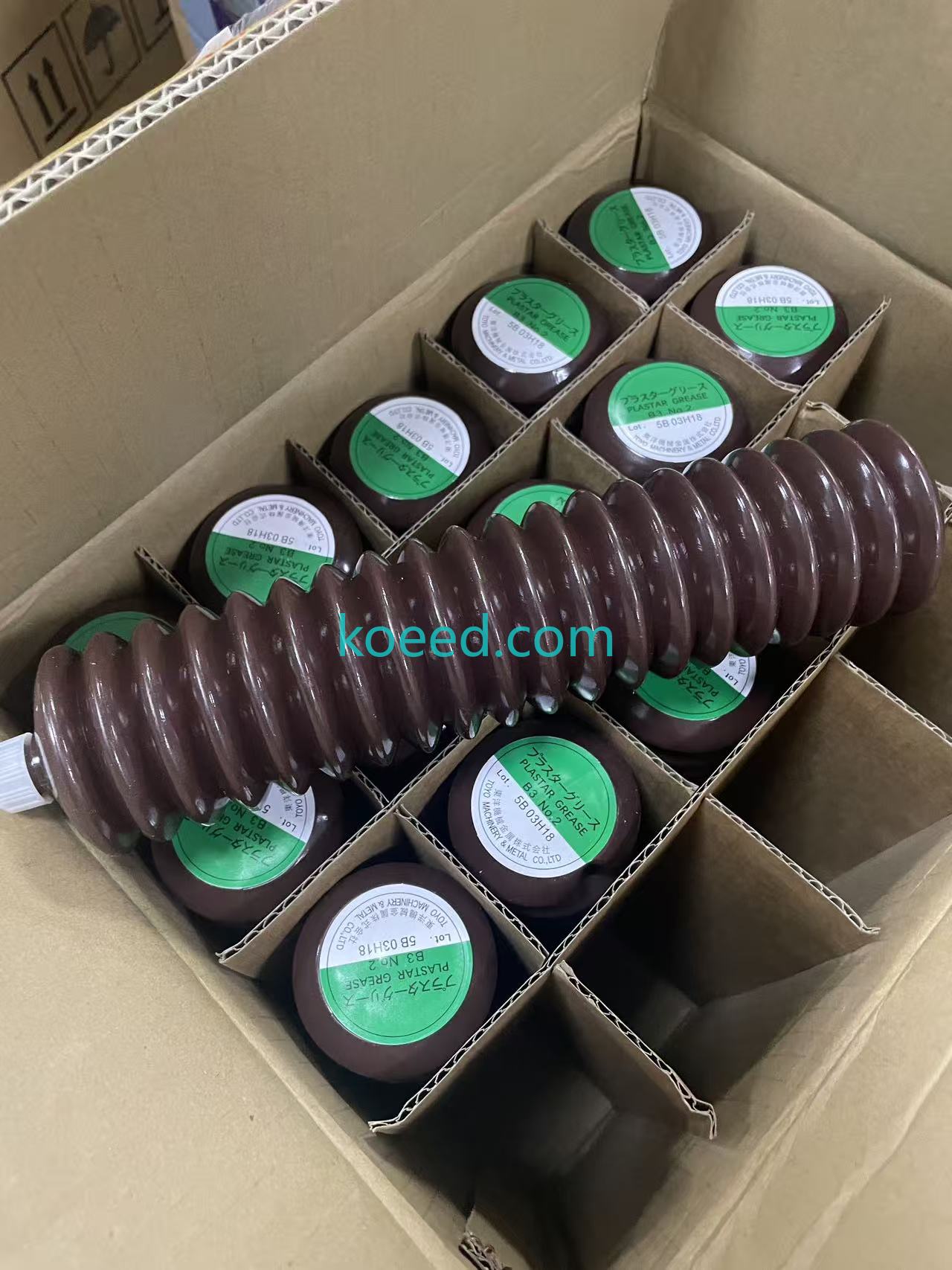
Industrial Installation Configuration
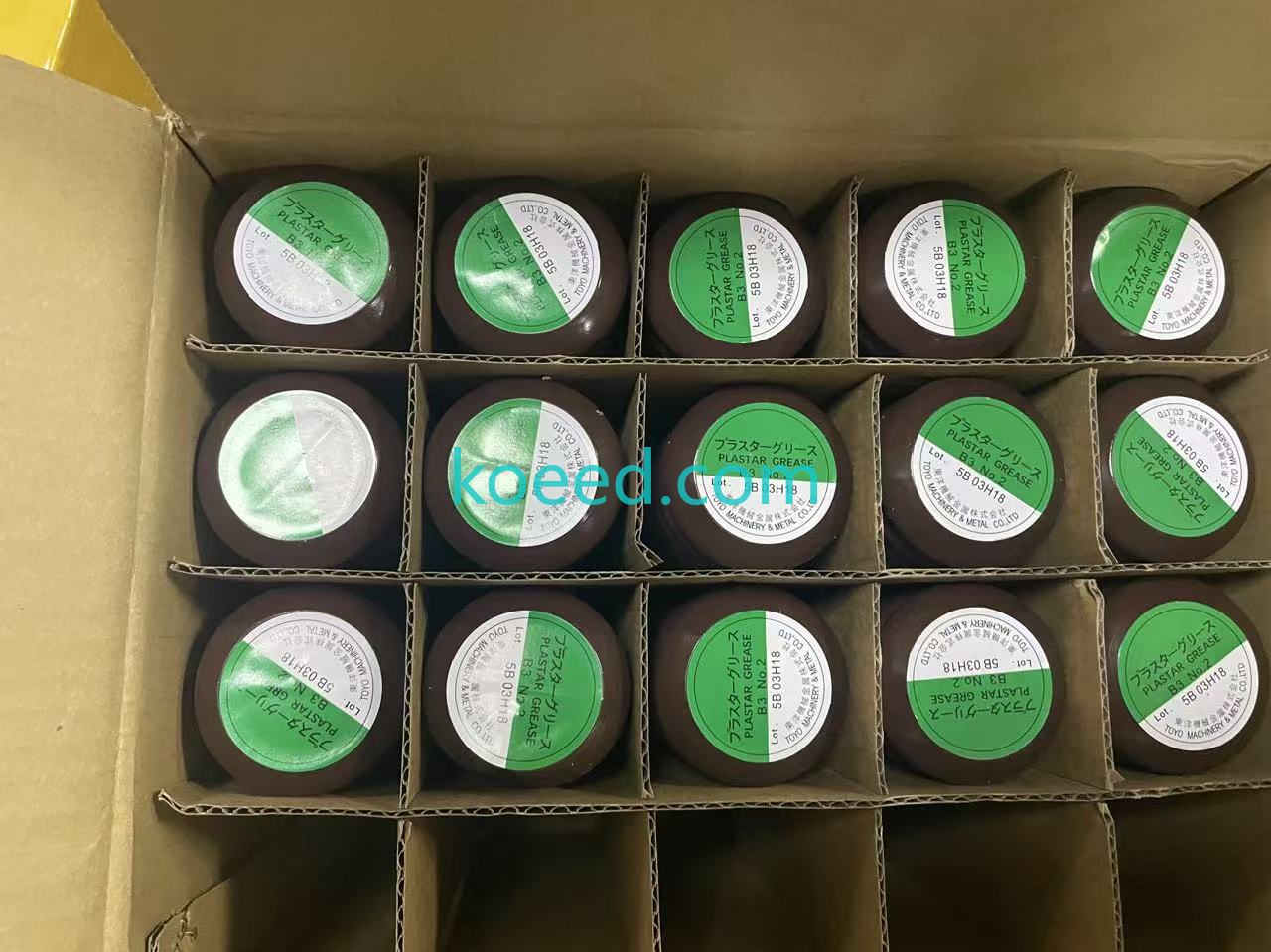
Internal Architecture and Components
Product Demonstration Video
Watch the B3 NO.2 PLC in action - demonstrating installation, configuration, and operational capabilities
Key Features and Capabilities
Advanced Processing Power
High-performance processor with multi-core architecture for complex control algorithms and rapid response times. Capable of handling thousands of I/O points with deterministic execution.
Modular I/O System
Flexible modular design allowing customized configuration of digital, analog, and specialty I/O modules to match specific application requirements.
Industrial Communication
Integrated support for multiple industrial protocols including PROFIBUS, Ethernet/IP, Modbus TCP/IP, and OPC UA for seamless integration with existing systems.
Robust Programming Environment
Comprehensive programming suite supporting IEC 61131-3 languages including ladder logic, function block diagrams, structured text, and sequential function charts.
Industrial Durability
Designed for harsh industrial environments with wide operating temperature range, vibration resistance, and protection against electrical noise and interference.
Safety and Security
Built-in safety features including password protection, user authentication, and secure communication protocols to protect against unauthorized access.
Technical Specifications
| Parameter | Specification | Details |
|---|---|---|
| Processor | Multi-core Industrial CPU | 32-bit/64-bit architecture with real-time capabilities |
| Memory | Program Memory | Up to 64MB user program memory, expandable |
| I/O Capacity | Maximum I/O Points | Up to 2048 digital I/O, 512 analog I/O (modular expansion) |
| Programming Languages | IEC 61131-3 Compliant | LD, FBD, ST, SFC, IL supported |
| Communication Ports | Standard Interfaces | Ethernet, RS-232, RS-485, USB programming port |
| Operating Temperature | Industrial Range | -20°C to +60°C (-4°F to +140°F) |
| Power Supply | Input Voltage | 24V DC (18-32V DC) or 100-240V AC |
| Protection Rating | Environmental | IP20 (standard), IP65 options available |
| Scan Time | Performance | ≤ 1ms for 1K instructions (typical) |
Application Areas
Manufacturing Automation
Assembly line control, robotic integration, quality inspection systems, and production monitoring for automotive, electronics, and consumer goods manufacturing.
Process Control
Chemical processing, water treatment, food and beverage production, pharmaceutical manufacturing with precise temperature, pressure, and flow control.
Material Handling
Conveyor systems, automated storage and retrieval systems (AS/RS), packaging lines, and warehouse automation solutions.
Building Automation
HVAC control, lighting management, energy monitoring, and security systems for commercial and industrial facilities.
Frequently Asked Questions
Industry Trust Metrics
Technical References and Standards
Industry Standards Compliance: The B3 NO.2 PLC complies with international standards including IEC 61131-3 for programming languages, IEC 61131-2 for hardware requirements, and relevant industrial safety standards for electrical equipment.
PLC Fundamentals Reference: According to industry documentation, "A Programmable Logic Controller (PLC) is a digital computer used for automation of industrial processes. It consists of a central processing unit, memory to store the control program, and input/output modules to interface with field devices." This fundamental architecture forms the basis of the B3 NO.2's design philosophy.
Maintenance Best Practices: Industry guidelines emphasize that "Maintaining a Programmable Logic Controller (PLC) is critical to ensuring the reliability, efficiency, and safety of industrial automation systems. Regular testing of input and output modules ensures that the PLC accurately reads and responds to field devices, which is crucial for maintaining process control."
Conclusion
The B3 NO.2 Programmable Logic Controller represents a sophisticated solution for modern industrial automation challenges. With its advanced processing capabilities, modular architecture, and robust industrial design, it provides engineers and system integrators with a powerful tool for implementing reliable and efficient control systems across diverse industrial applications.
Whether deployed in manufacturing facilities, process plants, or building automation systems, the B3 NO.2 PLC delivers the performance, flexibility, and reliability required for today's demanding industrial environments. Its compliance with international standards and support for multiple programming languages ensures compatibility with existing systems and simplifies integration into complex automation architectures.


