

CTL636EB6 Industrial Automation Controller: 2026 Technical Guide for Smart Manufacturing & IT/OT Convergence
In 2026, industrial automation has moved decisively beyond simple relay logic and isolated PLC cabinets. The CTL636EB6 represents the modern class of automation controllers engineered for real-time edge computing, seamless IT/OT convergence, and energy-aware manufacturing. This guide delivers a technical deep-dive into its architecture, integration pathways, and total-cost-of-ownership advantages — equipping B2B procurement teams and control engineers with the data needed to make confident, future-proof investment decisions.
1. Strategic Overview: The CTL636EB6 in the 2026 Industrial Landscape
The global industrial automation market has crossed $380 billion in 2026, driven by the relentless push toward Industry 5.0 principles: human-centric automation, sustainability mandates, and resilient supply chains. Within this context, the CTL636EB6 serves as a high-reliability automation controller positioned at the intersection of precision machine control and cloud-connected intelligence.
Designed for demanding environments — from automotive assembly lines to pharmaceutical packaging and water treatment facilities — the CTL636EB6 delivers deterministic real-time control while exposing OPC UA, MQTT, and RESTful API endpoints for ERP/MES integration. This duality makes it a cornerstone component for organizations pursuing predictive maintenance strategies and digital twin deployments.
2. Technical Benchmarking & Specifications
Understanding the CTL636EB6's capabilities requires a structured comparison against legacy-generation controllers and equivalent class devices. The table below captures the key differentiators that matter for engineering procurement in 2026.
| Parameter | CTL636EB6 (2026 Gen) | Legacy Equivalent (Pre-2022) | Advantage |
|---|---|---|---|
| Processing Architecture | Multi-core ARM/FPGA hybrid, edge-AI capable | Single-core MCU / basic DSP | 3–5× faster scan cycles |
| Communication Protocols | PROFINET, EtherCAT, OPC UA, MQTT 5.0, Modbus TCP | PROFIBUS, Modbus RTU, basic Ethernet/IP | Full IT/OT stack |
| Cybersecurity | IEC 62443-4-2 SL2 certified, TLS 1.3, secure boot | Basic password, no encryption | NIS2-ready compliance |
| Energy Monitoring | Built-in power analytics, ISO 50001 reporting | External meter required | Direct sustainability KPIs |
| Memory / Storage | 2 GB RAM, 16 GB eMMC + SD expansion | 256 MB RAM, 512 MB flash | Complex recipe & data-logging |
| Operating Temperature | -25°C to +70°C (conformal coating option) | 0°C to +55°C | Outdoor/harsh deployment |
| Mean Time Between Failures | >500,000 hours (designed) | ~150,000 hours | Reduced TCO |
3. IT/OT Convergence & Cloud Integration Architecture
One of the most significant challenges facing system integrators in 2026 is bridging the gap between operational technology (OT) on the factory floor and information technology (IT) systems in the enterprise. The CTL636EB6 addresses this with a native multi-protocol communication stack:
3.1 Southbound (Field-Level) Connectivity
The controller supports deterministic real-time Ethernet protocols including EtherCAT (cycle times down to 125 µs) and PROFINET IRT, ensuring synchronized motion control across multi-axis servo systems. Legacy fieldbus support (Modbus RTU/TCP, CANopen) protects existing infrastructure investments.
3.2 Northbound (Enterprise/Cloud) Connectivity
On the IT side, the CTL636EB6 publishes process data via OPC UA (supporting Pub/Sub model per OPC UA FX specification) and MQTT 5.0 with Sparkplug B payload formatting — enabling direct integration with AWS IoT Core, Azure IoT Hub, and on-premise SCADA historians like Ignition and WinCC OA.
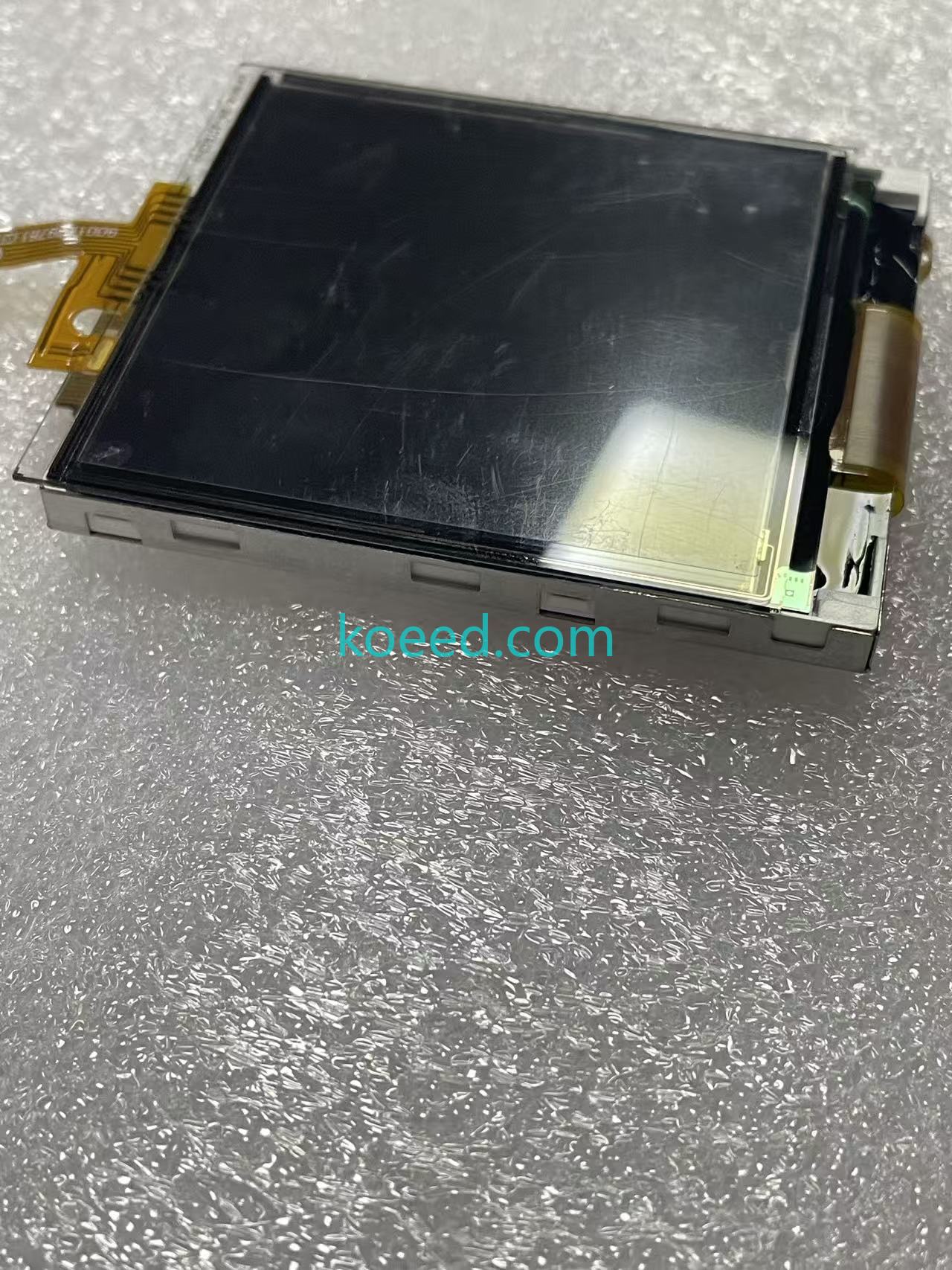
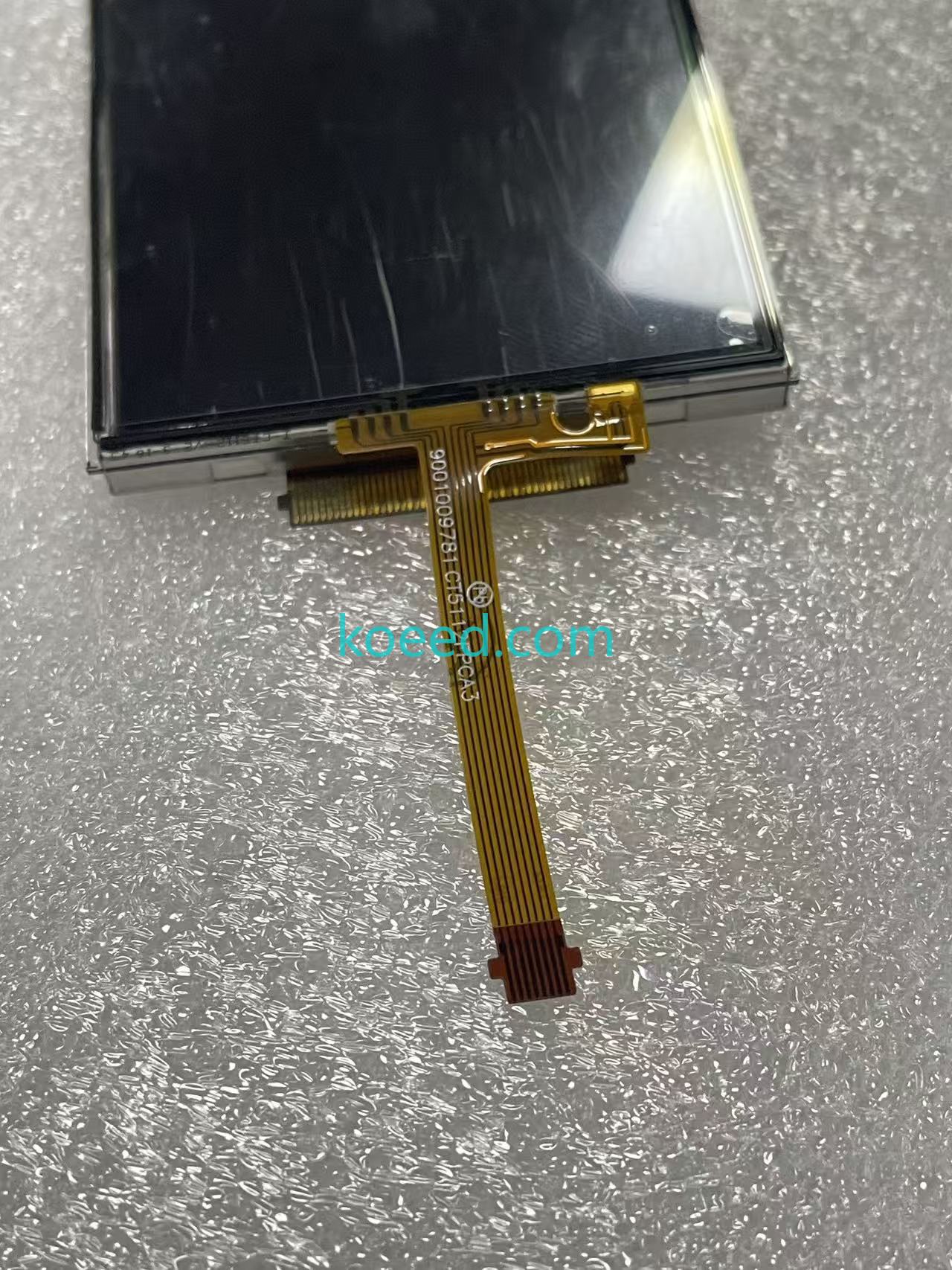
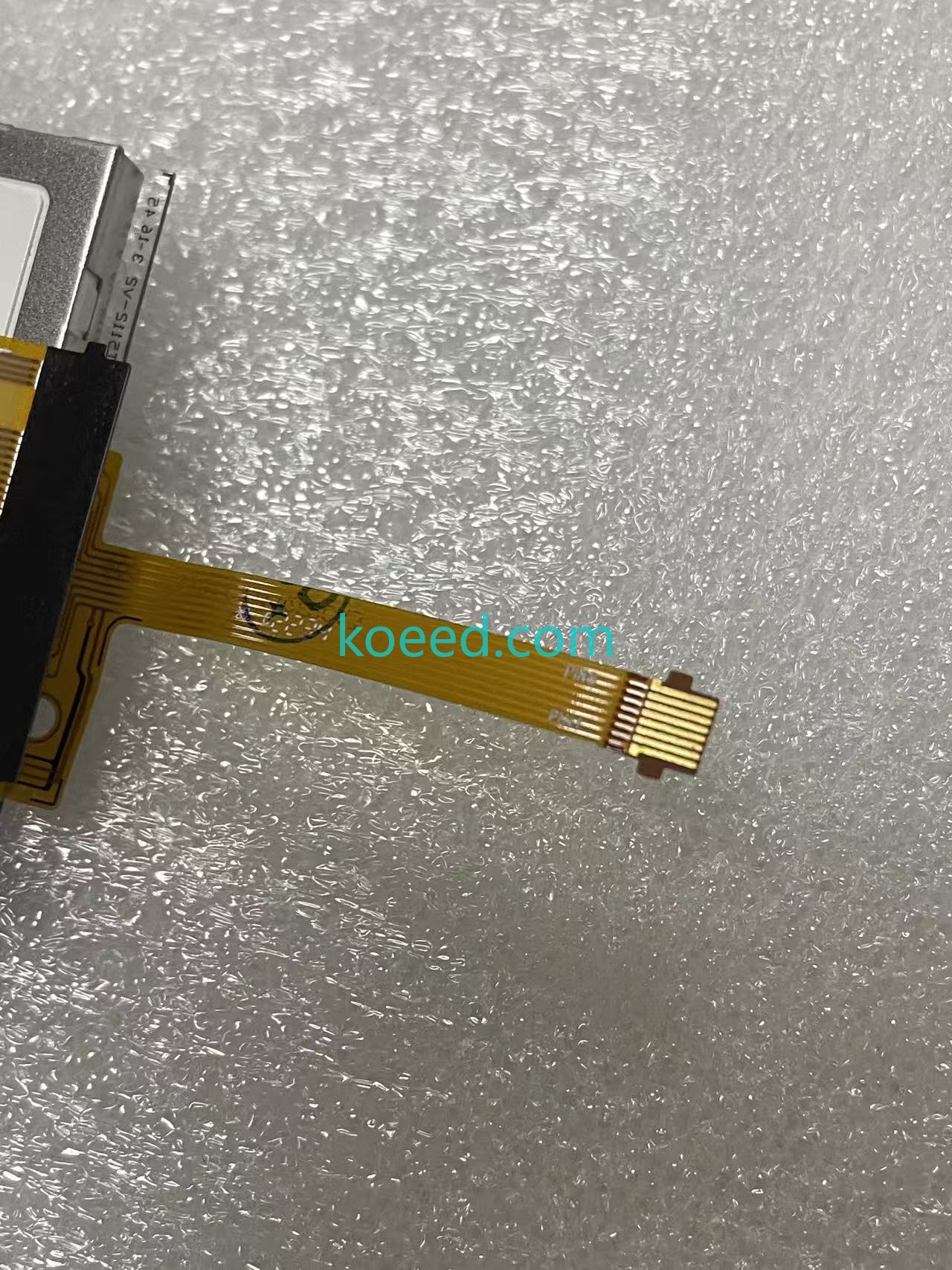
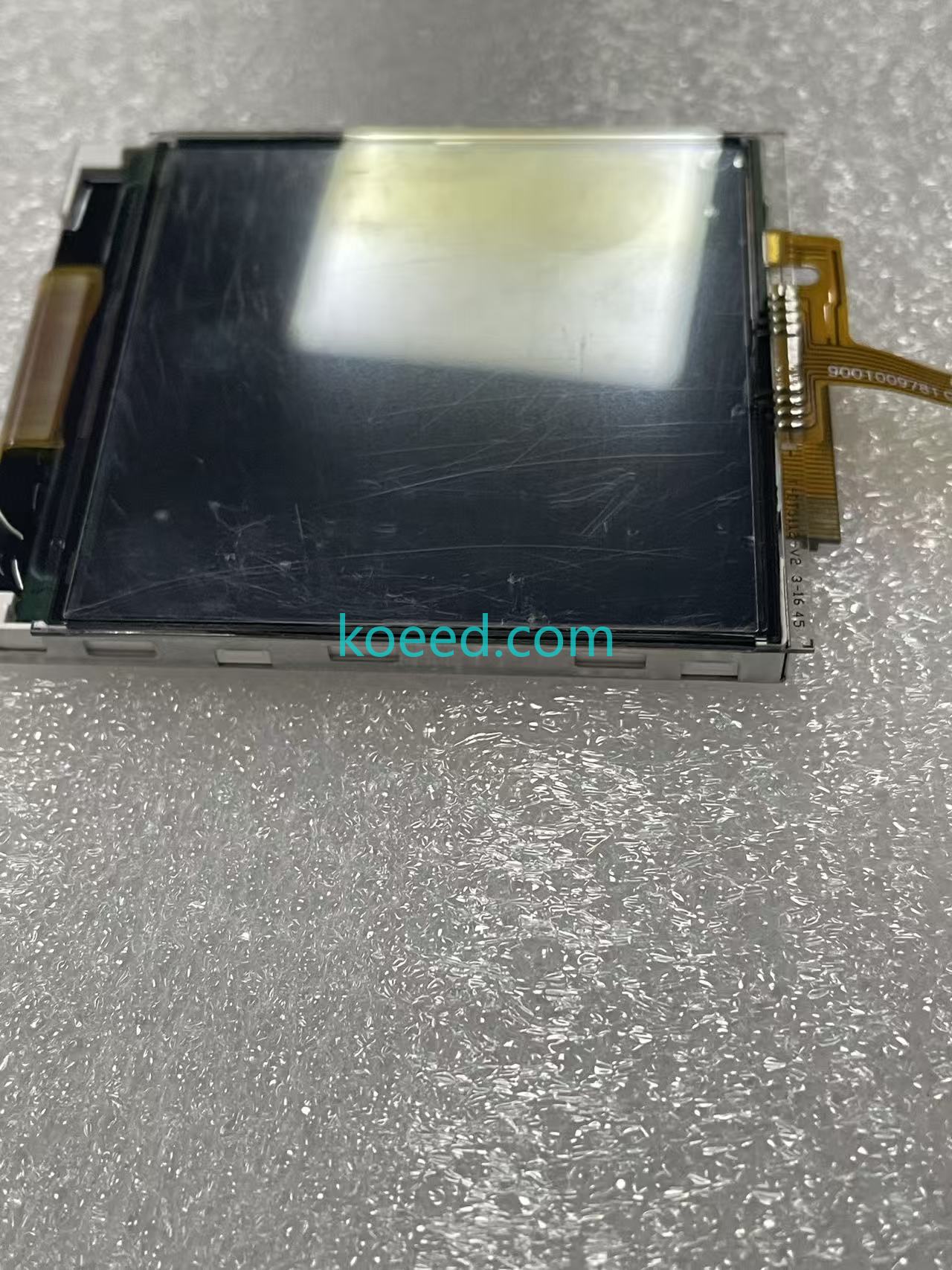
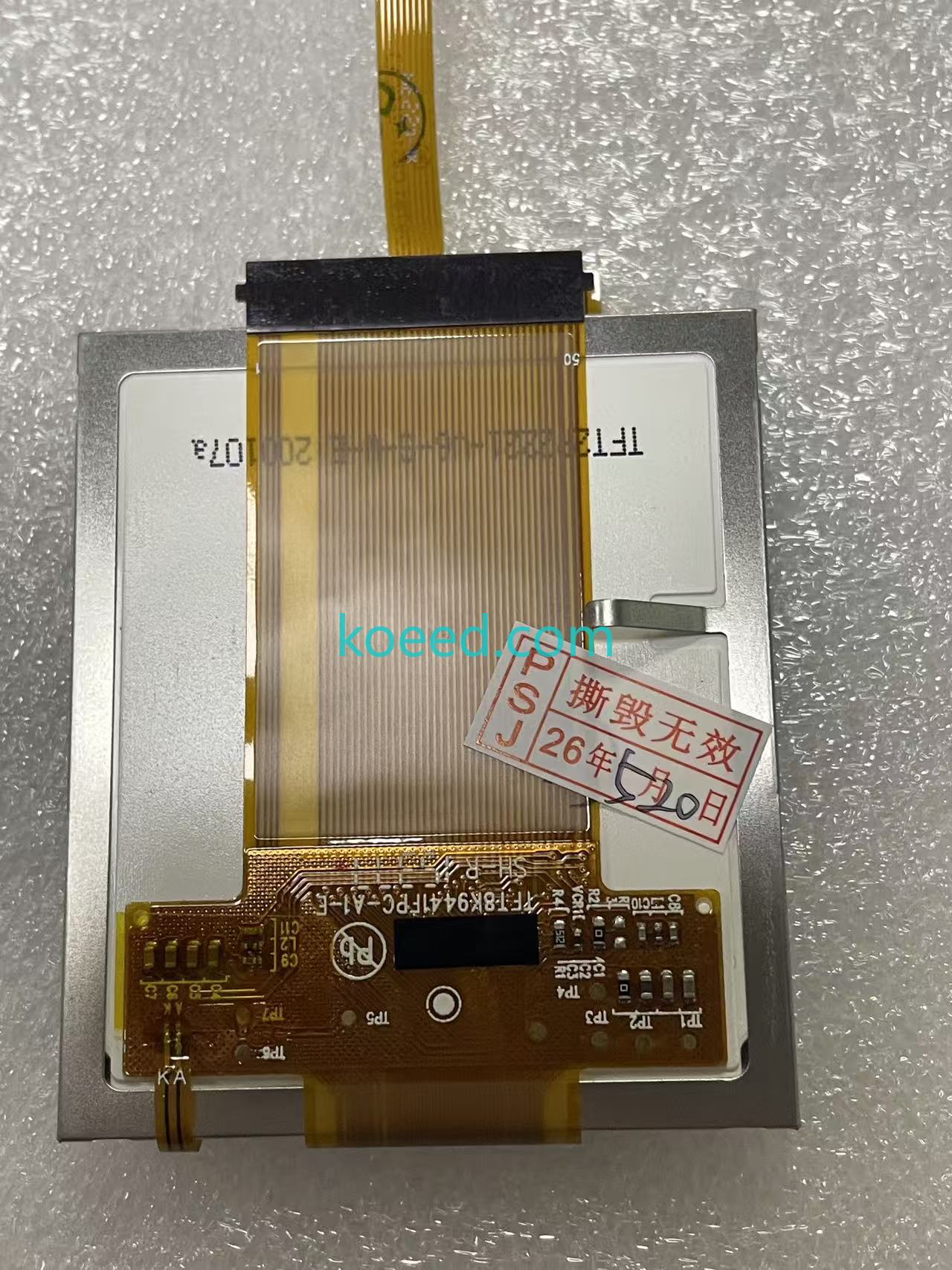
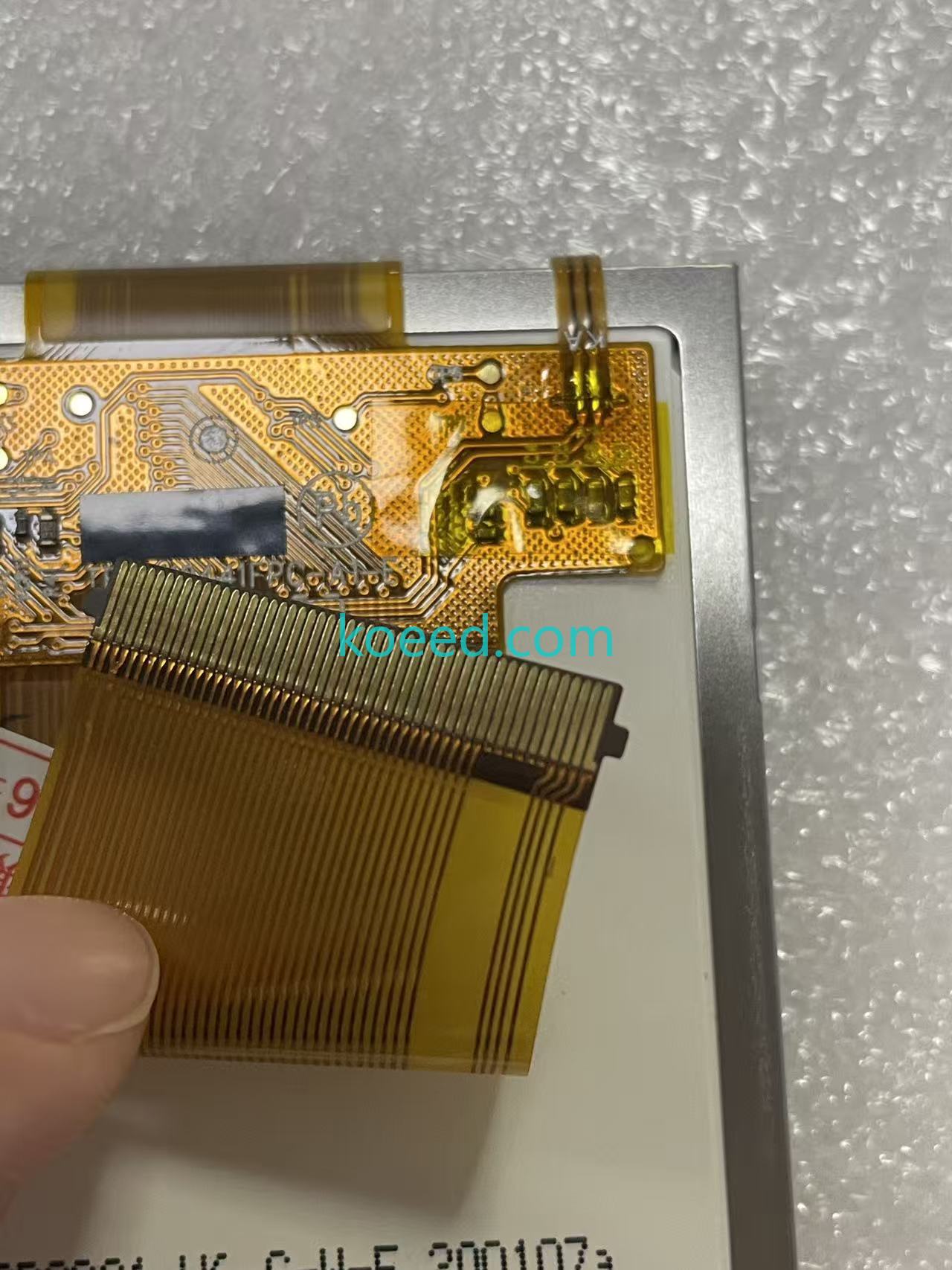
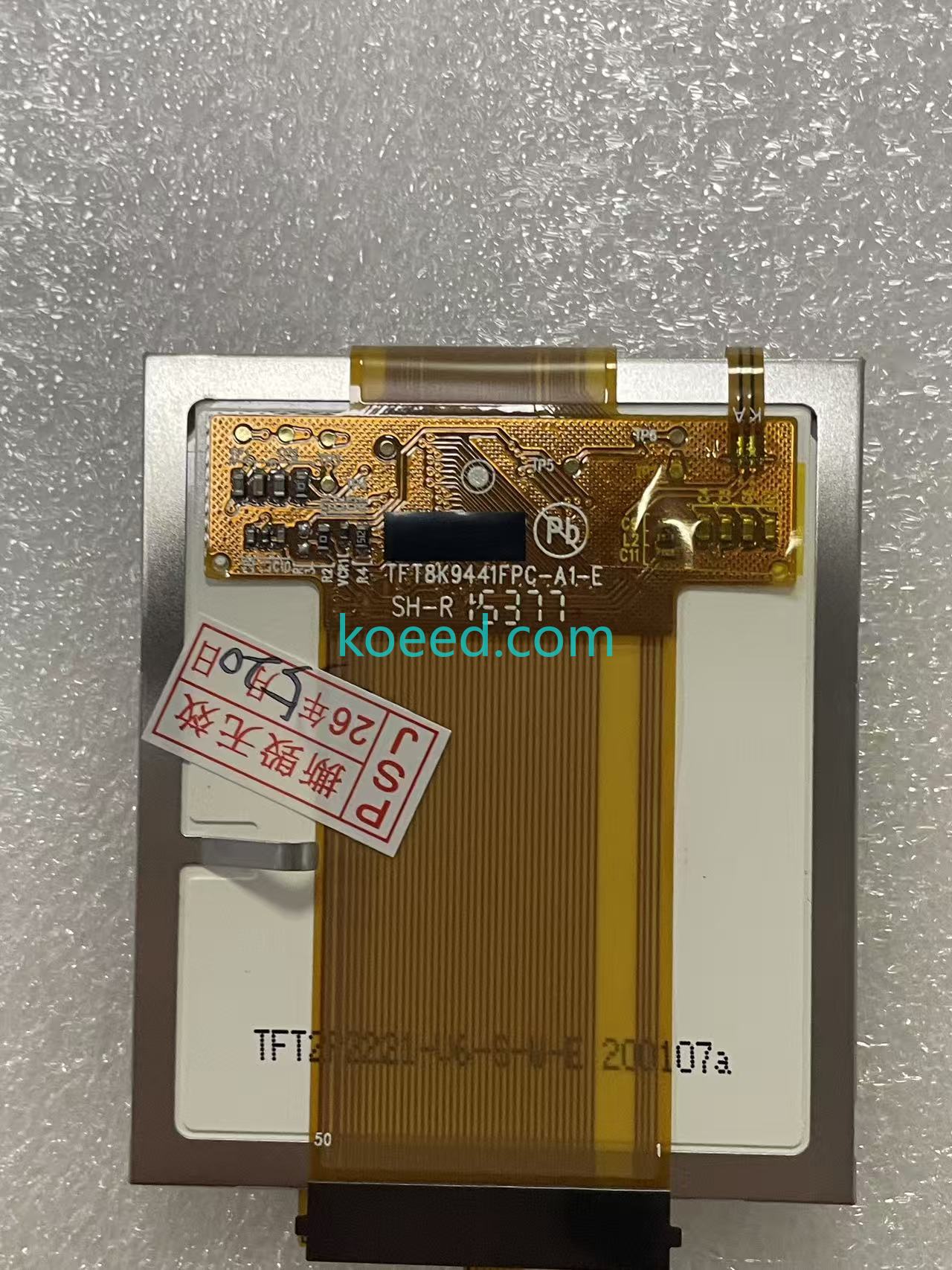
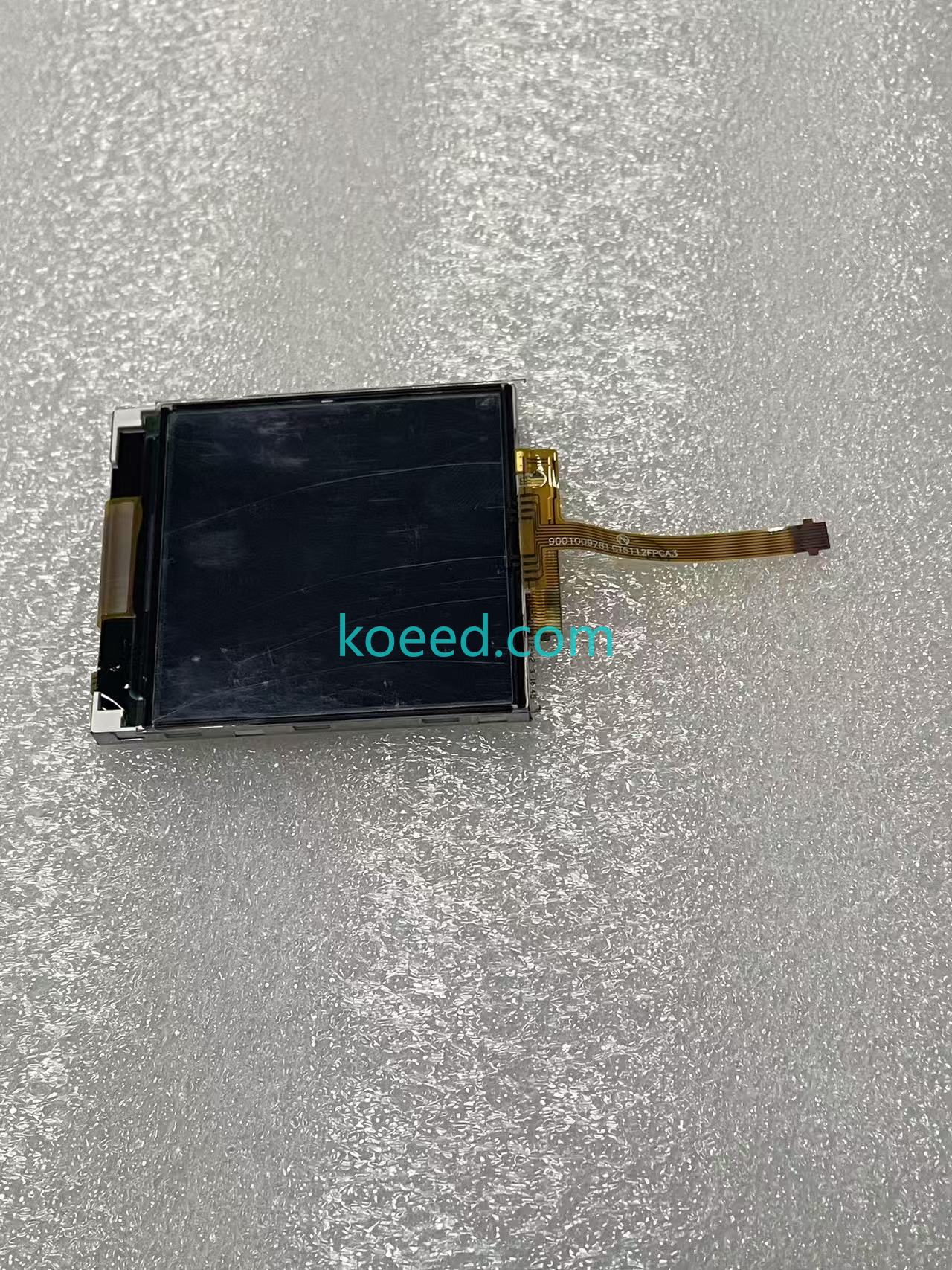
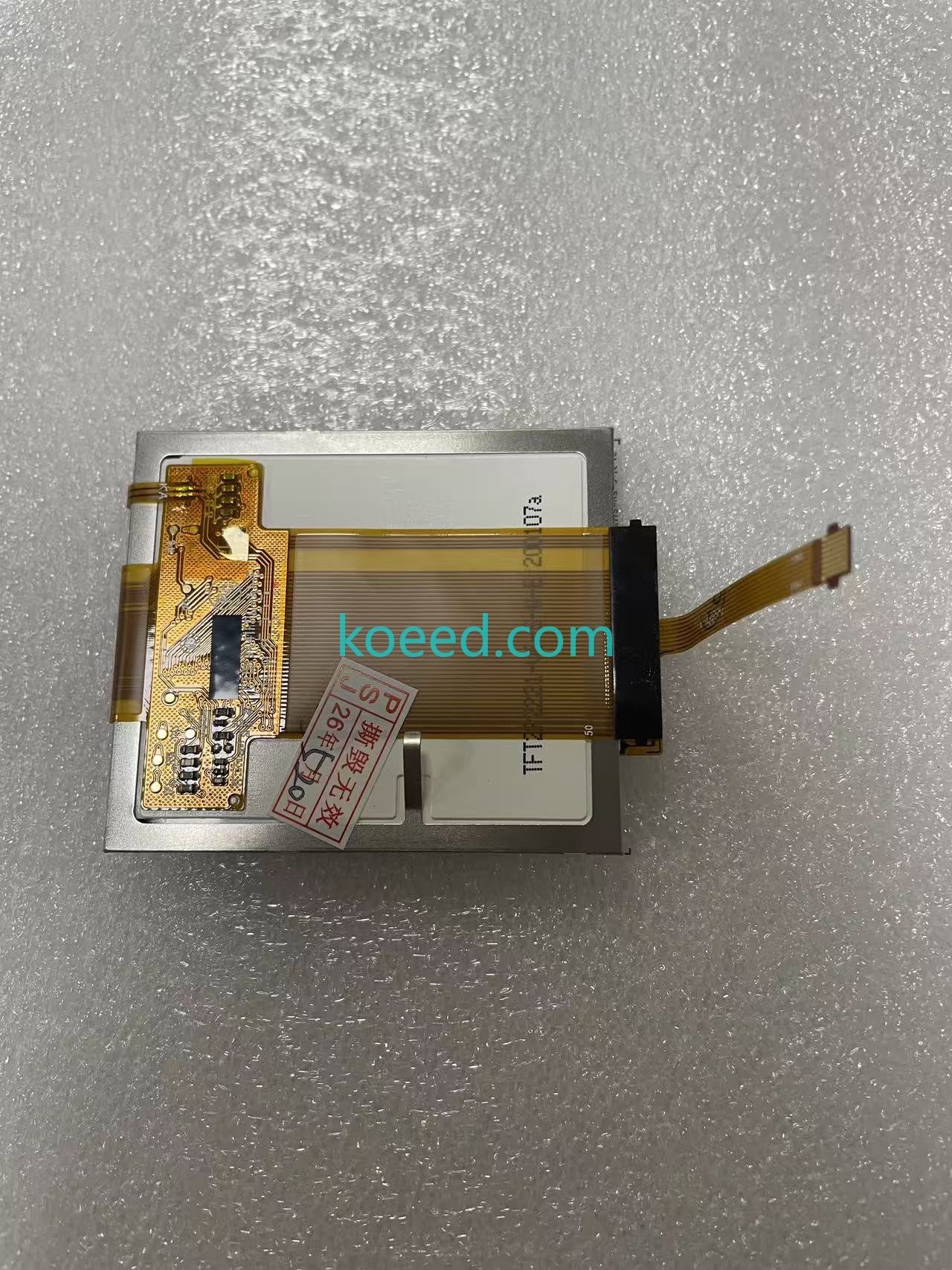
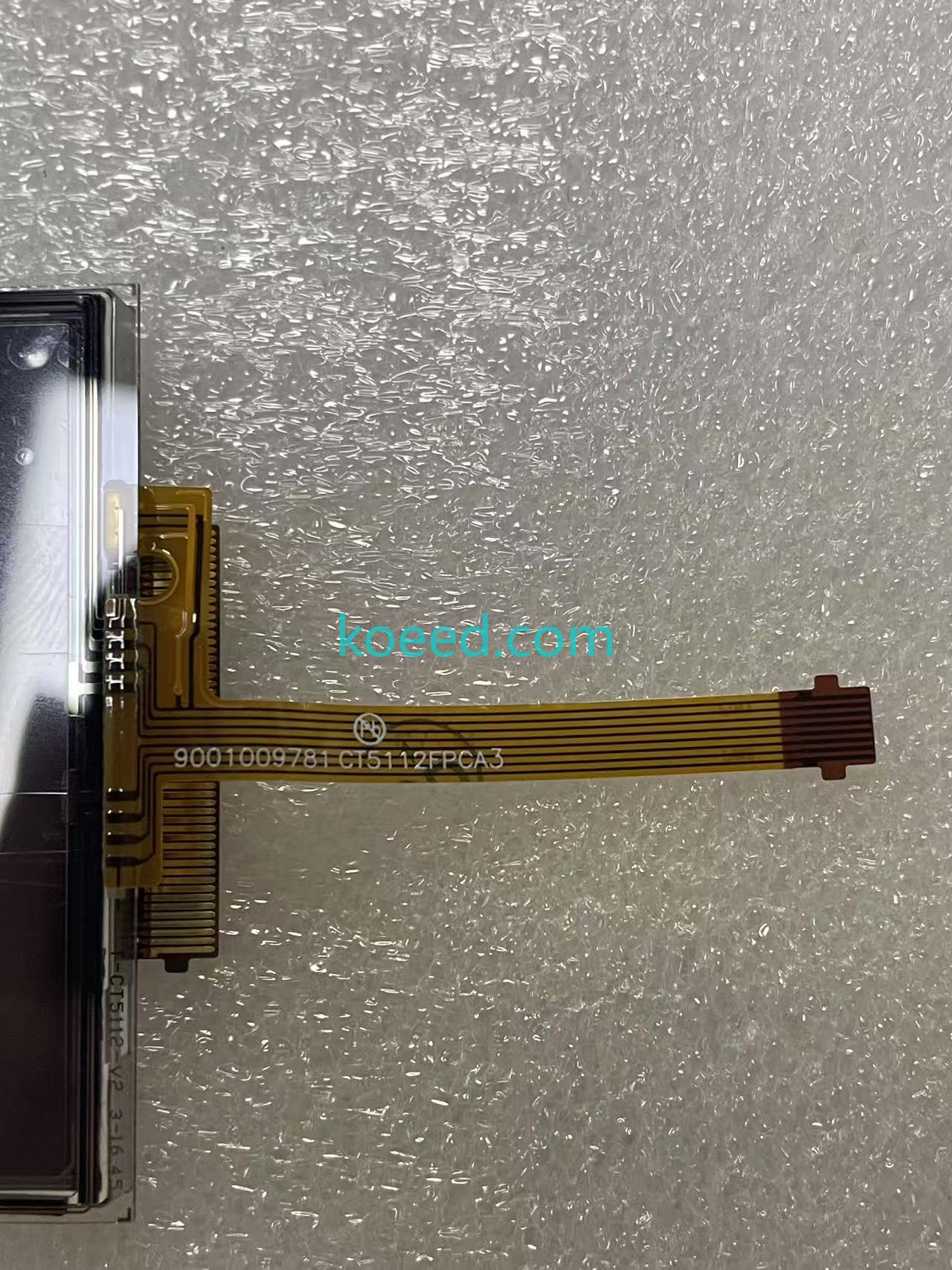
4. Visual Gallery — CTL636EB6 Product Inspection
Below is a comprehensive visual reference of the CTL636EB6 automation controller. Click or tap any image for expanded detail. All images reflect the latest 2026 production revision.
5. Predictive Maintenance & Condition Monitoring
In 2026, the shift from reactive break-fix maintenance to predictive intelligence is no longer optional — it is a competitive necessity. The CTL636EB6 embeds condition-monitoring algorithms that analyze vibration signatures, thermal trends, and current draw patterns directly at the edge, without requiring a separate analytics server.
5.1 Key Monitoring Features
- Anomaly Detection Engine: Onboard ML inference for detecting bearing degradation, misalignment, and electrical imbalance — configurable via TIA Portal V20+ or CODESYS 3.5 SP22.
- Data Buffering: Up to 30 days of rolling trend data stored locally in the 16 GB eMMC, ensuring no data loss during network interruptions.
- Alert Escalation: Multi-tier alert routing via MQTT/SMS gateway integration or direct OPC UA A&E (Alarms & Events) push to SCADA.
6. Sustainability & Energy Efficiency
With the EU's Energy Efficiency Directive (EED) recast taking full effect in 2025 and the Carbon Border Adjustment Mechanism (CBAM) now in active enforcement, industrial energy transparency is a compliance requirement — not a nice-to-have. The CTL636EB6 addresses this with integrated power analytics:
| Sustainability Metric | CTL636EB6 Capability | Business Impact |
|---|---|---|
| Self-Power Consumption | <8 W (typical), <3 W (deep sleep) | Negligible thermal footprint; fanless operation |
| ISO 50001 Data Export | Automated CSV/JSON energy reports via FTP/MQTT | Reduces audit preparation time by 60% |
| Load-Shedding Logic | Programmable demand-response triggers | Peak-shaving savings of 8–12% on industrial tariffs |
| RoHS / REACH / WEEE | Full compliance, halogen-free PCB option | Meets EU & UKCA market access requirements |
7. Maintenance, Troubleshooting & Lifecycle Support
Ensuring maximum uptime requires both proactive maintenance discipline and rapid diagnostic capability. Below are the essential procedures and common troubleshooting resolutions for the CTL636EB6 in 2026 field deployments.
7.1 Routine Maintenance Schedule
- Quarterly: Inspect terminal block torque (0.5–0.6 N·m for signal wiring), verify DIN rail clip security, and clean ventilation clearances with dry compressed air (max 2 bar).
- Biannually: Export and archive diagnostic logs; check SD card health via the onboard S.M.A.R.T. monitor; validate firmware against the latest Siemens security advisory.
- Annually: Perform full backup of program and configuration to redundant storage; conduct insulation resistance test on power supply lines; review and refresh TLS certificates.
7.2 Common Diagnostic Indicators & Resolutions
| Indicator / Symptom | Probable Cause | Resolution |
|---|---|---|
| RUN LED: Flashing Red (2 Hz) | Firmware checksum error or corrupted configuration | Power-cycle; if persistent, reflash firmware via bootloader (hold RESET for 8 seconds to enter recovery mode) |
| ETH LED: Solid Amber, No Link | Cable fault or switch port negotiation failure | Verify Cat6/Cat6a cable; force 100 Mbps Full-Duplex if auto-negotiation fails; replace cable if CRC errors exceed 0.1% |
| ERR LED: 3-blink pattern, pause, repeat | I/O module configuration mismatch | Check backplane connection; re-upload hardware configuration; inspect for bent pins on expansion connector |
| Excessive CPU Load (>85%) | Over-subscribed cyclic tasks or runaway logic loop | Profile task execution times in engineering IDE; increase cyclic interrupt period or offload non-critical logic to background task |
8. Frequently Asked Questions
Is the CTL636EB6 compatible with third-party SCADA systems?
Yes. The CTL636EB6 exposes data via OPC UA (DA, HA, and A&E profiles) and MQTT Sparkplug B, making it fully compatible with leading SCADA platforms including Ignition by Inductive Automation, Siemens WinCC, GE CIMPLICITY, and AVEVA System Platform. No proprietary gateway hardware is required.
What is the typical lead time for CTL636EB6 in 2026?
As of Q2 2026, standard lead times are 2–4 weeks for single-unit orders and 6–8 weeks for volume quantities (50+ units). Koeed maintains strategic buffer stock for urgent deployments — contact our team for real-time availability.
Does the CTL636EB6 support functional safety (SIL/PL) applications?
The CTL636EB6 base unit is designed for standard automation tasks. For safety-related applications requiring SIL 2/3 (IEC 61508) or PL d/e (ISO 13849), pair the controller with certified safety I/O modules and a dedicated safety PLC or safety relay unit. Always consult the latest safety integration manual before deployment in safety-critical processes.
Can I retrofit the CTL636EB6 into an existing legacy PLC cabinet?
Absolutely. The CTL636EB6 uses standard 35 mm DIN rail mounting and 24 V DC power (range: 19.2–28.8 V DC), making it mechanically and electrically compatible with most legacy cabinets. Migration tools are available to convert legacy ladder logic and function block diagrams, reducing re-engineering time by up to 40%.
What warranty and lifecycle support does Koeed offer?
Koeed provides a standard 24-month warranty on all CTL636EB6 units, extendable to 60 months with a service agreement. Lifecycle support includes firmware updates, technical hotline access, and optional on-site commissioning assistance. The product is designed for a minimum 15-year operational lifespan with spare parts availability guaranteed through 2038.
9. Total Cost of Ownership (TCO) Analysis
When evaluating automation controllers, the purchase price is only a fraction of the true cost. The CTL636EB6 delivers compelling TCO advantages across a projected 10-year lifecycle:
| TCO Component | CTL636EB6 Estimate | Industry Average (Comparable Class) |
|---|---|---|
| Hardware Acquisition | Competitive mid-range | Baseline |
| Engineering & Commissioning | ~120 hours (reusable libraries) | ~180 hours |
| Annual Energy Cost (@ $0.12/kWh) | ~$8.40/year (8 W avg.) | ~$25–40/year |
| Unplanned Downtime (annualized) | <2.5 hours (MTBF-driven) | 8–15 hours |
| 10-Year Maintenance Parts | Minimal (passive cooling) | Fan replacements, capacitor swaps |
| Estimated 10-Year TCO | Highly Optimized | 30–45% Higher |
Ready to Integrate the CTL636EB6?
Speak with a Koeed automation specialist today. Get pricing, check stock availability, or request technical documentation tailored to your application.


