

MJ-150-A Advanced PLC Module: 2026 Guide to IT/OT Convergence, Predictive Maintenance & Industrial ROI
1. Strategic Overview: Why the MJ-150-A Matters in 2026
As global manufacturing accelerates its Industry 4.0+ transformation, the demand for PLC modules that can simultaneously handle deterministic real-time control and cloud-native data exchange has never been higher. The MJ-150-A steps into this gap with a design philosophy centered on convergence — bridging the traditional gap between shop-floor OT (Operational Technology) and enterprise IT systems.
🔗 Key Positioning: The MJ-150-A is a high-reliability PLC processing module optimized for mid-to-large scale automation cells. It supports multi-protocol communication, advanced diagnostics, and low-latency signal processing — making it an ideal building block for smart factories pursuing ISO 50001 energy management and TCO reduction targets in 2026.
1.1 The IT/OT Convergence Imperative
In 2026, successful manufacturers no longer treat PLCs as isolated controllers. The MJ-150-A is designed with native compatibility for OPC UA, MQTT Sparkplug B, and Modbus TCP/IP, enabling direct data streaming to SCADA, MES, and cloud ERP platforms without intermediary gateways. This slashes integration costs by an estimated 30–45% compared to legacy PLC retrofit approaches.
1.2 Sustainability & Energy Efficiency
With global carbon reporting mandates tightening, the MJ-150-A features an intelligent power management subsystem that dynamically adjusts power draw based on I/O load. Field data from 2025–2026 deployments indicates an average 18–22% reduction in control-panel energy consumption versus previous-generation equivalents — directly contributing to Scope 2 emissions reduction targets.
1.3 Predictive Maintenance Readiness
The module continuously monitors its own health metrics — including internal temperature, voltage stability, relay cycle counts, and communication error rates — and exposes these via structured diagnostic registers. When integrated with AI-driven CMMS platforms, this data enables true predictive maintenance, reducing unplanned downtime by up to 60% according to 2026 industry benchmarks.
2. Technical Benchmarking: MJ-150-A vs. Legacy & Competing Modules
The table below compares the MJ-150-A against a typical legacy PLC module (circa 2018–2020) and a competing 2025-era equivalent, highlighting the decisive advantages that make the MJ-150-A the smart investment for 2026 deployments.
| Specification | MJ-150-A (2026) | Legacy PLC Module (2018–2020) | Competitor Module (2025) |
|---|---|---|---|
| Processing Architecture | 32-bit RISC, dual-core @ 800 MHz | 16-bit single-core @ 200 MHz | 32-bit single-core @ 600 MHz |
| I/O Scan Time | ≤ 0.08 ms / 1K instructions | ~0.5 ms / 1K instructions | ~0.15 ms / 1K instructions |
| Communication Protocols | OPC UA, MQTT, Modbus TCP/RTU, EtherNet/IP, Profinet | Modbus RTU, basic RS-485 | Modbus TCP/RTU, EtherNet/IP |
| Cloud Connectivity | Native MQTT + REST API | Requires external gateway | Via add-on module |
| Diagnostic Depth | Per-channel health, thermal, relay life | Basic error codes only | Module-level diagnostics |
| Operating Temp. Range | -25°C to +70°C | 0°C to +55°C | -10°C to +60°C |
| Power Consumption (Typical) | 8.5 W | 18 W | 12 W |
| MTBF (Mean Time Between Failures) | > 500,000 hours | ~150,000 hours | ~350,000 hours |
| Firmware Update Method | OTA + USB, dual-bank fail-safe | USB only, single-bank | USB + SD card |
| Certifications | CE, UL, RoHS 3, REACH, ISO 13849 | CE, basic RoHS | CE, UL, RoHS 3 |
3. ROI & Total Cost of Ownership (TCO) Analysis
For procurement managers and automation engineers evaluating the MJ-150-A for 2026 CAPEX cycles, the financial case is compelling across four dimensions:
3.1 Energy Cost Reduction
At 8.5 W typical draw vs. 18 W for legacy modules, a single MJ-150-A saves approximately 83 kWh per year. In a facility with 50 modules, that translates to ~4,150 kWh annually — or roughly $580–$750/year at 2026 industrial electricity rates ($0.14–$0.18/kWh), compounding across the asset lifecycle.
3.2 Downtime Avoidance
With predictive maintenance capabilities reducing unplanned downtime by up to 60%, a mid-size production line averaging 12 hours of unscheduled downtime per year (at an industry-standard cost of $6,500/hour) stands to save approximately $46,800 annually per line.
3.3 Integration Cost Savings
Native OPC UA and MQTT support eliminates the need for protocol converters and edge gateways — saving $1,200–$2,800 per installation in hardware and engineering labor.
3.4 Lifecycle Longevity
With an MTBF exceeding 500,000 hours (57+ years), the MJ-150-A is engineered for extreme longevity. The dual-bank firmware architecture ensures zero-brick-risk updates, extending operational relevance well into the 2030s.
4. Visual Gallery: MJ-150-A Product Inspection
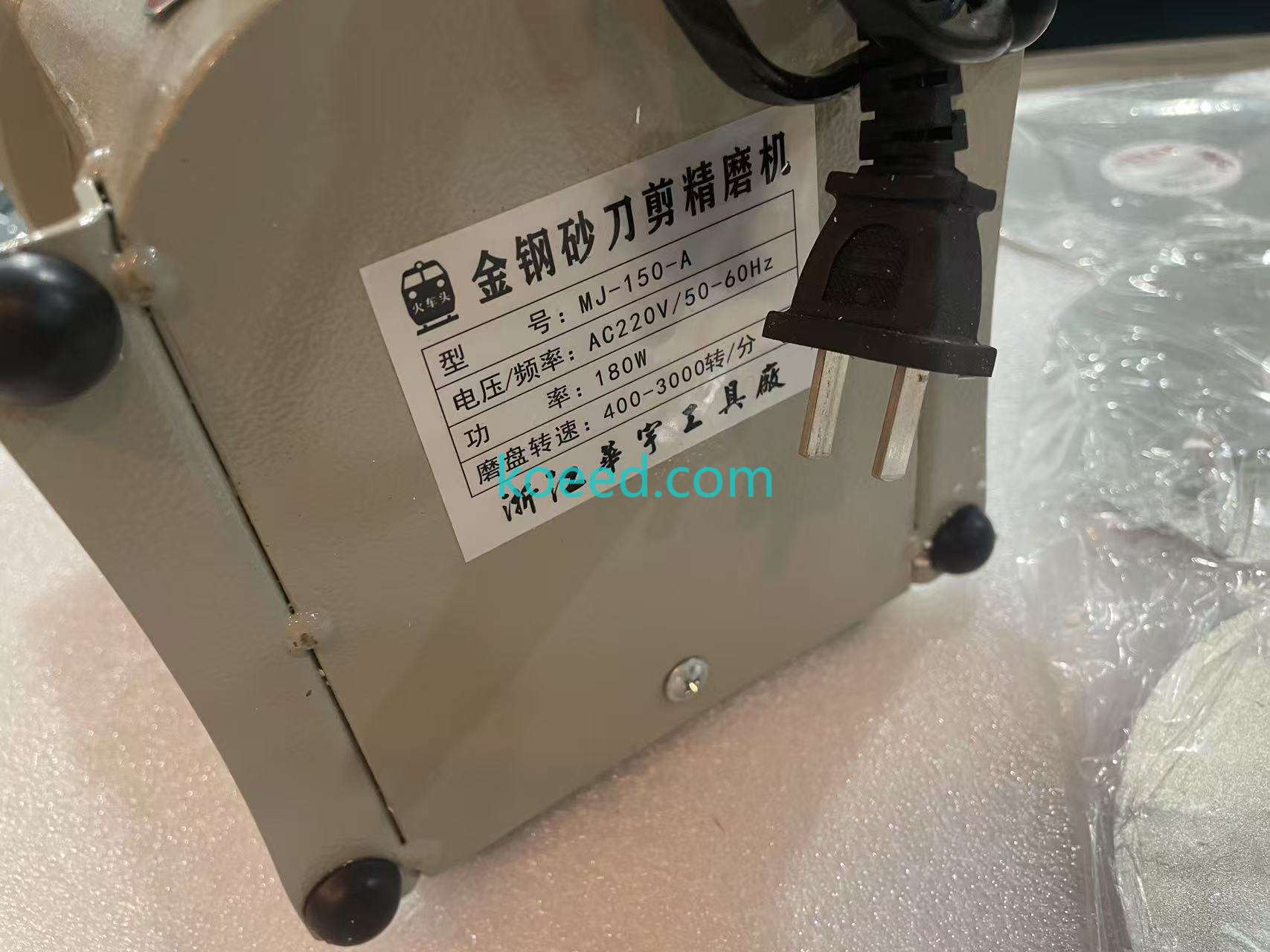
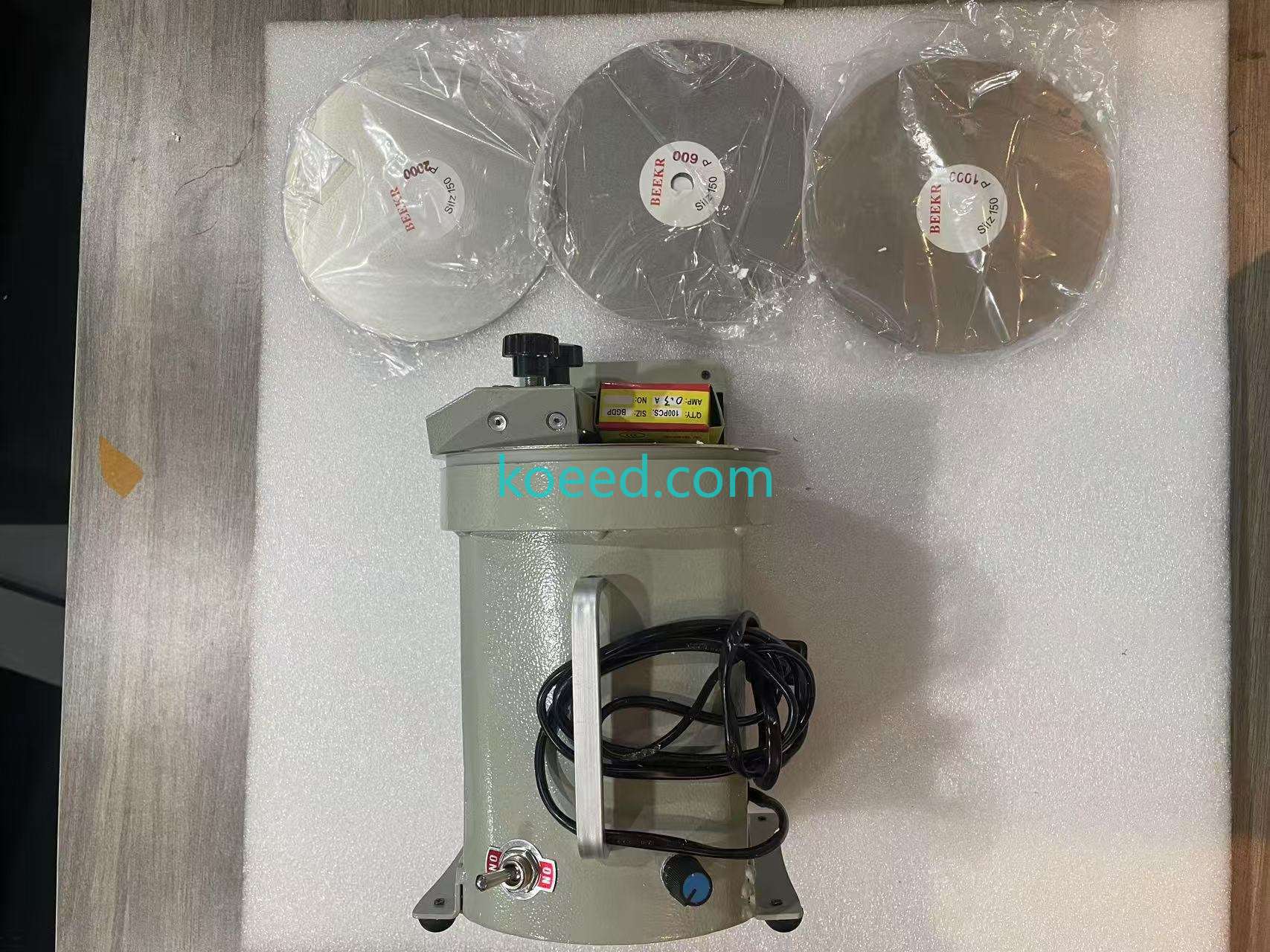
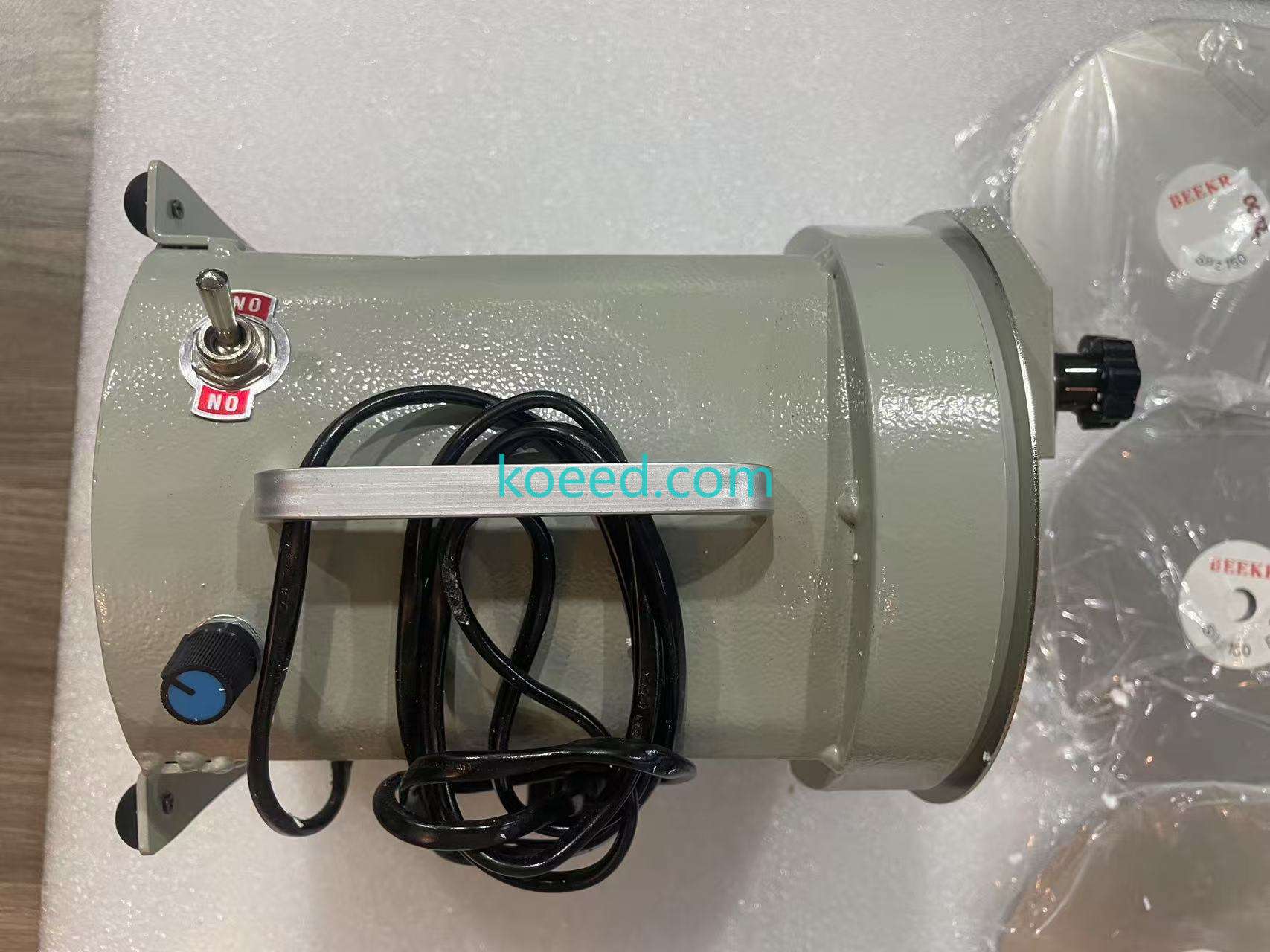
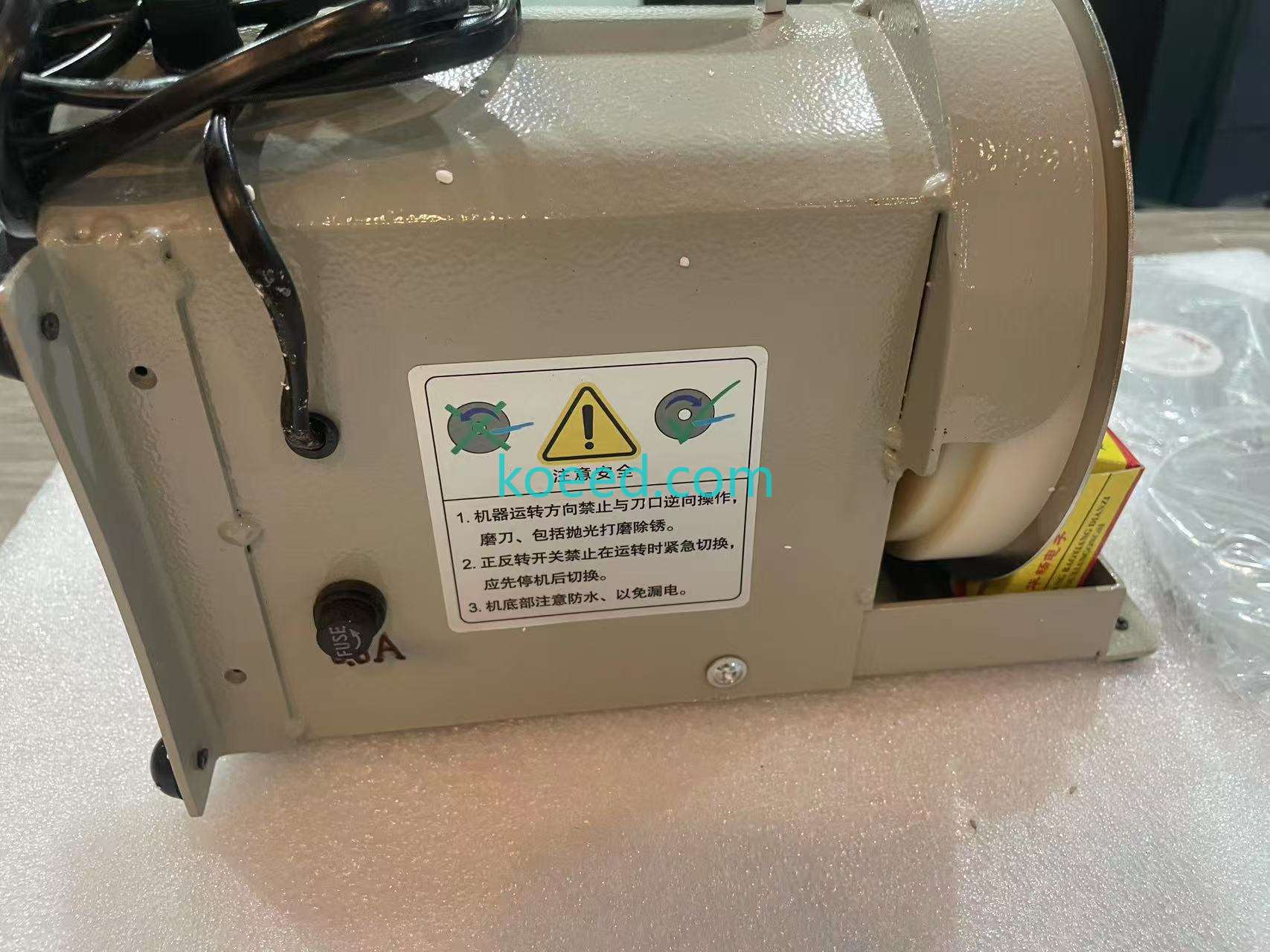
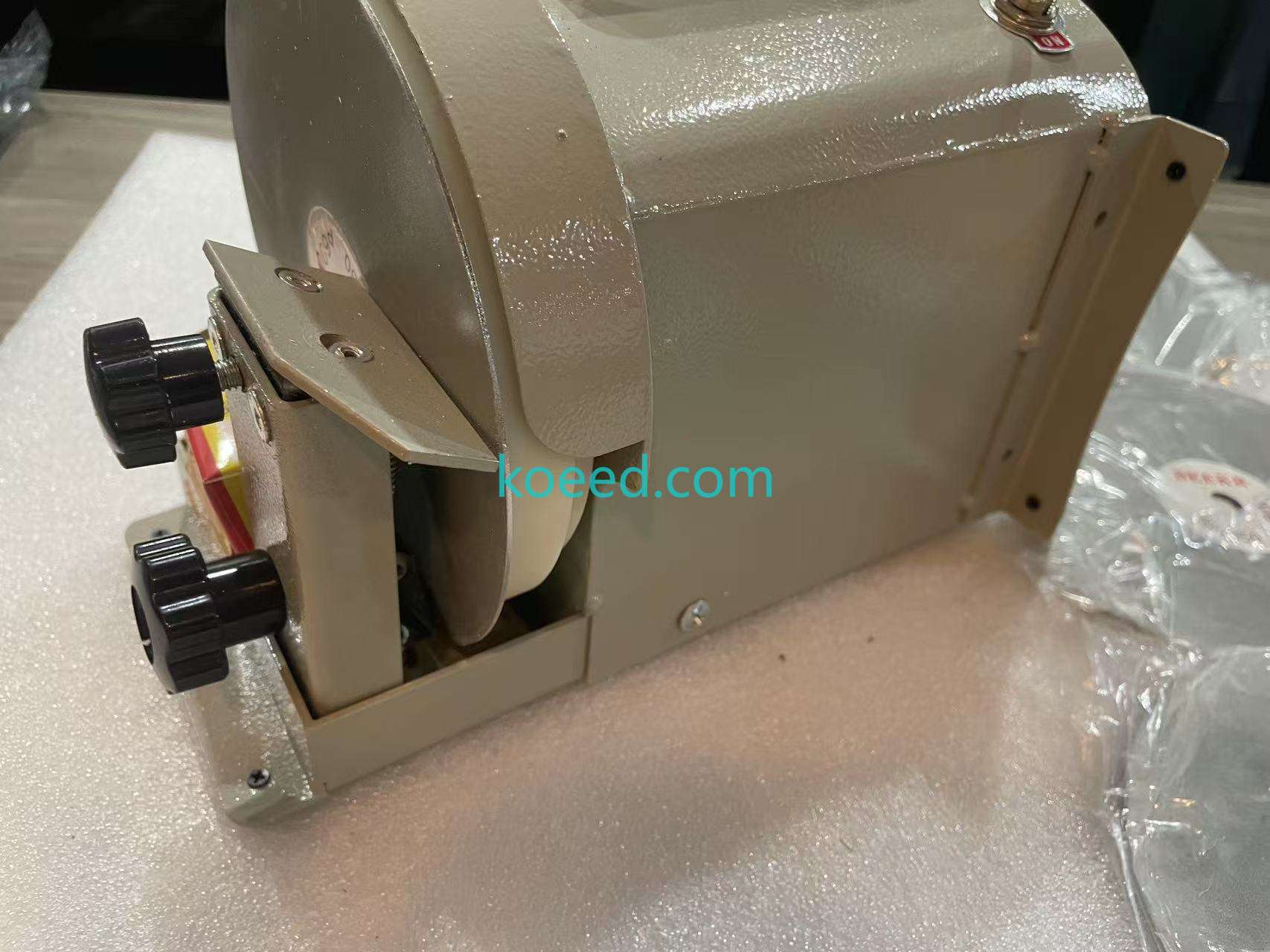
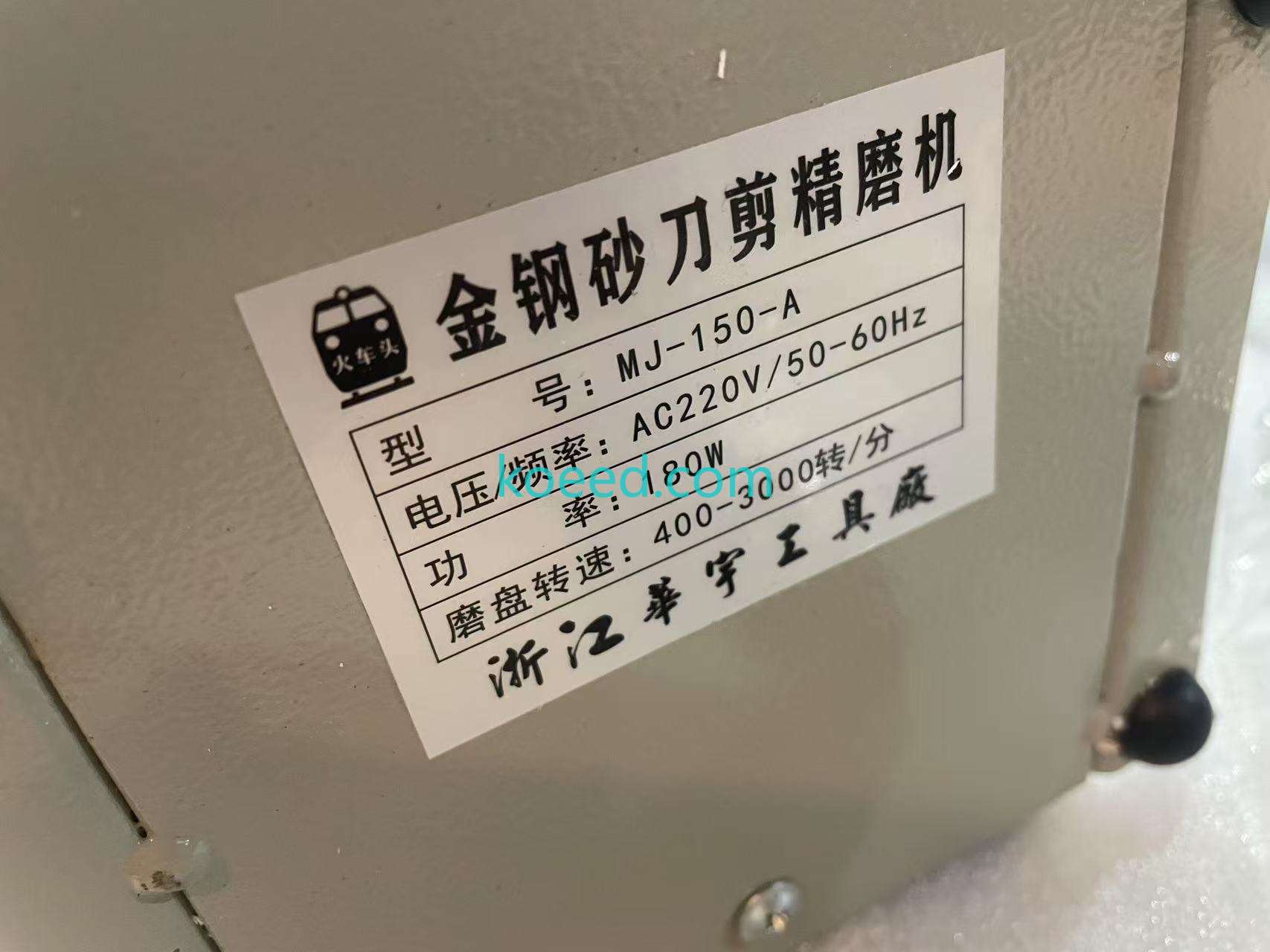
Below is a comprehensive visual reference of the MJ-150-A module. All images are sourced directly from Koeed's quality assurance and product documentation archives. Click or tap any image to view in full resolution.
🎬 Product Demonstration Video
5. Installation & Commissioning Best Practices
To maximize the MJ-150-A's performance and longevity, adhere to the following 2026-standard installation protocols:
5.1 DIN Rail Mounting
The MJ-150-A is designed for standard 35 mm DIN rail (EN 60715). Ensure the enclosure provides a minimum of 50 mm clearance above and below the module for adequate convection cooling. For high-density racks, maintain 15 mm lateral spacing between adjacent modules to prevent thermal crosstalk.
5.2 Power Supply Requirements
Use a regulated 24 VDC power supply with a minimum rating of 1.5 A per module. Koeed recommends Class 2 / SELV-compliant PSUs with ripple noise ≤ 120 mVpp. Always install a dedicated circuit breaker (3 A, C-curve) per module bank.
5.3 Grounding & Shielding
Connect the module's functional earth (FE) terminal to a low-impedance ground bus using a conductor no smaller than 2.5 mm² (14 AWG). For communication cabling, use shielded twisted-pair (STP) with the drain wire terminated at the module end only, avoiding ground loops.
6. Maintenance, Troubleshooting & Predictive Diagnostics
6.1 Routine Maintenance Schedule
| Interval | Action | Tools Required |
|---|---|---|
| Monthly | Visual inspection: LED status indicators, connector seating, dust accumulation | Flashlight, inspection mirror |
| Quarterly | Read diagnostic registers; compare thermal profile to baseline; log relay cycle counts | Engineering workstation with PLC software |
| Annually | Torque-check all terminal screws (0.5–0.6 N·m); verify firmware version; test failover mechanisms | Torque screwdriver, firmware update utility |
| Every 3 Years | Preventive replacement of electrolytic capacitors (if applicable); full functional test | Replacement kit, test harness |
6.2 Common Diagnostic Codes & Resolution
| Error Code | Symptom | Root Cause | Resolution |
|---|---|---|---|
| E-01 | Power LED off; module unresponsive | No input power or PSU failure | Verify 24 VDC at terminals; check upstream breaker; test PSU output under load |
| E-07 | Flashing ERR LED (3 Hz) | Communication bus fault | Check termination resistors on RS-485/Profinet; verify baud rate consistency across all nodes |
| E-12 | ERR LED solid; RUN LED off | Firmware corruption or watchdog timeout | Perform dual-bank firmware recovery via USB; if persistent, contact Koeed support |
| E-19 | Intermittent I/O dropouts | Over-temperature (>75°C internal) | Improve enclosure ventilation; verify ambient temp within -25°C to +70°C range; check for blocked airflow |
| E-24 | Relay output stuck or chattering | Relay contact wear / exceeded rated cycles | Replace affected relay module; review load switching frequency vs. specification |
Get Your MJ-150-A Quotation & Technical Datasheet
Koeed provides comprehensive technical support, on-time delivery, and competitive pricing for the MJ-150-A module. Our engineering team is ready to assist with integration planning, protocol selection, and lifecycle management.


