

Siemens LME21.130C2 in 2026: The Intelligent Burner Control Redefining Industrial Flame Safeguard & IT/OT Convergence
1. Strategic Overview: Why the LME21.130C2 Matters in 2026
Industrial thermal processes — from food & beverage pasteurization to pharmaceutical reactor heating — are under unprecedented pressure to reduce natural gas consumption while maintaining throughput. The Siemens LME21.130C2 addresses this challenge at its root: the burner ignition and supervision sequence.
Designed for 1- or 2-stage gas and gas/oil forced-draft burners in intermittent operation, this controller replaces legacy models LGB21.130A27 and LMG21.130B27 with full backward compatibility while introducing digital signal processing, multicolor operational-status LED indication, and 24-hour controlled intermittent cycling — features that directly translate into lower TCO and fewer unplanned shutdowns.
IT/OT Convergence Readiness
In 2026, forward-leaning facilities are deploying edge gateways that ingest burner status signals into SCADA, MES, and even cloud-based ERP platforms like SAP S/4HANA or Siemens MindSphere. The LME21.130C2's digital control sequence and multicolor fault/status LED provide structured diagnostic output that can be captured by IoT sensor overlays or PLC digital-input modules — laying the foundation for predictive maintenance algorithms without a full burner-ECU replacement.
2. Technical Benchmarking: LME21.130C2 vs. Legacy Burner Controls
| Feature | Siemens LME21.130C2 (Current) | LGB21.130A27 / LMG21.130B27 (Legacy) | 2026 Advantage |
|---|---|---|---|
| Signal Processing | Fully digital — microprocessor-based | Analog / electromechanical | ±0.5% timing accuracy; immunity to voltage drift |
| Status Indication | Multicolor LED (fault + operational status codes) | Single-color or binary LED | Granular diagnostics; enables remote optical monitoring |
| Air Pressure Supervision | Functional check during startup AND operation | Startup-only or none | Detects clogged air filters mid-cycle — prevents incomplete combustion |
| Intermittent Operation | Controlled 24-hour forced cycle | Basic intermittent or continuous only | Compliance with EN 298:2022+ / ISO 23553-1 safety mandates |
| Flame Detection | Ionization probe OR QRA… detector + AGQ3…A27 | Limited detector compatibility | Supports blue-flame (QRC…) for hydrogen-blend burners |
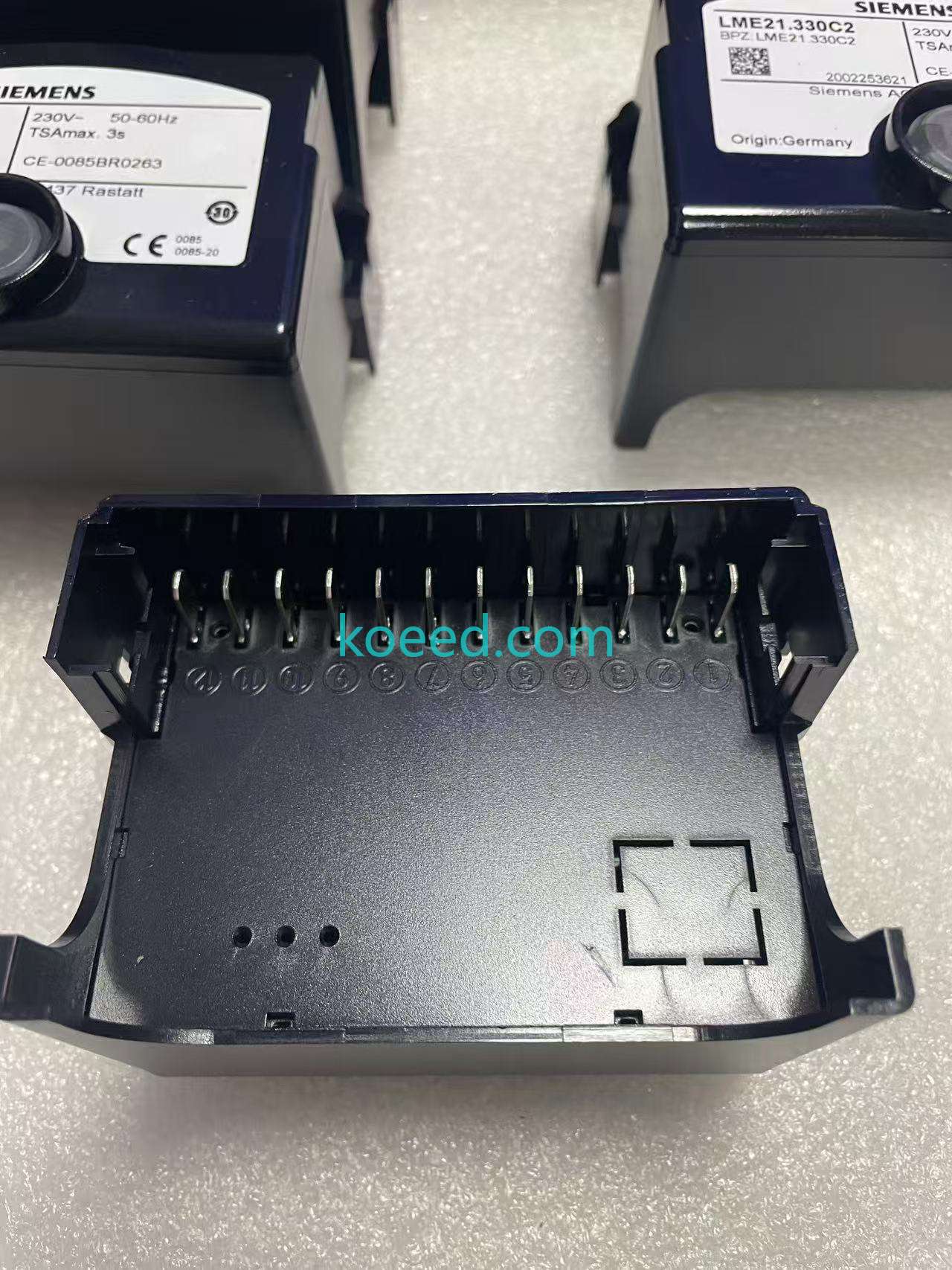
| Housing Compatibility | Identical footprint to LGB… series | N/A (reference) | Drop-in retrofit; zero panel modification |
| Supply Voltage | AC 230V, 50/60 Hz | AC 230V | Global compatibility; wide frequency tolerance |
| Safety Timing | T1 = 7s pre-purge, TSA = 3s safety time | Varies; often slower | Faster cycle = higher throughput; retains full safety margin |
Sustainability & Energy Impact
The precise digital timing of the LME21.130C2 eliminates the "sloppy purge" — excessive pre-ventilation that wastes conditioned air and cools the combustion chamber. In a typical 500 kW gas boiler operating 4,000 hours/year, a 1-second reduction in unnecessary purge time per cycle saves approximately 1,200–1,800 m³ of natural gas annually. At 2026 EU carbon-credit pricing (€85–95/tonne CO₂), this represents an additional €280–€400/year in avoided emissions costs — per burner.
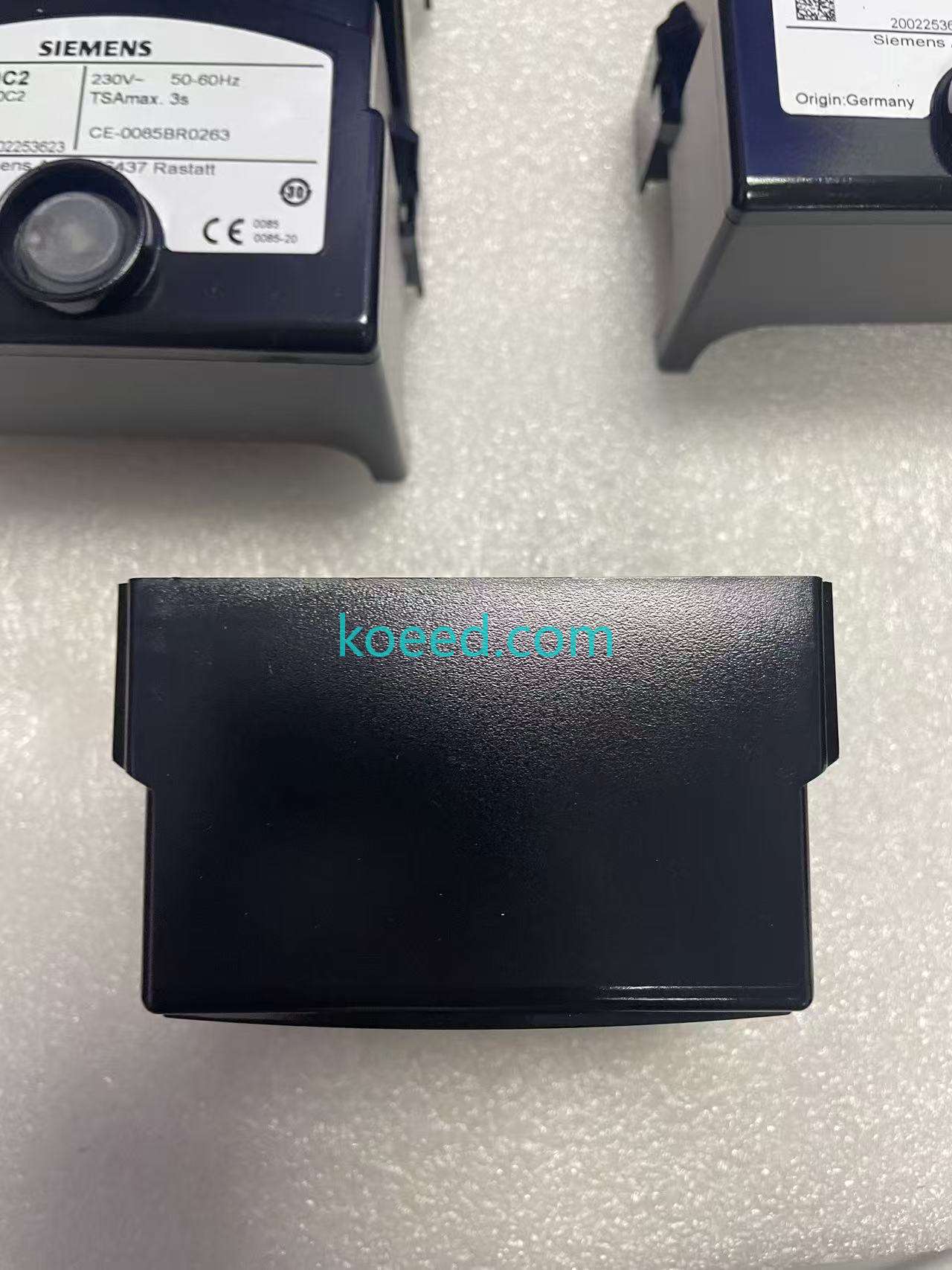
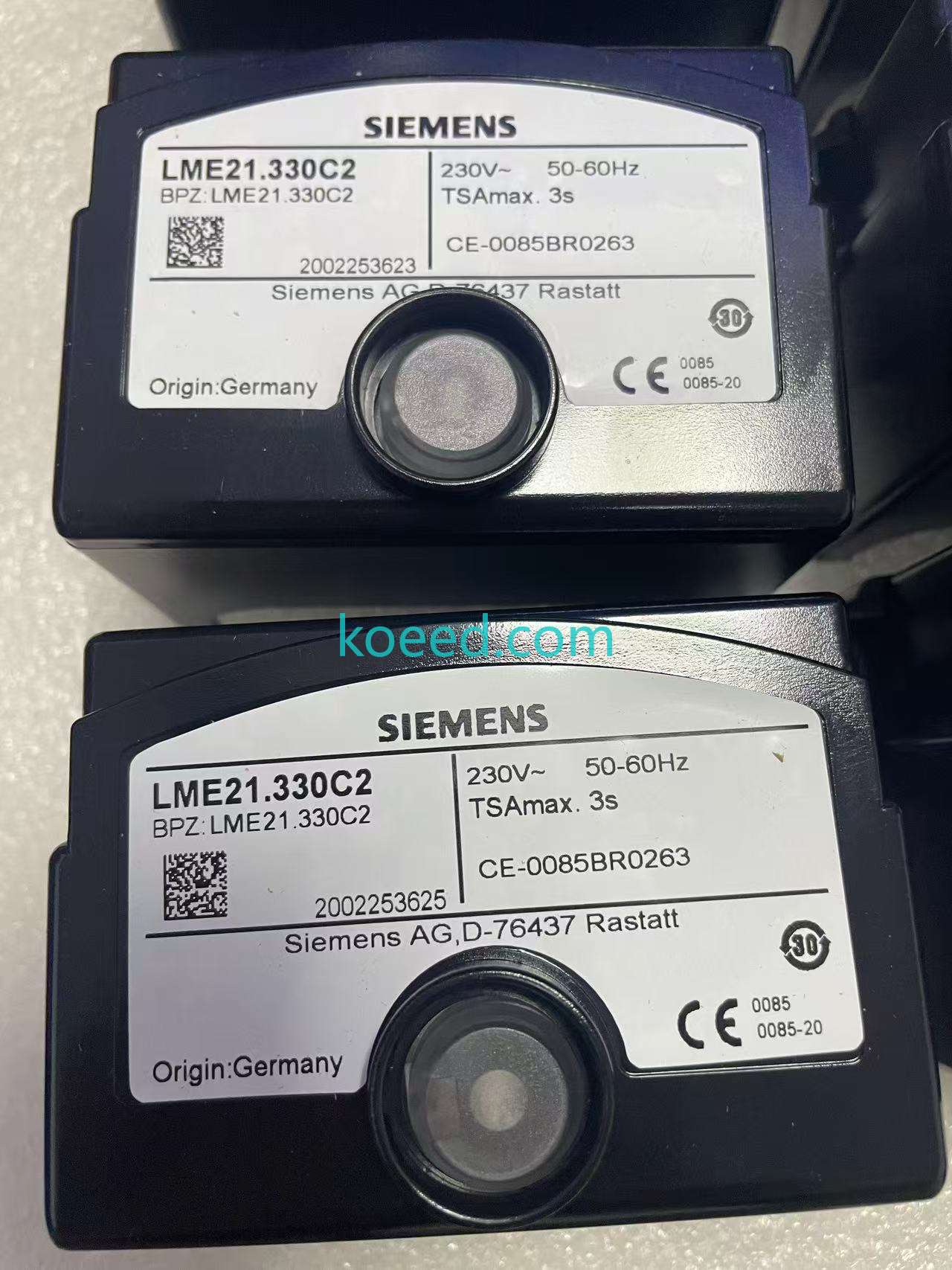
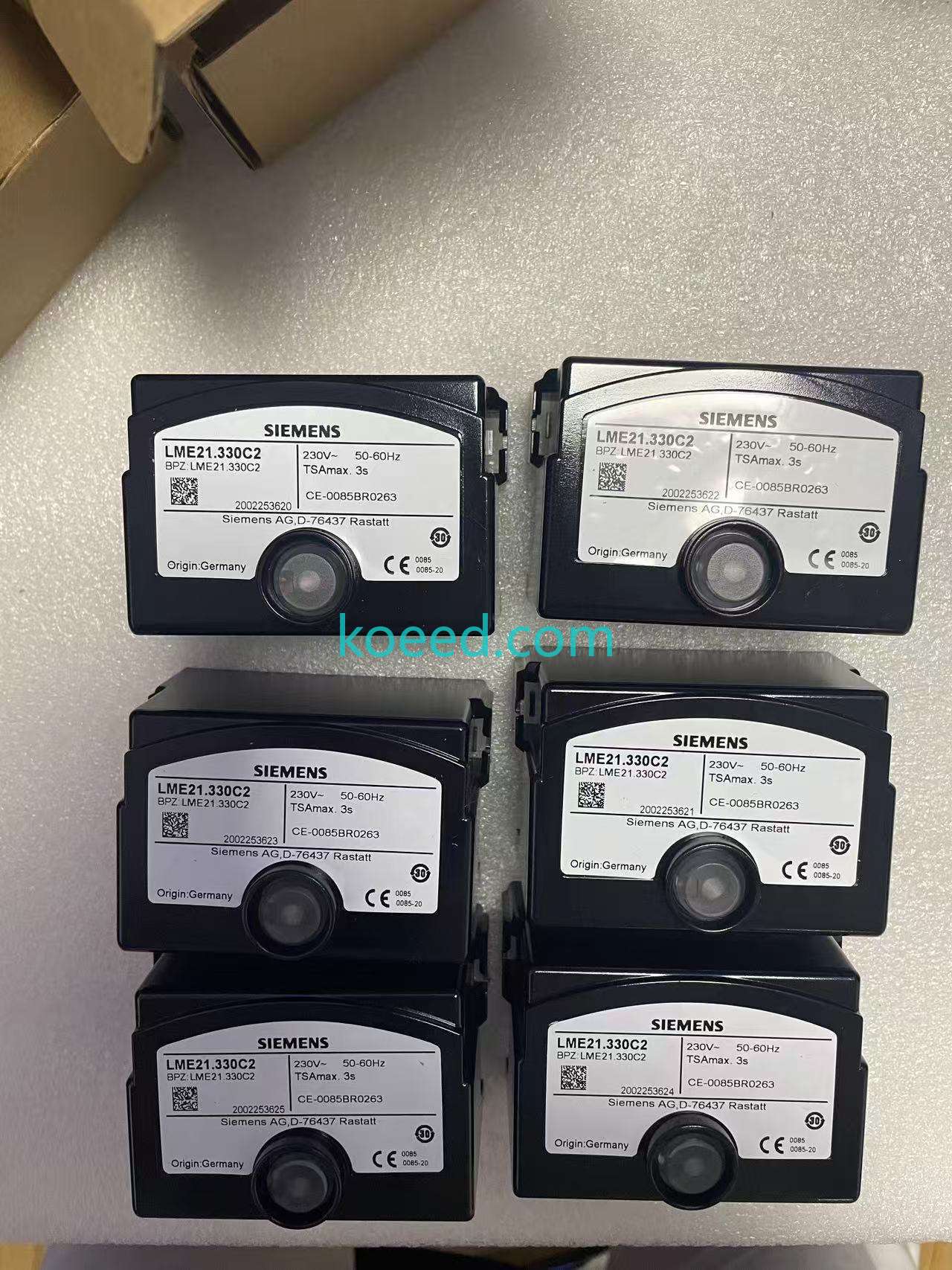
3. Visual Gallery — LME21.130C2 Product Inspection
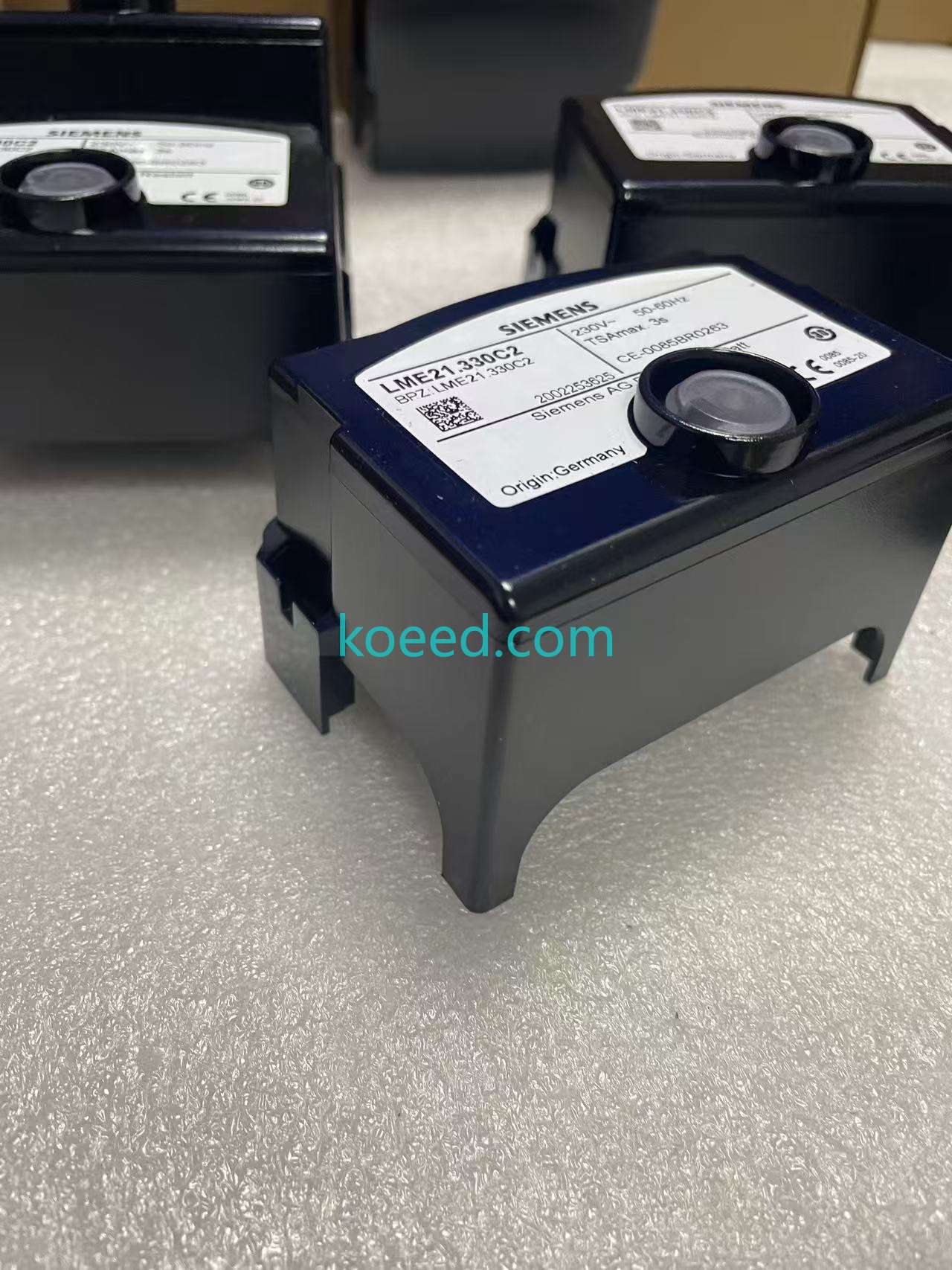
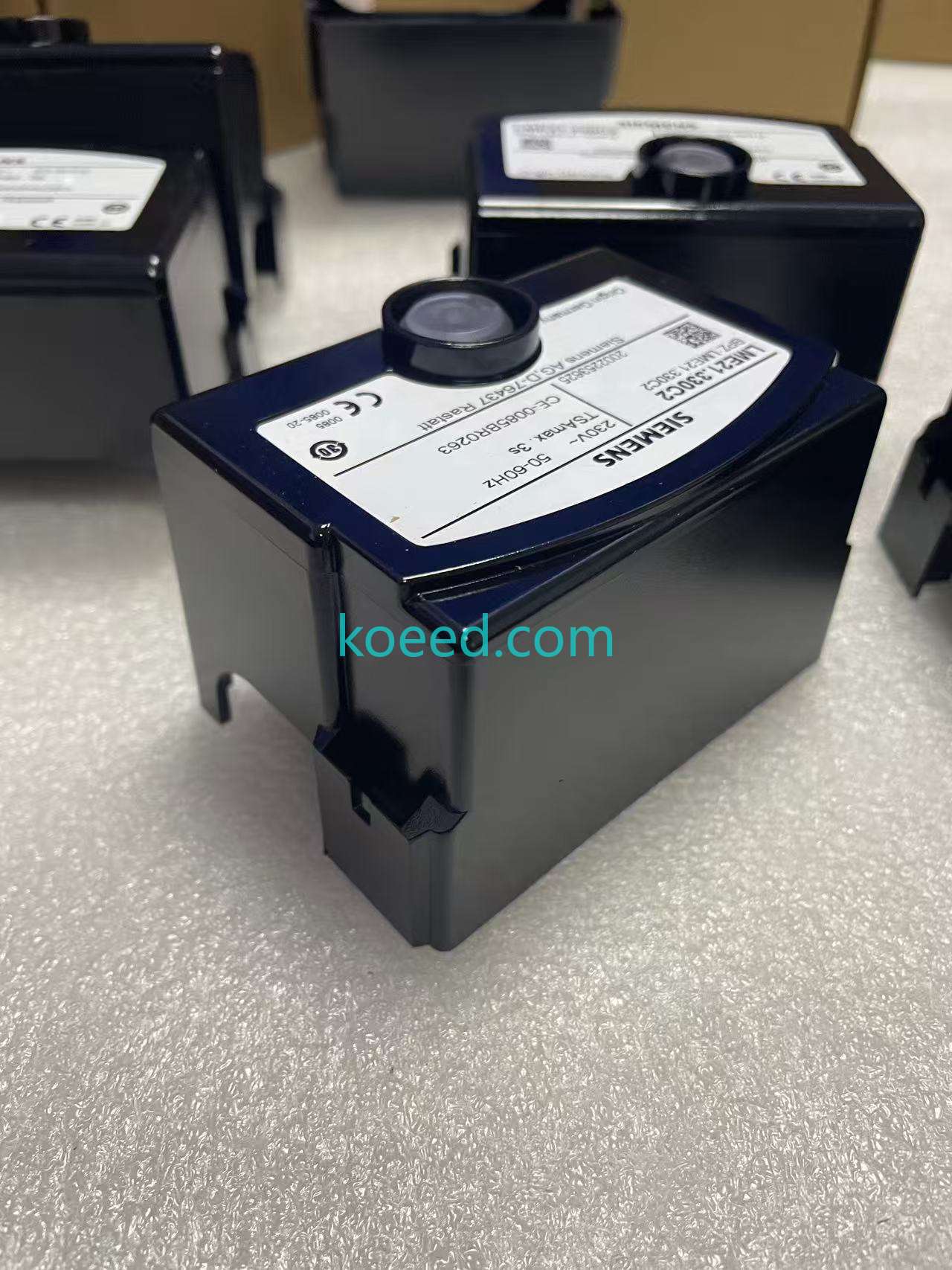
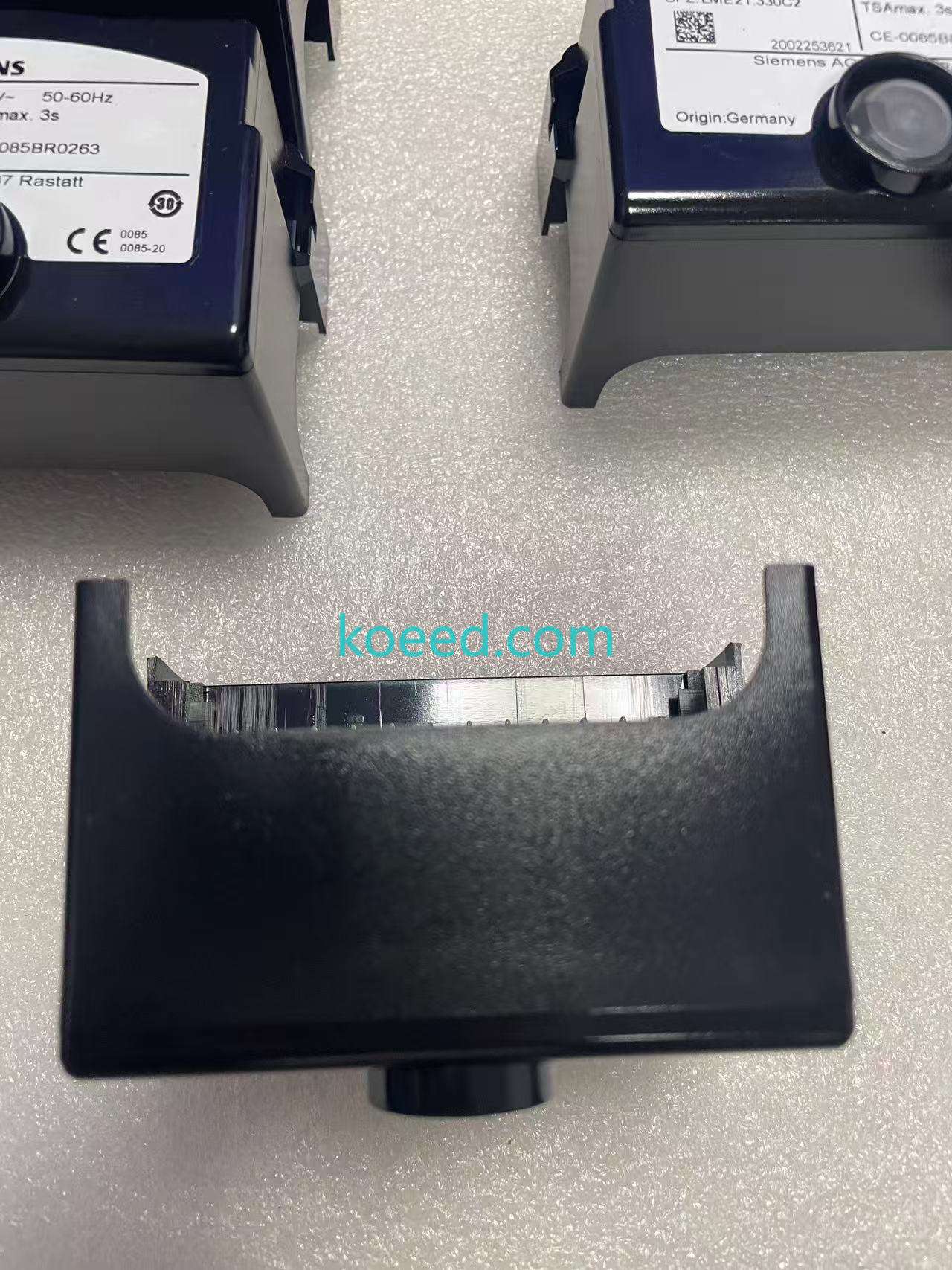
🎬 LME21.130C2 Operational Demo Video
4. Maintenance, Troubleshooting & Predictive Diagnostics
Error Code Resolution — 2026 Field Guide
The LME21.130C2 uses a multicolor LED that flashes specific patterns to indicate fault conditions. Understanding these codes is the first step toward predictive maintenance.
| LED Pattern | Fault Condition | Root Cause (2026 Data) | Corrective Action |
|---|---|---|---|
| 2x Red Flash | No flame at end of TSA | 58% dirty ionization probe; 27% gas valve failure; 15% wiring | Clean probe with isopropyl alcohol; check valve solenoid resistance (spec: 1.8–2.4 kΩ) |
| 3x Red Flash | Air pressure switch failure | 73% clogged intake filter; 22% faulty pressure switch diaphragm | Replace filter element; verify switch differential (typically 0.5–1.5 mbar) |
| 4x Red Flash | Extraneous light during pre-purge | 91% UV detector (QRA…) seeing false signal | Inspect sight tube alignment; replace detector if dark resistance < 50 MΩ |
| Steady Red | Internal fault / lockout | Power surge damage or component aging | Cycle power; if persistent, replace unit — do NOT attempt PCB repair |
Longevity Best Practices
- Ambient Temperature: Keep the controller enclosure below 60°C. Every 10°C above rated ambient halves electrolytic capacitor life inside the unit.
- Surge Protection: Install a Type 2 surge protective device (SPD) on the 230V supply line. The LME21's digital microprocessor is more sensitive to transients than the analog LGB series.
- Annual Functional Check: Simulate a flame-failure during operation once per year. Verify the controller locks out within the TSA (3 seconds). Document this in your safety logbook for regulatory audits.
- Spare Strategy: Maintain at least one LME21.130C2 on the shelf per 8 burners in operation. At ~387 AUD list price, the holding cost is negligible compared to a single day of production loss.
5. FAQ — LME21.130C2 Frequently Asked Questions
Is the LME21.130C2 a direct drop-in replacement for LGB21.130A27?
Yes — 100%. Siemens specifically designed the LME21 series with identical housing dimensions, mounting points, and terminal layout to the LGB21 series. No panel modification, no rewiring, and no adapter plates are required. The only difference is the digital control logic, which provides superior timing accuracy and the multicolor diagnostic LED. Swap time: under 10 minutes for a competent technician.
Can the LME21.130C2 handle hydrogen-blended fuel gases in 2026?
The LME21.130C2 itself is fuel-agnostic at the control level. For hydrogen blends up to 20% (H₂NG), the standard ionization probe detection works reliably, as hydrogen produces sufficient ionization current. For blue-flame or high-hydrogen applications, pair the controller with a QRC… blue-flame detector and the AGQ3…A27 ancillary unit — both compatible with the LME21.130C2. Always consult your burner OEM for combustion-head certification when exceeding 20% H₂ blend.
What is the expected service life of the LME21.130C2?
Under normal operating conditions (ambient ≤50°C, clean power, within rated duty cycle), the LME21.130C2 is designed for 250,000+ burner cycles or approximately 10–15 years of continuous industrial service. The most common end-of-life failure mode is degradation of the internal electrolytic capacitors, which manifests as intermittent lockouts long before a complete failure — giving ample warning for a planned replacement.
Does the LME21.130C2 support Modbus, BACnet, or other industrial communication protocols?
Not natively. The LME21.130C2 is a standalone burner control and does not include an onboard communication bus. However, in 2026, integration is commonly achieved via:
- Siemens LOGO! or S7-1200 PLC monitoring the fault LED output and relay contacts
- External IoT edge devices (e.g., Siemens IOT2050) reading the multicolor LED with an optical sensor
- Retrofit gateway modules that convert dry-contact status signals to Modbus TCP or MQTT
For native OPC UA or PROFINET connectivity, consider the Siemens LMV series (e.g., LMV37.4…).
What are the key differences between LME21.130C2 and LME22.331C2?
The primary difference is burner staging capability: the LME21.130C2 supports 1- or 2-stage burners without actuator control, while the LME22 series adds actuator (servomotor) control for modulating burners. If your application requires precise fuel-air ratio control via a servomotor, the LME22.331C2 or higher-tier LMV series would be the correct choice. For straightforward 2-stage on/off burner control, the LME21.130C2 is the cost-optimal solution.
6. Procurement & Technical Support — Koeed Advantage
Koeed maintains certified stock of the Siemens LME21.130C2 with full traceability to Siemens AG origin. Every unit undergoes a 12-point incoming inspection including visual PCB inspection, terminal-continuity verification, and batch-code validation before being released to your order.
Ready to Upgrade Your Burner Control Infrastructure?
Secure genuine Siemens LME21.130C2 units with Koeed's 2026 supply-chain assurance, technical pre-sales consultation, and global expedited shipping. Our automation specialists are standing by.
© 2026 Koeed Industrial Automation. Siemens® and LME® are registered trademarks of Siemens AG. All product images and specifications are provided for reference; please consult the official datasheet for final technical parameters.


