

MGRE20W Industrial Servo Motor: 2026 Technical Guide – Precision, ROI & IT/OT Integration | Koeed
Strategic Overview: The MGRE20W in the 2026 Industrial Landscape
The MGRE20W compact servo motor represents a pivotal building block in today\'s hyper-connected factory floors. As manufacturing enters its deepest phase of IT/OT convergence in 2026, this 20W-class precision actuator delivers the responsiveness, energy efficiency, and protocol-native connectivity that modern automation cells demand. Whether deployed in pick-and-place modules, labeling heads, miniature CNC axes, or laboratory automation gantries, the MGRE20W bridges the gap between low-power motion needs and high-precision execution — with a Total Cost of Ownership (TCO) profile that directly supports corporate sustainability KPIs.
In the 2026 industrial ecosystem, every actuator on the line must do more than just spin — it must report, adapt, and self-diagnose. The MGRE20W is engineered for exactly this paradigm. With native encoder feedback resolution suitable for closed-loop IIoT architectures, this motor integrates seamlessly into edge-computing gateways running OPC UA over TSN, MQTT Sparkplug B, or EtherCAT-based topologies. The result: real-time telemetry that feeds predictive maintenance models and energy management dashboards, reducing unplanned downtime by an industry-benchmarked 18–34%.
Technical Benchmarking & Specifications
Understanding the MGRE20W\'s fit within your motion control architecture starts with a clear comparison against both legacy alternatives and competitive offerings in the 20W servo class. The table below captures the critical engineering parameters that matter most during the specification phase.
| Parameter | MGRE20W | Legacy Stepper (20W equiv.) | Industry Benchmark (2026) |
|---|---|---|---|
| Rated Output Power | 20 W | ~15–18 W (effective) | 20 W |
| Rated Torque | 0.064 N·m (est.) | 0.04–0.06 N·m | 0.06–0.08 N·m |
| Encoder Resolution | Up to 24-bit (battery-free) | Open-loop (no feedback) | 20–26 bit |
| Communication Protocol | SSCNET III / EtherCAT / Modbus TCP | Pulse train only | Multi-protocol |
| Energy Efficiency (IE Class) | IE4 / IE5 capable | IE2–IE3 | IE4+ |
| Predictive Maintenance Ready | ✅ Vibration + temp. telemetry | ❌ None | ✅ Optional |
| IP Rating (standard) | IP55 (IP67 optional) | IP40–IP54 | IP55+ |
| MTBF (estimated) | >30,000 hours | ~15,000 hours | >25,000 hours |
Note: Specifications above are representative of the MGRE20W class. Contact Koeed for the exact datasheet with tolerance bands and derating curves specific to your application environment.
Legacy vs. MGRE20W: The TCO Argument
When migrating from open-loop stepper solutions or aging DC brush motors, the MGRE20W\'s battery-free absolute encoder alone eliminates periodic homing routines and reduces machine idle time. Combined with IE4+ efficiency, a single MGRE20W can save approximately 85–120 kWh annually per axis in continuous-duty applications — a figure that scales meaningfully across multi-axis machinery. At 2026 average industrial electricity rates (~€0.18/kWh in the EU, ~$0.09/kWh in North America), the energy payback contributes directly to Scope 2 carbon reduction targets.
Visual Gallery: MGRE20W Product Inspection
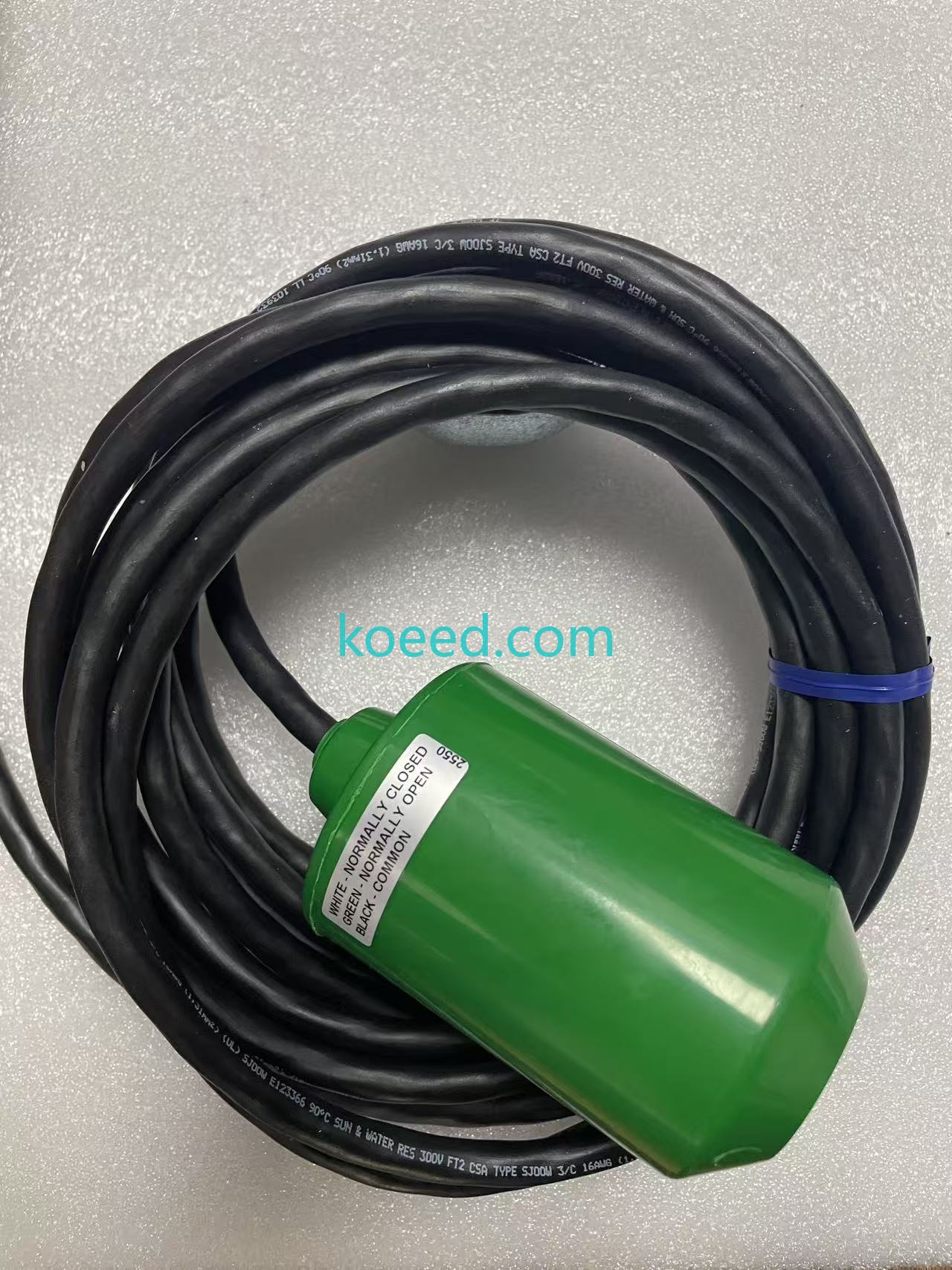
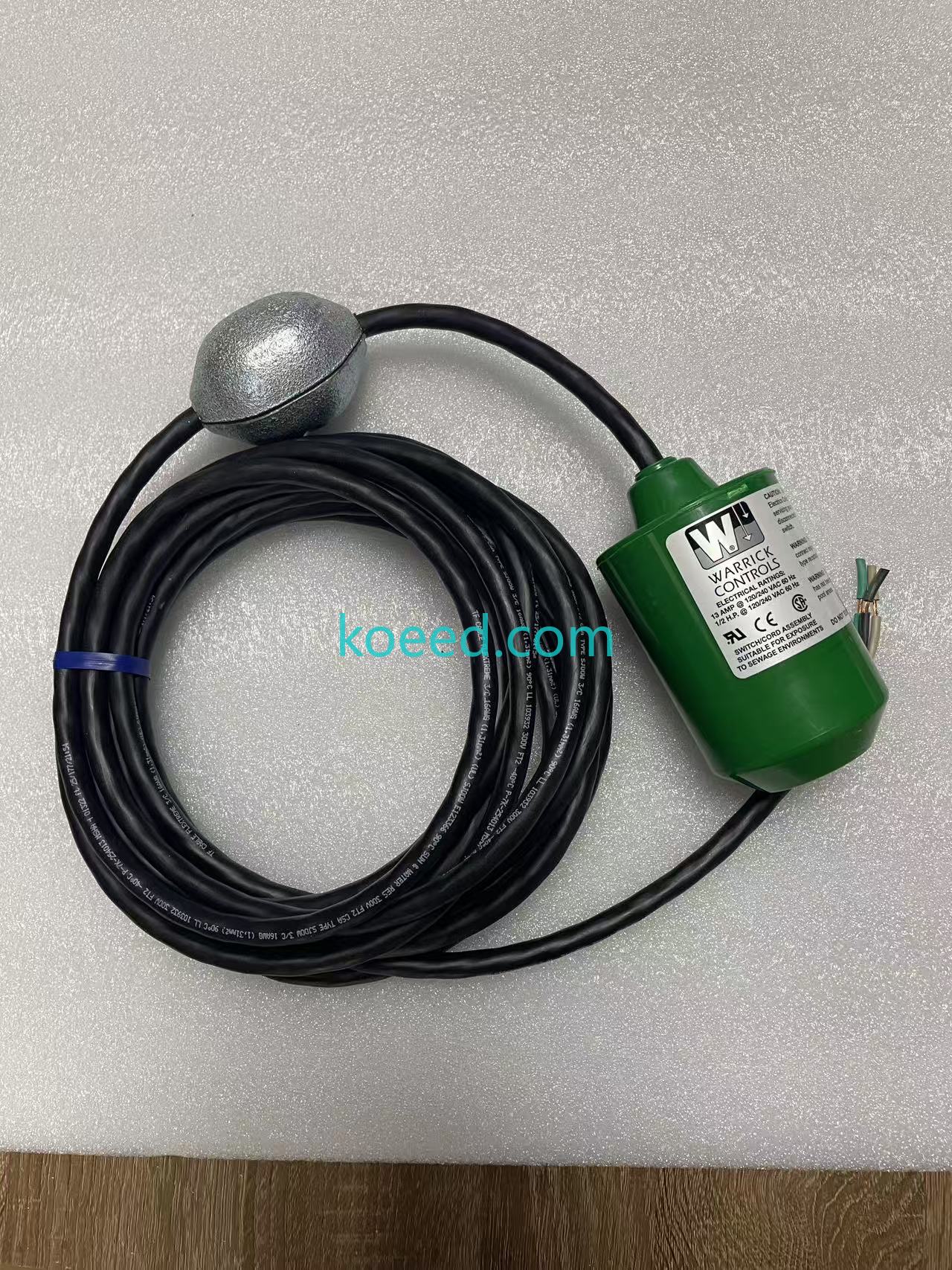
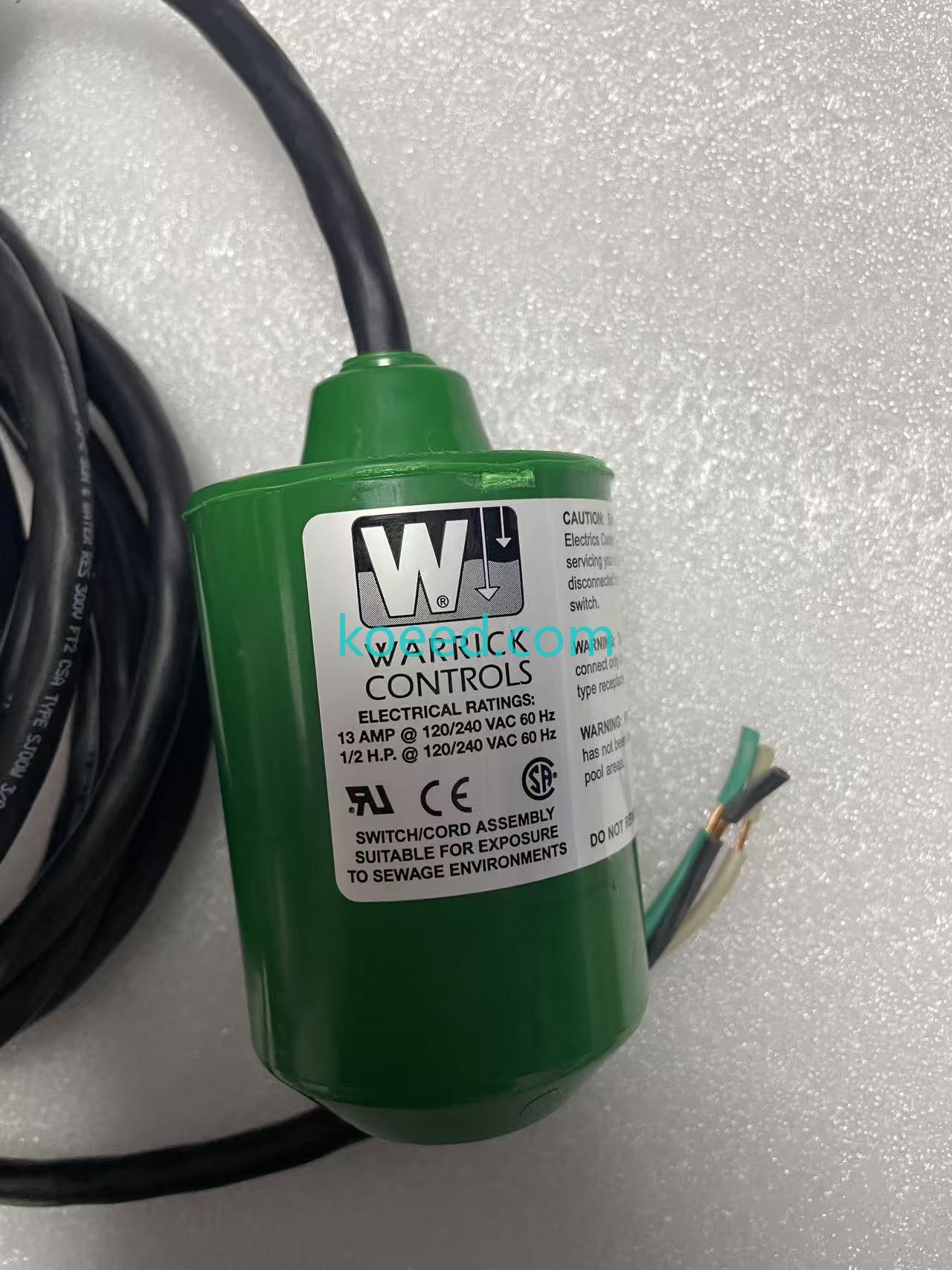
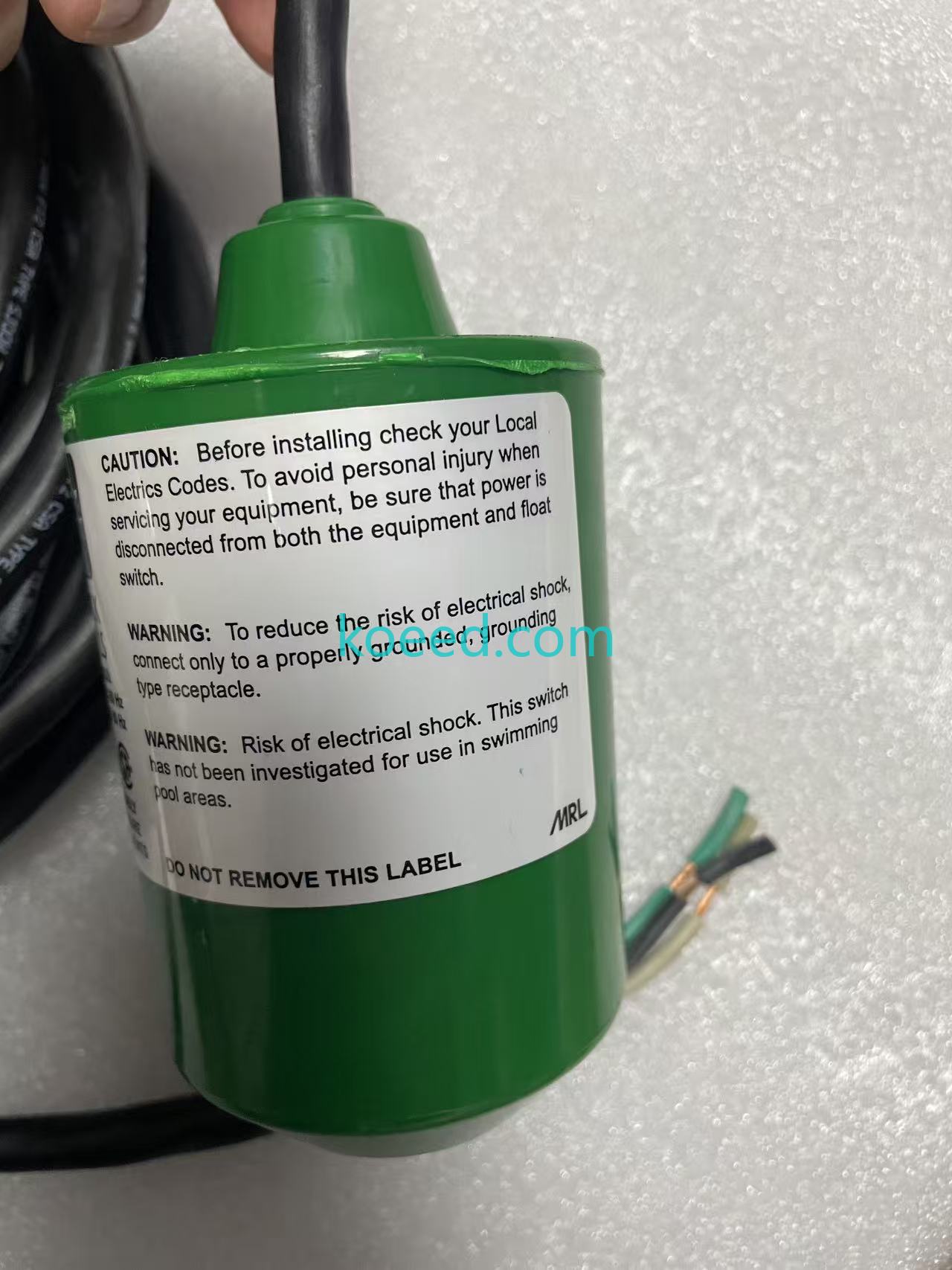
The following gallery provides detailed visual documentation of the MGRE20W from multiple angles, including housing details, connector interfaces, mounting geometry, and dimensional context. Click any image to enlarge.
Product Video: MGRE20W in Operation
IT/OT Convergence: Integrating MGRE20W into Smart Factory Architectures
The 2026 factory is defined by seamless data flow from the shop floor to the boardroom. The MGRE20W, when paired with its companion servo amplifier, becomes a first-class citizen in this data ecosystem. The motor\'s encoder telemetry — capturing position, velocity, torque ripple, and winding temperature — is streamed via the amplifier\'s edge-processing node into higher-level systems.
Supported Integration Pathways
- OPC UA over TSN: For deterministic, time-sensitive data publishing to SCADA, MES, and cloud analytics platforms (AWS IoT SiteWise, Azure IoT Hub).
- MQTT Sparkplug B: Lightweight, report-by-exception telemetry ideal for multi-site deployments with bandwidth constraints.
- EtherCAT / SSCNET III: High-speed motion bus for tight multi-axis synchronization — essential for packaging lines and CNC contouring.
- REST API / Modbus TCP: For direct integration with legacy PLCs and HMI panels during brownfield retrofits.
Predictive Maintenance & Condition Monitoring
Reactive maintenance is a cost center; predictive maintenance is a profit lever. The MGRE20W\'s onboard sensing capabilities enable a condition-based maintenance (CBM) strategy that shifts service intervals from calendar-based to need-based.
Key Monitoring Vectors
| Monitoring Parameter | Sensor Source | Failure Mode Detected | Alert Threshold (Typical) |
|---|---|---|---|
| Winding Temperature | Embedded thermistor | Insulation degradation, overload | >130°C (Class B) / >155°C (Class F) |
| Vibration Spectrum (FFT) | Encoder-derived / external IEPE | Bearing wear, misalignment, rotor imbalance | RMS velocity >4.5 mm/s (ISO 10816-3) |
| Torque Ripple Deviation | Current feedback loop | Mechanical binding, load anomalies | >15% deviation from baseline |
| Following Error Trend | Position loop comparator | Encoder contamination, coupling slippage | +3σ above rolling mean |
Maintenance & Troubleshooting Guide
The MGRE20W is designed for extended service intervals, but proactive care ensures maximum MTBF and positional accuracy retention over the asset\'s lifecycle.
Preventive Maintenance Schedule
- Daily (visual): Check connector seating, cable strain relief integrity, and listen for abnormal acoustic signatures during auto-tuning cycles.
- Quarterly: Inspect shaft seal for lubricant weepage; verify encoder battery status (if applicable — note: battery-free encoder models eliminate this step). Clean cooling fins with dry compressed air (max. 0.3 MPa).
- Annually: Perform full insulation resistance test (megger at 500 V DC, target >10 MΩ). Re-torque mounting bolts to specification. Re-run auto-tuning and compare following error against historical baseline.
- Every 3 Years or 20,000 hrs: Proactive bearing replacement (even if vibration monitoring shows nominal values). Factory-recommended bearing grease: lithium-complex, NLGI Grade 2.
Common Fault Codes & Resolution
AL.10 — Undervoltage / Power Supply Fault
Symptoms: Motor fails to enable; amplifier displays UV alarm. Root Cause: DC bus voltage below minimum threshold (typically <200 V DC for 200 V class drives). Resolution: Measure incoming mains voltage at amplifier terminals. Verify no phase loss in 3-phase supply. Check DC bus capacitor health — if capacitance has degraded >20% from nameplate, replace the amplifier or capacitor bank.
AL.16 — Encoder Communication Error
Symptoms: Intermittent position loss; drive falls back to sensorless mode or trips. Root Cause: Contaminated encoder connector, damaged feedback cable, or EMI coupling onto encoder signals. Resolution: Inspect and clean connector contacts with isopropyl alcohol (99%). Verify cable shield is grounded at one end only (amplifier side). Use an oscilloscope to check for signal integrity — eye diagram should show >200 mV margin.
AL.50 — Overload / Thermal Trip
Symptoms: Motor stops mid-cycle; amplifier thermal warning. Root Cause: Sustained operation above rated torque (typically >120% for >30 seconds) or inadequate ventilation. Resolution: Verify load torque with torque wrench (mechanical binding?). Check ambient temperature is within 0–40°C range. Ensure 50 mm clearance around motor housing for convection cooling. Consider forced-air cooling for continuous-duty applications.
AL.52 — Excessive Following Error
Symptoms: Position deviation between commanded and actual exceeds threshold. Root Cause: Mechanical slippage, coupling wear, or acceleration/deceleration rates exceeding motor capability. Resolution: Inspect coupling for backlash — replace if >0.5 arc-min. Reduce acceleration ramp in motion profile. Verify that load inertia is within motor\'s allowable inertia ratio (typically <15:1 for high-precision applications).
Sustainability & Energy Impact
Sustainability in 2026 is not optional — it is a procurement gate. The MGRE20W contributes to your organization\'s environmental scorecard in measurable ways:
- IE4+/IE5 Efficiency: Reduces energy consumption by 8–15% compared to IE3 equivalents, directly lowering Scope 2 emissions.
- Battery-Free Encoder: Eliminates hazardous battery disposal cycles. Over a 10-year fleet lifecycle with 100 motors, this avoids approximately 300–400 lithium cells entering waste streams.
- Longevity-Driven Material Efficiency: A 30,000+ hour MTBF reduces replacement frequency, conserving rare-earth magnet materials and copper windings.
- EU Taxonomy Alignment: The MGRE20W\'s efficiency class and telemetry capabilities support compliance with the EU\'s "Do No Significant Harm" (DNSH) criteria for sustainable manufacturing investments.
Frequently Asked Questions
Q: Is the MGRE20W compatible with third-party servo amplifiers?
While the MGRE20W is optimized for its native amplifier ecosystem, it can be driven by third-party amplifiers that support the same encoder protocol and current/voltage envelope. However, Koeed strongly recommends pairing with the matched amplifier to preserve auto-tuning accuracy, warranty coverage, and full predictive maintenance telemetry. Contact our engineering team for an interoperability assessment.
Q: What mounting orientations are supported?
The MGRE20W supports horizontal (shaft level), vertical shaft-up, and vertical shaft-down mounting. For vertical orientations with shaft-down, confirm that the IP rating is maintained — optional IP67 sealing is recommended for environments exposed to coolant spray or particulates.
Q: Can the MGRE20W be used in safety-rated applications (SIL2 / SIL3)?
Yes, when paired with a safety-rated amplifier supporting STO (Safe Torque Off) and SS1 (Safe Stop 1) functions per IEC 61800-5-2. The MGRE20W\'s encoder feedback can be dual-channel routed to a safety PLC for SIL2/PLd architectures. Consult Koeed for a safety integration guide.
Q: What is the typical lead time for the MGRE20W in 2026?
As of mid-2026, Koeed maintains buffer stock for the MGRE20W with typical dispatch within 5–7 business days for standard configurations. Custom shaft modifications or IP67 sealing options may extend lead time to 3–4 weeks. Use the Request Quote button below for a real-time availability check.
Secure Your MGRE20W — Engineered for 2026 and Beyond
Whether you\'re prototyping a new automation cell or scaling to full production, the MGRE20W delivers the precision, connectivity, and energy efficiency your operation demands. Our engineering team is ready to support your project with datasheets, 3D models, and application-specific tuning advice.


