

TECHMATION 2386M3-3 MMI Display Card: The 2026 Guide to Next-Gen Haitian Injection Molding Control
The TECHMATION 2386M3-3 (MMI2386) Display Card stands as the critical human-machine interface backbone for Haitian, Liguang, and JIAMING injection molding systems. As plastics manufacturing enters its Industry 5.0 era in 2026, this motherboard-grade display controller bridges the gap between legacy hydraulic precision and cloud-connected, AI-driven production intelligence — delivering measurable gains in uptime, energy efficiency, and total cost of ownership.
1. Strategic Overview: The 2386M3-3 in the 2026 Industrial Landscape
Injection molding facilities worldwide face three converging pressures in 2026: energy cost volatility, skilled labor shortages, and OEM demands for full traceability. The TECHMATION 2386M3-3 MMI display card addresses all three by serving as the central interface between operators and the machine's motion control PLC — translating complex injection parameters into actionable, real-time visual feedback.
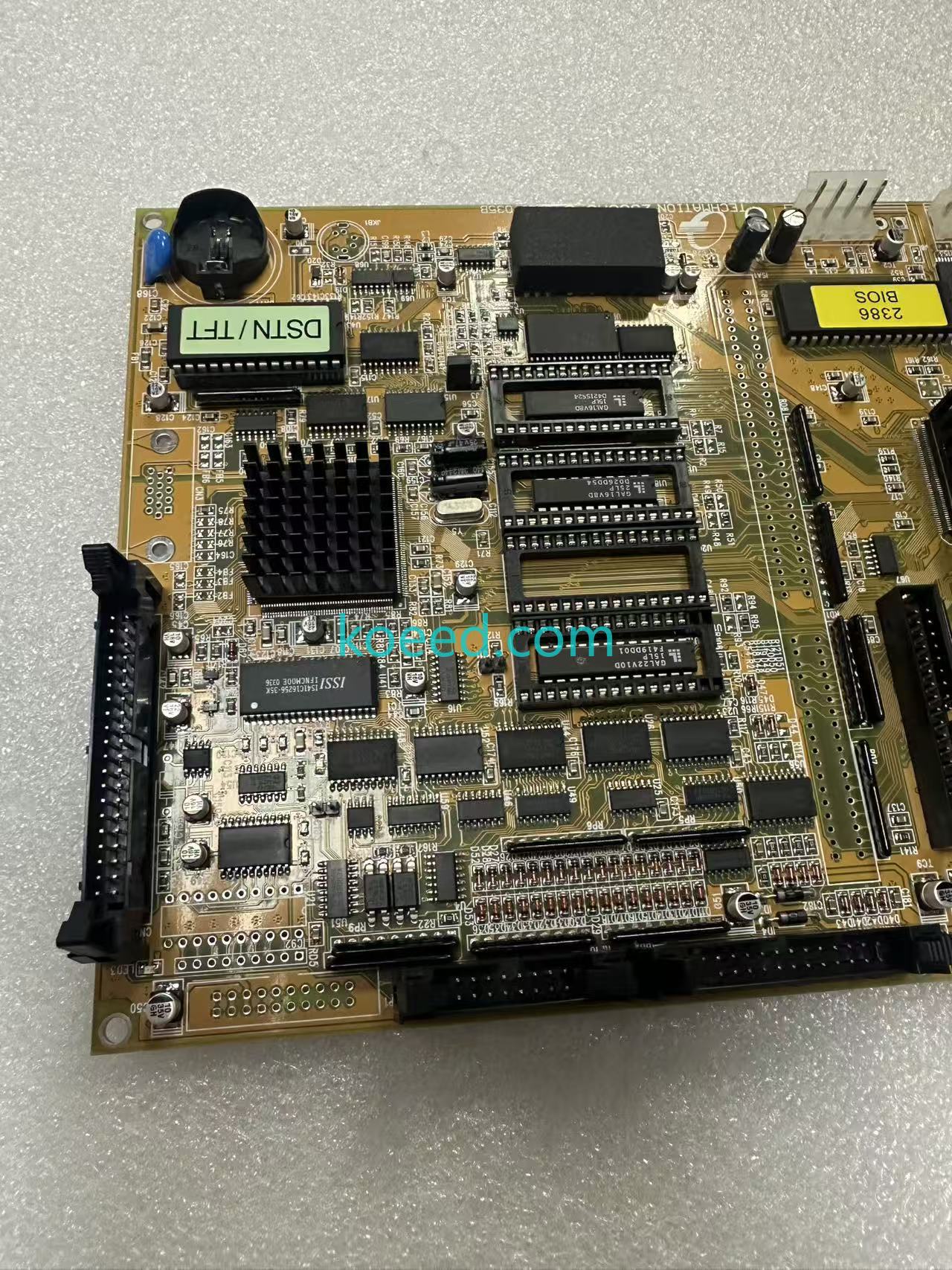
Originally engineered by Taiwan-based Techmation for the Haitian Zhafir and Mars series, the 2386M3-3 has proven its longevity. In 2026, it remains the most cost-effective replacement and upgrade path for plants running Haitian equipment, with an installed base spanning over 60 countries. Its TFT display driver, onboard memory architecture, and multi-protocol communication capabilities make it a foundational component for plants transitioning toward full IT/OT convergence.
Why the 2386M3-3 Matters in 2026
✓ Legacy Longevity: Extended lifecycle support avoids full machine retrofits, saving $15,000–$45,000 per unit compared to controller replacement.
✓ OT Data Gateway: Acts as the bridge node relaying clamp force, injection pressure, and barrel temperature data to MES/ERP layers.
✓ Energy Intelligence: Paired with modern sensors, enables per-cycle energy consumption tracking — critical for ISO 50001 compliance.
2. Technical Specifications & Benchmarking
Understanding the 2386M3-3's specifications is essential for maintenance planners and procurement teams. The table below compares the 2386M3-3 against its predecessor (2386M2) and the newer 2386M3-2 variant, providing a clear upgrade rationale.
| Parameter | TECHMATION 2386M2 | TECHMATION 2386M3-3 (MMI2386) | TECHMATION 2386M3-2 |
|---|---|---|---|
| Display Type | STN LCD (monochrome) | TFT Color LCD, 800×600 | TFT Color LCD, 800×600 |
| Viewing Angle | ~120° H/V | 178° / 178° (IPS-grade) | 178° / 178° (IPS-grade) |
| Onboard Memory | Limited EEPROM | DDR3, up to 32 GB addressable | DDR3, up to 32 GB addressable |
| Communication Protocol | RS-232 only | RS-232, RS-485, CAN bus | RS-232, RS-485, CAN bus |
| USB Ports | 1 × USB 1.1 | 4 × USB 2.0 | 4 × USB 2.0 |
| OS Platform | Proprietary RTOS | Embedded Linux | Embedded Linux |
| OT Connectivity Ready | No | OPC-UA via gateway | OPC-UA via gateway |
| Compatible Machines | Early Haitian Mars | Haitian Mars, Zhafir, Liguang, JIAMING | Haitian Mars, Zhafir (newer firmware) |
| Typical MTBF | ~35,000 hours | ~60,000 hours | ~65,000 hours |
| Firmware Upgradability | EPROM replacement | USB / OTA-capable | USB / OTA-capable |
Data sourced from manufacturer specifications and field service reports, Q1 2026. MTBF values are estimates under standard operating conditions (0°C–40°C ambient).
3. Visual Inspection Gallery
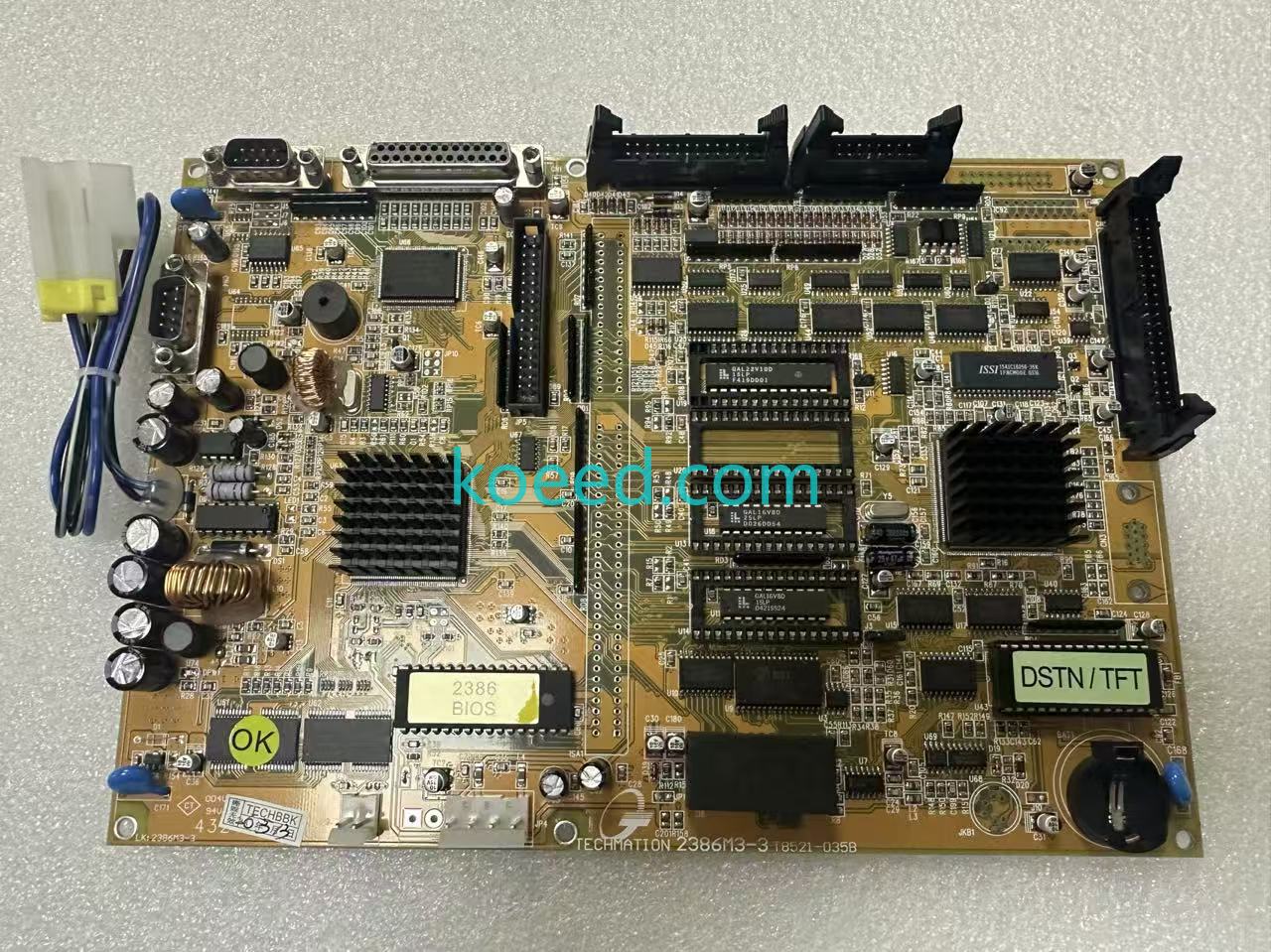
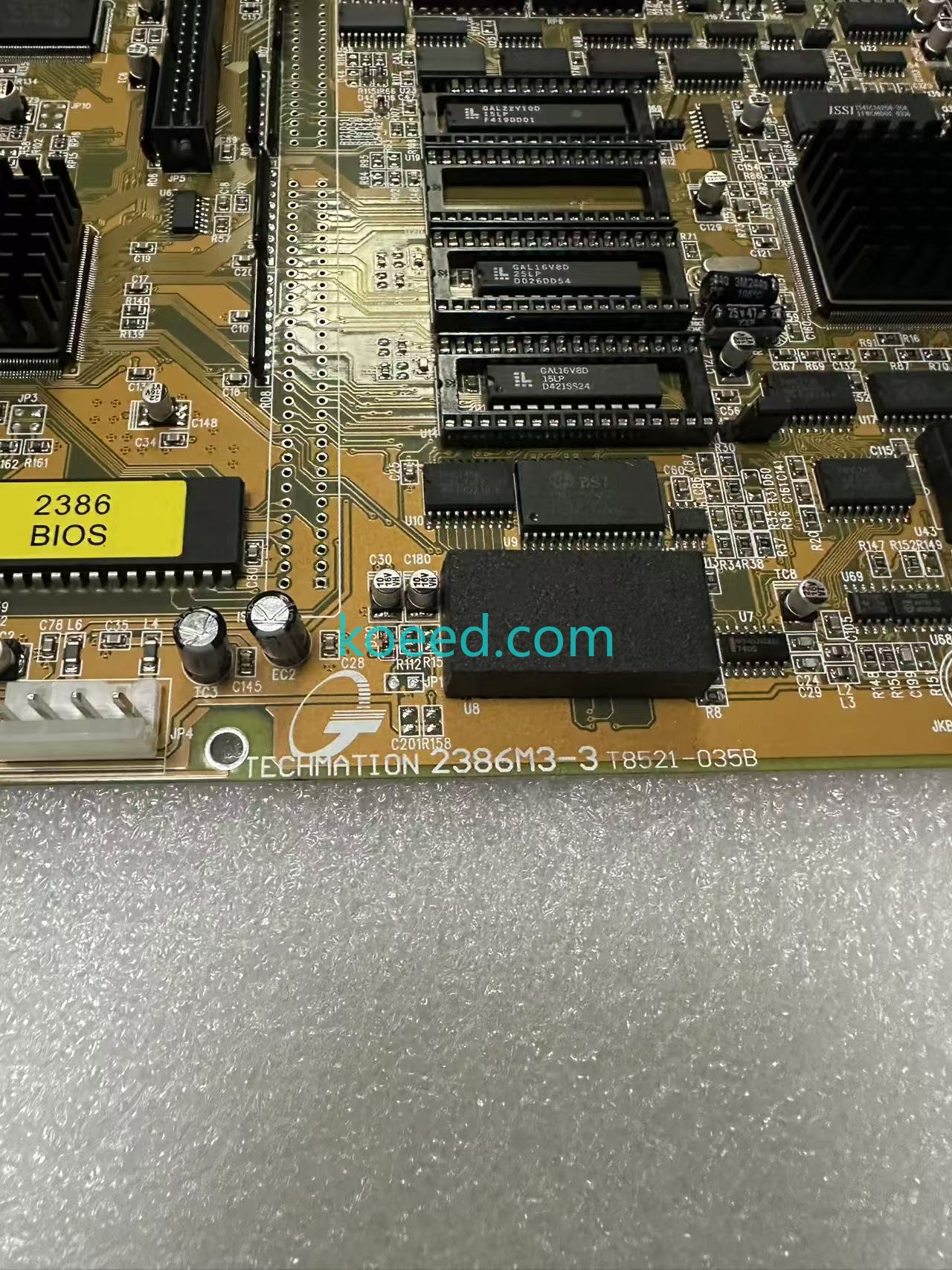
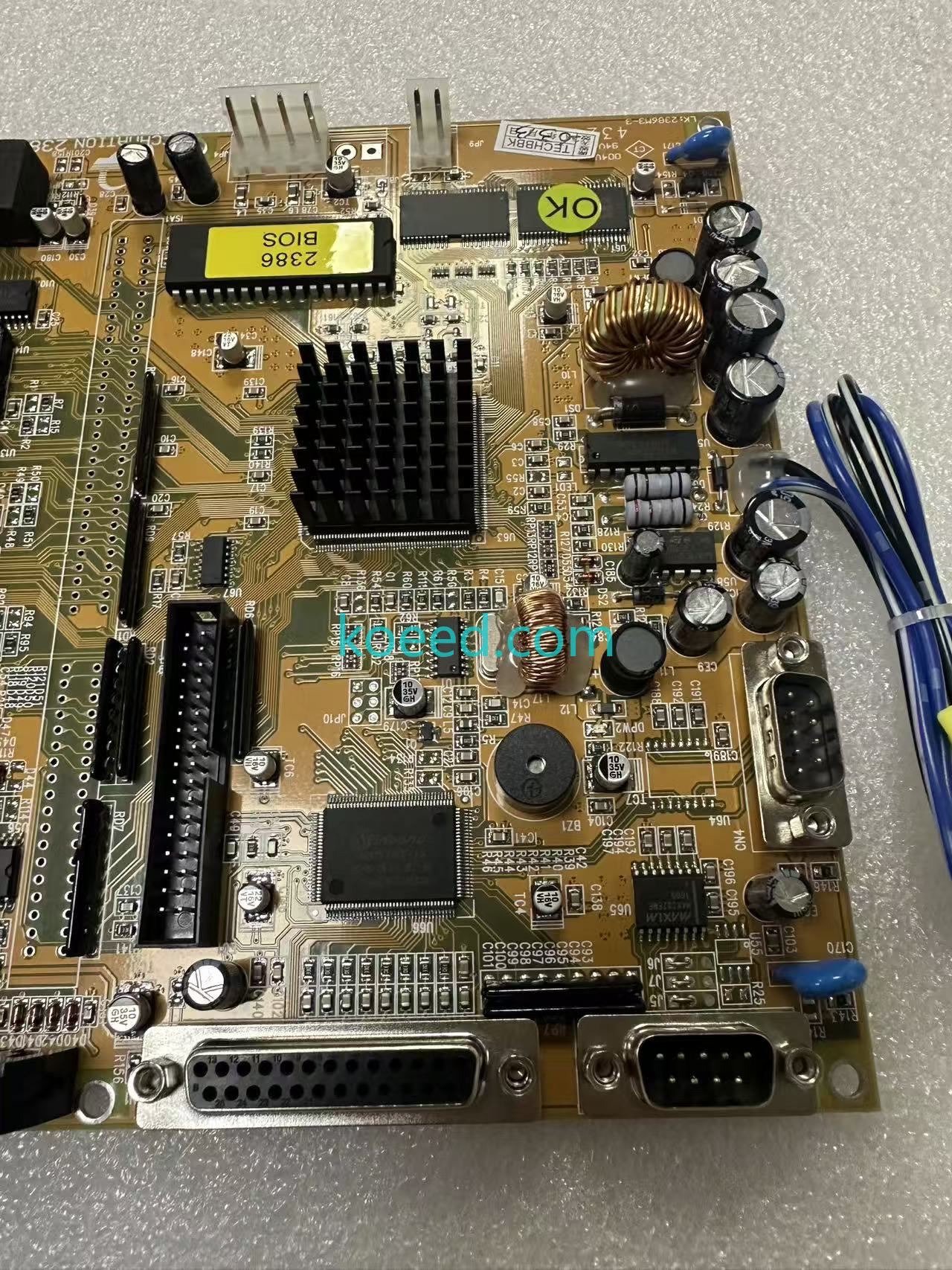
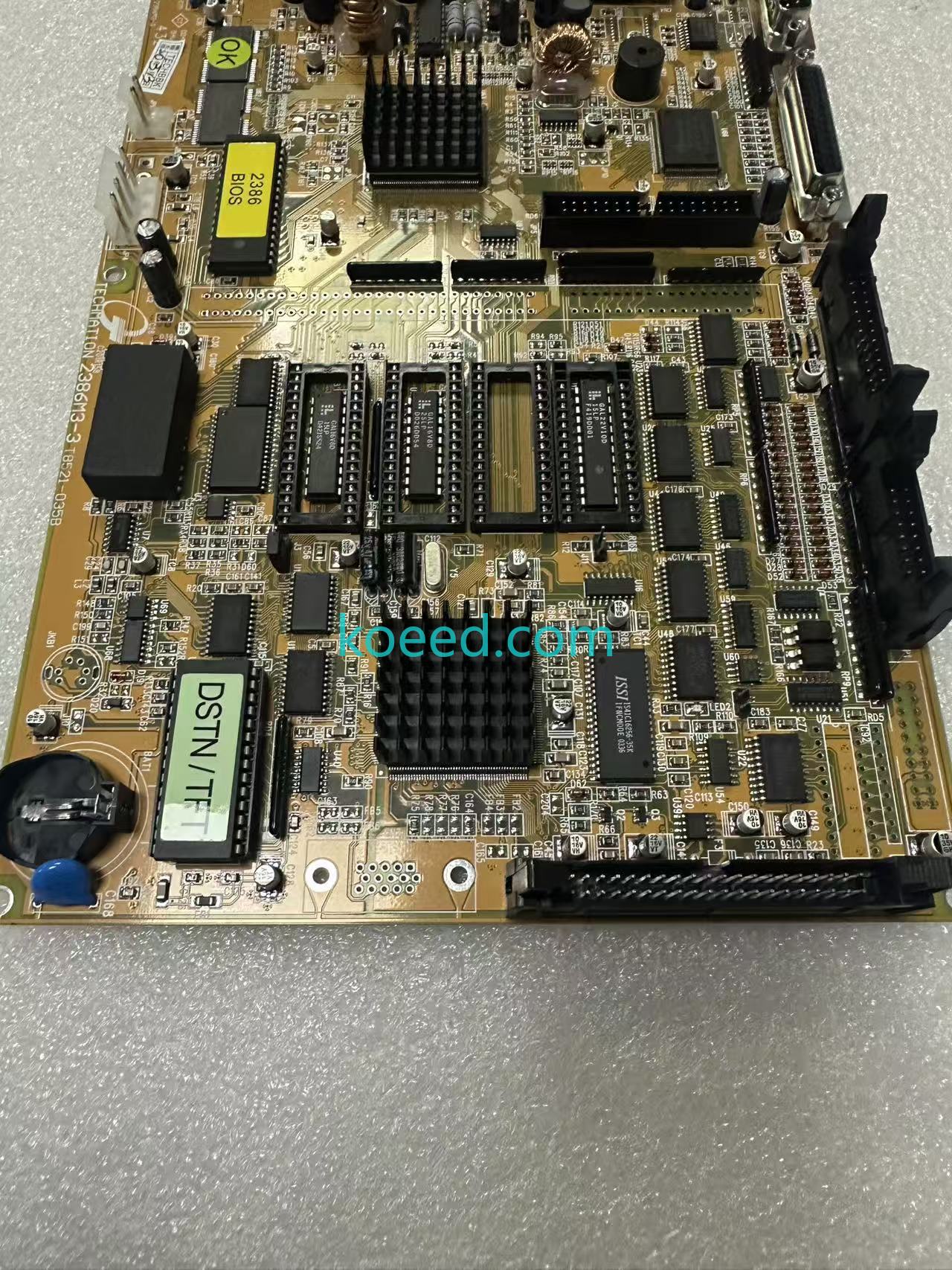
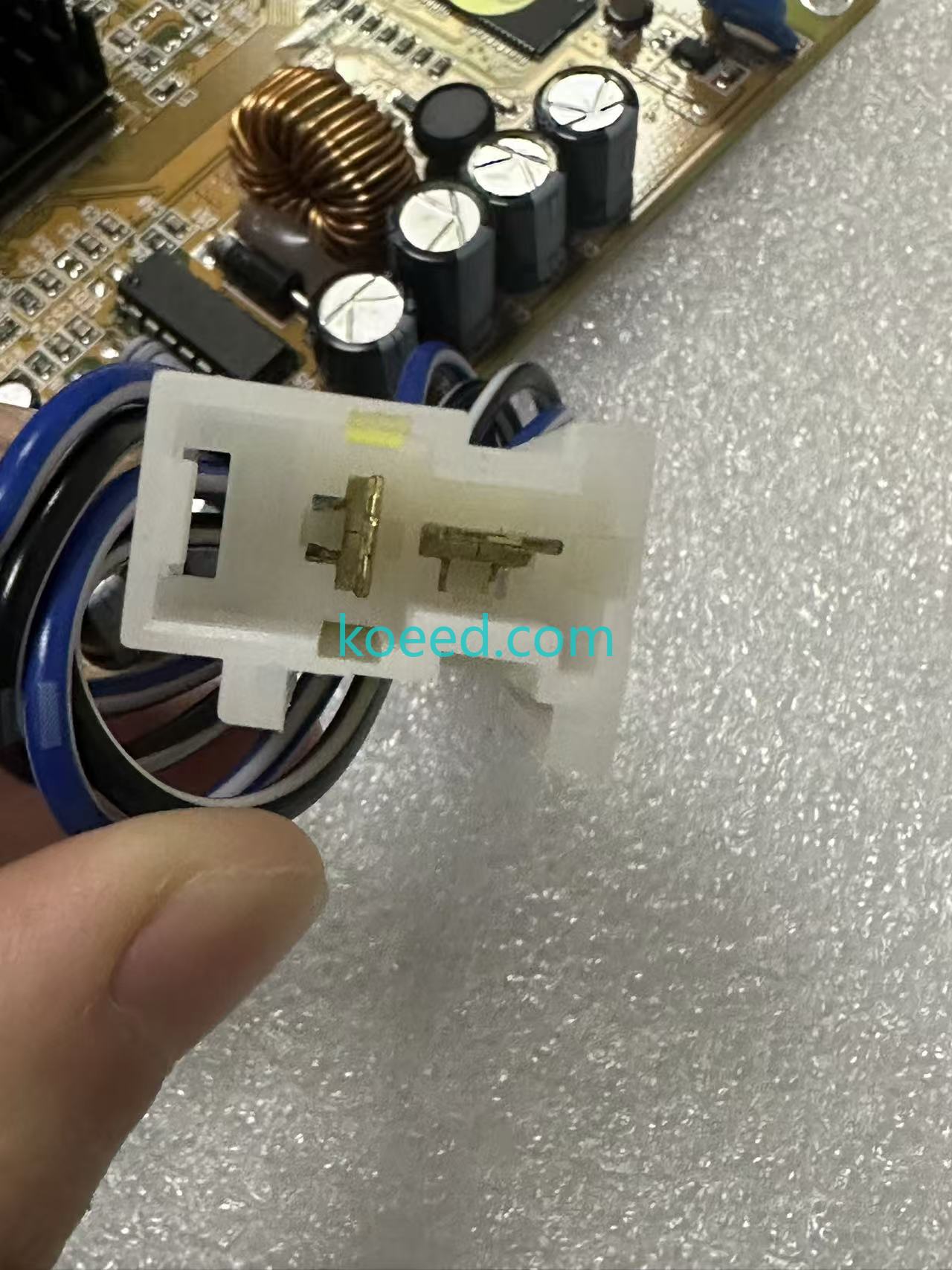
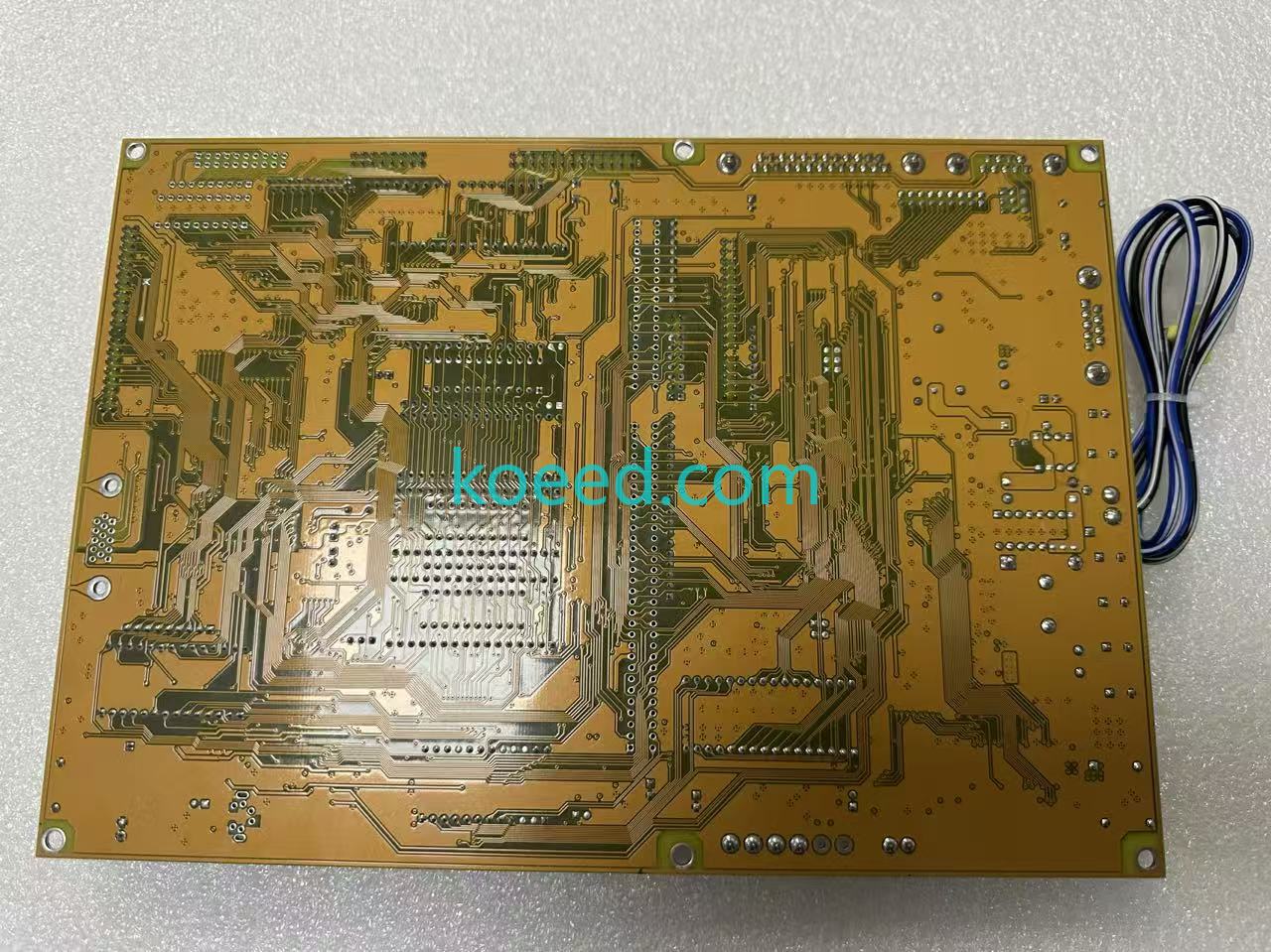
The following gallery provides detailed views of the TECHMATION 2386M3-3 board from multiple angles — critical for pre-installation inspection, connector identification, and quality verification. Click any image to enlarge.
Product Demonstration Video
4. IT/OT Convergence: Unlocking the Data Layer
The 2026 factory floor demands that every controller contribute to the digital thread. The 2386M3-3, running on an embedded Linux platform, serves as a critical OT data node within the injection molding cell. Here is how forward-thinking plants are leveraging it:
4.1 Data Extraction Pathways
Through its RS-485 and CAN bus interfaces, the 2386M3-3 continuously streams real-time process parameters — injection speed profiles, holding pressure curves, and barrel zone temperatures. These data streams can be aggregated via an OPC-UA gateway (such as Kepware or Litmus Edge) and fed into cloud analytics platforms including AWS IoT SiteWise and Siemens Insights Hub.
4.2 Predictive Maintenance Integration
By 2026, plants using the 2386M3-3 with external vibration and thermal sensors have moved beyond calendar-based maintenance to condition-based predictive models. Key monitored signals include:
- Display backlight degradation: Gradual luminance drop signals impending MMI failure — typically 18–24 months before visible flicker.
- Communication bus error rates: RS-485 packet loss exceeding 0.5% indicates connector corrosion or cable fatigue.
- Boot-time drift: Extended Linux boot sequences (>12 seconds) correlate with NAND flash wear, enabling preemptive card replacement during planned downtime.
5. ROI & Total Cost of Ownership Analysis
Procurement decisions in 2026 must withstand CFO scrutiny. The 2386M3-3 delivers compelling TCO metrics when evaluated over a 5-year lifecycle:
| TCO Factor | 2386M3-3 (MMI2386) | Full Controller Retrofit | Continuing Legacy M2 |
|---|---|---|---|
| Hardware Acquisition | $450–$750 | $22,000–$48,000 | $0 (existing) |
| Installation Labor | ~2 hours (swap-in) | 40–80 hours | N/A |
| Annual Downtime Risk | < 4 hours/year | 8–16 hours (commissioning) | 22–40 hours/year |
| Energy Efficiency Gain | 3–7% (via optimized cycles) | 8–15% | Baseline |
| OT Data Readiness | Native | Native | Requires add-on |
| 5-Year TCO Estimate | $1,200–$1,800 | $28,000–$60,000 | $8,000–$18,000 (unplanned repairs) |
The arithmetic is clear: the 2386M3-3 delivers 92–97% lower TCO than a full controller retrofit while providing 80% of the data connectivity benefits. For multi-machine plants with 10+ Haitian units, the aggregated savings exceed $150,000 over five years.
6. Sustainability & Energy Optimization
Plastics processing accounts for approximately 4% of global industrial energy consumption. In 2026, regulatory frameworks including the EU's revised Energy Efficiency Directive and China's Dual Carbon goals impose mandatory energy reporting on injection molding facilities. The 2386M3-3 contributes to sustainability KPIs in three measurable ways:
6.1 Per-Cycle Energy Transparency
When interfaced with a clamp-force sensor and barrel thermocouple array, the 2386M3-3 can display real-time kWh-per-shot metrics directly on the operator panel. This behavioral feedback alone has been documented to reduce energy waste by 4–7% — operators naturally optimize cycle parameters when consumption is visible.
6.2 Idle-State Power Management
The embedded Linux OS supports configurable idle-state profiles. After 180 seconds of inactivity (configurable), the 2386M3-3 can signal barrel heaters to enter a 15–20% reduced holding temperature — saving an estimated 1.8–3.2 MWh annually per machine without impacting restart readiness.
6.3 Extended Service Life = Reduced E-Waste
Every 2386M3-3 installed extends the productive life of a Haitian injection molding machine by 5–8 years, deferring the substantial embedded carbon cost of manufacturing a new machine (estimated at 12–18 tonnes CO₂e for a 200-ton clamp unit).
7. Installation & Commissioning Best Practices
7.1 Pre-Installation Checklist
- ESD Protection: Always wear a grounded wrist strap. The 2386M3-3's CMOS components are sensitive to static discharge below 100V — levels imperceptible to human touch.
- Firmware Version Verification: Confirm the replacement card's firmware revision (visible on boot screen) matches or exceeds the original. Haitian Zhafir machines manufactured post-2023 require firmware v4.2.1+ for full CAN bus compatibility.
- Connector Mapping: Photograph all ribbon cable orientations before disconnecting the old card. The 2386M3-3 uses keyed connectors, but force-mating reversed cables can damage the IDE interface.
- Cabinet Environment: Verify control cabinet temperature is below 40°C and humidity below 85% RH (non-condensing) before installation.
7.2 Post-Installation Validation
- Power on and observe boot sequence — normal boot time is 8–11 seconds.
- Verify display calibration: the Haitian logo should appear centered without pixel shift.
- Run a dry cycle and confirm all temperature zones report within ±1°C of setpoint.
- Execute a mold open/close sequence to validate I/O communication integrity.
- Export a parameter backup to USB for disaster recovery purposes.
8. Common Troubleshooting & Error Resolution
Display shows "NO SIGNAL" or remains blank after installation
Diagnosis: This typically indicates the 2386M3-3 is not receiving power from the backplane or the LVDS cable is improperly seated. Check the 24V DC input at the power connector (tolerance: 21.6V–26.4V). Reseat the LVDS ribbon cable at both ends — a 1mm misalignment can cause complete signal loss. If the issue persists, test with a known-good backplane to isolate the fault.
Touchscreen calibration drifts during operation
Diagnosis: Resistive touch panel drift is commonly caused by control cabinet temperatures exceeding 45°C. Allow the cabinet to cool to ambient, then perform a 5-point recalibration via the service menu (hold the top-left corner during boot for 3 seconds). If drift recurs within hours, inspect cabinet ventilation and consider installing active cooling.
Communication error with main PLC (Error Code E-COMM 0x1F)
Diagnosis: Error 0x1F indicates RS-485 framing errors exceeding the threshold. Common causes: (1) grounding potential difference between MMI and PLC exceeding 5V — install a signal isolator; (2) baud rate mismatch — verify both ends are set to 115200 bps, 8N1; (3) cable length exceeding 15 meters without termination — install 120Ω termination resistor.
USB port fails to recognize connected storage device
Diagnosis: The 2386M3-3's USB 2.0 ports supply a maximum of 500mA. USB 3.0 flash drives drawing higher current may fail to enumerate. Use a USB 2.0 drive formatted with FAT32 (not exFAT or NTFS). Maximum supported capacity is 32 GB. If the port is physically damaged, inspect for bent pins — a common result of forceful insertion at an angle.
Intermittent screen flicker after 3+ years of service
Diagnosis: Flicker typically originates from the CCFL or LED backlight driver circuit. On the 2386M3-3, electrolytic capacitors in the backlight inverter section have a service life of approximately 40,000–50,000 hours. Visible flicker indicates capacitor ESR has risen beyond tolerance. Replace the card proactively — backlight failure during production causes unplanned downtime.
9. Frequently Asked Questions
Is the 2386M3-3 compatible with all Haitian injection molding machine models?
The 2386M3-3 (MMI2386) is directly compatible with Haitian Mars, Zhafir, Liguang, and JIAMING series machines. For early-generation Haitian HTF and HTW series (pre-2010), a firmware adaptation cable may be required. Always verify your machine's controller model number before ordering.


