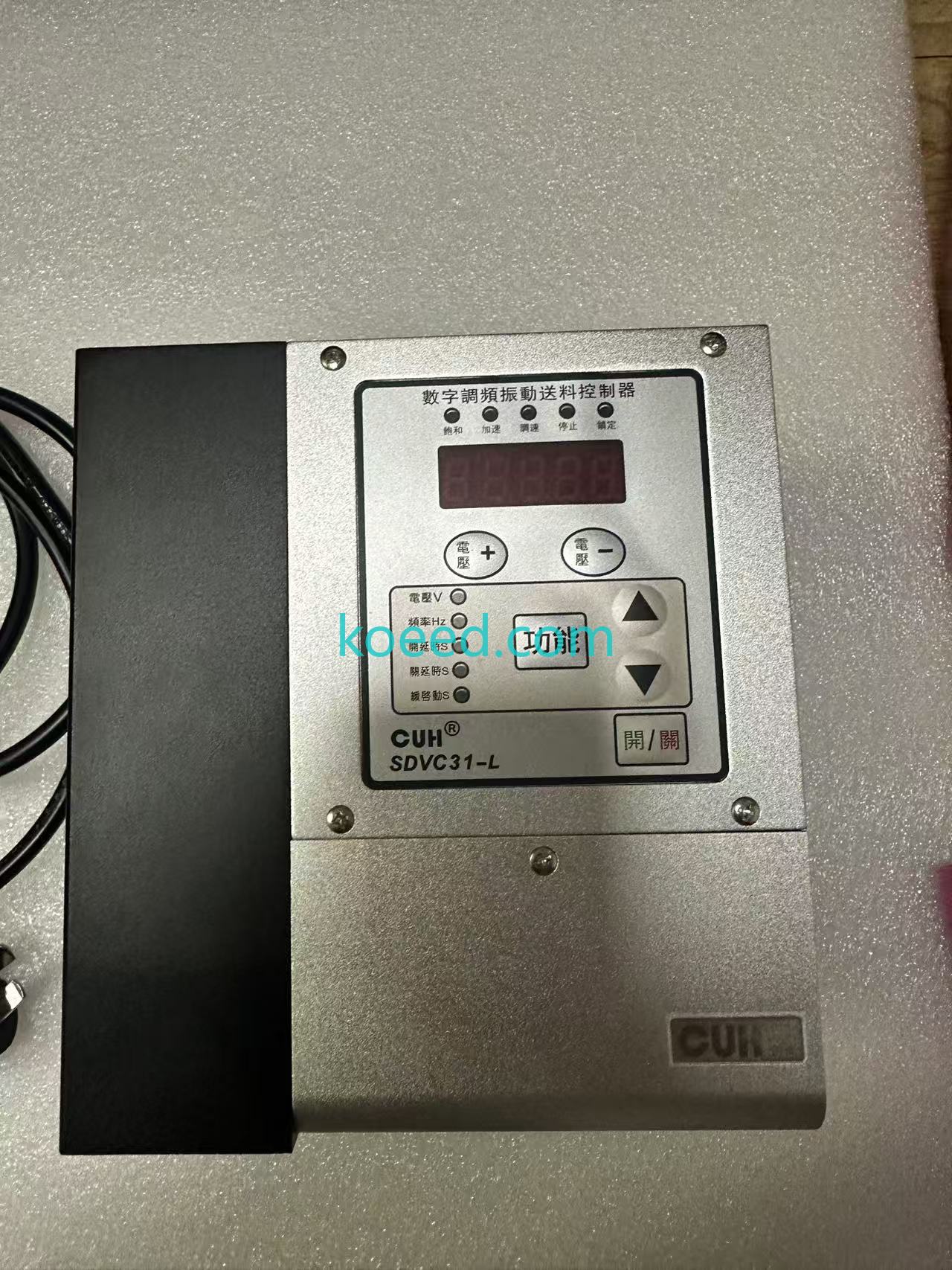
CUH SDVC31-L Digital Frequency Modulation Controller (4.5A): 2026 B2B Technical Guide & ROI Analysis

CUH SDVC31-L Digital Frequency Modulation Controller (4.5A): 2026 B2B Technical Guide & ROI Analysis

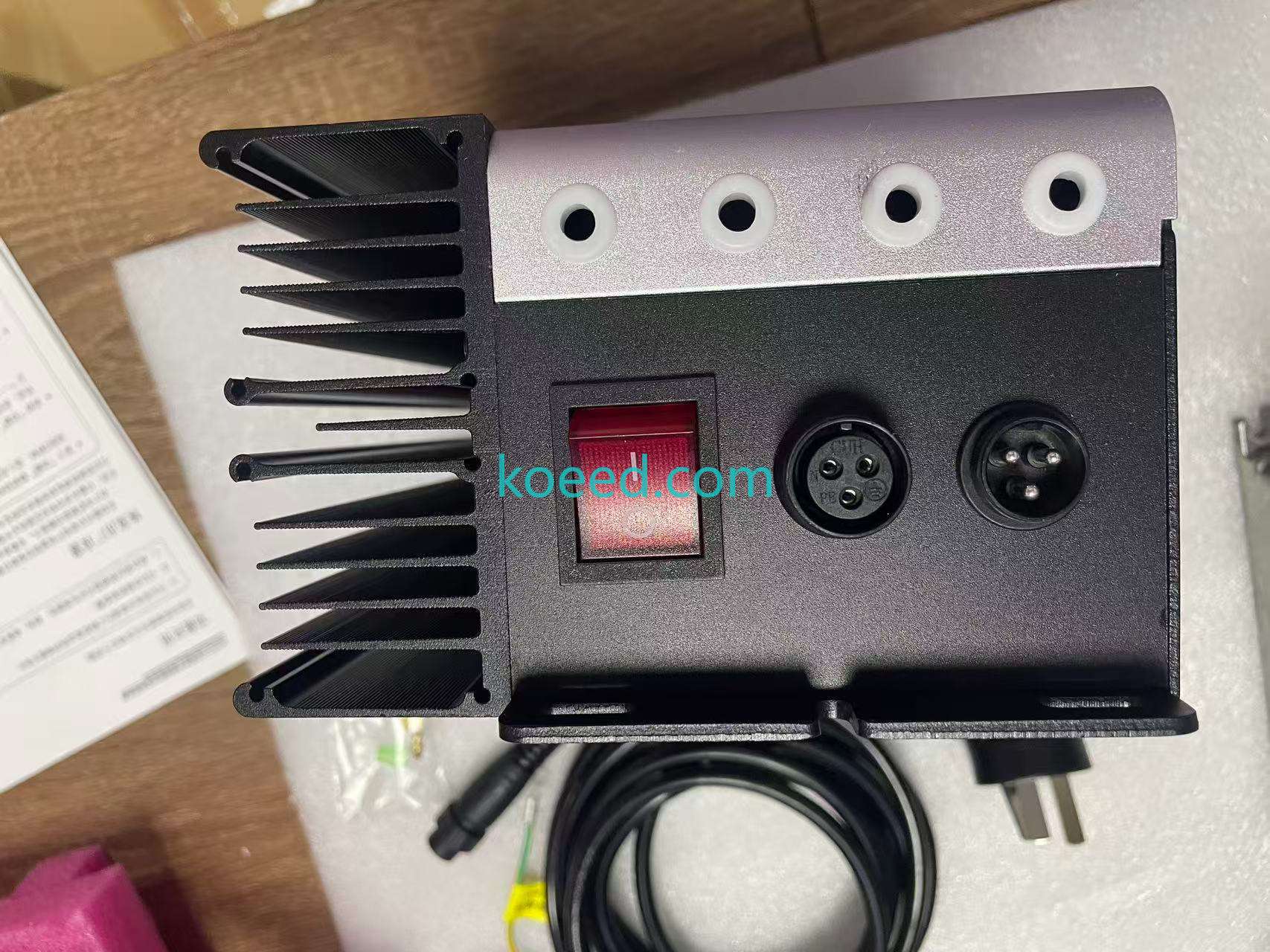
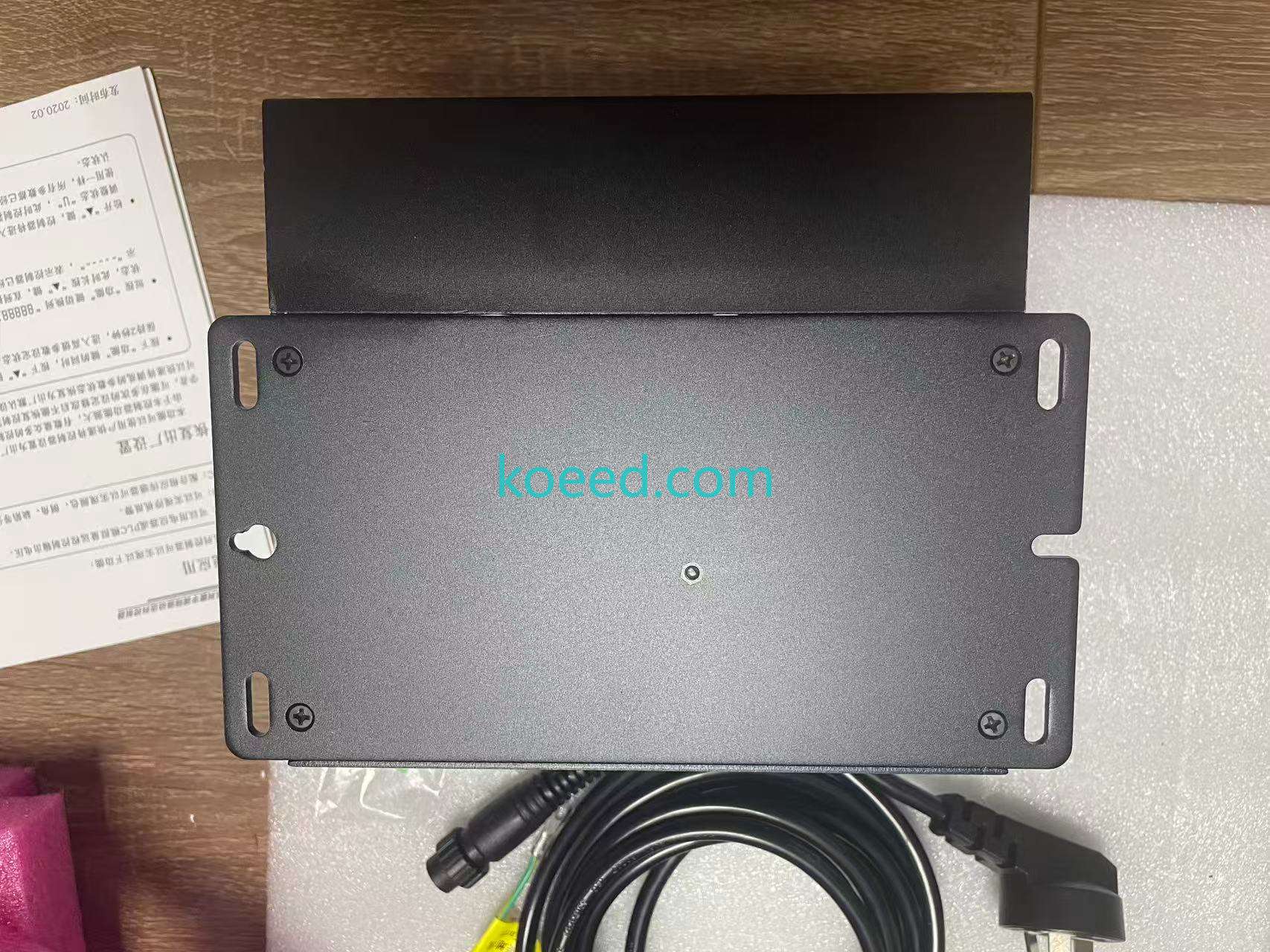
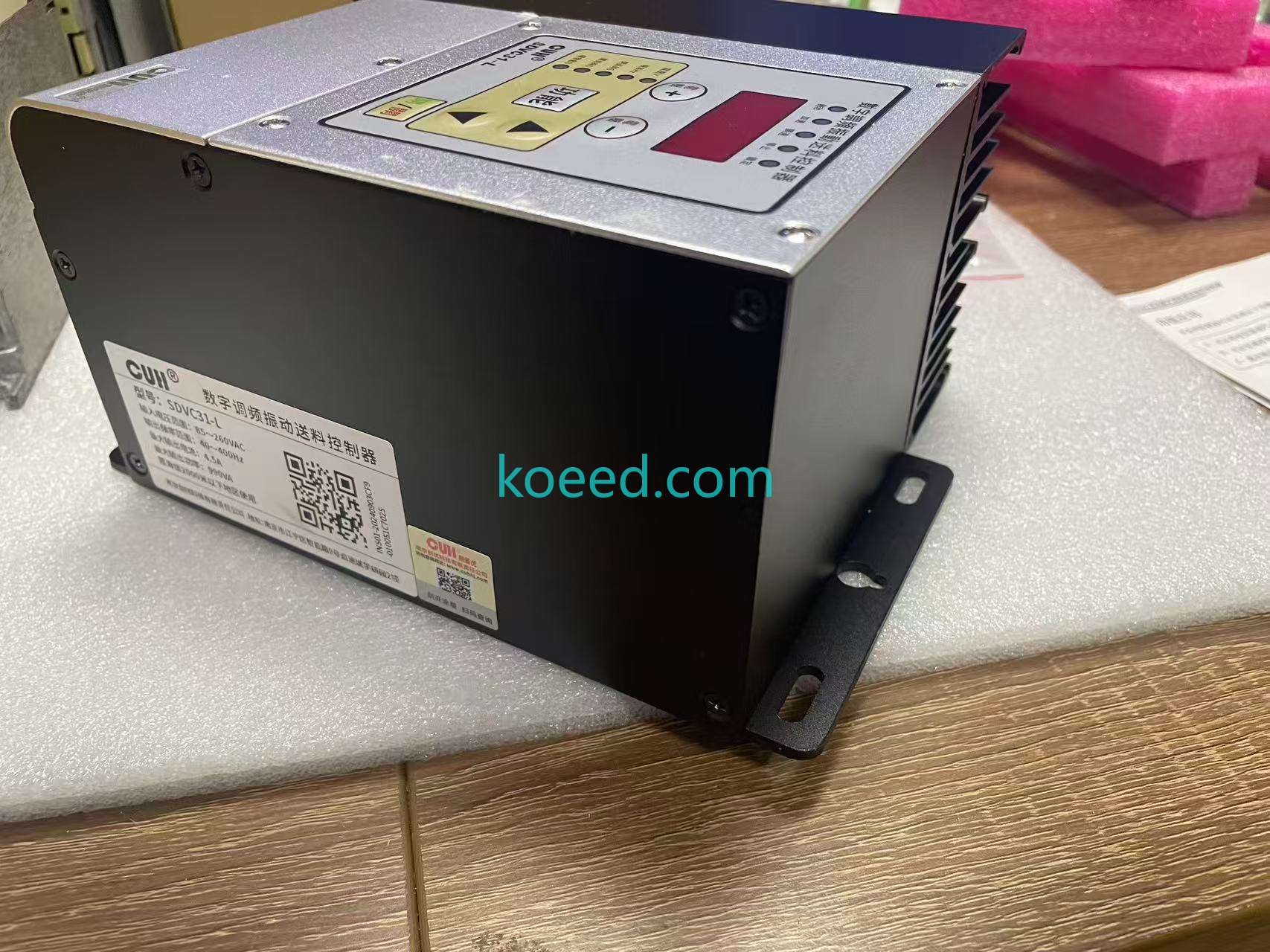
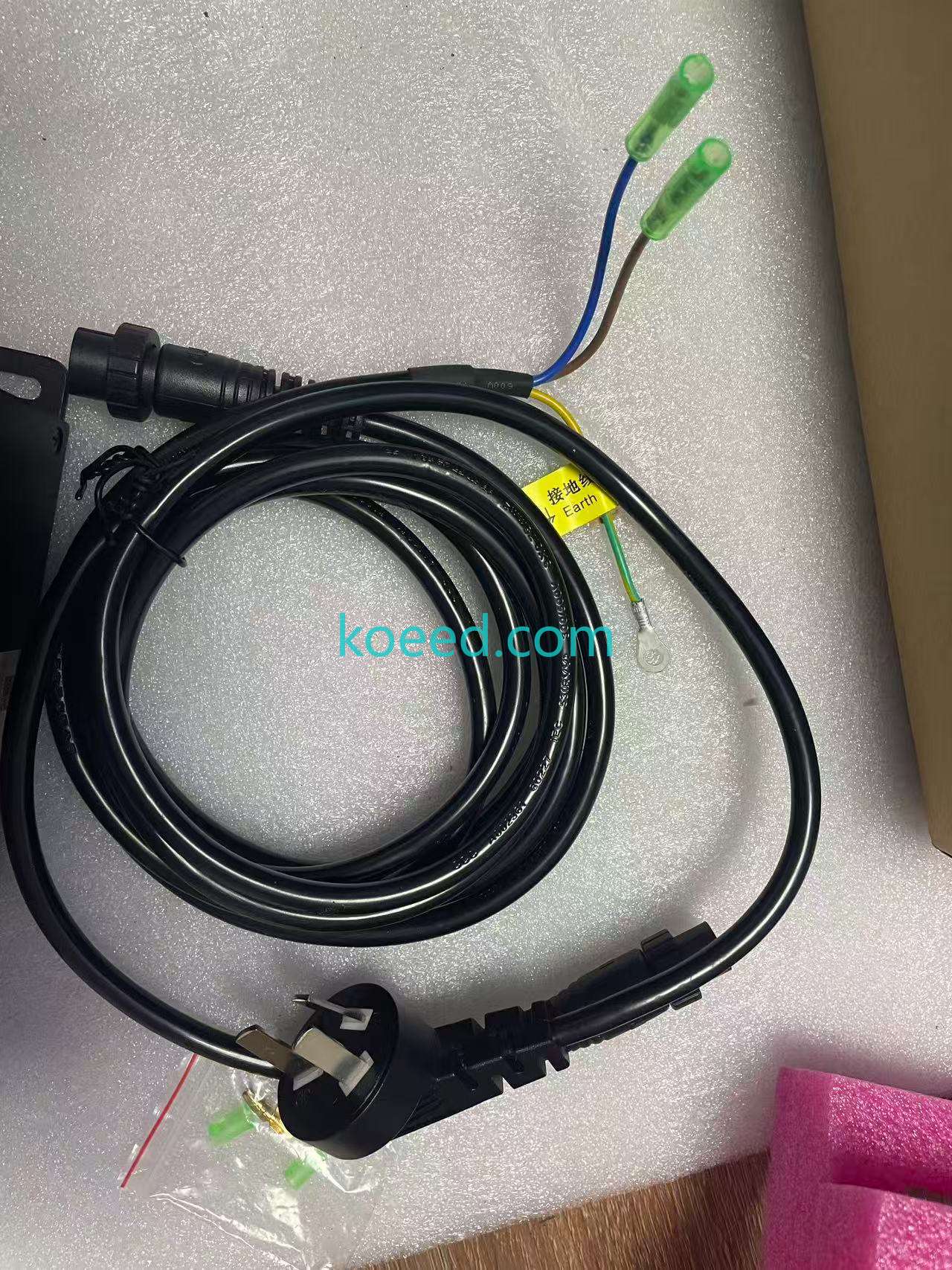
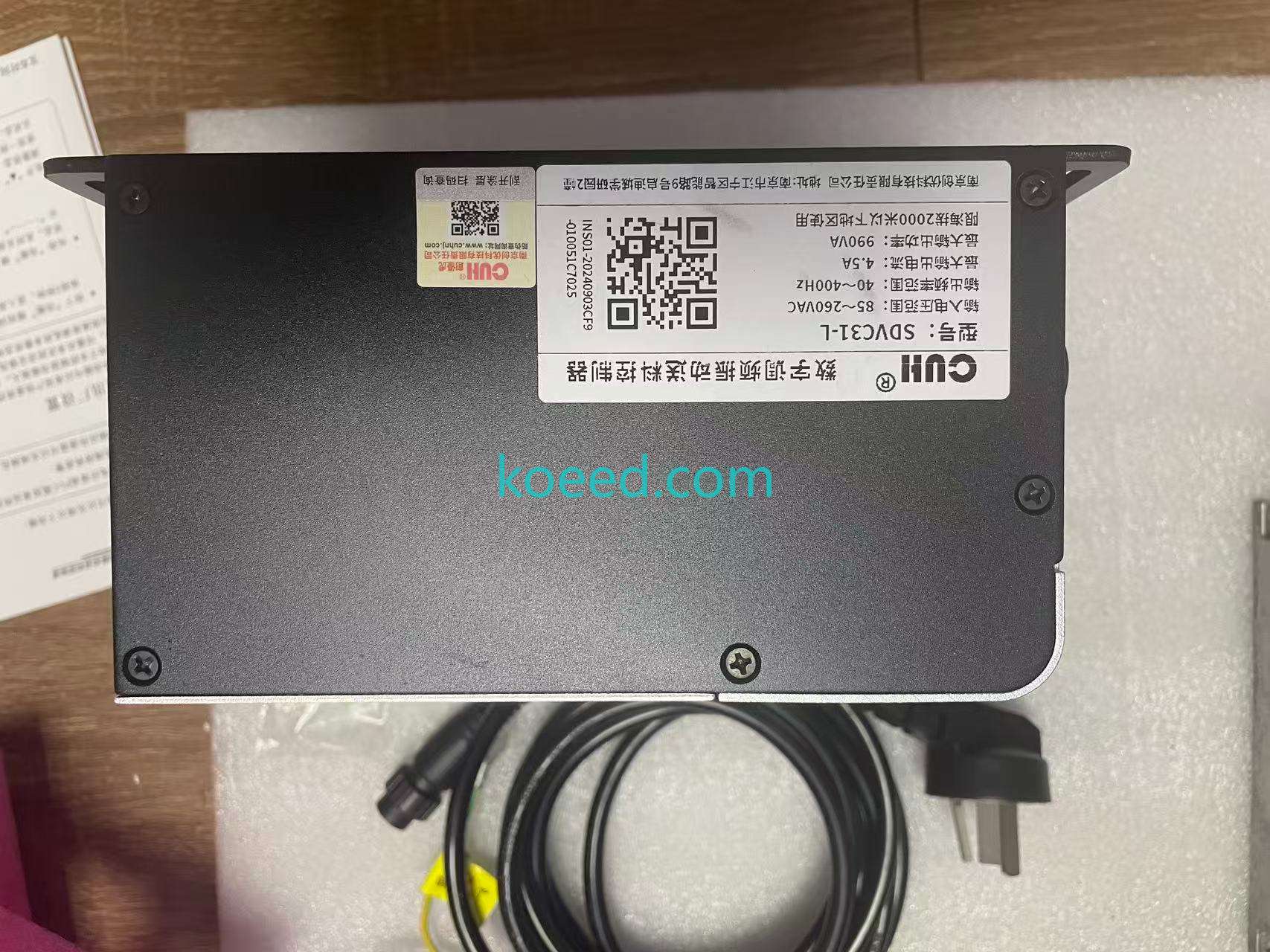
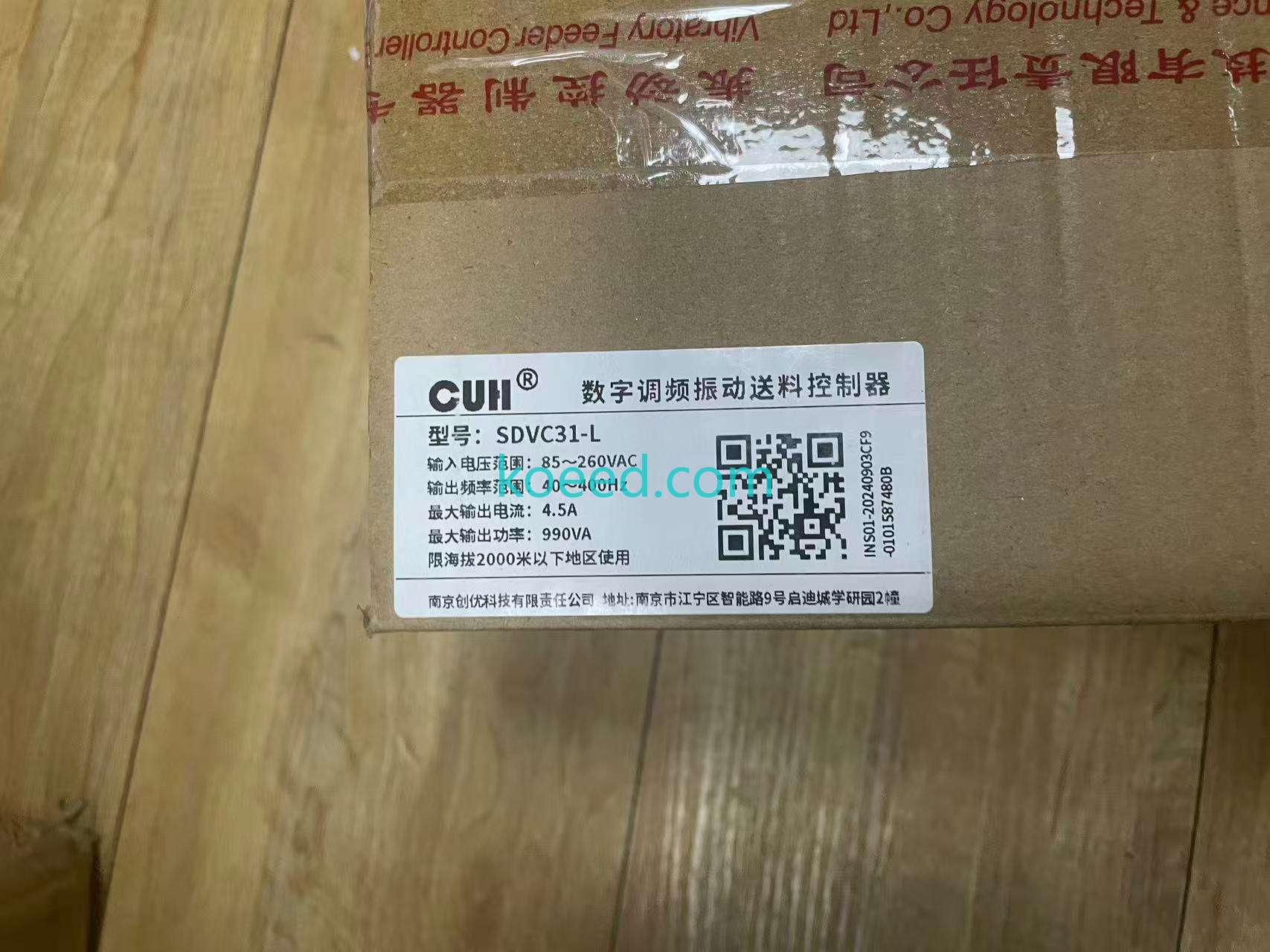
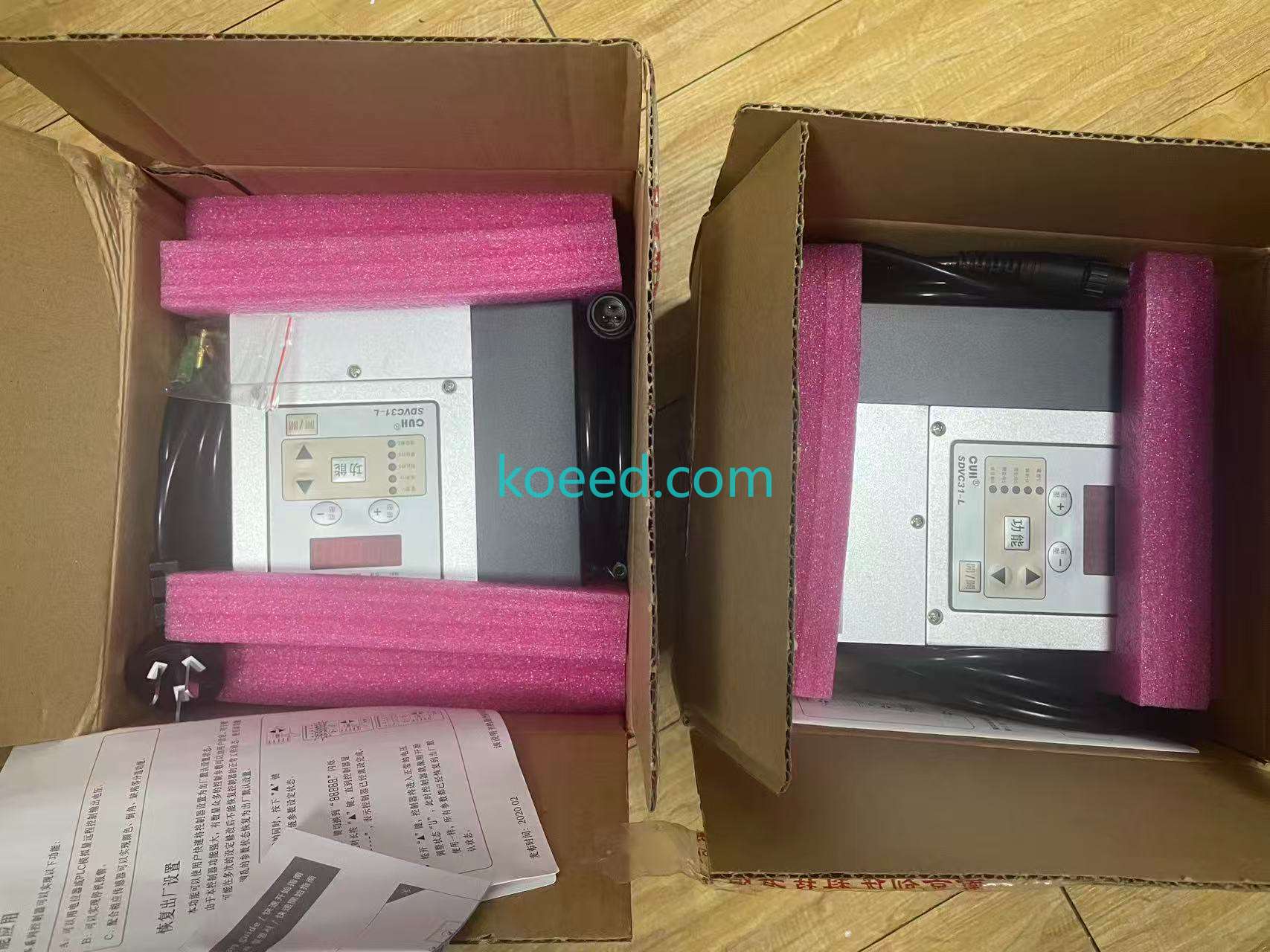
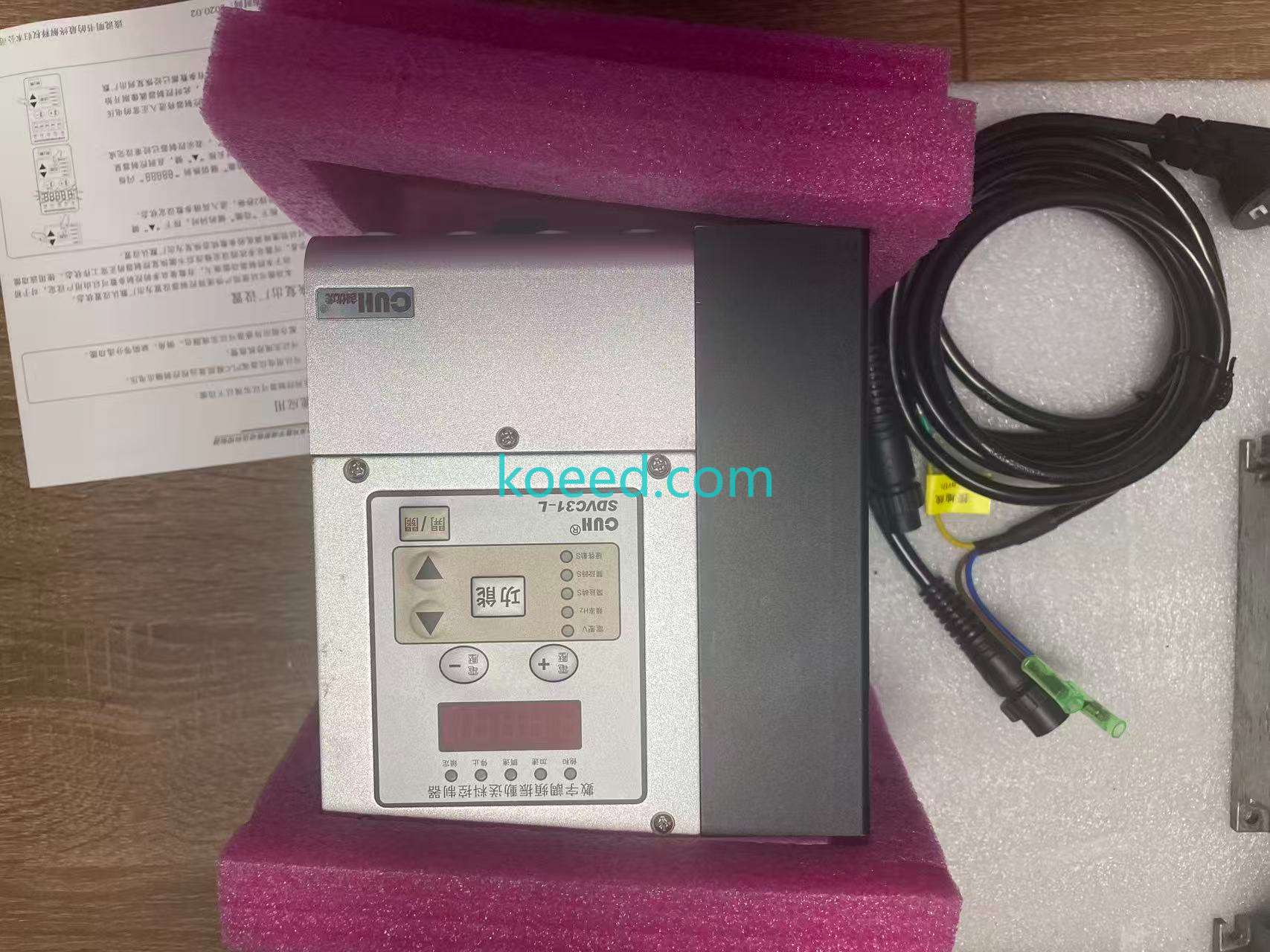
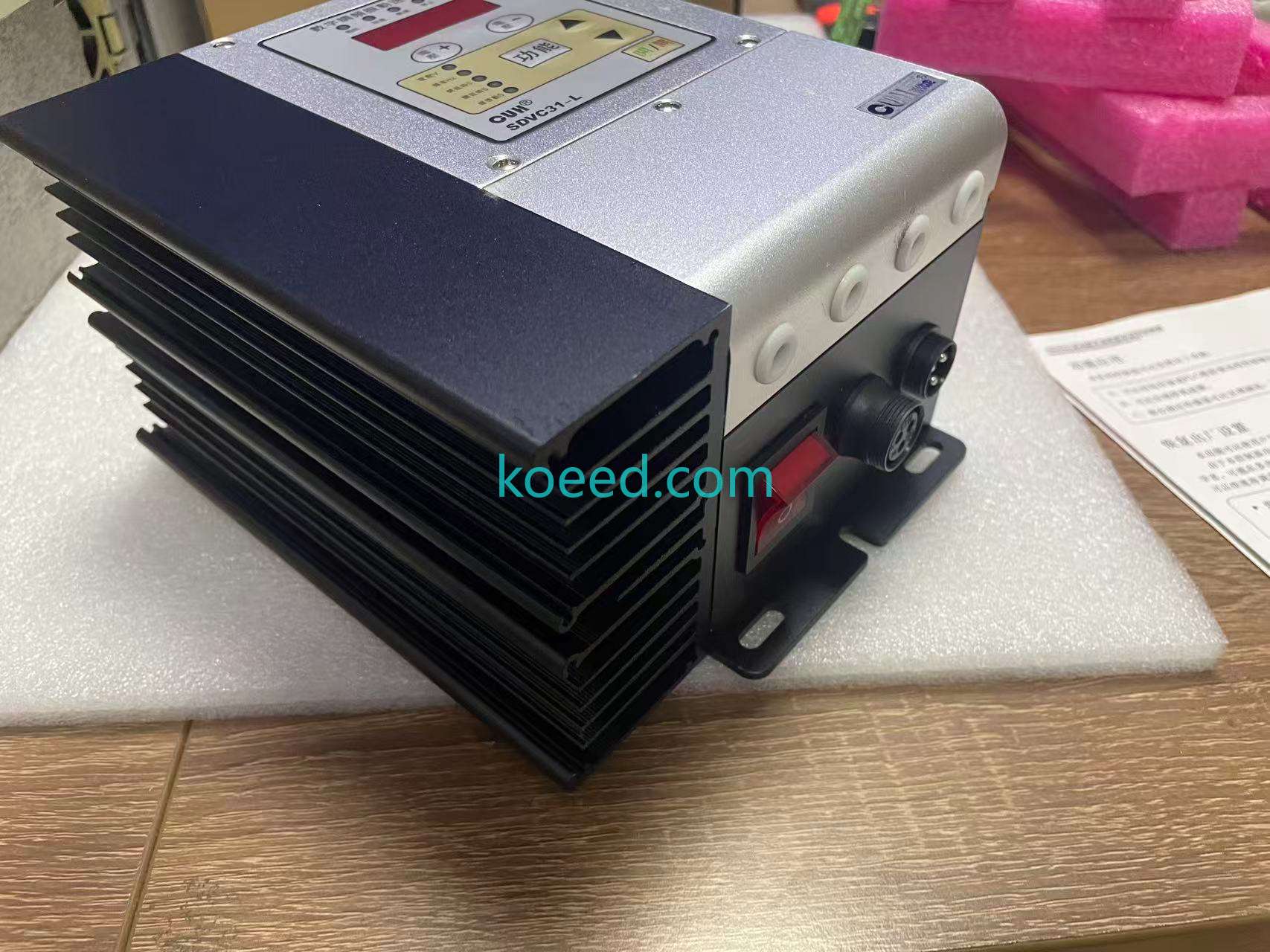
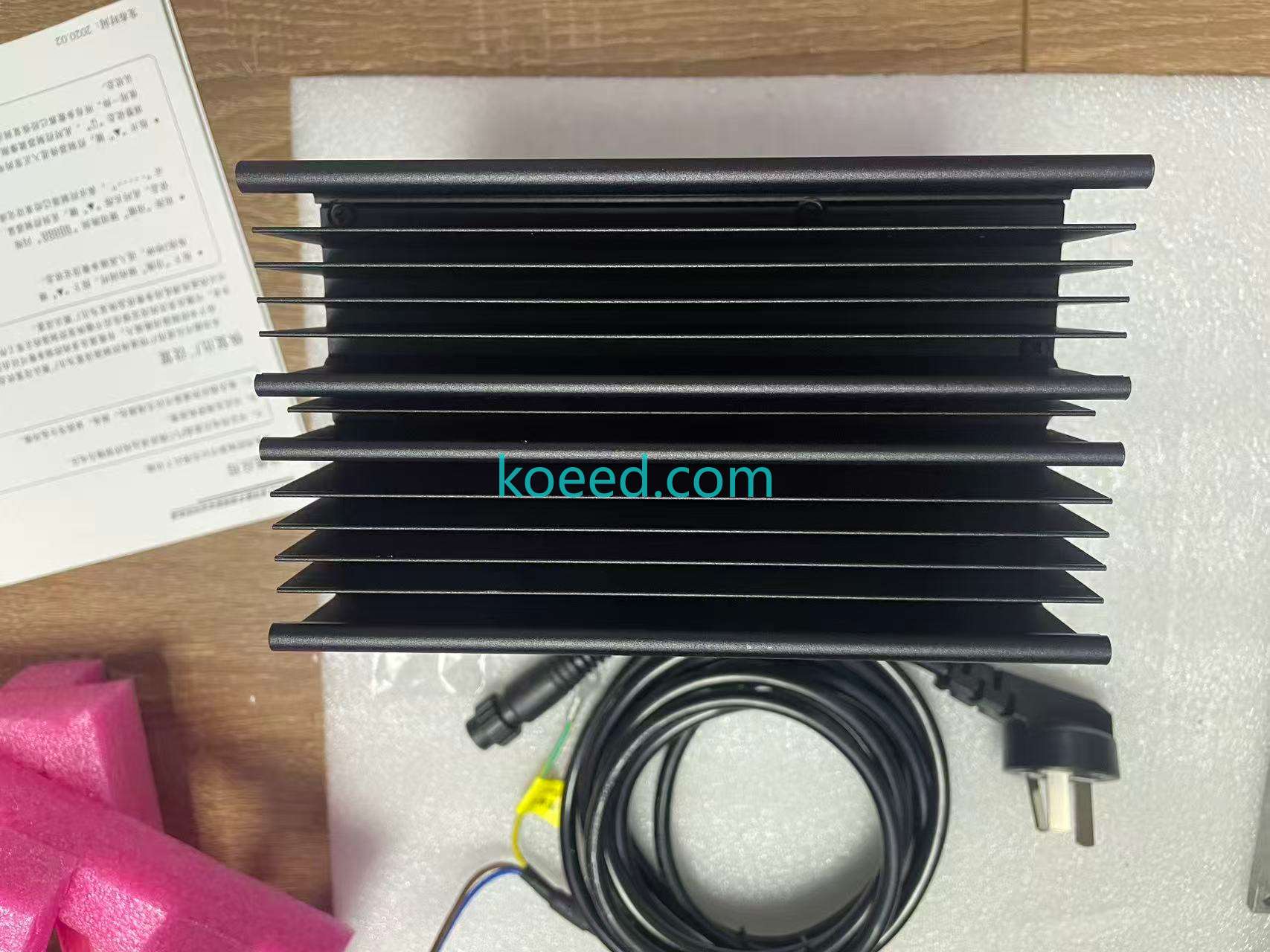
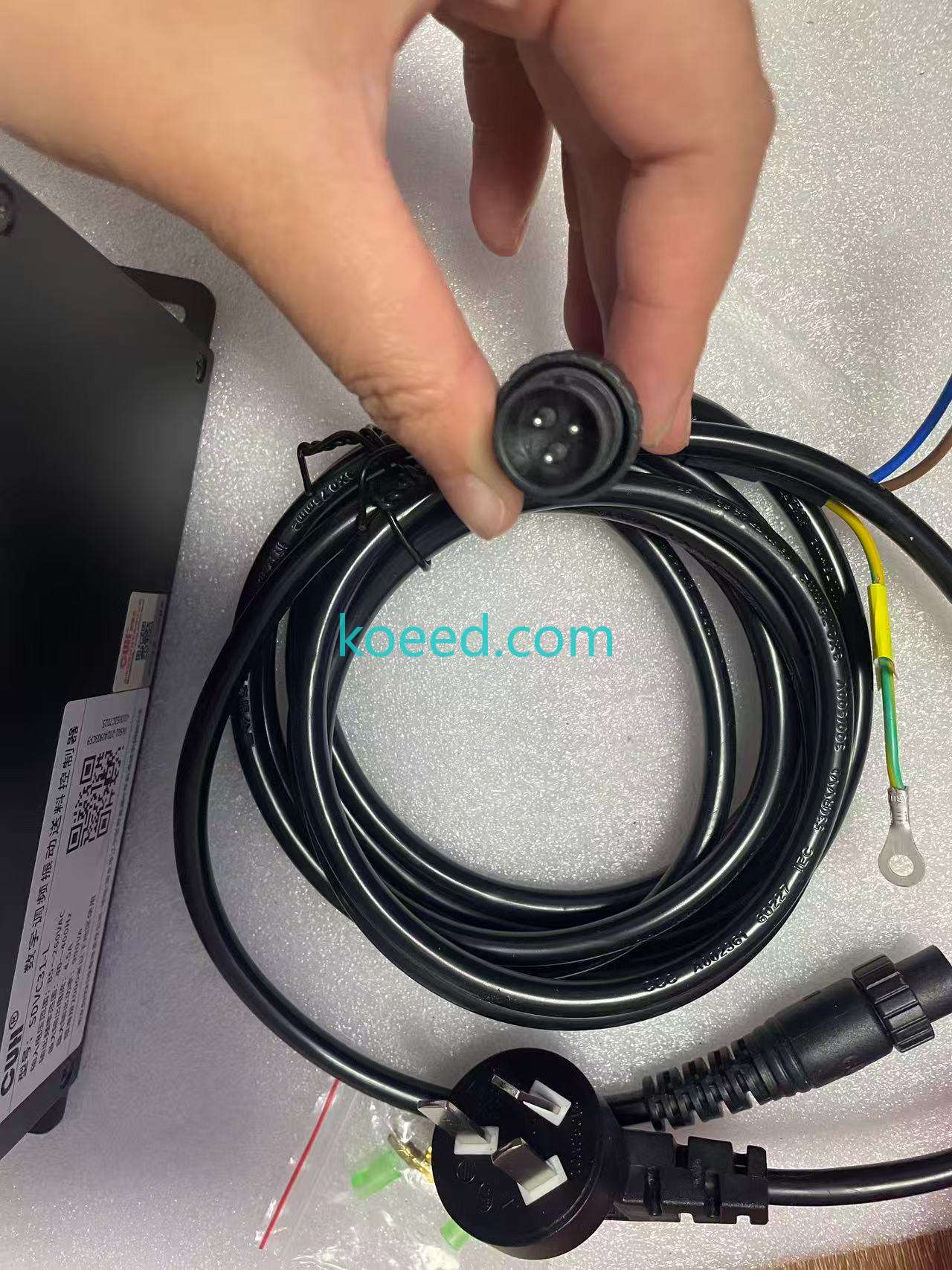
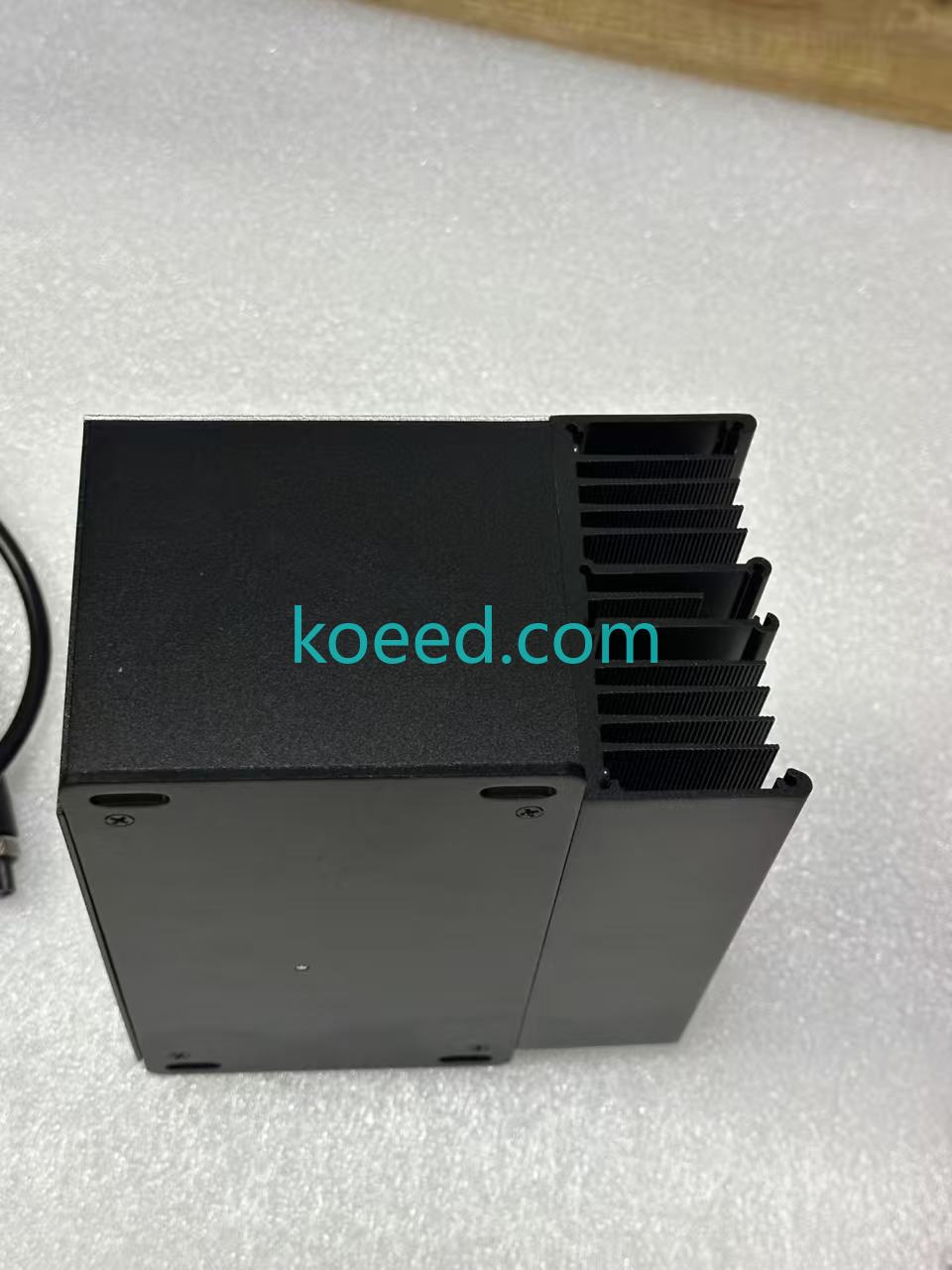
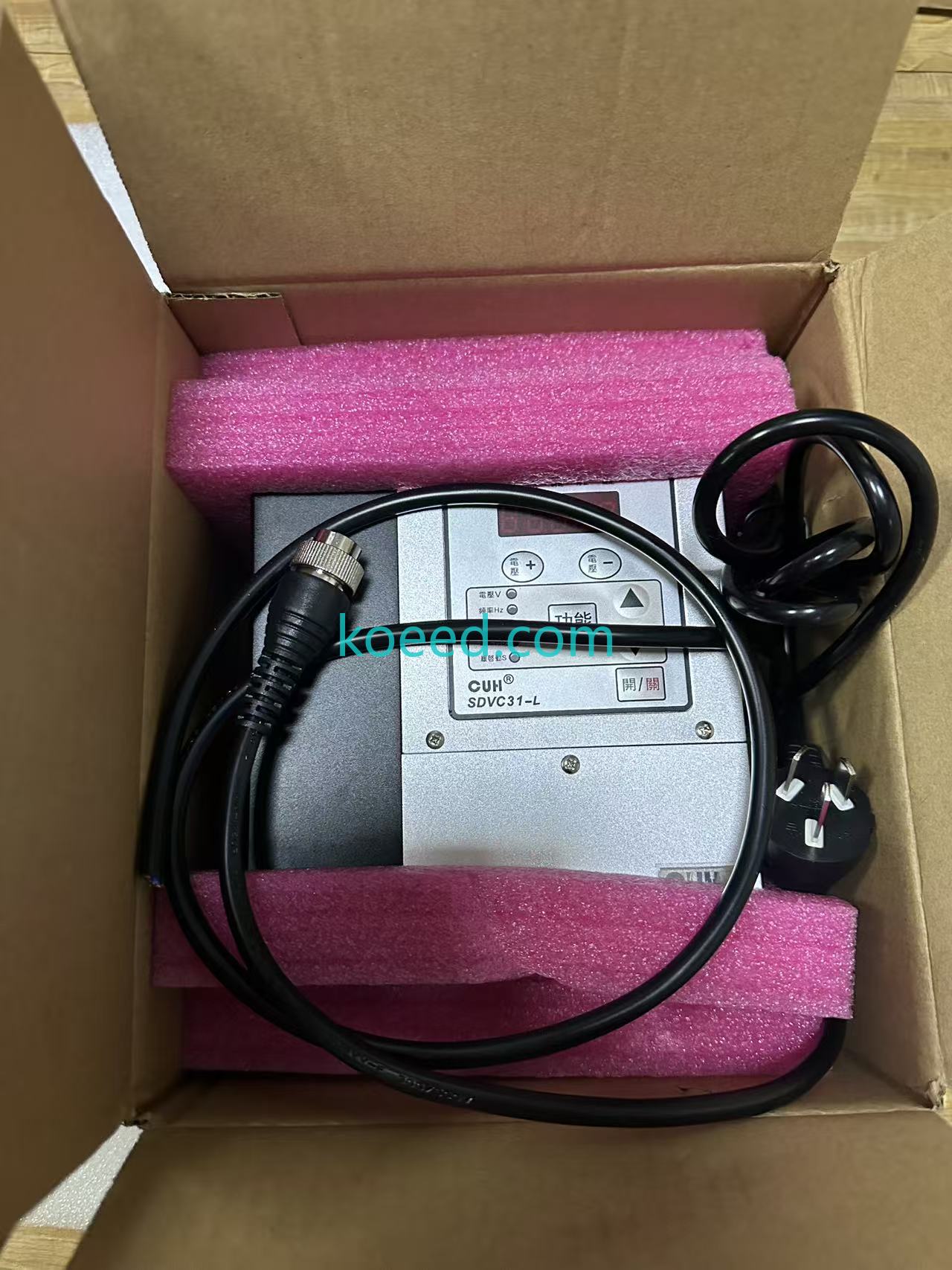
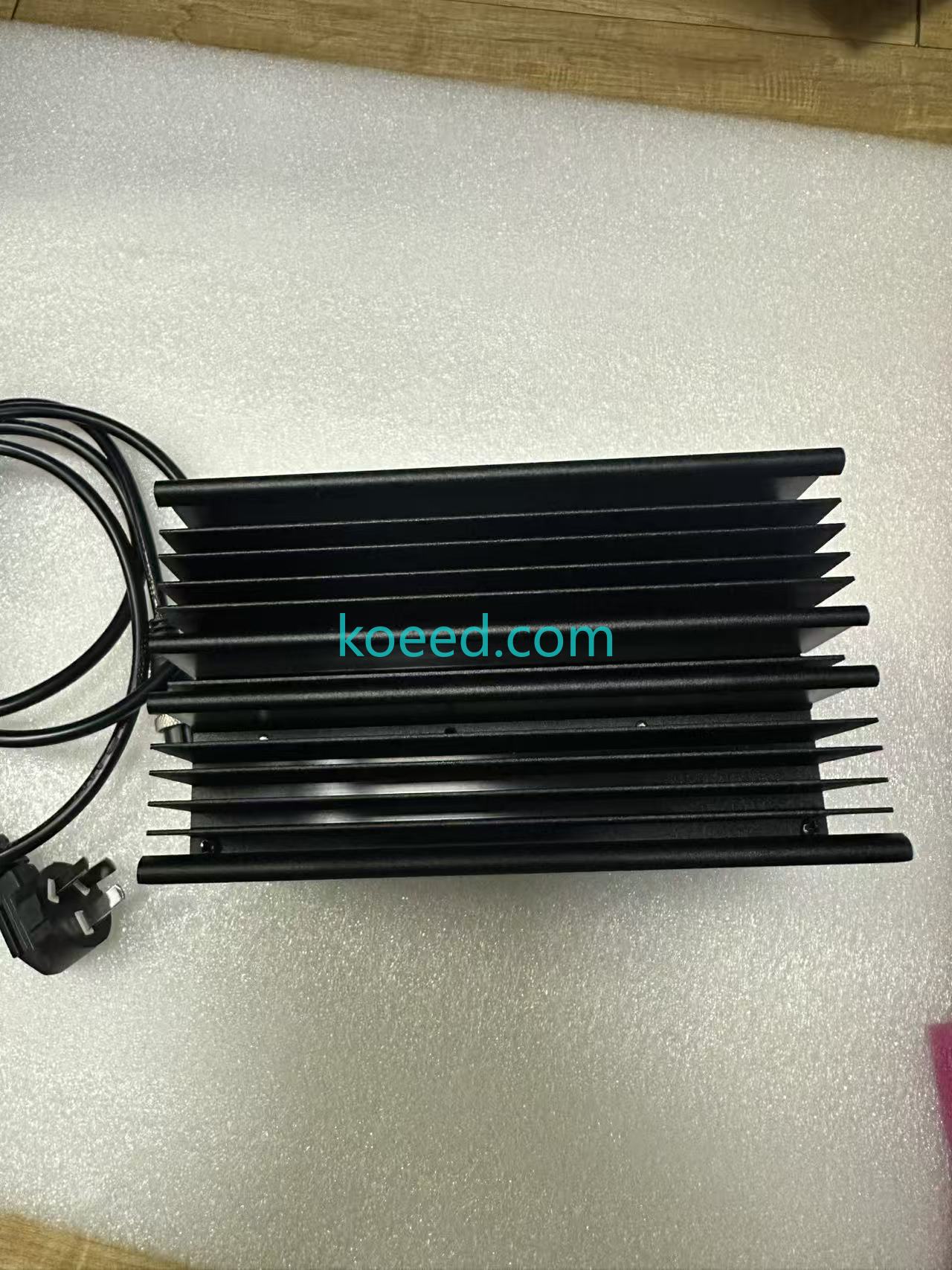
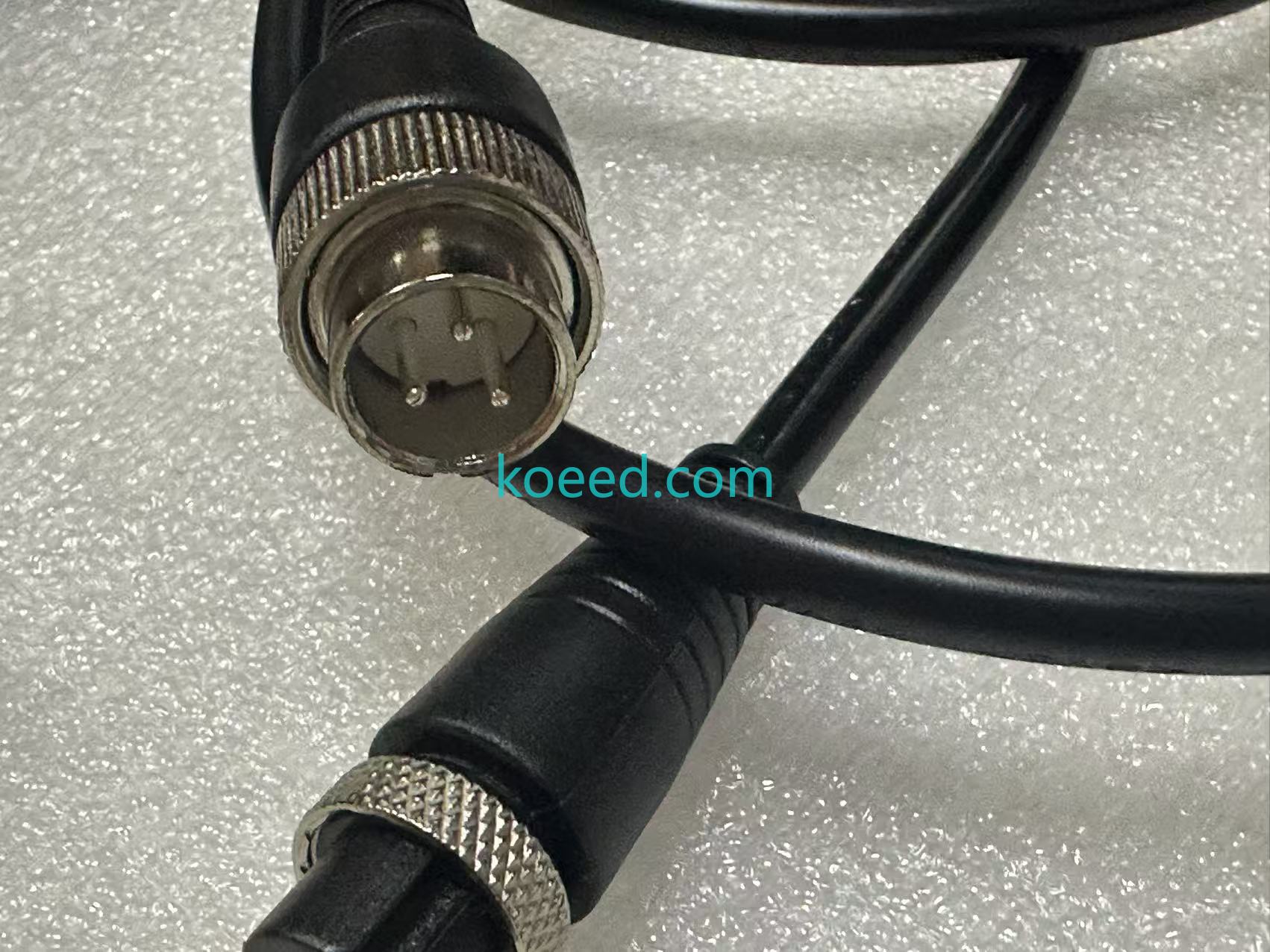
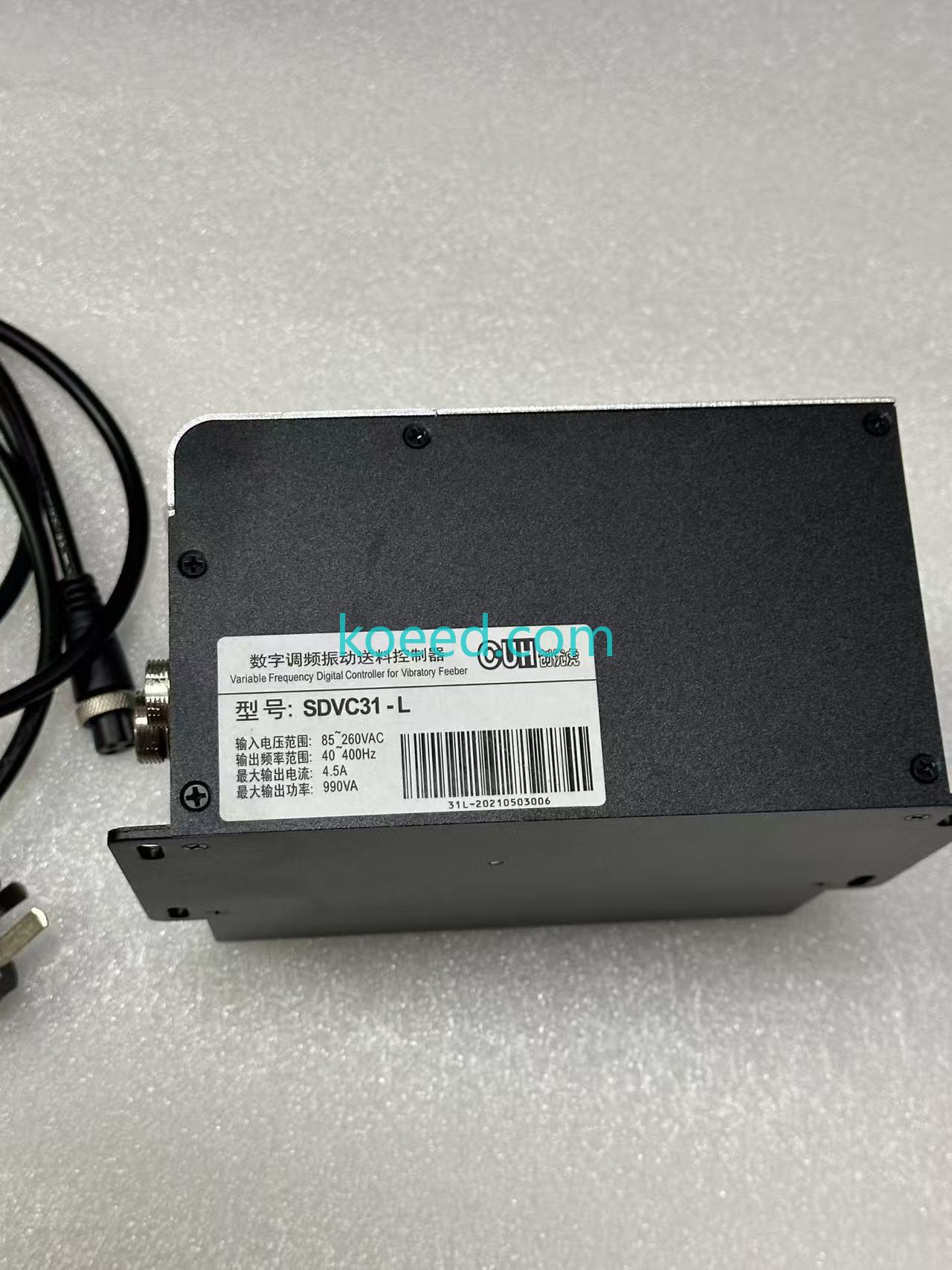
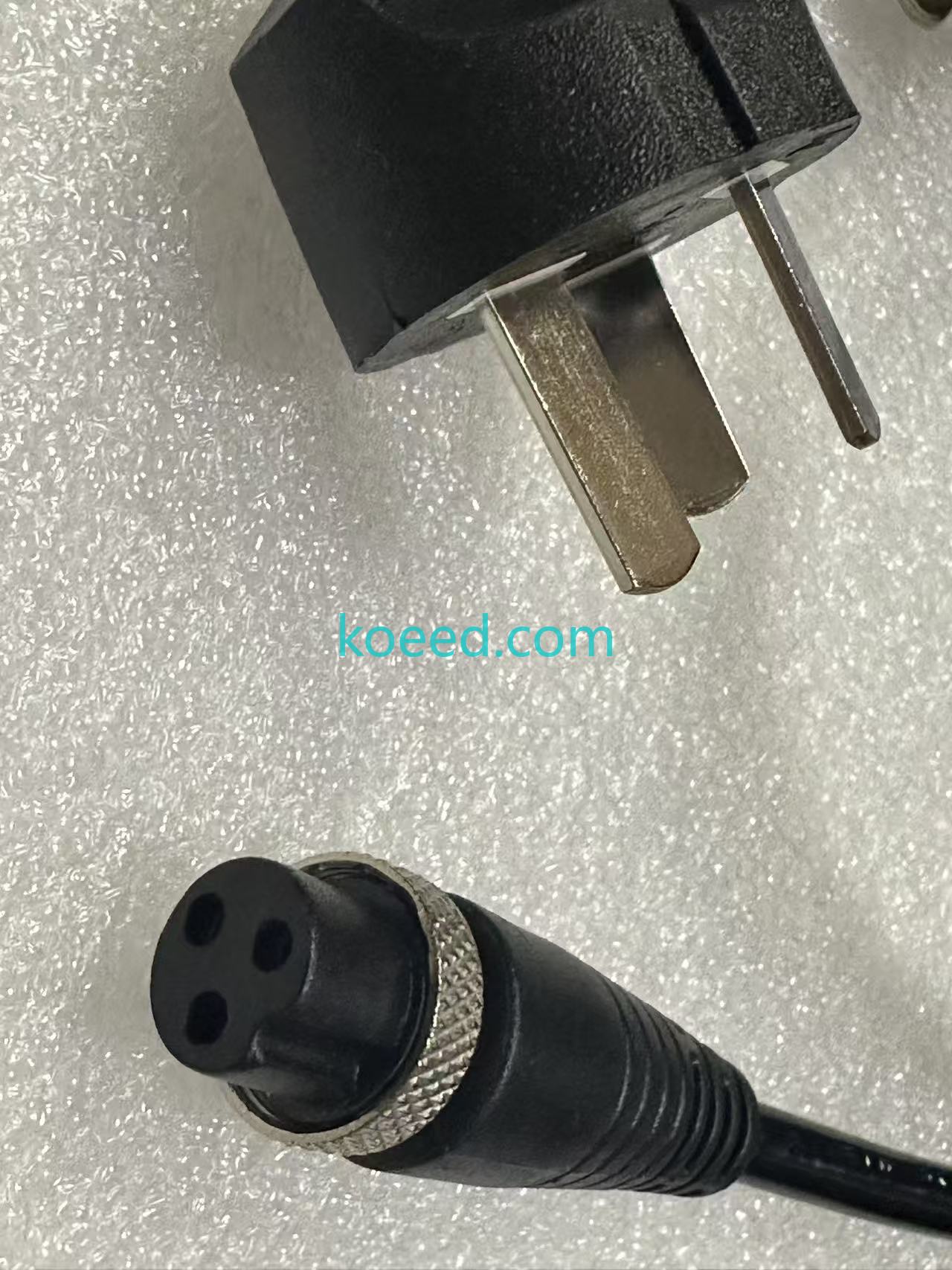
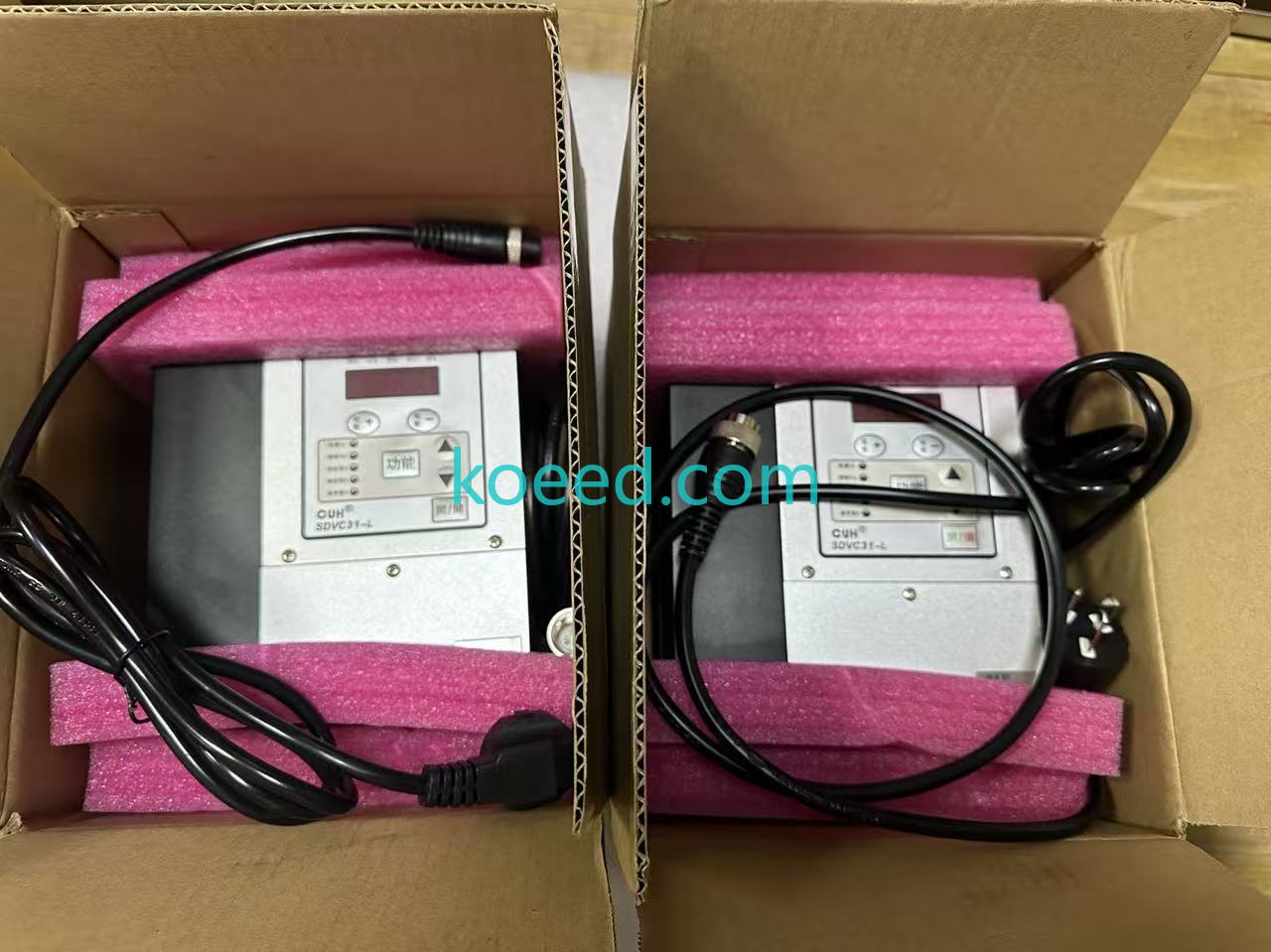
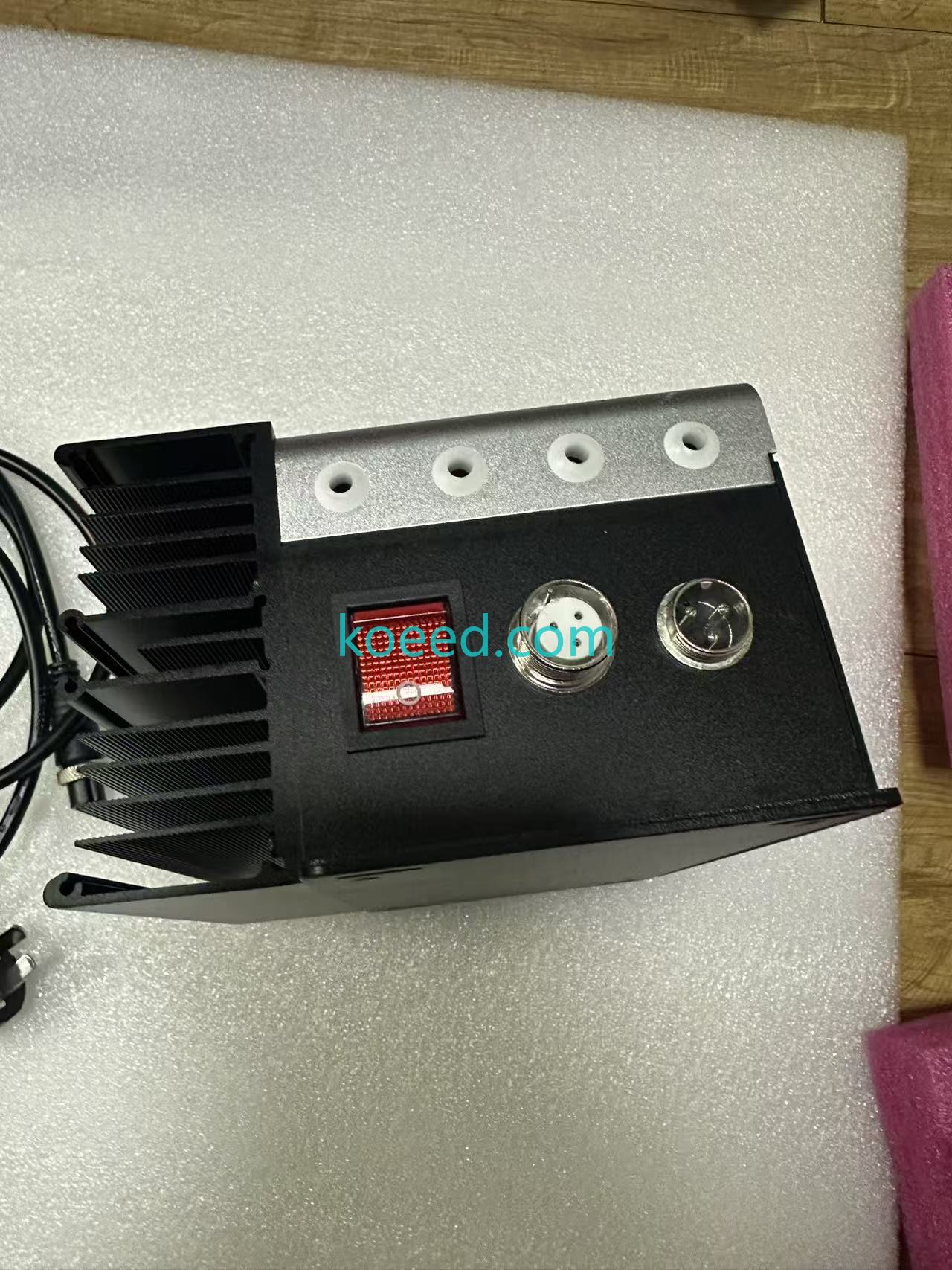
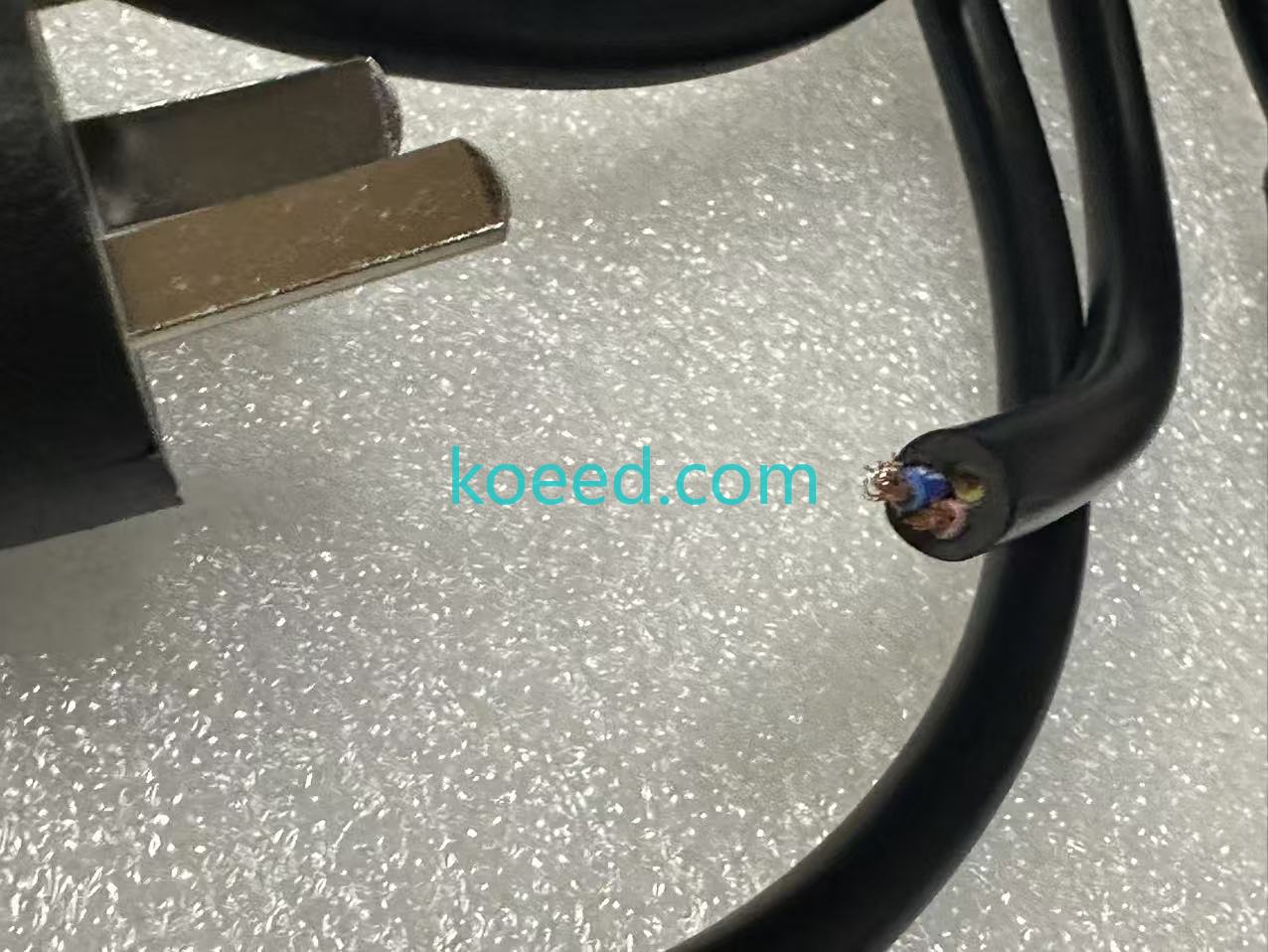
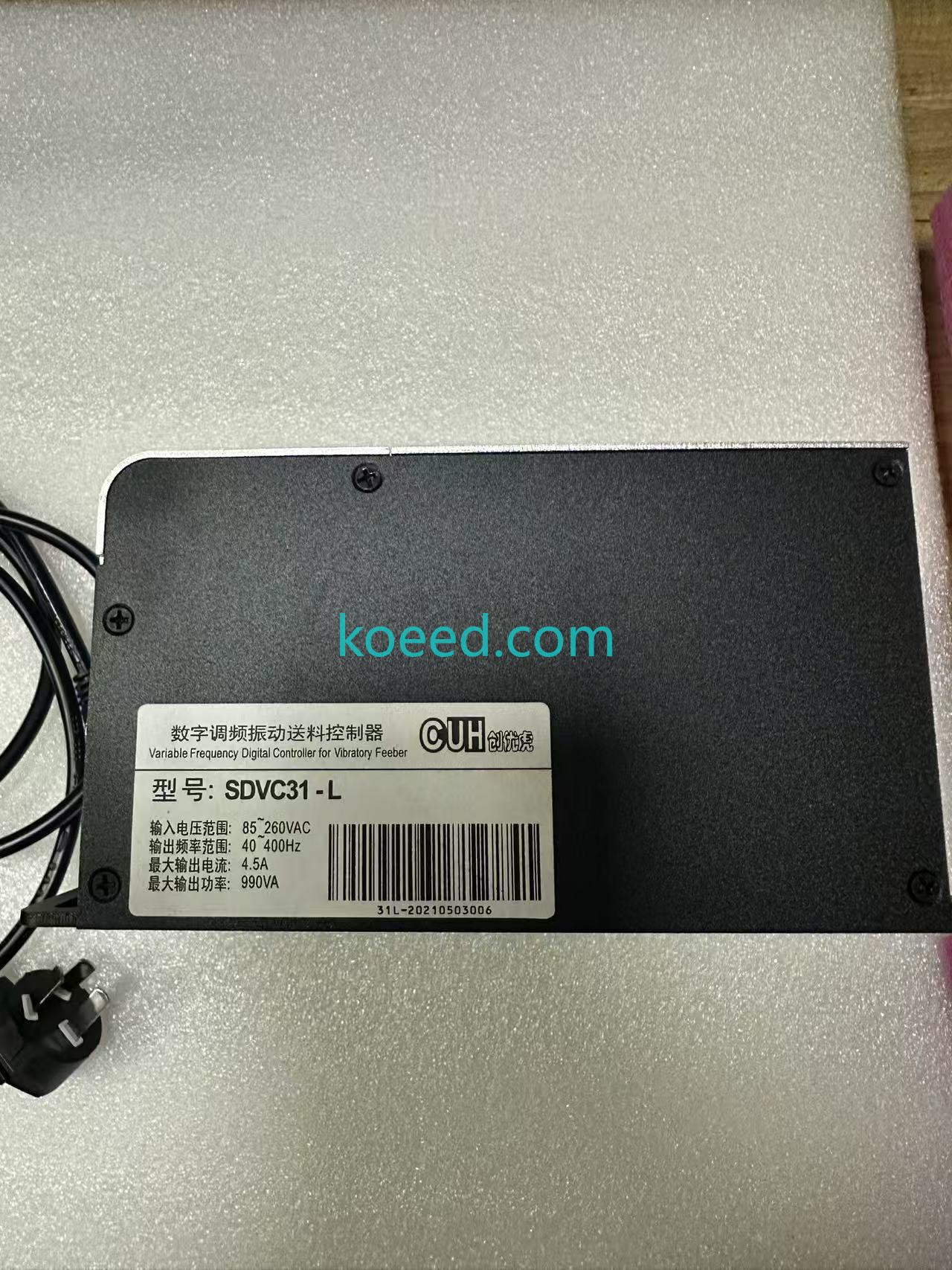
Pre-shipment Inspection Record: This document details the visual and technical inspection of the CUH SDVC31-L Digital Frequency Modulation Controller (4.5A): 2026 B2B Technical Guide & ROI Analysis. All product photos and testing videos below are original materials captured first-hand by the Koeed technical team in our warehouse prior to dispatch.

CUH SDVC31-L Digital Frequency Modulation Controller

In 2026, vibratory feeding is no longer a standalone motion task — it is a data-generating node inside the connected factory. The CUH SDVC31-L is a 4.5A-class variable-frequency, variable-voltage (VVVF) drive engineered to bring that node online with precision, efficiency, and predictability.

1. Strategic Overview: Where the SDVC31-L Sits in the 2026 Plant Floor

Electromagnetic vibratory feeders remain the workhorses of high-speed feeding, sorting, counting, weighing, and packaging lines across food and beverage, pharmaceuticals, electronics assembly, and automotive component handling. What has changed by 2026 is the expectation placed on their controllers. Plant engineers no longer ask for a simple amplitude dial — they ask for a controller that can hold a resonant setpoint, report process health upstream, and cut energy waste.

The SDVC31-L variable frequency controller answers all three. By allowing operators to tune the output frequency to the mechanical resonant frequency of the feeder bowl, it delivers a smoother, quieter, and materially more energy-efficient feed than legacy fixed-frequency SCR (thyristor) drives. In retrofit programs we benchmark at Koeed, resonance-matched operation typically reduces feeder energy draw by 20–40% while improving part-orientation stability.

IT/OT Convergence and Data Readiness

The SDVC31 series is designed as a bridge device. Digital parameter storage, sensor feedback inputs (PNP/NPN), and relay outputs let the controller participate in a closed-loop architecture: the feeder reports a fault or occupancy state, the PLC or edge gateway consumes it, and the MES/ERP layer receives actionable status — all without a separate IoT retrofit. For integrators building predictive-maintenance dashboards, this native signal path collapses implementation time versus analog legacy drives.

ROI, TCO and Sustainability in One Enclosure

From a Total Cost of Ownership (TCO) perspective, three factors dominate: energy consumed at the feeder, unplanned downtime from vibration-related faults, and changeover labor. The SDVC31-L compresses all three. Resonance tuning cuts kWh per shift; digital setpoints and stored parameters cut changeover time; and stable, adjustable soft-start ramps reduce mechanical shock that prematurely fatigues bowl springs and coils. Lower energy, lower maintenance, longer asset life — that is the 2026 sustainability story in a single DIN-rail package.

2. Technical Benchmarking: SDVC31 Series Model Matrix

The SDVC31 family scales by rated output current, letting you right-size the drive to the feeder load instead of overbuying. The SDVC31-L at 4.5A is the sweet spot for medium-duty bowl feeders and linear inline feeders found in most assembly and packaging cells.

Parameter SDVC31-S SDVC31-M SDVC31-L SDVC31-XL
Rated Output Current 1.5 A 3.0 A 4.5 A 6.0 A
Input Voltage 85–260 VAC, 50/60 Hz 85–260 VAC, 50/60 Hz 85–260 VAC, 50/60 Hz 85–260 VAC, 50/60 Hz
Output Frequency Range 40–400 Hz 40–400 Hz 40–400 Hz 40–400 Hz
Control Method VVVF Digital
Best-Fit Application Micro bowls / lab feeders Light assembly feeders Medium bowls + inline tracks Heavy / multi-track feeders
Compliance CE / RoHS — digital frequency and voltage modulation with resonance tuning

Legacy Analog SCR vs. Modern VVVF Digital Control

Fixed-frequency SCR controllers hold a constant line frequency and throttle amplitude only. This wastes energy because the feeder is rarely operated exactly at resonance, and it produces audible hum and higher coil heat. The SDVC31-L decouples frequency from the mains, allowing true variable-frequency modulation. The result is lower heat, quieter operation, and a measurable drop in feeder power consumption — a compelling retrofit argument when justifying the upgrade on energy and acoustic-safety grounds.

3. Maintenance and Troubleshooting FAQs

Q: Why does my feeder amplitude fluctuate at the same setpoint?

A: Check for mechanical resonance drift due to bowl spring aging or load changes. Re-run the automatic resonance search function on the SDVC31-L, then verify that the output frequency remains stable within ±0.1 Hz. If fluctuation persists, inspect coil gap and mounting bolts for looseness.

Q: Can I use the SDVC31-L with a 110 VAC supply?

A: Yes. The SDVC31-L accepts a wide input range of 85–260 VAC, 50/60 Hz, making it compatible with both 110 VAC and 220 VAC mains without a transformer.

Q: How do I reset the controller to factory defaults?

A: Power off the controller, hold down the ENTER key while powering on, and wait for the display to show the initialization prompt. Release the key to confirm. Refer to the user manual for the exact sequence.

4. Conclusion and Next Steps

The CUH SDVC31-L digital frequency modulation controller is not just a replacement for analog SCR drives; it is an upgrade path to smarter, more efficient, and more connected vibratory feeding. With a 4.5A rating, wide voltage tolerance, resonance tuning, and digital I/O, it fits seamlessly into modern automated lines. Engineers looking to reduce energy, downtime, and changeover complexity should evaluate the SDVC31-L as the standard for new builds and retrofits alike.

Need a Reliable SDVC31-L for Your Feeder?

Contact Koeed for technical support, volume pricing, and fast delivery of authentic CUH controllers.

Related Articles

Kembali ke blog