

DPS-850DB A Power Supply (2026 Guide): 850W Industrial-Grade PSU for HP Z800 — Reliability, ROI & IT/OT Integration
Strategic Overview: The DPS-850DB A in the 2026 Industrial Landscape
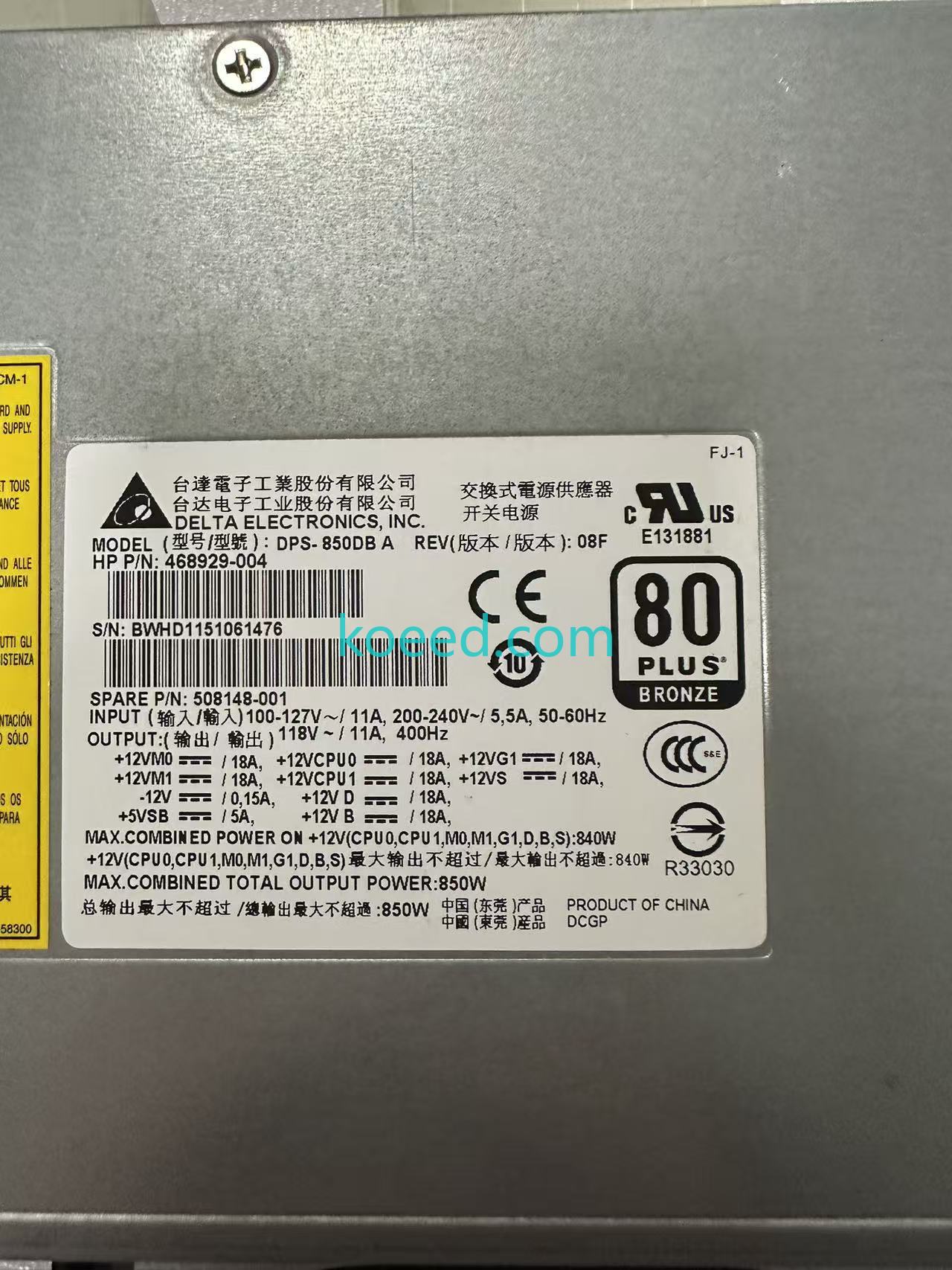
In 2026, the industrial automation sector faces a defining paradox: while Industry 4.0 and AI-driven manufacturing accelerate at breakneck speed, a vast installed base of proven, mission-critical hardware — including the HP Z800 Workstation — continues to anchor production lines, SCADA nodes, and edge-computing clusters worldwide. At the heart of every Z800 sits the DPS-850DB A 850W Power Supply, a Delta Electronics-manufactured switching PSU that has proven itself across more than a decade of continuous industrial duty.
Far from being a "legacy" component destined for obsolescence, the DPS-850DB A has entered a new strategic phase in 2026. As global supply chains for new industrial PCs still grapple with 18–26 week lead times (per recent IPC market intelligence), the refurbished and rigorously tested PSU aftermarket has become a cornerstone of operational resilience. This article dissects the DPS-850DB A from every angle that matters to a B2B buyer: technical specifications, IT/OT convergence readiness, total cost of ownership (TCO), sustainability impact, and predictive maintenance integration.
🔑 Key Takeaways — DPS-850DB A at a Glance
- Model: DPS-850DB A (Delta Electronics, HP OEM)
- HP Part Numbers: 508148-001, 468929-002, 468929-003, 468929-004
- Rated Output: 850 Watts (continuous, 80 PLUS Silver-class efficiency)
- Form Factor: Proprietary HP Z800 chassis-mount, active PFC
- Primary Application: HP Z800 Workstation — industrial control, CAD/CAM, edge SCADA
- 2026 Market Status: Active aftermarket; fully tested units available from certified suppliers
Technical Benchmarking: DPS-850DB A vs. Modern Alternatives
When a Z800 power supply fails, industrial maintenance teams face a decision: replace the PSU or migrate the entire control system to a modern workstation. Below, we benchmark the DPS-850DB A replacement path against full system migration across five dimensions that matter in 2026.
| Evaluation Criterion | DPS-850DB A PSU Replacement | Full Workstation Migration |
|---|---|---|
| Hardware Cost | $85–$195 (tested, warrantied unit) | $4,500–$12,800 (new IPC/workstation) |
| Downtime Window | 15–30 minutes (hot-swap capable chassis) | 2–7 days (OS imaging, software re-licensing, I/O validation) |
| Software Re-Validation | None required | Full regression testing of SCADA/HMI/PLC drivers |
| IT/OT Integration | Seamless — retains existing network config, IP, firewall rules | Requires OT network re-certification, historian reconnection |
| Sustainability (CO₂e Saved) | ~1,200 kg CO₂e avoided vs. new system manufacturing | Adds 1,200+ kg CO₂e from production + e-waste |
| Lead Time (2026) | 3–5 business days (in-stock at Koeed) | 12–26 weeks (new industrial PC procurement) |
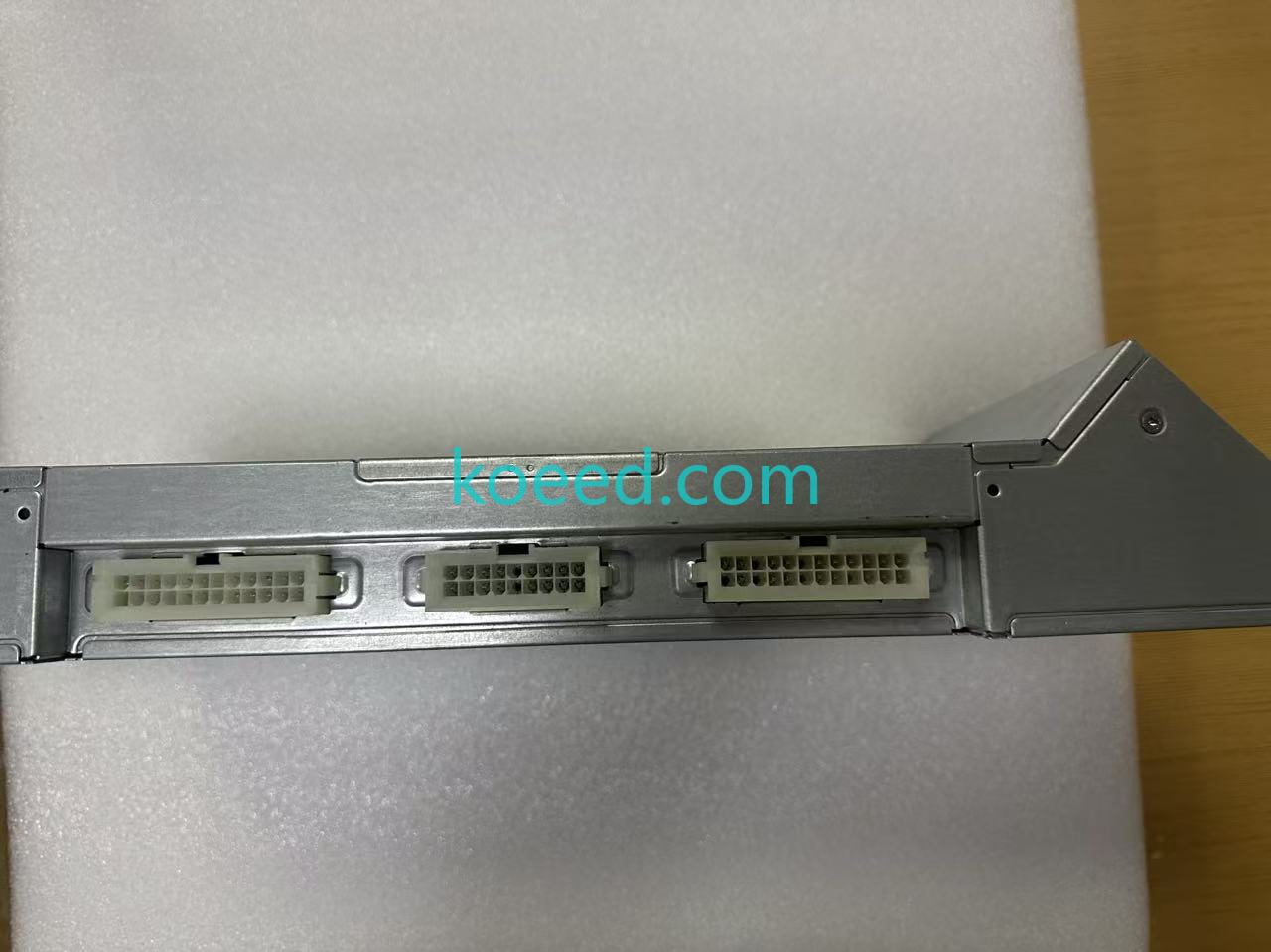
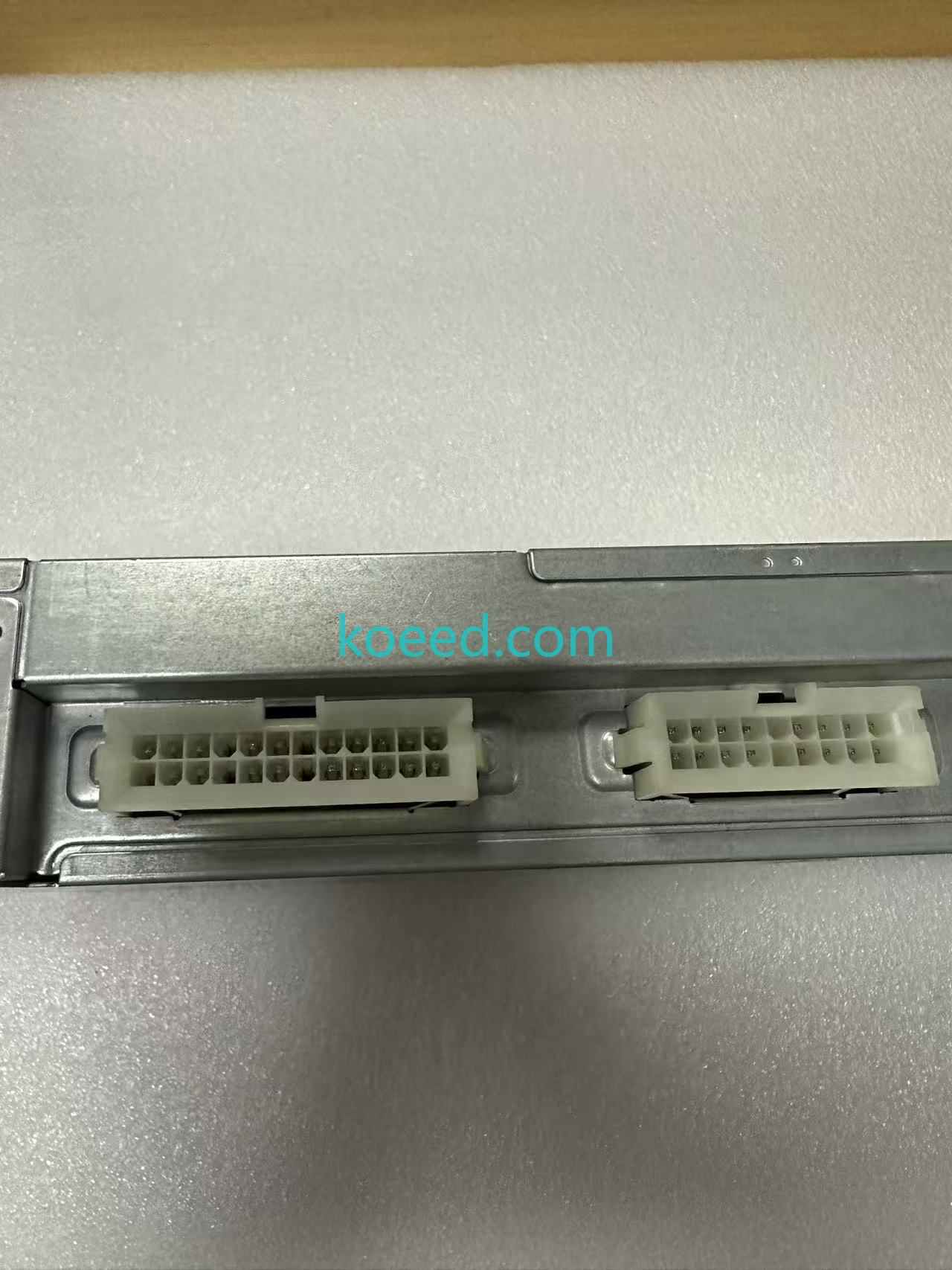
The numbers tell a clear story: for facilities running validated, compliant Z800-based control systems, PSU replacement is the high-ROI, low-risk path. The DPS-850DB A's modular design — with its dedicated 24-pin ATX, dual 8-pin EPS (+12V CPU), and multiple PCIe 6+2-pin rails — ensures full compatibility with dual-Xeon Z800 configurations that still drive countless industrial applications.
Key Electrical Specifications
| Parameter | Specification |
|---|---|
| Total Output Power | 850 W (continuous at 50°C ambient) |
| Input Voltage Range | 100–240 VAC, 50/60 Hz (auto-ranging, active PFC) |
| +12V Rail(s) | Multi-rail design; combined +12V output ≥ 70A |
| +5VSB Standby | 4.0A max — supports advanced wake-on-LAN and IPMI/BMC |
| Cooling | Single 60mm dual-ball-bearing fan (temperature-variable speed) |
| Protection Circuits | OVP, UVP, OCP, OPP, SCP, OTP (full suite) |
| MTBF (Calculated) | >100,000 hours at 40°C (Telcordia SR-332) |
| Connector Set | 24-pin ATX, 2× 8-pin EPS12V, 6× PCIe 6+2-pin, SATA, Molex |
| Compliance | CE, UL/cUL, FCC Class B, 80 PLUS Silver, RoHS (2011/65/EU recast) |
Visual Gallery: DPS-850DB A — Detailed Inspection
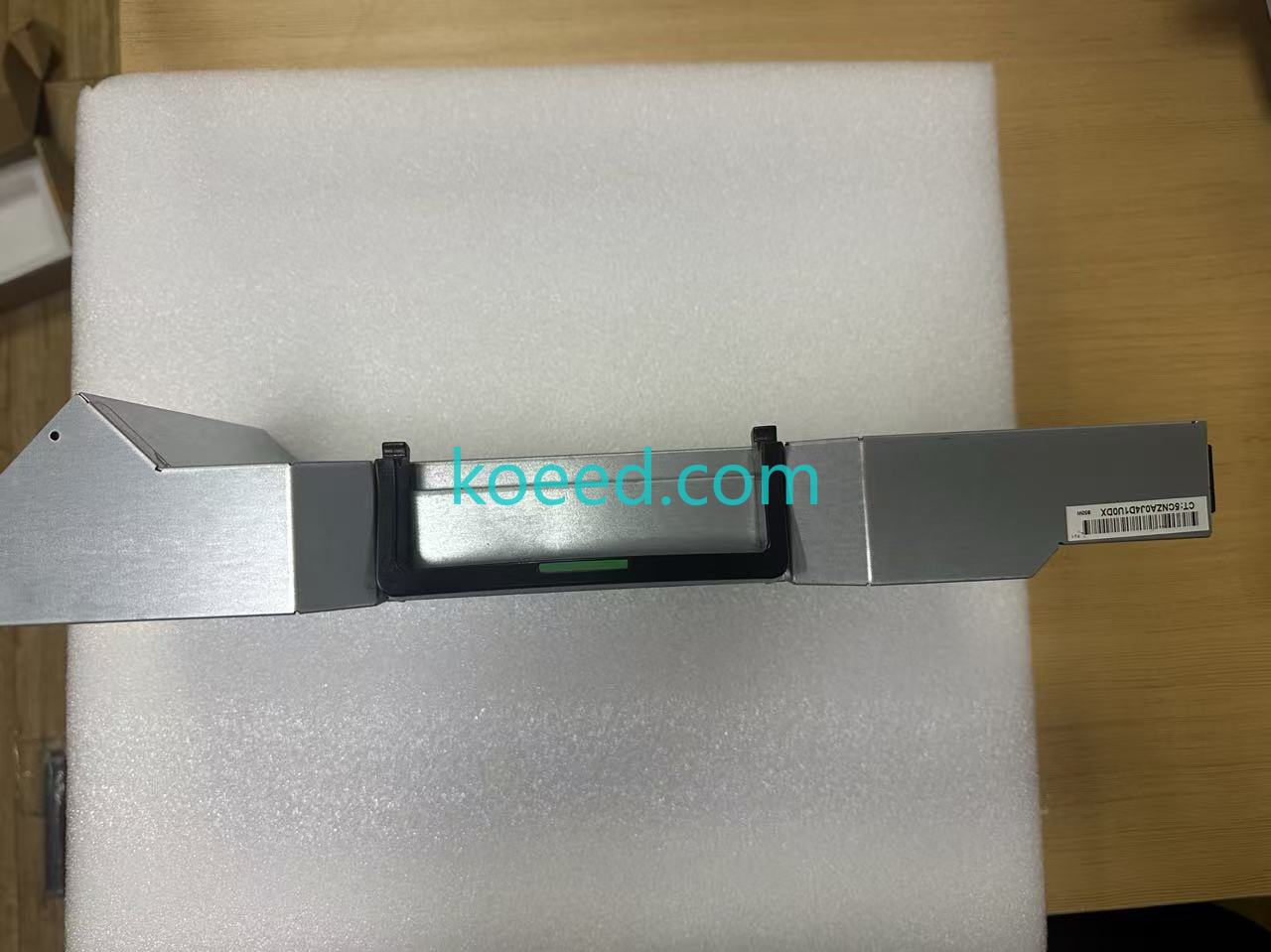
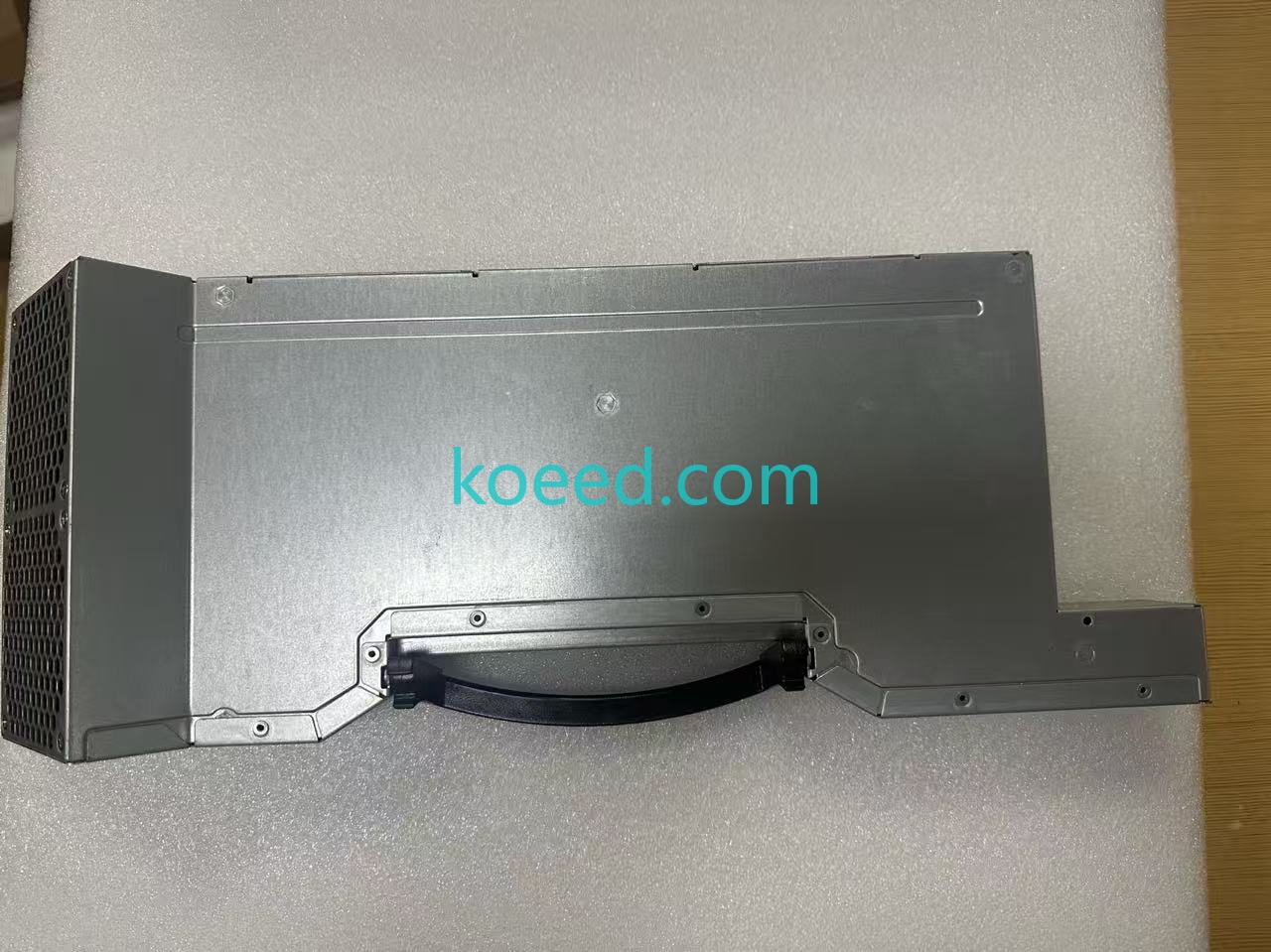
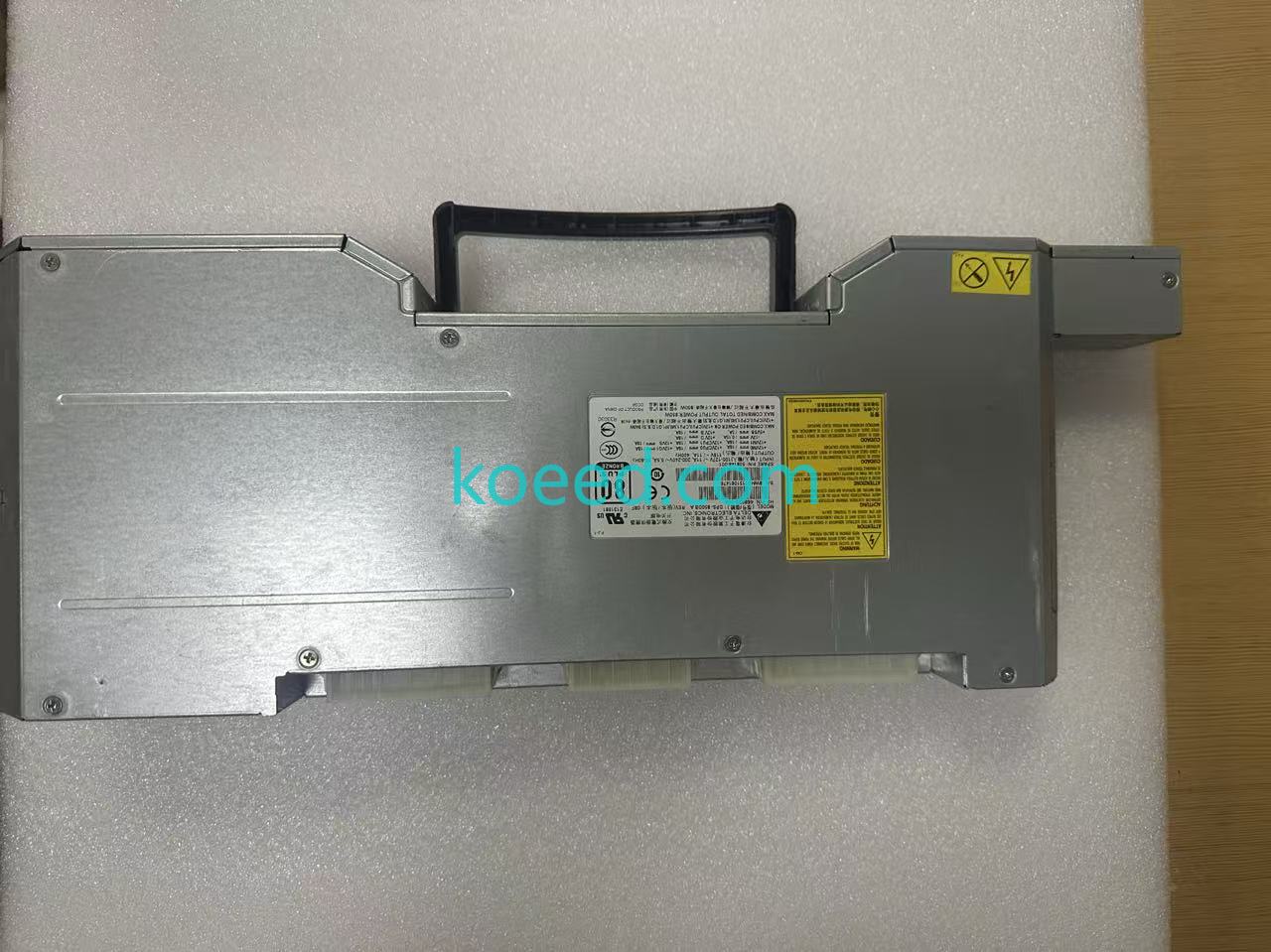
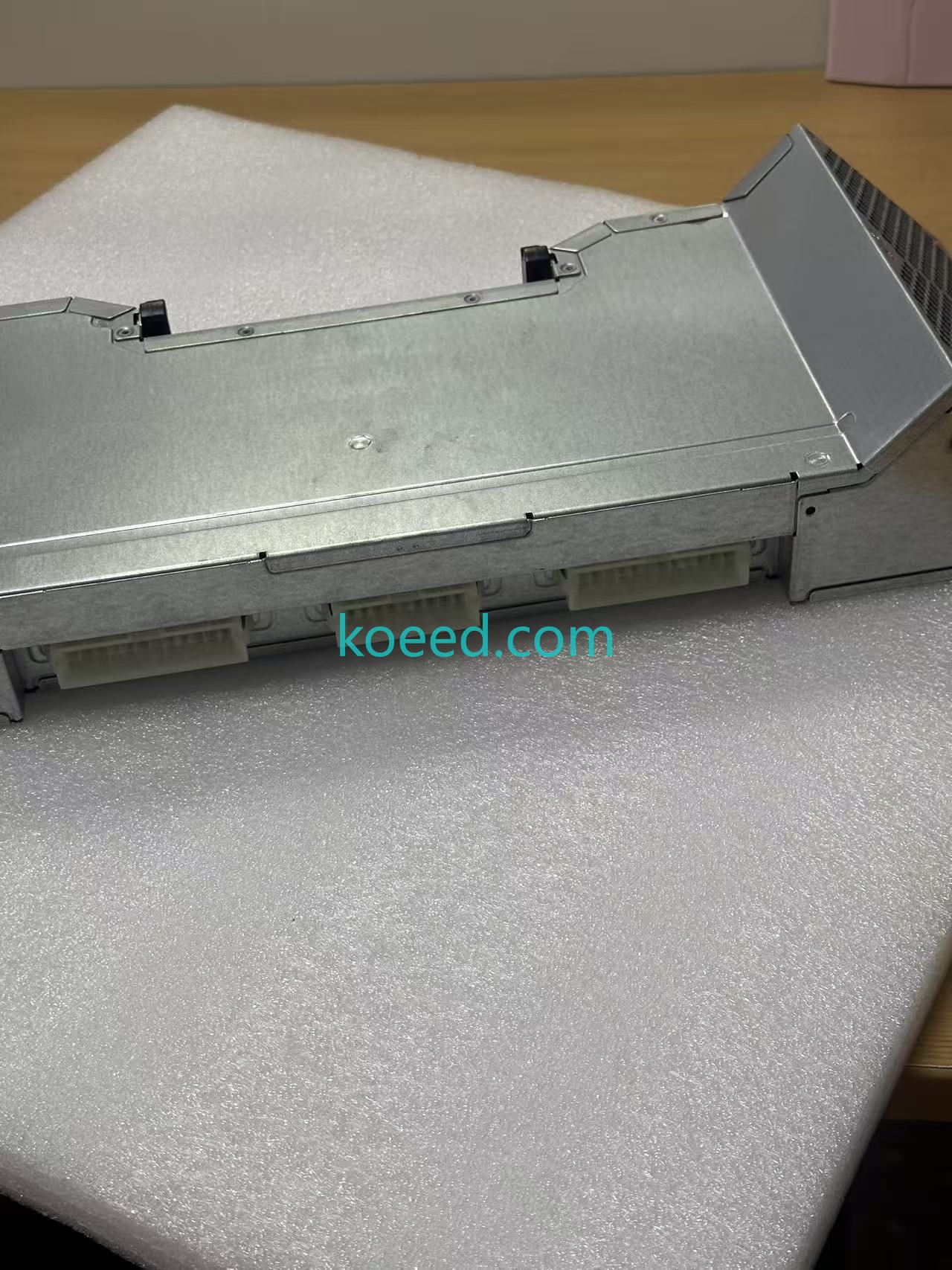
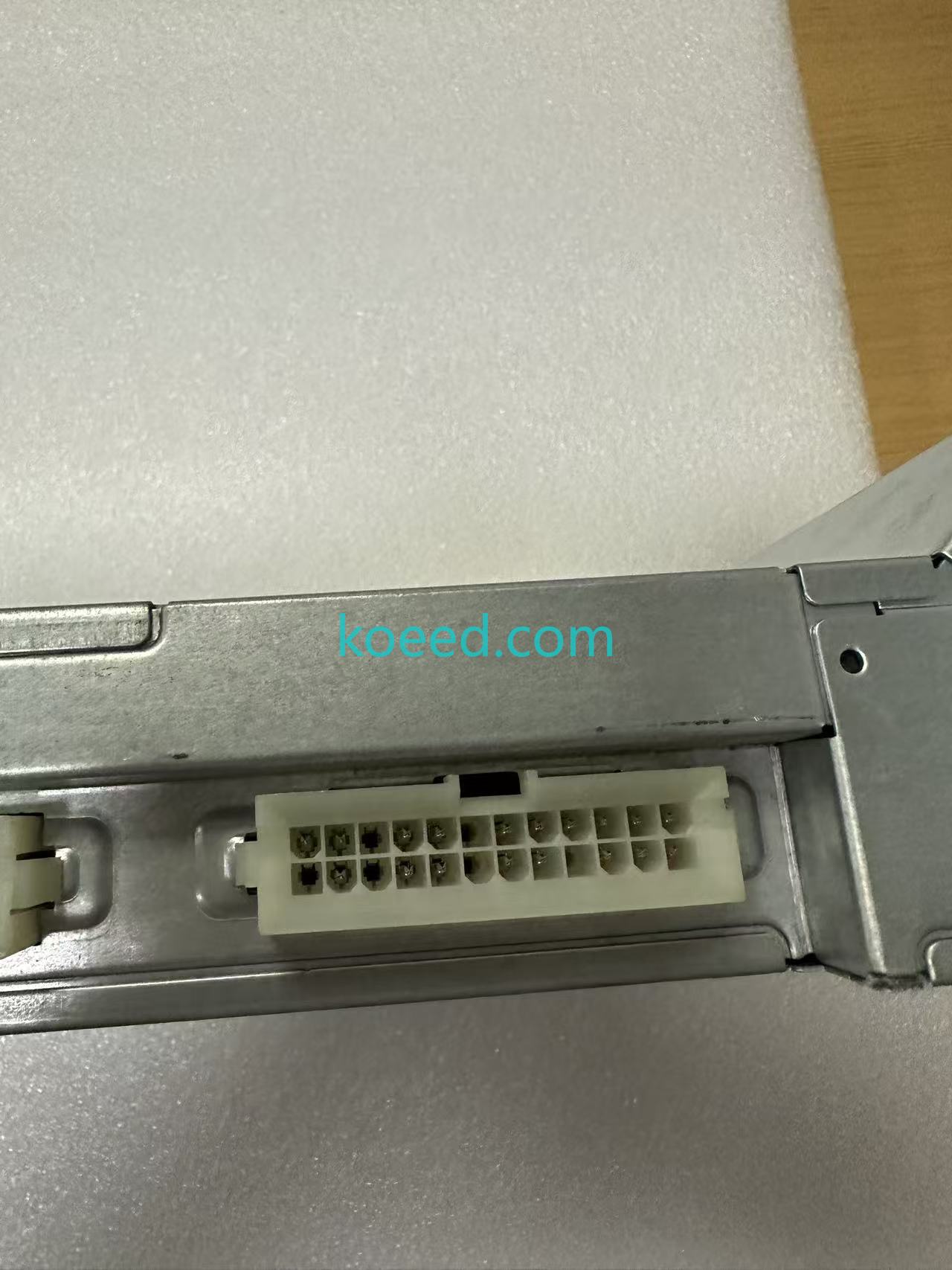
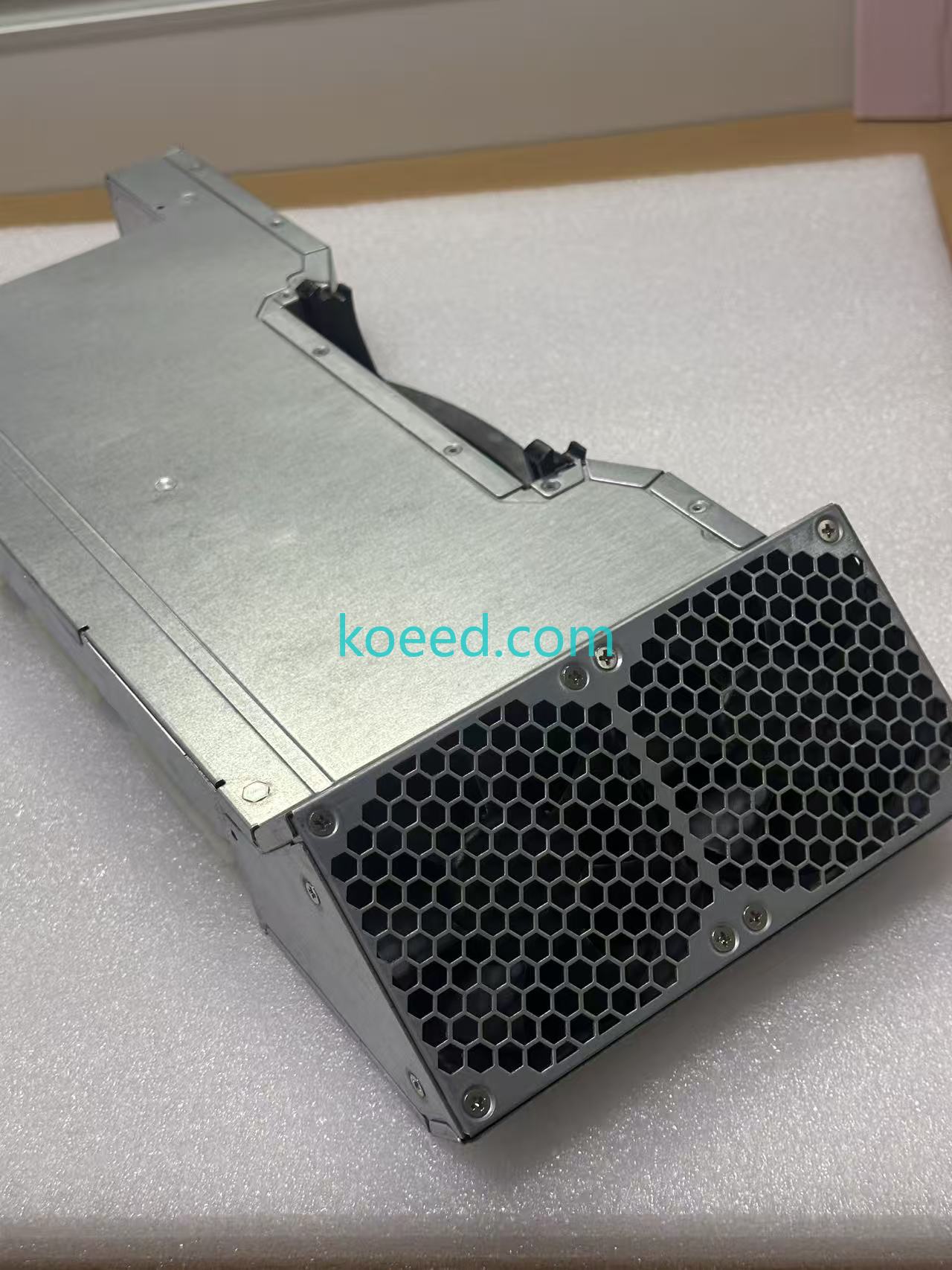
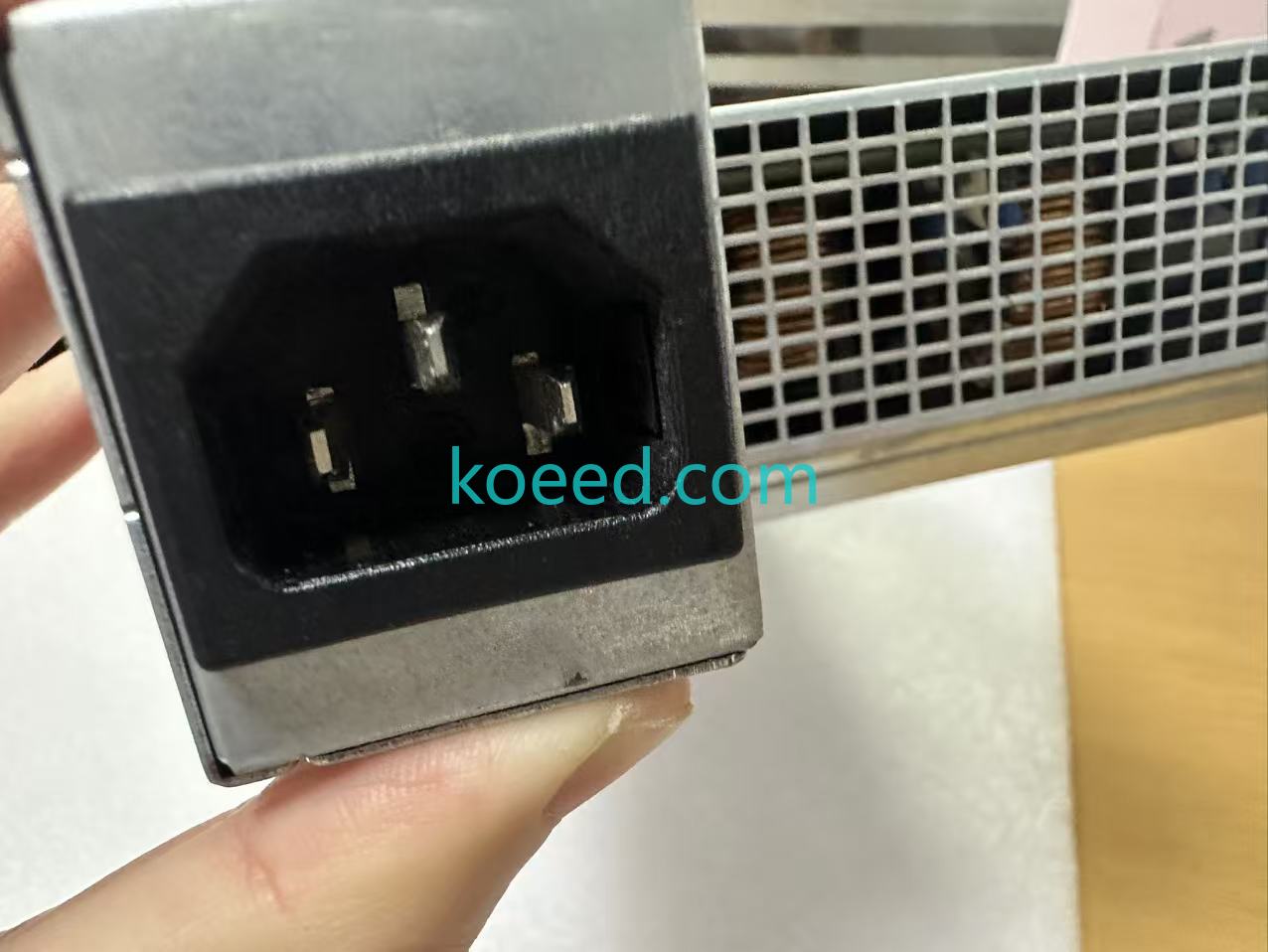
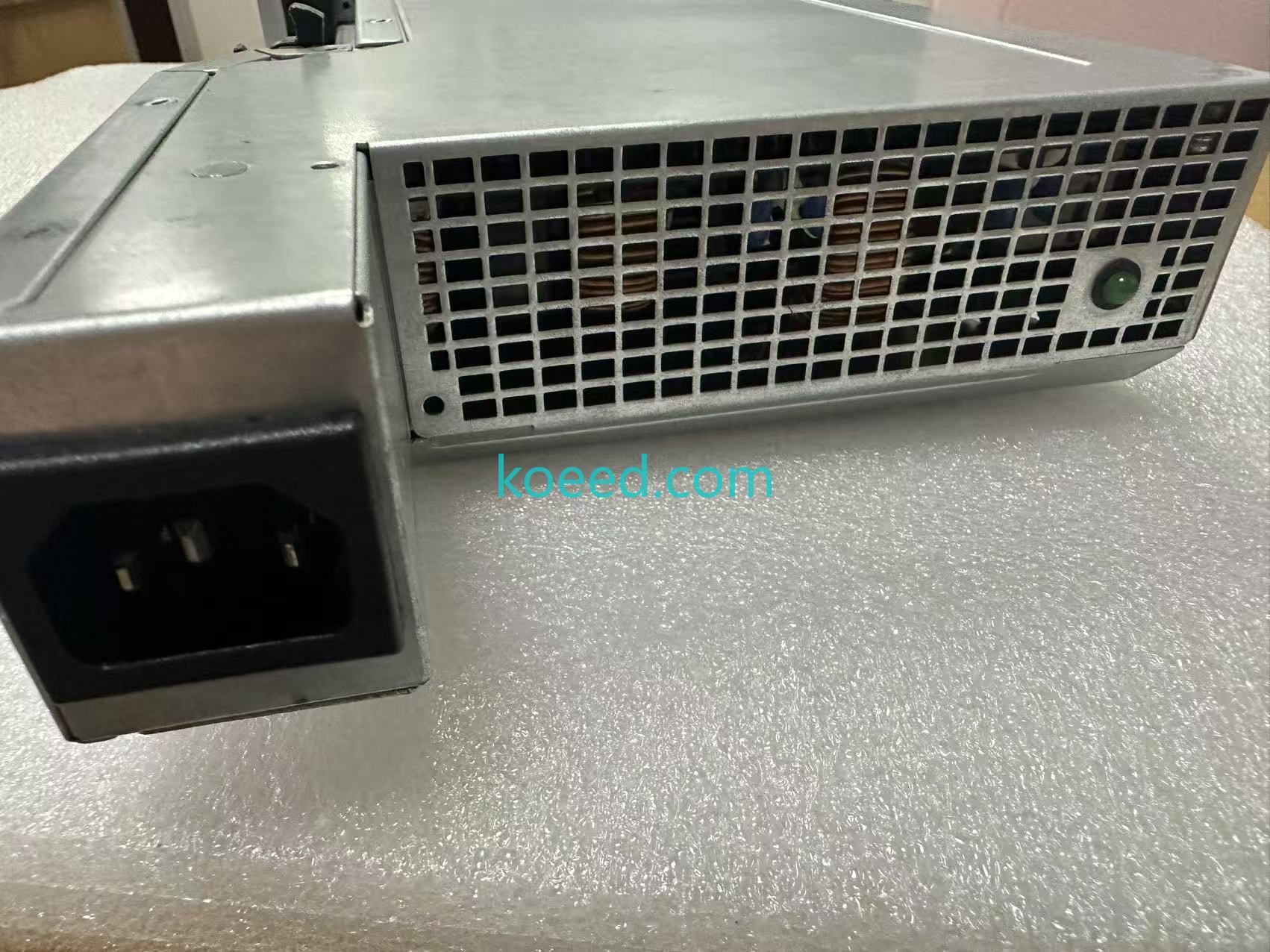
The following gallery captures the DPS-850DB A from every angle relevant to an industrial procurement engineer. Note the robust chassis construction, EMI-shielded venting, and the clearly legible HP/Delta co-branded label — all hallmarks of an authentic OEM unit (critical for avoiding counterfeit PSUs that have proliferated on unregulated marketplaces since 2024).
IT/OT Convergence: Smart Monitoring for the DPS-850DB A
One of the most significant shifts in industrial maintenance between 2023 and 2026 has been the widespread adoption of intelligent PSU monitoring on legacy workstation fleets. While the DPS-850DB A itself is a non-digital (analog-control) PSU, modern OT teams are layering external telemetry to achieve predictive maintenance capabilities:
📡 2026-Era Monitoring Stack for Z800 + DPS-850DB A
- Layer 1 — Smart PDU: Install the Z800 on a metered rack PDU (e.g., Schneider Electric AP8000 series). Monitor aggregate AC draw; set alerts for deviation >10% from baseline.
- Layer 2 — OS-Level Telemetry: Use the Z800's IPMI/BMC interface (if equipped) or a lightweight OPC-UA agent to stream +12V, +5V, and +3.3V rail readings to the plant's SCADA historian.
- Layer 3 — Thermal Imaging: Schedule quarterly IR thermography of the PSU exhaust vent. A temperature delta >15°C above ambient at the PSU outlet signals capacitor aging or fan degradation — precursors to failure.
- Layer 4 — Vibration Analysis: A low-cost MEMS accelerometer affixed to the PSU chassis can detect bearing degradation in the 60mm cooling fan 4–6 weeks before audible symptoms manifest.
By integrating these four layers, maintenance teams can transition from reactive "lights-out" replacements to planned, scheduled PSU swaps — aligning with the broader Industry 5.0 emphasis on human-centric, resilient operations rather than purely automated ones.
ROI & Total Cost of Ownership Analysis
Let's quantify the financial rationale for choosing a tested DPS-850DB A replacement over system migration, using a representative mid-sized facility with 8 Z800-based control workstations:
| Cost Category | PSU Replacement (Per Unit) | System Migration (Per Unit) |
|---|---|---|
| Hardware Acquisition | $140 (avg. tested unit) | $7,800 (industrial IPC) |
| Labor (Installation & Validation) | 0.5 hr × $85/hr = $42.50 | 18 hr × $85/hr = $1,530 |
| Software Licensing & Migration | $0 | $1,200–$4,500 (OS, SCADA runtime, historian connector) |
| Production Downtime Cost | $0 (hot-swap; < 5 min downtime) | $3,200 (avg. 8 hr line stoppage @ $400/hr) |
| Training / SOP Updates | $0 | $450 |
| Total TCO Impact | ~$182.50 | ~$14,180–$17,480 |
The TCO ratio of approximately 1:80 makes PSU replacement one of the highest-ROI decisions an industrial maintenance budget can fund in 2026. For a facility with 8 workstations, the differential exceeds $110,000 in avoided costs — capital that can be redirected toward genuine modernization initiatives (e.g., edge AI inferencing, digital twin deployment) rather than forced hardware refresh.
Sustainability & Circular Economy Impact
By 2026, ESG (Environmental, Social, Governance) reporting is mandatory for most industrial operators in the EU (CSRD), and increasingly expected by investors globally. The decision to extend the service life of a Z800 workstation through DPS-850DB A replacement carries measurable sustainability benefits:
♻️ Lifecycle Carbon Avoidance — One Z800 Saved from Decommissioning
- Embedded Carbon Retained: ~980 kg CO₂e (manufacturing emissions already amortized across 12–16 years of service)
- E-Waste Avoided: ~22 kg (Z800 chassis, motherboard, dual CPUs, RAM, GPU, cabling)
- New Manufacturing Avoided: ~1,050 kg CO₂e (raw material extraction + component fabrication for replacement workstation)
- Transportation Saved: ~45 kg CO₂e (global freight for new unit vs. small-parcel PSU shipping)
- Net Carbon Benefit: ≈1,200 kg CO₂e per PSU replacement decision
For an 8-workstation fleet, that's ~9.6 metric tonnes of CO₂e — equivalent to the annual emissions of approximately 2.1 passenger vehicles. These figures are increasingly auditable under CSRD frameworks, making the DPS-850DB A procurement not just an economic decision but a documented ESG contribution.
Maintenance & Troubleshooting: Pro-Tips for Longevity
Frequently Asked Questions (FAQ)
Is the DPS-850DB A compatible with HP Z800 systems running dual Xeon X5690 processors?
Yes. The DPS-850DB A's dual 8-pin EPS12V connectors and 850W continuous output are specifically designed for the Z800's dual-processor architecture. A system with two X5690 (130W TDP each), high-end GPU, and multiple drives still operates comfortably within the PSU's rated output, provided the PSU is in healthy condition. We recommend monitoring +12V rail voltage under full load to ensure it stays above 11.6V.
Can I use a standard ATX power supply in the HP Z800 instead?
No. The Z800 uses a proprietary form factor and connector layout that is not compatible with off-the-shelf ATX PSUs. The DPS-850DB A is the only direct-fit 850W unit. Using adapters or modifying the chassis introduces significant safety risks and can damage the motherboard's proprietary power distribution. Always install the correct OEM PSU.
What is the warranty on a tested DPS-850DB A from Koeed?
Koeed provides a standard 90-day to 1-year warranty on all tested DPS-850DB A units, depending on the specific product listing. Each unit undergoes a full load test, visual inspection, and connector validation before shipping. Extended warranty options may be available for bulk OEM procurement; contact Koeed directly for details.
How can I tell if my existing DPS-850DB A is approaching end-of-life?
Key signs include: increased fan noise (bearing wear), random shutdowns under load, longer POST times, and low +12V readings in BIOS or monitoring software. If the unit is more than 8 years old in continuous industrial service, proactive replacement is recommended to avoid unexpected production downtime.
Reliable Power for Your Industrial Workstation
Get a fully tested, OEM-grade DPS-850DB A power supply with fast shipping and expert support.


