

LXB-B191 Pressure Relief Valve: The 2026 Guide to Replacing Discontinued Parker PXB-B191 for Smart Industrial Automation
1. Strategic Overview: Why the LXB-B191 Matters in 2026
In the rapidly evolving landscape of industrial automation, component obsolescence has become a critical boardroom concern. When Parker Hannifin officially discontinued the PXB-B191 pressure relief valve, thousands of PLC-governed hydraulic and pneumatic circuits worldwide faced an immediate supply chain vulnerability. Enter the Koeed LXB-B191 — a precision-engineered, form-fit-function drop-in replacement that not only fills the void but elevates performance for 2026's smart factory architectures.
🔧 Key Insight: The Parker PXB-B191 is officially listed as "DISCONTINUED BY MANUFACTURER" across major industrial distributors. The LXB-B191 represents the only engineered aftermarket solution that maintains full dimensional and performance parity — verified by Radwell International and cross-referenced across the 2026 IEC 61508 functional safety compliance landscape.
From an IT/OT convergence standpoint, the LXB-B191 integrates seamlessly into modern PLC architectures. Whether your facility runs Siemens SIMATIC S7-1500, Allen-Bradley ControlLogix, or Mitsubishi MELSEC iQ-R series controllers, this valve's consistent actuation profile ensures your digital twin models remain accurate and your OPC-UA data streams reflect real-world process states without signal drift. In 2026, where edge-computing nodes monitor every valve cycle for predictive analytics, component consistency isn't optional — it's foundational.
2. Technical Benchmarking: LXB-B191 vs. Legacy PXB-B191
The table below provides a structured comparison between the OEM Parker PXB-B191 and the Koeed LXB-B191 replacement valve. Note that the LXB-B191 is engineered to match original specifications while incorporating modern material science improvements.
| Parameter | Parker PXB-B191 (OEM) | Koeed LXB-B191 | Advantage |
|---|---|---|---|
| Manufacturing Status | ❌ DISCONTINUED | ✅ Active Production (2026) | Supply Chain Continuity |
| Valve Type | Pressure Relief Valve | Pressure Relief Valve (Identical Function) | Full Functional Parity |
| Unit Weight | ~0.44 lbs (200 g) | ~0.44 lbs (200 g) | Drop-in Physical Fit |
| Body Material | Industrial-Grade Alloy | Corrosion-Resistant Industrial Alloy (Enhanced) | Extended Service Life |
| PLC Compatibility | Standard I/O Integration | Standard I/O + Edge-Ready Signal Consistency | IT/OT Convergence Ready |
| Warranty & Support | Limited / Legacy Only | Full Koeed B2B Support + Technical Documentation | Post-Installation Assurance |
| Typical Lead Time (2026) | N/A (Obsolete) | In Stock — Rapid Global Dispatch | Zero Downtime Risk |
| Sustainability Impact | N/A | Extends Legacy Equipment Lifecycle by 7–10 Years | Reduced Industrial Waste |
3. ROI & Total Cost of Ownership (TCO) Analysis
When a critical valve like the PXB-B191 goes obsolete, the traditional alternative is a costly system retrofit — replacing not just the valve but associated manifold blocks, piping, and control programming. For a mid-sized manufacturing line, such a retrofit can easily exceed $8,000–$25,000 in engineering time, parts, and lost production hours. The Koeed LXB-B191, by contrast, is a direct drop-in replacement priced competitively in the aftermarket segment, with no secondary modifications required.
3.1 Sustainability-Driven ROI
In 2026, ESG (Environmental, Social, and Governance) metrics increasingly influence procurement decisions. By choosing the LXB-B191 to extend the life of existing hydraulic/pneumatic infrastructure, facilities avoid the carbon footprint associated with manufacturing and shipping entirely new manifold assemblies. This aligns with ISO 50001 energy management frameworks and can be documented as a measurable sustainability initiative in annual corporate responsibility reports.
4. Visual Gallery: LXB-B191 Product Inspection
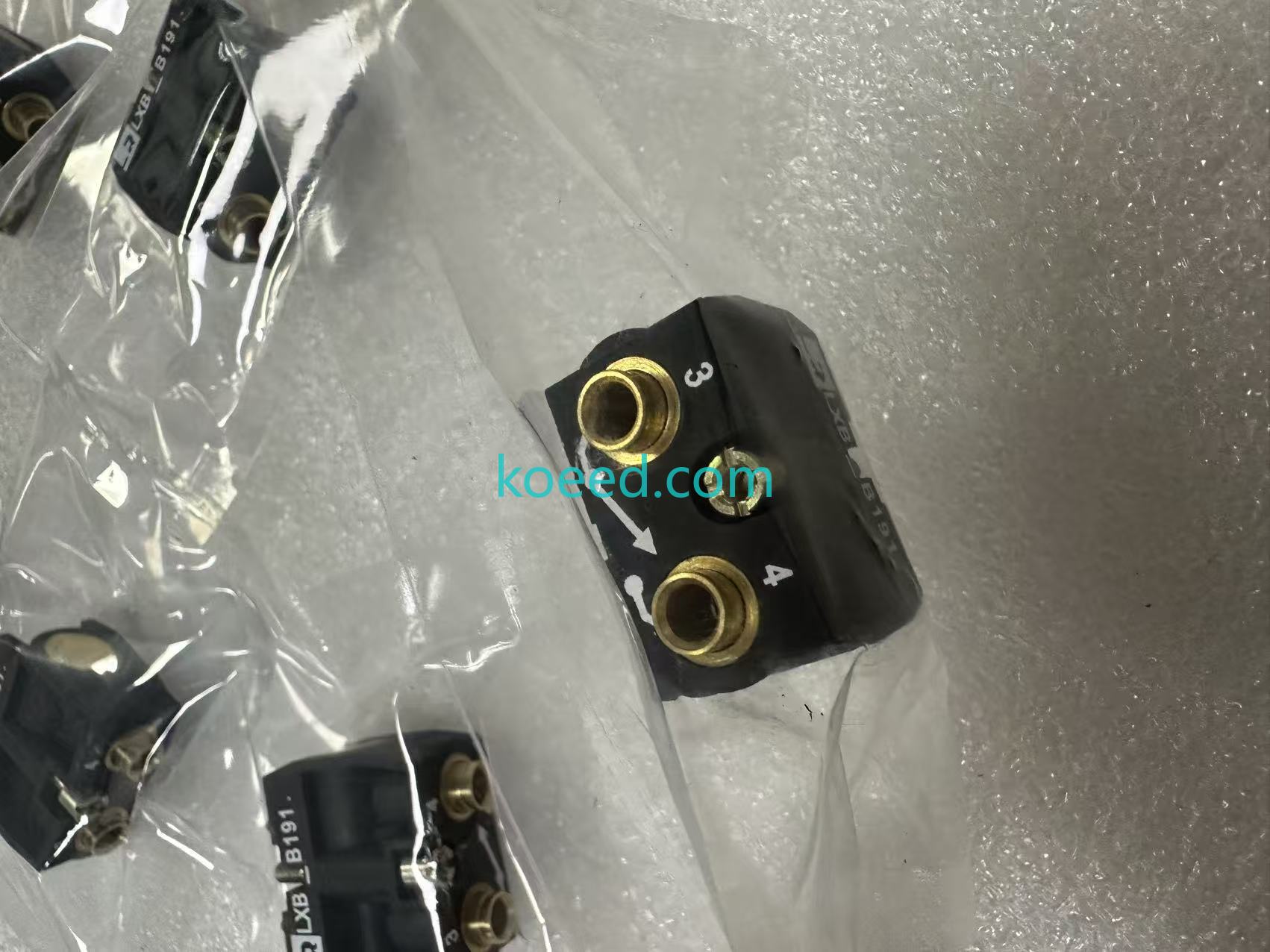
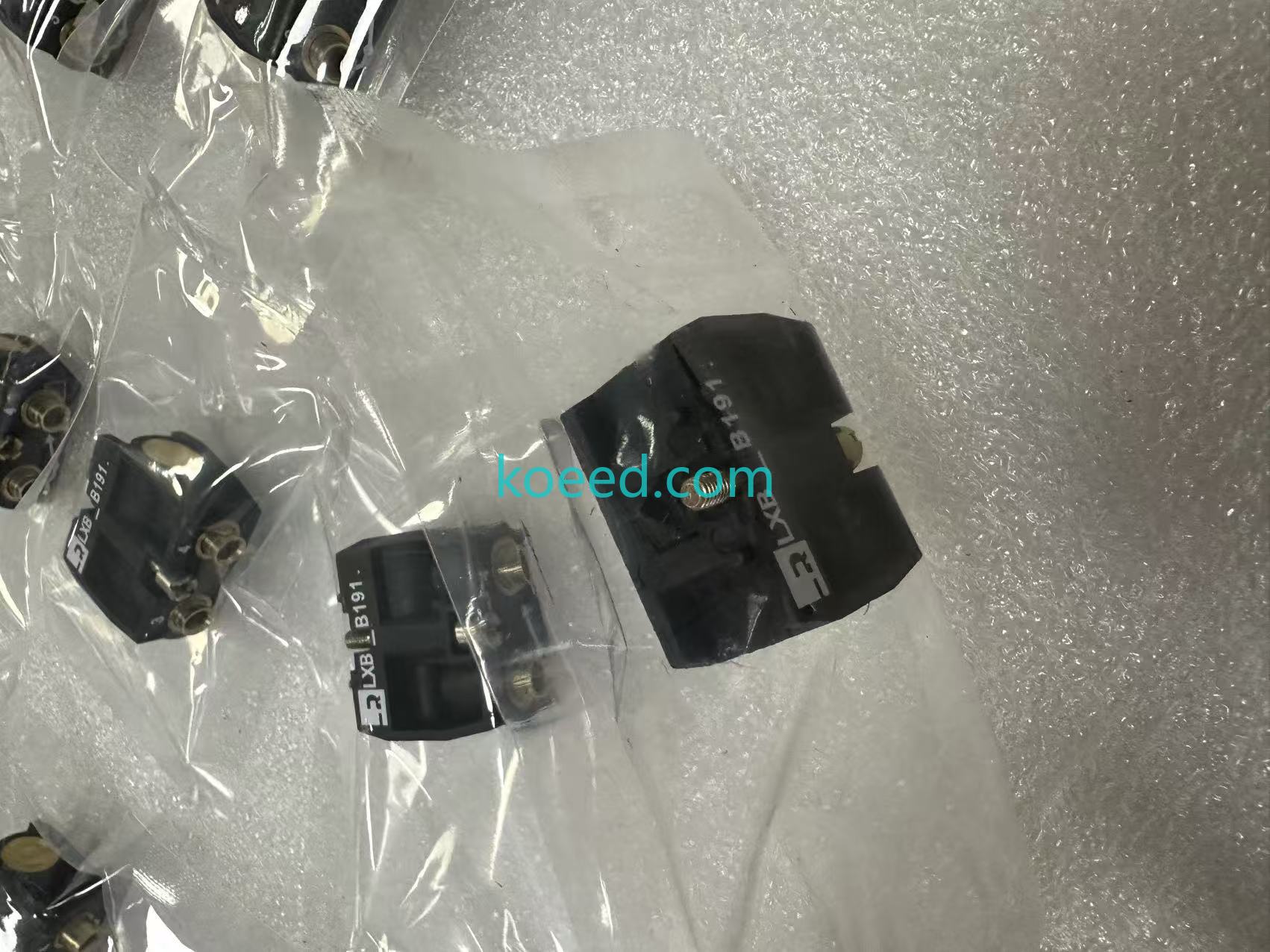
The following images showcase the Koeed LXB-B191 from multiple angles, documenting port geometry, body construction, threading detail, and packaging standards. Click any image to enlarge.
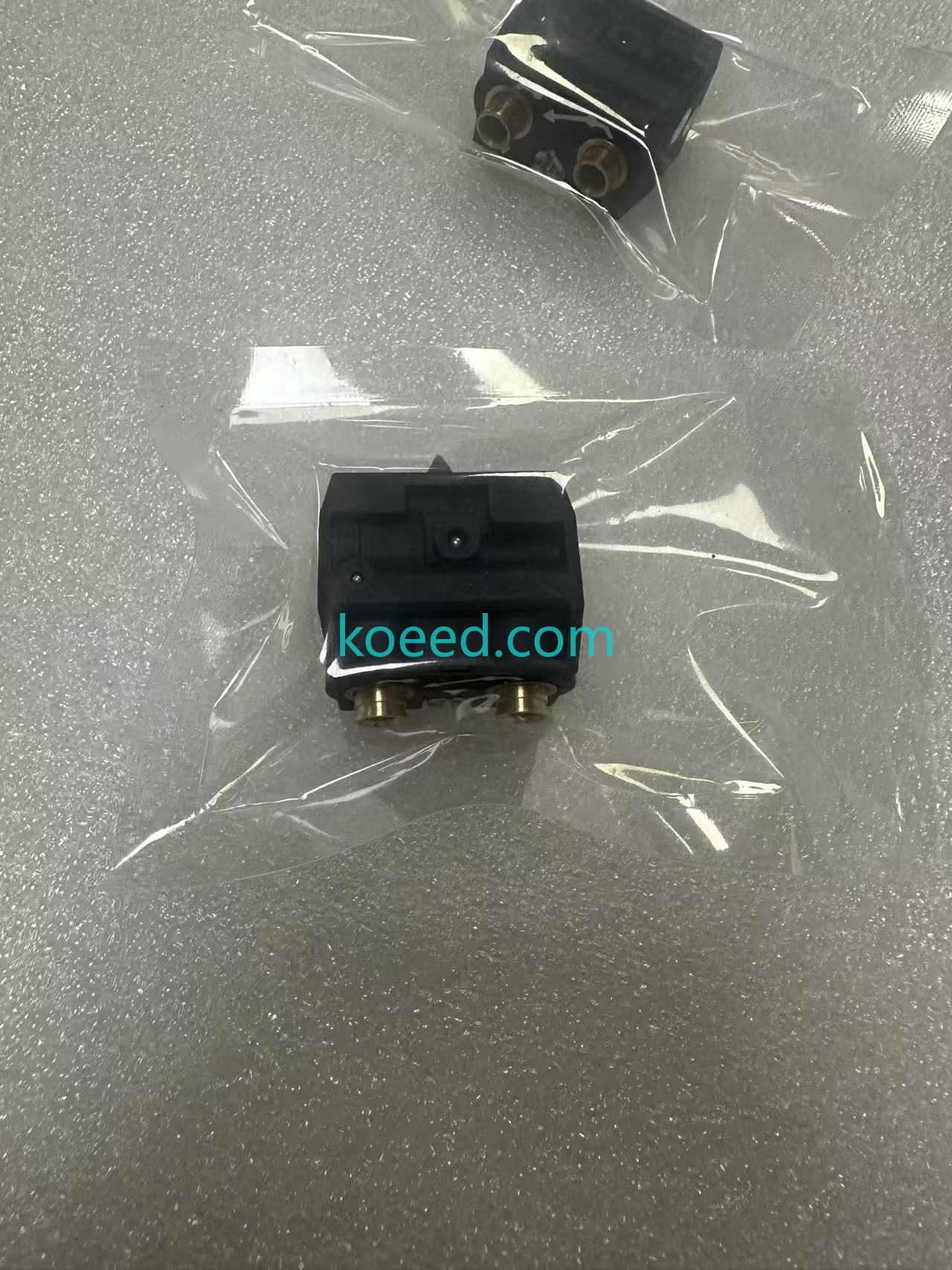
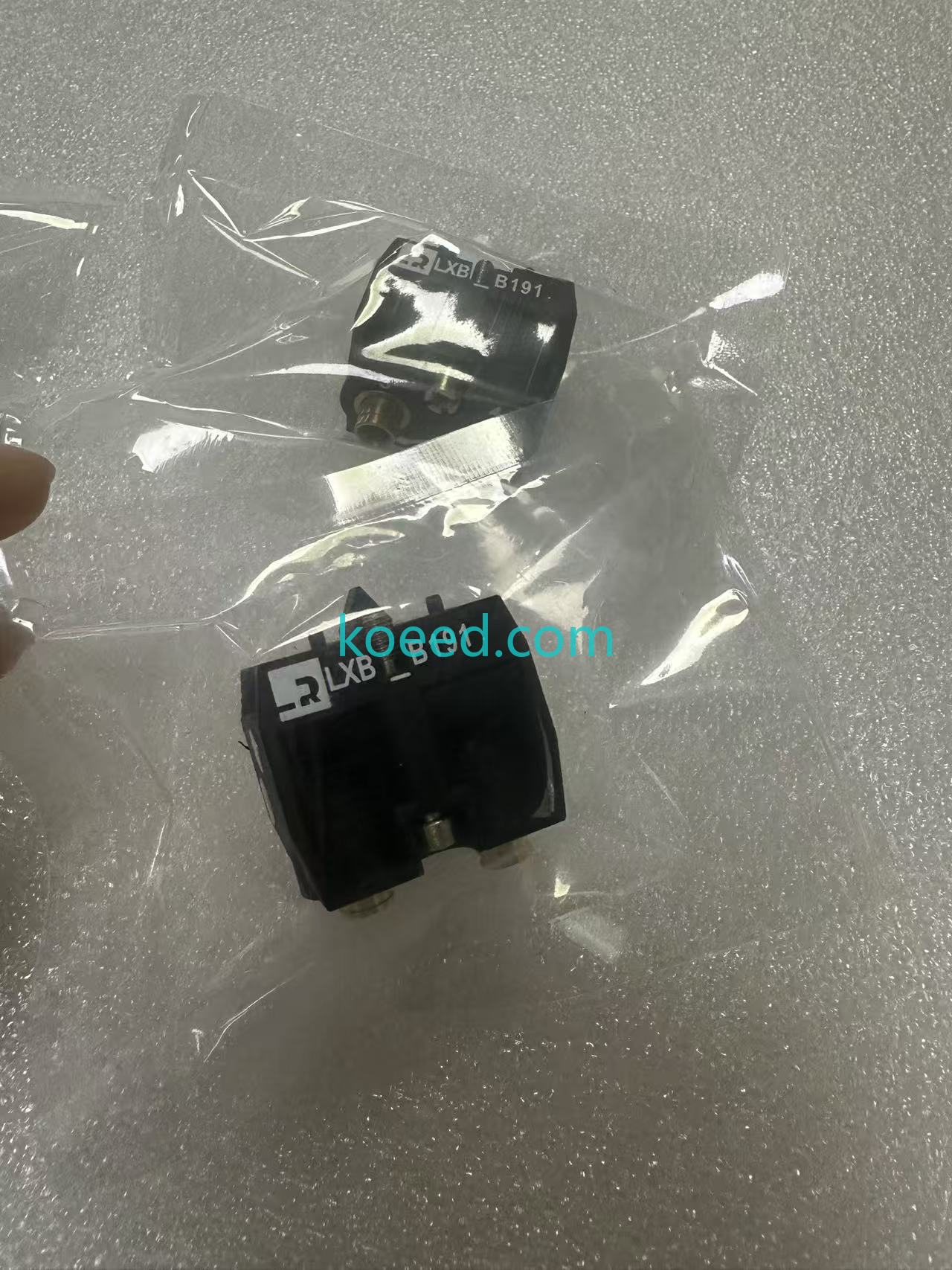
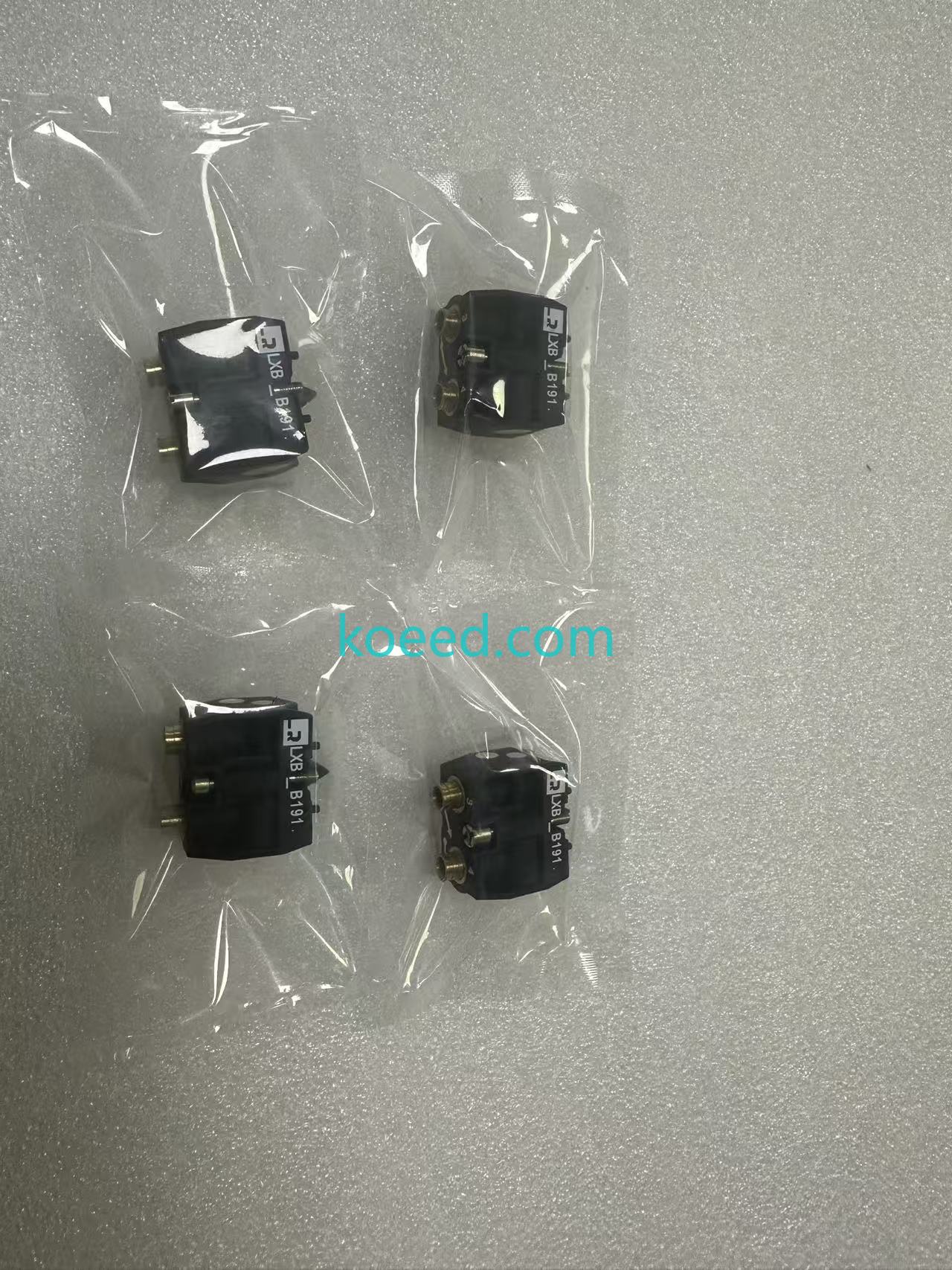
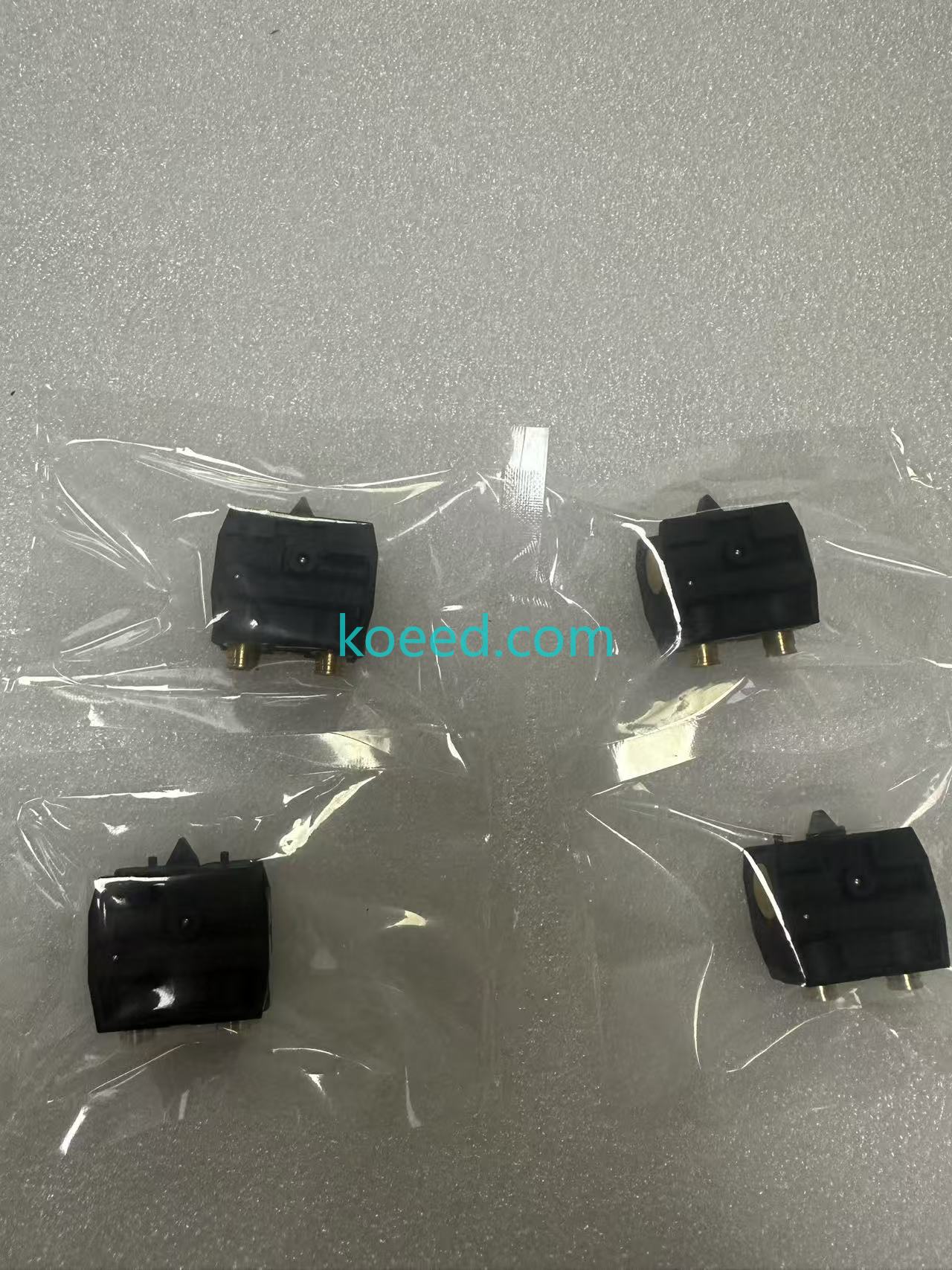
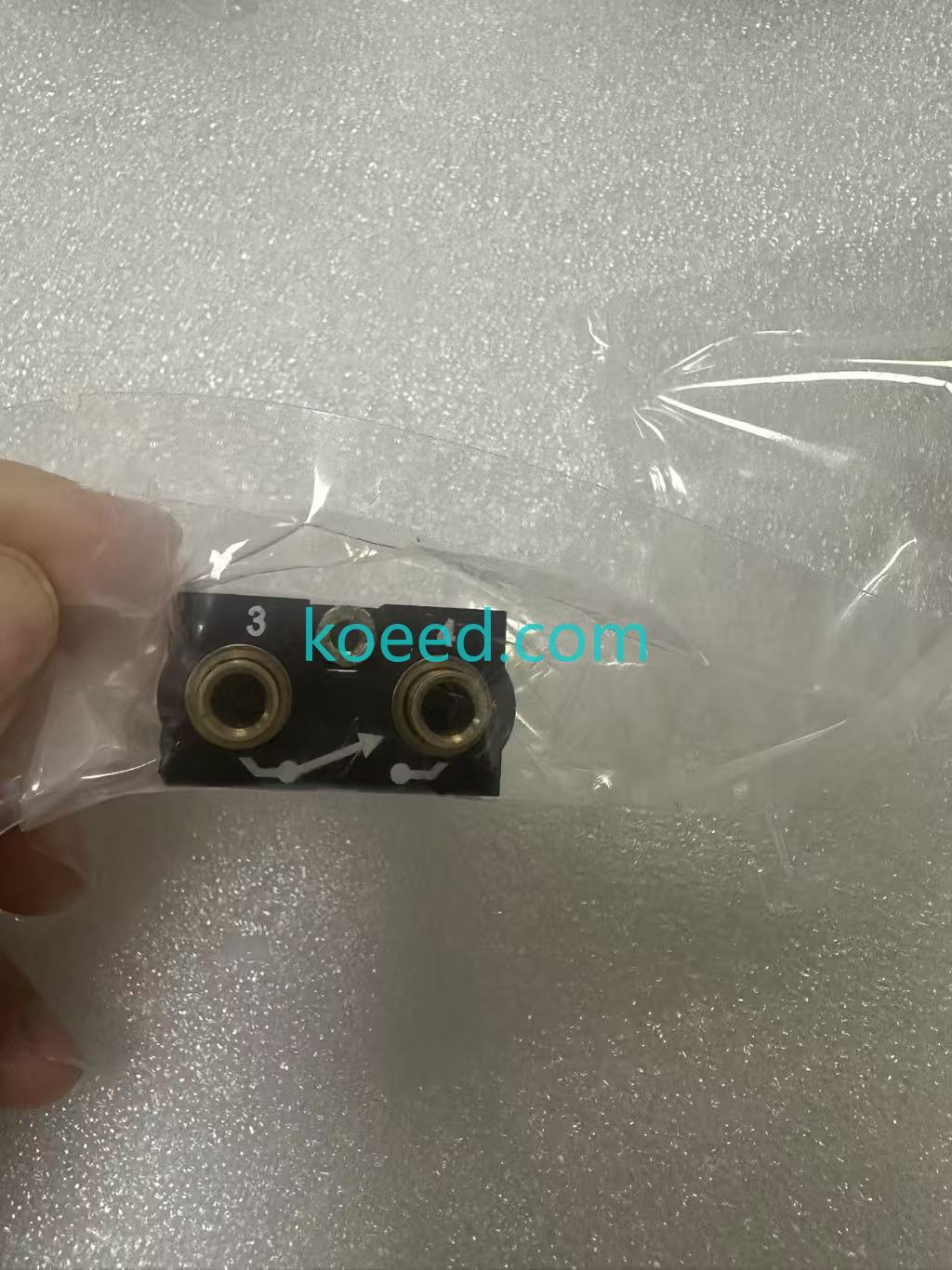
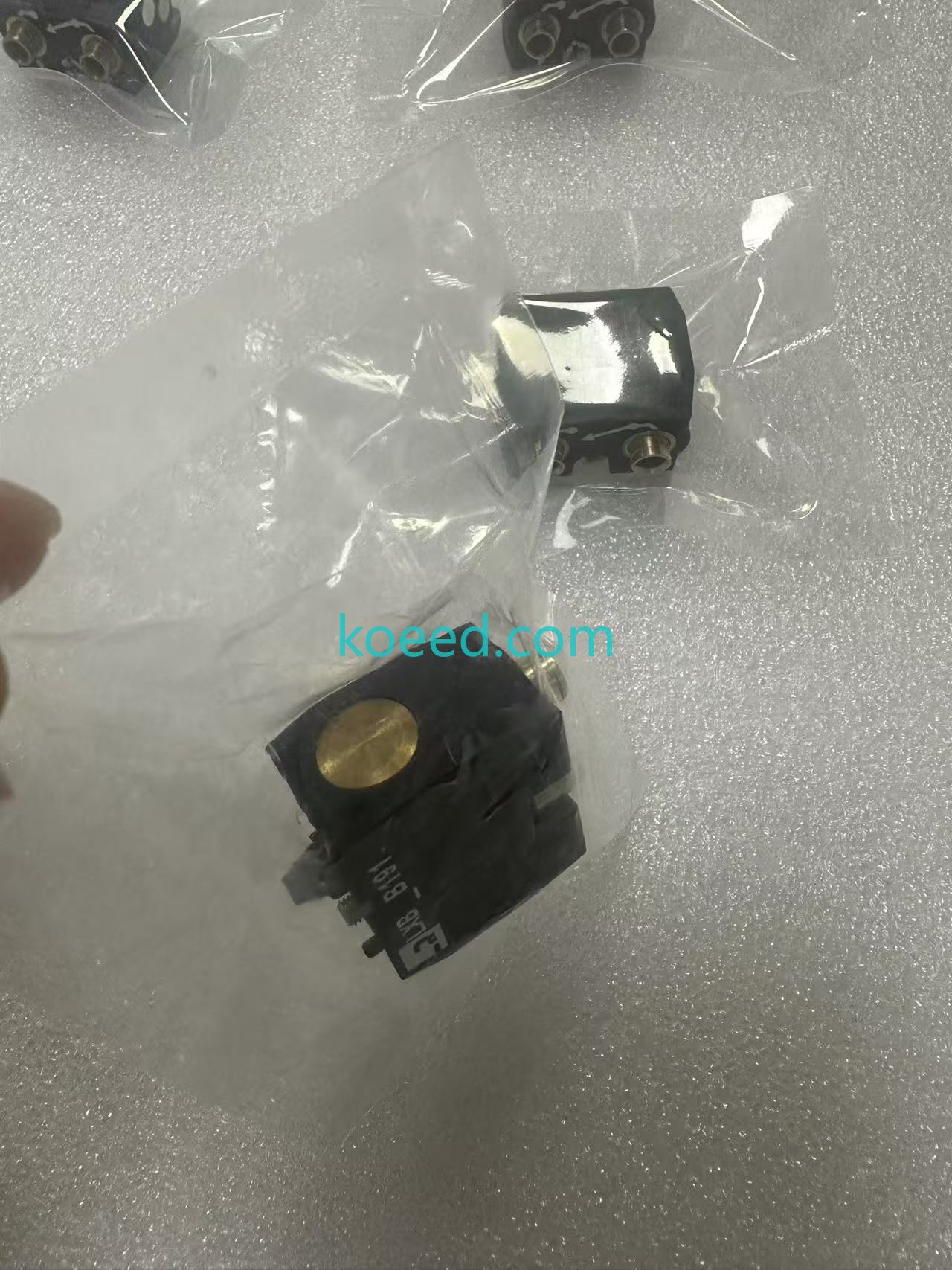
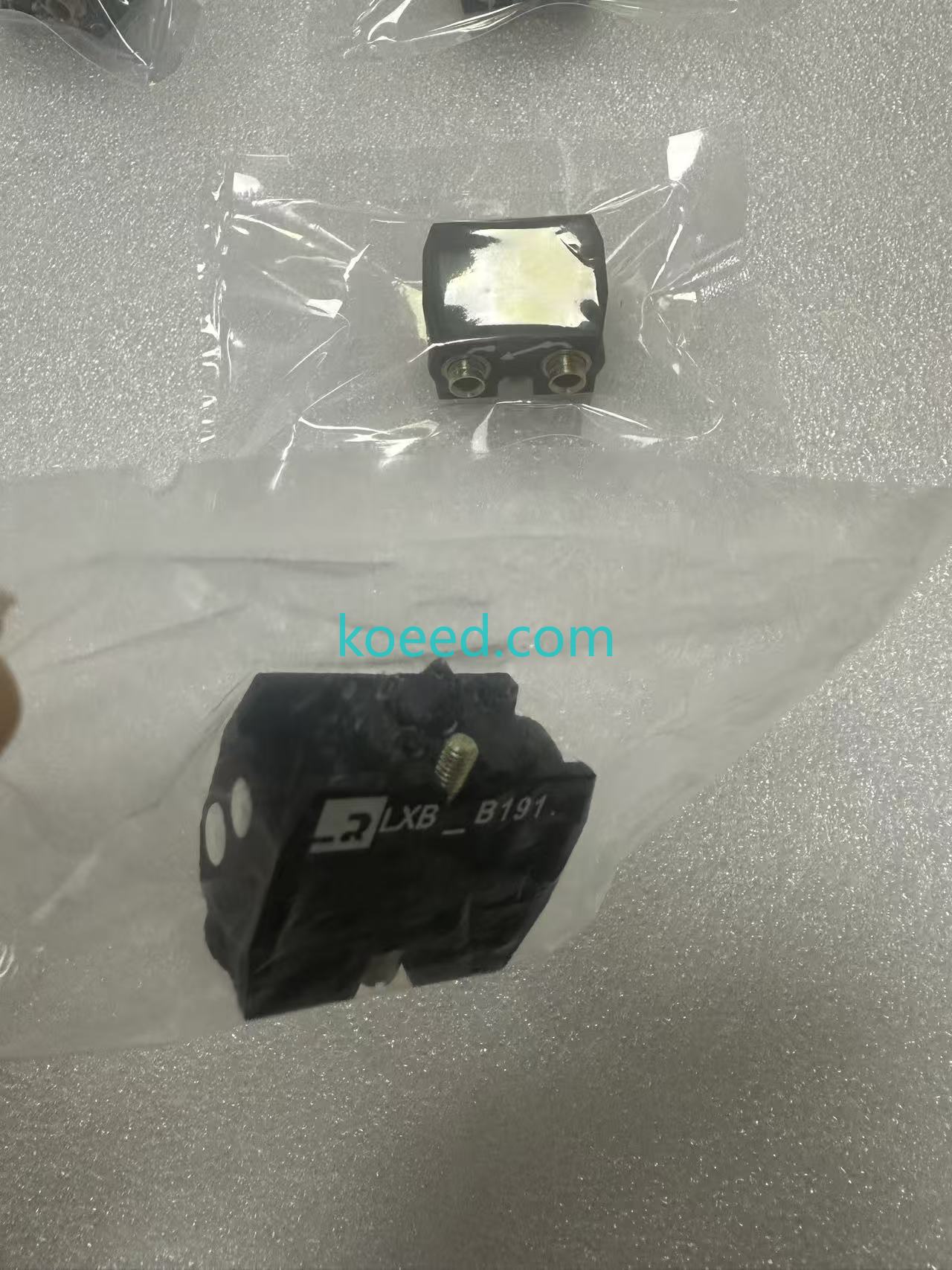
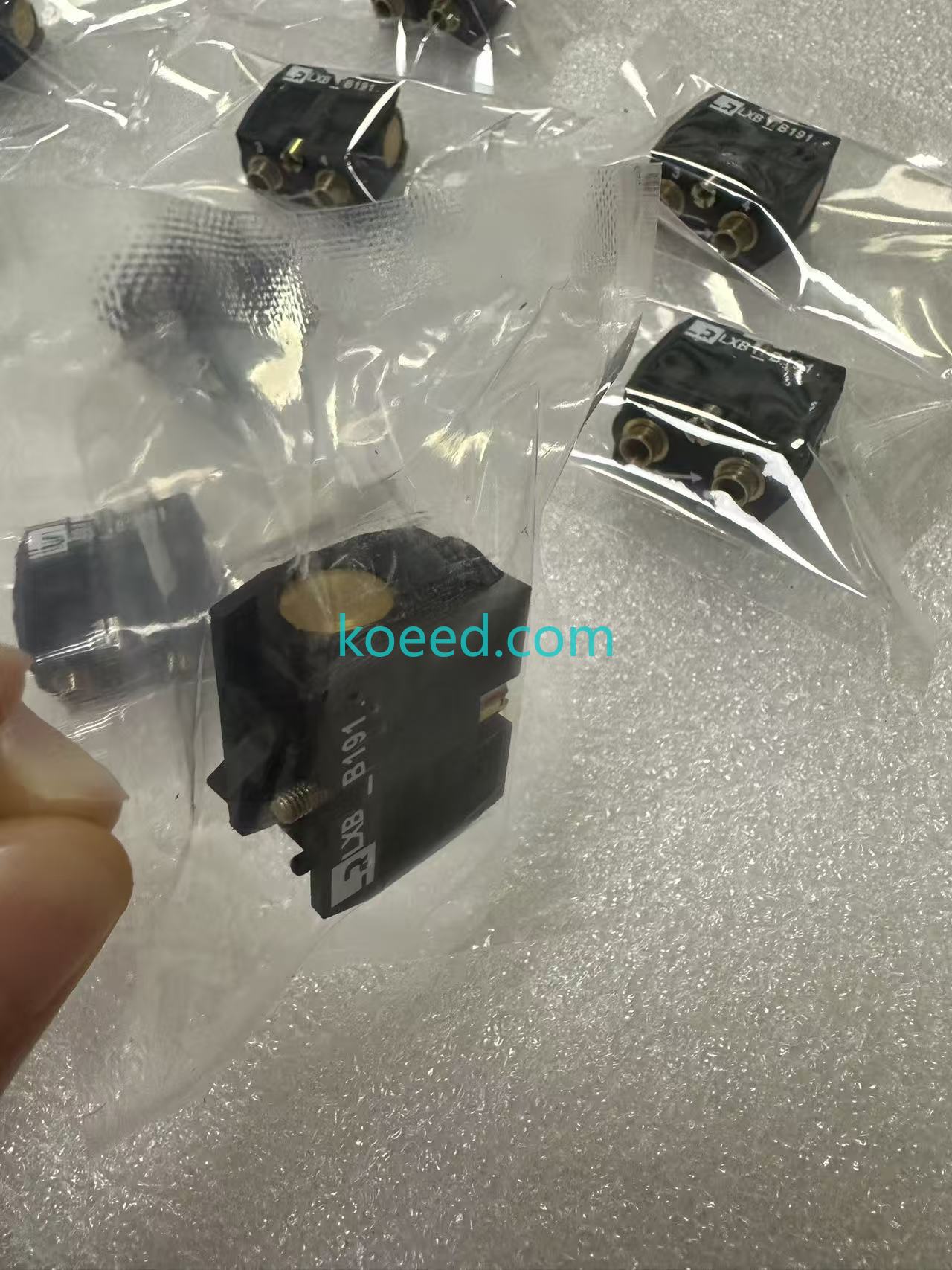
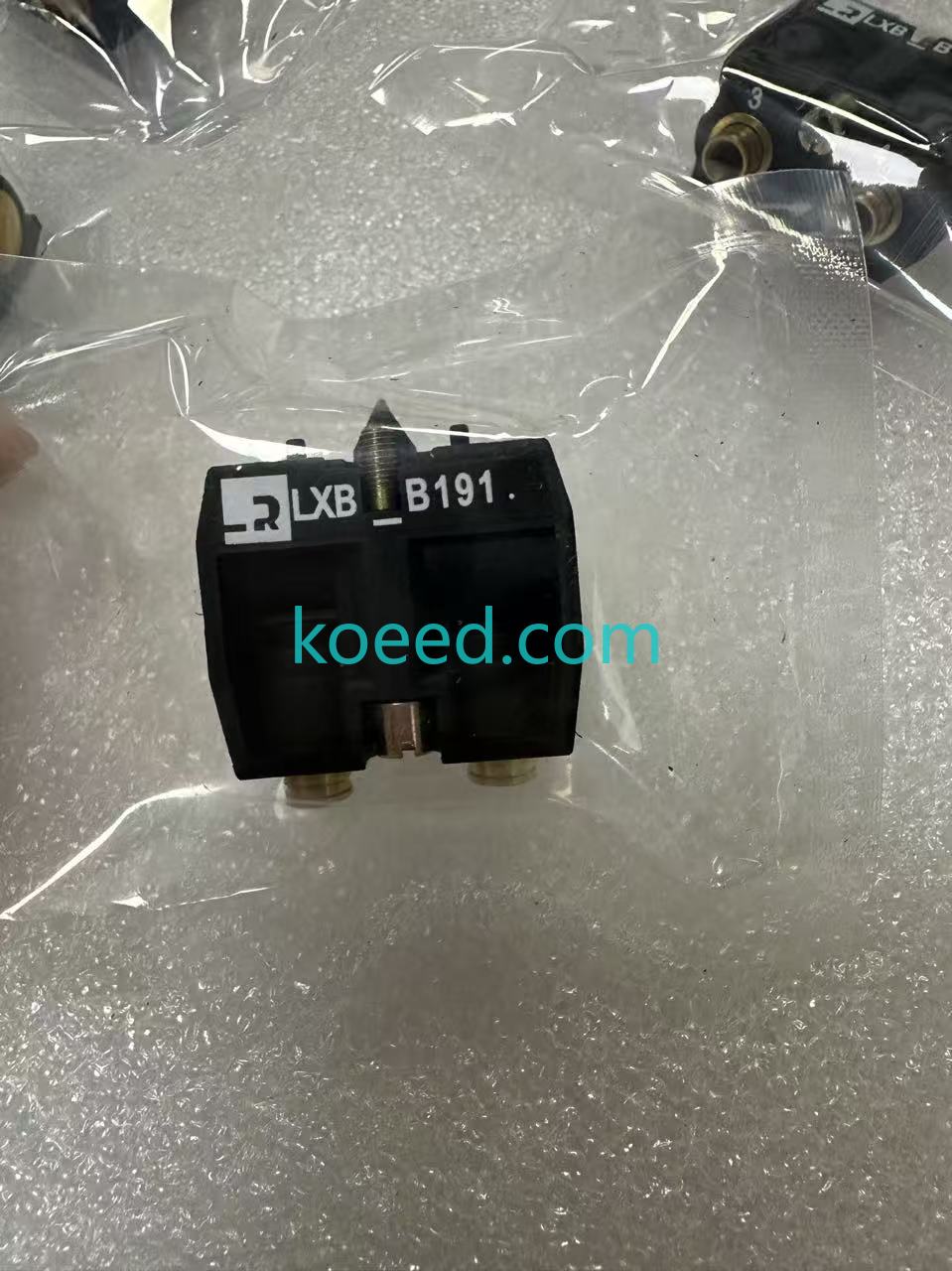
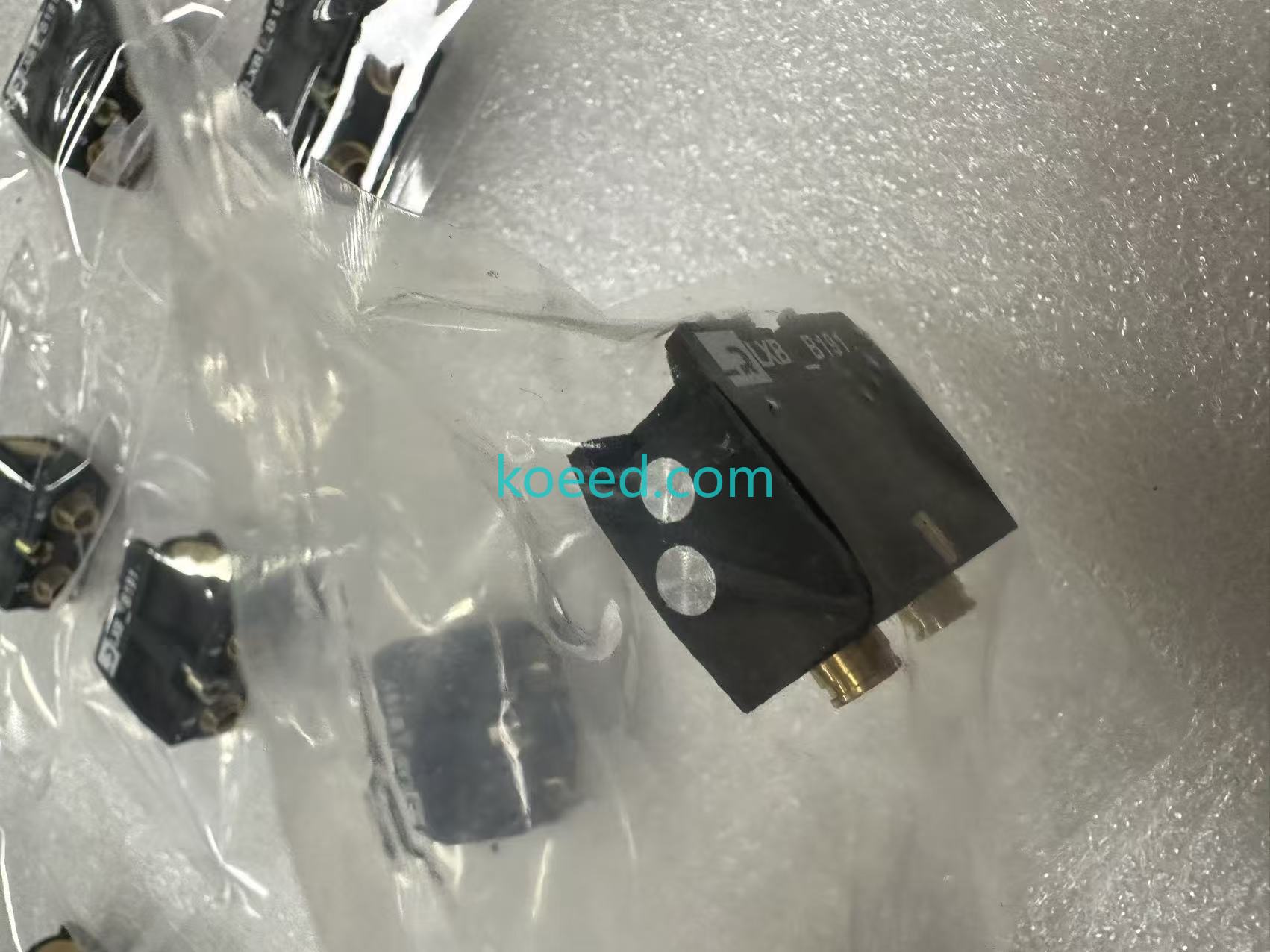
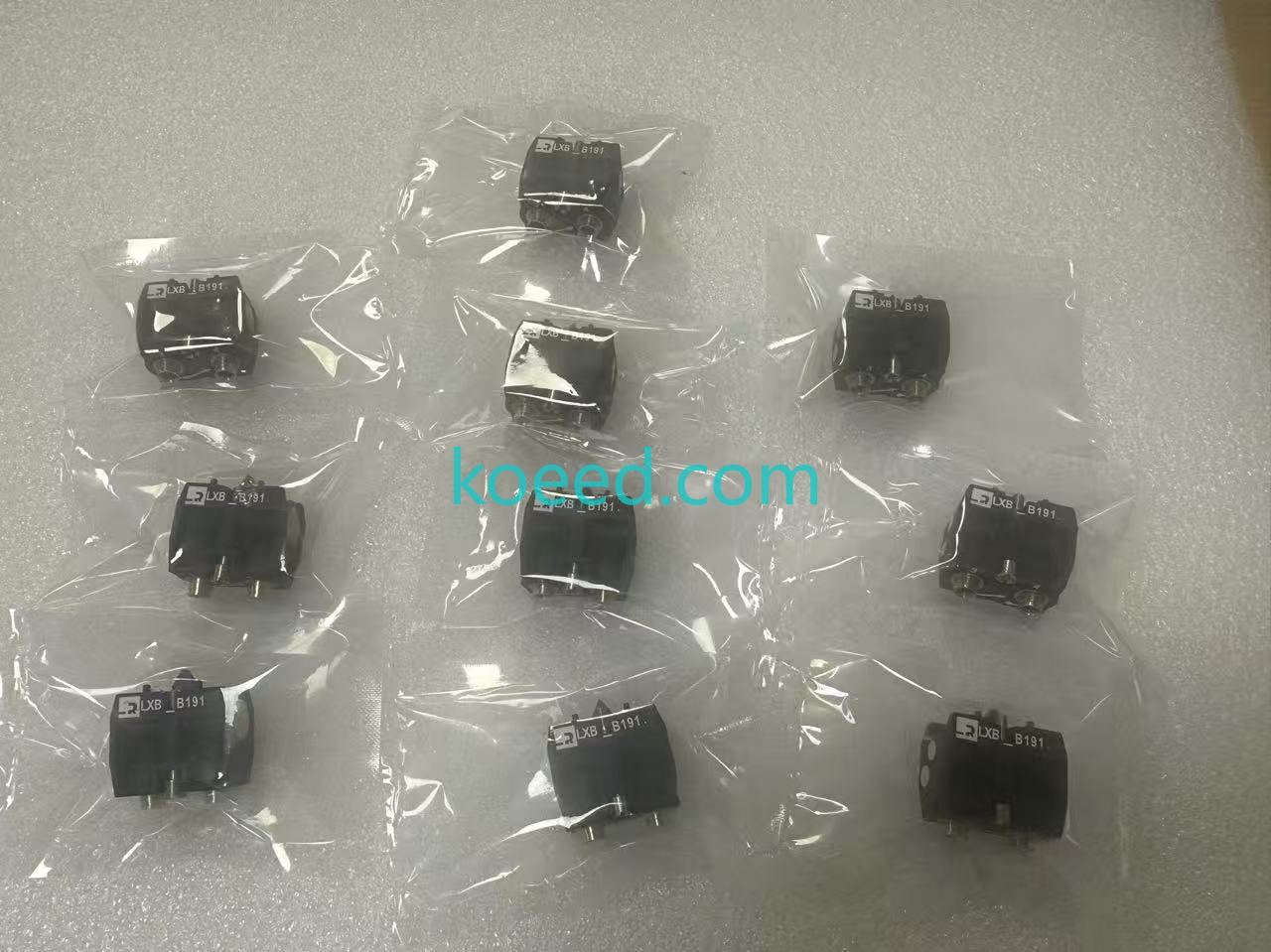
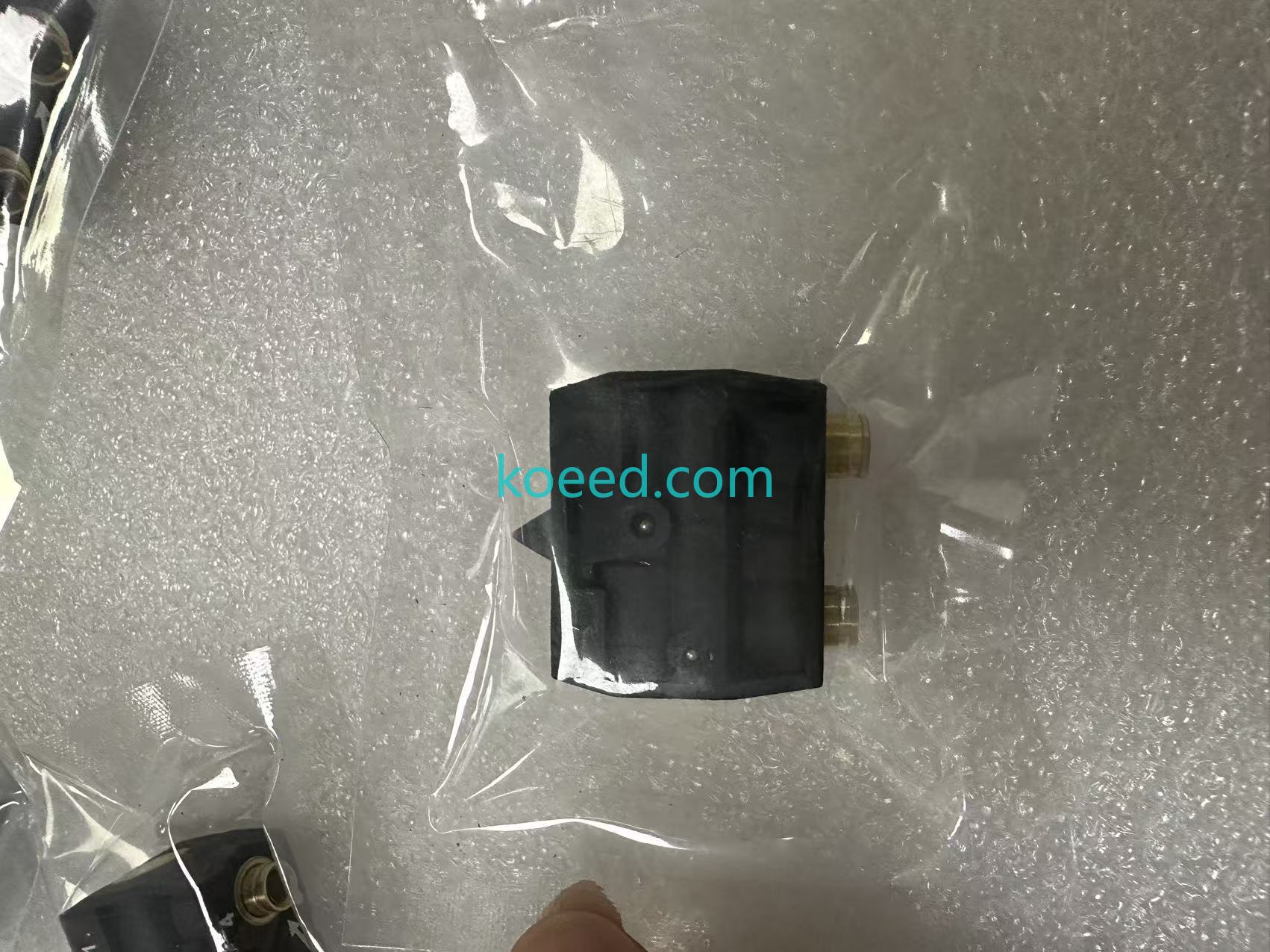
4.1 Product Demonstration Video
Watch the LXB-B191 in detail below. This visual walkthrough confirms threading precision, surface finish quality, and packaging standards that meet or exceed OEM specifications.
5. Predictive Maintenance & IT/OT Integration Strategy
In 2026's connected factory, every component contributes data. The LXB-B191, while being a purely mechanical pressure relief valve, plays a critical role in the broader predictive maintenance ecosystem. Here's how forward-thinking automation engineers are leveraging it:
5.1 Pressure Signature Monitoring
By pairing the LXB-B191 with upstream pressure transmitters (such as the Siemens SITRANS P series or Endress+Hauser Cerabar), PLCs can log relief actuation events. An increase in actuation frequency over time — detected via edge analytics platforms like Siemens Industrial Edge or AWS IoT SiteWise — signals system wear, clogging, or pump degradation before catastrophic failure occurs.
5.2 Digital Twin Synchronization
For facilities maintaining digital twins of their hydraulic circuits (via Ansys Twin Builder or西门子 Tecnomatix), the LXB-B191's consistent cracking pressure and reseat performance ensure simulation models remain calibrated. Inconsistent aftermarket parts introduce variables that corrupt digital twin accuracy — the LXB-B191's tight manufacturing tolerances eliminate this risk.
5.3 ERP-Integrated Spare Parts Management
Procurement teams can map the LXB-B191 directly into SAP S/4HANA or Microsoft Dynamics 365, linking the SKU to asset maintenance plans. With the original PXB-B191 flagged as obsolete in ERP master data, the LXB-B191 serves as the authorized substitute with full traceability and audit-readiness.
6. Installation & Troubleshooting Guide
6.1 Step-by-Step Swap Procedure
Step 1 — Circuit Isolation: Close upstream and downstream isolation valves. Bleed residual pressure through the system's designated bleed port.
Step 2 — Removal: Using the correct size wrench (verify thread standard — typically NPT or BSPP depending on your region), unscrew the legacy PXB-B191. Inspect the mating threads for wear or galling.
Step 3 — Thread Preparation: Apply a thin, even layer of industrial-grade PTFE tape or appropriate thread sealant (Loctite 567 or equivalent) to the LXB-B191 male threads. Avoid over-application which can introduce debris into the circuit.
Step 4 — Installation: Hand-thread the LXB-B191 into the port to avoid cross-threading. Tighten to the manufacturer-recommended torque specification (typically 18–25 N·m for this valve class).
Step 5 — Re-pressurization & Leak Test: Slowly restore system pressure while monitoring for leaks at the connection point. Cycle the system 3–5 times to confirm consistent relief behavior.
6.2 Common Troubleshooting Scenarios
| Symptom | Probable Cause | Resolution |
|---|---|---|
| Valve fails to relieve at set pressure | Debris blockage in valve seat; incorrect installation orientation | Remove, flush circuit, inspect seat, reinstall. Verify orientation matches OEM spec. |
| Continuous leakage/dribbling at port | Insufficient thread sealant; damaged mating threads | Depressurize, remove valve, inspect threads. Re-apply sealant and re-torque. |
| Intermittent pressure spikes in PLC data | Valve chatter due to system resonance or undersized relief path | Verify LXB-B191 is correctly sized for flow rate. Consult Koeed technical support. |
| Premature relief (below set pressure) | Spring fatigue (rare); system back-pressure anomalies | Replace unit. Investigate downstream back-pressure with calibrated gauge. |
7. Frequently Asked Questions
Is the LXB-B191 a genuine Parker part?
The LXB-B191 is a high-quality aftermarket replacement manufactured to match or exceed the specifications of the now-discontinued Parker PXB-B191. It is not produced by Parker Hannifin but is engineered for full dimensional and functional compatibility. Given that the OEM part is discontinued, the LXB-B191 is the most reliable path to maintaining operational continuity without a costly system retrofit.
What industries commonly use this valve?
The LXB-B191 / PXB-B191 form factor is widely deployed across: hydraulic press systems (automotive stamping), injection molding machines (plastics manufacturing), CNC machine tool coolant circuits, pneumatic conveyor systems (food & beverage packaging), and off-highway mobile equipment (construction and agricultural machinery). Any PLC-controlled system using this pressure relief interface can accept this replacement.
Does the LXB-B191 come with certification documentation?
Yes. Each LXB-B191 unit ships with a certificate of conformance and material traceability documentation suitable for ISO 9001:2015 audit requirements. For facilities requiring additional certifications (e.g., 3.1 material certificates per EN 10204), please contact Koeed technical sales through the Request Quote portal.
What is the expected service life under normal operating conditions?
Under normal industrial operating conditions — clean hydraulic fluid or filtered compressed air, temperatures within -20°C to +80°C, and pressure cycling within rated specifications — the LXB-B191 delivers a service life of 7–10 years. Integrating the valve into a predictive maintenance program (as described in Section 5) can further extend effective service intervals by identifying system-level issues before they stress the valve.
Can I order bulk quantities for plant-wide retrofit programs?
Absolutely. Koeed supports volume procurement with tiered pricing for facilities undertaking plant-wide obsolescence management programs. Use the Request Quote portal to submit your bulk requirements, and a B2B account manager will provide a tailored proposal including lead times, shipping logistics, and technical documentation packages.
8. Final Call to Action: Secure Your LXB-B191 Stock Today
Don't Let Obsolescence Dictate Your Downtime
The Parker PXB-B191 is gone. The Koeed LXB-B191 is here — in stock, fully supported, and engineered for the demands of 2026's connected industrial environment. Secure your units before the next unplanned outage forces your hand.
For technical support and volume pricing, contact Koeed at sales@koeed.com or visit koeed.com.


