

MI25X80U Industrial Automation Controller: 2026 B2B Engineering Guide — IT/OT Convergence, ROI & Predictive Maintenance
1. Strategic Overview: The MI25X80U in the 2026 Industrial Landscape
As manufacturing enters the Industry 5.0 era in 2026, the factory floor demands controllers that transcend traditional ladder-logic execution. The MI25X80U industrial automation controller is engineered precisely for this paradigm — a compact yet formidable platform that merges deterministic real-time control with native IT/OT convergence capabilities. Whether deployed in discrete manufacturing, process automation, or hybrid environments, the MI25X80U serves as a strategic bridge between operational technology (OT) assets and enterprise-level data systems.
In 2026, three macro-trends define procurement decisions: energy transparency driven by ESG mandates, predictive intelligence powered by edge-based anomaly detection, and zero-downtime architectures enabled by hot-swappable modularity. The MI25X80U addresses all three — making it a forward-compatible investment for facilities planning 5- to 10-year automation roadmaps.
2. Technical Benchmarking: MI25X80U vs. Legacy & Peer Controllers
To contextualize the MI25X80U's value proposition, the following comparison table benchmarks it against typical legacy-generation controllers and peer-class alternatives prevalent in 2026 brownfield and greenfield projects.
| Parameter | MI25X80U (2026 Gen) | Legacy Controller (Pre-2020) | Peer-Class Alternative |
|---|---|---|---|
| Processing Architecture | Multi-core SoC with dedicated comms co-processor | Single-core RISC/ASIC | Dual-core, shared bus |
| Scan Cycle (1K instructions) | ≤ 0.08 ms | 0.5–1.5 ms | 0.12–0.25 ms |
| Native IIoT Protocols | OPC UA Server/Client, MQTT 5.0, AMQP | Proprietary only | OPC UA (client only) |
| Edge Analytics | Built-in anomaly detection engine | N/A — external gateway required | Optional add-on module |
| I/O Expandability | Up to 512 local + 2048 remote nodes | 256 local max | 384 local + 1024 remote |
| Operating Temperature | -25°C to +70°C | 0°C to +55°C | -10°C to +60°C |
| Cybersecurity | TLS 1.3, secure boot, role-based access | Basic password | TLS 1.2, no secure boot |
| Energy Monitoring | Per-module power telemetry | None | System-level only |
| Firmware Update | OTA with rollback, zero-downtime | Manual, downtime required | OTA, some downtime |
The MI25X80U's multi-core SoC architecture is the differentiator — by offloading communication stacks to a dedicated co-processor, the primary core maintains deterministic scan rates even under heavy IIoT traffic loads. This is critical in 2026 environments where every machine simultaneously streams telemetry to cloud MES/ERP layers.
3. Visual Gallery: MI25X80U Hardware & Integration
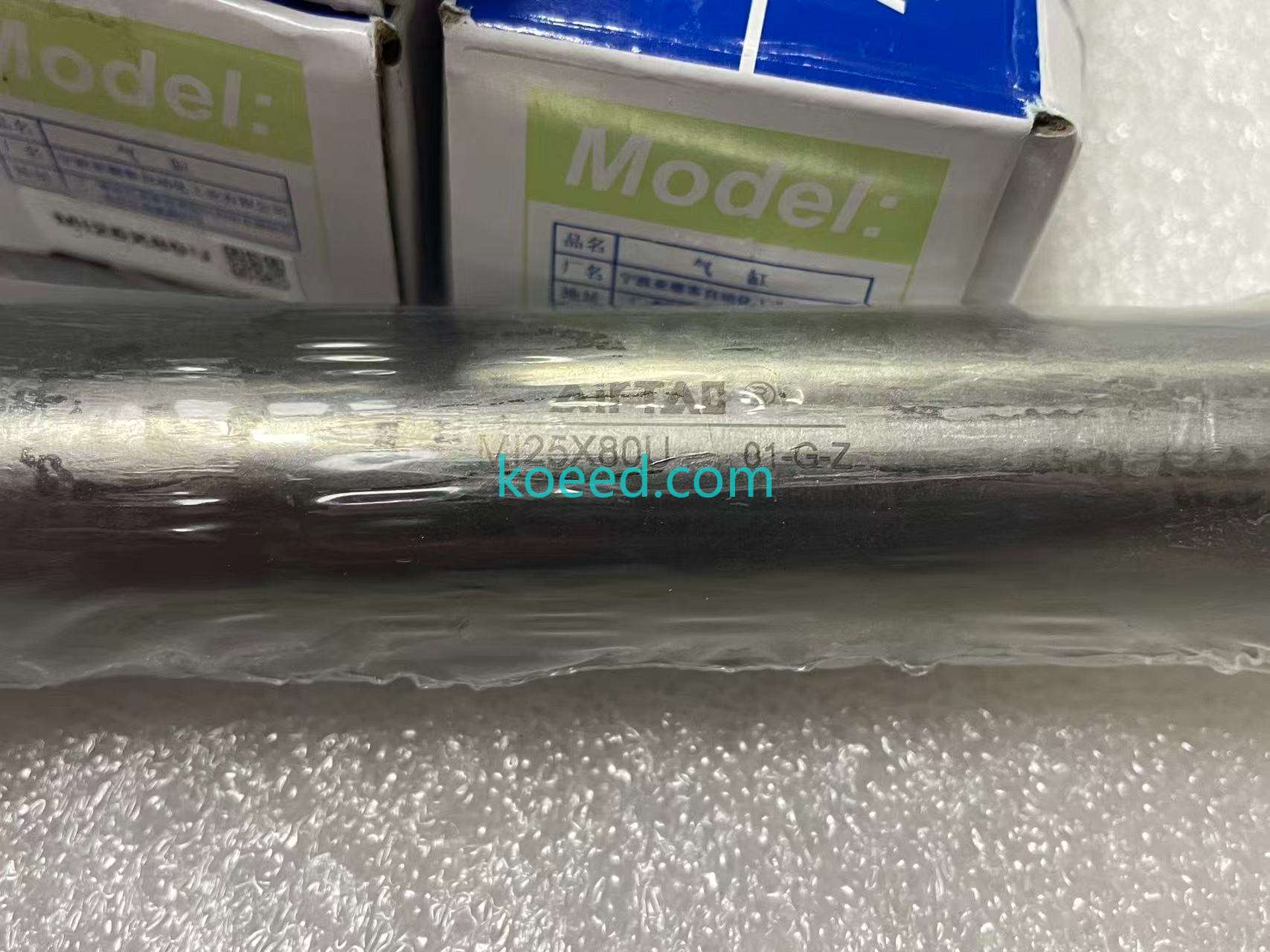
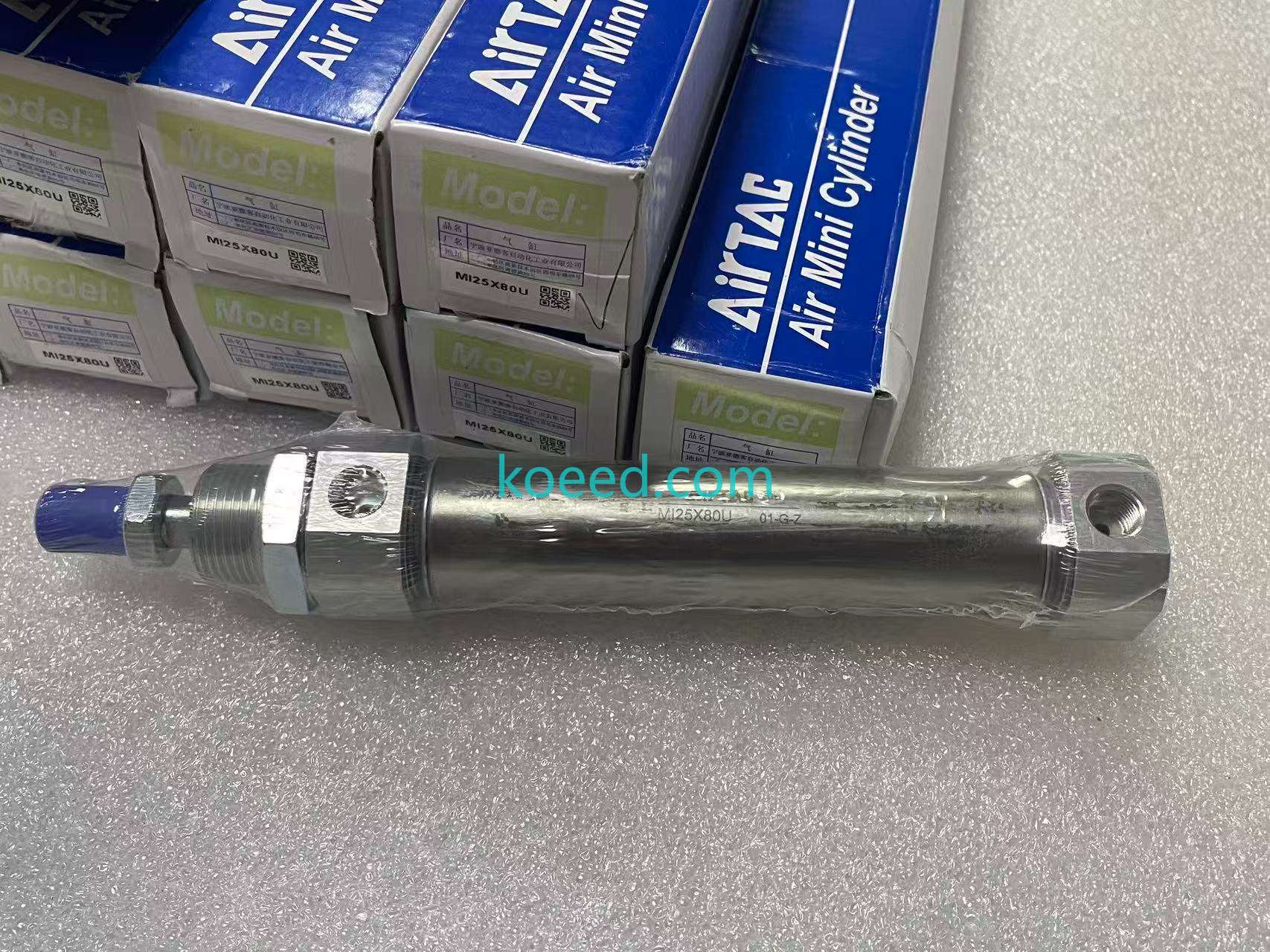
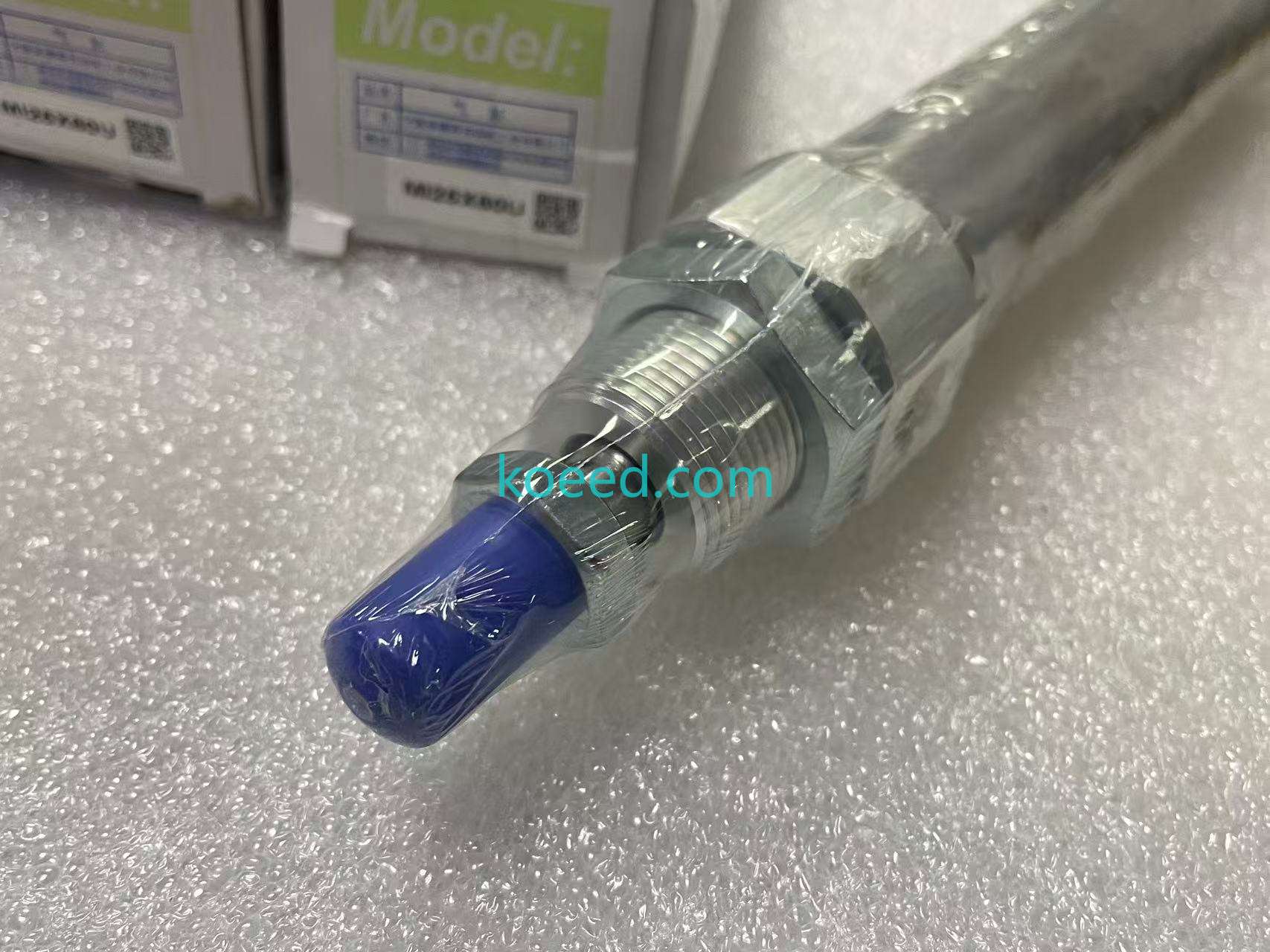
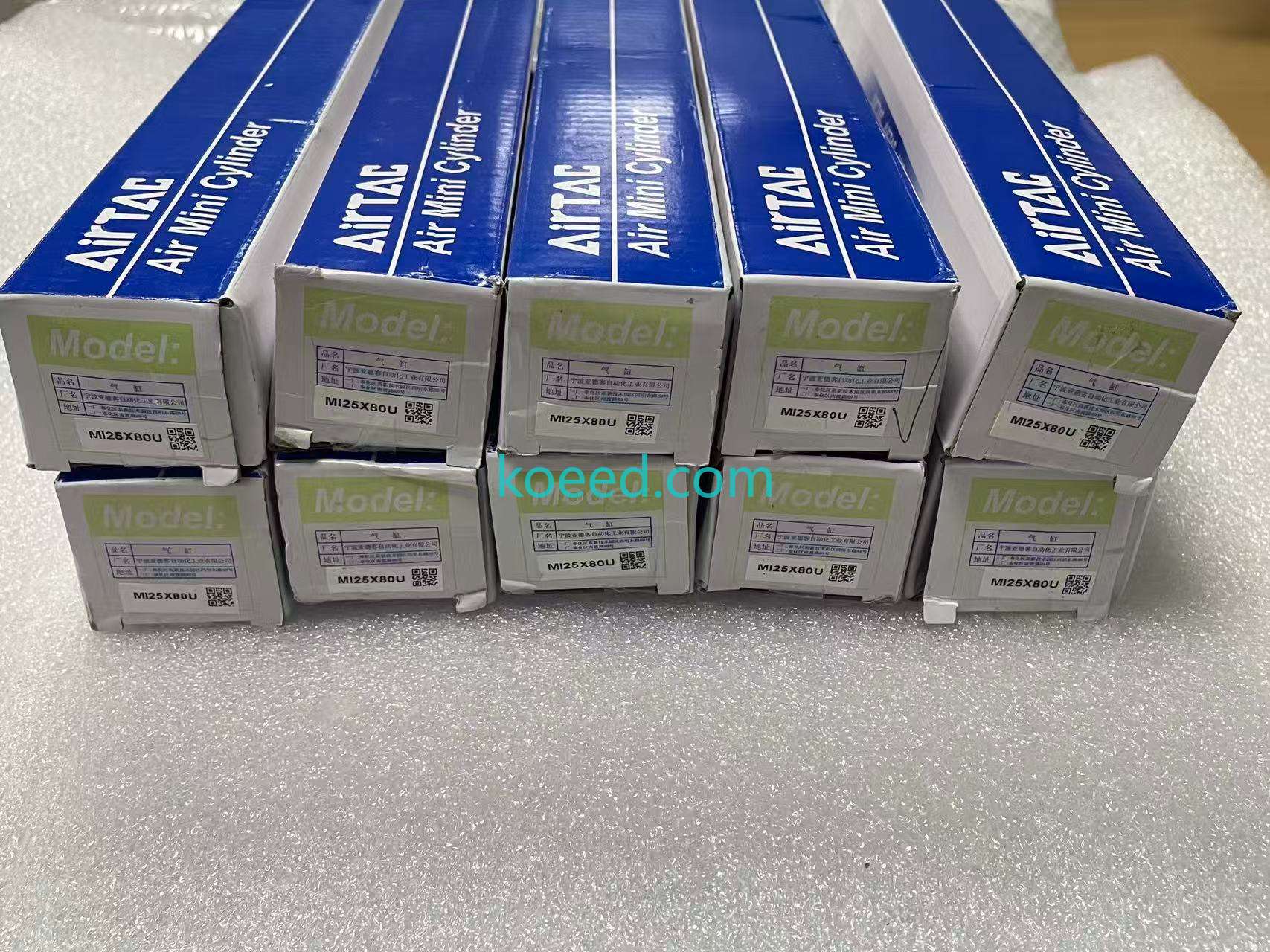
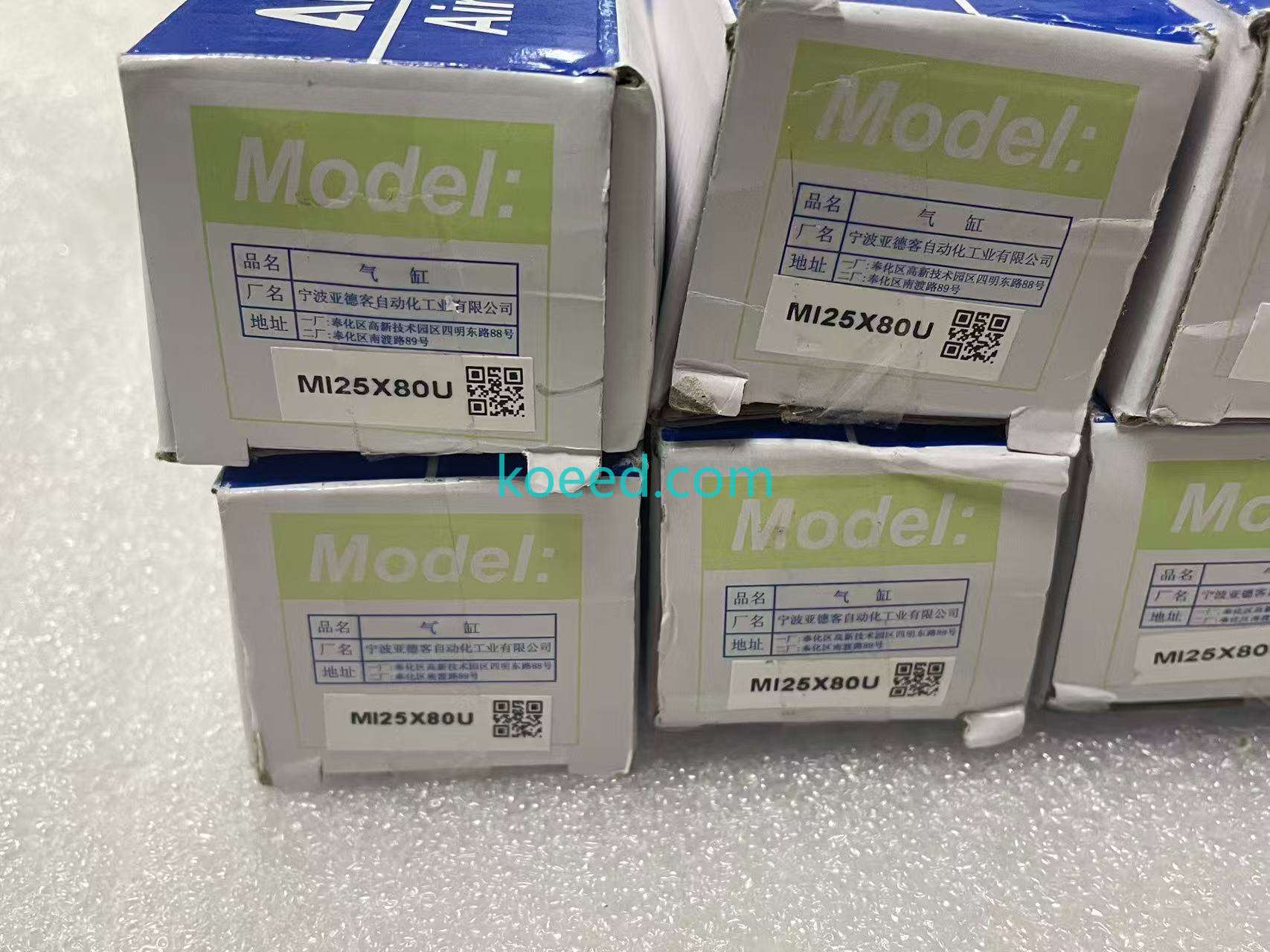
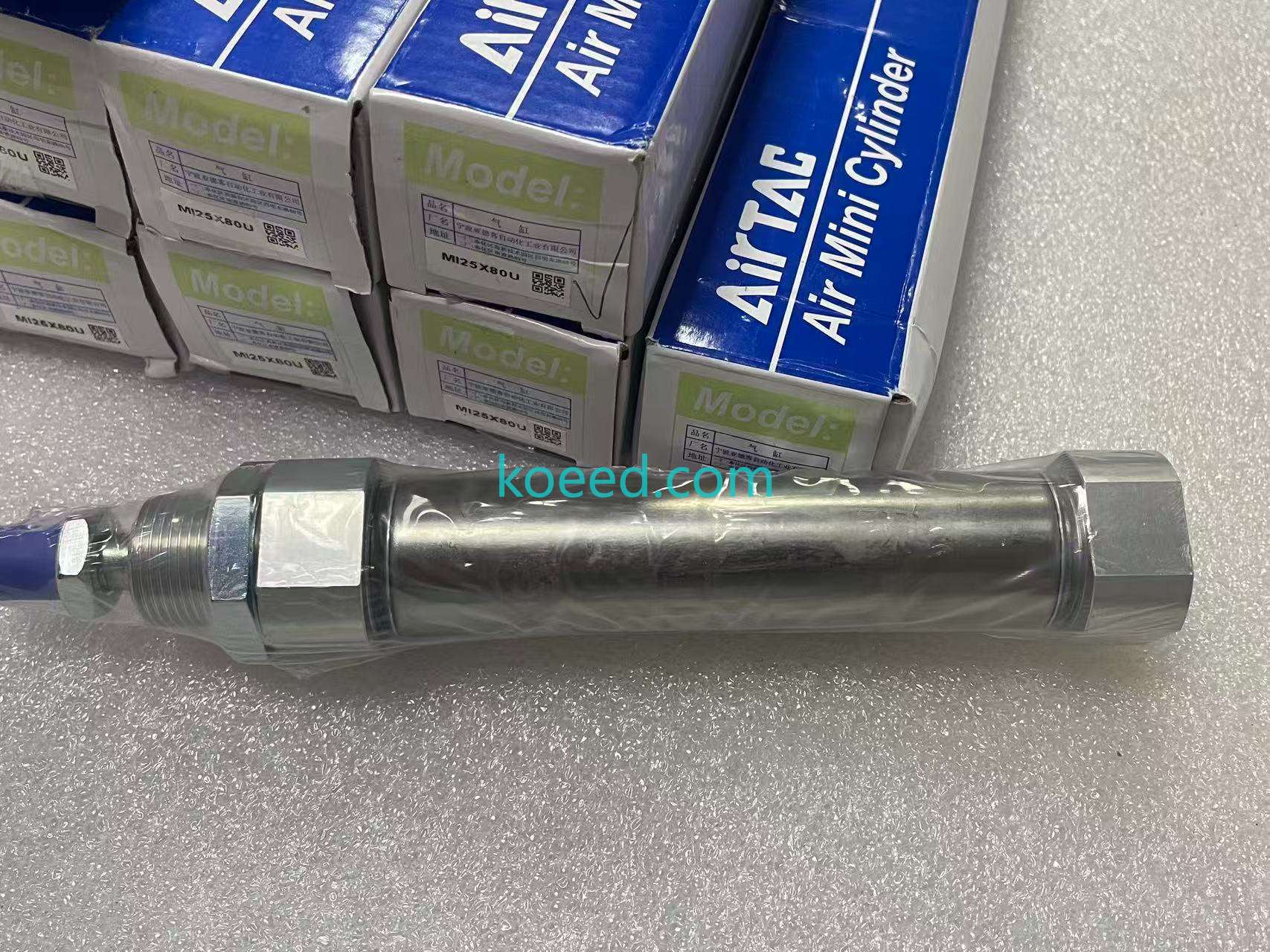
Below is a comprehensive visual reference of the MI25X80U — covering front-panel layout, terminal connections, DIN-rail mounting, communication interfaces, and real-world cabinet integration.


Product Demonstration Videos
4. IT/OT Convergence: Cloud, ERP & Smart Factory Integration
The defining characteristic of a 2026-ready controller is its ability to speak both OT and IT languages natively. The MI25X80U eliminates the traditional requirement for middleware gateways by embedding OPC UA Server functionality, MQTT 5.0 Sparkplug B compliance, and REST API endpoints directly on the controller.
4.1 Unified Namespace Architecture
The MI25X80U publishes contextualized tag data into a Unified Namespace (UNS) via MQTT — enabling SCADA, historians, and cloud analytics platforms (AWS IoT Greengrass, Azure IoT Hub, Siemens MindSphere) to subscribe to real-time data streams without polling. This publisher-subscriber model reduces network overhead by up to 70% compared to traditional OPC-DA polling, while ensuring every data consumer receives identical, time-stamped payloads.
4.2 ERP/MES Direct Connectivity
Through its native REST API, the MI25X80U supports direct integration with SAP S/4HANA, Oracle NetSuite, and custom MES platforms. Production counts, quality metrics, and machine state transitions are pushed in near-real-time, enabling automated work-order dispatching and closed-loop quality traceability — hallmarks of the smart factory in 2026.
5. Predictive Maintenance & Edge Intelligence
Unplanned downtime remains the single largest drain on manufacturing OEE in 2026. The MI25X80U addresses this through its embedded edge anomaly detection engine — a lightweight inference runtime that evaluates time-series data (vibration spectra, current signatures, thermal trends) against trained reference models directly on the controller.
5.1 How It Works
- Data Acquisition: High-speed analog inputs capture sensor data at up to 10 kHz per channel.
- Feature Extraction: Onboard DSP blocks compute RMS, crest factor, kurtosis, and FFT bins in real time.
- Anomaly Scoring: A pre-trained autoencoder model compares live features against expected baselines; deviations exceeding configurable thresholds trigger alerts.
- Alert Escalation: Alerts flow via MQTT to the UNS, with severity-based routing — SMS/WhatsApp for critical alarms, dashboard flags for advisory warnings.
This architecture shifts maintenance strategy from calendar-based preventive to condition-based predictive, reducing unnecessary part replacements by an estimated 35–50% and extending mean time between failures (MTBF) across connected assets.
6. Energy Efficiency & Sustainability Metrics
With the EU's Corporate Sustainability Reporting Directive (CSRD) and similar global mandates now in full effect, industrial controllers must contribute to Scope 2 emissions transparency. The MI25X80U features per-module power telemetry — measuring consumption at the controller, each I/O slice, and the communication backplane — with data aggregated and exported as ISO 50001-compliant energy reports.
| Sustainability Metric | MI25X80U Performance | Legacy Equivalent |
|---|---|---|
| Controller Power Draw (Typical) | 4.8 W | 8–15 W |
| Sleep/Idle Mode Consumption | 1.2 W | Not available |
| Annual Energy Cost (24/7, $0.12/kWh) | ~$5.05 | ~$12.60–$15.77 |
| Energy Data Granularity | Per-module, 1-second resolution | None or system-level only |
Over a fleet of 50 controllers, the MI25X80U's power efficiency translates to approximately $380–$540 annual savings in direct energy costs alone — with the added strategic value of granular energy data for ESG audits and carbon-credit programs.
7. Maintenance, Troubleshooting & Longevity Pro-Tips
7.1 Common Status Codes & Resolution
| LED / Code | Meaning | Recommended Action |
|---|---|---|
| RUN: Solid Green | Normal operation, program executing | No action required |
| RUN: Flashing Green (2 Hz) | Controller in STOP/Program mode | Verify programming device connection; initiate RUN via engineering software |
| ERR: Solid Red | Critical hardware fault | Power-cycle controller; if persistent, inspect backplane connections and replace unit |
| ERR: Flashing Red (1 Hz) | Firmware checksum error | Trigger OTA rollback or re-flash via SD card recovery image |
| COM: Flashing Amber | Network activity detected, no established connection | Check IP configuration, subnet mask, and gateway settings |
| COM: Solid Amber | Connection established, no data flow | Verify MQTT broker/OPC UA endpoint reachability; check firewall rules |
| BAT: Red | Internal battery low or absent | Replace CR2032 backup battery within 30 days to prevent SRAM data loss |
7.2 Environmental Best Practices
- Temperature: Ensure cabinet ventilation maintains ambient ≤ 45°C for optimal component longevity, even though the MI25X80U is rated to +70°C.
- Humidity: Maintain 5–85% RH (non-condensing). In high-humidity environments, consider cabinet heaters or desiccant packs.
- Vibration: The MI25X80U withstands 2G continuous vibration (IEC 60068-2-6). For installations near stamping presses or heavy rotating machinery, verify mounting dampeners are intact.
- Dust/Ingress: IP20 rated — suitable for control cabinets. Not intended for direct field mounting without supplementary enclosure.
8. Total Cost of Ownership (TCO) Analysis
In 2026 procurement, the conversation has definitively shifted from unit price to lifecycle cost. The MI25X80U's TCO advantage materializes across five vectors:
- Reduced Integration Engineering: Native OPC UA and MQTT eliminate gateway hardware ($800–$2,500 per machine) and the associated configuration labor (8–24 hours per gateway).
- Energy Savings: As quantified above, lower power draw compounds over multi-year deployments.
- Downtime Avoidance: Predictive maintenance capabilities prevent an estimated 1–3 unplanned outages per year per line — each hour of downtime costing $5,000–$50,000 depending on industry.
- Firmware Longevity: OTA updates extend the controller's functional lifespan beyond the traditional 7–10 year hardware refresh cycle, deferring capital expenditure.
- Training Efficiency: A unified programming environment (IEC 61131-3 compliant: LD, ST, FBD, SFC) reduces cross-training requirements when teams manage multiple machine types.
9. Frequently Asked Questions
What communication protocols does the MI25X80U support natively?
The MI25X80U supports PROFINET, EtherNet/IP, Modbus TCP/RTU, OPC UA (Server & Client), MQTT 5.0 (Sparkplug B), and REST API endpoints.


