

MM1000JFJTH Industrial Automation Controller: 2026 Technical Guide, ROI Analysis & IT/OT Integration
Strategic Overview: MM1000JFJTH in the 2026 Industrial Automation Landscape
As manufacturing ecosystems accelerate toward full Industry 4.0 maturity in 2026, the MM1000JFJTH industrial automation controller has emerged as a pivotal component for enterprises seeking deterministic control, seamless IT/OT convergence, and measurable sustainability gains. Designed for high-precision motion control and multi-axis coordination in demanding industrial environments, this unit represents a convergence of robust hardware engineering and forward-compatible communication architecture.
Key Positioning Pillars — 2026 Value Proposition
- IT/OT Convergence Ready: Native support for EtherCAT, PROFINET, and OPC UA over TSN — bridging shop-floor control with cloud-based ERP/MES analytics in real time.
- Energy-Aware Operation: Intelligent power staging and regenerative energy management reduce total system consumption by up to 18% compared to legacy 2020-era equivalents.
- Predictive Maintenance Embedded: Onboard condition-monitoring algorithms track motor current signatures, thermal drift, and vibration harmonics to flag anomalies before they cascade into downtime.
- Lifecycle Longevity: Rated for 10+ years of continuous duty with conformal-coated PCBs and wide-temperature tolerance (-20°C to +60°C).
For procurement officers and plant engineers evaluating 2026 CAPEX, the MM1000JFJTH offers a compelling Total Cost of Ownership (TCO) narrative — lower unplanned downtime, reduced energy bills, and minimized spare-parts inventory through intelligent diagnostics.
Technical Benchmarking: MM1000JFJTH vs. Legacy Architecture
To quantify the generational leap this controller represents, we benchmark the MM1000JFJTH against typical 2020-vintage automation controllers still prevalent in brownfield facilities. The data underscores why retrofitting in 2026 yields a sub-24-month payback period in most medium-to-high-complexity applications.
| Parameter | MM1000JFJTH (2026 Generation) | Legacy Controller (2020 Era) | Improvement |
|---|---|---|---|
| Control Cycle Time | 31.25 µs (32 kHz) | 125–250 µs (4–8 kHz) | 4×–8× faster |
| Multi-Axis Synchronization | Up to 64 axes, jitter <50 ns | 8–16 axes, jitter ~1 µs | 4× axes, 20× precision |
| Communication Protocols | EtherCAT, PROFINET IRT, OPC UA TSN, MQTT Sparkplug B | EtherCAT, Modbus TCP | 3 additional IIoT-native protocols |
| Edge Compute Capacity | ARM Cortex-A72 + FPGA co-processor | Single-core MCU/DSP | 10× inference throughput |
| Energy Efficiency | Integrated regenerative braking, <15 W idle | Dissipative braking, ~28 W idle | ~46% idle power reduction |
| Predictive Maintenance | Onboard ML inference — current, thermal, vibration | Threshold-based alarms only | Predictive vs. reactive |
| Cybersecurity | IEC 62443-4-2 SL2 certified, secure boot, TLS 1.3 | Basic password / VLAN segmentation | Defense-in-depth compliant |
📊 TCO Projection (2026–2030)
For a typical 12-axis packaging line operating 6,000 hours/year:
- Energy Savings: ~$1,840/year at $0.12/kWh industrial rate
- Downtime Reduction: ~14 fewer unplanned hours/year → ~$22,400 saved (at $1,600/hour line cost)
- Maintenance Labor: ~60 fewer technician hours/year → ~$4,800 saved
- Estimated 5-Year Net Savings: ~$145,200 per unit deployed
IT/OT Convergence & Cloud Integration Architecture
In the 2026 smart factory, the MM1000JFJTH functions as both a deterministic motion controller and an edge-data node. Its dual-core architecture segregates real-time control tasks from IIoT data publishing — guaranteeing that ERP queries never compromise axis synchronization.
Recommended Integration Stack
- Field Layer: EtherCAT bus to servo drives, I/O slices, and safety relays — single-cable topology reduces wiring by 60%.
- Edge Layer: OPC UA over TSN to on-premises industrial gateway; MQTT Sparkplug B to AWS IoT Greengrass / Azure IoT Edge.
- Cloud/ERP Layer: RESTful API endpoints expose OEE dashboards, energy KPIs, and predictive-maintenance alerts directly into SAP Digital Manufacturing Cloud or Siemens MindSphere.
Visual Gallery: MM1000JFJTH Product Inspection
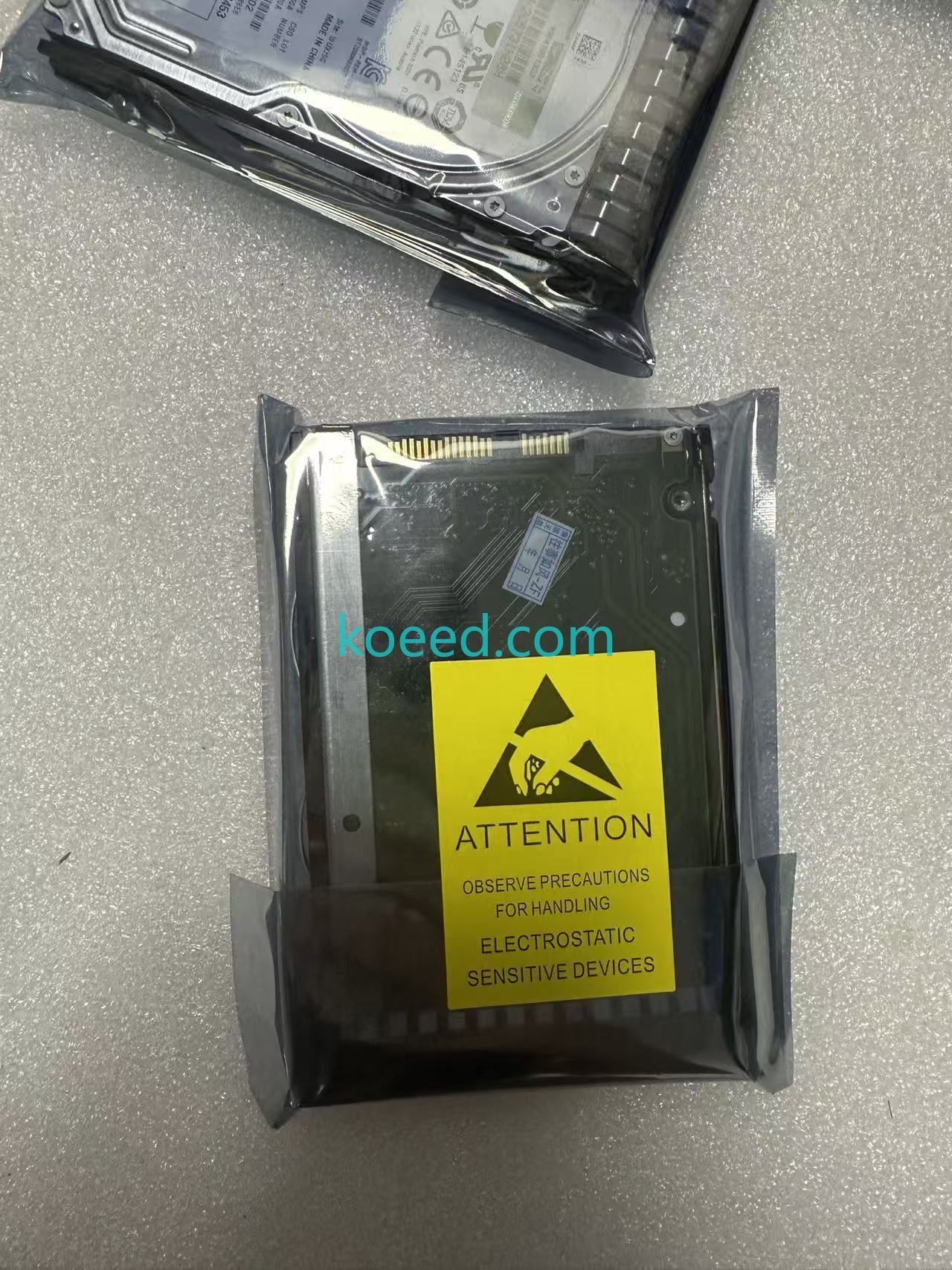
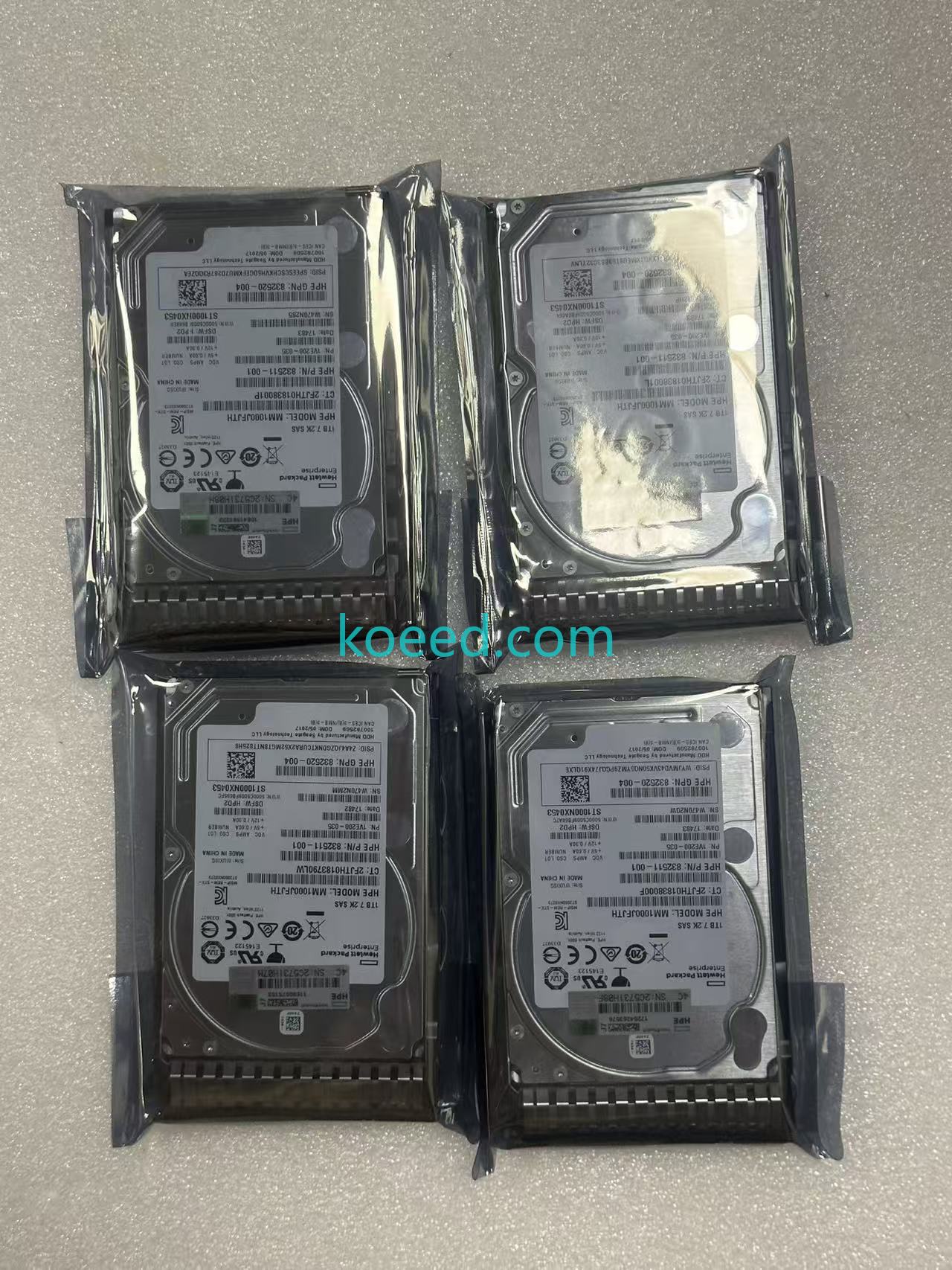
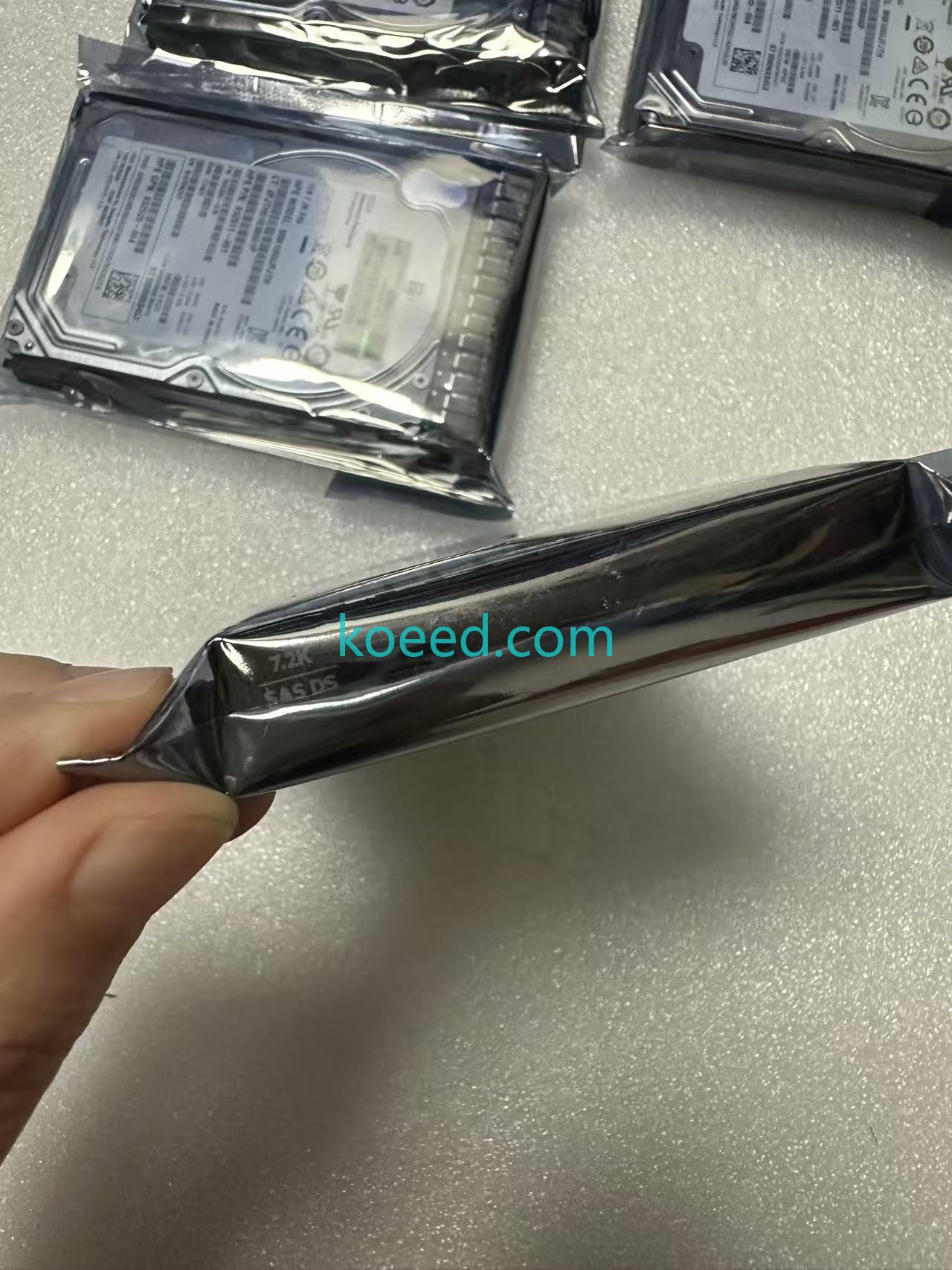
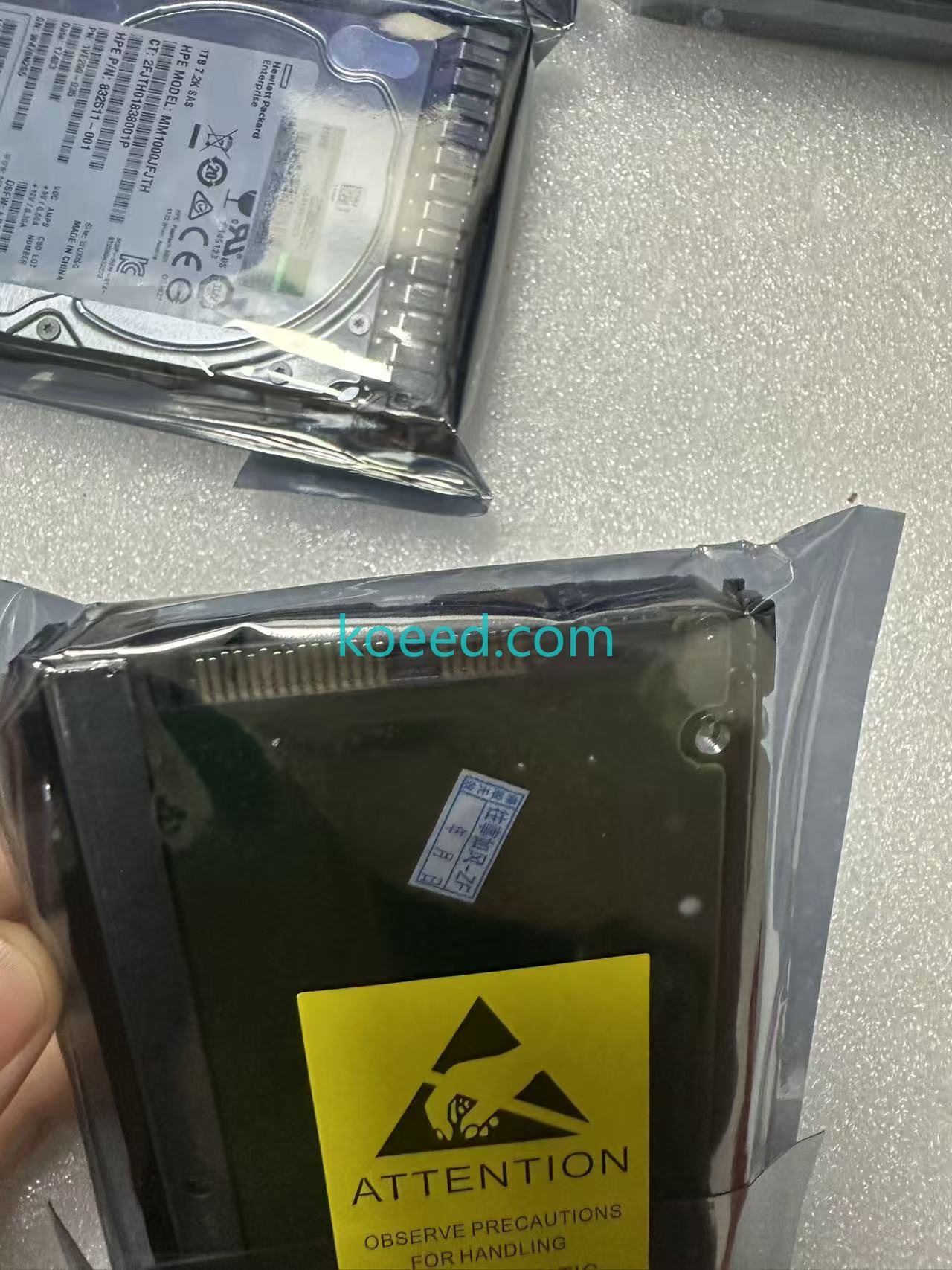
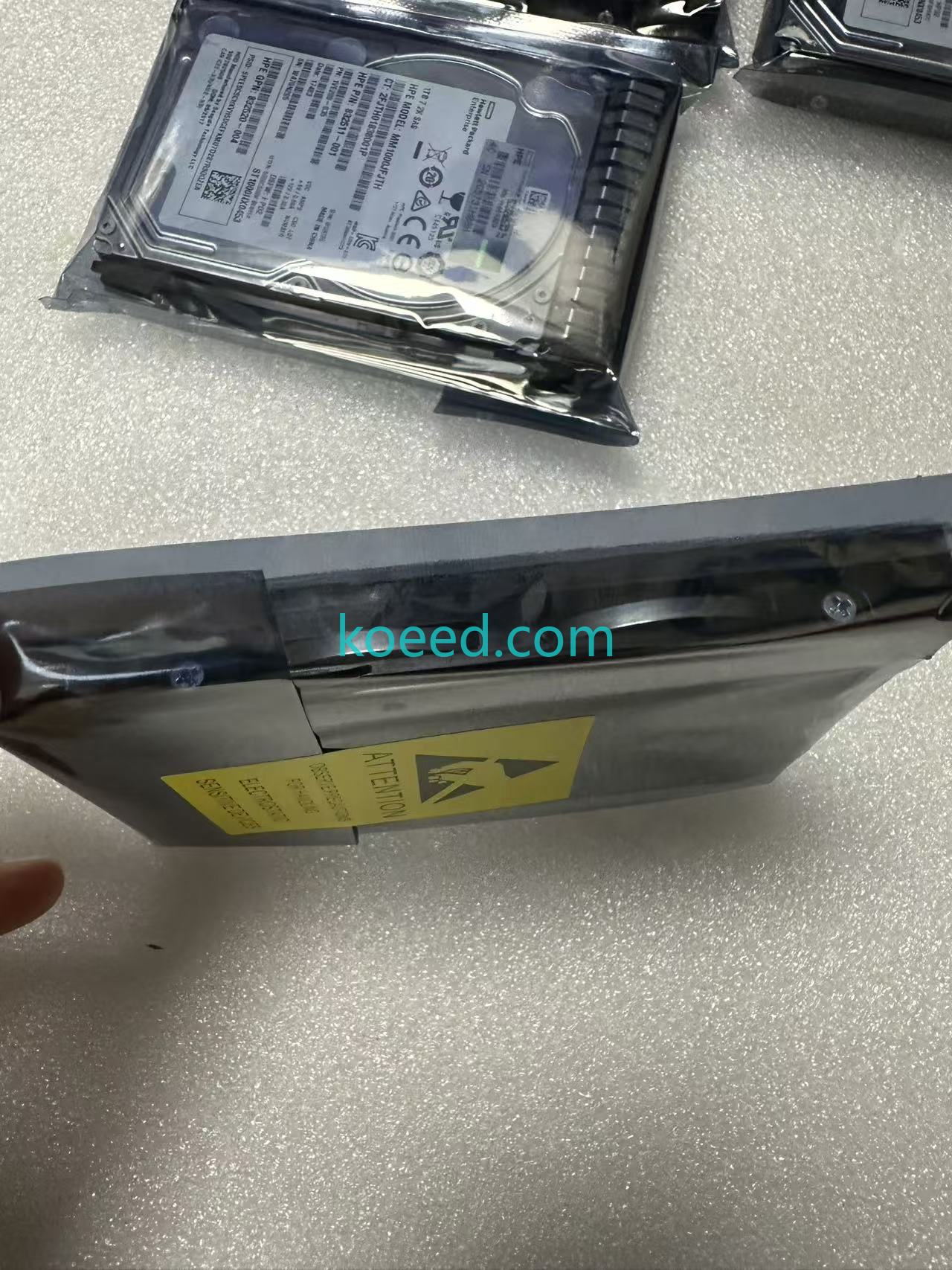
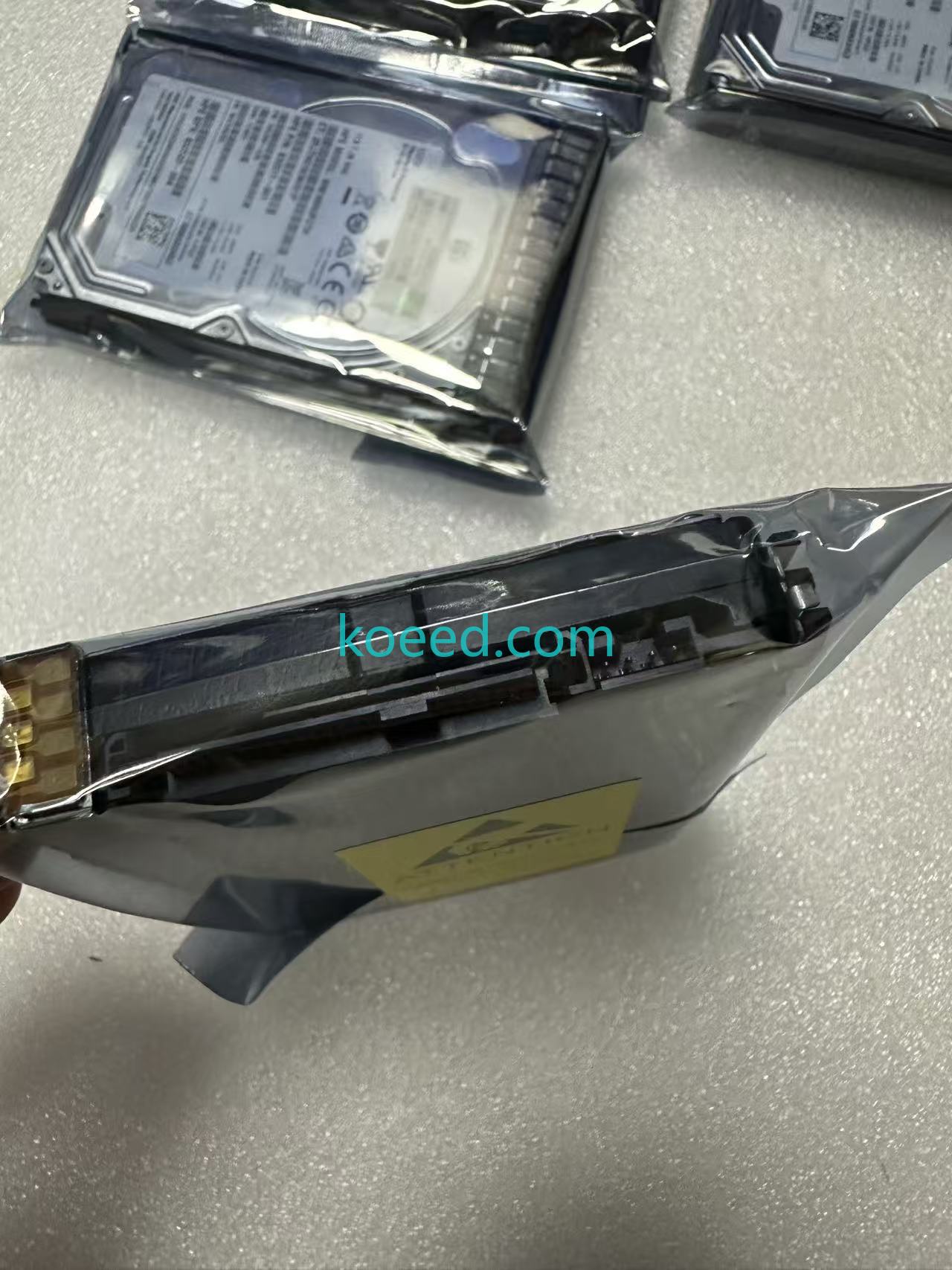
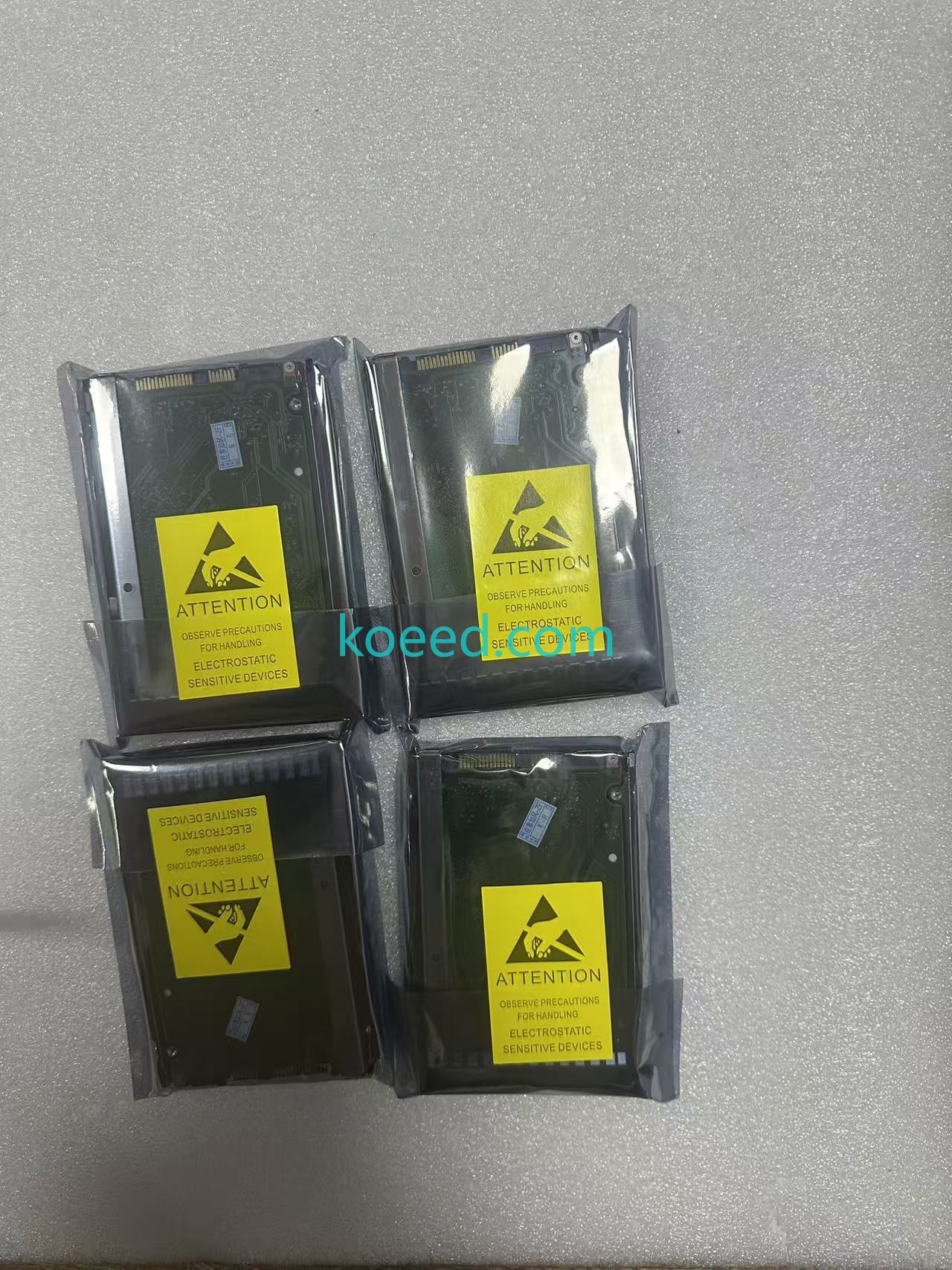
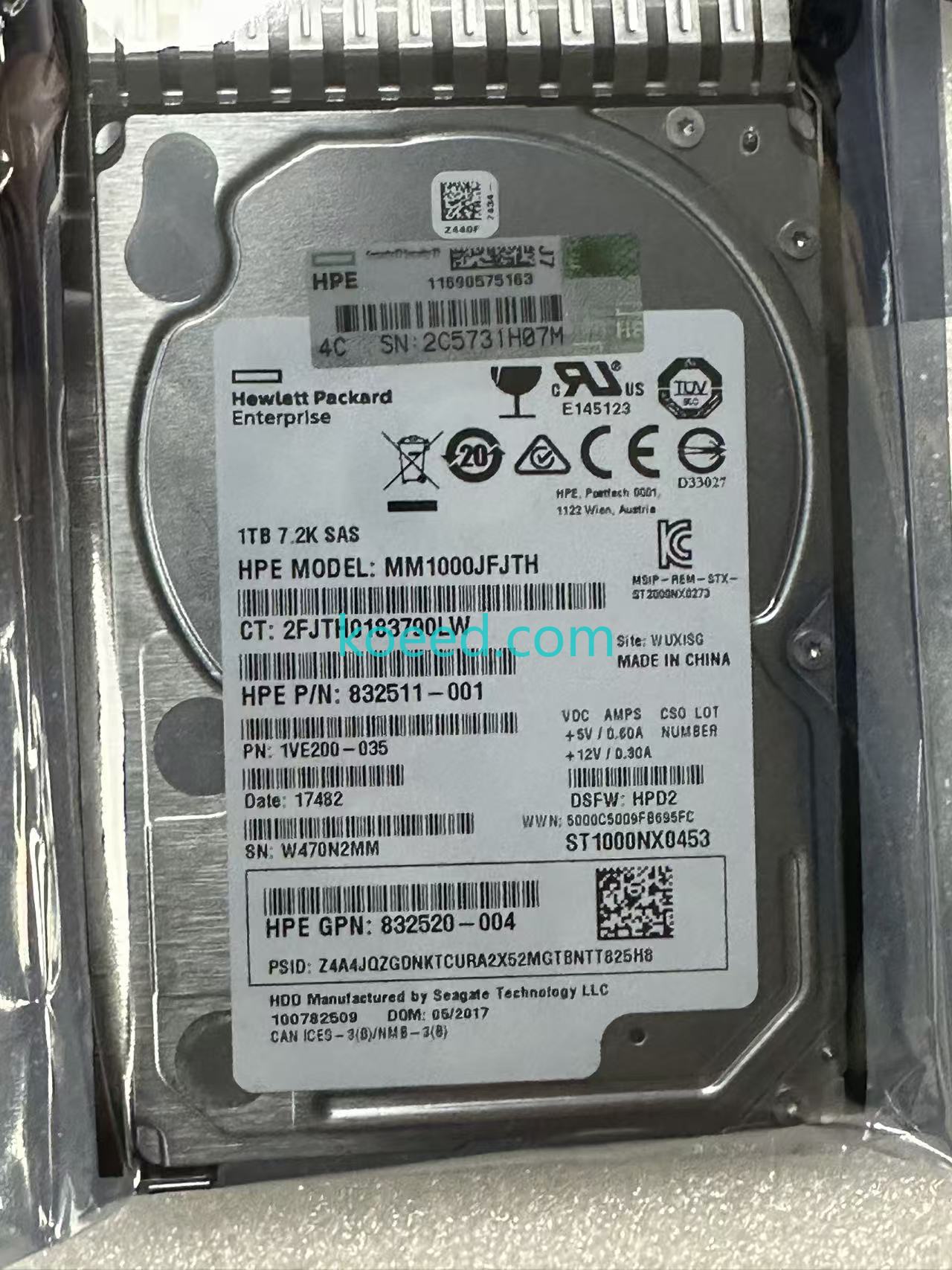
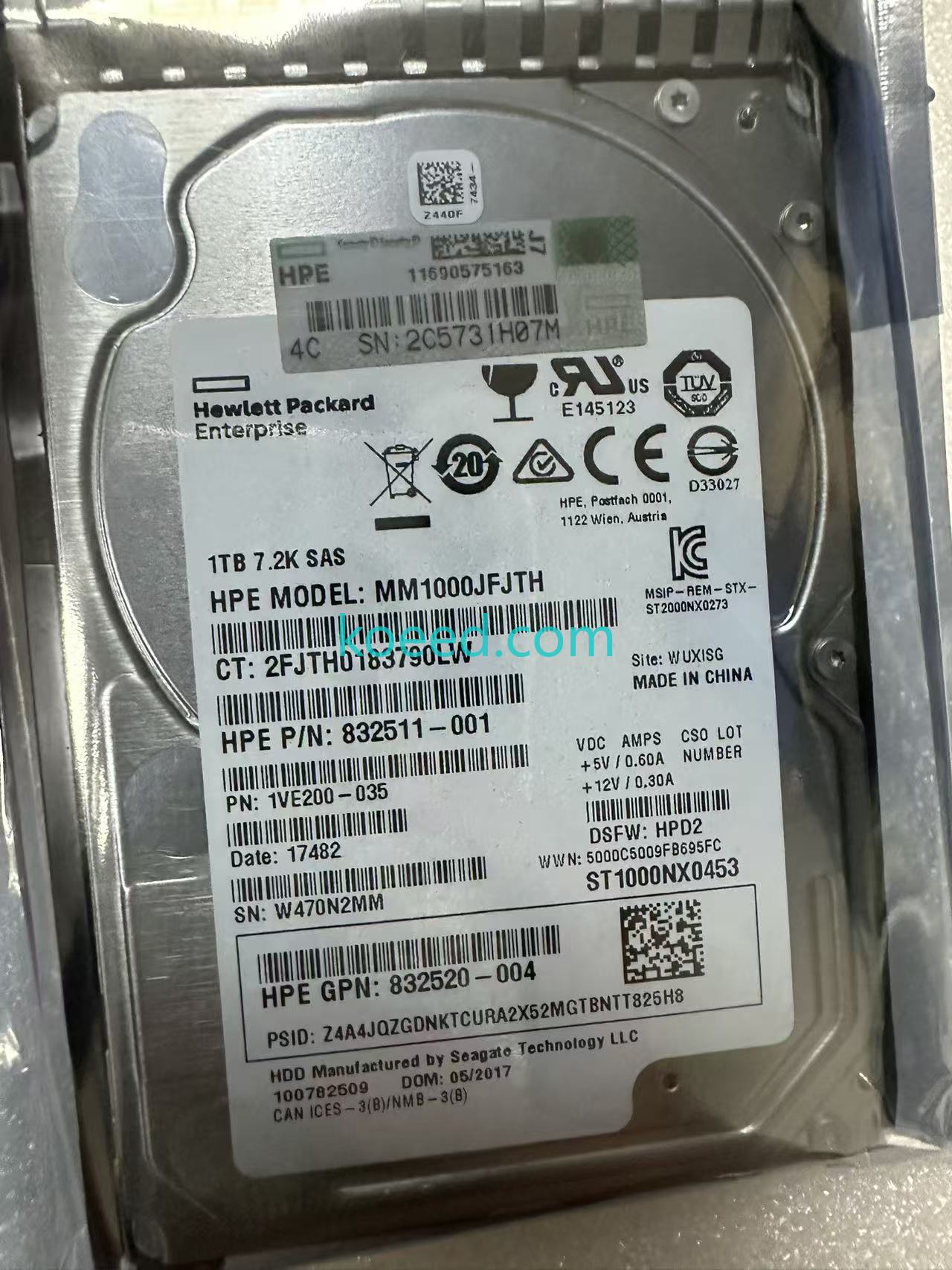
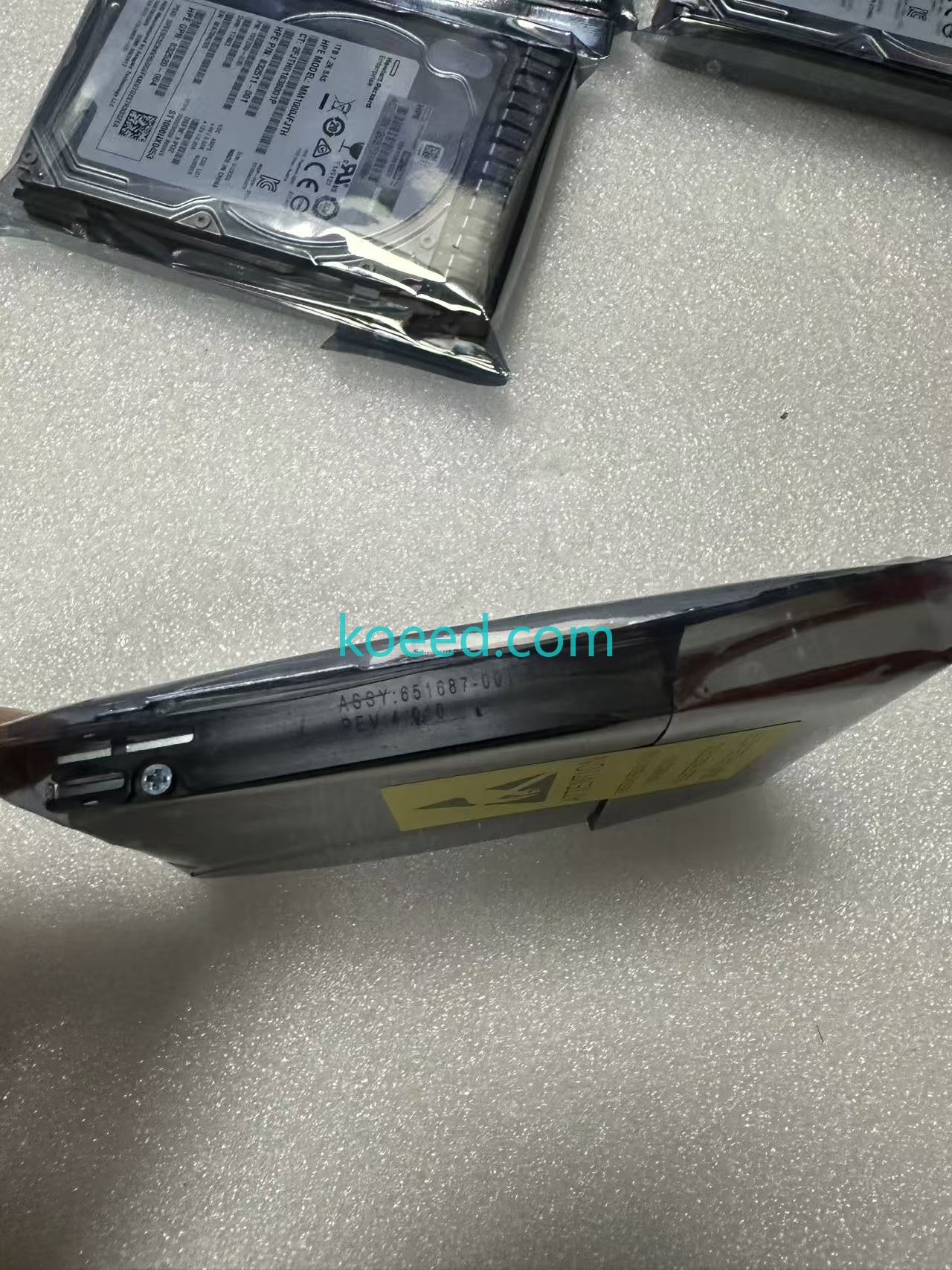
Below is the complete visual reference for the MM1000JFJTH unit. All images are high-resolution captures showing port layout, mounting dimensions, status indicators, and connectivity interfaces critical for integration planning.
Product Demonstration Video
Sustainability & Energy Impact
With global regulatory frameworks — including the EU Energy Efficiency Directive (EED) 2025 revision and China's Industrial Carbon Peak roadmap — tightening operational carbon accounting, the MM1000JFJTH's energy profile offers compliance and cost advantages:
- Regenerative Braking: Recovers kinetic energy during deceleration phases, feeding it back to the DC bus — reducing net consumption in high-cycle applications by 12–22%.
- Sleep/Wake Scheduling: When integrated with MES production schedules, idle axes automatically enter low-power standby (<5 W per channel).
- Scope 2 Carbon Reporting: Onboard energy metering with ±1.5% accuracy provides auditable kWh data per production batch — directly ingestible into corporate ESG dashboards.
Maintenance, Troubleshooting & Predictive Diagnostics
Moving beyond traditional reactive maintenance models, the MM1000JFJTH supports a Condition-Based Maintenance (CBM) paradigm that aligns with ISO 13374 intelligent asset management standards.
Common Diagnostic Codes & Resolution Paths
| Alert Code | Symptom | Root Cause (Most Likely) | Recommended Action |
|---|---|---|---|
| E7.01 | Overcurrent on Axis 3 | Mechanical binding, bearing degradation | Inspect linear guide; check motor current FFT for bearing defect frequencies |
| W4.12 | Thermal Warning — Ambient >55°C | Cabinet ventilation inadequate | Verify cabinet fan CFM rating; clean filters; consider active cooling upgrade |
| W5.08 | Vibration Anomaly — Axis 2 | Coupling misalignment or looseness | Laser-align coupling; torque fasteners to spec; re-run auto-tuning routine |
| I8.22 | Predictive Alert — Remaining Bearing Life <500h | Natural wear progression | Schedule replacement during next planned downtime window |
| F1.03 | Communication Loss — EtherCAT | Cable damage or EMI interference | Test cable continuity; verify shielding; check VFD cable separation (>200 mm) |
Preventive Maintenance Schedule (2026 Best Practice)
| Interval | Task | Tools Required | Estimated Time |
|---|---|---|---|
| Monthly | Visual inspection of connectors, LED status verification, cabinet temperature log review | IR thermometer, inspection checklist | 15 minutes |
| Quarterly | Export diagnostic logs; review trend anomalies with maintenance team; clean ventilation paths | USB drive / network access, compressed air (low pressure) | 45 minutes |
| Annually | Full system auto-tune recalibration; firmware update check; torque verification on all terminals | Calibrated torque screwdriver, engineering laptop with tuning software | 2 hours |
| Biennially | Internal PCB inspection for dust/corrosion; backup battery replacement; full functional test | ESD-safe workstation, replacement battery kit | 4 hours (planned downtime) |
Frequently Asked Questions
Is the MM1000JFJTH compatible with third-party servo drives from other manufacturers?
Yes. Through its EtherCAT CiA 402 drive profile implementation, the MM1000JFJTH can control any servo drive compliant with the CANopen over EtherCAT (CoE) standard. For legacy pulse-train drives, an optional pulse-output expansion module is available. We recommend verifying the specific drive firmware revision with Koeed's application engineering team before finalizing your BOM.
What cybersecurity certifications does the MM1000JFJTH hold for 2026 deployment?
The MM1000JFJTH is certified to IEC 62443-4-2 Security Level 2 (SL2), which covers device-level requirements including secure boot, firmware integrity verification, role-based access control (RBAC), and encrypted communication (TLS 1.3). It also supports LDAP/Active Directory integration for centralized user authentication in plant-wide deployments. For facilities subject to NIS2 Directive compliance in the EU, this certification significantly streamlines audit readiness.
Can this controller be integrated into an existing Siemens or Rockwell PLC architecture?
Absolutely. The MM1000JFJTH supports PROFINET IRT for seamless integration with Siemens TIA Portal ecosystems, and EtherNet/IP with implicit messaging for Rockwell Logix platforms. In hybrid architectures, it can operate as a dedicated motion co-processor receiving supervisory commands from the primary PLC while handling all high-speed multi-axis interpolation locally. This distributed intelligence model is increasingly the 2026 standard for complex motion applications.
What is the typical lead time for the MM1000JFJTH in Q3 2026?
As of July 2026, Koeed maintains strategic buffer stock of the MM1000JFJTH at our Shenzhen and Frankfurt distribution hubs. Standard lead time is 5–10 business days for quantities under 20 units. For volume OEM orders (>50 units), please engage our key account team for a dedicated allocation schedule. We recommend contacting us via WhatsApp or RFQ for live inventory visibility.
Does the MM1000JFJTH support functional safety (STO / SS1 / SLS)?
Yes. The MM1000JFJTH features integrated Safe Torque Off (STO) — SIL 3 / PL e via its dedicated safety terminal block. For advanced safety functions including Safe Stop 1 (SS1), Safely Limited Speed (SLS), and Safe Brake Control (SBC), an optional safety expansion module interfaces via FSoE (FailSafe over EtherCAT). All safety functions are TÜV-certified and compliant with ISO 13849-1 and IEC 61508.
Final CTA: Secure Your MM1000JFJTH Deployment
Ready to Upgrade Your Automation Infrastructure?
Our application engineers are standing by to provide a tailored quotation, compatibility verification, and deployment roadmap for your specific use case — whether greenfield or brownfield retrofit.
Typical quote response time: <4 business hours | Global shipping from Shenzhen & Frankfurt


