

MS6000-150-325-5-6000-24 Servo Motor: The 2026 Benchmark for Compact 24V High-Speed Motion Control
1. Strategic Positioning: Why the MS6000-150-325-5-6000-24 Matters in 2026
The industrial automation landscape of 2026 is defined by three converging forces: decentralized motion architectures, 24V/48V DC microgrid adoption, and predictive maintenance mandates driven by ISO 13374-compliant condition monitoring. The MS6000-150-325-5-6000-24 is purpose-built for this intersection.
1.1 The 24V Ecosystem Advantage
Operating natively on a 24V DC bus eliminates the need for high-voltage infrastructure, dramatically reducing cabinet complexity and enabling direct integration with battery-powered autonomous systems. This is critical for AGV fleets where every watt-hour of efficiency translates into extended mission runtime. Compared to traditional 230V/400V AC servo systems, a 24V-native motor like the MS6000-150-325-5-6000-24 can reduce power conversion losses by 8–14%, contributing directly to sustainability KPIs and lowering total cost of ownership (TCO).
1.2 IT/OT Convergence Ready
Modern drives paired with the MS6000-150-325-5-6000-24 support real-time telemetry output—velocity ripple, thermal loading, vibration signatures, and cumulative runtime. This data stream feeds directly into cloud-based MES/ERP platforms (Siemens MindSphere, PTC ThingWorx, AWS IoT SiteWise), enabling predictive maintenance algorithms that can forecast bearing degradation 300–500 operating hours before failure. For system integrators, this means fewer unplanned downtime events and optimized spare-parts inventory.
2. Technical Specifications & Performance Benchmarking
2.1 Model Number Decoding
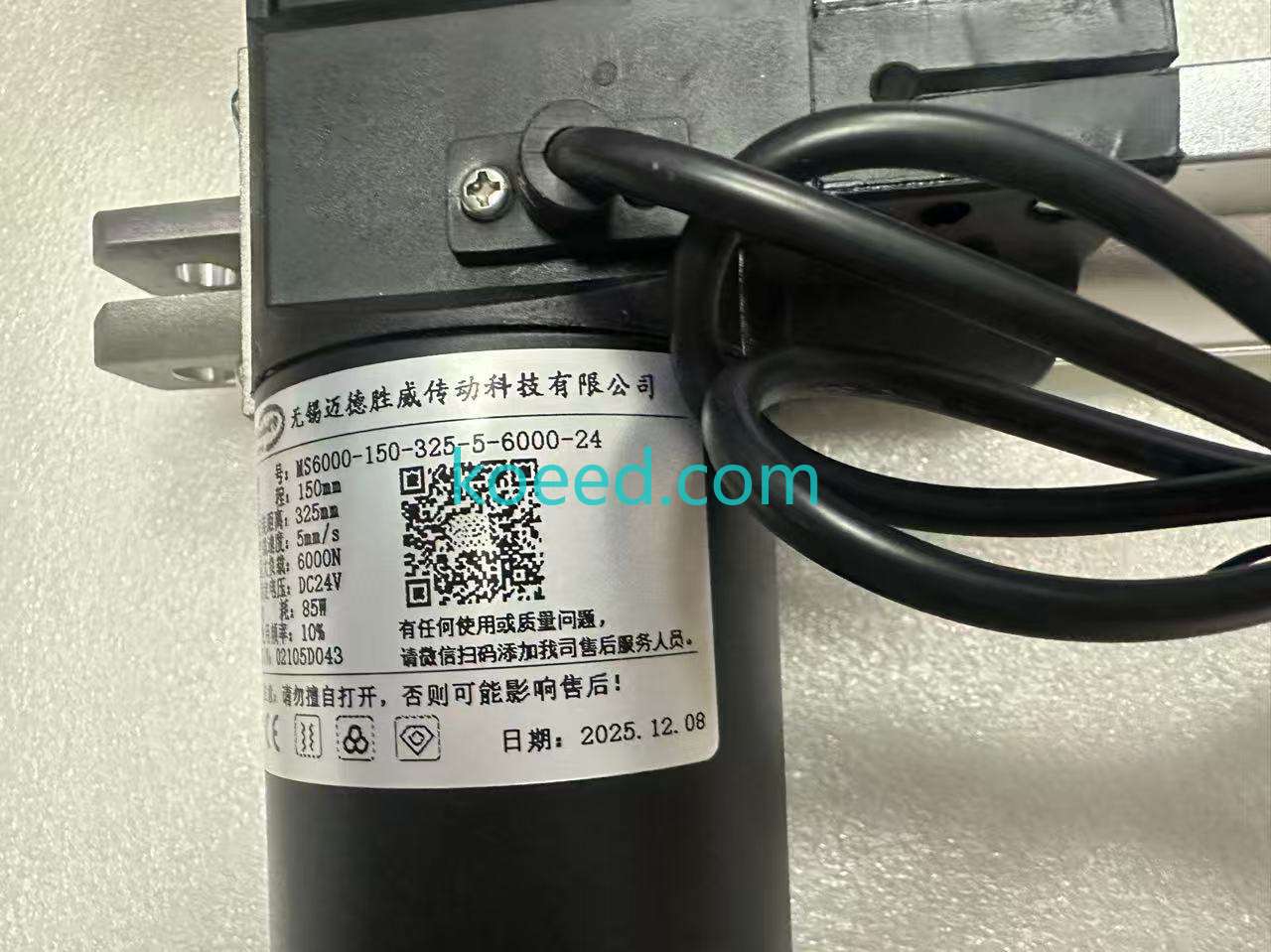
The MS6000-150-325-5-6000-24 nomenclature follows a structured engineering code that provides immediate insight into the motor's capability profile:
| Code Segment | Parameter | Value |
|---|---|---|
| MS6000 | Product Series | Premium synchronous servo motor, 6th generation platform |
| 150 | Rated Power | 150 Watts |
| 325 | Frame Size / Flange | Compact flange profile (ultra-slim installation envelope) |
| 5 | Rated Speed Class | 5,000 RPM nominal speed band |
| 6000 | Peak Speed | 6,000 RPM maximum mechanical speed |
| 24 | DC Bus Voltage | 24 VDC nominal |
2.2 Performance Comparison: MS6000 vs. Legacy 150W Solutions
| Parameter | MS6000-150-325-5-6000-24 | Legacy Generation (MS5000 Series) | Industry Average (150W, 2024) |
|---|---|---|---|
| Rated Power | 150 W | 150 W | 100–150 W |
| Max Speed | 6,000 RPM | 4,500 RPM | 3,000–5,000 RPM |
| Bus Voltage | 24 VDC | 48 VDC | 24–48 VDC |
| Torque Density | High (rare-earth PM) | Moderate | Moderate–High |
| Feedback Resolution | Up to 20-bit absolute | 17-bit | 17–23 bit |
| Fieldbus Compatibility | EtherCAT, CANopen, Modbus RTU, OPC-UA (via drive) | CANopen, Pulse/Direction | Varies |
| Thermal Class | Class F (155°C) | Class B (130°C) | Class B–F |
| Weight (approx.) | Compact/lightweight | ~15–20% heavier | — |
3. Visual Inspection Gallery
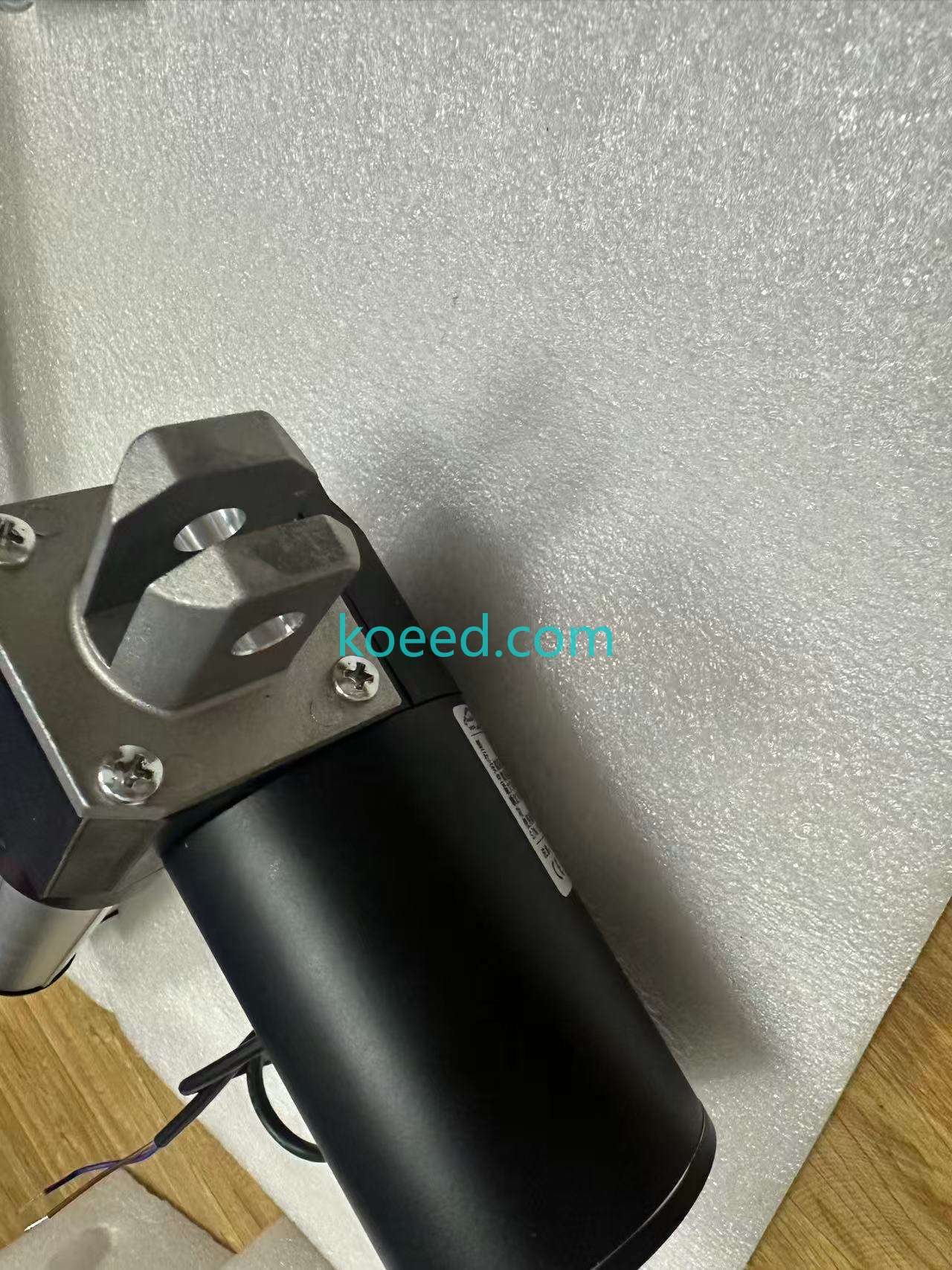
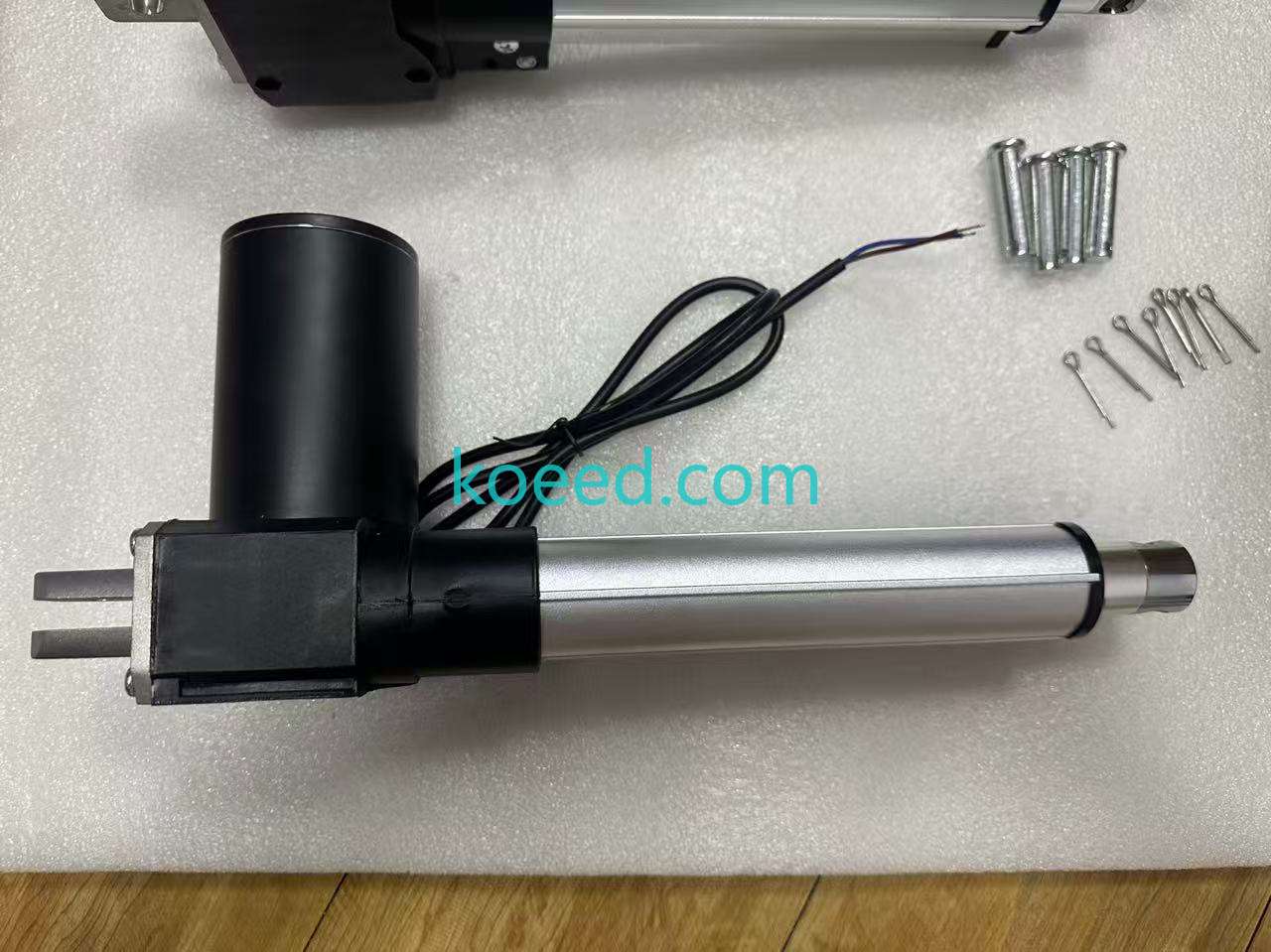
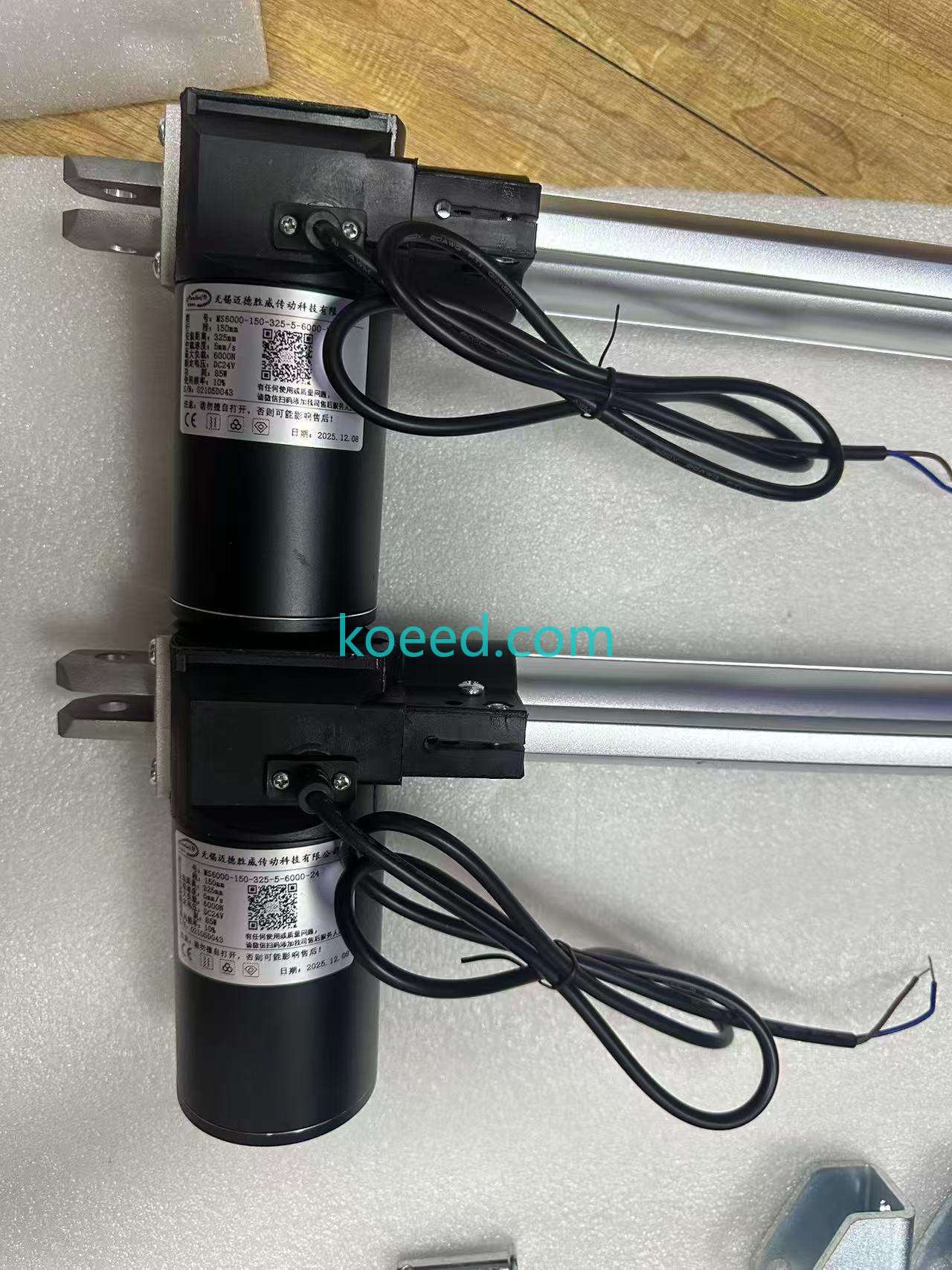
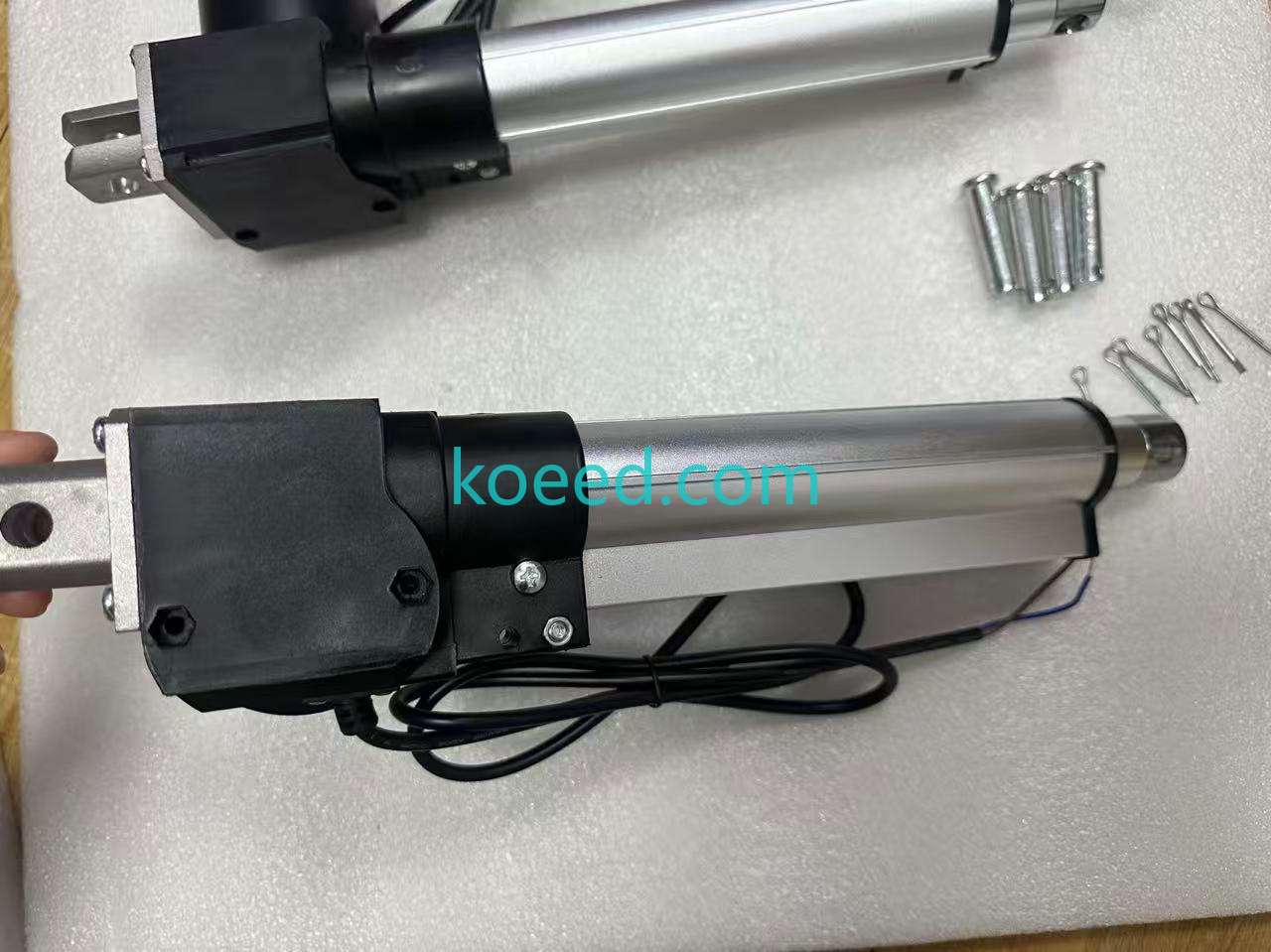
Below is a comprehensive visual reference of the MS6000-150-325-5-6000-24 servo motor. Click any image for detail; use the product demonstration video for dynamic performance assessment.
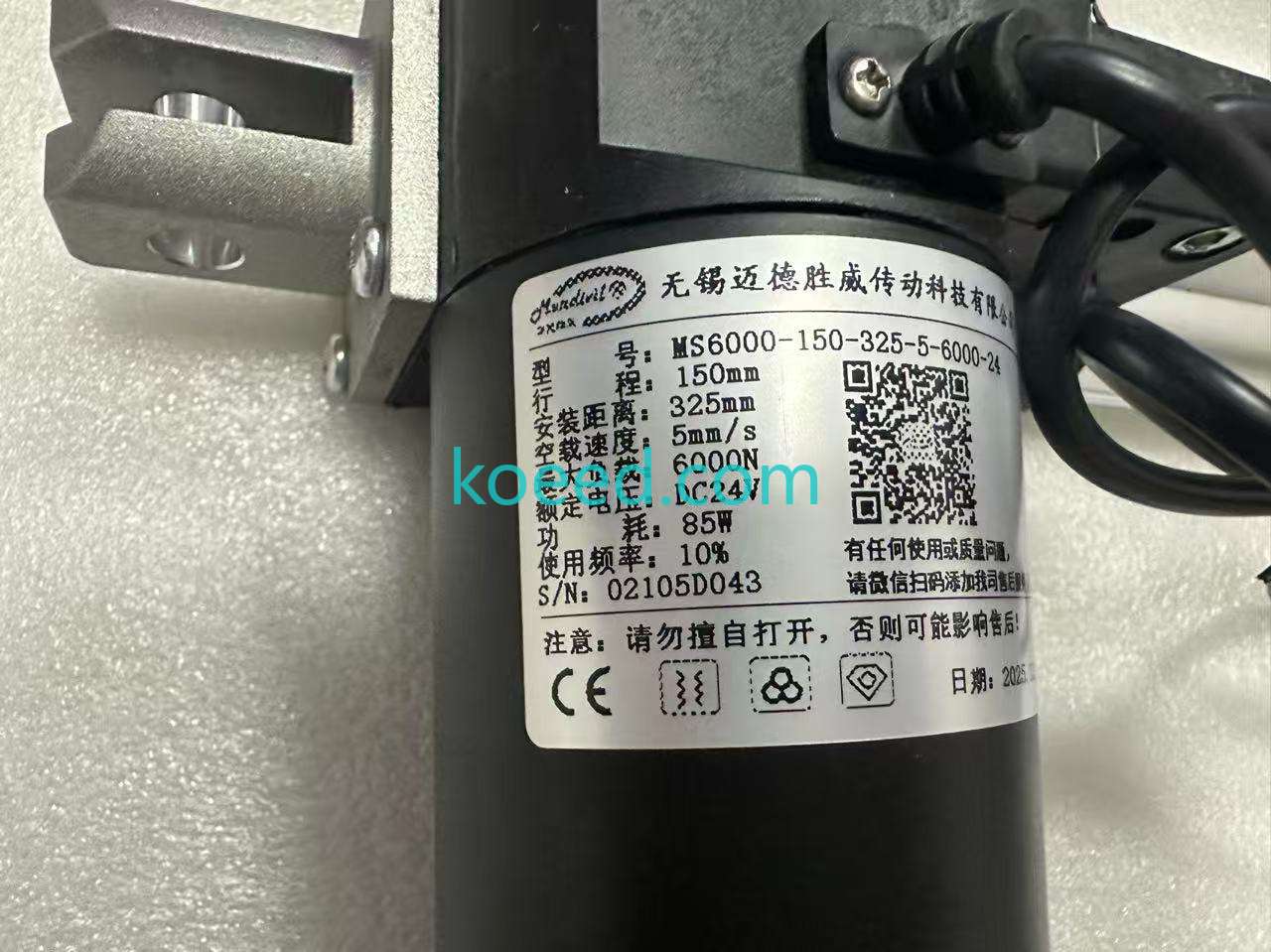
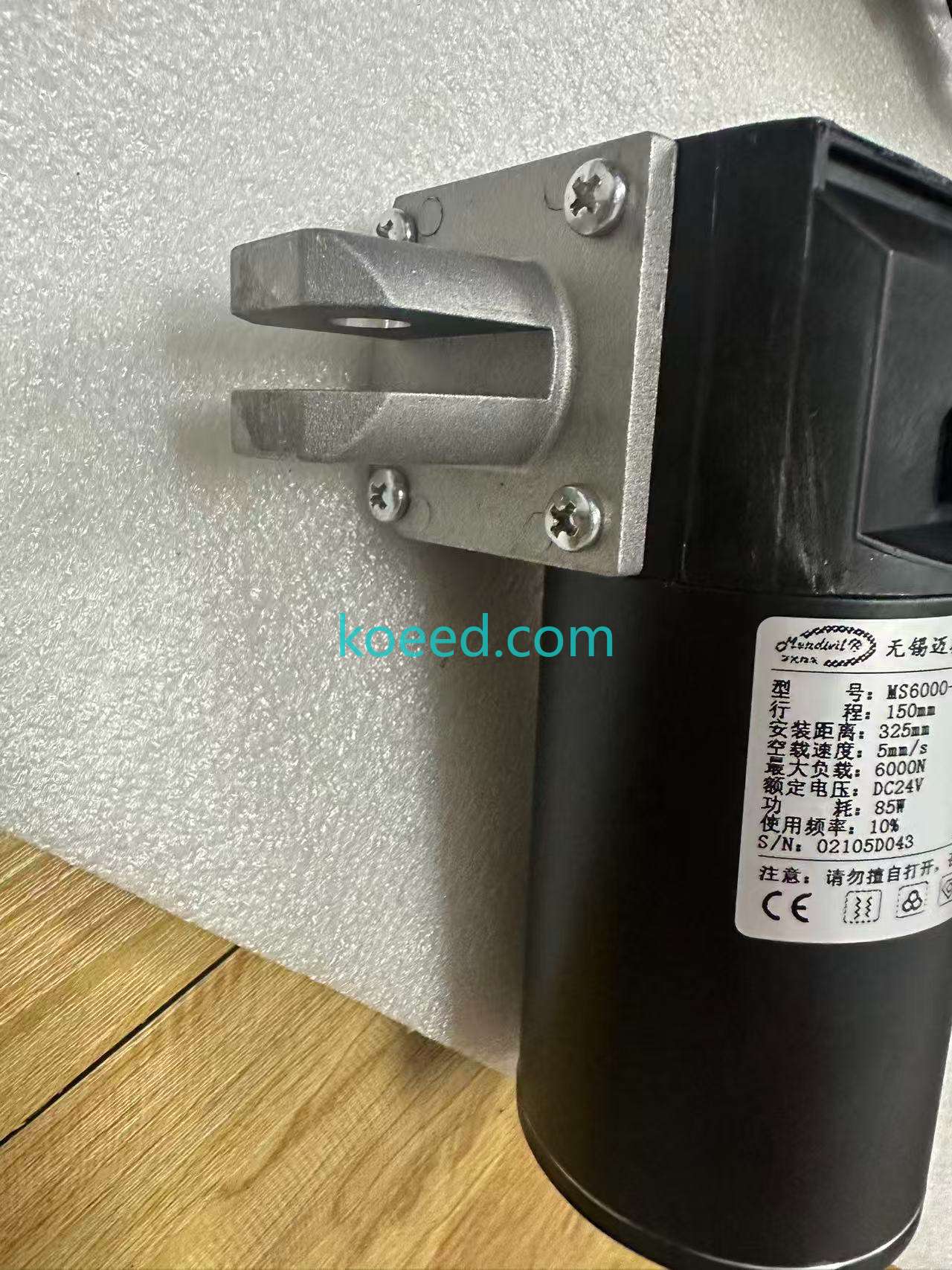
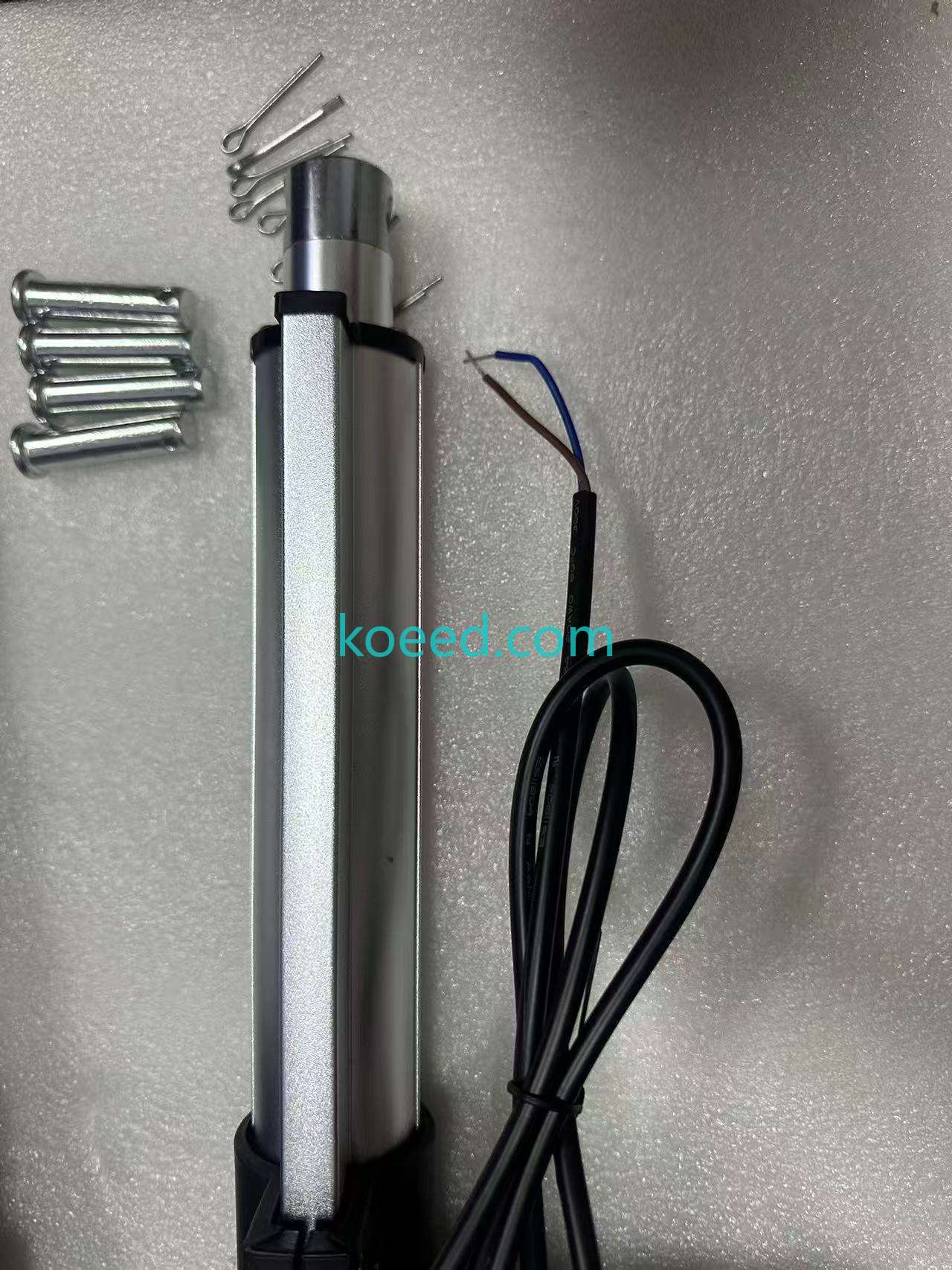
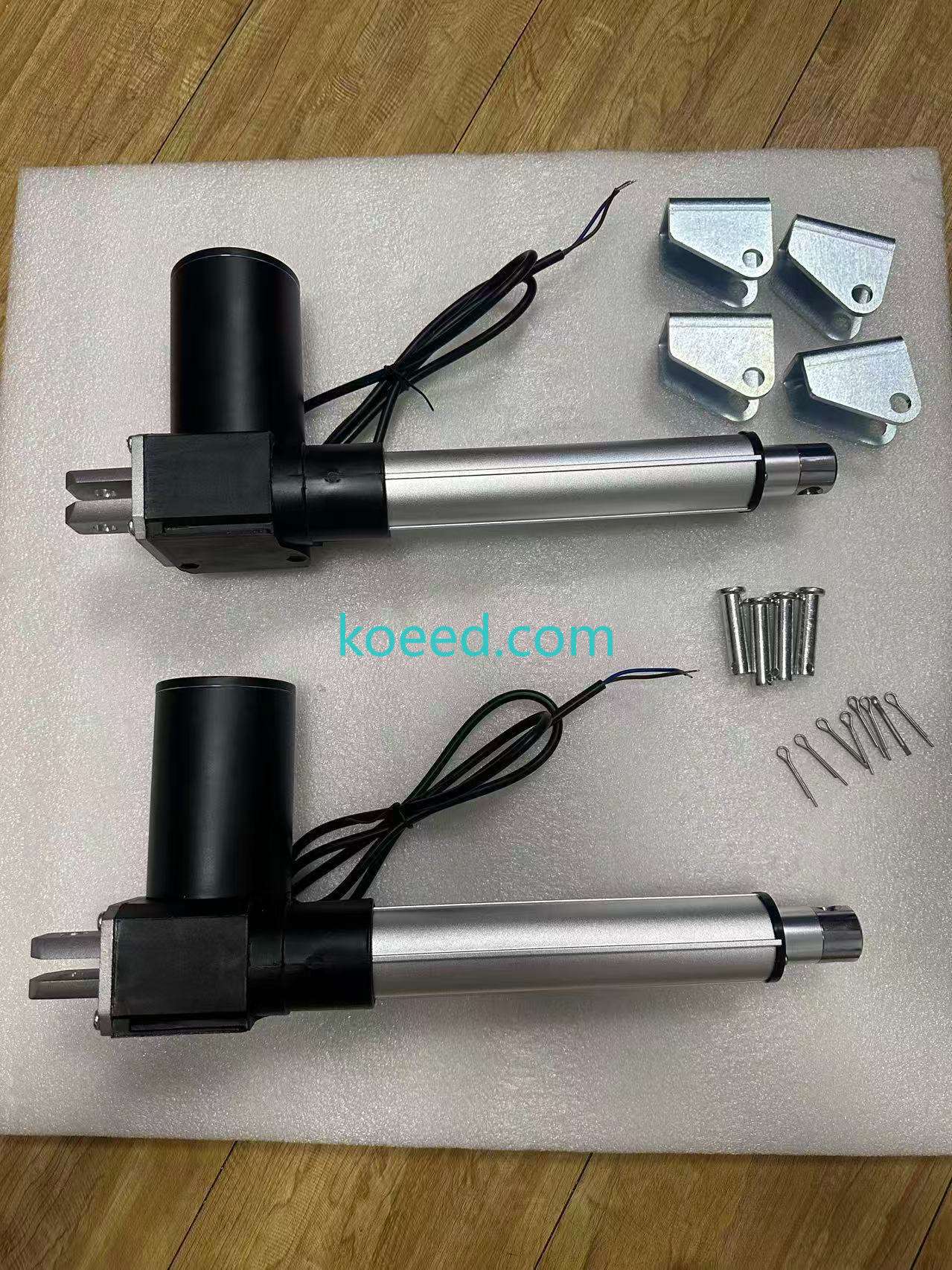
3.1 Product Demonstration Video
4. TCO Analysis & Sustainability Impact
4.1 Energy Efficiency & Carbon Footprint
Operating at 24V DC with a high-efficiency rare-earth permanent magnet rotor, the MS6000-150-325-5-6000-24 achieves typical motor efficiency above 88–92% at rated load. In a 24/7 continuous-duty AGV application, the 8–14% reduction in conversion losses (vs. AC-fed alternatives) equates to approximately 95–170 kWh saved per motor per year. Across a fleet of 50 AGVs, this represents a carbon reduction of roughly 3.8–6.8 metric tons of CO₂ annually (assuming average grid carbon intensity).
4.2 Maintenance Interval Extension
With sealed bearings rated for 20,000+ hours at rated speed and the Class F insulation system, the MS6000-150-325-5-6000-24 supports extended maintenance intervals. Combined with vibration telemetry from a compatible smart drive, condition-based maintenance replaces rigid calendar-based servicing—potentially reducing maintenance OPEX by 22–35% over the asset lifecycle.
4.3 Compact Envelope = Lower Integration Cost
The 325-frame profile minimizes the mechanical footprint, enabling tighter machine designs and reducing enclosure material costs. For OEMs designing compact automation cells, this directly lowers bill-of-materials (BOM) cost and simplifies thermal management.
5. Maintenance, Troubleshooting & Longevity Guide
5.1 Predictive Maintenance Strategy (2026 Best Practice)
Integrate the MS6000-150-325-5-6000-24 with a drive supporting continuous telemetry output. Monitor the following parameters via your IIoT platform:
- Velocity ripple (% RMS): A sustained increase beyond baseline ±1.5% may indicate bearing preload loss or rotor imbalance.
- Winding temperature trend: Gradual rise under identical load conditions signals insulation aging or cooling degradation.
- Startup current signature: Deviations >8% from baseline suggest partial demagnetization or winding asymmetry.
- Cumulative runtime counter: Schedule proactive bearing replacement at 18,000–20,000 hours for critical applications.
5.2 Common Troubleshooting Reference
| Symptom | Likely Cause | Resolution |
|---|---|---|
| Motor vibrates / oscillates at low speed | Gain settings too aggressive; encoder feedback noise | Reduce velocity loop gain by 15–20%; verify encoder cable shielding integrity |
| Over-temperature alarm (drive) | Ambient exceeds 40°C; duty cycle too high; blocked ventilation | Verify ambient; reduce accel/decel rates; ensure 50mm clearance around motor body |
| Position following error | Mechanical binding; undersized motor for load inertia | Verify load inertia ratio < 10:1; check coupling alignment |
| Encoder communication fault | Loose connector; EMI interference on feedback cable | Reseat all connectors; route feedback cable ≥ 200mm from power cables; use twisted-pair shielded cable |
| Audible high-pitched whine | PWM frequency in audible range; current-loop instability | Increase PWM frequency to >16 kHz (if drive supports); re-run current-loop auto-tune |
6. Frequently Asked Questions
What feedback devices are compatible with the MS6000-150-325-5-6000-24?
The MS6000-150-325-5-6000-24 supports multi-turn absolute encoders with resolutions up to 20-bit (1,048,576 counts/rev). Common protocols include BiSS-C, EnDat 2.2, and proprietary serial interfaces. Consult the specific drive manual for encoder protocol compatibility. Incremental encoders (2,500–10,000 PPR) are supported on legacy drive configurations.
Can this motor be used in safety-critical SIL-rated applications?
Yes—when paired with a safety-rated drive supporting Safe Torque Off (STO) per IEC 61800-5-2 / SIL3, the MS6000-150-325-5-6000-24 is suitable for collaborative robot joints and AGV traction where functional safety is mandated. The motor itself does not contain active safety logic; safety functions are implemented at the drive level. Always consult your system integrator for the complete safety architecture.
What is the expected lead time for the MS6000-150-325-5-6000-24 in 2026?
Koeed maintains strategic buffer stock of MS6000 series motors. Standard lead time is 5–10 business days for quantities under 50 units. For volume OEM orders (>100 units), contact the Koeed B2B team via the Request Quote form below for a customized supply agreement and JIT delivery schedule.
Is this motor compatible with third-party drives (non-OEM)?
The MS6000-150-325-5-6000-24 uses standard 3-phase PMSM topology and is compatible with most industrial servo drives supporting 24V DC bus and field-oriented control (FOC). Key setup parameters: pole pairs, phase resistance, phase inductance, and back-EMF constant. Always verify drive current rating matches the motor's 150W continuous / peak current profile. Koeed can provide the full motor parameter datasheet upon request.
What IP rating does the MS6000-150-325-5-6000-24 carry?
The standard configuration provides IP54 protection (dust-protected, splash-resistant). For washdown or high-humidity environments, consult Koeed about IP65 sealing options with enhanced shaft seals and connector potting. Note: the motor is not rated for continuous submersion.
📋 Ready to Deploy the MS6000-150-325-5-6000-24 in Your Automation Stack?
Speak directly with a Koeed motion control specialist. Get technical datasheets, volume pricing, and integration support tailored to your 2026 project requirements.
© 2026 Koeed. MS6000 is a trademark of Koeed Industrial Automation. All specifications subject to change without notice. Always confirm compatibility with your drive system before ordering.


