Parker PVP1610B4R212 Variable Volume Piston Pump: 2026 Technical Guide, ROI & Maintenance

Parker PVP1610B4R212 Variable Volume Piston Pump: 2026 Technical Guide, ROI & Maintenance

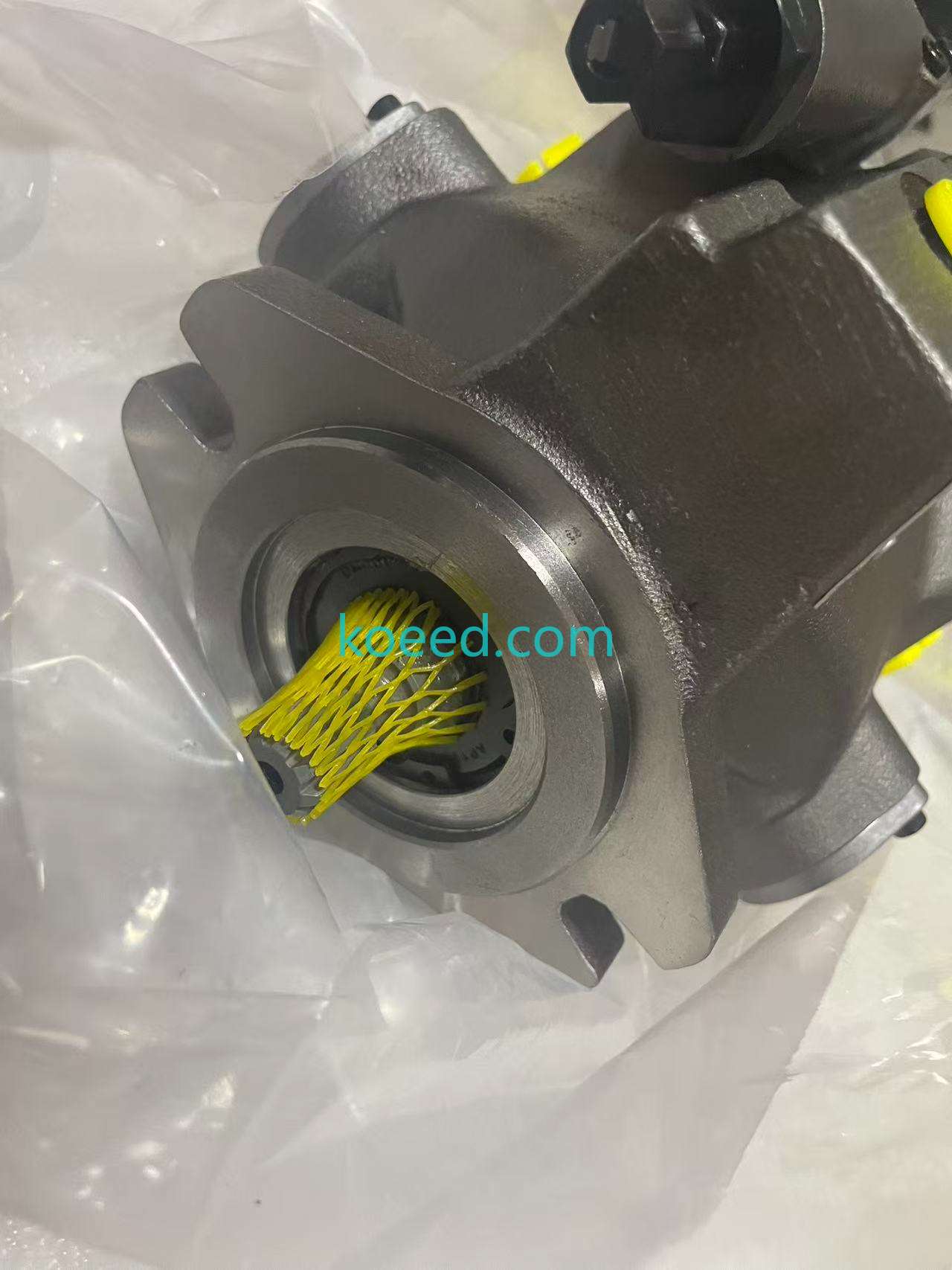
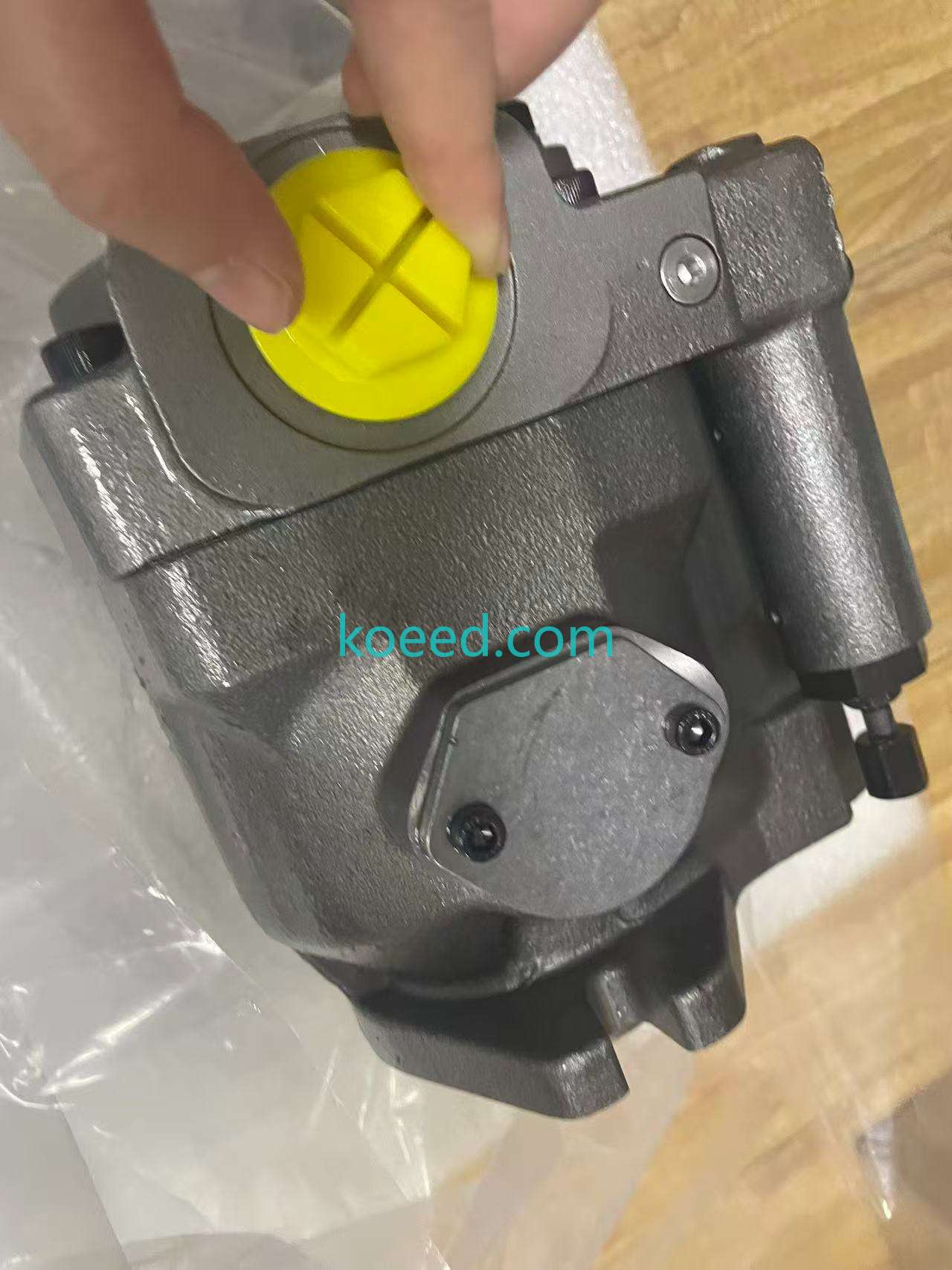
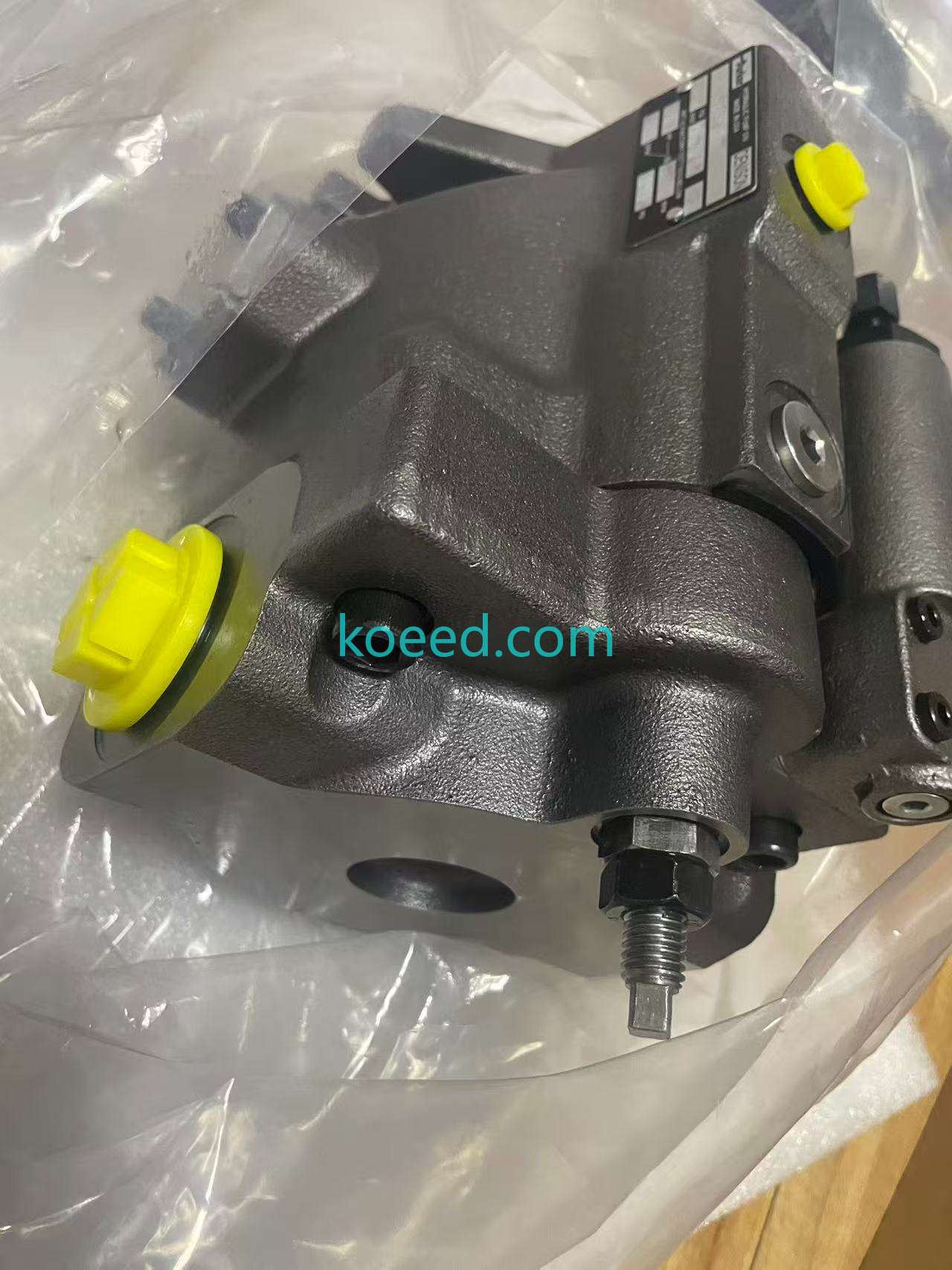
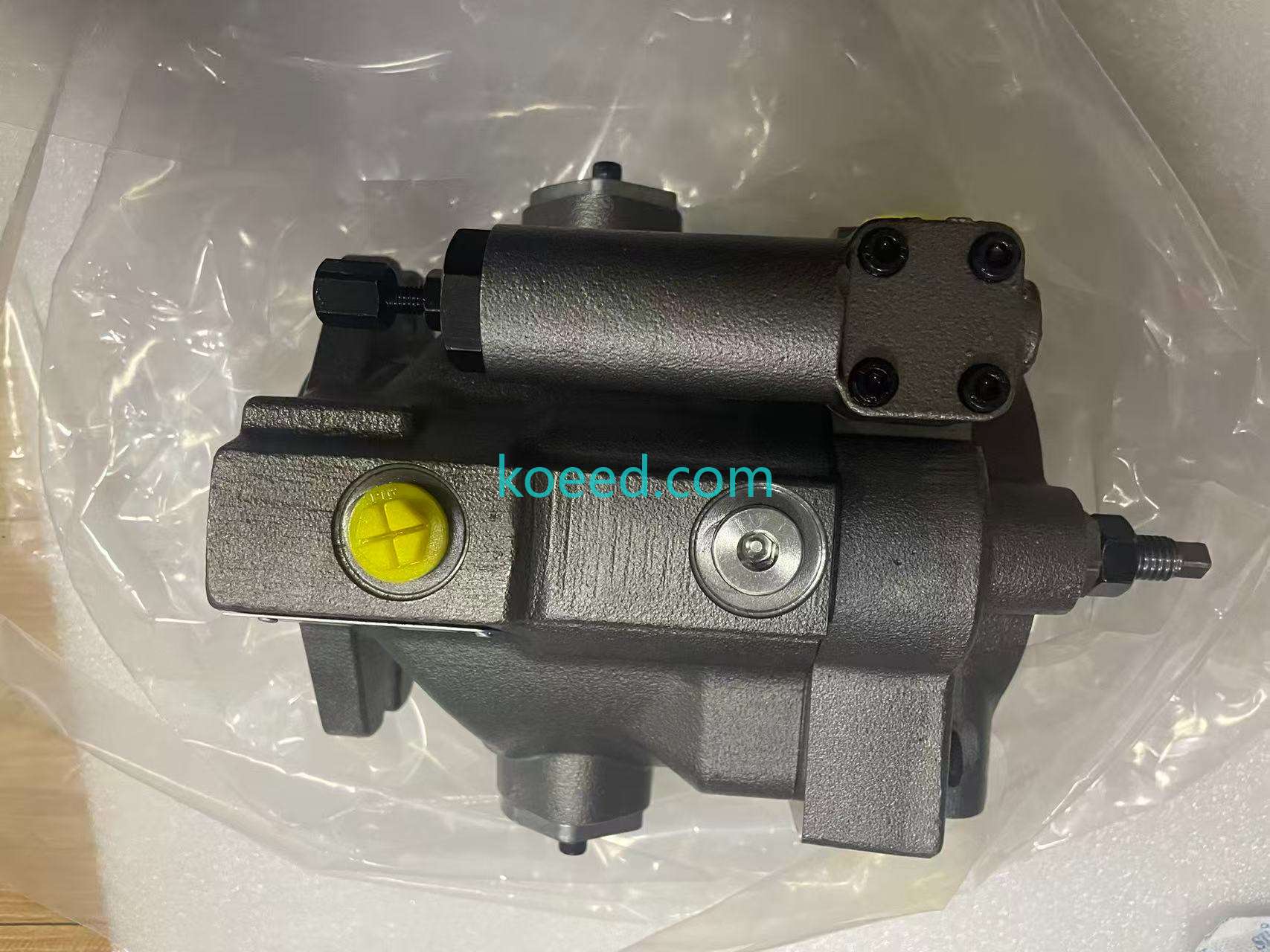
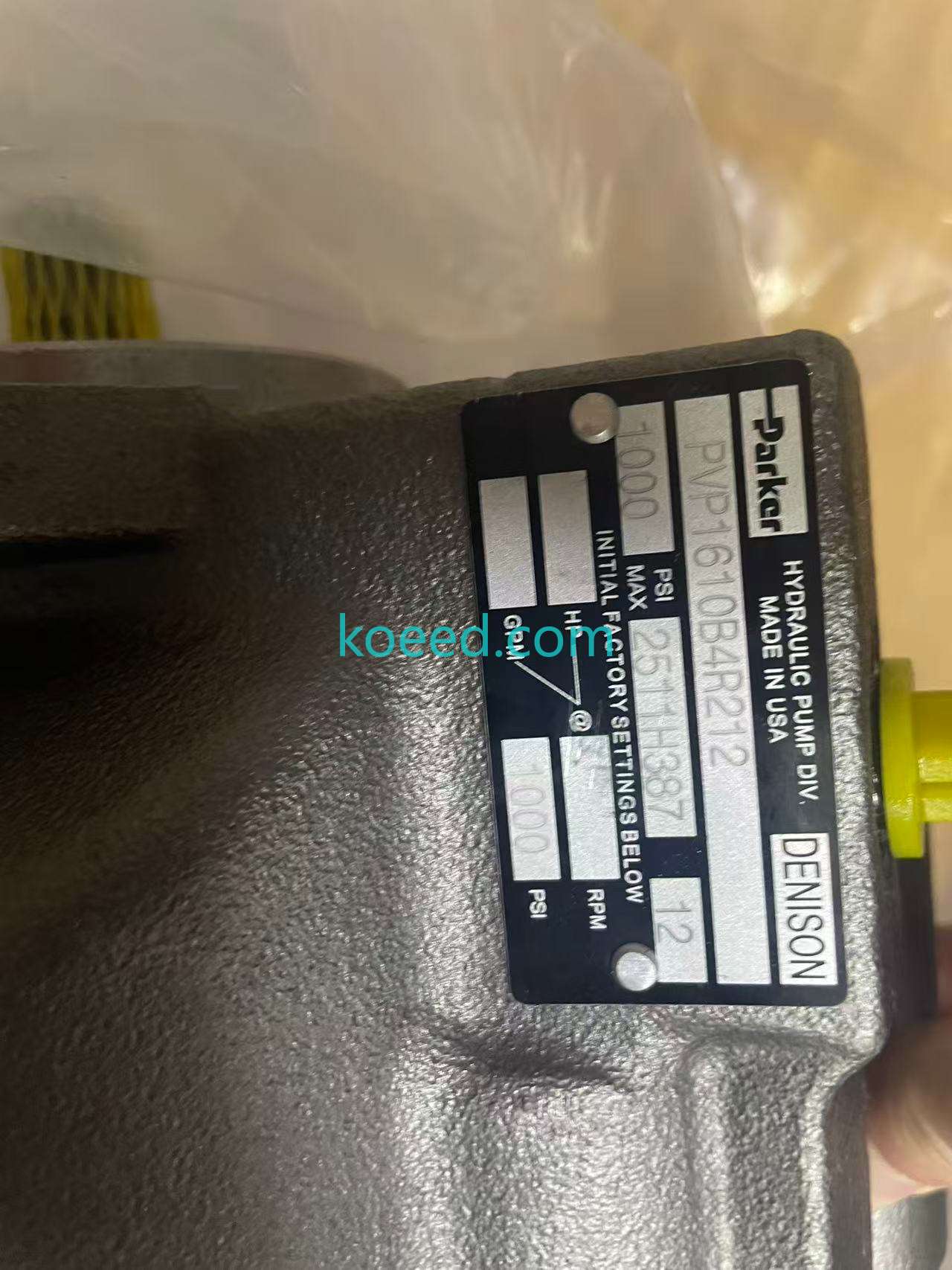
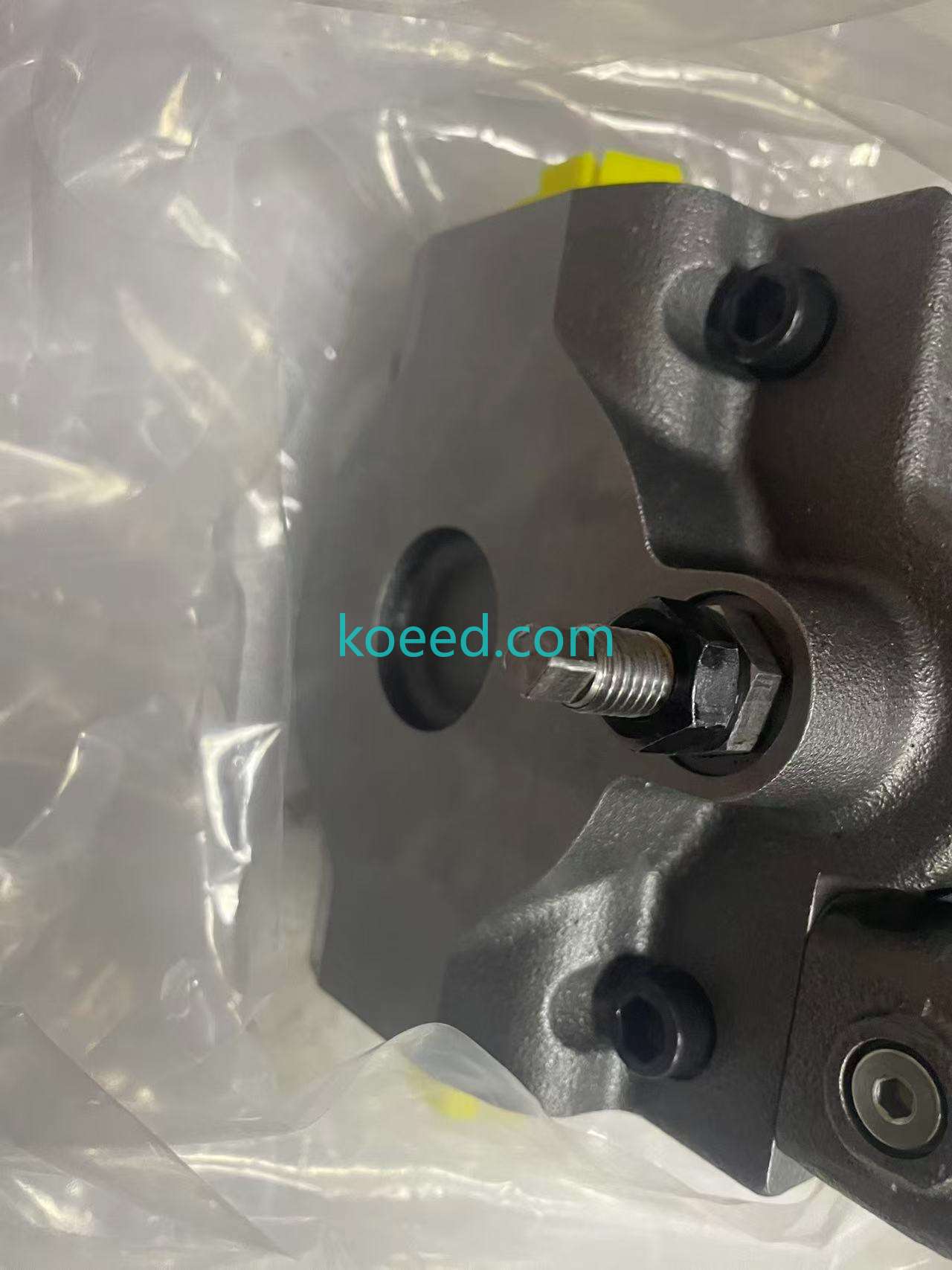
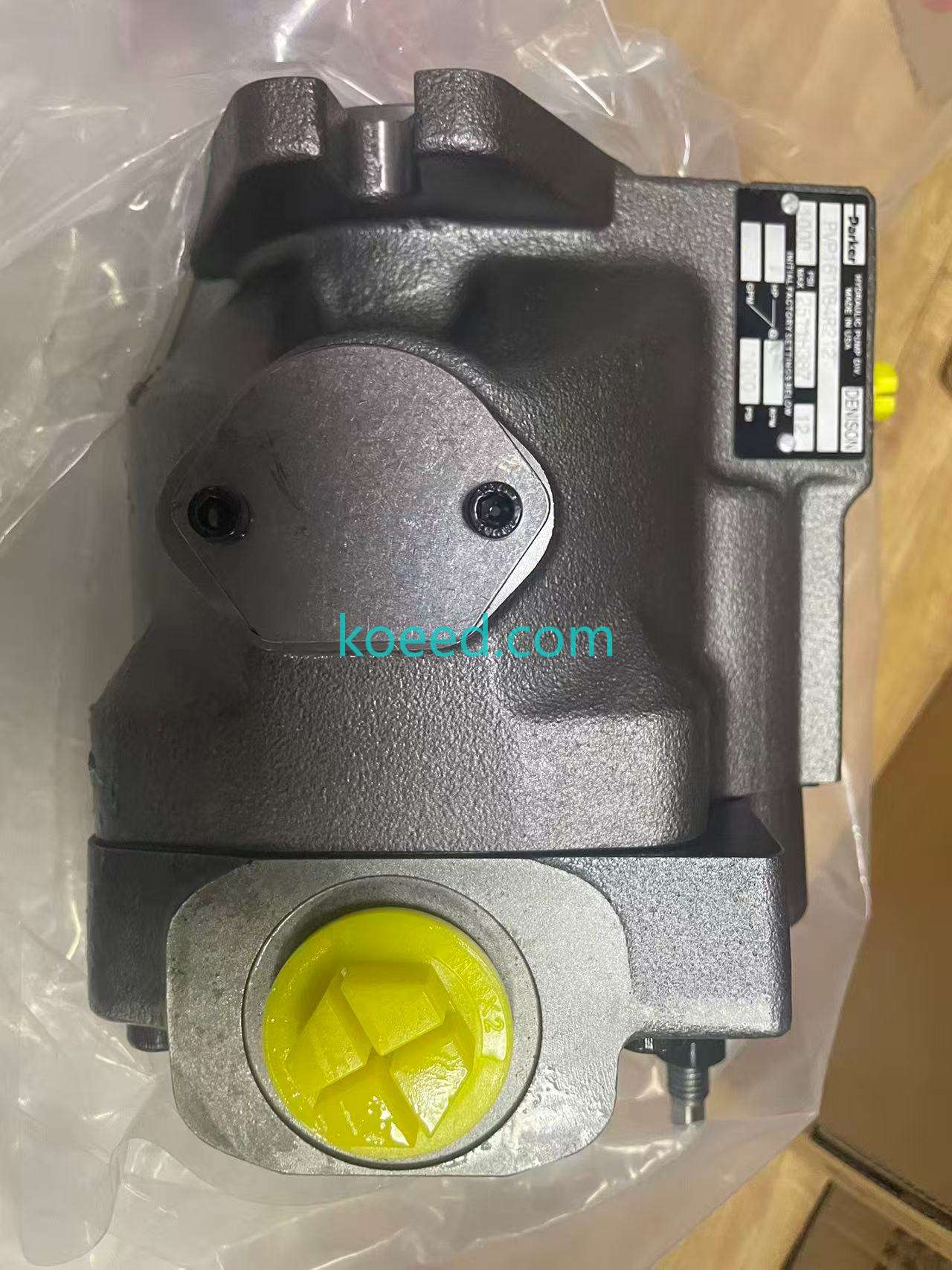
Pre-shipment Inspection Record: This document details the visual and technical inspection of the Parker PVP1610B4R212 Variable Volume Piston Pump: 2026 Technical Guide, ROI & Maintenance. All product photos and testing videos below are original materials captured first-hand by the Koeed technical team in our warehouse prior to dispatch.

Parker PVP1610B4R212: The 2026 Standard for Energy-Efficient Hydraulic Motion

As global plants consolidate IT/OT architectures and pursue net-zero targets, the Parker PVP1610B4R212 variable-volume axial piston pump has become the default choice for engineers upgrading fixed-displacement hydraulic power units. This 16 cm³/rev swashplate pump pairs sub-125 ms response with pressure-compensated, load-sensing and horsepower-limiting control — cutting energy consumption by up to 30–50% versus fixed-displacement alternatives while delivering 250 bar (3,625 psi) continuous pressure.

16 cm³/rev Displacement250 bar / 3,625 psi<125 ms ResponseOpen-Circuit Axial PistonClockwise (R) Rotation

Strategic Overview: Why the PVP1610B4R212 Matters in 2026

Hydraulic systems still consume an estimated 25–40% of plant energy in injection moulding, metal forming and machining operations. The PVP1610B4R212 — part of Parker's proven PVP16 medium-pressure family — directly attacks this cost centre. Its swashplate design varies output flow to match real-time load demand, eliminating the wasted by-pass heat and power draw that plague fixed-displacement gear and vane pumps.

IT/OT Convergence & Smart Integration

The PVP1610B4R212 is engineered to be a data-friendly actuator within a converged automation stack. With factory-fitted pressure-compensation and load-sensing controls, plant teams can:

  • Feed pressure and displacement feedback signals into PLC, HMI and MES/SCADA layers for closed-loop control.
  • Enable predictive maintenance by trending case-drain flow, operating temperature and pressure ripple through IIoT gateways.
  • Integrate with ERP work-order systems to trigger service cycles based on actual operating hours, not fixed calendar intervals.

Sustainability & TCO Impact

Energy ROI: Replacing a fixed-displacement pump on a 15 kW HPU with the PVP1610B4R212 can save up to 9,000–13,000 kWh per year in typical multi-shift duty — roughly 4–6 tonnes of COā‚‚e annually, with payback commonly under 18 months when electricity exceeds $0.12/kWh.

Technical Benchmarking & Specification Table

The PVP1610B4R212 is a swashplate-type, open-circuit axial piston pump optimised for industrial fixed-plant and stationary hydraulic systems. Its fast full-displacement response makes it ideal for high-cycle machines where precise control and low pressure loss between cycles are critical.

Core Specifications

Parameter PVP1610B4R212 Specification
Product Family Parker PVP16 Medium-Pressure Variable Volume Piston Pump
Pump Type Variable displacement, axial piston, swashplate design
Circuit Type Open circuit
Displacement 16 cm³/rev (0.98 in³/rev)
Max Continuous Pressure 250 bar / 3,625 psi (rated 3,000 psi continuous in US duty)
Nominal Flow @ 1,800 rpm ~29.5 L/min (7.8 GPM)
Full-Displacement Response <125 ms @ 1,800 rpm
Rotation Clockwise / Right-hand (R designation)
Mounting / Shaft SAE-A 9-tooth (9T) flange and shaft
Control Options Pressure compensation, load sensing, horsepower limiting
Primary Applications HPUs, injection moulding, blow moulding, presses, machine tools

Model Code Decode

Segment Meaning
PVP Parker Variable displacement Piston pump
16 Nominal displacement — 16 cm³/rev
10 Frame / version identifier
B4 Control configuration (compensator / control variant)
R Right-hand (clockwise) rotation
212 Specific build / porting configuration

Legacy Fixed-Displacement vs. PVP1610B4R212

Metric Fixed-Displacement Pump PVP1610B4R212
Flow Control Constant flow, by-pass waste On-demand, load-sensing
Energy Consumption Full power at all times 30–50% reduction typical
Heat Generation High (requires cooling) Low (reduced cooling load)
Response Time N/A <125 ms full displacement
Noise Level Higher Low-noise swashplate design
IoT Readiness Limited Control feedback ready

Visual Gallery — PVP1610B4R212

Inspect the unit's construction, porting, shaft configuration and control interfaces below. All media are supplied directly from the Koeed product record for this exact part number.

Maintenance & Troubleshooting (Predictive Care)

Variable-volume piston pumps reward disciplined maintenance with 15,000+ hour service life. Shift your strategy from reactive repair to condition-based monitoring using the following signals.

Proactive Maintenance Checklist

Pro-Tip: Establish a baseline of case-drain flow at commissioning. A progressive increase of more than 10–15% over baseline is the earliest indicator of internal wear (slipper/piston/valve plate degradation) — long before a pressure drop or temperature spike appears.
  • Oil cleanliness: Maintain ISO 4406 18/16/13 or better; install 10 µm (β10≄200) pressure filters.
  • Temperature: Keep reservoir temperature below 60°C (140°F) to protect viscosity and seals.
  • Alignment: Verify shaft alignment and bell-housing torque at 500-hour and 2,000-hour intervals.
  • Fluid analysis: Trend particle count, TAN and water content quarterly to catch contamination early.

Common Symptoms & Resolution

Symptom Probable Cause Corrective Action
Pressure oscillation / ripple Air entrainment or worn compensator spool Bleed air, inspect inlet line, service compensator
Excessive noise Cavitation or contaminated oil Check suction strainer, raise inlet pressure, replace filter
Slow response / lag Contaminated pilot control or low pilot pressure Flush control orifice, verify pilot supply
Overheating By-pass leakage or blocked cooler Inspect case-drain, clean heat exchanger
Loss of pressure Worn valve plate or failed seal Recondition rotating group, replace seals

Frequently Asked Questions

Is the PVP1610B4R212 a direct replacement for a fixed-displacement pump?
In most HPU retrofits, yes — provided the mounting flange (SAE-A 9T), shaft and porting are matched. The energy savings typically justify the mechanical adaptation. Koeed's engineering team can verify dimensional interchangeability before purchase.
What rotation does the 'R' designation specify?
The 'R' indicates right-hand (clockwise) rotation when viewed from the shaft end. Always confirm rotation direction against your prime mover before installation, as reverse operation can damage the compensator.
What control options are available on this model?
The PVP16 family supports pressure compensation, load sensing and horsepower-limiting controls, factory-fitted for fast, closed-loop response. The 'B4' segment of the code identifies the specific control configuration on this unit.
How do I integrate this pump into my IIoT / predictive maintenance system?
Monitor case-drain flow, temperature and pressure ripple via transducers feeding your PLC or edge gateway. Trending these three signals provides the earliest and most reliable failure signature for axial-piston pumps.
What is the expected service life?
With ISO 4406 18/16/13 oil cleanliness and proper commissioning, PVP16 pumps routinely exceed 15,000 operating hours before major rotating-group service is required.

Request a Quote for the PVP1610B4R212

Source Genuine Parker PVP1610B4R212 Units

Koeed supplies factory-new and inspected PVP1610B4R212 pumps with full engineering support for retrofit sizing, control configuration and predictive-maintenance integration. Get a same-day technical quotation.

Related Articles

Torna al blog