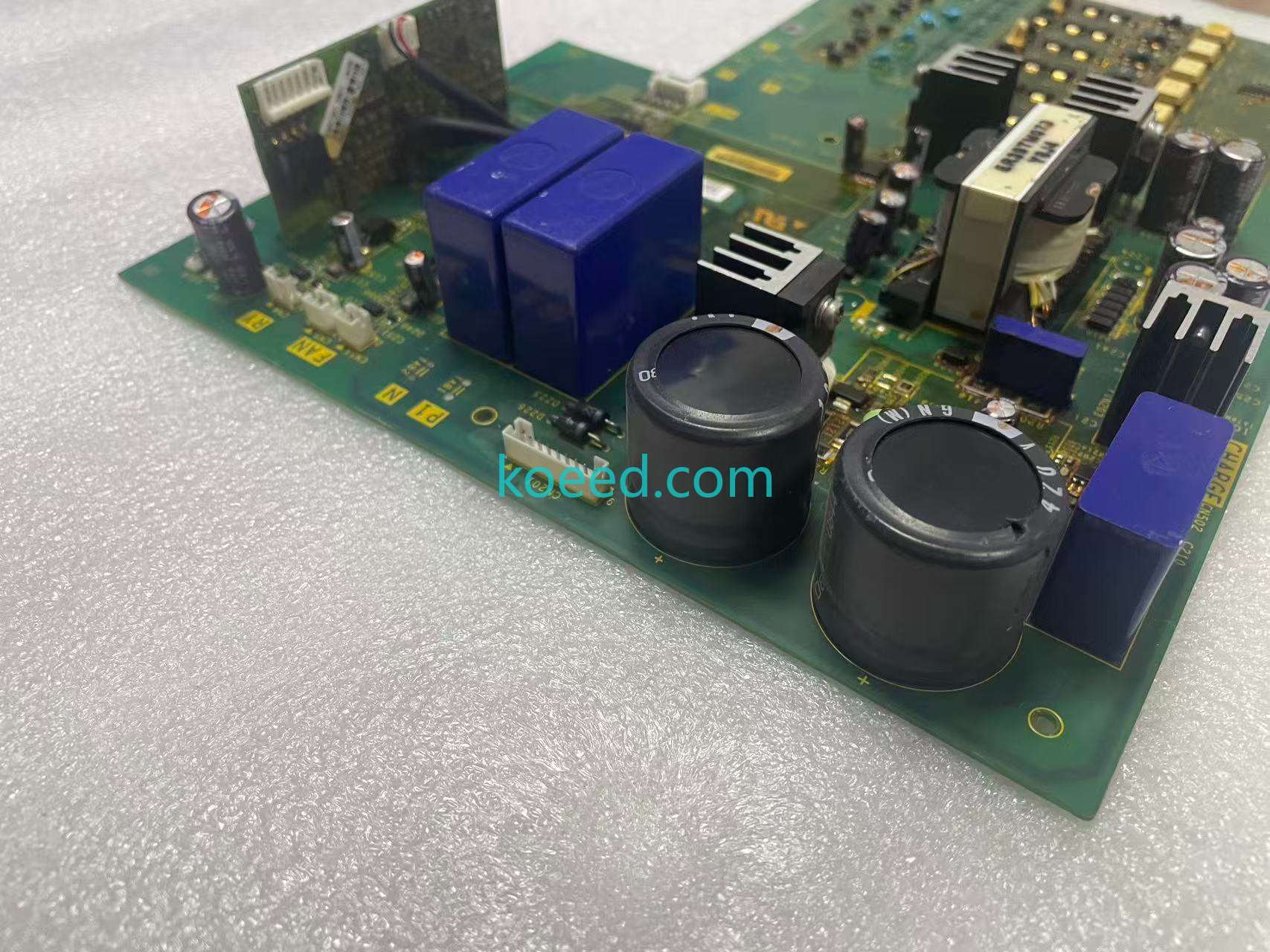
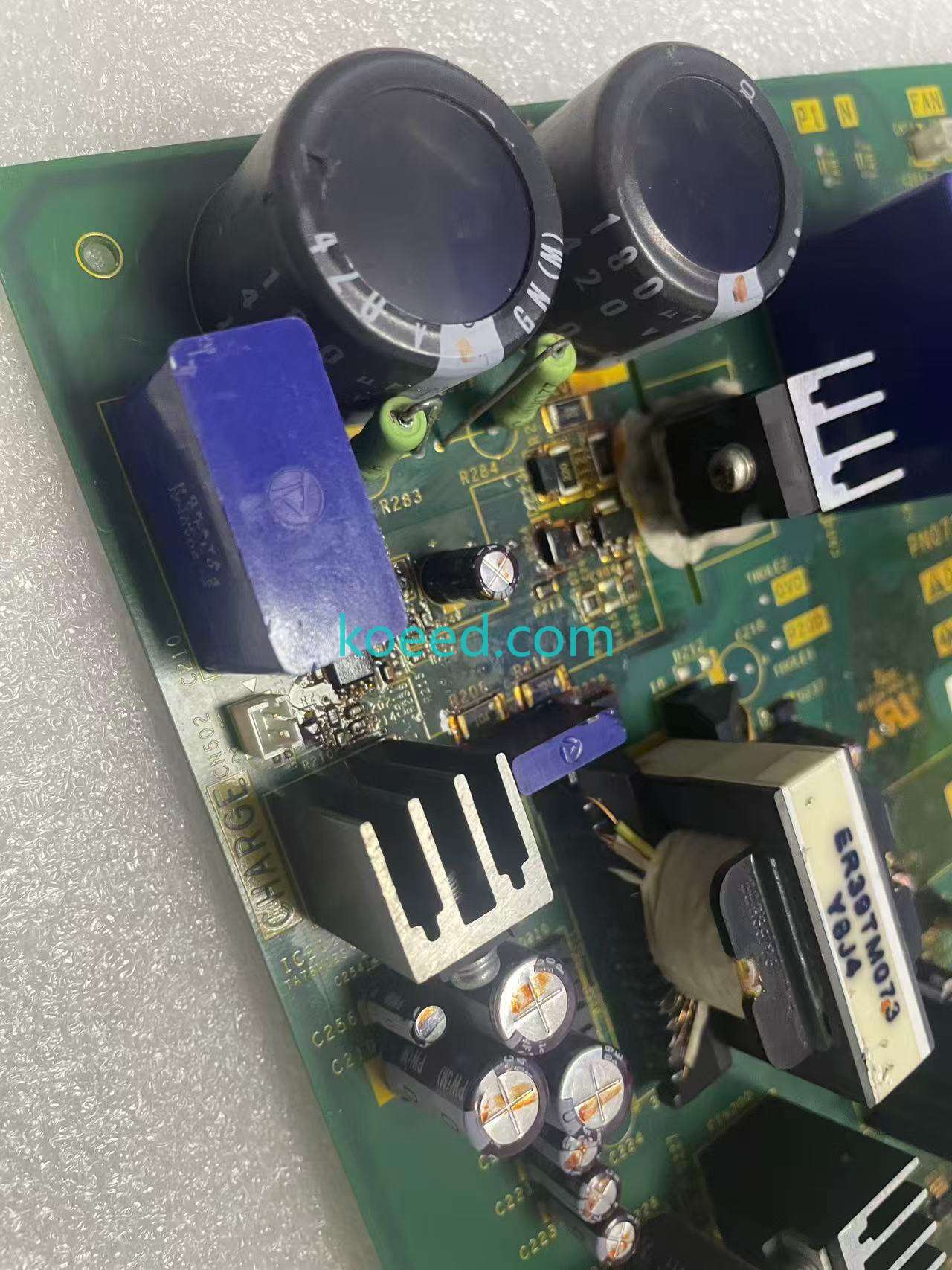
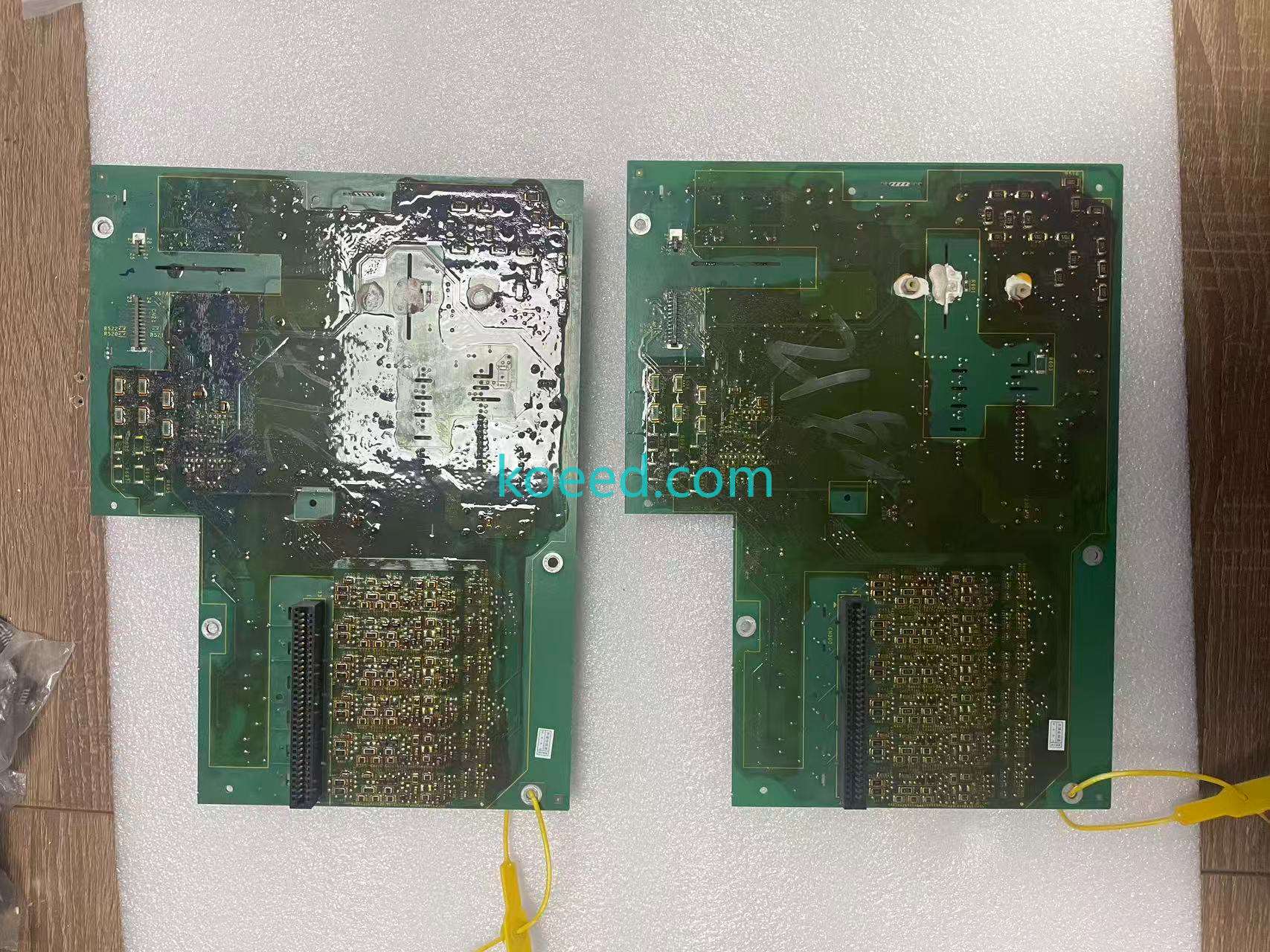
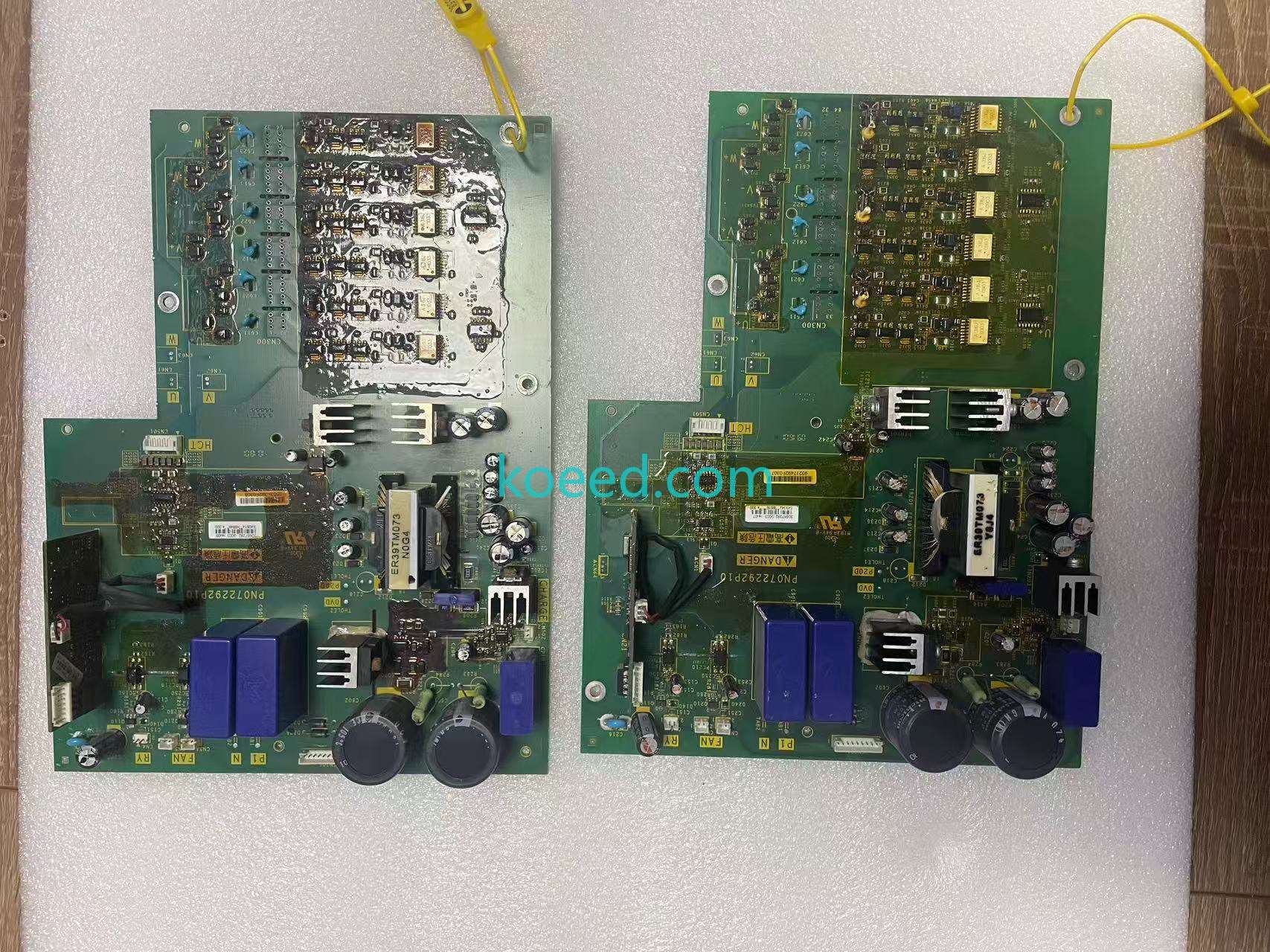
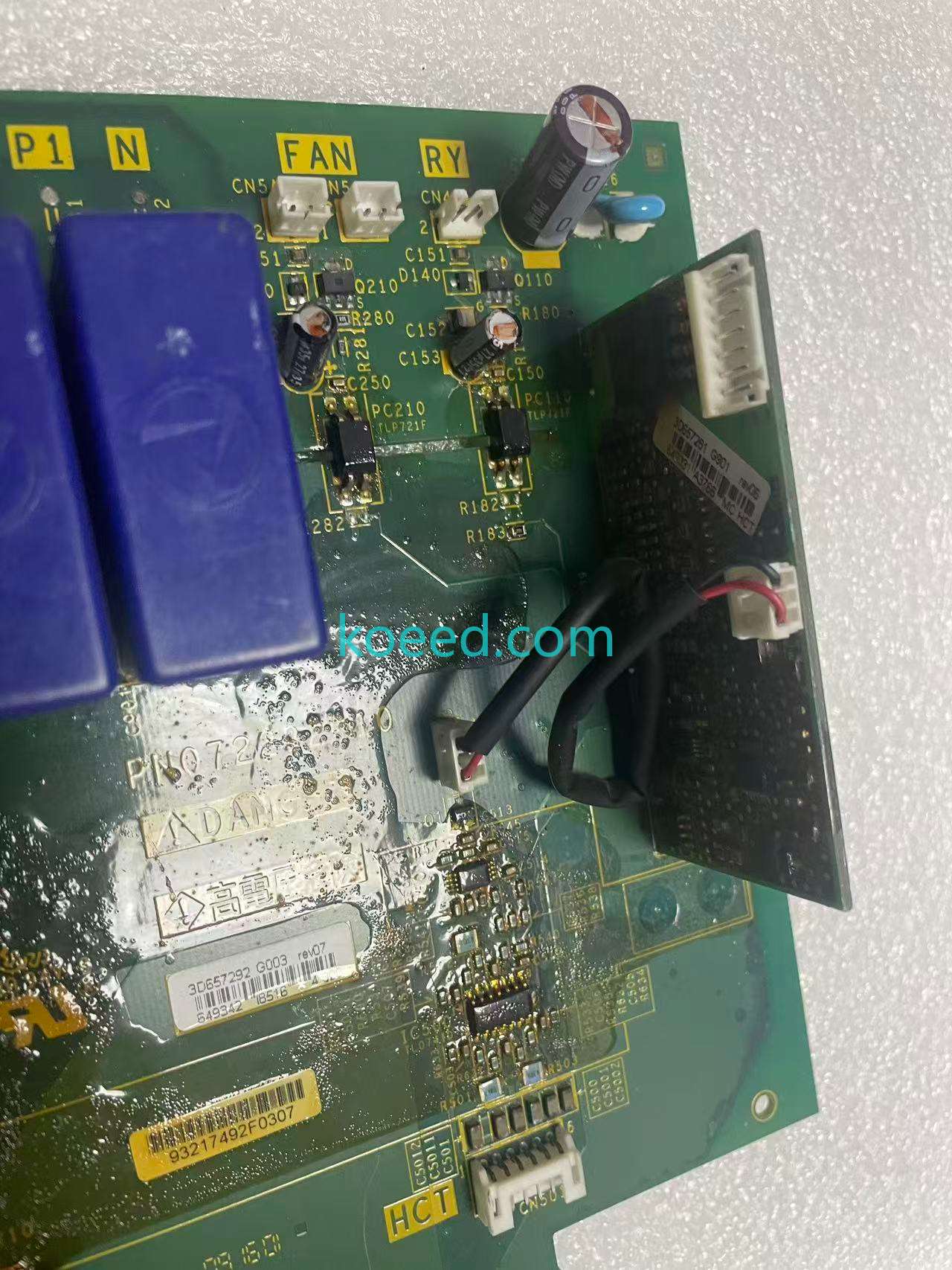
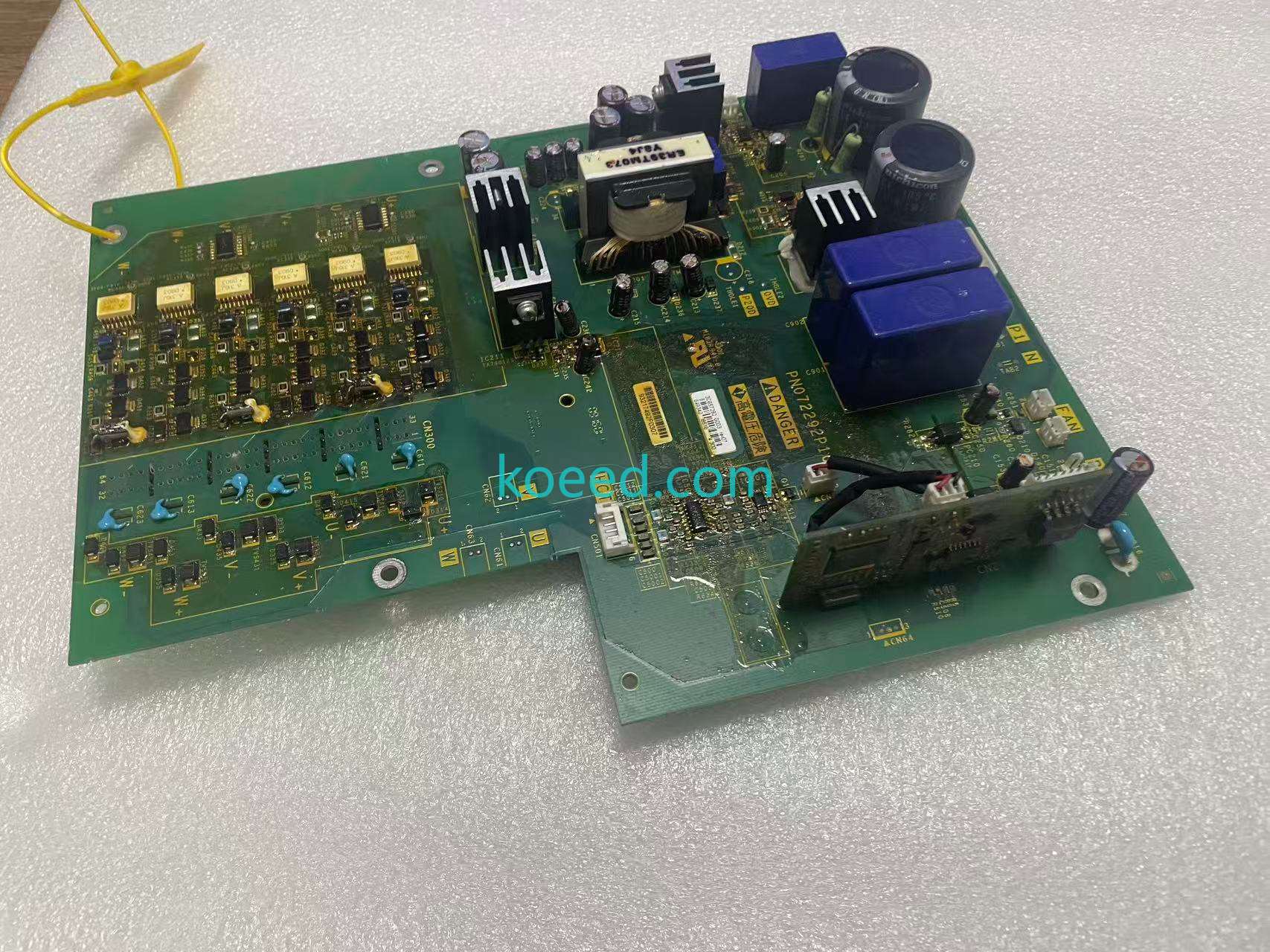
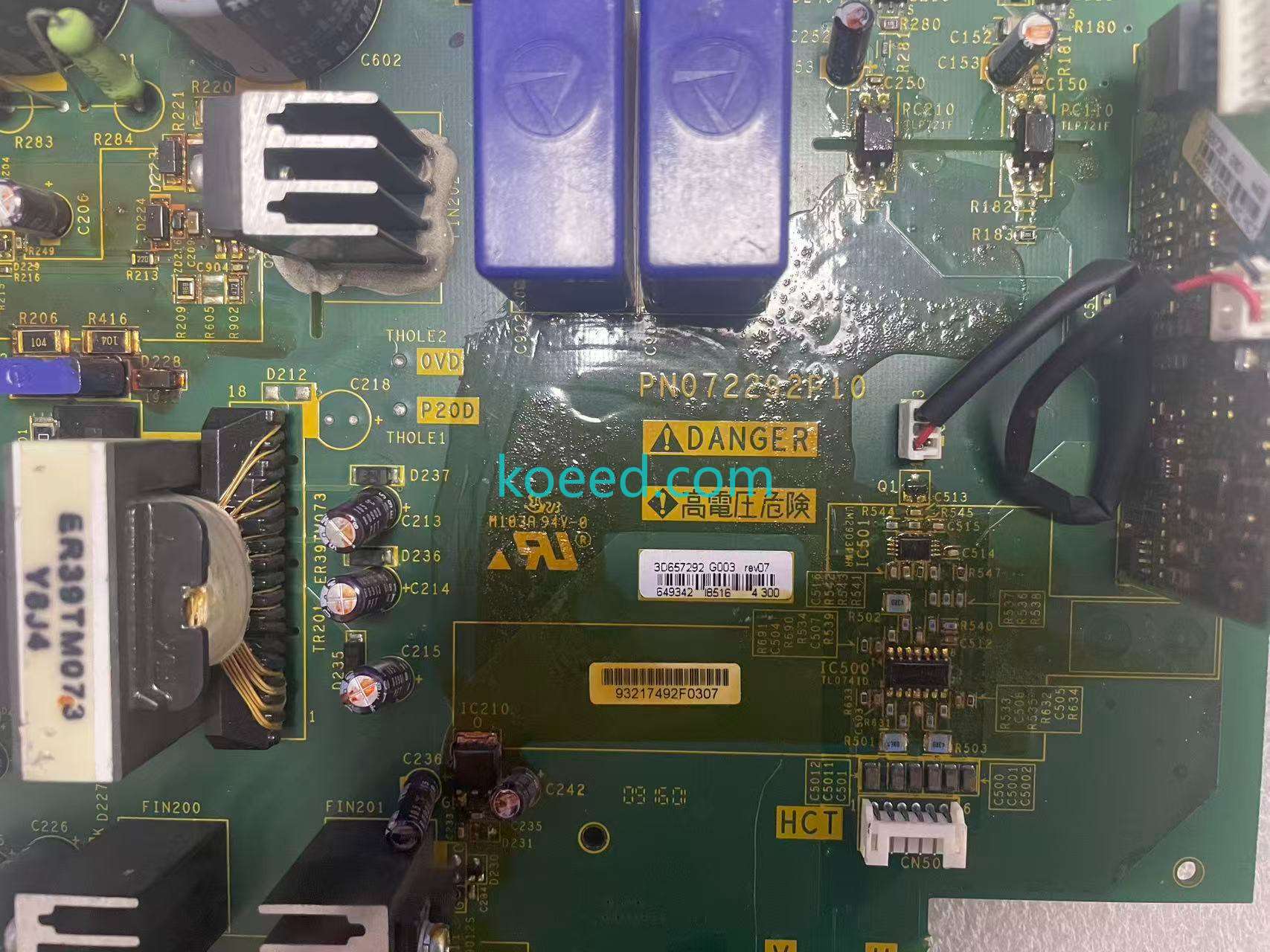
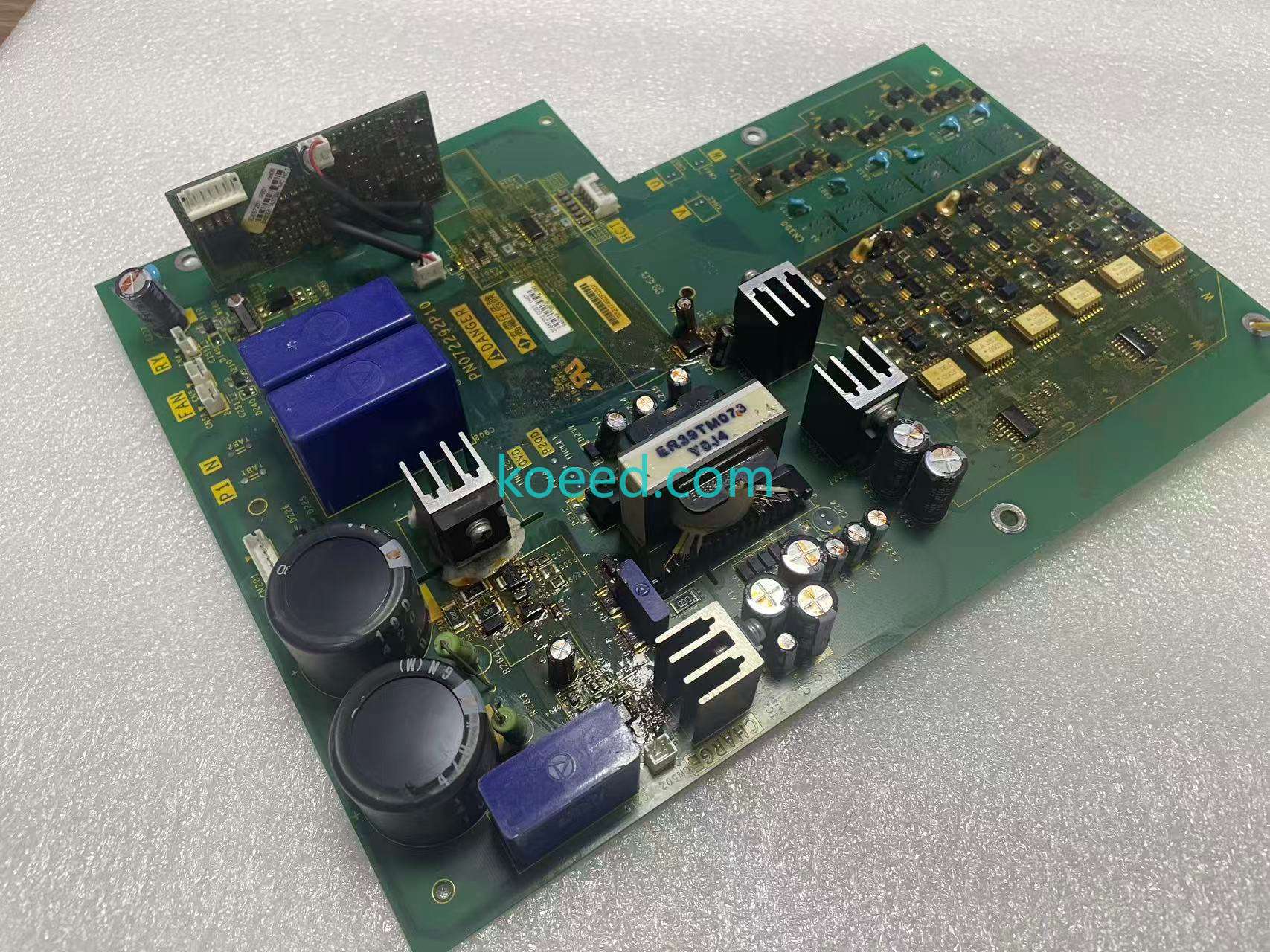
Pre-shipment Inspection Record: This document details the visual and technical inspection of the PN072292P10 PLC Module: 2026 IT/OT Convergence & Predictive Maintenance Engineering Guide. All product photos and testing videos below are original materials captured first-hand by the Koeed technical team in our warehouse prior to dispatch.
2026 Industrial Automation
PN072292P10 PLC Module: Built for the Converged Factory Floor
The PN072292P10 programmable logic controller module is engineered for the 2026 automation landscape, where IT/OT convergence, cloud-connected operations, and predictive maintenance are no longer optional. This engineering guide breaks down how the PN072292P10 delivers measurable ROI, lower total cost of ownership (TCO), and a future-proof path from legacy discrete control to intelligent, data-driven manufacturing.
1. Strategic Overview: Where PN072292P10 Fits in the 2026 Landscape
By 2026, plant managers and OEM machine builders face a clear mandate: every controller on the floor must speak the language of the enterprise. The PN072292P10 addresses this shift directly, offering a control layer that bridges the gap between real-time machine logic and the ERP/MES/SCADA systems that drive production planning.
Why 2026 Buyers Prioritize This Module
IT/OT Convergence: The PN072292P10 is positioned for seamless integration with cloud and ERP platforms, enabling shop-floor data to flow into analytics dashboards without proprietary middleware bottlenecks.
ROI & TCO: Reduced commissioning time, centralized diagnostics, and lower spare-parts complexity translate into faster payback and predictable lifecycle costs.
Sustainability: Load-aware control and efficient power management help facilities reduce energy consumption—an increasingly critical KPI under 2026 environmental reporting requirements.
Predictive Maintenance: Condition-based diagnostics move maintenance teams from reactive downtime to planned, intelligent intervention.
Pro-Tip: Build a Migration Roadmap
For plants running legacy controllers, introduce the PN072292P10 on a single line or cell first. Validate the data handoff to your MES/ERP layer, then scale across lines. This staged approach minimizes risk while locking in 2026 connectivity standards early.
2. Technical Benchmarking: Legacy vs. 2026-Ready Architecture
The table below maps the PN072292P10 against the capability gap most buyers experience when moving from pre-2020 PLC installations to a converged, data-centric factory floor.
Capability
Legacy PLC (Pre-2020)
PN072292P10 (2026-Ready)
Industrial Ethernet & IIoT
Isolated fieldbus / serial-centric; limited native IP
Designed for modern industrial networking and IIoT data handoff
Cybersecurity
Minimal hardening; open network exposure
Aligned with IEC 62443-aligned access and defense-in-depth practice
IT/OT Data Access
Proprietary gateways and manual polling
ERP/MES/SCADA-ready data model for faster integration
Predictive Maintenance
Reactive or calendar-based servicing
Condition-based diagnostics for planned intervention
Energy Efficiency
Constant power draw regardless of load
Load-aware, lower-idle energy profile for sustainability KPIs
Commissioning & Scale
Manual, per-station configuration
Repeatable, centralized configuration for multi-cell rollouts
Note: Always confirm final electrical ratings, I/O configuration, communication protocols, and environmental specifications against the manufacturer datasheet for your exact PN072292P10 revision before integration.
3. Visual Gallery: PN072292P10 Module Inspection
Review the module from every angle before specifying it into your control cabinet or machine frame.
Front panel & status indicators
Module housing detail
Port & terminal layout
Side profile
Mounting & enclosure
Label & product markings
Rear / connection interface
Complete module overview
4. Maintenance & Troubleshooting: Pro-Tips for Longevity
Even the most advanced controller depends on disciplined installation and maintenance. Use the following 2026 best practices to protect uptime and extend service life.
Preventive Maintenance Checklist
Terminal torque: Re-verify power and I/O terminal torque during scheduled PM windows to prevent intermittent faults caused by thermal cycling.
Environment control: Maintain cabinet temperature and humidity within the module's rated envelope; inspect cooling paths and filters quarterly.
Firmware & backup: Keep firmware current and store a validated program backup off-device to accelerate recovery after any replacement.
Connection integrity: Inspect Ethernet/fieldbus connectors and cable strain relief for oxidation, wear, or movement-induced loosening.
Common Diagnostic Workflow
Check status LEDs first: Power, run, fault, and communication indicators isolate the failure domain in seconds.
Verify supply voltage: Confirm the incoming supply is within the rated range and stable under load.
Isolate the network: If communication drops, test the link, IP configuration, and switch port before replacing the module.
Review fault history: Retrieve diagnostic buffers from the engineering software to identify recurring events and root-cause trends.
Pro-Tip: Predictive Maintenance Trigger Points
Configure the PN072292P10 to monitor output switching cycles, onboard temperature, and power supply ripple. When trends exceed threshold bands, schedule maintenance before a hard failure interrupts production.
5. Sustainability & Energy Efficiency
In 2026, energy performance is a boardroom-level metric. The PN072292P10 supports lower idle consumption and load-aware operation, helping plants meet ISO 50001 targets and ESG reporting requirements without sacrificing throughput.
Idle power reduction: Lower standby energy draw compared with legacy controllers across multi-shift operations.
Thermal management: Optimized components generate less heat, reducing cabinet cooling demand and extending neighboring hardware life.
Lifecycle extension: Longer service intervals and modular replacement reduce electronic waste and procurement frequency.
6. Total Cost of Ownership (TCO) Summary
For automation buyers and OEM machine builders, the PN072292P10 offers a compelling TCO story through faster commissioning, reduced downtime risk, and a migration path that protects existing machine investments.
TCO Driver
Legacy Controller
PN072292P10 Advantage
Commissioning time
Manual per-station setup
Centralized configuration and repeatable templates
Specify the PN072292P10 for Your 2026 Automation Project
Talk to a Koeed engineer about compatibility, lead time, and predictive maintenance architecture for your specific control cabinet or OEM machine design.
A 2026-focused B2B engineering guide to the PN072292P10 industrial PLC module. Covers IT/OT convergence, IIoT-ready connectivity, energy efficiency, predictive maintenance strategy, and total cost of ownership for automation buyers and...
A 2026-focused B2B engineering guide to the Koeed PMR-44 / PMR-440N7 PLC control module — covering IT/OT convergence, TCO analysis, predictive maintenance strategies, and full technical benchmarking for industrial automation...
A 2026 engineering reference for the SUNON PMD2406PMB1-A(2).GN 60x60x38mm 24V 10.3W VAPO-bearing DC fan. Covers specifications, predictive-maintenance integration, TCO/energy analysis, troubleshooting, and legacy sourcing strategy.
1 / su3
Scegliendo una selezione si ottiene un aggiornamento completo della pagina.