

HLR6100-1ATUBCF Compressor Relay: 2026 Guide to High-Power 240VAC Switching, Predictive Maintenance & IT/OT Integration
1. Strategic Overview: The HLR6100-1ATUBCF in the 2026 Industrial Landscape
As industrial facilities accelerate their Industry 5.0 transitions through 2026, the humble electromechanical relay remains a critical backbone of HVAC/R compressor control — yet the performance bar has risen sharply. The Goodspec HLR6100-1ATUBCF 208–240VAC high-power relay embodies the new standard: a compact, energy-conscious switching solution purpose-built for compressor motor loads up to 40A, with the durability and electrical clearance demanded by modern automation architectures.
In 2026, procurement decisions are no longer driven by unit price alone. Engineers and supply chain managers evaluate relays through three converging lenses: IT/OT convergence readiness (can this component feed data into a supervisory layer?), total cost of ownership (how many switching cycles before replacement?), and sustainability compliance (what is the coil's parasitic power draw over a 10-year lifecycle?). The HLR6100-1ATUBCF addresses all three with a design that blends proven electromechanical robustness with the efficiency metrics that modern ESG audits demand.
2. Technical Benchmarking: Legacy vs. HLR6100-1ATUBCF
To appreciate the engineering leap represented by the HLR6100-1ATUBCF, it is instructive to benchmark it against legacy compressor-relay designs still present in aging HVAC/R installations. The table below highlights the operational and economic deltas that justify a retrofit in 2026.
| Parameter | Legacy Compressor Relay (Pre-2020) | Goodspec HLR6100-1ATUBCF | 2026 Advantage |
|---|---|---|---|
| Contact Current Rating (Ie) | 25A typical | 30A continuous / 40A inrush | +60% inrush headroom |
| Contact Voltage (Ue) | 240VAC max | 277VAC | Global voltage compatibility |
| Coil Power Consumption | 4–6 VA typical | ≤ 3.5 VA (low-loss coil) | ~35% lower parasitic load |
| Mechanical Life | ~500,000 ops | 1,000,000+ ops | 2× service interval |
| Anti-Impact Endurance | Moderate | High (reinforced armature) | Reduced vibration-induced wear |
| IT/OT Sensor Integration | None (passive only) | Auxiliary contact monitoring ready | Predictive-maintenance compatible |
| Unit Weight | ~180g | ~120g (compact chassis) | Lighter panel loading |
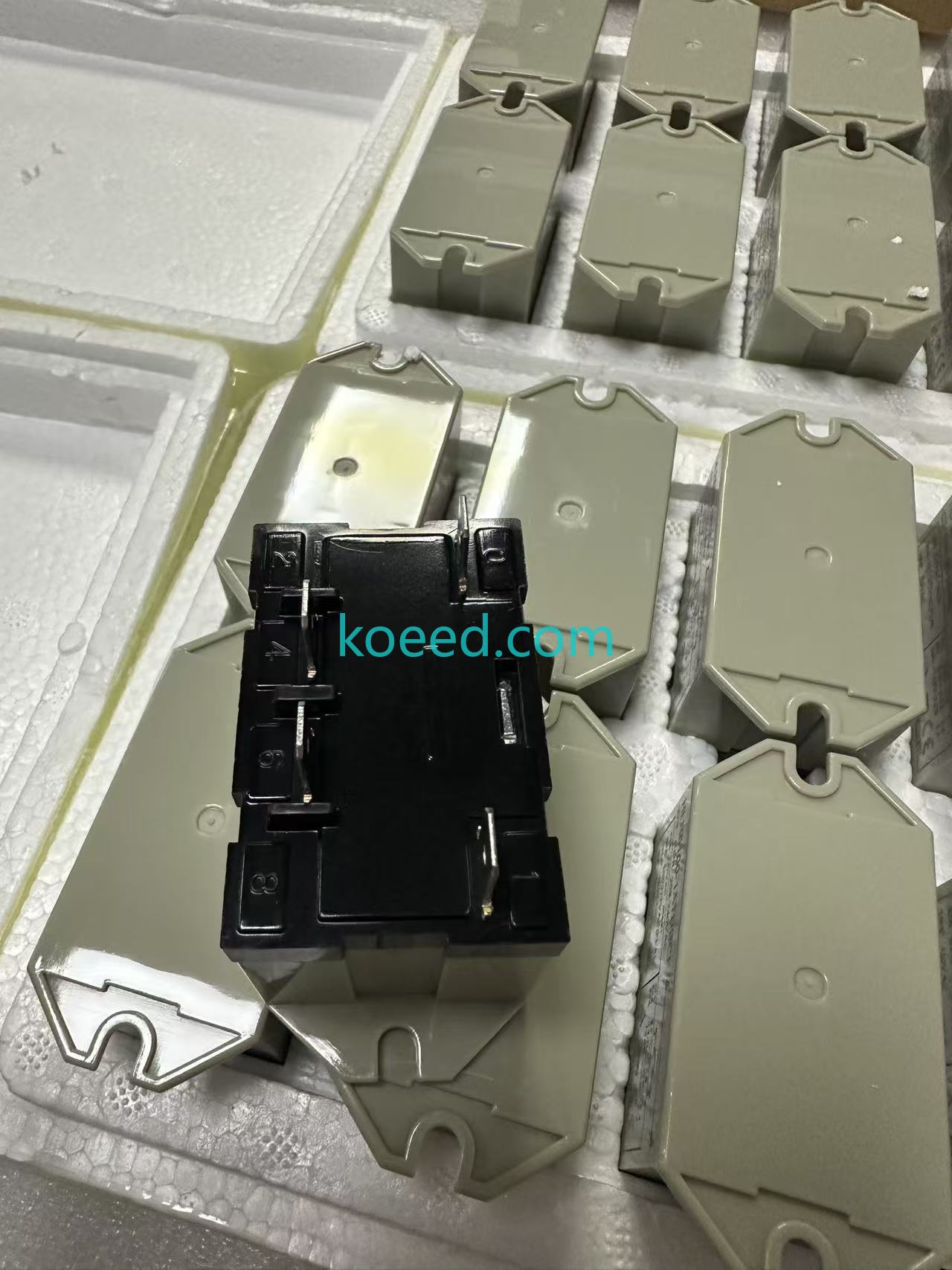
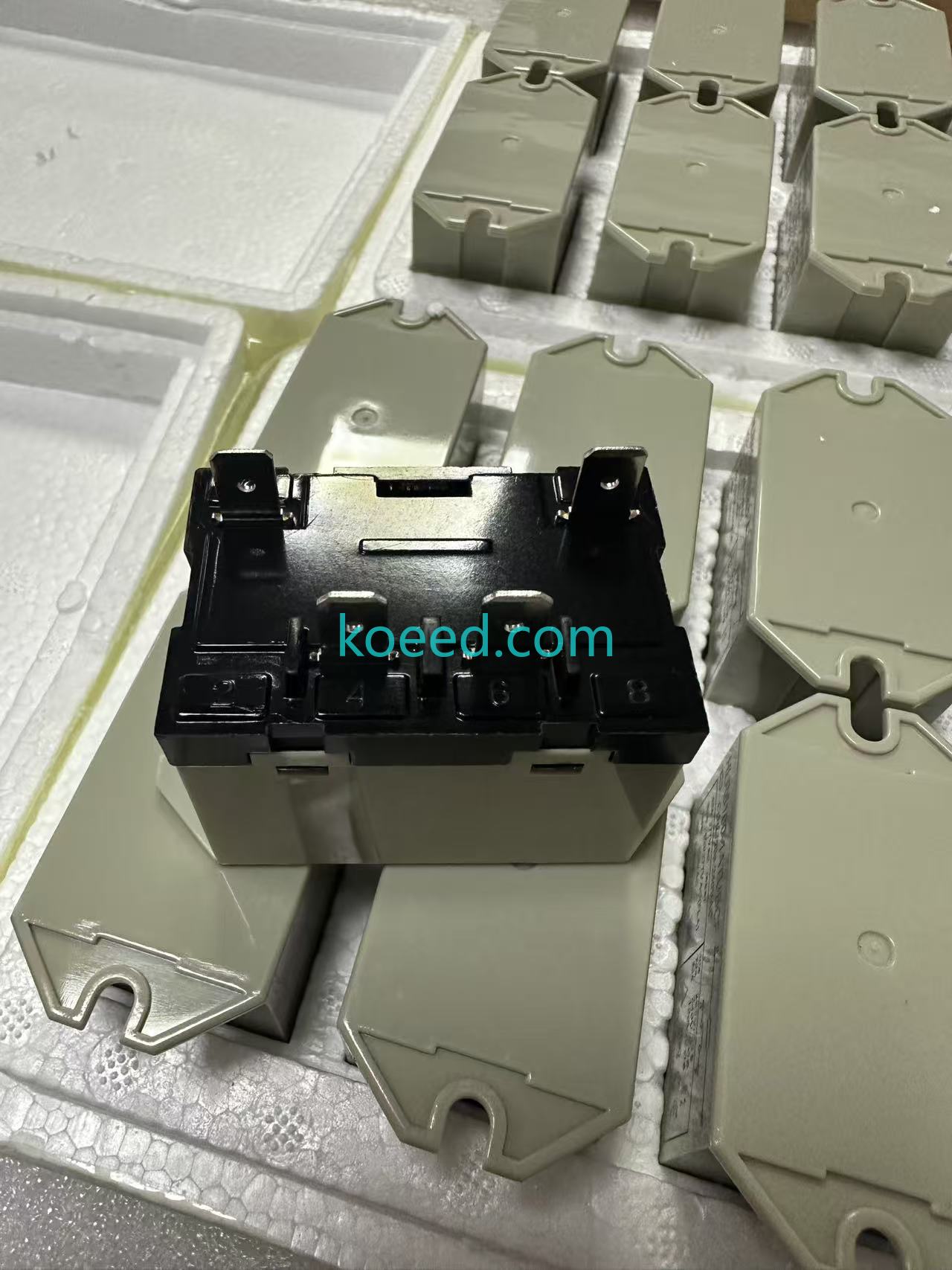
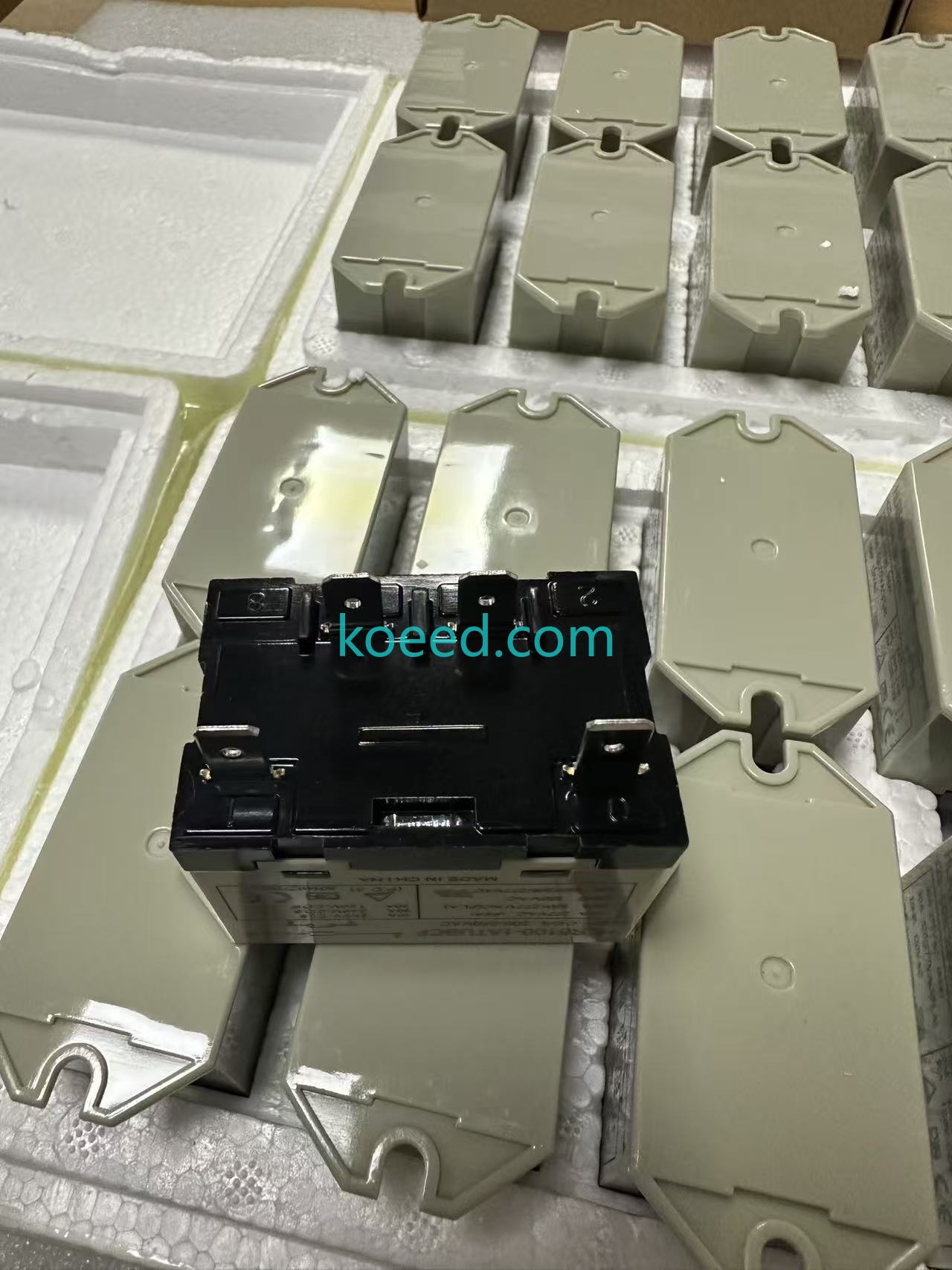
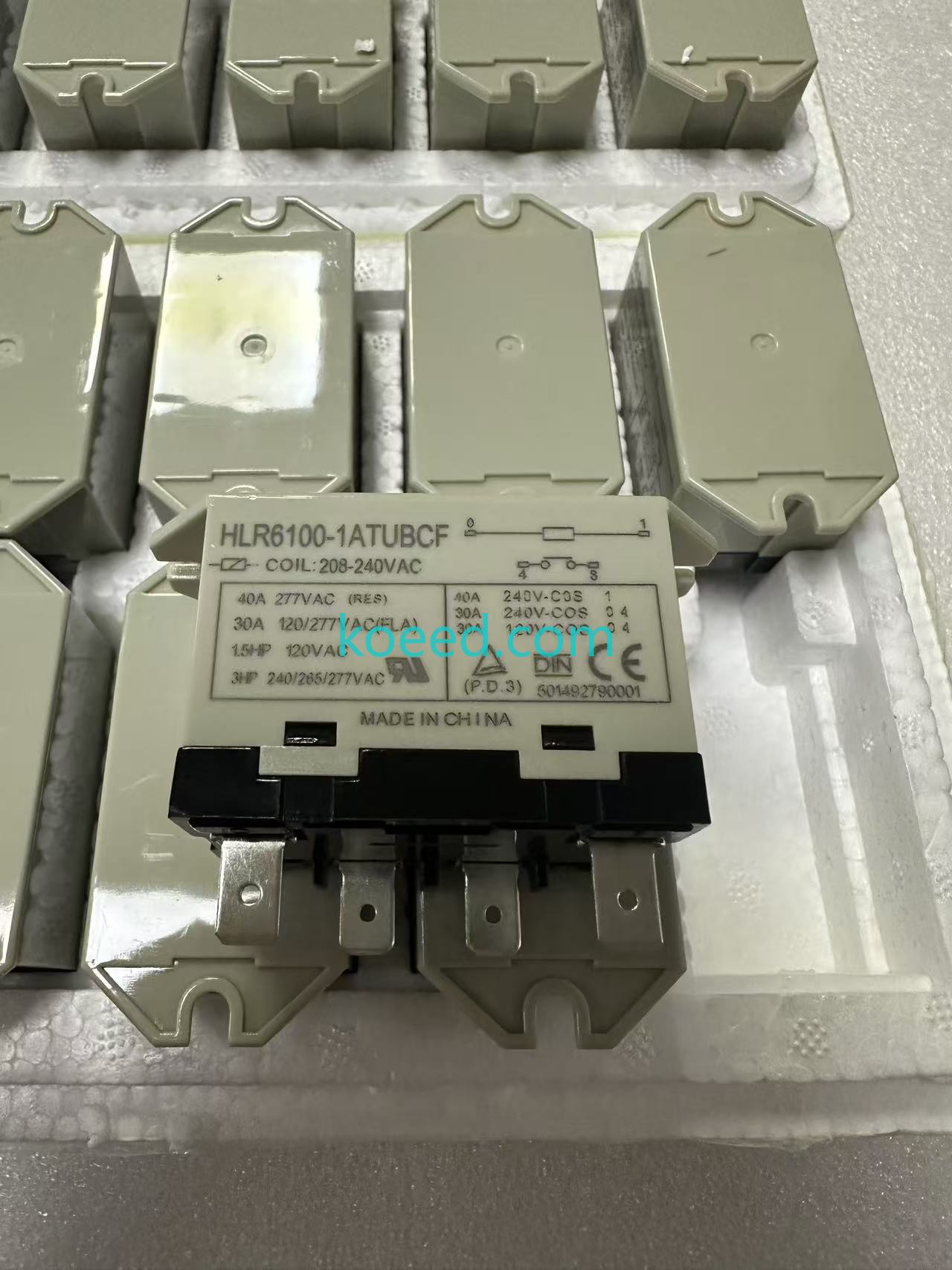
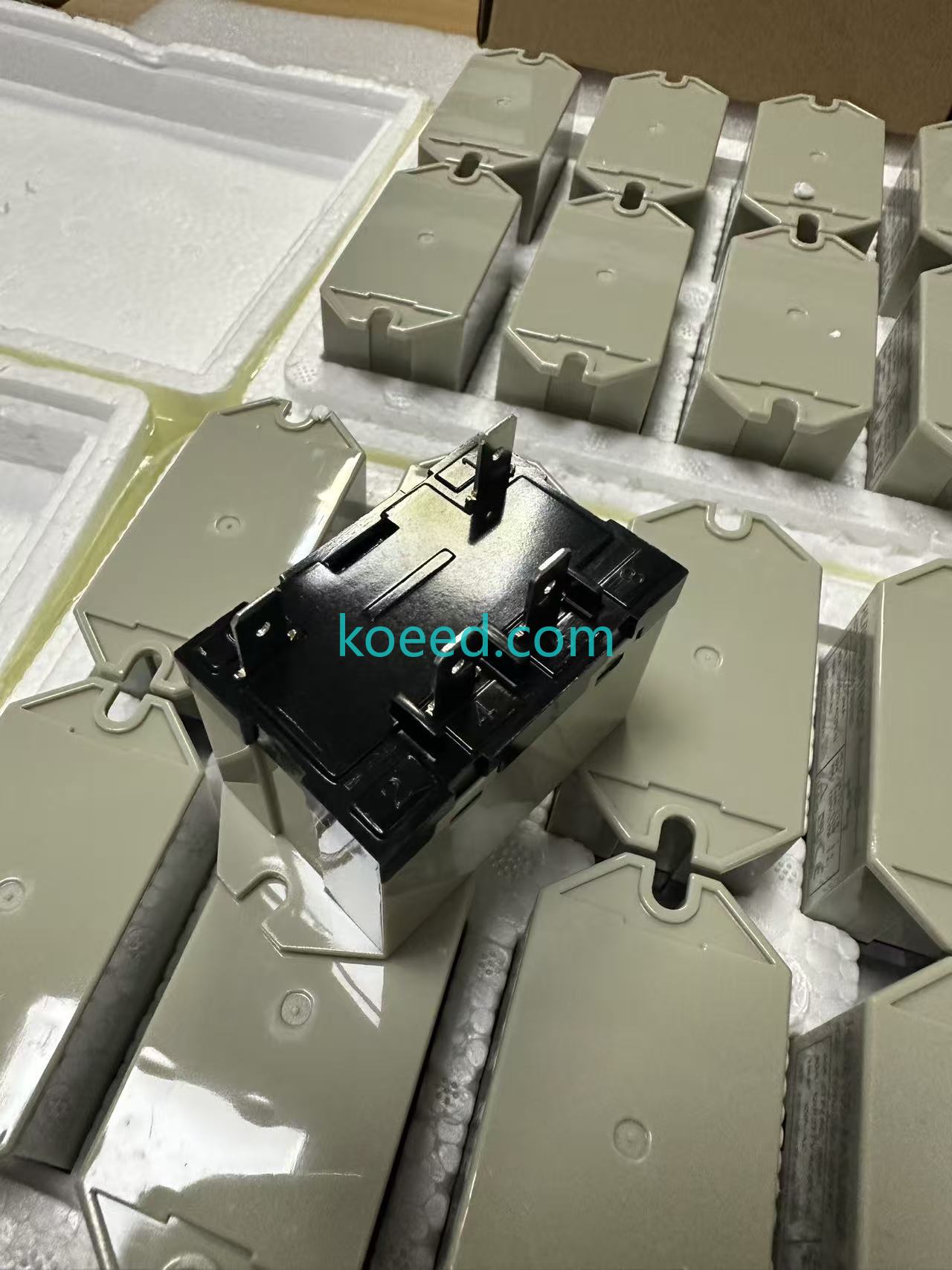
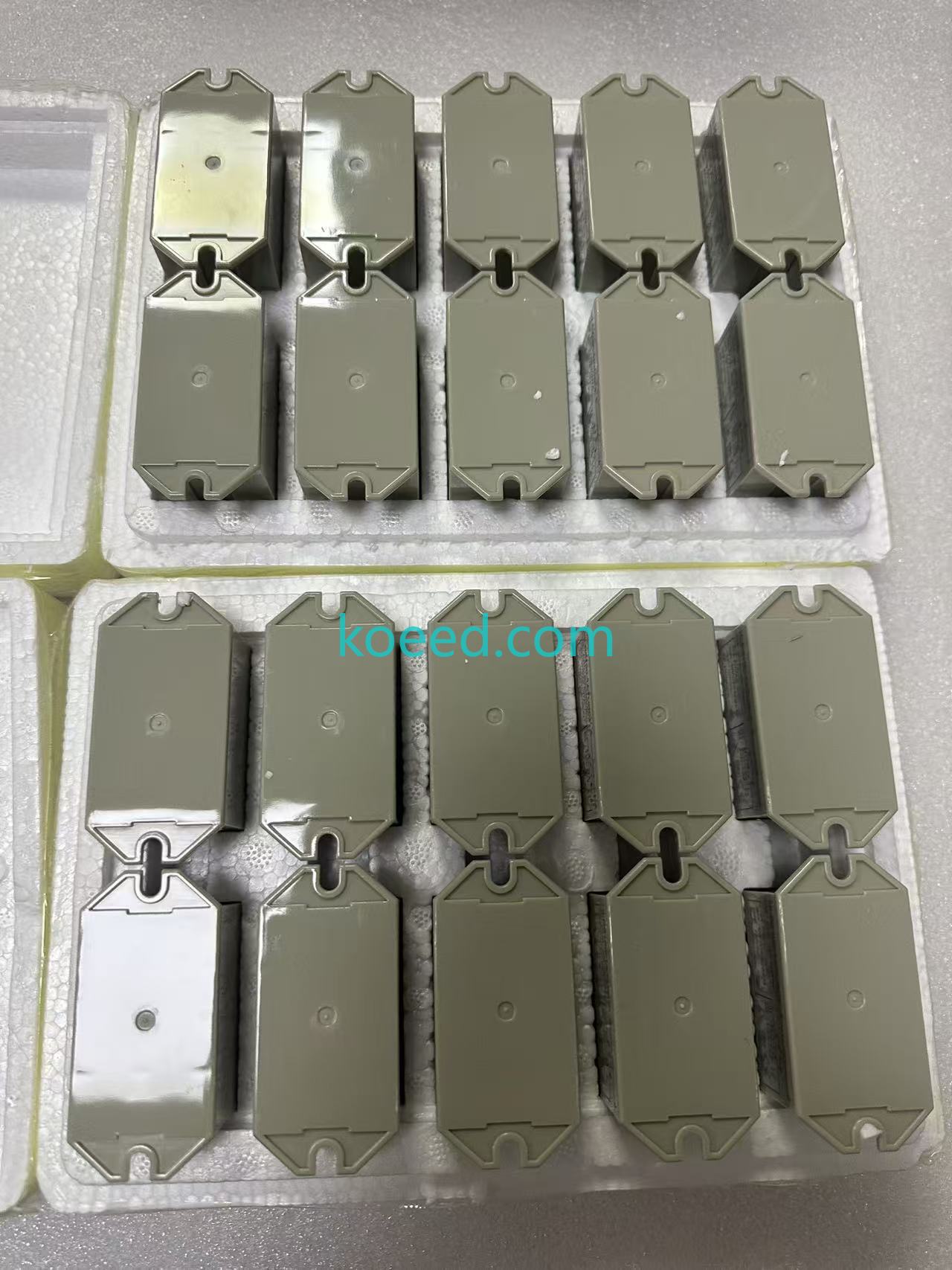
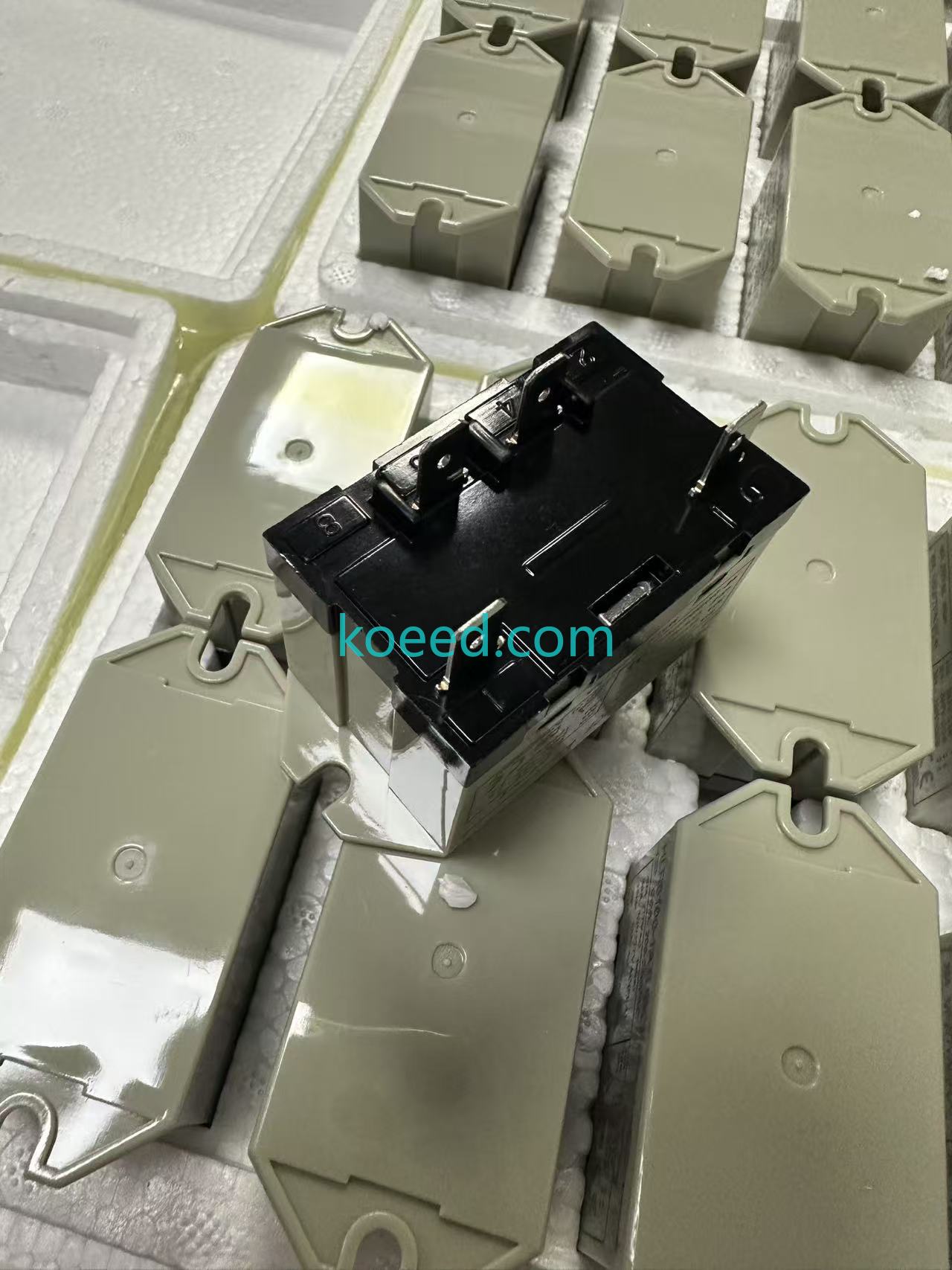
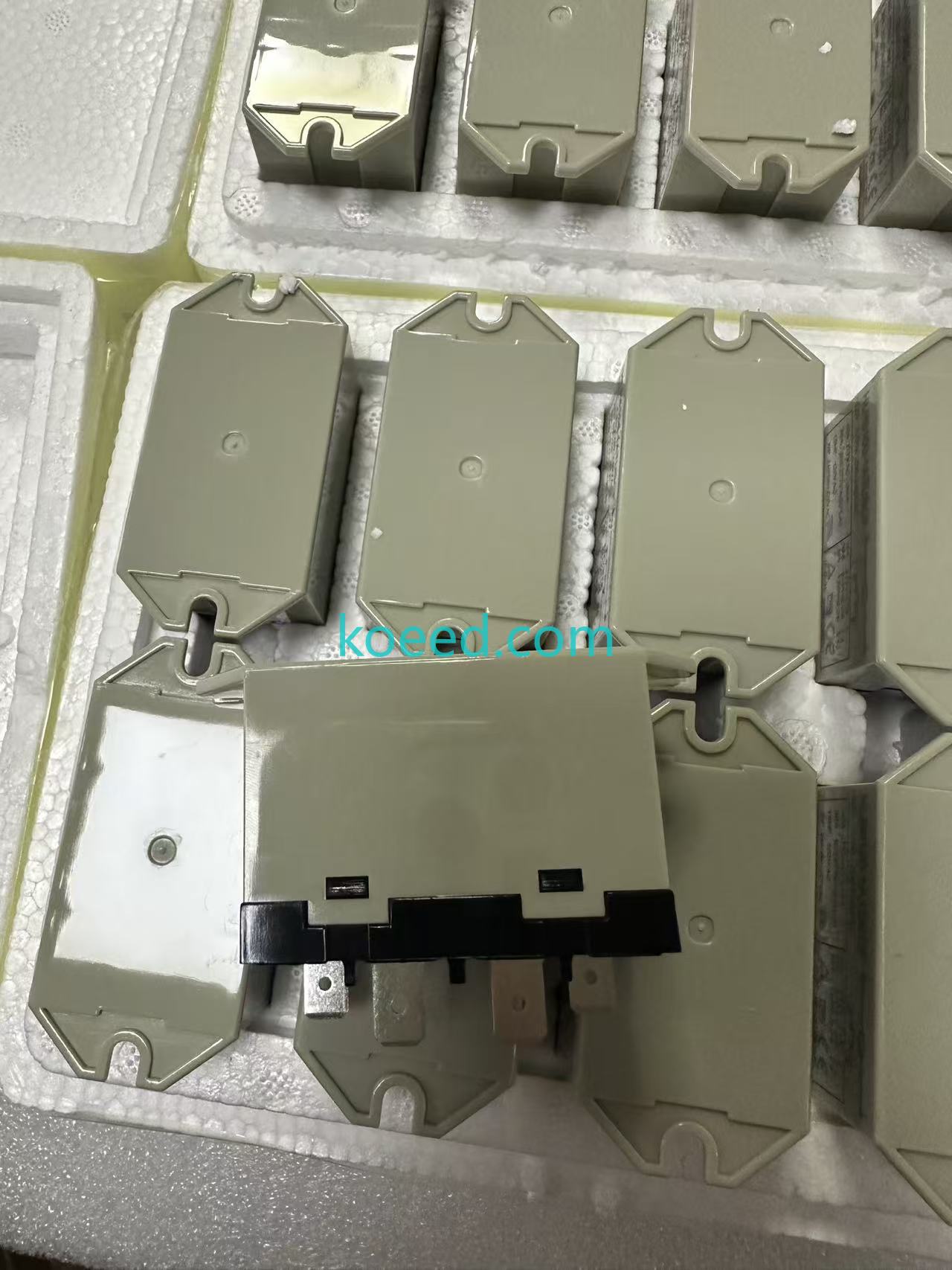
3. Visual Inspection Gallery — HLR6100-1ATUBCF
Below is the complete visual reference for the Goodspec HLR6100-1ATUBCF compressor relay. These images cover terminal orientation, labeling, housing construction, and pin geometry — critical for pre-installation verification and quality assurance workflows.
4. IT/OT Convergence: Making the HLR6100-1ATUBCF Smart-Ready in 2026
A common misconception in 2026 automation circles is that "dumb" electromechanical components like compressor relays have no role in a digitally transformed facility. In practice, the HLR6100-1ATUBCF sits at the very edge of the OT layer — and with the right supervisory architecture, it becomes a rich source of operational data.
4.1 Predictive Maintenance Architecture
By placing a current transformer (CT) on the relay's load-side terminal and feeding that analog signal into a IIoT edge gateway (e.g., Advantech WISE-4000 series or Siemens IOT2050), maintenance teams can monitor three critical failure precursors in real time:
- Contact Erosion Trending: Gradual increase in contact resistance → flagged when ΔR exceeds 15% of baseline.
- Coil Current Signature Analysis: Irregularities in the coil's inrush/steady-state current profile often precede mechanical binding by 200–400 operating hours.
- Cycle Counting & Weibull Analysis: The relay's 1,000,000-cycle mechanical life feeds into a Weibull reliability model, triggering a replacement order through the CMMS at the 85% lifecycle threshold — eliminating unplanned downtime.
4.2 ERP & Cloud Integration Pathways
Facilities running SAP S/4HANA or Microsoft Dynamics 365 Supply Chain Management (2026 editions) can map the HLR6100-1ATUBCF as a tracked asset via its unique QR-coded serial number. Koeed's procurement portal supports direct API linking, meaning that when the predictive algorithm flags an approaching end-of-life event, a purchase requisition is automatically generated at koeed.com with zero manual intervention.
5. Sustainability & Total Cost of Ownership (TCO) in 2026
Sustainability reporting under CSRD (Corporate Sustainability Reporting Directive) and SEC climate-disclosure rules now requires industrial operators to account for Scope 2 emissions down to the component level. The HLR6100-1ATUBCF contributes measurable improvements across three ESG vectors:
5.1 Energy Efficiency — The Coil Burden Equation
With a coil consumption of approximately 3.5 VA versus the legacy 5 VA average, each HLR6100-1ATUBCF saves roughly 13.1 kWh per year in continuous-duty applications (assuming 24/7/365 energized state). In a 50-compressor cold-storage facility, that translates to 655 kWh saved annually — equivalent to approximately 0.46 metric tons of CO₂ (using the 2026 global average grid intensity of 0.70 kg CO₂/kWh).
5.2 Lifecycle Extension & Waste Reduction
Doubling the mechanical service life from 500,000 to 1,000,000+ operations means the HLR6100-1ATUBCF generates 50% less e-waste over a 10-year facility lifecycle. This directly supports circular-economy KPIs and reduces hazardous-material disposal costs associated with relay contacts (which may contain silver-alloy components).
5.3 TCO Model — 10-Year Projection
| TCO Factor | Legacy Relay (10 Yrs) | HLR6100-1ATUBCF (10 Yrs) | Δ Savings |
|---|---|---|---|
| Unit replacements | 4–5 units | 2 units | −60% procurement events |
| Labor (troubleshooting + swap) | ~12 hours | ~5 hours | −58% labor cost |
| Unplanned downtime (avg) | 8–14 hours | 2–4 hours | −70% downtime risk |
| Coil energy cost (@ $0.12/kWh) | ~$52 | ~$37 | −$15/unit energy |
| Estimated 10-Year TCO | $380–$520 | $140–$200 | ~60% TCO reduction |
6. Maintenance & Troubleshooting Pro-Tips
6.1 Preventive Maintenance Schedule (2026 Best Practice)
| Interval | Action | Tool / Method |
|---|---|---|
| Monthly | Visual inspection for discoloration, carbon tracking, or housing cracks | Thermal camera (FLIR) + visual |
| Quarterly | Measure contact resistance (de-energized state) | Milliohm meter (< 50 mΩ acceptable) |
| Semi-Annually | Torque check on terminal screws | Calibrated torque driver (1.2–1.8 N·m) |
| Annually | Full functional test: coil pickup/dropout voltage, cycle timing | Variable AC supply + oscilloscope |
| Condition-Based | Replace when Weibull probability of failure exceeds 85% | CMMS predictive algorithm |
6.2 Common Fault Symptoms & Resolution
| Symptom | Likely Cause | Corrective Action |
|---|---|---|
| Relay chatters / buzzes loudly | Coil voltage sag below 85% of nominal (176VAC min) | Verify control transformer output; check for loose neutral |
| Compressor won't start; no audible click | Open coil or burned coil (over-voltage event) | Measure coil resistance — should be 200–400 Ω; if open, replace relay |
| Welded contacts (compressor runs continuously) | Excessive inrush current or short-cycling | Replace relay; verify compressor start capacitor and anti-short-cycle timer |
| Intermittent drop-out under load | Worn contacts or loose terminal connection | Replace relay; re-torque terminals and check for arcing marks |
For comprehensive warranty and technical support, visit the official product page. The HLR6100-1ATUBCF is stocked globally and ships with full traceability documentation.
Secure Your HLR6100-1ATUBCF Supply Chain for 2026
Get volume pricing, lead-time commitments, and OEM certification directly from Koeed.


