

M56x4 HSS Metric Thread Tap Guide (2026): Precision Threading for Heavy Engineering, Smart CNC & Sustainable Manufacturing
Strategic Overview: The M56x4 in the 2026 Industrial Landscape
In 2026, the global threading tools market is undergoing a decisive shift toward smart manufacturing integration, predictive tool-life analytics, and carbon-conscious procurement. Within this evolving ecosystem, the M56x4 H2 Metric HSS Right-Hand Thread Tap stands as a critical workhorse for heavy engineering sectors — from oil & gas flange assemblies and marine propulsion systems to construction equipment and wind turbine anchor points.
The M56 x 4.0mm coarse-pitch thread form is specified extensively in ISO 724 metric coarse series applications where deep, reliable thread engagement is non-negotiable. Koeed's M56x4 H2 HSS tap addresses this demand with high-speed steel metallurgy optimized for both manual tapping operations and CNC-driven rigid tapping cycles — a convergence of traditional tooling quality and modern digital manufacturability.
As Asia-Pacific continues to dominate threading tool consumption (projected at 42% of global demand through 2026–2030), procurement managers are prioritizing supply-chain resilience, dimensional consistency, and vendor traceability. The Koeed M56x4 delivers on all three fronts, with full batch-level documentation and competitive lead times out of the Asian manufacturing corridor.
Technical Benchmarking: M56x4 Specifications & Performance Matrix
Understanding the exact technical profile of the M56x4 H2 HSS tap is essential for CNC programmers, tooling engineers, and procurement specialists. Below is a detailed specification table alongside a comparative analysis against alternative tooling grades and legacy tapping methods.
| Parameter | M56x4 H2 HSS Tap (Koeed) | Industry Benchmark / Notes |
|---|---|---|
| Thread Designation | M56 × 4.0mm | ISO 724 Metric Coarse Series |
| Pitch | 4.0 mm | Standard coarse pitch for M56; compatible with ISO 965 tolerance class |
| Thread Direction | Right-Hand (RH) | Industry standard for 95%+ of all threaded connections |
| Tool Grade | HSS (High-Speed Steel) — H2 Designation | H2 = Molybdenum HSS; optimal balance of toughness & wear resistance for large-diameter tapping |
| Tap Type | Straight-flute hand/machine tap | Suitable for through-hole and blind-hole operations (with adequate chip clearance) |
| Shank Configuration | Standard square drive (per ISO 529) | Compatible with tap wrenches, collet chucks, and CNC rigid tapping holders |
| Target Materials | P Steel, K Cast Iron, N Non-Ferrous | ISO P, K, N material groups; not recommended for hardened steels (>35 HRC) without surface treatment |
| Cutting Speed (Recommended) | 6–12 m/min (Mild Steel); 4–8 m/min (Cast Iron) | Adjust based on coolant type, machine rigidity, and depth ratio |
| Lubrication | High-performance tapping oil or emulsion (8–12% concentration) | MQL (Minimum Quantity Lubrication) compatible for sustainable shops |
| Thread Fit Class | 6H (standard) | Per ISO 965-1; suitable for general industrial fastening |
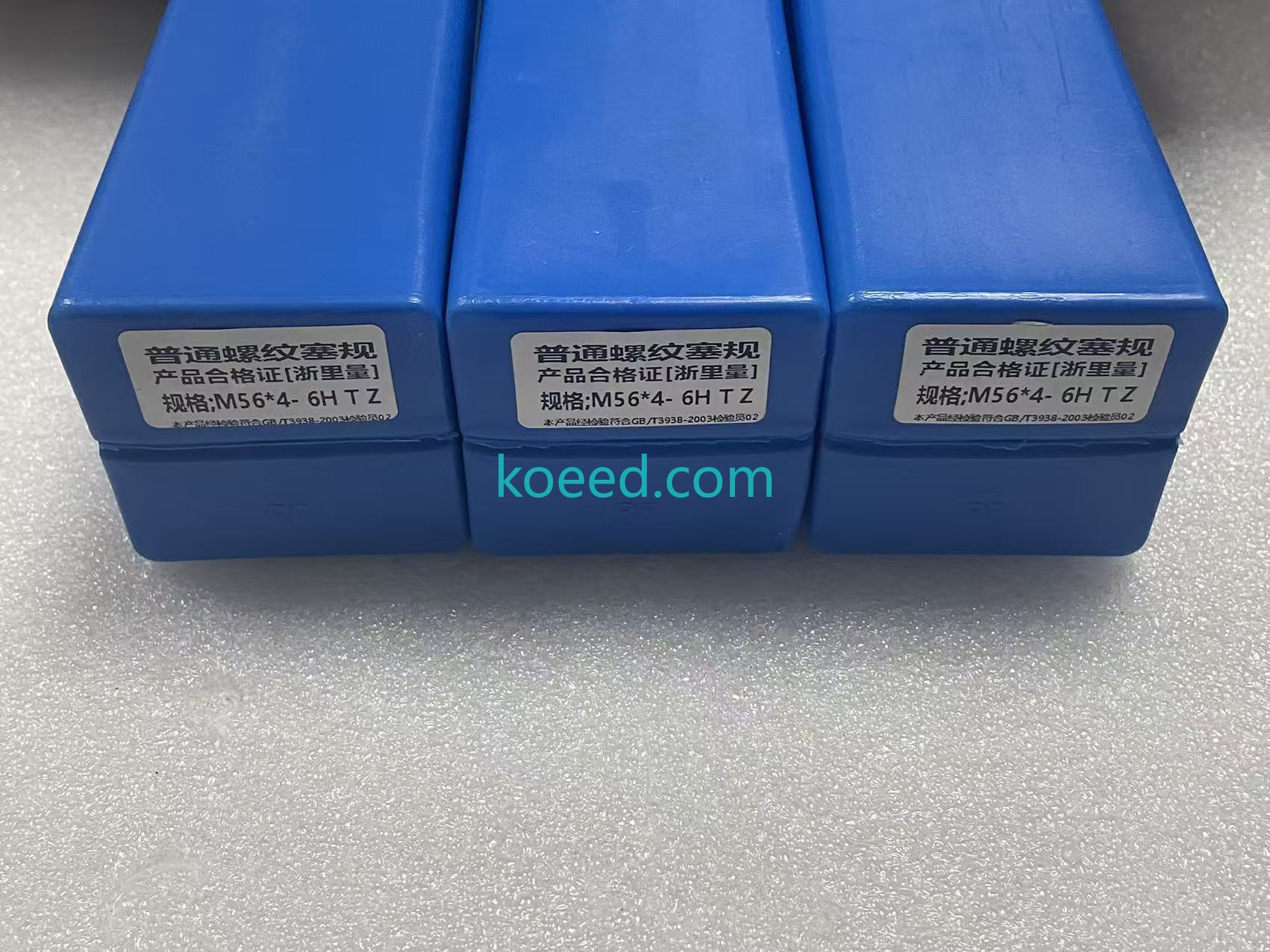
Visual Gallery: M56x4 H2 HSS Thread Tap — Detailed Inspection Views
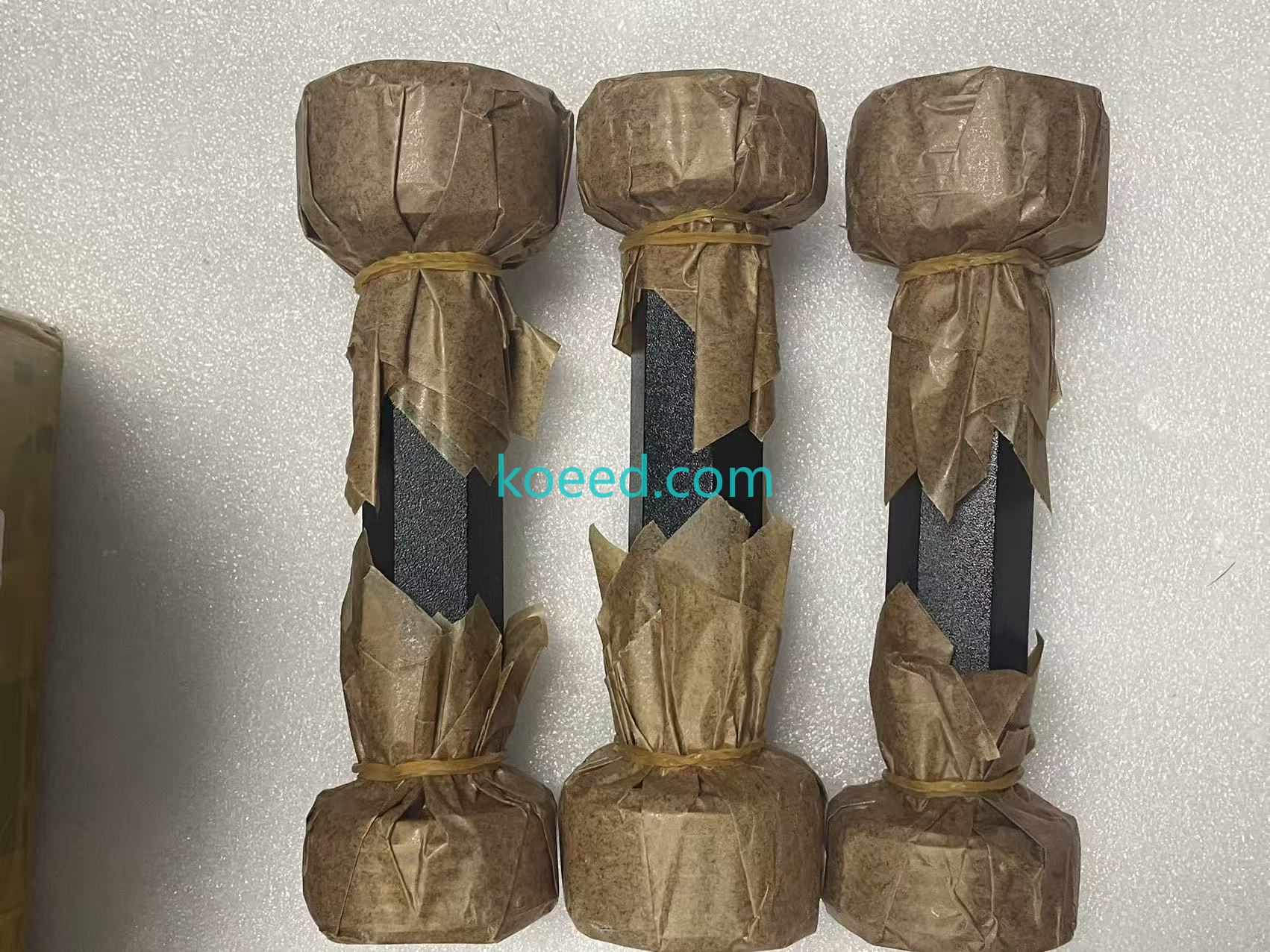
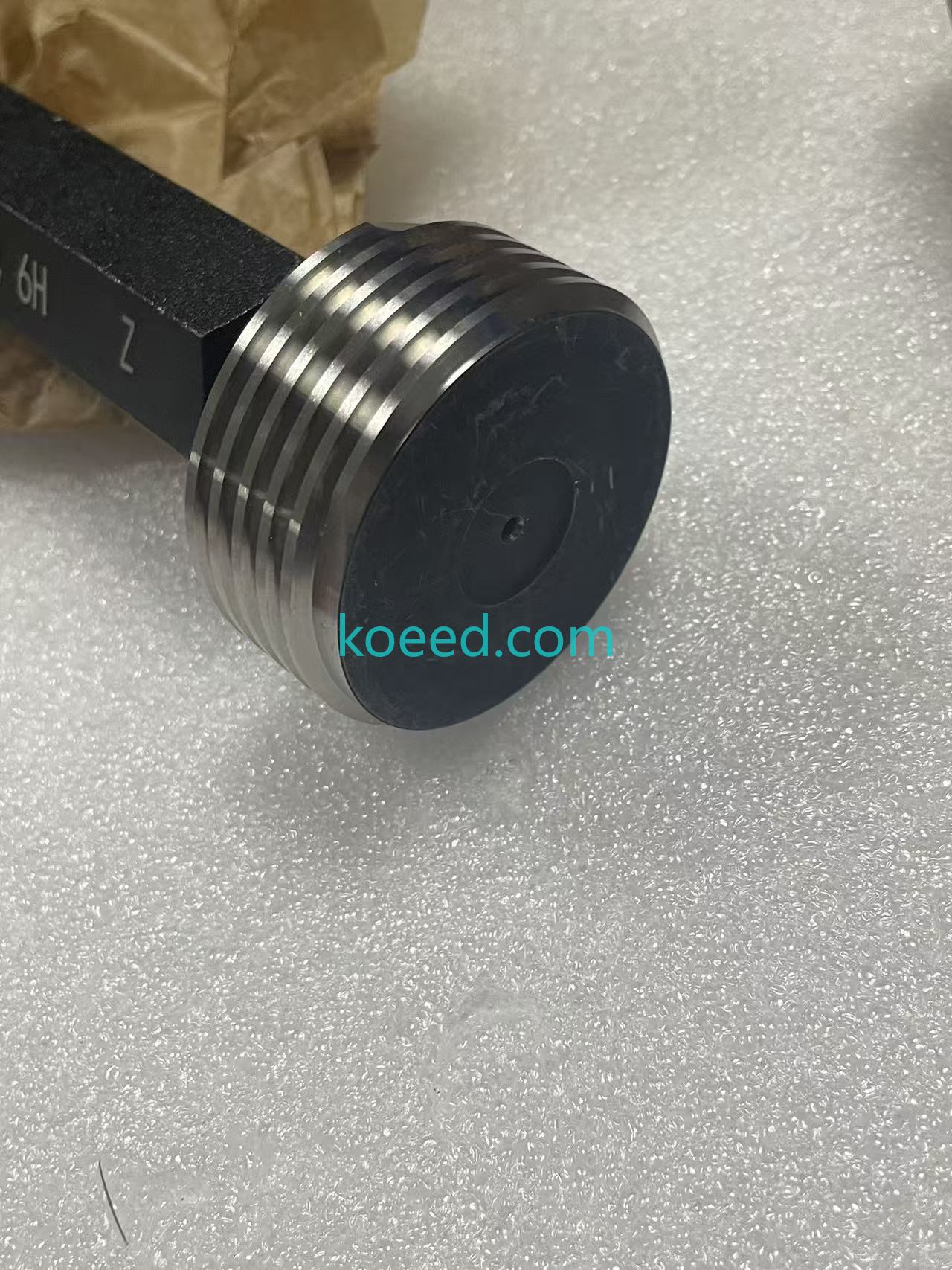
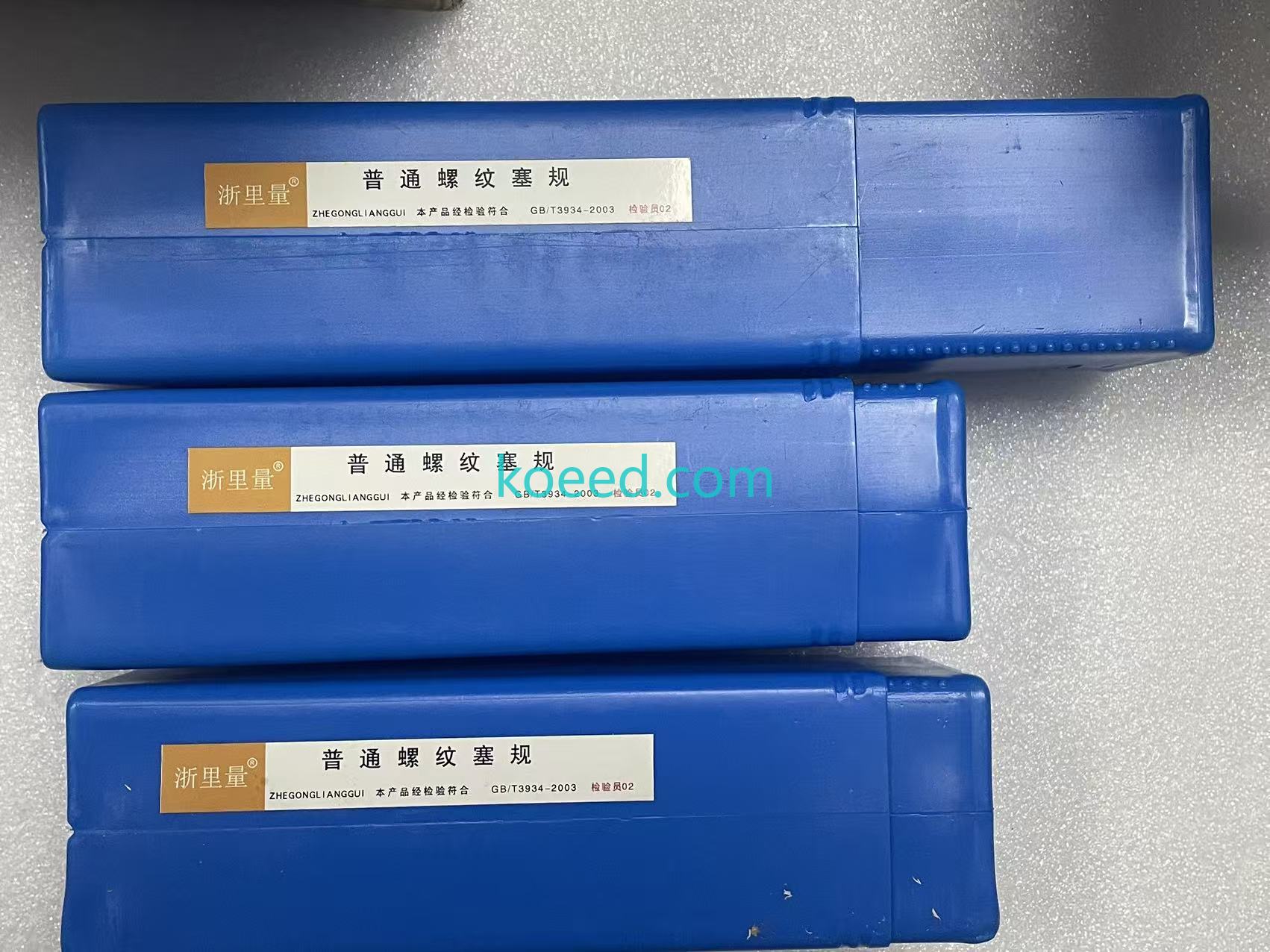
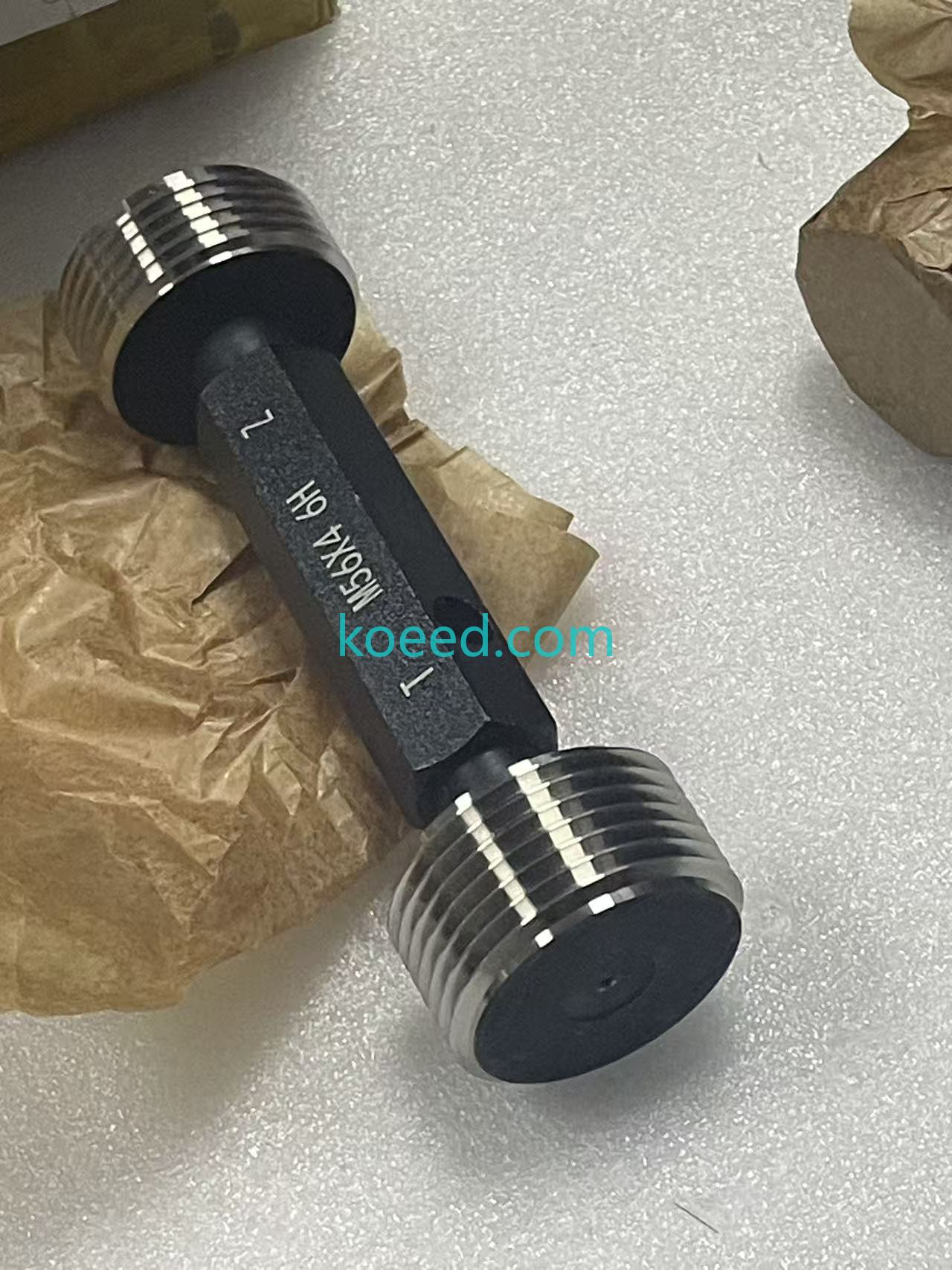
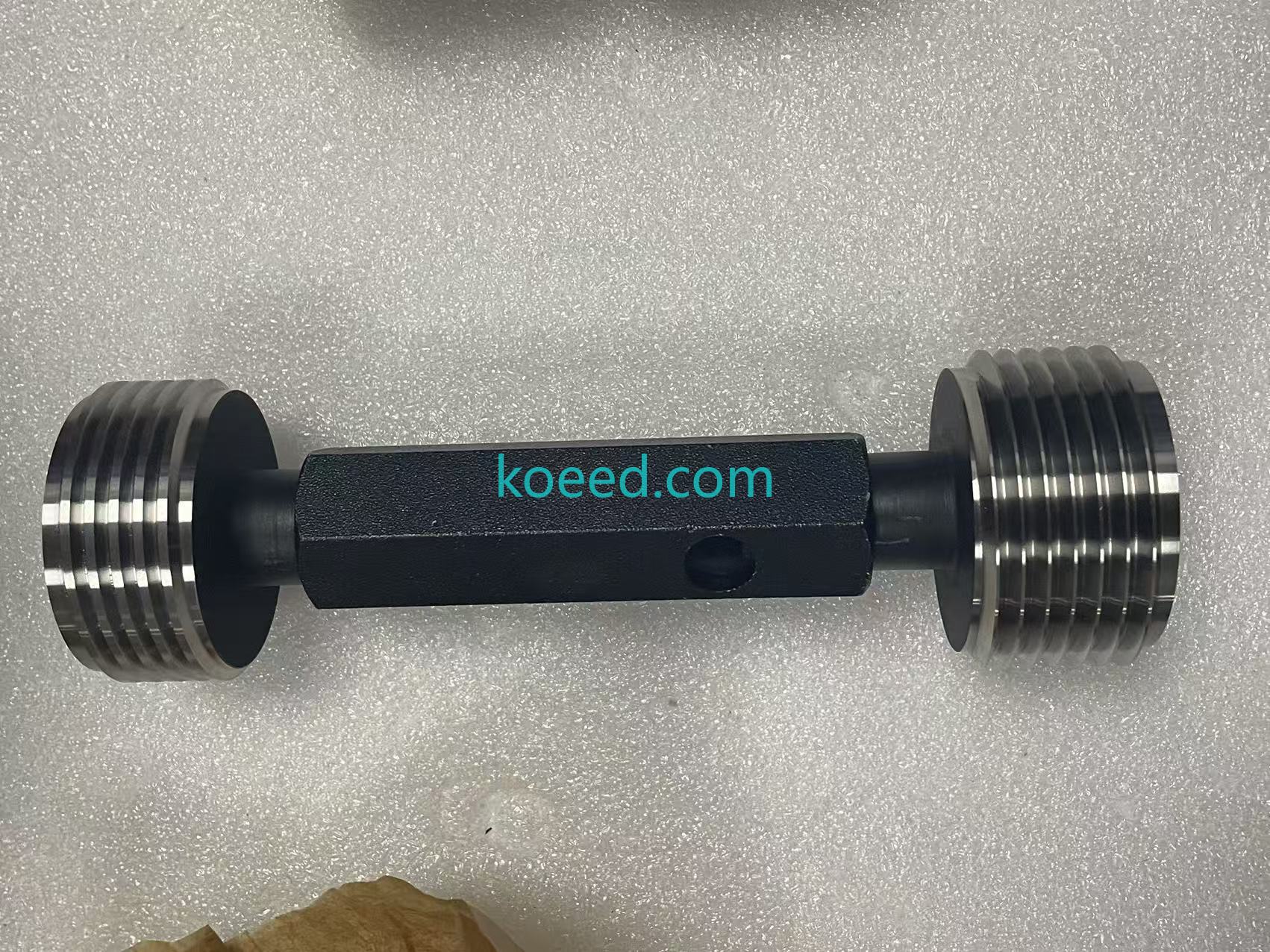
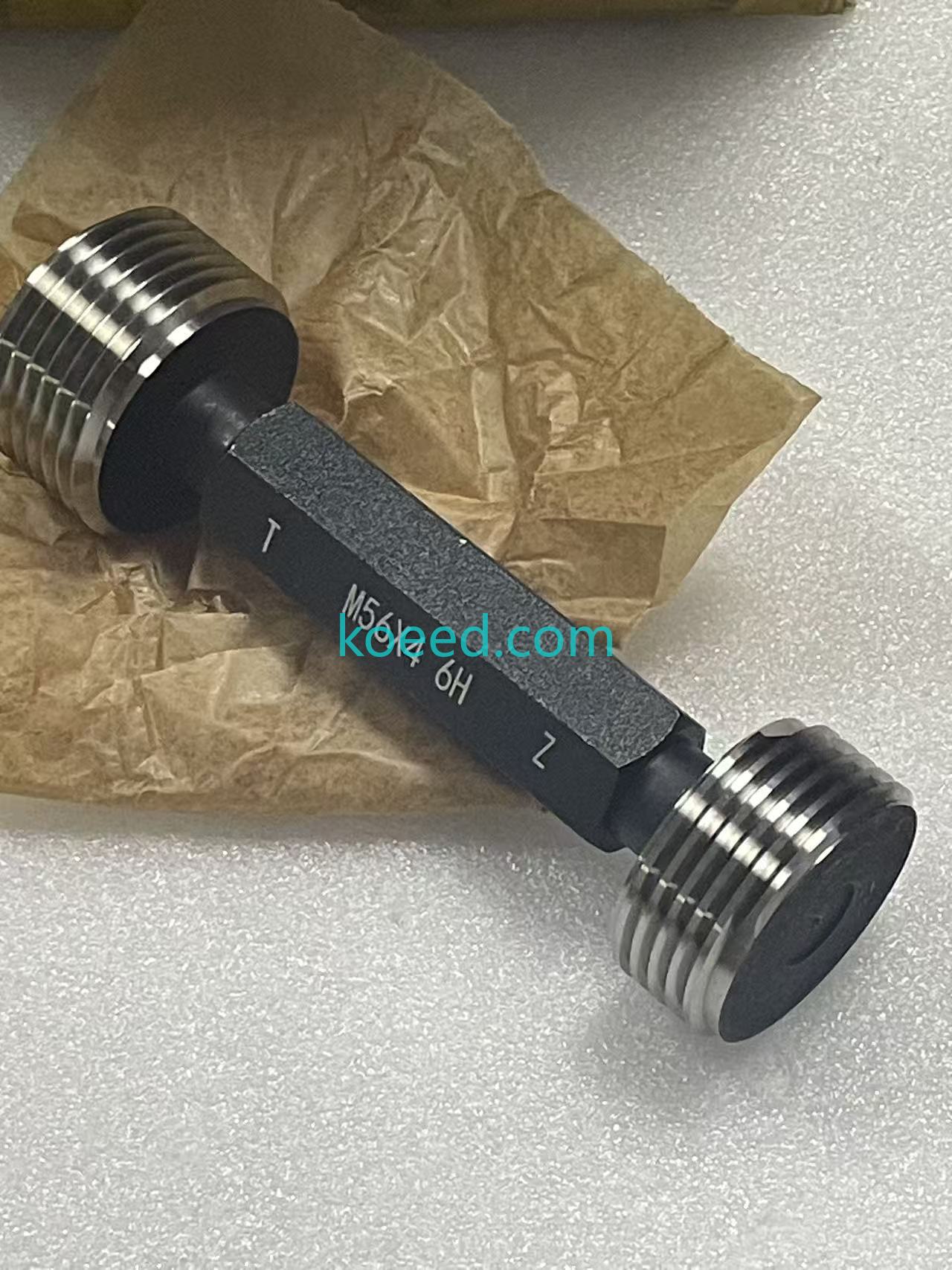
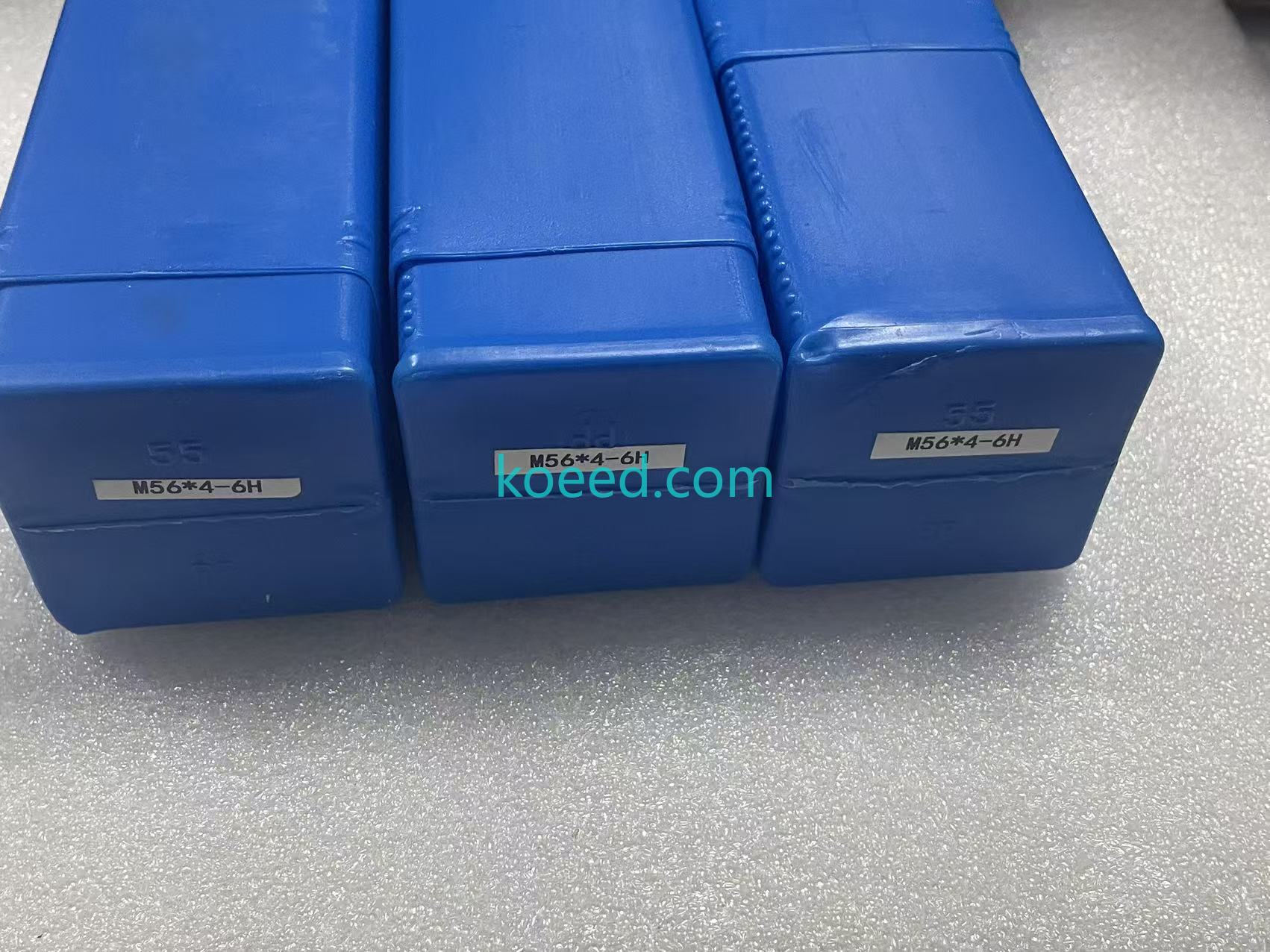
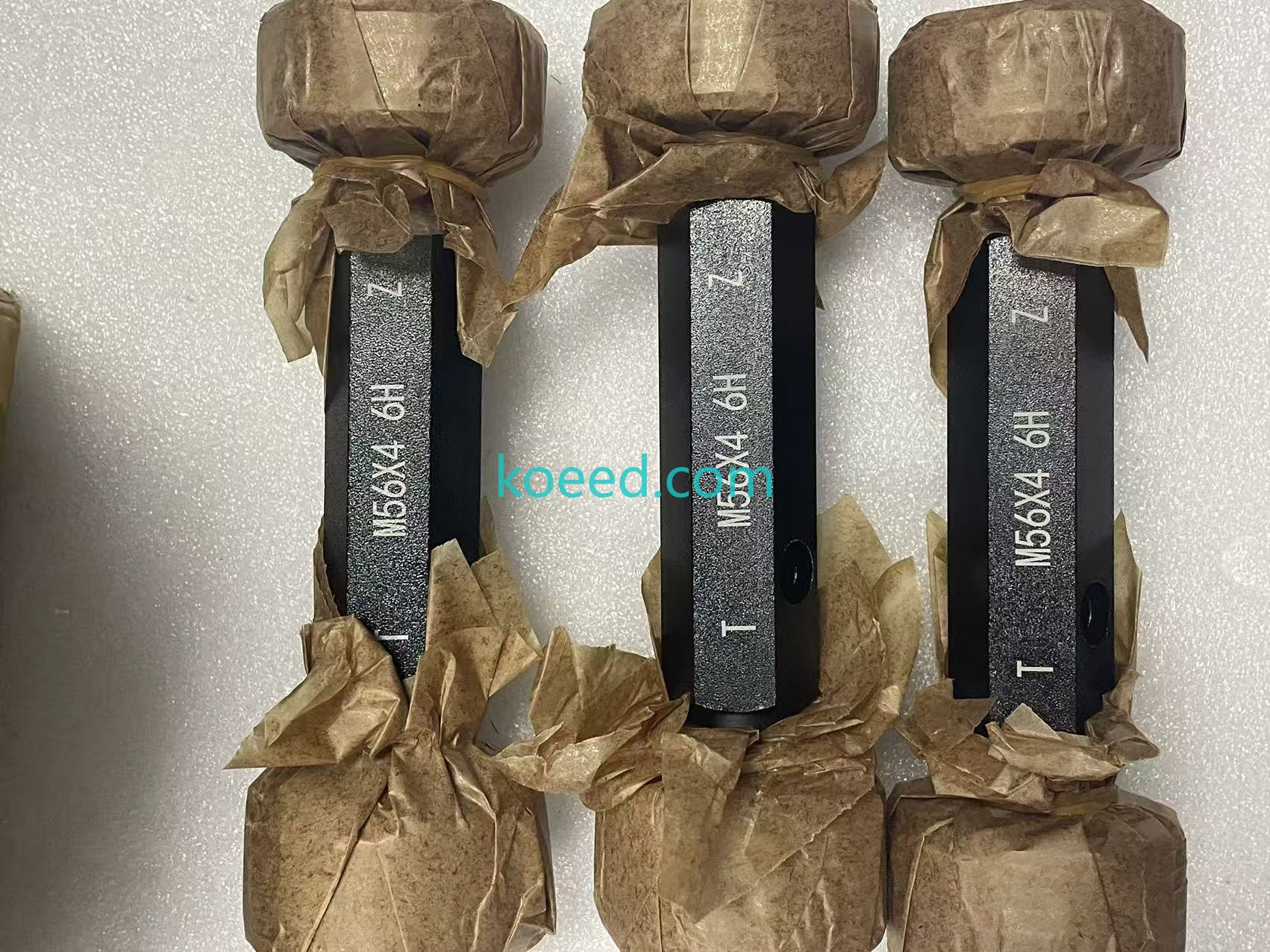
Every M56x4 H2 HSS tap supplied by Koeed undergoes rigorous pre-shipment visual and dimensional inspection. The gallery below showcases the thread geometry, flute profile, shank finish, and overall tool condition across multiple angles — giving procurement teams full confidence prior to order placement.
IT/OT Convergence: Integrating the M56x4 into Smart Manufacturing Workflows
The 2026 precision machining ecosystem is defined by IT/OT convergence — the seamless flow of data between shop-floor operations (OT) and enterprise information systems (IT). While a thread tap may appear purely mechanical, its deployment within CNC rigid tapping cycles generates critical data points that feed into larger digital manufacturing platforms.
CNC Integration & Digital Tool Management
When the M56x4 H2 tap is loaded into a CNC machining center or turning center with live tooling, spindle load monitoring systems can track torque curves in real time. This data, when fed into MTConnect or OPC UA protocols, enables:
- Predictive Tool-Life Modeling: AI algorithms correlate torque drift with remaining tool life, triggering automated reorder workflows.
- ERP Integration: Tool consumption data flows directly into SAP/Oracle inventory modules for just-in-time replenishment.
- Digital Twin Simulation: CAD/CAM packages (Fusion 360, Mastercam 2026, NX) pre-simulate M56x4 tapping cycles to optimize speed/feed parameters before metal is cut.
ROI & TCO Analysis: The Economic Case for the M56x4 H2 HSS Tap
Procurement decisions in 2026 are driven by Total Cost of Ownership (TCO), not just unit price. For large-diameter tapping operations, the economic equation includes tool cost, machine downtime, scrap rate, coolant consumption, and operator intervention frequency. Here is how the Koeed M56x4 stacks up.
Lower Unit Cost vs. Carbide
HSS M56 taps cost 60–70% less than equivalent solid carbide — critical for low-to-mid volume production where carbide's extended life doesn't amortize.
Reduced Scrap Risk
H2 molybdenum HSS resists brittle fracture — a snapped carbide tap in an M56 hole can scrap a multi-thousand-dollar workpiece.
Energy-Light Manufacturing
HSS taps require lower spindle torque at recommended speeds, reducing machine energy draw by ~8–12% compared to aggressive carbide parameters.
Inventory Efficiency
Universal M56×4.0 ISO standard means one tap SKU services multiple workpiece models — simplifying tool crib management.
| TCO Factor | M56x4 H2 HSS (Koeed) | Alternative: Solid Carbide | Alternative: Thread Milling |
|---|---|---|---|
| Tool Cost (per unit) | $ — Economical | $$$ — 3–4× higher | $$ (cutter) + machine time |
| Cycle Time (M56×4, 40mm depth) | ~18–25 seconds | ~14–20 seconds | ~45–90 seconds |
| Fracture Risk | Low (tough failure mode) | High (brittle fracture) | Medium (gradual wear) |
| Reconditioning Potential | ✅ Re-sharpenable | ⚠️ Limited / specialized | ✅ Re-sharpenable |
| Best Application | Low-to-mid volume, general fab | High-volume production | Blind holes, critical tolerances |
Sustainability & Energy Impact: Green Credentials of HSS Tooling
The 2026 manufacturing sector faces mounting pressure from ESG mandates, carbon accounting frameworks (Scope 1, 2, and 3), and circular economy principles. HSS tooling aligns with these goals in several ways. Unlike carbide, which relies on tungsten and cobalt mining with high embedded carbon, HSS uses readily recyclable alloy steels. A reused or re-sharpened HSS M56x4 tap extends tool service life by 2–4×, drastically reducing waste per threaded hole. Furthermore, the lower energy demand during tapping (compared to thread milling) contributes to a smaller carbon footprint per part — an increasingly important differentiator in supplier scorecards.
Koeed's packaging for the M56x4 tap is plastic-free and optimized for sea freight consolidation, supporting Scope 3 reduction targets for logistics emissions. Procurement teams can request Environmental Product Declarations (EPDs) or batch-specific carbon data to integrate into their own sustainability reporting.
Can the M56x4 H2 tap be used on stainless steel?
Yes, but with adjusted parameters. For austenitic stainless steels (304, 316), reduce cutting speed to 3–5 m/min, use a high-lubricity tapping oil, and consider a thread relief design or a spiral-flute variant for blind holes. Pre-hardened stainless (>30 HRC) may require a TiN coating.
What holder is recommended for CNC rigid tapping of M56?
A high-precision ER collet chuck or a dedicated synchronous tapping holder with torque clutch is recommended. Ensure the holder's square drive matches ISO 529 dimensions. For large diameter taps, a holder with length compensation (e.g., Bilz type) can prevent axial overload.
How many holes can one tap produce in mild steel?
Typical tool life ranges from 200–400 holes in S235/S275 structural steel at 40mm depth, assuming proper coolant and speed. Monitoring spindle load can push this to 500+ holes with timely regrinding.
Is the M56x4 tap available with surface coatings?
The base stock is uncoated (bright) H2 HSS, which suits most general applications. Custom TiN, TiCN, or steam-tempering treatments are available for volume orders — contact Koeed to discuss batch-specific requirements.
Secure Your M56x4 H2 HSS Tap — Bulk & Single-Unit Orders Welcome
Koeed stocks this metric threading workhorse for immediate shipment. Request a competetive quotation or connect via WhatsApp for live technical support.


