

Mitsubishi MR-J2-200CT Servo Amplifier: The 2026 Guide to Legacy Precision, ROI, and Smart Retrofit Strategies
Strategic Overview: The MR-J2-200CT in the 2026 Factory Floor
In an era where smart factories demand seamless IT/OT convergence, the Mitsubishi MR-J2-200CT servo amplifier remains a cornerstone of high-reliability motion control. As of 2026, thousands of production lines across automotive assembly, CNC machining, packaging, and textile manufacturing continue to rely on the MELSERVO-J2 ecosystem — not out of inertia, but because the MR-J2-200CT delivers 2 kW of precise, repeatable positioning power with a total cost of ownership that newer platforms struggle to match for brownfield installations.
The strategic conversation around the MR-J2-200CT servo amplifier has shifted meaningfully in 2026. Rather than viewing it as a legacy component nearing end-of-life, forward-thinking maintenance directors and automation architects now treat the MR-J2-200CT as a sustainability asset. Extending the service life of existing servo infrastructure avoids the carbon footprint and capital expenditure of full-scale rip-and-replace upgrades. With the right retrofit strategy — including IoT-enabled condition monitoring overlays and cloud-based OEE dashboards — the MR-J2-200CT integrates into Industry 4.0 architectures without compromising the deterministic performance it was designed to deliver.
Technical Deep Dive: What Makes the MR-J2-200CT Endure
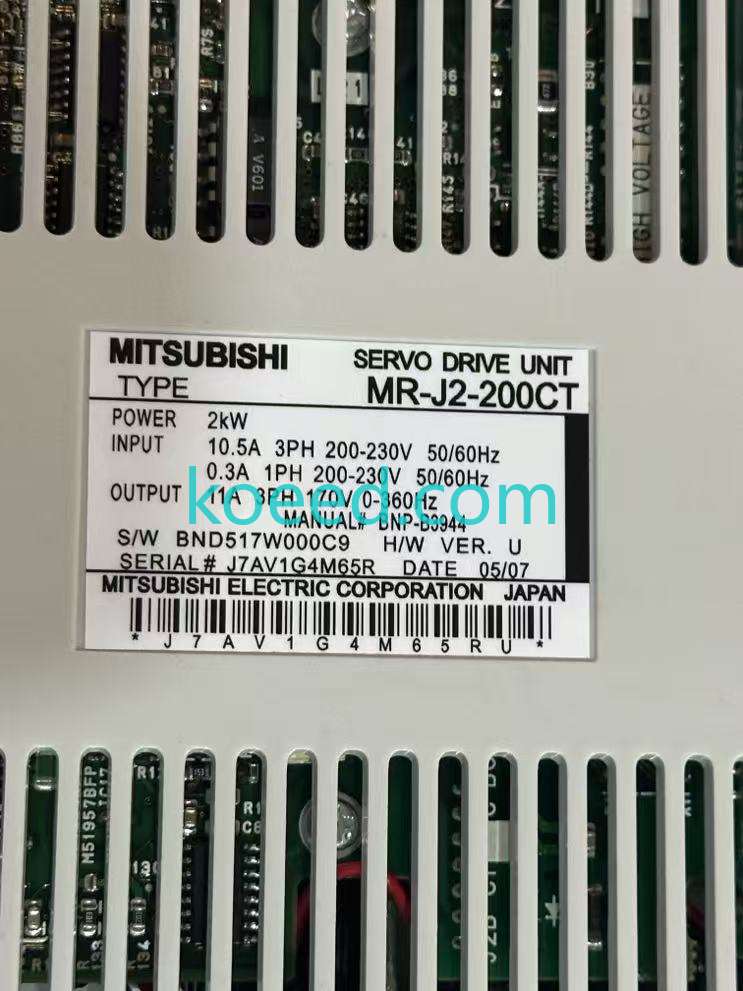
The MR-J2-200CT is a 3-phase, 200–230V AC servo amplifier from Mitsubishi's MELSERVO-J2 series, rated for 2.0 kW output with an 11A current capacity — equivalent to approximately 3 HP of mechanical drive capability. It is purpose-built for high-inertia and high-precision applications, offering three integrated control modes: speed, torque, and position control with built-in positioning functionality that supports configurations ranging from a single axis to synchronized 32-axis systems.
One of the defining characteristics of the Mitsubishi MR-J2-200CT is its built-in dynamic brake, which engages automatically during alarm conditions, emergency stops, or power outages — bringing the servo motor to a rapid, controlled halt without relying on external braking resistors. This safety feature alone has prevented countless mechanical collisions and tooling damage events across two decades of field deployment.
Compatibility Matrix
The MR-J2-200CT is most commonly paired with the HC-SF121 (2.1 KVA power supply capacity) and HC-UF152 (2.5 KVA) servo motors. Its 2.1 KVA rated power supply capacity ensures stable operation even under fluctuating mains conditions, a critical consideration for facilities in regions with less stable grid infrastructure.
Technical Benchmarking: MR-J2-200CT vs. Modern Alternatives
| Parameter | MR-J2-200CT (Legacy Workhorse) | MR-J4-200A (Successor Equivalent) | 2026 Assessment |
|---|---|---|---|
| Rated Output Power | 2.0 kW | 2.0 kW | Identical — no power advantage in upgrading |
| Input Voltage | 3-Phase 200–230V AC | 3-Phase 200–230V AC | Same electrical infrastructure required |
| Rated Current | 11A | 11A | No efficiency delta at rated load |
| Control Modes | Speed / Torque / Position (integrated) | Speed / Torque / Position / Fully-closed loop | J4 adds fully-closed loop; J2 sufficient for most indexing applications |
| Multi-Axis Support | Up to 32 axes | Up to 96 axes (via SSCNET III/H) | J4 scales higher; J2 meets mid-scale needs |
| Communication Protocol | SSCNET (RS-485 based) | SSCNET III/H (fiber optic) | J2 requires gateway for modern IT/OT integration |
| Dynamic Brake | Built-in | Built-in (enhanced) | Both feature-integrated; J4 has faster response |
| Weight | 4.40 kg | ~3.8 kg | Slight weight advantage for J4; negligible for cabinet-mount |
| Typical Replacement Cost (2026) | $950–$1,300 USD (refurbished/certified) | $1,800–$2,400 USD (new) | J2 offers 50–60% cost savings |
| Lead Time (2026 Q3) | 1–5 business days (stocked channels) | 8–22 weeks (semiconductor constraints) | J2 wins decisively on availability |
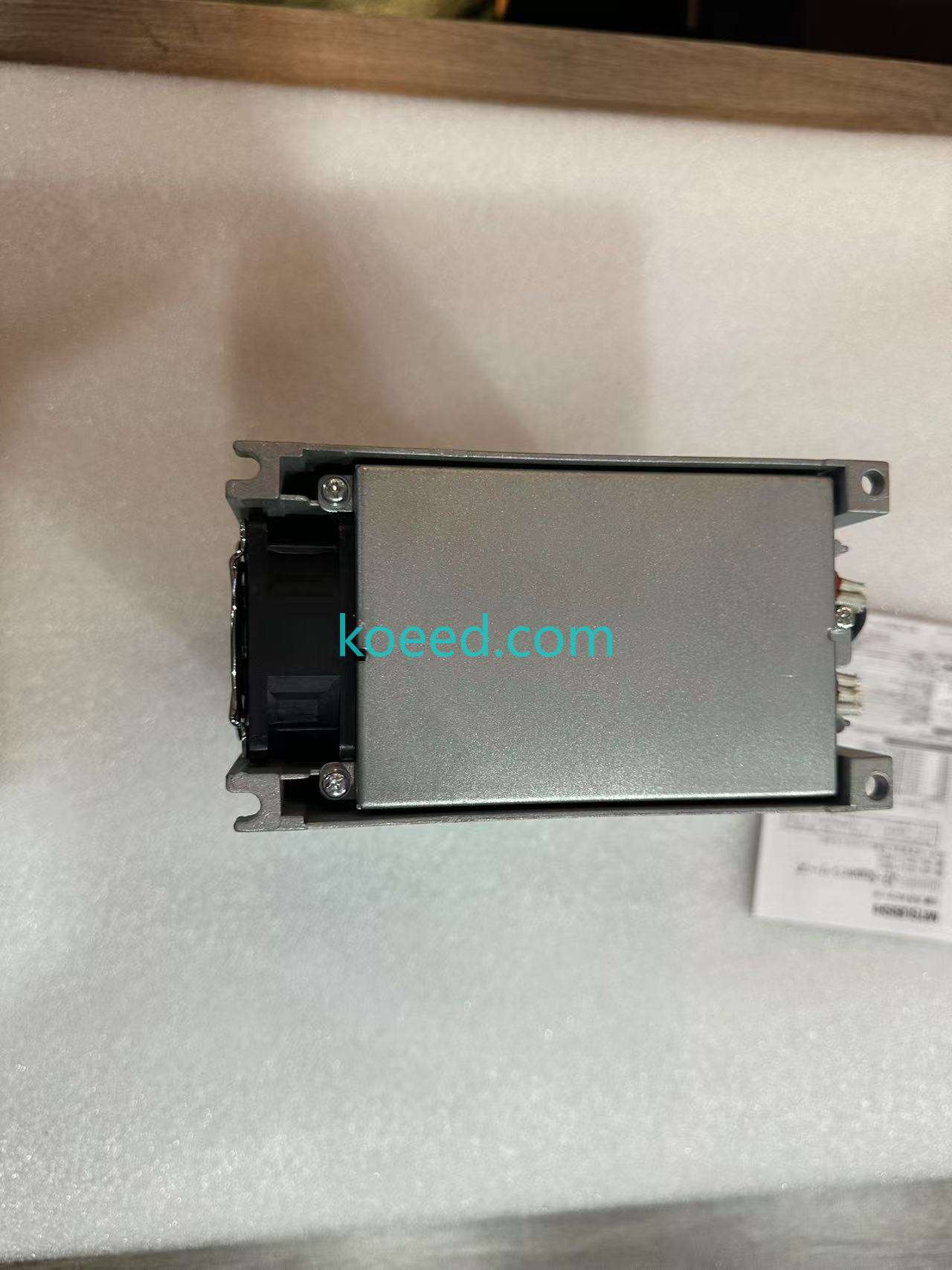
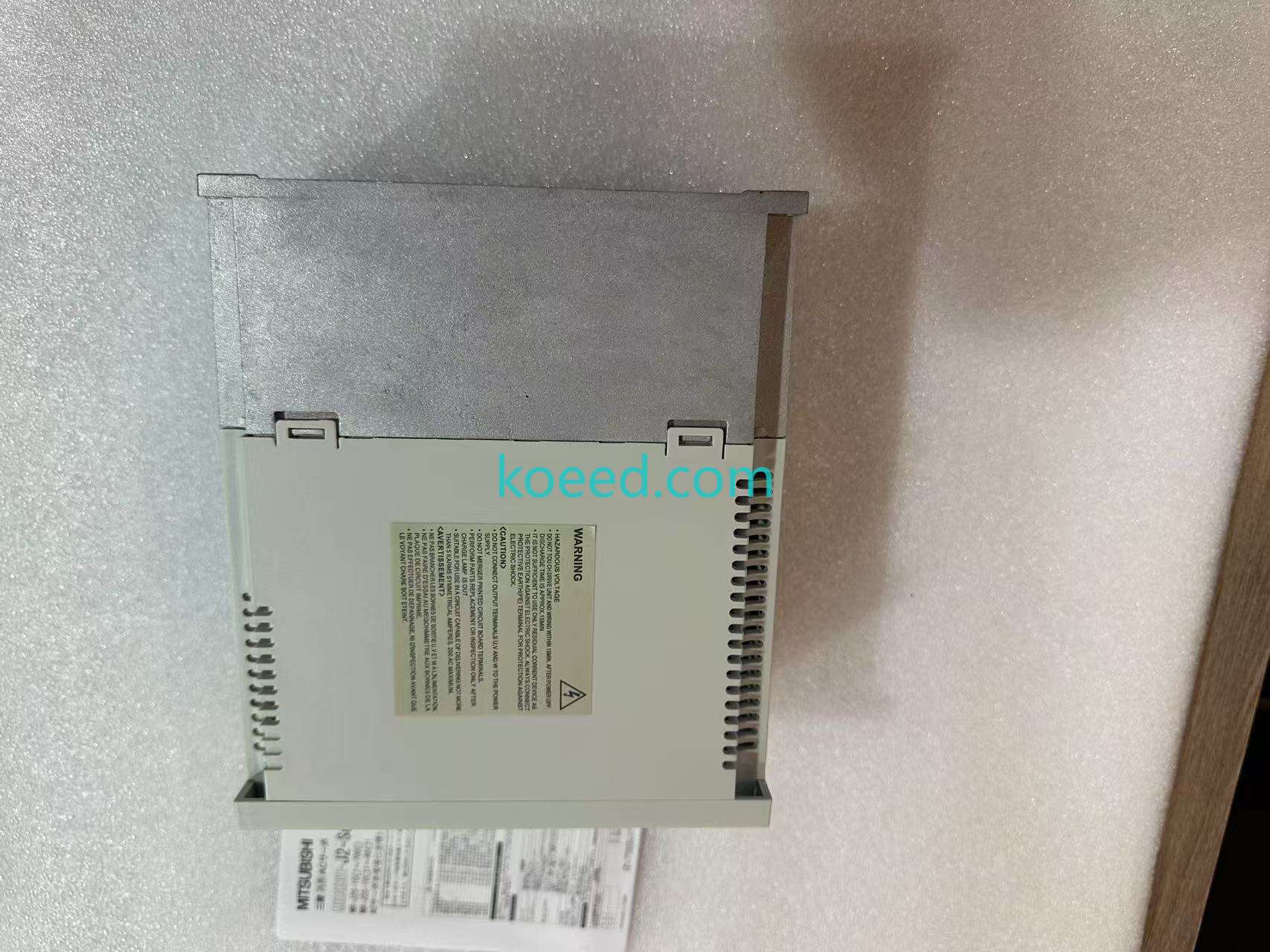
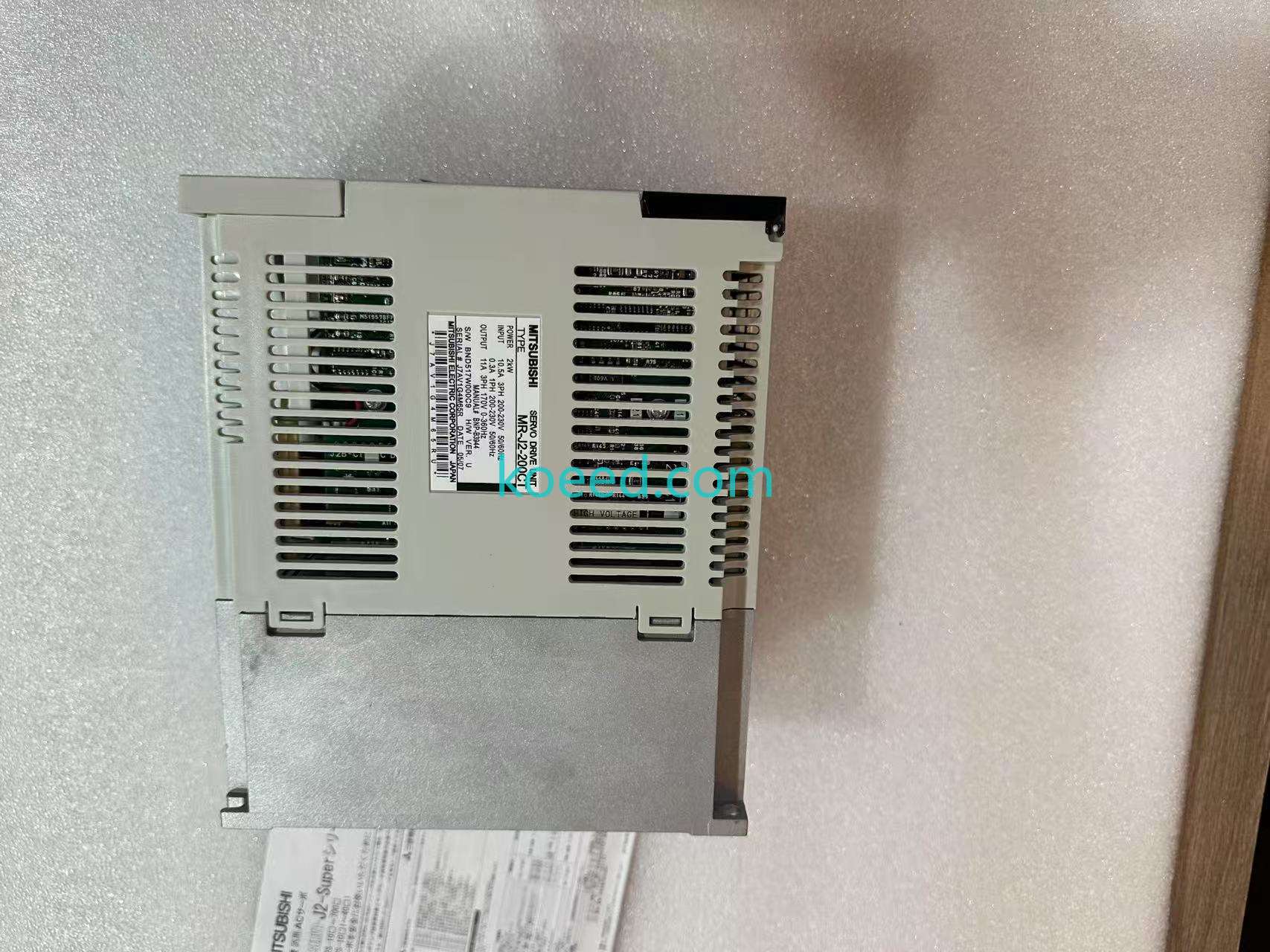
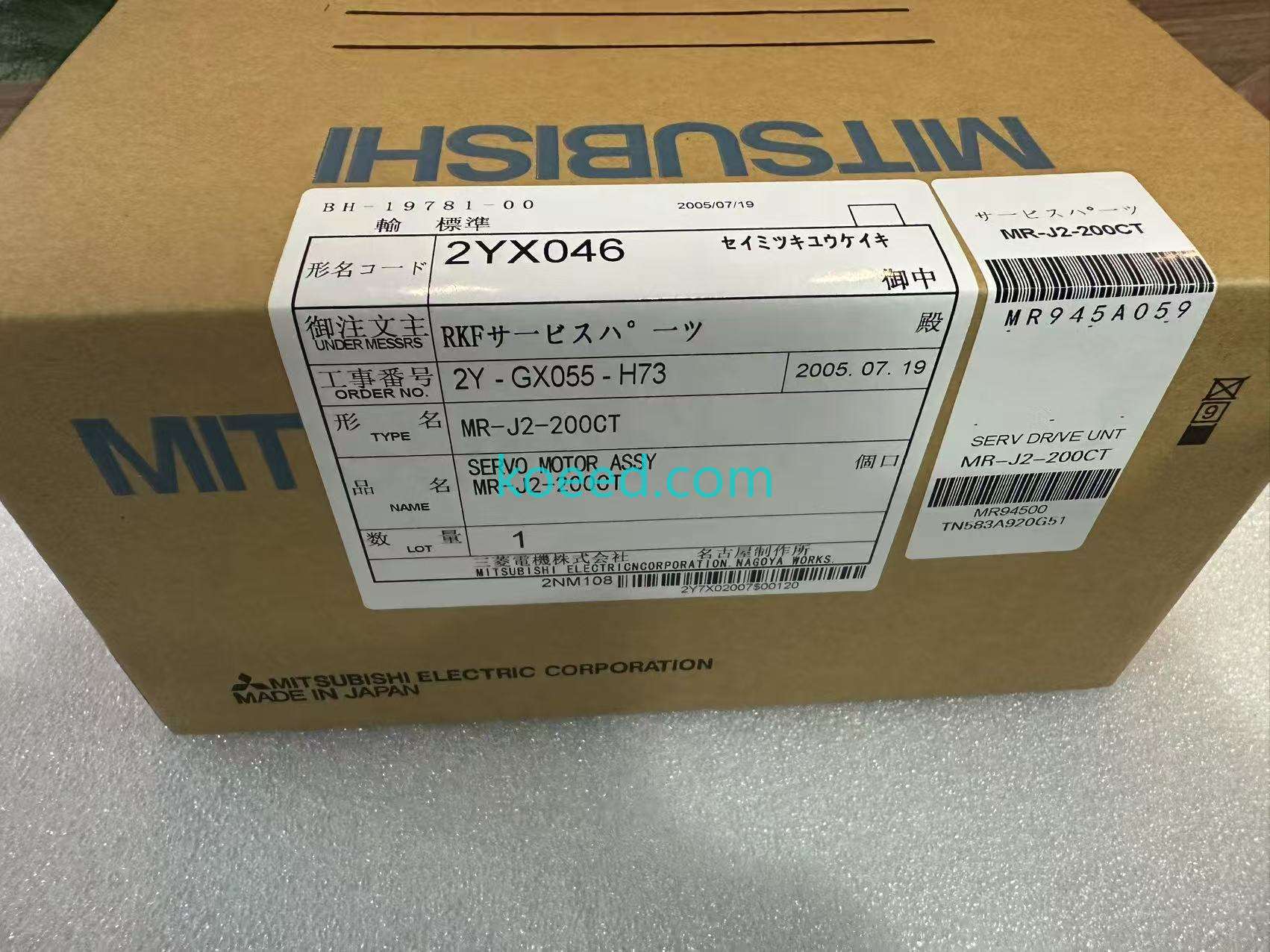
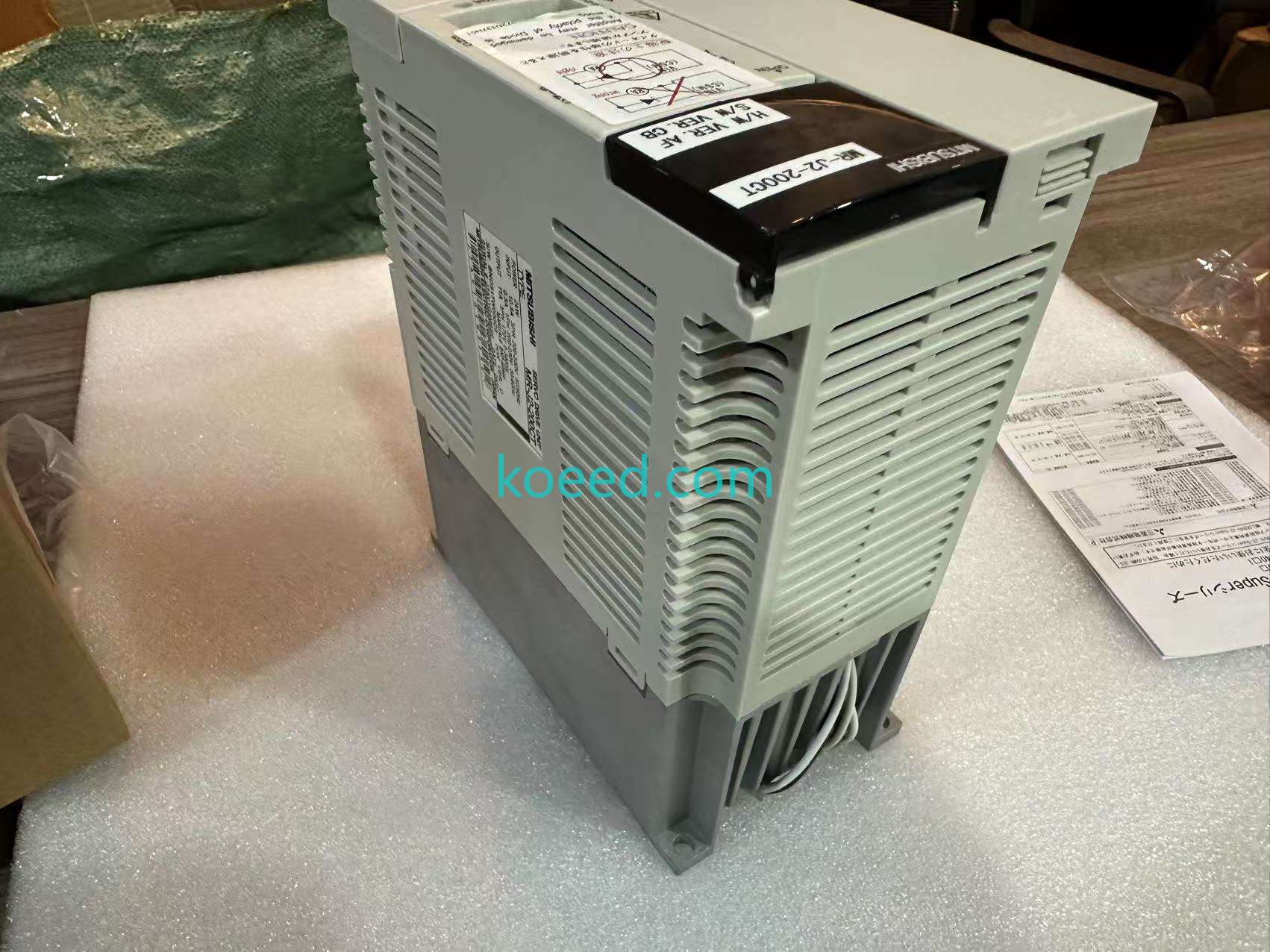
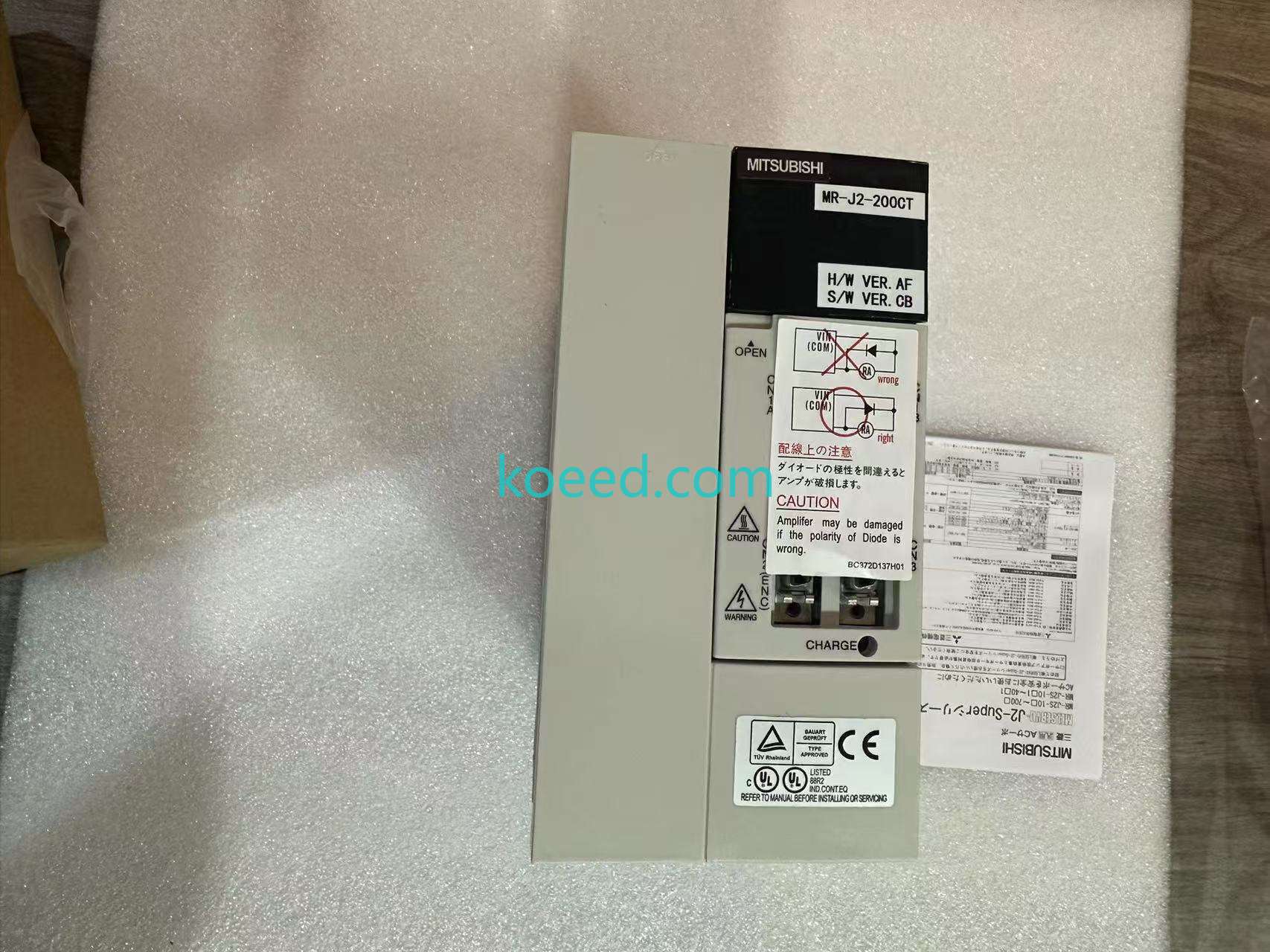
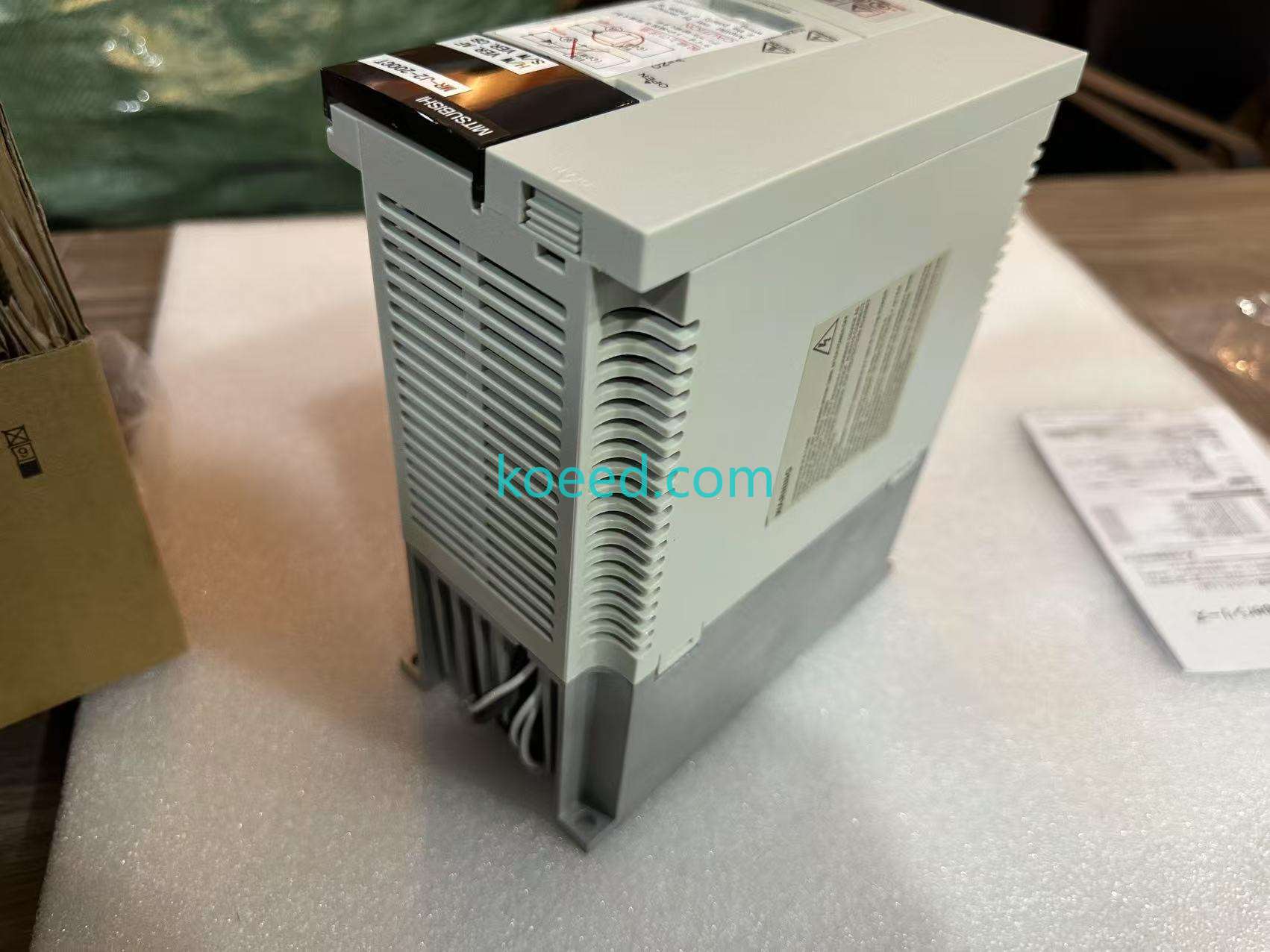
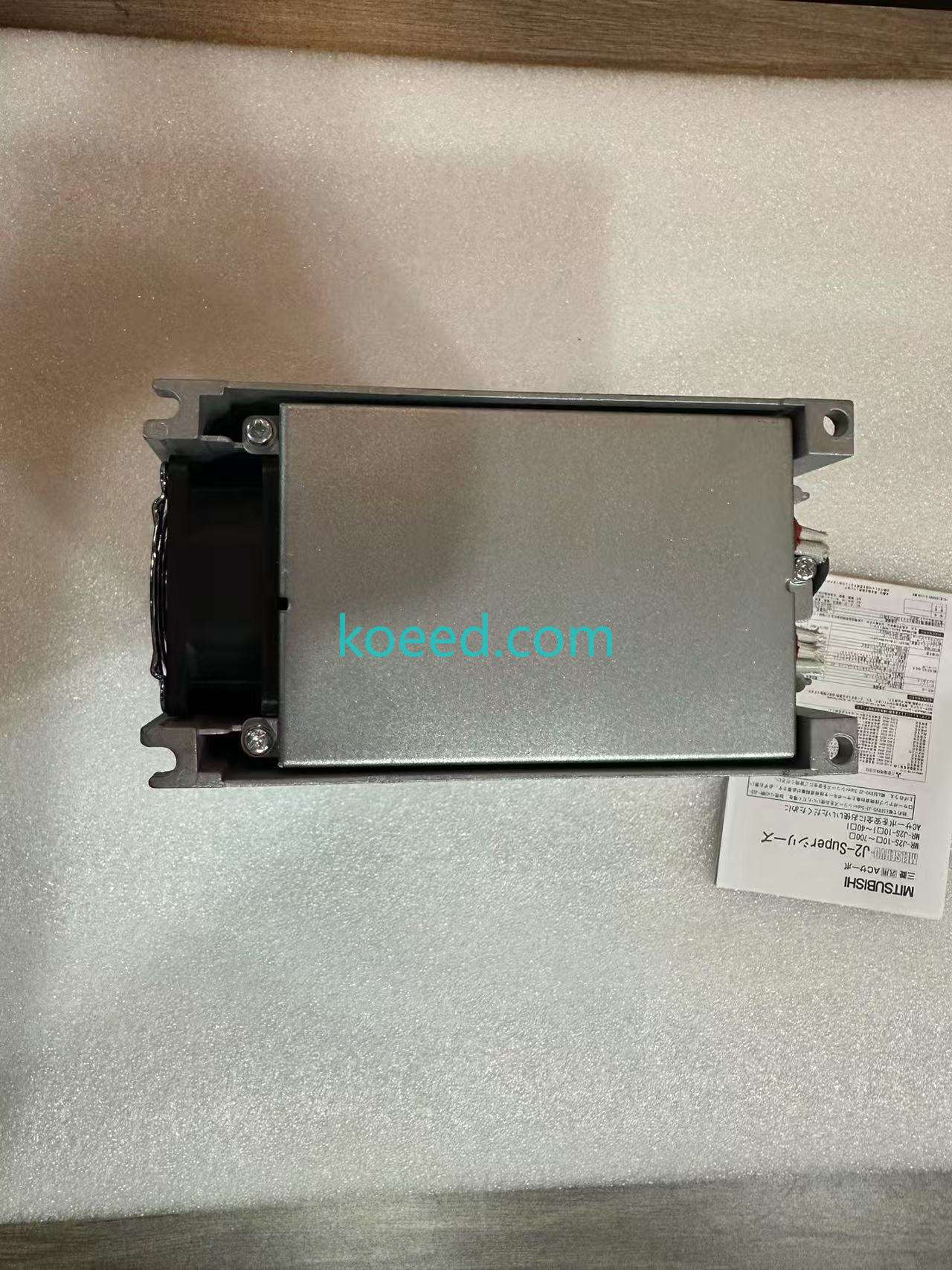
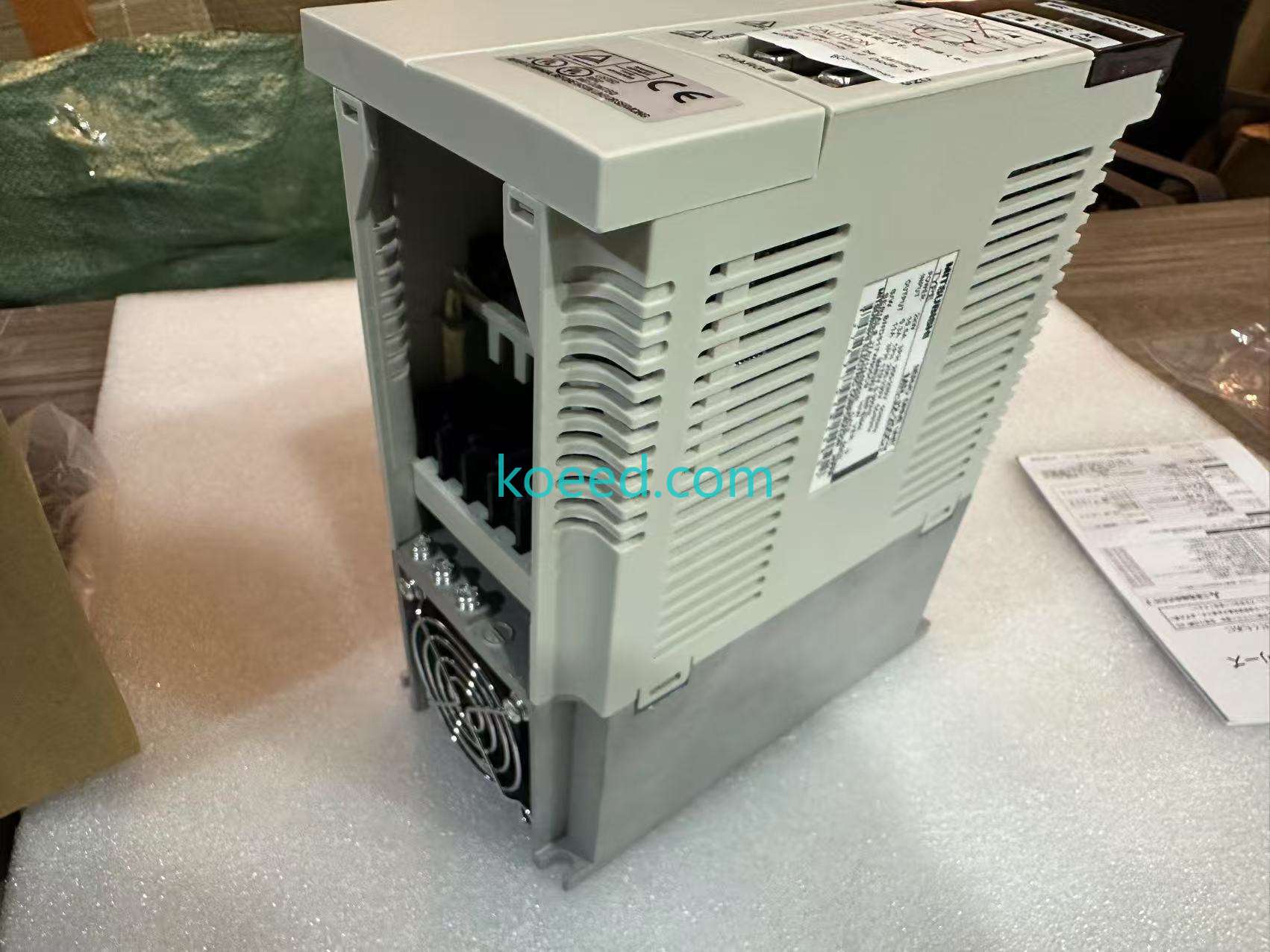
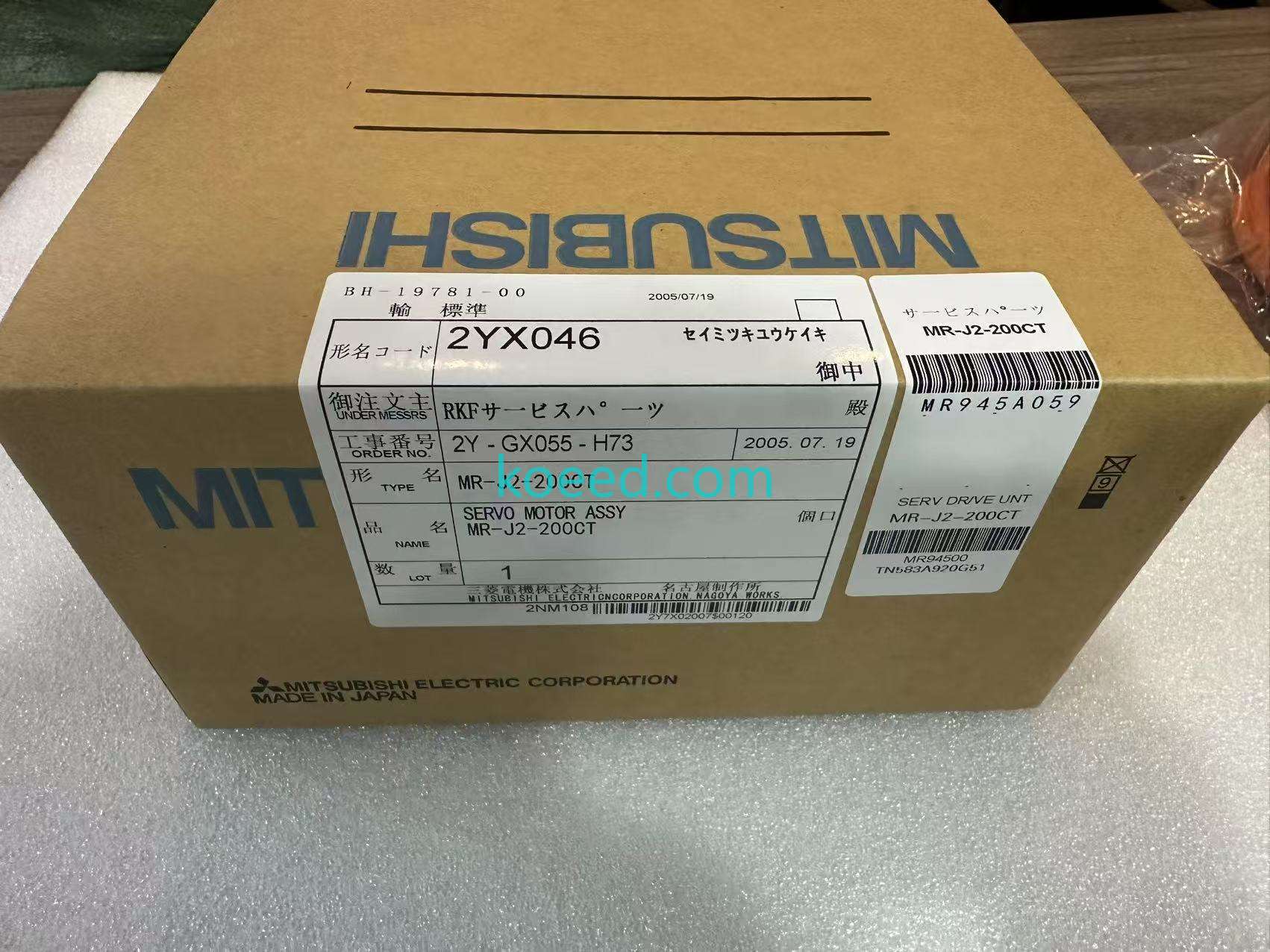
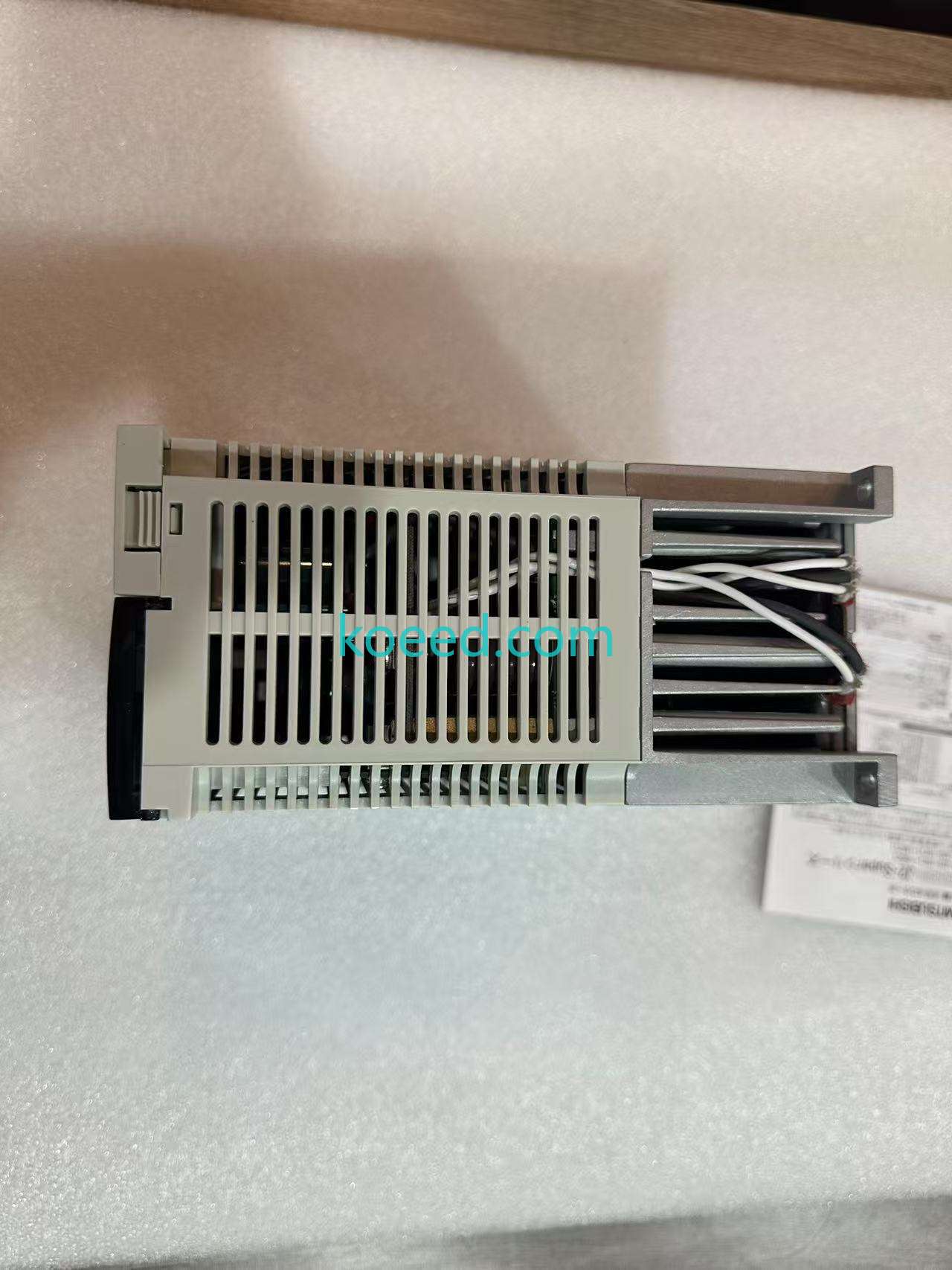
Product Visual Gallery — MR-J2-200CT
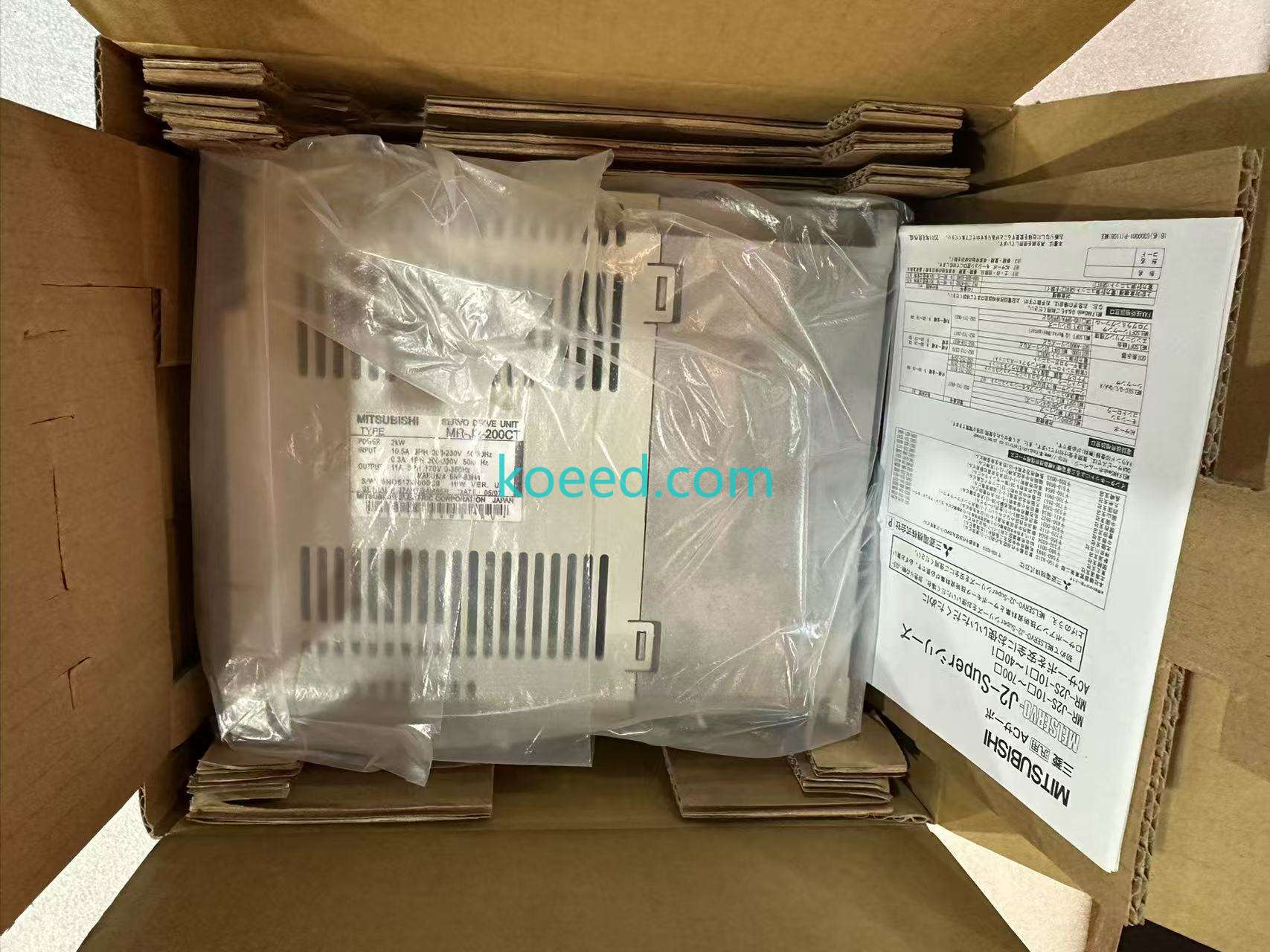
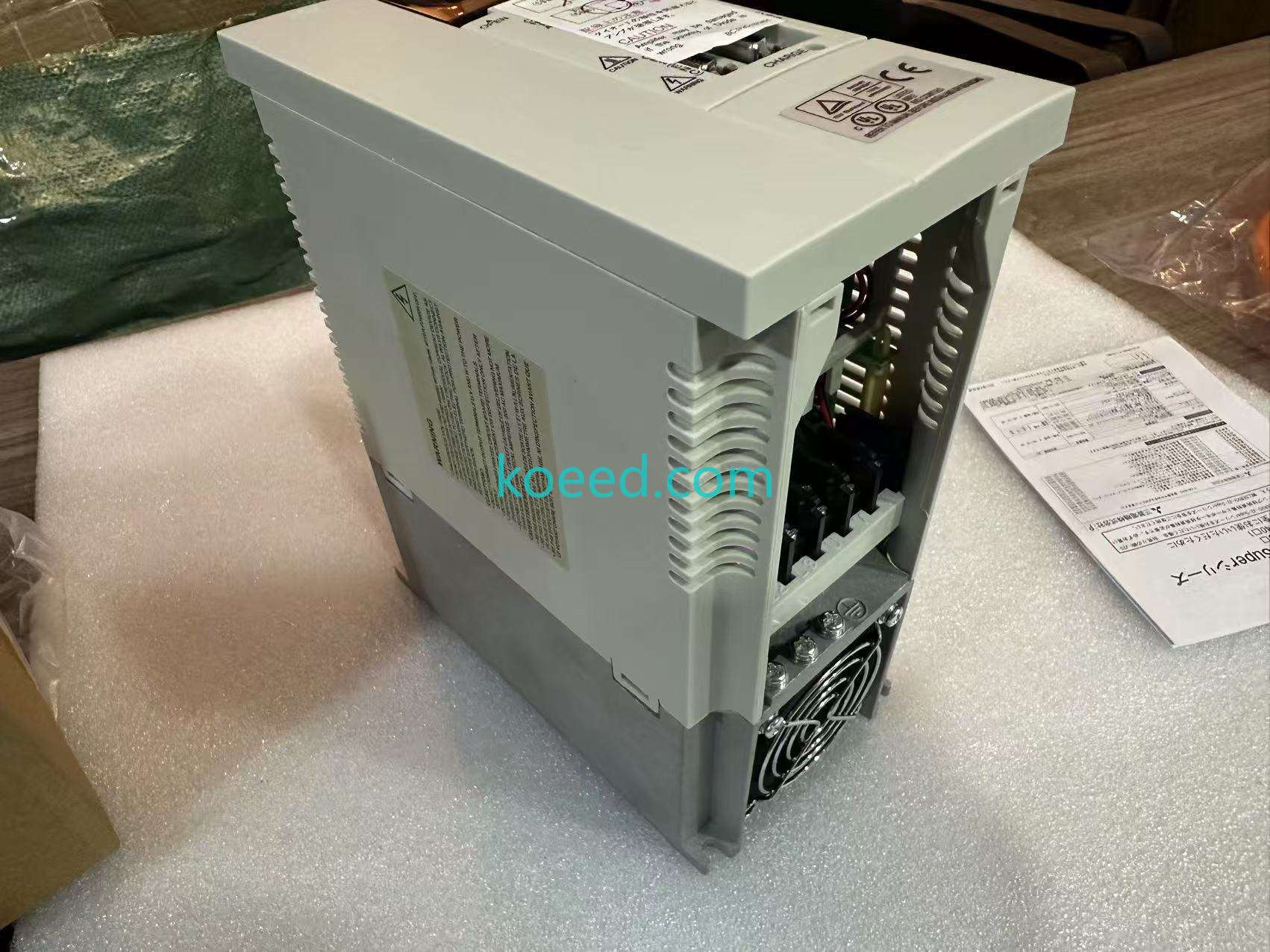
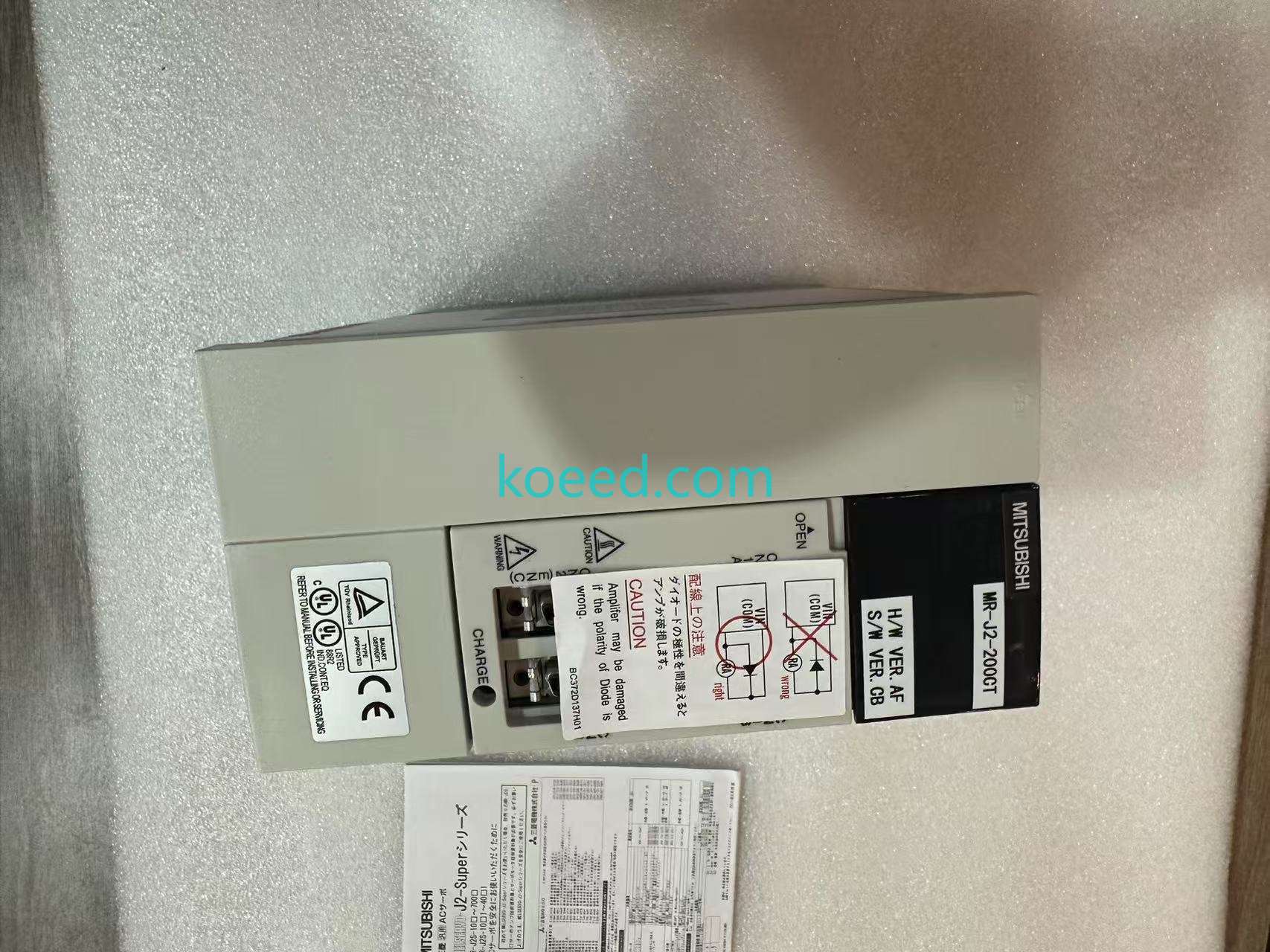
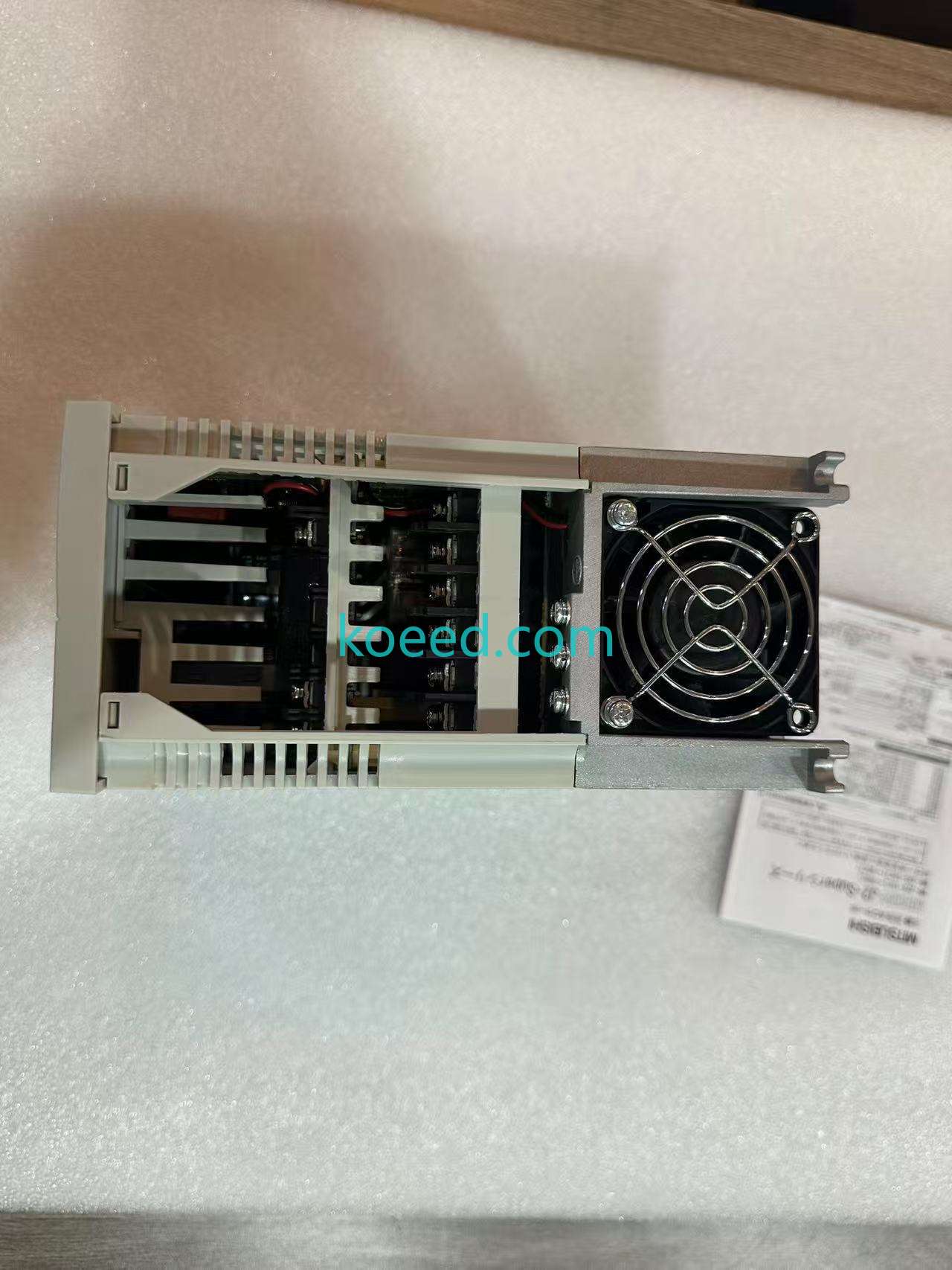
Below is a comprehensive visual reference of the Mitsubishi MR-J2-200CT servo amplifier, showcasing its front panel layout, terminal connections, rating plate, and housing details — essential for integration planning, connector identification, and condition assessment during procurement.
Maintenance & Troubleshooting: Extending MR-J2-200CT Service Life Beyond 2026
The MR-J2-200CT is renowned for its durability — many units manufactured in the early 2000s remain in continuous operation today. However, as these amplifiers age, proactive maintenance becomes the difference between a nuisance trip and a catastrophic production halt. Below are the most actionable service insights compiled from two decades of field data.
Common Alarm Codes & Rapid Resolution
| Alarm Code | Symptom | Root Cause (Probability) | Corrective Action |
|---|---|---|---|
| AL-10 | Undervoltage | Mains drop below 160V AC (65%) | Check incoming supply phases; inspect main circuit capacitor bank for degradation |
| AL-12 | Memory Error (RAM) | Internal PCB contamination or aging EEPROM (40%) | Power cycle; if persistent, replace internal battery / reinitialize parameters |
| AL-16 | Encoder Communication Fault | Shielded cable break or connector oxidation (60%) | Inspect CN2 encoder connector; test continuity on encoder cable; clean contacts with contact cleaner |
| AL-20 | Overload / Overcurrent | Mechanical binding or motor winding short (45%) | Decouple motor from load; test free rotation; megger motor windings |
| AL-30 | Regenerative Brake Overheat | Excessive deceleration duty cycle (55%) | Reduce deceleration rate; add external regenerative resistor; verify cooling fan operation |
| AL-51 | Overload 2 (Thermal) | Sustained operation above rated torque (70%) | Reduce duty cycle; verify ambient temperature ≤ 55°C; clean heatsink fins |
Preventive Maintenance Schedule (2026 Recommendations)
| Interval | Task | Tools / Consumables | Acceptance Criteria |
|---|---|---|---|
| Monthly | Visual inspection of cooling fan & heatsink | Flashlight, compressed air can | No visible dust accumulation; fan rotates freely |
| Quarterly | Tightness check of all terminal screws (TB1, TB2, CN2) | Torque screwdriver (0.8–1.2 N·m) | No loose connections; no signs of arcing or discoloration |
| Biannually | Encoder cable shield continuity test | Multimeter (continuity mode) | Shield resistance < 1Ω from connector shell to ground bus |
| Annually | DC bus capacitor ESR measurement | ESR meter / LCR meter | ESR within ±20% of datasheet nominal value |
| Every 5 Years | Full parameter backup & internal battery replacement | MR Configurator software (via RS-232), replacement lithium cell | All parameters successfully uploaded and verified |
IT/OT Convergence Strategy: Integrating the MR-J2-200CT into Smart Factory Architectures
A frequent objection to retaining the MR-J2-200CT in 2026 is its SSCNET (


