

MR-J2-10A1 Mitsubishi Servo Amplifier: The 2026 Engineering Guide to Performance, IT/OT Convergence & Predictive Maintenance
Strategic Overview: The MR-J2-10A1 in the 2026 Industrial Landscape
As manufacturing enters the deep phase of Industry 4.0 maturity in 2026, the conversation around motion control has shifted decisively. It is no longer just about precision — it is about interoperability, data transparency, and sustainable lifecycle management. Within this evolving framework, the Mitsubishi MR-J2-10A1 servo amplifier occupies a strategically vital niche: a battle-proven, 100W-class drive that bridges legacy motion platforms with modern IT/OT convergence demands.
The MR-J2-10A1 is a single-phase 200–230V AC servo amplifier delivering reliable positioning, speed, and torque control. When paired with Mitsubishi's HC-KFS or HC-MFS series servo motors, it provides a cost-effective motion axis that continues to outperform many newer generic alternatives — particularly in environments where deterministic real-time response and mechanical rigidity are non-negotiable.
Technical Specifications & Competitive Benchmarking
Understanding the MR-J2-10A1's specifications in context is essential for system integrators evaluating upgrade paths versus maintaining existing infrastructure. The table below benchmarks the MR-J2-10A1 against typical 2026 small-frame servo amplifier requirements:
| Parameter | MR-J2-10A1 Specification | 2026 Industry Benchmark | Assessment |
|---|---|---|---|
| Rated Output Power | 100 W (0.1 kW) | 50–200 W (compact axis) | ✅ Optimal for micro-motion |
| Input Voltage | 200–230 VAC, 1-Phase, 50/60 Hz | 200–240 VAC universal | ✅ Global compatibility |
| Control Modes | Position / Speed / Torque | Multi-mode + Ethernet | ⚠️ Requires external gateway for native IIoT |
| Encoder Support | 18-bit Absolute (131,072 p/rev) | 20–23 bit absolute | ✅ Sufficient for 95% of applications |
| Communication Interface | RS-422 / RS-232C | EtherCAT / CC-Link IE TSN | ⚠️ Bridge via gateway or PLC |
| Dynamic Brake | Built-in (regenerative) | Built-in + Safe Torque Off (STO) | ✅ Functional; add external STO relay |
| Protection Rating | IP00 (panel mount) | IP20–IP54 | ✅ Standard for control cabinet |
| Ambient Temperature | 0°C to +55°C | 0°C to +55°C | ✅ Matches current standard |
| Compatible Motor Series | HC-KFS, HC-MFS (100W range) | Multi-brand via open protocol | ⚠️ Mitsubishi ecosystem only |
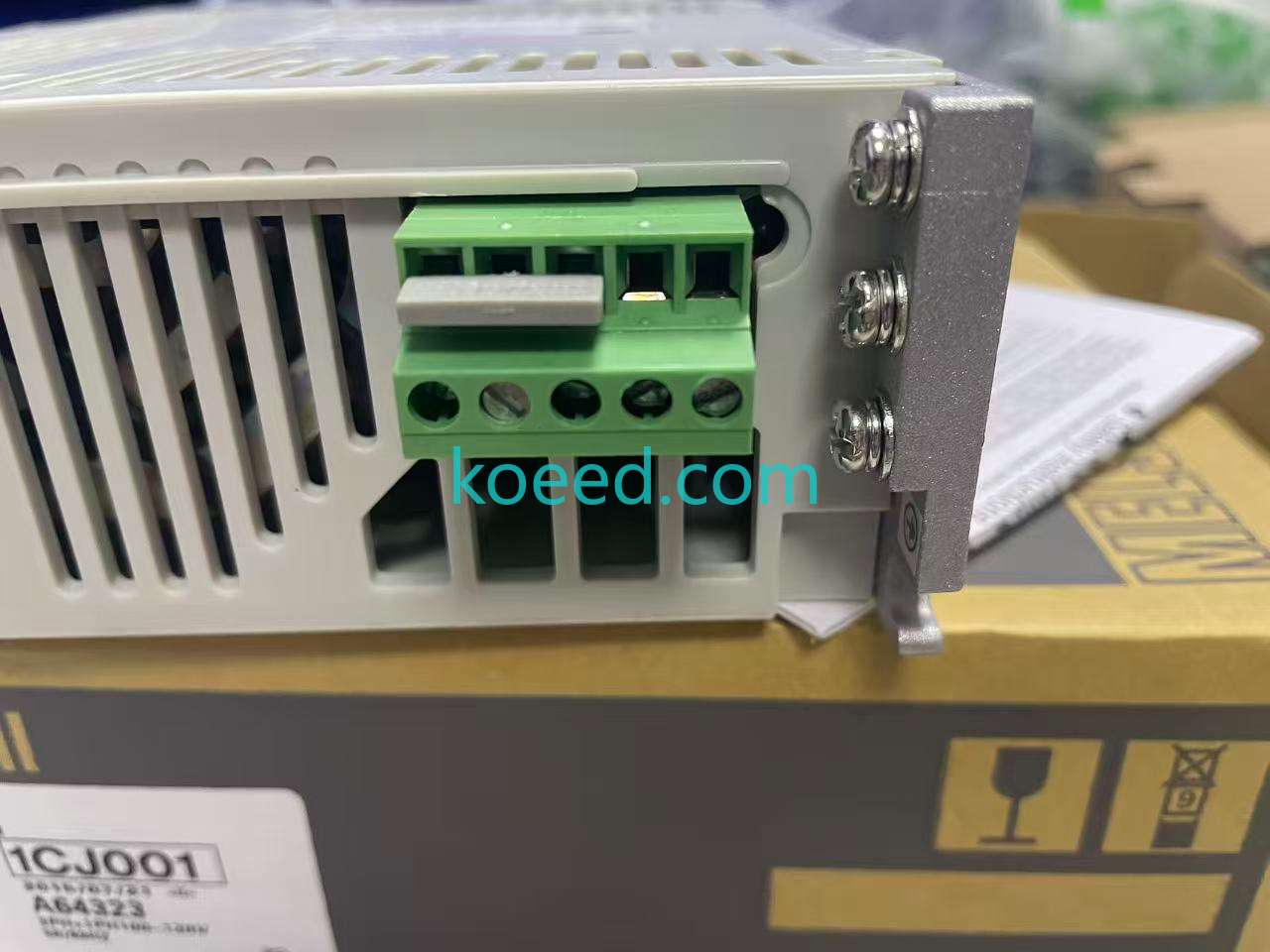
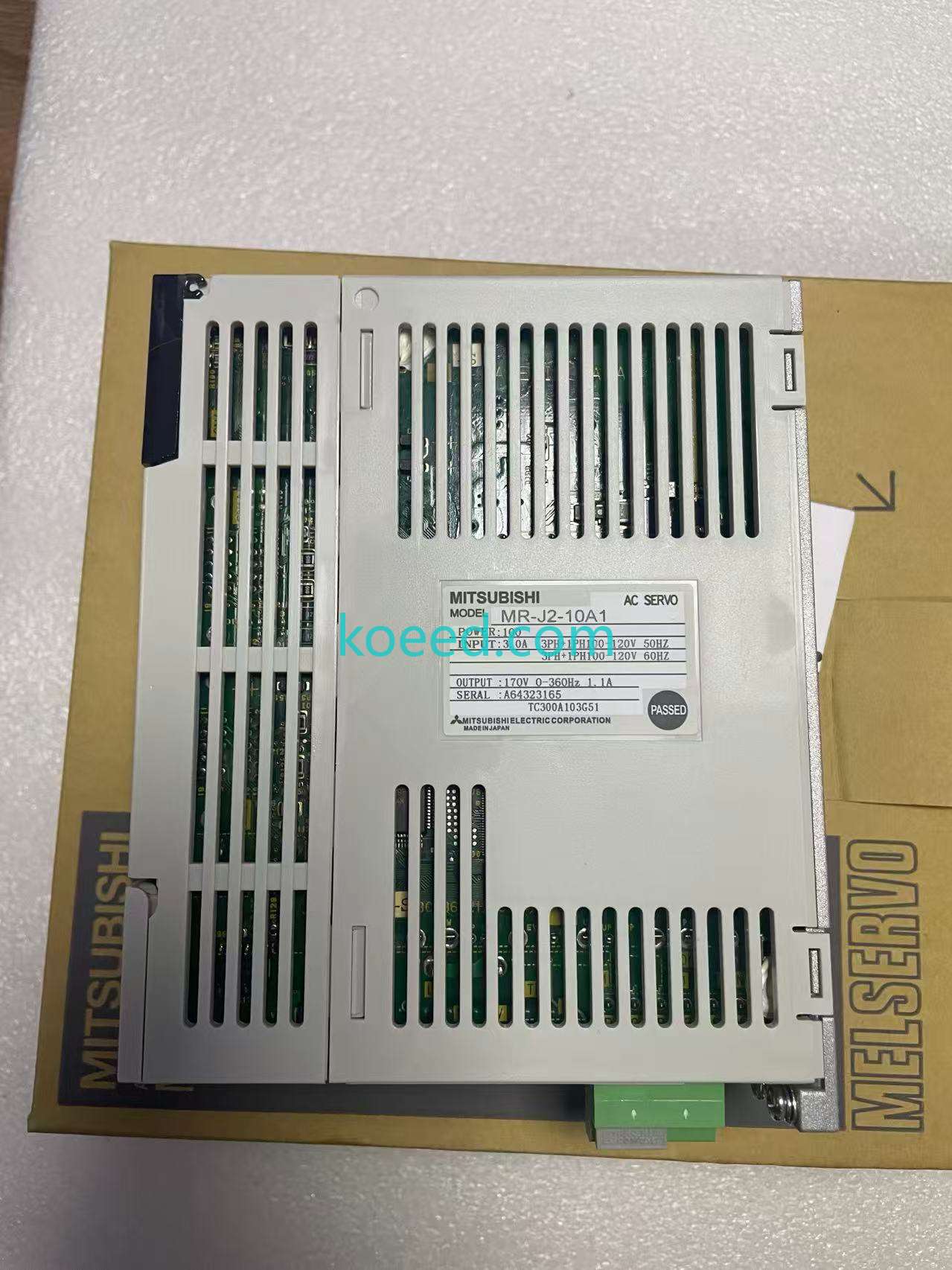
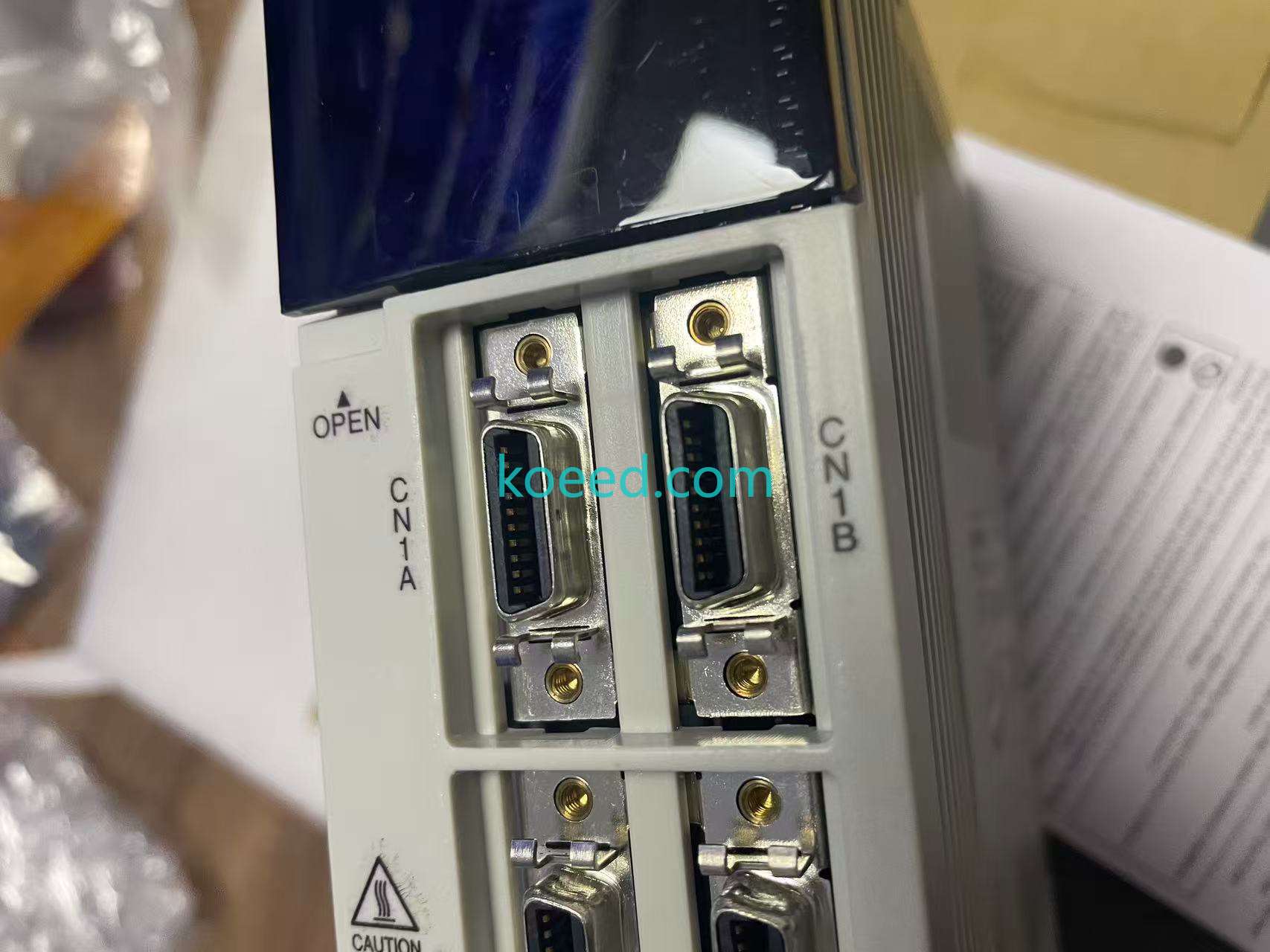
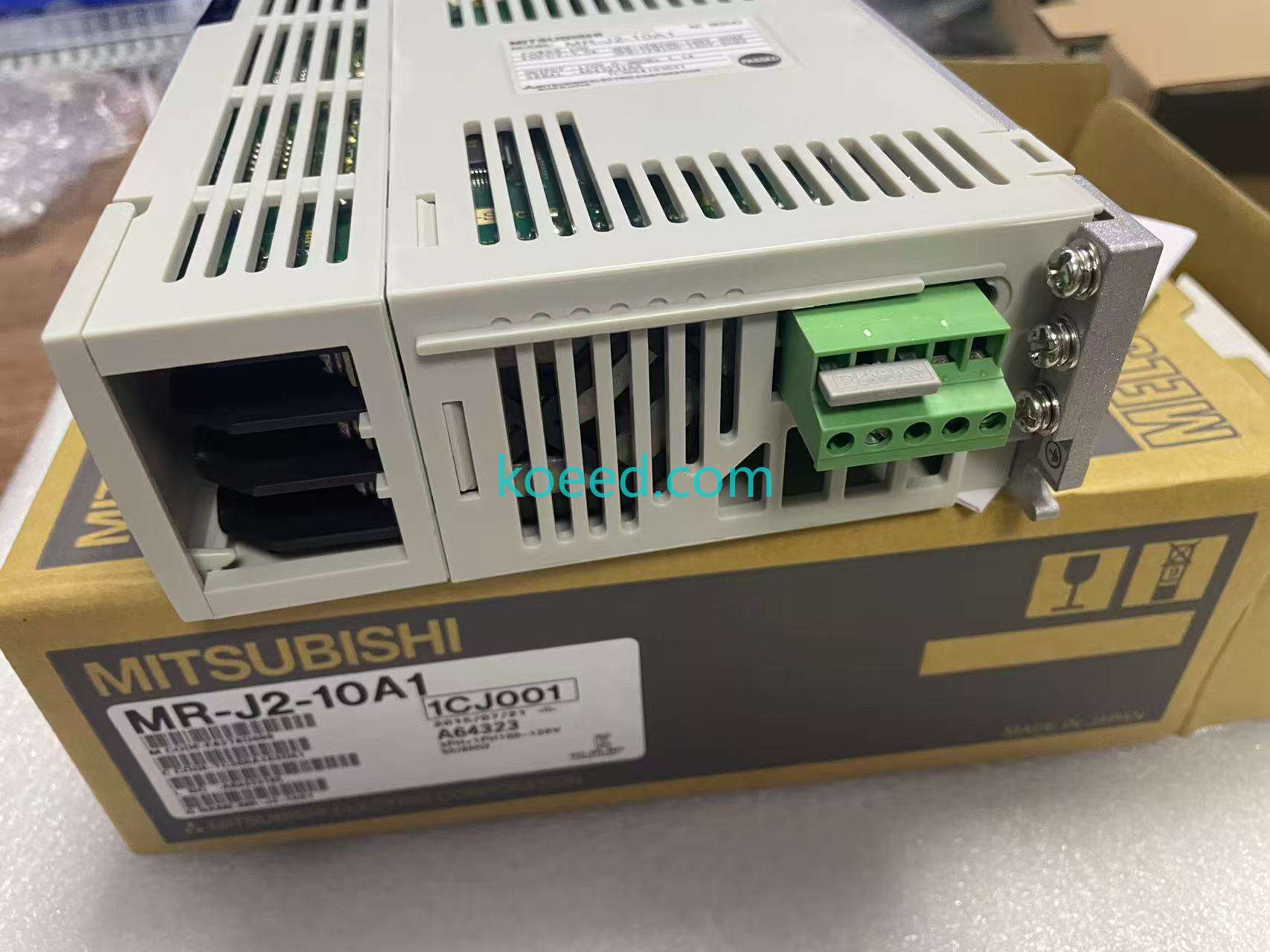
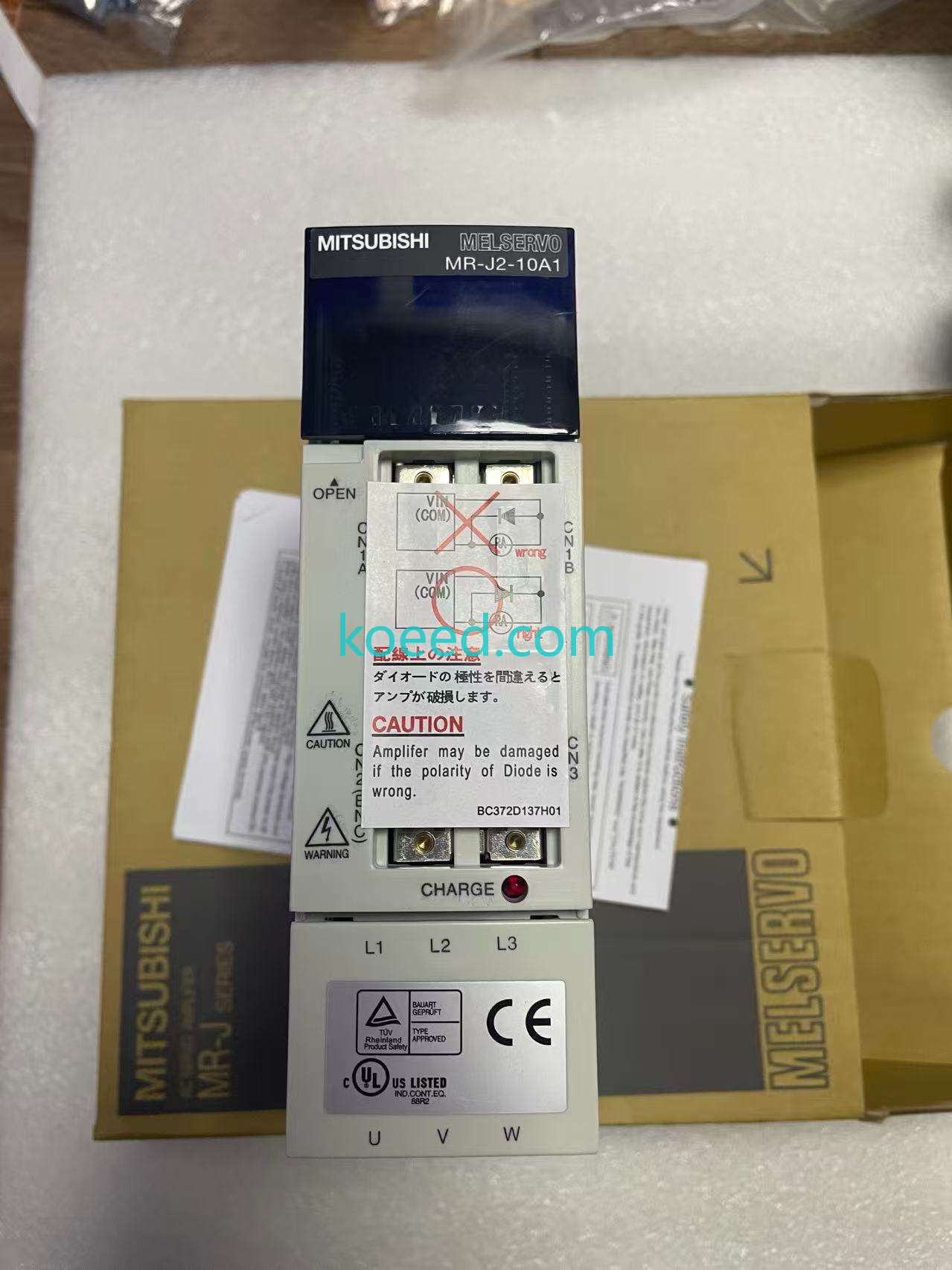
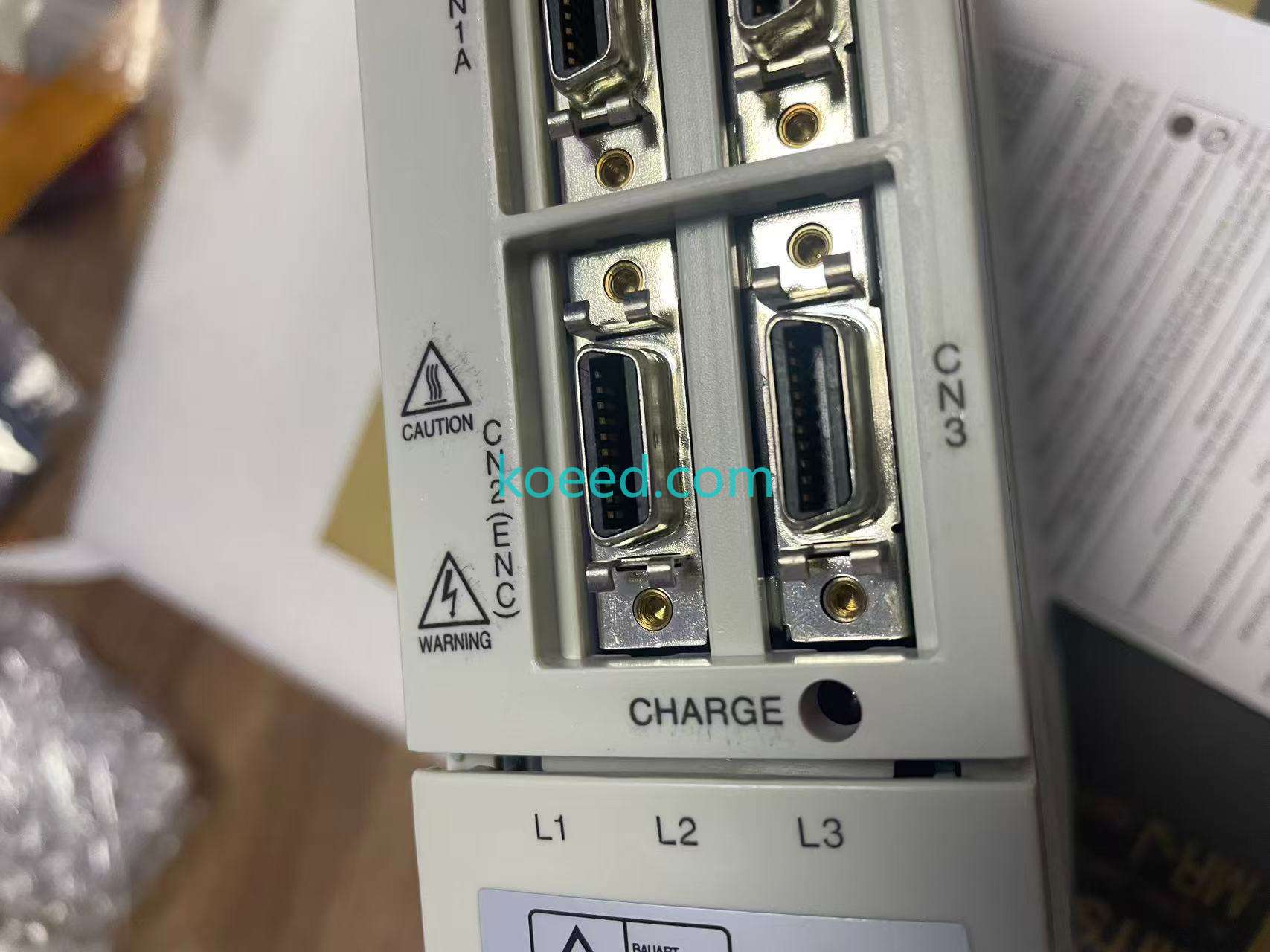
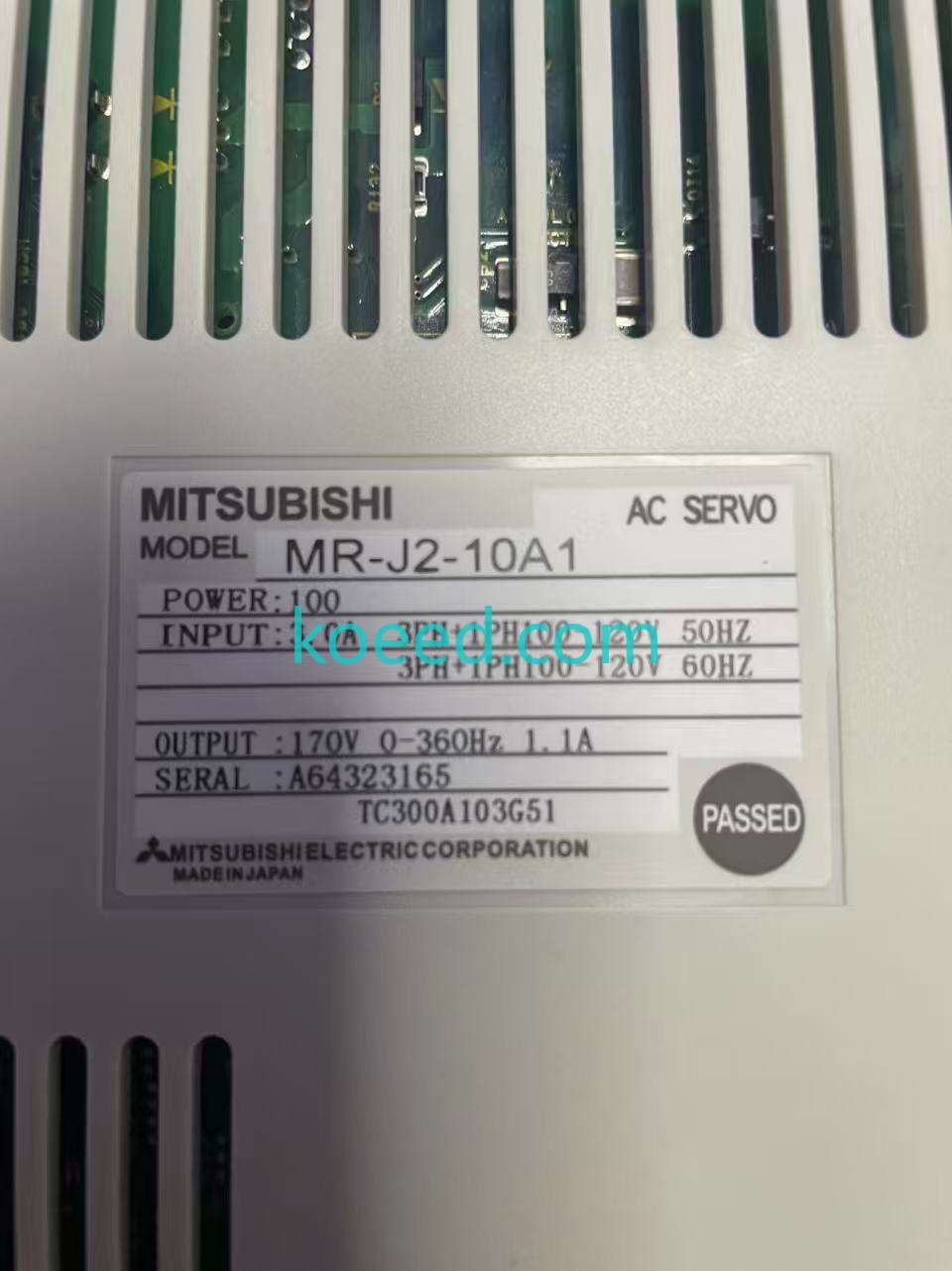
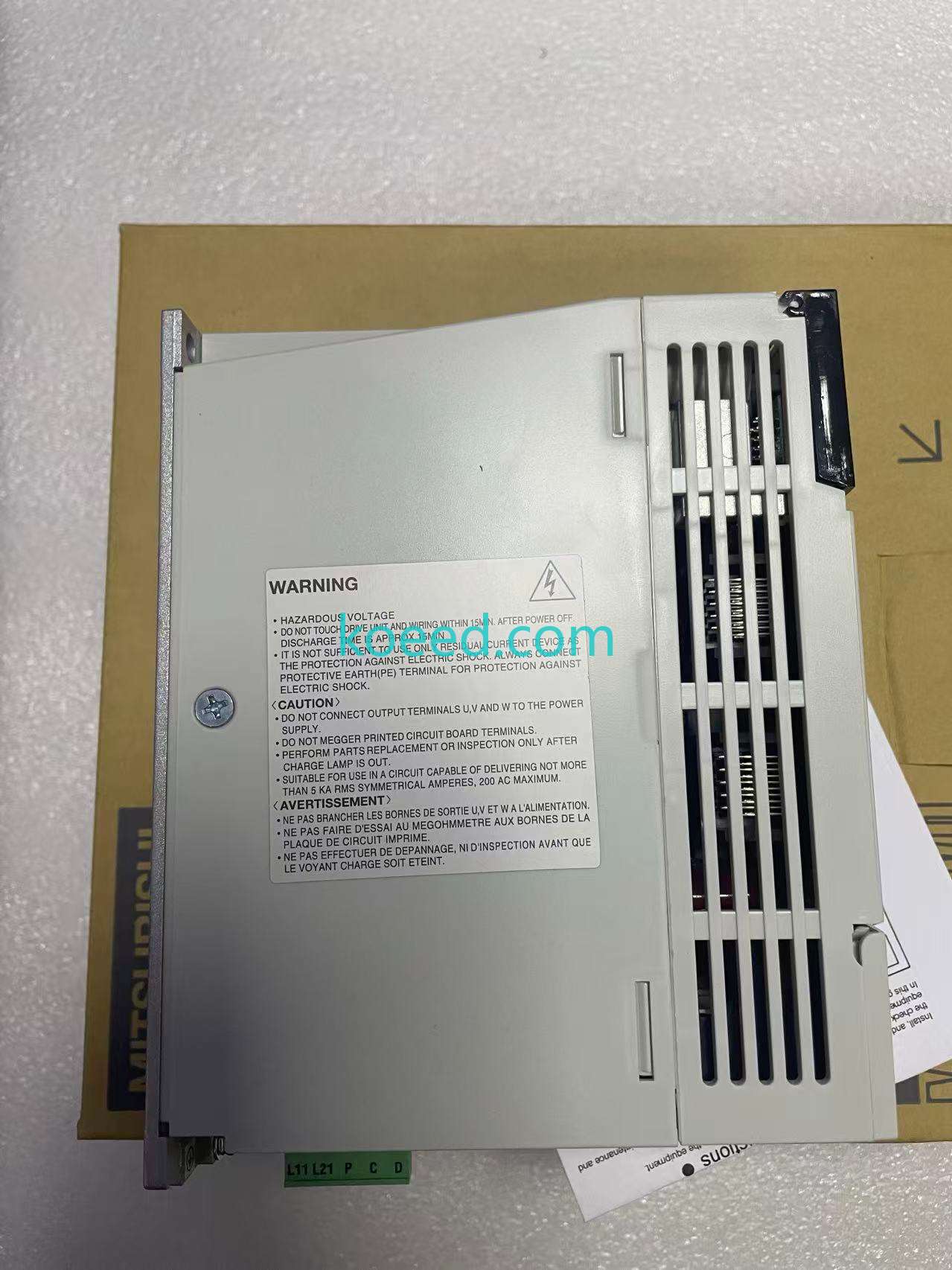
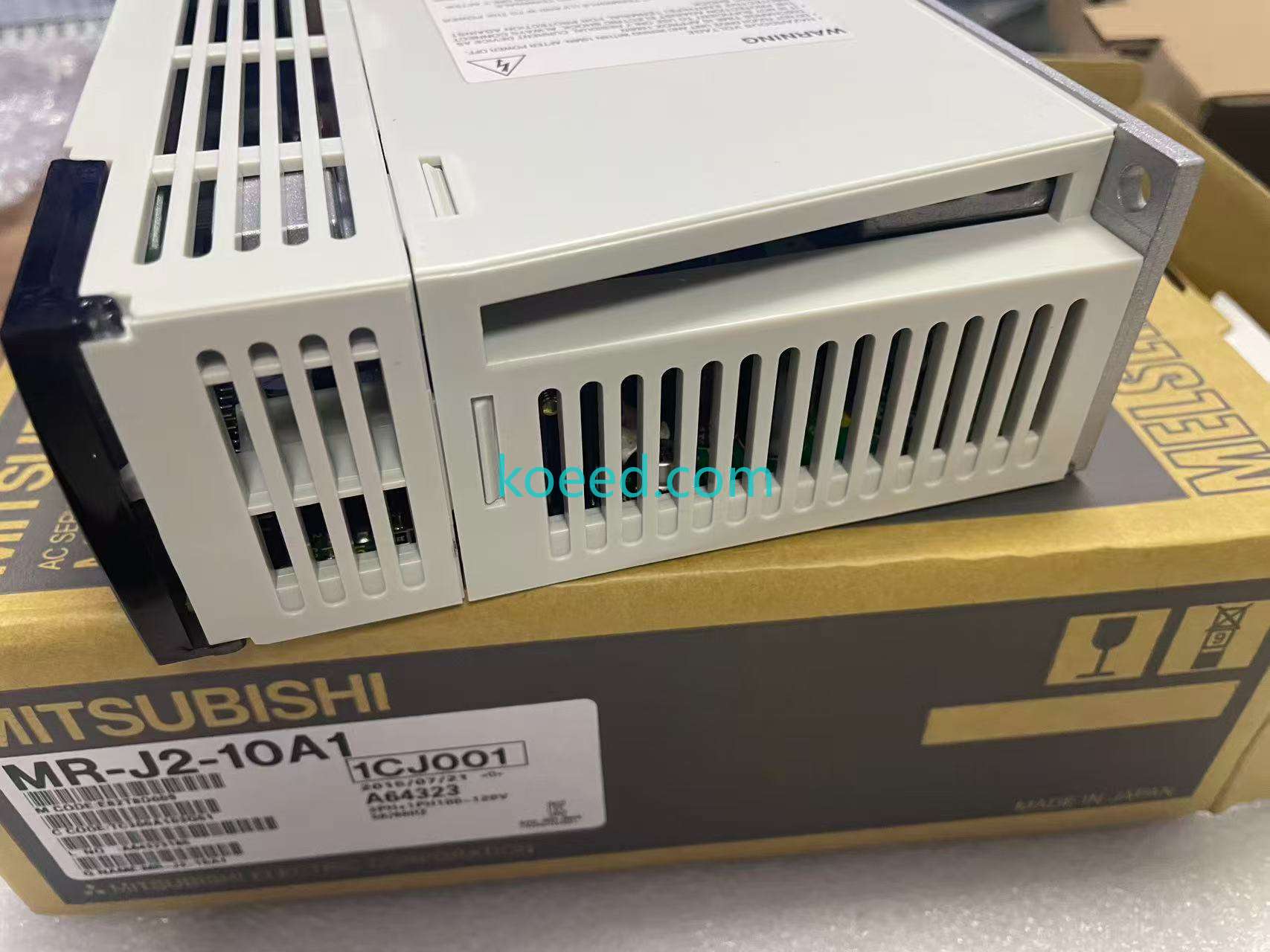
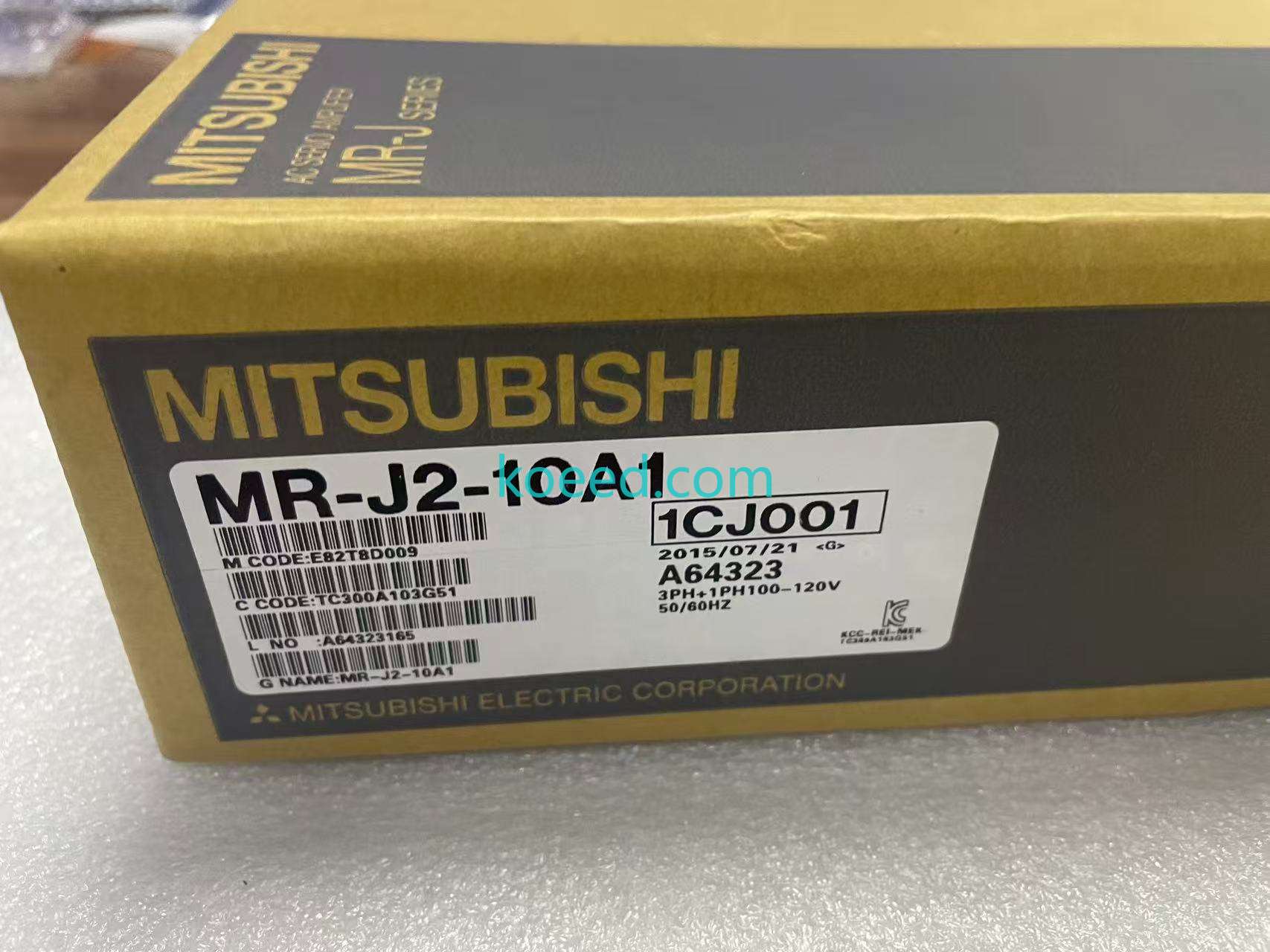
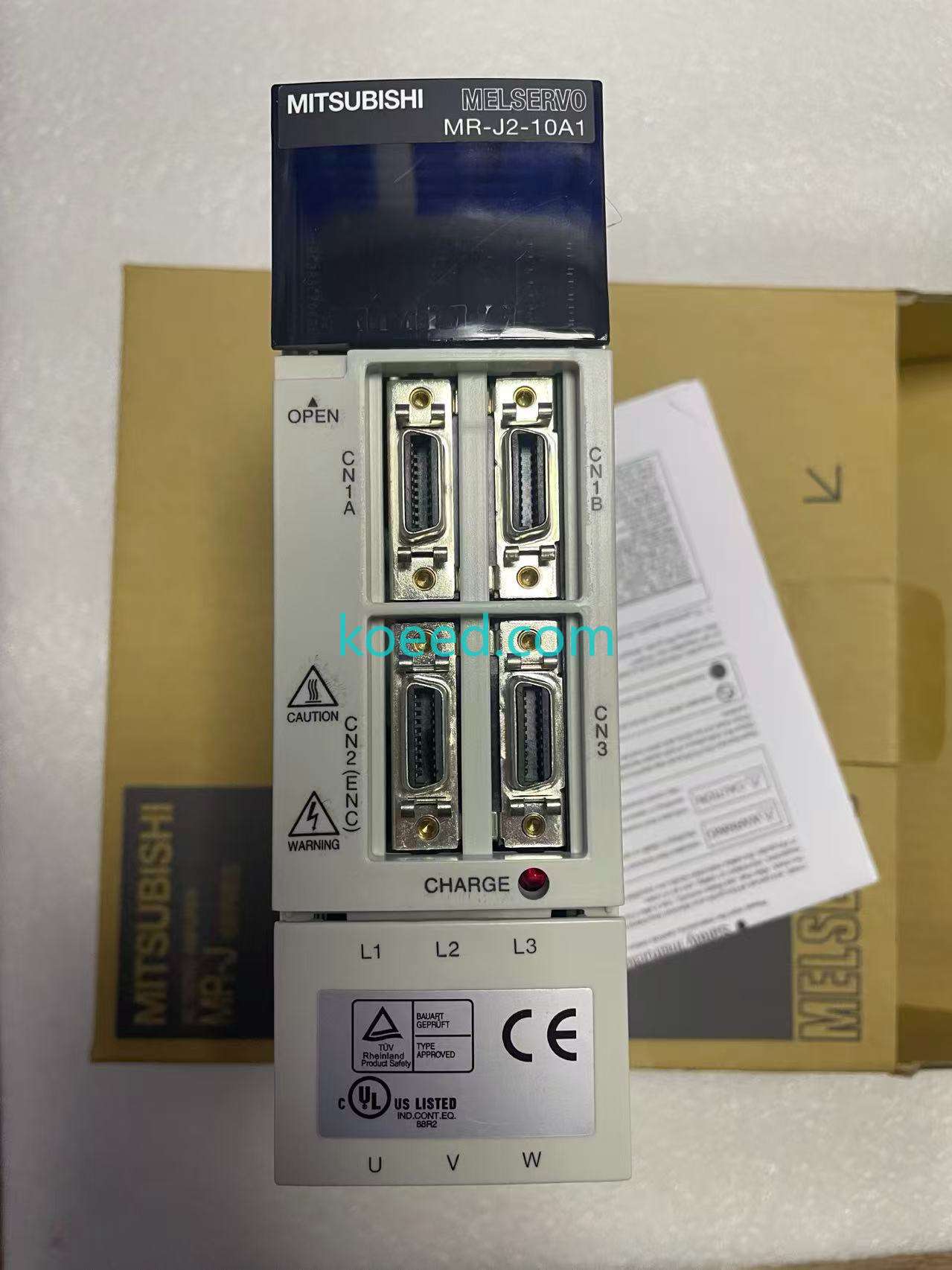
Visual Inspection Gallery: MR-J2-10A1 Detailed Views
Before procurement or installation, a thorough visual assessment of the MR-J2-10A1 servo amplifier is critical. Below is a comprehensive gallery showing the unit from multiple angles, including connector layouts, heatsink design, and PCB quality indicators that experienced engineers check for authenticity and condition:
Operational Video Reference
IT/OT Convergence: Integrating MR-J2-10A1 into the Smart Factory
By 2026, the separation between Information Technology (IT) and Operational Technology (OT) has largely dissolved. The MR-J2-10A1, while designed in an earlier era of isolated automation islands, can still participate meaningfully in a converged architecture when deployed with the right integration layer.
Architecture Pattern: Edge-Gateway Bridge
The recommended topology for 2026 smart factory integration uses a three-tier model:
Tier 1 — Field Layer: The MR-J2-10A1 communicates with its servo motor via the standard encoder and power cables. Position commands arrive via the CN1A/CN1B RS-422 interface from the motion controller.
Tier 2 — Edge Gateway: A Mitsubishi FX5U or R-series PLC acts as the protocol translator. It reads the servo amplifier's status registers, alarm codes, and real-time feedback via the RS-422 link, then publishes this data to the upper network via MQTT, OPC-UA, or CC-Link IE TSN — protocols that are standard in 2026's factory data models.
Tier 3 — Cloud/ERP Integration: Data flows into platforms such as Mitsubishi's MELIPC edge computing solution or third-party cloud MES for predictive analytics, OEE dashboards, and maintenance scheduling.
Maintenance, Troubleshooting & Predictive Health Monitoring
In 2026, maintenance philosophy has shifted from reactive to predictive. While the MR-J2-10A1 servo amplifier lacks native condition-monitoring sensors, its rich alarm code system — when monitored systematically — provides the data foundation for a predictive maintenance program.
Common Alarm Codes & Resolution Protocol
| Alarm Code | Description | Root Cause (2026 Diagnostic Lens) | Resolution |
|---|---|---|---|
| AL-10 | Undervoltage | Capacitor aging in power supply section; common after 8–12 years | Check bus voltage; replace capacitors if ripple exceeds 5% |
| AL-12 | Memory Error (RAM) | Battery-backed RAM degradation; environmental EMI spikes | Power cycle; replace internal battery; inspect grounding |
| AL-15 | Encoder Error 1 | Cable fatigue near connector bend points; intermittent data | Inspect CN2 encoder cable; use cable carrier-rated replacement |
| AL-16 | Encoder Error 2 | Absolute encoder battery depletion | Replace MR-BAT battery; re-establish home position |
| AL-20 | Overcurrent | Partial winding short in motor; mechanical binding | Megger test motor windings; inspect mechanical coupling |
| AL-24 | Main Circuit Overheat | Cabinet ventilation failure; heatsink dust accumulation | Clean heatsink fins; verify fan operation; check ambient ≤55°C |
| AL-30 | Regenerative Brake Error | Excessive regeneration duty; external regen resistor sizing | Recalculate duty cycle; add external regen resistor if needed |
| AL-31 | Overspeed | Command pulse frequency spike; parameter mismatch | Verify parameter No.8 (speed limit); check pulse train integrity |
Preventive Maintenance Schedule
Quarterly: Visual inspection of heatsink for dust; verify all connector seating; check for discoloration on PCB (indicating thermal stress).
Annually: Full parameter backup via MR Configurator software; replace absolute encoder battery (MR-BAT); torque-check all terminal screws; measure bus capacitor ripple.
Every 5 Years: Consider preemptive capacitor replacement in the power supply section — the primary failure mode for MR-J2 series amplifiers operating beyond 8 years of continuous duty.
ROI, Total Cost of Ownership & Sustainability Analysis
In 2026, procurement decisions are evaluated through a triple lens: financial ROI, total cost of ownership (TCO), and carbon/energy footprint. Here is how the MR-J2-10A1 stacks up:
Financial ROI: Brownfield vs. Greenfield
Replacing a failed MR-J2-10A1 with an identical unit avoids the significant hidden costs of a full axis upgrade — new motor, new cables, new PLC programming, and production downtime. Typical cost comparison in 2026:
| Cost Factor | MR-J2-10A1 Drop-In Replacement | Full Axis Upgrade (e.g., MR-J5 series) |
|---|---|---|
| Hardware Cost | $400–$700 (refurbished / NOS) | $1,200–$1,800 (new amp + motor) |
| Integration / Programming | ~2 hours (parameter restore) | ~16–40 hours (re-tuning, PLC changes) |
| Production Downtime | ~4 hours (qualified technician) | ~1–3 shifts (full recommissioning) |
| Ancillary Costs | None (cables & motor retained) | New cables, connectors, possibly mechanical adapters |
| Estimated Total | $800–$1,200 | $3,500–$7,000+ |
TCO Over 5 Years
The MR-J2-10A1's mature design means predictable failure modes and widely available spare parts. Energy consumption at 100W rated output is minimal — approximately equivalent to a laptop computer under load. For a small assembly cell with four MR-J2-10A1 axes running two shifts, the annual energy cost at 2026 average industrial electricity rates ($0.12/kWh) is under $170 total.
Sustainability Impact
Choosing to maintain and extend the life of existing MR-J2-10A1 servo amplifiers rather than replacing entire motion axes aligns with the 2026 circular economy mandates increasingly required by ESG compliance frameworks. Every MR-J2-10A1 kept in service avoids approximately 2.8 kg of e-waste and roughly 18 kg of CO₂ equivalent embedded in manufacturing a new servo drive and motor set.
Frequently Asked Questions
Can the MR-J2-10A1 be used with third-party servo motors?
The MR-J2-10A1 is factory-calibrated for Mitsubishi's HC-KFS and HC-MFS 100W-class servo motors. While technically possible to drive third-party motors with matching encoder protocol and pole counts, this is strongly discouraged — the auto-tuning and protection algorithms are optimized for Mitsubishi's motor parameters. Using non-Mitsubishi motors voids predictable performance and may trigger spurious alarm conditions.
What software is needed to configure and tune the MR-J2-10A1?
Mitsubishi's MR Configurator (MRZJW3-SETUP221E) software is the primary tool for parameter configuration, tuning, and diagnostics. It connects via RS-232C (CN3 port) using a standard serial cable or USB-to-RS232 adapter. For basic parameter changes, the front-panel operator keys and 5-digit 7-segment display allow direct access without a PC. Note that in 2026, many technicians use virtualized Windows XP/7 environments to run the legacy configuration software on modern laptops.
Is the MR-J2-10A1 compatible with EtherCAT or CC-Link IE Field networks?
Natively, no. The MR-J2-10A1 uses RS-422/RS-232C serial communication. However, it integrates into modern fieldbus networks through the motion controller or PLC acting as a protocol bridge. For example, a Mitsubishi FX5-80SSC-S simple motion module can command the drive via RS-422 while the PLC communicates on CC-Link IE Field Basic. This gives the MR-J2-10A1 full participation in synchronized motion applications without replacing the drive.
What are the signs of impending capacitor failure in the MR-J2-10A1?
The most reliable indicators are an increasing frequency of AL-10 (undervoltage) alarms during acceleration, visible bulging or electrolyte leakage on the main bus capacitors, and a rise in ripple voltage on the DC bus when measured with an oscilloscope. If the bus voltage sags more than 10% under full load compared to idle, capacitor replacement is recommended.
Secure Your MR-J2-10A1 with Expert Support
Whether you need a drop-in replacement, technical parameter guidance, or a full lifecycle analysis for your motion fleet, our team is ready to assist. We stock tested, genuine MR-J2-10A1 amplifiers and offer programming support for legacy MELSERVO-J2 systems.


