
ABB ACS355-03E-04A1-4 Machinery Drive: Complete Technical Guide and Applications
ABB ACS355-03E-04A1-4 Machinery Drive
Compact, Versatile Variable Frequency Drive for Industrial Applications
Product Overview
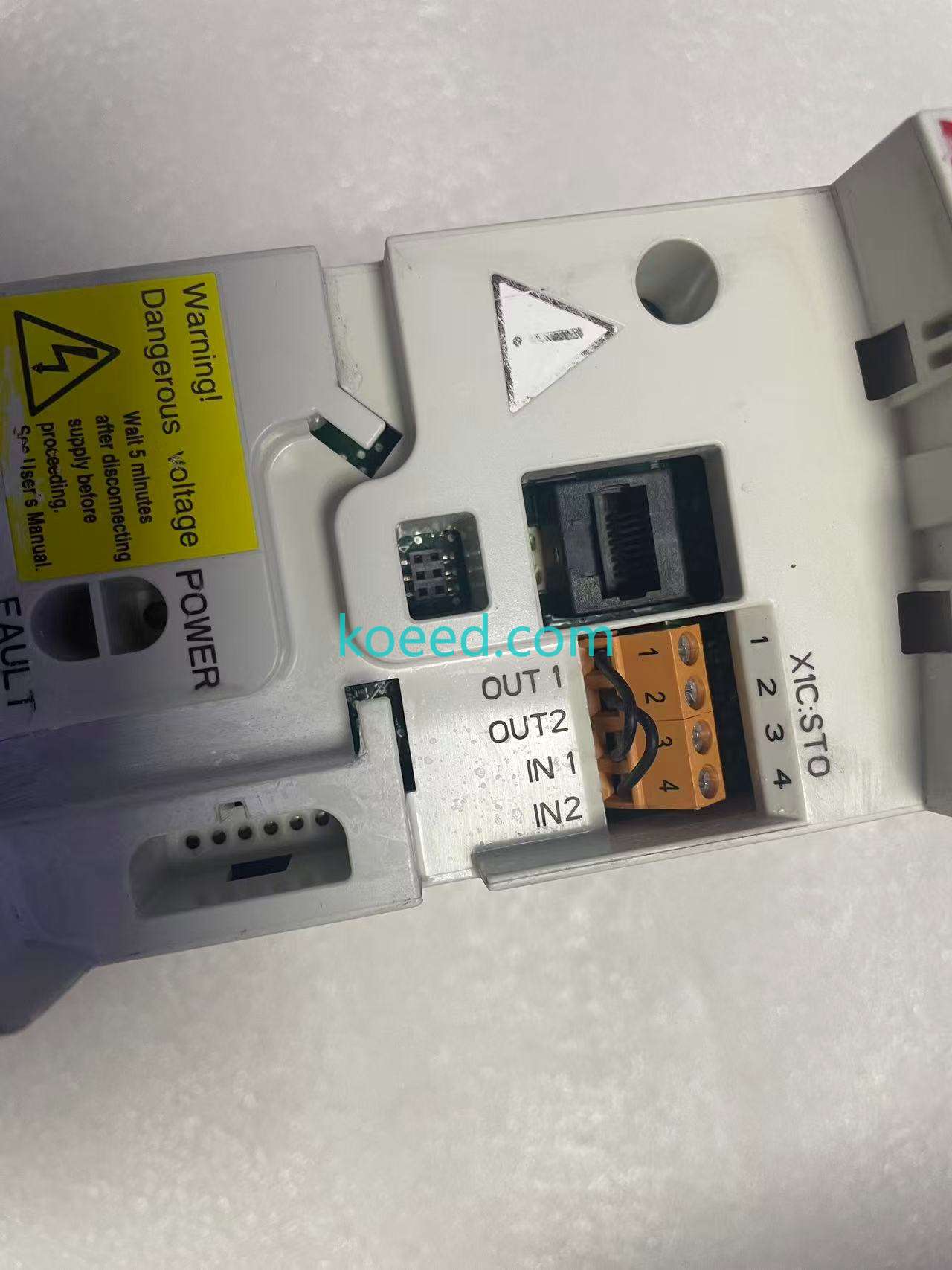
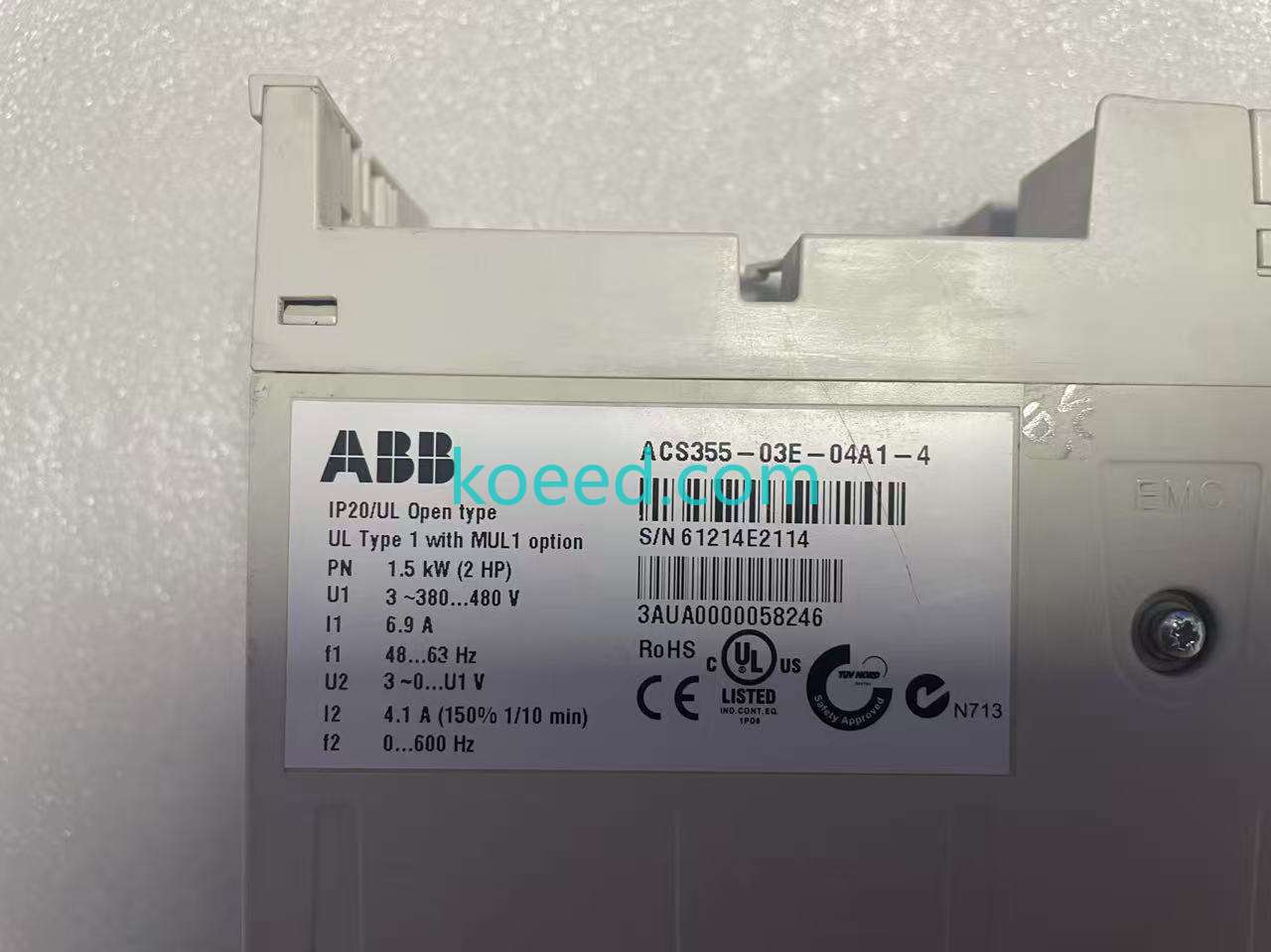
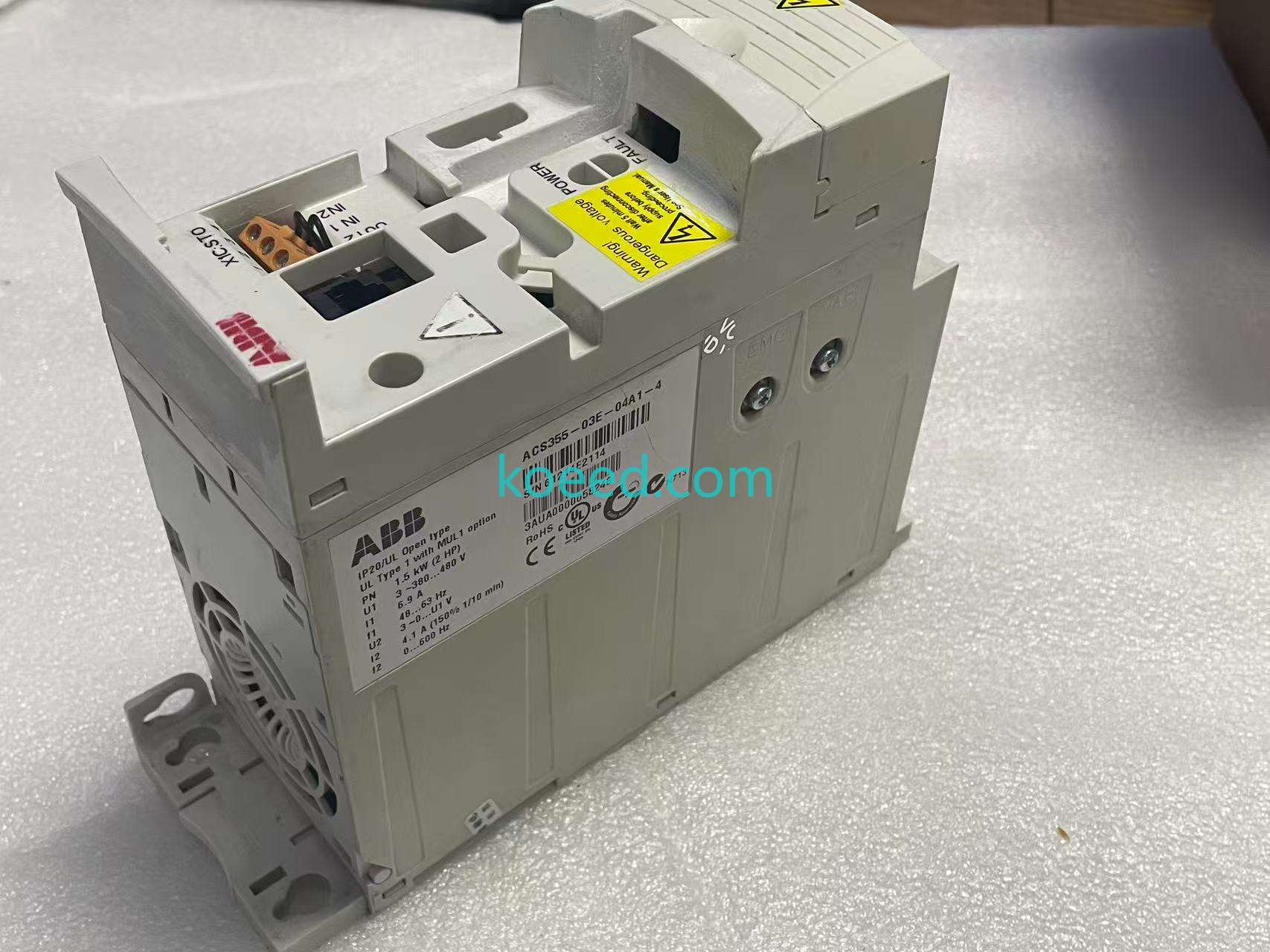
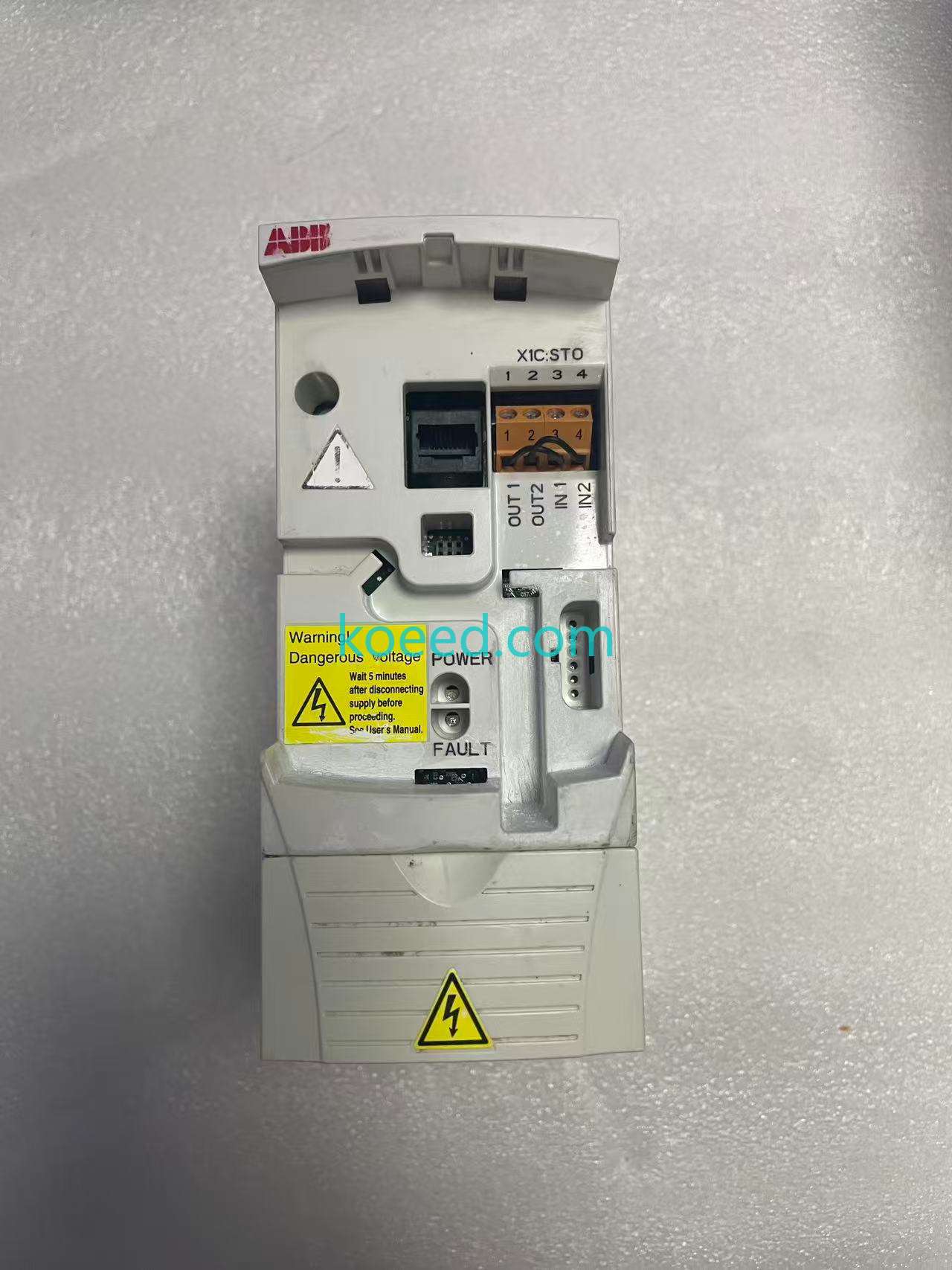
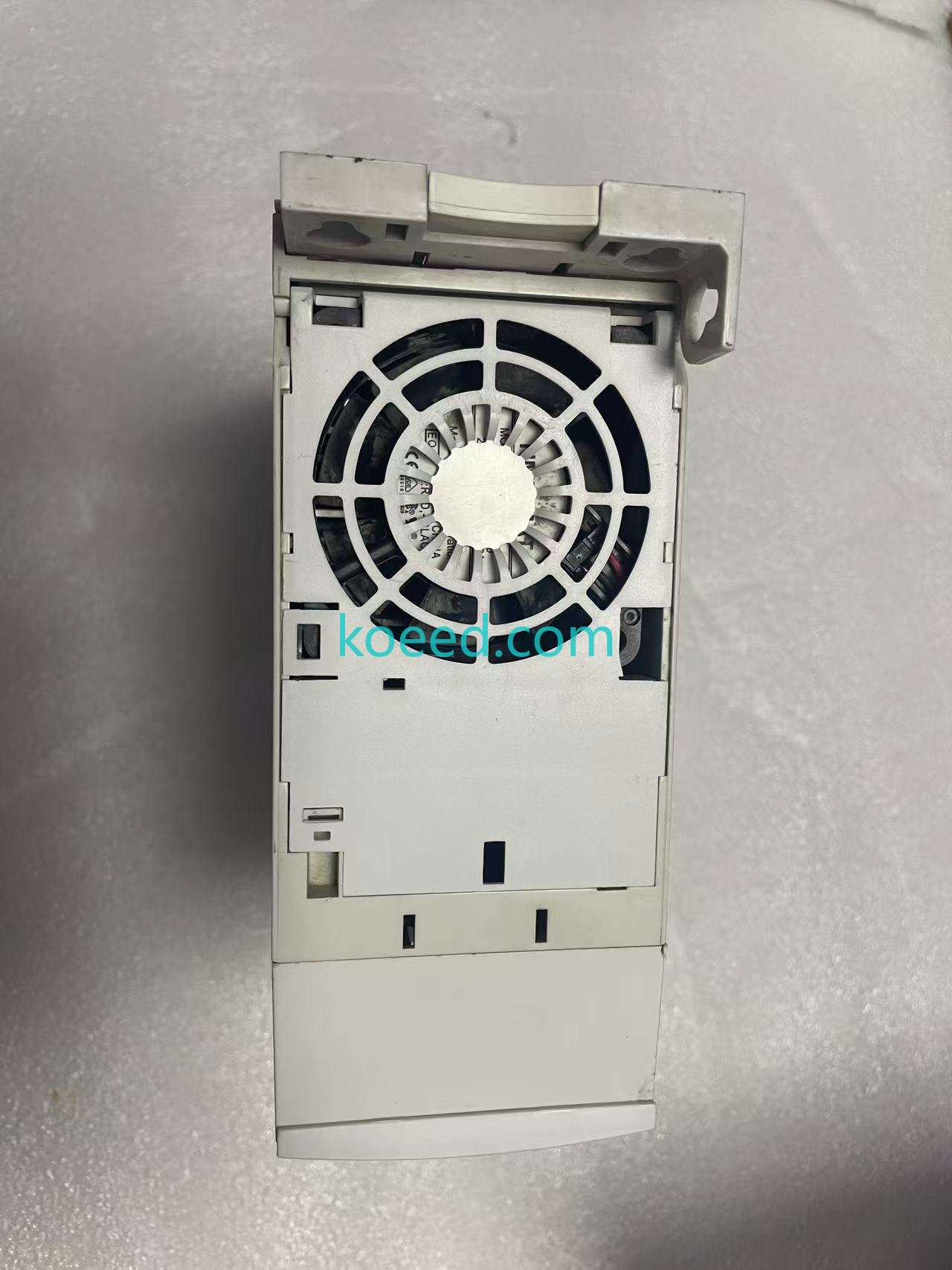
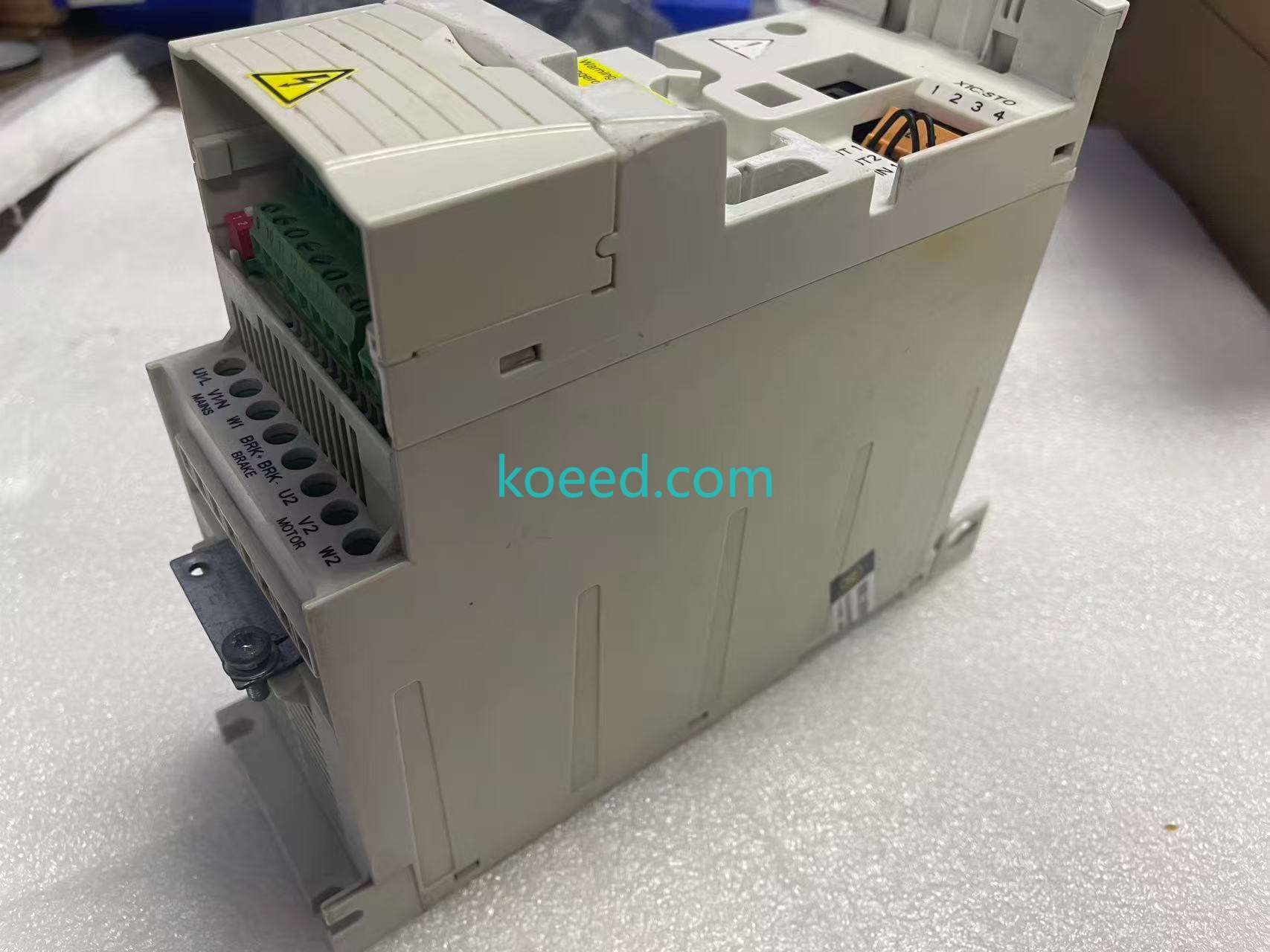
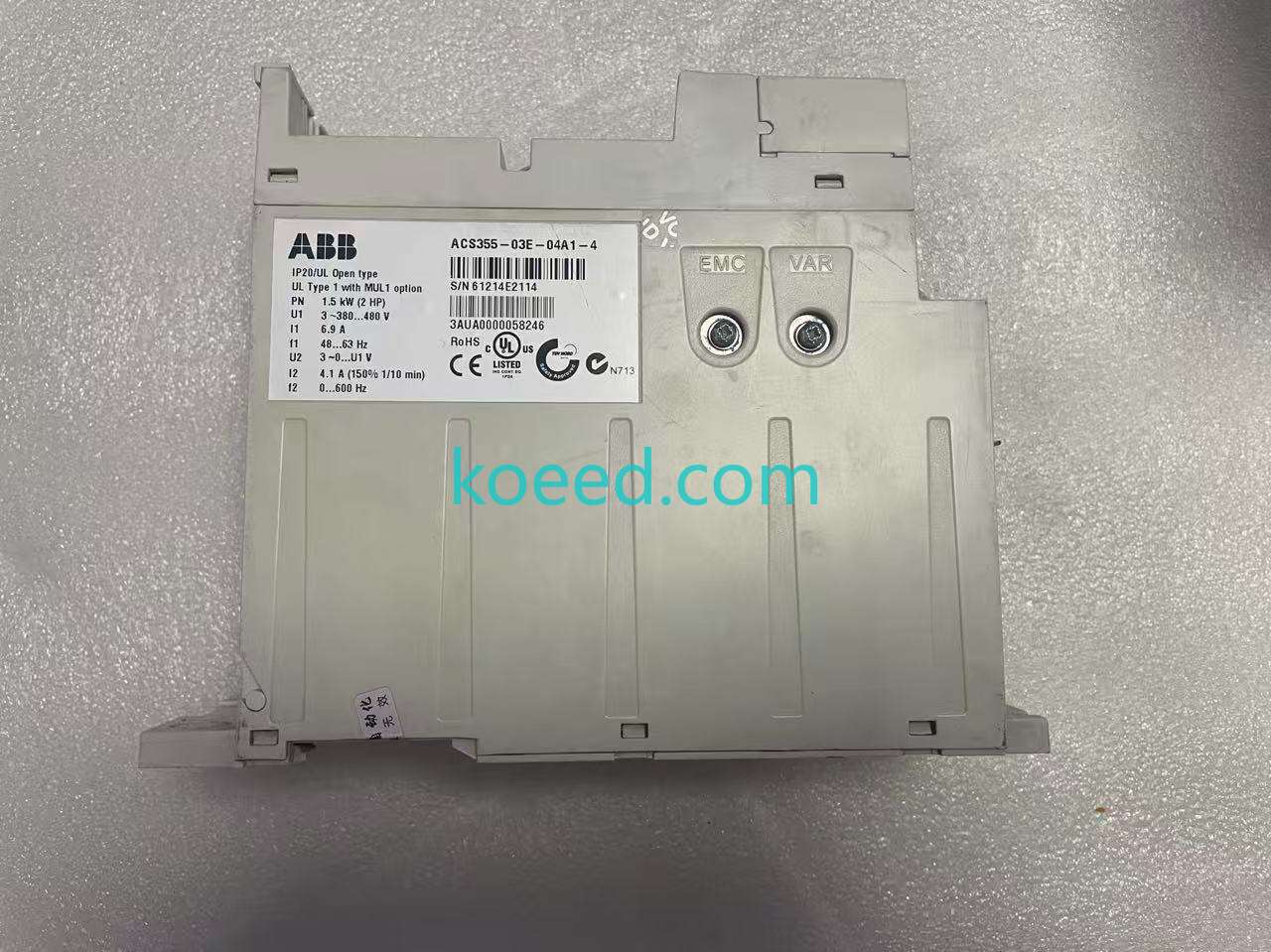
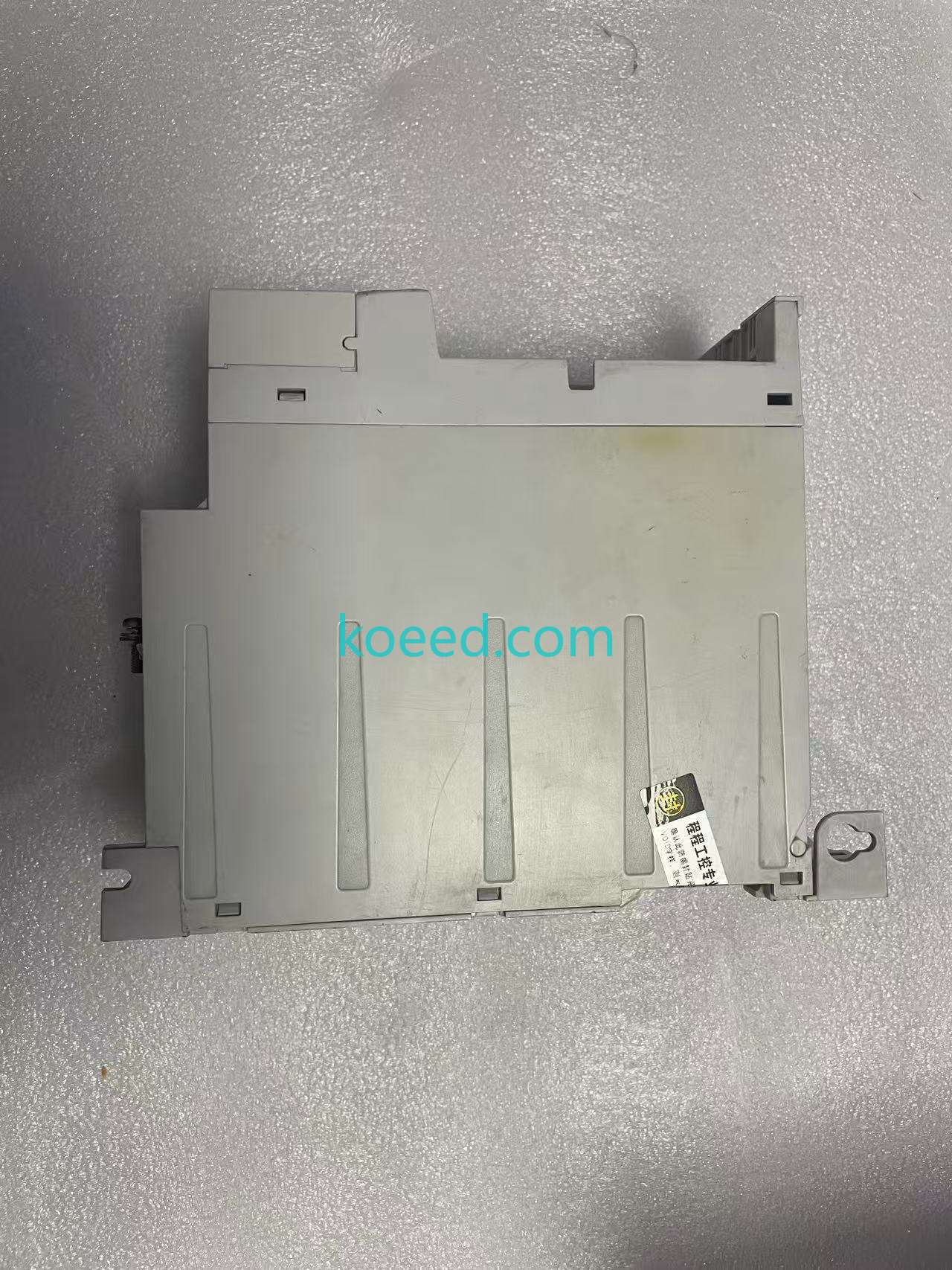
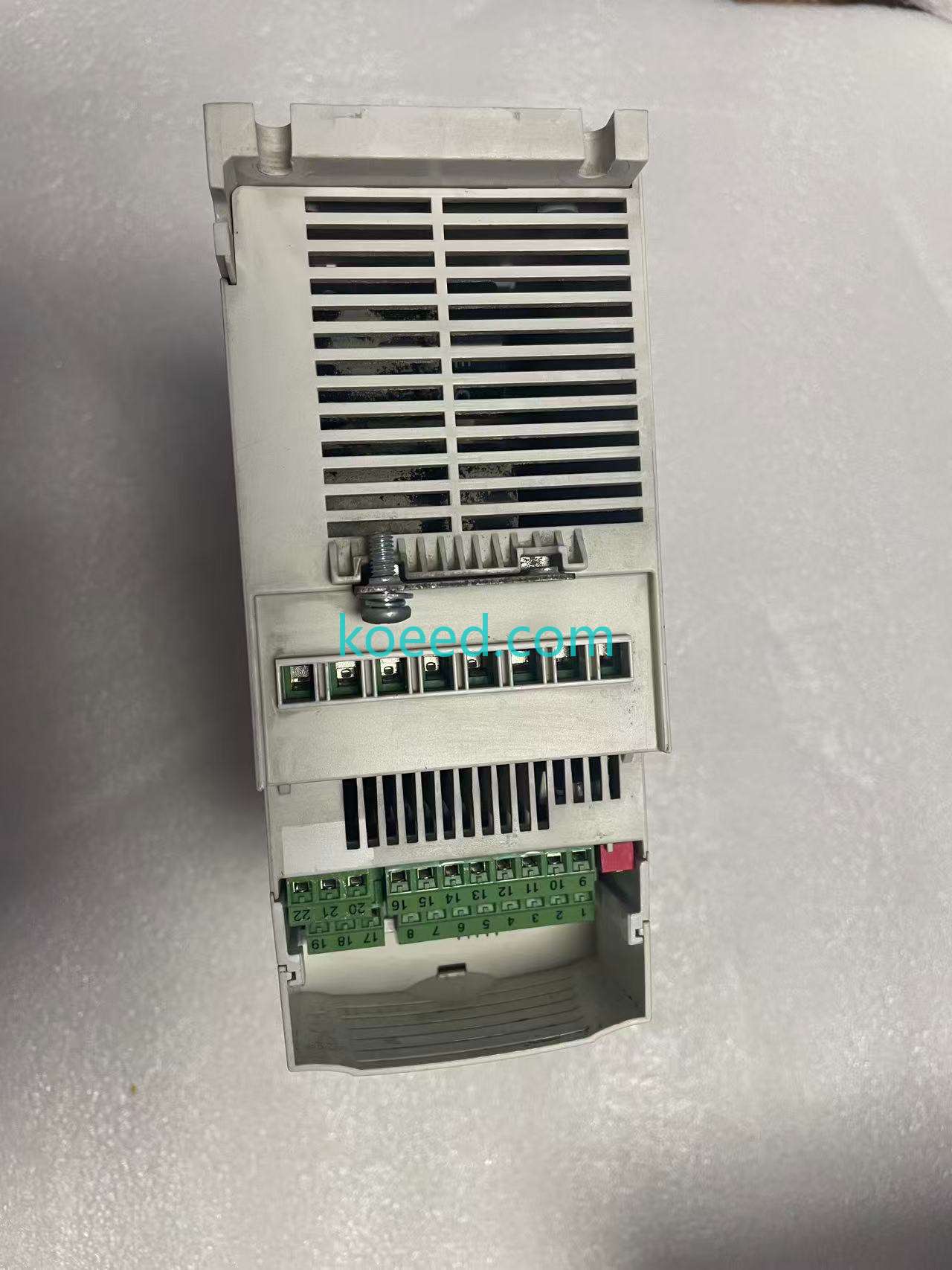
The ABB ACS355-03E-04A1-4 is a compact, user-friendly variable frequency drive (VFD) designed specifically for machinery applications. This 1.5 kW (2 HP) drive offers exceptional performance and reliability for controlling three-phase AC induction motors in various industrial settings.
Technical Specifications
| Parameter | Specification |
|---|---|
| Power Rating | 1.5 kW (2 HP) |
| Output Current | 4.1 A nominal |
| Input Voltage | 3-phase, 200-240 V ± 10% |
| Output Voltage | 0-240 VAC |
| Enclosure Rating | IP20 |
| Control Methods | Scalar and Vector Control |
| Communication Protocols | Modbus RTU, CANopen |
| Safety Features | Safe Torque Off (STO) |
| Ambient Temperature | -10°C to +50°C (14°F to 122°F) |
Key Features and Benefits
Compact Design
Space-saving footprint ideal for machinery integration and panel building applications.
Quick Setup
Easy commissioning with intuitive programming and built-in macros for common applications.
Safety Compliance
Built-in Safe Torque Off (STO) function meets IEC 61800-5-2 safety standards.
Advanced Control
Precision motor control with both scalar and vector control modes for optimal performance.
Applications
The ACS355-03E-04A1-4 is specifically designed for machinery applications including:
- Material handling systems
- Food and beverage processing equipment
- Rubber, plastic, and wood processing machinery
- Conveyor systems
- Pumps and fans
- Packaging machinery
Frequently Asked Questions
The STO function disables the control voltage of the power semiconductors, preventing the drive from generating torque to rotate the motor. This safety feature ensures the motor cannot start unexpectedly during maintenance.
The ACS355-03E-04A1-4 supports Modbus RTU and CANopen communication protocols, enabling easy integration with PLC systems and industrial networks.
No, the ACS355-03E-04A1-4 is designed specifically for three-phase AC induction motors. For single-phase applications, different drive models should be considered.
The drive and input power cable must be protected with correct fuses. IEC/EN/UL 61800-5-1 requires two PE conductors if the cross-sectional area is less than 10 mm² Cu or 16 mm² Al.
The drive operates in ambient temperatures from -10°C to +50°C (14°F to 122°F) and should be installed in well-ventilated areas to ensure proper cooling.
Trust and Certification
The ABB ACS355 series complies with international standards including:
- IEC/EN/UL 61800-5-1 for drive safety
- IEC 60204-1 for machinery electrical equipment safety
- IEC 61508 for functional safety requirements
- EN ISO 13849-1 for safety-related control systems
Installation and Maintenance
For optimal performance and safety, follow these guidelines:
- Always disconnect power before working on the drive or connected equipment
- Ensure proper grounding according to local electrical codes
- Use appropriate cable sizes and protection devices
- Regularly inspect for dust accumulation and clean as needed
- Monitor operating temperatures and ensure adequate ventilation


