
Siemens AGG5.110 CAN Bus Connection Shield - Complete Technical Guide
Siemens AGG5.110 CAN Bus Connection Shield
Part Number: BPZ:AGG5.110
A specialized CAN bus connection shield designed for Siemens LMV5 burner management systems, featuring 90-degree angled design for optimal space utilization and reliable communication.
Product Overview
The Siemens AGG5.110 is a critical component in industrial automation systems, specifically designed for burner management applications. This CAN bus connection shield serves as the communication interface between the LMV5 control unit and connected devices, ensuring reliable data transmission in demanding industrial environments.
Product Images
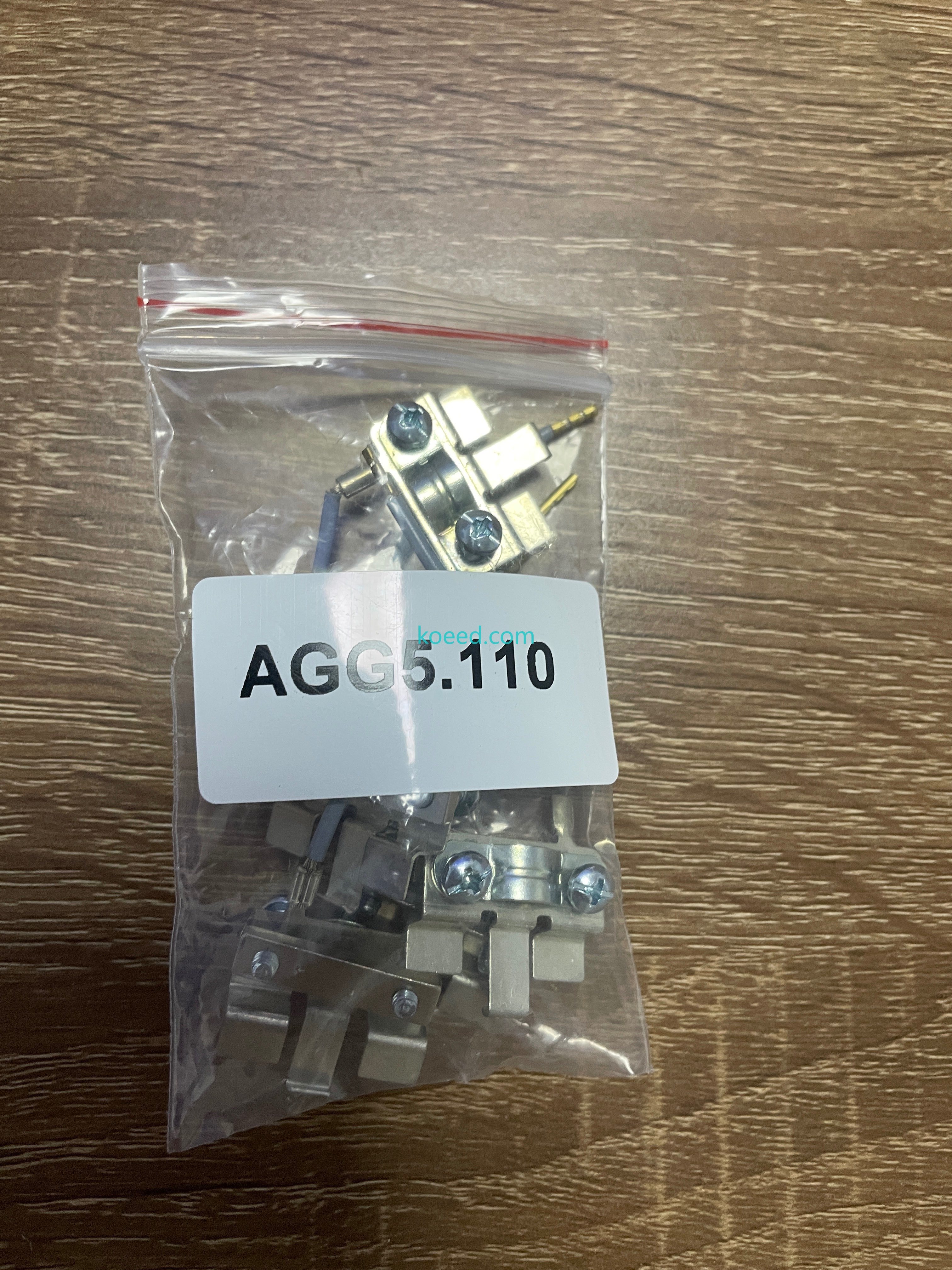
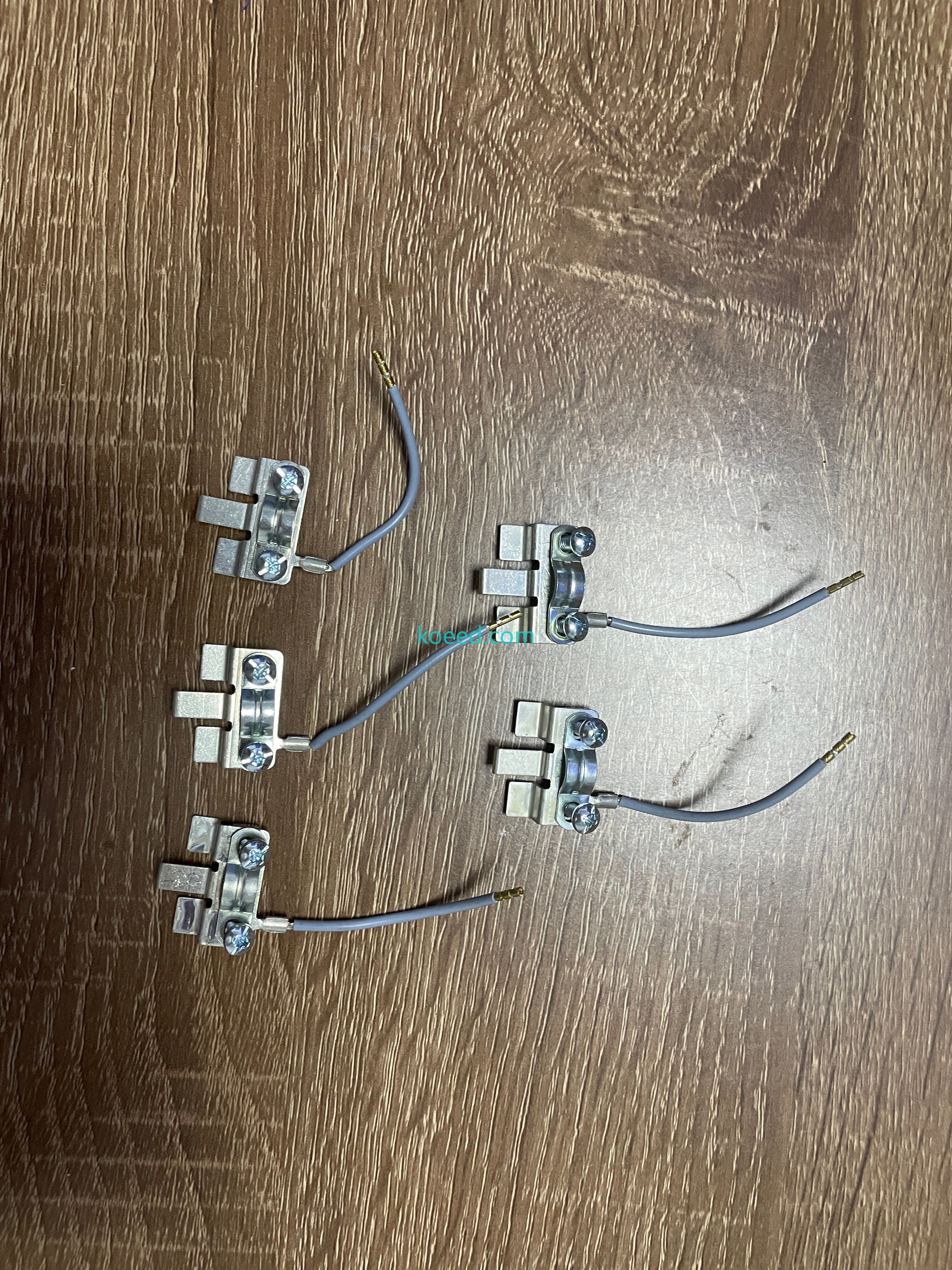
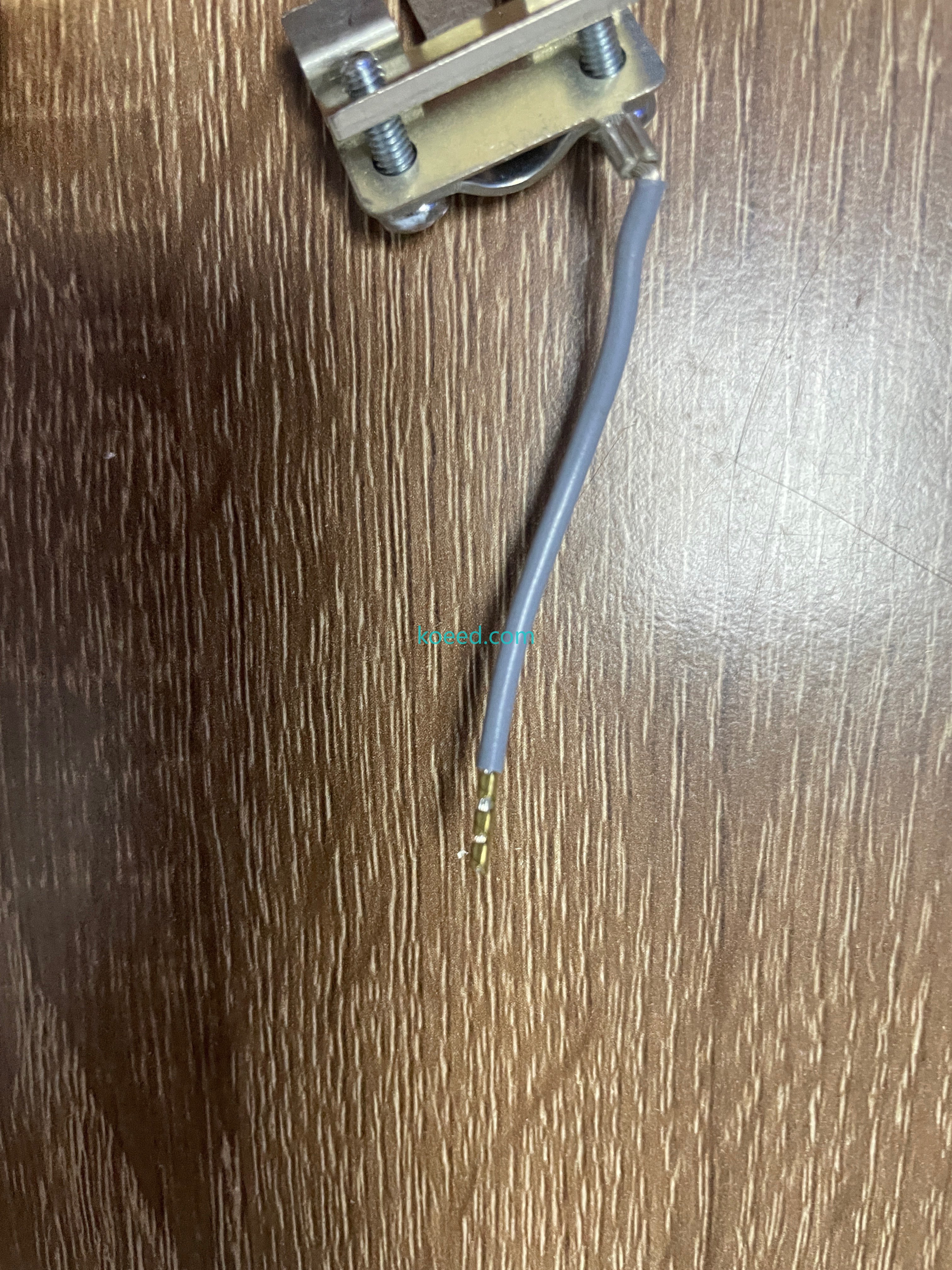
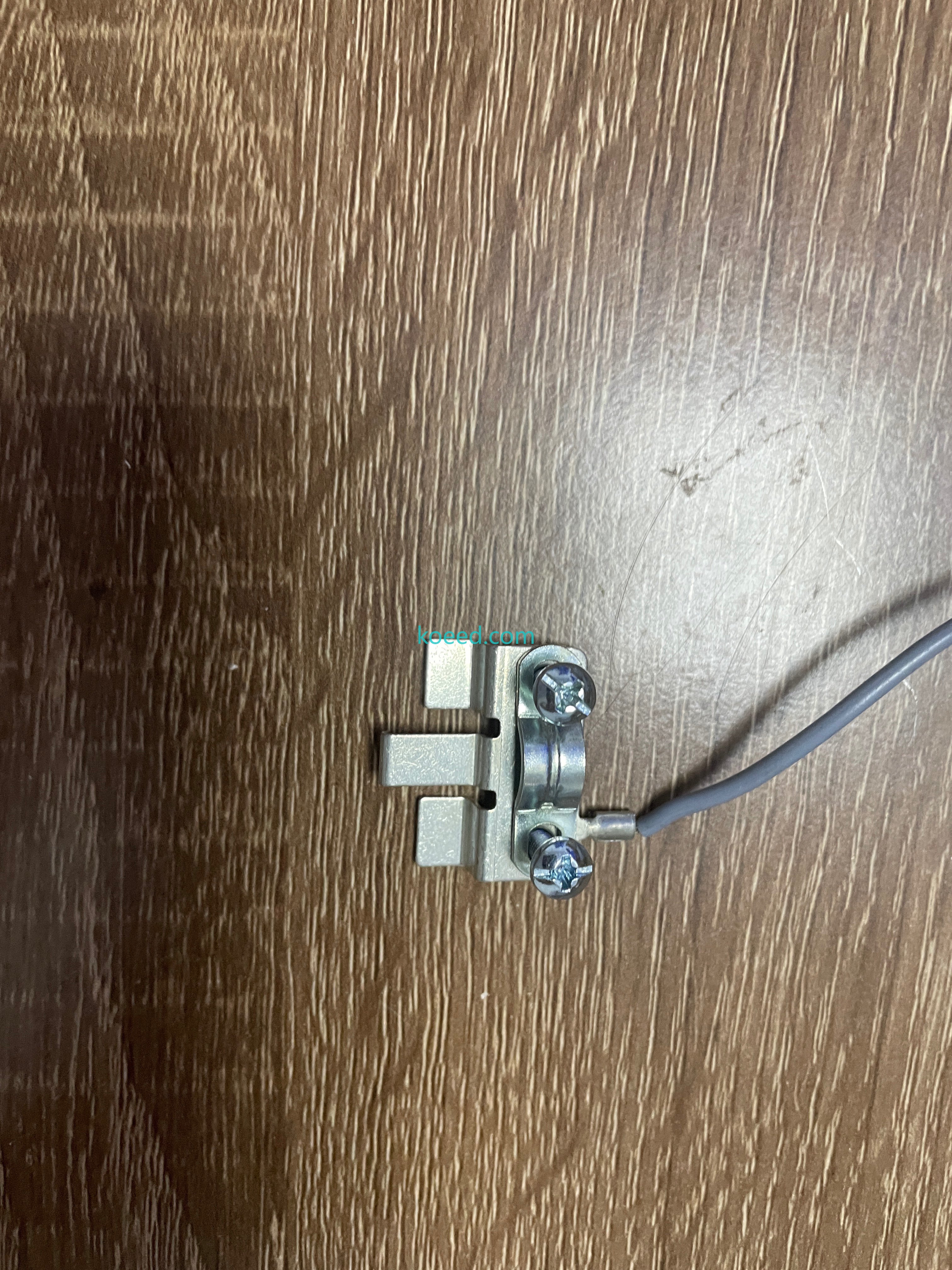
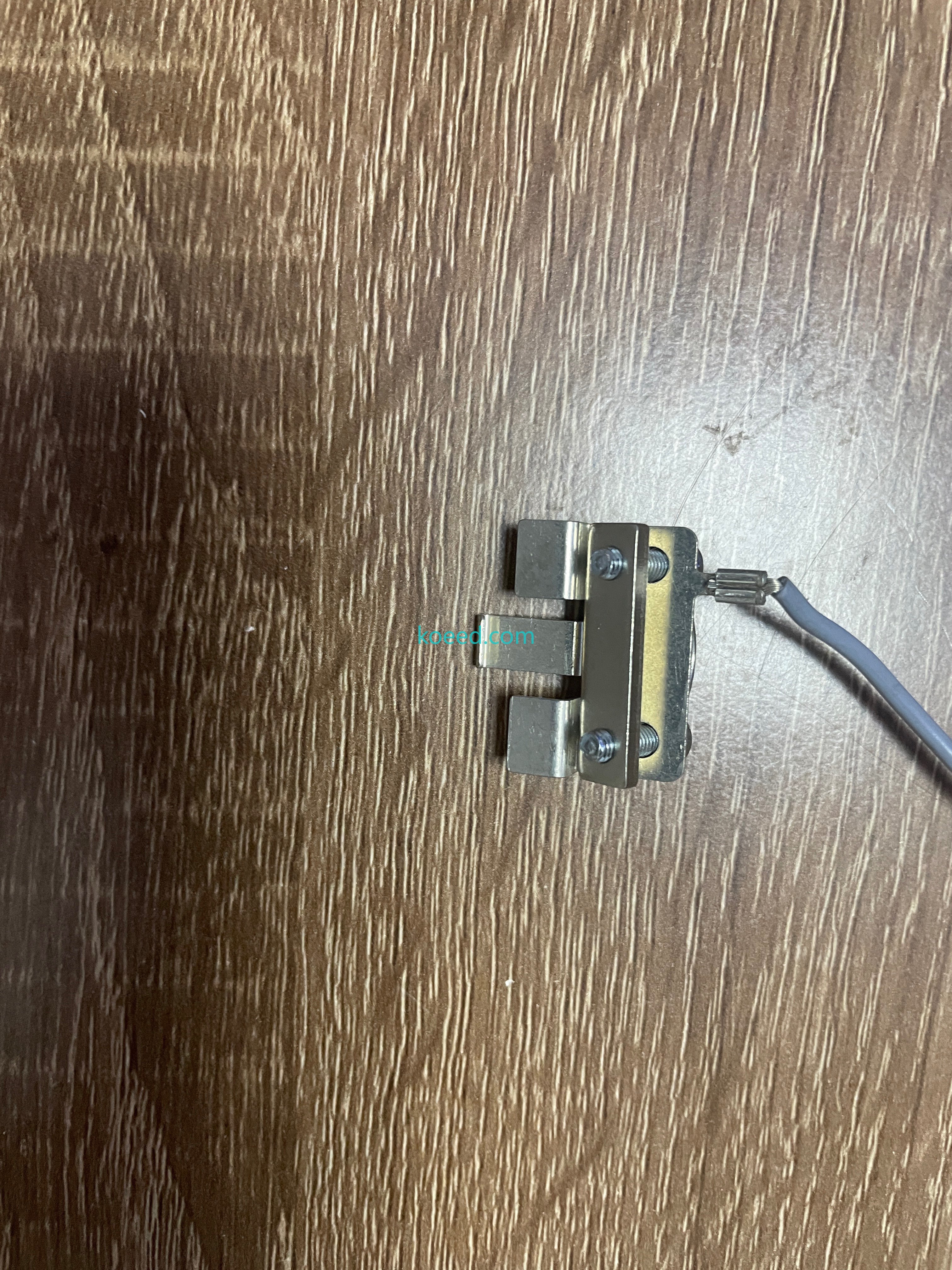
Product Demonstration
Key Features
- 90-Degree Angled Design: Optimizes space utilization in control cabinets
- CAN Bus Compatibility: Designed specifically for LMV5 burner management systems
- Compact Dimensions: 20mm × 23mm footprint for space-constrained installations
- 8mm Cable Compatibility: Supports standard industrial cable sizes
- Strain Relief: Integrated strain relief mechanism for secure connections
- Industrial Grade: Built for harsh industrial environments
Technical Specifications
| Parameter | Specification |
|---|---|
| Product Type | CAN Bus Connection Shield |
| Compatible System | Siemens LMV5 Burner Management |
| Dimensions | 20mm × 23mm |
| Connection Type | 90-degree angled connector |
| Cable Compatibility | 8mm diameter cables |
| Communication Protocol | CAN Bus (Controller Area Network) |
| Application | Burner Management Systems |
| Operating Temperature | -20°C to +70°C (typical industrial range) |
Applications
The Siemens AGG5.110 is specifically designed for:
- Industrial Burner Systems: Connection between LMV5 control units and actuators
- Combustion Control: Reliable communication in burner management applications
- Process Automation: Integration in industrial heating and thermal processes
- Energy Management: Efficient control of industrial heating systems
Frequently Asked Questions
The AGG5.110 serves as a CAN bus connection shield that provides the interface between the Siemens LMV5 burner management system and connected devices, enabling reliable data communication in industrial automation applications.
Yes, the AGG5.110 is specifically designed for Siemens LMV5 burner management systems and is fully compatible with all LMV5 variants including LMV50, LMV51, and LMV52 series.
The AGG5.110 requires standard industrial installation practices. The 90-degree angled design helps with space optimization in control cabinets, and it supports 8mm diameter cables with integrated strain relief for secure connections.
For optimal performance in LMV5 systems, the maximum recommended CAN bus cable length between the basic unit and the last actuator is 20 meters, as specified in Siemens technical documentation.
The official Siemens part number is BPZ:AGG5.110. This part is also commonly referenced as AGG5.110 in technical documentation and supplier catalogs.
Quality Assurance & Trust Metrics
- Siemens Certified: Genuine Siemens component with full manufacturer warranty
- Industrial Standards: Compliant with IEC and industrial automation standards
- Proven Reliability: Widely used in industrial burner applications worldwide
- Technical Support: Full technical documentation available from Siemens
- Global Availability: Supported by Siemens global distribution network
External References & Technical Documentation
For complete technical specifications and installation guidelines, refer to:
- Siemens LMV5 Burner Management System Technical Manual
- Siemens Industrial Automation Product Catalog
- IEC 61131 Industrial Automation Standards
- CAN Bus Communication Protocol Specifications


