

Allen-Bradley 872C-A15N30-R3 Inductive Proximity Sensor: Complete Technical Guide
Allen-Bradley 872C-A15N30-R3 Inductive Proximity Sensor
Professional-grade industrial proximity sensor with 15mm sensing distance and 30mm barrel diameter
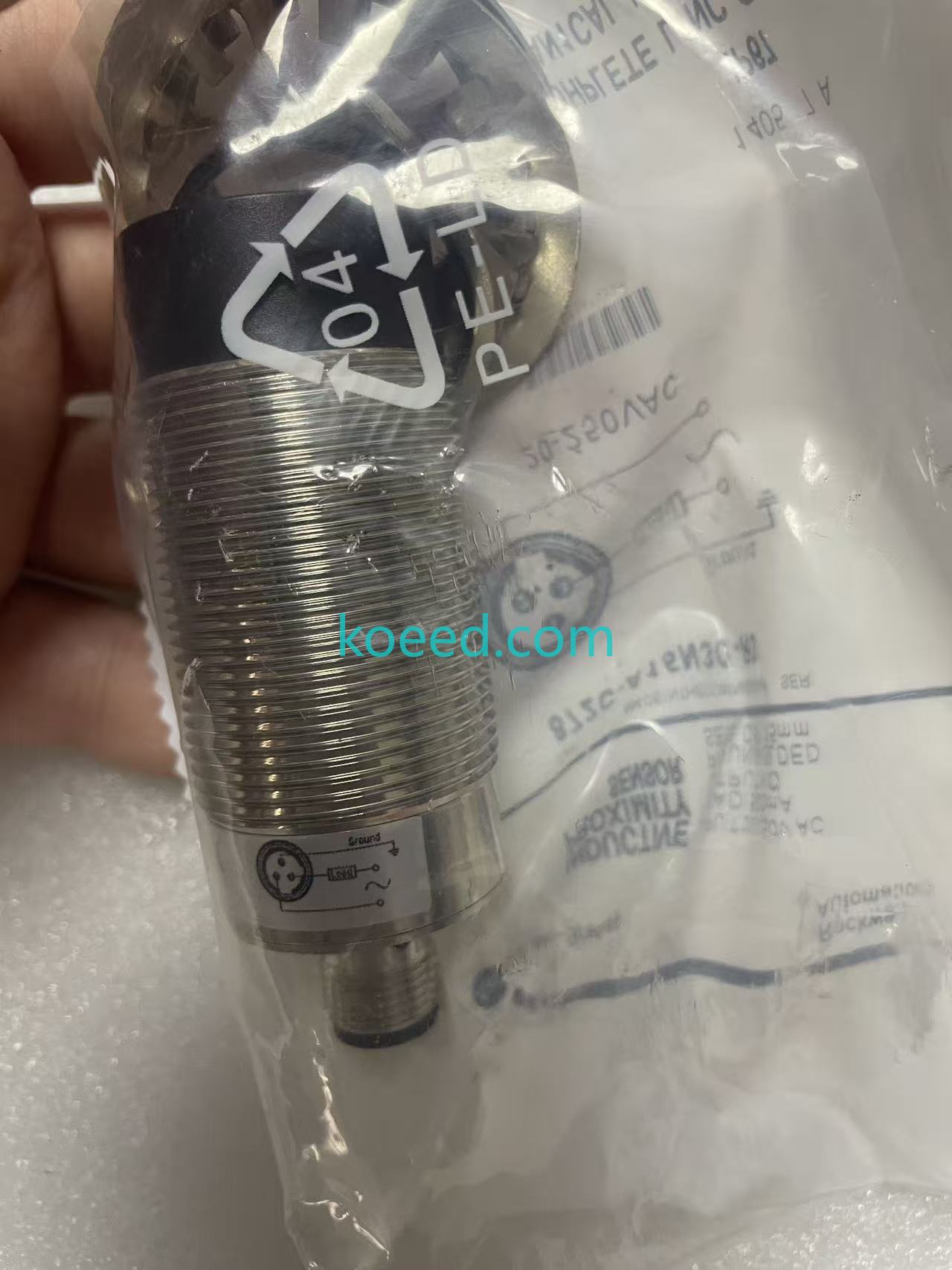
Product Overview
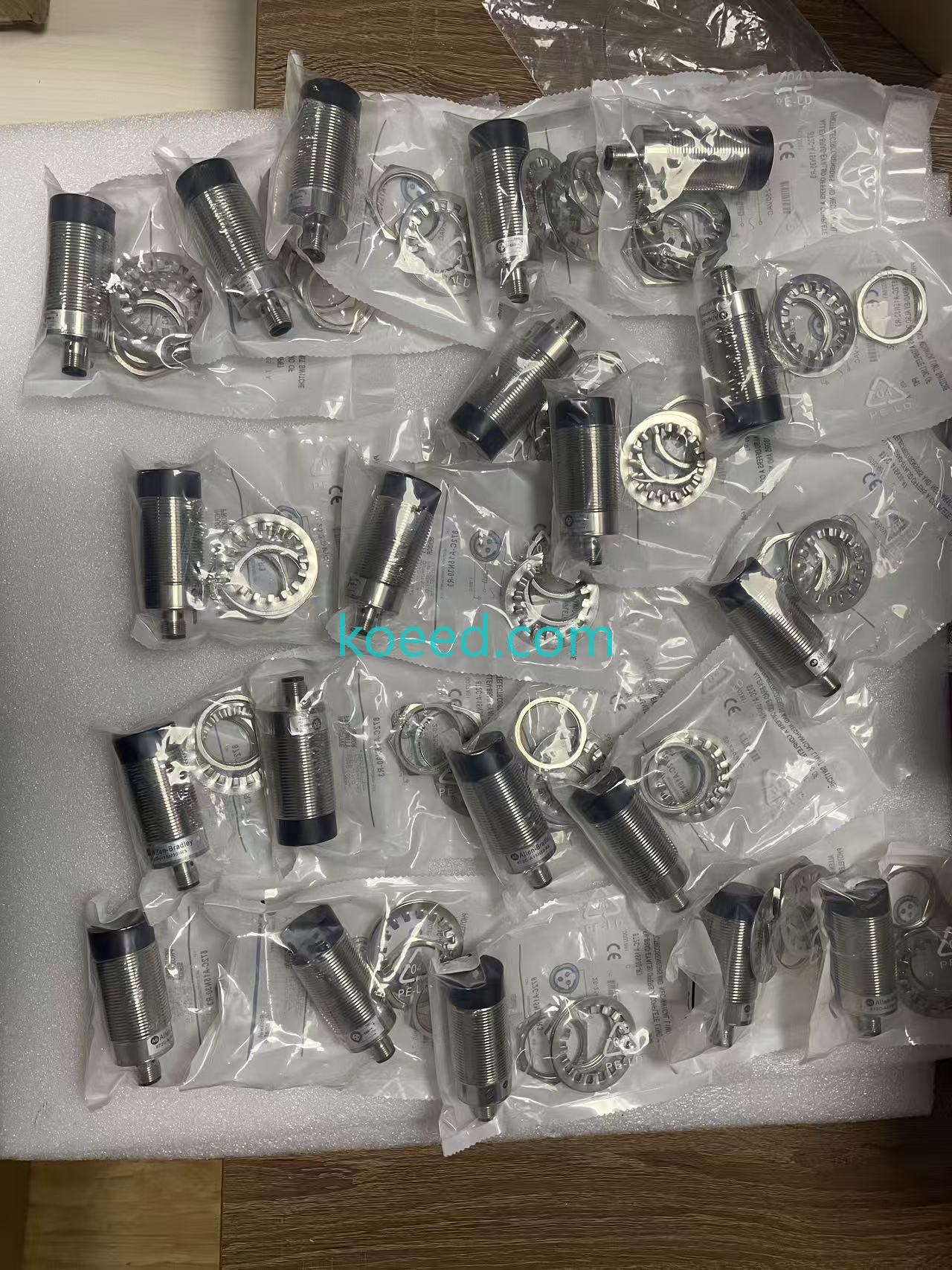
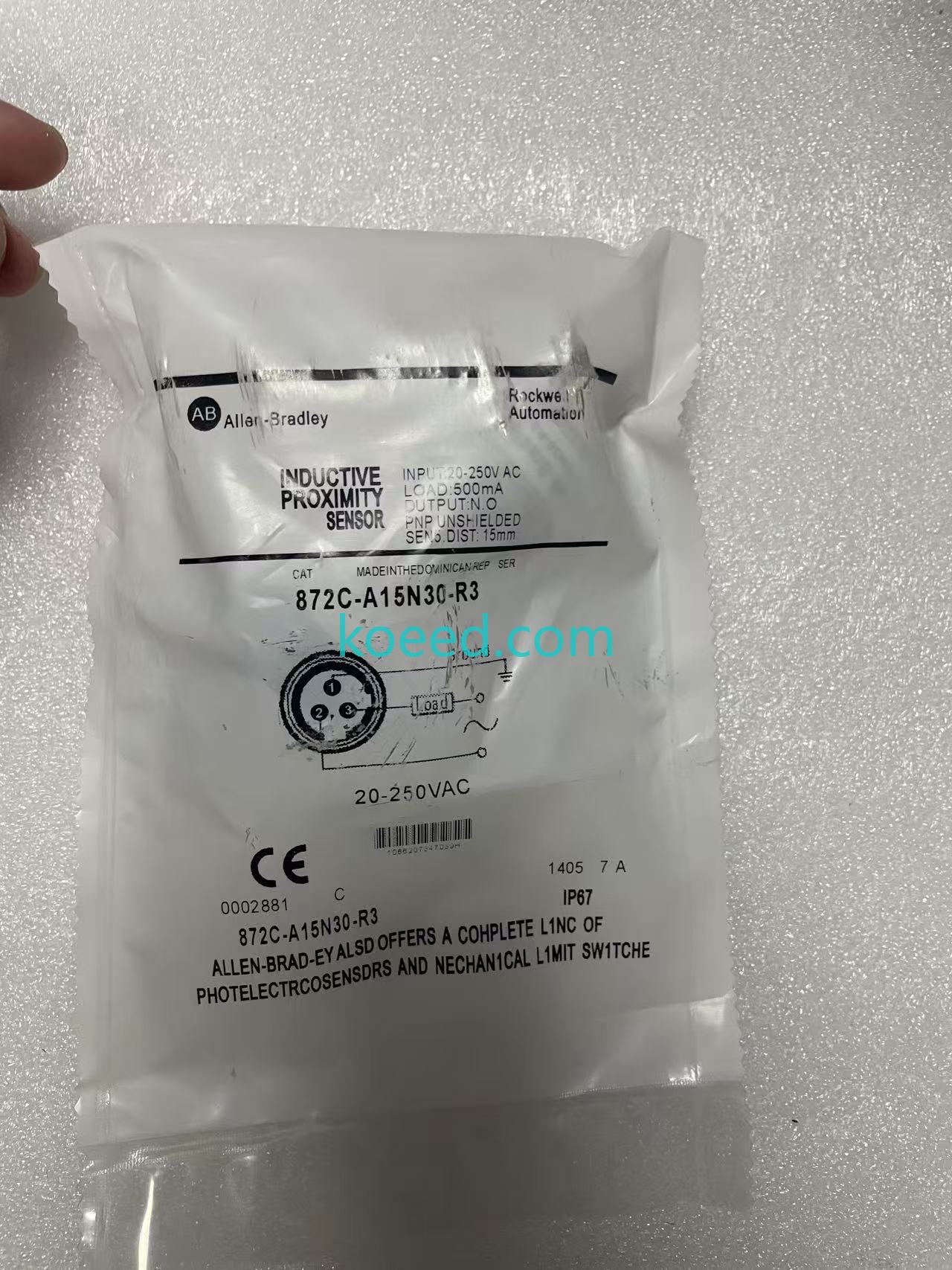
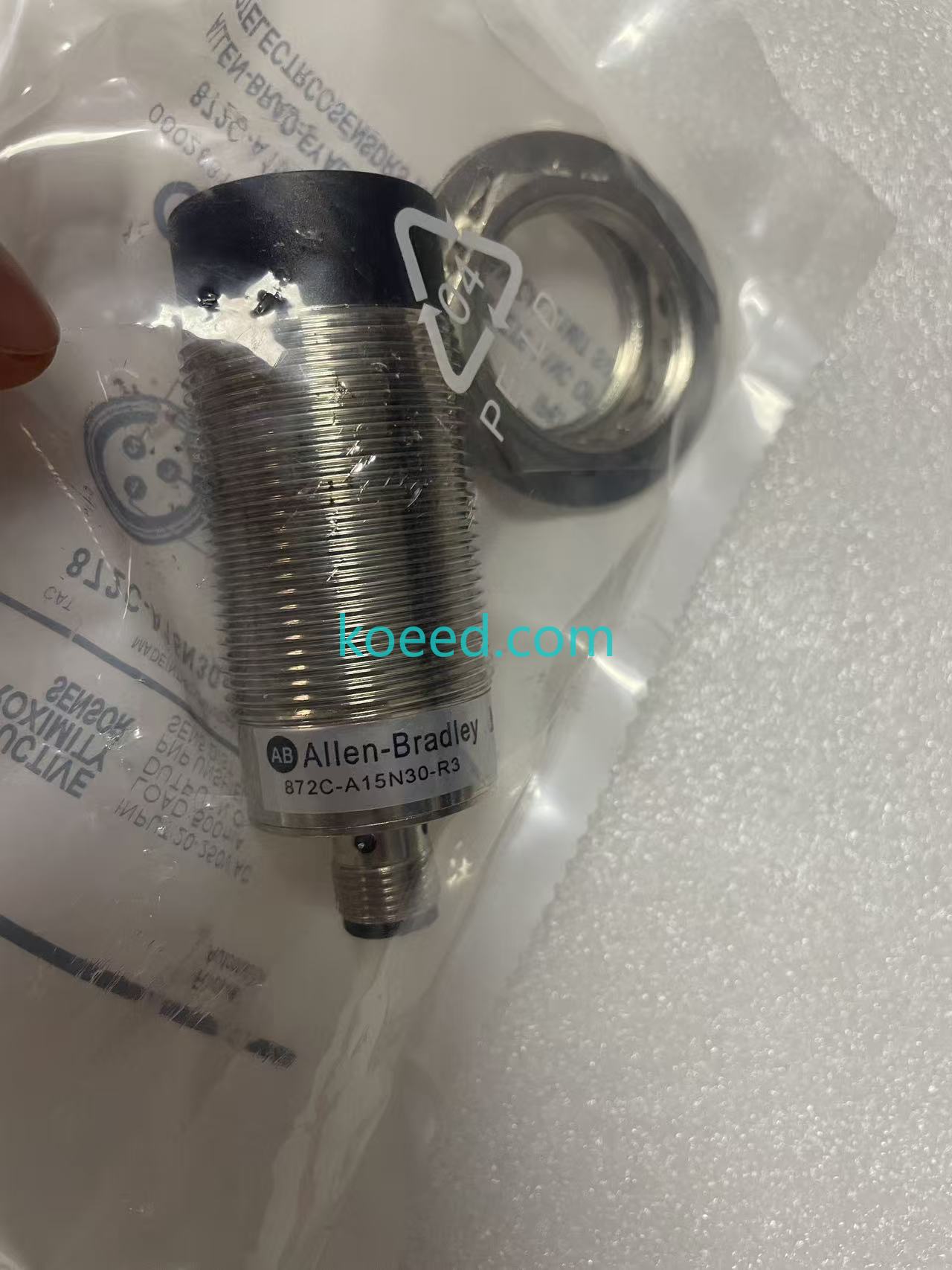
The Allen-Bradley 872C-A15N30-R3 is a high-performance inductive proximity sensor designed for industrial automation applications. This 2-wire AC sensor features a 30mm barrel diameter with nickel-plated brass construction, providing reliable metal detection with a 15mm sensing distance. As part of Rockwell Automation's trusted product line, this sensor delivers exceptional performance in demanding industrial environments.
Key Features & Benefits
- Robust Construction: Nickel-plated brass housing provides excellent corrosion resistance and durability
- Precise Sensing: 15mm sensing distance ensures accurate detection of metallic objects
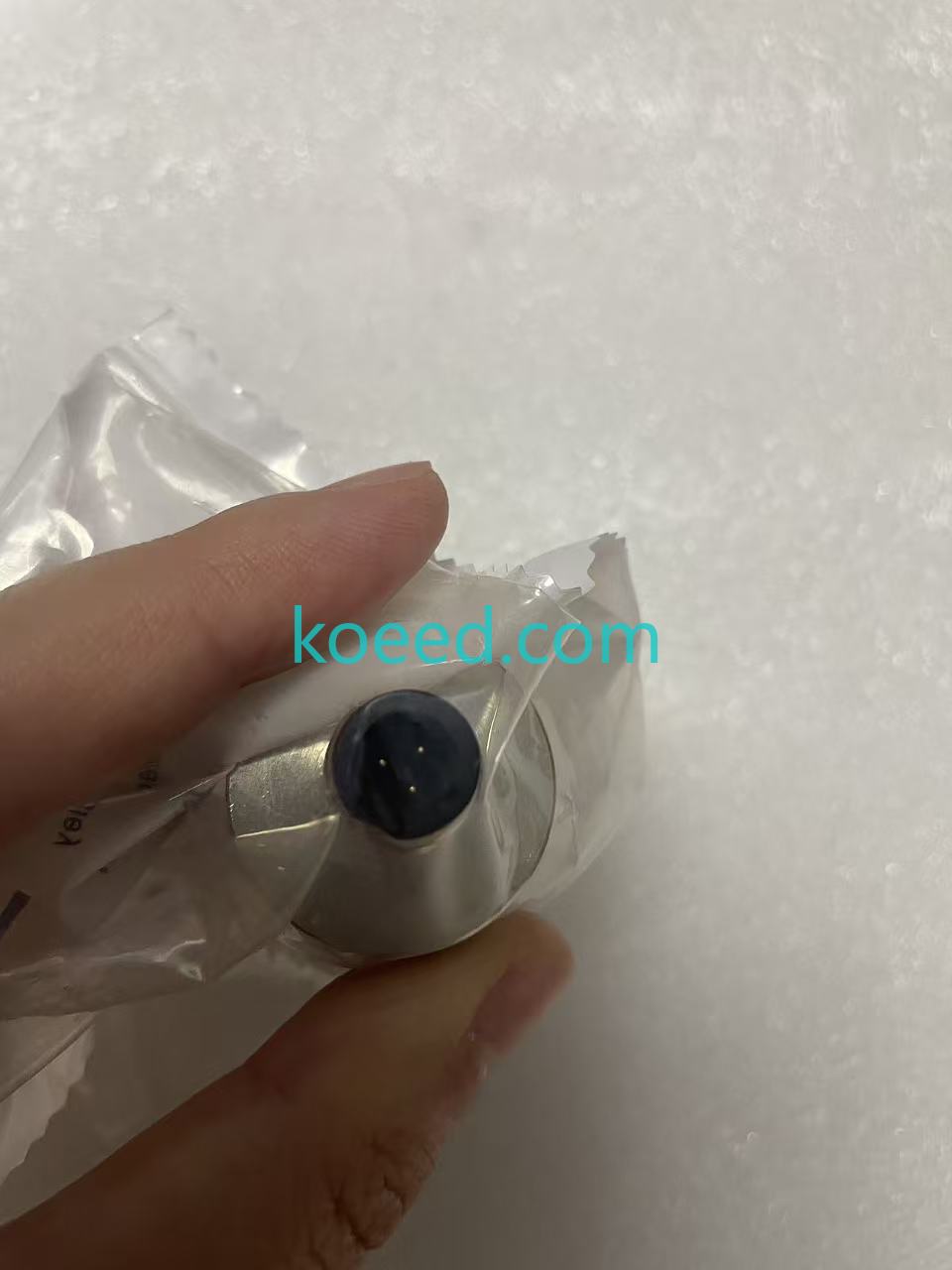
- Easy Installation: Standard barrel design with Micro Quick Disconnect (AC) connector for simplified wiring
- Industrial Reliability: Designed to withstand harsh industrial environments with high vibration and temperature variations
- Versatile Application: Suitable for position sensing, counting, and automation control in various industries
Technical Specifications
| Parameter | Specification |
|---|---|
| Product Model | 872C-A15N30-R3 |
| Manufacturer | Allen-Bradley / Rockwell Automation |
| Sensor Type | Inductive Proximity Sensor |
| Power Supply | 2-Wire AC |
| Barrel Diameter | 30 mm |
| Material | Nickel-Plated Brass |
| Sensing Distance | 15 mm |
| Output Type | Normally Open (NO) |
| Connection Type | Micro Quick Disconnect (AC) |
| Barrel Type | Standard |
| Shielding | Unshielded |
| Operating Frequency | 15 Hz |
| Maximum Load Current | 500 mA |
| Blade Dimensions | 30 mm diameter × 80 mm length |
Applications & Use Cases
Manufacturing Automation
Position sensing in assembly lines, robotic arm positioning, and machine tool positioning systems. The 15mm sensing distance provides precise detection for automated manufacturing processes.
Material Handling
Object detection on conveyor systems, pallet positioning, and automated storage/retrieval systems. The robust construction withstands vibration and mechanical stress in material handling applications.
Packaging Machinery
Product counting, fill level detection, and packaging line synchronization. The normally open output configuration integrates seamlessly with PLC control systems.
Automotive Industry
Part presence verification in assembly stations, robotic welding cell safety, and production line monitoring. The nickel-plated brass housing resists industrial chemicals and contaminants.
Frequently Asked Questions (FAQ)
The 872C-A15N30-R3 operates on standard AC voltage typically found in industrial environments. For specific voltage requirements, consult the manufacturer's datasheet or technical documentation.
No, the 872C-A15N30-R3 is an inductive proximity sensor specifically designed to detect metallic objects only. For non-metallic object detection, consider capacitive or photoelectric sensors.
Unshielded sensors (like the 872C-A15N30-R3) can detect objects from all directions around the sensing face, while shielded sensors have a reduced side-sensing capability but allow flush mounting in metal.
The Micro Quick Disconnect (AC) connector provides a secure, vibration-resistant connection. Follow the wiring diagram provided in the product documentation, ensuring proper connection to the AC power source and load.
Inductive proximity sensors require minimal maintenance. Regular cleaning of the sensing face to remove debris and periodic inspection for physical damage are recommended. The nickel-plated brass construction provides excellent corrosion resistance.
Technical References & Trust Metrics
Industry Standards Compliance: The Allen-Bradley 872C-A15N30-R3 is manufactured by Rockwell Automation, a global leader in industrial automation with ISO 9001 quality certification.
Technical Documentation: Complete datasheets, installation guides, and wiring diagrams are available through authorized Rockwell Automation distributors and the official product documentation portal.
Industry Recognition: Allen-Bradley products are widely recognized for reliability and performance in industrial automation applications, with decades of proven performance in critical manufacturing environments.
External References: Product specifications verified through multiple industrial automation suppliers including McNaughton-McKay, MROSupply.com, and Needco Industrial Supply.
Installation & Integration Guidelines
For optimal performance when installing the 872C-A15N30-R3 inductive proximity sensor:
- Ensure proper mounting with appropriate clearance around the sensing area
- Verify the target material is ferrous metal for maximum sensing distance
- Use the correct wiring configuration for 2-wire AC operation
- Implement proper grounding and electrical protection
- Test the sensor with the actual target material under operating conditions
- Consider environmental factors such as temperature, humidity, and potential contaminants
The standard 30mm barrel diameter allows for easy integration into existing mounting fixtures and industrial equipment designs.


