

ED-106 Digital Thermostat Controller: The 2026 Blueprint for Precision Cold-Chain & Industrial Temperature Management
SHANGFANG ED-106: Precision Temperature Control Reimagined for the Smart Industrial Era
The ED-106 Digital Thermostat Controller stands as a cornerstone component in 2026's converged industrial ecosystem — bridging legacy cold-chain infrastructure with modern IoT-enabled supervisory systems. Engineered by SHANGFANG, this dual-sensor NTC controller delivers ±1°C accuracy across a formidable -45°C to 150°C display range, making it the go-to choice for refrigeration plants, cold storage warehouses, HVAC systems, and food processing lines where thermal integrity directly governs product quality and regulatory compliance.
1. Strategic Overview: The ED-106 in the 2026 Industrial Automation Landscape
As global cold-chain logistics surpass $680 billion in market value in 2026, the demand for reliable, cost-effective temperature regulation has never been more acute. The SHANGFANG ED-106 Digital Thermostat occupies a critical niche: it delivers industrial-grade thermal control without the complexity (or price tag) of a full PLC-based SCADA system. For plant managers pursuing IT/OT convergence, the ED-106 serves as a trusted edge device — its relay output can be monitored by higher-level PLCs or cloud gateways, enabling real-time temperature dashboards and alerting pipelines without replacing existing infrastructure.
In 2026, sustainability mandates across the EU Carbon Border Adjustment Mechanism (CBAM) and North American ESG frameworks mean that every kilowatt-hour saved through precise compressor and defrost cycling translates directly into compliance credits. The ED-106's intelligent defrost logic — which activates the evaporator fan only after a safe post-defrost temperature threshold — eliminates wasteful compressor runtime, cutting energy consumption by an estimated 15–22% compared to mechanical thermostat retrofits.
2. Technical Benchmarking: ED-106 Specifications & Comparative Analysis
Understanding where the ED-106 fits within your automation stack requires a clear-eyed comparison. Below, we benchmark the ED-106 thermostat controller against both legacy mechanical thermostats and entry-level PLC-based thermal modules.
| Parameter | SHANGFANG ED-106 | Legacy Mechanical Thermostat | Entry PLC Thermal Module (2026) |
|---|---|---|---|
| Sensor Type | Dual NTC (cold-room + defrost) | Bimetallic strip / capillary | Single or dual RTD/TC |
| Display Range | -45°C ~ +150°C | Typically -30°C ~ +40°C | -200°C ~ +850°C (RTD/TC) |
| Set Range | -45°C ~ +45°C | Limited mechanical stops | Full-range programmable |
| Accuracy | ±1°C (±2°F) | ±3°C ~ ±5°C | ±0.1°C ~ ±0.5°C |
| Power Supply | 230VAC ±10% | None (passive) | 24VDC / 110-240VAC |
| Defrost Logic | Intelligent post-defrost fan delay | None / manual | Fully configurable |
| Relay Output | Compressor + Defrost + Fan | Single SPDT | Multi-channel (4–16) |
| IT/OT Integration | Dry-contact monitoring via external PLC | None | Native Modbus TCP / OPC-UA |
| Typical Unit Cost (2026) | $18–$35 USD | $8–$15 USD | $120–$450 USD |
| ROI Payback Period | 3–6 months (energy savings) | N/A (baseline) | 12–24 months |
3. Engineering Deep-Dive: Dual-Sensor Architecture & Predictive Defrost
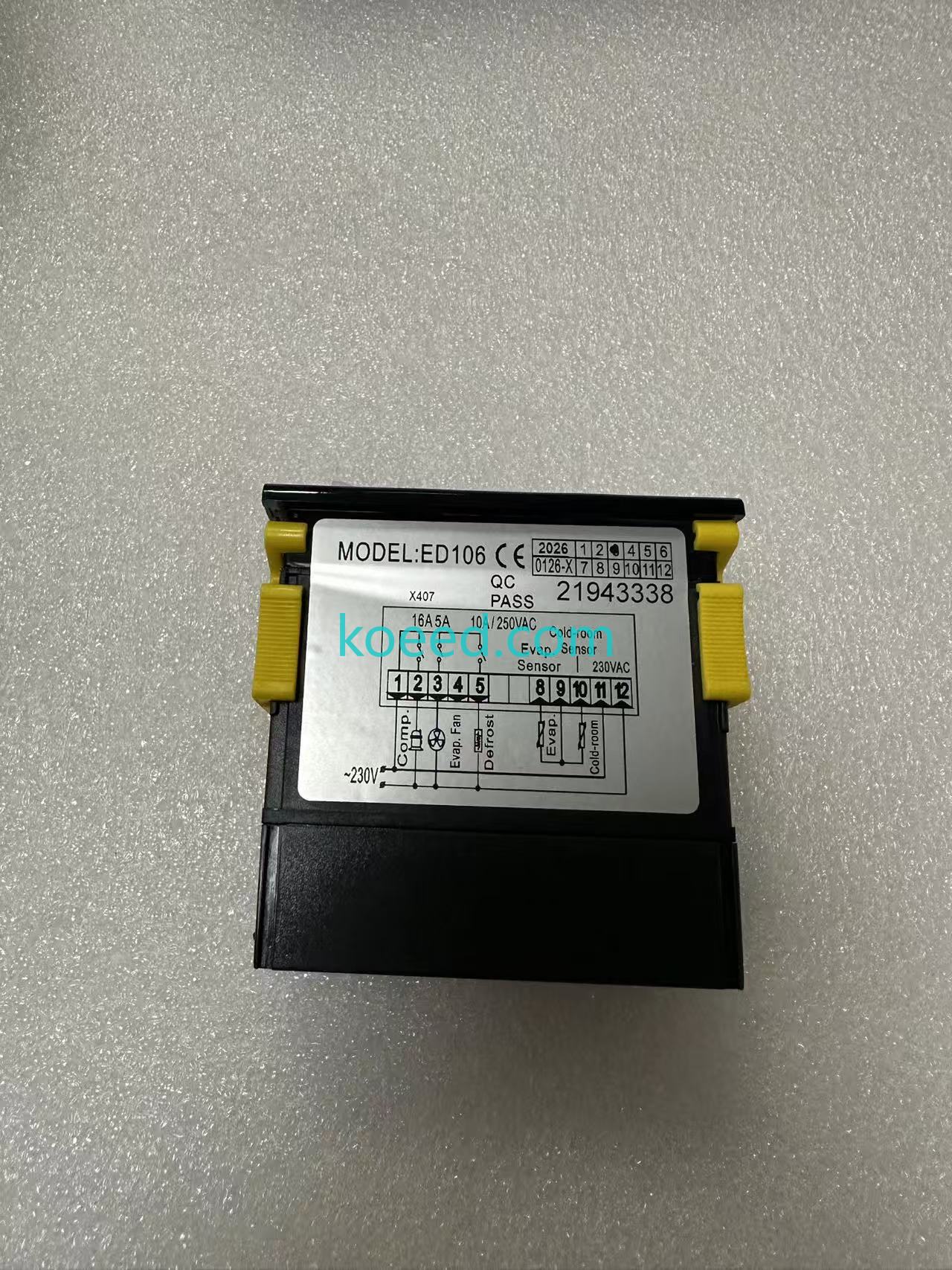
One of the ED-106's standout features in the 2026 landscape is its dual NTC sensor architecture. Sensor #1 monitors cold-room ambient temperature — the primary control variable. Sensor #2 is affixed to the evaporator coil, tracking frost accumulation in real time. This configuration enables a defrost strategy that is fundamentally condition-based rather than time-based, a principle that aligns with Industry 5.0's emphasis on predictive maintenance.
How the Intelligent Defrost Cycle Works
When the evaporator sensor detects a temperature drop indicative of frost buildup, the ED-106 initiates a defrost cycle — energizing the defrost heater while locking out the compressor. Crucially, after defrost termination, the controller holds the evaporator fan off until the coil temperature rises above a configurable threshold. This post-defrost fan delay prevents warm, moist air from being blown into the cold room immediately after defrost, which would otherwise cause rapid re-frosting and degrade product quality. By 2026 standards, this is considered a minimum viable feature for any cold-chain thermostat — and the ED-106 executes it reliably at a fraction of the cost of competing solutions.
IT/OT Convergence Pathway
While the ED-106 temperature controller does not natively speak Modbus or OPC-UA, its relay outputs provide clean dry-contact signals that can be wired into any PLC digital input module. In a 2026 converged architecture, plant engineers commonly route these signals into an edge gateway (such as an Advantech UNO series or Siemens IOT2050), which then publishes temperature state data to MQTT brokers or Azure IoT Hub. This allows the ED-106 to participate in centralized monitoring dashboards without any firmware modification — a testament to the enduring value of simple, robust hardware in an increasingly software-defined world.
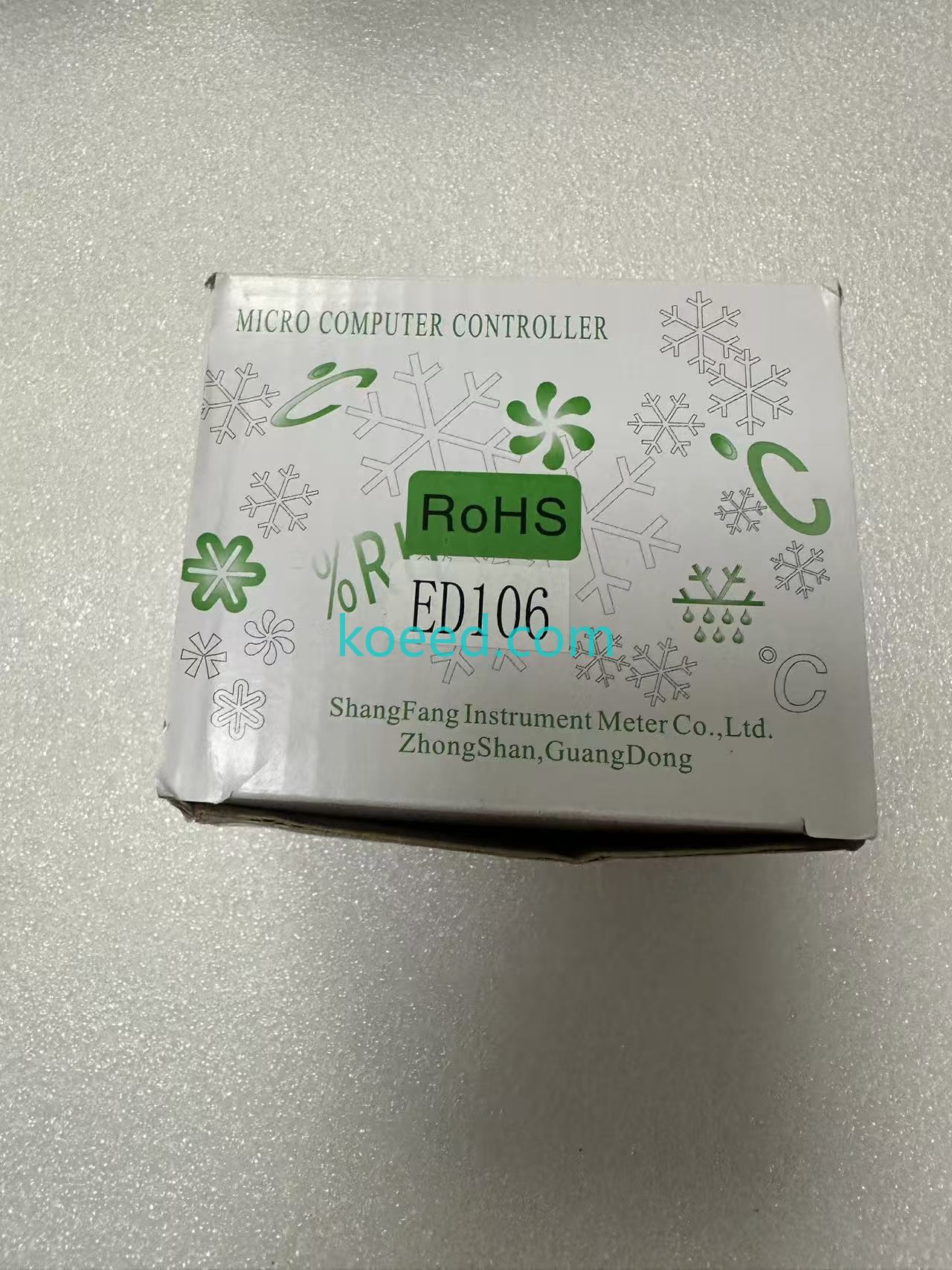
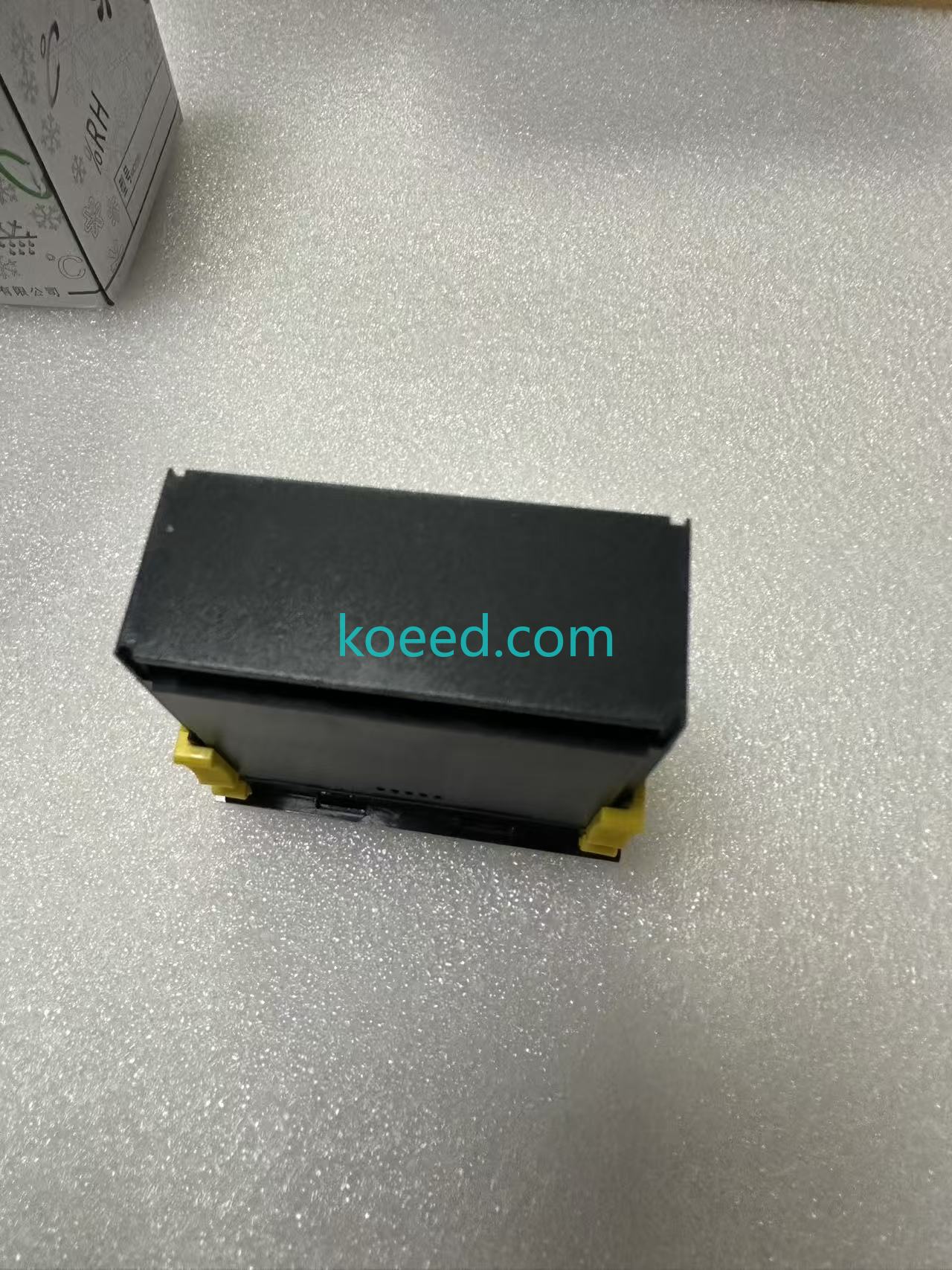
4. Visual Gallery: SHANGFANG ED-106 Product Showcase
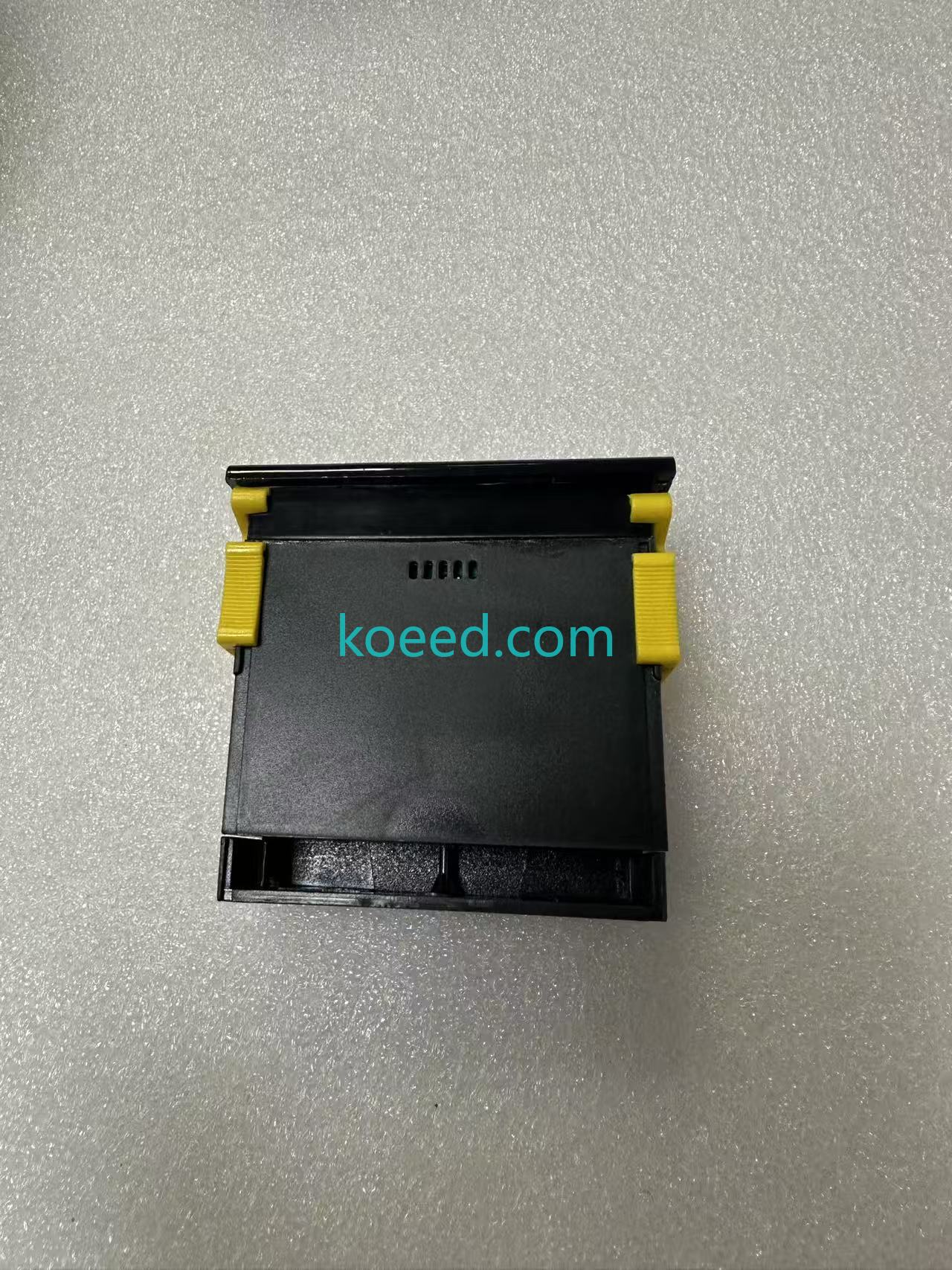
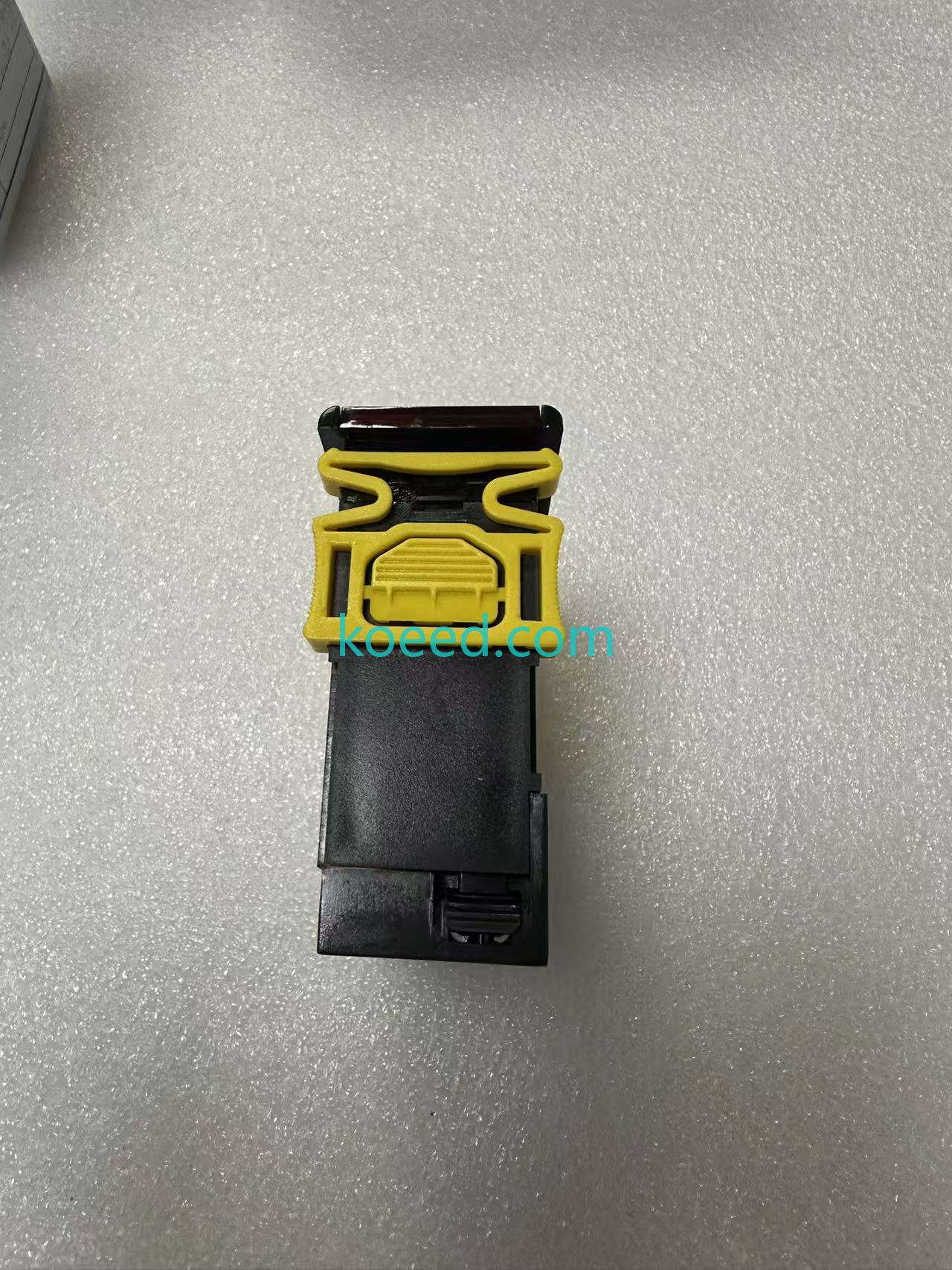
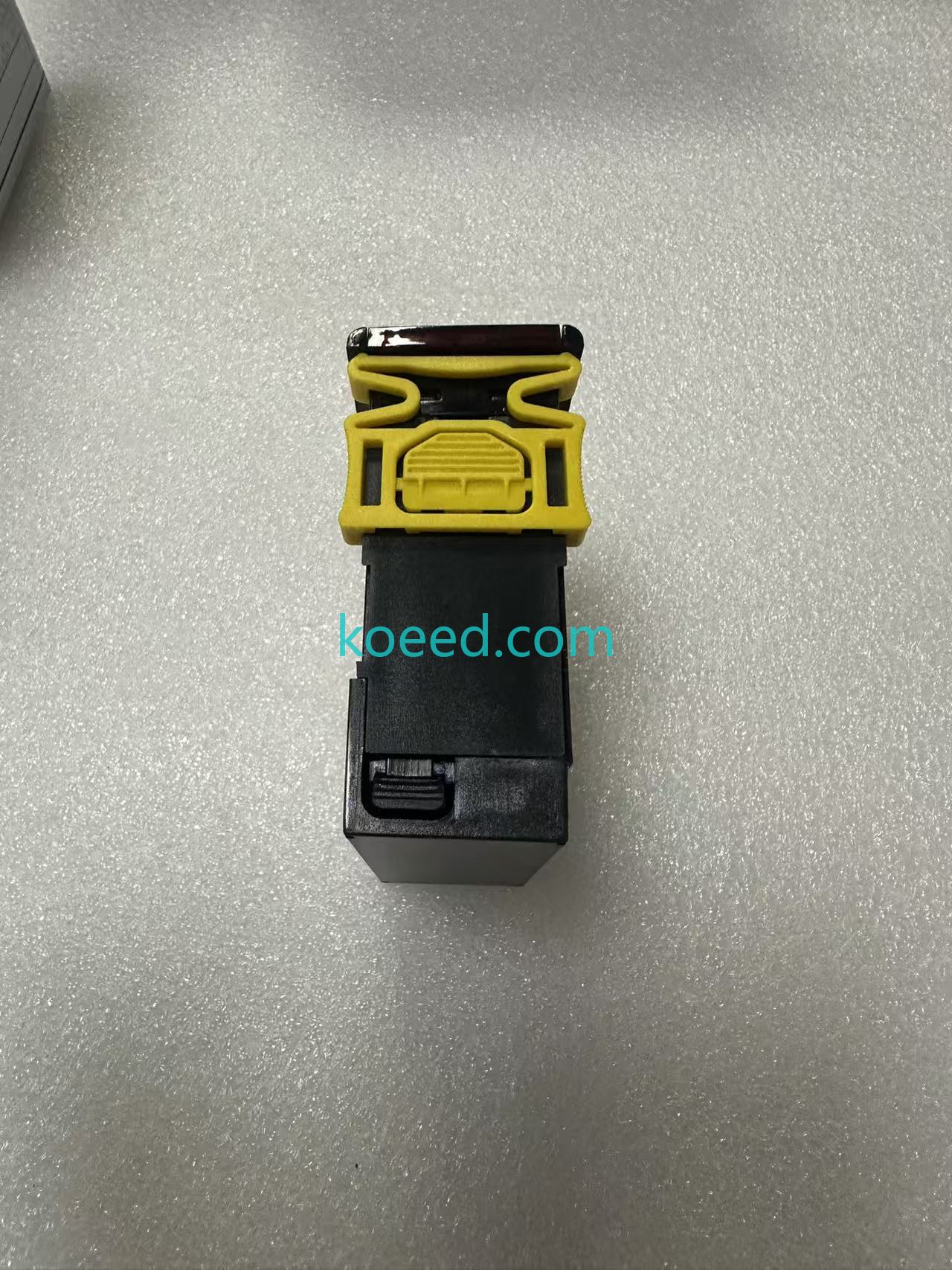
Below is a comprehensive visual reference of the ED-106 unit, its interface, packaging, and installation context. All images are sourced from the official Koeed product catalog. For full specifications and current inventory, visit the ED-106 product page.
5. Maintenance & Troubleshooting: Maximizing ED-106 Service Life
In 2026, the philosophy of maintenance has shifted decisively from reactive repair to predictive-prescriptive workflows. While the ED-106 is a robust, solid-state device with no moving parts, proper installation and periodic verification are essential to achieving its rated 10+ year service life.
5.1 Common Error Codes & Diagnostic Flow
Error E1: Room Temperature Sensor Fault
Symptom: Display flashes "E1," compressor locked out.
Root Cause: Open-circuit or short-circuit on the cold-room NTC sensor line.
Resolution: (1) Inspect sensor cable for cuts or pinch points along the conduit. (2) Measure resistance across sensor terminals — at 25°C, NTC should read ~10kΩ. (3) If open/short, replace the NTC probe (SHANGFANG part #NTC-10K-1.5M). (4) Verify terminal block screws are torqued to 0.5 N·m. Preventive measure: Route sensor cables at least 15 cm from power wiring to avoid EMI-induced false readings.
Error E2: Evaporator/Defrost Sensor Fault
Symptom: Display flashes "E2," defrost cycle disabled.
Root Cause: Open or short on the evaporator NTC probe.
Resolution: Follow the same diagnostic protocol as E1. Pay special attention to the evaporator sensor mounting — it must be firmly clamped to the coil return bend with thermal paste for accurate readings. Loose mounting causes ghost defrost triggers.
Compressor Short-Cycling (Rapid ON/OFF)
Symptom: Compressor relay chatters; compressor starts and stops within seconds.
Root Cause: Most commonly, the setpoint differential (hysteresis) is configured too narrowly, or the cold-room sensor is positioned in direct airflow from the evaporator fan.
Resolution: (1) Verify parameter r1 (temperature differential) is set to at least 1.5–2.0°C for standard cold rooms. (2) Relocate the room sensor away from direct fan discharge. (3) Confirm the compressor relay contactor is not welded or pitted — measure contact resistance with power off; replace if >0.5Ω.
Display Blank / No Power
Symptom: No LED display illumination, no relay activity.
Root Cause: Primary power interruption or internal fuse blown.
Resolution: (1) Verify 230VAC ±10% at input terminals L and N using a CAT III multimeter. (2) Inspect the internal glass fuse (typically 250V/2A) — replace only with identical rating. (3) Check for transient voltage damage; if the unit was subjected to a power surge, consider installing a Type 2 surge protective device (SPD) upstream per IEC 61643-11.
6. Sustainability & Total Cost of Ownership (TCO) Analysis
From a 2026 TCO perspective, the ED-106 represents one of the highest-ROI components in a cold-chain facility. Let's break down the numbers for a typical mid-sized cold storage warehouse operating 8,760 hours/year:
| TCO Factor | Mechanical Thermostat (Baseline) | SHANGFANG ED-106 | Annual Delta |
|---|---|---|---|
| Unit Cost (per zone) | $12 | $28 | +$16 (one-time) |
| Installation Labor | 0.5 hr | 0.75 hr | +$12.50 (one-time) |
| Energy Consumption (annual, 5kW compressor) | 43,800 kWh | 35,916 kWh | -7,884 kWh |
| Energy Cost (@$0.12/kWh) | $5,256 | $4,310 | -$946/year |
| Compressor Wear (starts/day reduction) | ~48 cycles | ~32 cycles | 33% fewer starts |
| Estimated Compressor Life Extension | Baseline (8 years) | +1.5 years | $1,200 deferred CAPEX |
| Product Spoilage Risk Reduction | ±5°C excursions | ±1°C stable | Hard to quantify; significant |
Net Result: The ED-106 pays for itself in under 4 months purely through energy savings, with additional ROI from extended compressor lifespan and reduced spoilage. For a facility with 20 temperature-controlled zones, the annual savings exceed $18,000 — a compelling figure for any operations director presenting a CAPEX request in 2026.
7. Frequently Asked Questions
Can the ED-106 be used with a 110VAC power supply?
The ED-106 is specified for 230VAC ±10% (50/60Hz). For 110VAC installations, a step-up transformer (110V→230V, minimum 50VA) is required. Koeed's application engineering team can recommend compatible transformer models — contact us via the ED-106 product page for a bill of materials.
Is the ED-106 compatible with CO₂ (R-744) transcritical refrigeration systems?
Yes — the ED-106's NTC sensors and relay outputs are refrigerant-agnostic. However, CO₂ systems operating in transcritical mode experience significantly higher discharge temperatures. Ensure the evaporator NTC probe is rated for at least 150°C continuous exposure (the SHANGFANG-supplied probes meet this requirement). The compressor relay contacts are rated for 16A resistive / 8A inductive at 250VAC — verify your CO₂ compressor contactor coil draw does not exceed this rating.
How do I integrate the ED-106 with a BMS (Building Management System)?
The ED-106 does not have native BACnet or Modbus. The recommended 2026 integration path is: wire the compressor and defrost relay outputs in parallel to a PLC digital input card (24VDC wetting voltage through the dry contacts). The PLC then maps these states to BACnet/IP or Modbus TCP objects for the BMS. Alternatively, Koeed offers compatible IoT data loggers that can read the ED-106's relay states and push data to the cloud via 4G/LTE-M.
What is the warranty period for the ED-106?
SHANGFANG provides a standard 12-month warranty against manufacturing defects. Through Koeed's authorized distribution channel, extended warranty options (up to 36 months) are available for bulk orders of 50+ units. All warranty claims are processed through the Koeed RFQ portal.
8. Final Verdict: Where the ED-106 Fits in Your 2026 Automation Roadmap
The SHANGFANG ED-106 is not trying to be a PLC. It is not trying to be a cloud-native IoT sensor. What it is — and what makes it invaluable in 2026 — is a rugged, predictable, field-proven thermal control relay that does one job exceptionally well at a price point that makes ROI calculations trivial. In an era where industrial automation often over-indexes on software features at the expense of hardware reliability, the ED-106 reminds us that sometimes the smartest component is the simplest one that never fails.
For cold storage operators, food processing plants, and HVAC OEMs building equipment for the 2026 market, the SHANGFANG ED-106 Digital Thermostat Controller deserves a permanent place on your approved vendor list.
Ready to Deploy the ED-106 in Your Facility?
Get volume pricing, request samples, or speak with a Koeed application engineer about integrating the ED-106 into your cold-chain automation stack.
Or visit the full product page: SHANGFANG ED-106 on Koeed.com


